The Forgotten Speed Machines
Not every sports car becomes a legend—some barely make a ripple before vanishing into the rearview mirror forever. Big promises, bold designs, and even solid performance aren't always enough to make something stick. These cars had potential, but something held them back from greatness. Buckle up as we take a ride through 20 sports cars that revved their engines, only to be met with silence.
1. Jaguar XJ220
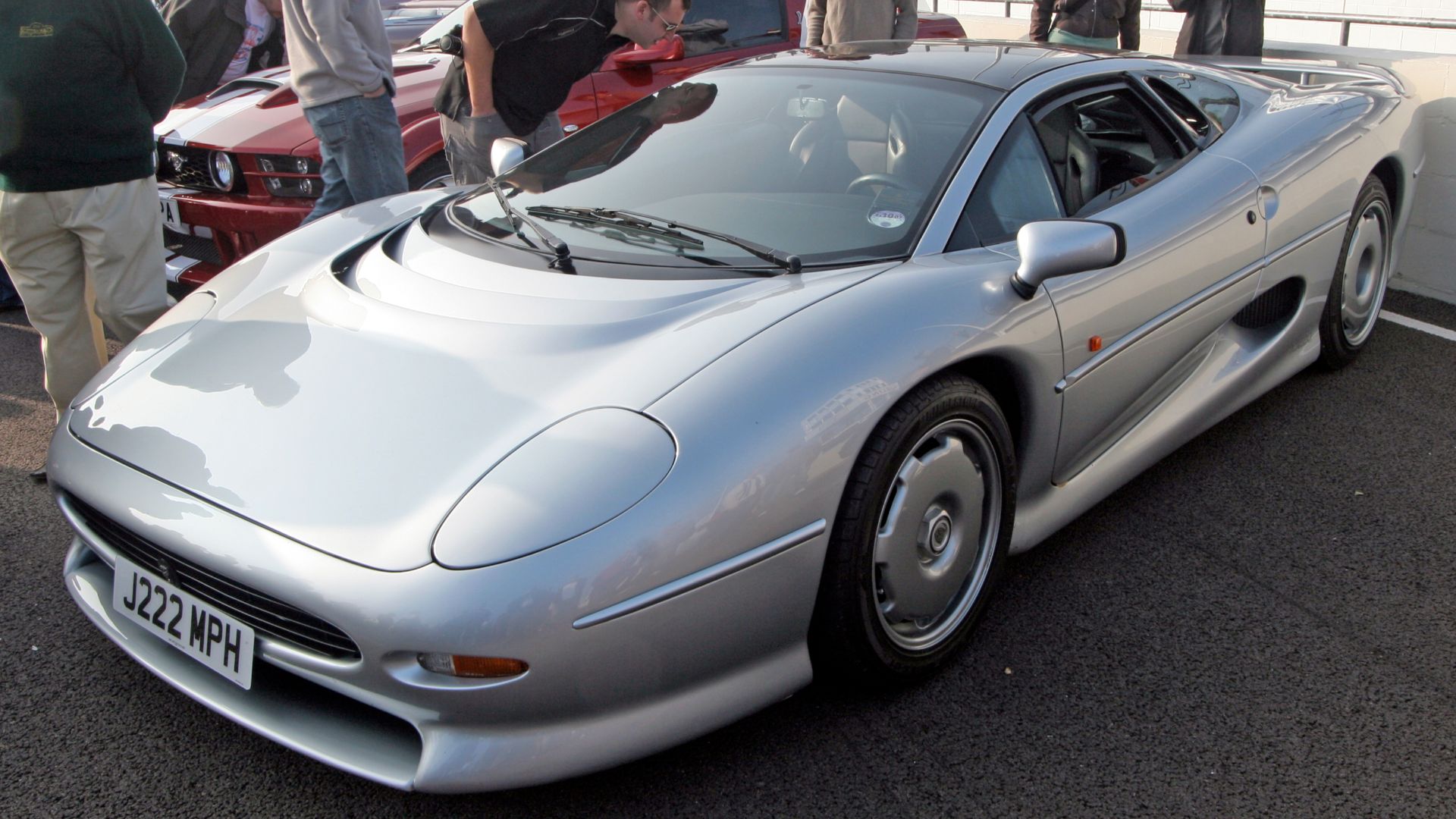
A world record wasn’t enough to save the XJ220. It promised 220 mph but delivered 217, leading to disappointment. Originally planned with a V12, Jaguar swapped it for a twin-turbo V6. Plus, legal battles, economic downturns, and a steep price tag ultimately doomed its fate.
2. Lamborghini Urraco
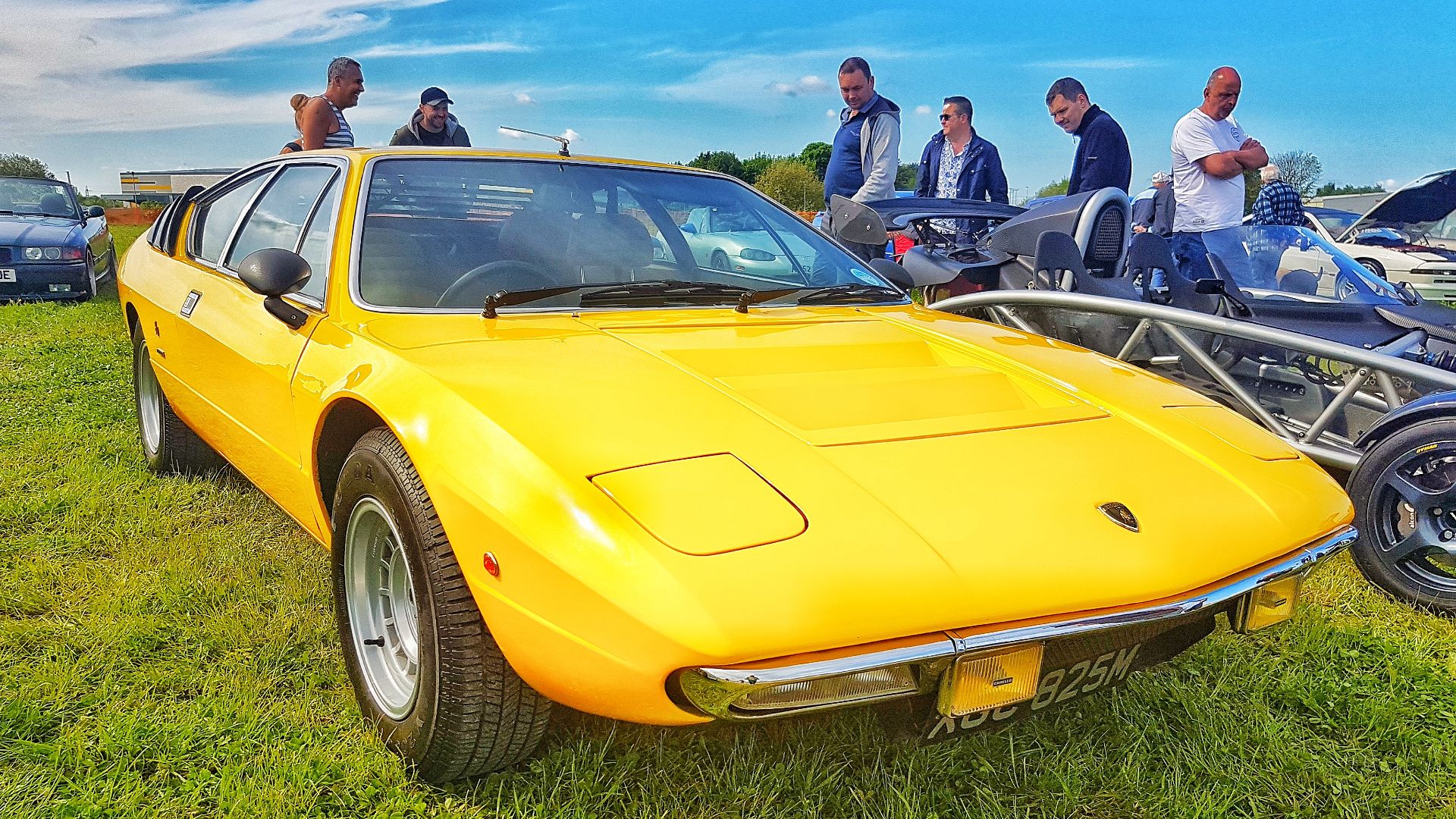
Sleek lines, a mid-engine layout, and Italian heritage should have made the Urraco a success. Designed to rival Ferrari’s Dino, it instead suffered from electrical issues, spotty build quality, and an underwhelming V8. By the time Lamborghini fixed the flaws, the market had already moved on.
3. Ferrari Mondial
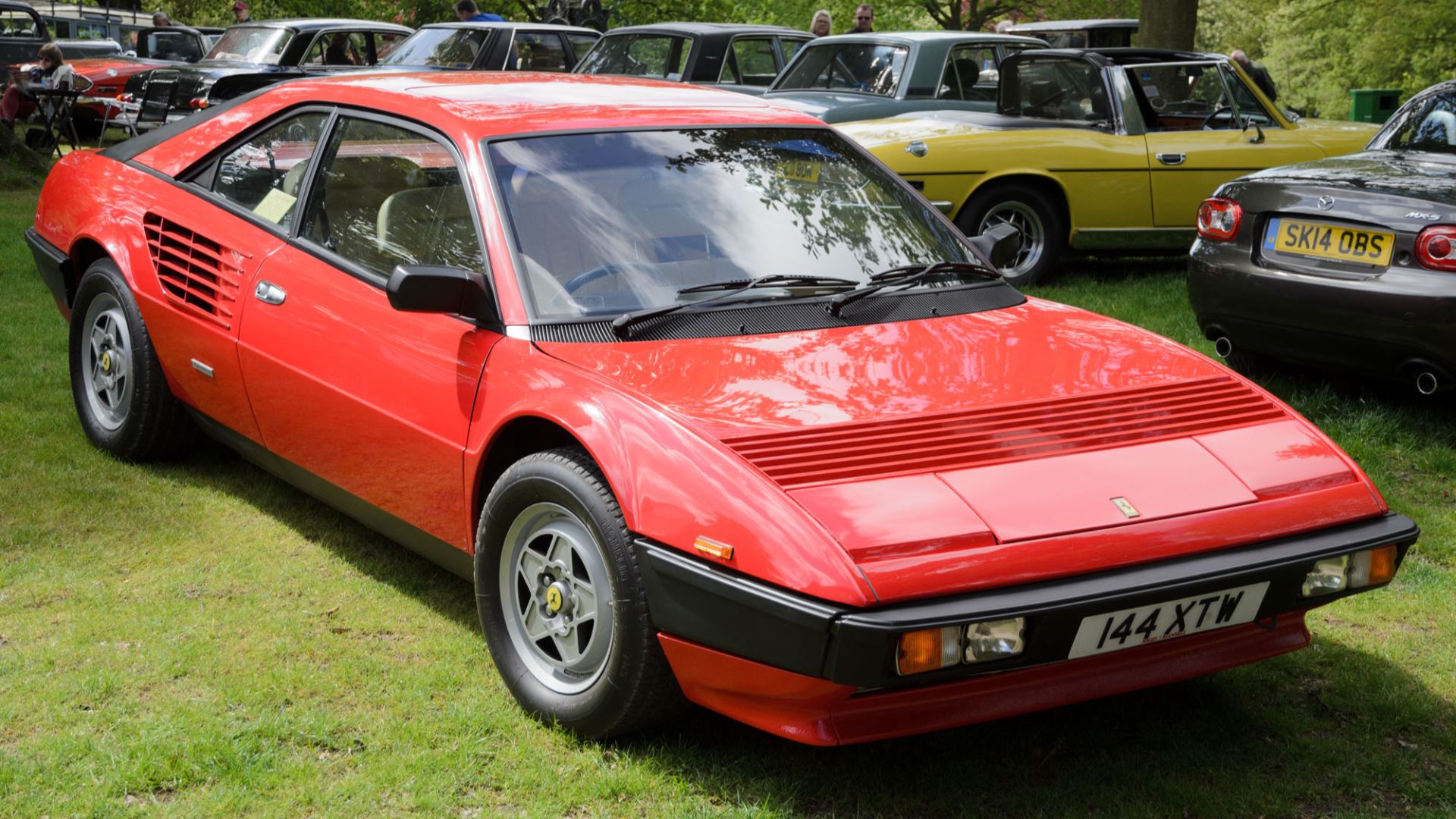
Ferrari’s only four-seater mid-engine car had practicality on its side, but its underwhelming performance turned off enthusiasts. The 3.0L V8 struggled under the Mondial’s weight, and early models had troubling reliability. Even today, it’s one of the cheapest Ferraris on the market.
4. Ford Mustang II
What happens when you take a muscle car and dial back the muscle? You get the Mustang II. Shrunk down for the fuel crisis, it swapped V8 power for lackluster four- and six-cylinder engines. While early sales were strong, it quickly became one of the most forgettable Mustangs ever built.
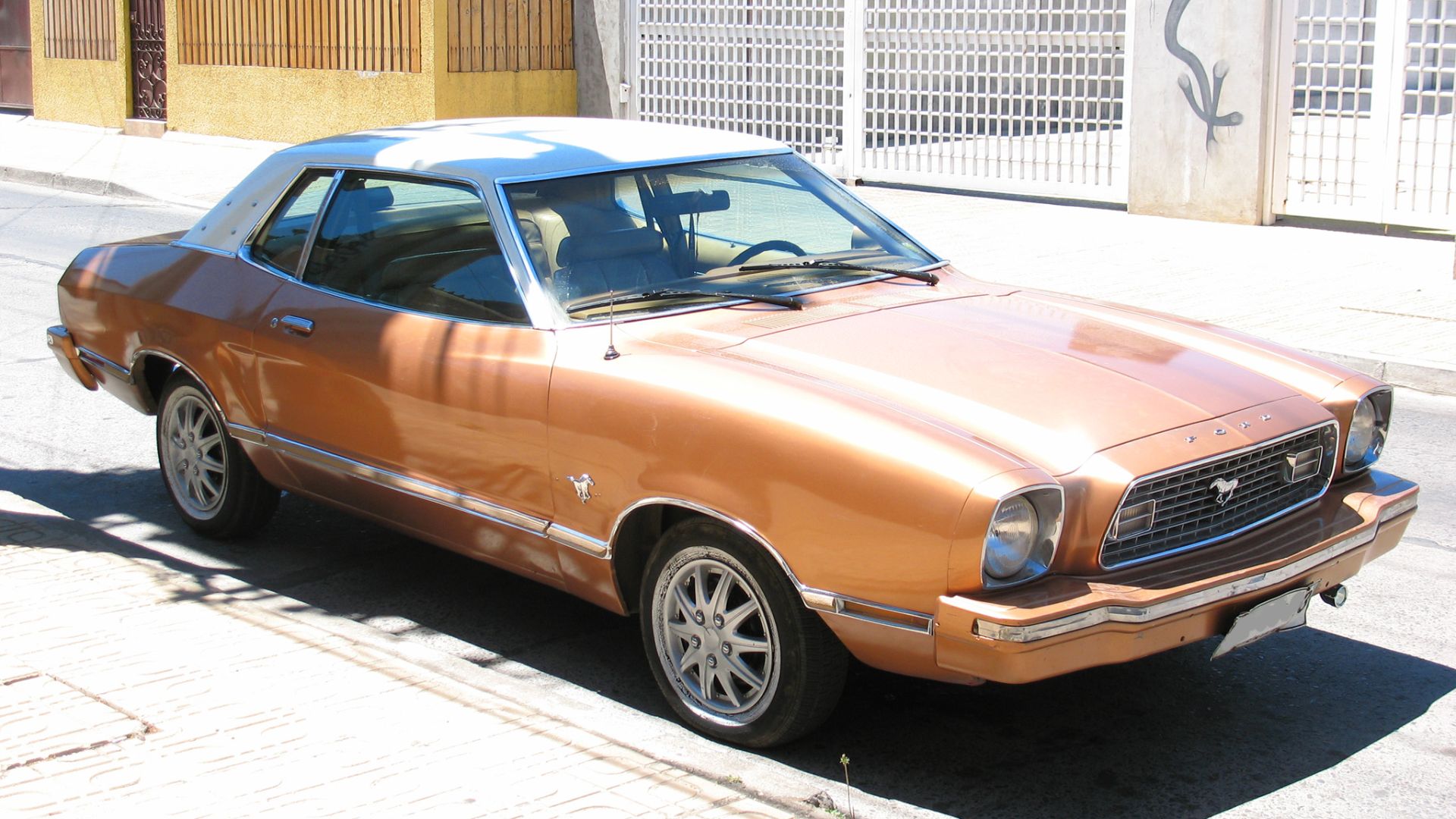 order_242 from Chile on Wikimedia
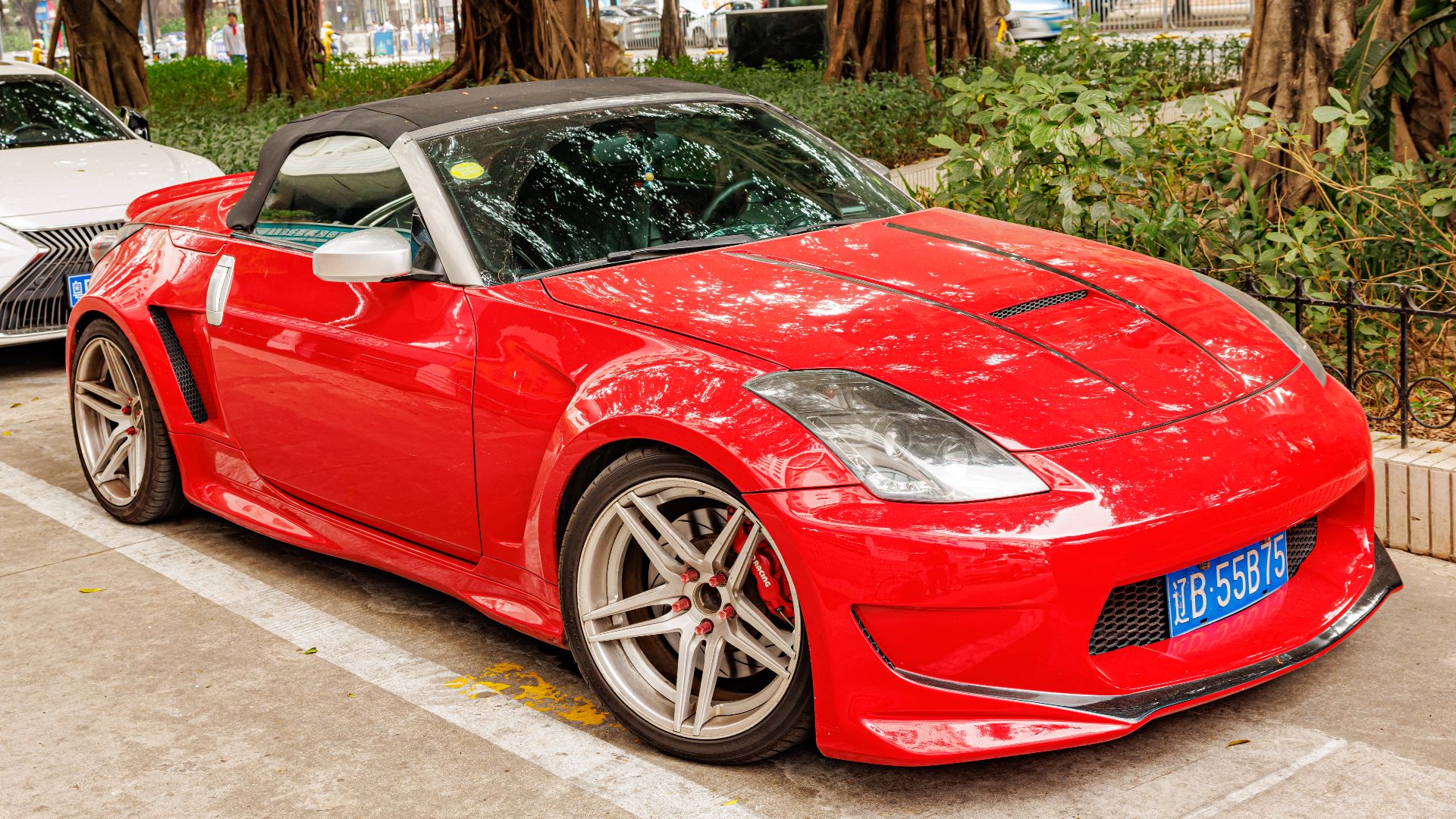
5. Nissan 350Z
It had the right ingredients—rear-wheel drive, a potent V6, and an aggressive stance. However, the 350Z suffered from cheap interior materials and inconsistent handling. It lacked the charm of earlier Z-cars and never quite achieved the legendary status Nissan had hoped for.
6. Lotus Evora
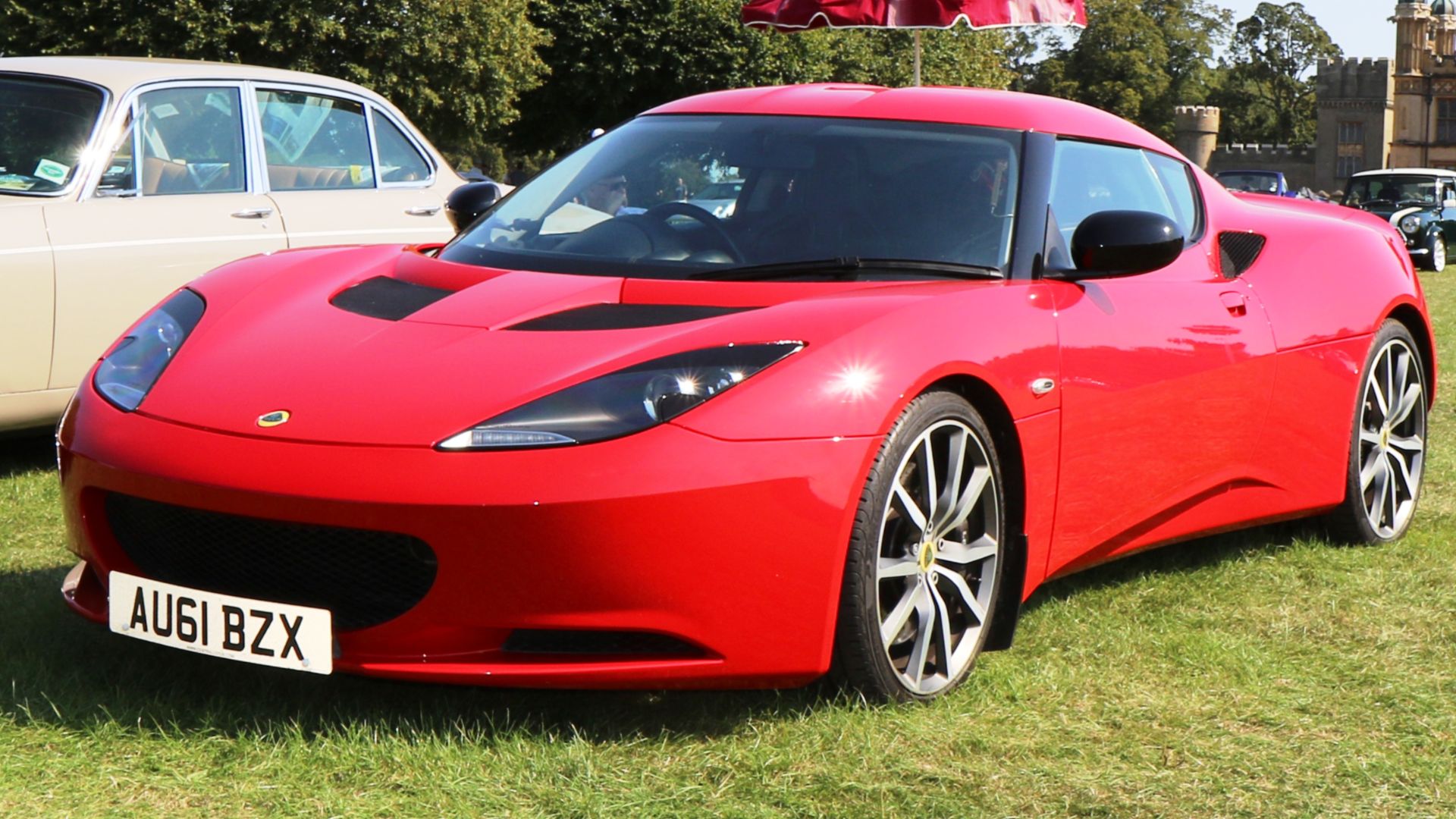
Lotus wanted the Evora to take on Porsche, but it never quite measured up. It was quick and fun, but the interior quality and tech were lacking. Buyers overlooked it in favor of the more engaging Elise or the all-out performance of rivals like the Cayman.
7. Chevrolet Corvette C3 (Late Models)
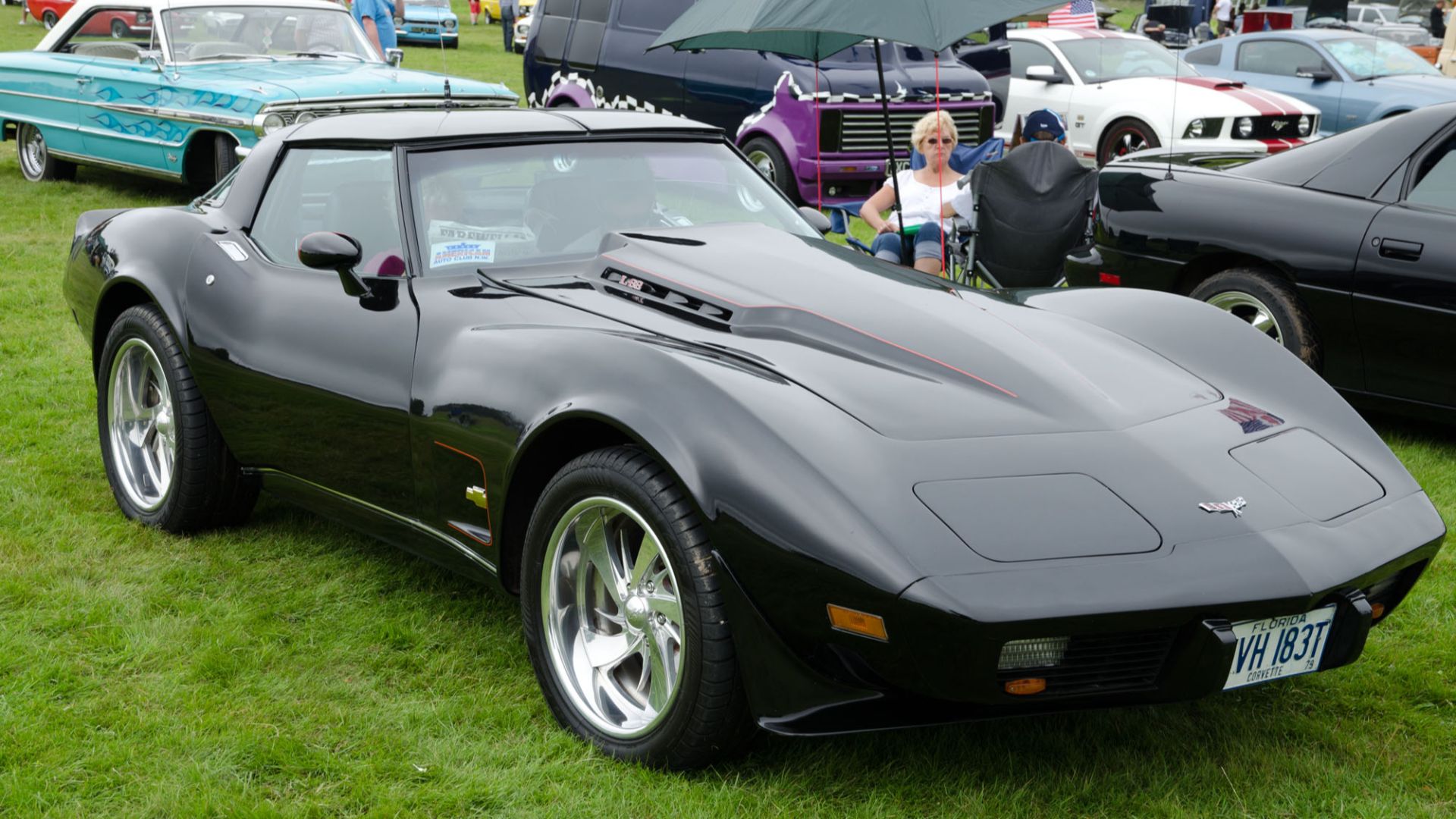
By the late ‘70s, emissions regulations had sapped the Corvette’s power. The once-thrilling sports car had become an anemic cruiser. The L48 model, with just 180 horsepower, was especially underwhelming. Unsurprisingly, these versions remain among the least sought-after by collectors.
8. Triumph TR7
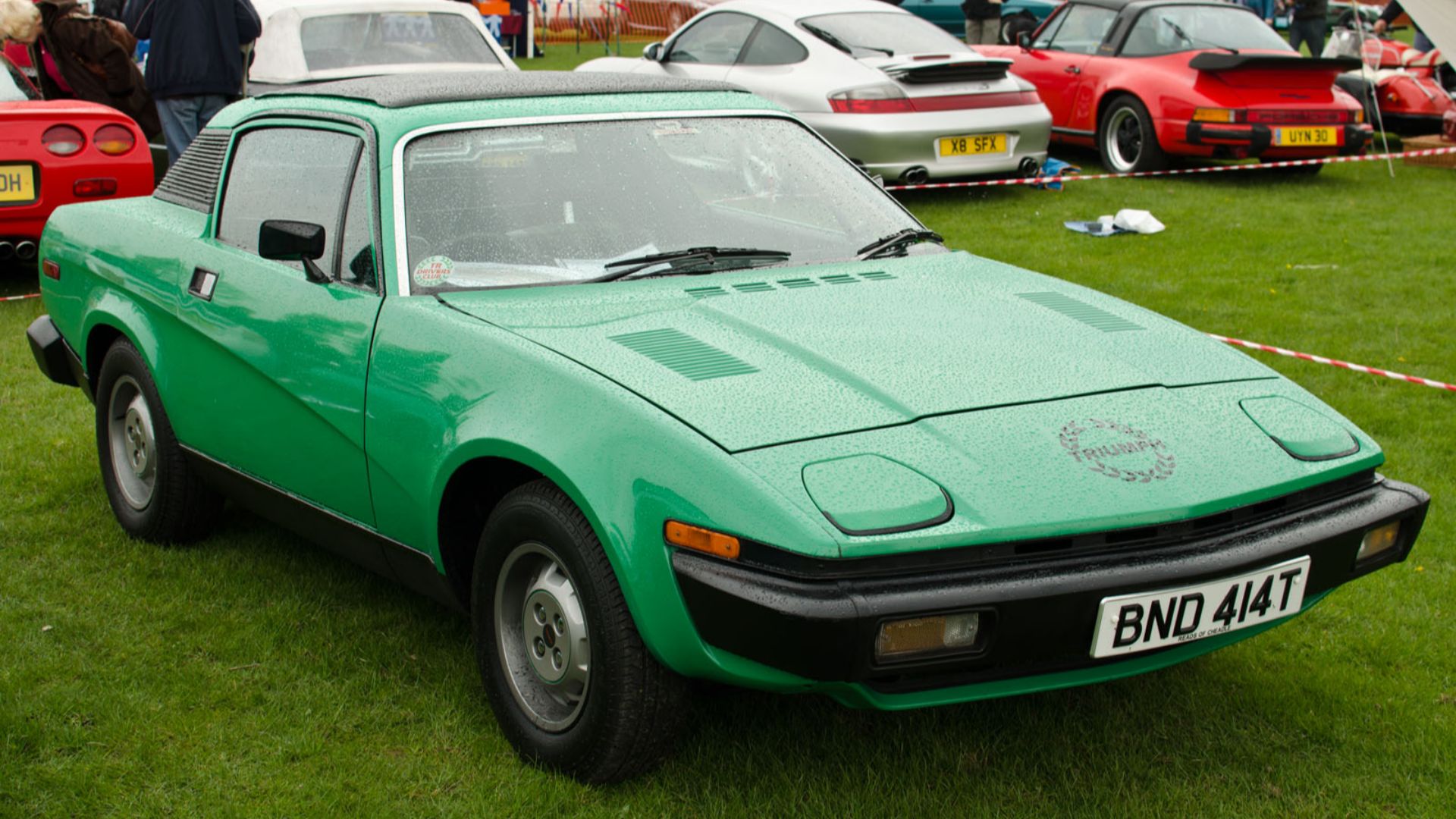
"The shape of things to come"—that was Triumph’s pitch, but the TR7 failed to deliver. Underpowered, unreliable, and notorious for rust, it frustrated owners more than it impressed them. Even the later TR8, with its V8 upgrade, couldn’t salvage its reputation. Today, it remains little more than a forgotten relic.
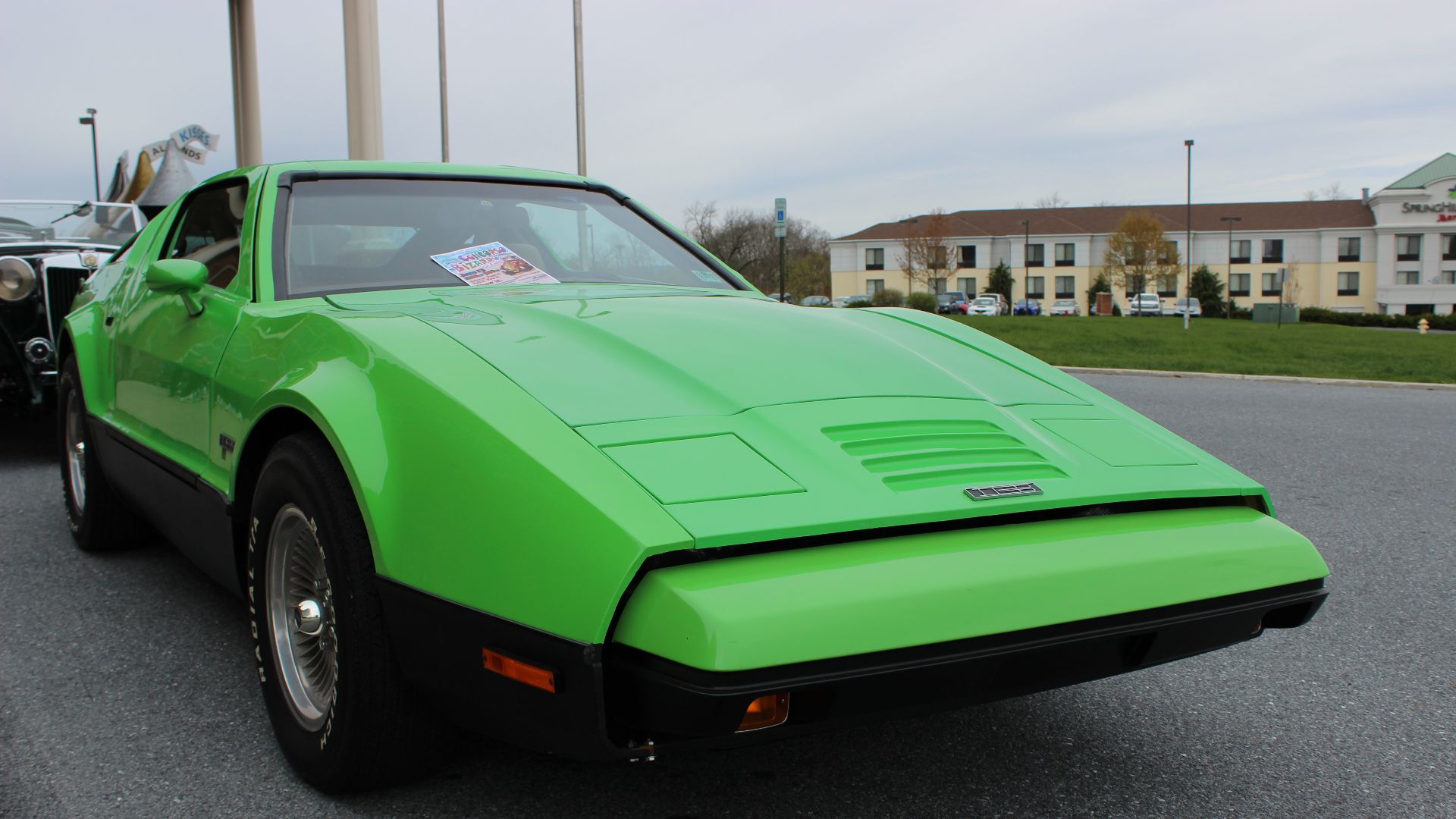
9. Bricklin SV-1
Intended as a "safety sports car," the SV-1 prioritized safety over performance, a fatal mistake. Its heavy doors, sluggish acceleration, and overheating problems turned potential buyers away. Built in Canada with government backing, it collapsed financially after just 3,000 units.
10. Porsche 914
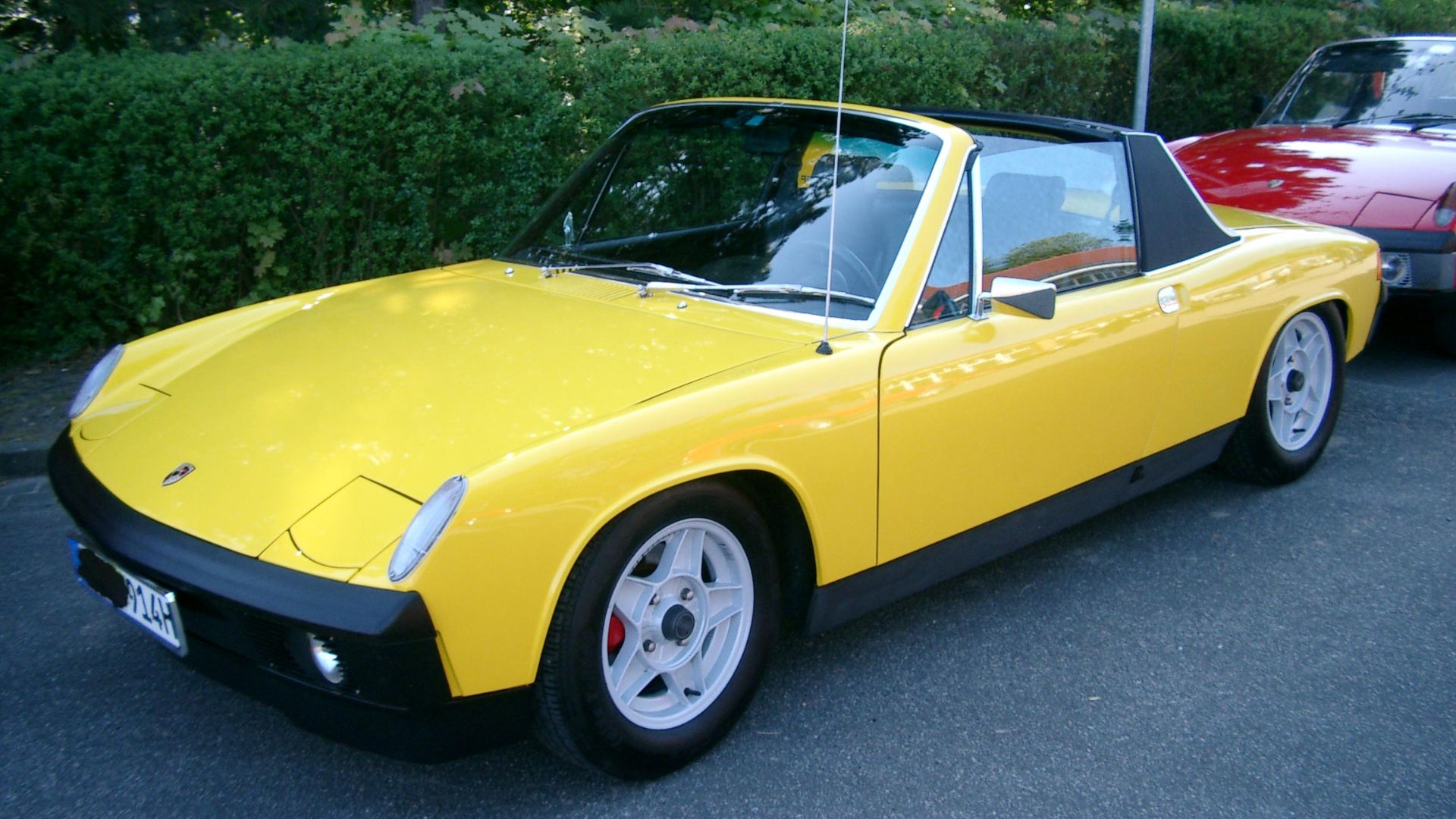
Co-developed with Volkswagen, the 914 felt more like an economy car than a Porsche. Its quirky styling, mid-engine layout, and lack of power alienated traditional Porsche fans. While handling was commendable, performance wasn’t, making it one of Porsche’s least-loved models.
11. Mazda RX-8
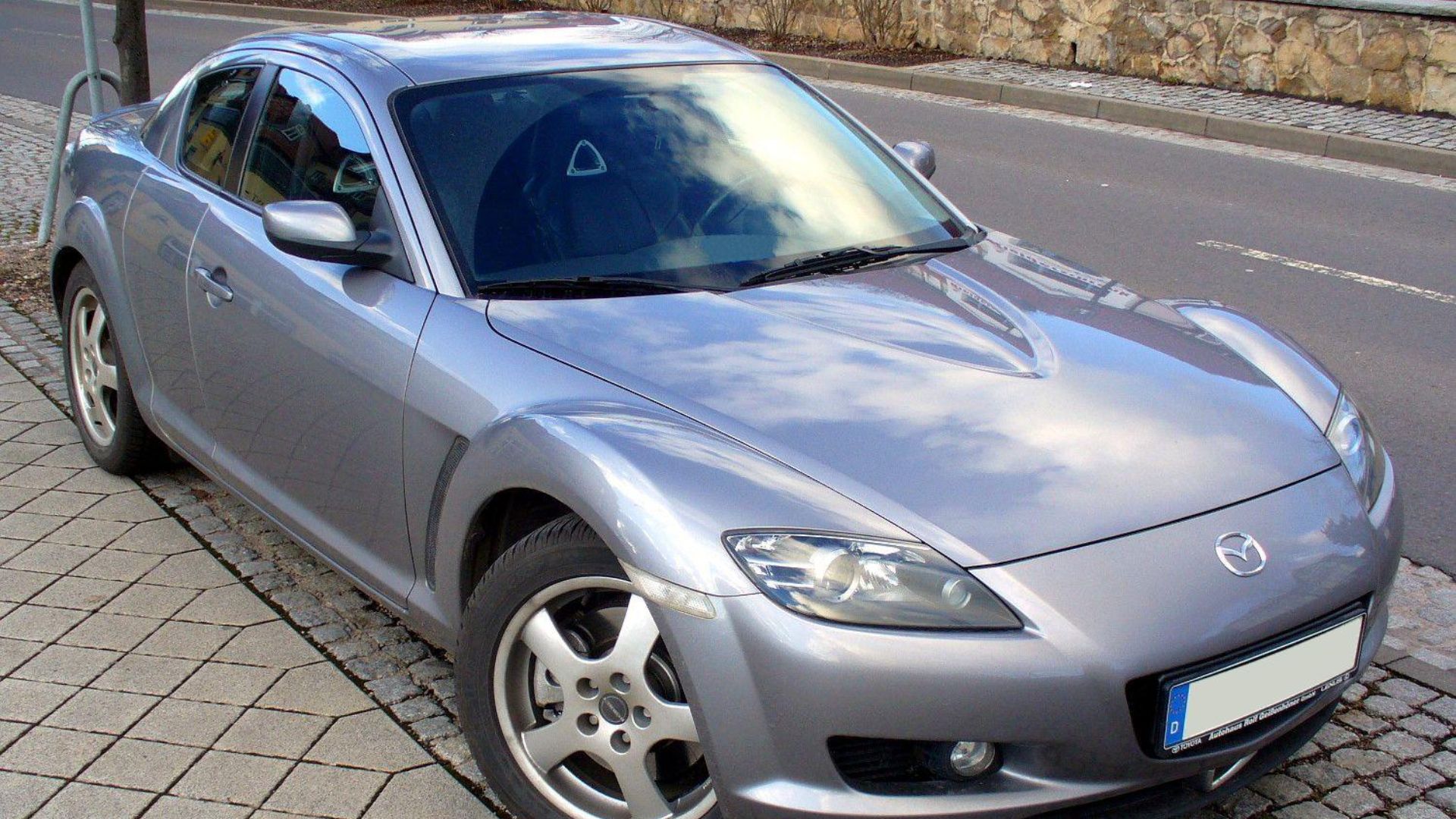
A high-revving rotary engine and unique design made the RX-8 unique, but oil consumption and engine failures doomed it. Mazda’s attempt to modernize the rotary couldn’t escape its inherent flaws. Now, it’s largely remembered as a cautionary tale.
12. AMC AMX
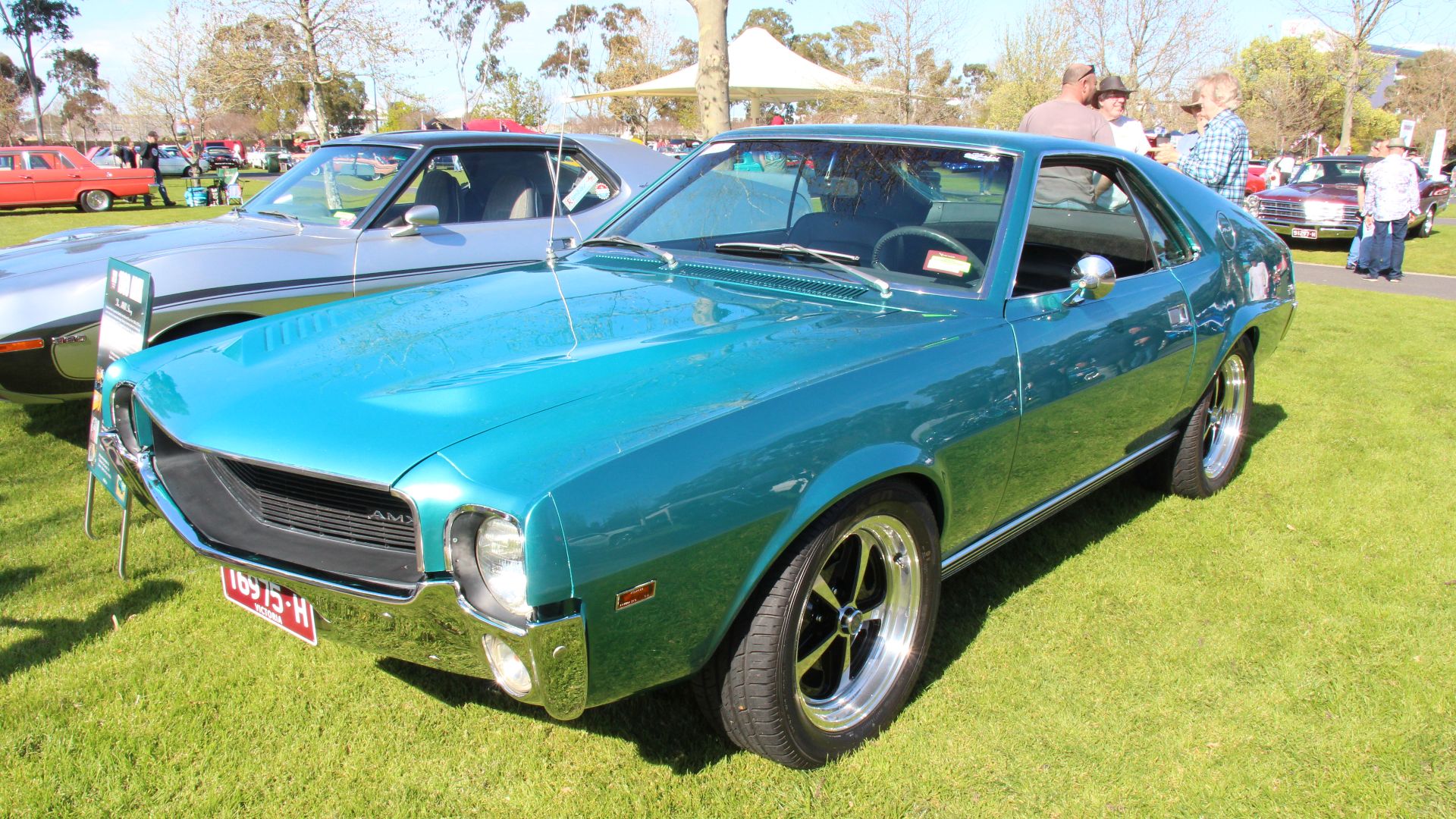
Trying to beat the Mustang at its own game, AMC created the AMX—a two-seater muscle car with serious performance. However, AMC’s small dealer network and brand perception hurt sales. Despite strong V8 options, it never became the household name it could have been.
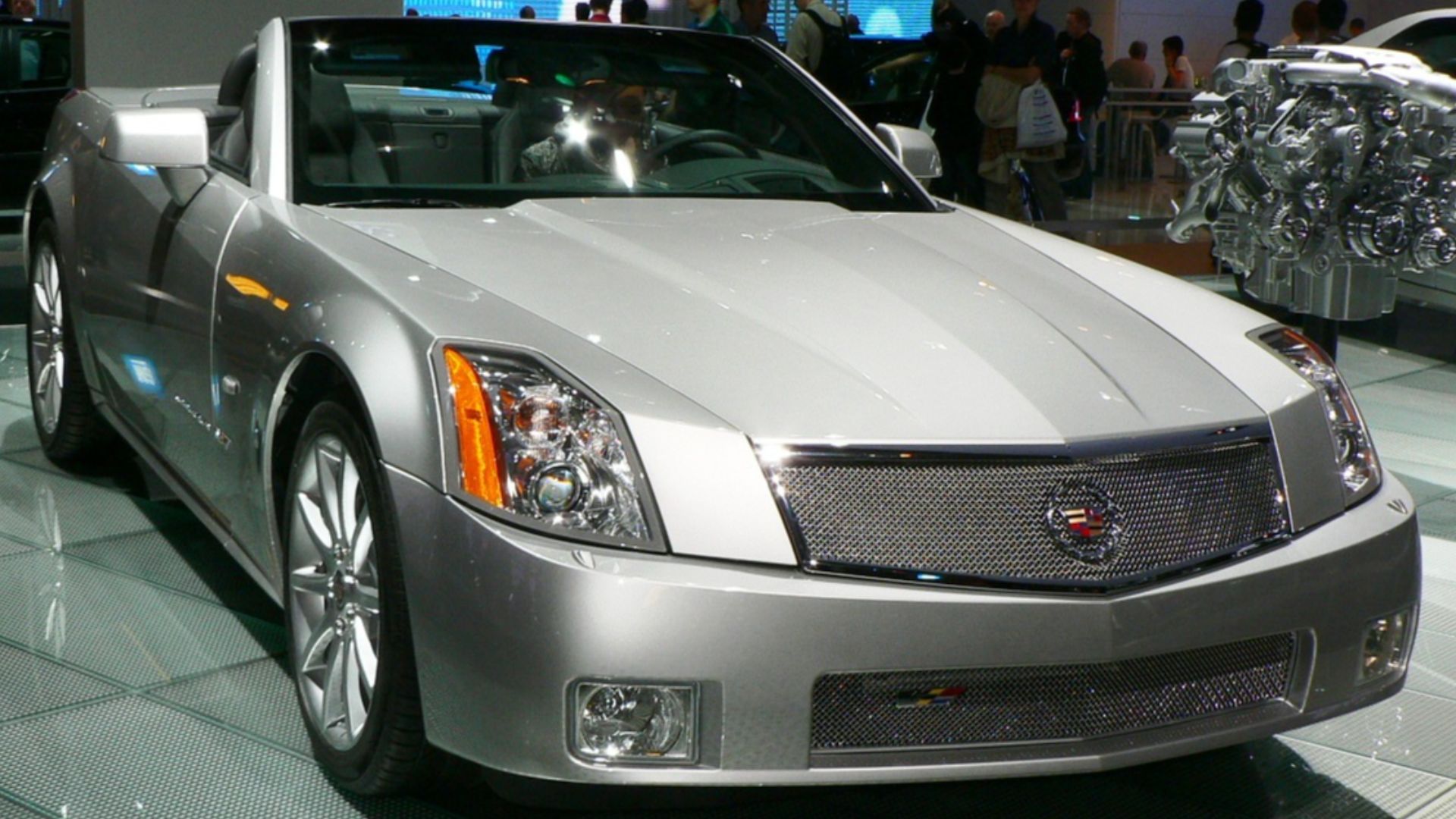
13. Cadillac XLR
Cadillac thought a retractable hardtop and luxury appointments would make the Corvette-based XLR a winner. Instead, it was heavier, slower, and more expensive than the ‘Vette, with a Northstar V8 that couldn’t match the LS engines. After five underwhelming years, production quietly came to an end.
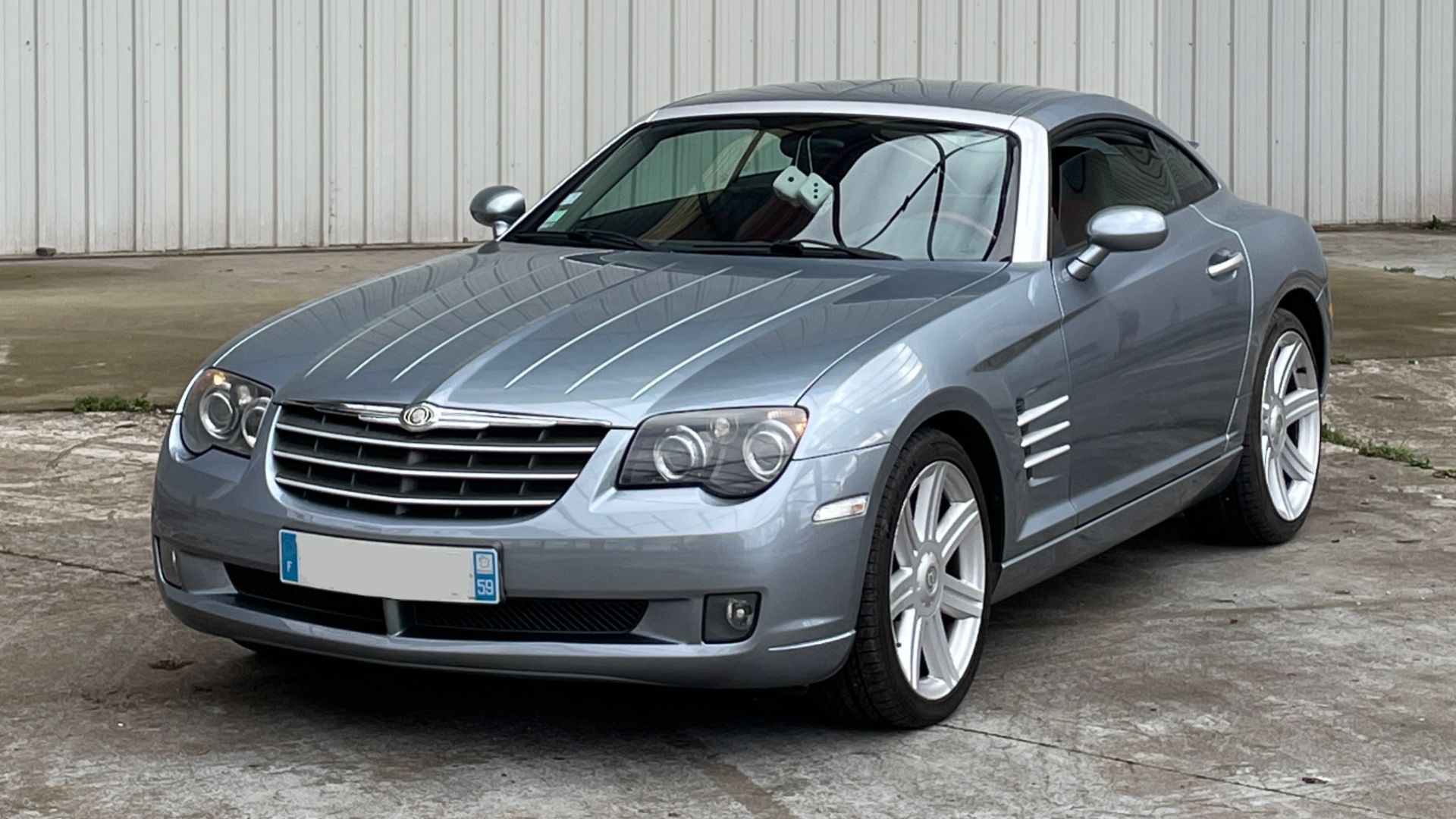
14. Chrysler Crossfire
Take a Mercedes SLK, add retro-futuristic styling, and you get the Crossfire. Unfortunately, it wasn’t quick, practical, or particularly fun to drive. Chrysler hyped it up, but buyers weren’t fooled. Its supercharged SRT-6 model also failed to leave a lasting impression.
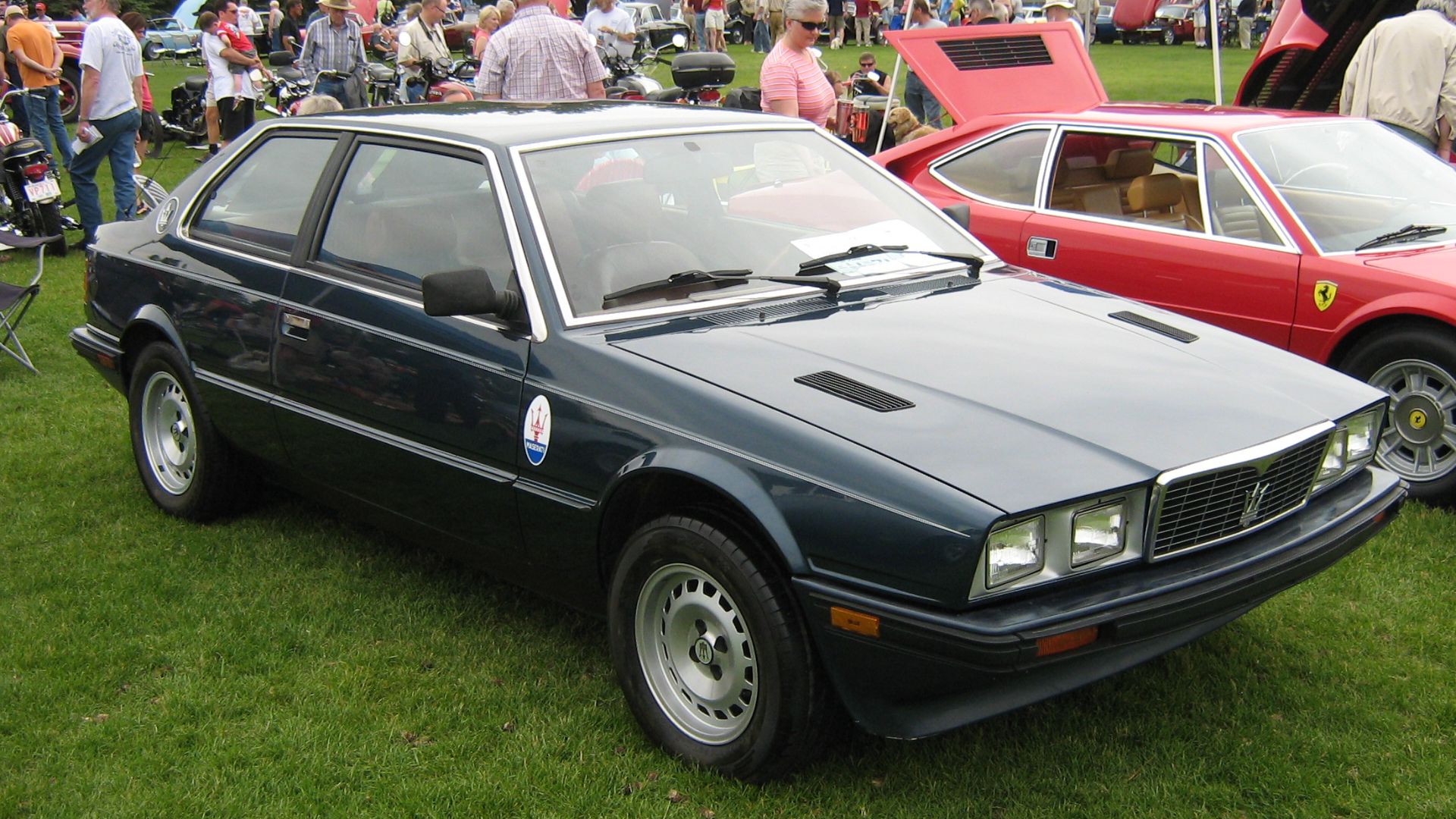
15. Maserati Biturbo
Turbocharged and trouble-prone, the Biturbo earned a reputation for unreliability. Launched in the 1980s to compete with BMW and Mercedes, it instead suffered from electrical failures and premature rust. Even with a plush interior, it never lived up to its promise and faded into obscurity.
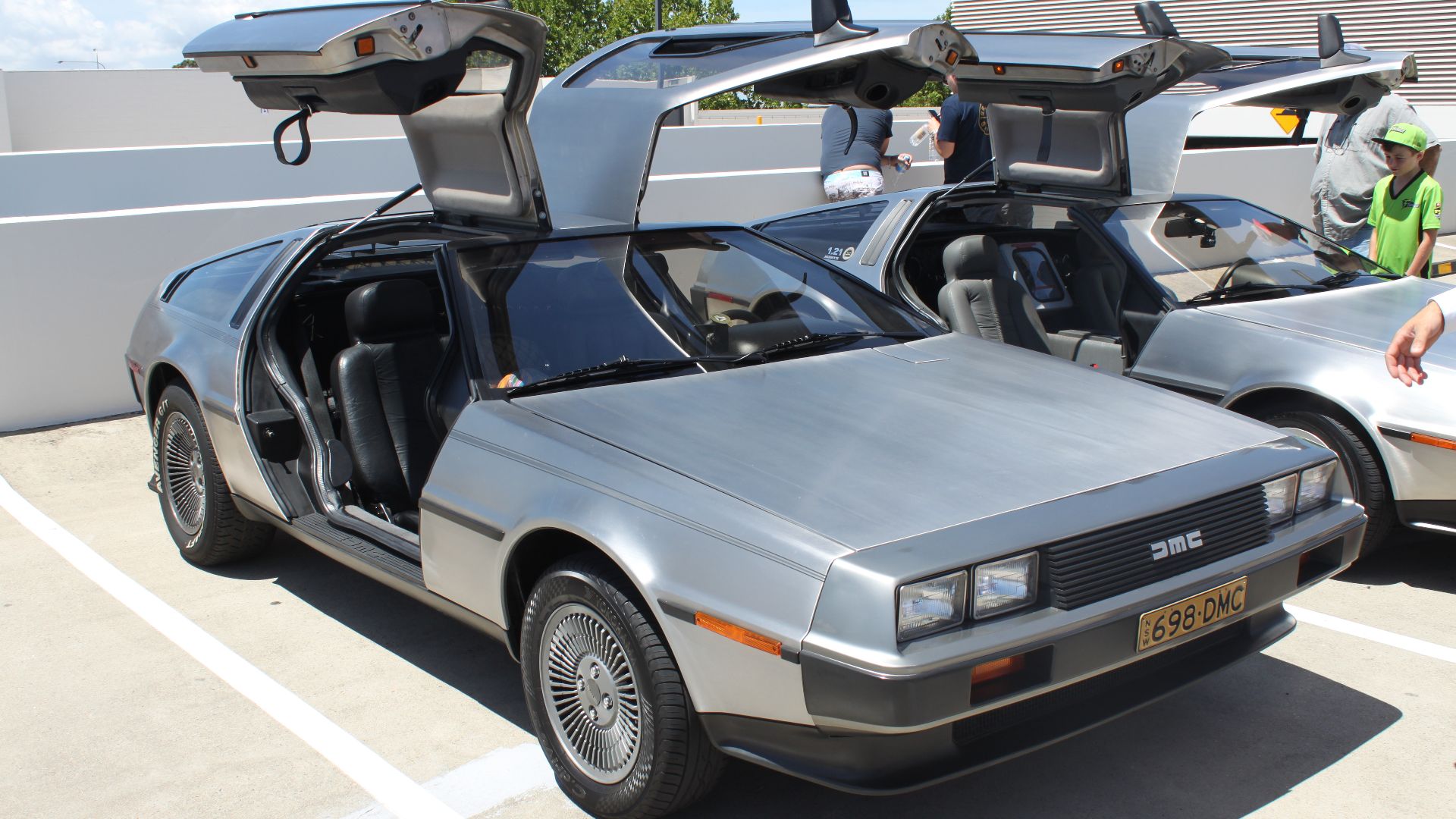
16. DeLorean DMC-12
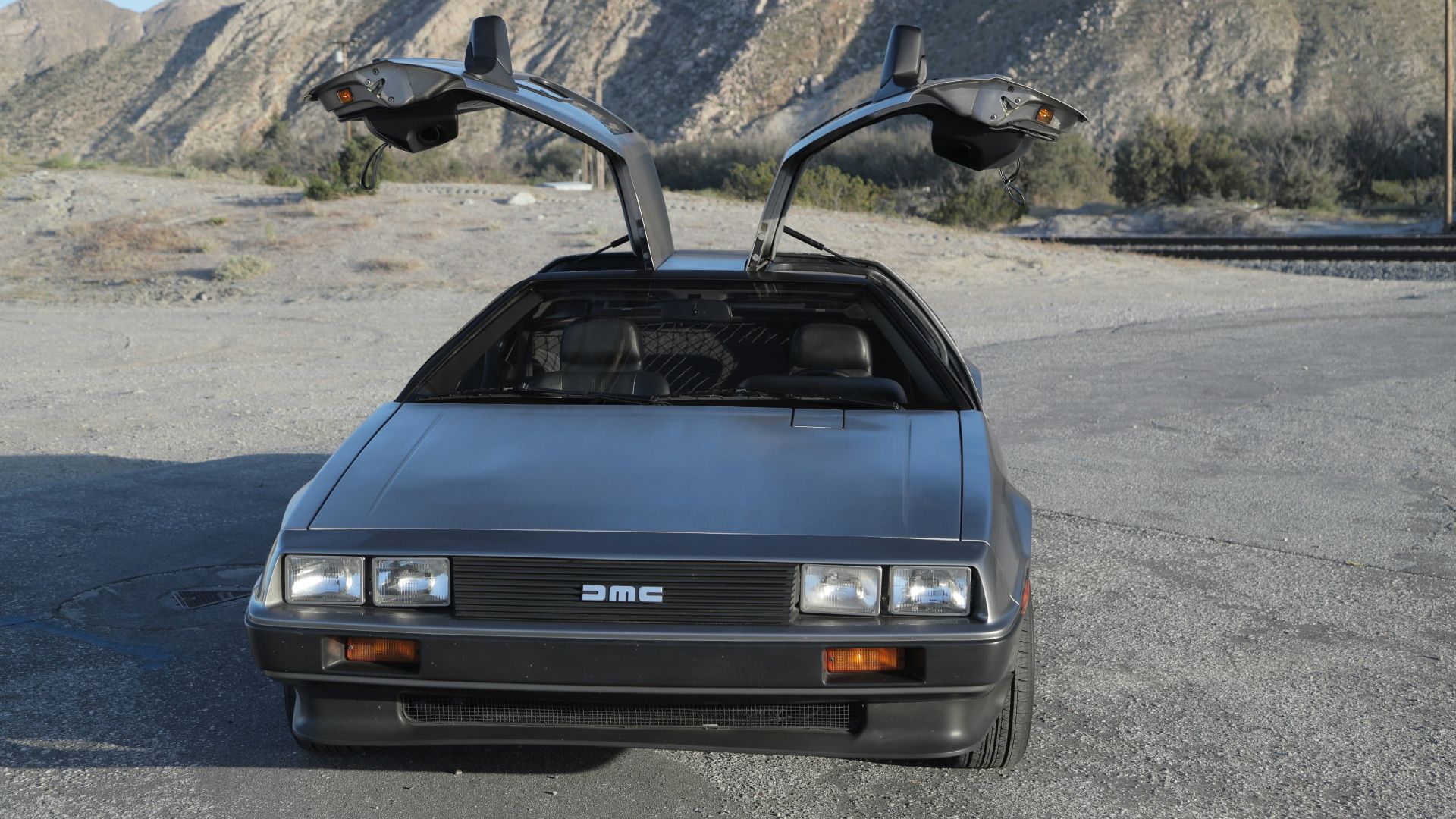
Forget time travel—the DMC-12 struggled to move forward at all. Heavy, slow, and poorly built, it was a financial disaster. It featured a stainless steel body and gullwing doors. However, it didn’t support its reputation. Without “Back to the Future,” it would have faded into total obscurity.
 Jeremy from Sydney, Australia on Wikimedia
17. Alfa Romeo 4C
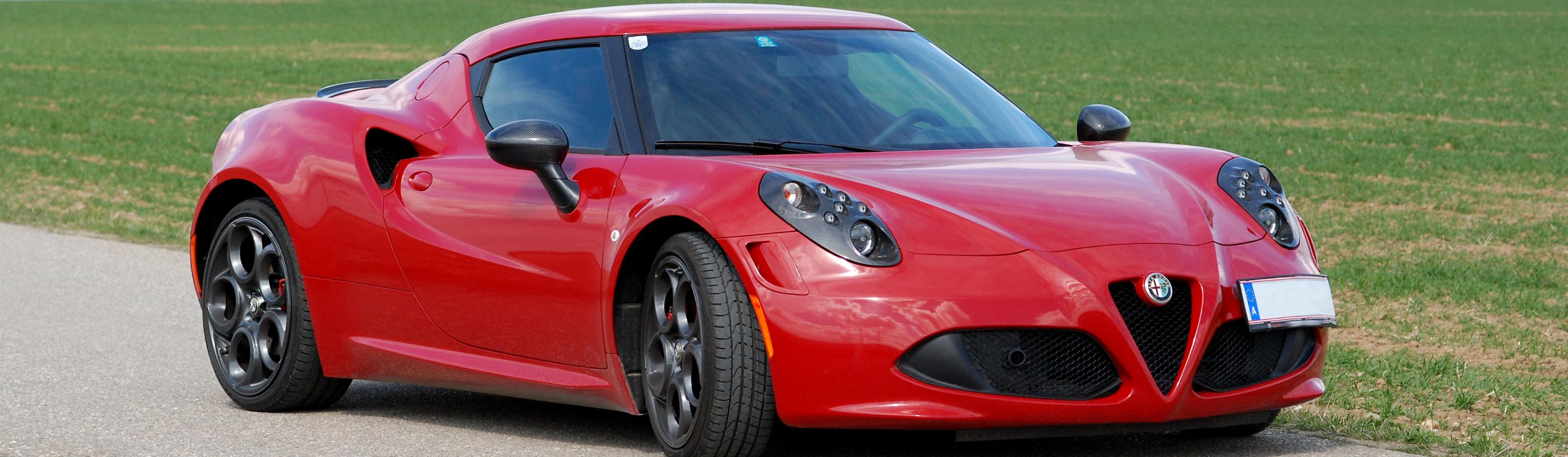
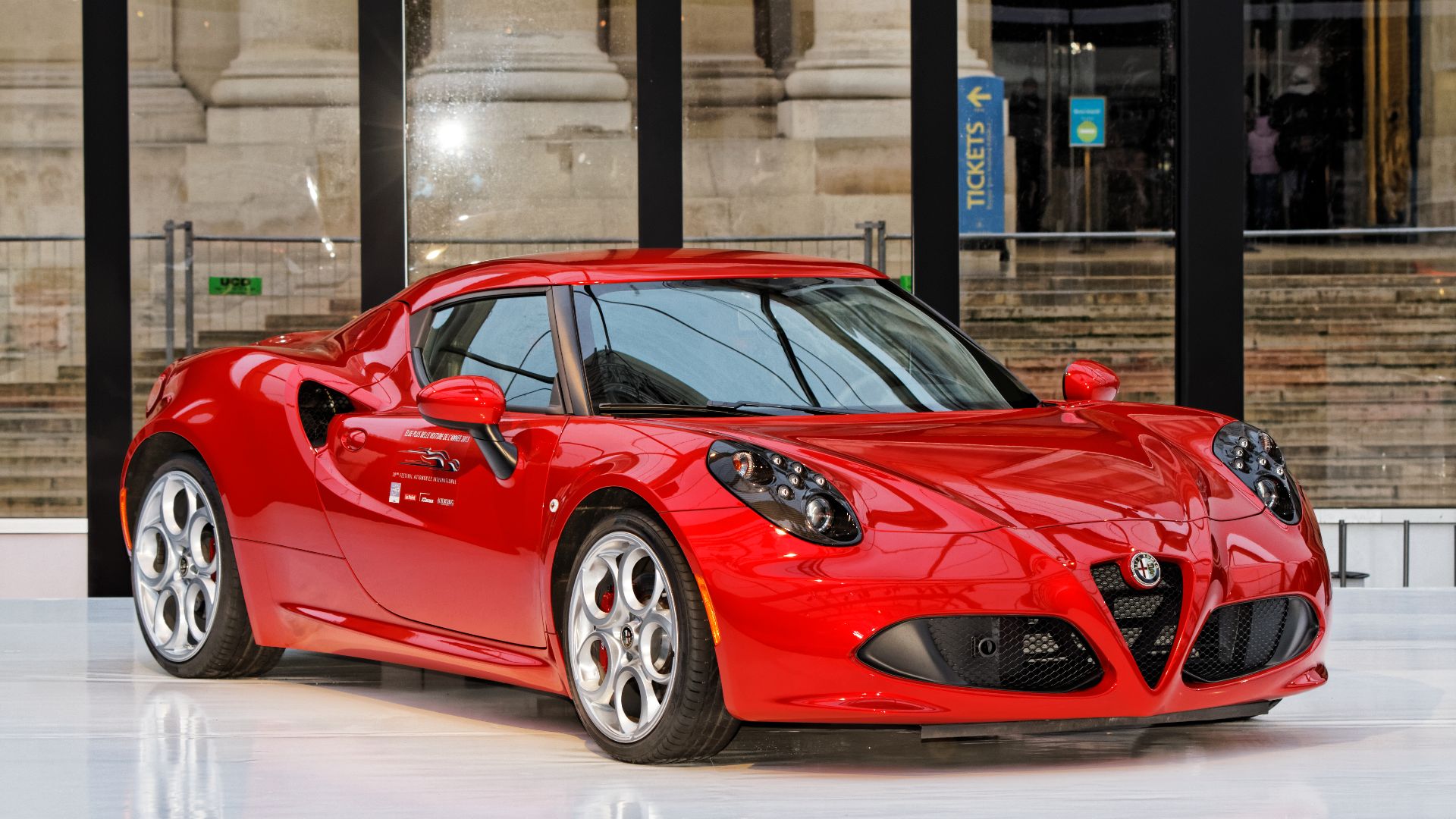
A carbon-fiber chassis and striking design should have made the Alfa Romeo 4C a winner. But with no power steering, a harsh ride, and a twitchy rear end, it proved too intense for everyday drivers. Add in Alfa Romeo’s patchy reliability, and enthusiasm quickly faded.
18. Nissan 300ZX (Z32)
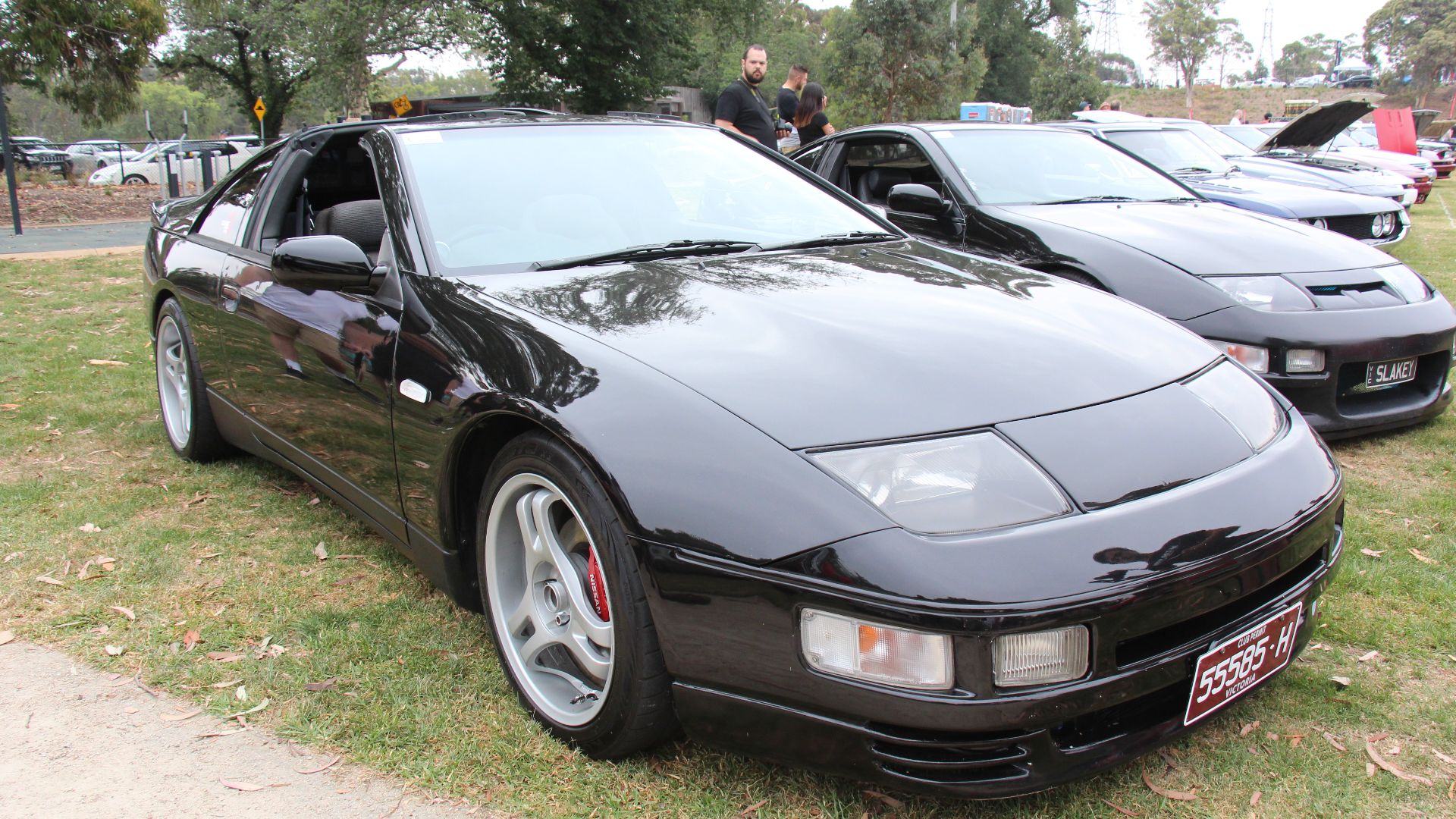
Tech-heavy and sleek, the 300ZX packed twin turbos and four-wheel steering. Yet, it became a victim of Nissan’s financial troubles. High maintenance costs scared buyers, and its complex systems didn’t age well. While enthusiasts love it, the broader market moved on.
19. Honda S2000
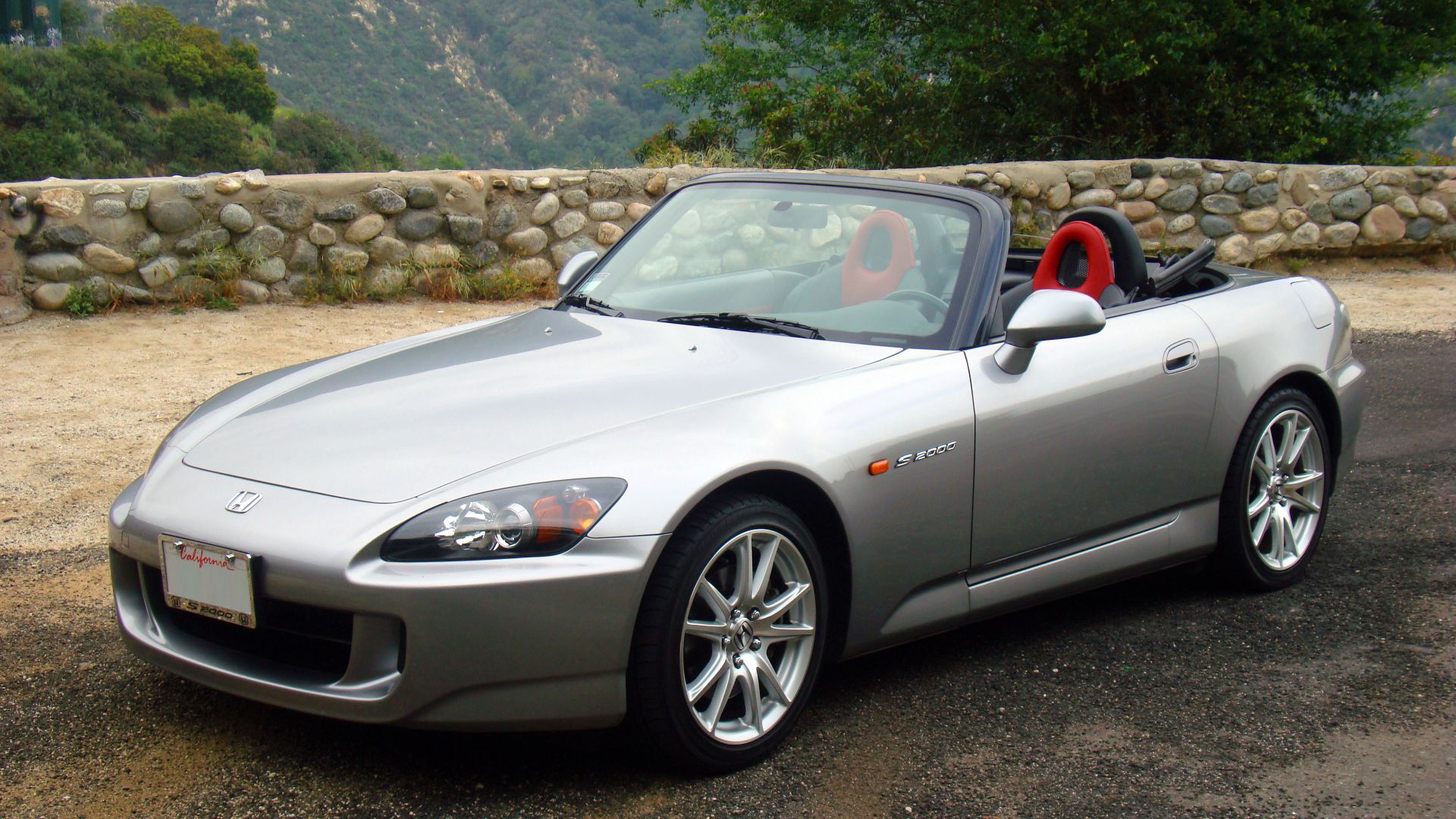
The S2000’s high-revving F20C engine remains legendary, but its lack of low-end power and harsh ride made it a tough sell for daily drivers. Sales dwindled, and Honda discontinued it in 2009. Today, it’s revered, but back then, it was often overlooked for more practical options.
 Rich Niewiroski Jr. on Wikimedia
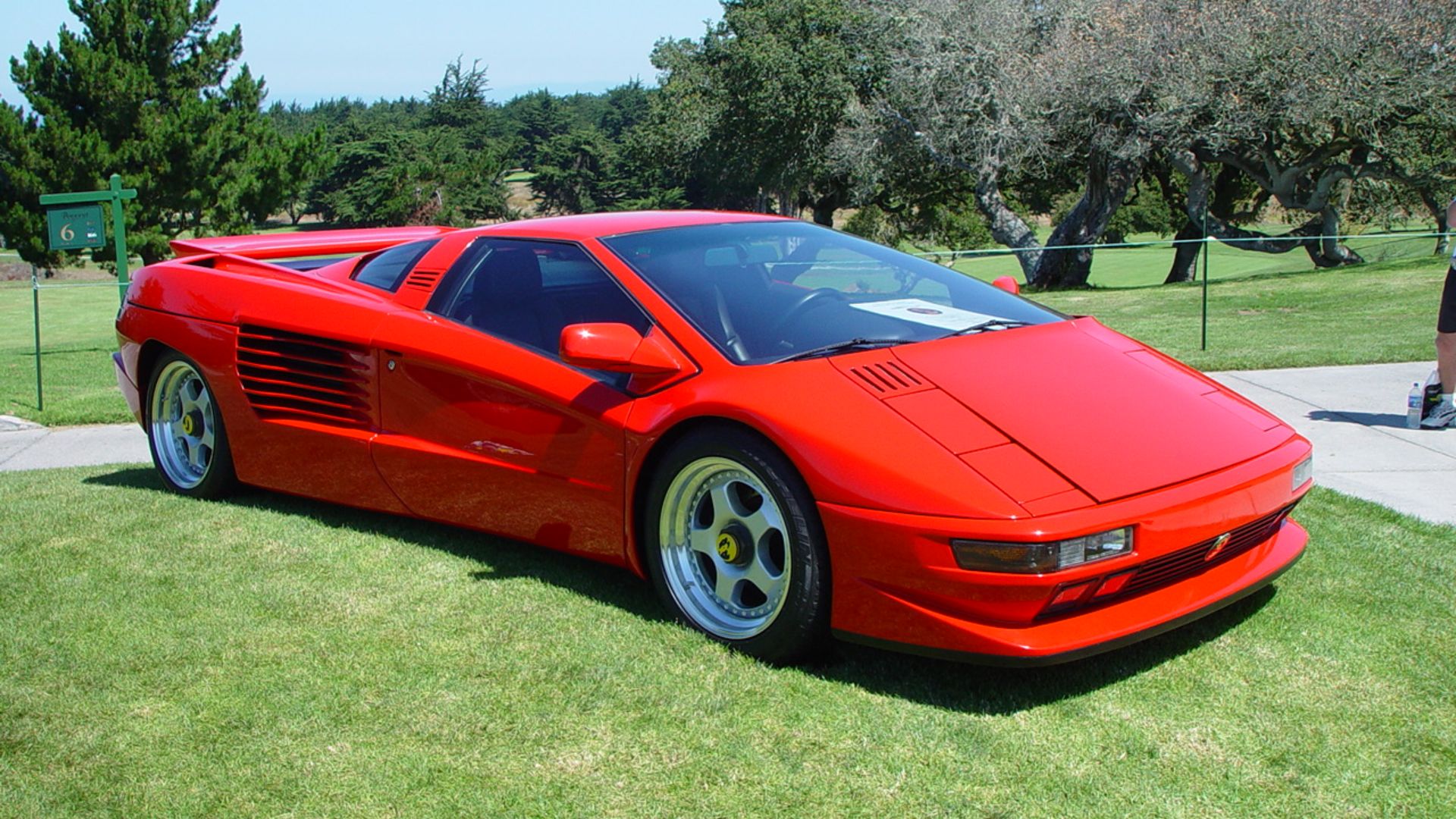
20. Cizeta-Moroder V16T
Ever seen a Lamborghini taken to the extreme? That’s the Cizeta-Moroder V16T. Designed by an ex-Lamborghini engineer, it had a massive V16 engine but an equally massive price tag. With only a handful built, it remains a forgotten oddity rather than an icon.