
Automotive Ambitions Gone Wrong
While every manufacturer dreams of creating the next timeless classic, sometimes they end up with a vehicle that becomes famous for all the wrong reasons. You'll find that these mechanical mishaps weren't always due to a lack of effort; often, they were simply too weird, too expensive, or just plain dangerous for the average driver. With that in mind, here are 20 of the biggest car fails.

1. Ford Edsel
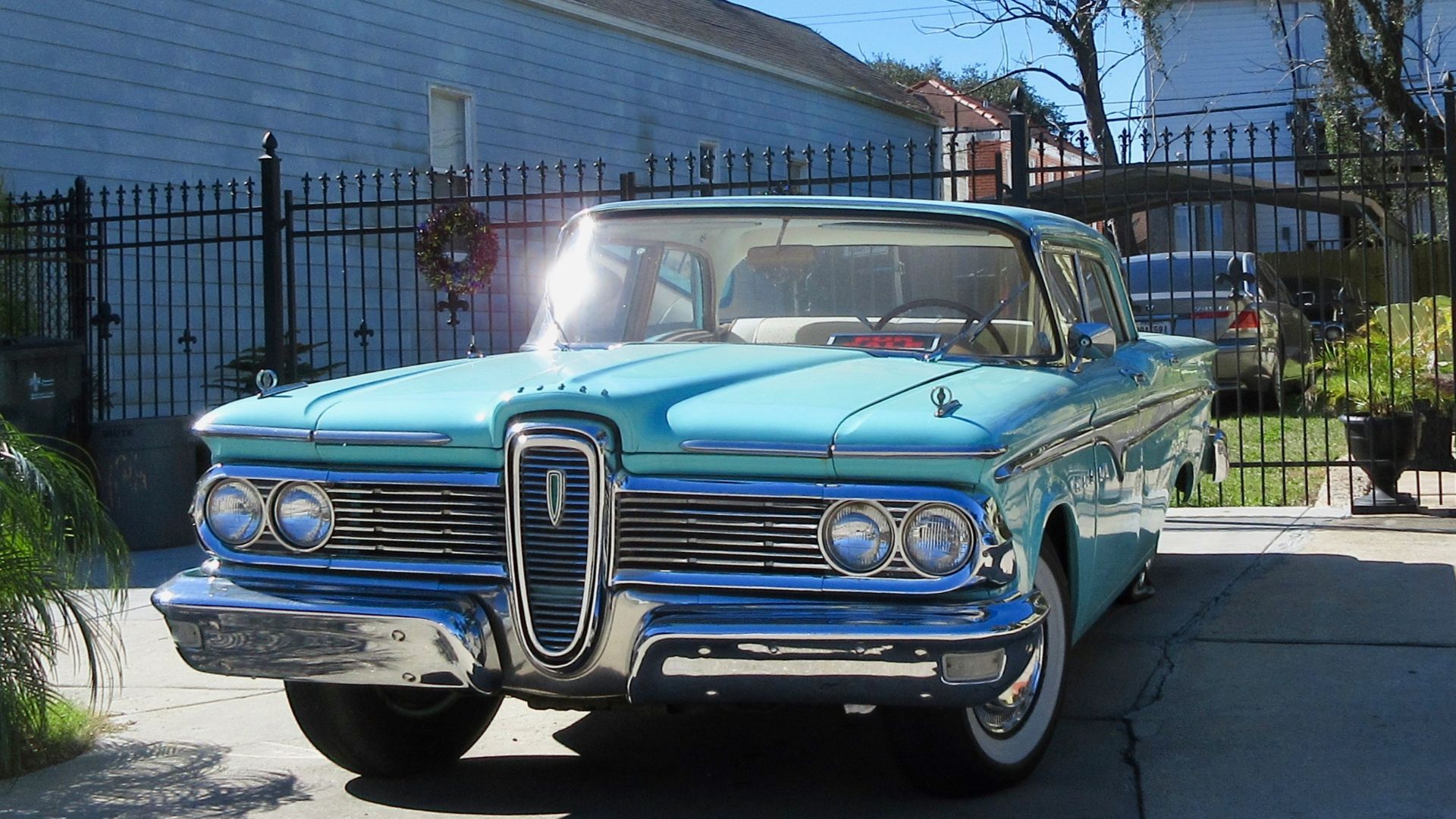
Ford spent millions researching what Americans wanted in a car, yet they somehow produced a vehicle that nobody actually liked. The front grille was famously mocked for its unusual shape, and the push-button transmission located in the steering wheel hub was notoriously unreliable. You'd think a massive marketing blitz would’ve saved it, but the Edsel became a synonym for failure before the 1950s even ended.
2. DeLorean DMC-12
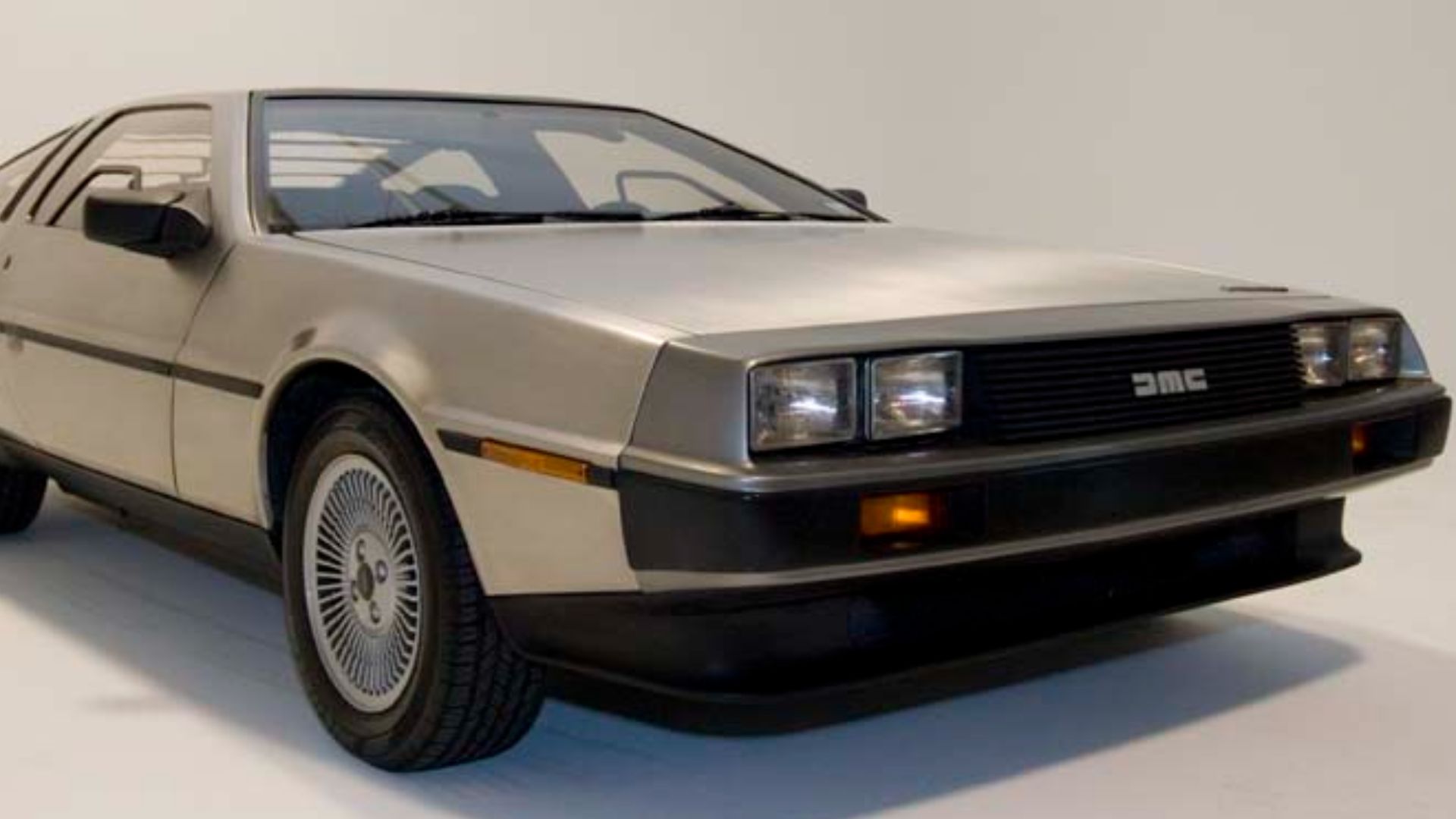
The DeLorean became a cult classic movie car, but that was far from the case when it first launched. Heavy gull-wing doors were practically impossible to open without smashing your house’s doorway. Its puny engine couldn’t keep up with economy sedans from the era.
 Grenex at English Wikipedia on Wikimedia
3. Pontiac Aztek
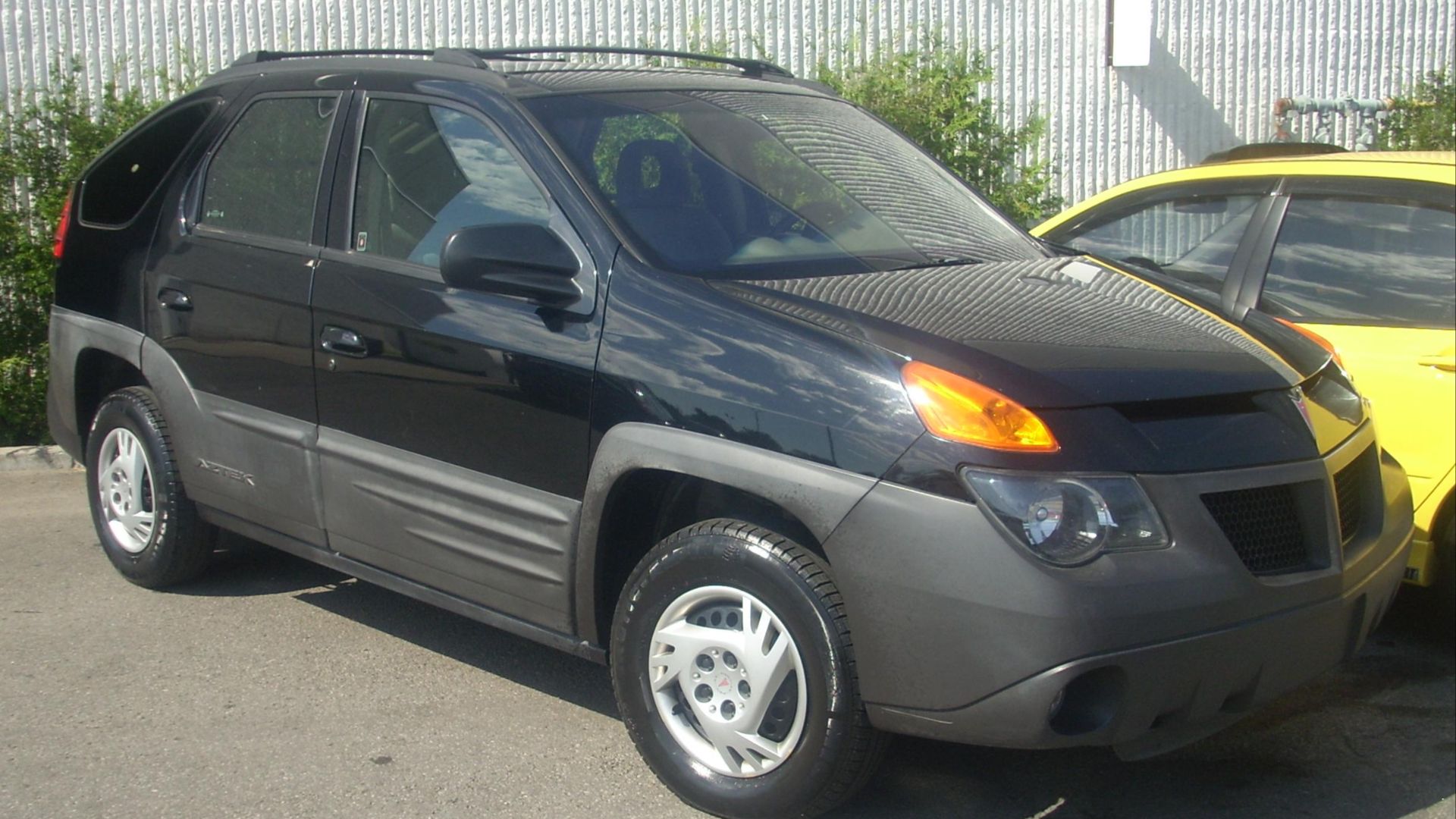
You’ve probably seen the Aztek on Worst Car lists because it truly is one ugly vehicle. Pontiac stuffed so much contrasting plastic onto this crossover that the whole thing didn’t make any sense visually. Owners who bought it for the spacious interior were turned off by the exterior.
4. Yugo GV
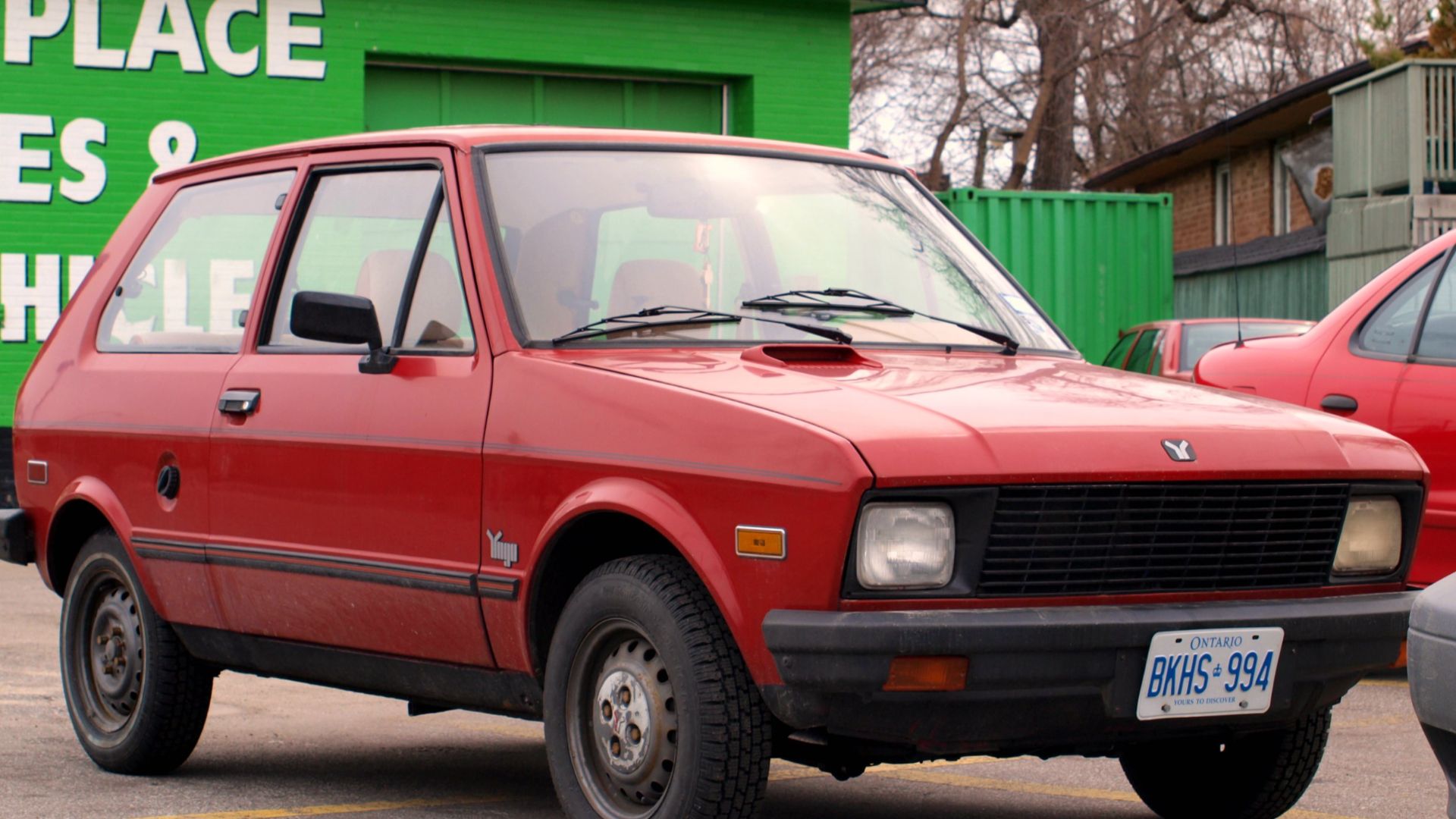
Buyers couldn’t believe how cheap this small hatchback was from Yugoslavia. But they ended up paying twice for their Yugo because engines would literally shake themselves apart and electronics would fail randomly. You could barely drive it over a bridge on a windy day without feeling like the car might get tossed into the water.
 Michael Gil from Toronto, ON, Canada on Wikimedia
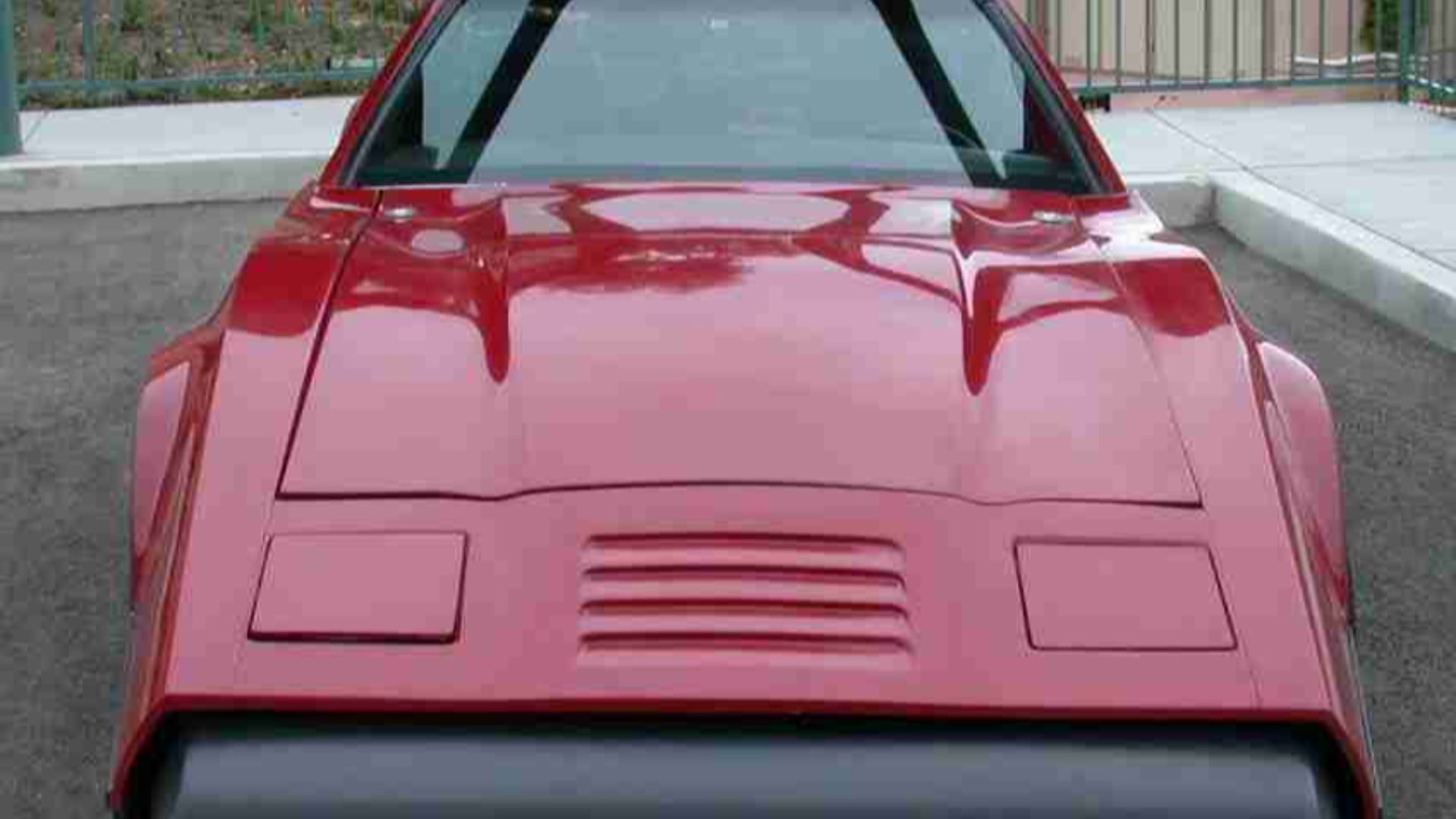
5. Bricklin SV-1
The Bricklin was built with integrated roll cages, huge bumpers, and the idea that it would be a great marketing gimmick. But Canadian businessman David Brillin failed to make it fun or reliable to drive. Heavy hydraulic gull-wing doors would suck the battery dry after multiple openings.
 User JonGwynne on en.wikipedia on Wikimedia
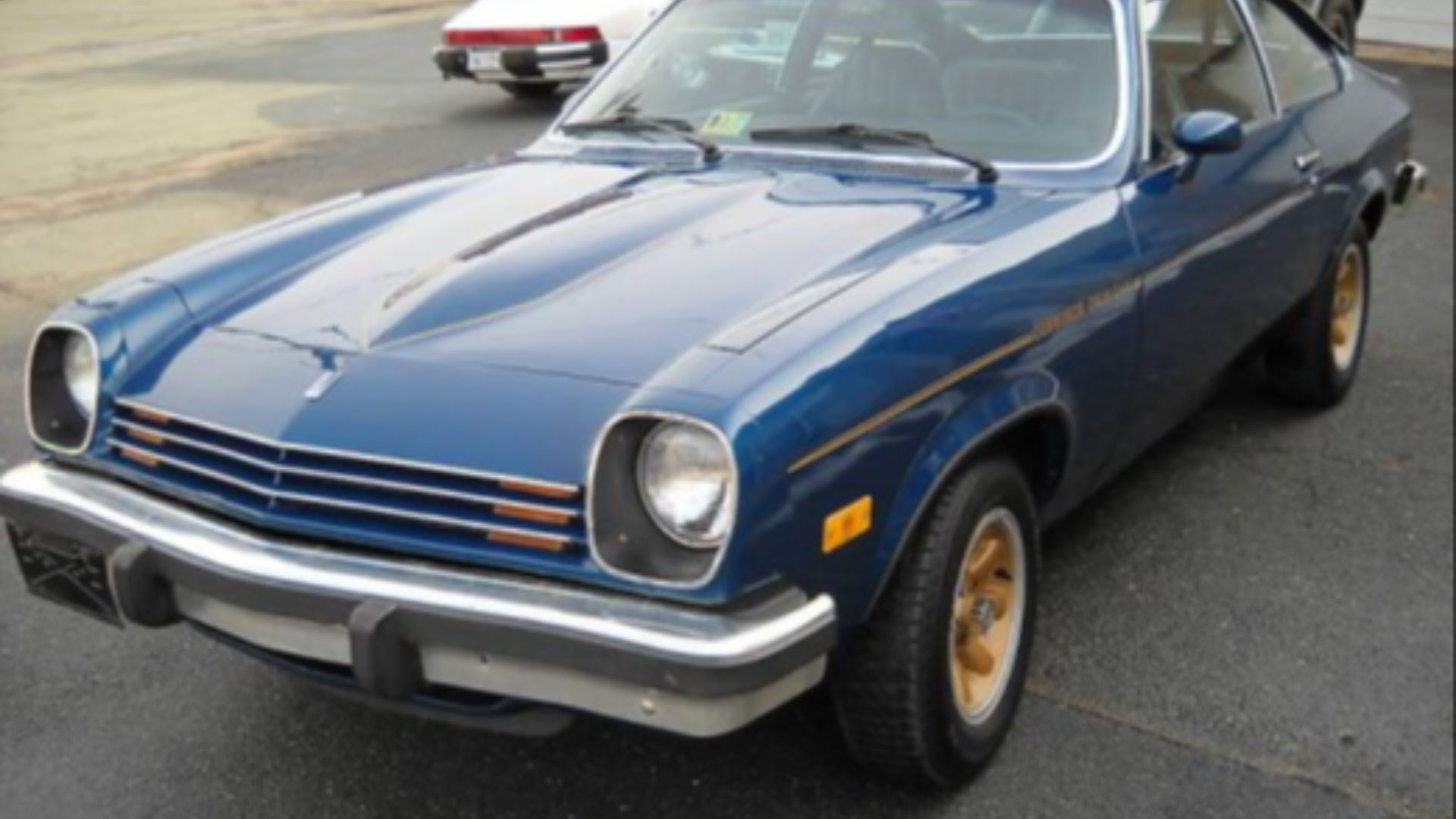
6. Chevrolet Vega
If you asked Chevy engineers what small car drivers wanted in the 1970s, they’d say fuel economy. They got fuel economy by using aluminum engine blocks, which melted, and bodies that rusted before leaving the lot. So poorly constructed was the Vega that foreign imports became synonymous with better quality.
 Barnstarbob/Robert Spinello on Wikimedia
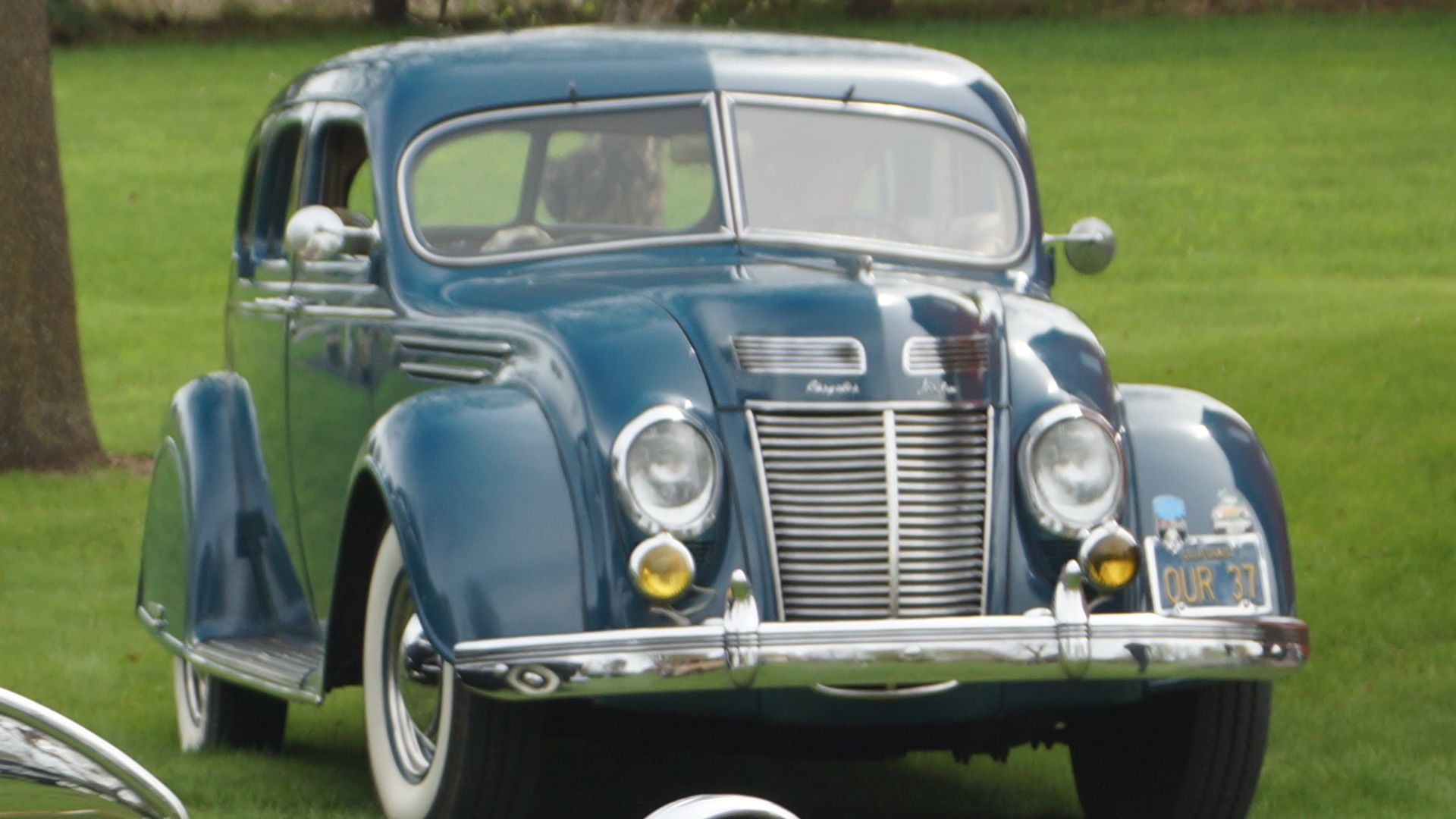
7. Chrysler Airflow
This was one of the first cars to ever use a streamlined design to improve aerodynamics, which should have made it a massive success. Sadly, the 1930s public found the rounded look to be far too strange compared to the upright, boxy cars they were used to seeing. Early production models also suffered from engines that would literally fall out of their mounts.
 Greg Gjerdingen from Willmar, USA on Wikimedia
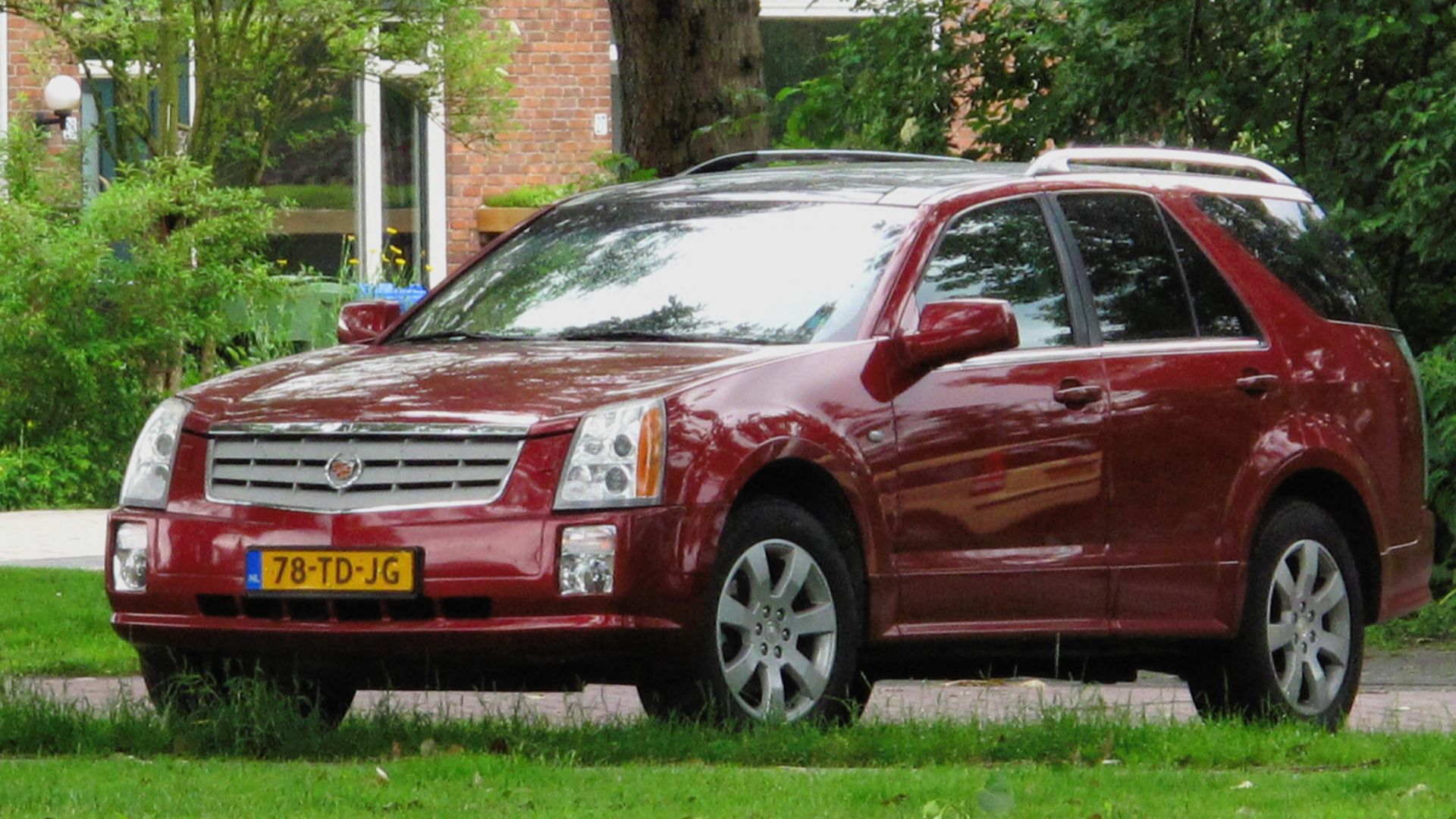
8. Cadillac V8-6-4
Back in 1981, Cadillac got greedy and decided they wanted a fuel-efficient engine. Their solution? An engine that would shut off half of its cylinders while you were cruising down the highway. Cadillac’s logic systems weren’t quick enough to handle the on-off patterns, which made the car shake and stall.
 Rutger van der Maar on Wikimedia
9. Saturn Ion
GM launched the Saturn brand with the promise of doing things differently, but the Ion felt like a massive step backward in quality. The interior was filled with cheap, scratchy plastics, and the center-mounted gauge cluster forced drivers to look away from the road just to check their speed.
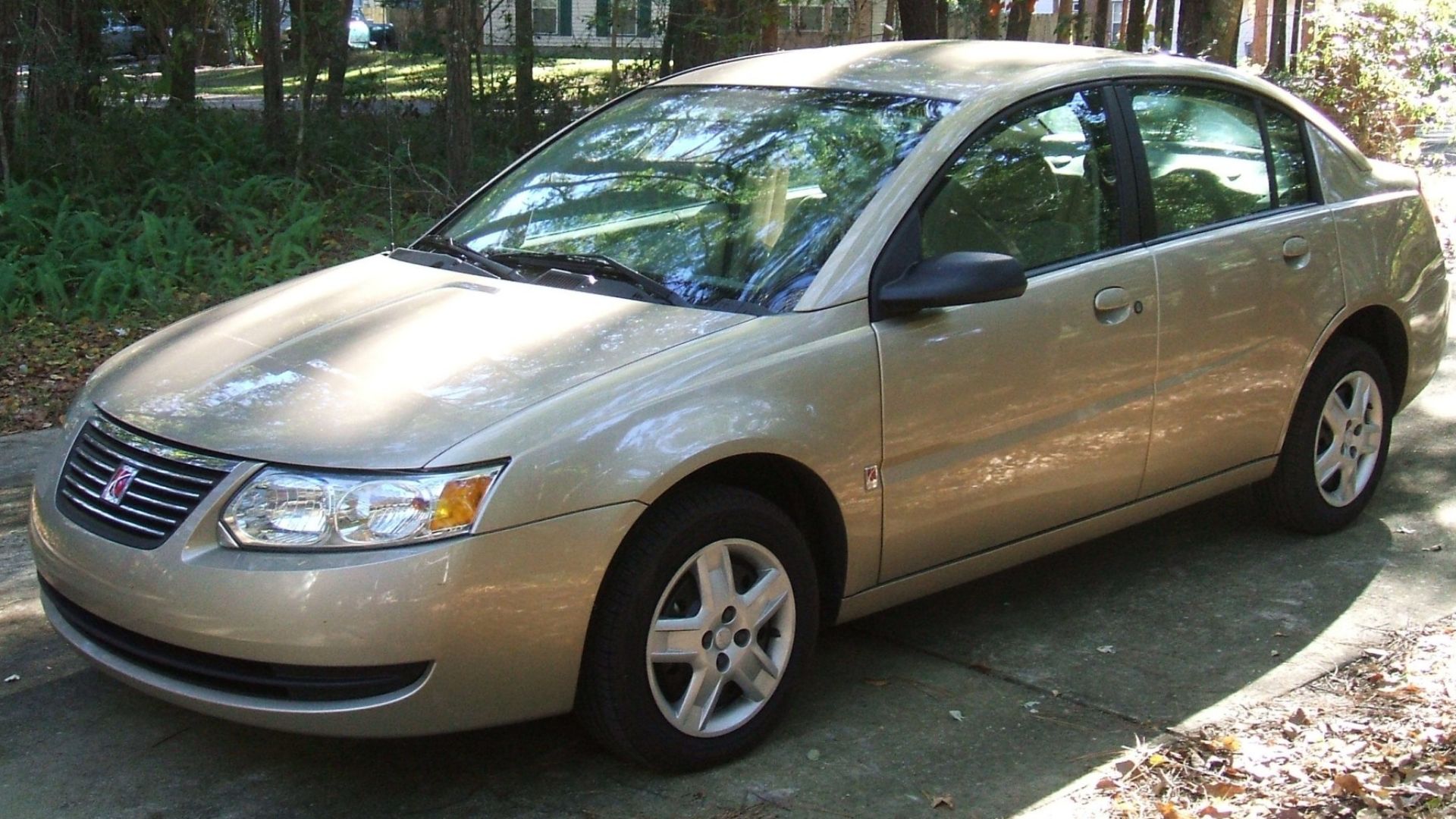 Noles1984 (talk) 17:34, 10 December 2008 (UTC) on Wikimedia
10. AMC Pacer
Drivers had great visibility in this “flying fishbowl” due to its short, wide design. That also meant it cooked you alive in the summer because of how much glass was used on every model. Passenger doors were even longer than driver doors, causing owners to awkwardly park just to avoid hitting curbs.
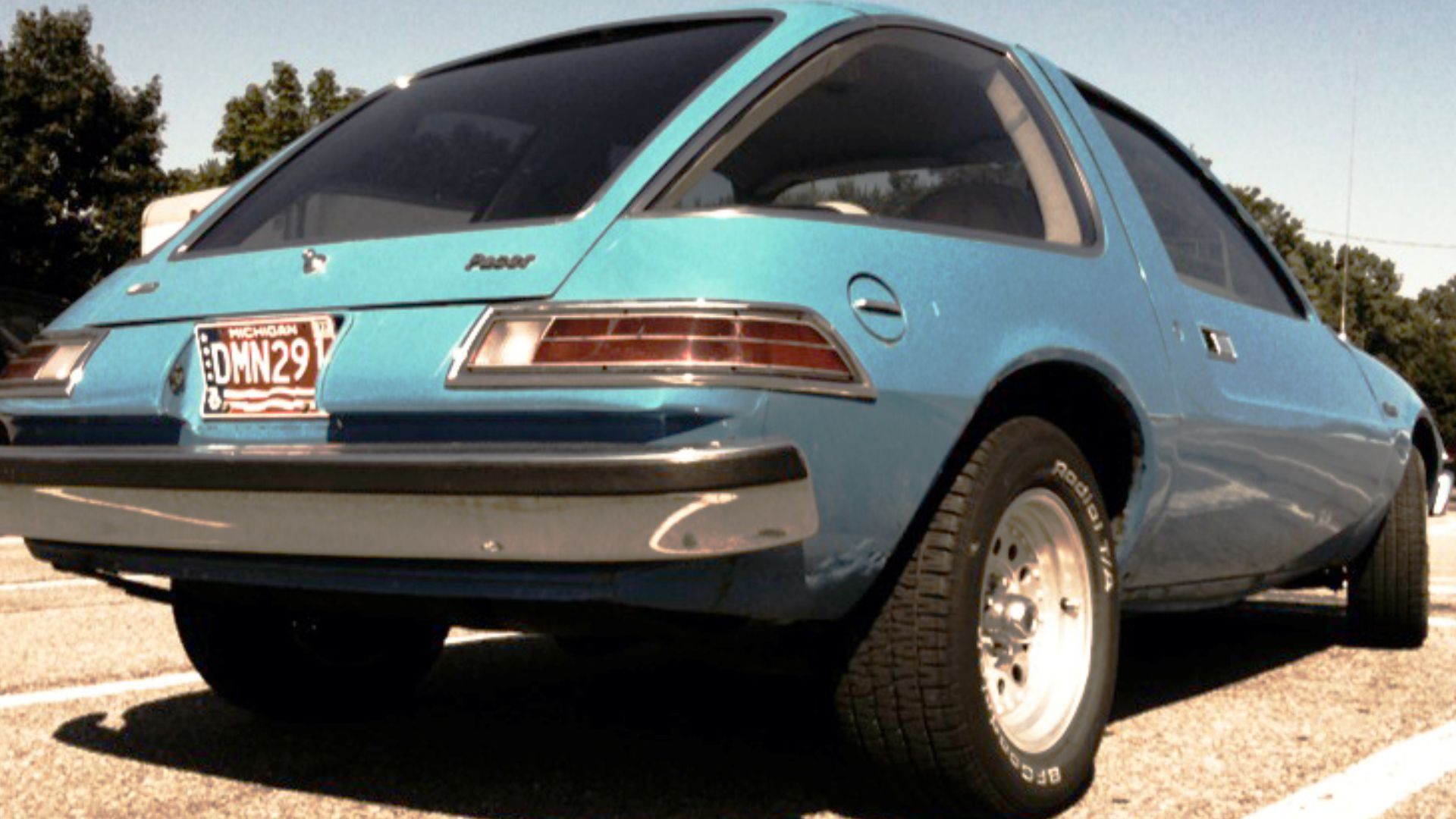
11. Oldsmobile Diesel
To save money during a fuel crisis, Olds converted one of their gasoline engines to run on diesel. The problem was they didn’t reinforce the engine block to handle extra compression. Head bolts would snap and engines would fail out of their blocks.
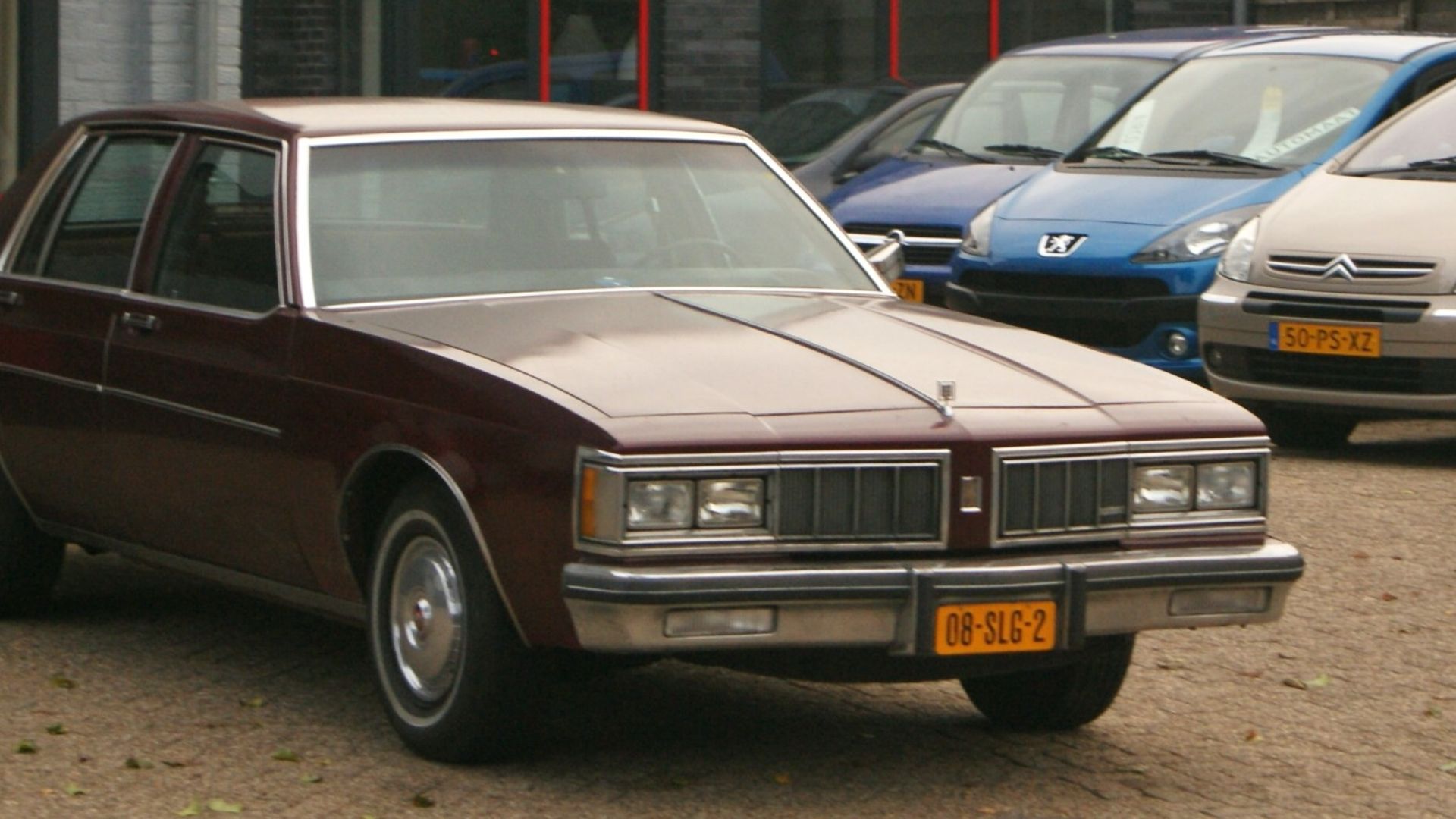 Niels de Wit from Lunteren, The Netherlands on Wikimedia
12. Suzuki Samurai
It was cheap, easy to handle off-road, and simply adored by the media, until one car magazine did a test showing that Samurais were prone to rolling over during sharp turns. Suzuki denied everything, but customers no longer trusted the brand and sales dropped off a cliff.

13. Lincoln Blackwood
For some reason, Ford thought wealthy pickup buyers wanted a Cadillac truck clone. People only bought trucks for their utility, and Lincoln buyers didn’t want a stainless steel box with wheels. The pricey Blackwood lasted a single model year before consumers completely ignored it.
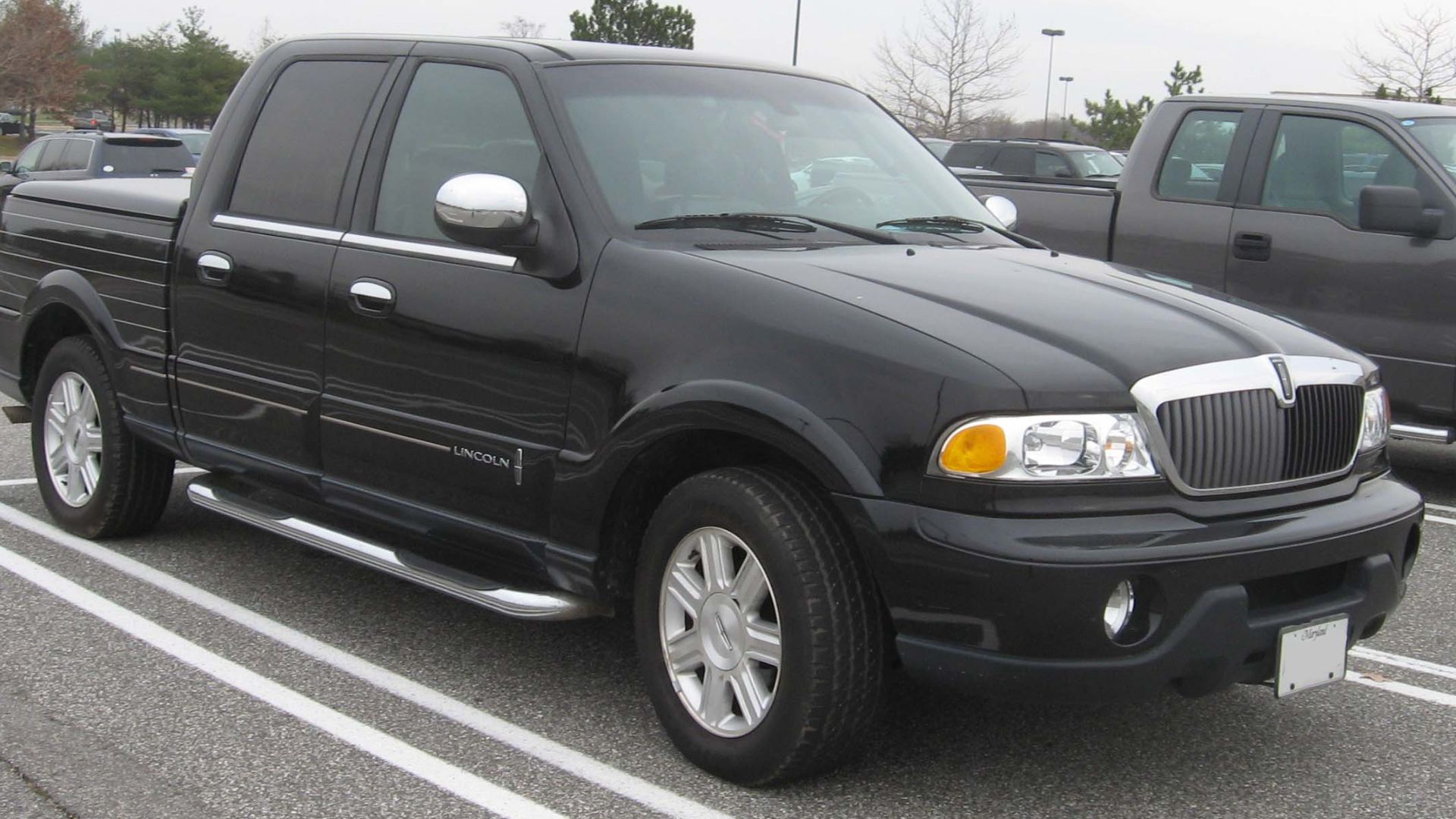
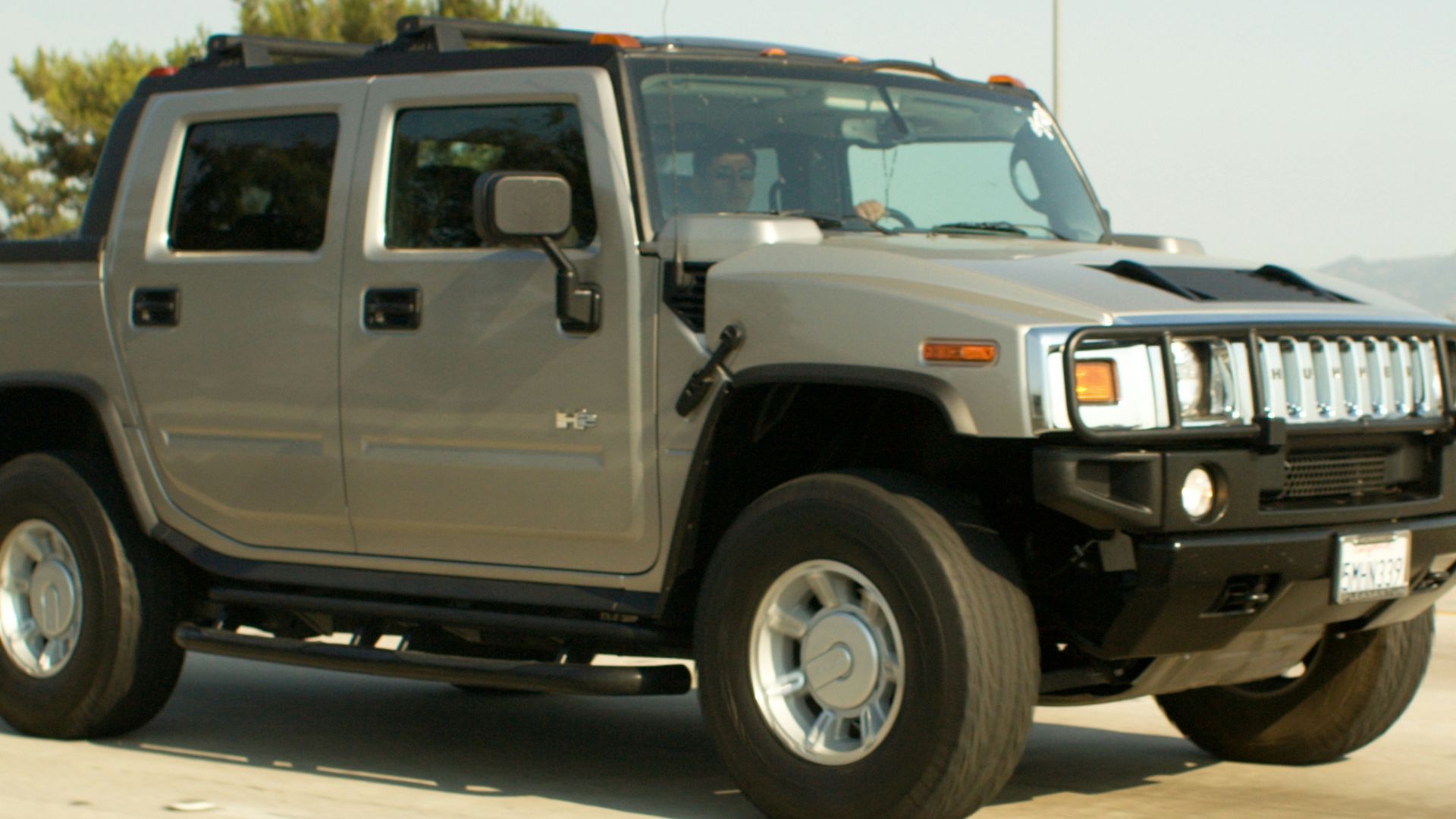
14. Hummer H2
When gas prices were at an all-time high, folks loved telling everyone they drove a Hummer. That sentiment quickly changed when owners realized they were driving a fuel guzzler. Hummers became a symbol of gas consumption and excess.
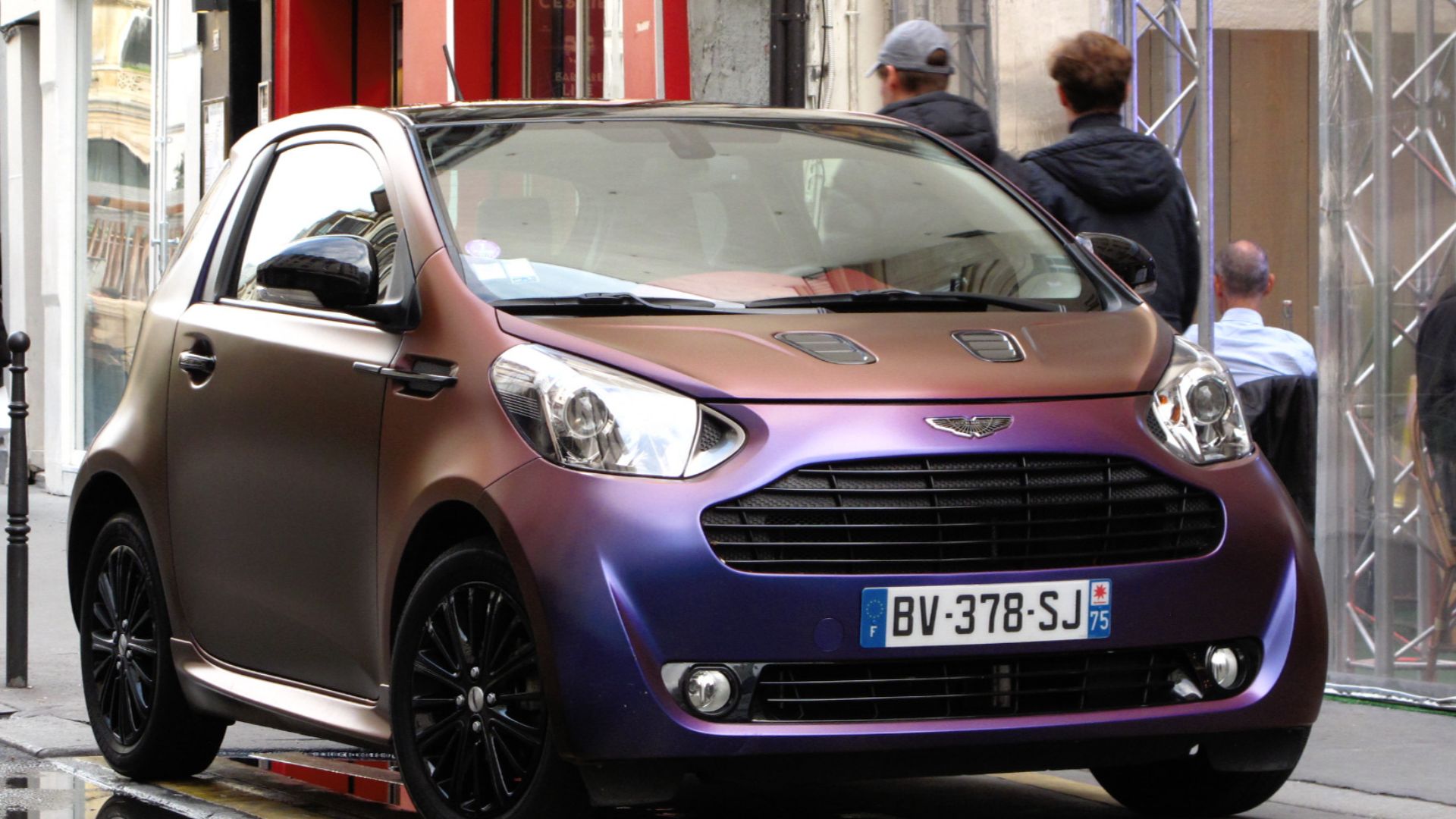
15. Aston Martin Cygnet
You might find it hard to believe that a legendary supercar maker would put their badge on a tiny Toyota city car, but that’s exactly what happened. Aston Martin hoped this dressed-up commuter would help them meet strict European emissions standards. But their regular customers weren't fooled by the fancy leather seats.
 Rutger van der Maar on Wikimedia
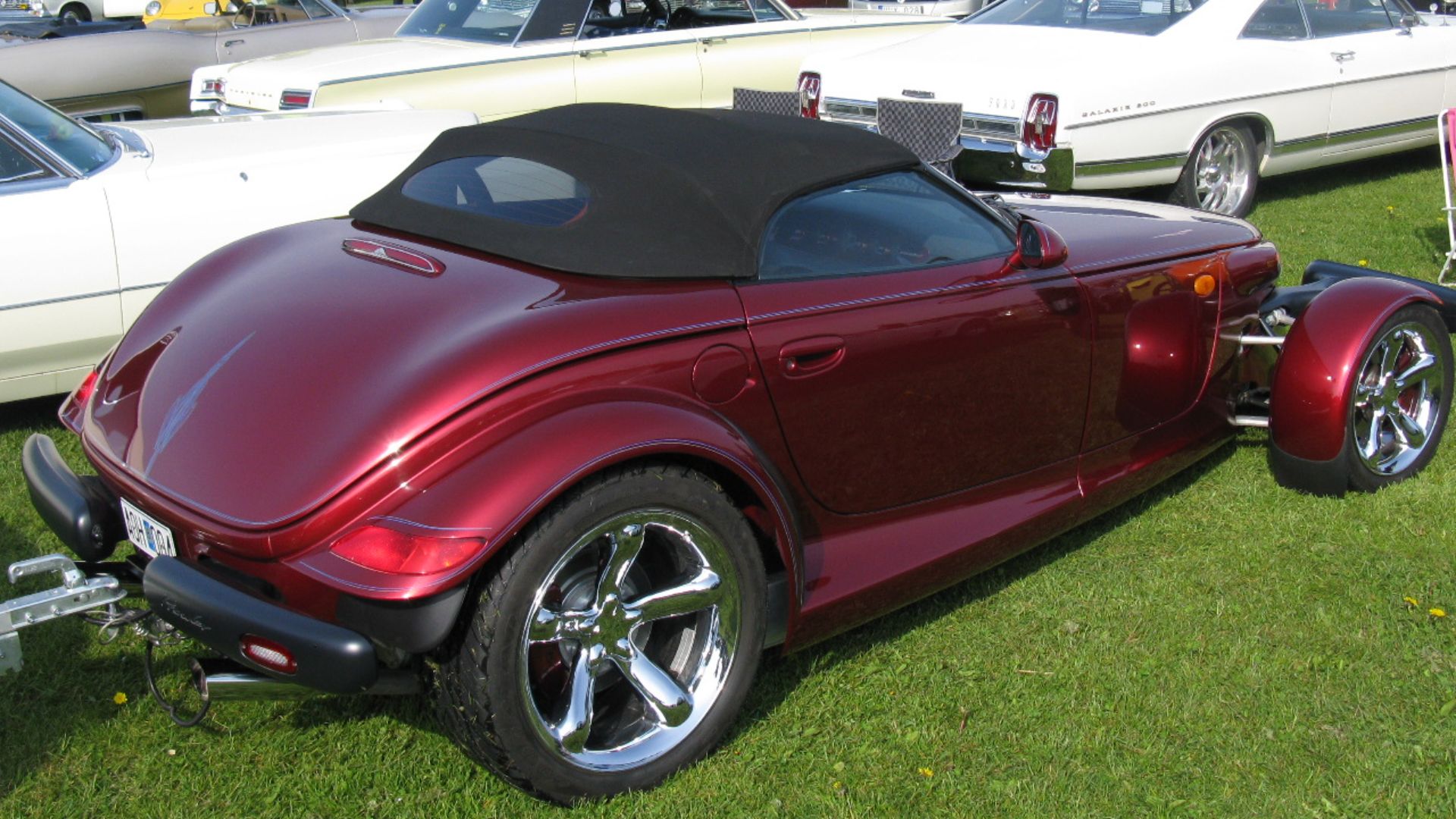
16. Plymouth Prowler
The Prowler looked like a custom hot rod straight out of the 1950s, but it lacked the V8 engine that usually defines those types of cars. Its tiny V6 provided lackluster performance, and the lack of a trunk meant you couldn't even take a small suitcase with you on a weekend trip. It was a bold design that proved to be incredibly frustrating to actually own.
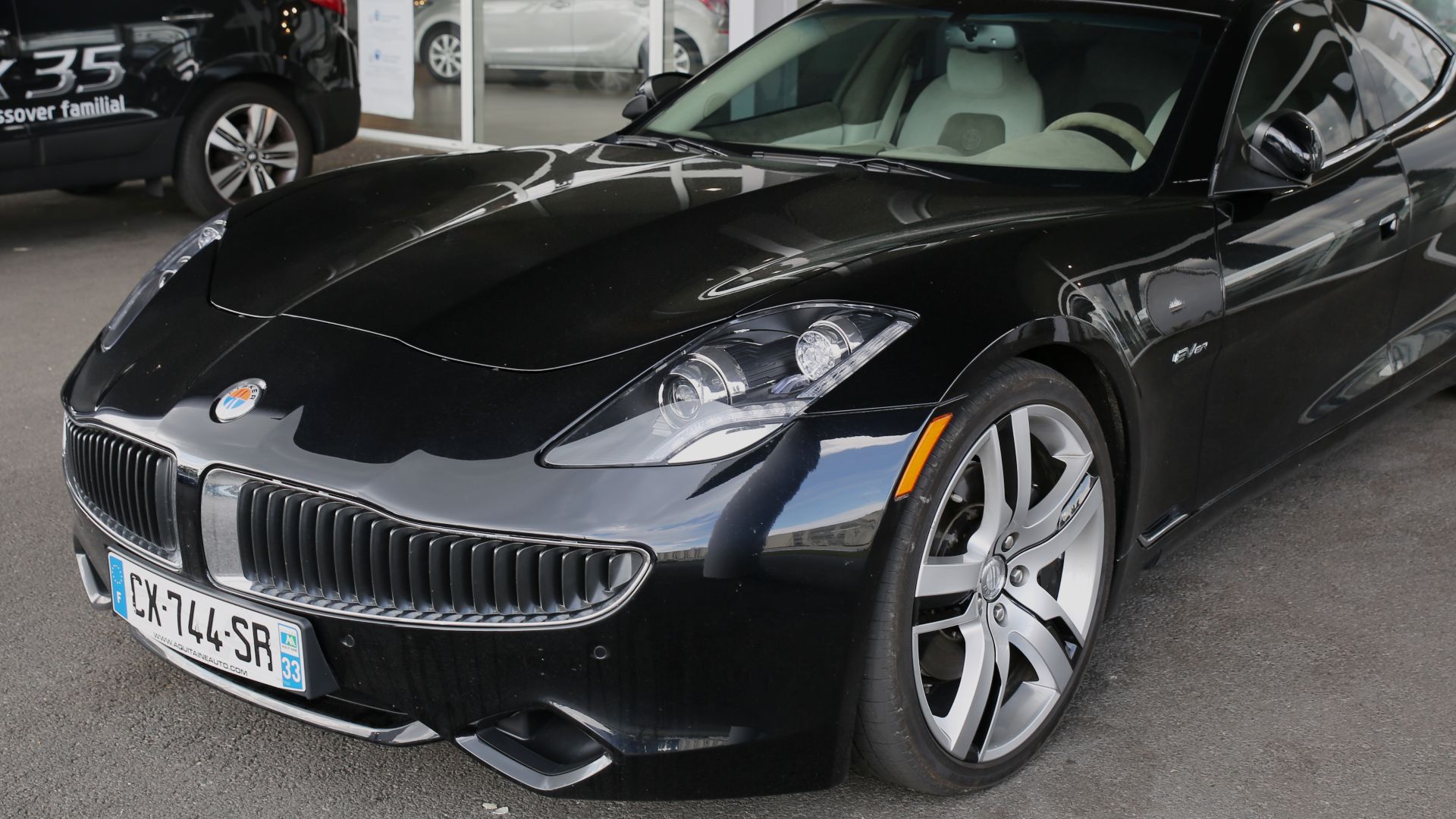
17. Fisker Karma
Fisker’s gorgeous plug-in hybrid looked and was meant to take Tesla head-on. Rooftop solar panels were included in every price, but that didn’t stop battery fires and computer glitches from haunting owners. Fisker went bankrupt and left customers with expensive bricks that were impossible to repair.
18. Subaru SVX
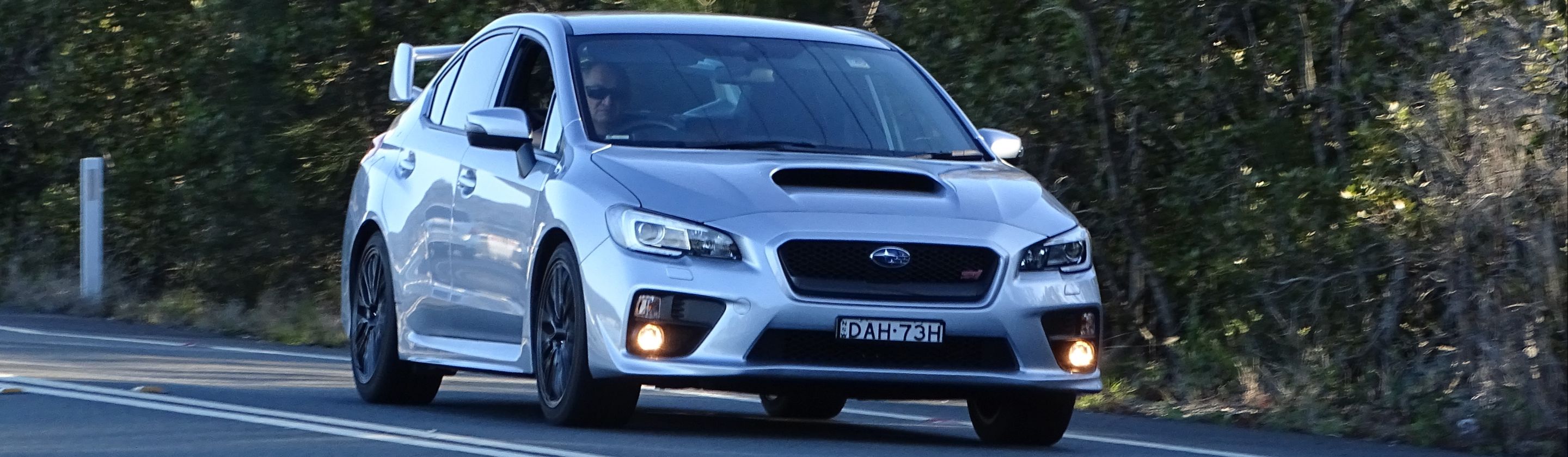
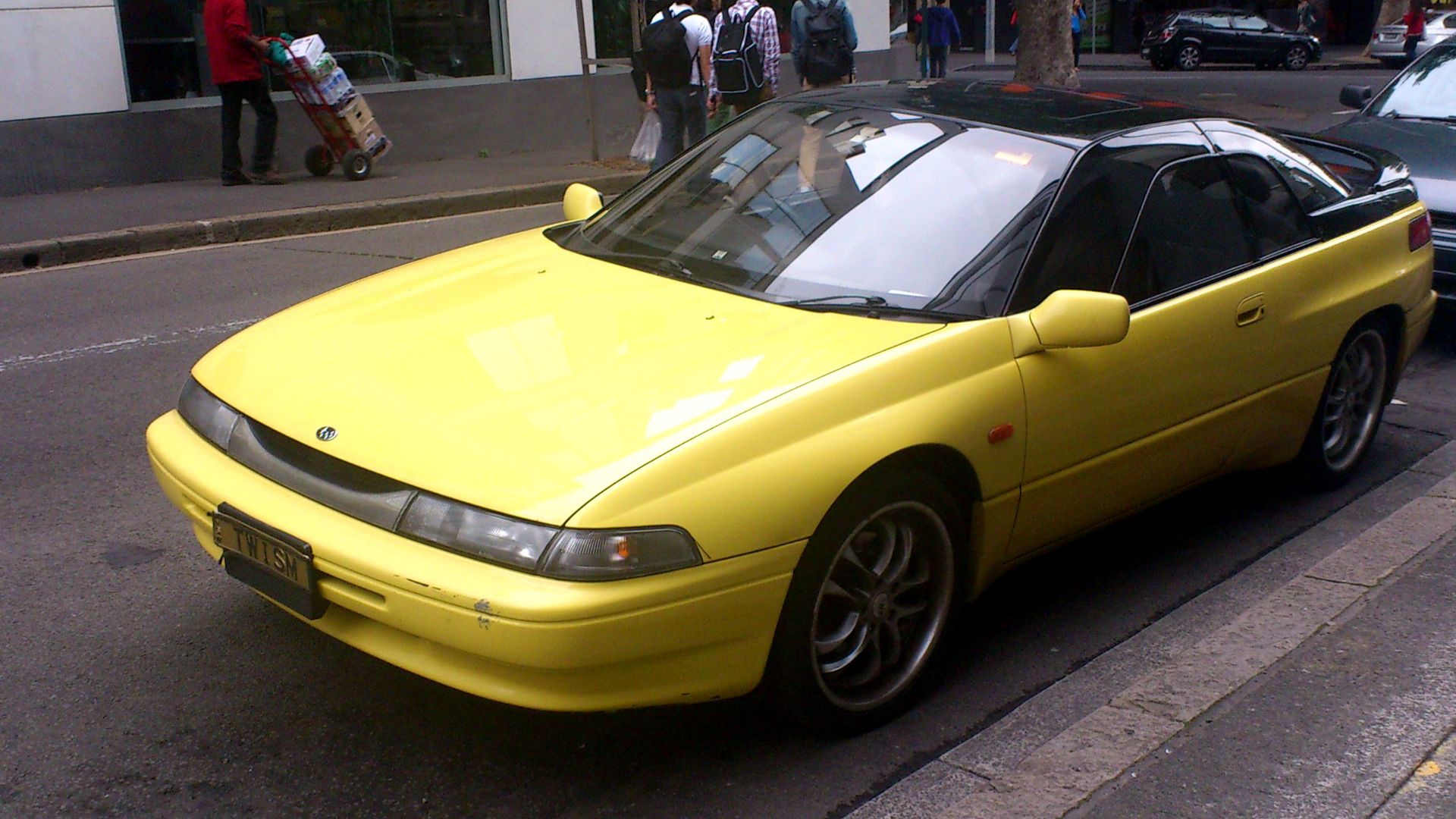
Subaru tried to break into the luxury grand touring market with a car that featured "window-within-a-window" side glass similar to a fighter jet. While the technology was impressive, the car was far too expensive for traditional Subaru fans and too quirky for the luxury crowd. The heavy all-wheel-drive system and automatic-only transmission also made it feel less sporty.
19. Sterling 825
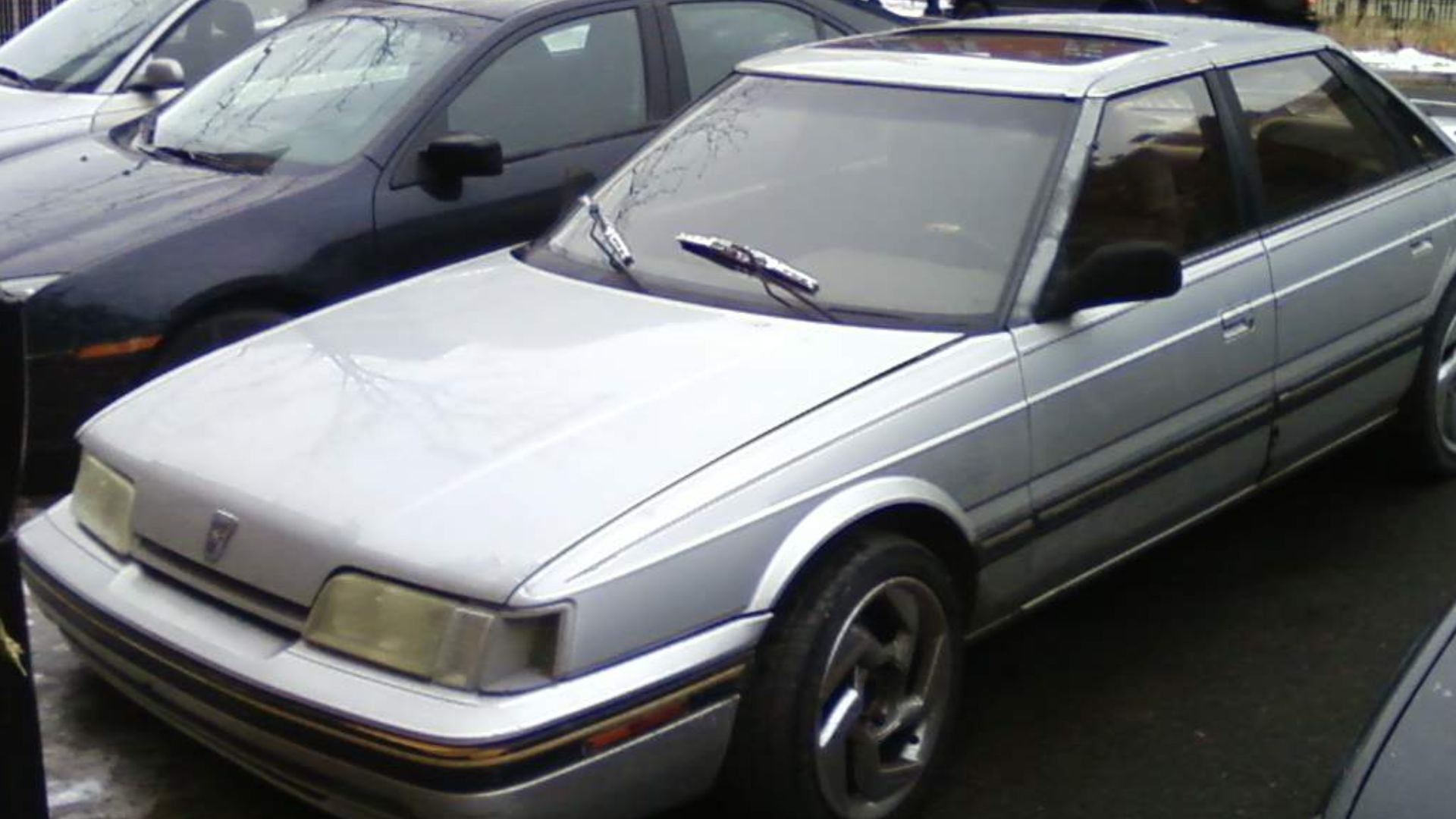
This brand was a collaboration between Rover and Honda that was supposed to combine British luxury with Japanese reliability. While the Honda engines were great, the British-built electrical systems and interiors were a total disaster that would often fall apart within months. You'd find the leather peeling and the dashboard lights flickering so often that the brand was forced to leave the American market.
20. Tucker 48
Everyone wanted one with its padded dash, center “cyclops” headlight, and overall cool factor. The SEC stepped in along with horrible press coverage, which resulted in only 51 ever being made. Well known as one of the greatest examples of entrepreneurship, these cars go for millions at auction these days.
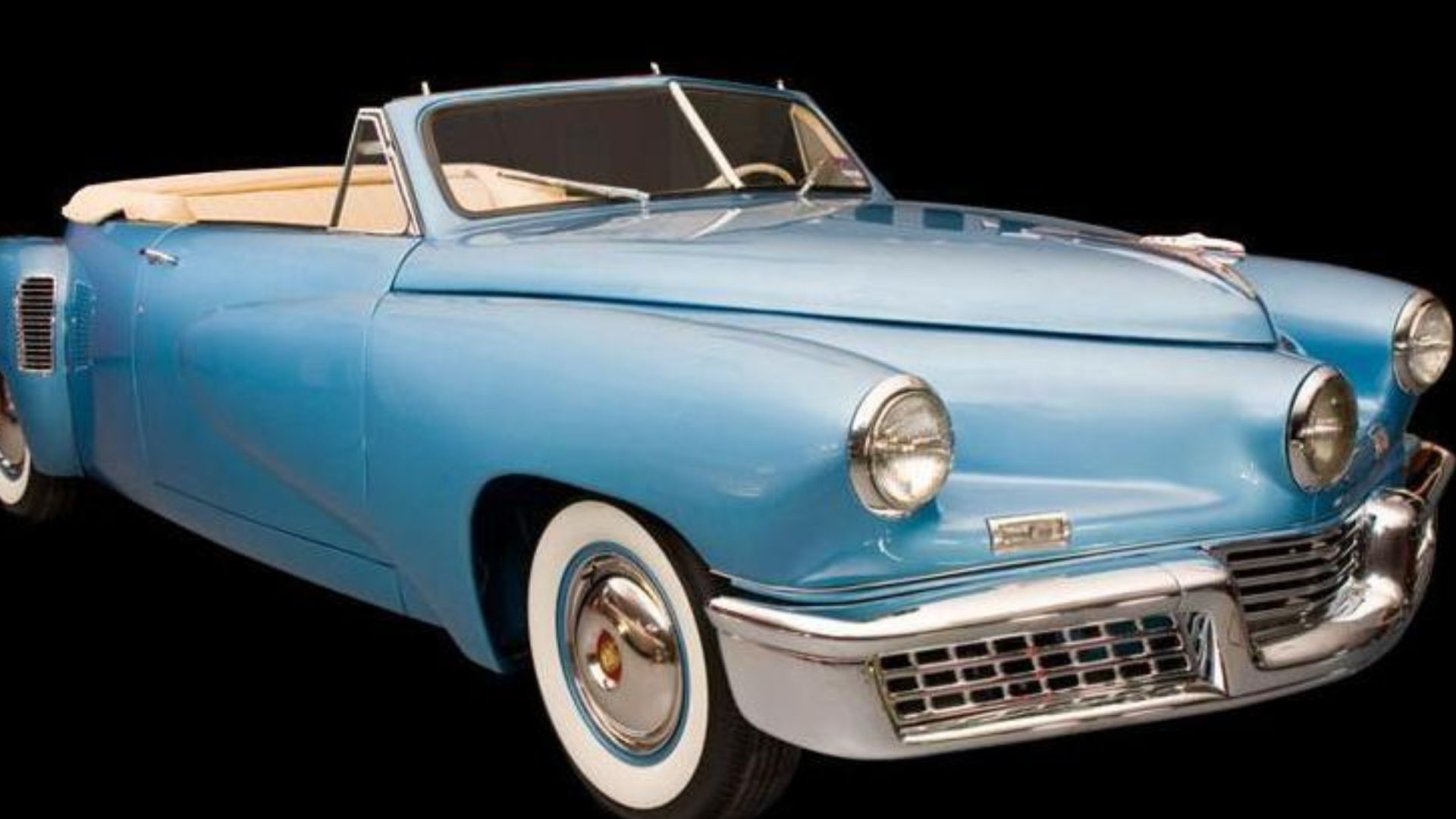 Tuckerconvertible on Wikimedia