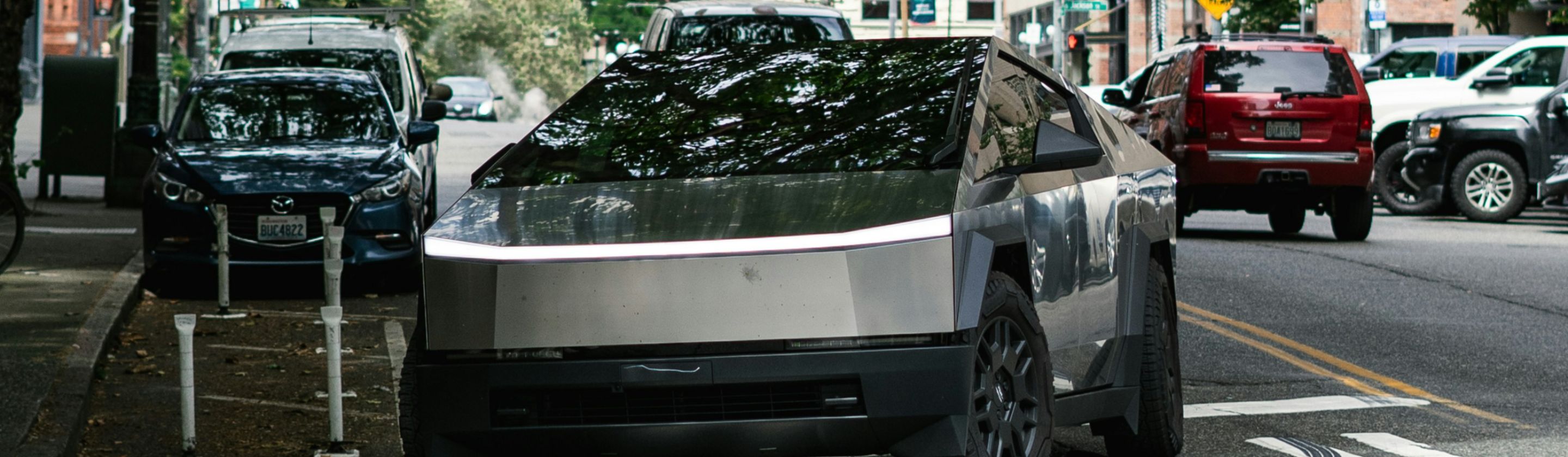
Who’s Idea Was This?
For every revolutionary masterpiece that rolled off the assembly line, there's a vehicle that arguably made the world a slightly more difficult or frustrating place to live. Some of these cars were so poorly built they became safety hazards, while others simply pushed the industry in a direction that favored plastic over personality. You might even find a car you once loved on this list.
1. Ford Pinto
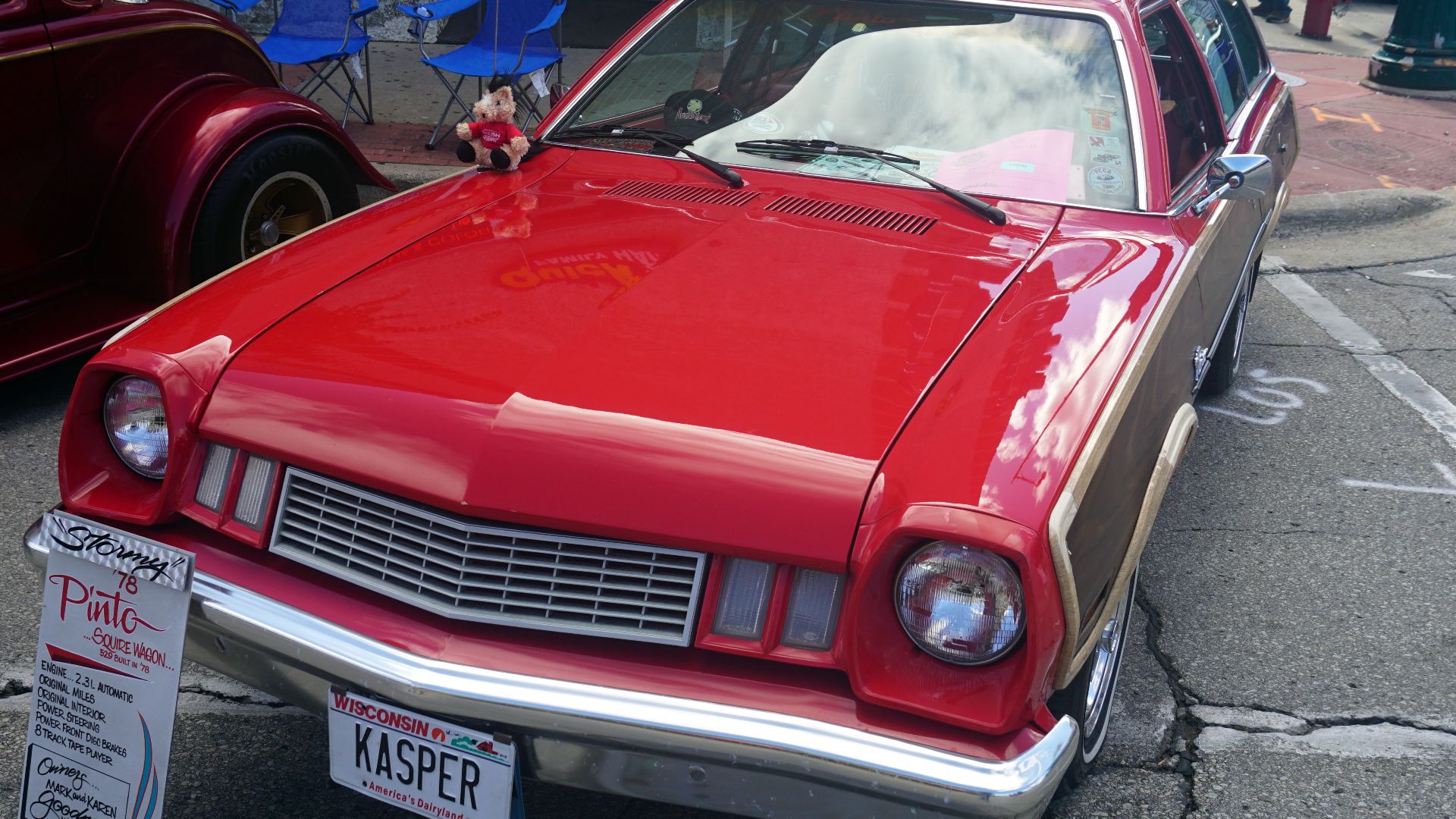
You can't really talk about automotive disasters without mentioning the car that became famous for its fuel tank's tendency to catch fire during rear-end collisions. While it was designed to be an affordable subcompact, the corporate decision to skip a simple safety fix created a massive public relations nightmare. It changed the world by forcing a much stricter look at corporate ethics.
2. Hummer H2
They turned your mom’s minivan into a virtual tank, and everyone hated it. Combining the fuel economy of a diesel hippo with the parking fines of Walmart supercenters, the Hummer H2 was about as subtle as a fox in a chicken coop. Aside from normalizing oversized civilian SUVs, it’s reminded people that bigger isn’t always better.

3. Trabant 601
For decades this barely-moving block of recycled cotton fiber and resin spread East German weirdness across the world. Blaring blue smoke from its two-stroke engine, this joke of a car will forever hold the crown for most pollutant street vehicle of all time. It’ll change the world by continuing to pollute.

4. Pontiac Aztek
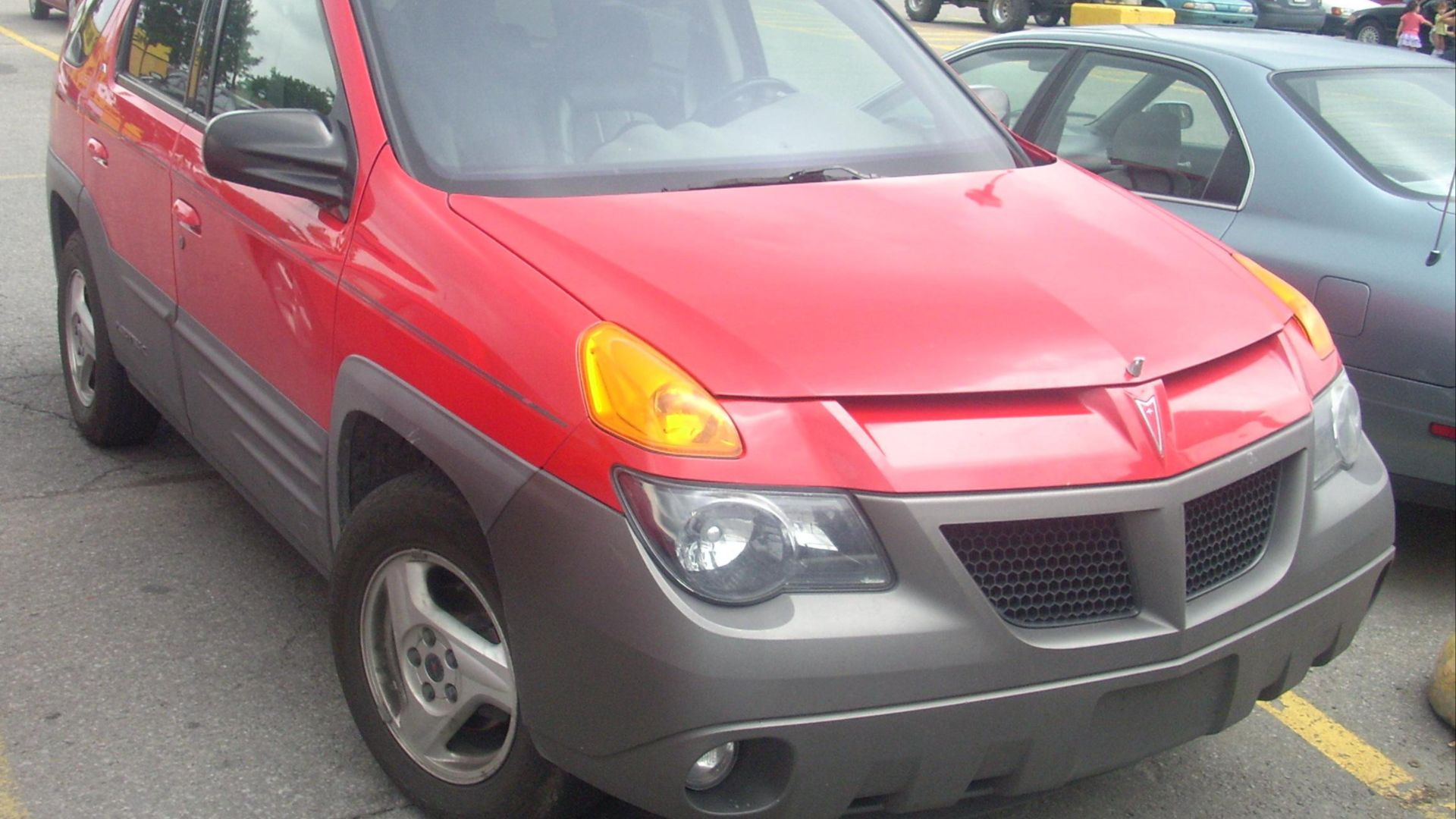
You've likely seen this vehicle topping "ugliest car" lists for years because of its bizarre, plastic-heavy exterior and confusing proportions. It was a bold attempt at a crossover that ultimately failed because it tried to do too many things at once without looking good doing any of them. The Aztek's failure scared many manufacturers away from truly unique designs for a long time.
5. Yugo GV
This Yugoslavian import arrived in the United States with a rock-bottom price tag but quickly became a punchline for its terrible build quality. It wasn't uncommon for pieces of the interior to just fall off while you were driving down the highway. Its reputation was so bad that it essentially destroyed the American appetite for ultra-cheap imports.
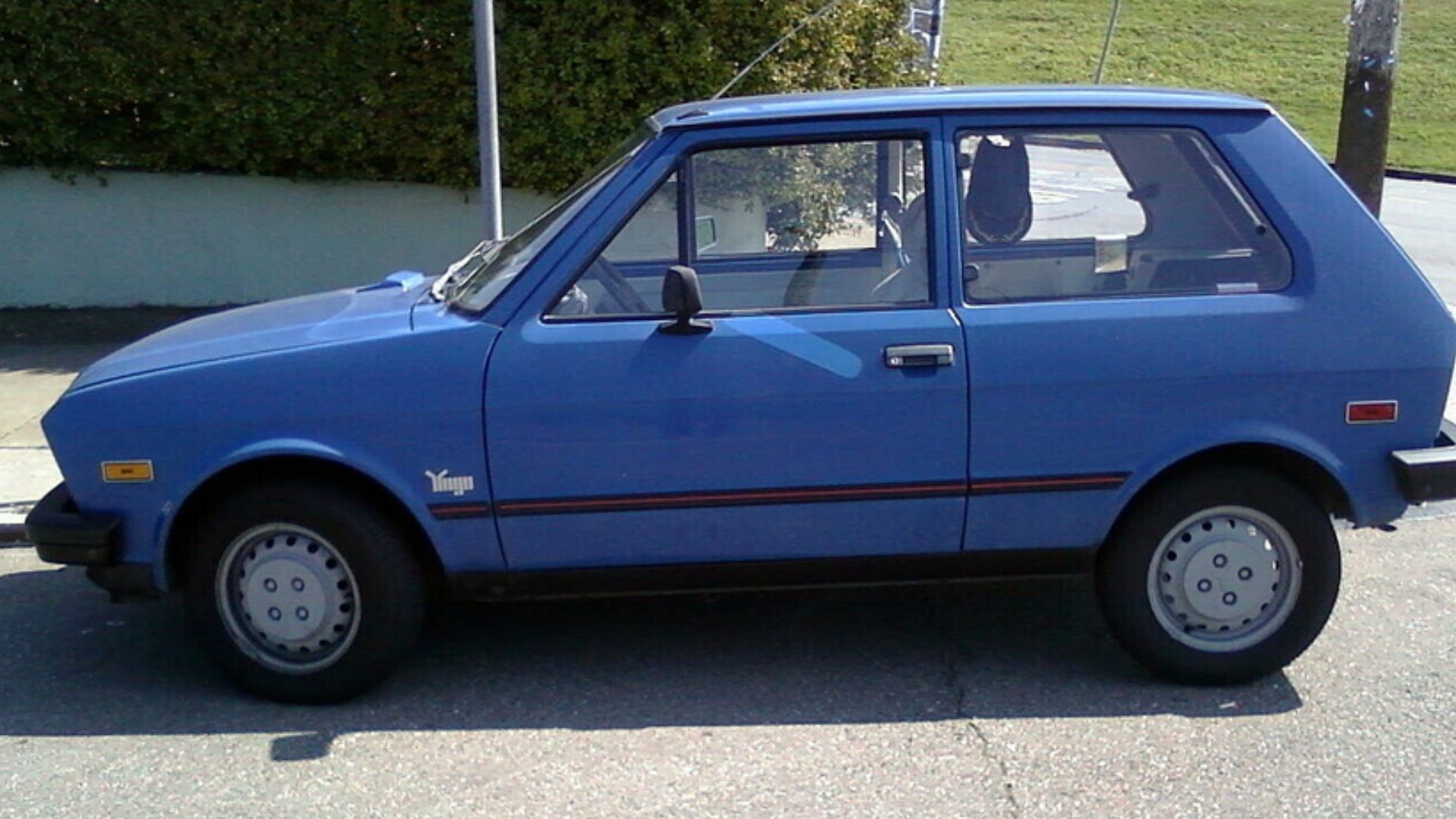 irina slutsky from san francisco, USA on Wikimedia
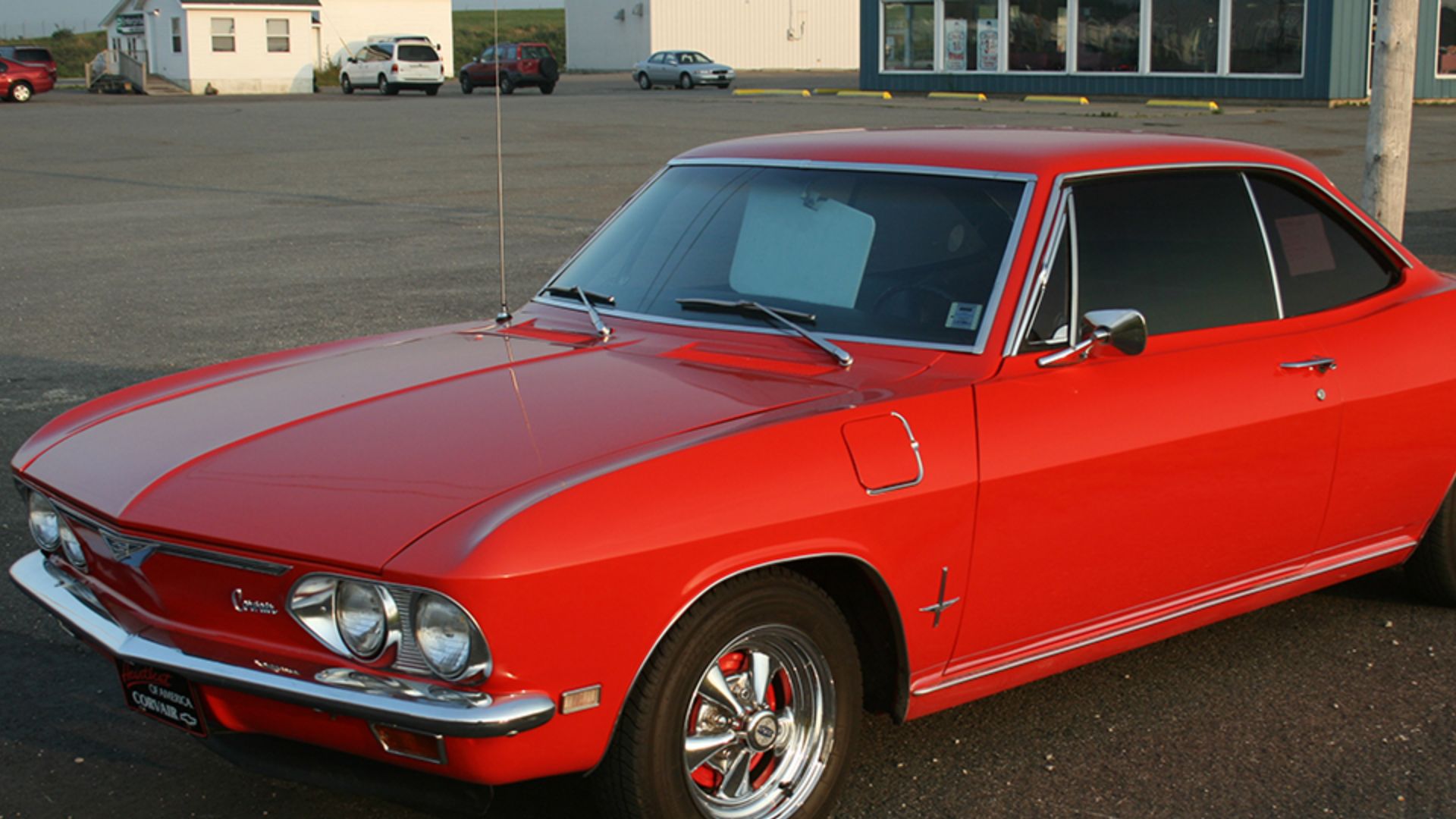
6. Chevrolet Corvair
Ralph Nader famously targeted this car in his book Unsafe at Any Speed, claiming its suspension design made it prone to flipping over. While later tests showed it wasn't quite as dangerous as the headlines suggested, the damage to the car's reputation was already permanent. This vehicle's legacy is the birth of the modern consumer advocacy movement.
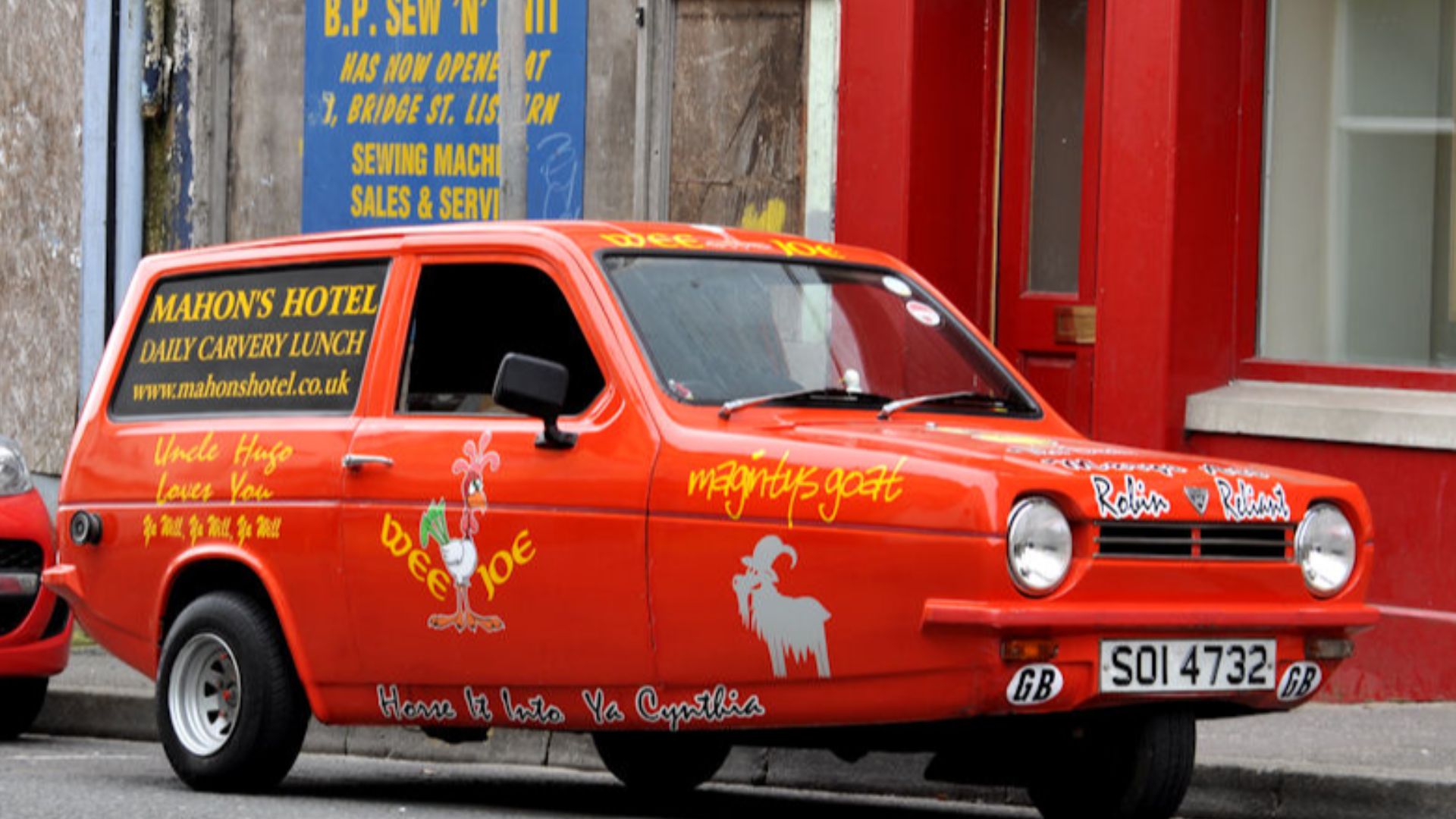
7. Reliant Robin
How do you make a three-wheeled car even worse than it already is? Easy. Give it 50/50 weight distribution. Added popularity from appearances in the Pink Panther movies couldn’t save this terribly impractical car from crippling instability.
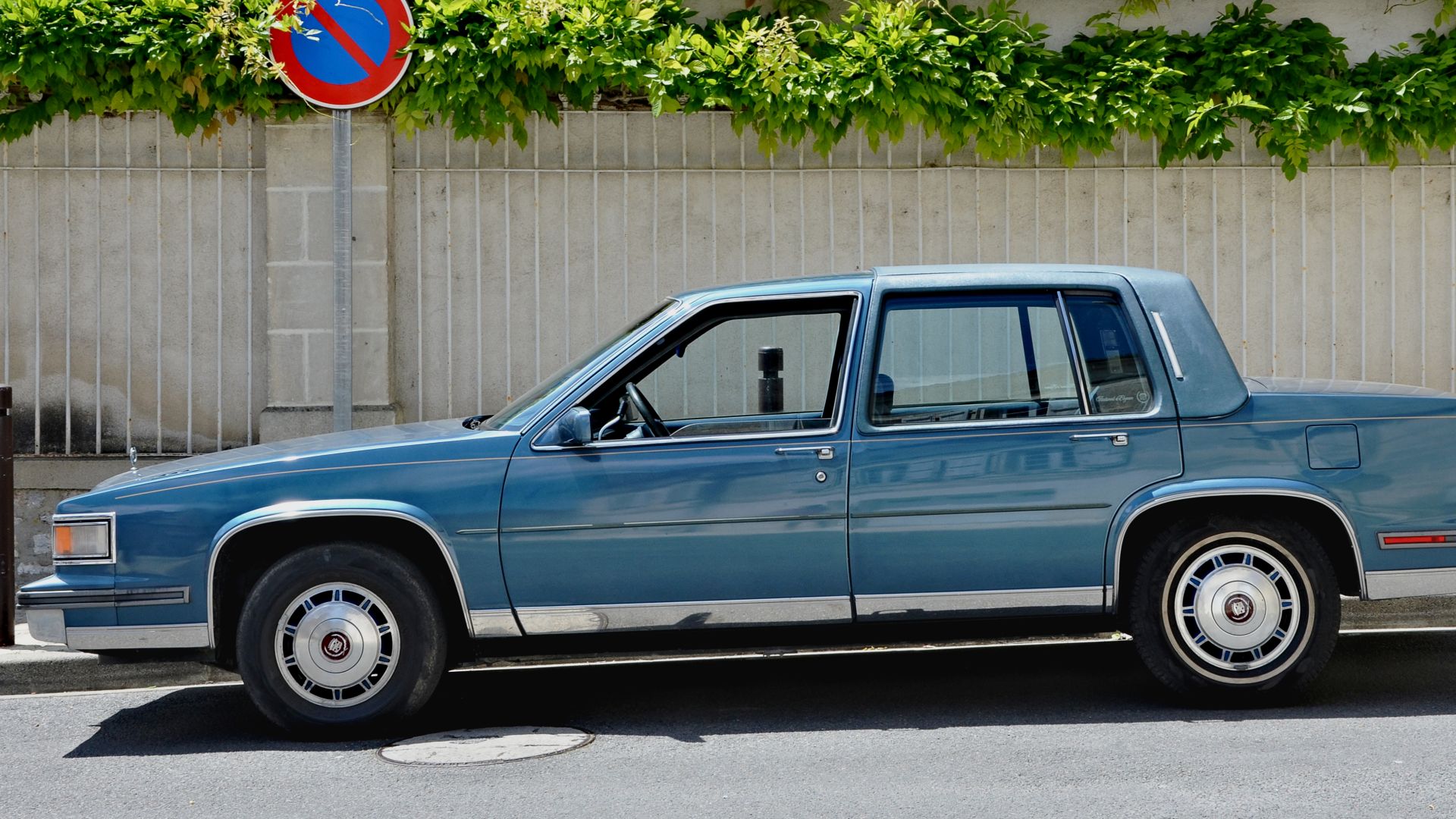
8. Cadillac Fleetwood V-8-6-4
This car introduced a very early version of cylinder deactivation technology that was supposed to save fuel by turning off parts of the engine. Unfortunately, the onboard computers of the early 1980s weren't nearly fast enough to handle the task, leading to a jerky and unreliable driving experience.
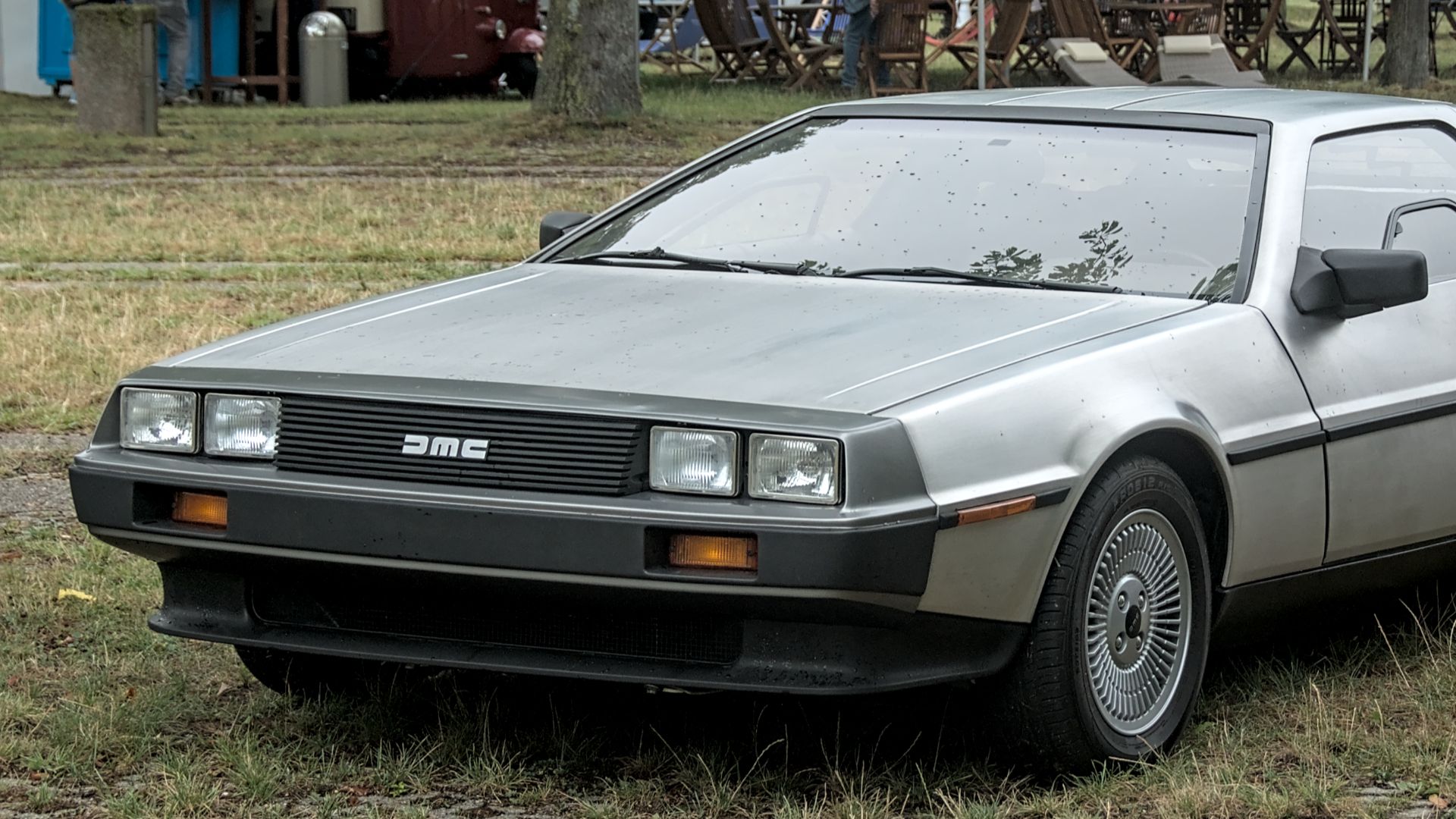
9. DMC DeLorean
While it's a legendary movie icon today, the actual car was a slow, heavy, and overpriced mess that struggled with massive quality control issues. The stainless steel body was a nightmare to keep clean, and the gull-wing doors often trapped owners inside if the battery died. Its spectacular failure and the legal drama surrounding the company's founder left a dark cloud over the idea of independent sports car startups.
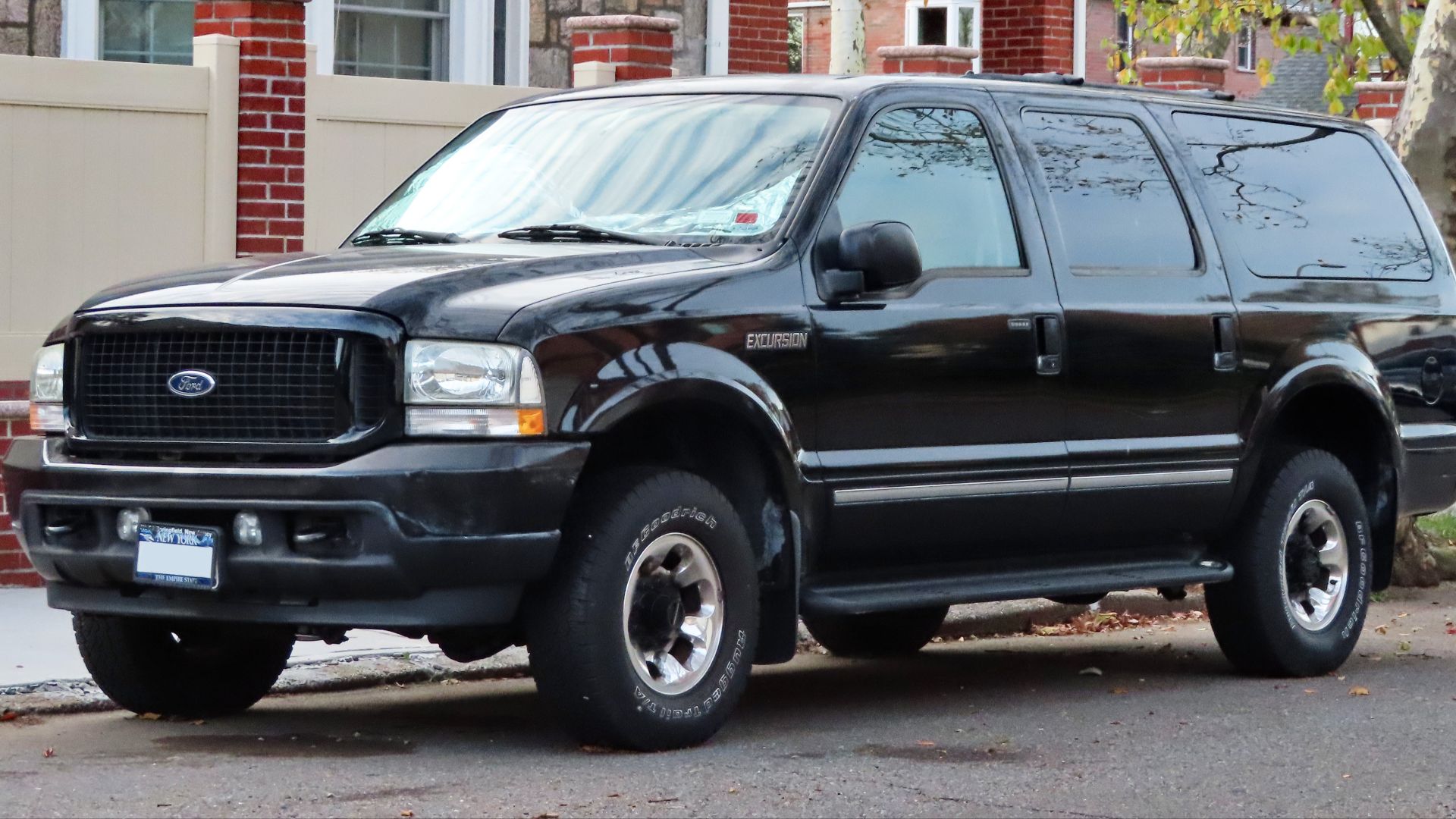
10. Ford Excursion
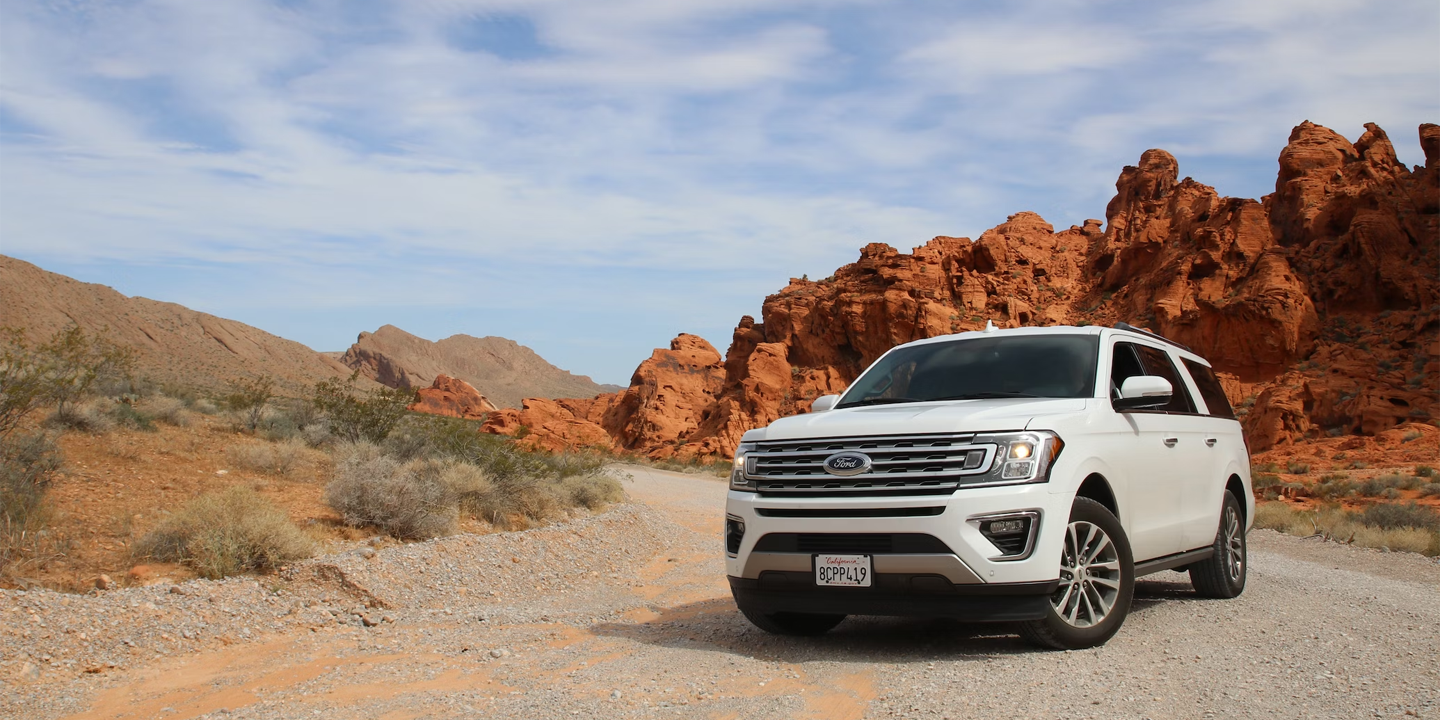
A glorified pickup truck with car windows. It was so big you couldn’t park it in most residential garage parking spaces. It completely took the SUV game to eleven and offended people with its extravagant gas mileage.
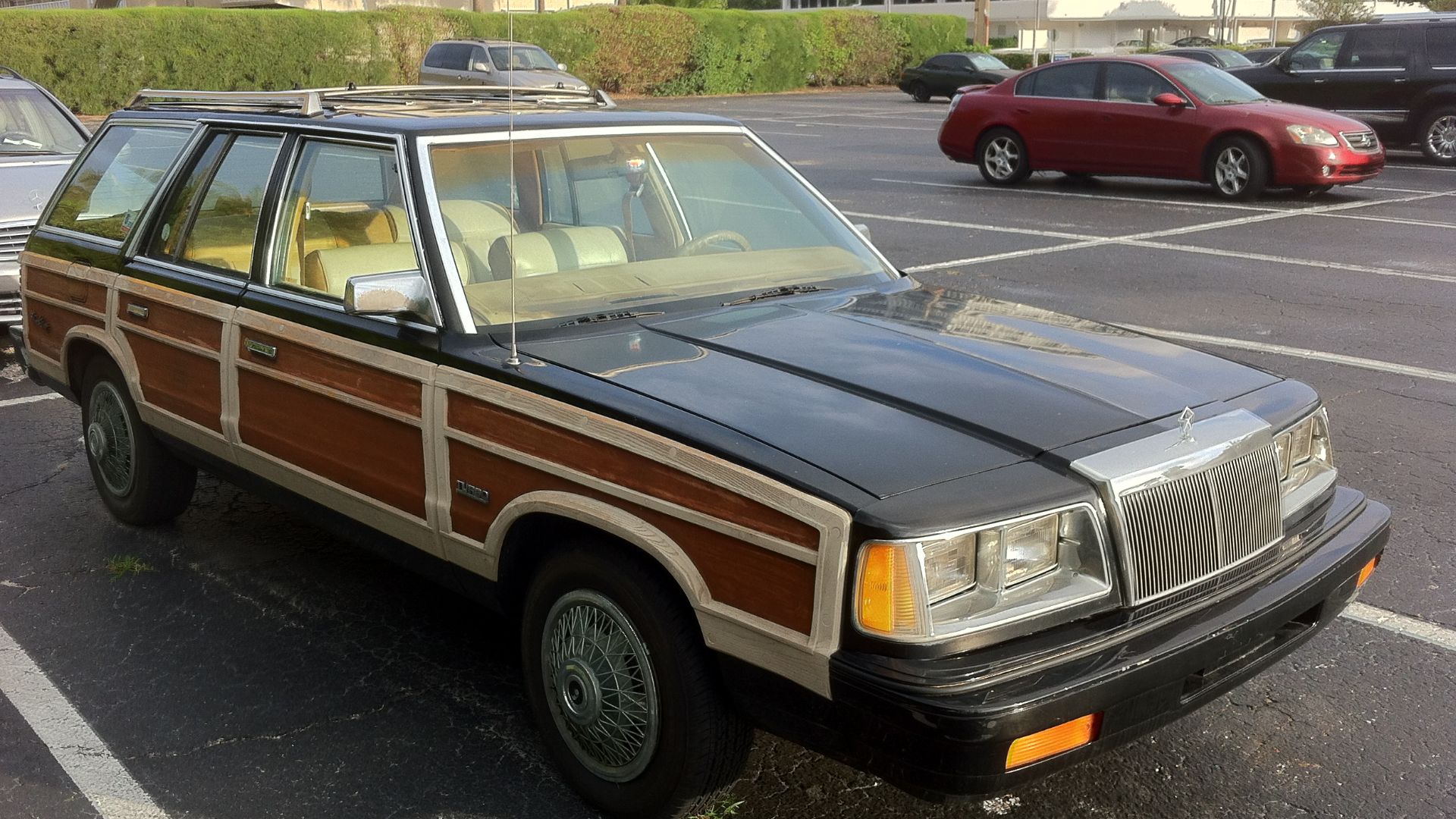
11. Chrysler K-Cars
Although these stone-aged relics single-handedly prevented Chrysler from going under in the ’90s, they brought us an age of unimaginative interior designs that felt cheaper than sushi wrap. Serving as the canvas for everything from minivans to barely-upscaled Neon “luxury” cars, this simple design caused manufacturers to coast on mediocrity for far too long.
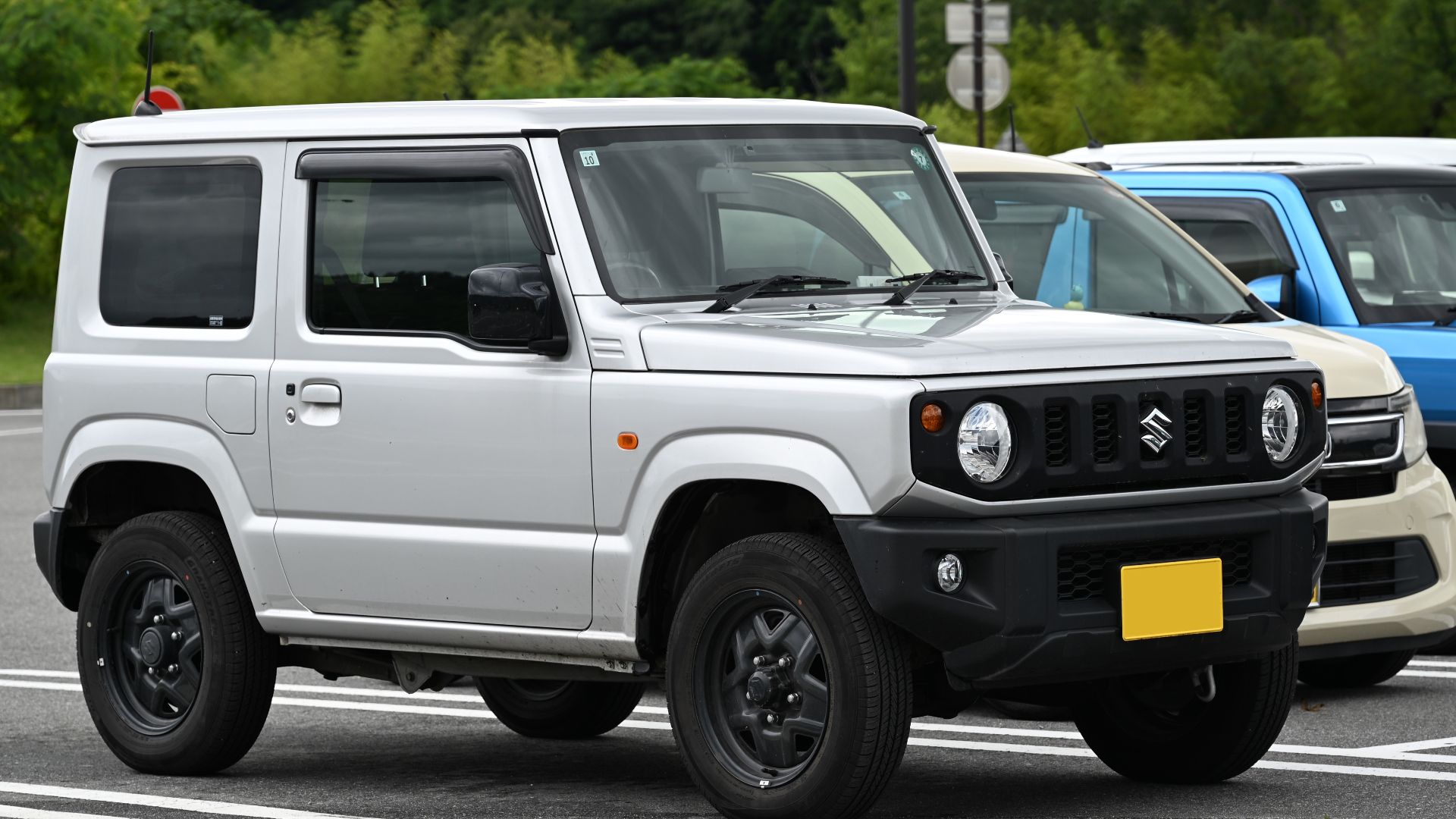
12. Suzuki Samurai
This tiny off-roader was a blast to drive until a high-profile report claimed it was exceptionally likely to roll over during emergency maneuvers. The ensuing legal battle and media frenzy nearly wiped Suzuki's automotive presence out of the American market entirely. It changed the world by making stability control a much higher priority.
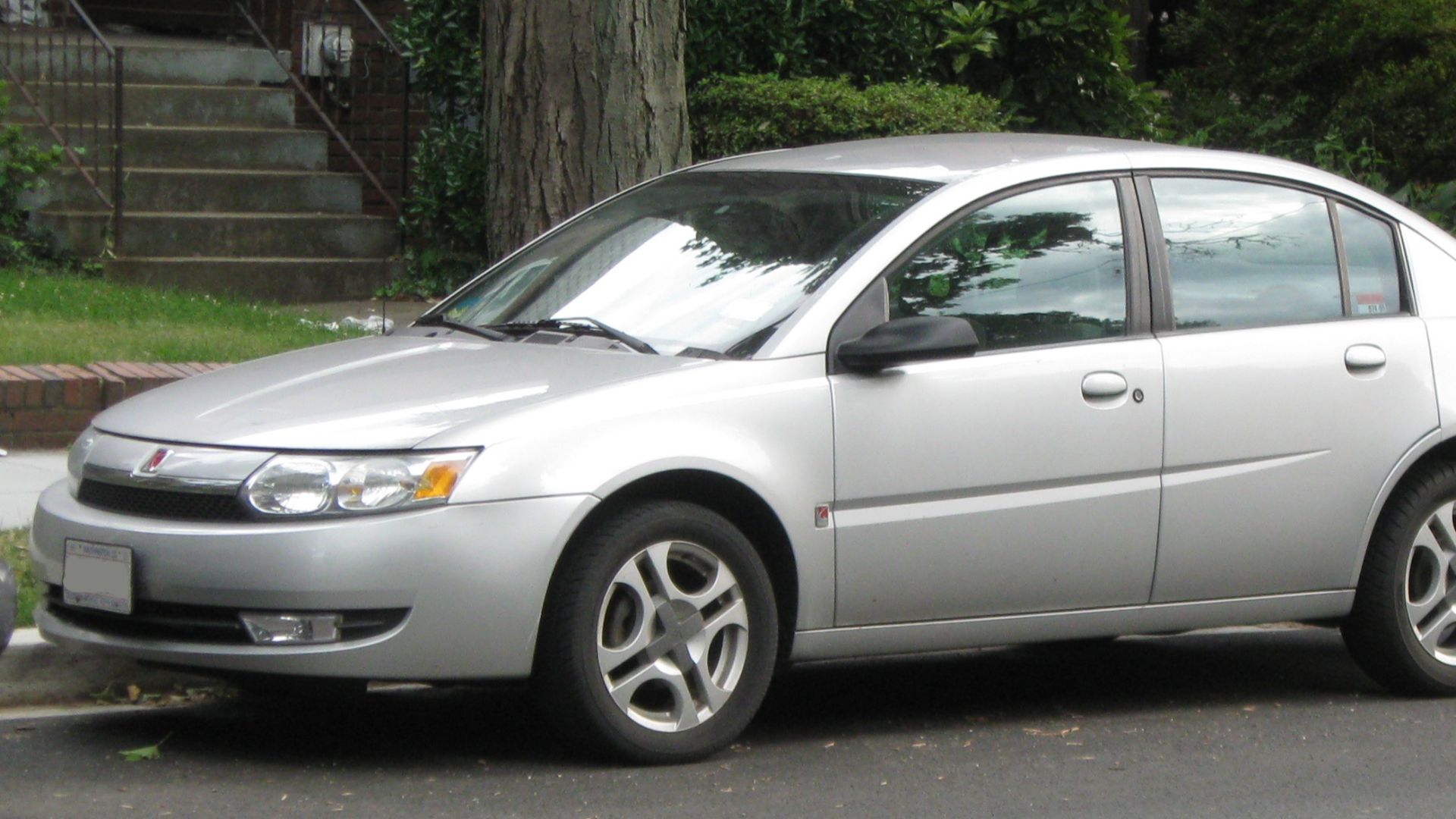
13. Saturn Ion
GM's "different kind of car company" eventually started producing vehicles like the Ion, which featured a weirdly centered dashboard and a generic plastic feel. It felt like a step backward in quality compared to the Japanese rivals it was supposed to beat. The Ion’s lack of success signaled the beginning of the end for the Saturn brand.
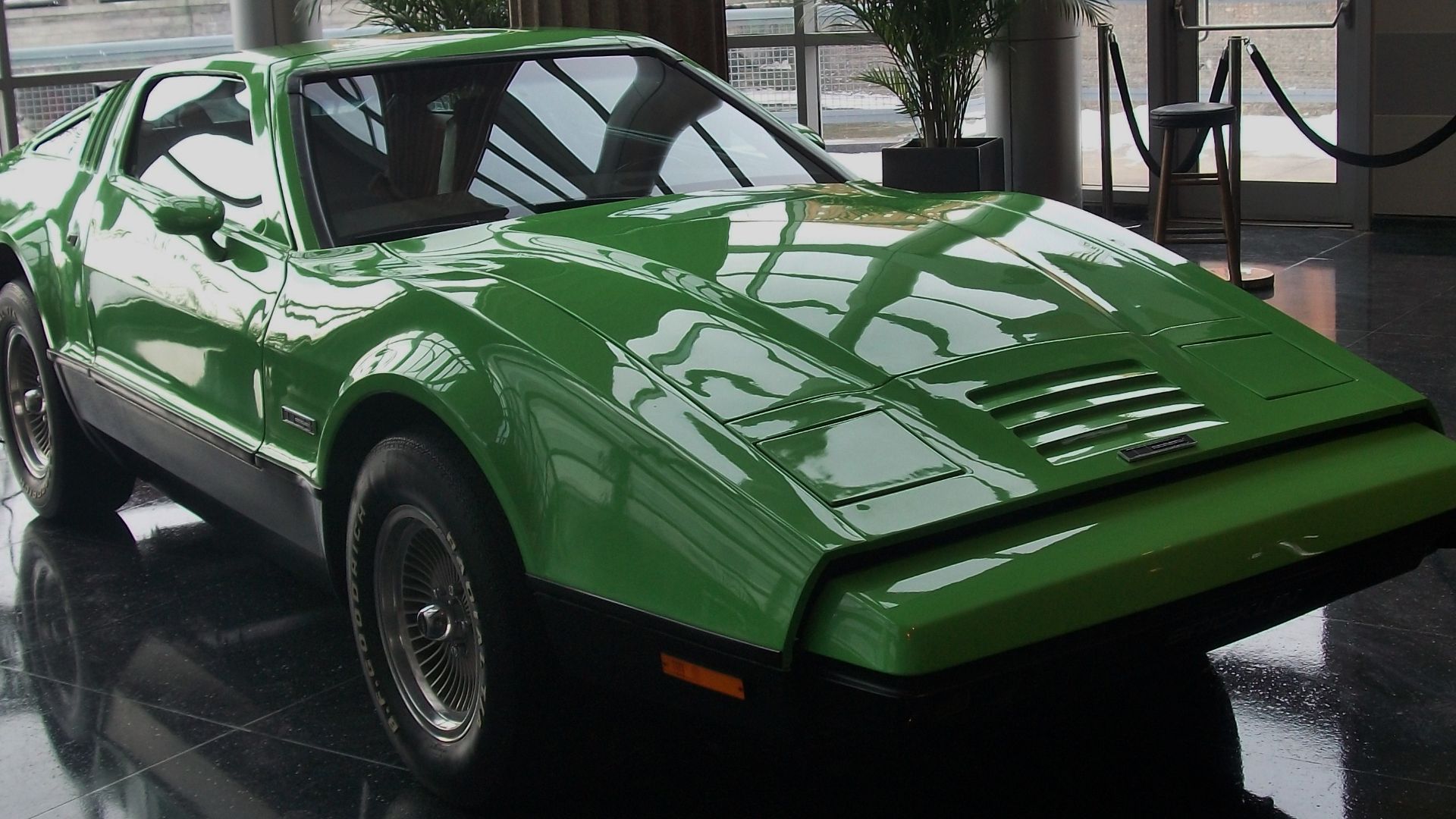
14. Bricklin SV-1
This Canadian sports car was marketed as a "Safety Vehicle," featuring integrated roll cages and massive bumpers, but it was plagued by overheating and electrical failures. The heavy doors were operated by a slow hydraulic system that frequently broke, leaving drivers stuck in a very safe but stationary plastic wedge. It’s a classic example of what happens when a company prioritizes a specific gimmick.
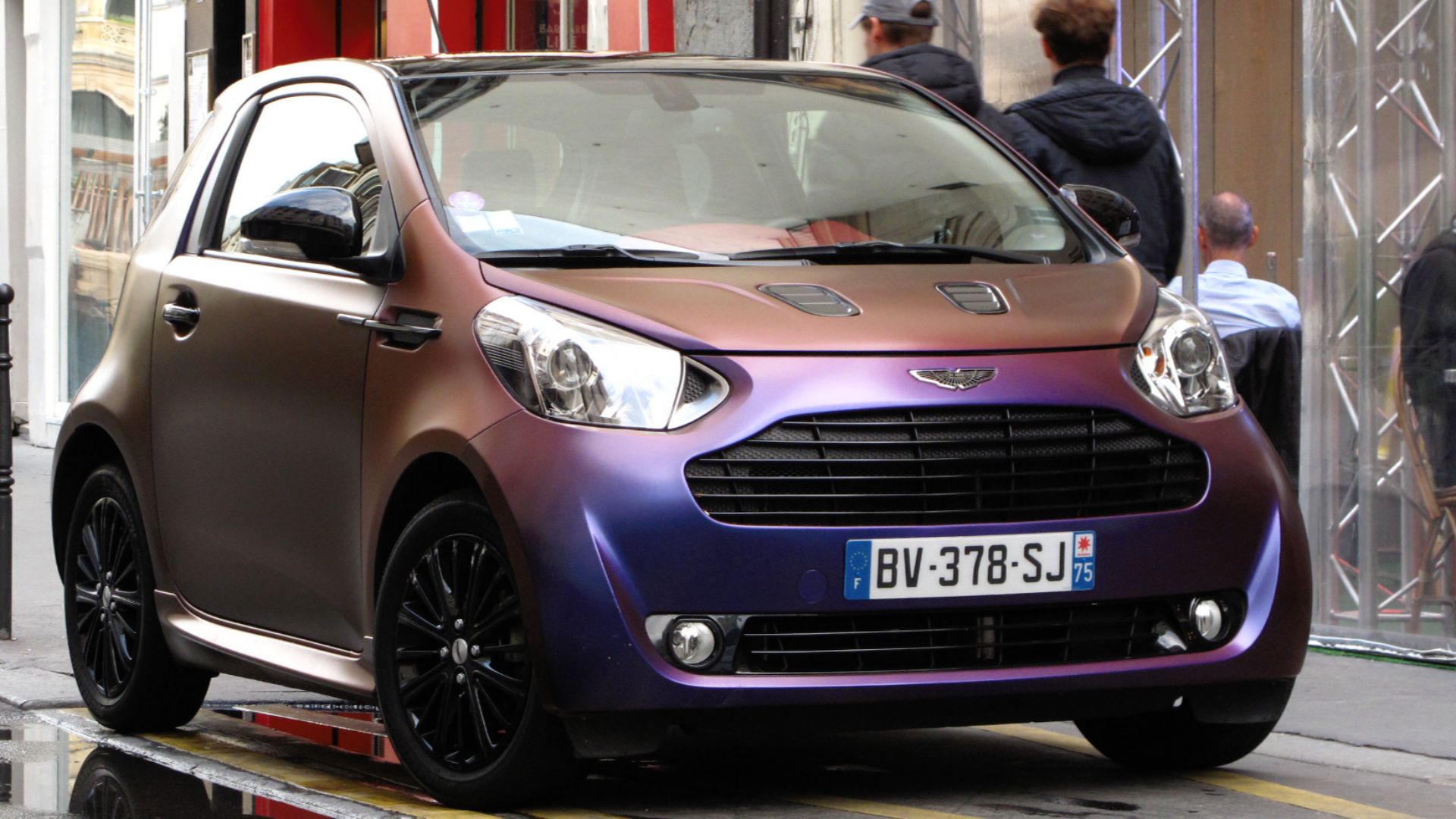
15. Aston Martin Cygnet
It’s hard to believe a luxury brand known for James Bond's rides decided to rebadge a tiny Toyota city car and sell it for a massive premium. This was a transparent attempt to lower the brand's average fleet emissions, and most car enthusiasts saw it as a desperate and silly move. The Cygnet showed that even the most prestigious names aren't above taking shortcuts that can potentially dilute their hard-earned brand image.
 Rutger van der Maar on Wikimedia
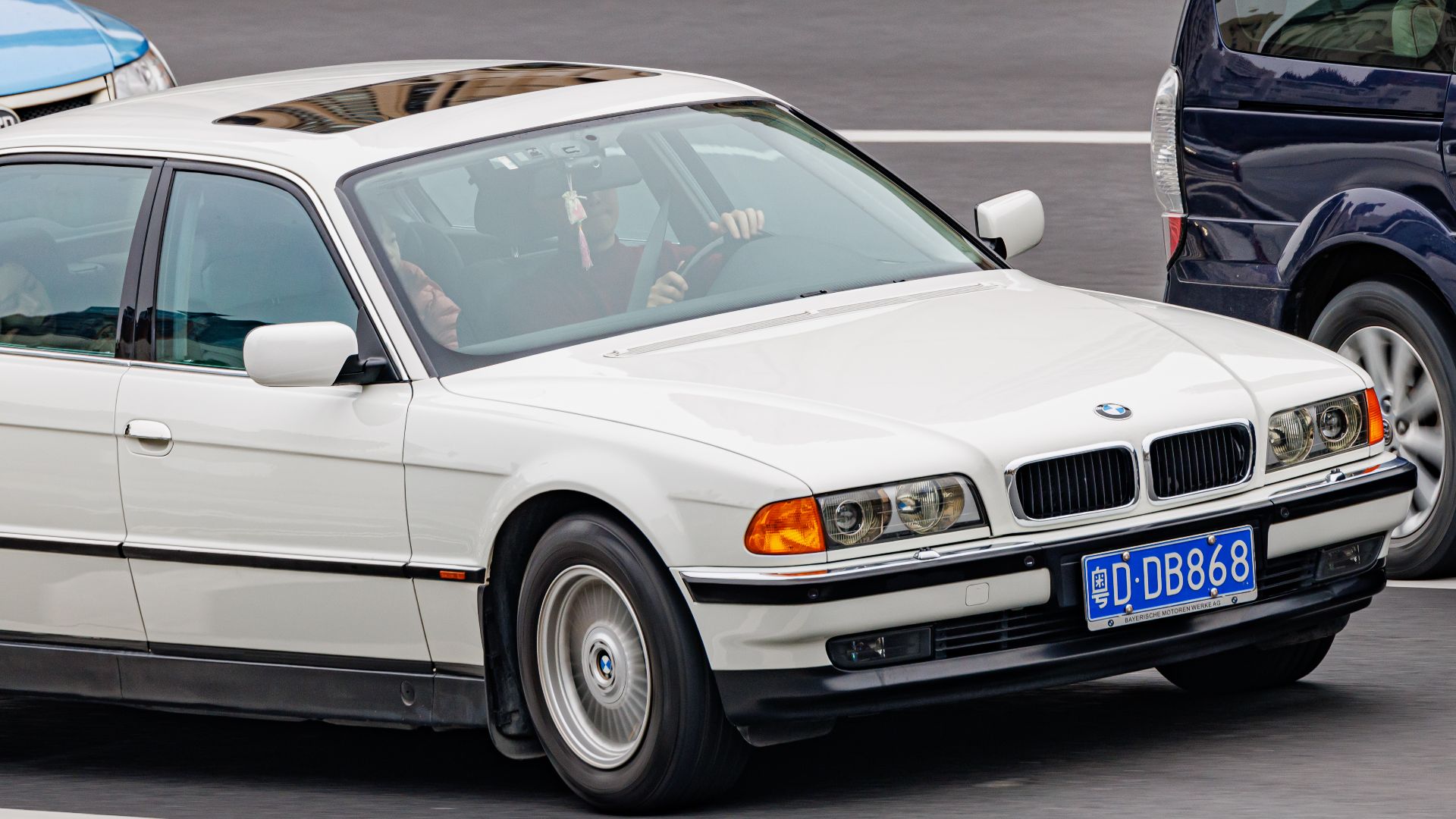
16. BMW 7 Series (E65)
This luxury sedan introduced the world to the first version of iDrive, a complicated knob-based system that controlled almost every function in the car. It was so unintuitive and buggy that it drove owners to distraction and made simple tasks like changing the radio station feel like a chore. This car started the trend of over-complicating car interiors with screens and menus.
17. Oldsmobile Diesel
In an attempt to offer better fuel economy in the 1970s, Oldsmobile rushed a diesel engine to market that was based on a gasoline engine block. These engines were notorious for blowing head gaskets and failing spectacularly, which gave diesel a horrible reputation in the United States for decades. It took a very long time for American consumers to trust the word "diesel" again.
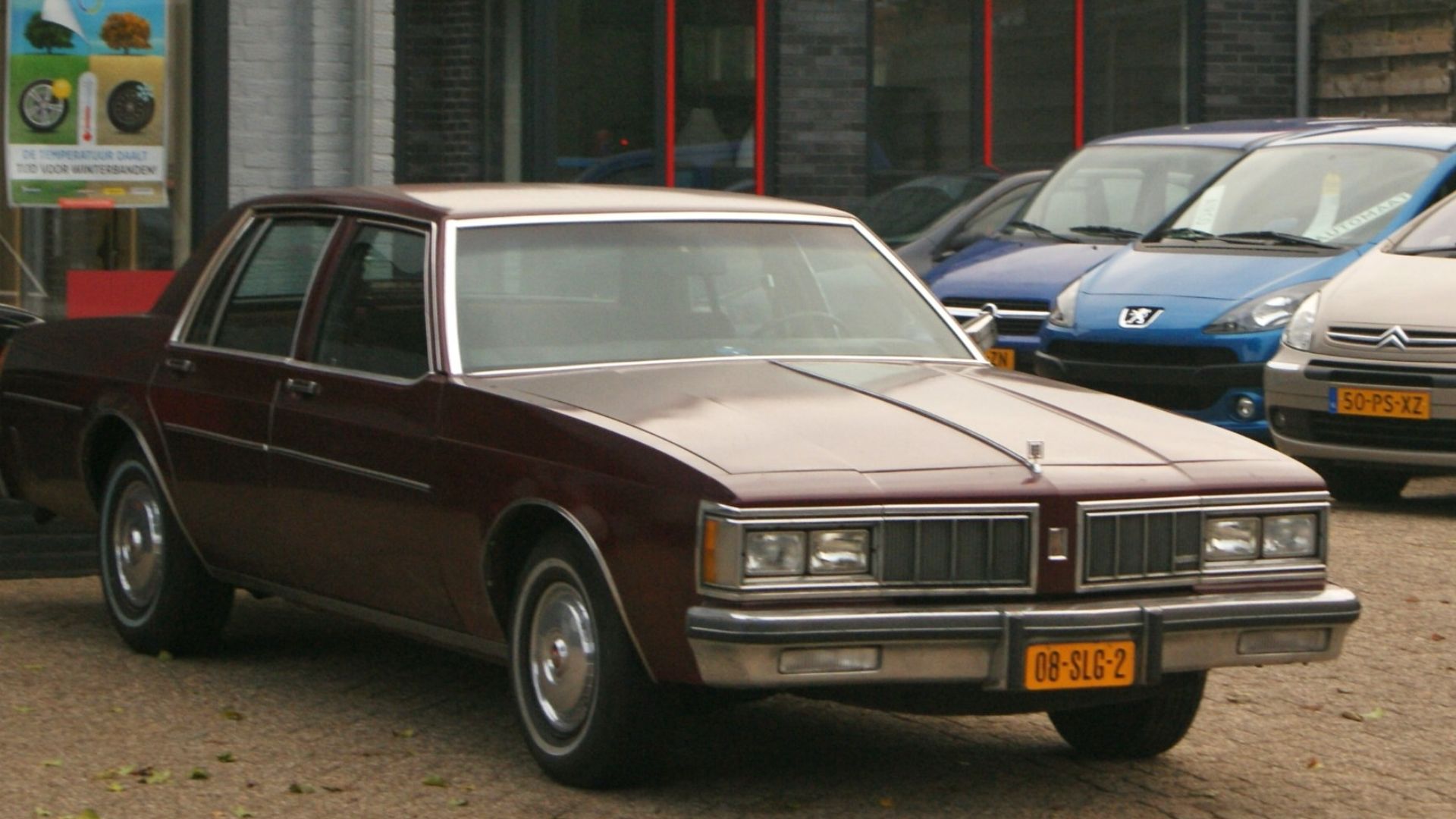 Niels de Wit from Lunteren, The Netherlands on Wikimedia
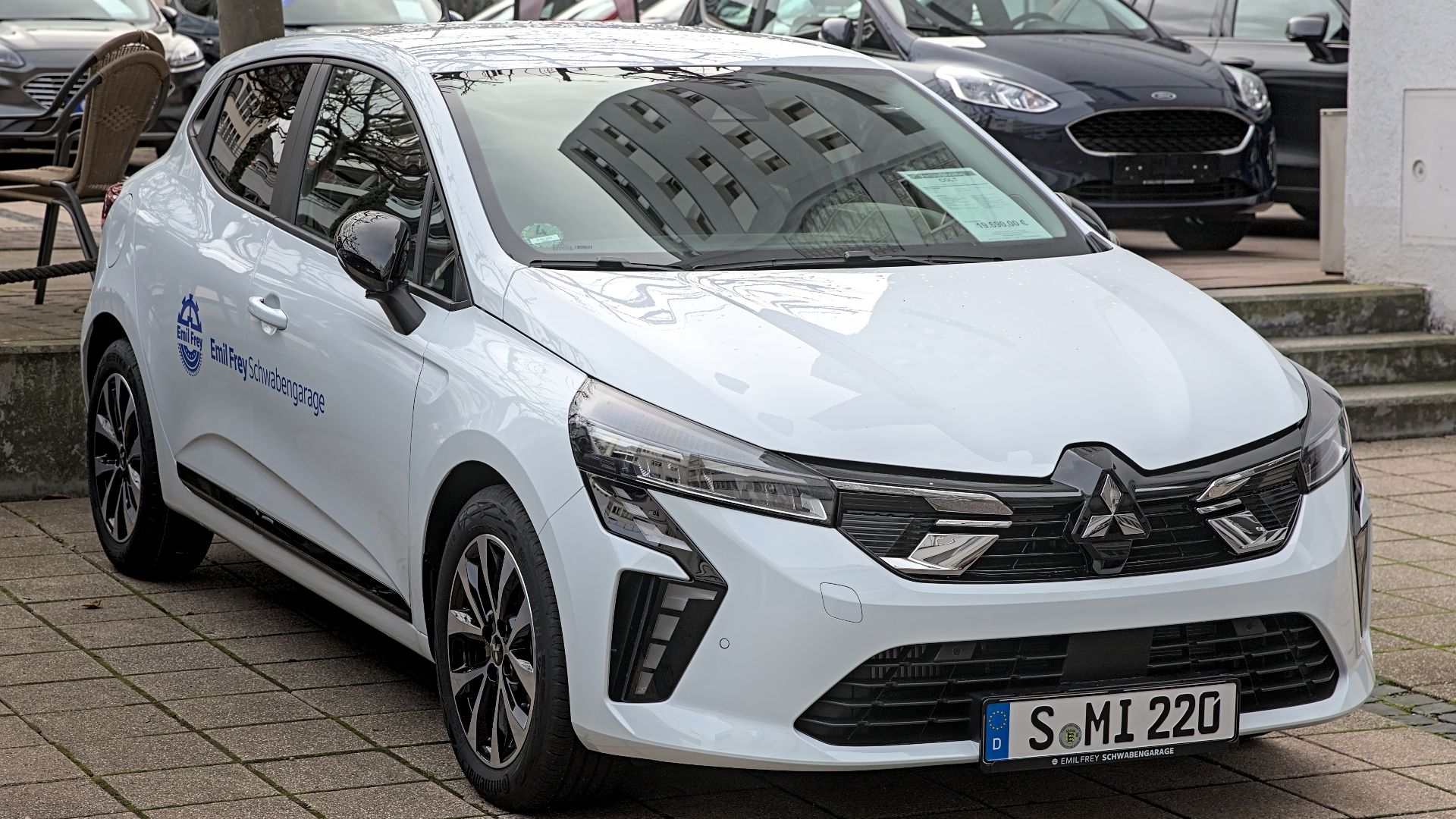
18. Mitsubishi Mirage (Modern)
Raise your hand if you thought modern cars wouldn’t be able to get any more comfortable? Well guess what kids, some of them can’t. The current Mirage is by far one of the cheapest and choppiest cars on the market today, leaving new owners wanting more throttle response and less engine noise.
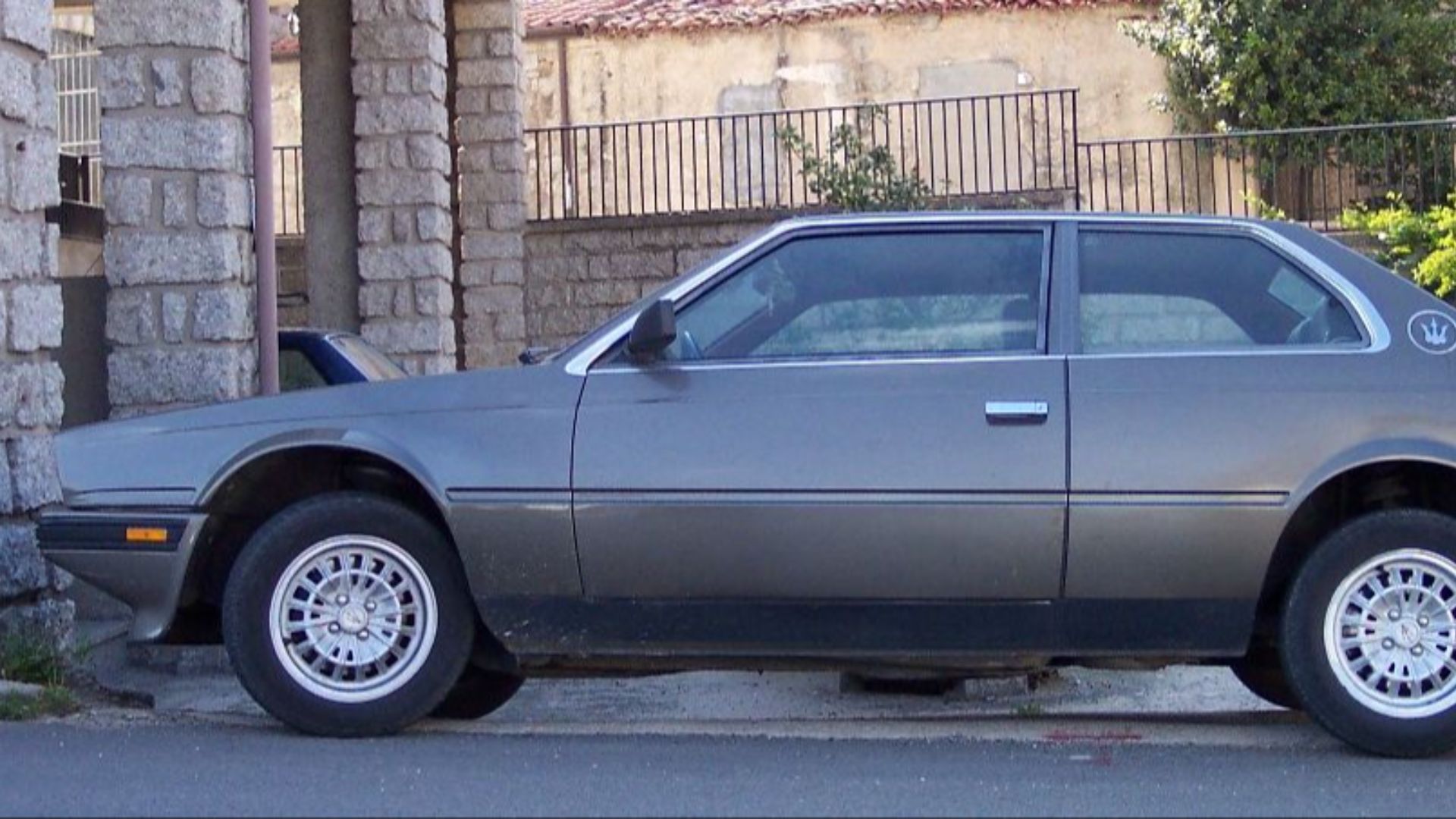
19. Maserati Biturbo
This heap was meant to give buyers Italian craftsmanship and bargain-bin turbocharged power, but resulted in endless electrical and engine failures instead. Nearly every system went wrong on the Biturbo, from literally smoking engines to interior trim melting in the sun. This only worsened stereotypes about imports.
20. Tesla Cybertruck
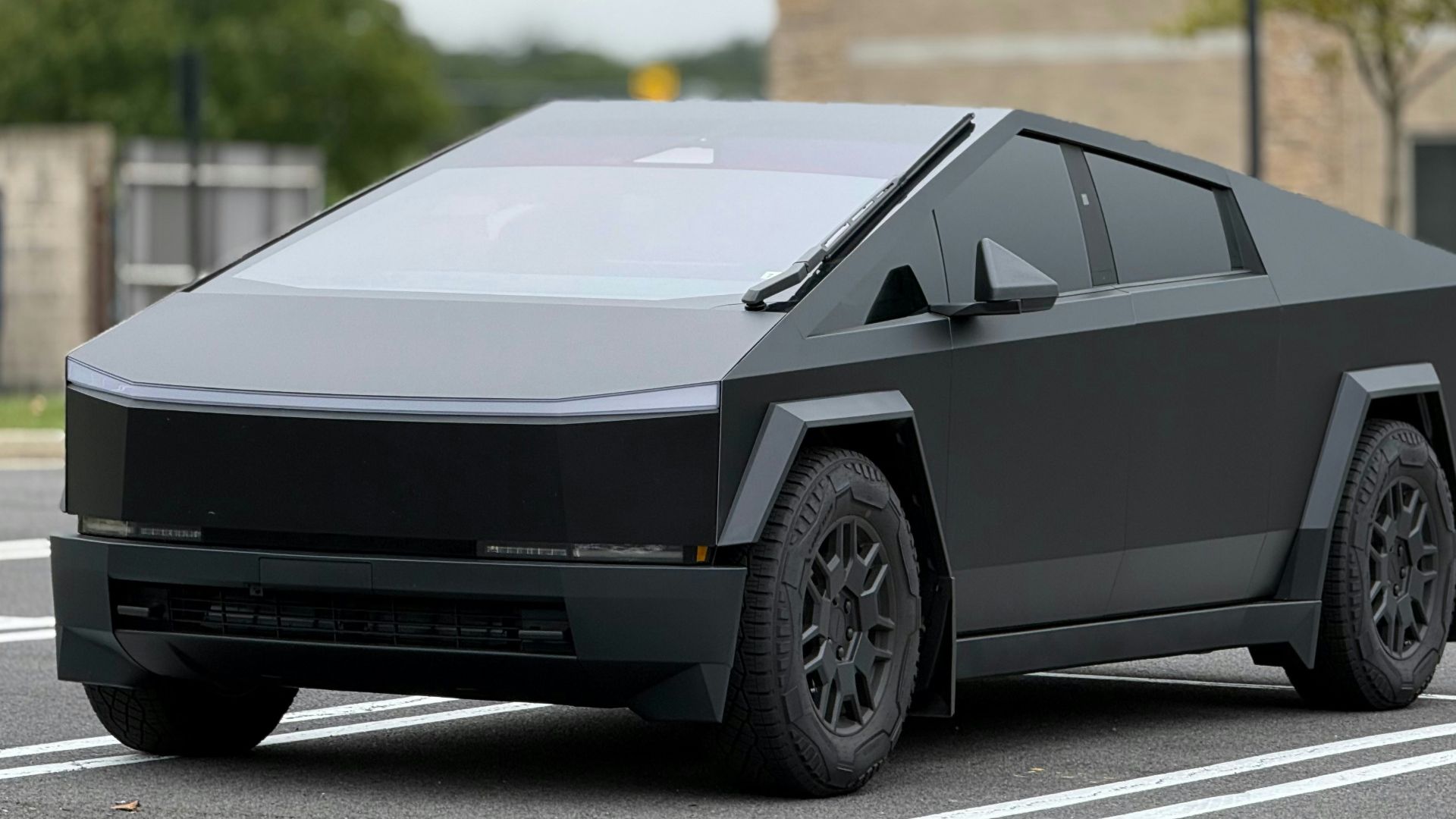
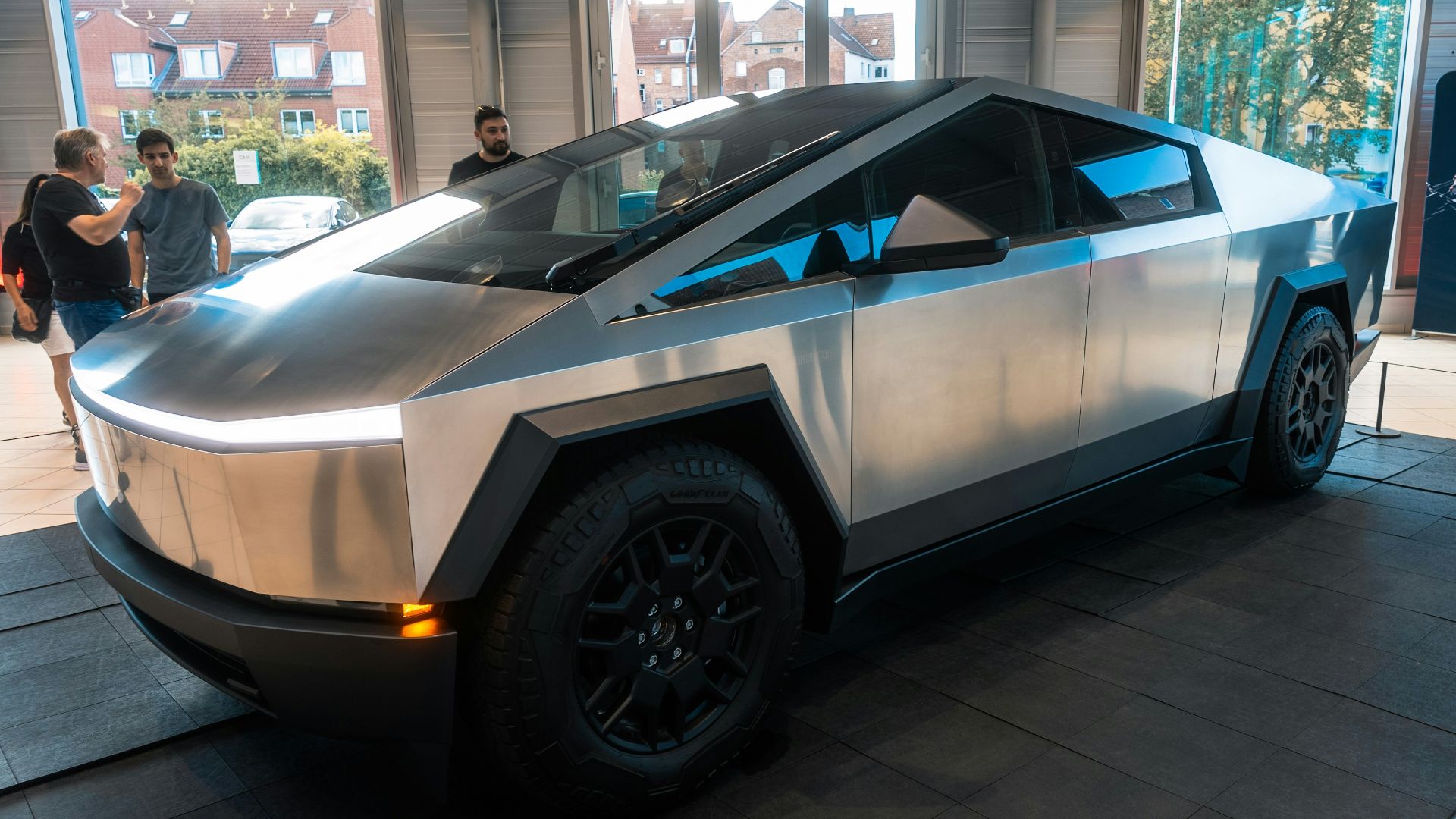
Whether you love the look or hate it, this stainless steel wedge has sparked endless debates about pedestrian safety and the practicality of sharp, unpainted metal panels. Its delayed launch was filled with broken "armor glass" and concerns about how the stiff body would handle a serious crash. It represents a shift toward "tech-first" vehicles that prioritize viral moments and futuristic aesthetics over traditional automotive design principles.