
20 Cars That People Buy for the Badge and Immediately Regret
Sometimes, the Logo Is the Best Part
There's something undeniably appealing about driving a car with a prestigious badge on the hood. Whether it's a Mercedes-Benz, BMW, Porsche, or Maserati, certain brands carry expectations of luxury, performance, and sophistication that can make even their most affordable models seem desirable. Unfortunately, buying a car based on its brand's reputation doesn't always guarantee the experience you had in mind. From surprisingly uncomfortable interiors to underwhelming engines and costly maintenance, these 20 vehicles prove that the flashy logo isn't always worth the extra money.
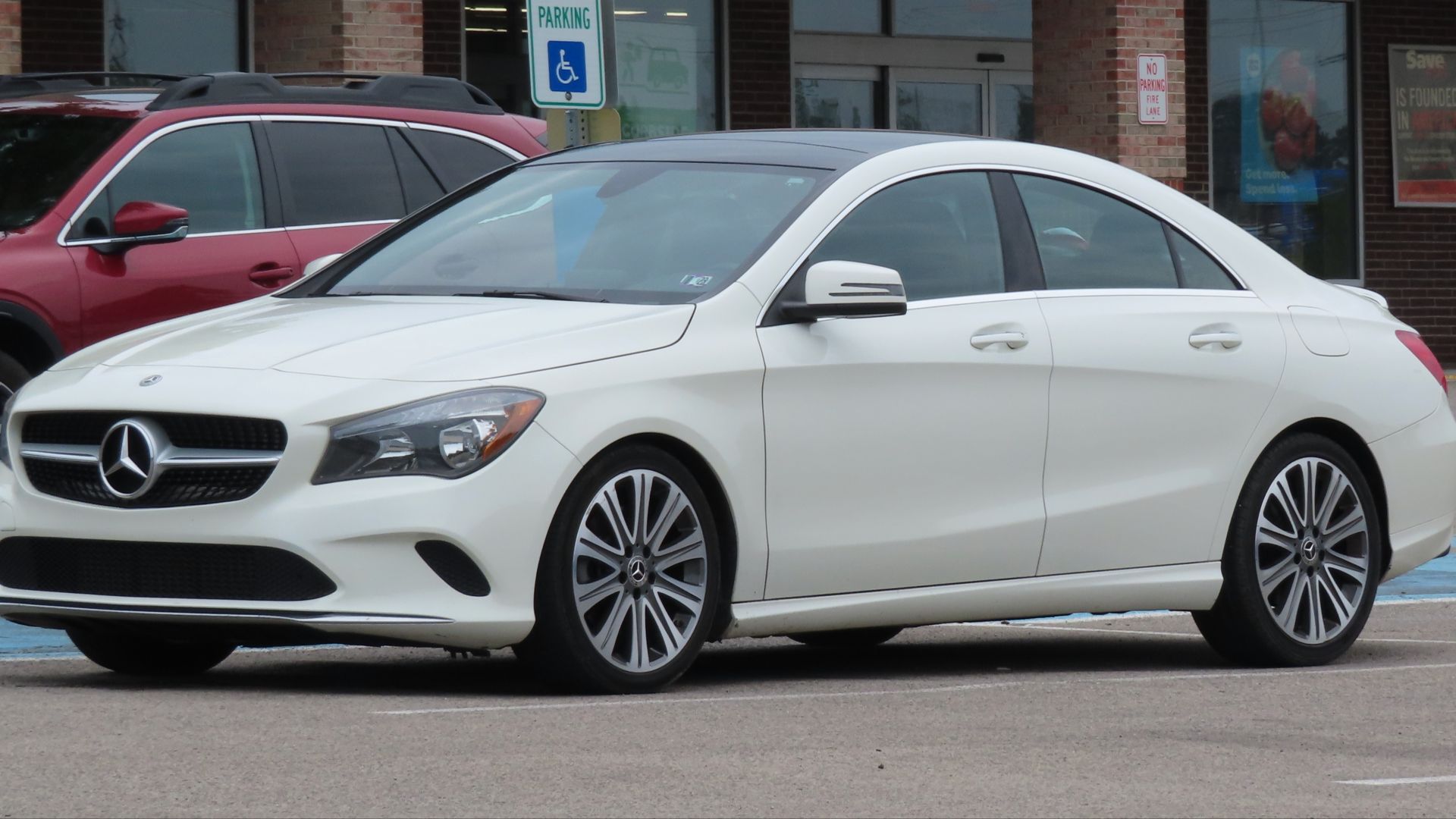
1. Mercedes-Benz CLA 250
The CLA 250 is one of the more affordable ways to get behind the wheel of a Mercedes-Benz, making it especially appealing to buyers who appreciate a prestigious badge. Unfortunately, its cramped rear seats, firm suspension, and sometimes hesitant transmission can make daily driving feel less luxurious than expected. Some owners may eventually realize that a more mainstream sedan offers more comfort and practicality at a much lower price.
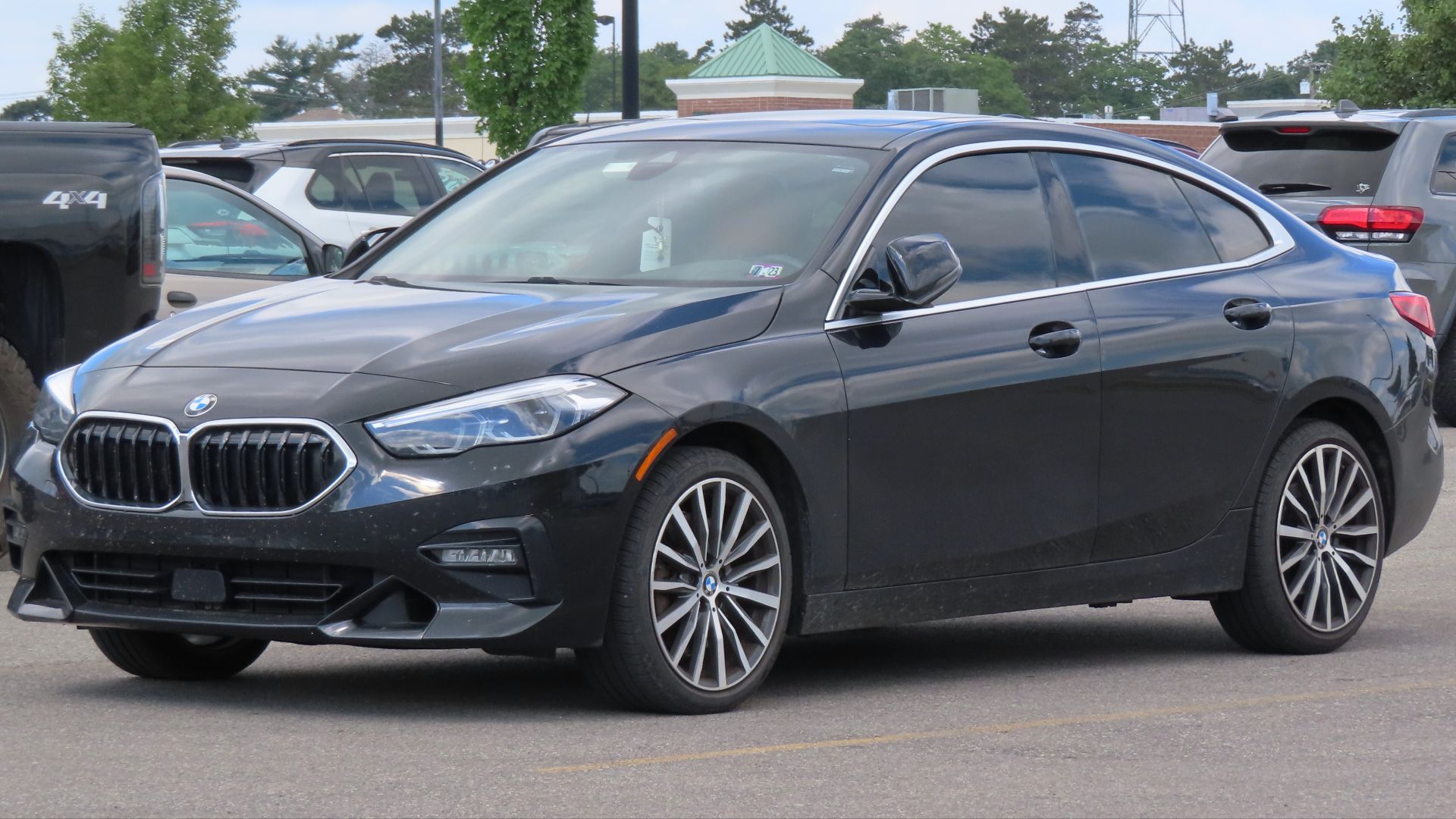
2. BMW 228i Gran Coupe
Anyone expecting the 228i Gran Coupe to provide the classic BMW driving experience might be in for a disappointment. Unlike the brand's traditional rear-wheel-drive sedans, this compact model rides on a front-wheel-drive-based platform that doesn't quite deliver the same handling characteristics. Combine that with a tight backseat and relatively stiff suspension, and you may start wondering whether the BMW badge was worth the premium.
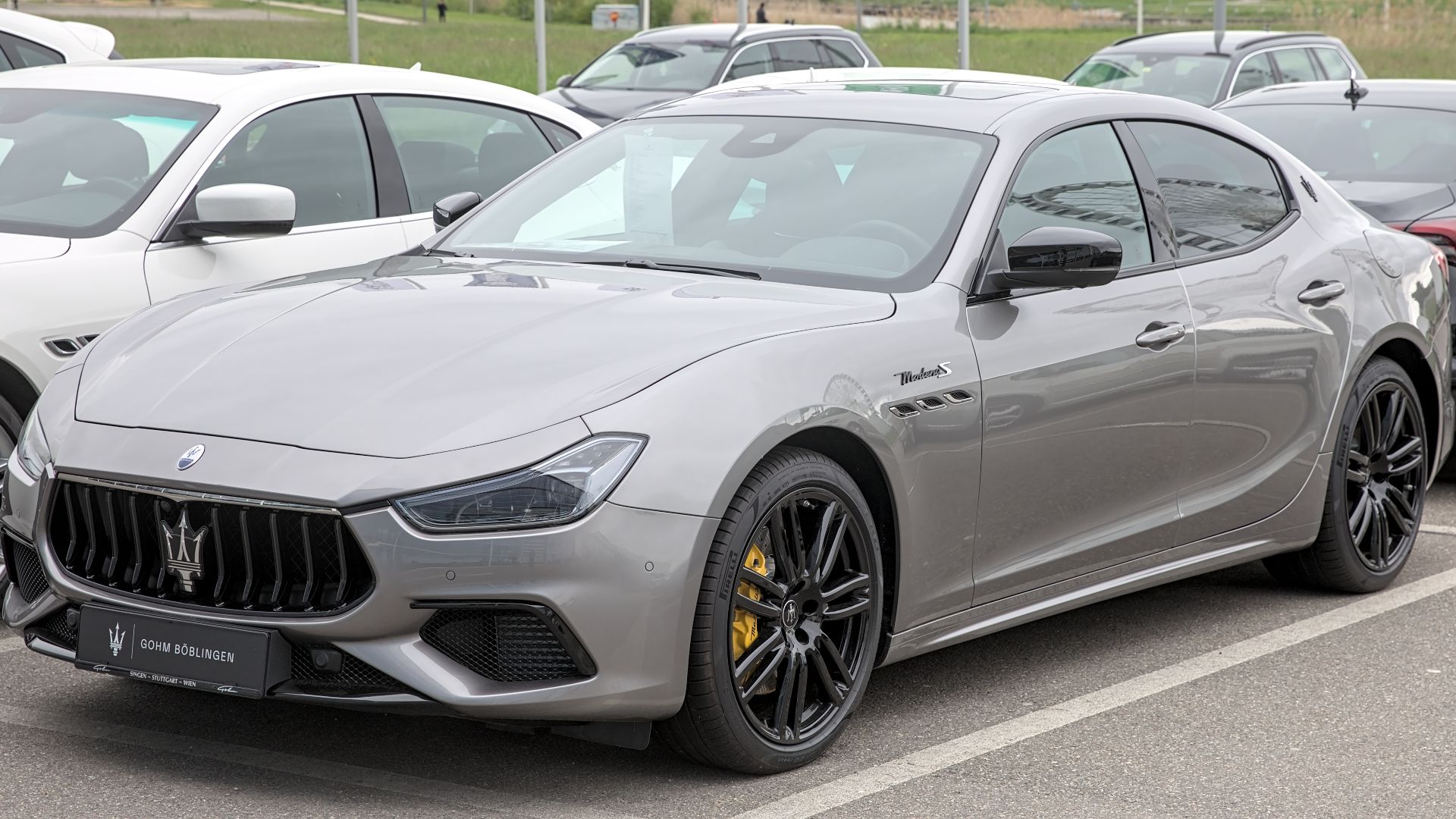
3. Maserati Ghibli
Few sedans turn heads quite like a Maserati Ghibli, particularly when its distinctive exhaust note gets everyone's attention. However, earlier models came with some surprisingly ordinary Chrysler-sourced switches and controls that felt out of place in such an expensive car. Throw in substantial depreciation and an interior that isn't as refined as some German competitors, and the thrill of owning an Italian luxury sedan can fade pretty quickly.
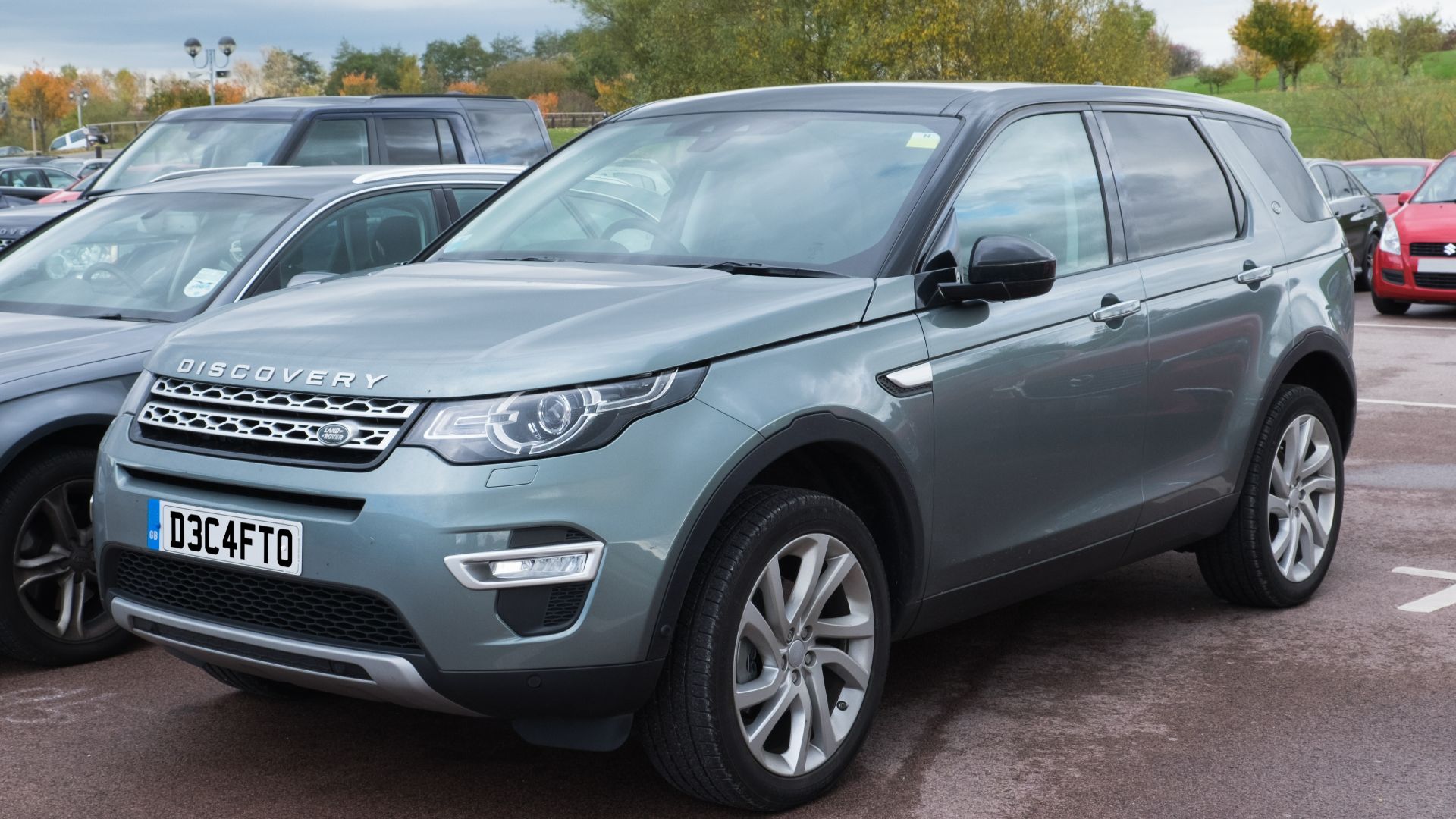
4. Land Rover Discovery Sport
The Discovery Sport promises British luxury, impressive off-road capability, and all the prestige that comes with the Land Rover name. Unfortunately, a history of electrical issues, infotainment complaints, and questionable reliability can make ownership frustrating, especially if you're shopping for a used model. That adventurous image might start losing its appeal once you've made a few too many trips to the dealership.
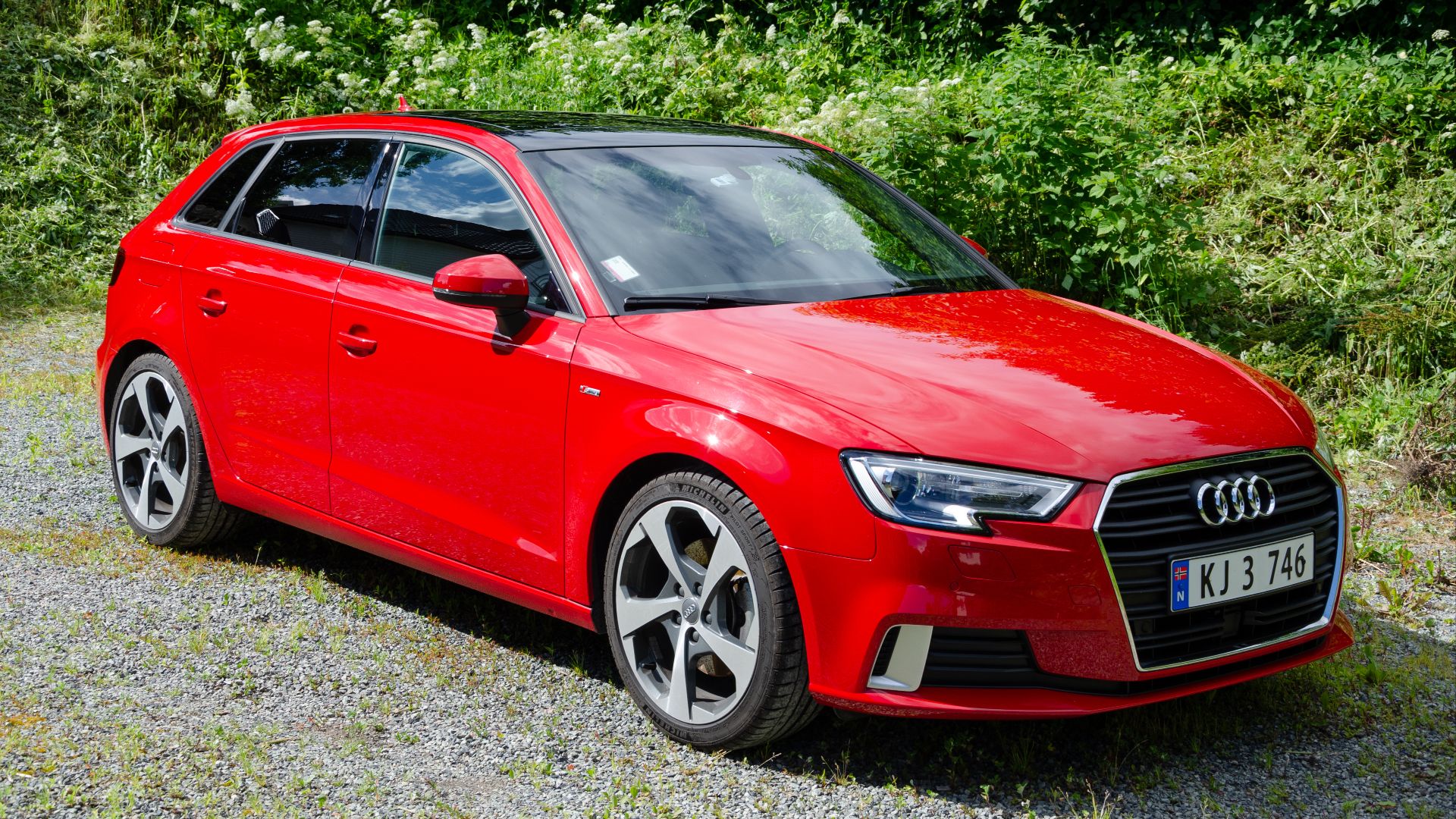
5. Audi A3
Audi's entry-level sedan certainly looks the part, thanks to its understated styling, attractive interior, and instantly recognizable four-ring badge. However, shoppers expecting a major step up from a Volkswagen Golf or Jetta might be surprised to learn just how much engineering these vehicles share. The A3 is a perfectly capable car, but its limited rear-seat space and pricey optional features can make the extra expense difficult to justify.
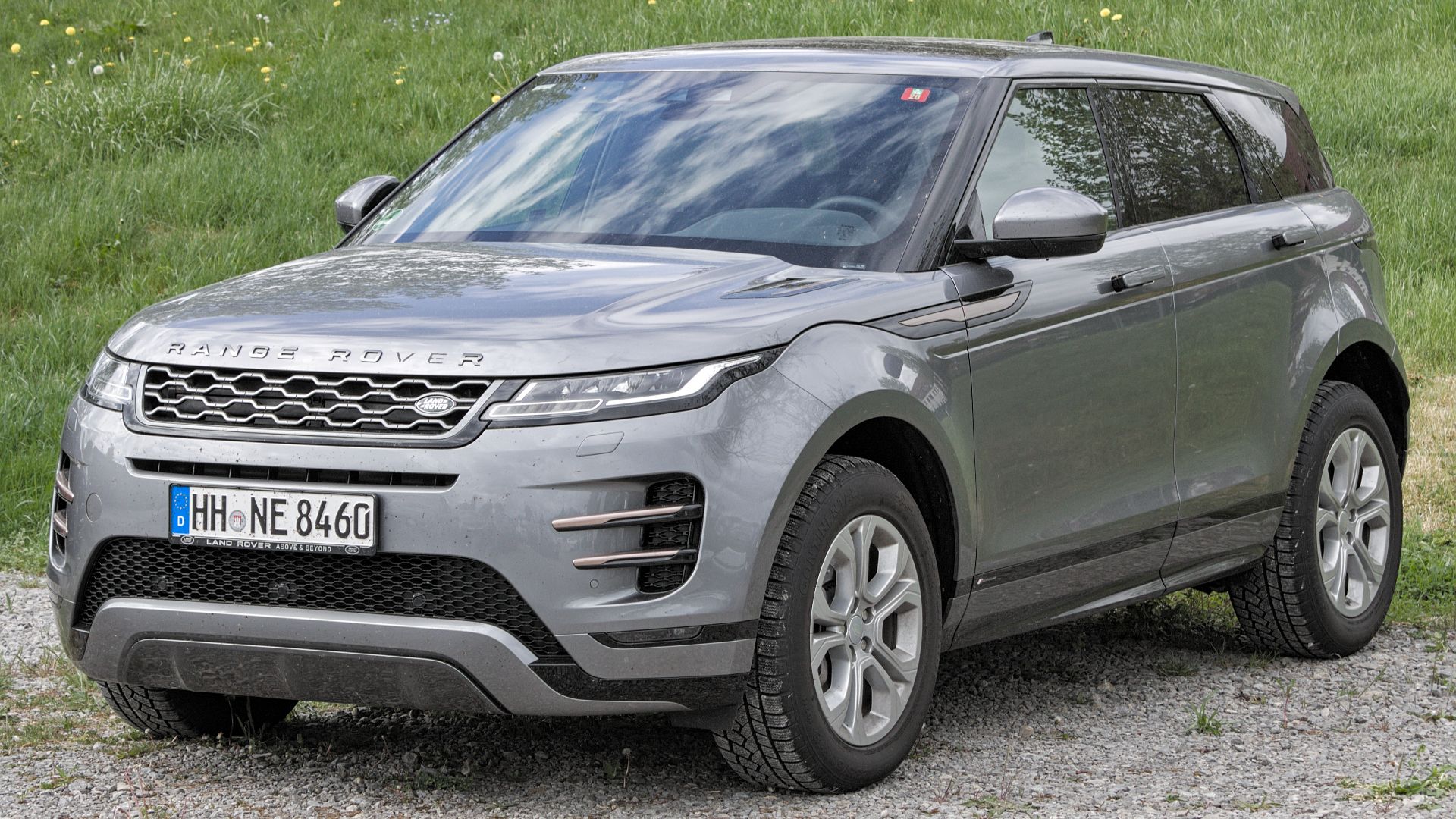
6. Range Rover Evoque
The Evoque's fashionable styling and prestigious Range Rover branding have made it a popular choice for people who want a luxury SUV without paying for a full-size model. Unfortunately, that sleek design comes at the expense of rear visibility and practicality, while the vehicle's mixed reliability record gives used buyers even more to think about. It's certainly an attractive SUV, but looking expensive doesn't guarantee a pleasant ownership experience.
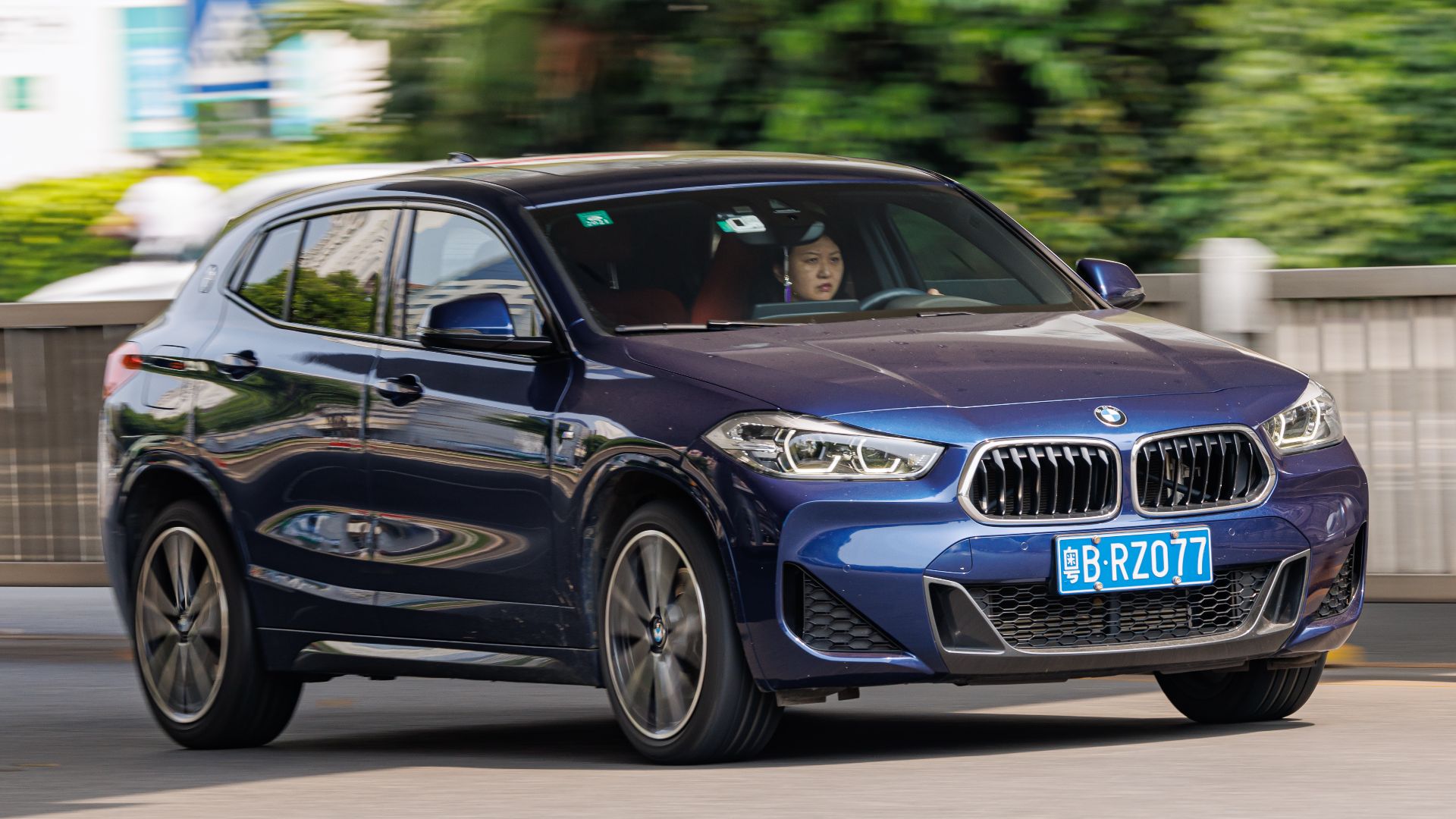
7. BMW X2 (First Generation)
With its sporty roofline and recognizable BMW badge, the original X2 appeals to drivers who want something a little more fashionable than the average crossover. Once the excitement of owning one wears off, however, its limited cargo capacity, restricted rear visibility, and fairly firm ride become harder to overlook. Anyone who values everyday comfort and convenience may eventually wish they'd gone with the more practical X1 instead.
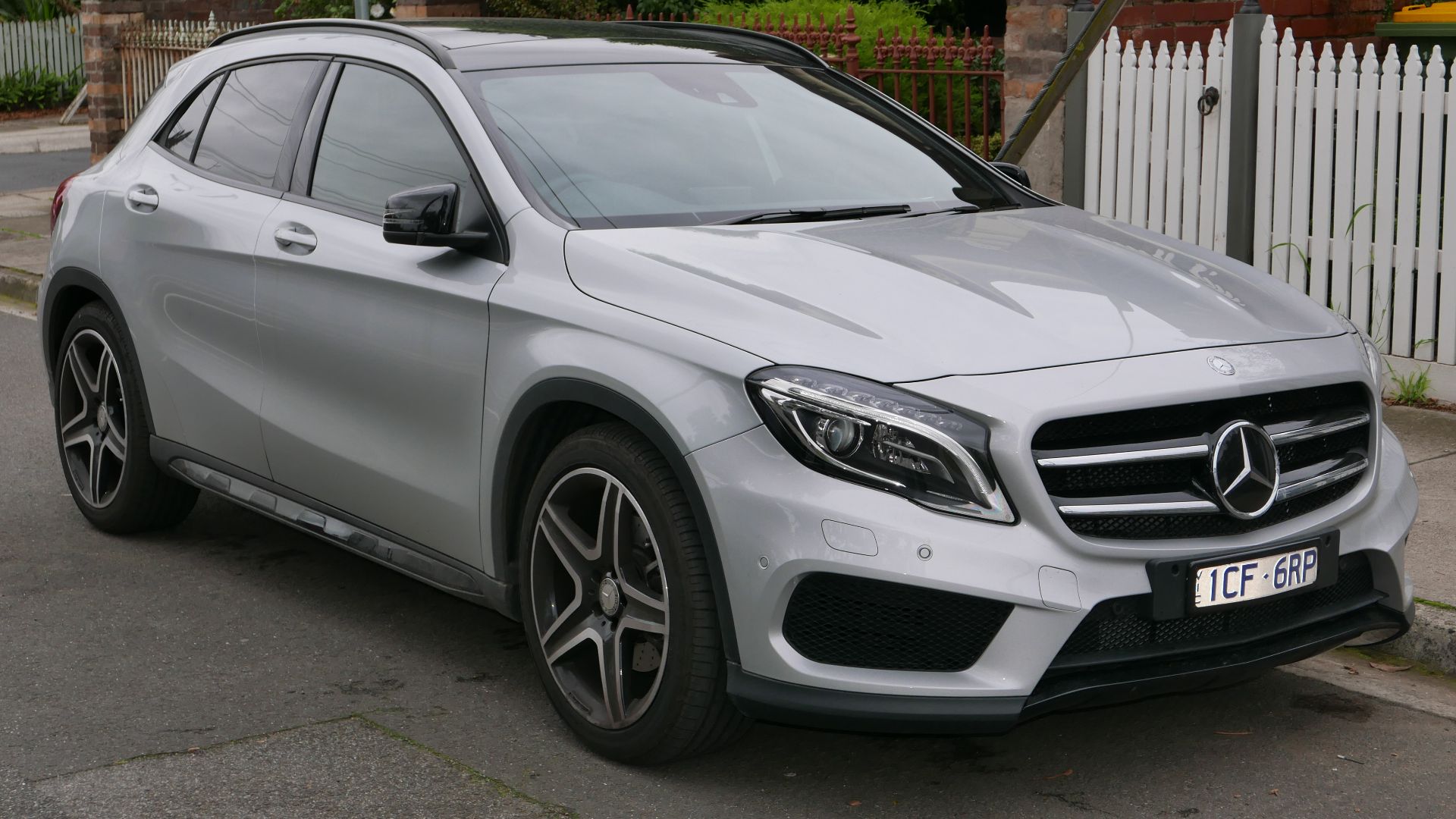
8. Mercedes-Benz GLA 250 (First Generation)
The original GLA 250 caught the attention of shoppers looking to own a Mercedes-Benz without spending a fortune. While its compact dimensions made navigating city streets and parking lots easier, the stiff suspension and cramped rear seating weren't exactly what you'd expect from a luxury SUV. Its raised hatchback design also meant that anyone hoping for the spaciousness of a traditional crossover could end up feeling shortchanged.
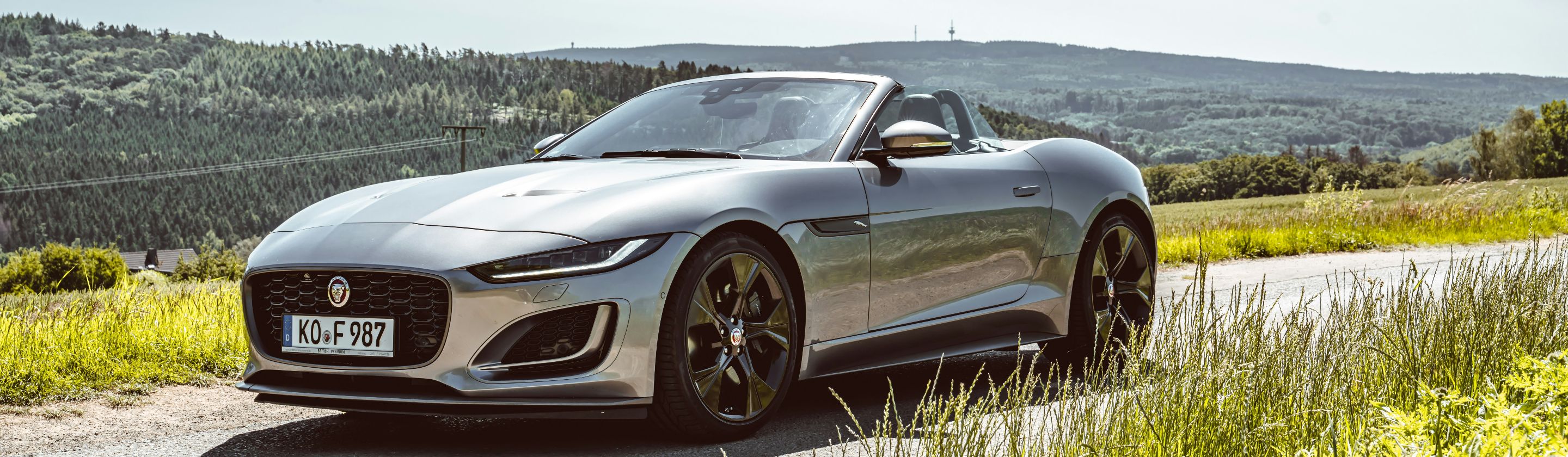
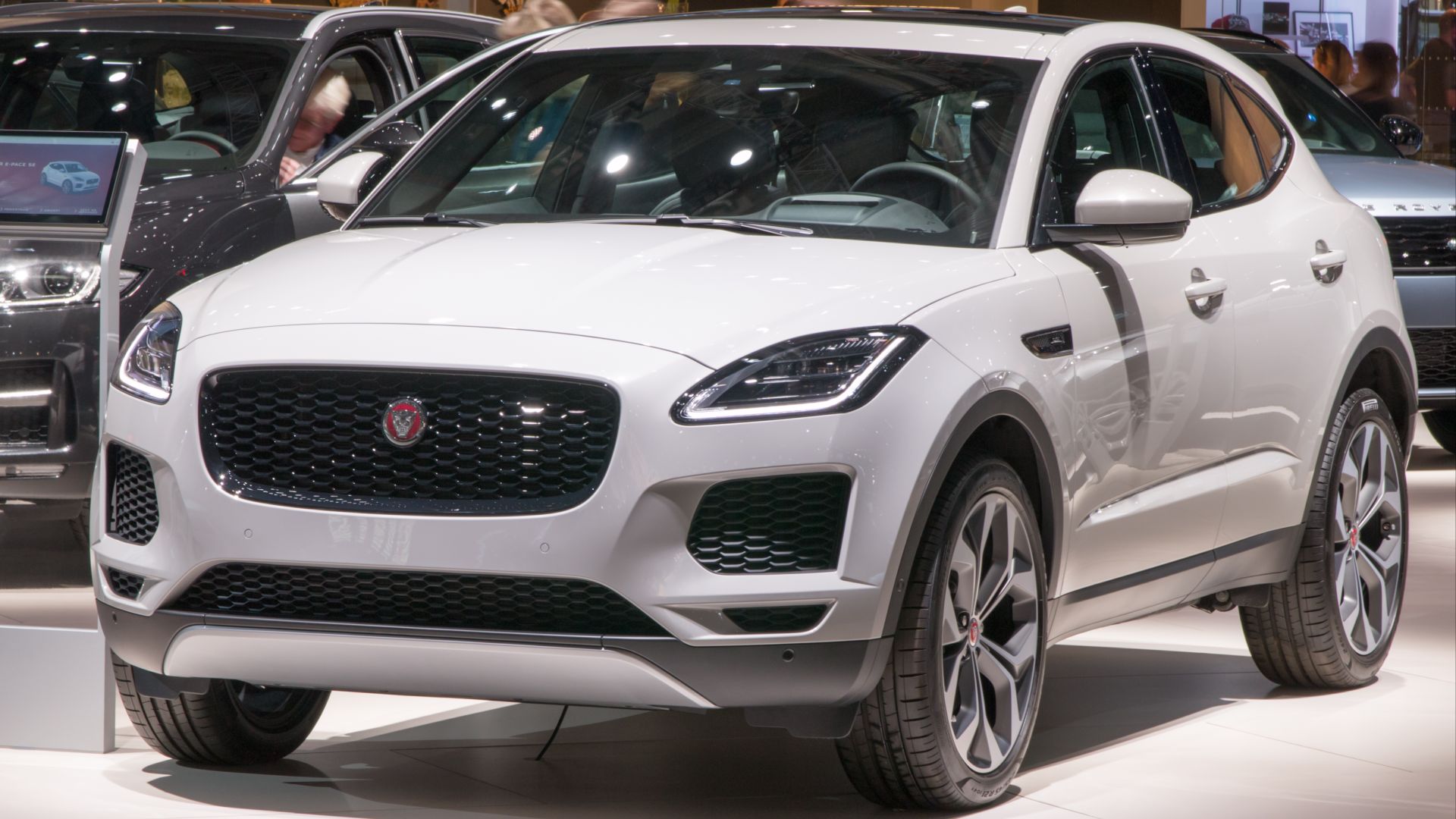
9. Jaguar E-Pace
Jaguar's E-Pace certainly has attractive styling going for it, along with the appeal of driving something you don't see nearly as often as a BMW or Audi. Unfortunately, its somewhat sluggish acceleration, tight rear seats, and disappointing fuel economy can take away from that initial excitement. When you've spent luxury-car money on a compact SUV that isn't particularly quick or spacious, the novelty of owning a Jaguar may not be enough to keep you satisfied.
 Johannes Maximilian on Wikimedia
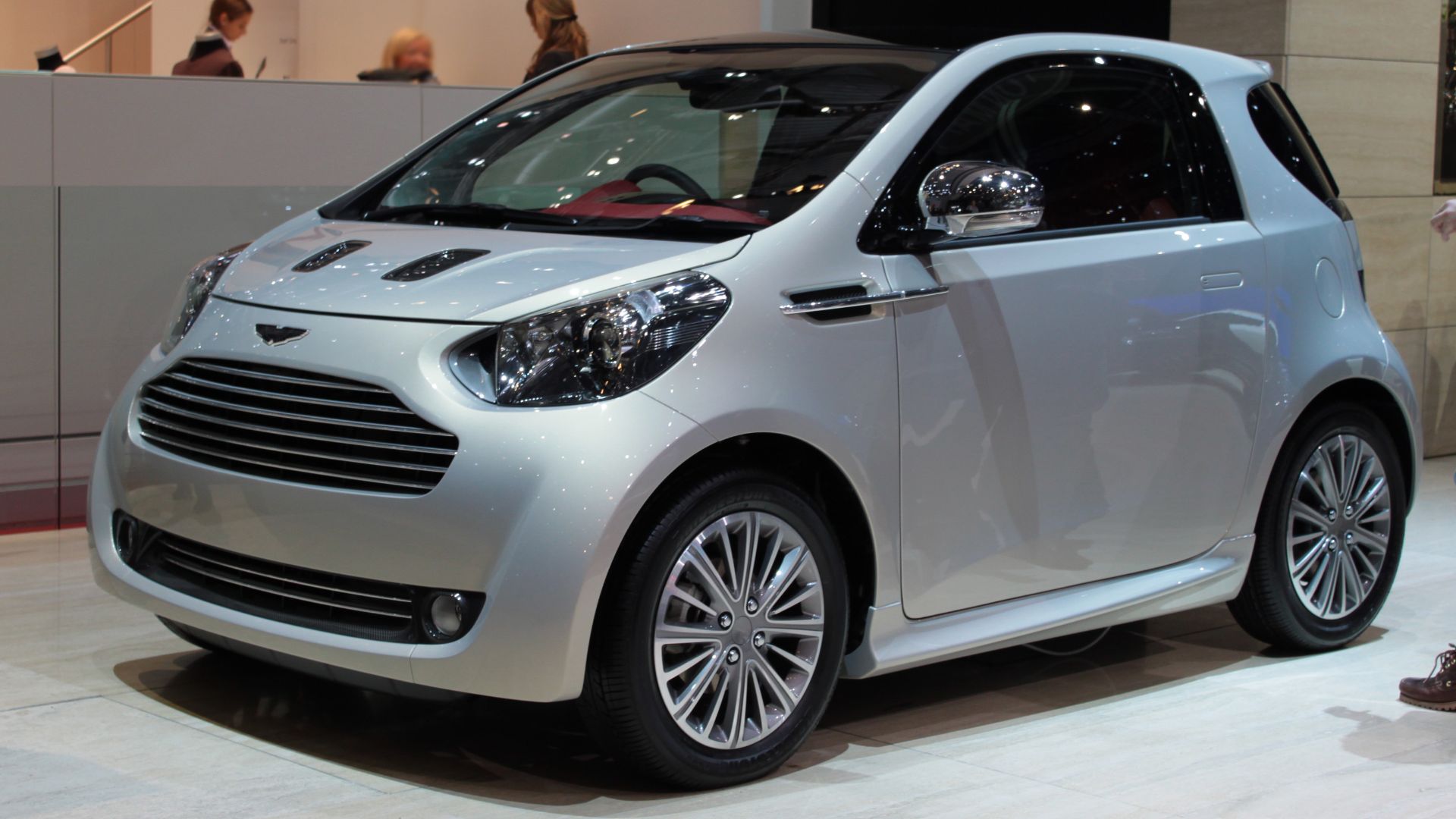
10. Aston Martin Cygnet
The Aston Martin Cygnet might be one of the most disappointing ways to get behind the wheel of a prestigious British luxury car. Despite wearing the same badge as some of the most legendary sports cars, it was essentially a Toyota iQ with upgraded interior materials, different styling, and a price tag nearly three times higher. Its tiny 97-horsepower engine offered none of the exciting performance associated with Aston Martin, leaving buyers paying a substantial premium for little more than the name.
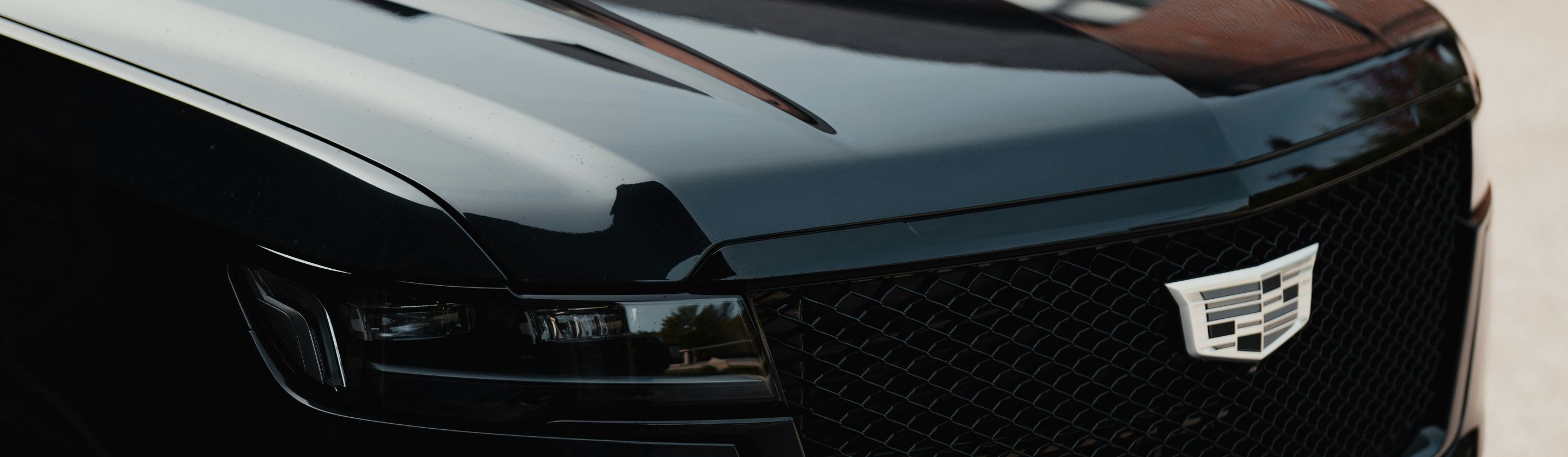
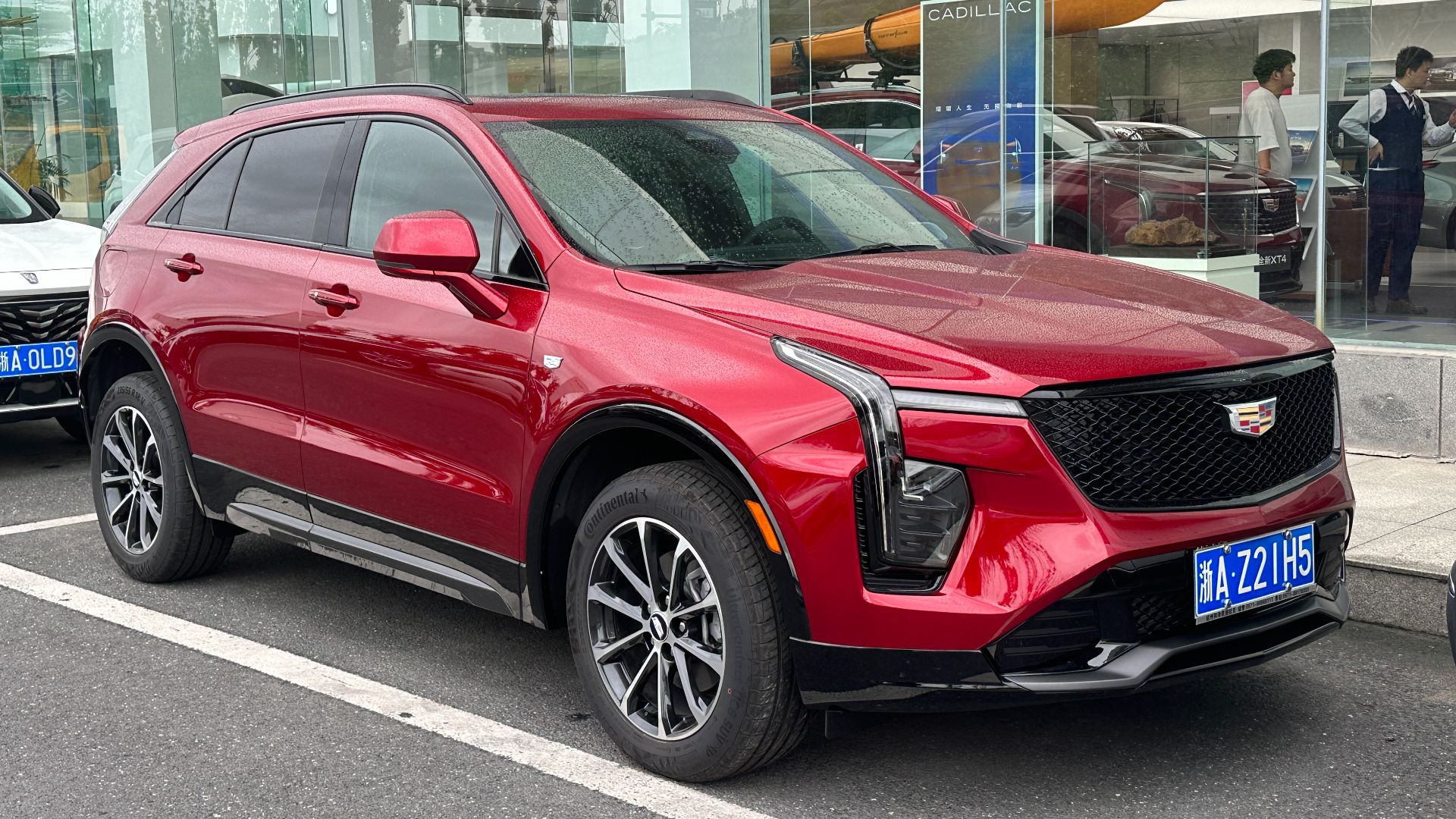
11. Cadillac XT4
Cadillac's XT4 offers distinctive styling and a relatively accessible opportunity to own a vehicle from one of America's most recognizable luxury brands. Unfortunately, its four-cylinder engine can sound surprisingly unrefined, and certain interior materials don't feel particularly special considering the price. Shoppers drawn in by Cadillac's long-standing reputation for luxury might find that the actual driving experience is rather ordinary.
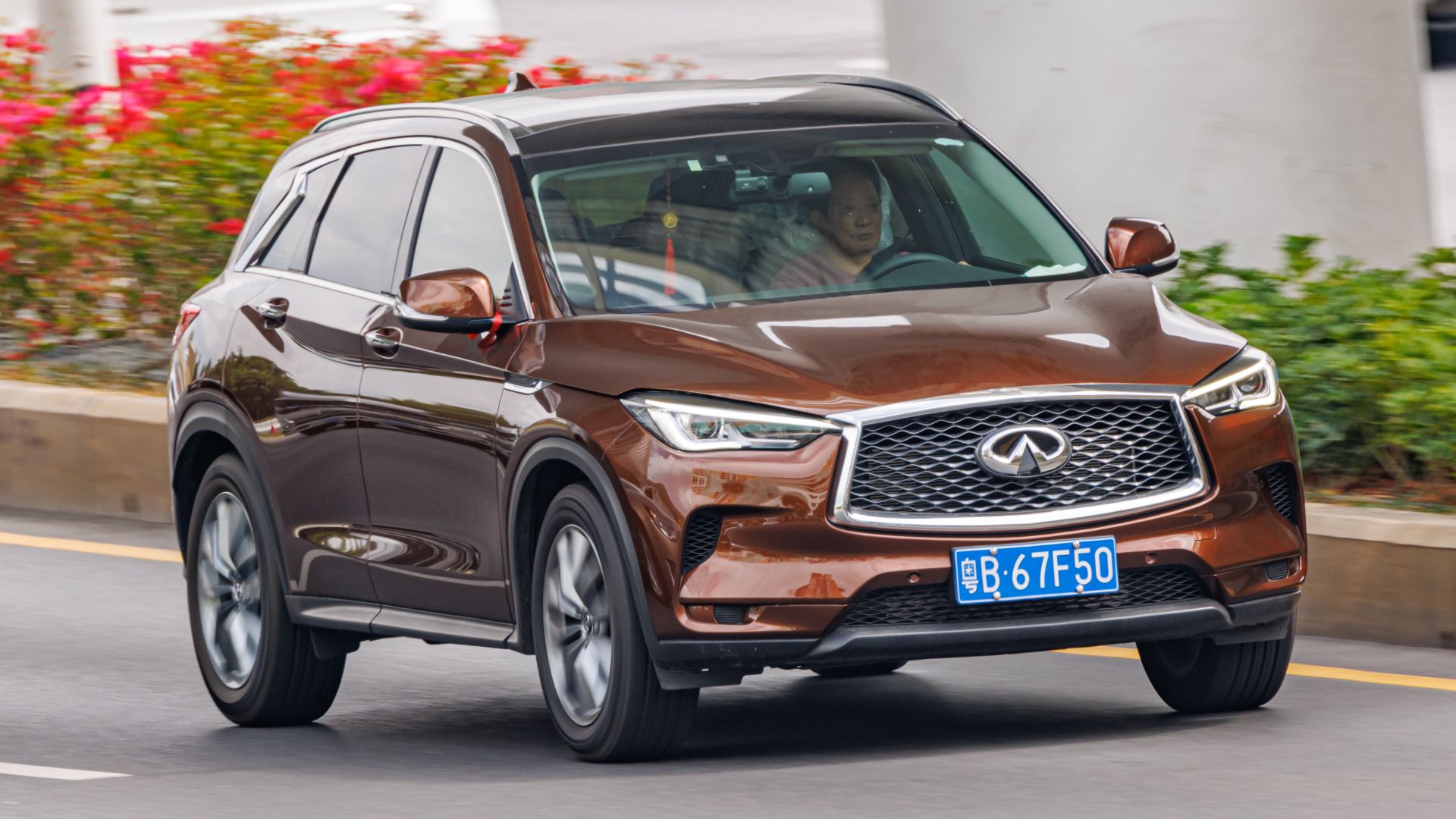
12. Infiniti QX50 (Second Generation)
The second-generation QX50 arrived with an innovative variable-compression turbocharged engine and an interior that looked suitably luxurious. Unfortunately, its continuously variable transmission can create an awkward disconnect between engine noise and acceleration, particularly when you're trying to enjoy a more spirited drive. Despite all that impressive engineering, the overall experience doesn't necessarily deliver the engaging performance you might expect from a premium SUV.
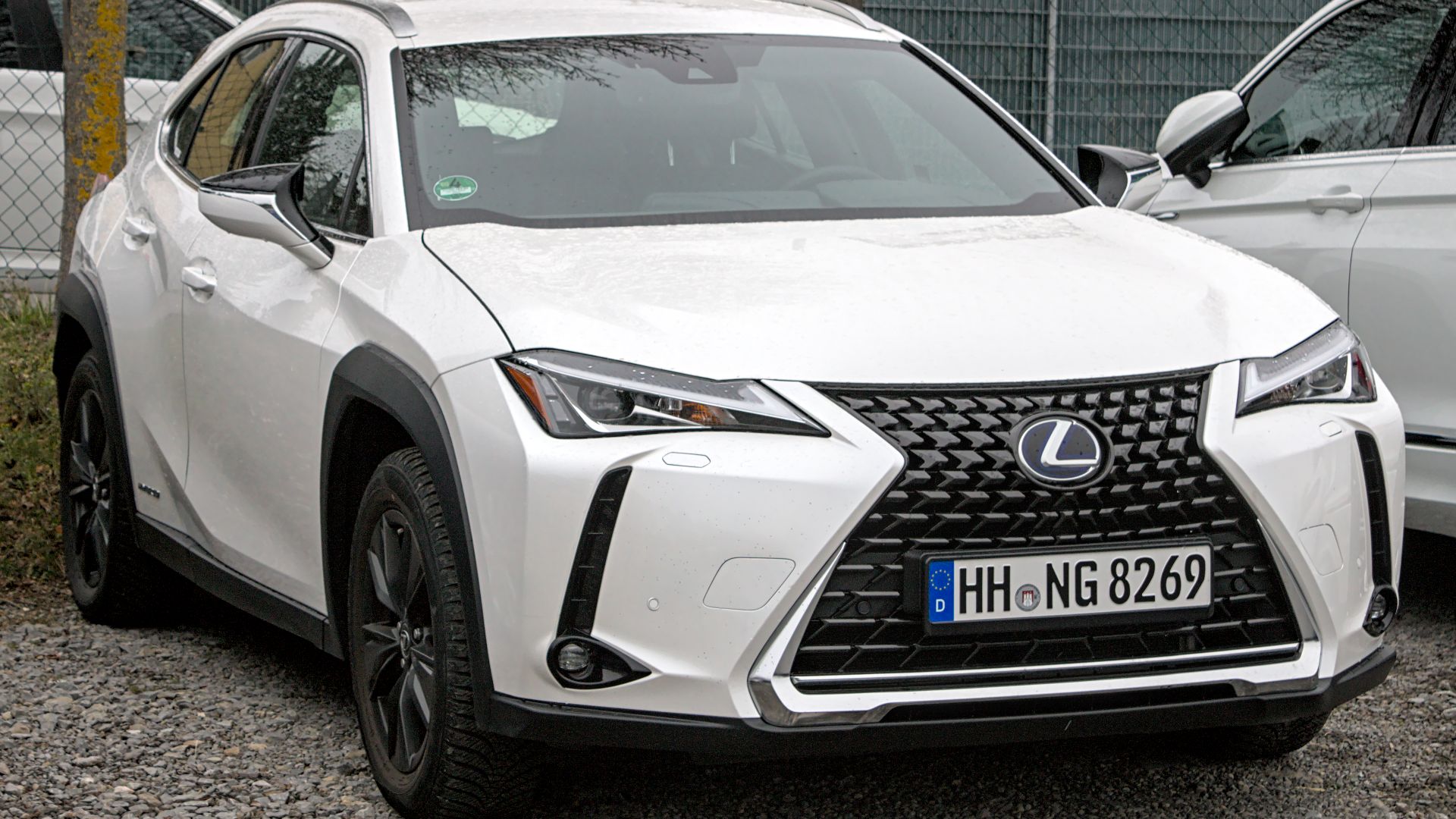
13. Lexus UX 250h
Lexus has earned an excellent reputation for reliability, making the UX 250h an appealing option for anyone seeking affordable luxury and impressive fuel economy. However, its tiny cargo area, cramped backseat, and rather modest acceleration quickly reveal the compromises that come with choosing the brand's smallest crossover. It's certainly economical in several respects, but shoppers expecting a roomy luxury SUV may soon realize they bought the wrong vehicle.
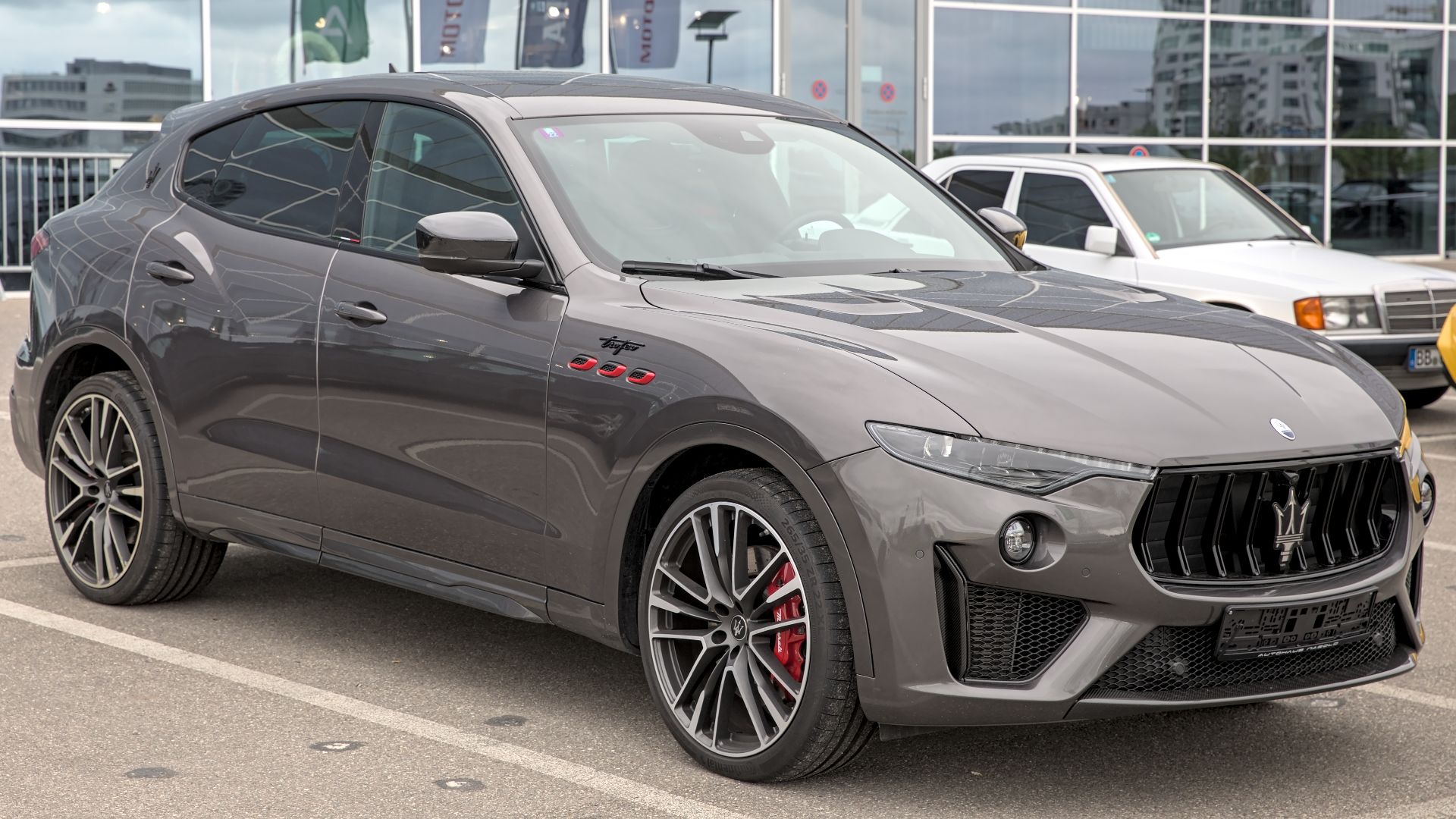
14. Maserati Levante
The idea of owning a Maserati SUV sounds pretty exciting, especially when you consider the brand's Italian heritage and reputation for producing powerful engines. Unfortunately, the Levante's costly maintenance, steep depreciation, and occasional use of less-than-exclusive interior components can make ownership feel considerably less glamorous. Buyers who chose one mainly for that prestigious badge might eventually find themselves thinking more about the bills than the driving experience.
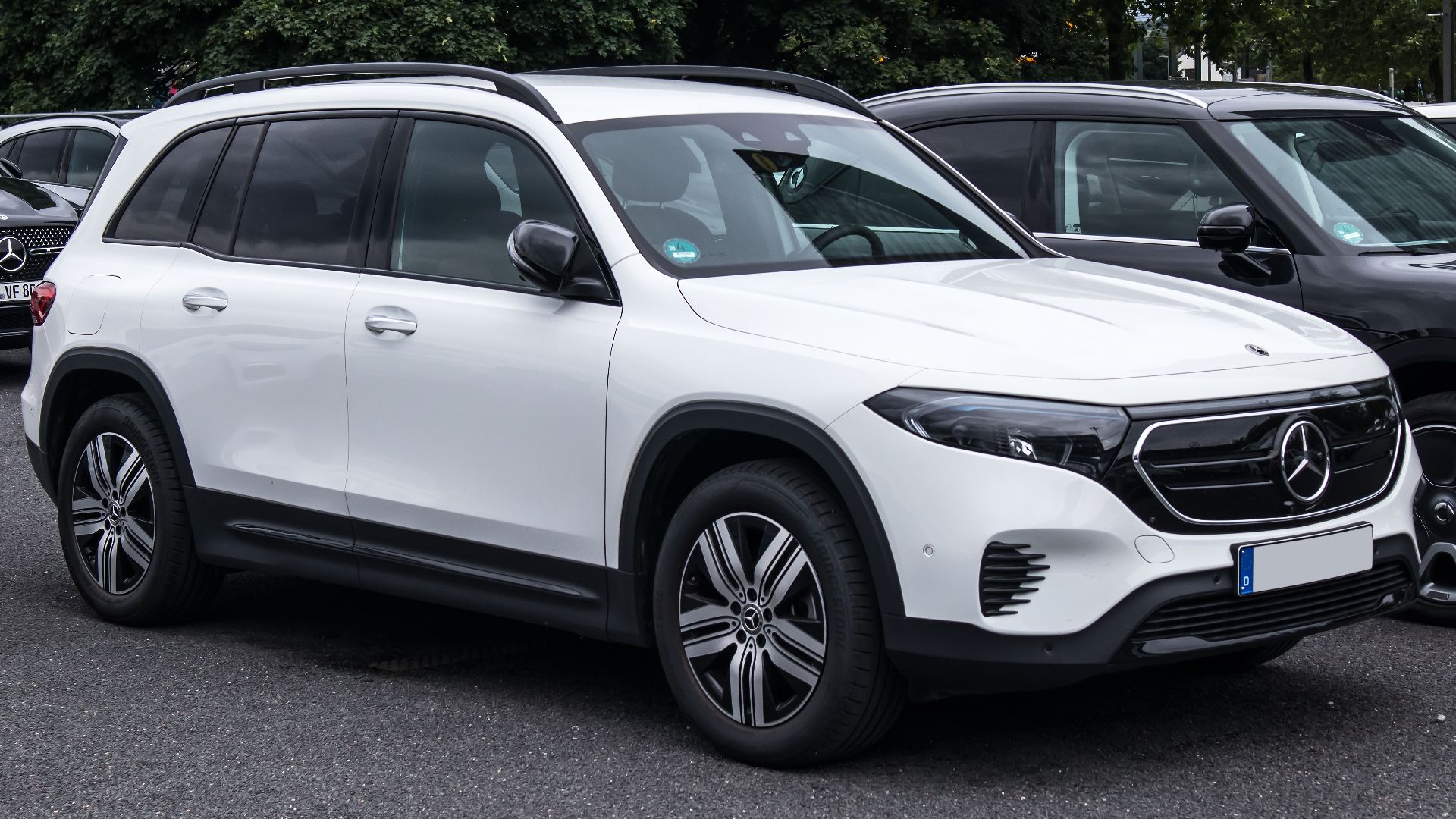
15. Mercedes-Benz EQB 250+
The EQB 250+ combines Mercedes-Benz styling, an upscale-looking interior, and the everyday convenience of an electric vehicle. However, its modest acceleration and relatively slow DC fast-charging speeds compared with some newer electric competitors can become frustrating, especially on longer journeys. Anyone assuming the Mercedes-Benz badge automatically means cutting-edge EV technology might be surprised to discover what other manufacturers offer for the same money.
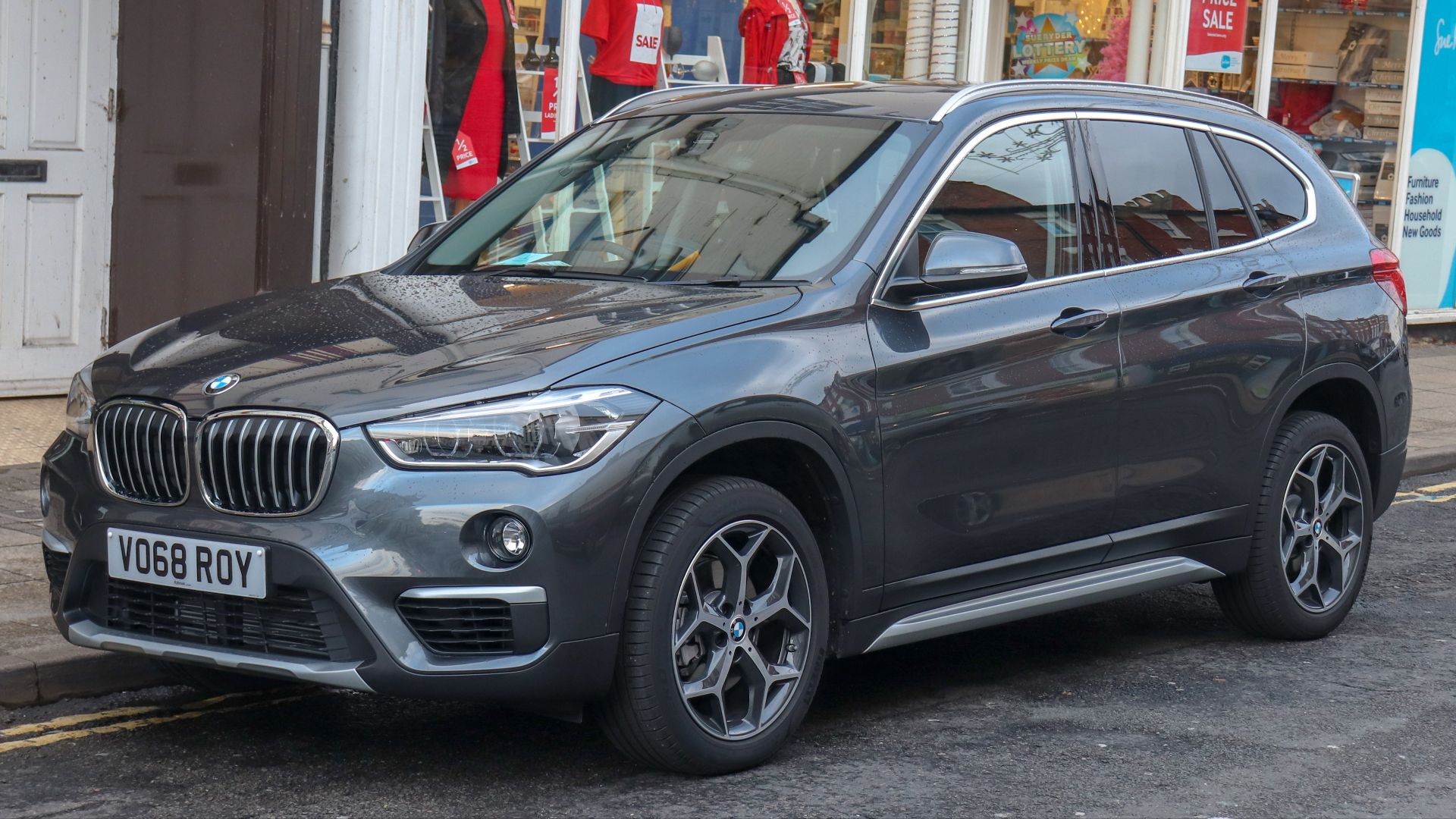
16. BMW X1 (First Generation)
The original BMW X1 attracted buyers who wanted an affordable introduction to the brand's SUV lineup without committing to something larger. Despite its premium badge, the cabin featured some fairly basic materials, while the suspension could feel unexpectedly harsh on uneven roads. Those anticipating the comfort and refinement found in BMW's more expensive vehicles sometimes discovered that their entry-level SUV wasn't nearly as luxurious as they'd imagined.
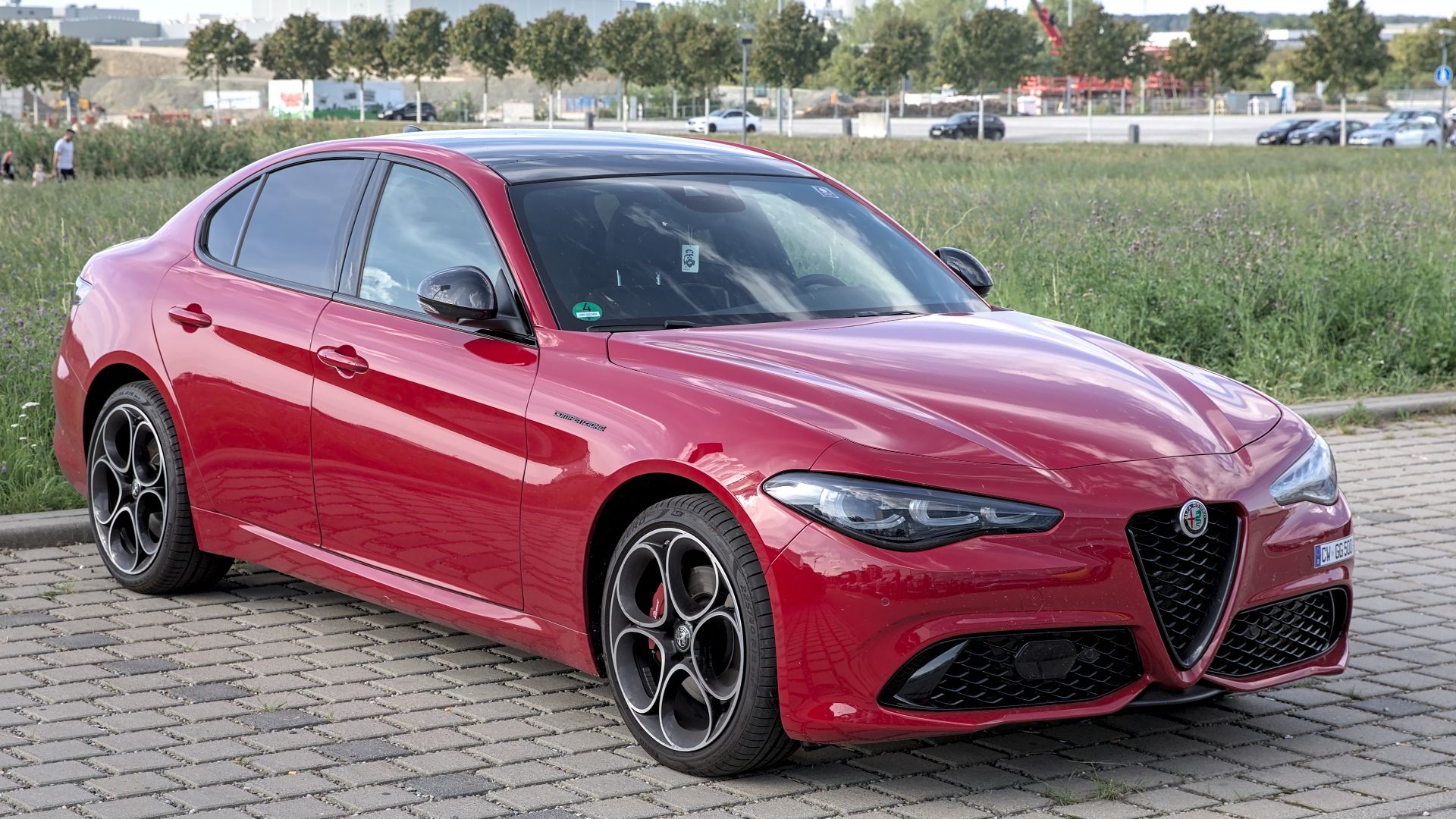
17. Alfa Romeo Giulia 2.0T
There's no denying that the Alfa Romeo Giulia is entertaining to drive, with sharp steering and responsive handling that can give its German rivals some serious competition. Unfortunately, some earlier examples became known for annoying electronic glitches, while depreciation and concerns about long-term maintenance can make ownership a little less appealing. It's easy to fall for the Italian styling and prestigious badge, but buying an aging Giulia deserves more thought than its good looks might suggest.
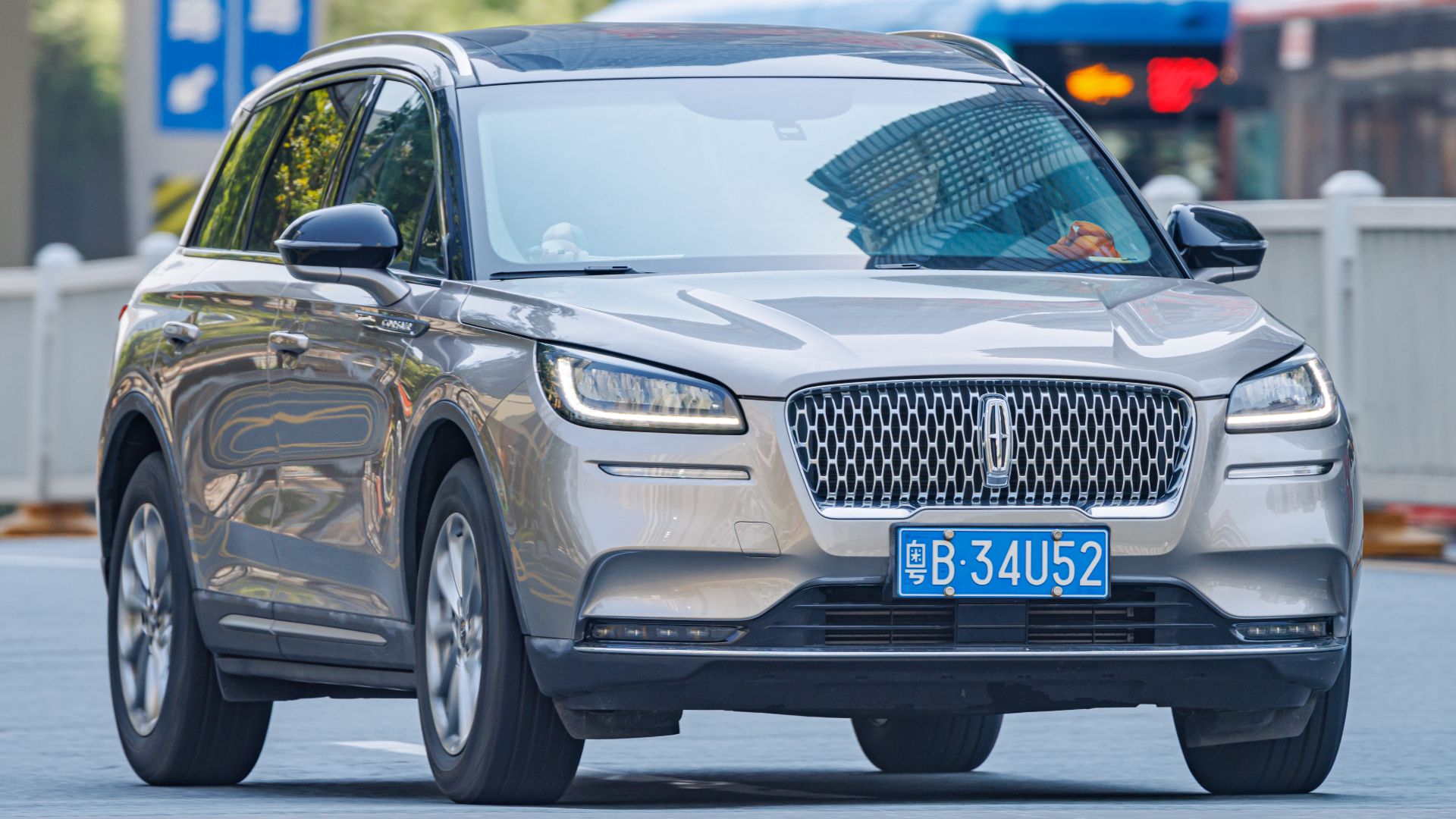
18. Lincoln Corsair
Lincoln's Corsair promises a comfortable, quiet luxury experience wrapped in an attractive compact SUV. However, its fairly ordinary driving dynamics and mechanical similarities to the Ford Escape could leave some buyers questioning exactly where their extra money went. The Corsair certainly has its strengths, but the Lincoln badge doesn't necessarily make it feel dramatically more special than a nicely equipped mainstream crossover.
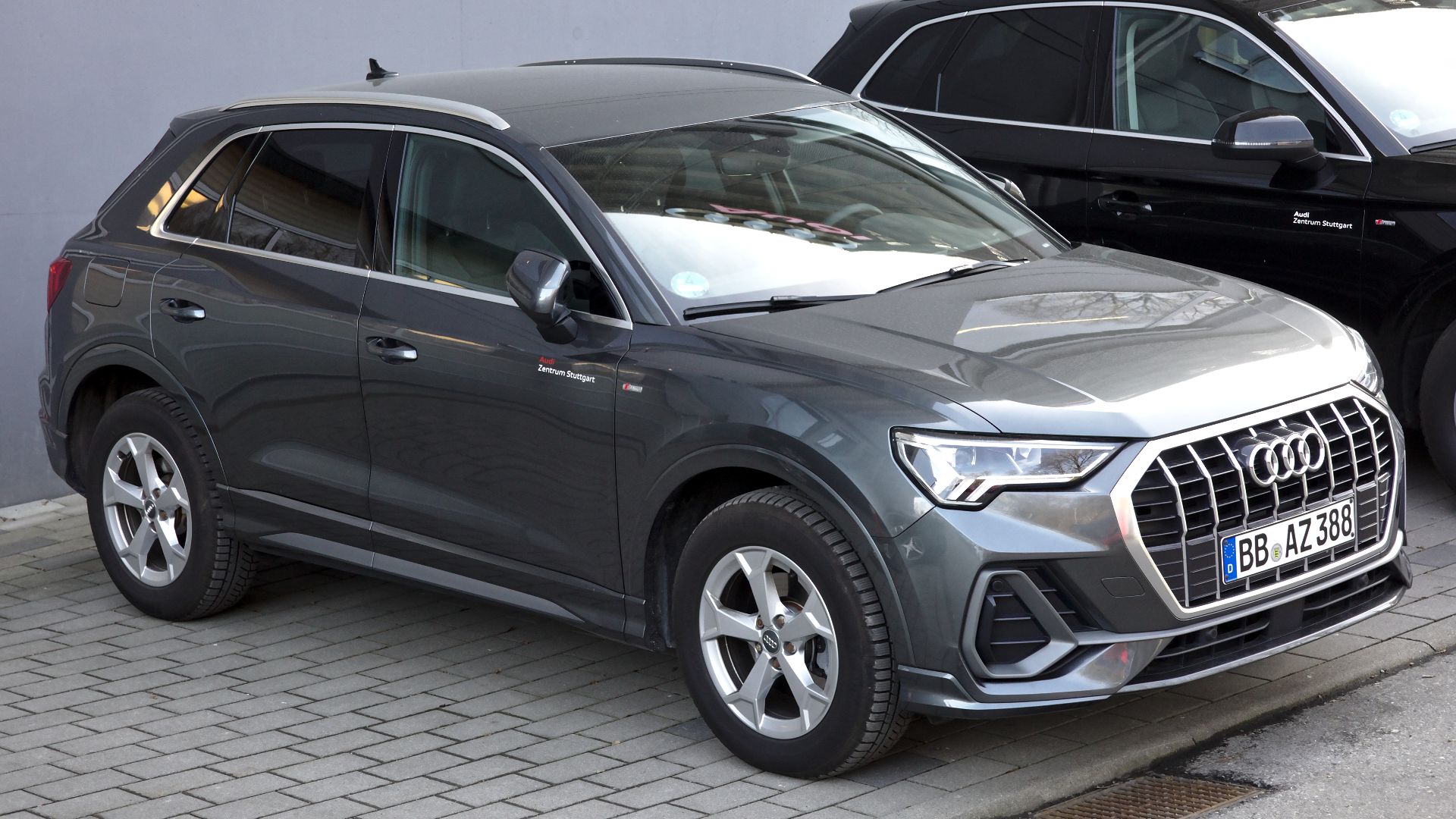
19. Audi Q3 (First Generation)
The first-generation Q3 gave shoppers a chance to own an Audi SUV without spending nearly as much as they would on a larger Q5 or Q7. Unfortunately, its dated interior technology, limited cargo capacity, and relatively uninspiring driving experience could make it feel less premium than its exterior suggested. If you're buying a luxury SUV mainly for comfort and practicality, paying extra for those famous four rings might not seem like such a great decision.
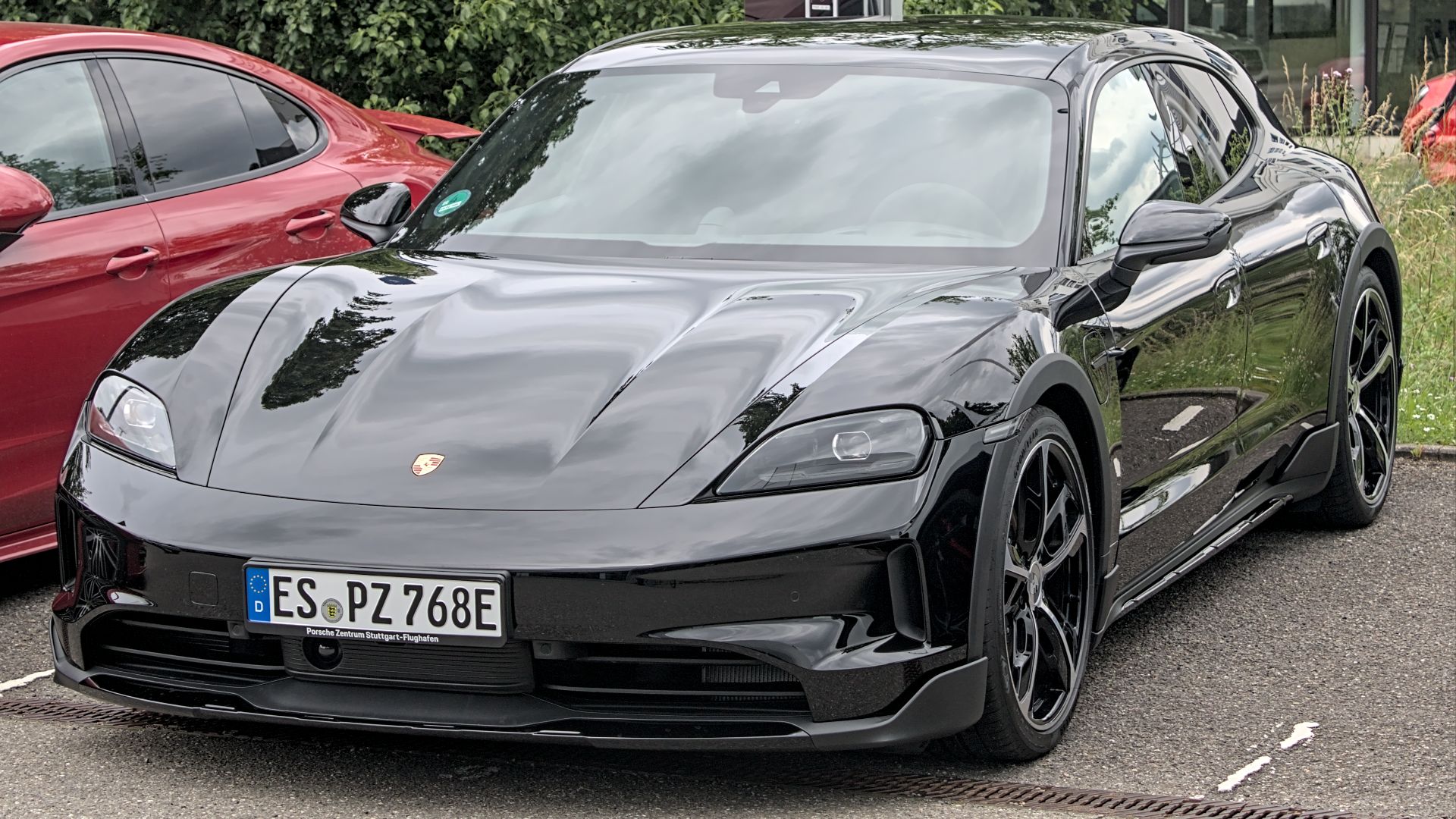
20. Porsche Taycan (Early Models)
The Taycan offers excellent handling, impressive acceleration, and the undeniable appeal of driving an electric Porsche, so it's easy to understand why people want one. However, early examples have experienced significant depreciation, while their driving range and charging capabilities don't always measure up to newer electric vehicles. Anyone who bought one brand-new primarily for the Porsche badge might feel particularly disappointed after seeing just how much its resale value has dropped.