
When Automakers Totally Misunderstood Their Customers
Automakers spend enormous amounts of money researching their customers, but that doesn't mean they always understand who's actually going to buy their vehicles. Over the years, manufacturers have introduced cars aimed at young adventurers, wealthy professionals, and performance enthusiasts, only to discover that those groups weren't interested. In some cases, the vehicles attracted an entirely different demographic, while others struggled because their advertising promised something they couldn't quite deliver. From sporty SUVs that appealed to older drivers to luxury pickups that nobody really knew what to do with, here are 20 cars that were marketed to the wrong people.
 U.S. National Highway Traffic Safety Administration on Wikimedia
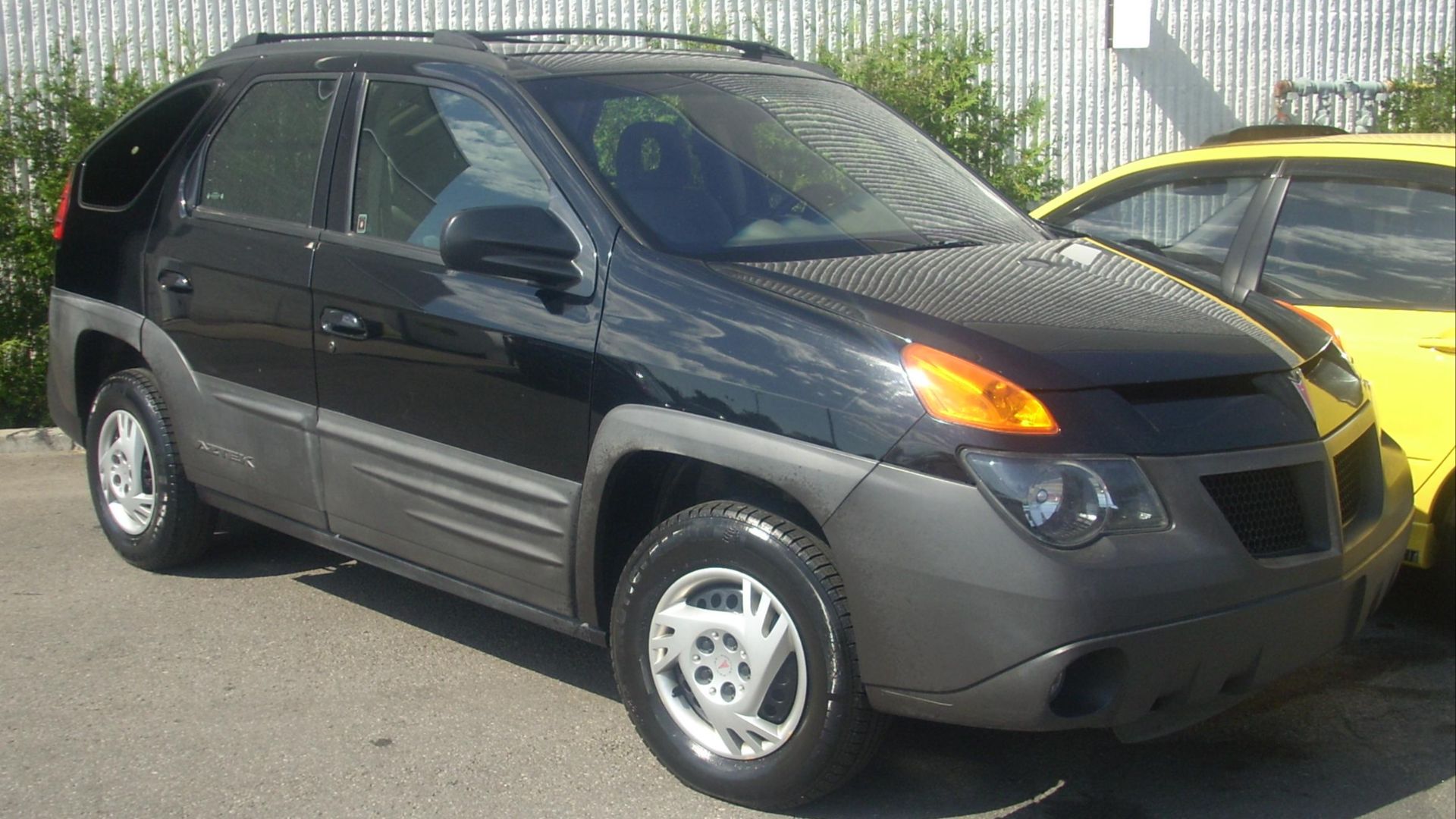
1. Pontiac Aztek
Pontiac designed the Aztek for adventurous young adults who supposedly spent their weekends camping, mountain biking, and exploring the outdoors. However, the vehicle's unusual styling and relatively high price didn't exactly appeal to the twenty- and thirtysomethings the company had in mind. Instead, many early customers were in their 40s and 50s, appreciating the Aztek's practicality more than its adventurous image. Pontiac eventually admitted that it had priced the vehicle too high for its desired audience.
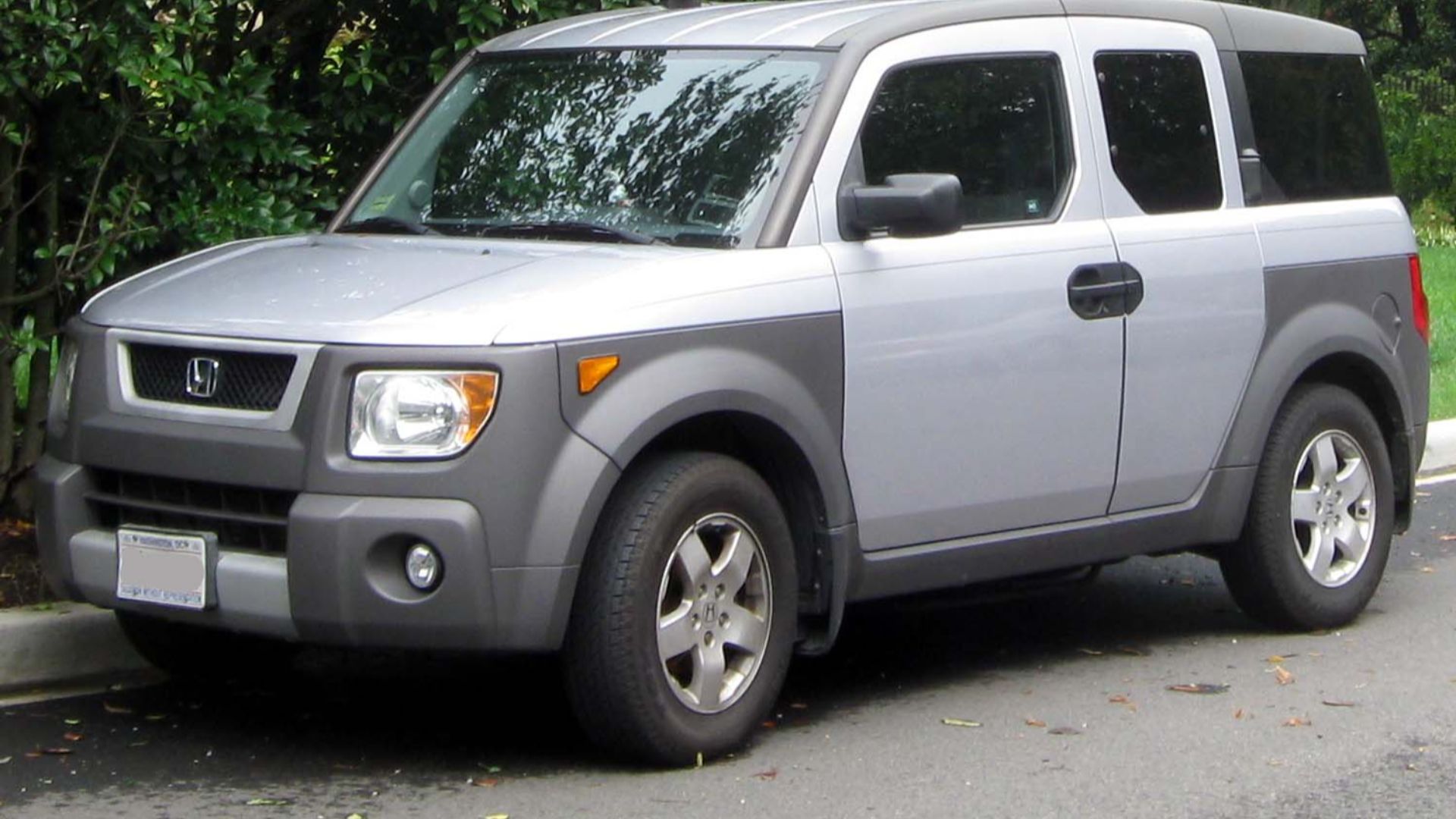
2. Honda Element
Honda put considerable effort into making the Element attractive to young men with active lifestyles, even conducting research with college students. Its washable flooring, removable rear seats, and unusual doors were meant to appeal to surfers and outdoor enthusiasts in their early 20s. However, the median buyer turned out to be around 42, with older customers appreciating its practical interior and easy access. Honda even introduced the sportier Element SC in an effort to win over the younger demographic it had originally targeted.
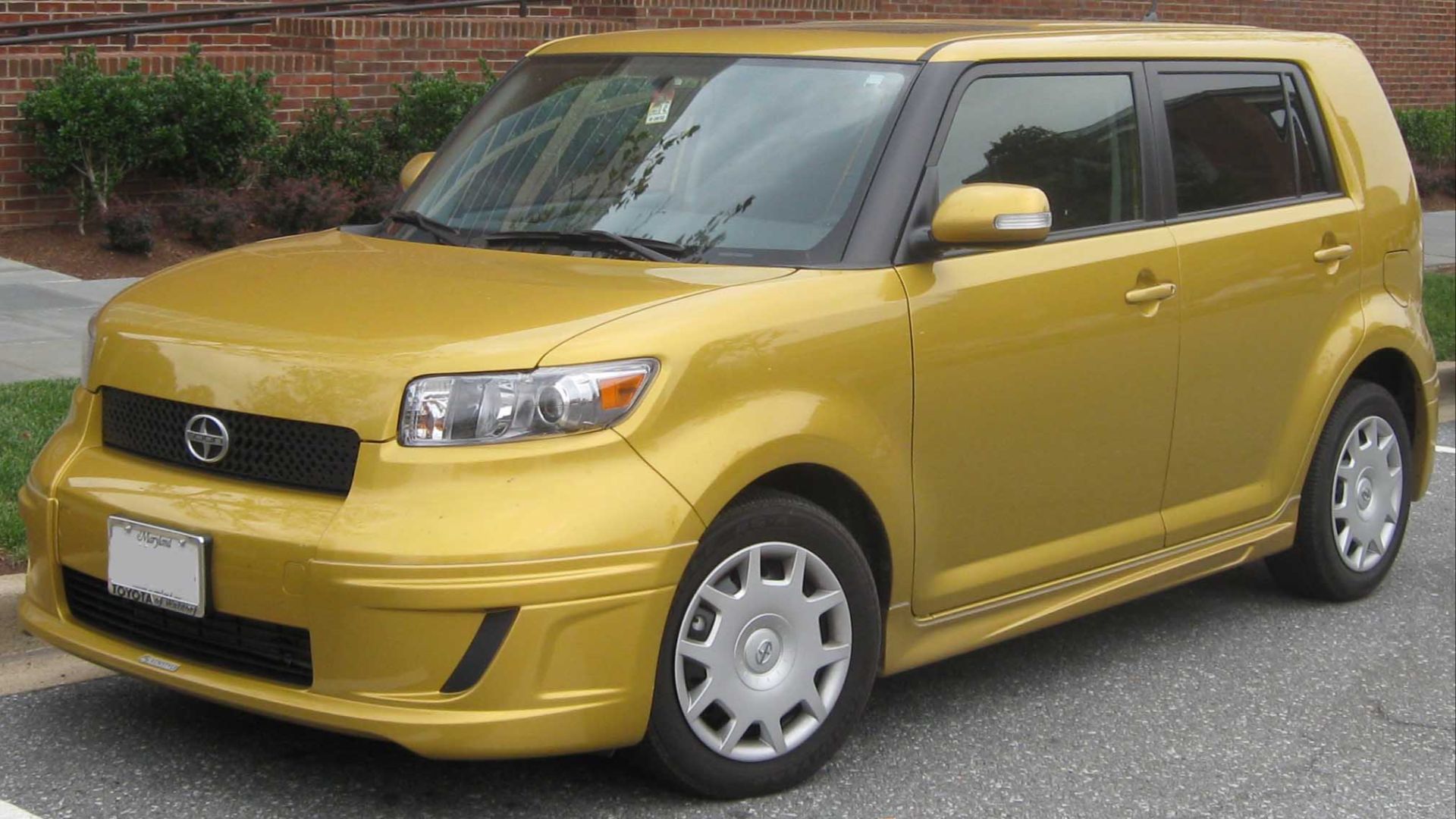
3. Scion xB
Toyota created the Scion brand to reach younger buyers, and the boxy xB was supposed to become a favorite among urban trendsetters. The company focused on customization, unconventional styling, and youth-oriented promotional events rather than relying on traditional car advertising. Although Scion attracted younger buyers than many competitors, its customers were still considerably older than the 22-year-olds Toyota originally envisioned. As it turned out, affordable transportation with plenty of interior space was just as appealing to established adults as it was to college students.
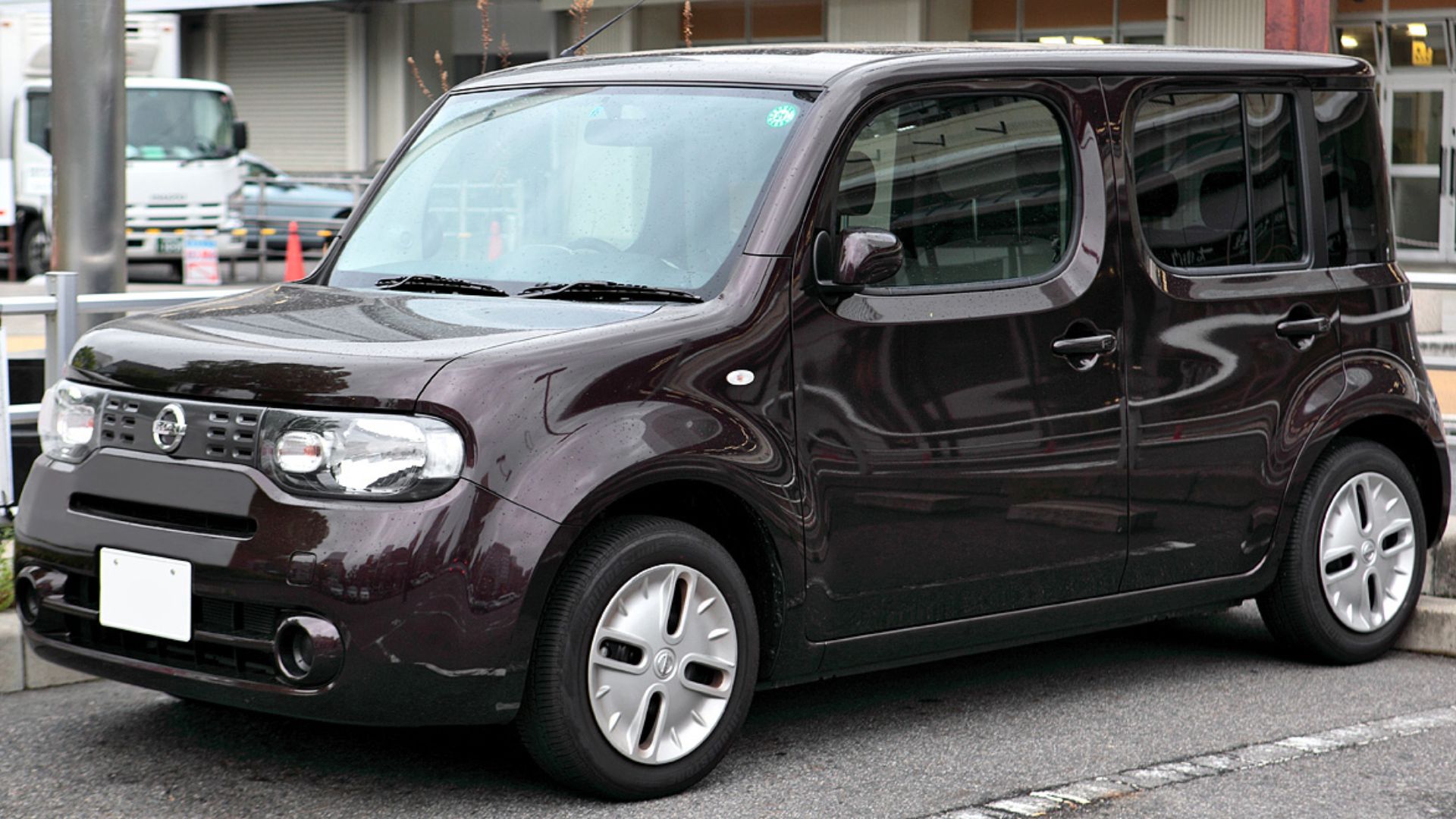
4. Nissan Cube
When Nissan introduced the Cube to American buyers, it embraced youth culture and promoted the vehicle as something closer to a mobile electronic device than a conventional car. Its quirky styling, unusual interior, and extensive customization options were all designed to attract young urban drivers. Instead, Nissan found that the average Cube buyer was in their 40s, considerably older than its advertising might have suggested. Features such as good visibility, affordability, and easy entry ultimately mattered more to many customers than the company's youthful messaging.
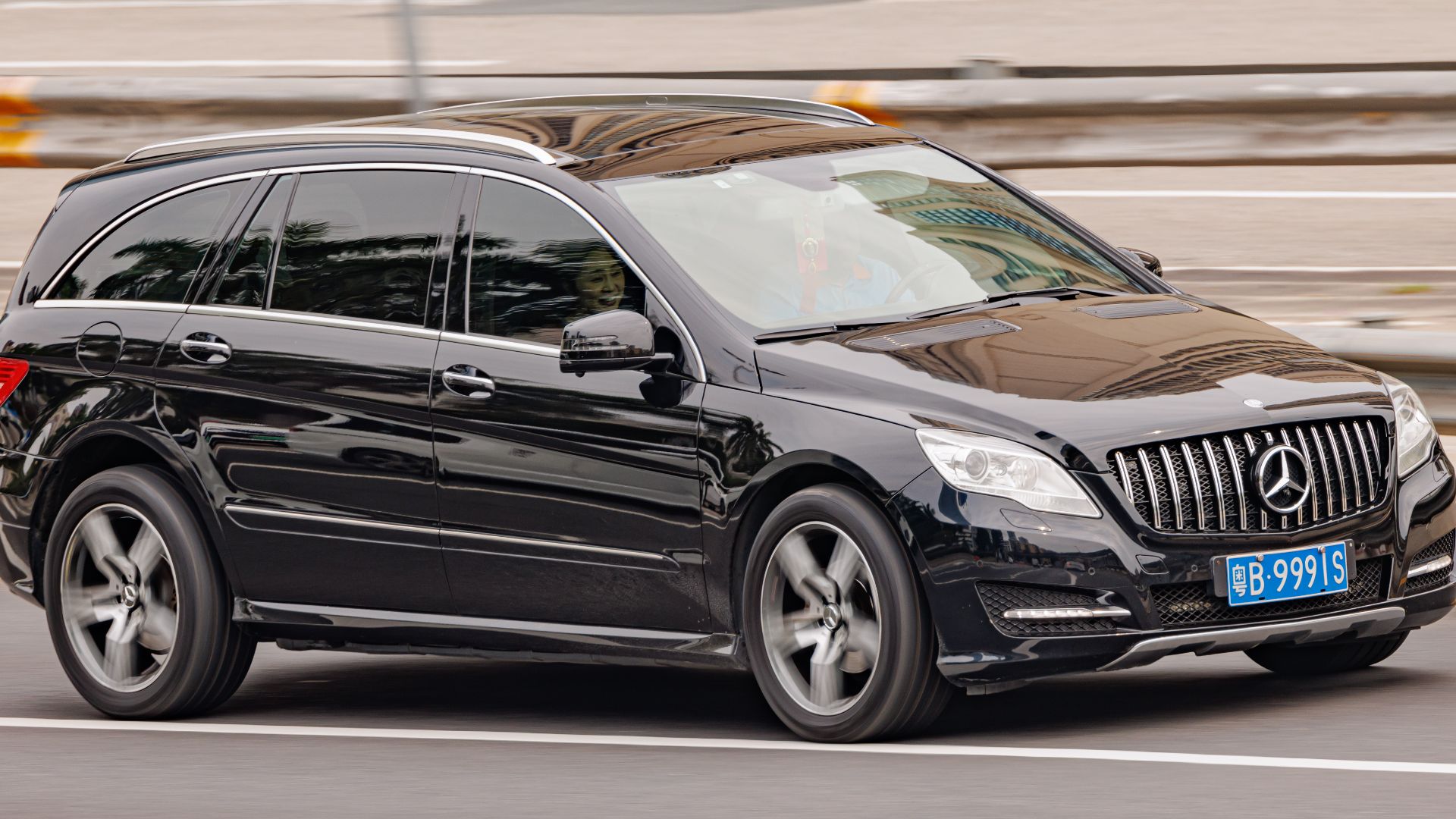
5. Mercedes-Benz R-Class
Mercedes-Benz initially promoted the R-Class as an upscale vehicle for wealthy empty nesters who wanted comfortable transportation for six adults. However, many of the people showing interest were actually younger families looking for a spacious vehicle with a prestigious badge. The trouble was that its premium price made it difficult for those families to justify buying one, especially with so many alternatives available. Mercedes eventually recognized that its original marketing had targeted the wrong customers and adjusted the vehicle's positioning and pricing.
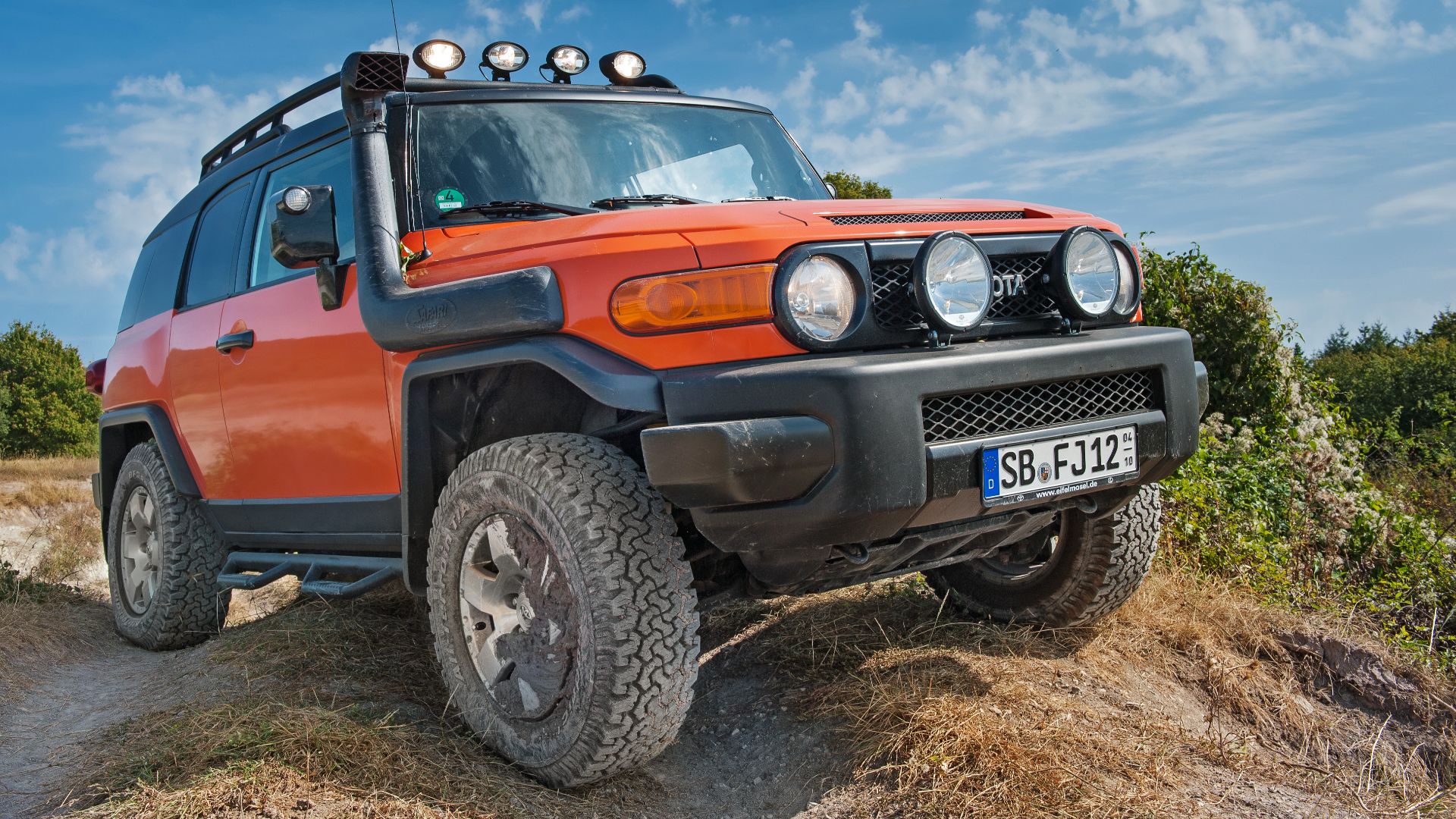
6. Toyota FJ Cruiser
Toyota pictured the FJ Cruiser attracting adventurous young men who spent their free time kayaking, snowboarding, and tackling challenging off-road trails. Its rugged styling and bright colors were deliberately chosen to appeal to that demographic, with the company expecting plenty of interest from men in their 20s. However, some dealerships reported that most of their customers were actually men in their late 30s through their 50s. Older off-road enthusiasts and drivers nostalgic for classic Land Cruisers weren't quite the youthful adventurers Toyota had imagined.
 Stefan Krause, Germany on Wikimedia
7. Acura ZDX
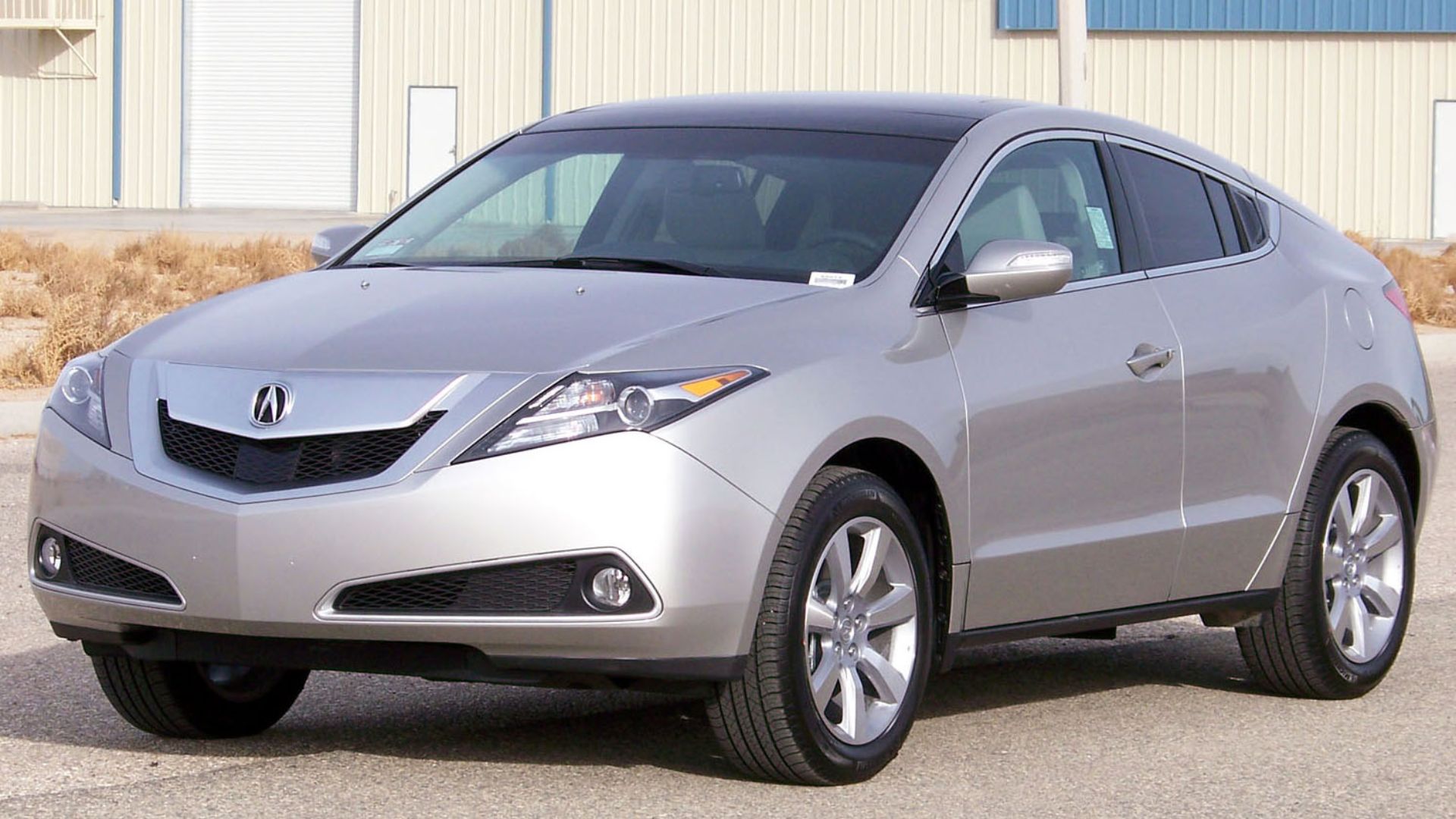
Acura originally developed the ZDX for mature, financially successful customers who wanted something a little more distinctive than a conventional luxury SUV. Its sloping roofline and sporty appearance were intended to attract established buyers whose children had already moved out. Surprisingly, the vehicle generated greater interest among younger Generation X customers who hadn't started families and liked its unconventional design. Unfortunately, that unexpected enthusiasm didn't translate into particularly strong sales, and Acura discontinued the original ZDX after the 2013 model year.
 U.S. National Highway Traffic Safety Administration on Wikimedia
8. Lincoln Blackwood
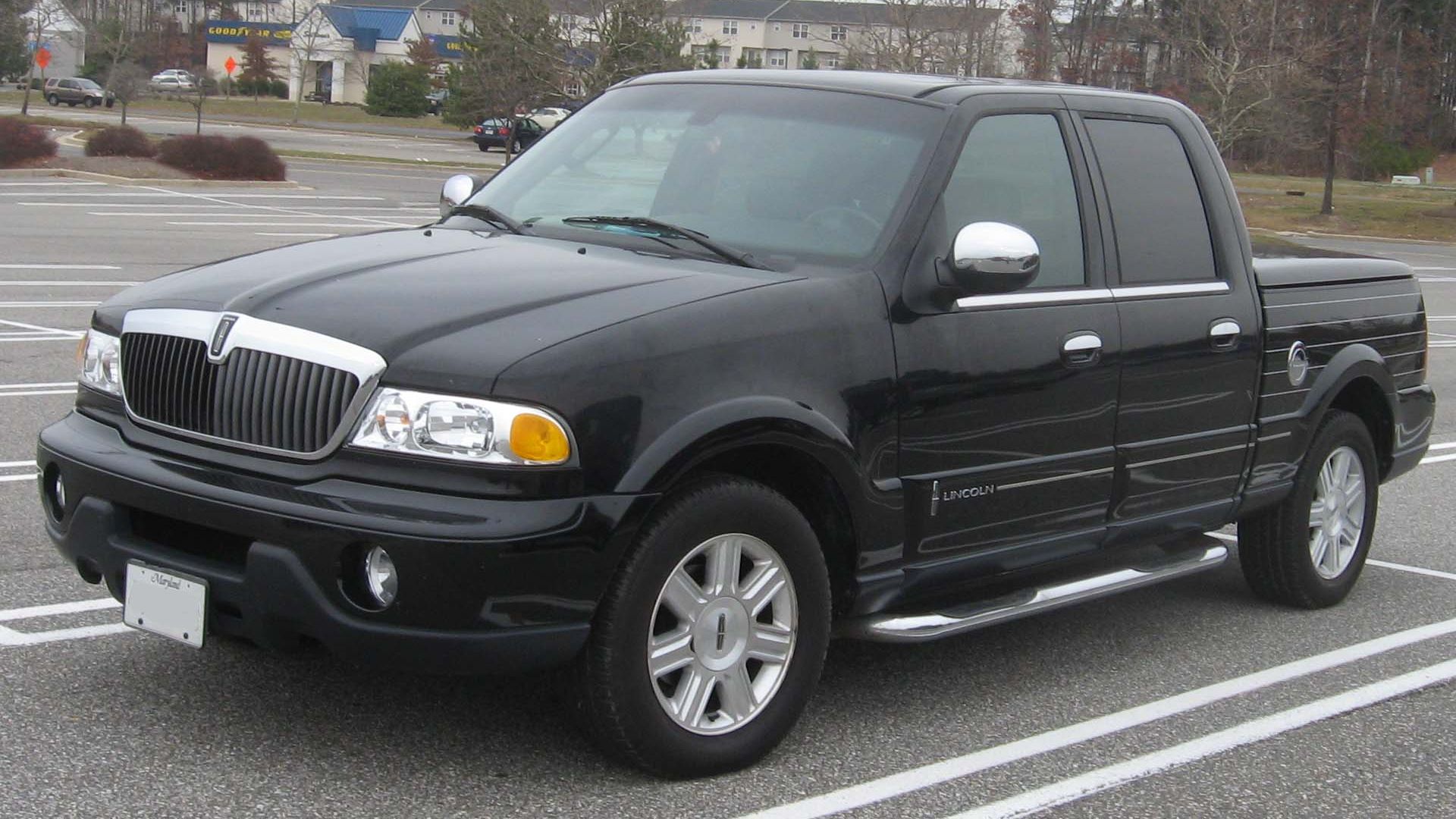
Lincoln figured affluent buyers would appreciate a luxury pickup that combined the prestige of a Navigator with the appearance of a traditional truck. However, the Blackwood's carpeted cargo bed, expensive price, and lack of four-wheel drive made it a difficult sell to people who actually needed a pickup. Meanwhile, luxury SUV shoppers could enjoy similar levels of comfort in vehicles that were considerably more practical, so Lincoln had essentially created a truck for people who didn't want to use one.
9. Aston Martin Cygnet
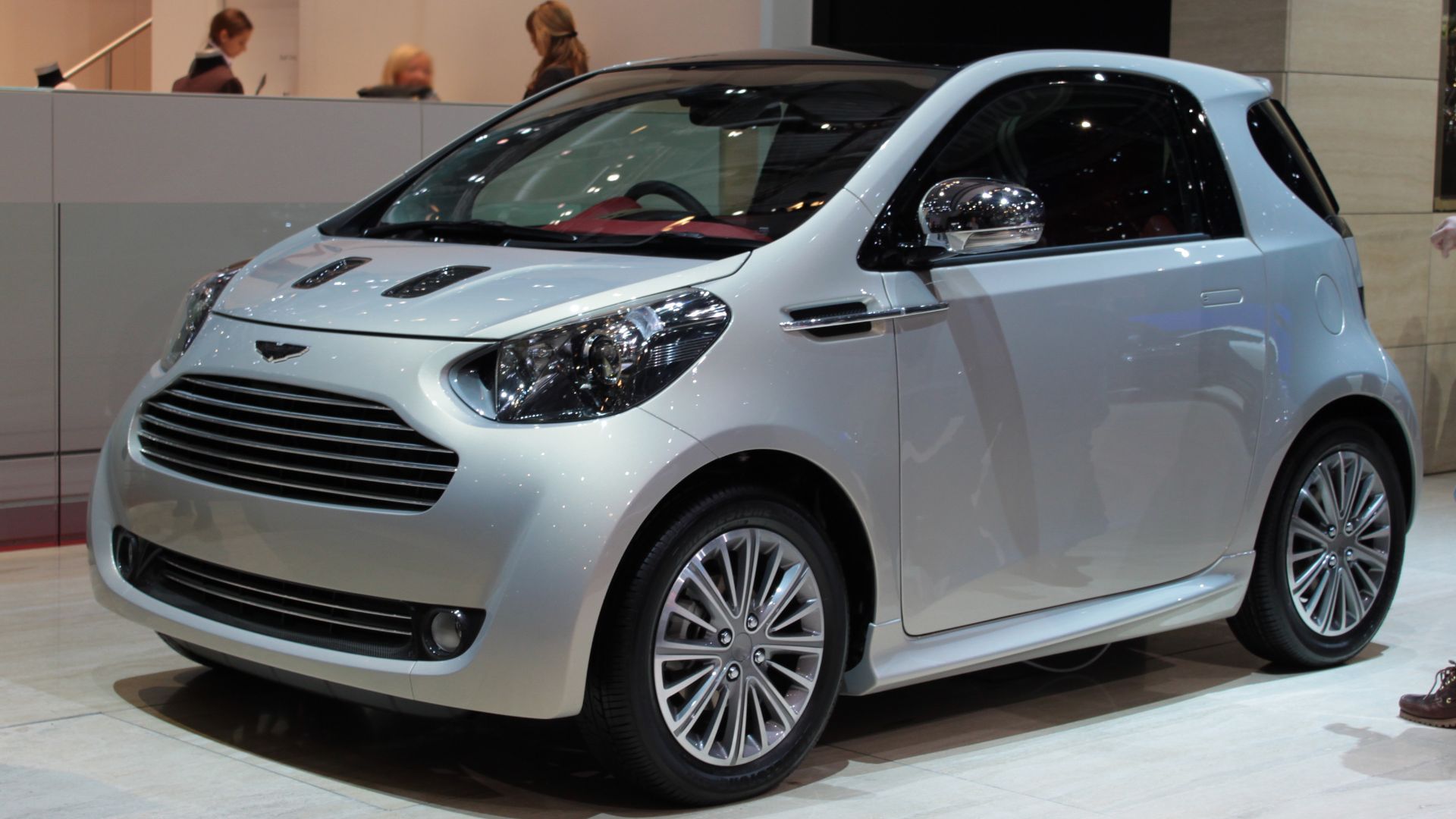
Aston Martin tried entering the luxury city-car market with the Cygnet, a heavily modified Toyota iQ featuring premium materials and distinctive styling. The company hoped environmentally conscious urban customers would appreciate an economical vehicle carrying one of the world's most prestigious automotive badges. Unfortunately, those shoppers weren't especially eager to pay several times the price of a conventional city car for what was essentially the same basic transportation. The Cygnet was discontinued after disappointing sales, proving that Aston Martin's usual appeal didn't necessarily extend to tiny commuter cars.
10. Subaru Baja
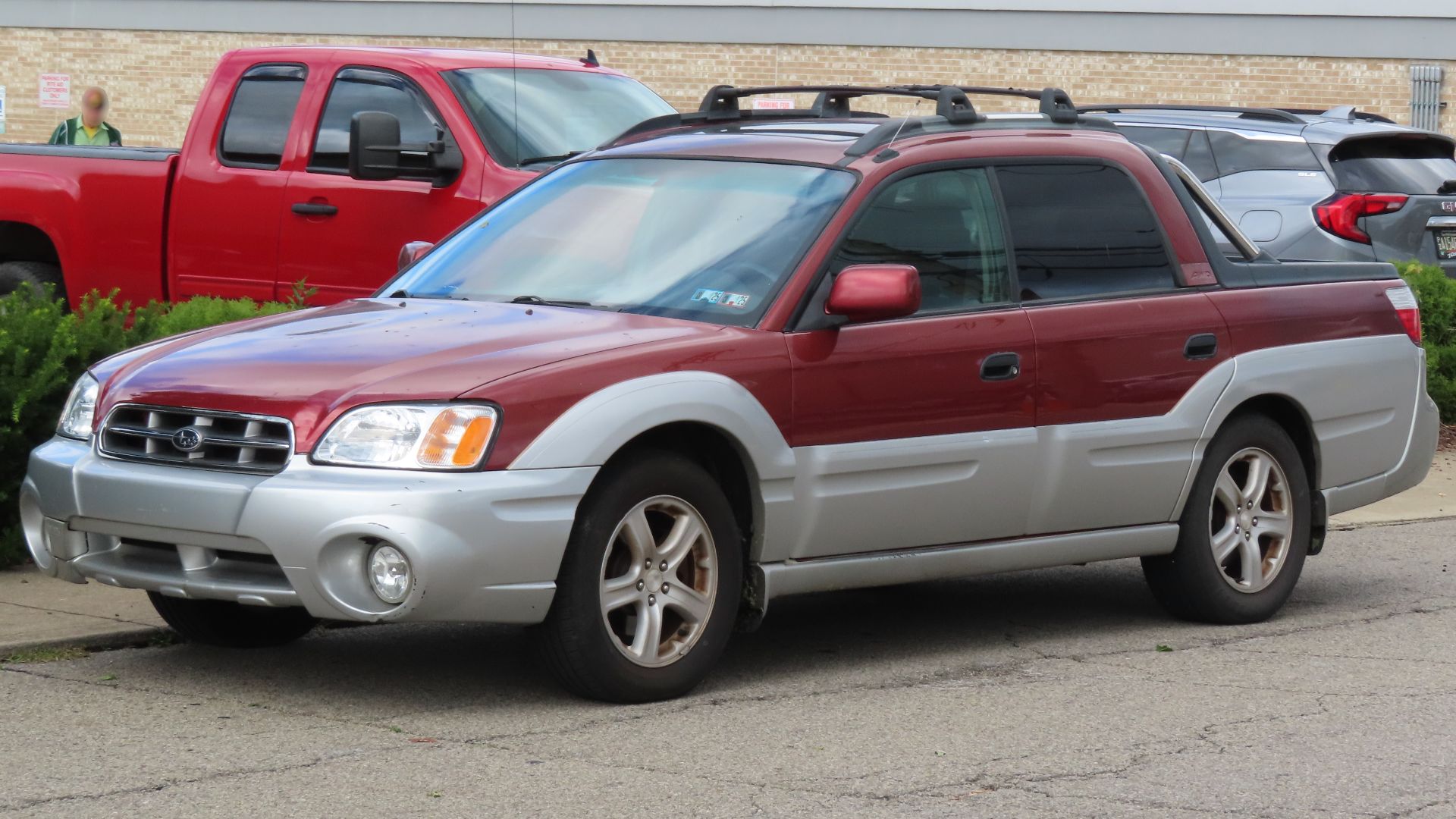
Subaru introduced the Baja as an unconventional option for active drivers who wanted the practicality of a pickup without giving up the comfort of a passenger car. Its advertising highlighted outdoor adventures and versatility, particularly targeting younger customers who might appreciate its unusual design. However, the small cargo bed, relatively steep price, and modest performance made it less appealing to the people Subaru hoped to attract. The company eventually lowered its annual sales expectations dramatically after realizing that demand for this particular combination was much smaller than anticipated.
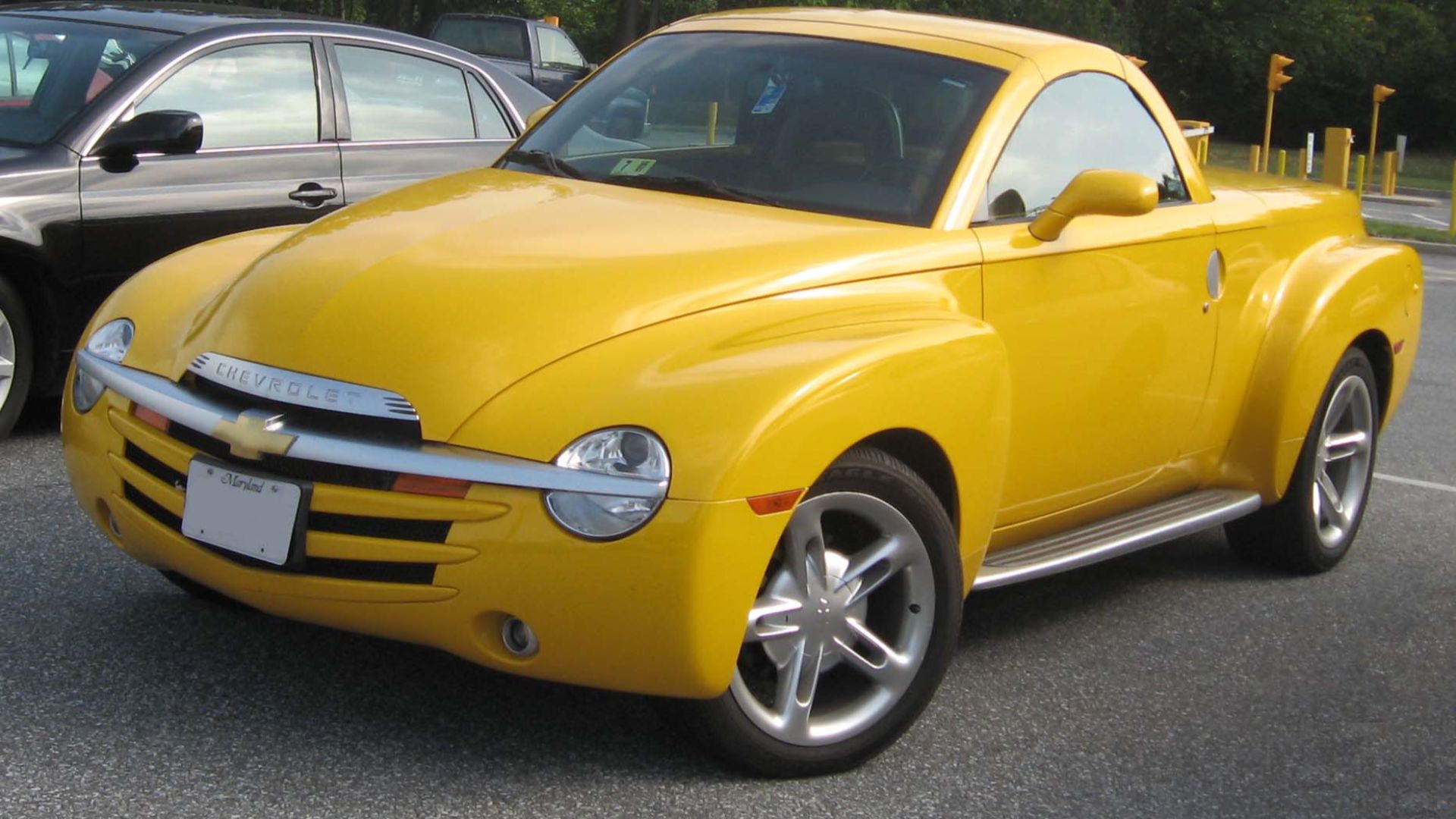
11. Chevrolet SSR
Chevrolet hoped to win over automotive enthusiasts with the SSR, a retro-styled pickup featuring a retractable convertible roof and sporty appearance. Unfortunately, traditional truck buyers weren't impressed by its limited cargo capacity, while sports car fans found its truck-based construction and early performance rather underwhelming. With a price exceeding $40,000, it was also beyond the budget of many casual enthusiasts who otherwise appreciated its unusual design. Chevrolet eventually gave the SSR a more powerful engine, but it never managed to build a particularly large or enthusiastic customer base.
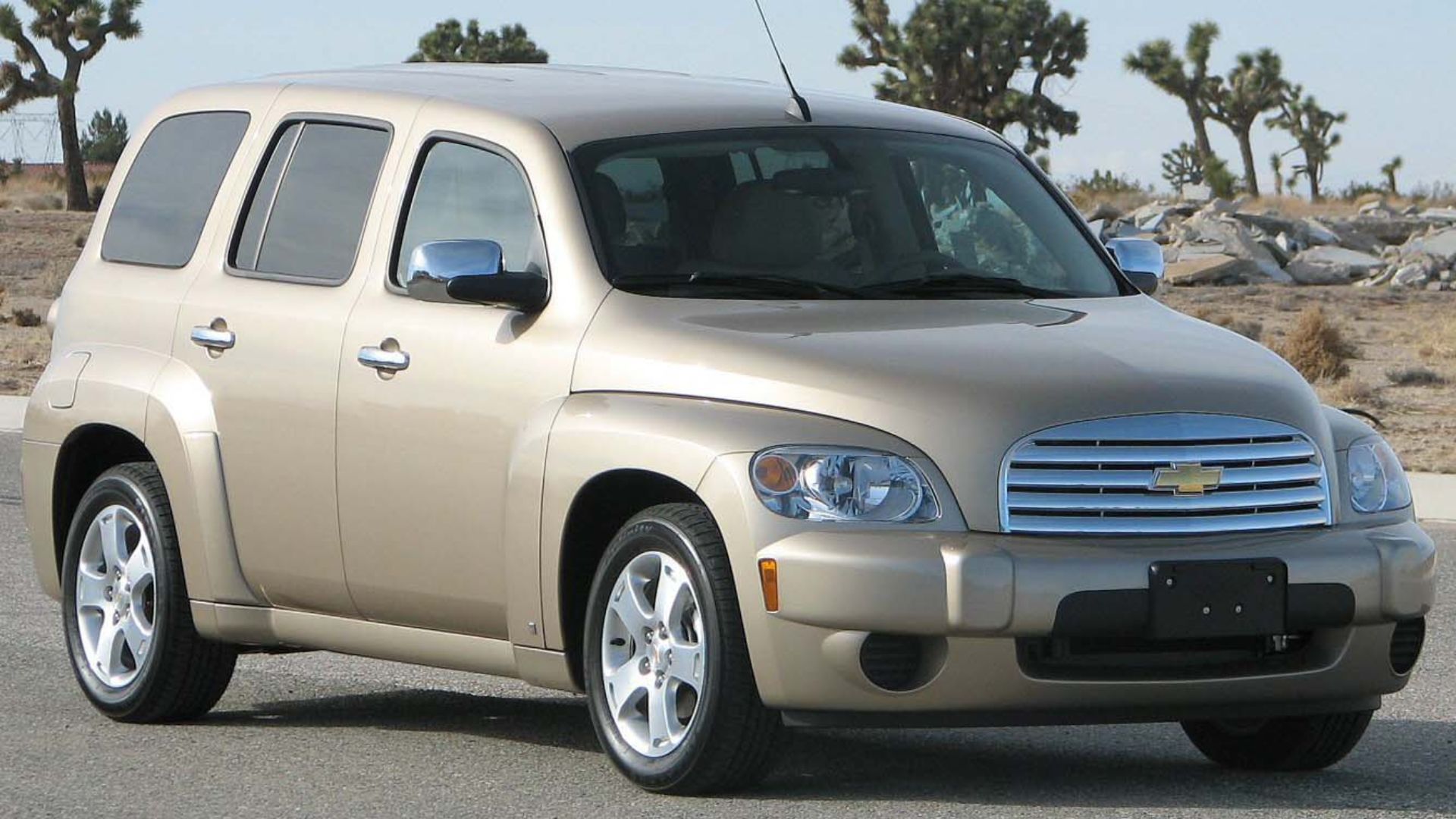
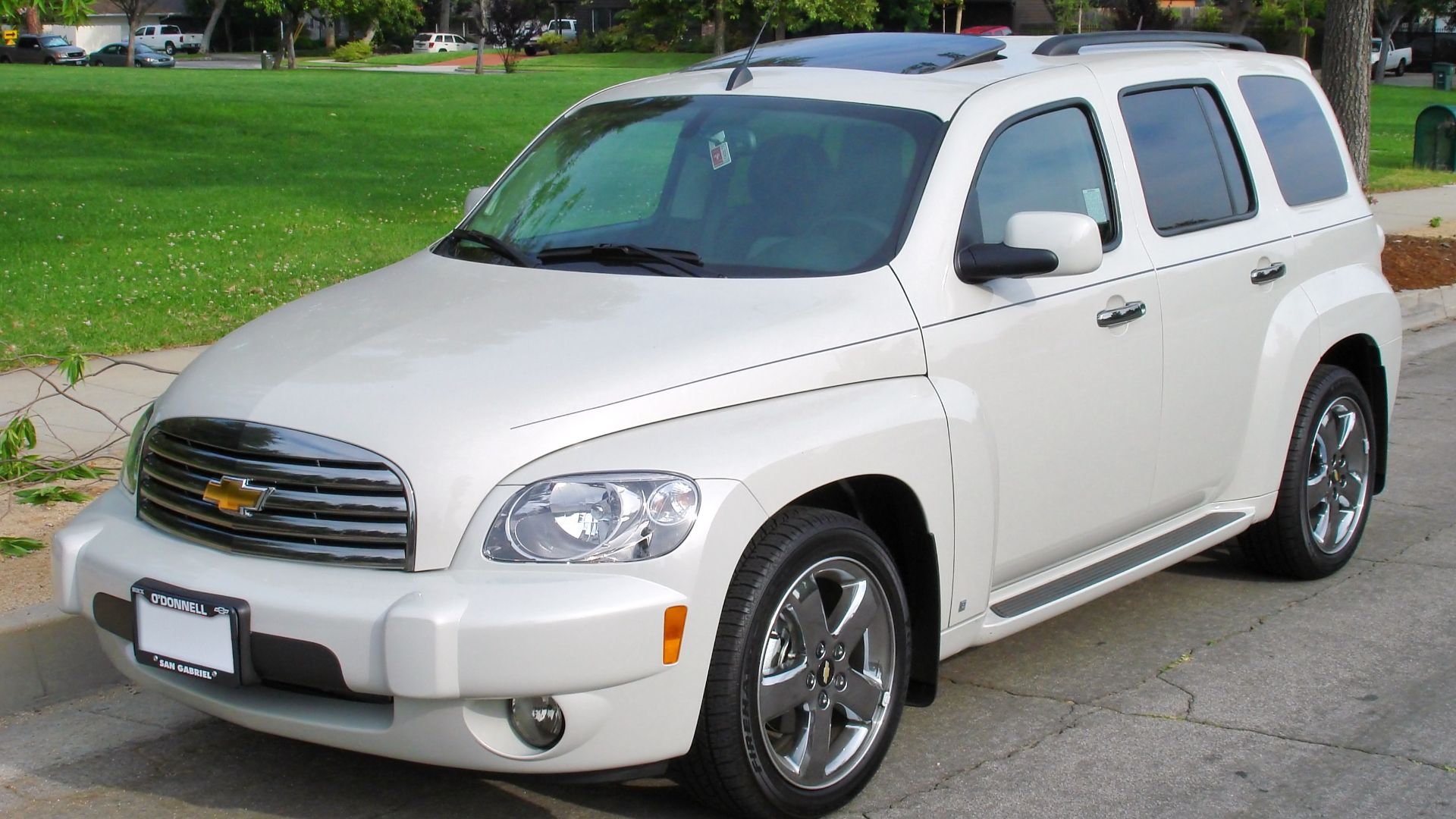
12. Chevrolet HHR
Chevrolet introduced the HHR hoping its retro styling would attract younger drivers looking for something more interesting than an ordinary compact car. However, the company quickly discovered that its design was particularly appealing to middle-aged buyers who appreciated its practicality and nostalgic appearance. Early sales data from 2005 showed that the average HHR customer was 49 years old, considerably older than Chevrolet had intended.
 Rich Niewiroski Jr. on Wikimedia
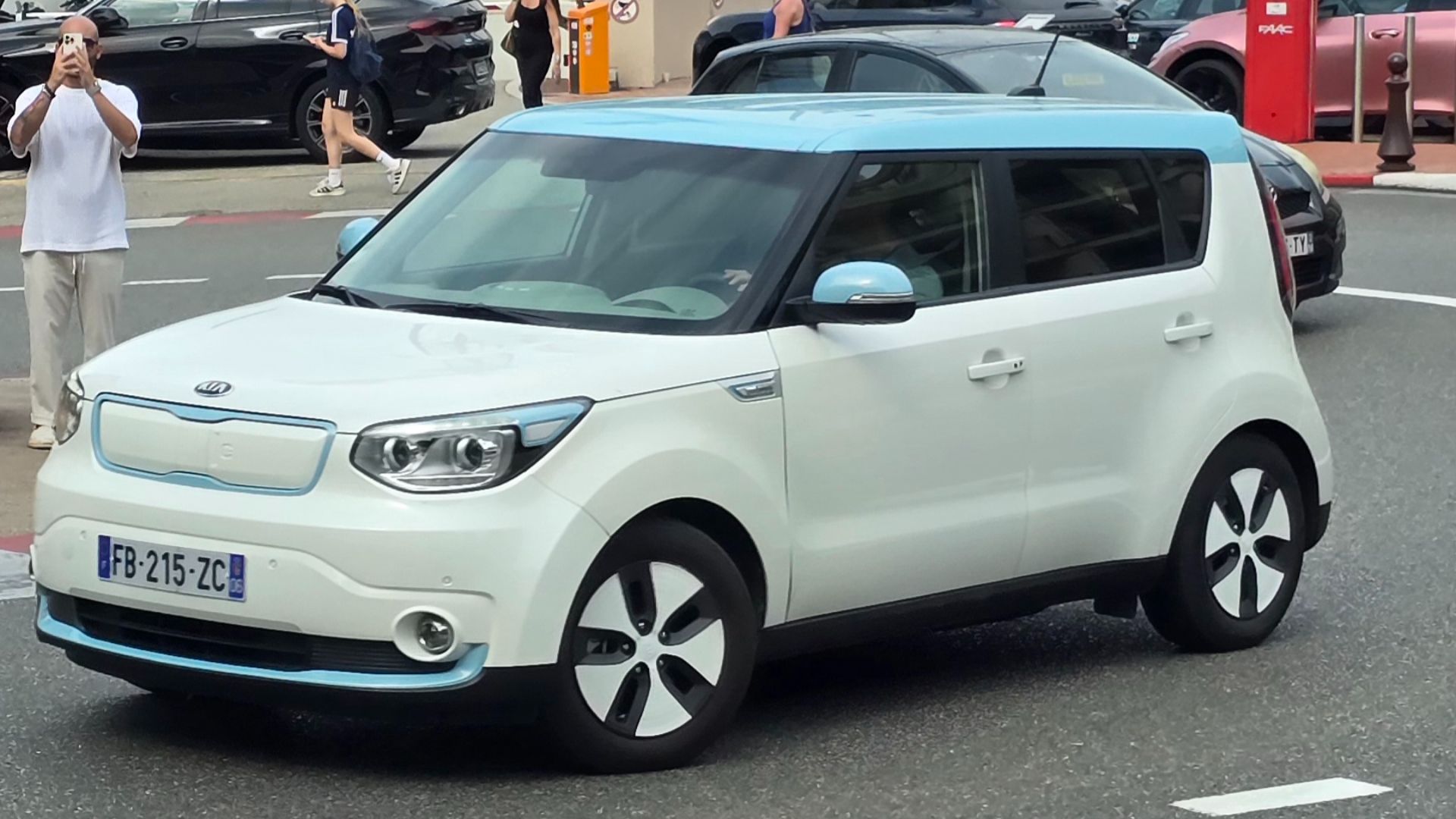
13. Kia Soul
Kia introduced the Soul with an unmistakably youthful image, using colorful styling and dancing hamsters in its advertising to attract younger drivers. However, early buyer demographics told a different story, with the average Soul customer reportedly around 50 years old in 2009. Older shoppers appreciated its affordable price, upright seating position, and roomy interior more than Kia had anticipated.
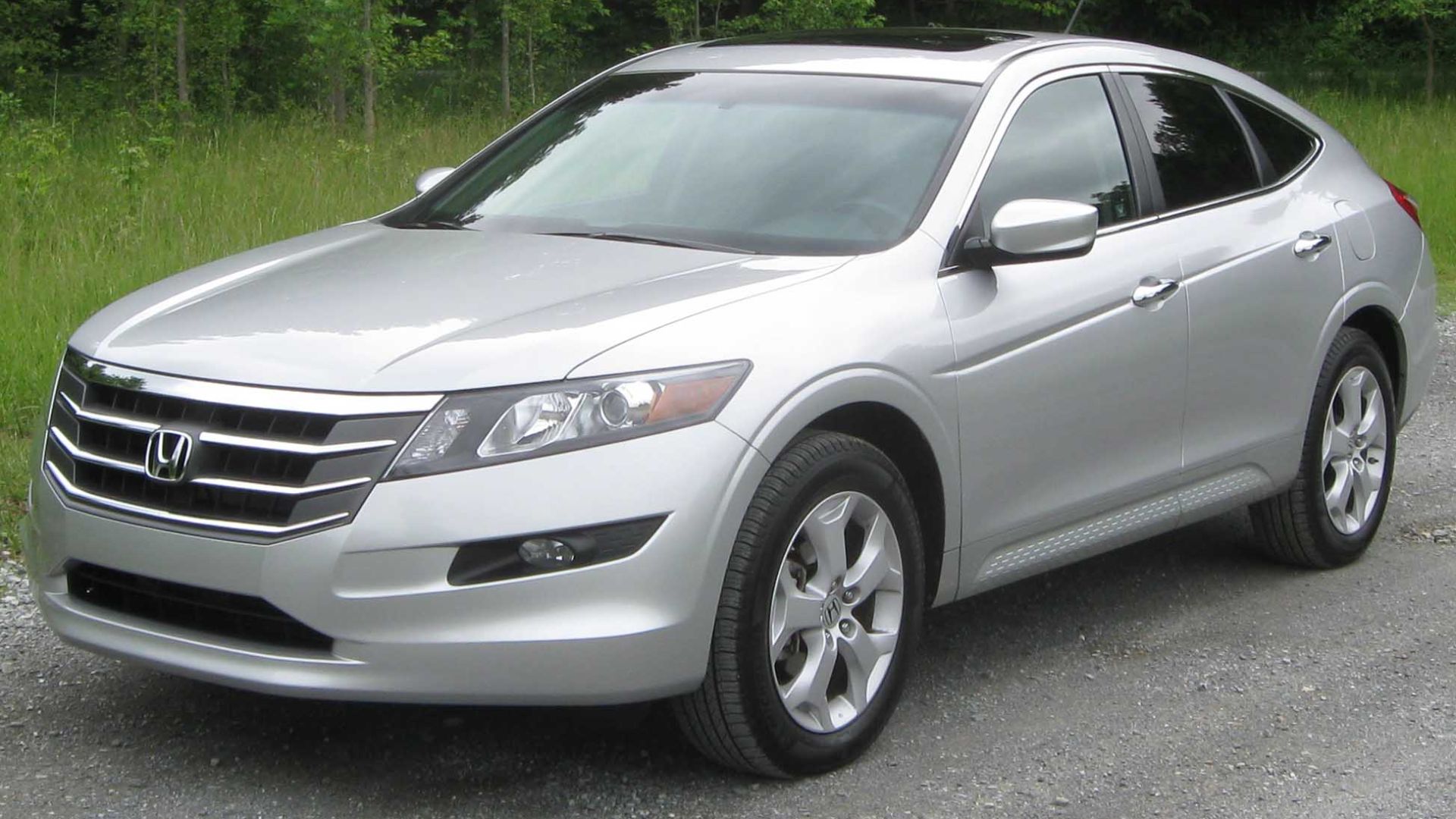
14. Honda Accord Crosstour
Honda marketed the Accord Crosstour toward empty nesters and younger families who wanted something more versatile than a traditional sedan. However, its unusual combination of SUV-like practicality and sedan comfort also appealed to older drivers who valued its elevated seating position and easy accessibility. Rather than attracting customers interested in sporty styling or adventurous lifestyles, the Crosstour's strengths were largely centered on everyday convenience and comfort. Its appeal ended up being considerably more practical than the lifestyle-oriented image Honda had tried to promote.
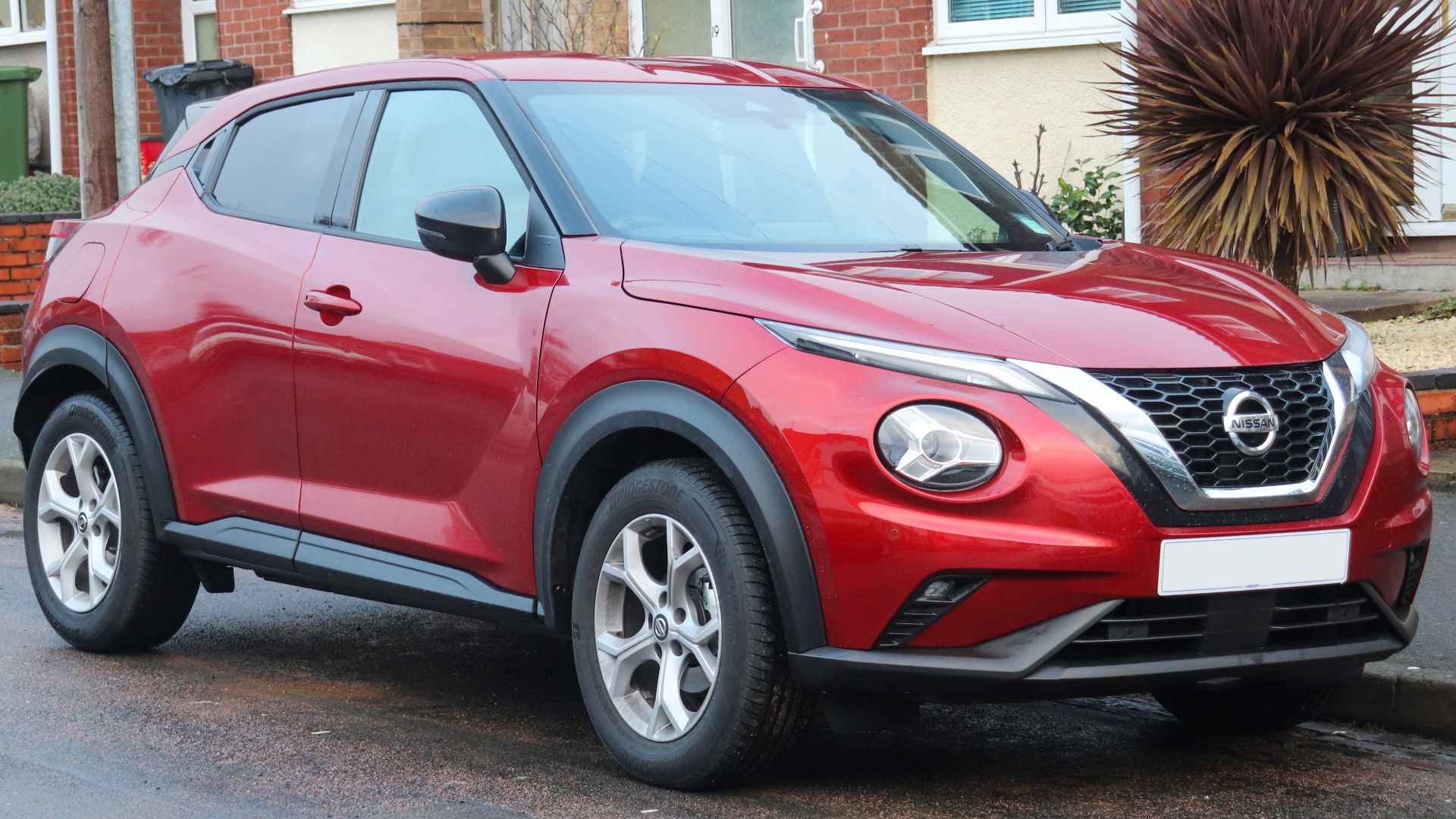
15. Nissan Juke
Nissan originally imagined the Juke appealing primarily to young urban men in their 20s and 30s who appreciated its bold styling and sporty personality. However, early sales figures in Japan showed that buyers aged 50 and older accounted for approximately 44% of orders, while those under 40 represented just 36%. The crossover's unusual appearance attracted attention, but its actual customers were considerably more mature than Nissan's original European marketing plans suggested. Apparently, older drivers were just as interested in unconventional styling as the young enthusiasts Nissan had been targeting.
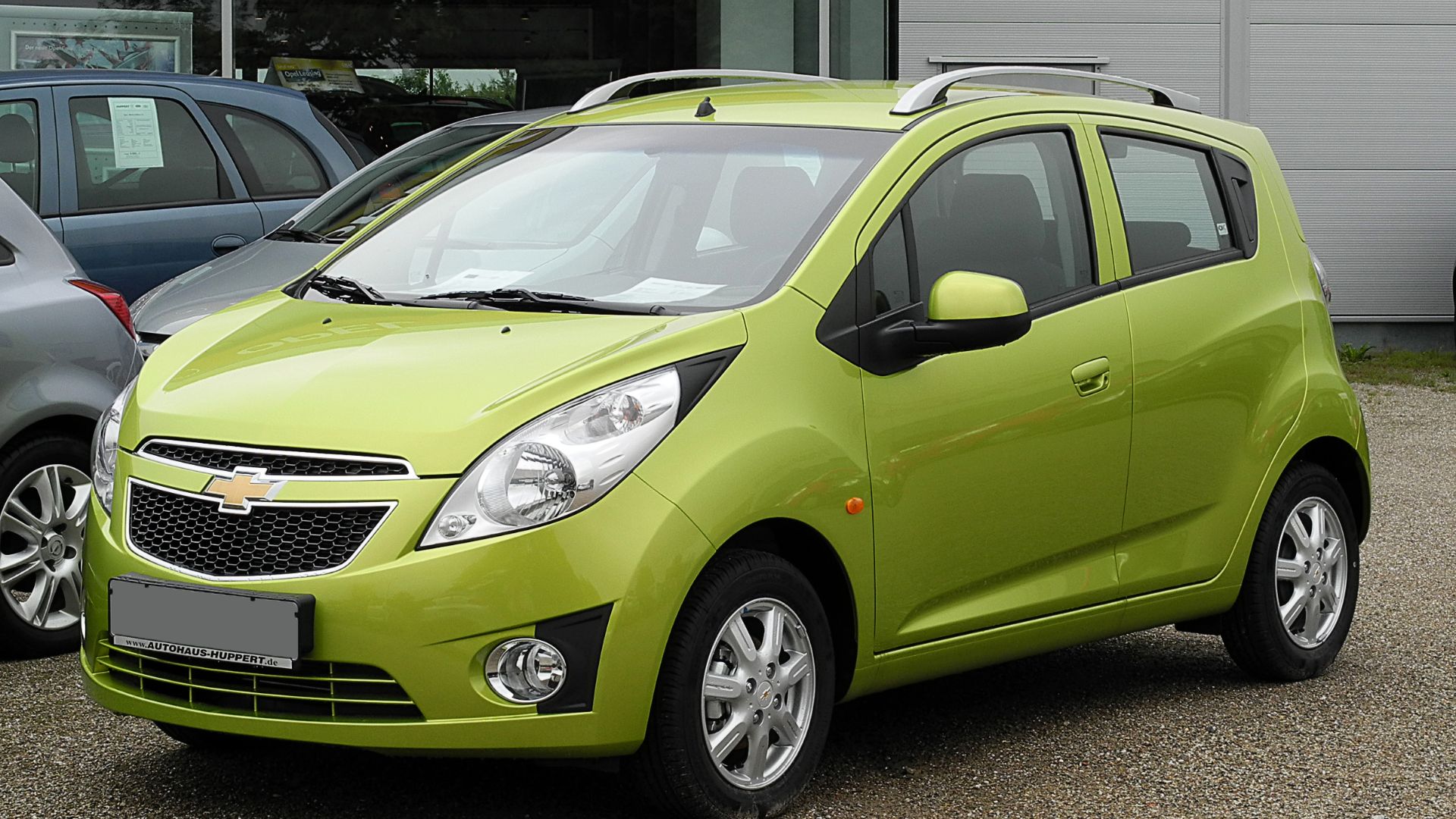
16. Chevrolet Spark
Chevrolet introduced the Spark to attract young, urban drivers who wanted affordable transportation with colorful styling and modern technology. College students and first-time buyers were particularly important to its marketing strategy, but the tiny hatchback ended up appealing to a much broader audience. Along with younger customers, Chevrolet discovered that seniors and parents were also interested in its low price, fuel efficiency, and convenient size. Early sales figures showed that only around 30% of buyers were under 35, suggesting that the Spark's appeal extended well beyond the youthful demographic Chevrolet originally had in mind.
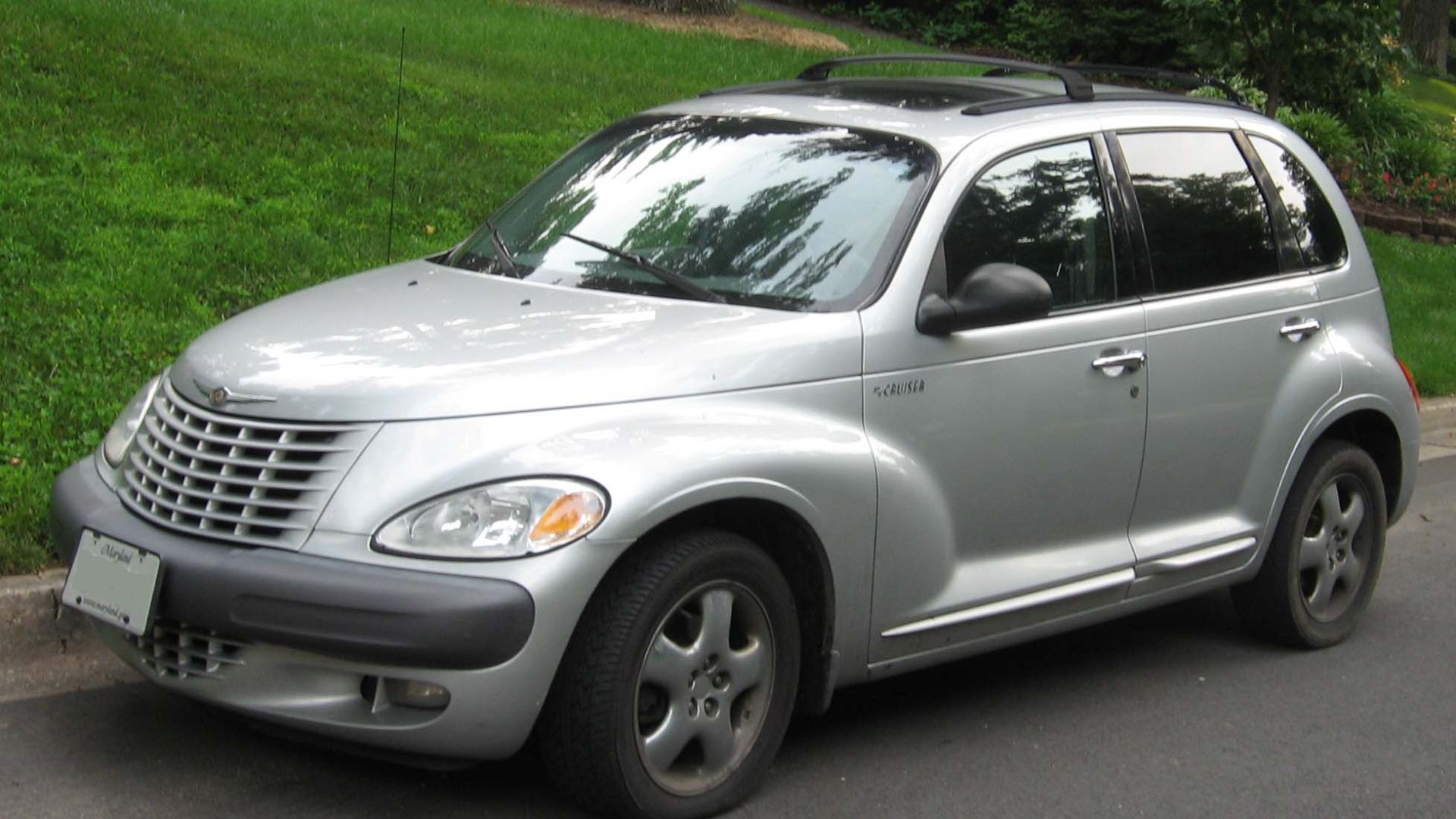
17. Chrysler PT Cruiser
Chrysler designed the PT Cruiser to appeal to multiple generations, combining retro styling with an affordable price and surprisingly practical interior. Although its unconventional appearance could attract younger drivers, much of its early popularity came from middle-aged customers who appreciated the nostalgic design. One study of early purchases found that buyers between 45 and 54 accounted for a particularly large share of sales, while customers under 25 were extremely uncommon. The PT Cruiser was initially successful, but its popularity showed that trendy styling didn't automatically guarantee a youthful customer base.
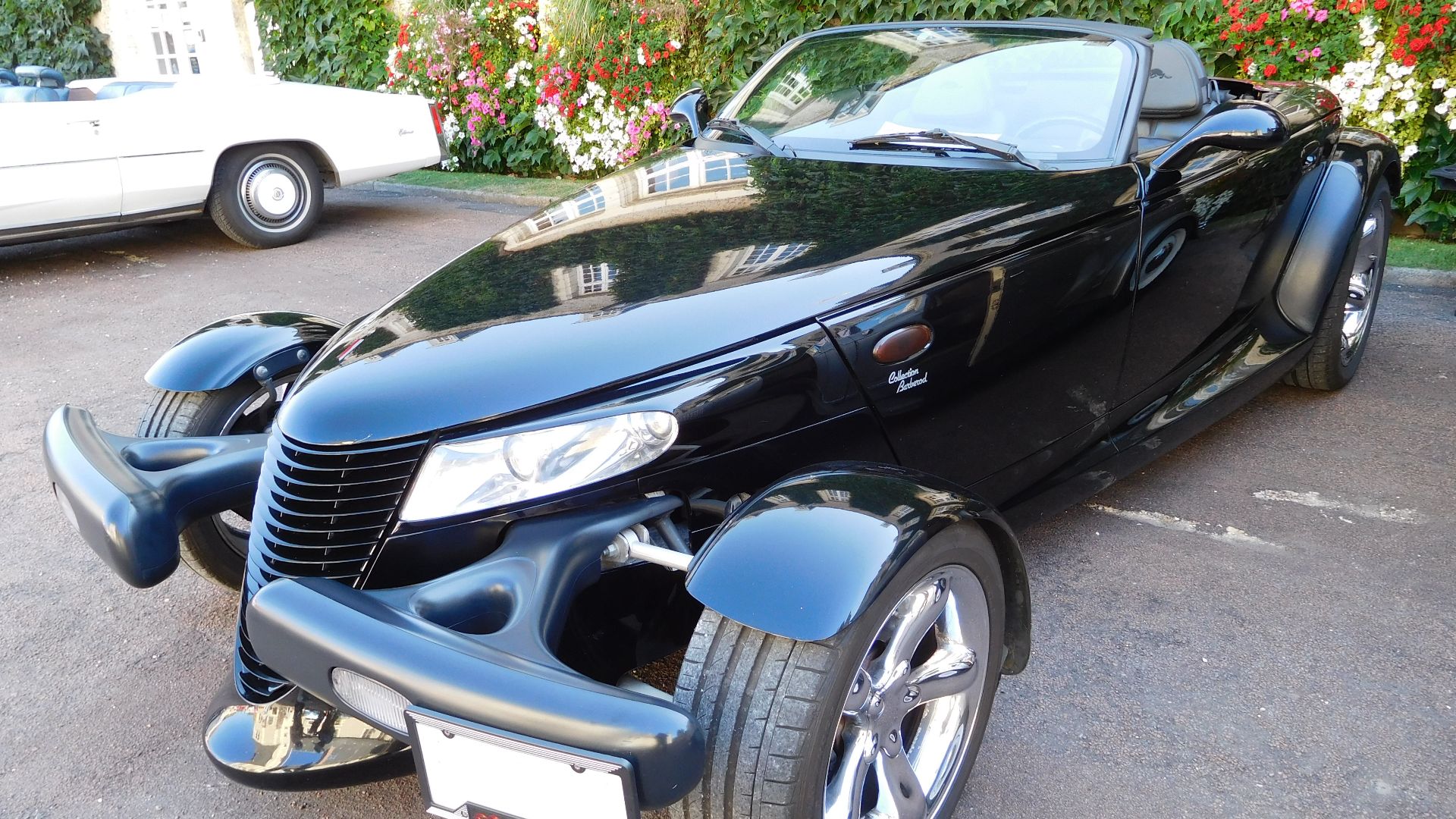
18. Plymouth Prowler
Plymouth introduced the Prowler as a modern take on classic American hot rods, hoping to appeal to enthusiasts who loved customized performance cars. Unfortunately, traditional hot rod fans weren't particularly impressed by its V6 engine and automatic-only transmission, especially since its aggressive appearance suggested something much more powerful. The car caught the attention of collectors and drivers who appreciated its unusual styling, but those weren't necessarily the performance-focused customers its design seemed to target.
19. Toyota Venza
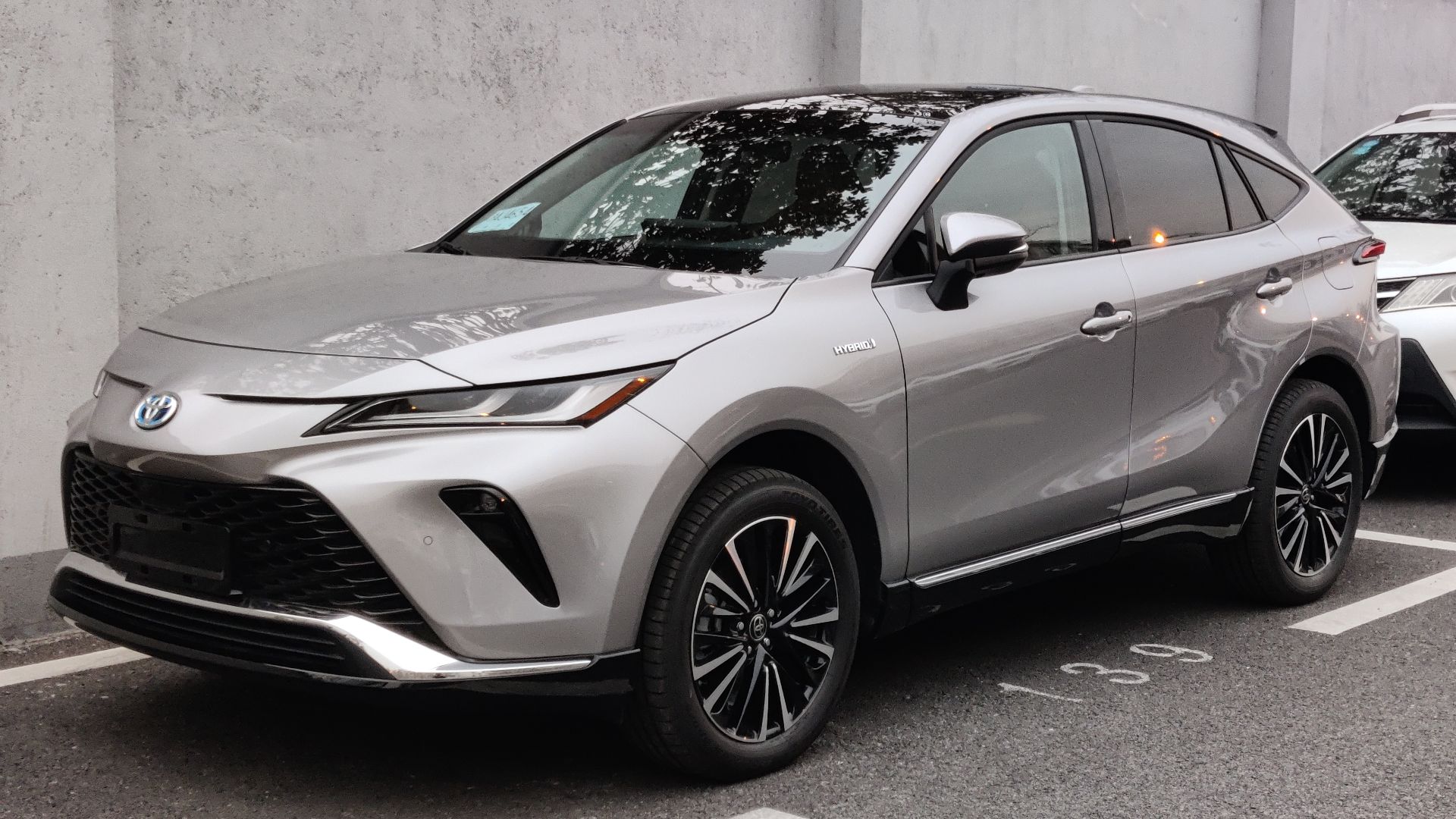
Toyota originally introduced the Venza hoping to attract young, urban professionals and families who wanted something more stylish than a conventional SUV. However, the vehicle proved especially appealing to baby boomers, who appreciated its comfortable interior, elevated seating position, and easy accessibility. Rather than continuing to pursue younger customers, Toyota eventually adjusted its advertising to focus specifically on empty nesters and older drivers enjoying life after their children had moved out. It's a particularly good example of an automaker discovering that its actual customers were quite different from the people it originally had in mind.
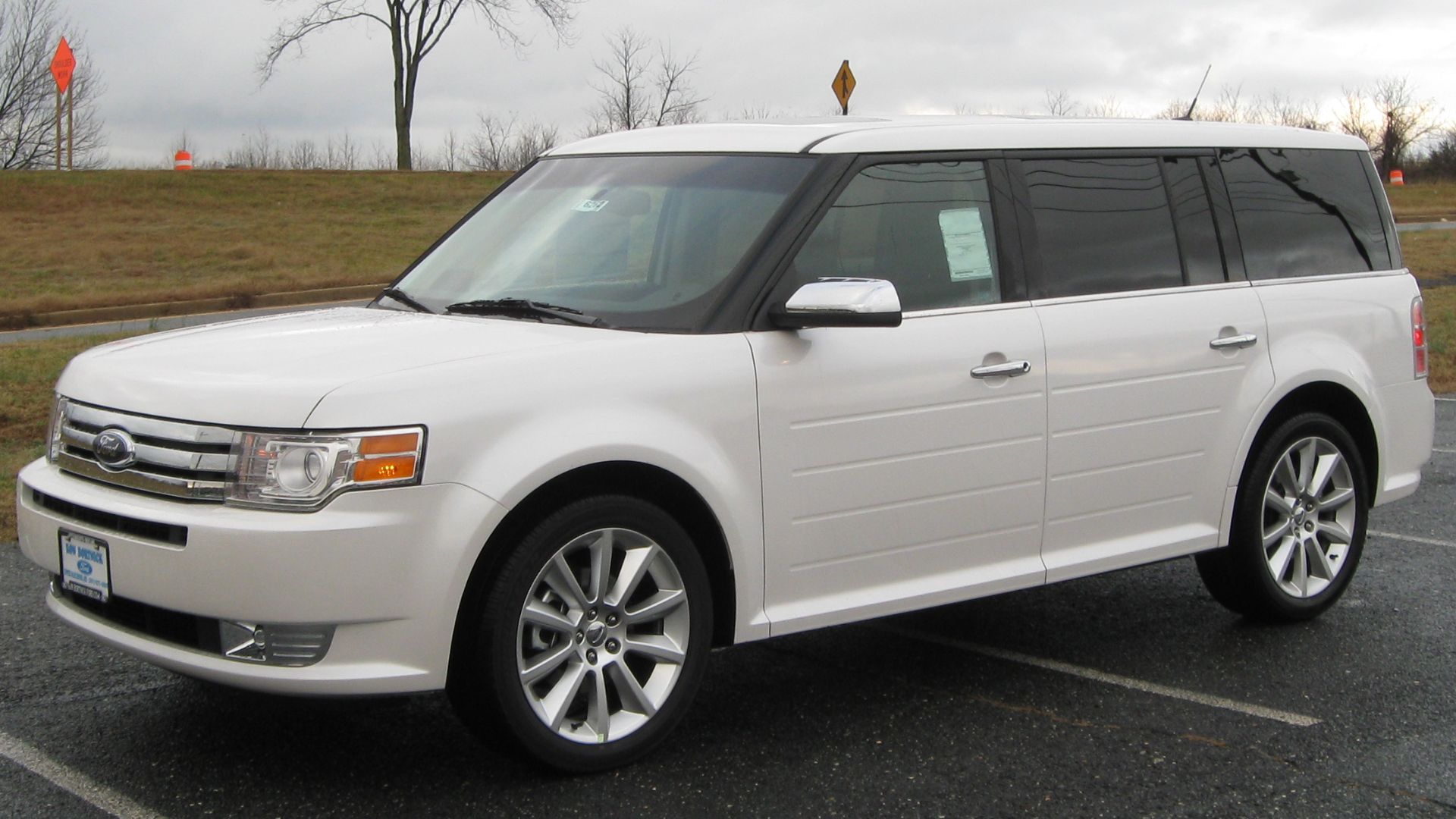
20. Ford Flex
Ford initially marketed the Flex toward young, style-conscious drivers who wanted something more fashionable than a traditional family vehicle. However, the boxy crossover ended up attracting a surprisingly affluent, family-oriented audience. Research found that 88% of Flex buyers were married, compared with 74% of Ford customers overall, while many earned close to six figures annually. Although Ford had deliberately avoided emphasizing families in its advertising, those were precisely the customers who appreciated the Flex's spacious interior and practical design.