Sometimes, the Smallest Things Make the Biggest Difference
When it comes to collectible cars, you'd probably assume that horsepower, performance, and production numbers are what determine a vehicle's value. While those things certainly matter, some cars have become exceptionally desirable because of details most people wouldn't even think about. A slightly different badge, an unusual window design, or a specific factory paint color can make a huge difference to collectors. Sometimes, these seemingly insignificant features distinguish rare versions from otherwise identical models, pushing their values much higher. Here are 20 cars that prove even the smallest details can have a surprisingly big influence on desirability.
1. 1963 Chevrolet Corvette Sting Ray
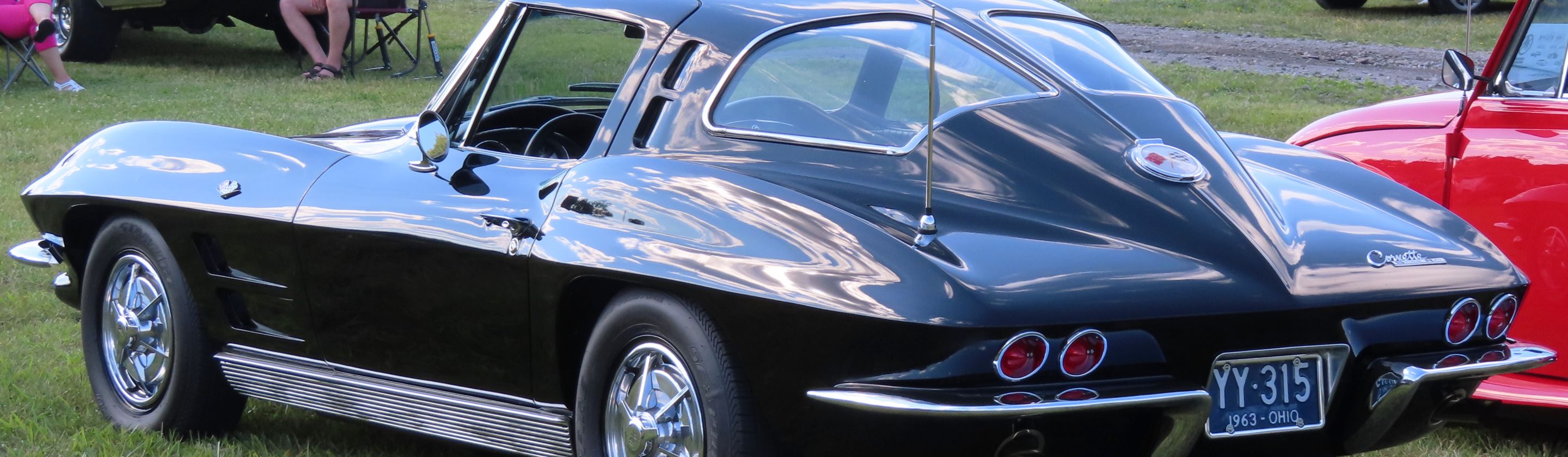
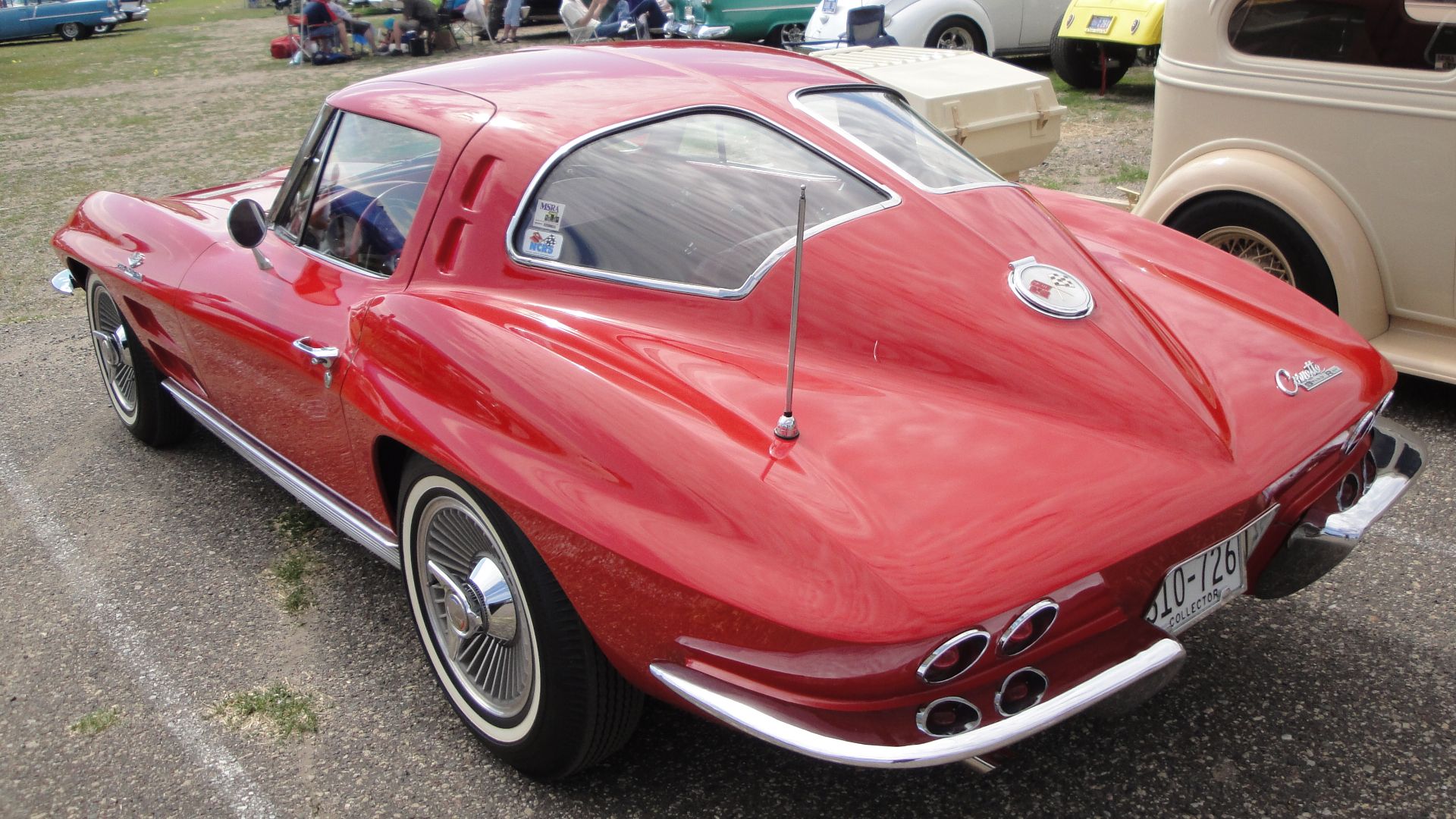
The 1963 Corvette Sting Ray coupe featured a distinctive rear window divided into two sections by a vertical strip of bodywork. Chevrolet dropped the design after just one model year, partly because it limited rearward visibility, making the original version especially desirable today, despite the fact that later versions offered the same performance and better practicality. Although later Corvettes offered the same performance and better practicality, collectors are often willing to pay significantly more for a genuine split-window example.
2. 1957 Chevrolet Bel Air
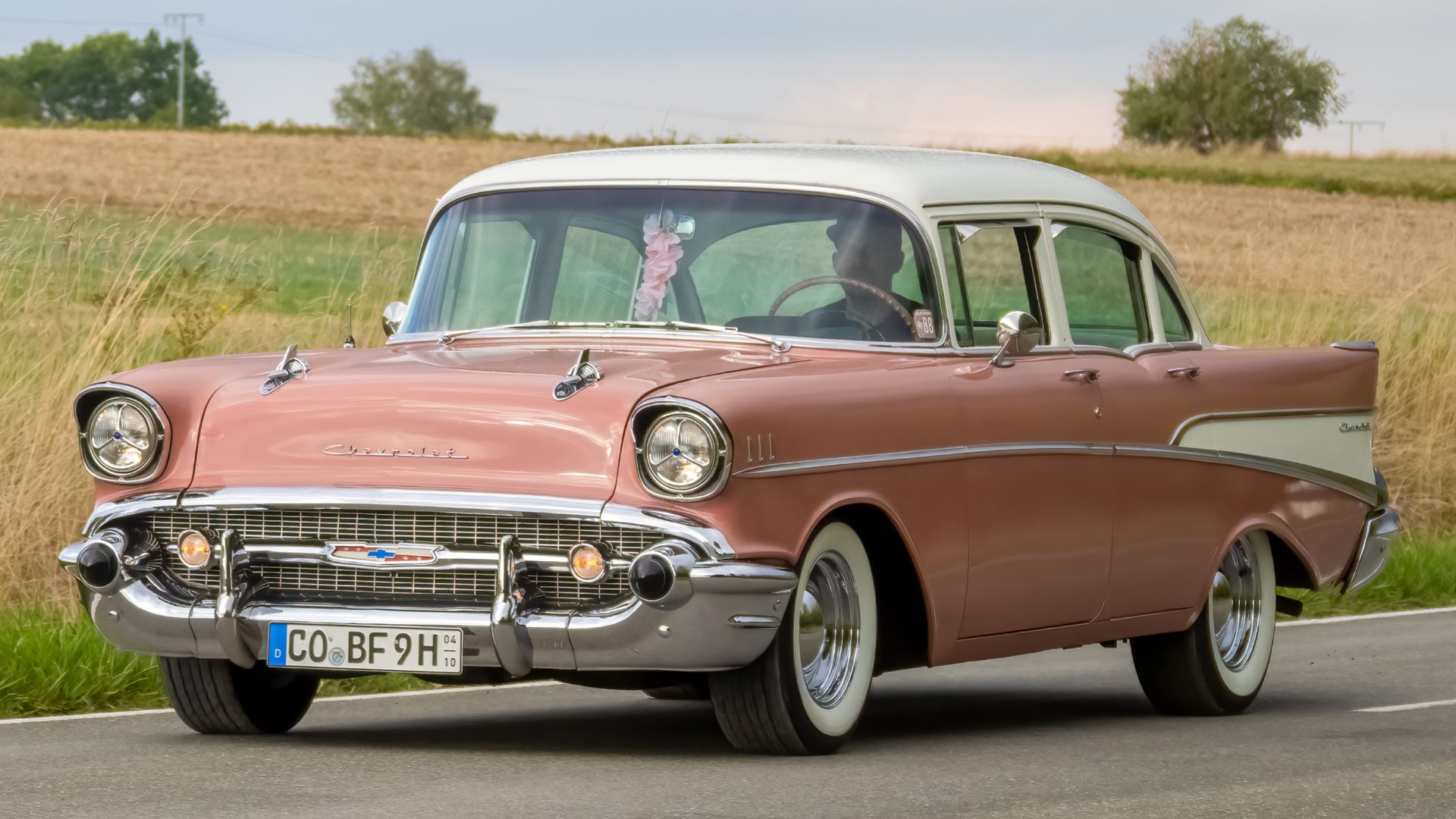
Most people recognize the 1957 Chevrolet Bel Air for its tailfins and chrome detailing, but a small emblem can tell you something much more interesting. Cars equipped with Chevrolet's optional Rochester fuel-injected V8 carried special fuel-injection identification, setting them apart from ordinary carbureted versions. Genuine factory fuel-injected Bel Airs are particularly collectible because the advanced engine option was relatively rare.
3. 1967 Shelby GT500
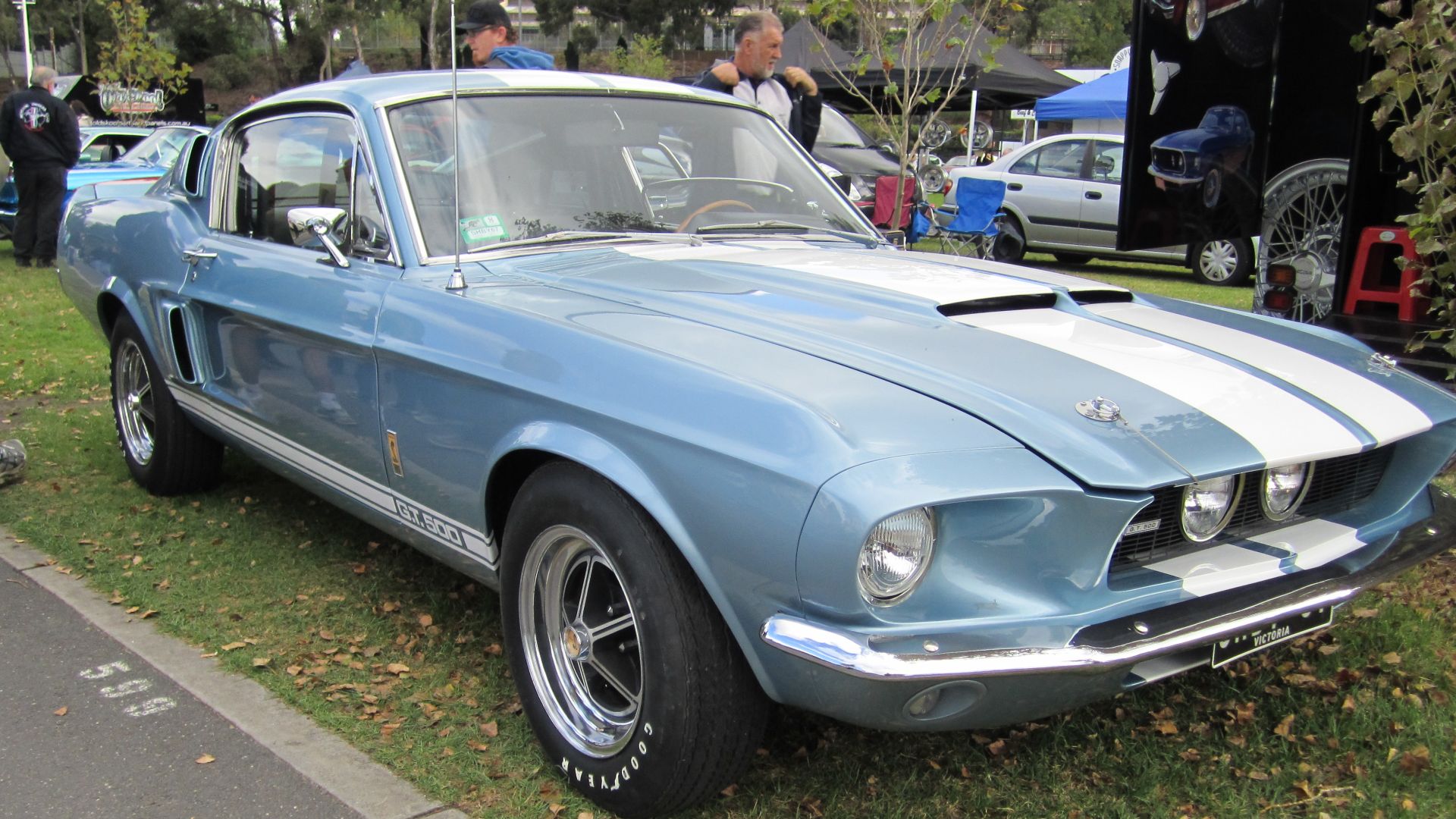
Early 1967 Shelby GT500s came with two additional headlights mounted close together in the center of the grille, giving them a quite unusual appearance. Concerns about state lighting regulations and cooling eventually prompted a revised design that moved the headlights farther apart. These days, the original inboard-headlight arrangement is especially appealing to Shelby enthusiasts who appreciate the subtle differences found on early production cars.
4. 1969 Chevrolet Camaro ZL1
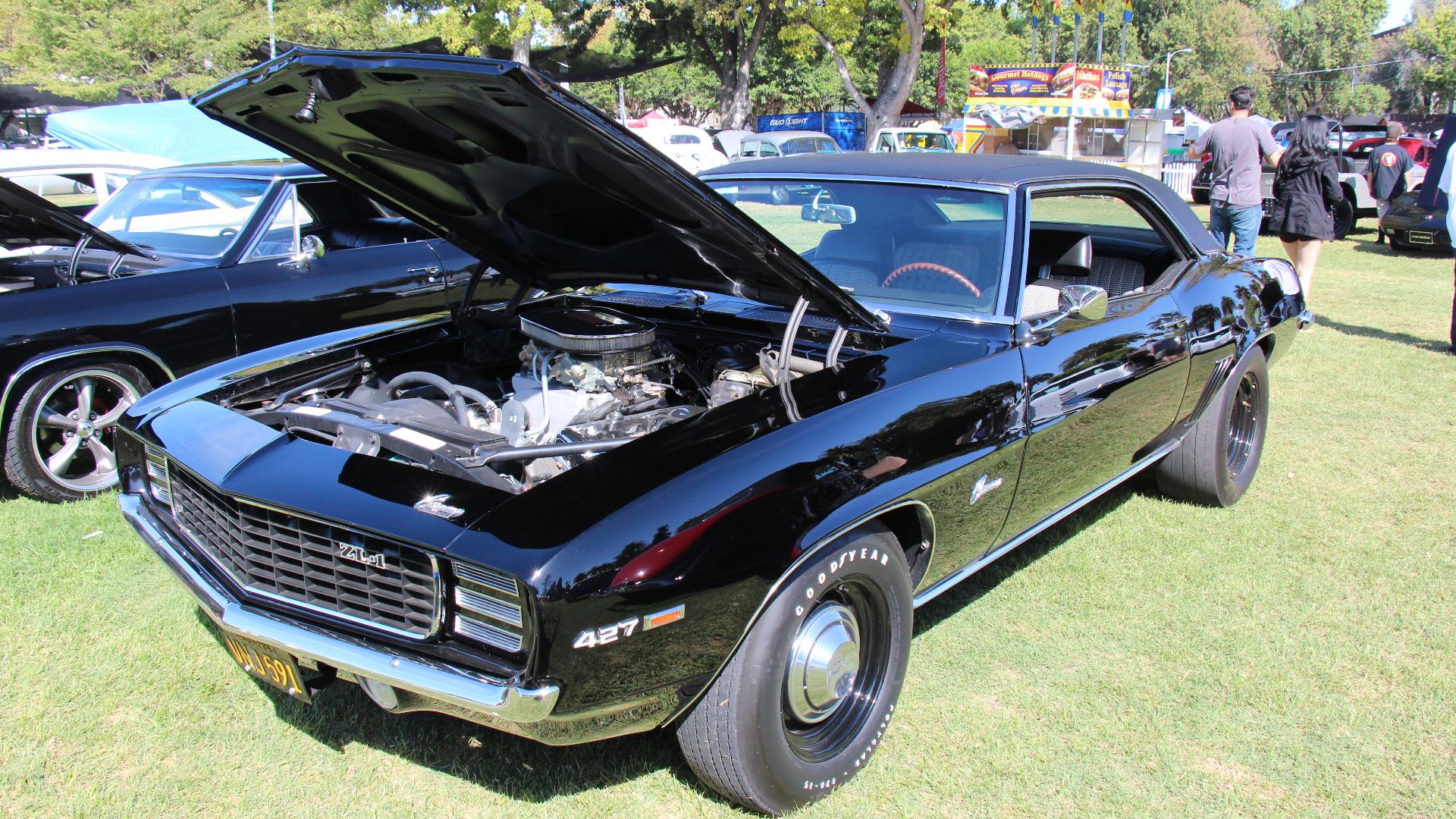
From the outside, the 1969 Camaro ZL1 looked surprisingly similar to other high-performance Camaros, but what was hiding under the hood made it extraordinary. Instead of Chevrolet's conventional iron big-block V8s, the ZL1 used an aluminum engine block originally developed with racing in mind. Just 69 ZL1 Camaros were produced, and that unusual factory engine specification helped make them some of the most valuable first-generation Camaros around.
5. 1969 Ford Mustang Boss 429
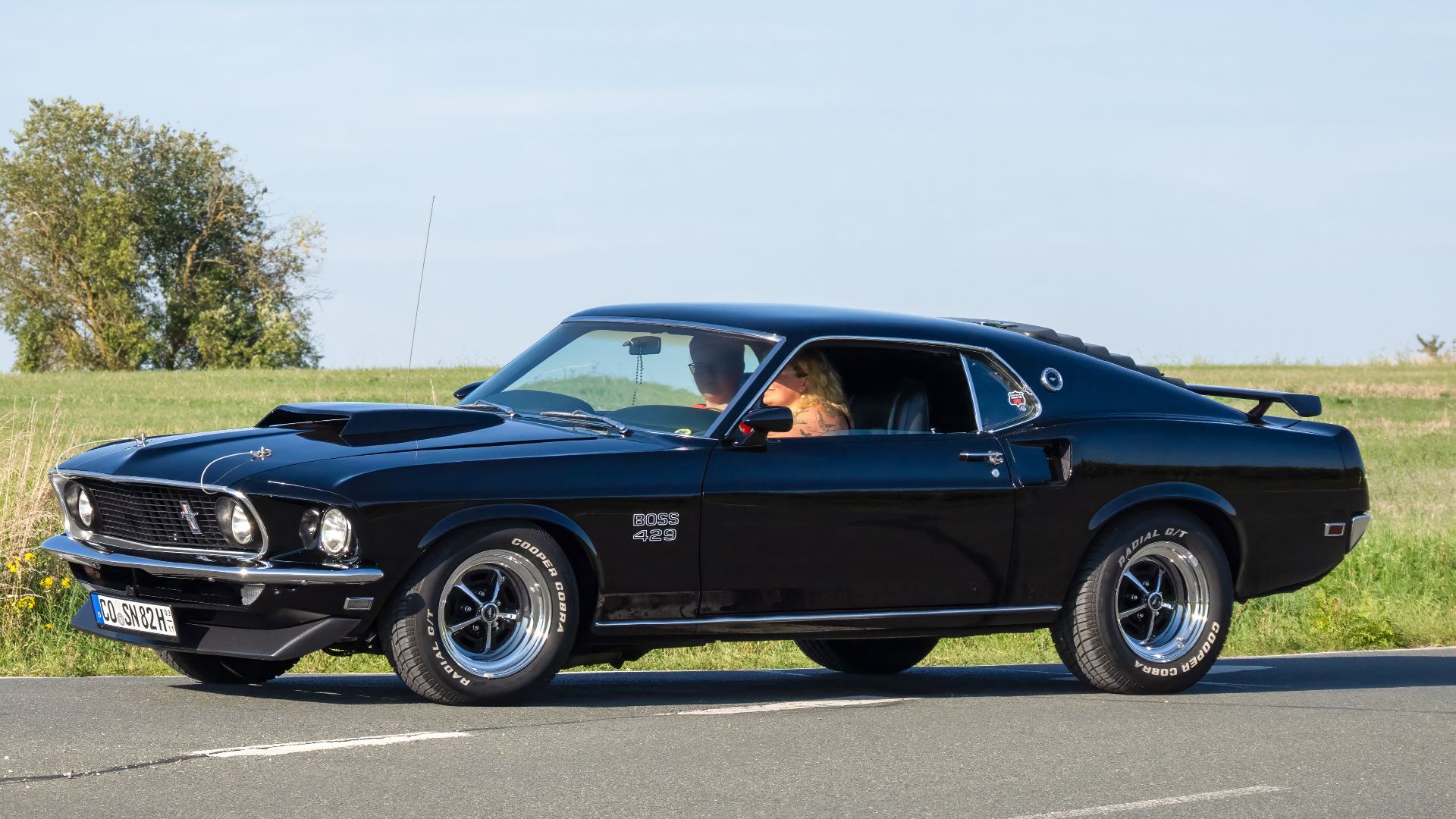
The huge functional hood scoop on the 1969 Boss 429 Mustang wasn't just there for looks, although it certainly got people's attention. It was part of a package built around Ford's massive 429-cubic-inch V8, which required extensive modifications to squeeze into the Mustang's engine compartment. Since the Boss 429 was produced in limited numbers for NASCAR-related homologation purposes, its distinctive scoop remains an important clue when identifying one of Ford's most collectible muscle cars.
6. 1970 Plymouth AAR 'Cuda
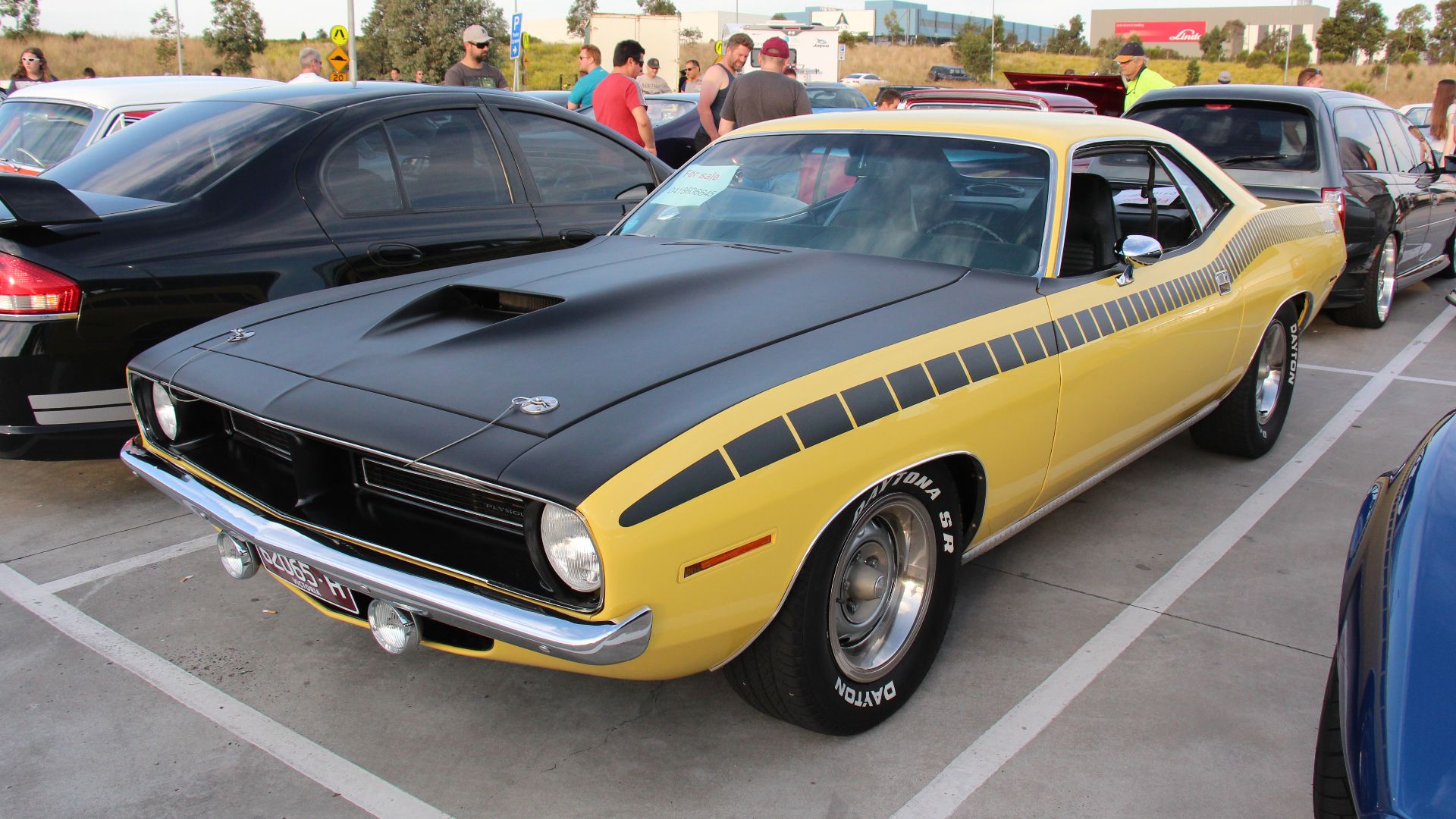
Plymouth sold plenty of Barracudas during the muscle car era, but the 1970 AAR 'Cuda had an unusual exhaust setup that made it easy to tell apart. Rather than routing the exhaust pipes toward the rear bumper, Plymouth fitted side-exit outlets just ahead of the rear wheels. Along with its Trans-Am racing connections and limited production run, this distinctive feature makes the AAR considerably more collectible than many standard Barracudas.
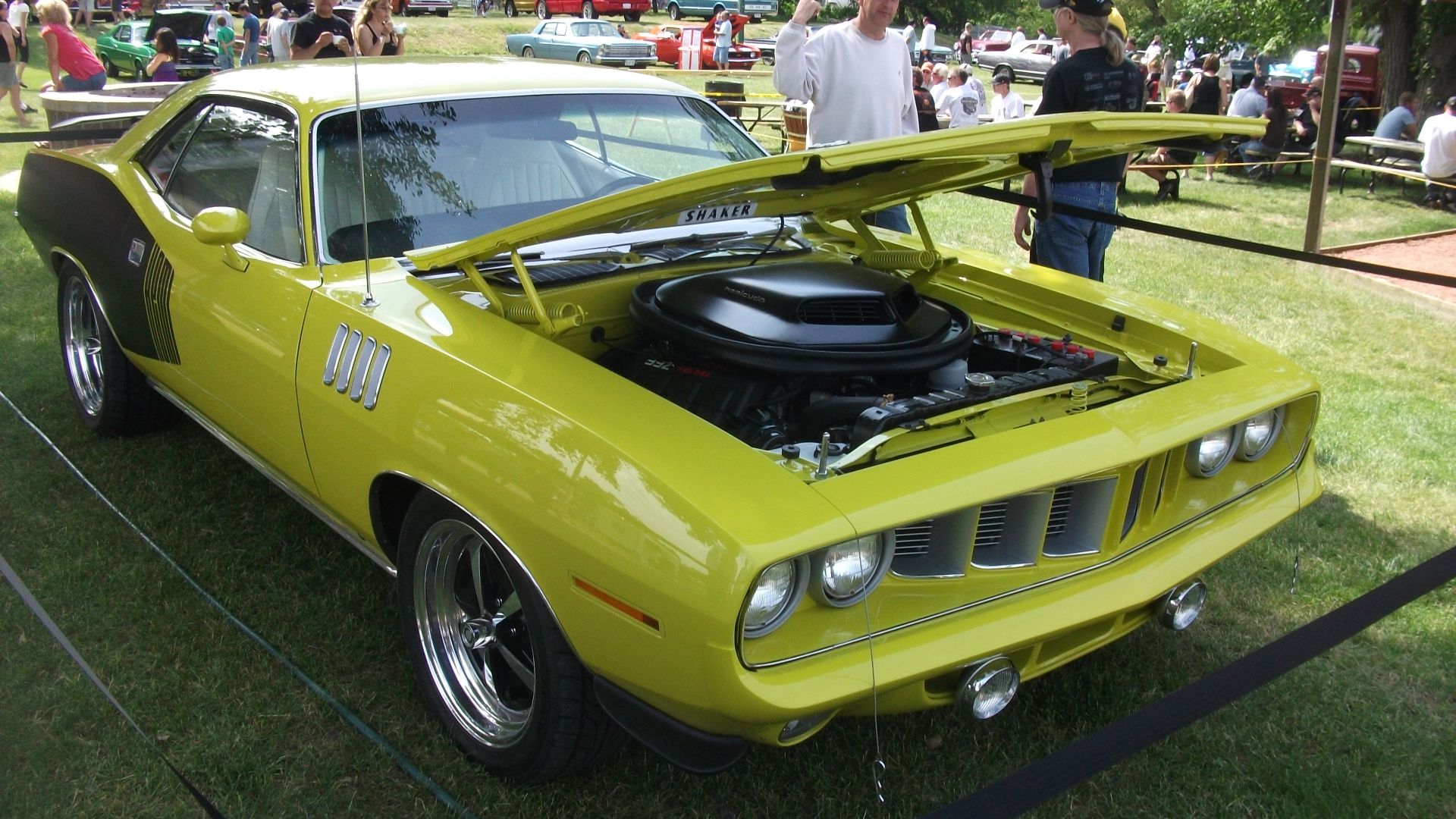
7. 1971 Plymouth Hemi 'Cuda
Few factory graphics were quite as dramatic as the massive billboard-style stripes available on the 1971 Plymouth 'Cuda. These decals stretched across much of the rear quarter panels and proudly displayed the engine displacement, leaving absolutely no doubt about the car's performance credentials. Authentic Hemi-powered examples with desirable original graphics are particularly sought after today, although the rare engine and overall configuration have a much bigger influence on value than the decals themselves.
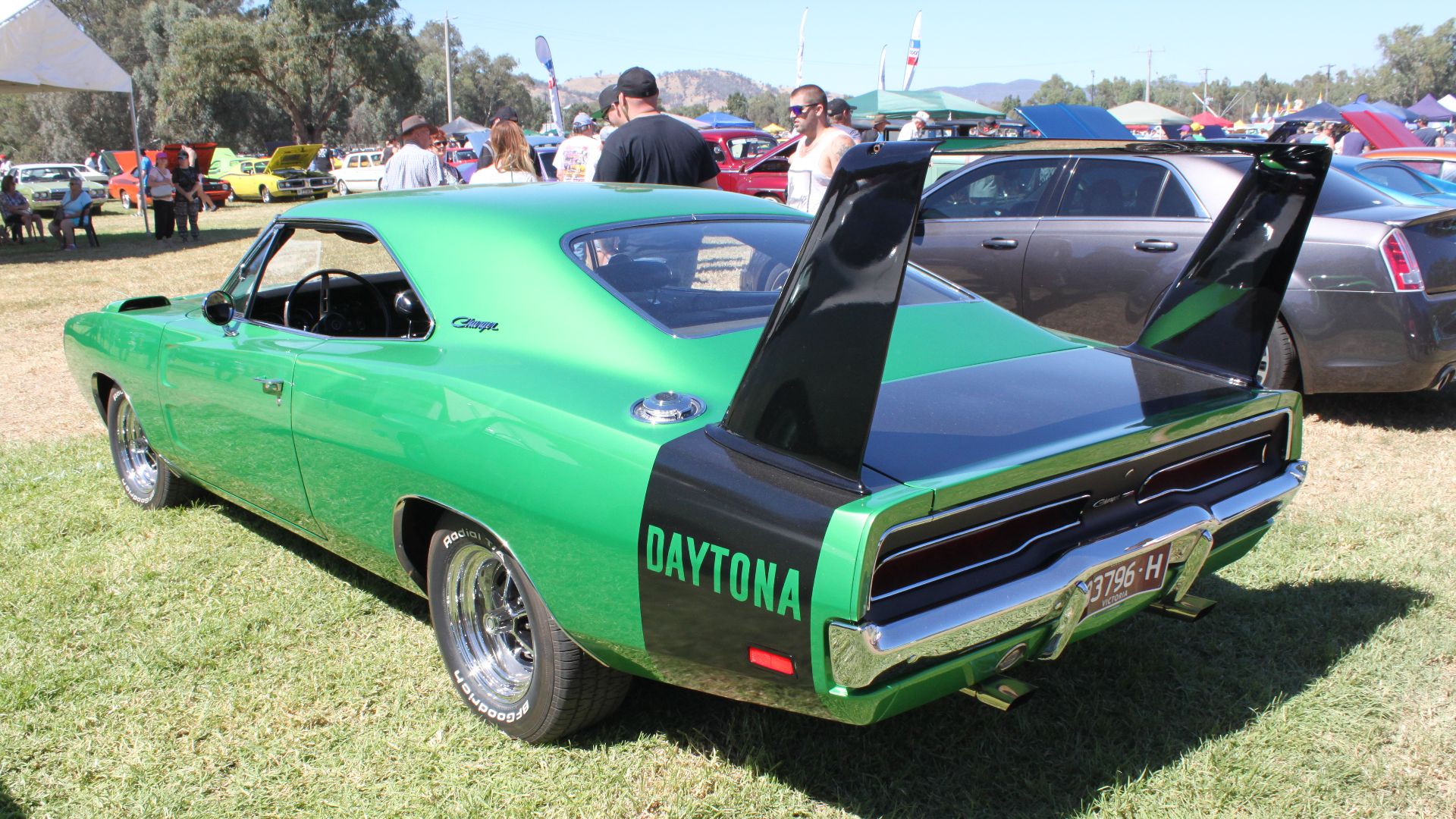
8. 1969 Dodge Charger Daytona
When Dodge introduced the Charger Daytona, its unusually tall rear wing probably looked a little excessive to anyone shopping for an ordinary muscle car. However, the wing was actually part of an aerodynamic package developed for NASCAR competition, with only about 500 street examples produced. Today, the original wing and accompanying hardware are essential details for collectors, helping them tell a genuine Daytona apart from a regular Charger fitted with reproduction parts.
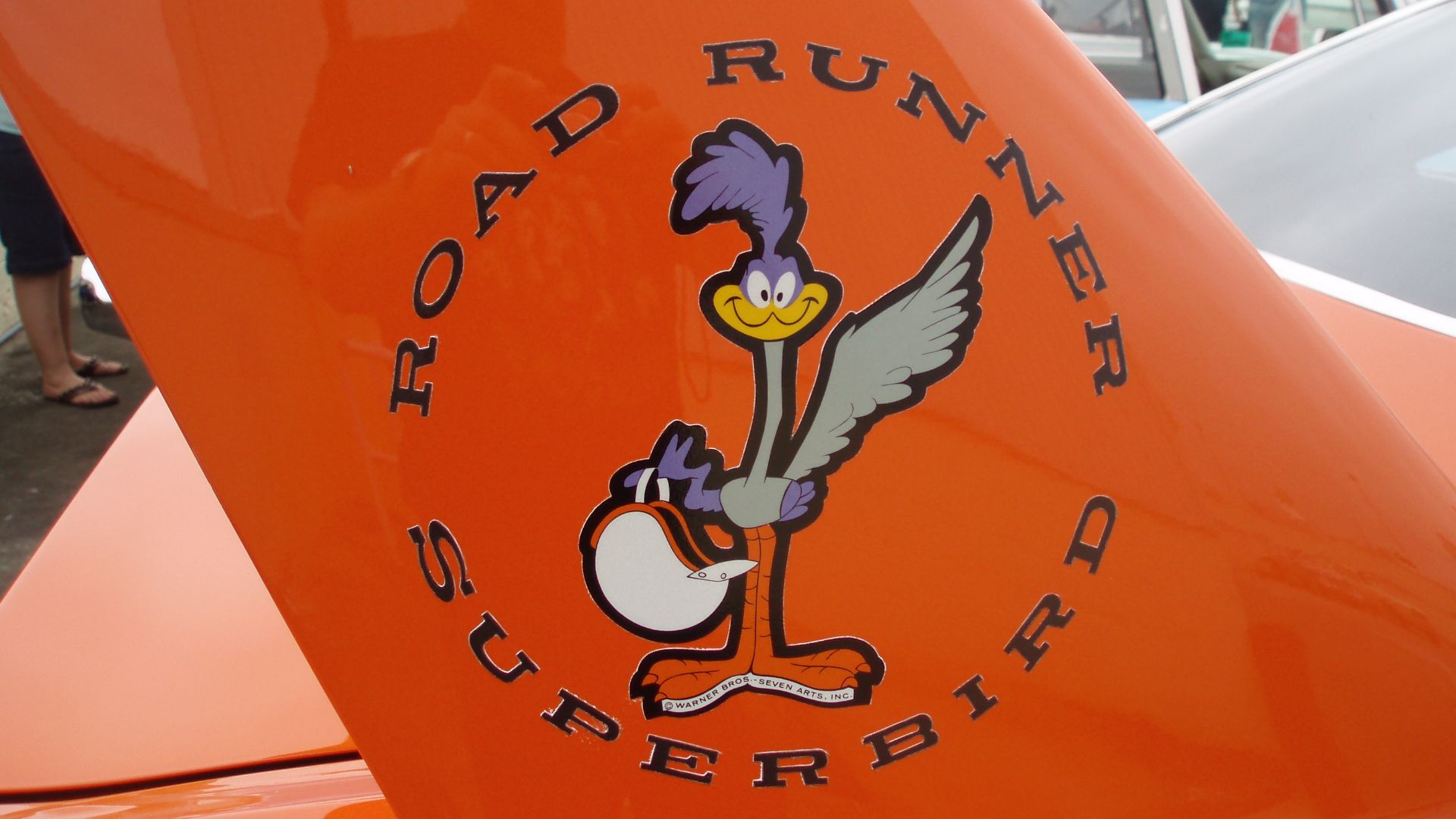
9. 1970 Plymouth Superbird
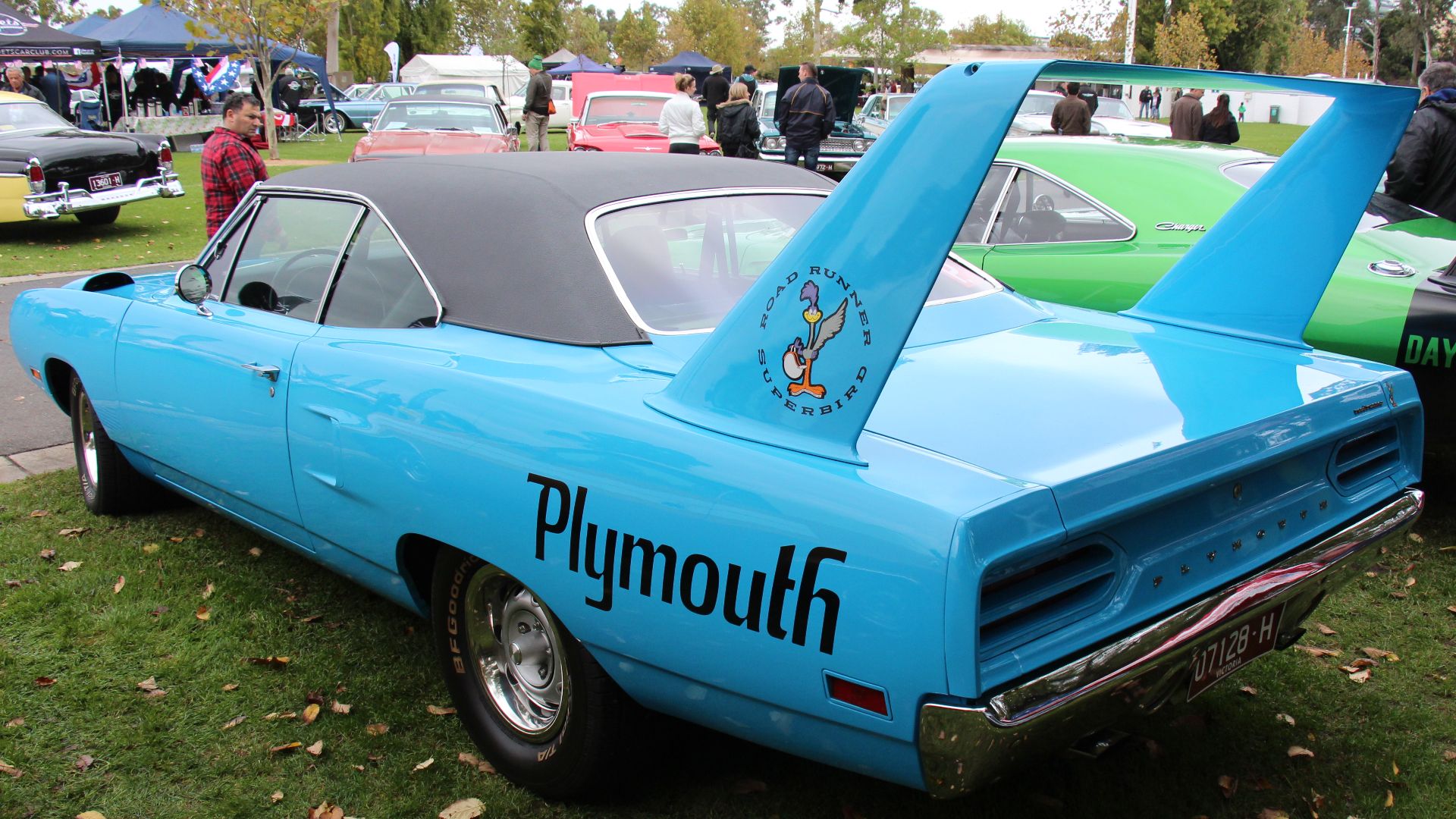
With its pointed nose and enormous rear wing, Plymouth's Superbird was already pretty difficult to miss, but its cartoon graphics gave it another unusual touch. The car featured Road Runner character decals, connecting the serious NASCAR-inspired machine to Plymouth's more playful advertising campaigns. Original Superbirds are now highly collectible, and properly preserved or accurately reproduced factory graphics matter quite a bit to enthusiasts who care about historical accuracy.
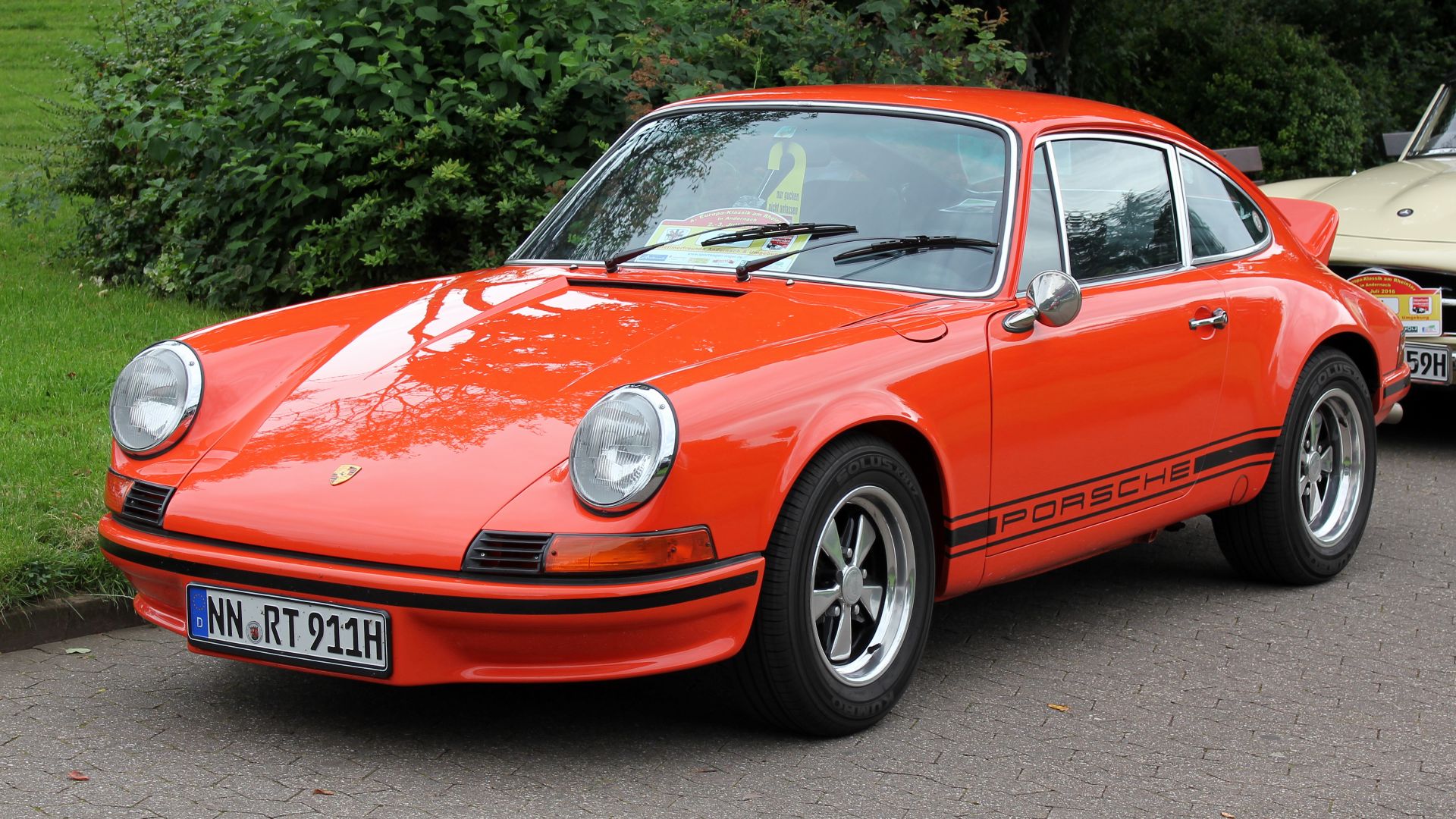
10. 1973 Porsche 911 Carrera RS 2.7
One of Porsche's most recognizable design features actually started as a fairly modest aerodynamic addition to the 1973 Carrera RS 2.7. Its distinctive ducktail rear spoiler helped reduce rear-end lift at higher speeds and quickly became associated with the original lightweight performance model. Genuine Carrera RS examples fetch substantial prices today, and the spoiler remains one of their defining features, even though plenty of ordinary 911s now wear reproductions.
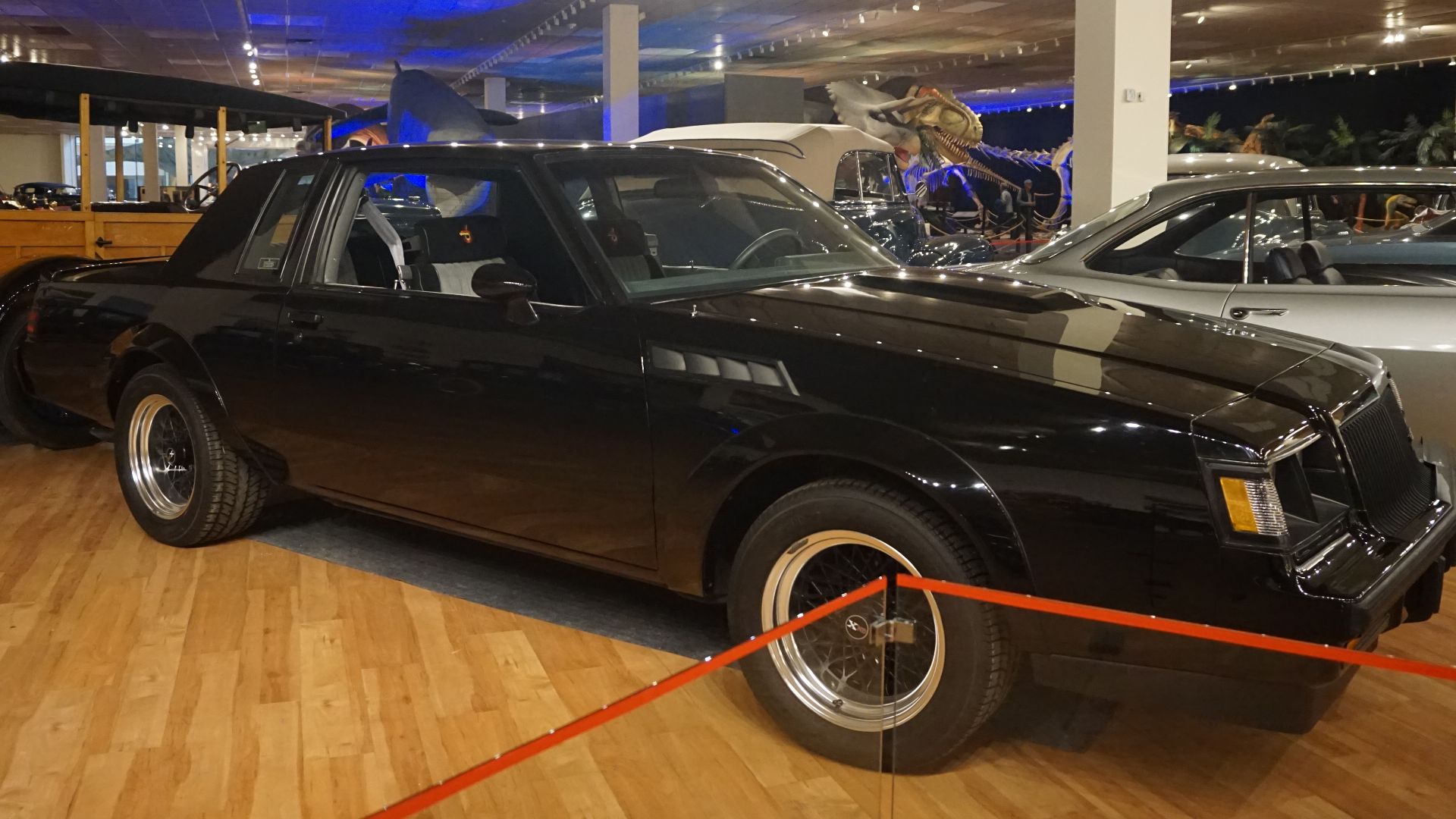
11. 1987 Buick GNX
At first glance, the 1987 Buick GNX looks a lot like the already desirable Grand National, but a closer look at its front fenders reveals an important difference. Buick added functional vents to help release heat from the engine compartment, along with several other upgrades developed with ASC and McLaren Performance Technologies. With only 547 GNXs ever produced, those small vents have become an instantly recognizable feature of one of America's most valuable turbocharged performance cars.
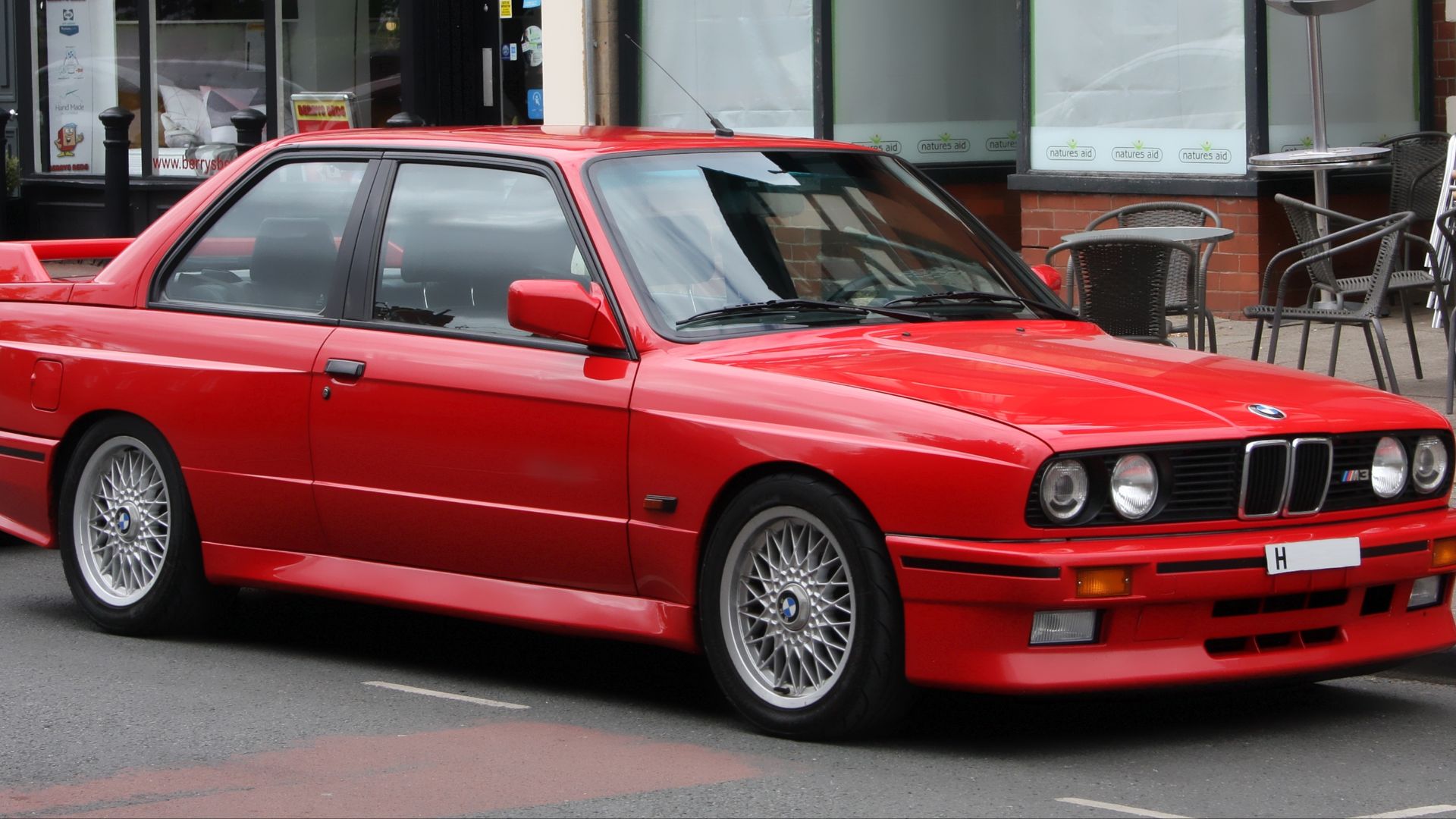
12. 1990 BMW M3 Sport Evolution
Most drivers probably wouldn't think twice about the color of their seat belts, but the bright red ones inside the BMW E30 M3 Sport Evolution are a pretty important detail. BMW fitted them alongside special seats, suede-trimmed controls, and numerous performance upgrades to distinguish this limited-production version from the regular M3. Only 600 Sport Evolutions were built, making those original interior details especially important to collectors looking for an authentic example.
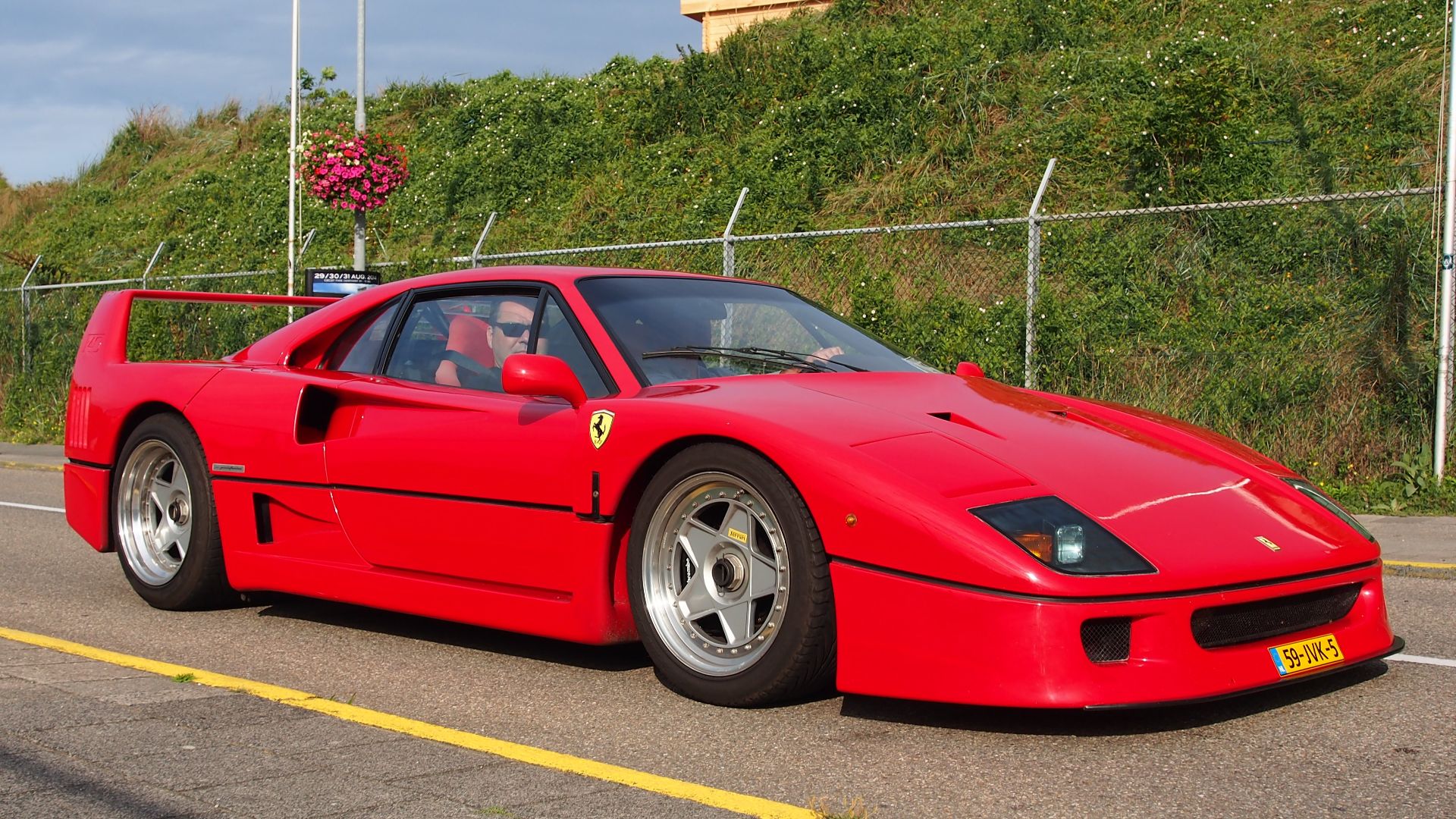
13. 1988 Ferrari F40
Early Ferrari F40s came with lightweight sliding side windows instead of the conventional roll-down windows fitted to later examples. Roughly the first 50 production cars received this arrangement, making the windows one of the easiest ways to spot an especially early version. While every F40 is collectible, these original examples have become particularly interesting to enthusiasts who appreciate the car's earliest, most uncompromising specification.
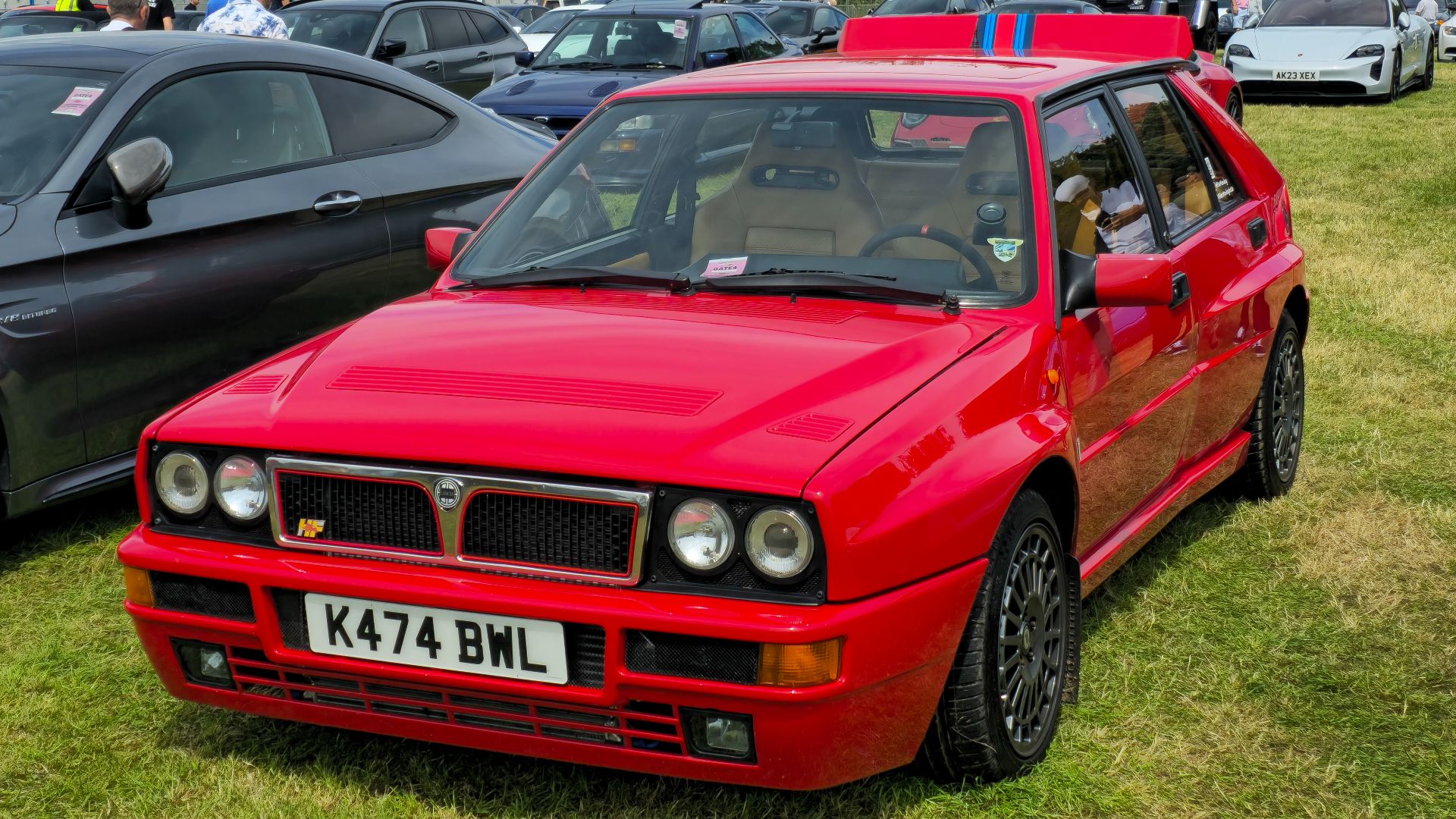
14. 1992 Lancia Delta HF Integrale Evoluzione
The Lancia Delta HF Integrale was already a legendary rally-inspired performance car, but certain special editions became even more desirable thanks to their factory graphics. The Martini 5 and Martini 6 versions featured distinctive racing-inspired stripes celebrating Lancia's success in the World Rally Championship. Thanks to their limited production numbers and strong motorsport connections, authentic Martini editions generally command higher prices than ordinary Integrales.
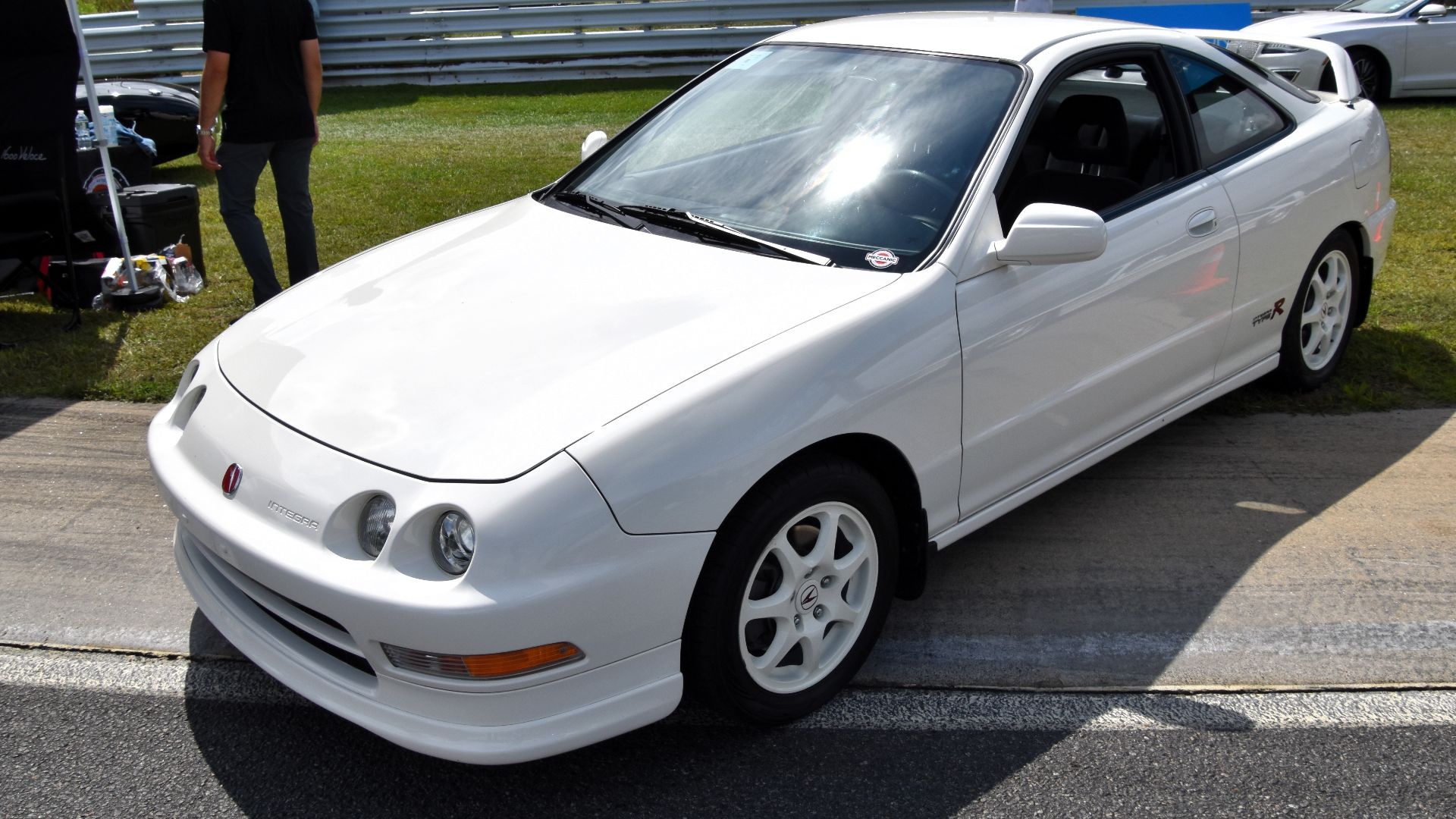
15. 1997 Acura Integra Type R
The red Honda badge associated with the Integra Type R might seem like a small styling choice, but it became an important symbol of Honda's performance engineering. Japanese-market Type R models wore these badges, while American-market versions were sold under Acura branding and featured their own identifying emblems. Genuine, unmodified Type Rs have become valuable modern collectibles, and original badging is one of the things enthusiasts look at when checking whether a car is authentic.
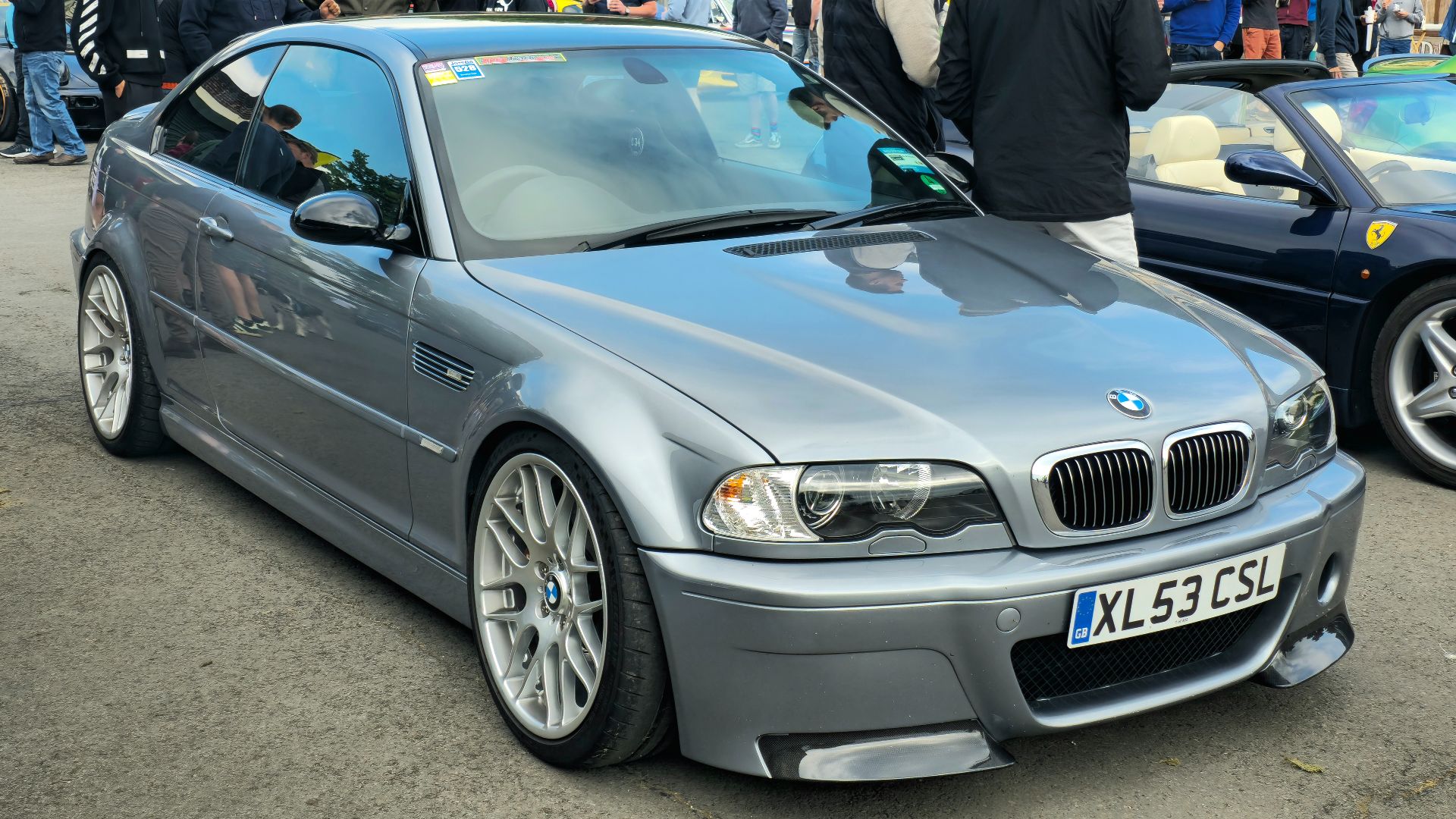
16. 2003 BMW M3 CSL
BMW's regular E46 M3 was already an impressive performance car, but the CSL introduced several weight-saving upgrades that made it considerably more desirable. One of the most noticeable was its exposed carbon-fiber roof, which reduced weight high up in the vehicle and helped lower its center of gravity. With just 1,383 CSLs produced, that distinctive roof remains one of the simplest ways to recognize the valuable special edition.
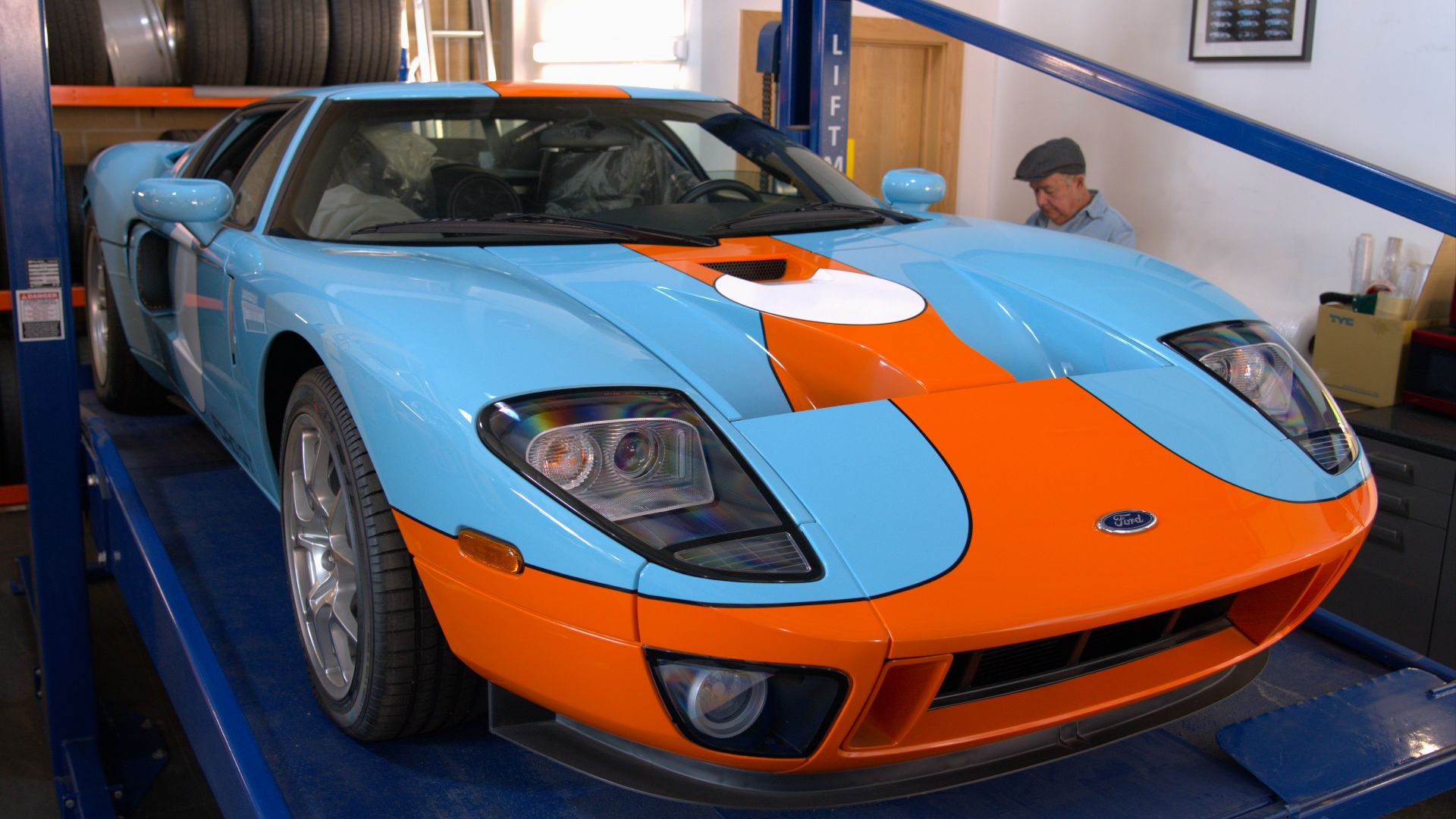
17. 2006 Ford GT Heritage Edition
The original Ford GT was already an expensive and desirable car, but one particular factory paint scheme made certain examples even more collectible. In 2006, Ford introduced a Heritage Edition finished in blue and orange, inspired by the company's famous GT40 racing victories at Le Mans. Only 343 Heritage Editions were built, and their unmistakable colors have helped them fetch more impressive premiums than many conventionally painted GTs.
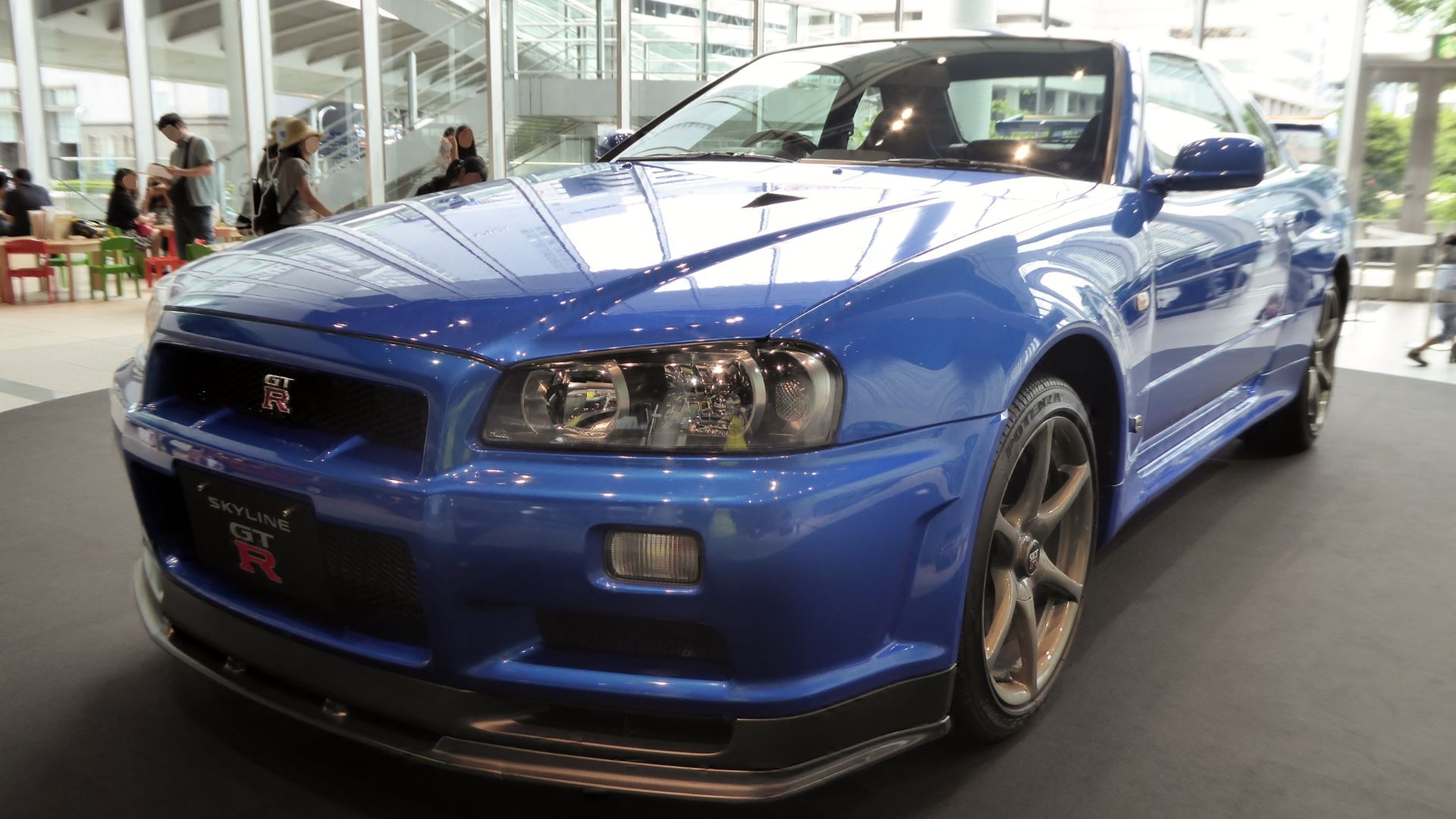
18. 2000 Nissan Skyline GT-R V-Spec II
Nissan's R34 Skyline GT-R has become one of Japan's most celebrated performance cars, but the V-Spec II added a particularly interesting detail to its exterior. Its carbon-fiber hood featured a functional NACA duct, giving the car a subtle but recognizable difference from earlier versions. Original V-Spec II examples are now highly desirable, with that special hood adding to their appeal alongside the model's upgraded performance equipment.
 Tokumeigakarinoaoshima on Wikimedia
19. 2016 Porsche 911 R
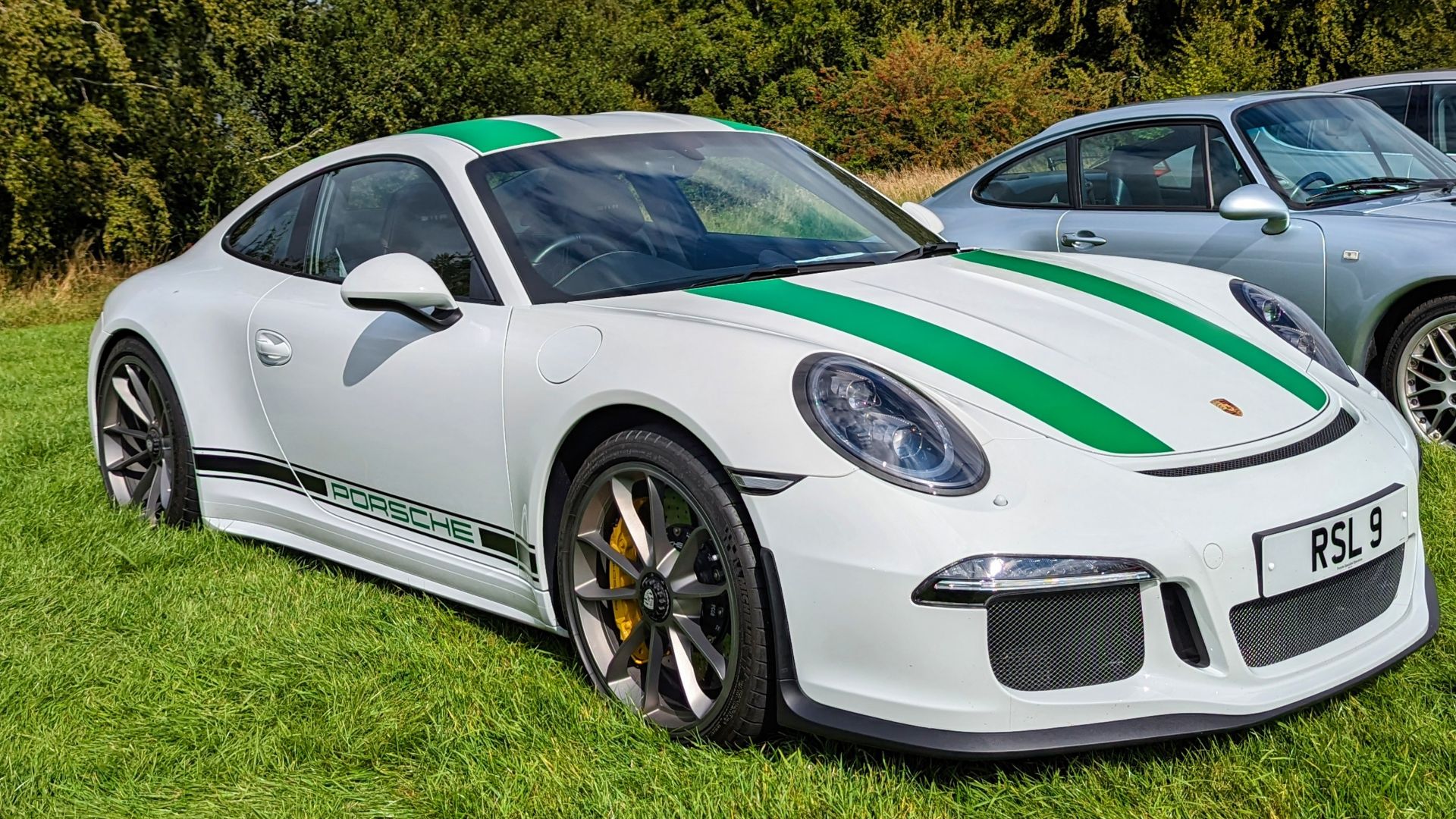
At a time when sophisticated automatic transmissions were becoming increasingly common in high-performance cars, Porsche decided to equip the 911 R exclusively with a six-speed manual gearbox. That traditional shifter was a huge selling point for enthusiasts who wanted the naturally aspirated performance of the contemporary GT3 RS without its mandatory dual-clutch transmission. Limited to under 1,000 examples, the 911 R quickly became a sought-after modern collectible, proving that something as ordinary as a gear lever could make a car significantly more desirable.
20. 2018 Porsche 911 GT2 RS
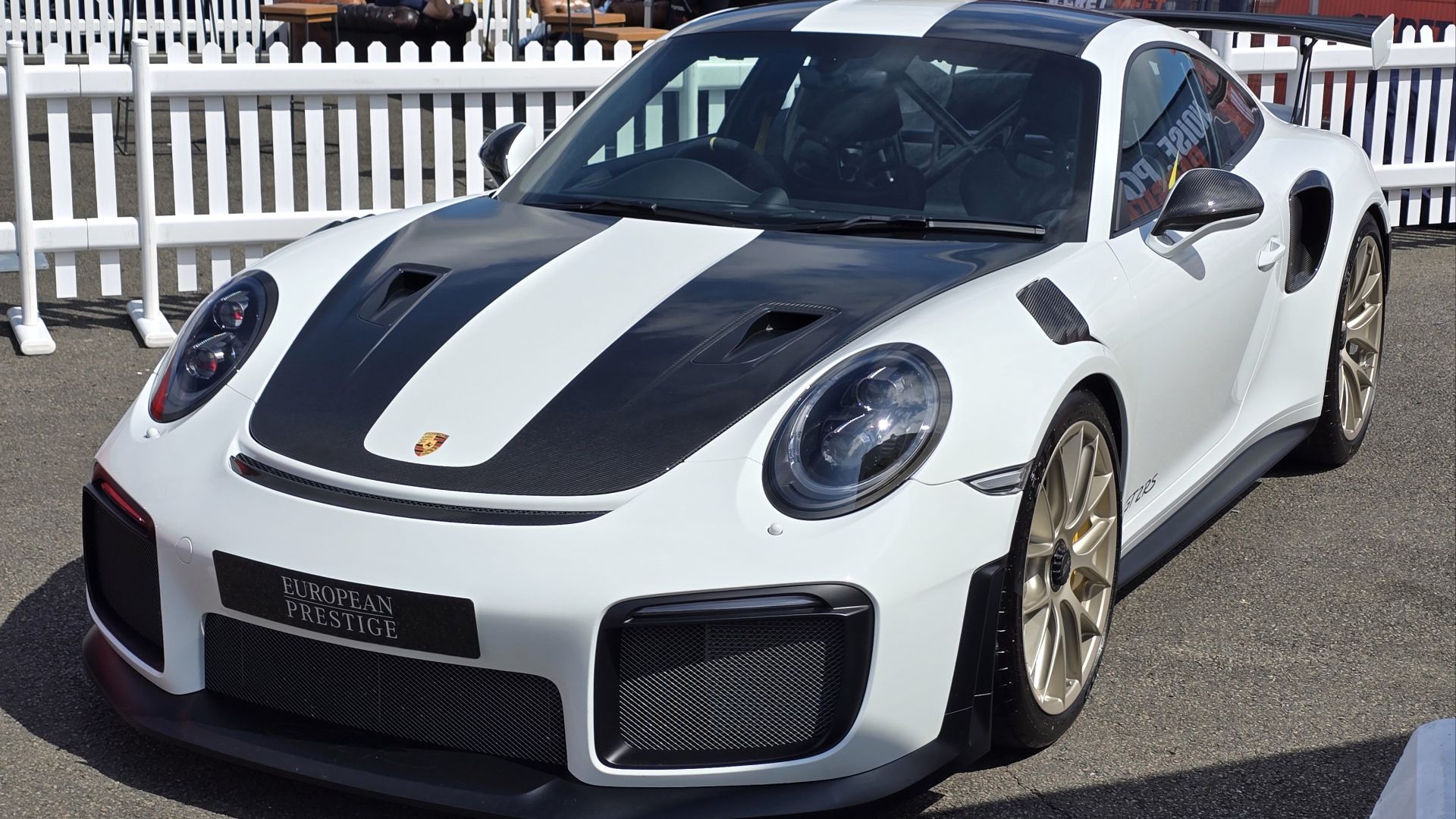
The 991-generation Porsche 911 GT2 RS was already an incredibly expensive sports car, but its optional Weissach Package added some particularly desirable lightweight components. Among the most interesting were its magnesium wheels, which reduced unsprung weight compared with conventional aluminum alternatives. These rare factory wheels have become especially appealing to collectors looking for highly specified GT2 RS examples, particularly when the vehicle still has its original equipment and documentation.