
One Model Can Rewrite the Whole Story
A car brand’s reputation can take decades to build, but sometimes one model changes the conversation almost overnight. The right car can make a company seem cooler, smarter, faster, more luxurious, or suddenly much more serious than people expected. Of course, it can work the other way too, because a single misstep can make buyers question everything. These 20 cars didn’t just sell, fail, or win praise; they changed how people saw the badge on the hood.
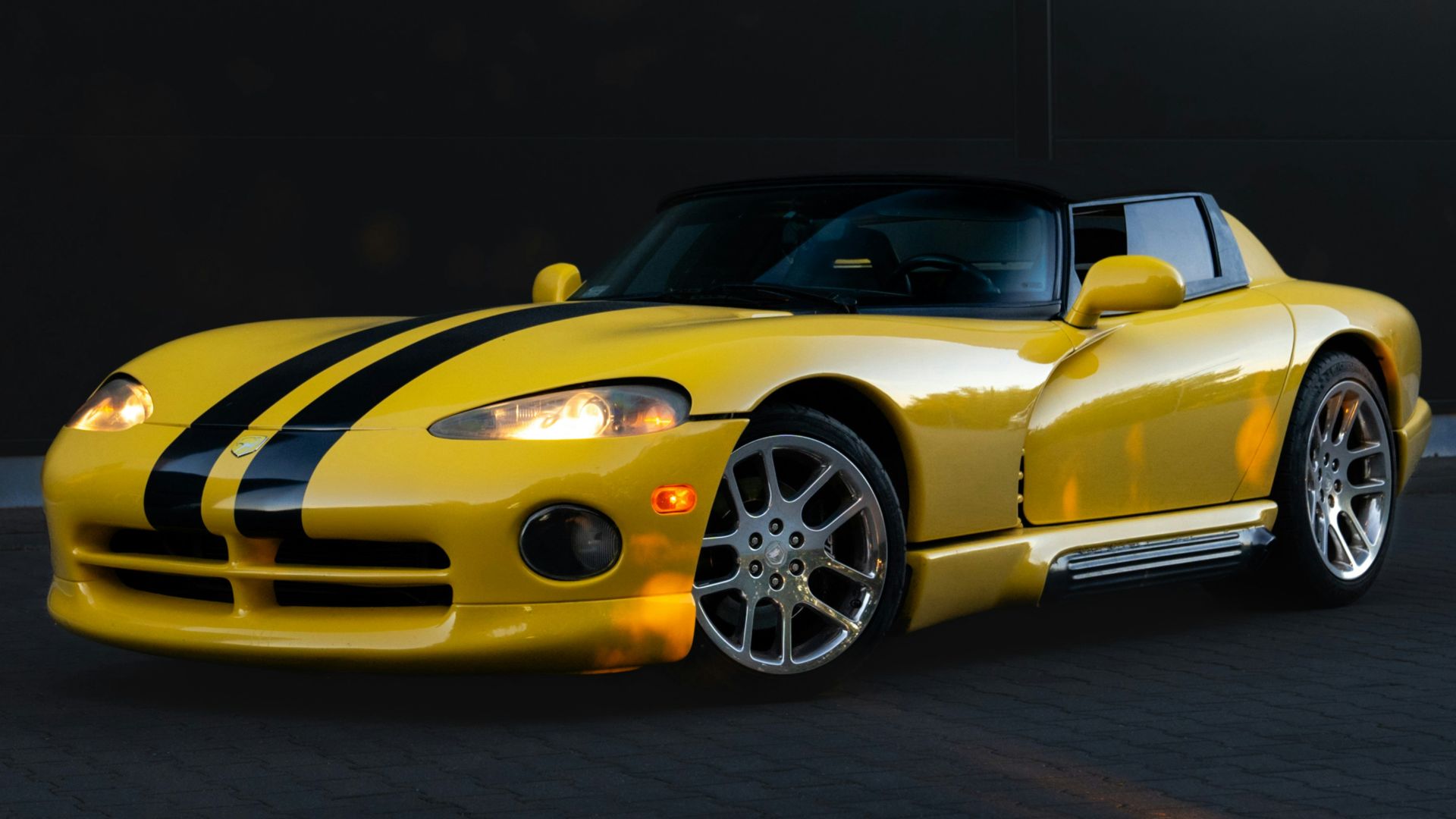
1. Toyota Prius
The Toyota Prius turned Toyota into the face of mainstream hybrid technology. Before it became a familiar sight in driveways and taxi fleets, fuel-saving cars often seemed dull, tiny, or too compromised for regular buyers. The Prius made efficiency feel modern and intentional. It helped Toyota build a reputation for practical green innovation that still follows the brand.
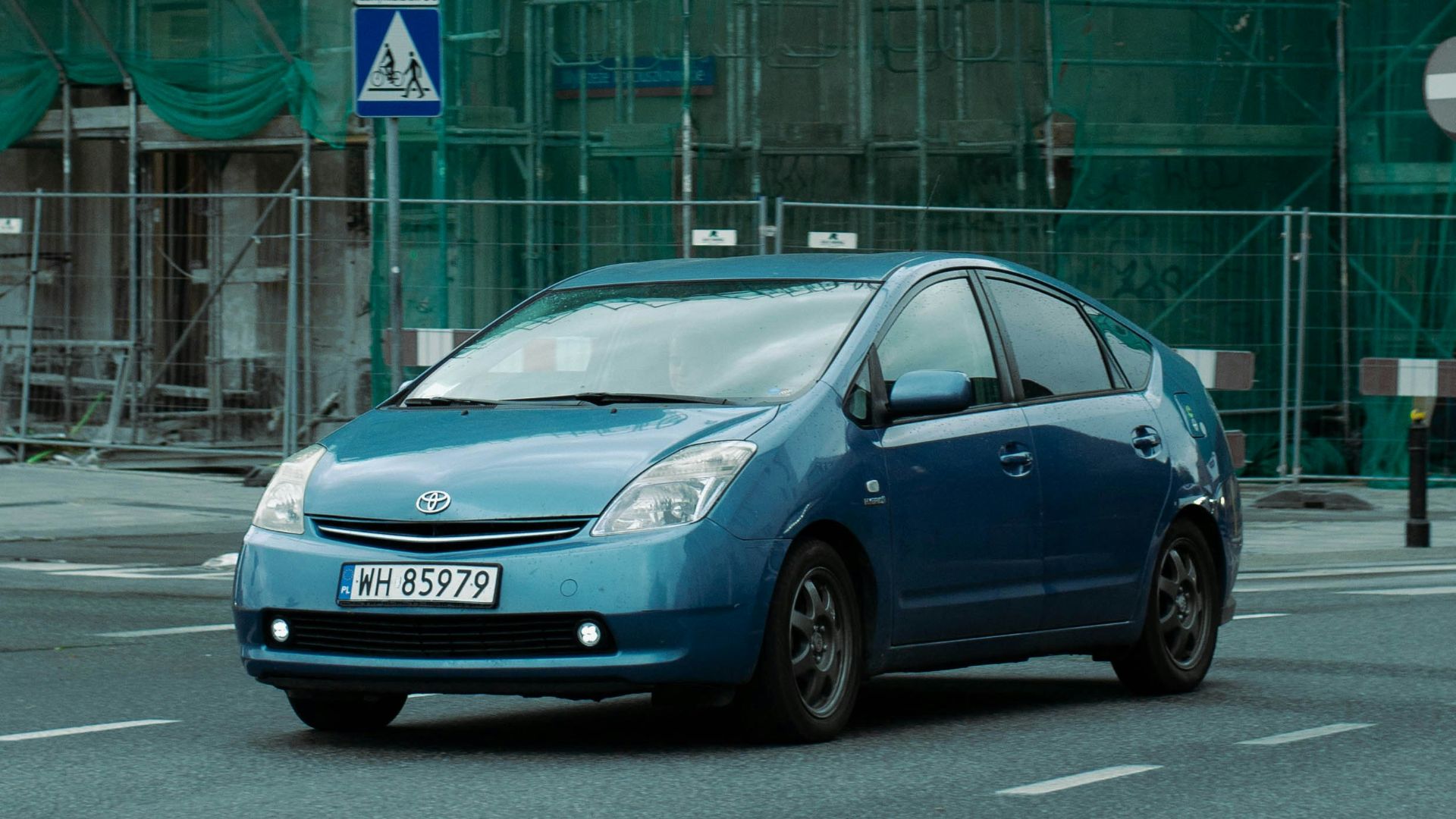
2. Audi Quattro
The Audi Quattro changed Audi from a respected but slightly understated brand into a serious performance name. Its all-wheel-drive system proved itself in rallying and made the company look daring, technical, and ahead of the curve. Suddenly, Audi wasn’t just building tidy German sedans; it was rewriting what traction and speed could mean.
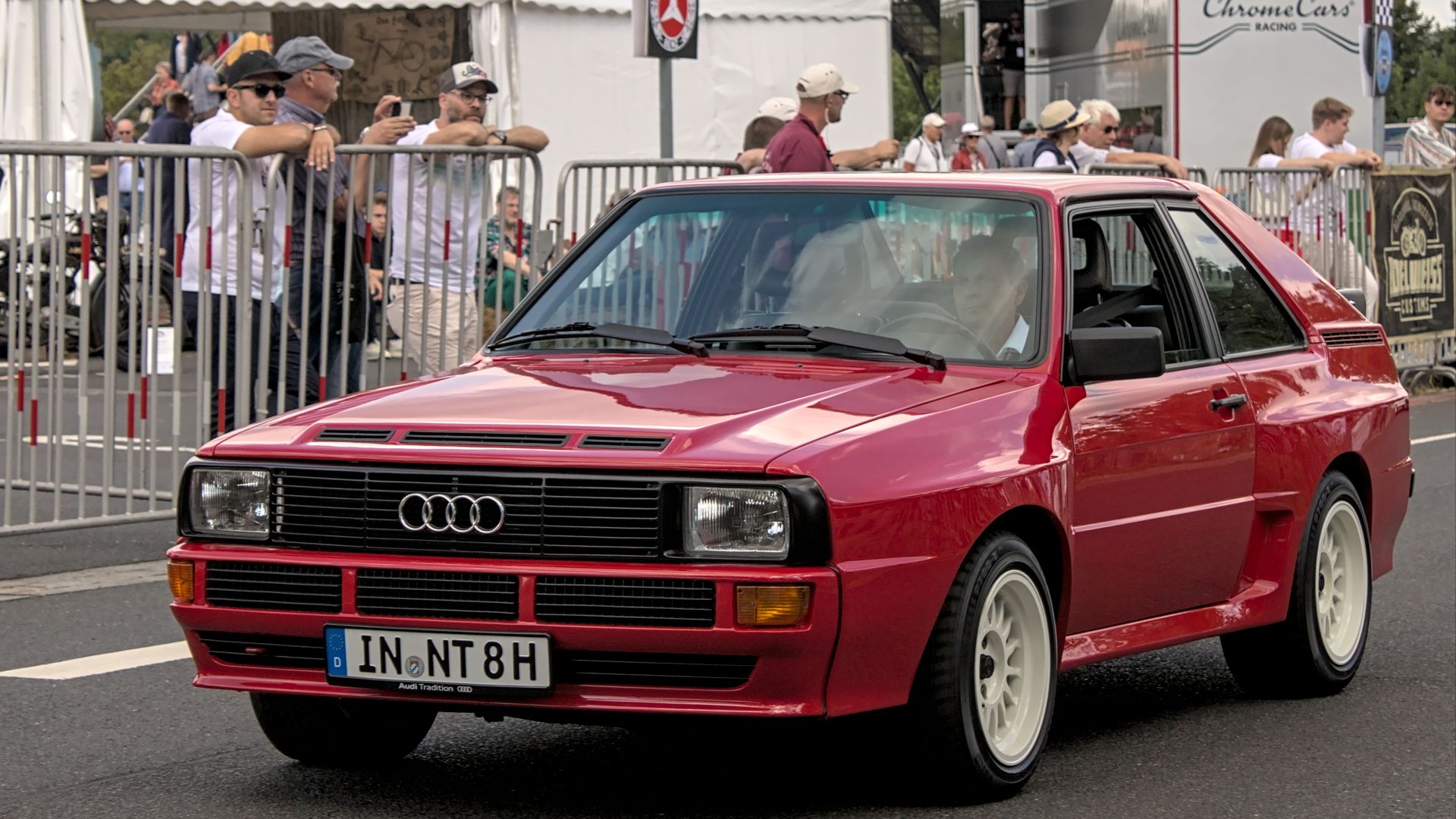
3. Lexus LS 400
The Lexus LS 400 arrived with the confidence of a brand that had no history but plenty to prove. It was quiet, refined, reliable, and priced aggressively against established European luxury sedans. Almost immediately, Lexus went from unknown newcomer to a real threat in the premium market. The LS 400 showed that luxury didn’t have to come with drama, attitude, or frequent repair anxiety.
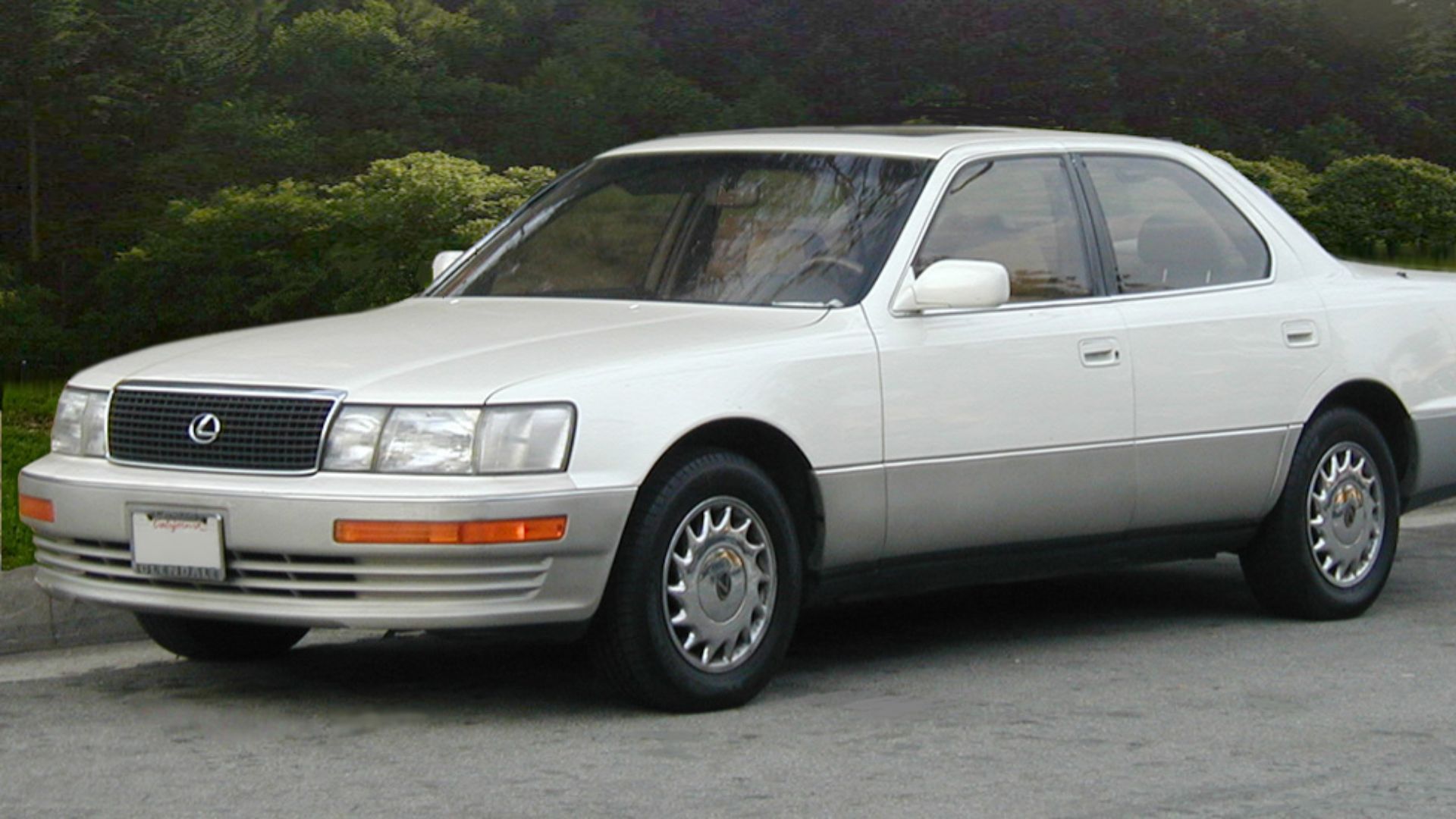
4. Porsche Cayenne
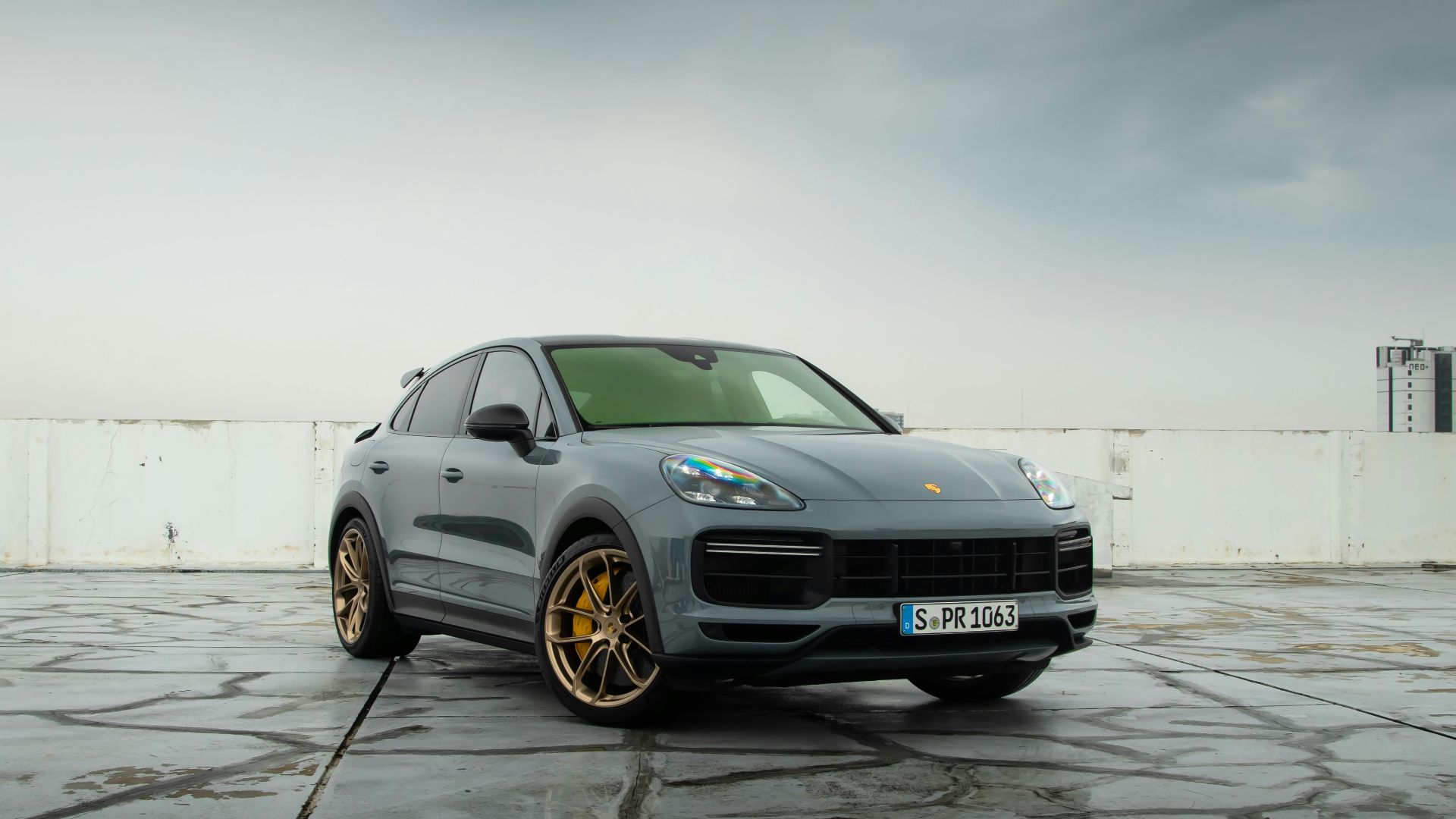
The Porsche Cayenne horrified purists when it first appeared, because a Porsche SUV sounded like a contradiction. Then it started selling, making money, and helping fund the sports cars everyone claimed to care about most. The Cayenne changed Porsche from a niche sports-car maker into a broader luxury-performance brand.
5. Ford Mustang
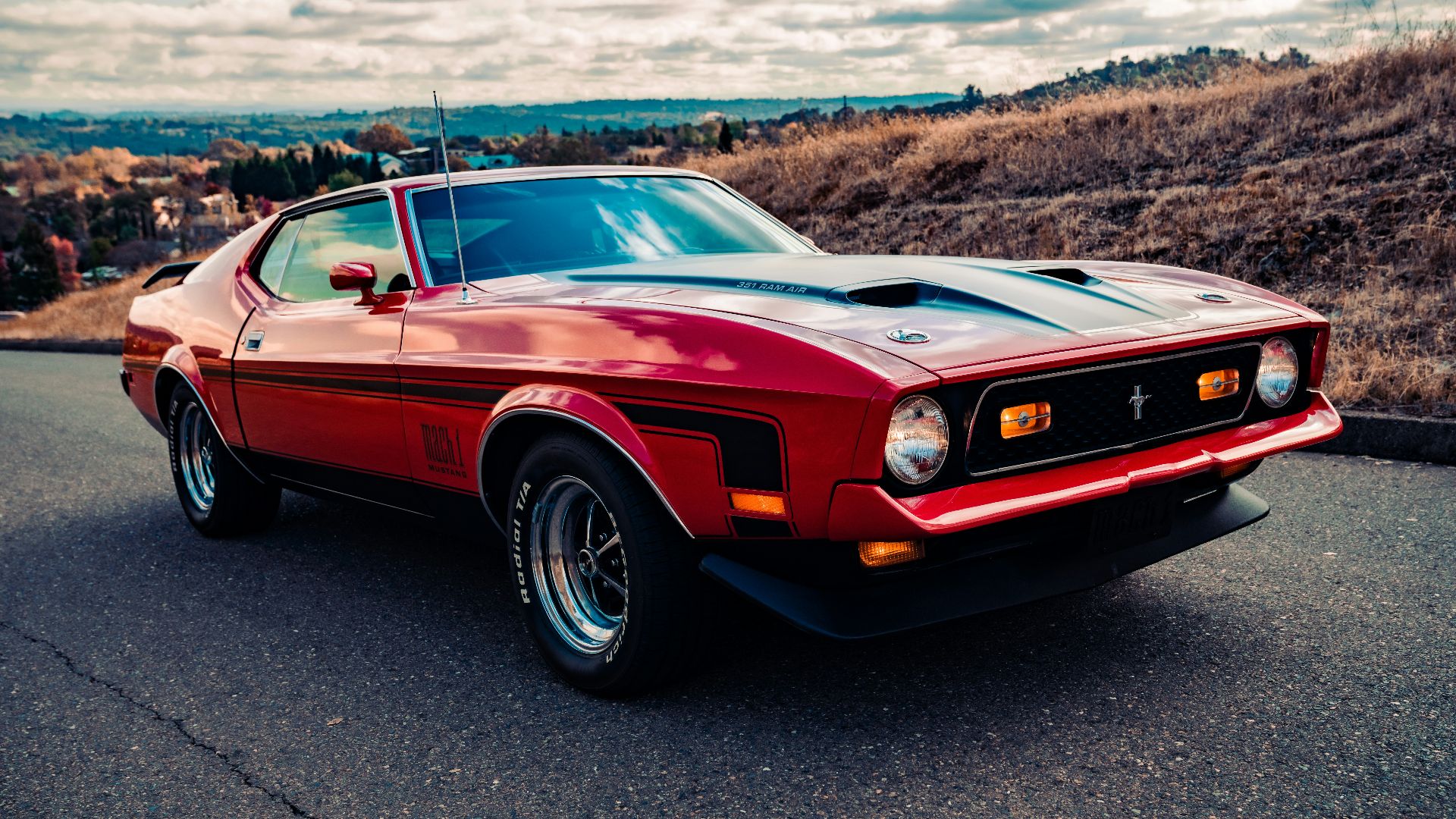
The Ford Mustang gave Ford a youthful, exciting image that went far beyond basic transportation. When it launched in the 1960s, it created a new kind of affordable sporty car and became a cultural event almost instantly. Ford suddenly looked energetic, stylish, and closely tuned to what younger buyers wanted. The Mustang didn’t just join the lineup; it gave the brand a new personality.
6. Volkswagen Golf GTI
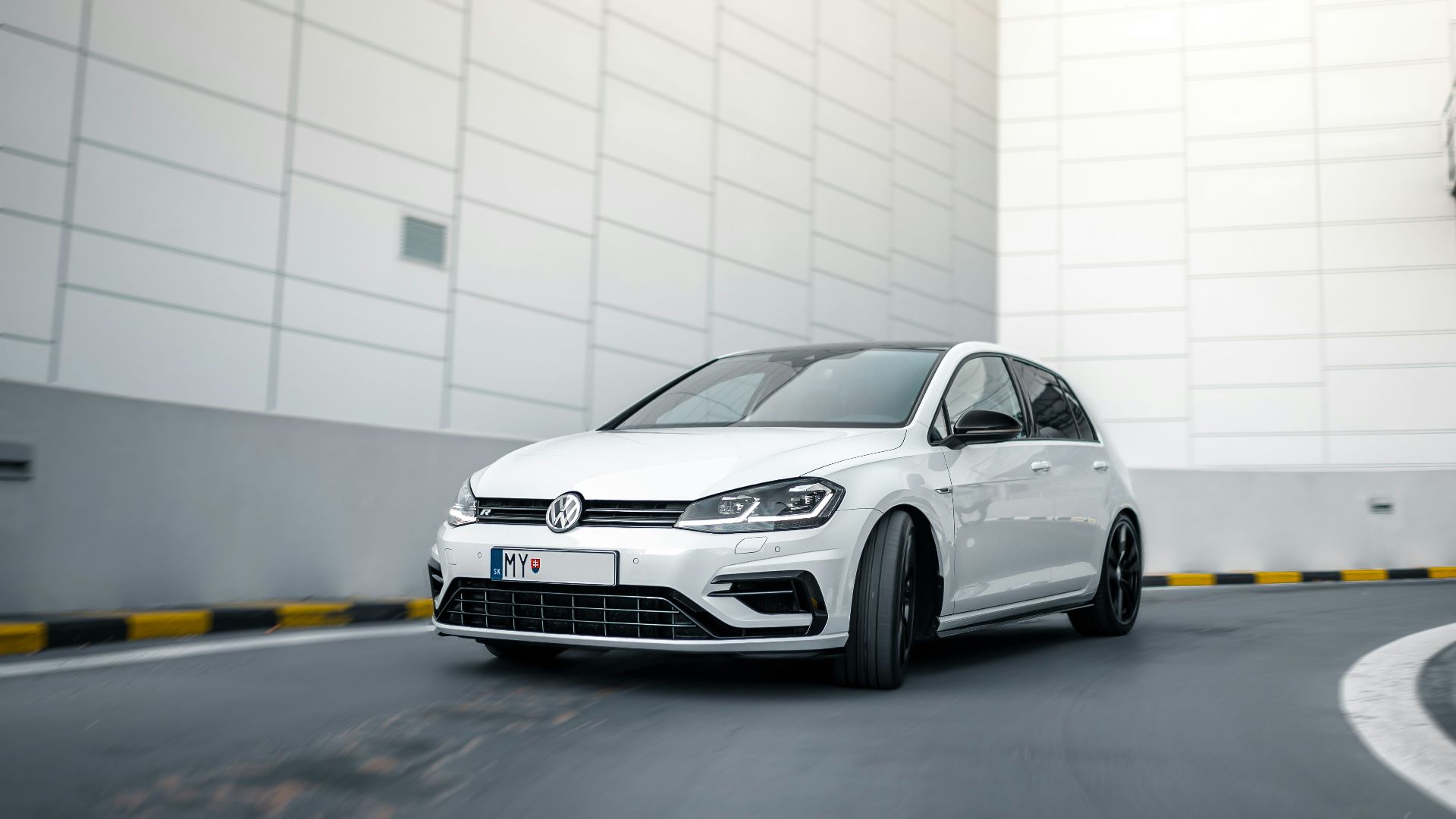
The Volkswagen Golf GTI changed Volkswagen’s image by making practicality genuinely fun. It took a sensible hatchback and added enough performance to create the hot hatch formula that other brands would chase for years. For Volkswagen, the GTI added a playful edge to a brand often associated with sensible small cars.
7. Nissan GT-R
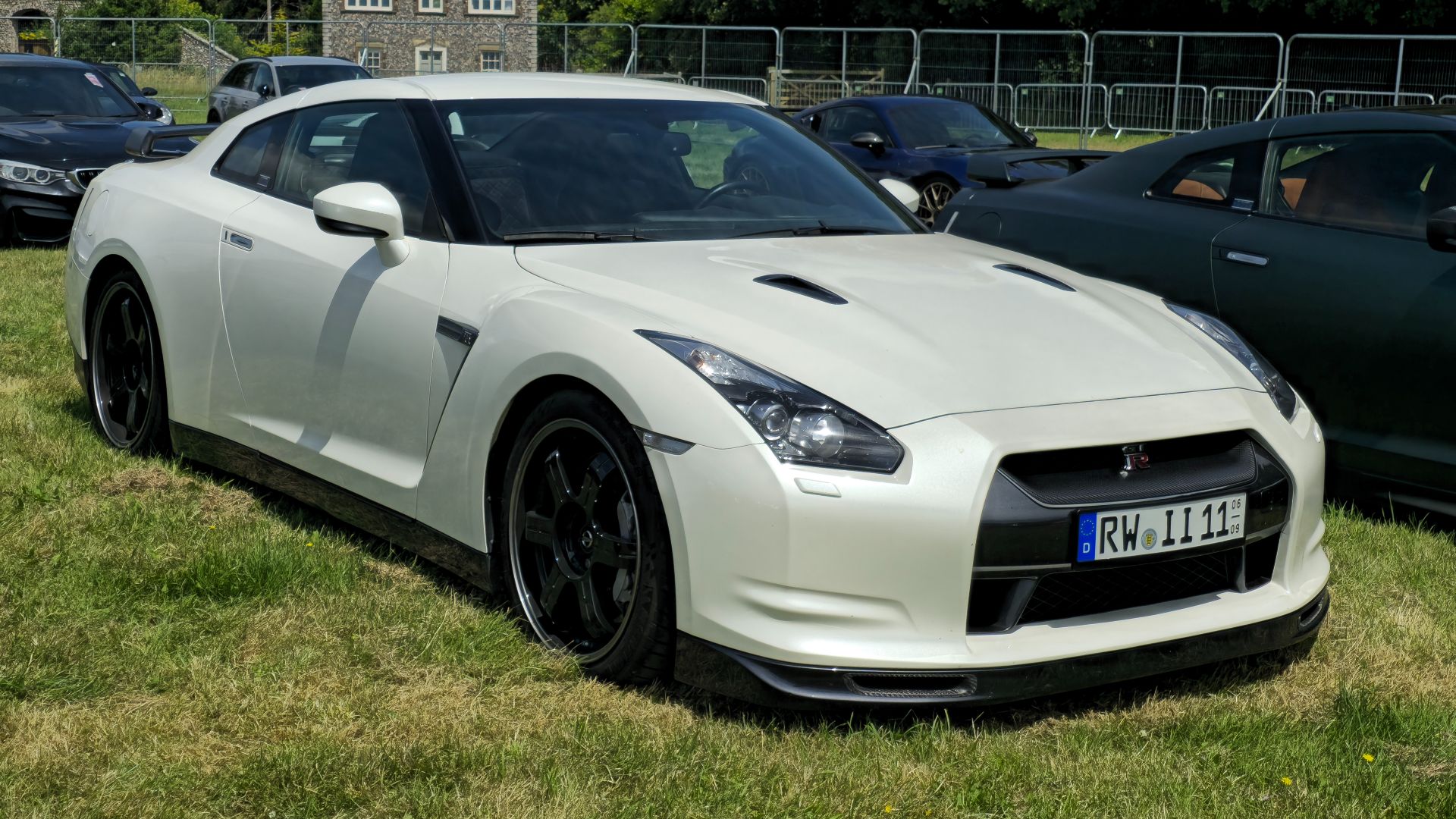
The Nissan GT-R made Nissan feel like a supercar problem for far more expensive brands. It combined advanced all-wheel drive, brutal acceleration, and a no-nonsense attitude that turned it into a performance legend. For a company many people associated with Altimas, Sentras, and practical family cars, the GT-R was a reminder that Nissan could still build something astonishing.
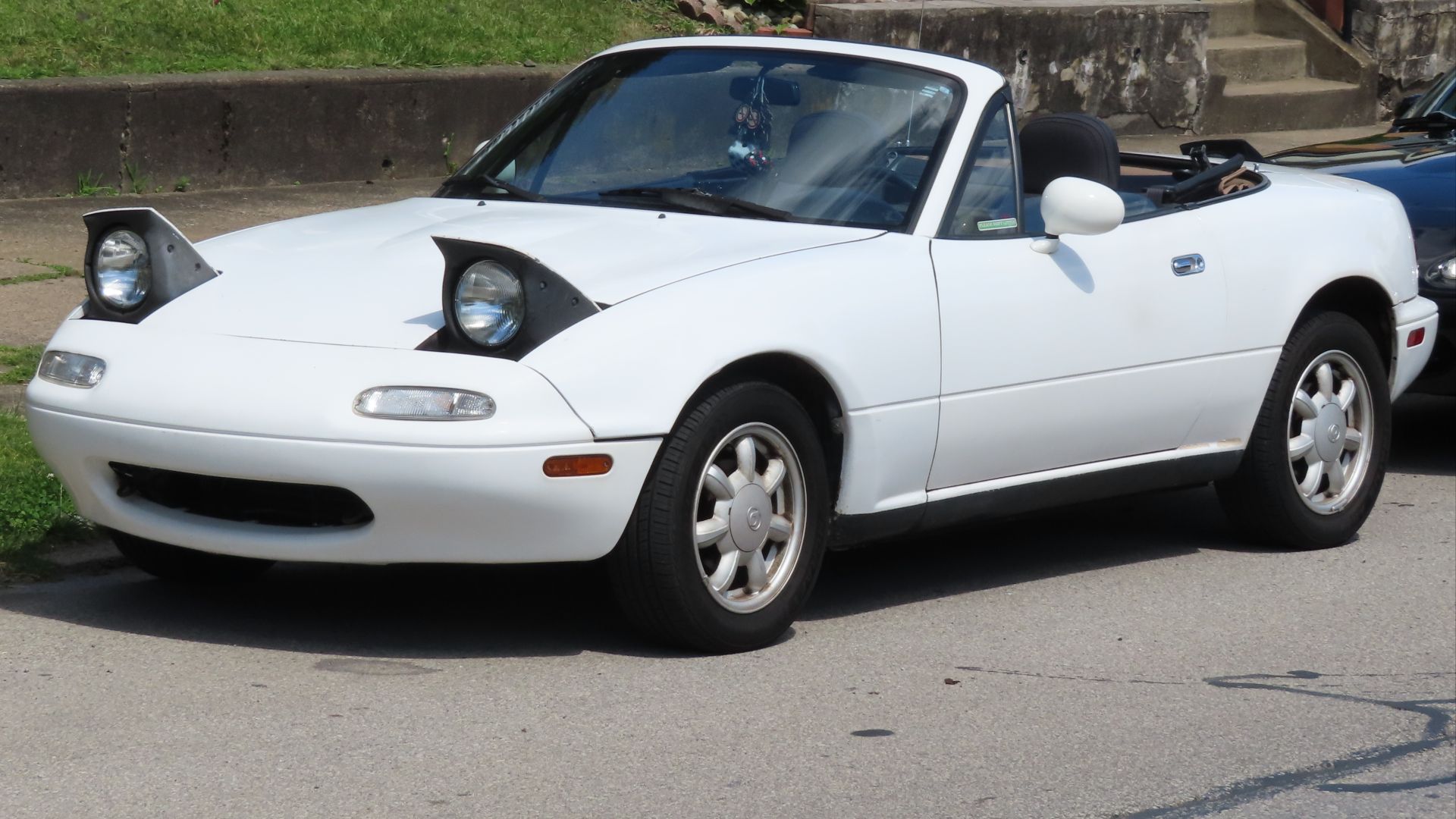
8. Mazda MX-5 Miata
The Mazda MX-5 Miata made Mazda seem joyful, clever, and deeply connected to driving pleasure. At a time when many sports cars were getting heavier and more complicated, the Miata brought back simple roadster fun. The car helped Mazda build an image around lightweight handling and cheerful engineering.
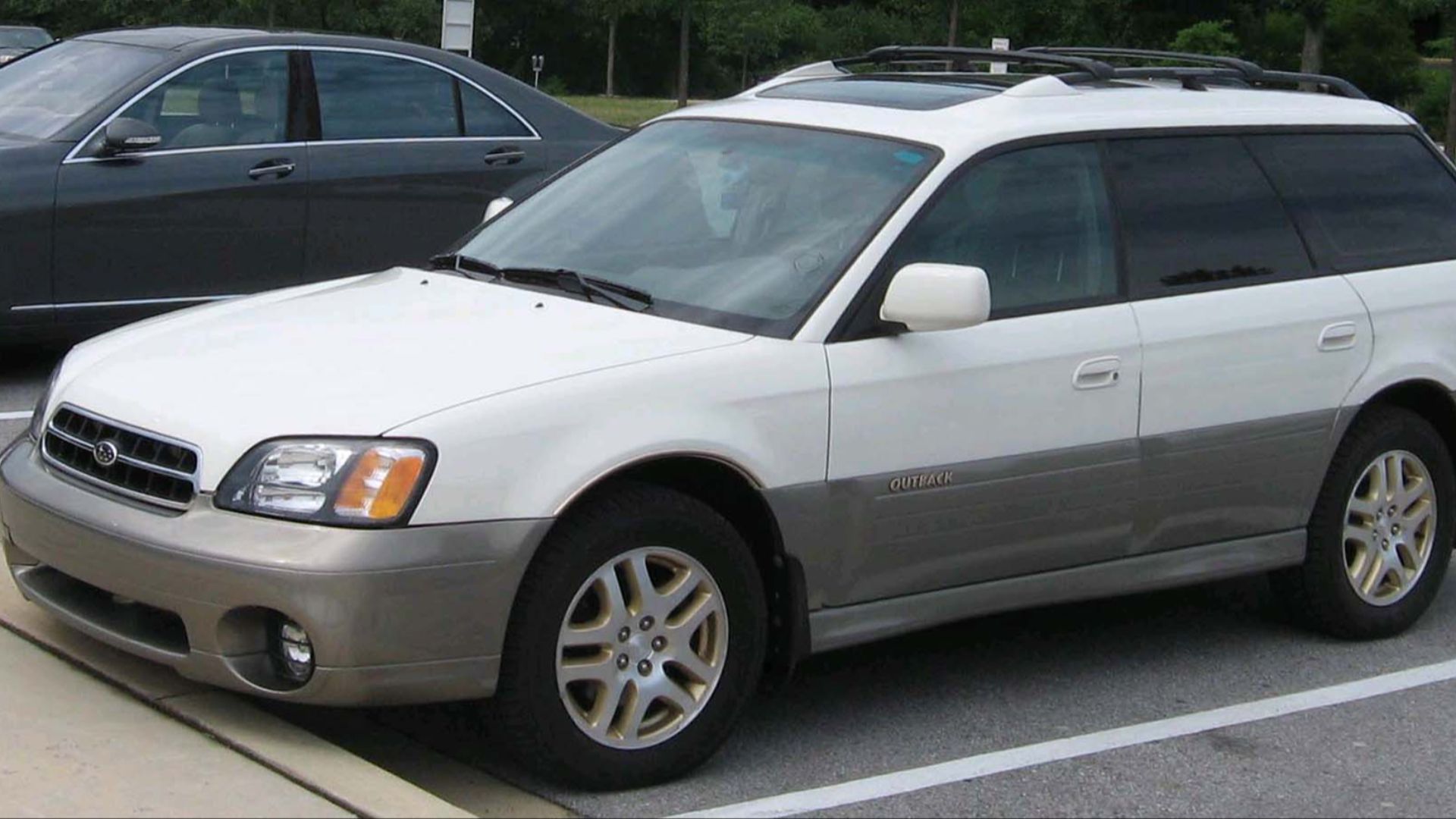
9. Subaru Outback
The Subaru Outback helped turn Subaru into the unofficial brand of outdoorsy practicality. By blending wagon usefulness with extra ride height and all-wheel-drive confidence, it gave buyers something that felt adventurous without being too bulky. The Outback made Subaru seem rugged, sensible, and perfect for people who owned both hiking boots and reusable grocery bags.
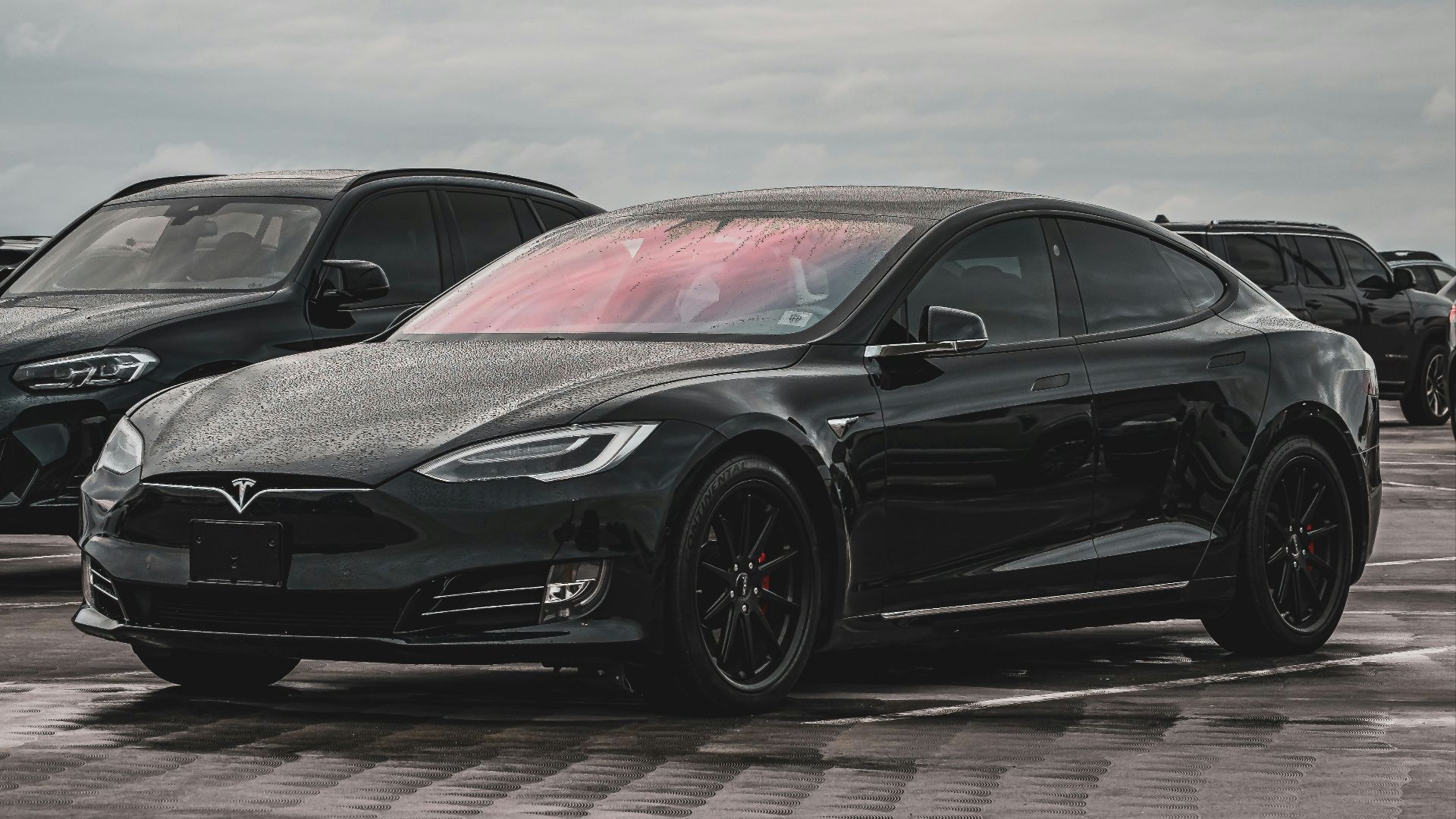
10. Tesla Model S
The Tesla Model S changed Tesla from a risky startup with a quirky roadster into a genuine industry disruptor. It proved an electric car could be fast, desirable, luxurious, and capable of serious range. Suddenly, EVs weren’t just about sacrifice or environmental duty; they could be objects of desire.
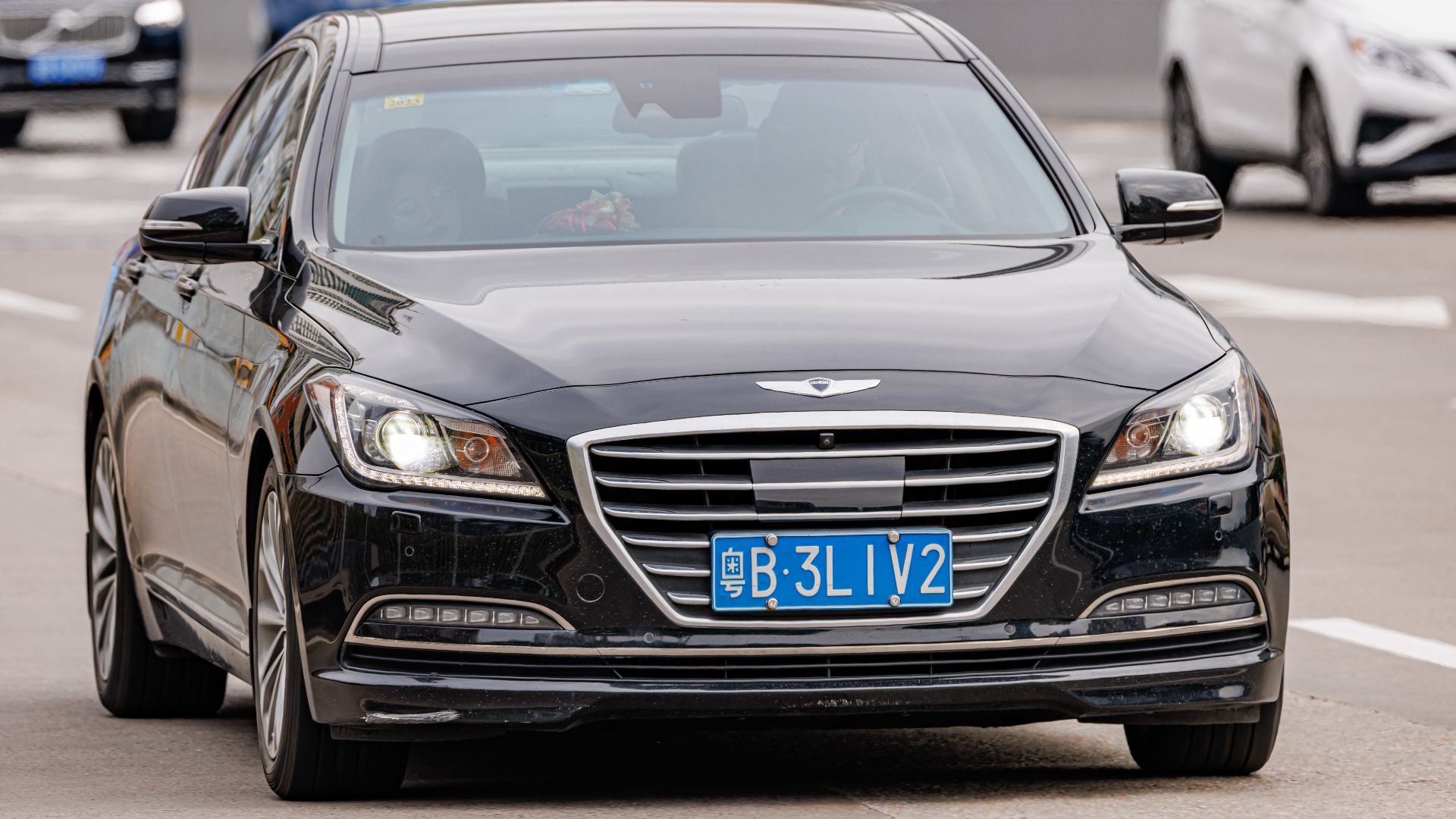
11. Hyundai Genesis
The Hyundai Genesis helped change how people thought about Hyundai. For years, the brand was known mostly for value, warranties, and budget-friendly cars, but the Genesis showed it could build a refined rear-wheel-drive luxury sedan. It didn’t instantly erase every old perception, but it made buyers and critics look twice.
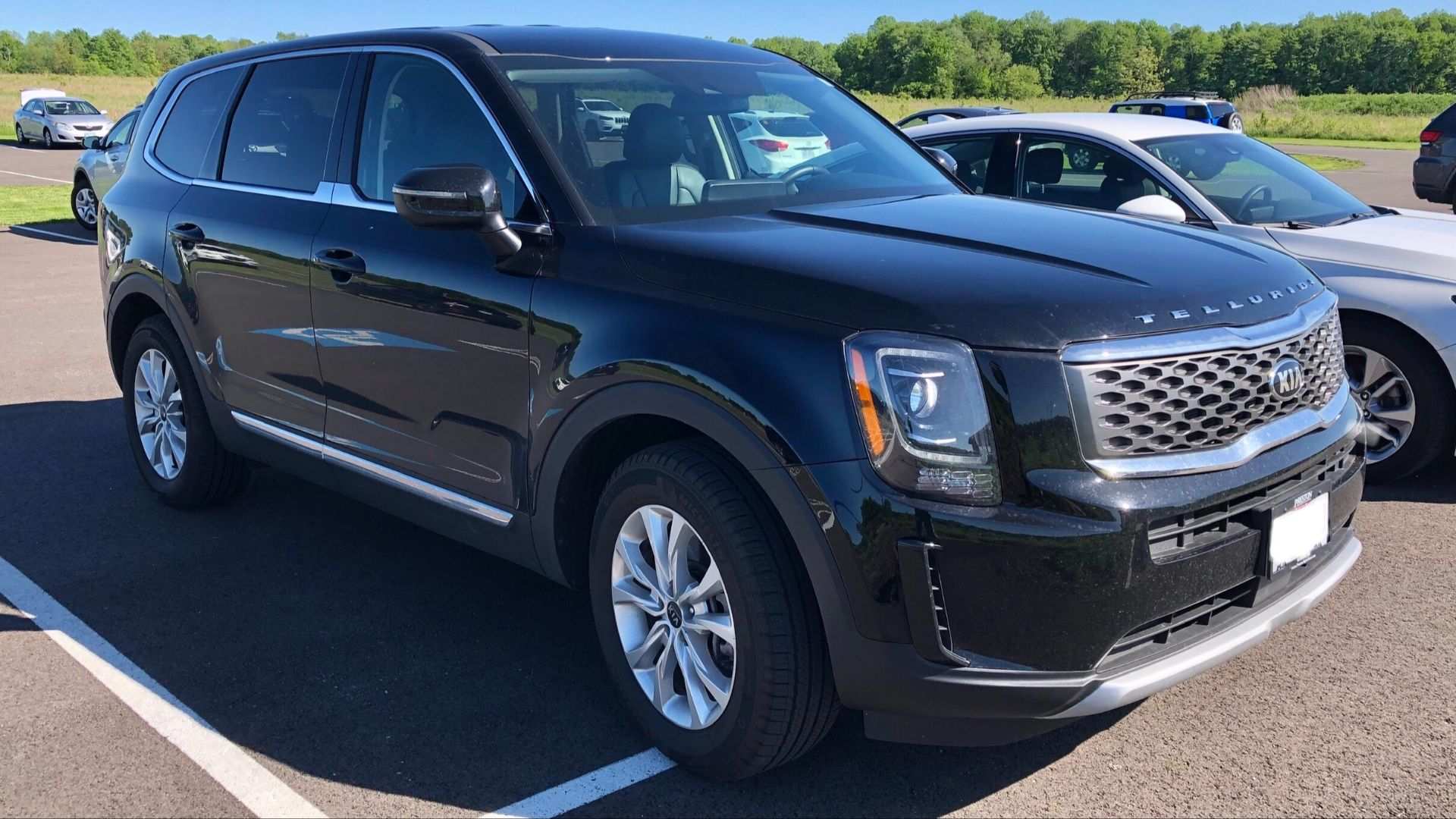
12. Kia Telluride
The Kia Telluride made Kia feel far more premium and desirable than many shoppers expected. Its sharp styling, roomy interior, and strong reviews gave the brand a family SUV that people actively wanted rather than merely considered for value. The Telluride proved Kia could compete on more than just price.
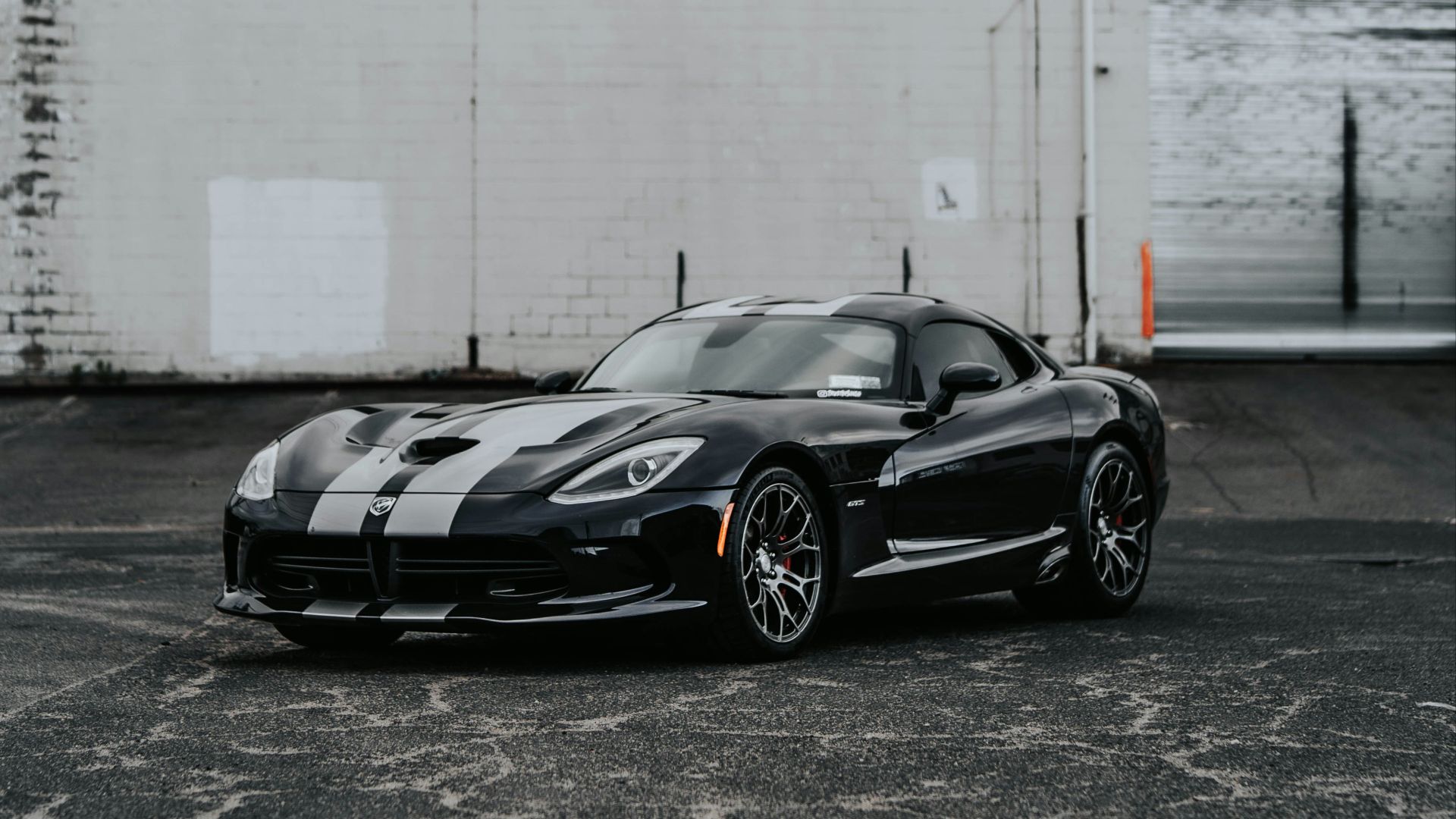
13. Dodge Viper
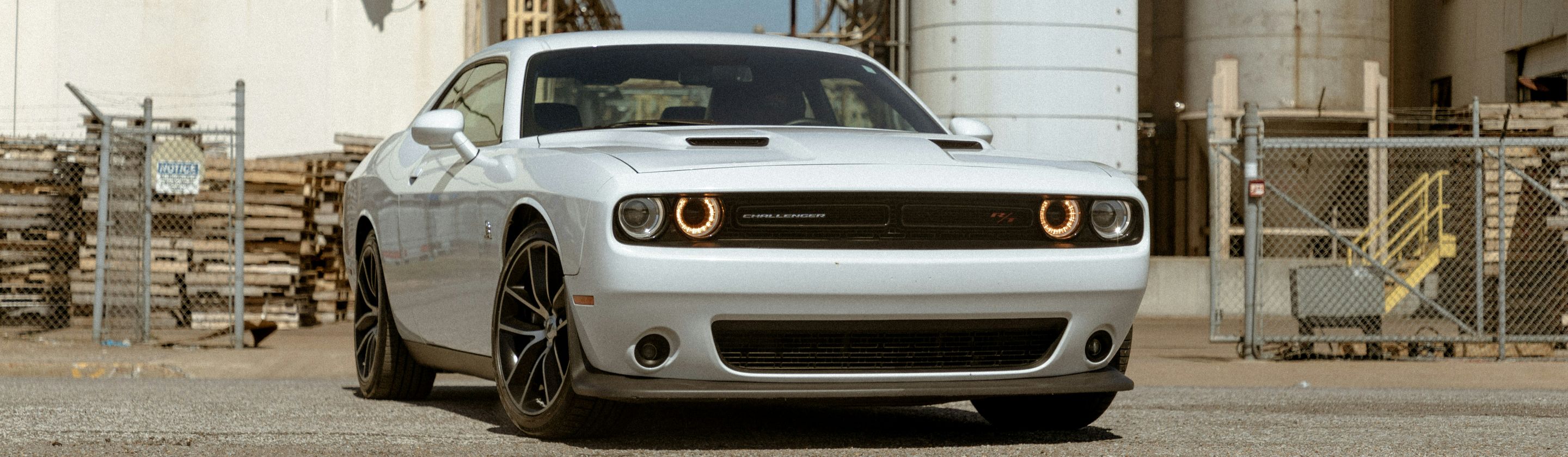
The Dodge Viper gave Dodge a wild performance image that felt almost impossible to ignore. It was loud, raw, powerful, and proudly unreasonable, which made it very different from the brand’s ordinary sedans, minivans, and trucks. The Viper didn’t have to be practical, because its job was to make Dodge seem dangerous in the best possible way. It turned the brand into a place where outrageous ideas could still happen.
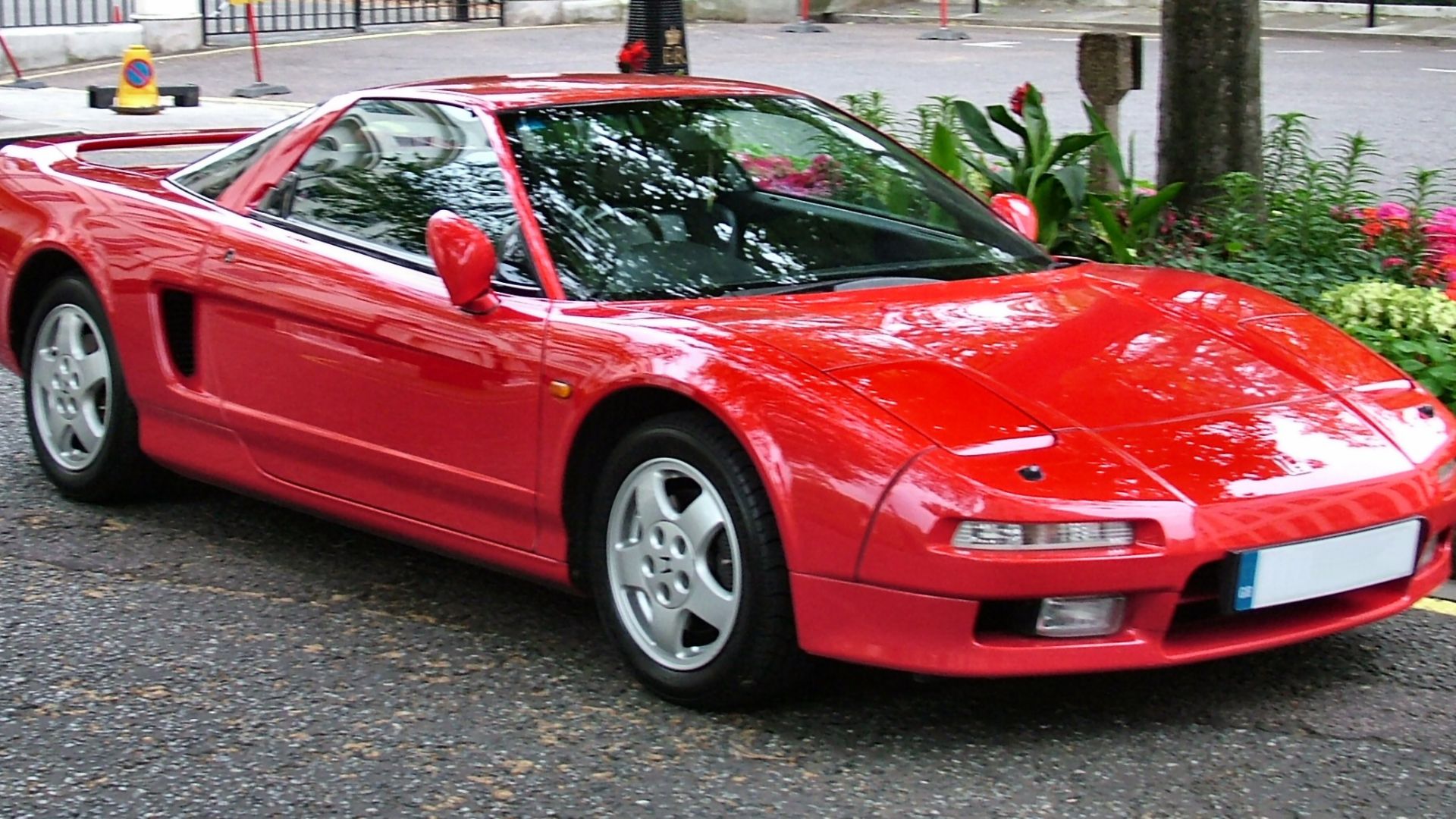
14. Acura NSX
The Acura NSX changed Acura from a young luxury brand into a serious performance player. It proved that a supercar could be fast, balanced, usable, and reliable. The NSX brought engineering credibility to Acura and showed that Japanese performance could challenge European legends directly.
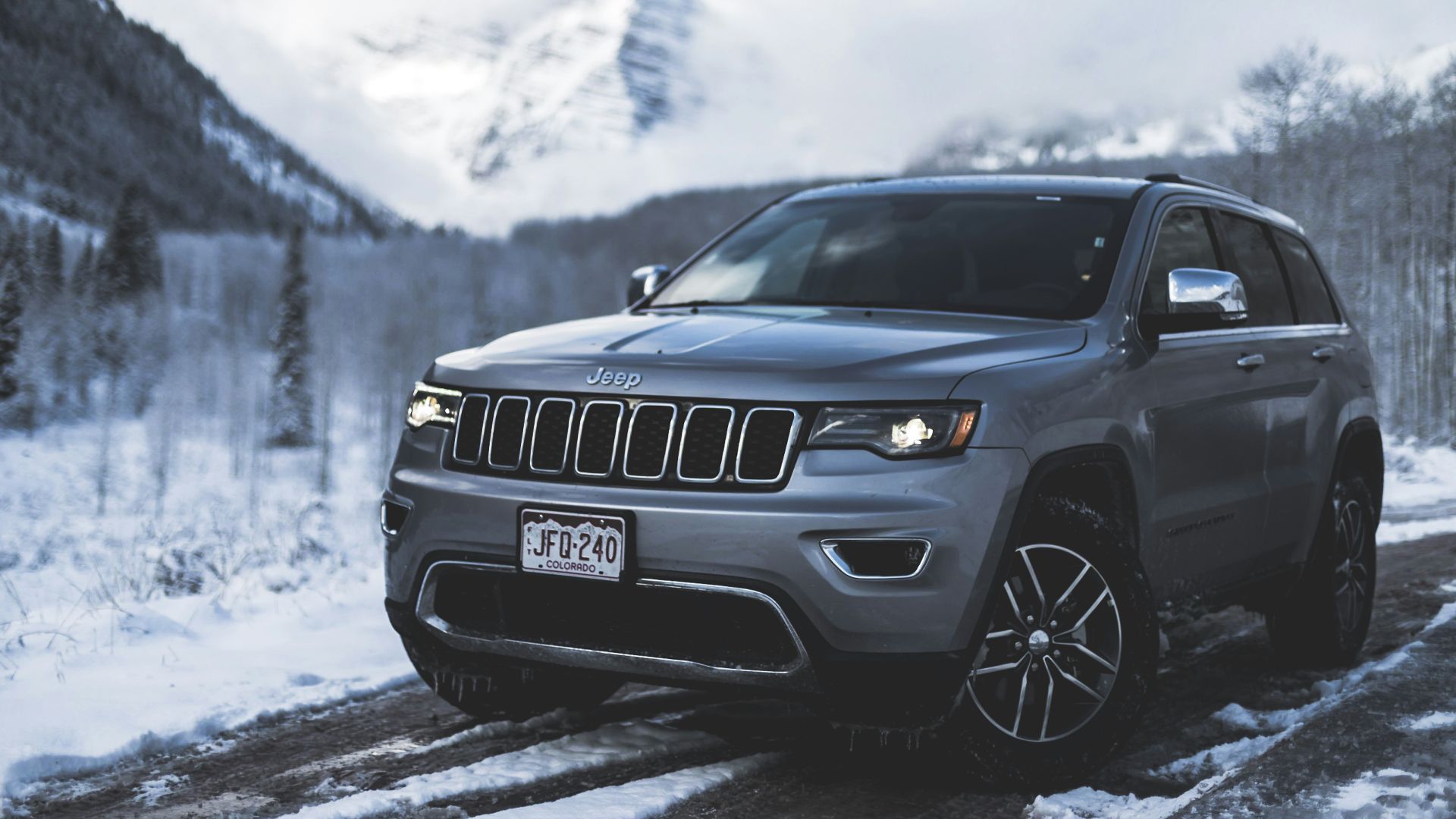
15. Jeep Grand Cherokee
The Jeep Grand Cherokee helped Jeep move beyond its rugged trail image into family luxury territory. It offered SUV capability with comfort, space, and a more upscale feel than many buyers expected from the brand. Suddenly, Jeep wasn’t just for off-roaders and adventure types; it could also be a daily driver for suburban families.
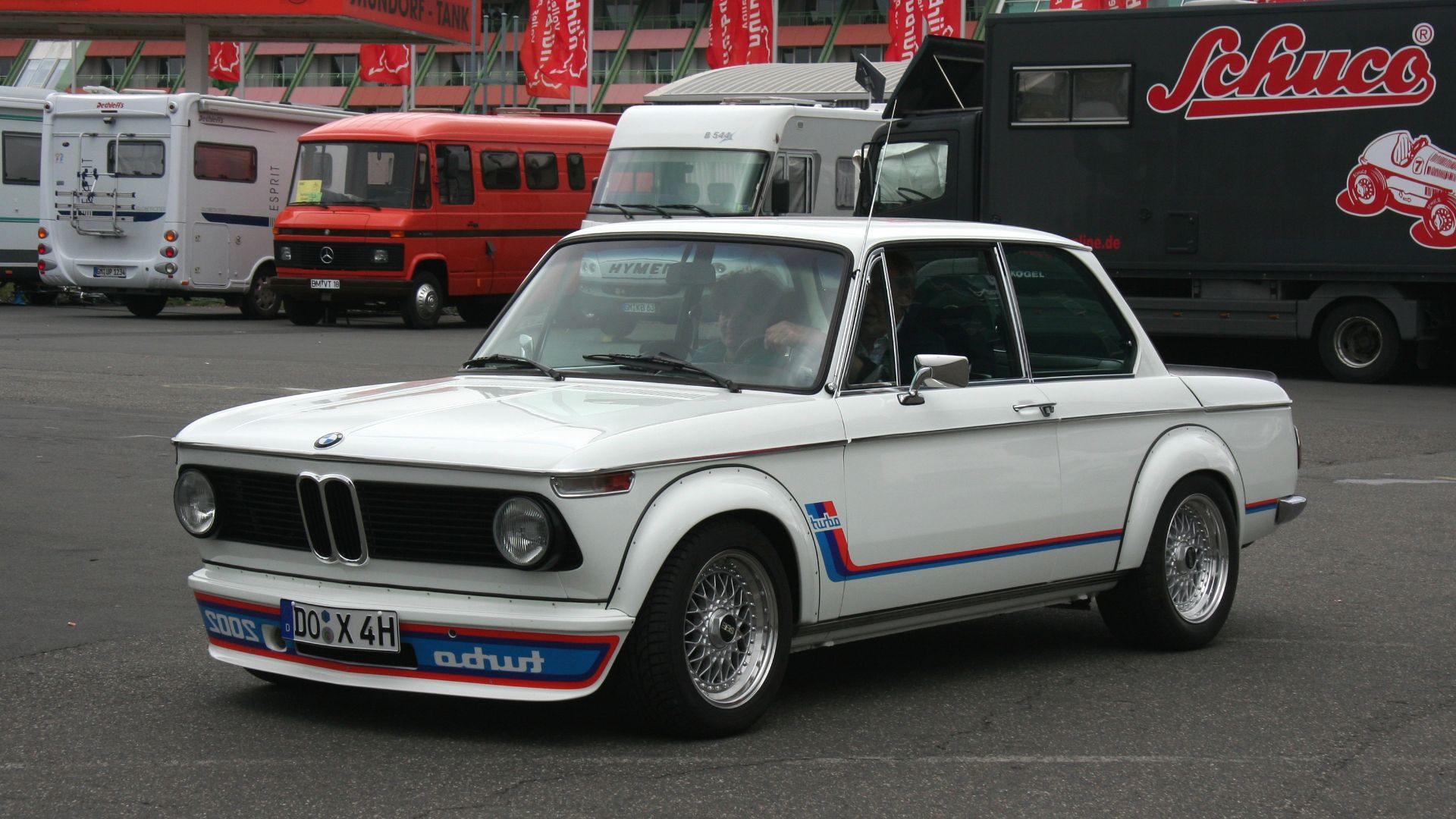
16. BMW 2002
The BMW 2002 played a huge role in shaping BMW’s reputation as a maker of sporty sedans. It was compact, lively, and practical enough to use every day, while still feeling sharper than ordinary family cars. This model helped establish the brand’s “driver’s car” identity.
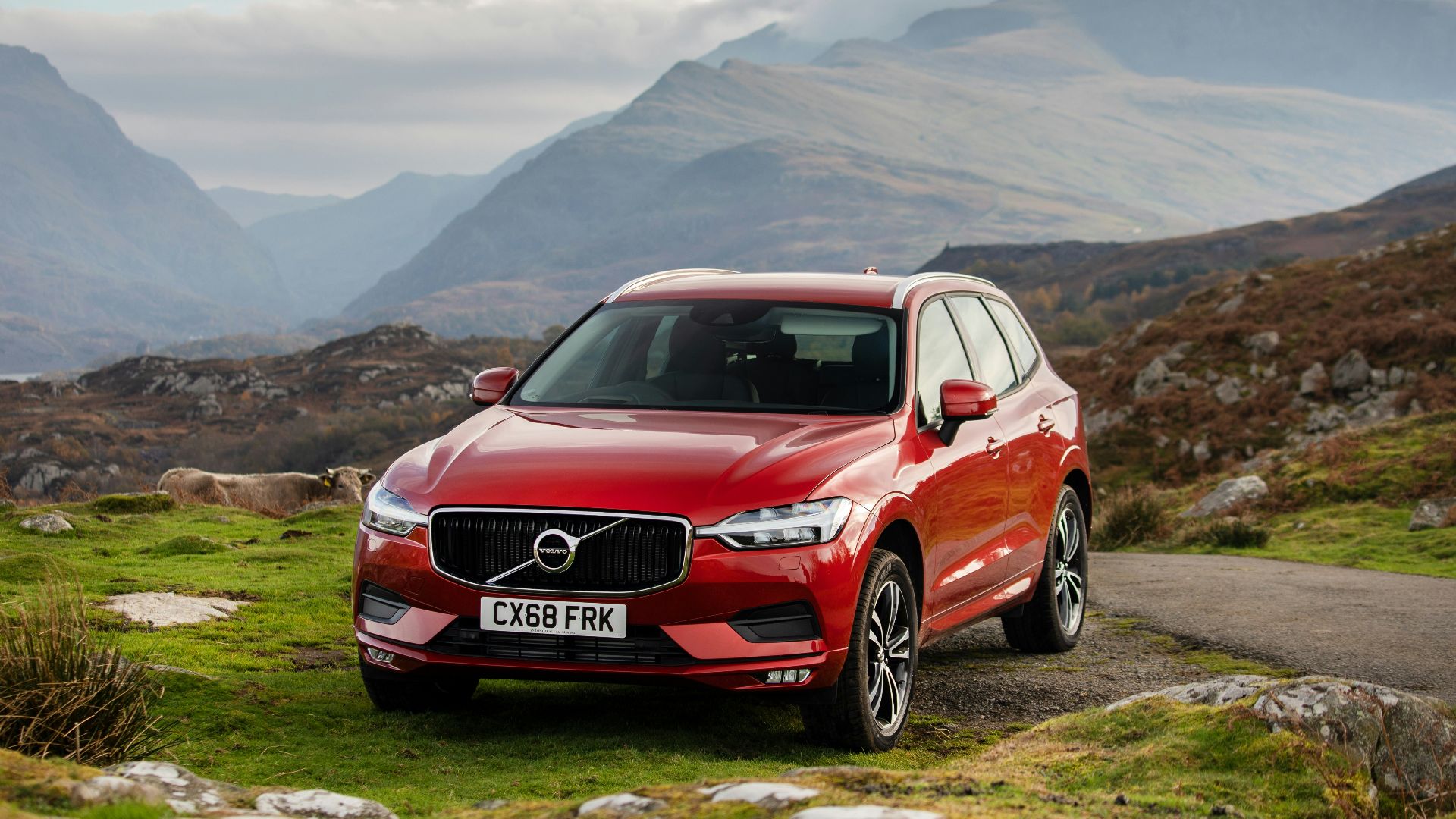
17. Volvo XC90
The Volvo XC90 moved Volvo more confidently into the premium SUV world. Volvo was already known for safety, but the XC90 added family luxury, clean design, and modern desirability to that reputation. It helped the brand feel less boxy and old-fashioned without abandoning its practical roots. The XC90 showed that safe could also be stylish, spacious, and legitimately upscale.
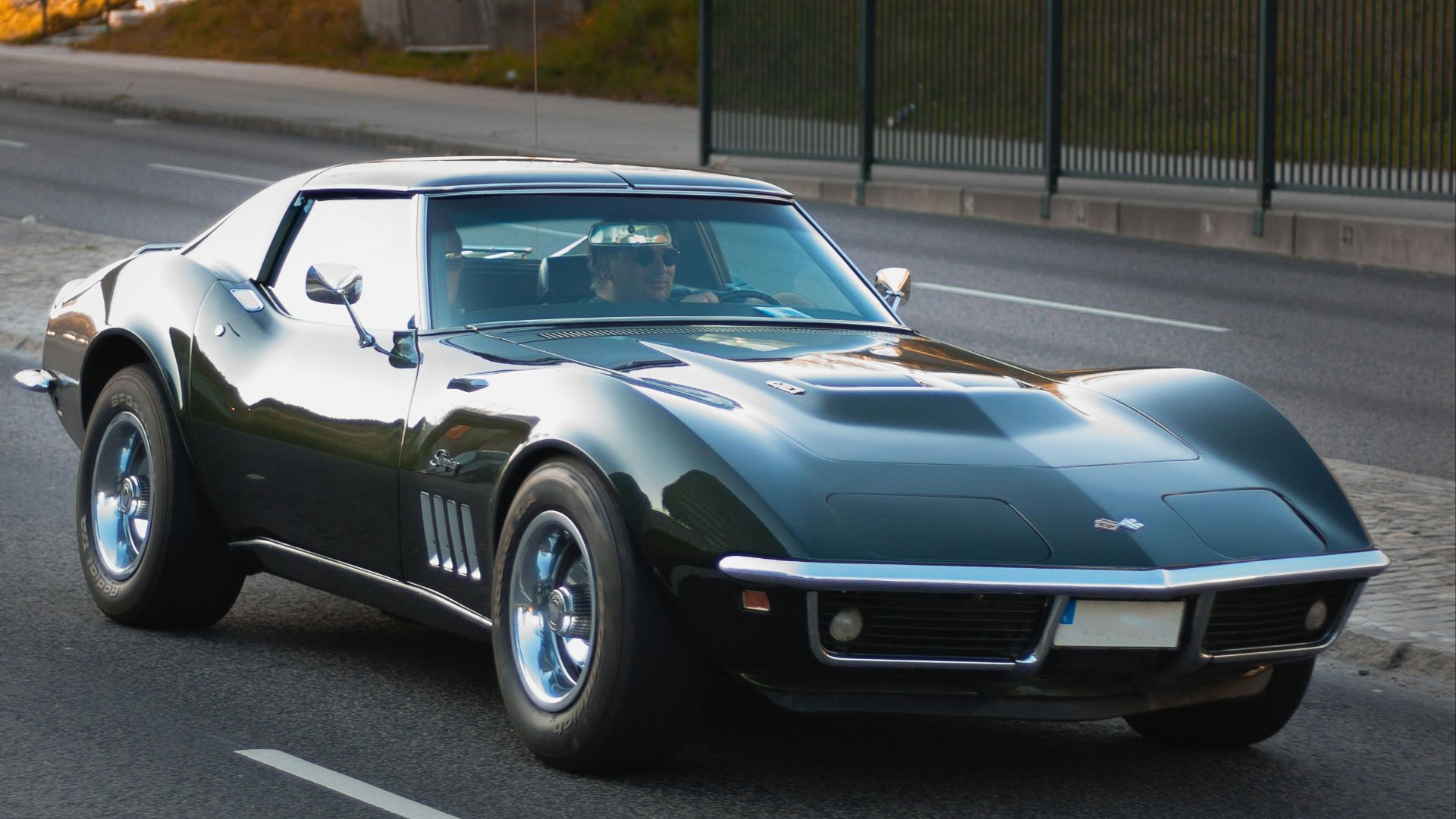
18. Chevrolet Corvette
The Chevrolet Corvette gave Chevrolet a performance identity that no ordinary sedan or truck could provide. Since the 1950s, it has served as the brand’s sports-car flagship and a symbol of American speed. Even when Chevy’s everyday lineup has felt uneven, the Corvette has kept the brand tied to aspiration and engineering ambition.
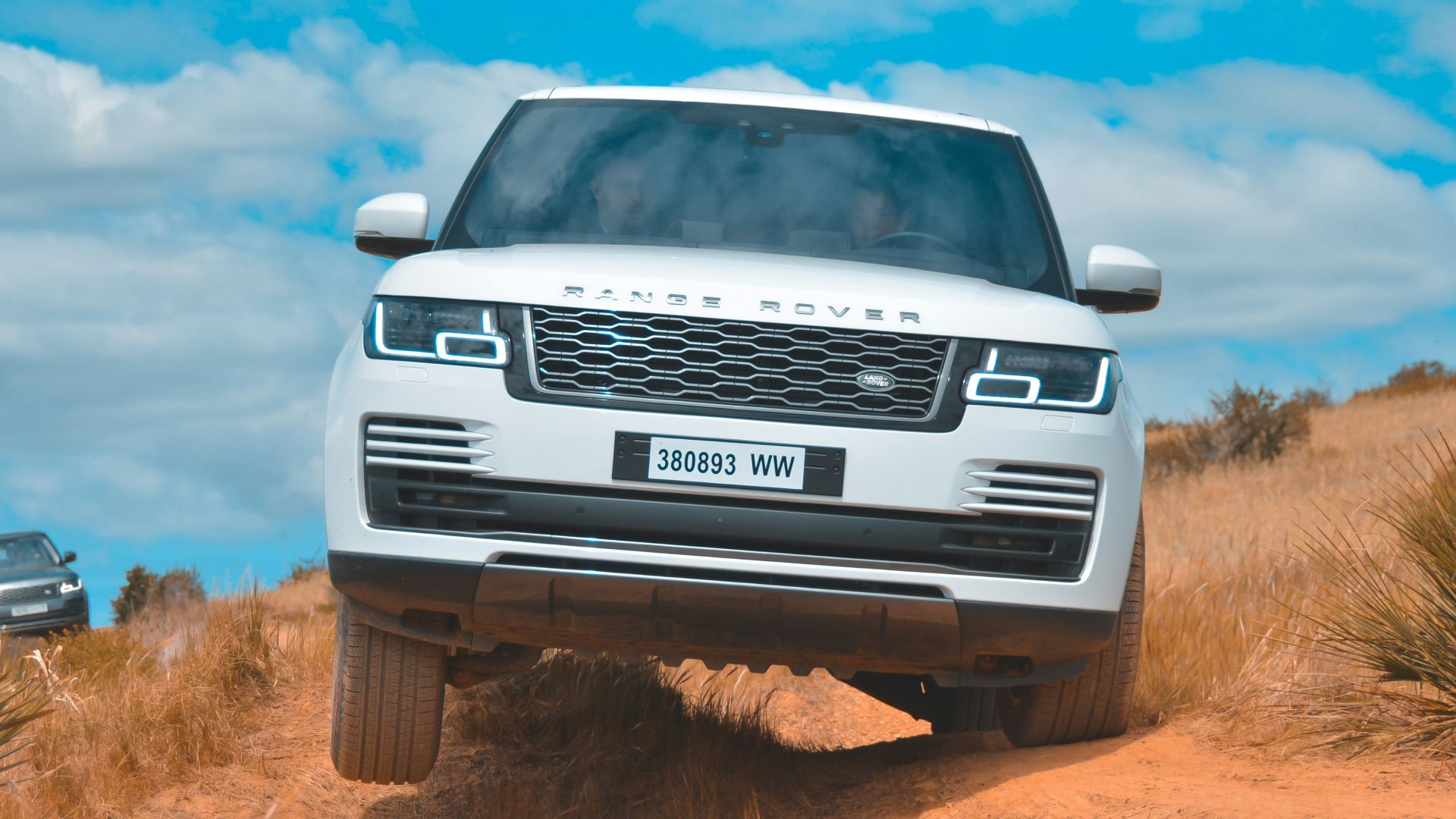
19. Land Rover Range Rover
The Range Rover changed Land Rover by adding luxury to serious off-road ability. It showed that a vehicle could cross rough terrain and still feel appropriate outside an expensive hotel. That combination eventually became the foundation of Land Rover’s modern image as both rugged and upscale. The Range Rover turned utility into status, which many SUVs have been trying to do ever since.
20. Mini Cooper
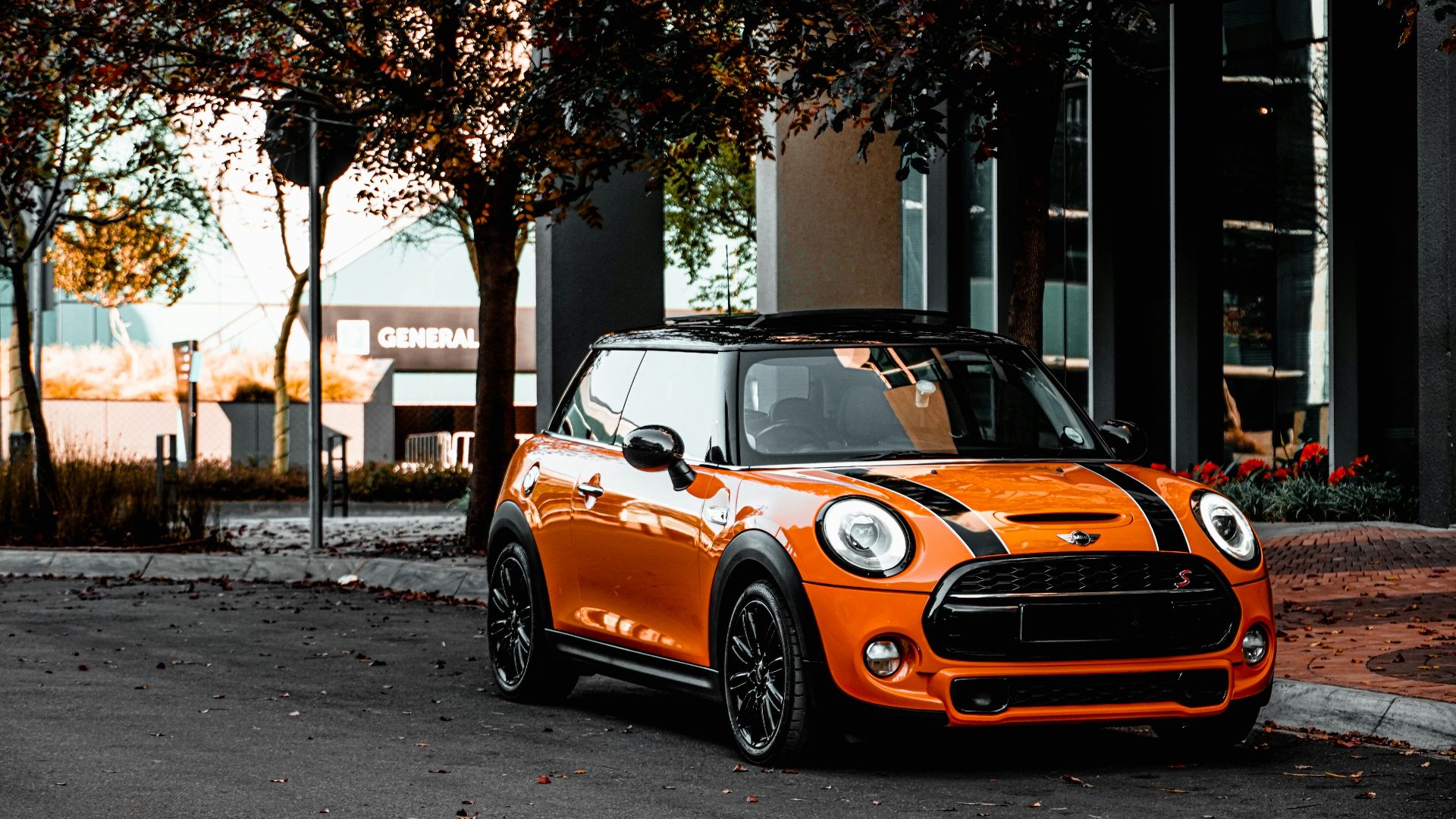
The modern Mini Cooper completely revived Mini’s image for a new generation. It kept the charm, compact size, and playful feel of the original while adding modern safety, comfort, and BMW-backed polish. With the Cooper, Mini became less about basic transportation and more about personality, customization, and city-friendly fun.