Back When Cars Were Cars
Ask Grandpa about modern cars, and you might quickly hear complaints about touchscreens, complicated electronics, and engines you can barely see beneath all that plastic. In his mind, the best cars came from an era when you could recognize a model from half a block away and fix plenty of problems with ordinary tools. Some of these classics genuinely earned their reputations for durability or performance, while others benefit from a healthy dose of nostalgia. Either way, good luck convincing him that today's heated steering wheel makes up for what we've lost. Here are 20 cars that grandpa swears were better than any of the modern ones.
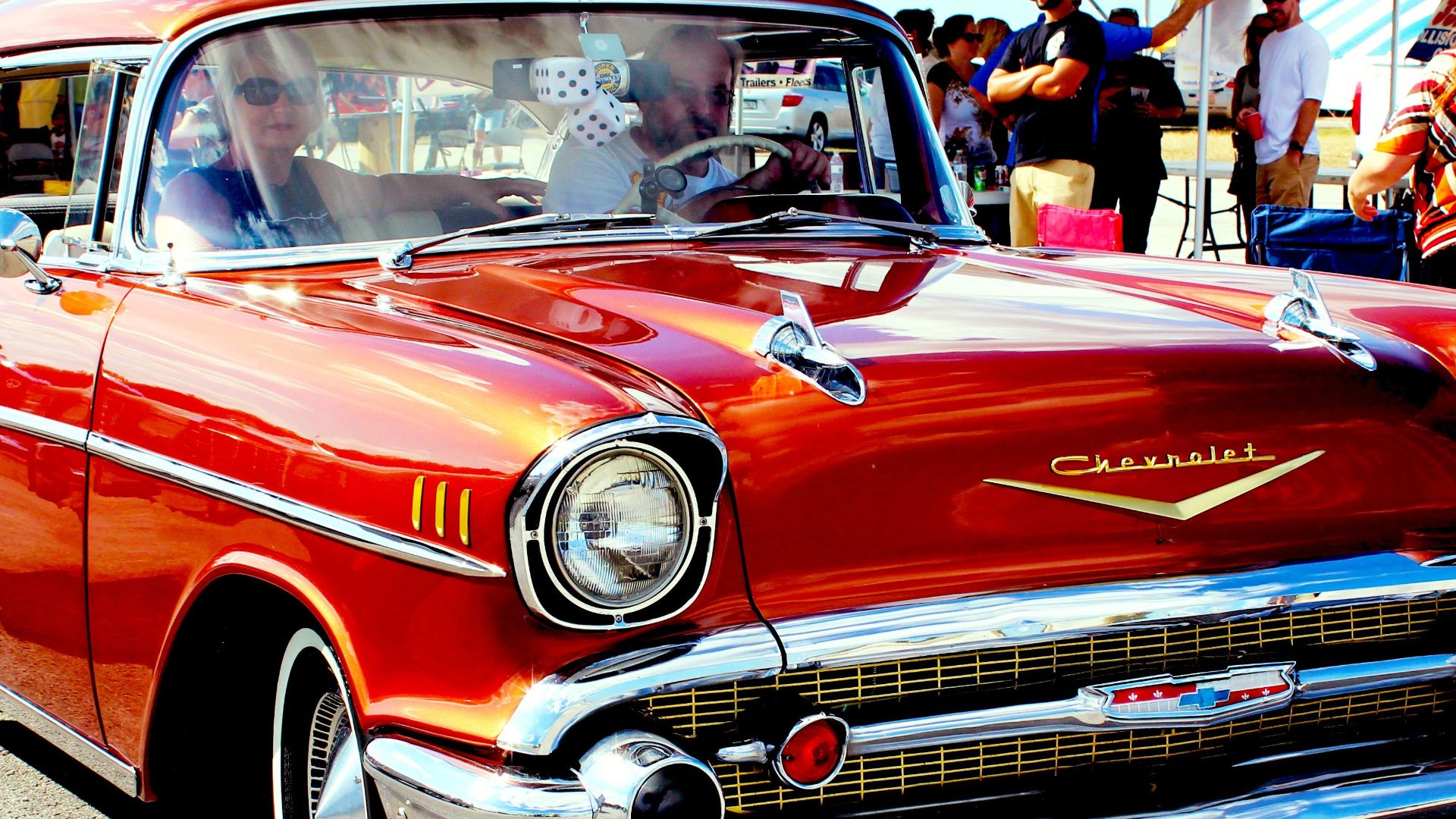
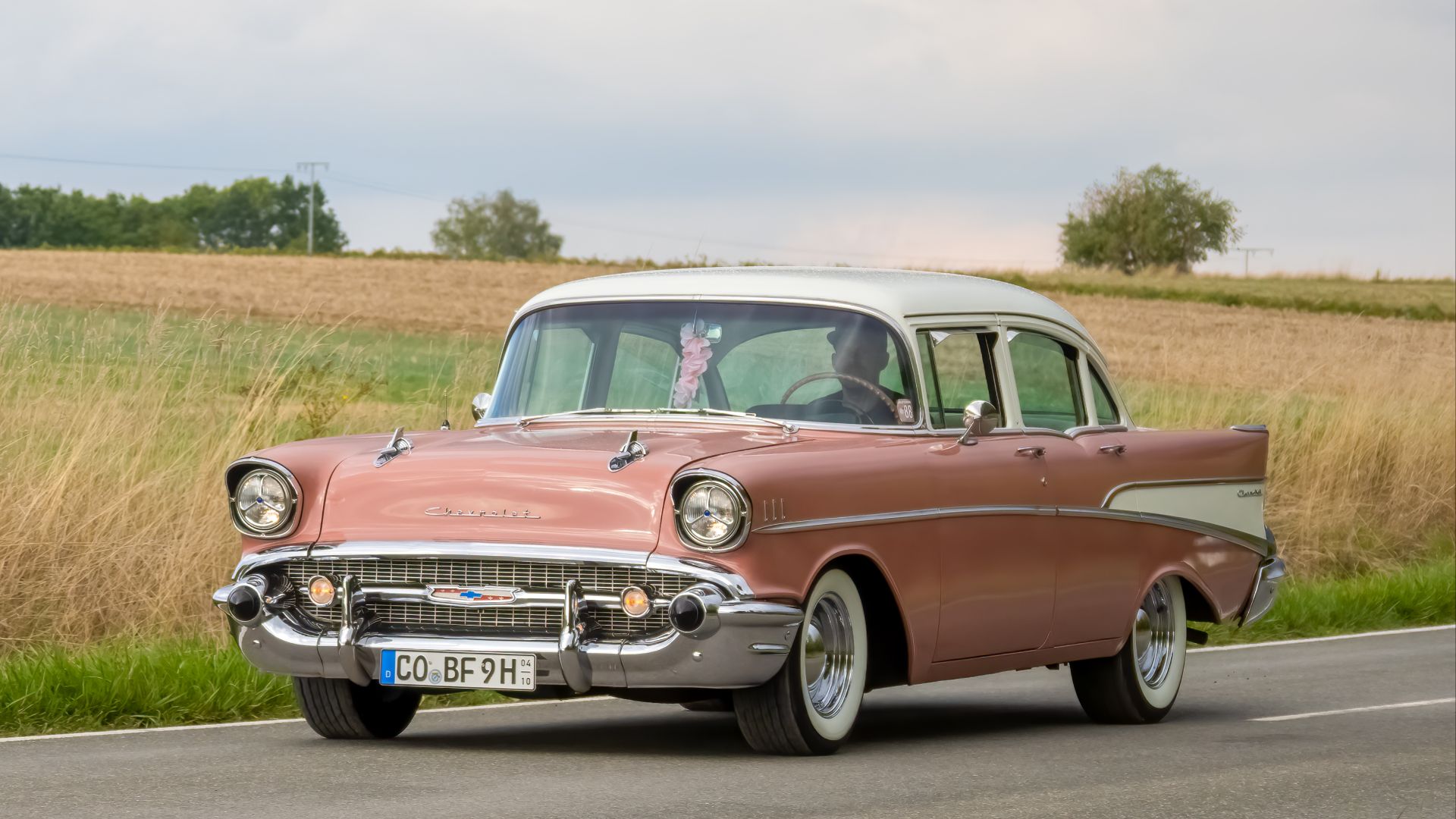
1. 1957 Chevrolet Bel Air
Few cars represent the 1950s quite like the 1957 Chevrolet Bel Air, with its prominent tailfins, chrome trim, and unmistakable front end. Buyers could choose from several engines, including Chevrolet's increasingly powerful small-block V8s. It was stylish without being some untouchable exotic, which helped make it an enduring favorite. Grandpa probably doesn't need much encouragement before telling you they simply don't make them like this anymore.
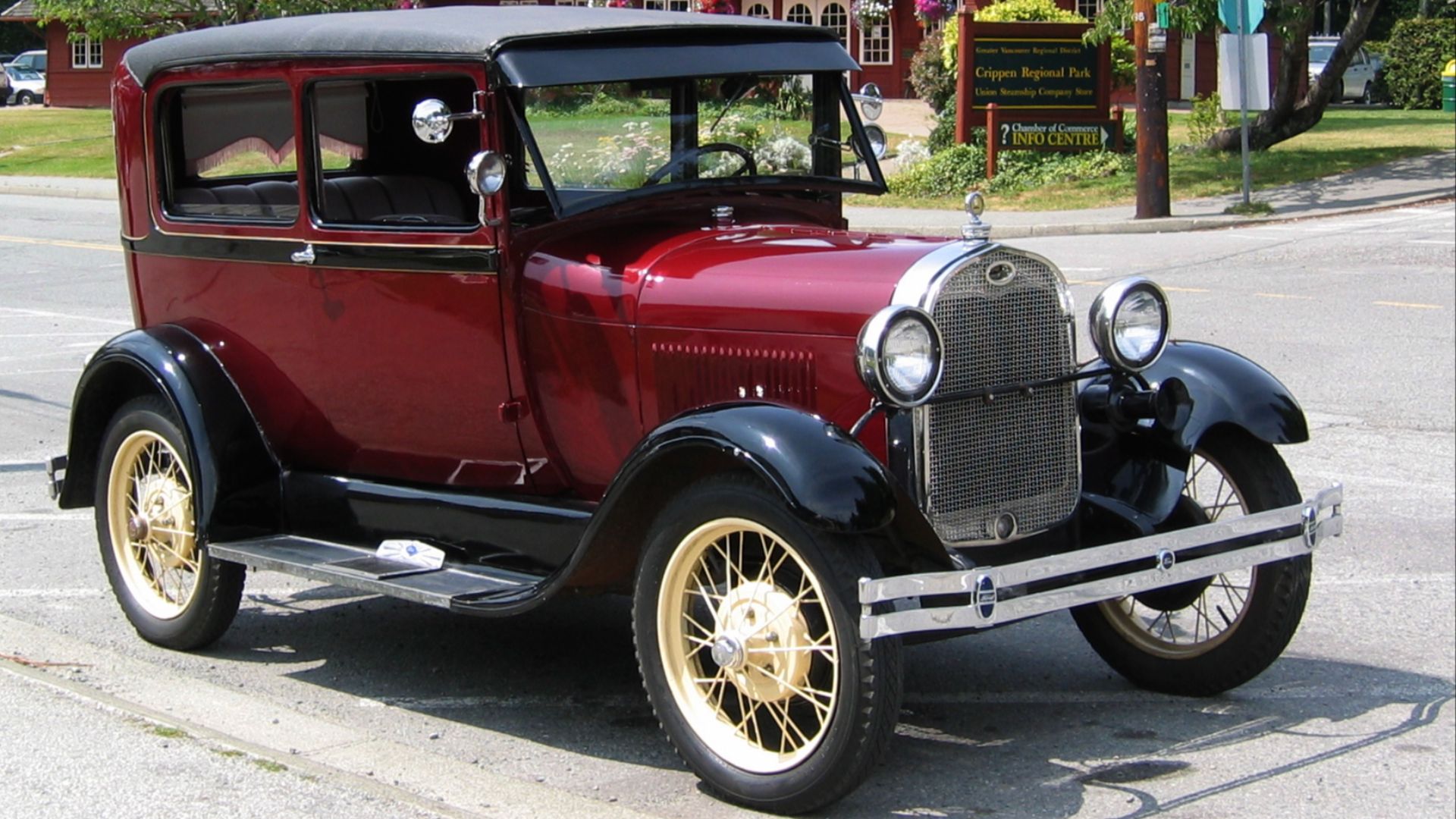
2. Ford Model A
The Model A arrived in 1928 with the difficult job of replacing Ford's hugely successful Model T. It offered more conventional controls, improved styling, and a four-cylinder engine that made it far easier to live with than its predecessor. More importantly for old-school mechanics, its straightforward construction means dedicated owners can still work on these cars today.
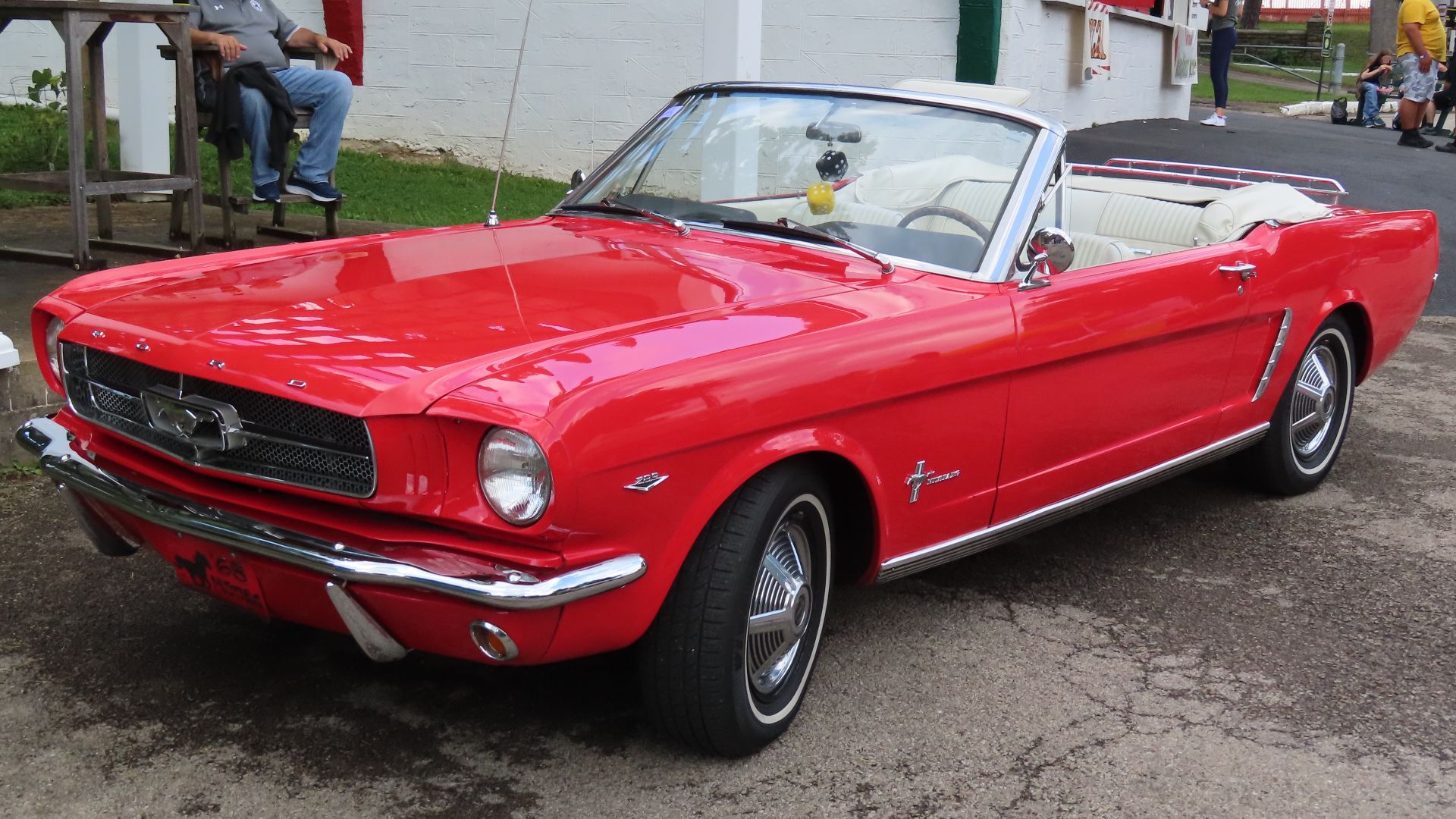
3. 1965 Ford Mustang
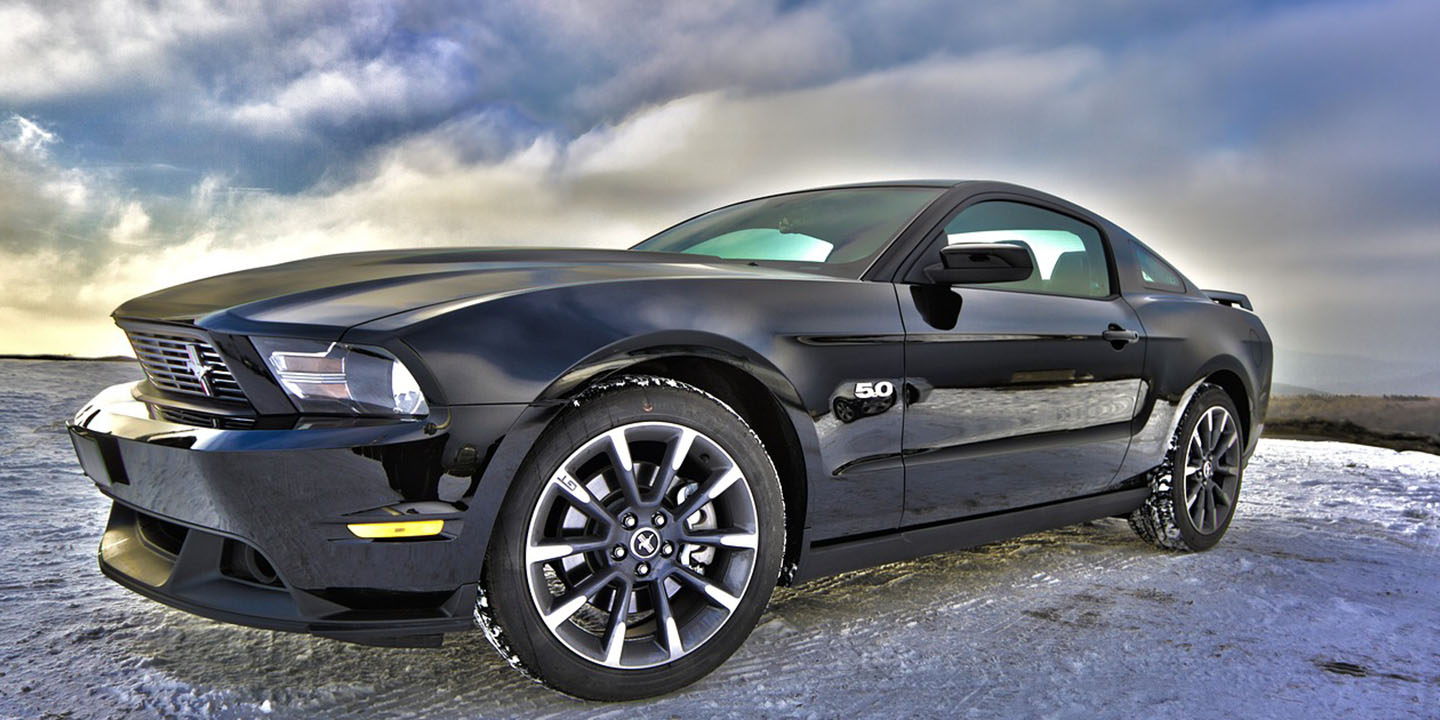
The early Mustang gave buyers sporty styling without demanding sports-car money. Its long hood, short rear deck, and wide range of engines helped turn it into a phenomenon almost immediately after its 1964 introduction. You could order a fairly mild commuter or choose a V8 and have something much more exciting. For many older drivers, that's still what an affordable fun car is supposed to be.
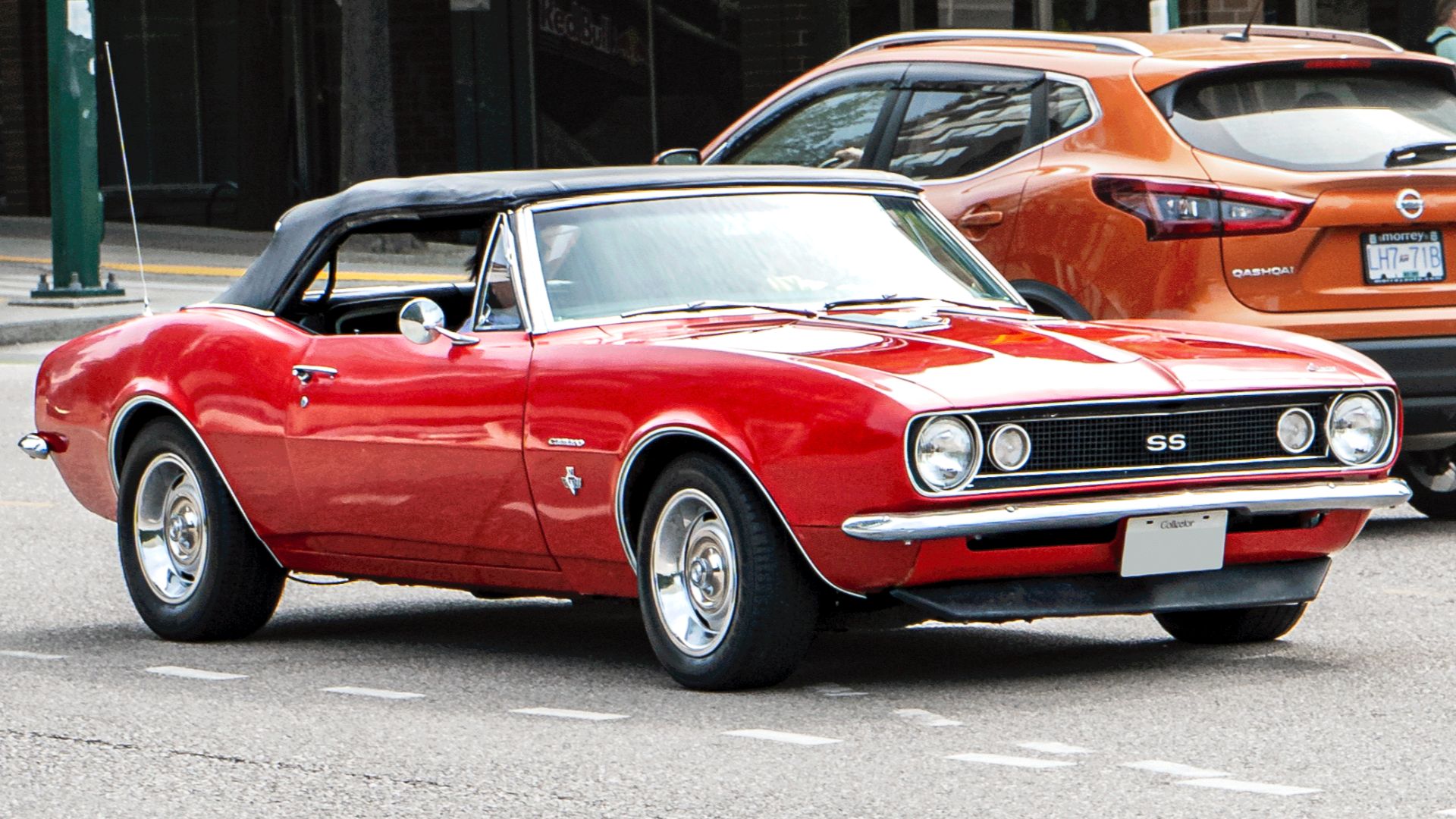
4. 1967 Chevrolet Camaro
Chevrolet answered the Mustang with the Camaro for the 1967 model year, and Grandpa may insist Chevy got the formula even better. Buyers had a huge selection of engines and packages to choose from, including potent V8 options that eventually made early Camaros highly collectible. The first-generation design also managed to look aggressive without needing enormous grilles or complicated bodywork.
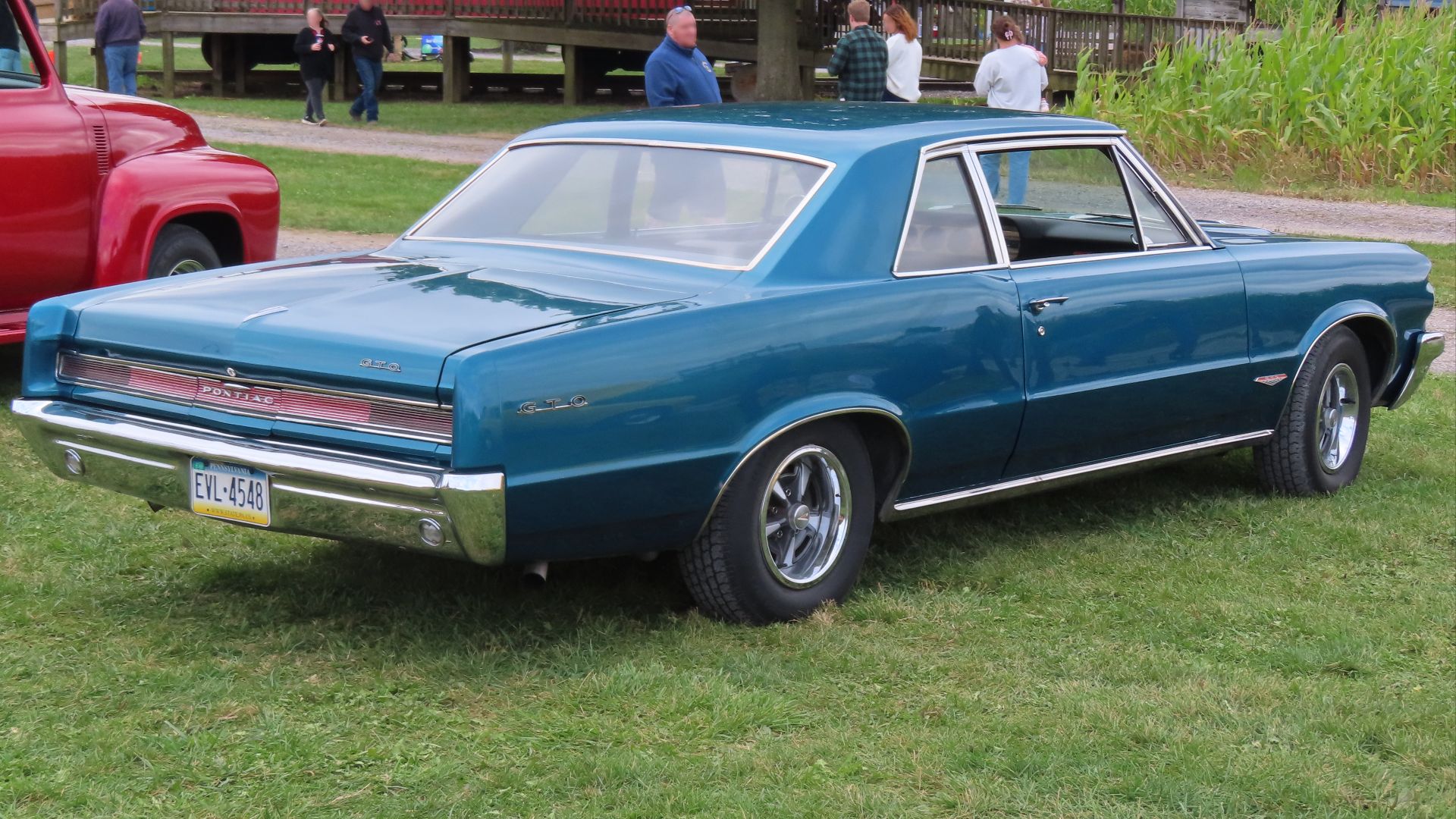
5. 1964 Pontiac GTO
The Pontiac GTO helped establish the muscle-car formula by putting serious V8 power into a relatively ordinary midsize car. Originally offered as an option package on the Pontiac Tempest LeMans, it quickly became famous for its performance. It didn't need complicated drive modes to tell you what sort of car you were driving; you just needed to press the gas pedal.
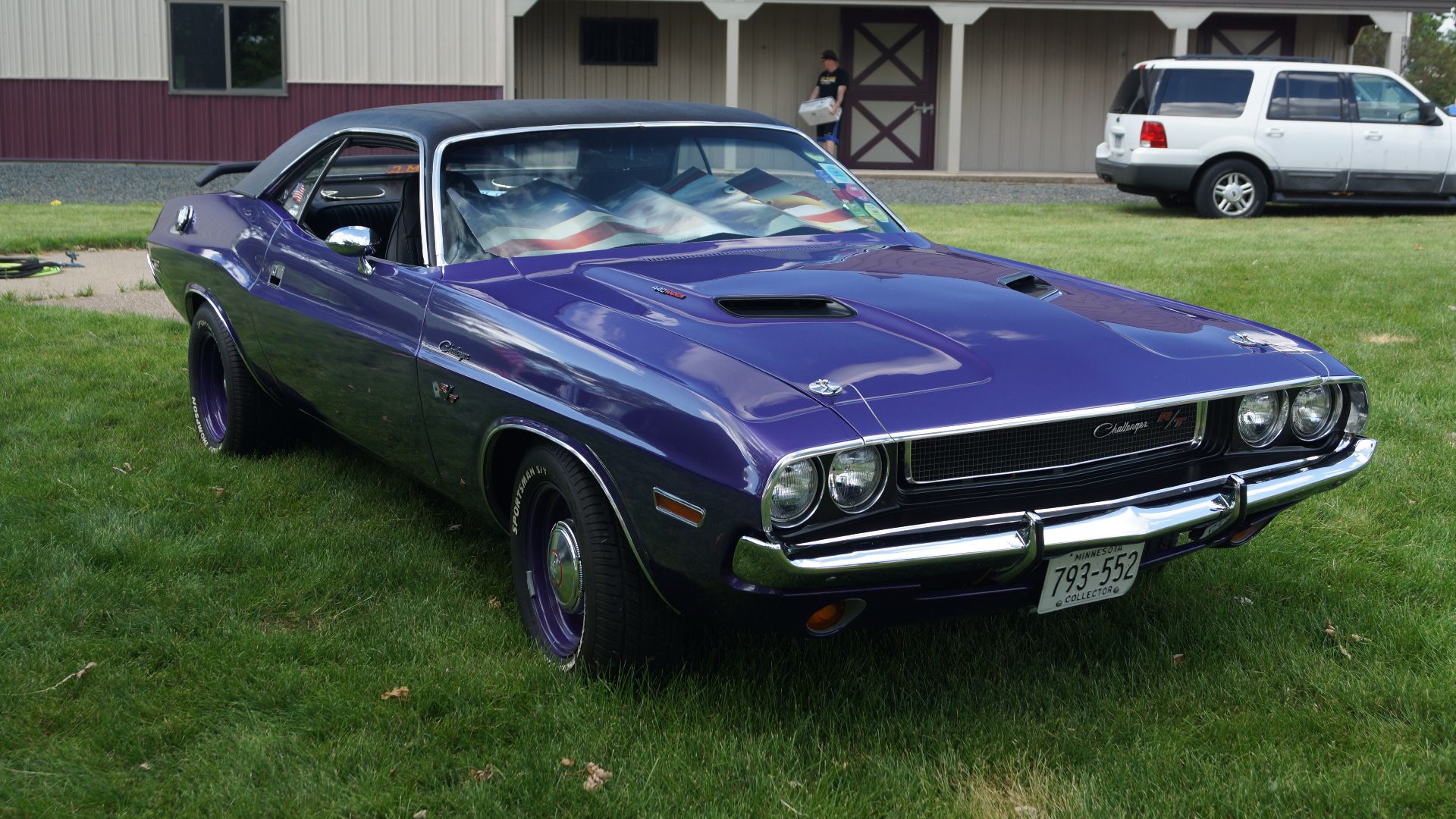
6. 1970 Dodge Challenger R/T
When the Challenger arrived for 1970, Dodge made sure customers weren't short on engine choices. The R/T could be ordered with some of Chrysler's most desirable high-performance V8s, including the legendary 426 Hemi. Its broad stance and muscular styling have helped make surviving examples extremely desirable today.
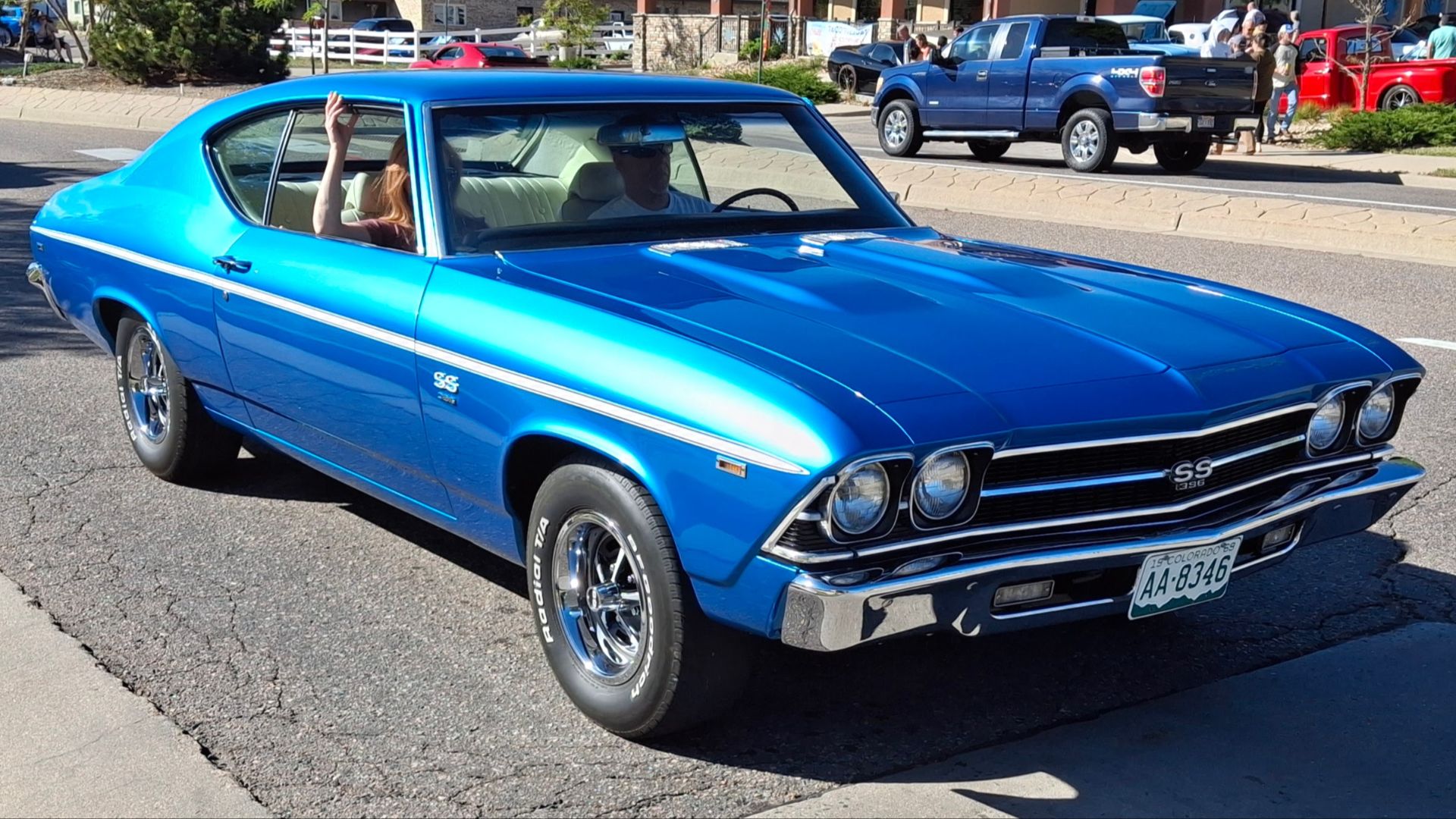
7. 1969 Chevrolet Chevelle SS 396
The Chevelle was already a useful midsize Chevrolet, but the SS 396 gave it considerably more attitude. A big-block V8 turned this otherwise practical car into one of the best-remembered machines of the muscle-car era. It also came from a time when performance versions didn't necessarily need dozens of badges and electronic settings.
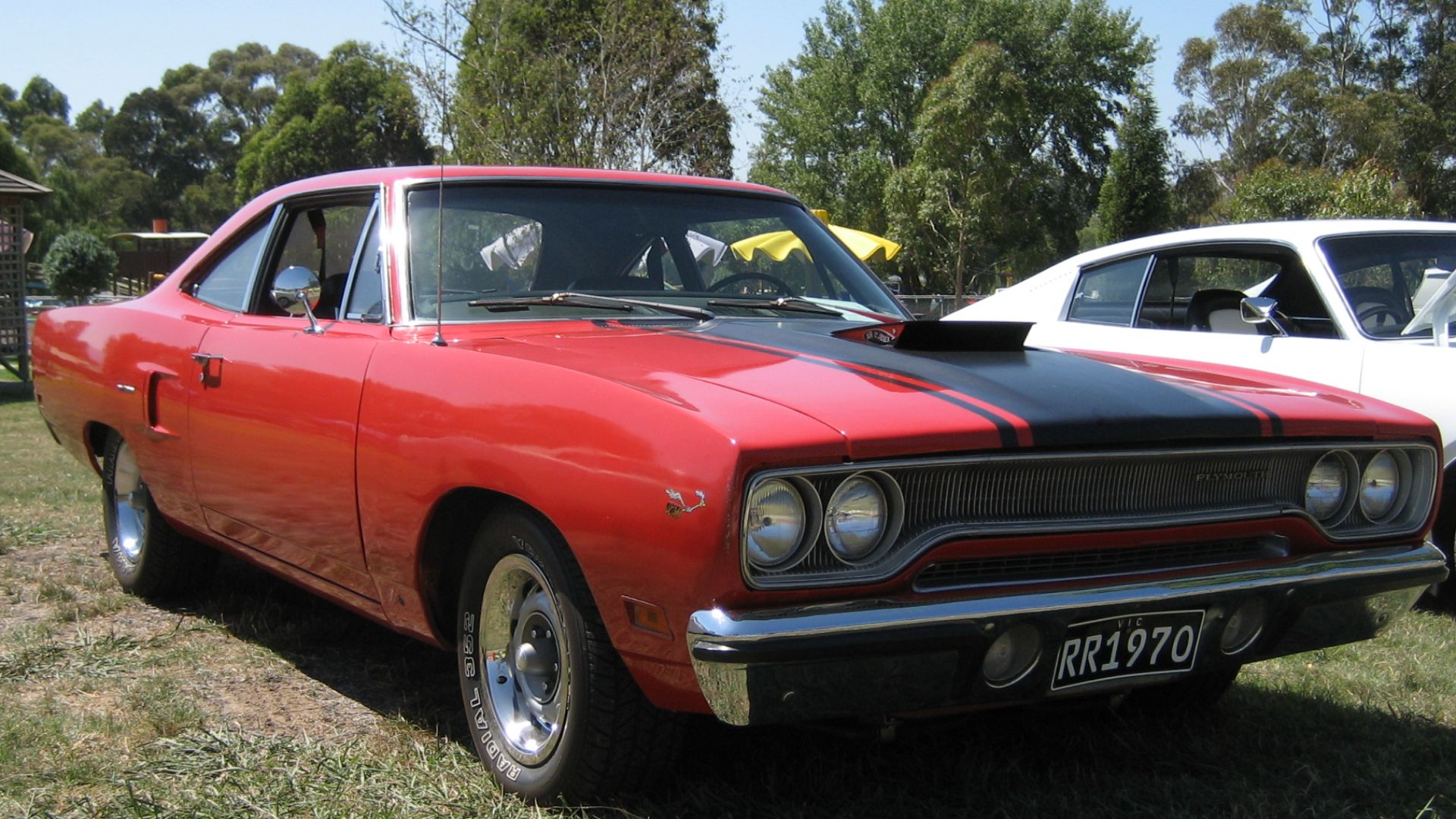
8. 1970 Plymouth Road Runner
Plymouth designed the Road Runner around a wonderfully simple idea: give buyers serious muscle without loading the car with expensive extras. Early versions combined relatively basic interiors with powerful V8s, helping keep prices within reach of younger performance enthusiasts. Even the famous cartoon-inspired horn showed that the car didn't take itself too seriously.
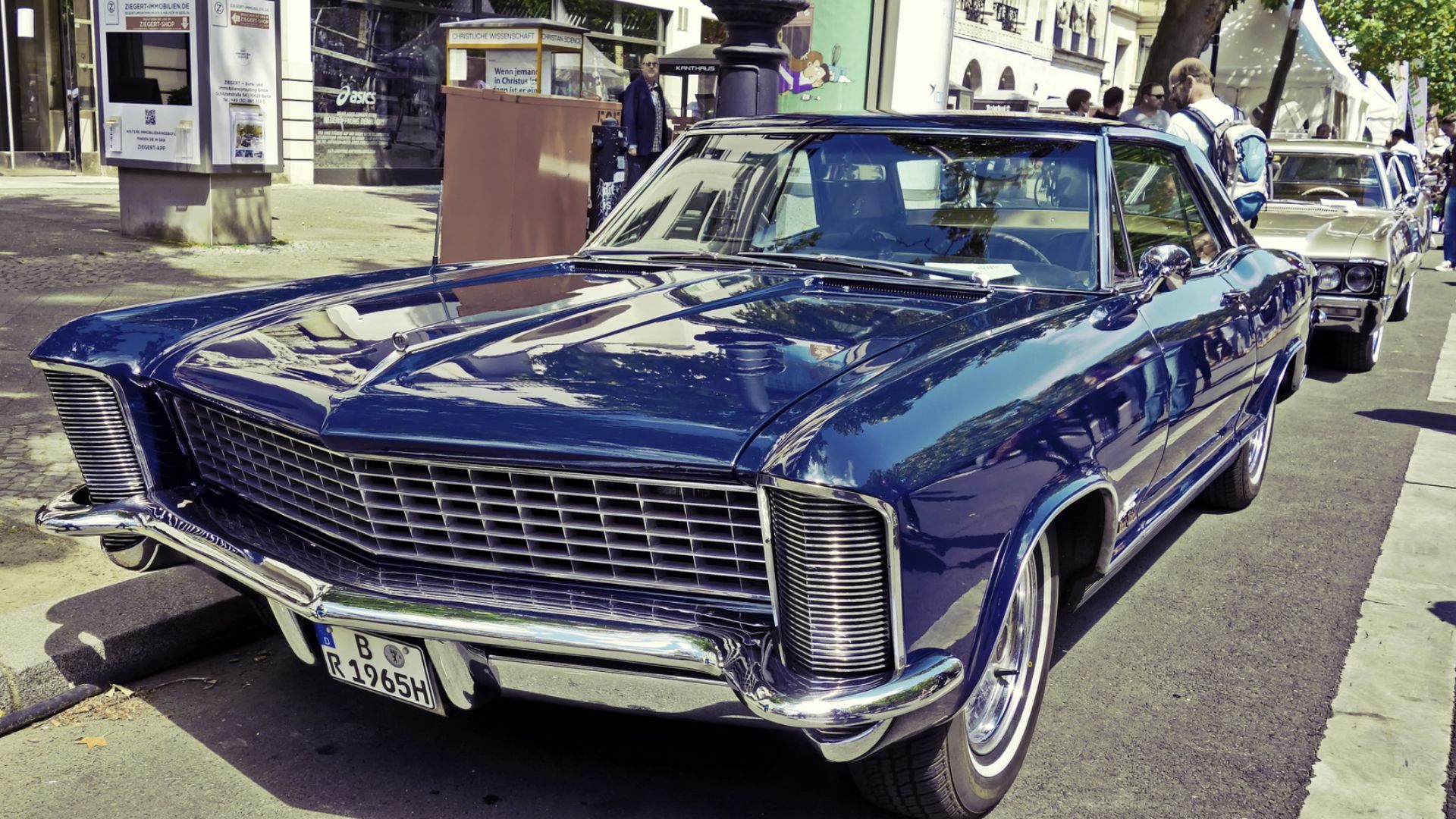
9. 1965 Buick Riviera
Not every beloved old car needs to shake the neighborhood when it starts. The second-year Riviera combined a strong V8 with sharp styling and the kind of comfortable interior that made long drives genuinely appealing. Grandpa might call today's luxury cars overly complicated after remembering how much presence the Riviera managed without a dashboard full of screens.
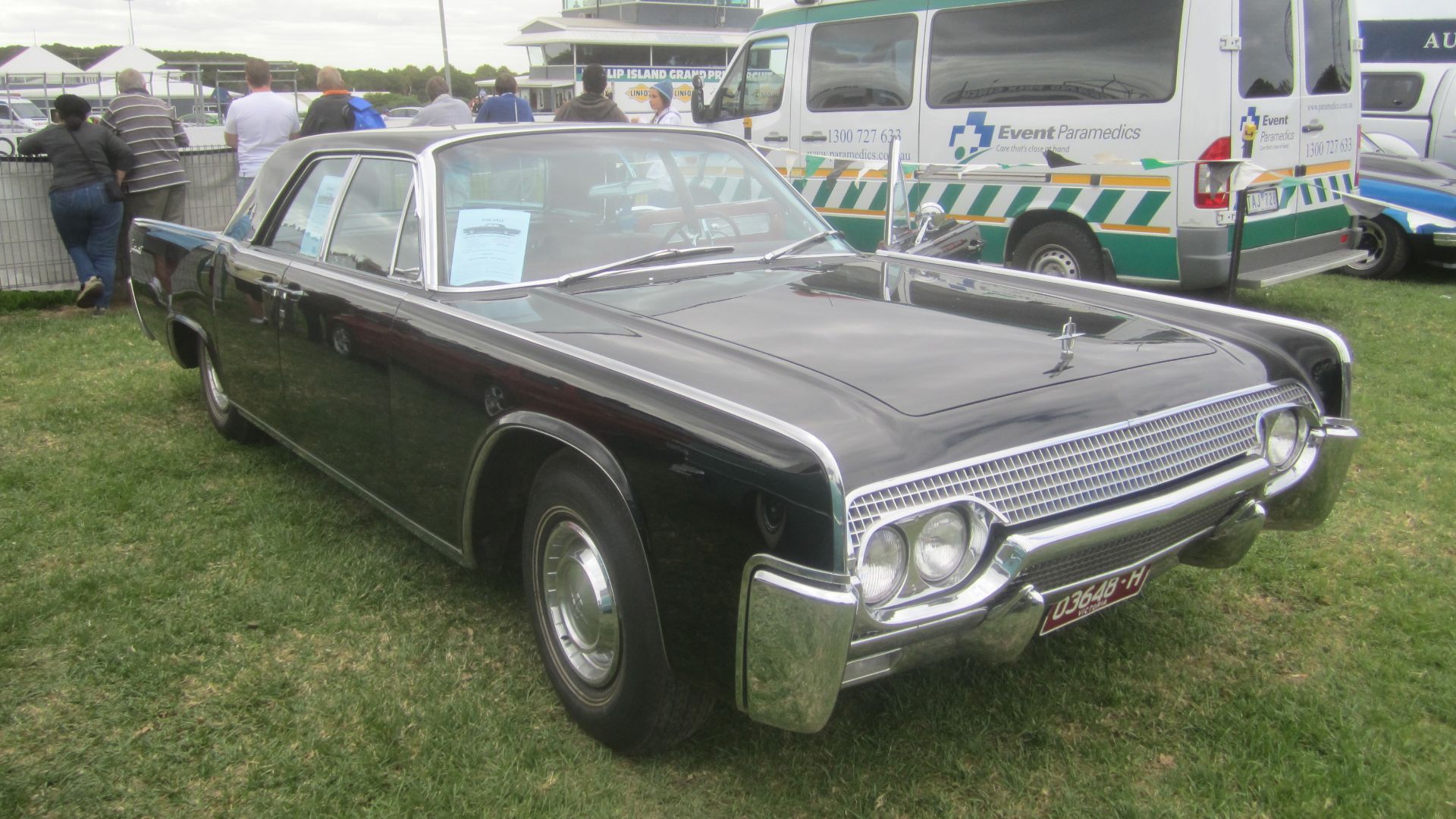
10. 1961 Lincoln Continental
The fourth-generation Lincoln Continental arrived with unusually restrained styling for an era known for extravagant American cars. Its famous rear-hinged back doors became one of its most recognizable features, while the spacious cabin made it a serious luxury cruiser. The car was enormous, elegant, and confident without needing flashy detailing everywhere.
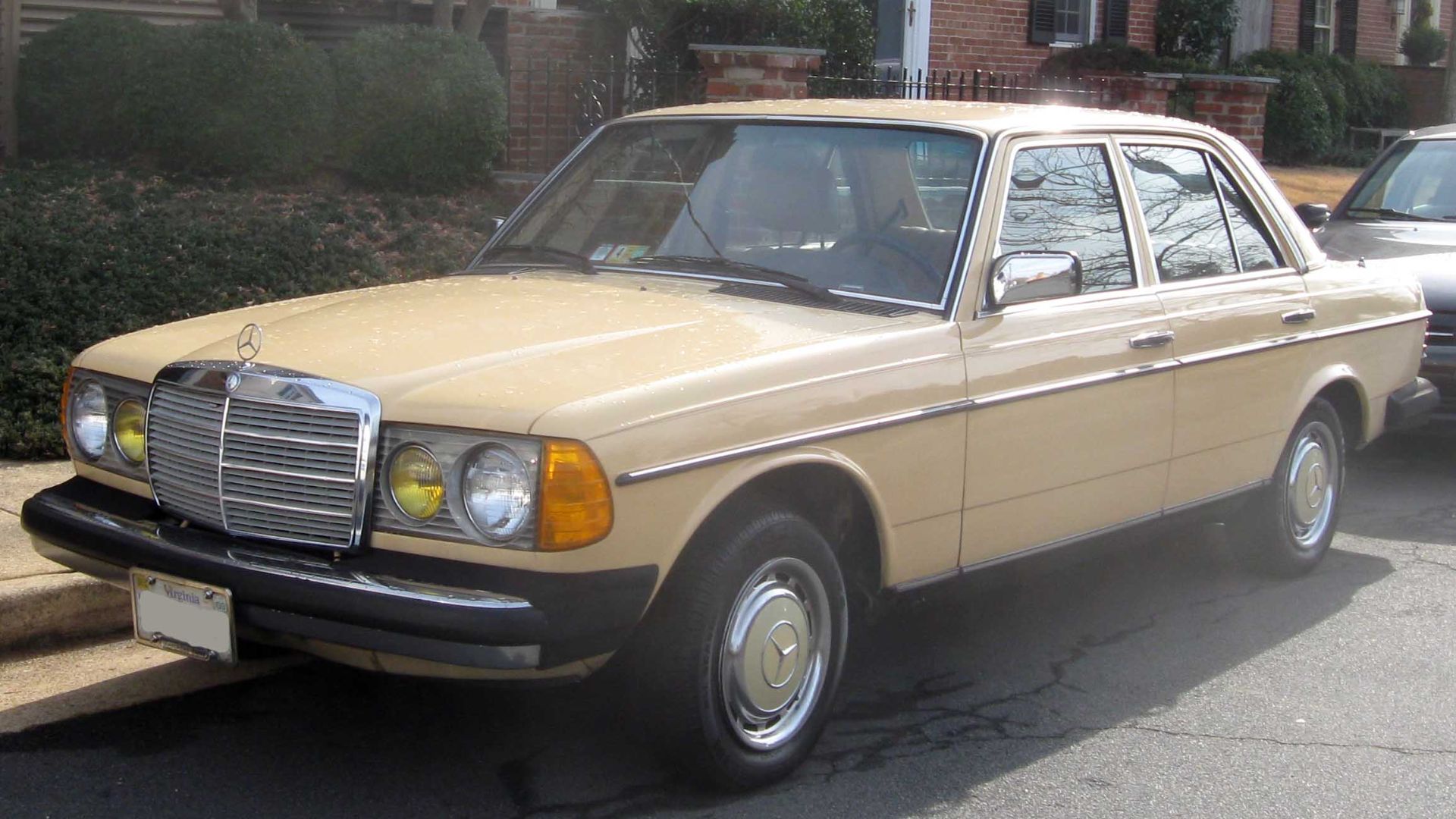
11. Mercedes-Benz W123
The Mercedes-Benz W123 has developed an impressive reputation for durability, particularly in diesel form. Produced from the mid-1970s into the 1980s, these sedans, coupes, and wagons were built with the sturdy feel many longtime Mercedes fans still miss. They're not exactly fast, but speed isn't really the point here.
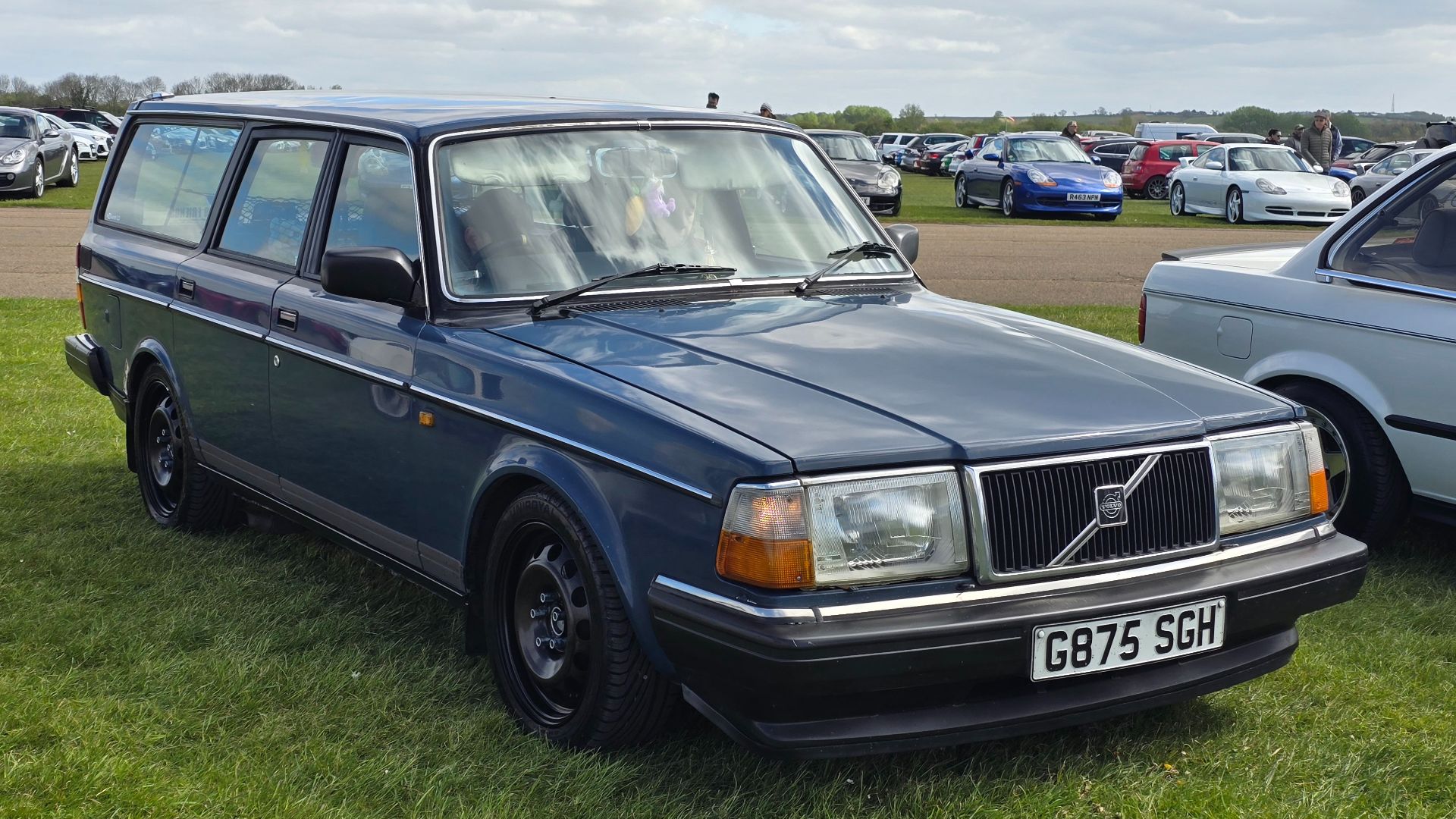
12. Volvo 240
A Volvo 240 doesn't need flashy styling to earn someone's loyalty. Built for nearly two decades, the boxy Swedish favorite became known for durability, practicality, and a strong emphasis on safety. Its simple shape also provided excellent visibility and plenty of useful interior space, especially in wagon form. Grandpa sees sensible engineering, even if you see a car made up almost entirely of right angles.
13. Volkswagen Beetle
The original Beetle succeeded through simplicity rather than sophistication. Its air-cooled engine eliminated the need for a conventional liquid-cooling system, while its basic mechanical layout made the car approachable for owners and mechanics. Millions were produced over its exceptionally long life, turning the Beetle into one of history's most recognizable automobiles.

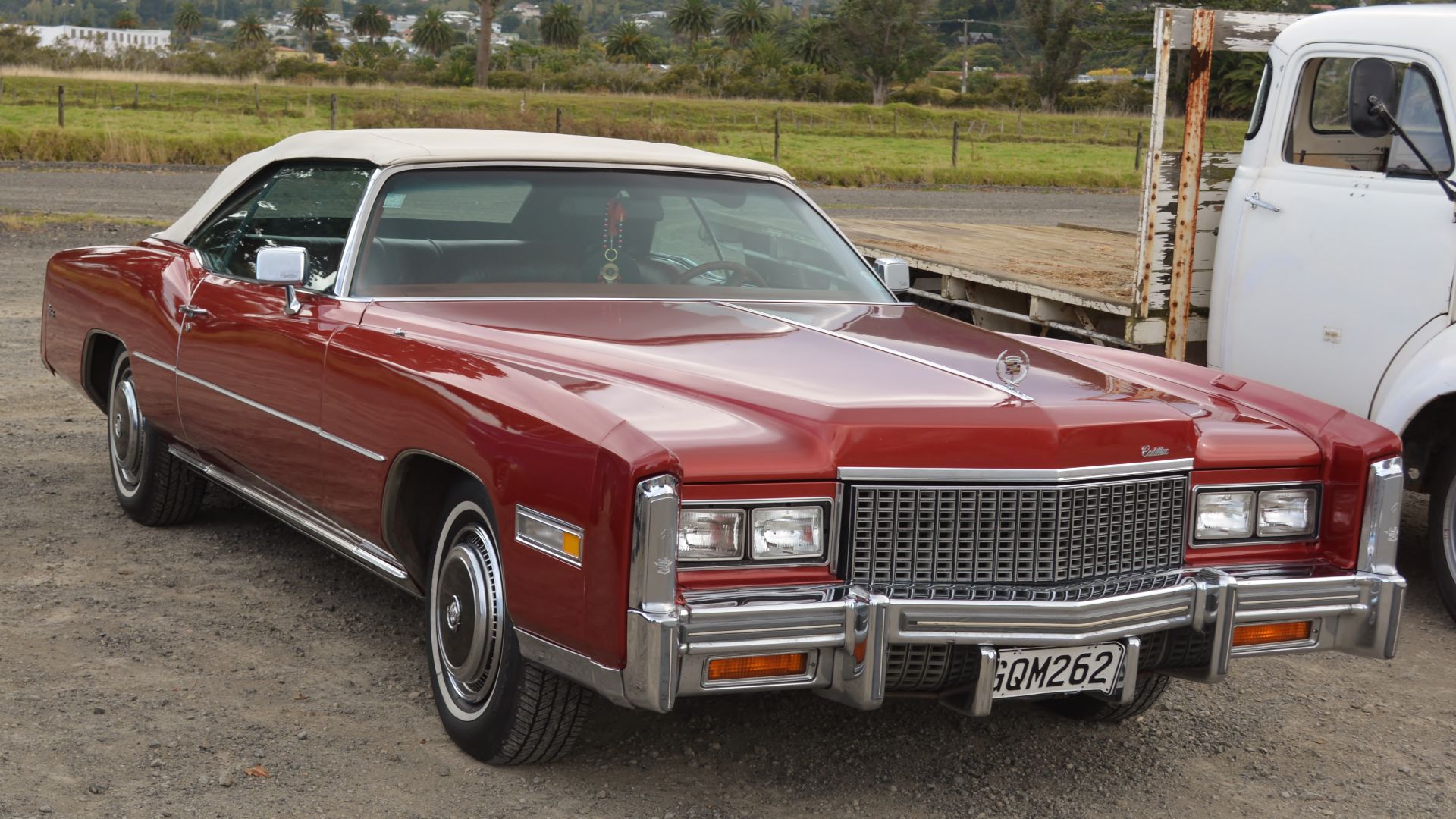
14. 1976 Cadillac Eldorado
The 1976 Eldorado represents a kind of American luxury that's difficult to imagine returning. It's huge, front-wheel drive, generously upholstered, and powered by an enormous V8 designed more for effortless cruising than attacking corners. Cadillac even offered an Eldorado convertible at a time when American convertibles appeared to be disappearing.
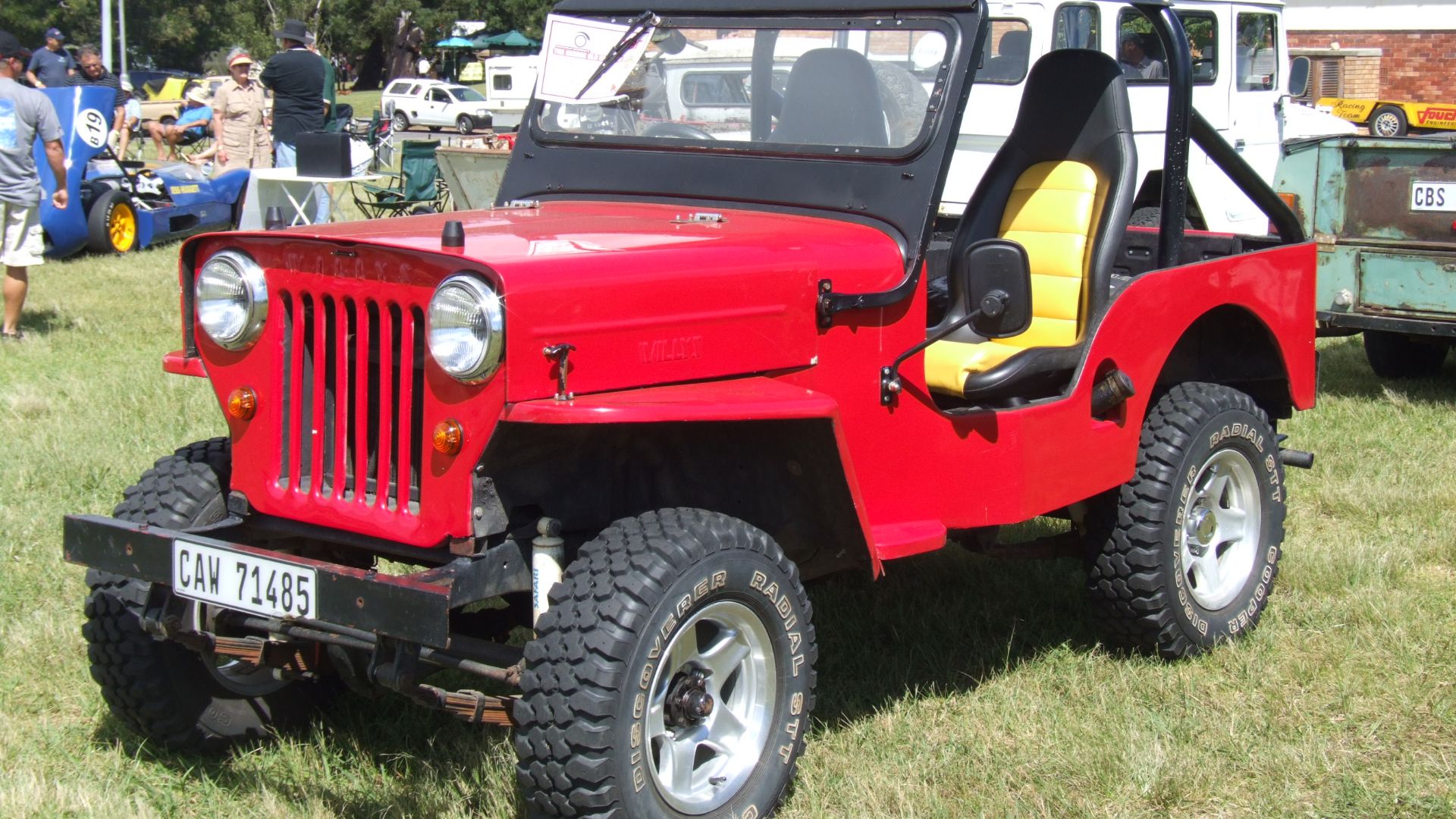
15. Jeep CJ-5
Long before SUVs became school-run favorites filled with entertainment screens, vehicles such as the Jeep CJ-5 kept things much simpler. The CJ-5 evolved over its long production run, but its basic appeal remained tied to compact dimensions, four-wheel drive, and genuine off-road usefulness. Comfort wasn't exactly the main selling point, but grandpa may see that as evidence of character rather than a complaint.
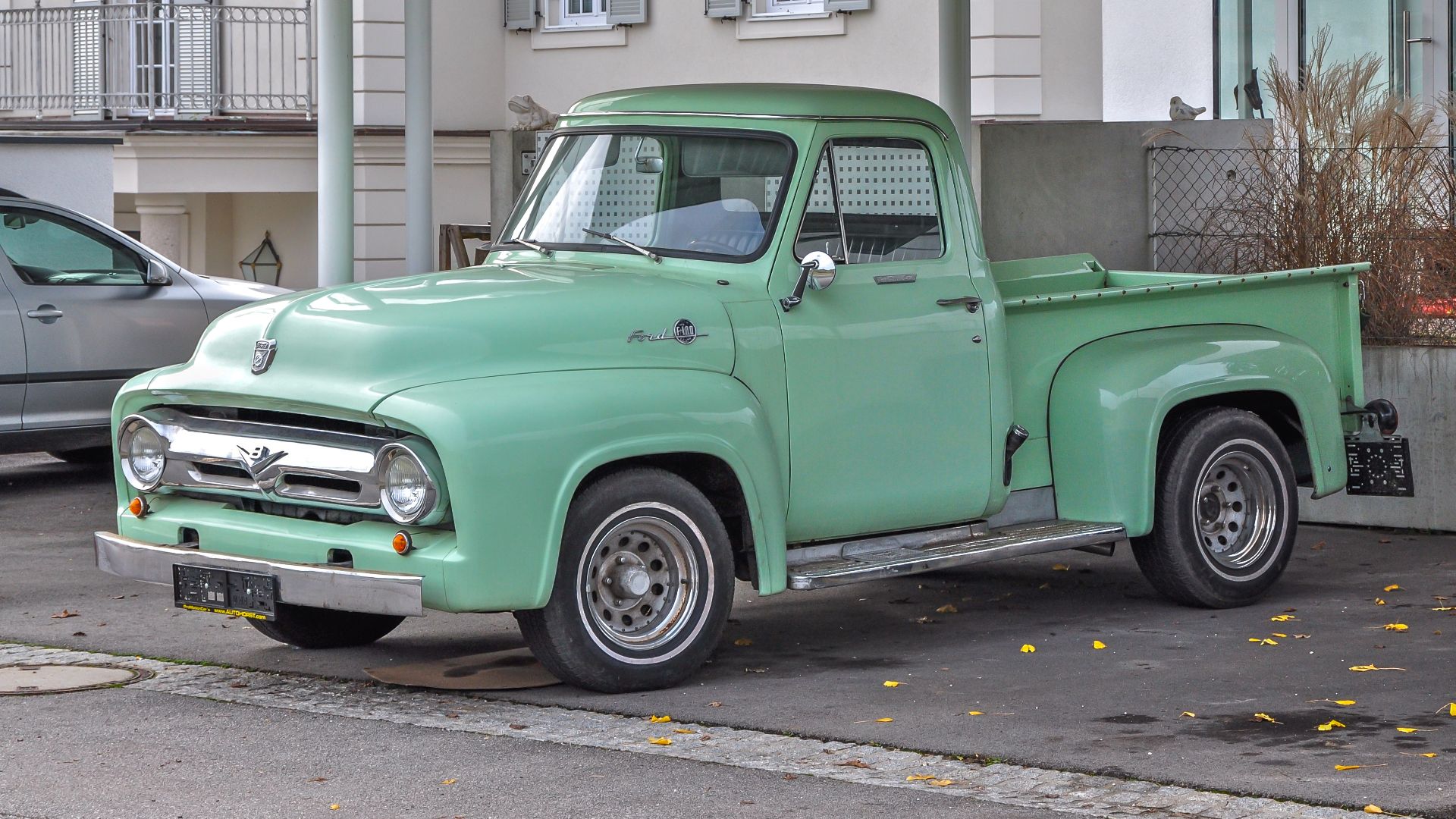
16. Ford F-100
Older Ford F-Series pickups have a devoted following for reasons that go beyond nostalgia. Trucks such as the F-100 were comparatively simple machines, with straightforward cabins, usable beds, and mechanical systems that didn't require specialized computer equipment for every repair. They were designed primarily as working vehicles, which grandpa will happily point out while ignoring how comfortable today's pickups have become.
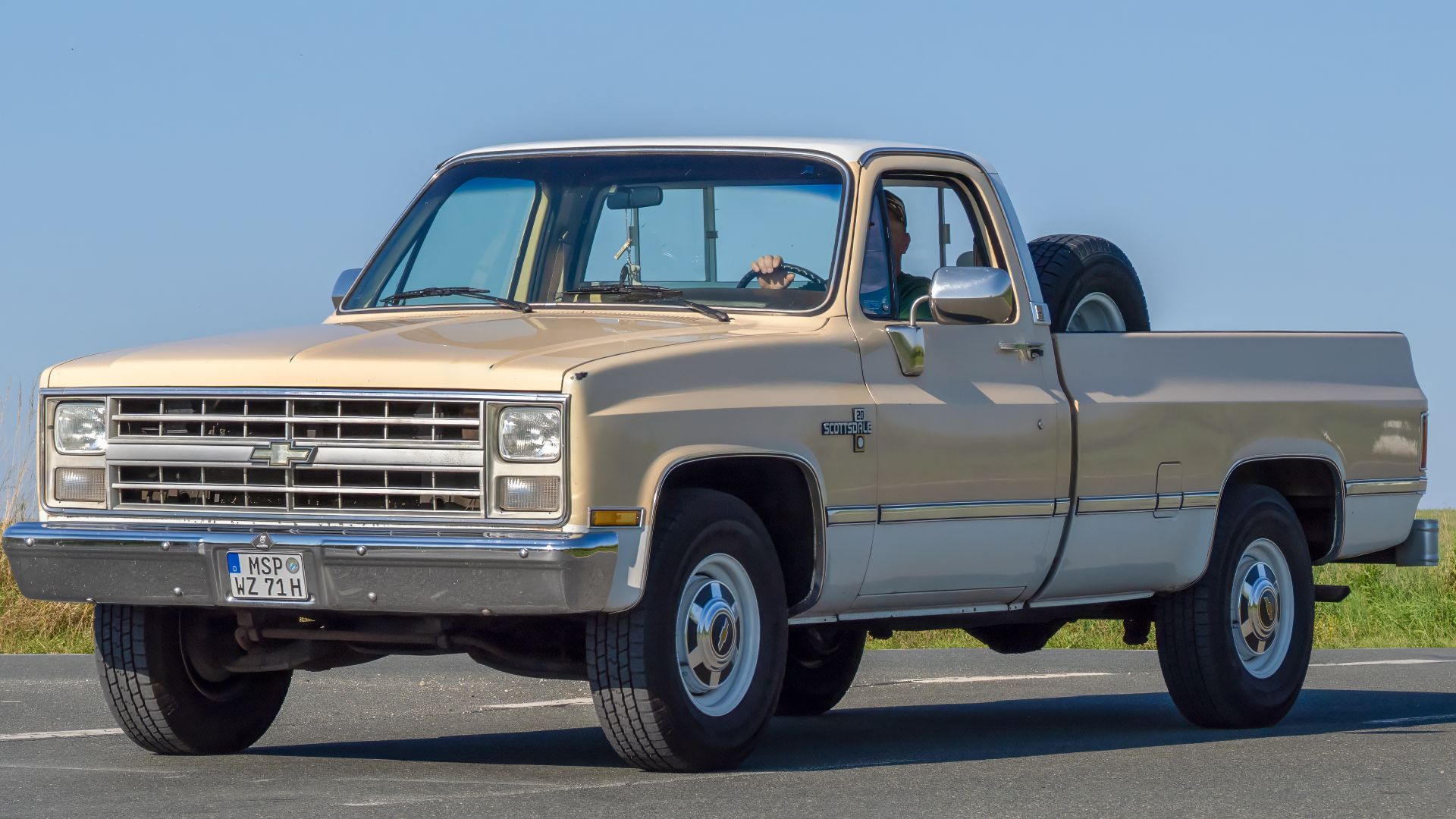
17. Chevrolet C/K Pickup
Chevrolet's classic C/K trucks are another reminder of how basic pickups once were. Across generations, buyers could choose from numerous configurations, engines, and drivetrains without turning their truck into a rolling technology showcase. The square-body models of the 1970s and 1980s have become particularly popular among collectors and restorers. Their appeal comes partly from looking exactly as rugged and uncomplicated as they are.
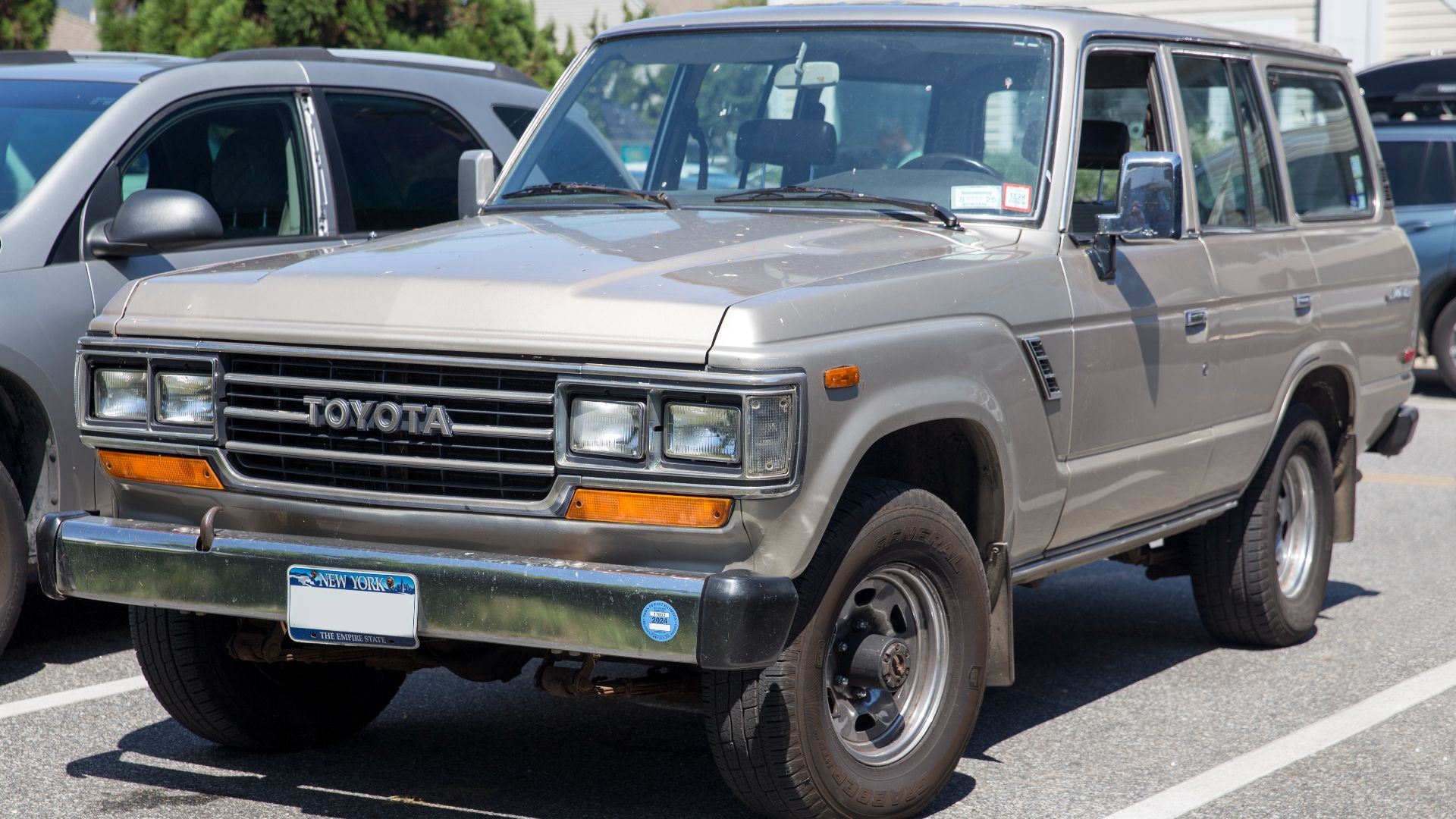
18. 1989 Toyota Land Cruiser FJ62
The FJ62 wasn't especially fast or luxurious, but durability mattered considerably more to its fans. Toyota's Land Cruiser had already built an international reputation for toughness by the time this roomy four-door version arrived. Its body-on-frame construction and four-wheel-drive system made it much more than a suburban fashion statement. Grandpa may respect this one even if he normally insists American cars used to do everything better.
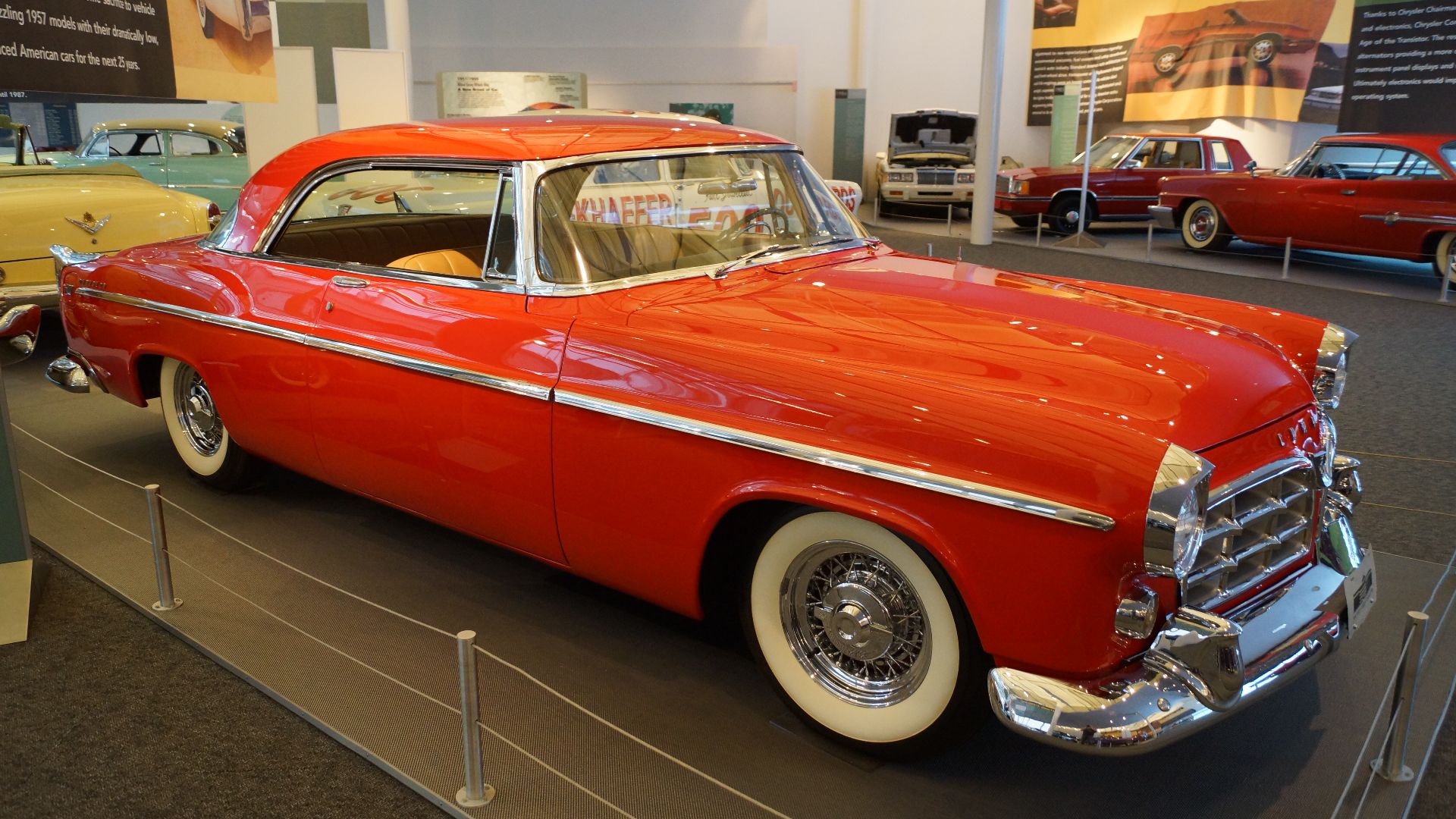
19. 1955 Chrysler C-300
The 1955 Chrysler C-300 was one of the most powerful American cars of its day, thanks to a 300-horsepower Hemi V8. It combined serious performance with the size, chrome, and presence you'd expect from a proper 1950s cruiser. Chrysler even marketed it as a high-performance luxury car, which helped give it a reputation that has lasted for decades.
20. 1986 Mercedes-Benz 560SL
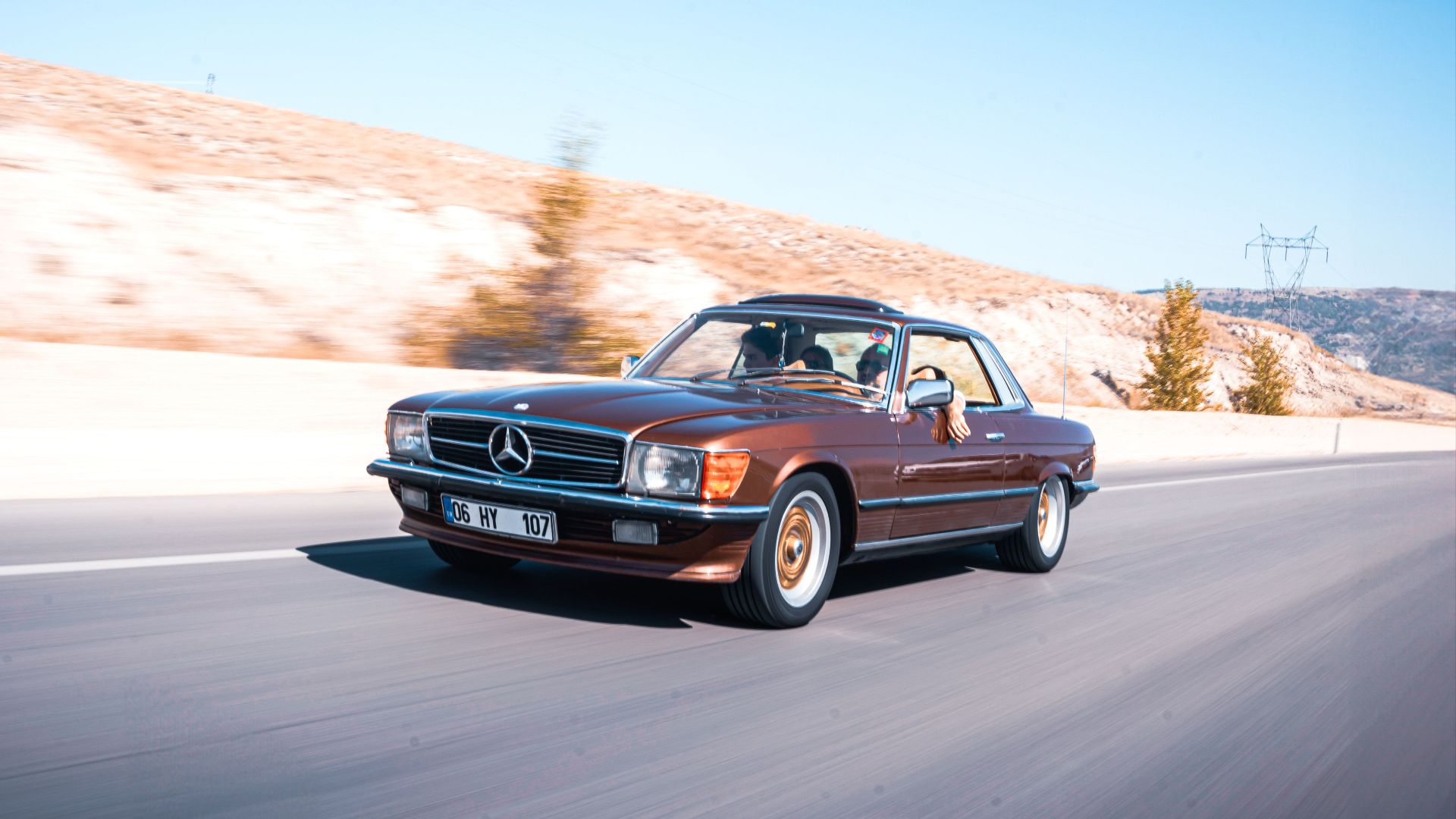
By the 1980s, the Mercedes-Benz R107 SL had been around long enough to become a familiar symbol of comfortable open-top motoring. The 560SL sold in North America paired handsome styling with a smooth V8 and substantial build quality. It wasn't trying to be the lightest or fastest sports car available, and buyers weren't particularly concerned about that.