Nostalgia Can Add a Lot of Horsepower
Every generation has cars it remembers more fondly than the spec sheet probably deserves, and Boomers are no exception. Plenty of classics from the 1950s through the 1970s were genuinely important, exciting, or beautiful, but decades of nostalgia have turned some into near-mythical machines. Take away the childhood memories, period advertising, and collector prices, and a few famous models don't seem quite as flawless as they're sometimes made out to be. Here are 20 cars Boomers can't stop overrating, despite the evidence.
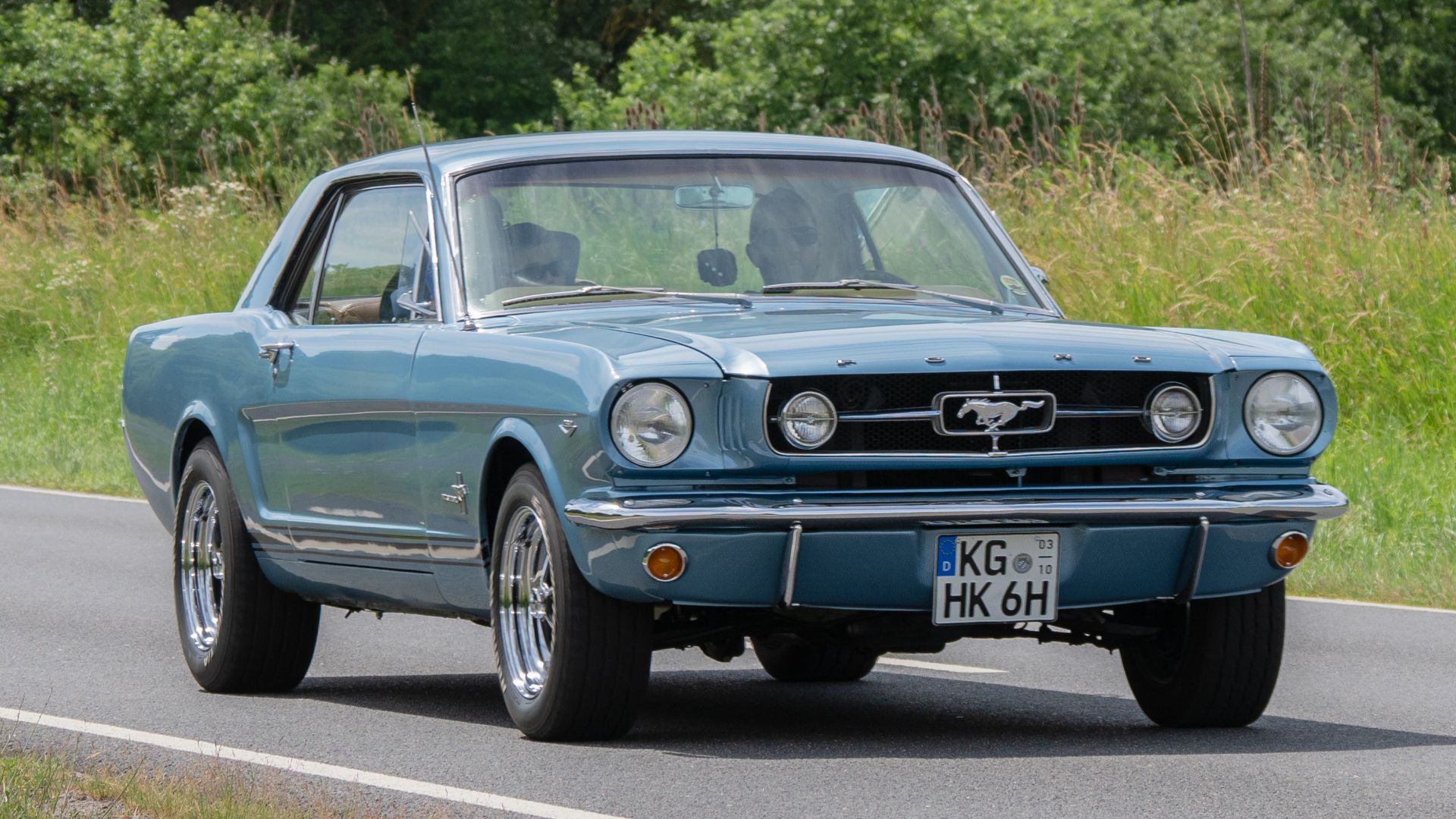
1. 1964½ Ford Mustang
The original Mustang was hugely important, but historical significance doesn't automatically make it an incredible car by modern standards. Early versions could be pretty modest underneath, especially with the six-cylinder engine and basic suspension. The Mustang's styling, affordability, and image helped make it legendary, while the actual driving experience could feel much less dramatic.
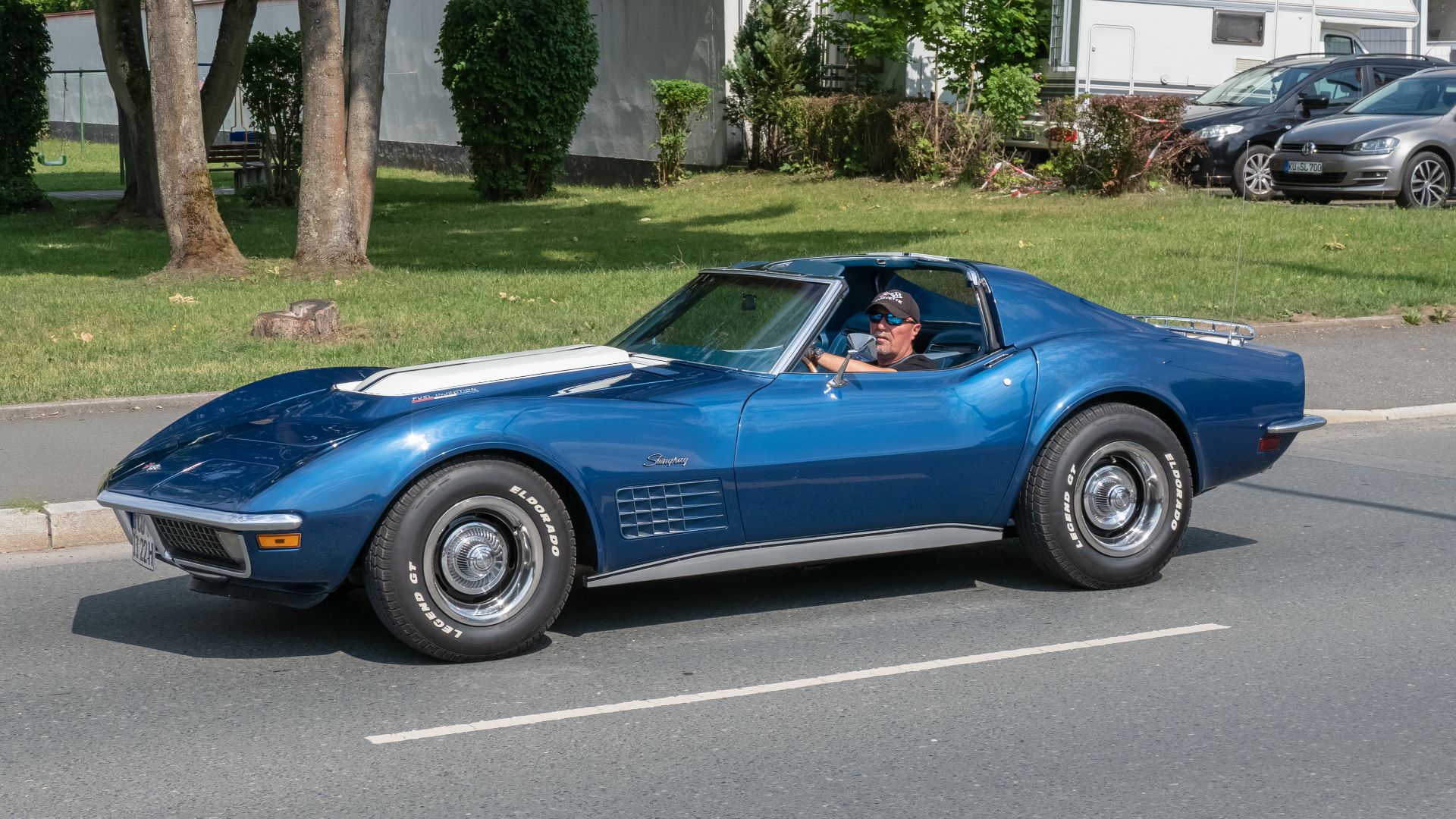
2. Chevrolet Corvette C3
Few cars announce the 1970s quite as loudly as a C3 Corvette, especially with those long curves and dramatic proportions. Unfortunately, emissions regulations and falling compression ratios meant later examples could look much faster than they really were. They're still attention-grabbing classics, but the performance reputation sometimes gets applied equally to C3s that never fully earned it.
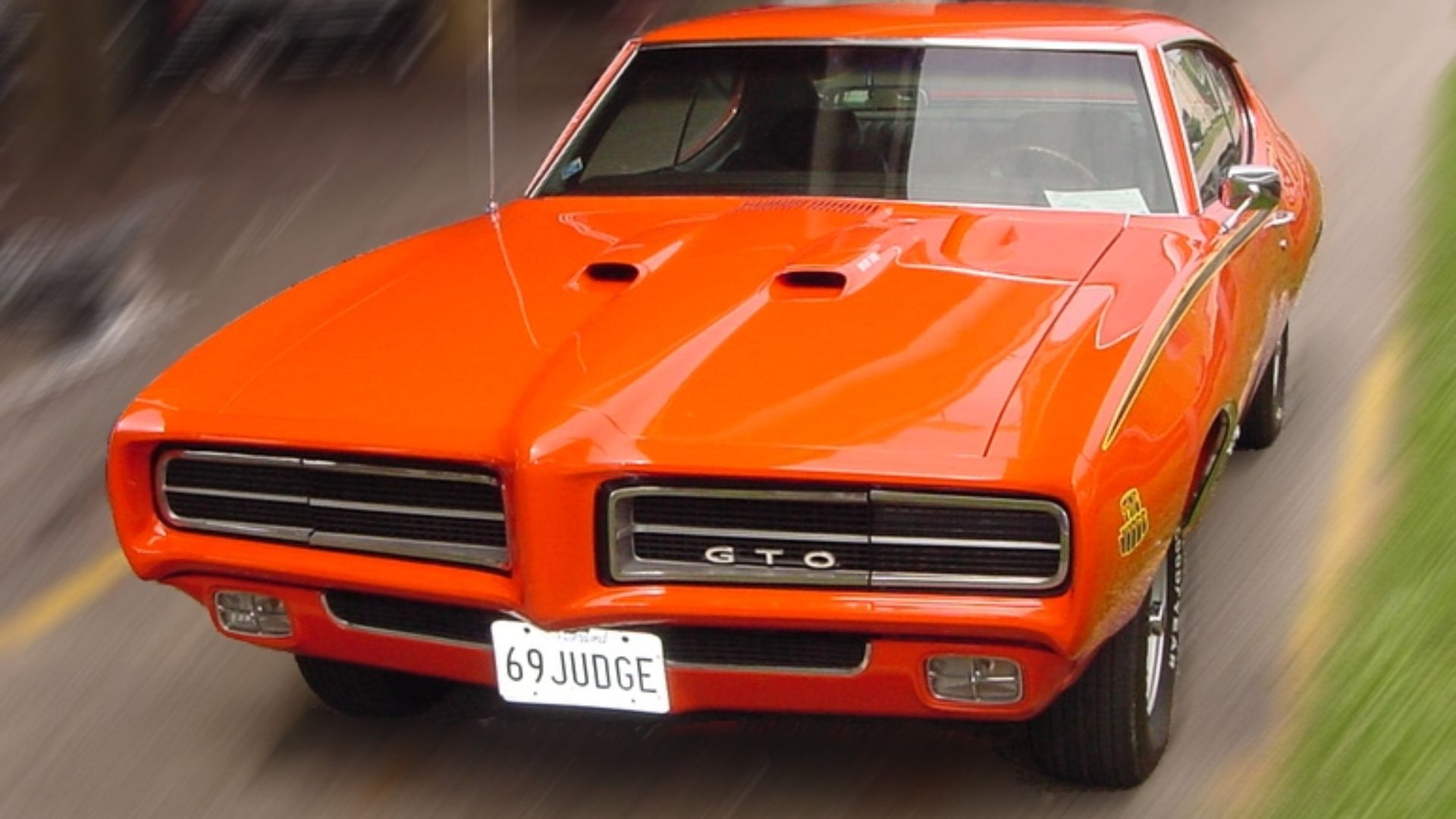
3. Pontiac GTO
The GTO deserves enormous credit for helping popularize the muscle car, and the strongest versions delivered serious performance for their era. That doesn't mean every GTO was an unstoppable street machine. Drum brakes, old suspension designs, limited tire technology, and plenty of less-powerful engine combinations make the legend a little larger than the reality.
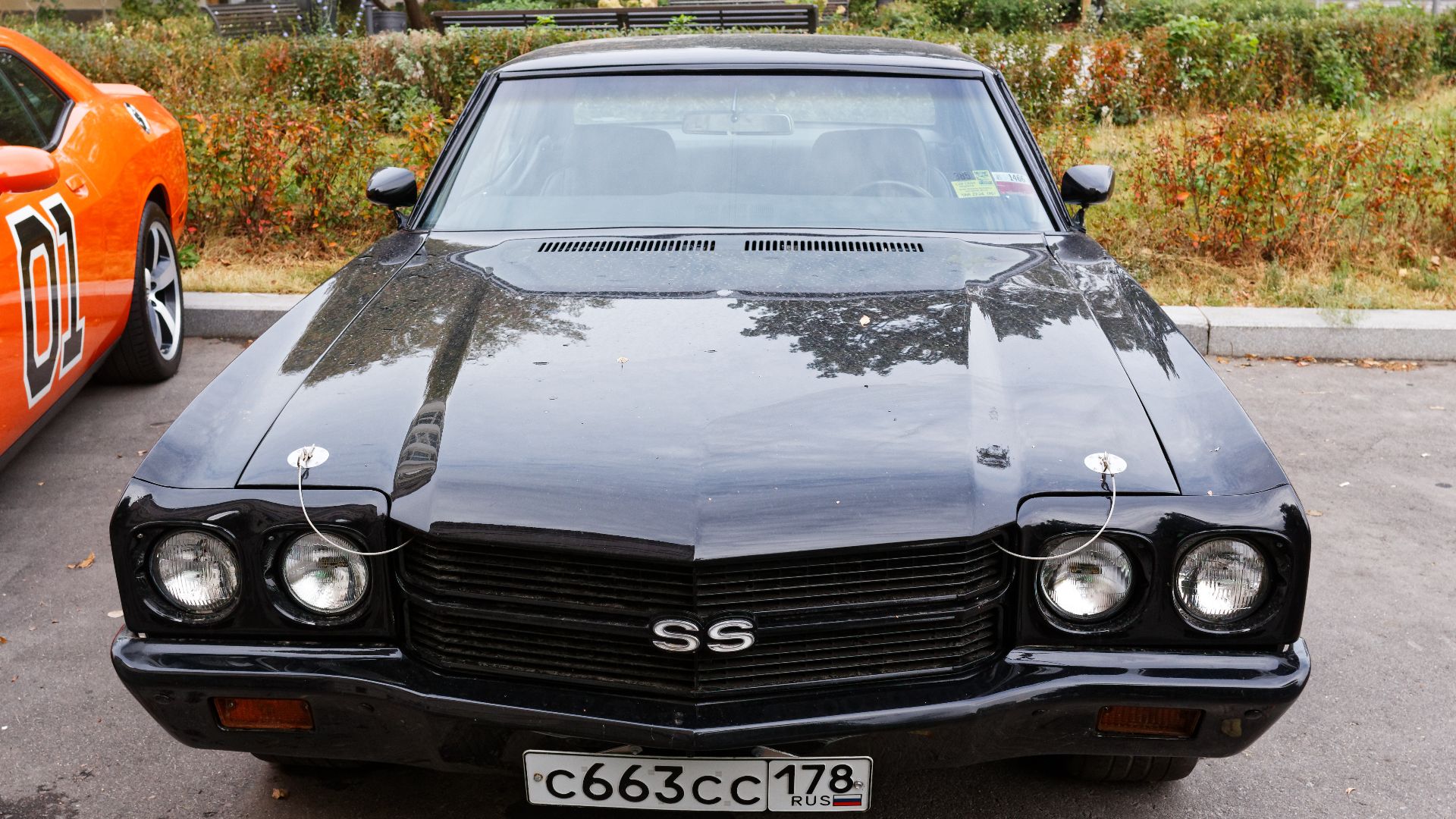
4. Chevrolet Chevelle SS
A big-block Chevelle SS has become one of the ultimate symbols of American muscle, and clean examples can command enormous money. Much of the hype, however, centers on the rarest and most desirable specifications rather than the average Chevelle you would've encountered decades ago. They're undeniably charismatic cars, but that doesn't make them especially refined, agile, or easy to stop.
 Retired electrician on Wikimedia
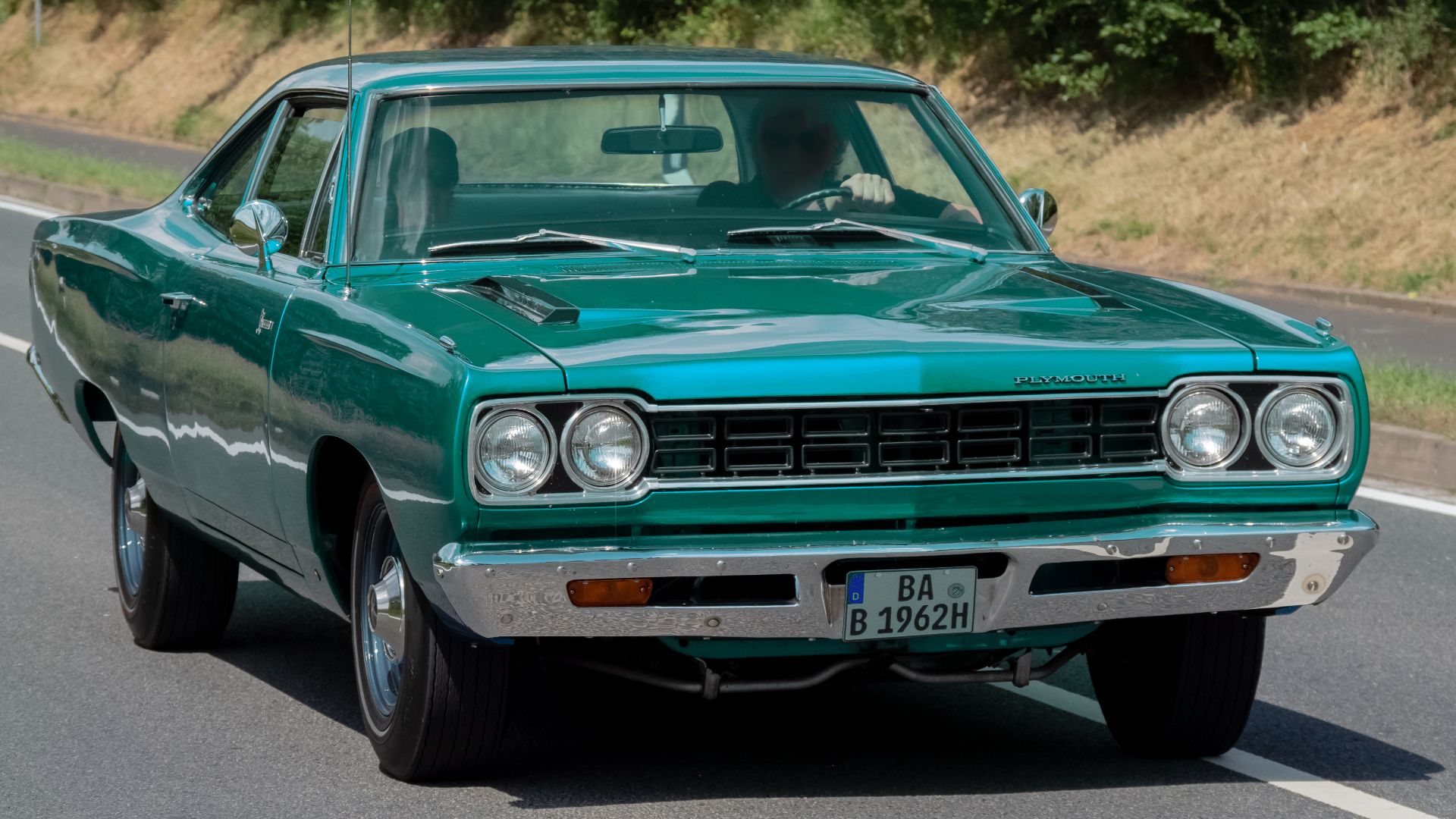
5. Plymouth Road Runner
The Road Runner's simple formula was brilliant: give buyers a powerful engine without loading the car with unnecessary luxury equipment. That stripped-down approach is also exactly what can make one feel surprisingly basic today. You're often paying heavily for the name, nostalgia, and muscle-car reputation rather than sophisticated engineering or a particularly polished driving experience.
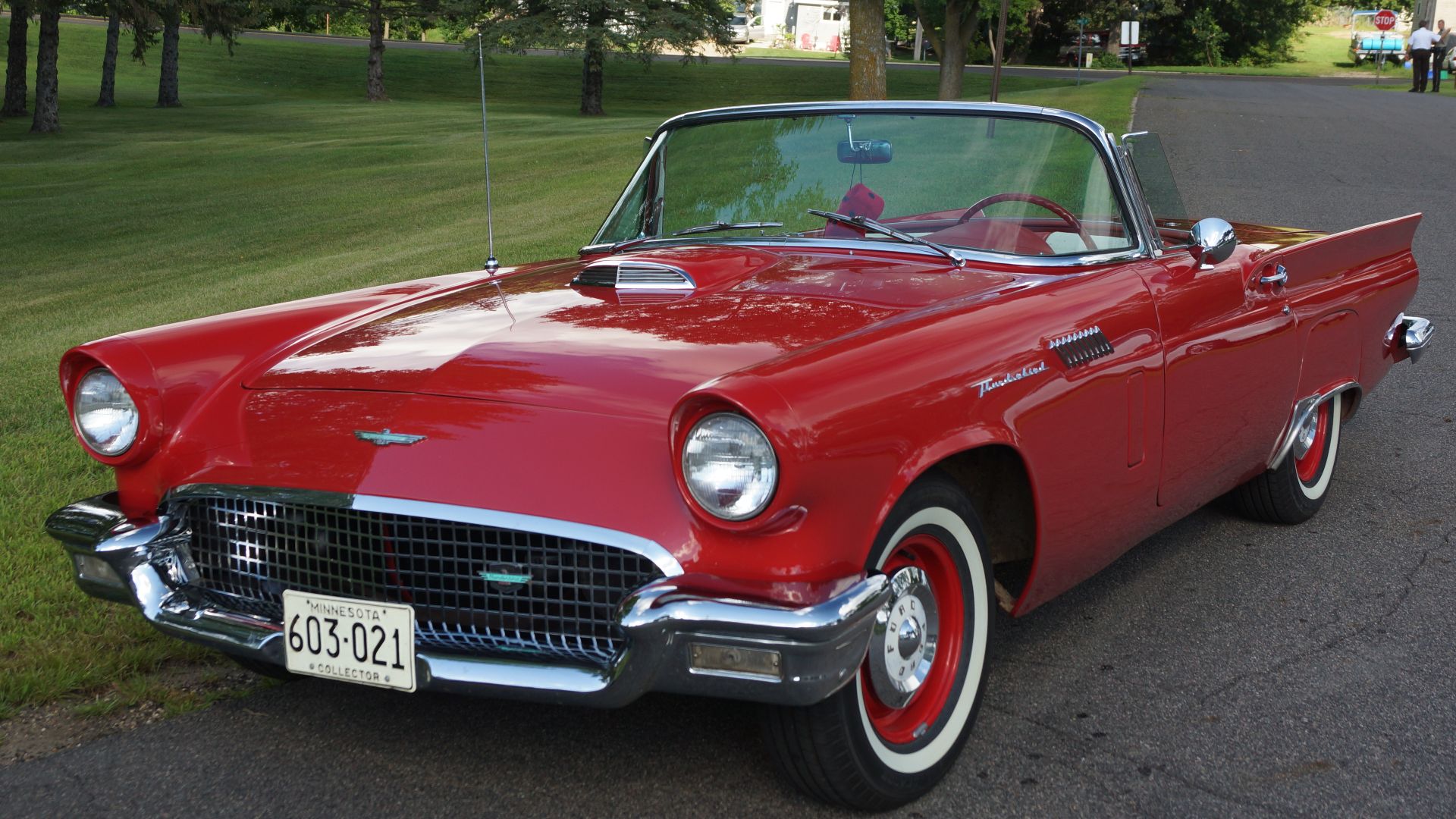
6. Ford Thunderbird
Early Thunderbirds are beautiful, but people sometimes remember them as something sportier than Ford actually intended. After its earliest years, the Thunderbird increasingly became a personal luxury car focused more on cruising than cornering. The styling aged wonderfully, while the driving dynamics don't always live up to the sporty image the name still carries.
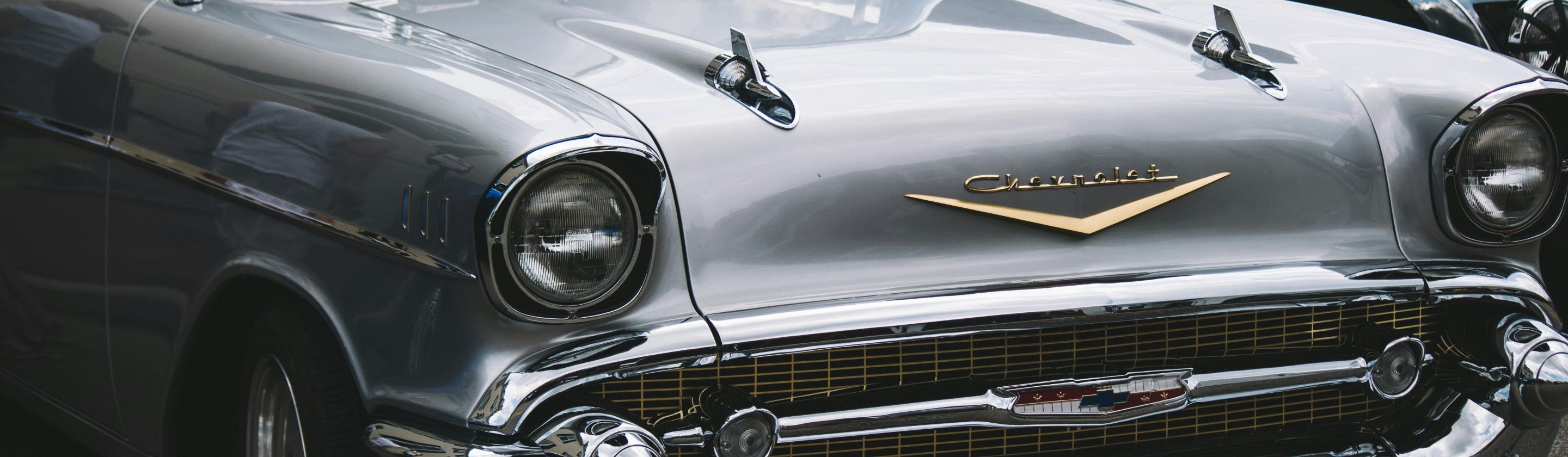
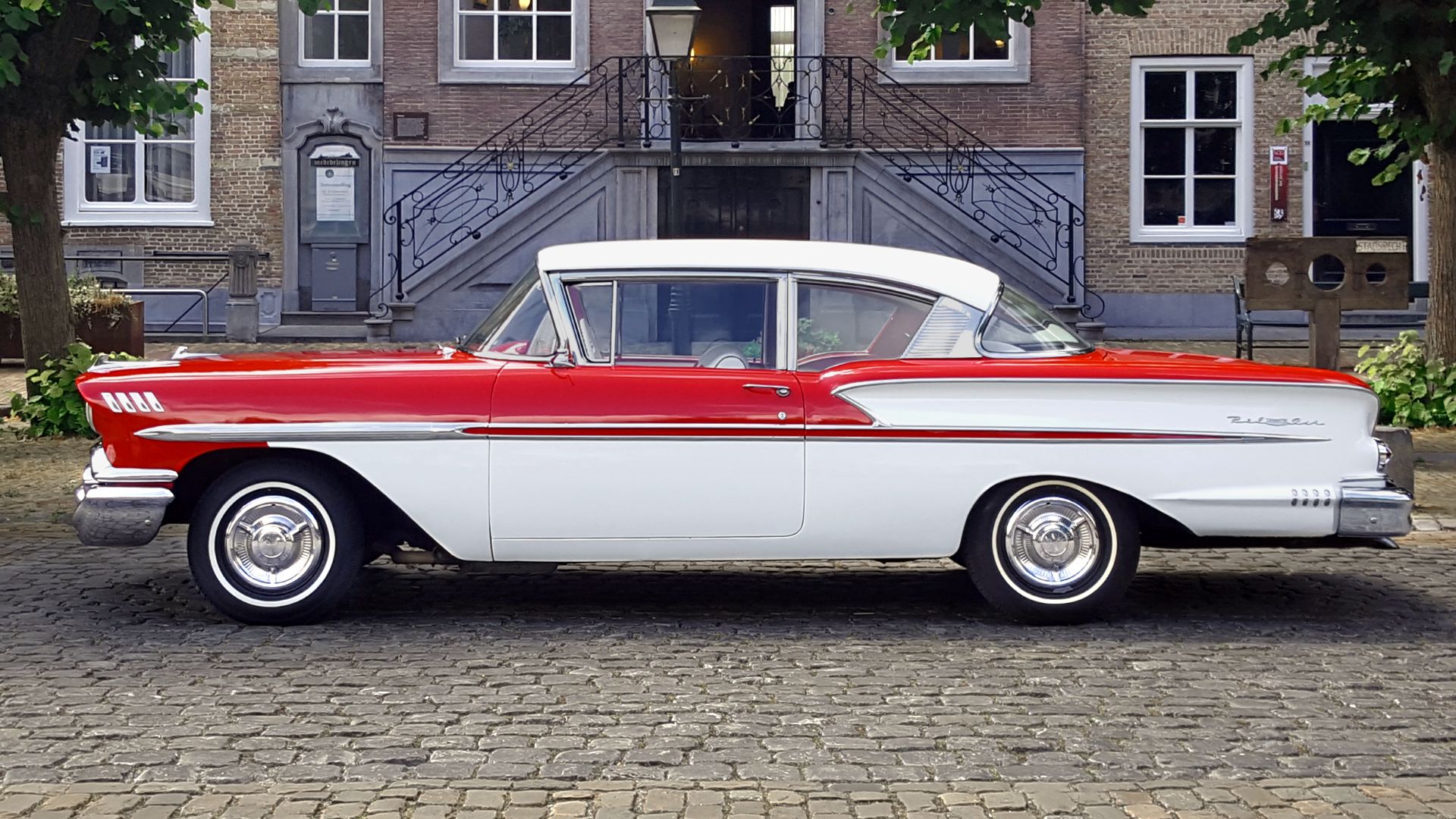
7. Chevrolet Bel Air
Few 1950s cars are as instantly recognizable as a 1957 Chevrolet Bel Air. Its chrome, tailfins, and bright colors have helped turn it into shorthand for an entire era of American motoring. Drive one without the nostalgia, though, and you're still dealing with soft handling, old-fashioned brakes, and a driving position that feels far removed from anything remotely sporty.
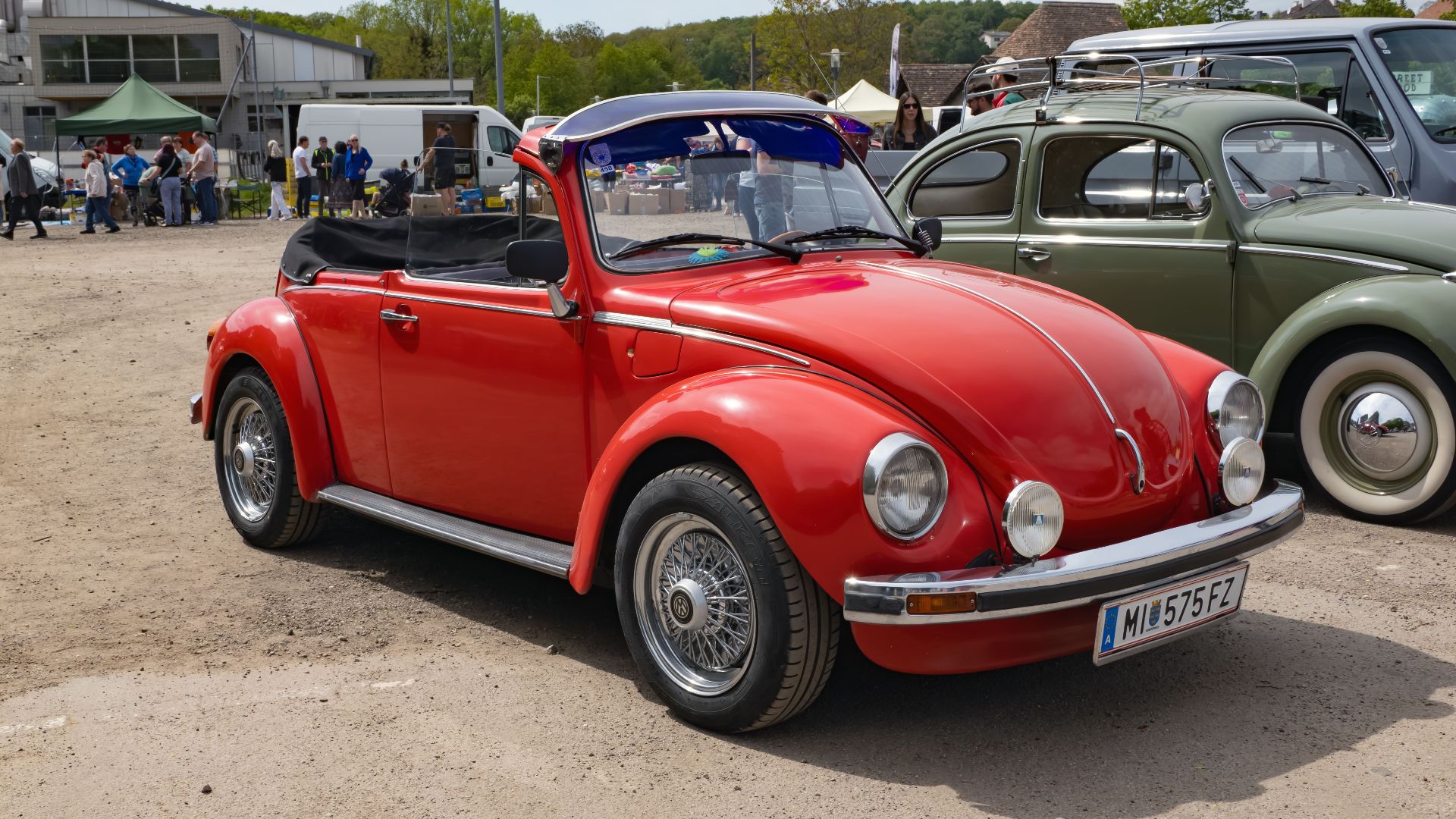
8. Volkswagen Beetle
Boomers didn't have to be muscle-car fans to develop strong feelings about the original Beetle. It was affordable, distinctive, mechanically simple, and deeply connected with youth culture. Those qualities don't erase the modest performance, noisy cabin, unusual ergonomics, and limited comfort that make driving one today far more charming than genuinely impressive.
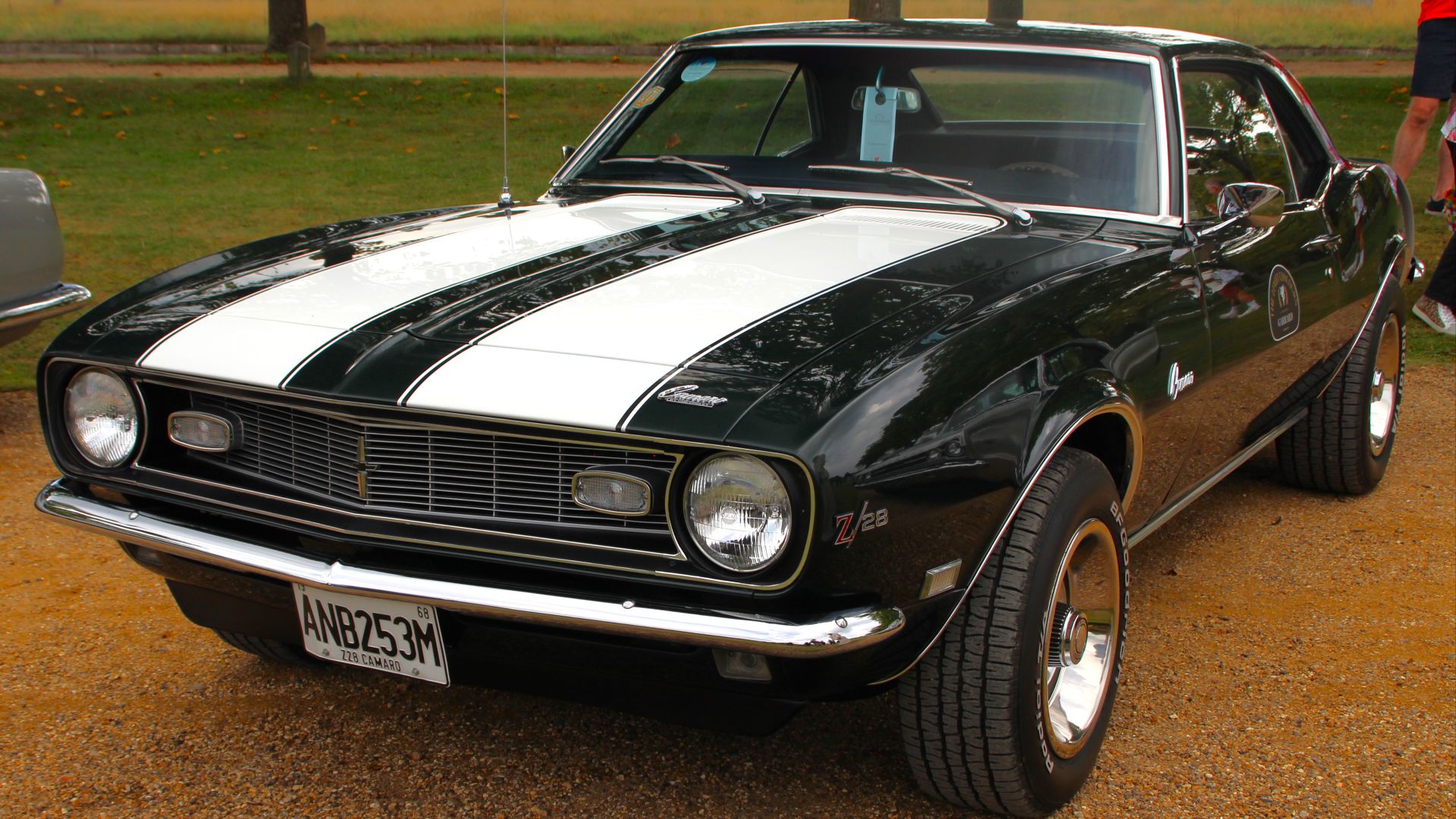
9. Chevrolet Camaro Z28
The early Camaro Z28 has earned a loyal following, especially among people who remember the original pony-car wars. It was genuinely capable for the period, but decades of legend can make it sound almost untouchable. By today's standards, the steering, brakes, grip, and overall chassis behavior make it very clear you're driving a car designed more than half a century ago.
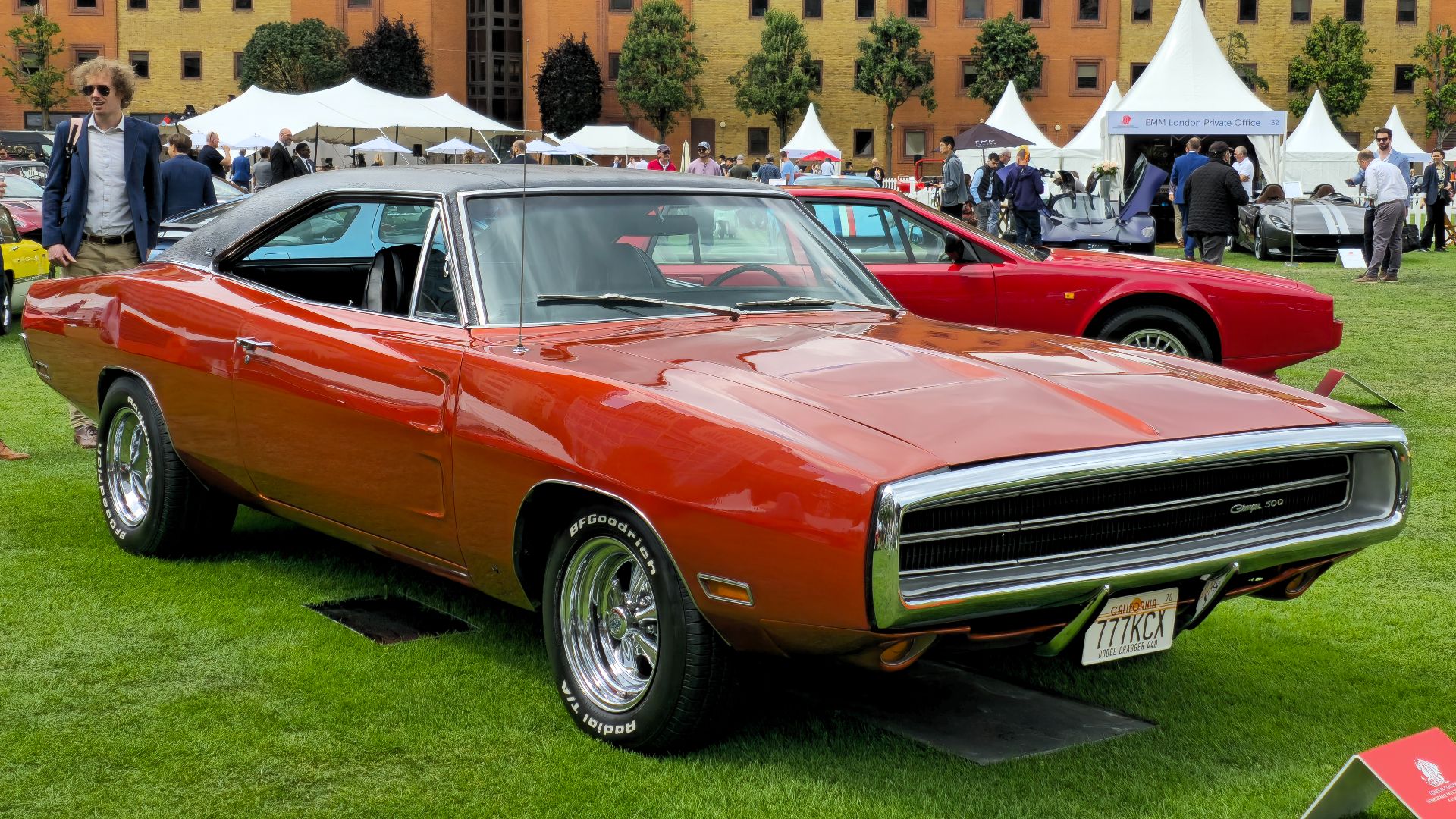
10. Dodge Charger R/T
A classic Charger R/T has a presence few modern cars can duplicate, particularly when there's a big-block V8 under the hood. Its movie appearances and muscle-car mythology have only made that reputation stronger over time. Straight-line acceleration was the main attraction, because its size and weight weren't exactly ideal ingredients for sharp handling.
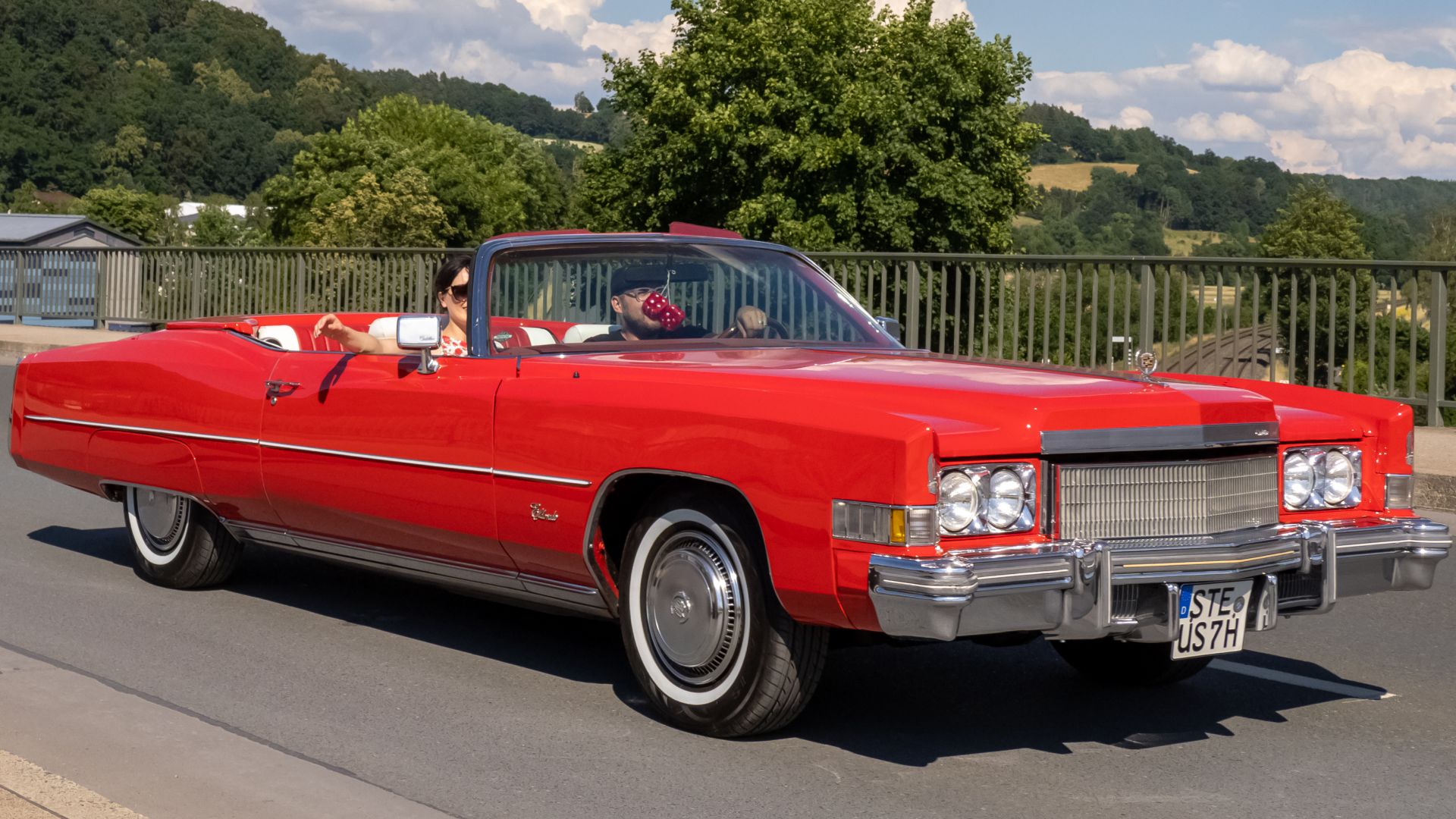
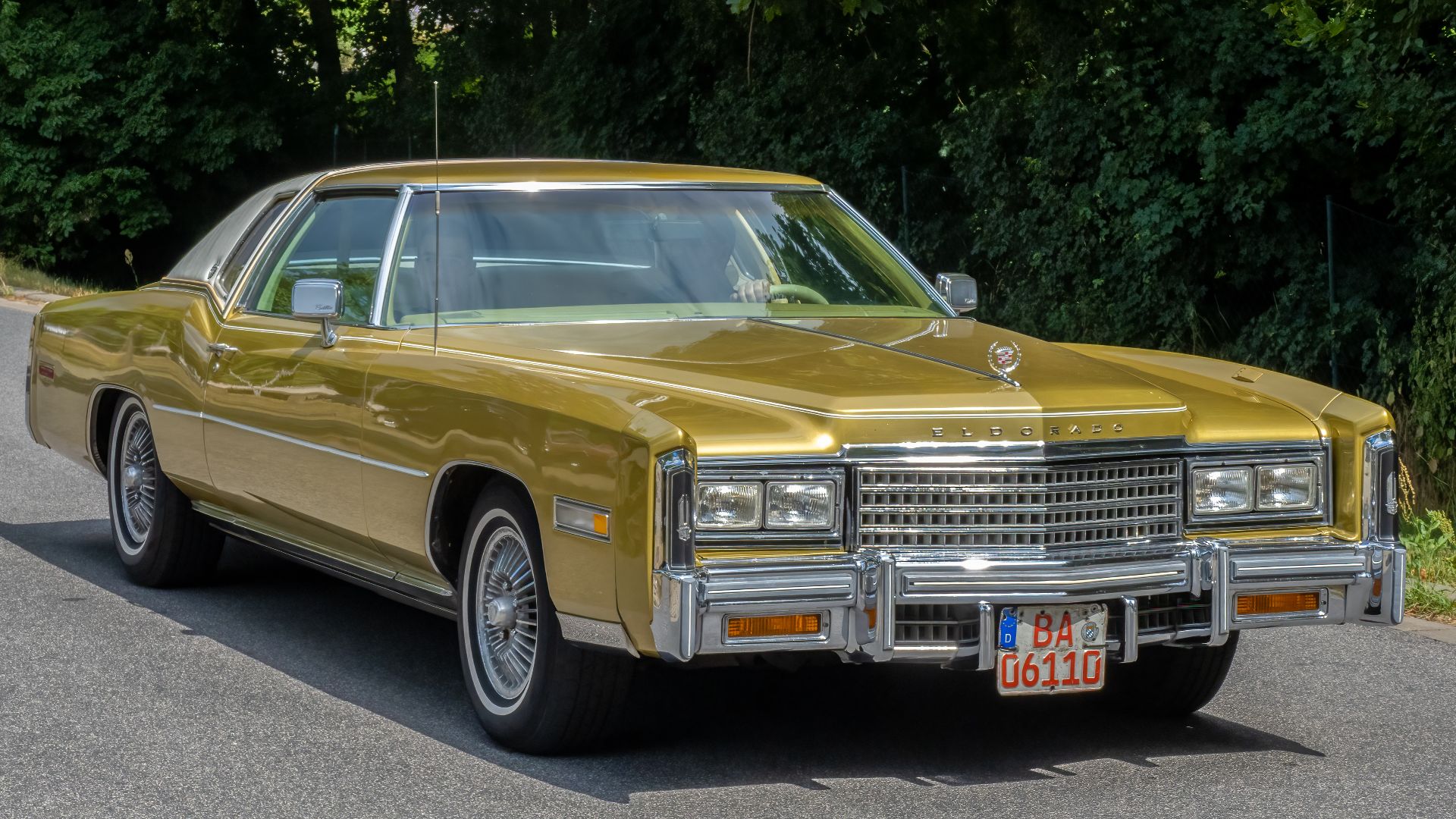
11. Cadillac Eldorado
For drivers who grew up equating size with luxury, the Eldorado could seem like the ultimate automotive status symbol. It offered enormous proportions, plush seating, and the kind of road presence that made subtlety completely optional. Today, its vague steering, considerable weight, and thirst for fuel can make the whole experience feel more excessive than luxurious.
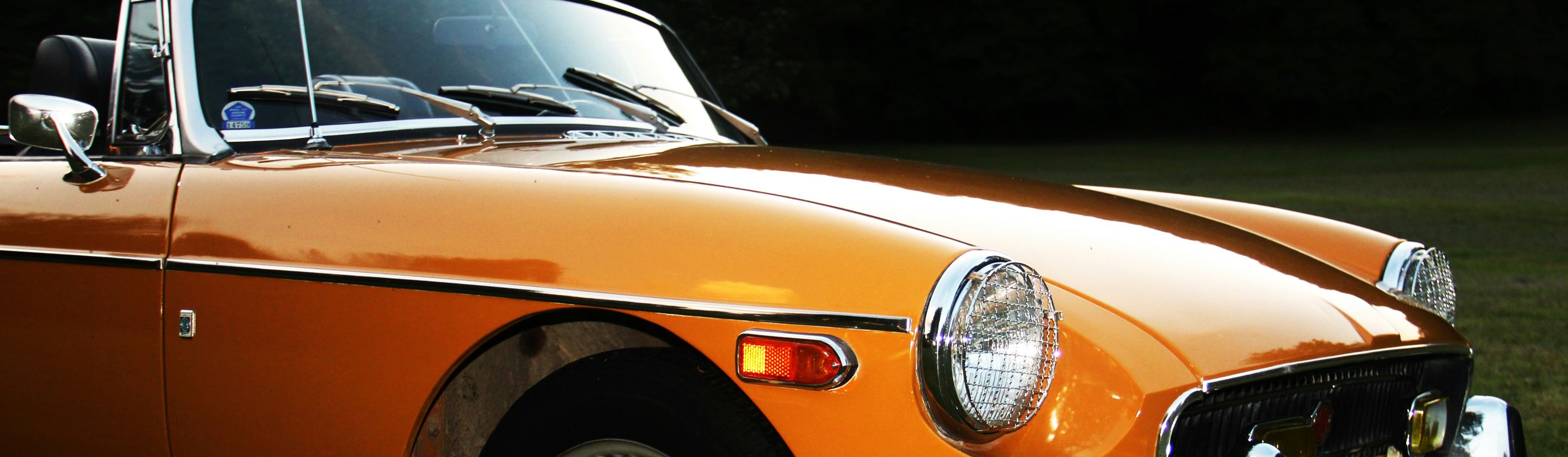
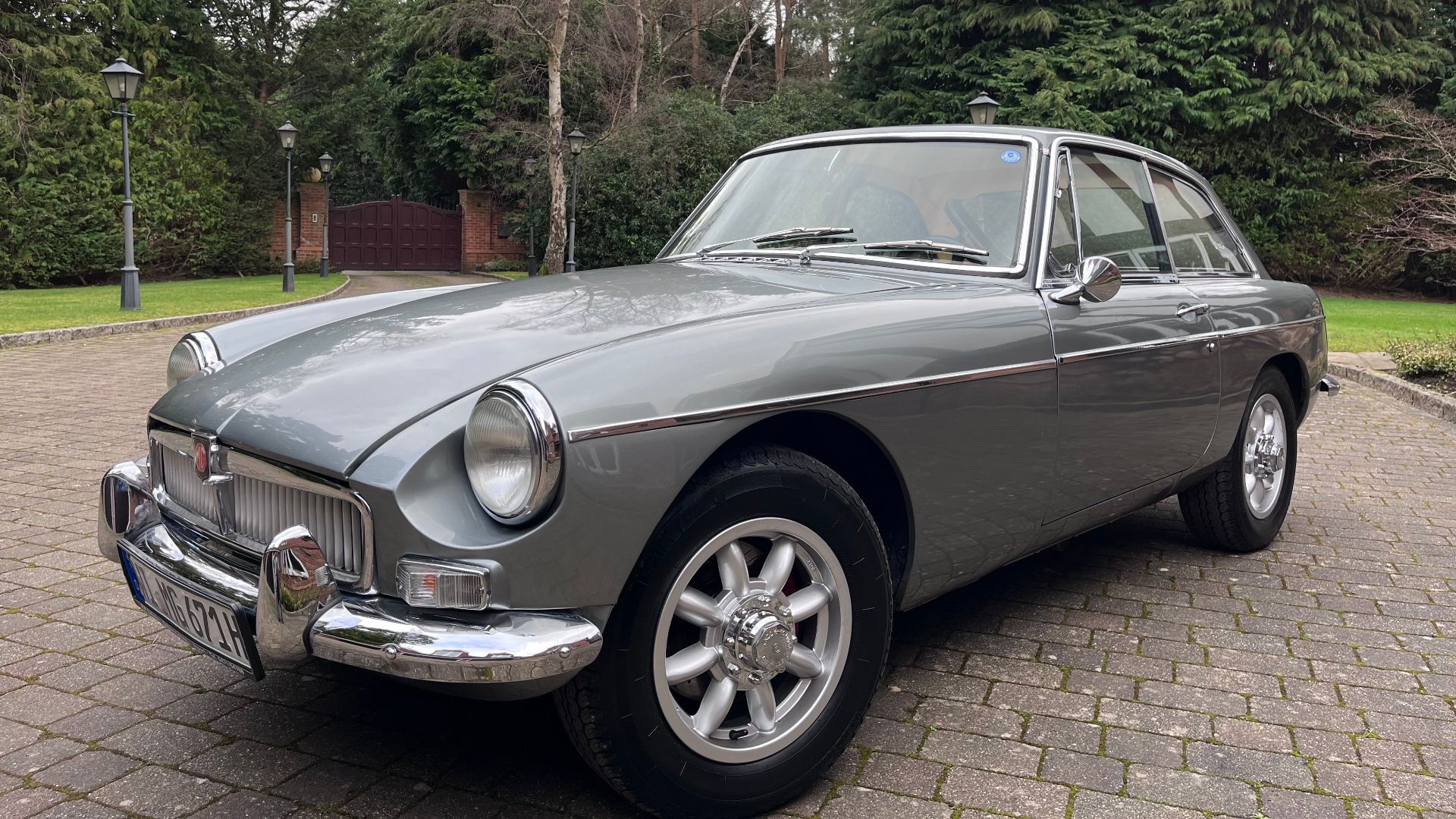
12. MGB
British roadsters inspired generations of enthusiasts, and the MGB became one of the most recognizable of the bunch. Its light weight and open-top character are fun, but the car's modest power and reputation for electrical quirks can challenge some of the rosier memories. It's enjoyable when everything is working, although you probably won't mistake it for a precision performance machine.
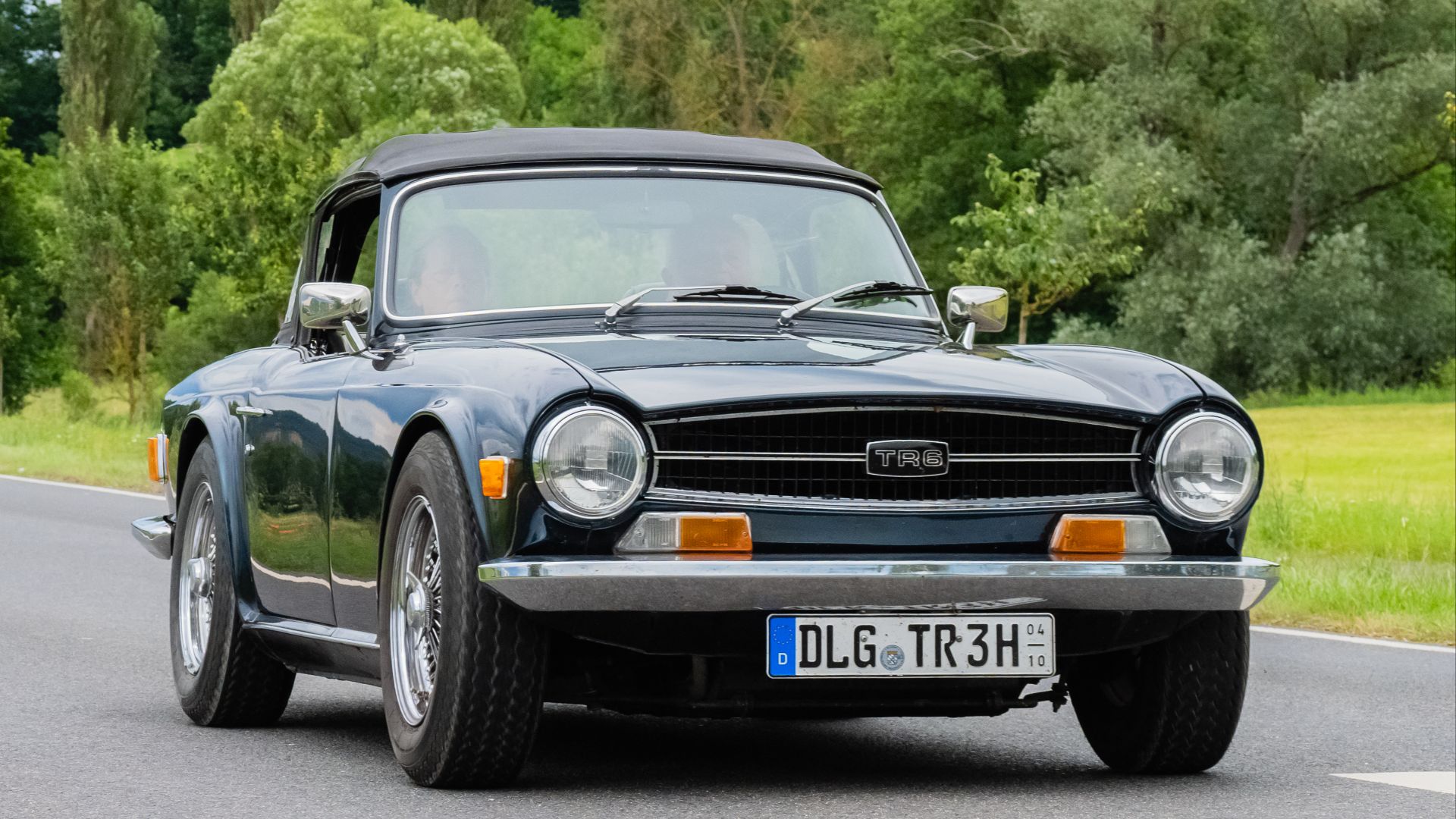
13. Triumph TR6
The TR6 looks fantastic, sounds appropriately sporty, and offers exactly the kind of old-school roadster experience many collectors want. Its reputation can still gloss over a driving experience that's rougher and less dependable than nostalgia suggests. Owners often accept the quirks because they're part of the experience, but that doesn't automatically turn those shortcomings into virtues.
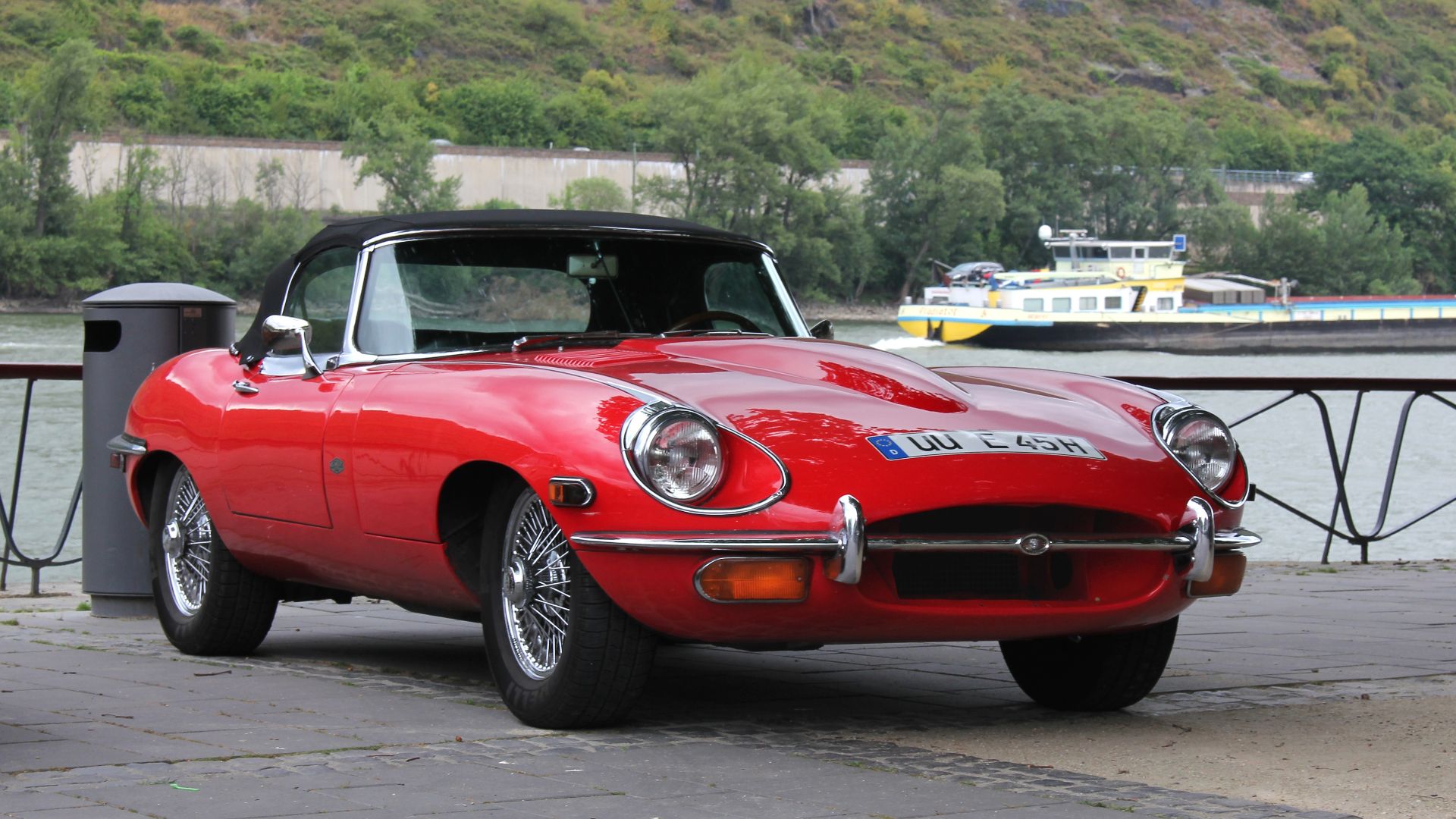
14. Jaguar E-Type
The E-Type remains one of the most admired automotive designs ever created, so questioning its reputation can feel almost forbidden. Visually, there's very little to complain about, but ownership involves a lot more than staring at it in a garage. Maintenance demands, cooling issues on neglected examples, and the realities of decades-old British engineering can make the fantasy considerably more complicated.
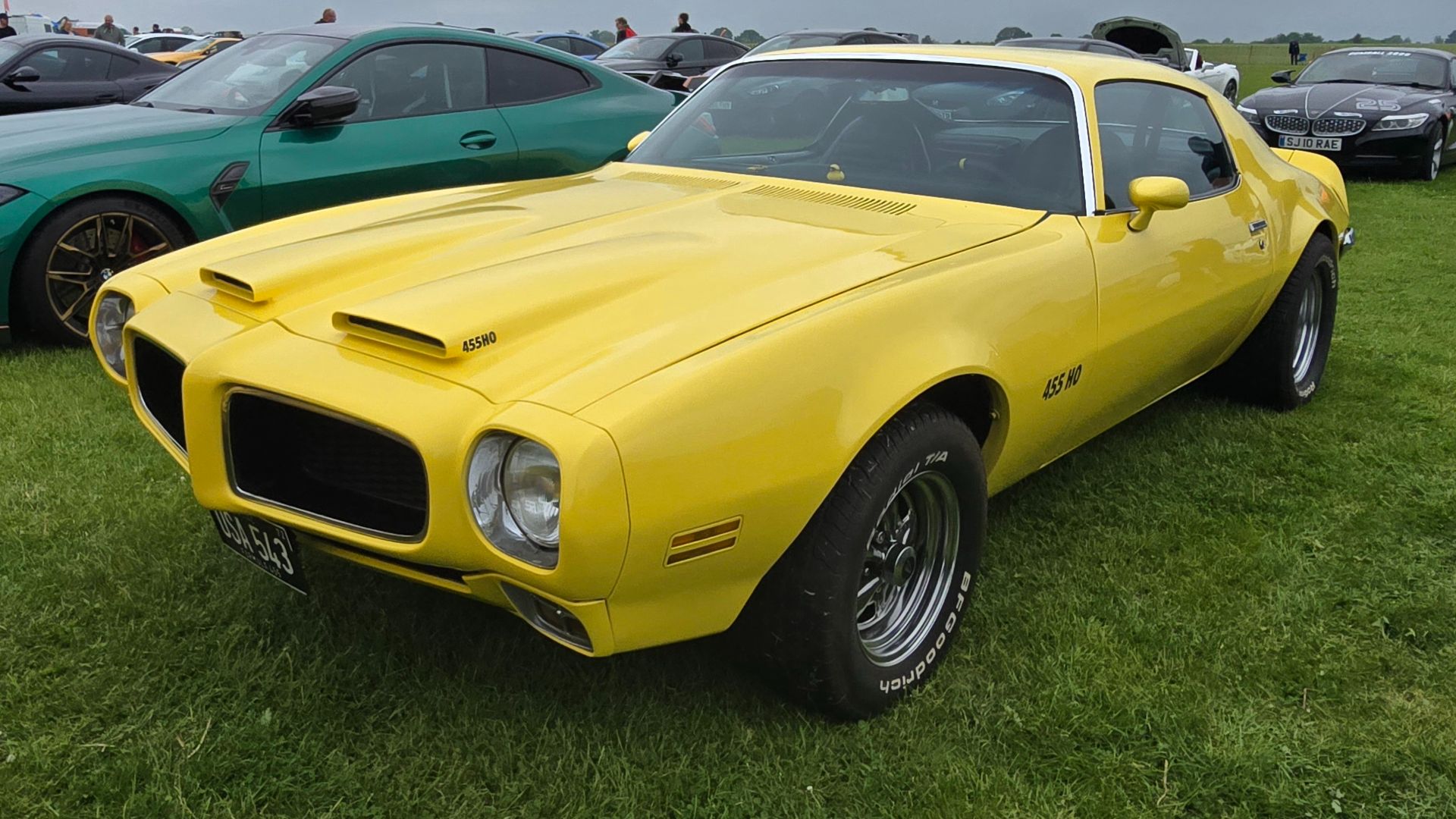
15. Pontiac Firebird Trans Am
The Trans Am became a cultural icon during an era when American performance was struggling. Giant hood graphics and aggressive styling created an image of enormous speed even when late-1970s horsepower figures weren't especially remarkable. It's undeniably cool, but much of what people love about it comes from attitude rather than outright capability.
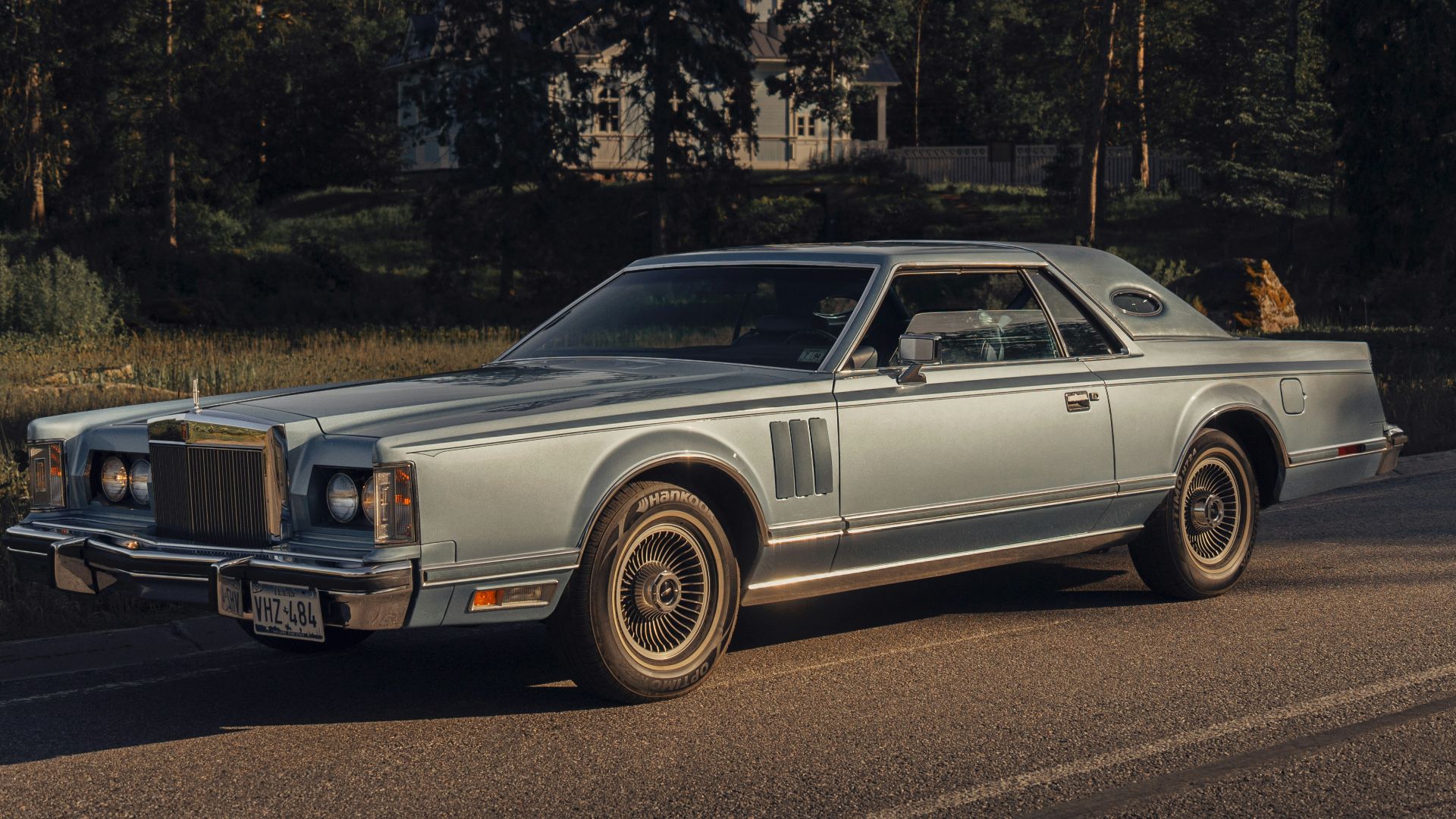
16. Lincoln Continental
The Continental's enormous body and distinctive styling made it impossible to ignore, especially during the 1960s. Plenty of people still associate that sheer size with exceptional comfort and luxury. The trade-off was a heavy car with relaxed handling, considerable fuel consumption, and dimensions that aren't exactly convenient once you leave an open highway.
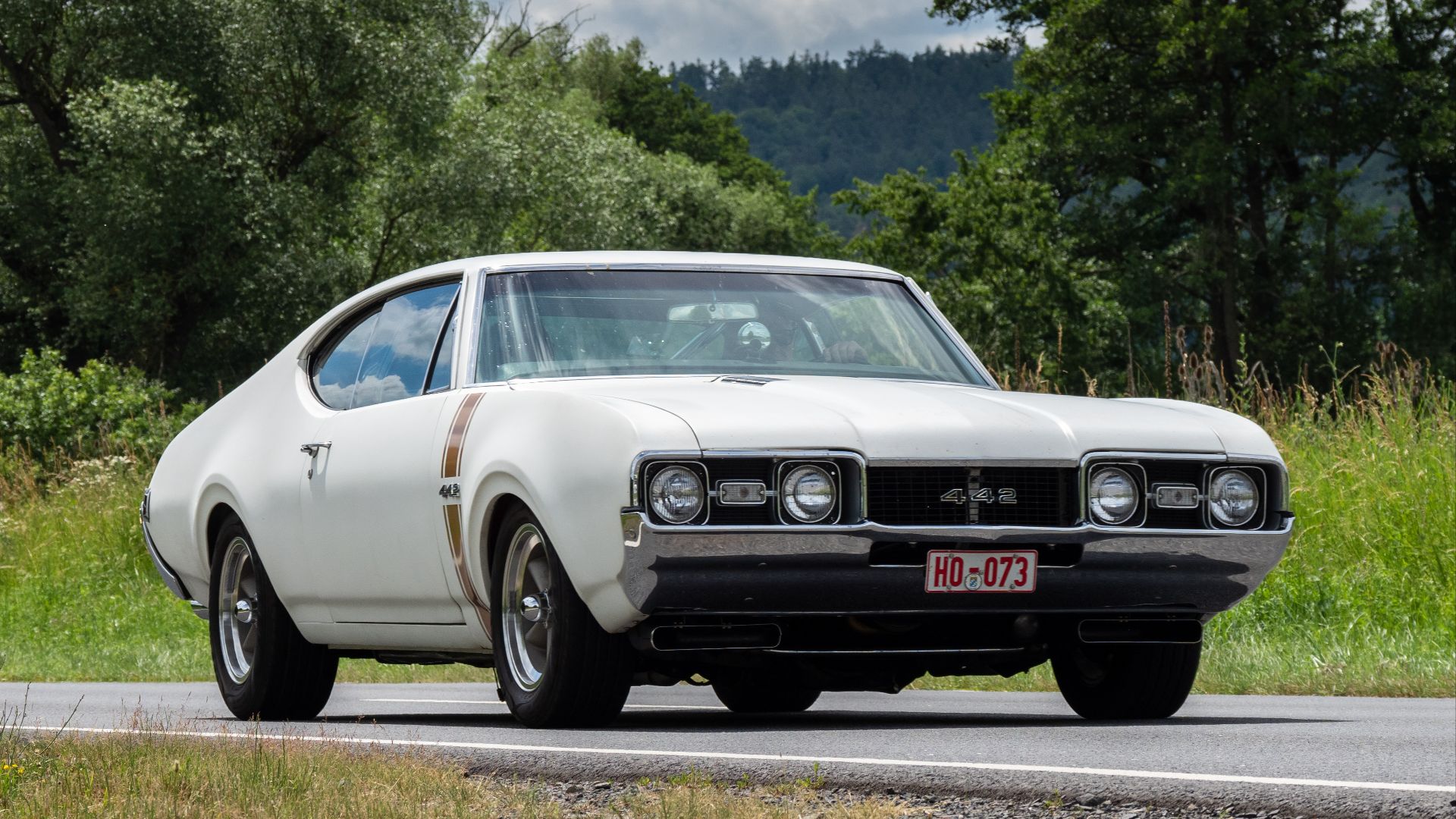
17. Oldsmobile 442
Mention the 442 around classic-car fans, and you're likely to hear stories about one of GM's most underrated muscle cars. Ironically, years of calling it underrated may have pushed its reputation pretty far in the opposite direction. The strongest models were legitimately quick, but ordinary examples still shared the braking, steering, and chassis limitations common to the era.
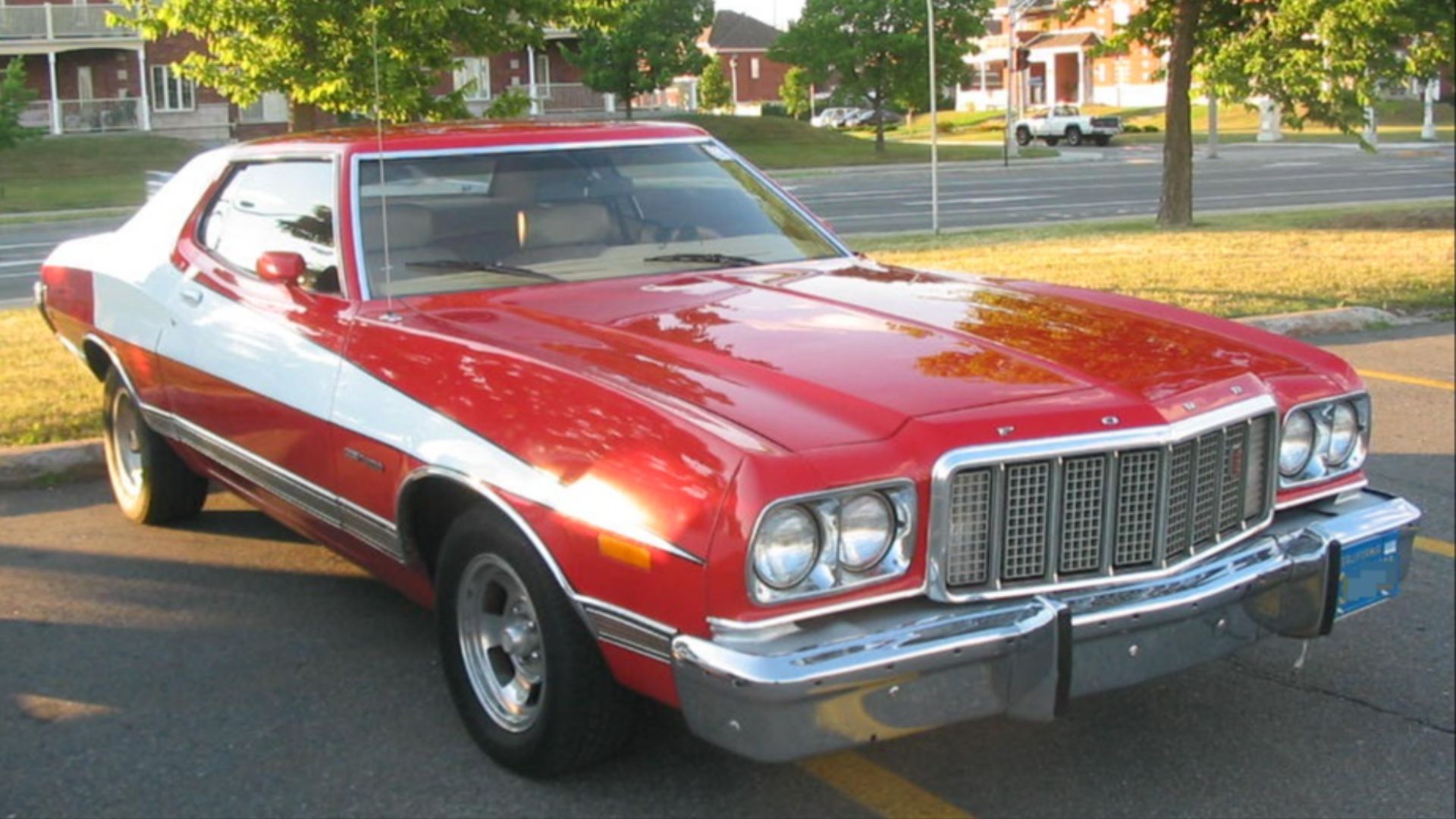
18. Ford Torino
The Torino had all the right ingredients for classic American appeal: a long hood, available V8 power, and plenty of visual attitude. Certain versions have become especially collectible, which can make the entire lineup seem more exciting in hindsight. Many Torinos were heavy, softly sprung everyday cars rather than the muscle machines people tend to picture now.
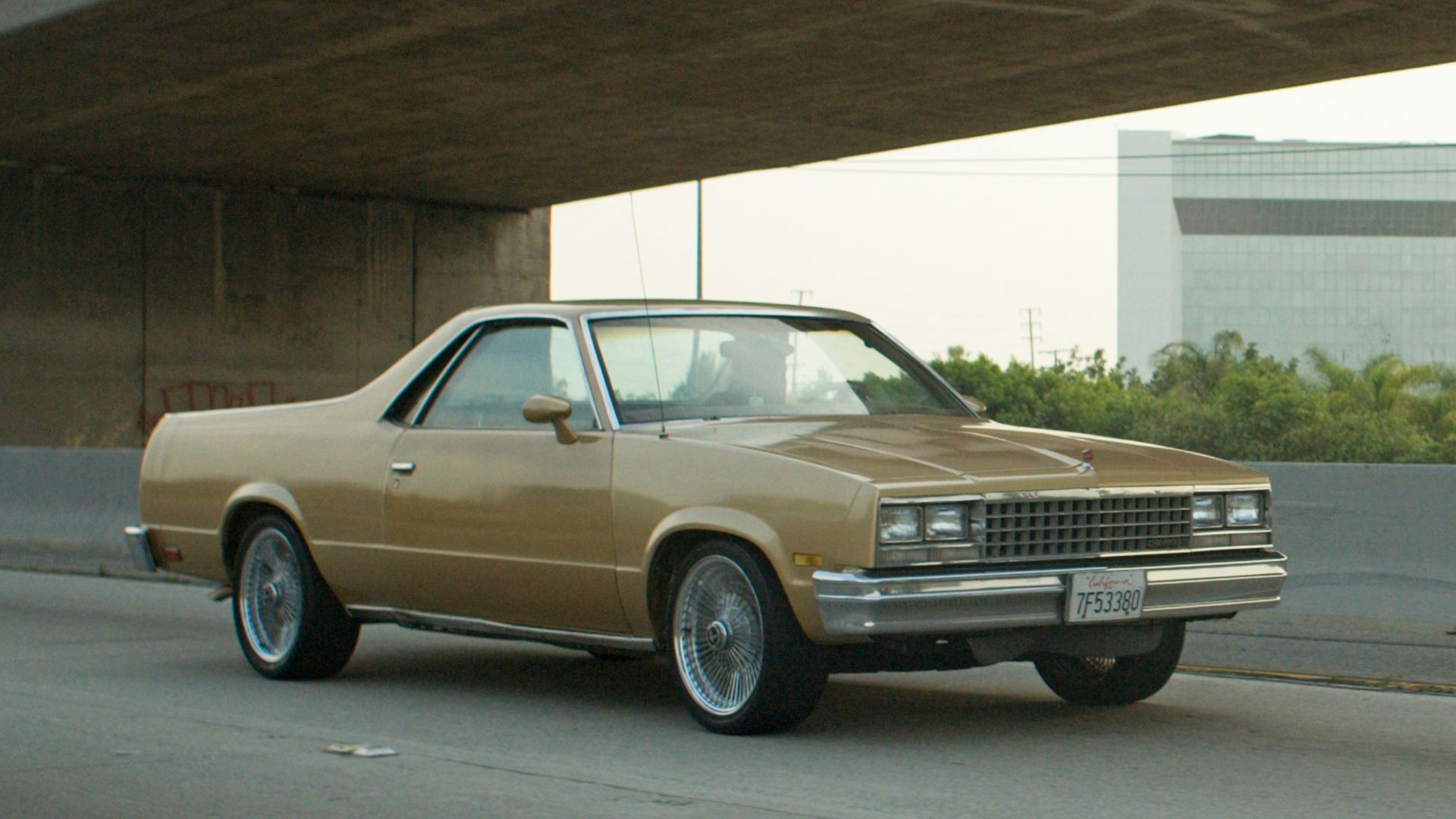
19. Chevrolet El Camino
The El Camino remains endlessly cool because it combines two things Americans traditionally love: cars and pickup beds. That unusual design is also why people sometimes give it more credit than its actual abilities justify. It wasn't as practical as a dedicated truck or as balanced as a conventional performance car, leaving personality as one of its biggest selling points.
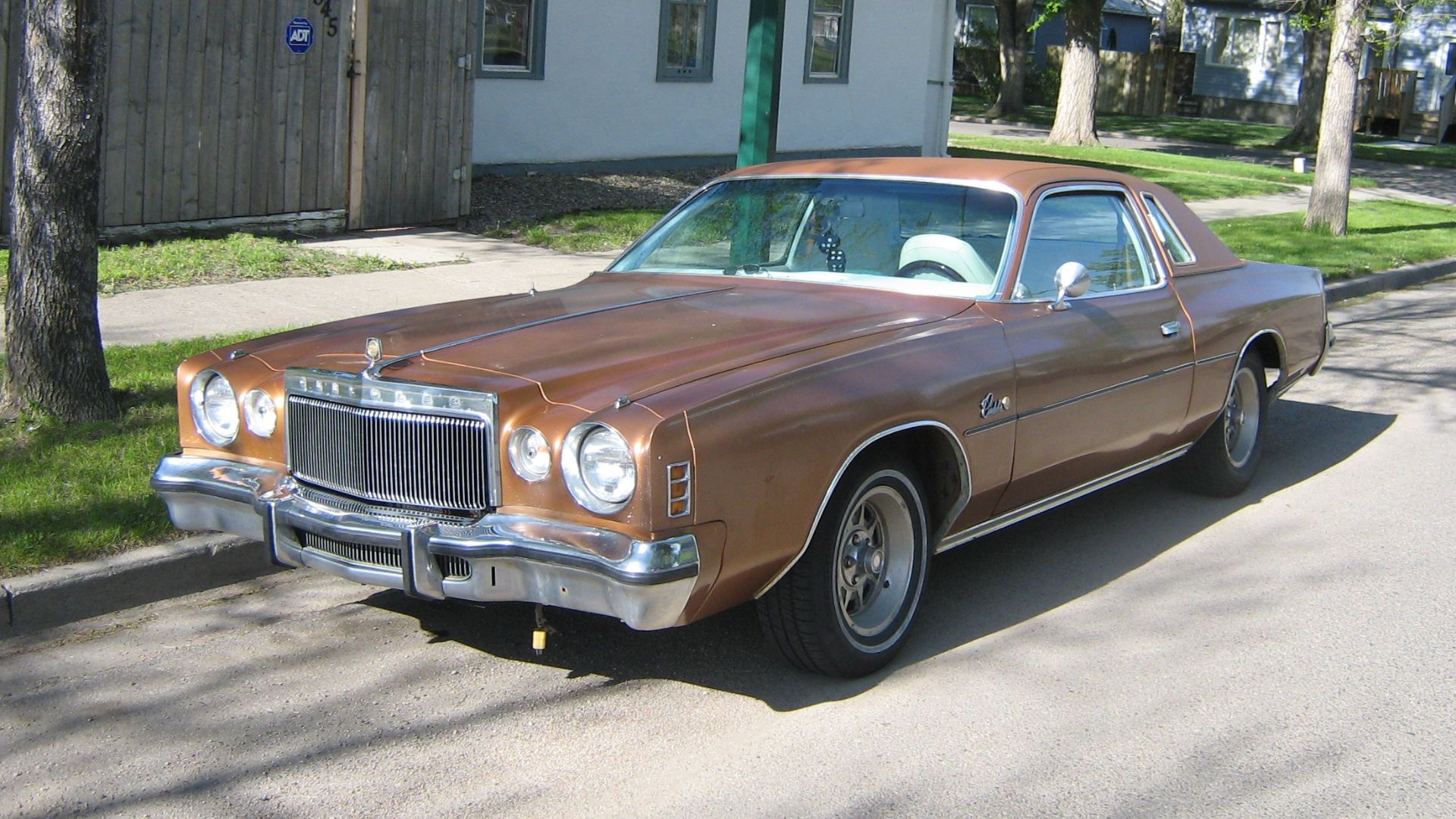
20. Chrysler Cordoba
The Cordoba was marketed as an upscale personal luxury coupe, and plenty of buyers were taken with its plush interior and formal styling. Its reputation benefited enormously from the image of comfort and sophistication surrounding cars of that era. Beneath all that padding and ornamentation, though, you were still dealing with a large, heavy coupe from one of Detroit's less performance-focused periods.