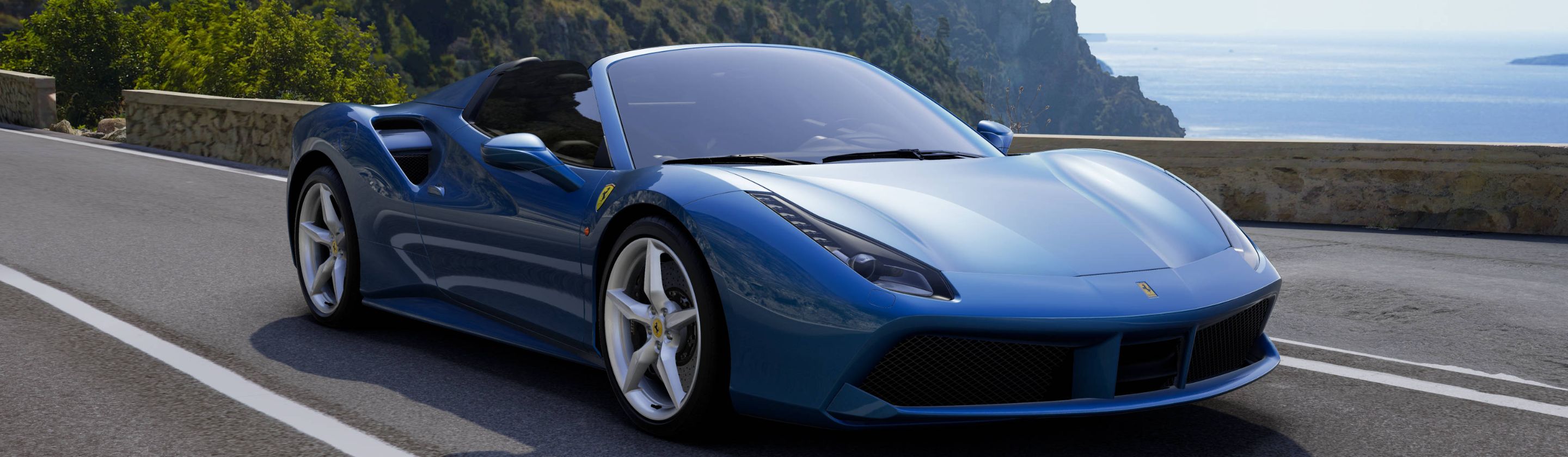

Cars That Built Legacies
History shows how one automobile can shape an entire company’s direction. When the right design reaches drivers, it often leaves a mark that lasts through decades. That moment of connection can define trust in the brand and expand its audience. So, here we are, celebrating 20 such memorable car models that transformed manufacturers into recognized names, proving the influence a single vehicle can have on global recognition.
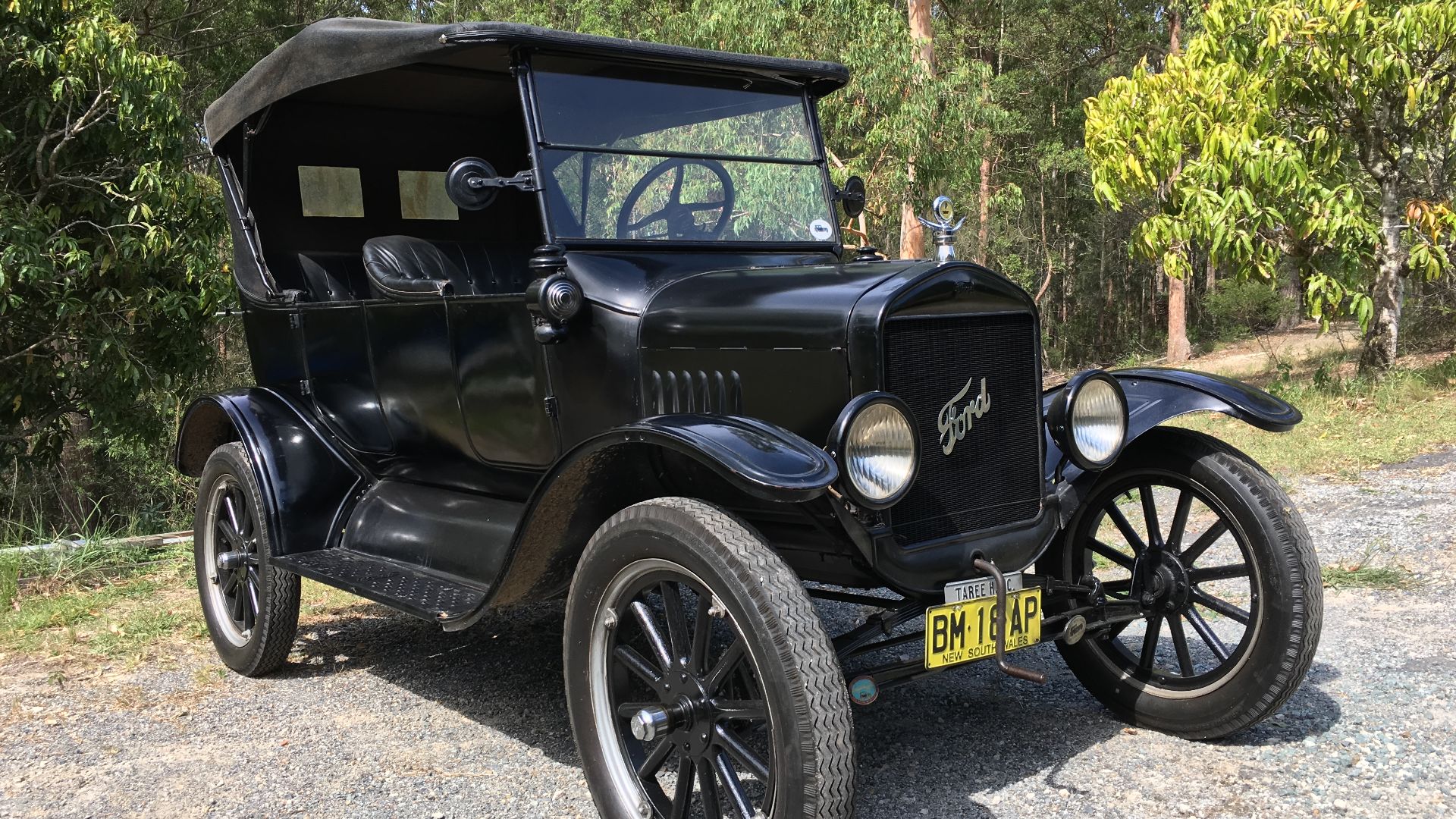
1. Ford Model T
Few cars shaped history like the Model T. Launched in 1908, it was affordable and widely available, thanks to Ford’s innovative production system. Families everywhere loved it, and with millions sold, it secured Ford’s place in automotive legend.
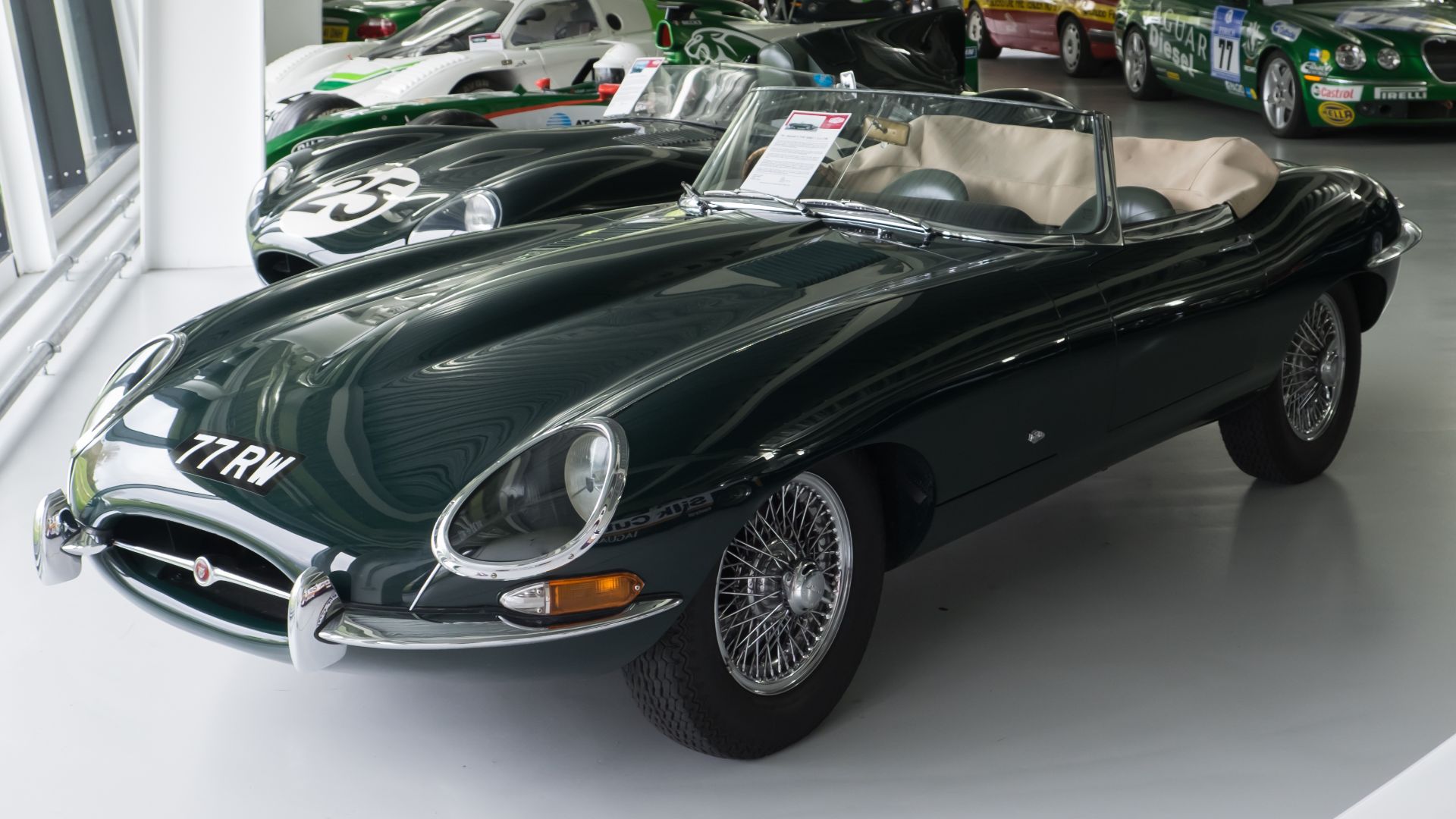
2. Jaguar E-Type
Before the E-Type, sports cars rarely blended sophistication and speed so effortlessly. This performance-driven Jaguar stunned the world with a design that looked like a rolling sculpture. It became one of the most iconic cars ever built.
3. Honda Civic
Honda reached American buyers with the Civic, a car that felt both compact and versatile. Its economy drew attention during the oil crisis. Generations later, it also found new life among tuners who embraced its potential for performance.
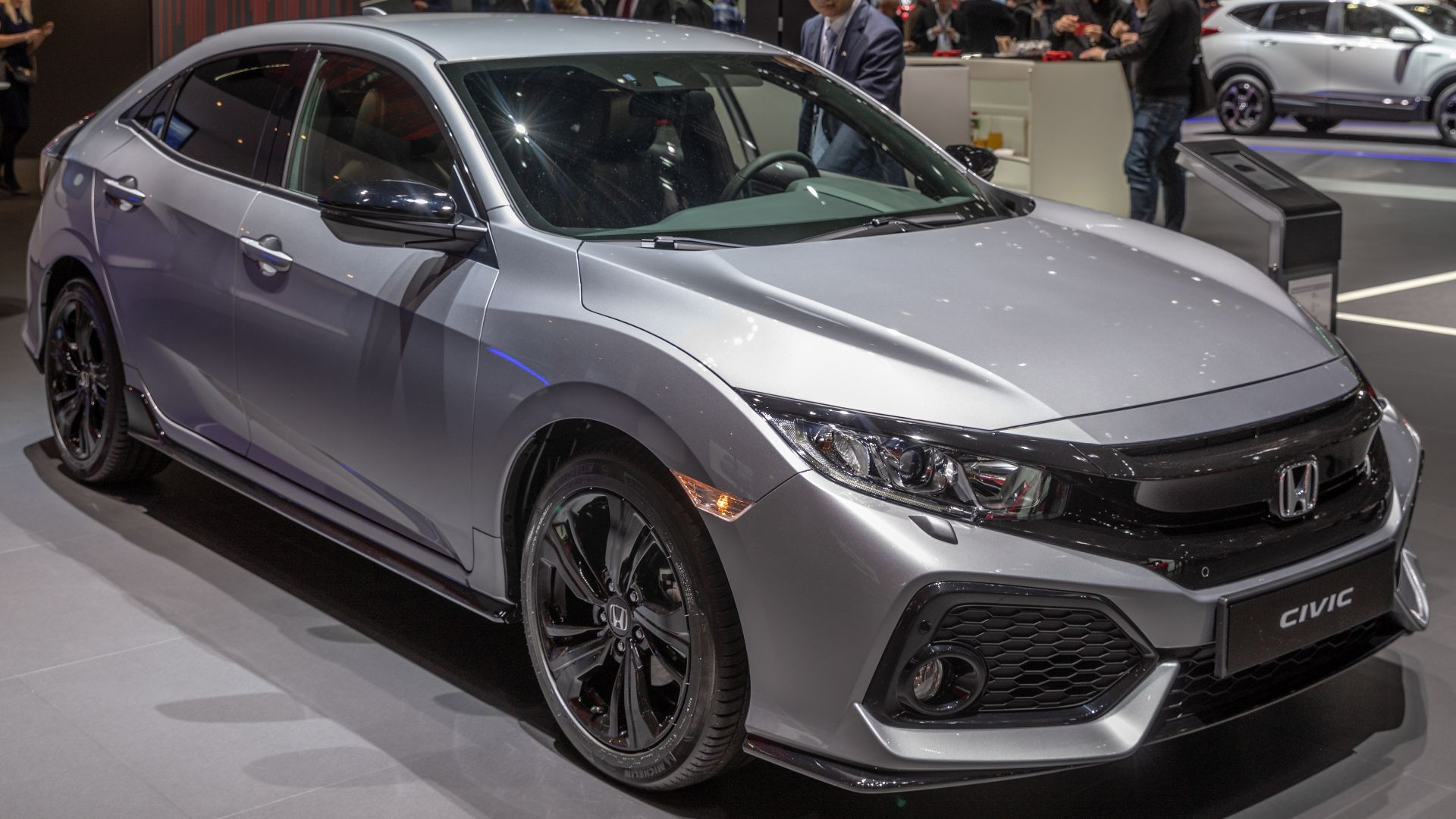
4. BMW 3 Series
Introduced in 1975, the 3 Series became the sport sedan blueprint. It blended luxury with precision driving, making BMW stand out globally. Each generation refined the formula, and the model consistently topped sales charts. For many enthusiasts, the 3 Series defines the BMW experience.
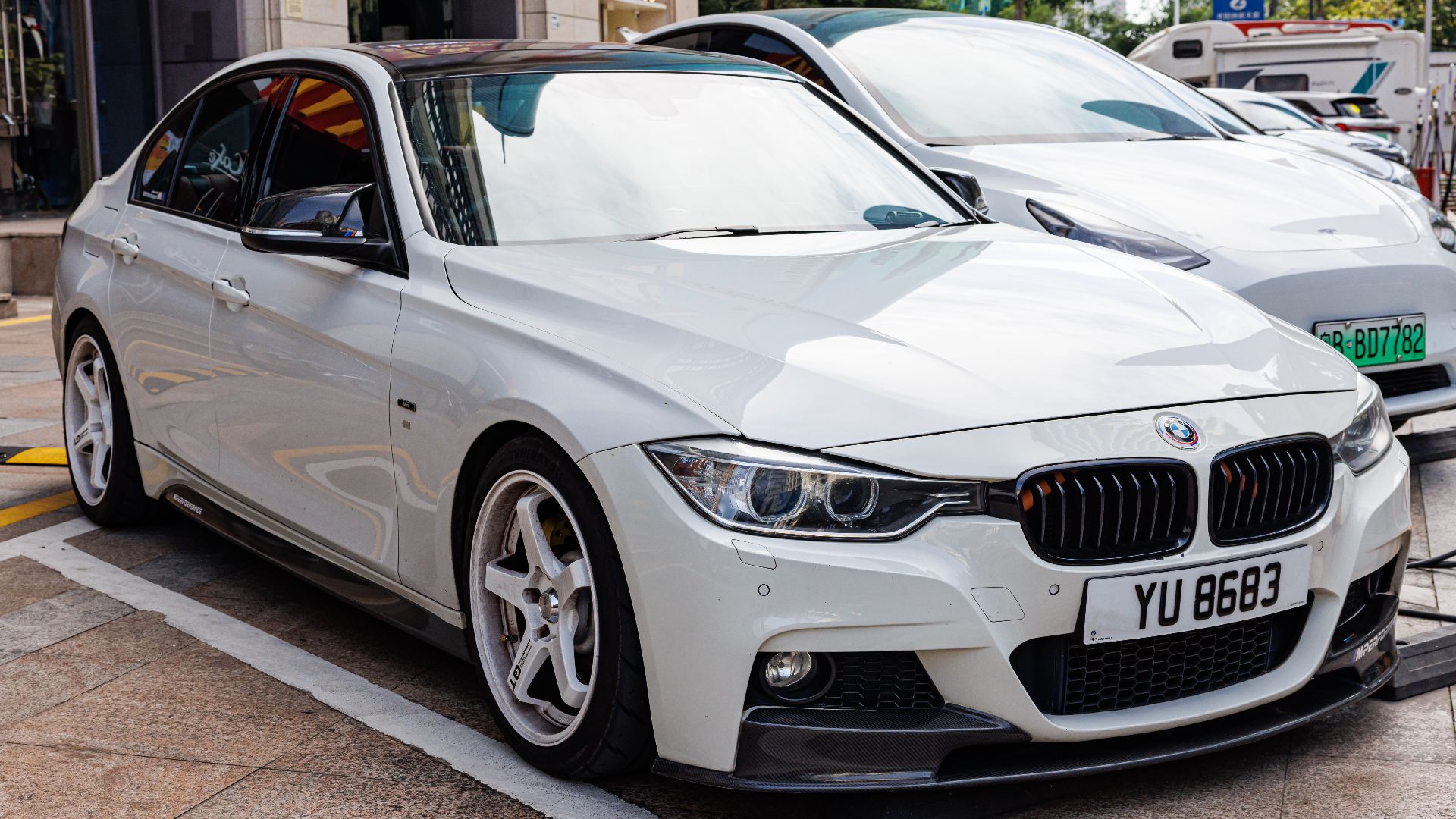
5. Porsche 911
The 911 debuted in 1964 and quickly transformed into a legend. Its rear-engine design gave it a unique driving feel, while Porsche’s constant improvements kept it modern. Over one million examples built show its endurance and make the 911 the company’s most recognizable car.
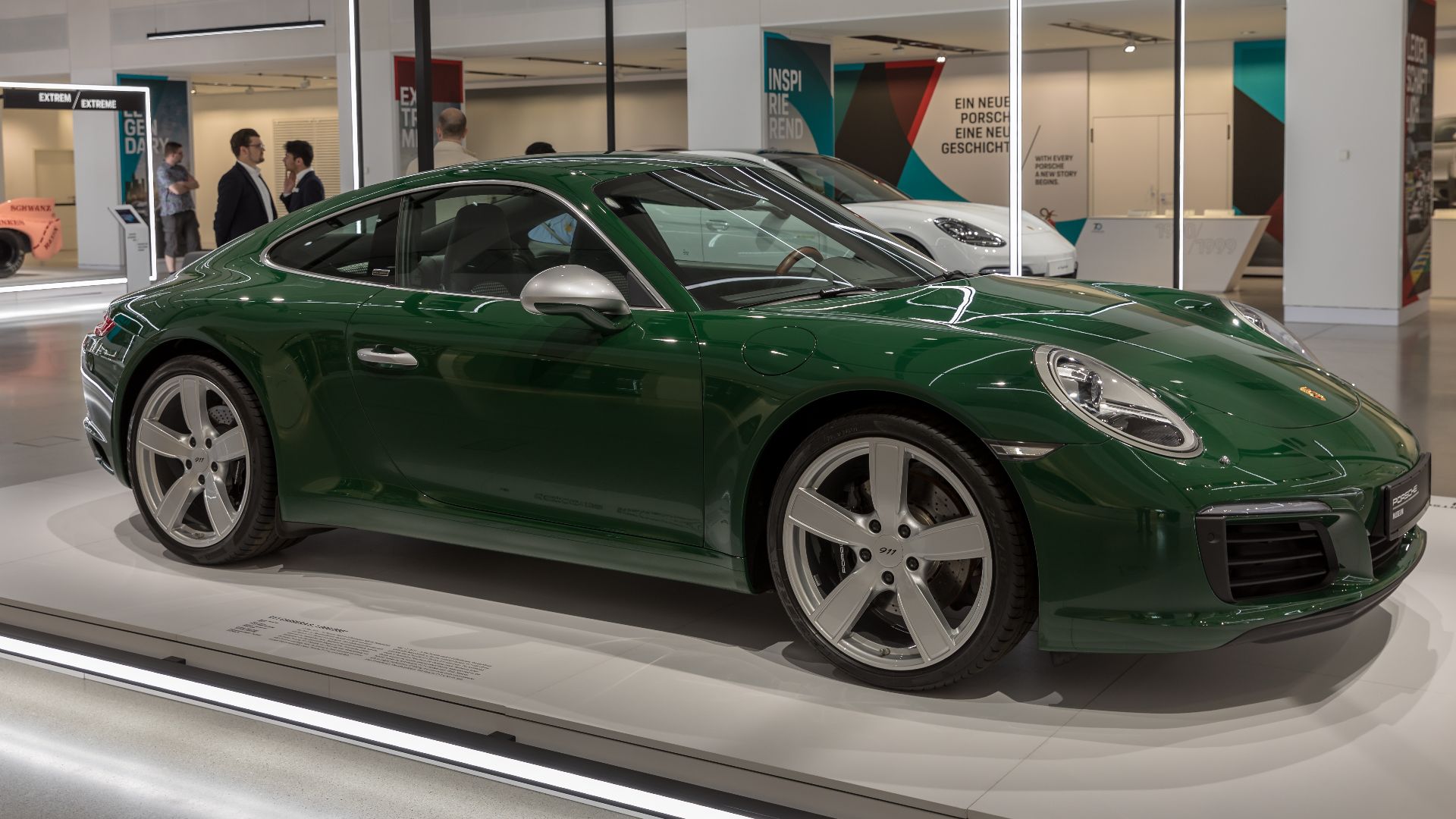
6. Jeep CJ
Born from military vehicles used in World War II, the Jeep CJ reached civilians in 1945. It symbolized rugged independence and outdoor adventure. This utilitarian model became the foundation for today’s thriving SUV market worldwide.
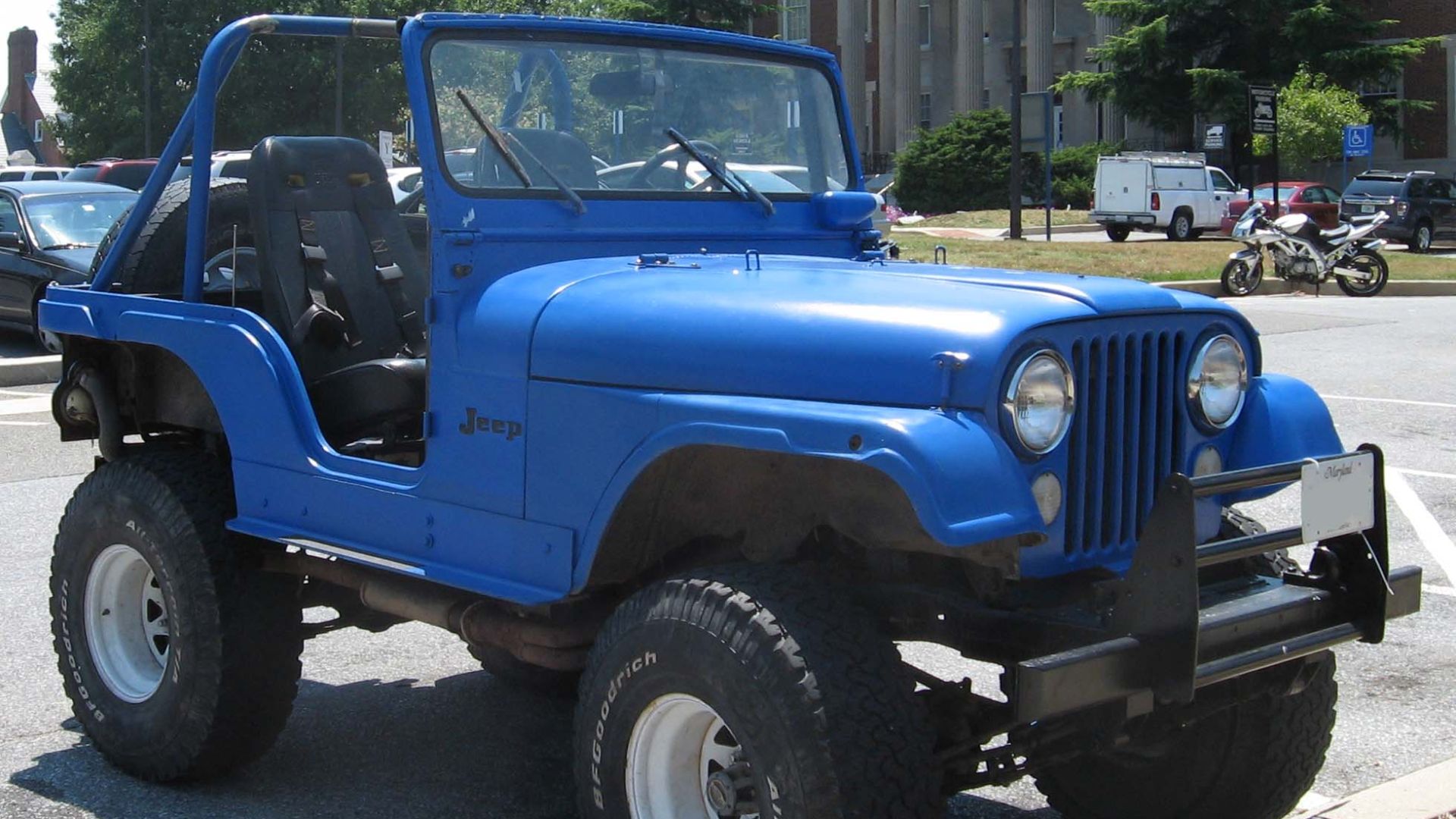
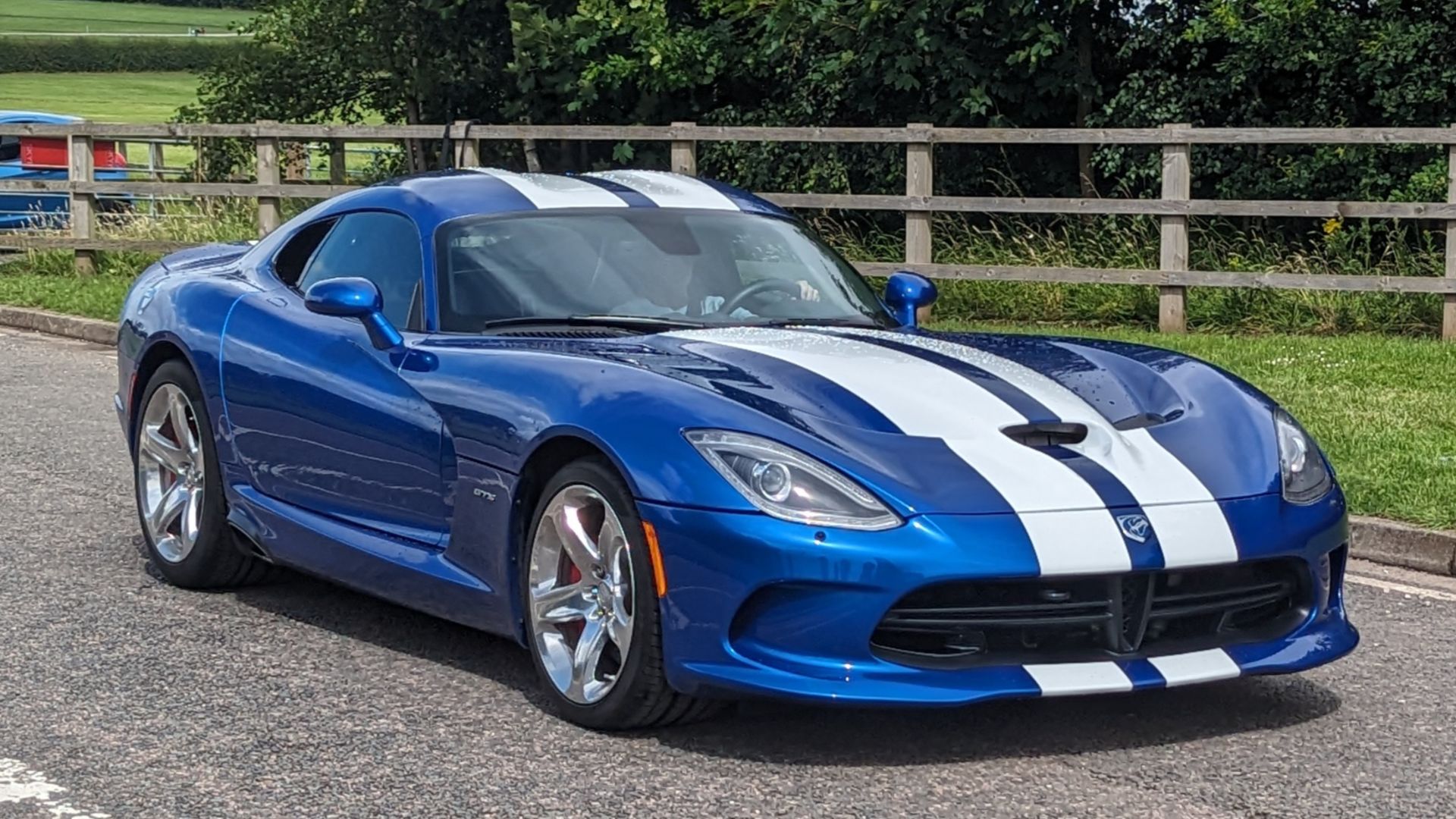
7. Dodge Viper
Brutal power shaped the Viper's identity. Dodge packed a massive V10 under the hood, wrapped it in aggressive styling, and stripped away electronic aids. The result was thrilling and intimidating in equal measure. It gave the brand a muscle-bound flagship that stood apart from its family-friendly lineup.
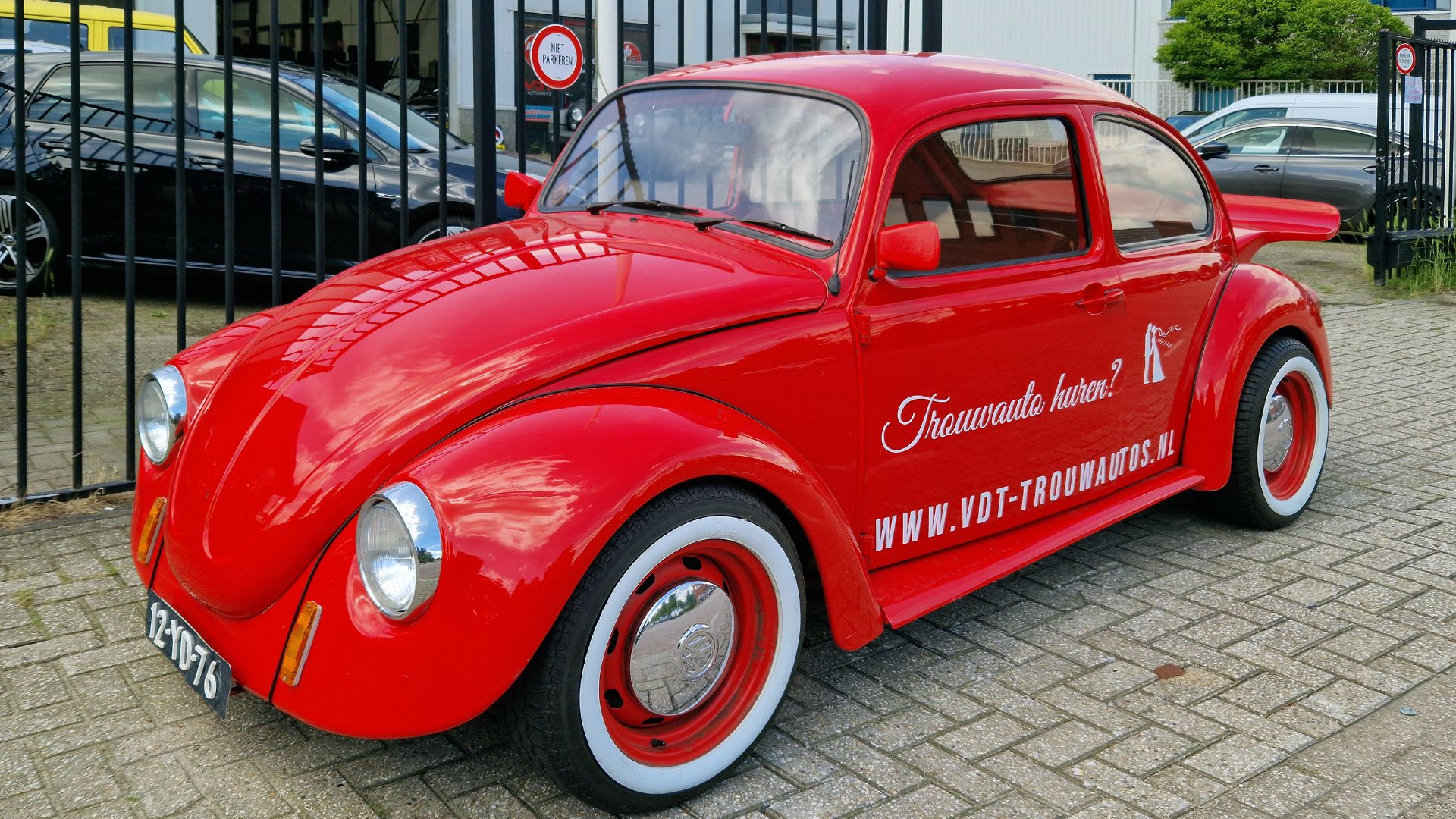
8. Volkswagen Beetle
Designed before World War II and reimagined afterward, the Beetle became a symbol of fun and freedom. Over 21 million units sold worldwide gave Volkswagen unmatched recognition. The car’s round shape and friendly image turned it into an icon of affordability and counterculture spirit.
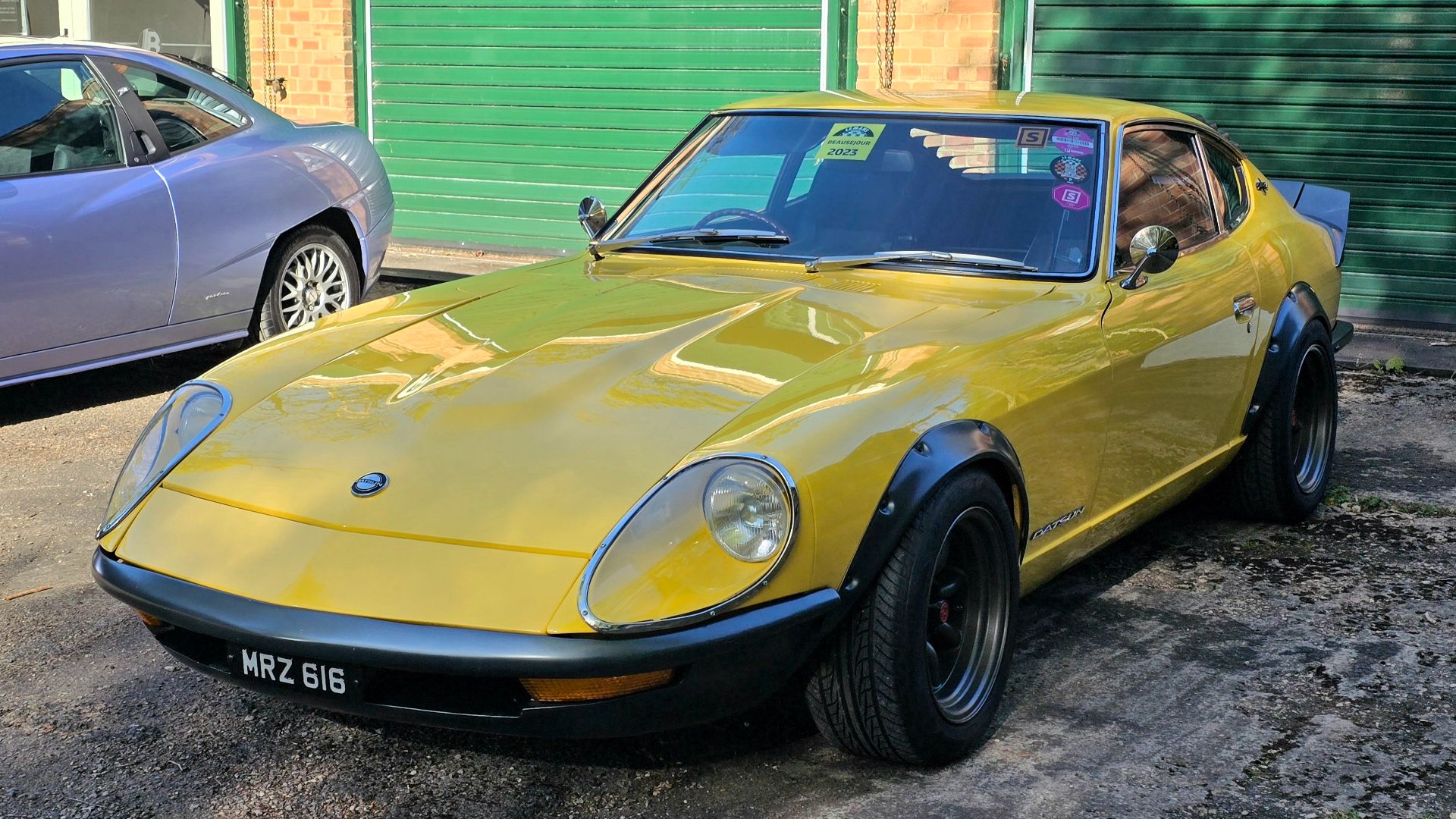
9. Datsun 240Z
Nissan reshaped American perceptions of Japanese cars with the Datsun 240Z in 1969. Affordable and stylish, it offered sports car thrills at a fraction of European prices. The 240Z’s success laid the foundation for Nissan’s global growth and the long-running Z series.
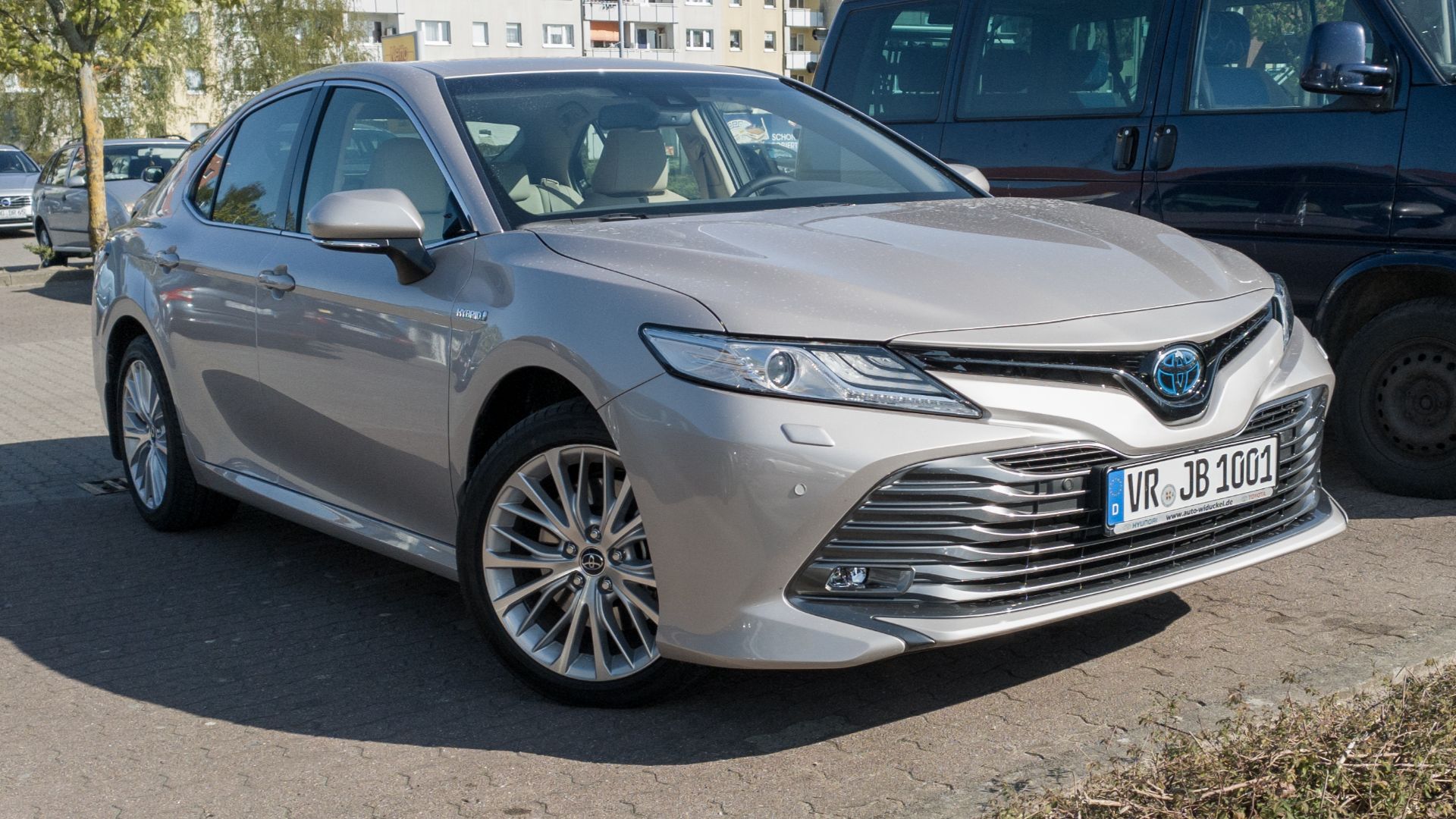
10. Toyota Camry
Introduced in 1982, the Camry became America’s best-selling sedan for decades. Families trusted it for comfort and durability. Nicknamed the “safe choice,” it gave Toyota dominance in the U.S. market. Even today, the Camry continues to anchor Toyota’s lineup as a dependable bestseller.
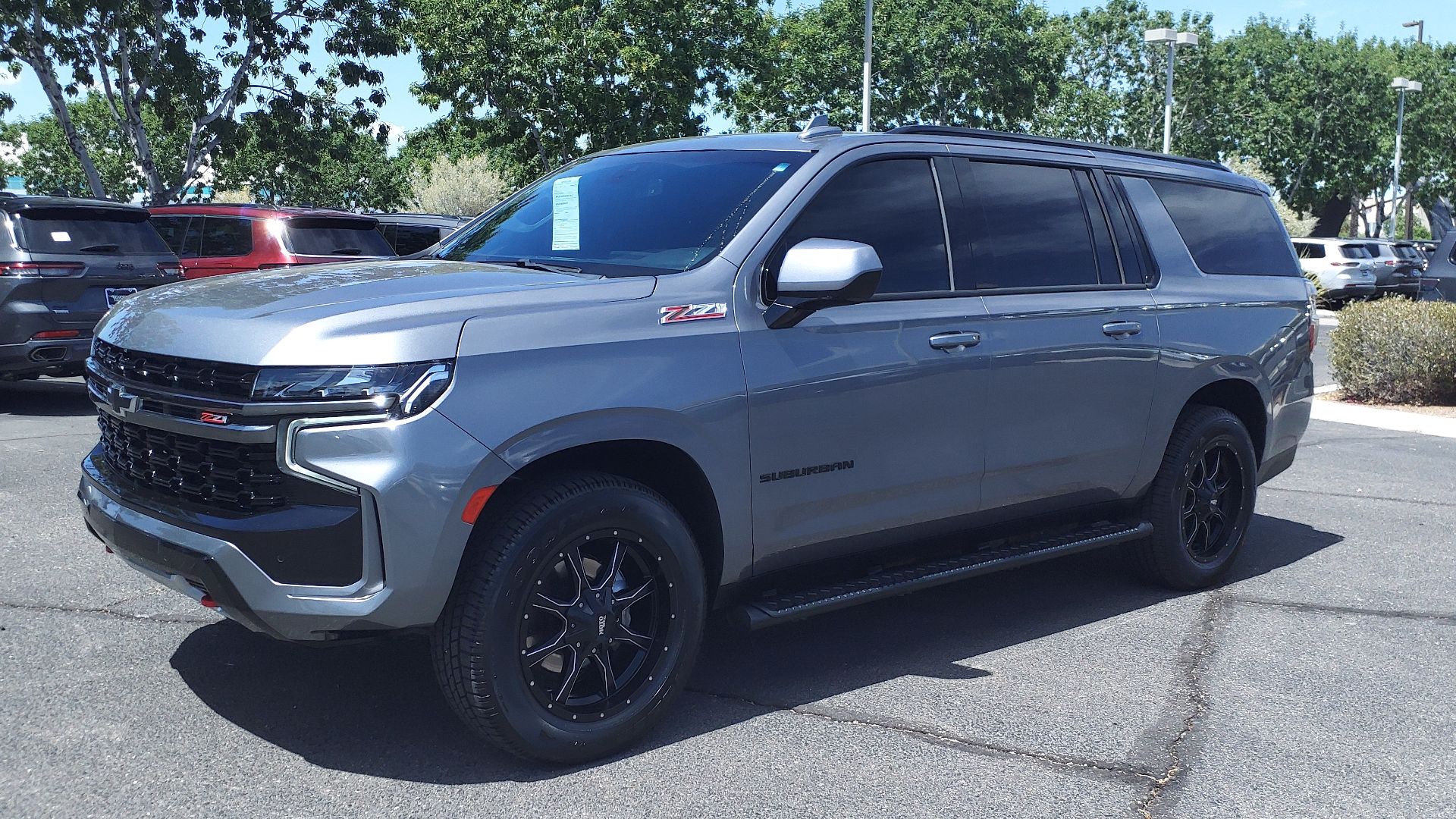
11. Chevrolet Suburban
The Suburban arrived in 1935 and outlasted every rival to become the longest-running nameplate in automotive history. Its size and versatility won over families and commercial fleets. Chevrolet’s massive SUV demonstrated the company’s staying power, keeping the Suburban central to American automotive culture.
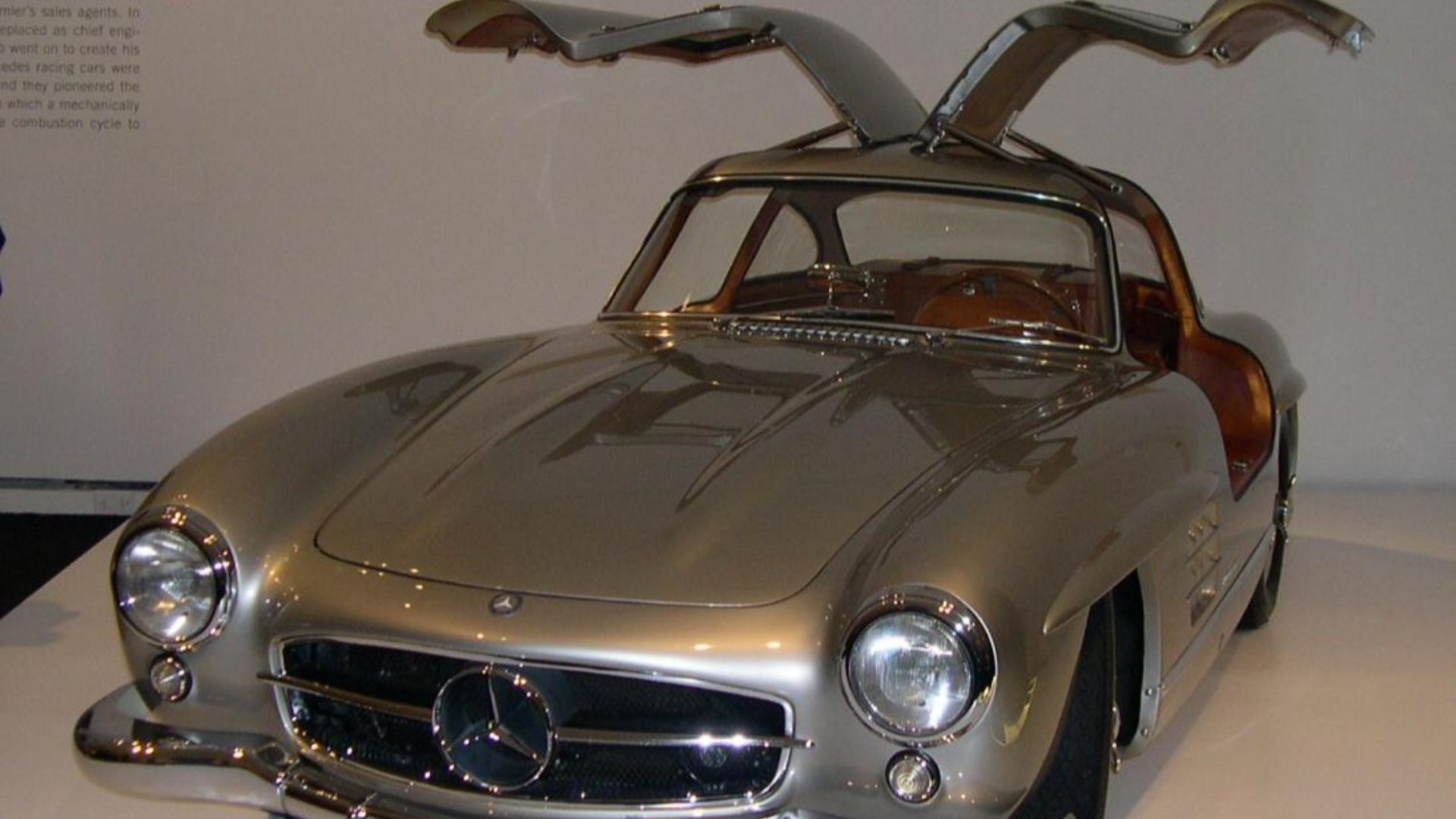
12. Mercedes-Benz 300SL Gullwing
Gullwing doors may have made the 1954 Mercedes-Benz 300SL unforgettable at first glance, but its influence went deeper. The introduction of fuel injection signaled a leap in engineering. Together, those traits built Mercedes-Benz’s reputation as the brand where luxury and innovation truly meet.
 Sfoskett~commonswiki on Wikimedia
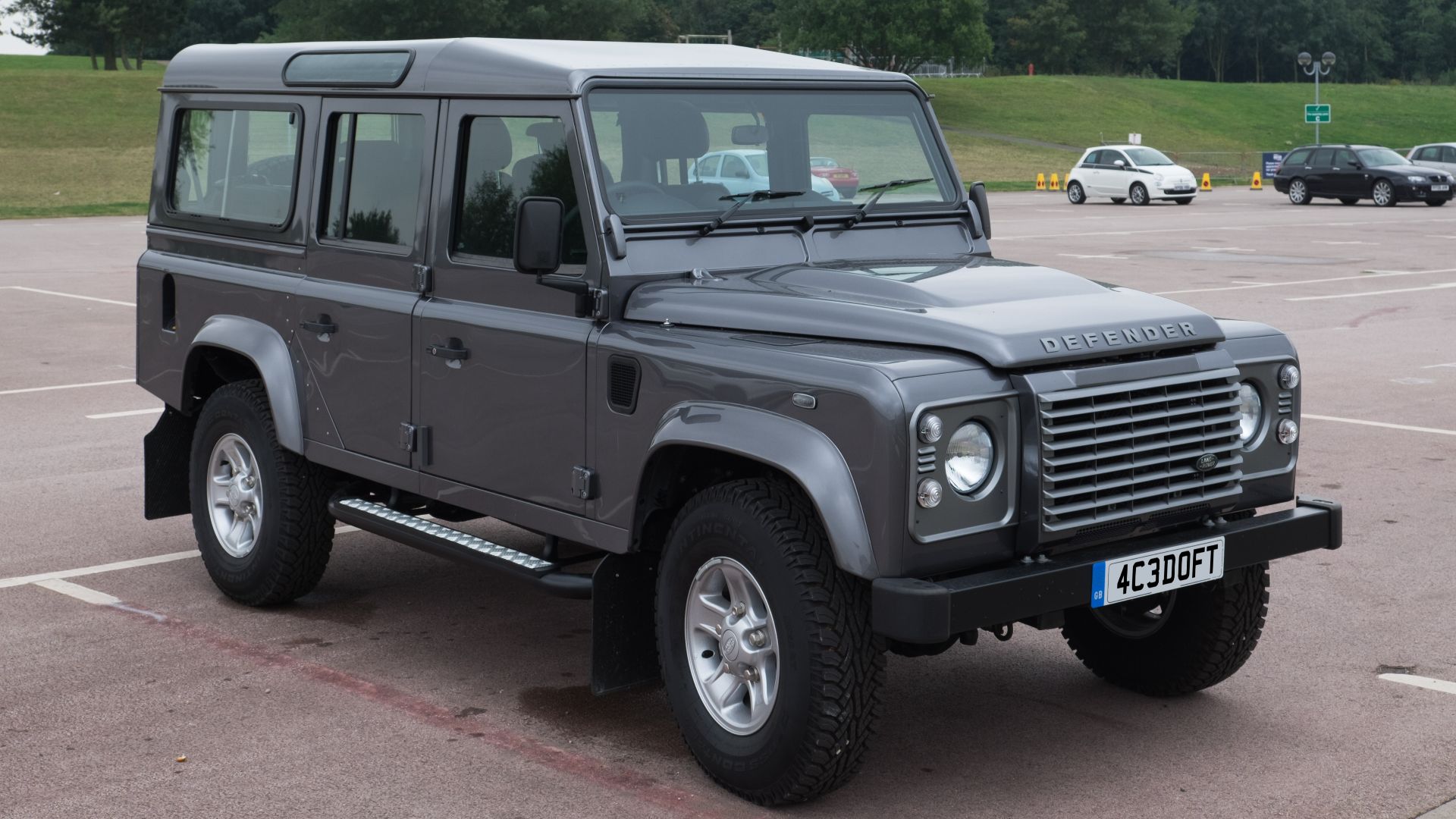
13. Land Rover Defender
Initially built in 1983 for farm and utility work, the Defender grew into an off-road icon. Its durability earned global respect, appearing in safaris and military service. The Defender gave Land Rover unmatched credibility in rugged 4x4 design and worldwide recognition.
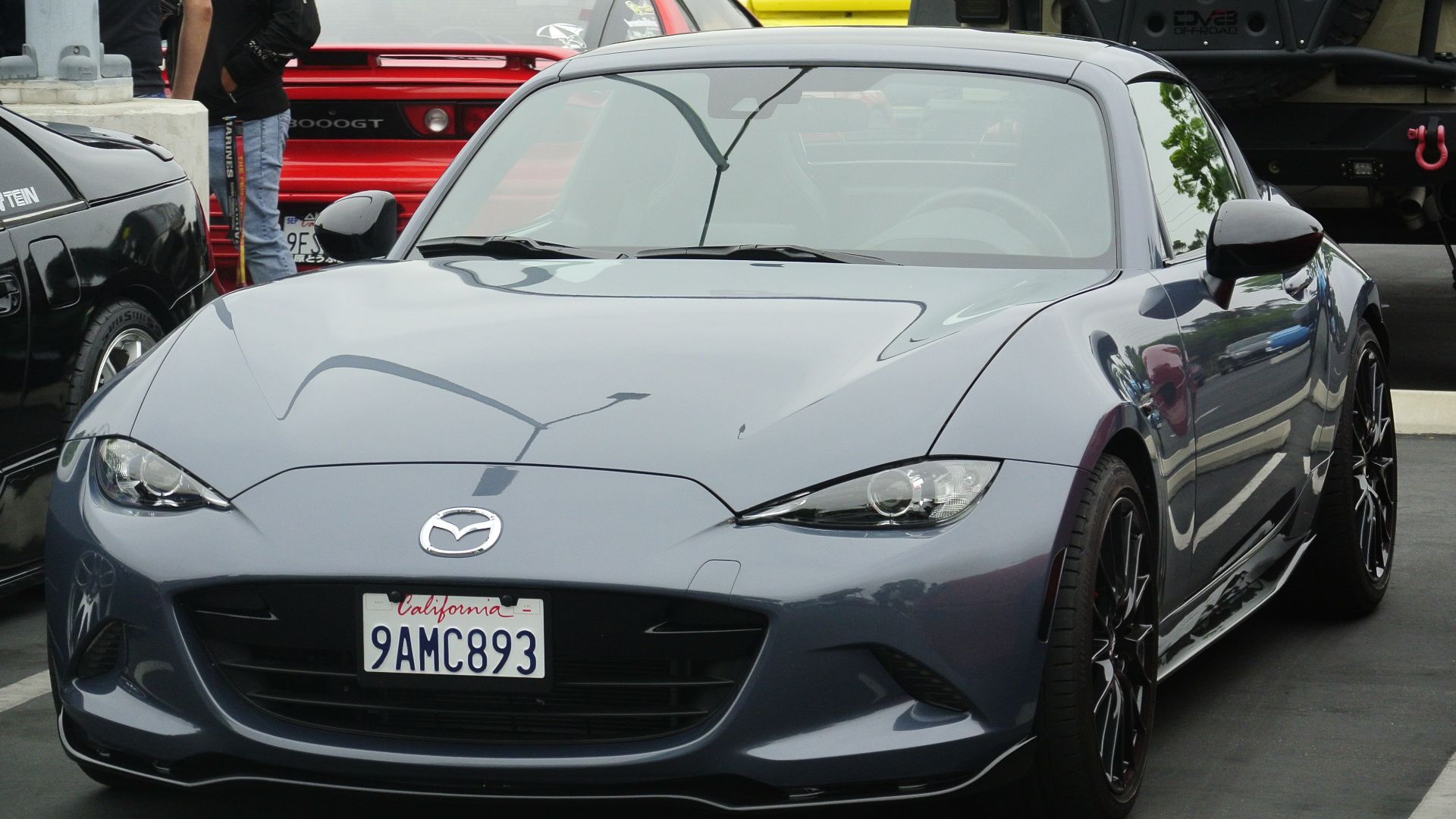
14. Mazda MX-5 Miata
Light and endlessly fun, the MX-5 Miata proved a small roadster could still thrive in modern times. Drivers loved its nimble balance and easy upkeep, and soon it became a global favorite. With over a million sold, Mazda’s little two-seater defined pure driving joy.
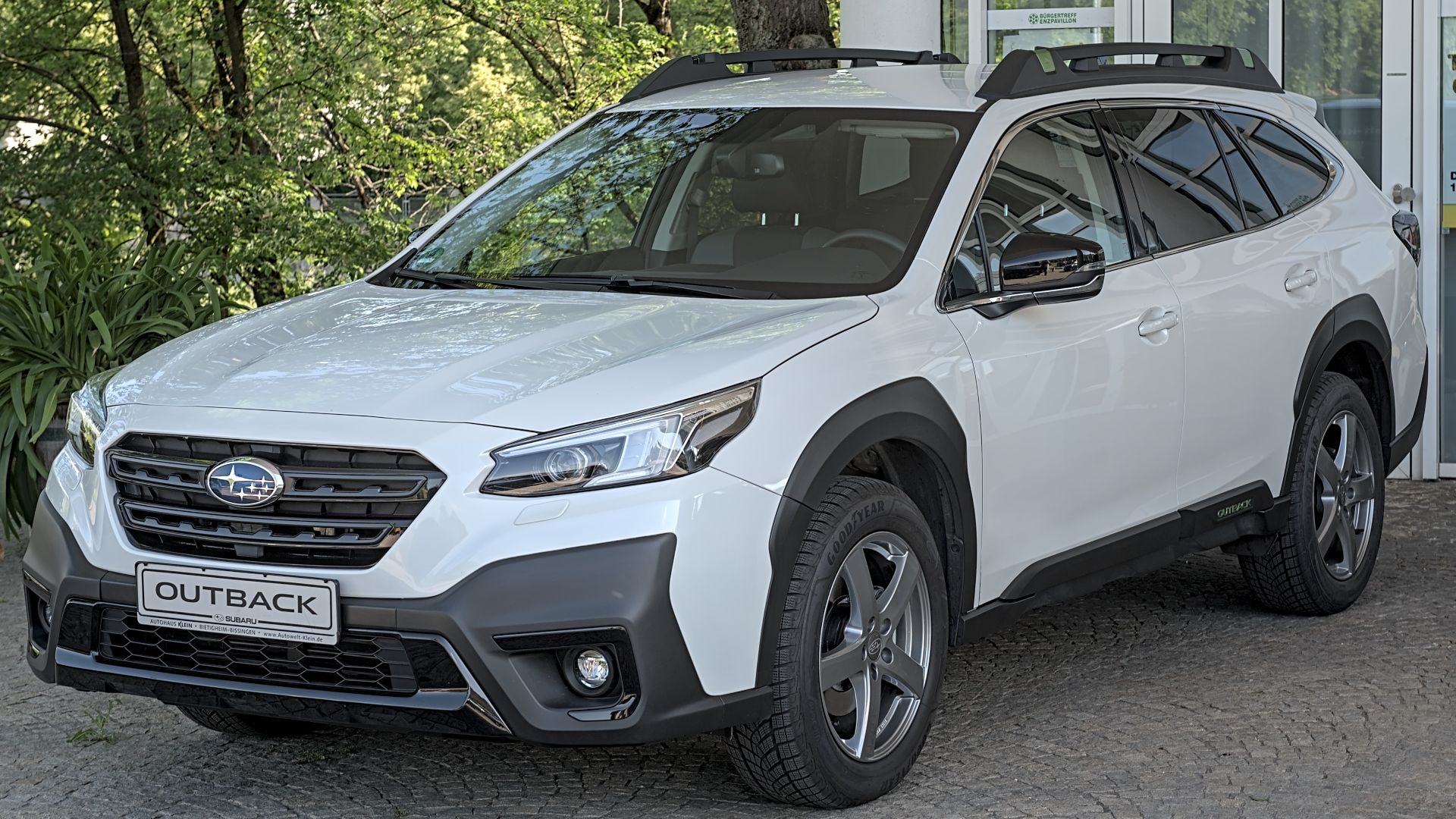
15. Subaru Outback
First launched in 1994, the Outback blended wagon practicality with SUV toughness. Its standard all-wheel drive appealed to outdoor adventurers, while comfort attracted suburban buyers. Subaru’s reputation for rugged reliability grew from this model, which turned the Outback into a long-term success in multiple markets.
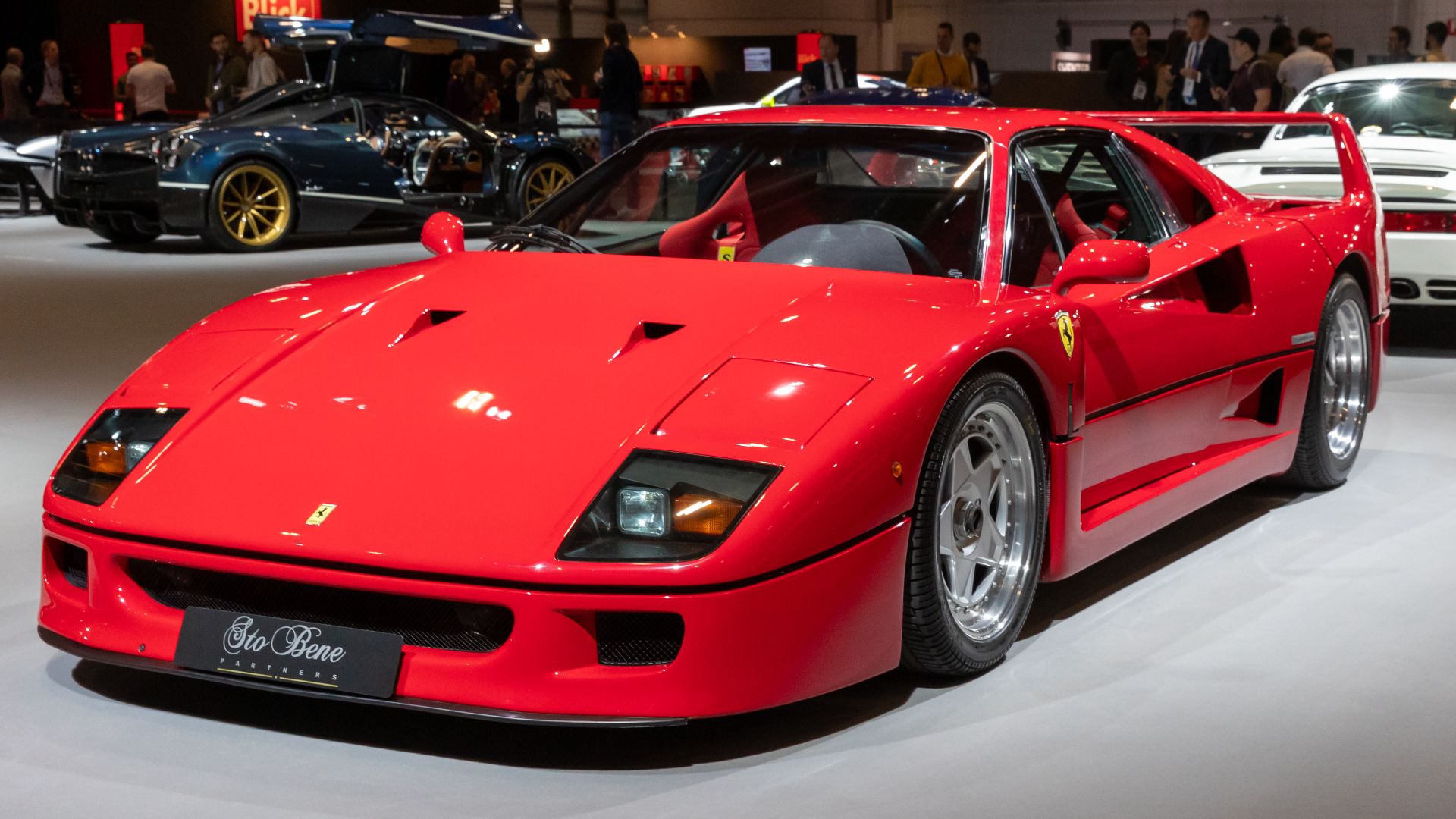
16. Ferrari F40
Released as Ferrari turned forty, the F40 offered pure speed over comfort. The stripped design captured a racing essence rather than road-going luxury. With Enzo Ferrari guiding its development, it became the brand’s most powerful statement of passion and purpose.
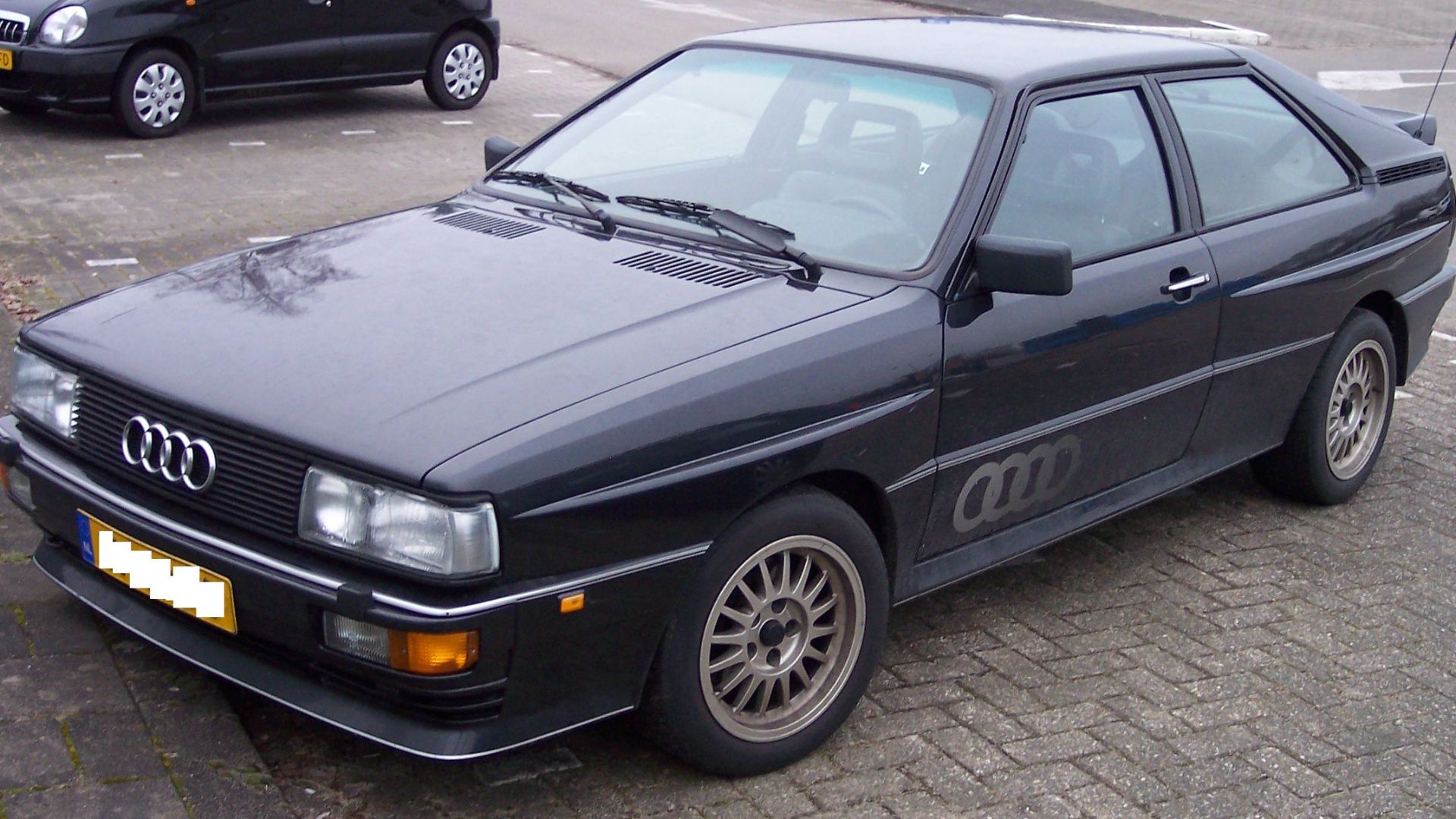
17. Audi Quattro
Before the 1980s, Audi carried a modest image. The arrival of the Quattro completely overturned that view. Its all-wheel-drive dominance in rally racing soon influenced everyday cars and turned Audi into a brand linked with performance breakthroughs rather than quiet reliability.
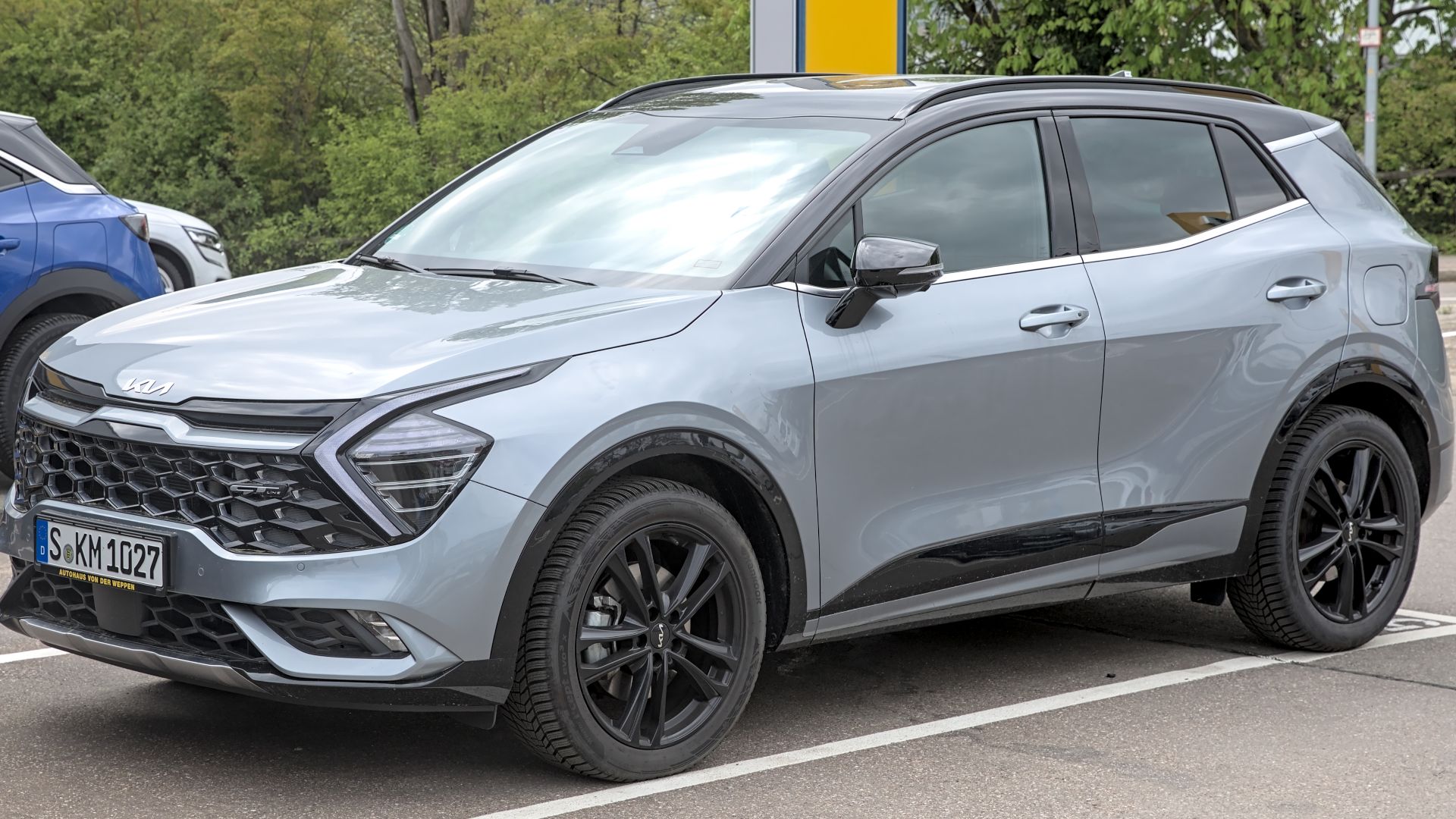
18. Kia Sportage
Kia achieved a major global breakthrough with the Sportage in 1993. Affordable and steadily improving in design, it attracted millions of buyers. The model’s strong sales helped Kia shift from a budget-focused brand to a respected global manufacturer of competitive SUVs.
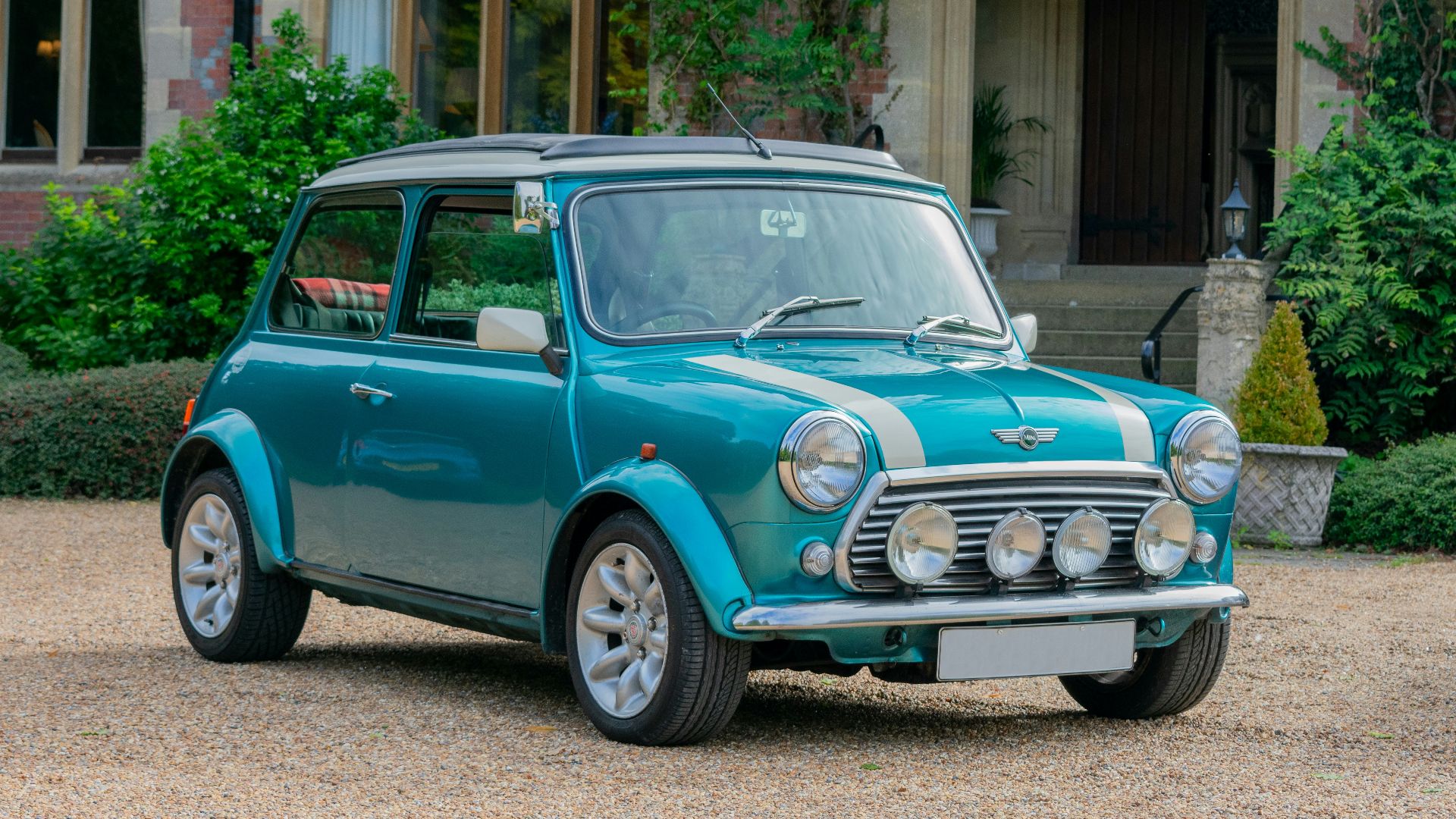
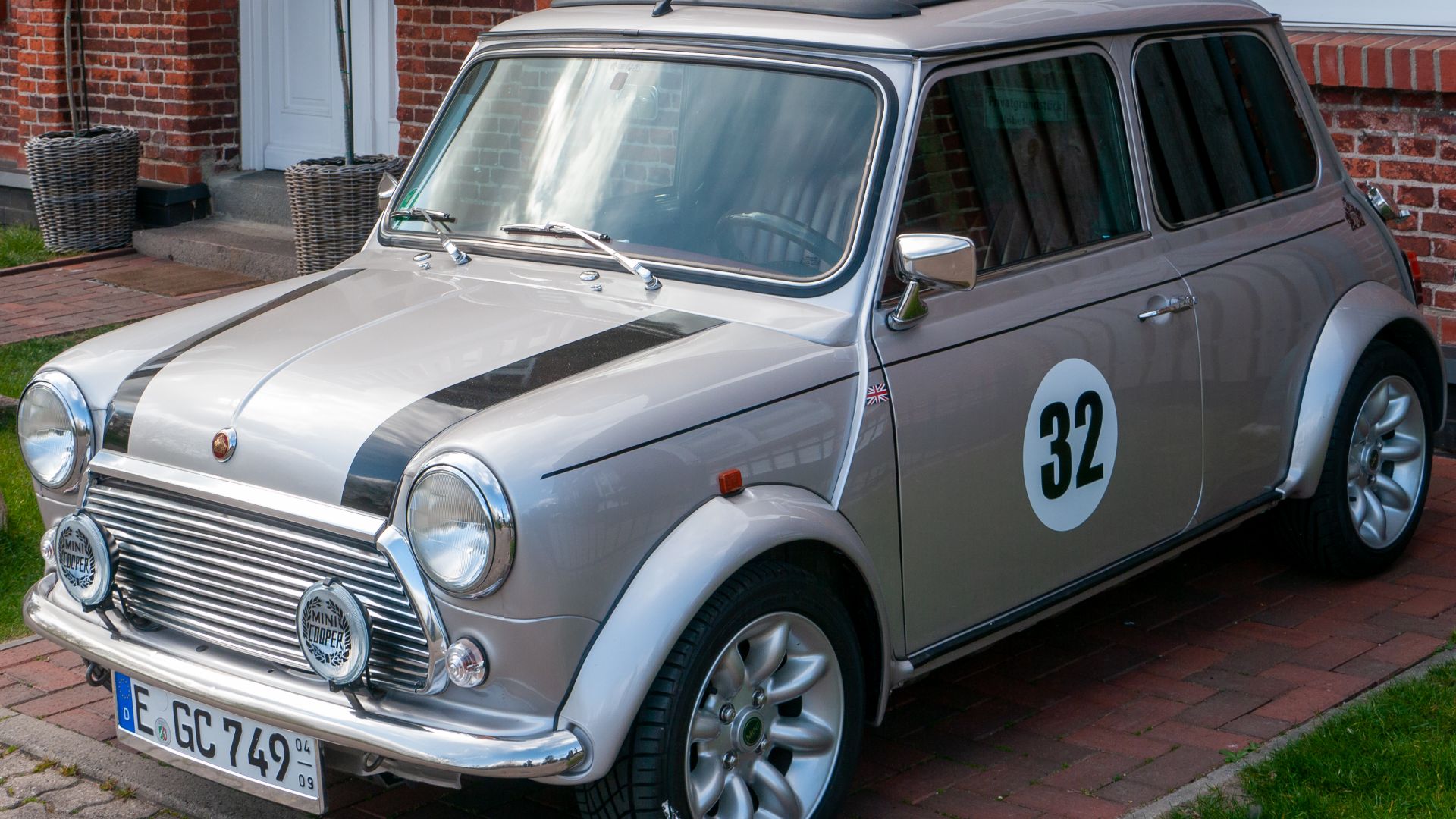
19. Mini Cooper
Introduced in 1959 by the British Motor Corporation, the Mini Cooper rewrote small-car design. Its front-wheel-drive layout maximized interior space, making it practical yet stylish. Racing victories boosted its fame, and pop culture embraced its charm. Mini Cooper ultimately became Britain’s most beloved automotive export.
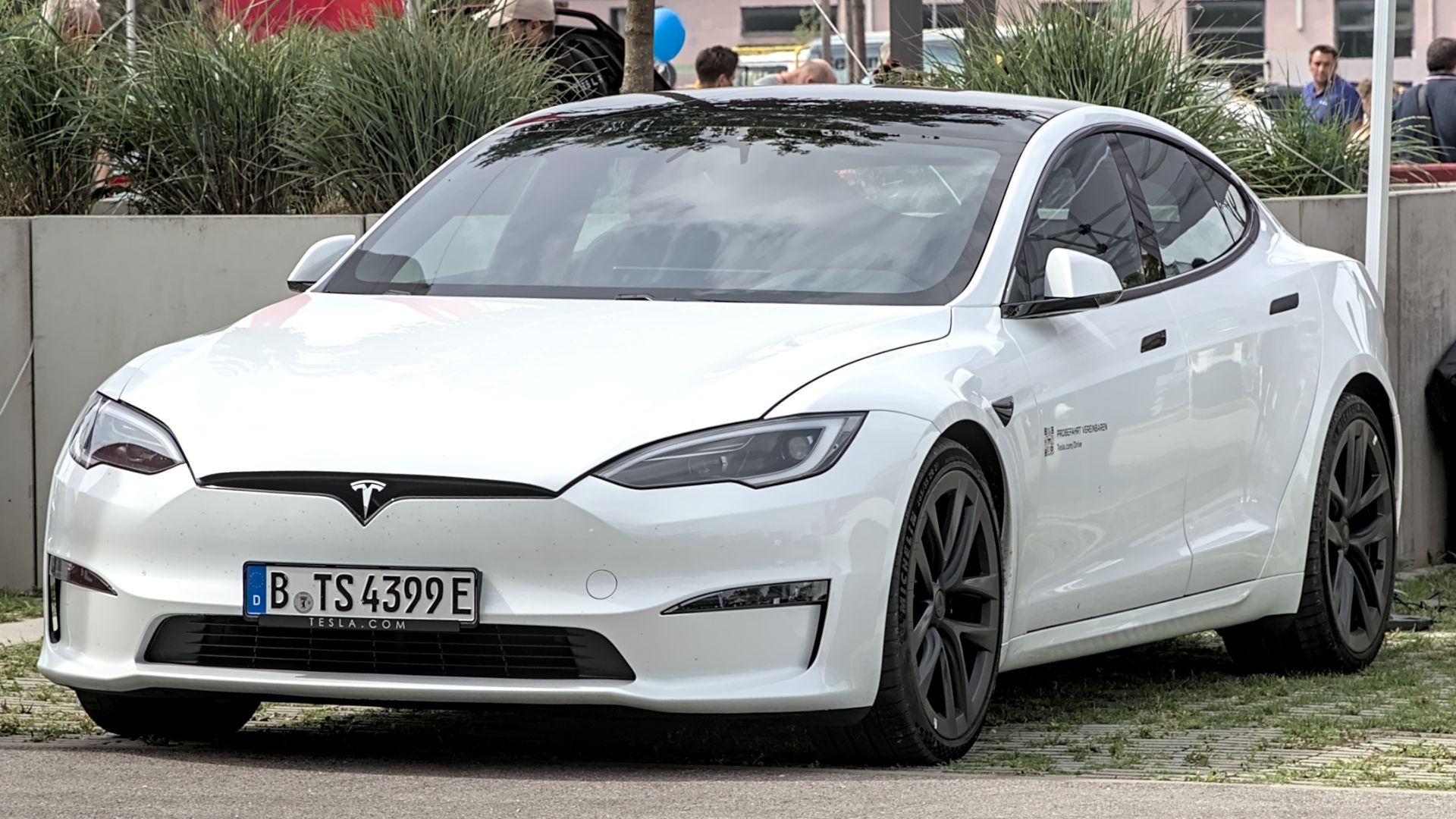
20. Tesla Model S
Tesla’s Model S arrived in 2012 and pushed electric cars into the mainstream. The car positioned Tesla as a premium innovator and went on to spark an industry-wide shift toward electric mobility. With advanced tech and rapid acceleration, Tesla’s Model S shattered EV stereotypes.