
From Flops To Classics
Not every sedan delivers dependable service. Whether it's new releases, discontinued classics, or popular used options, some sedans have proven their worth. But others have created headaches for drivers everywhere. If you want to avoid surprise mechanic visits and costly repairs, then you have to separate the winners from the losers. We'll start by exposing the most troublesome models you'll want to avoid at all costs.
1. Chevrolet Citation (1980–1985)
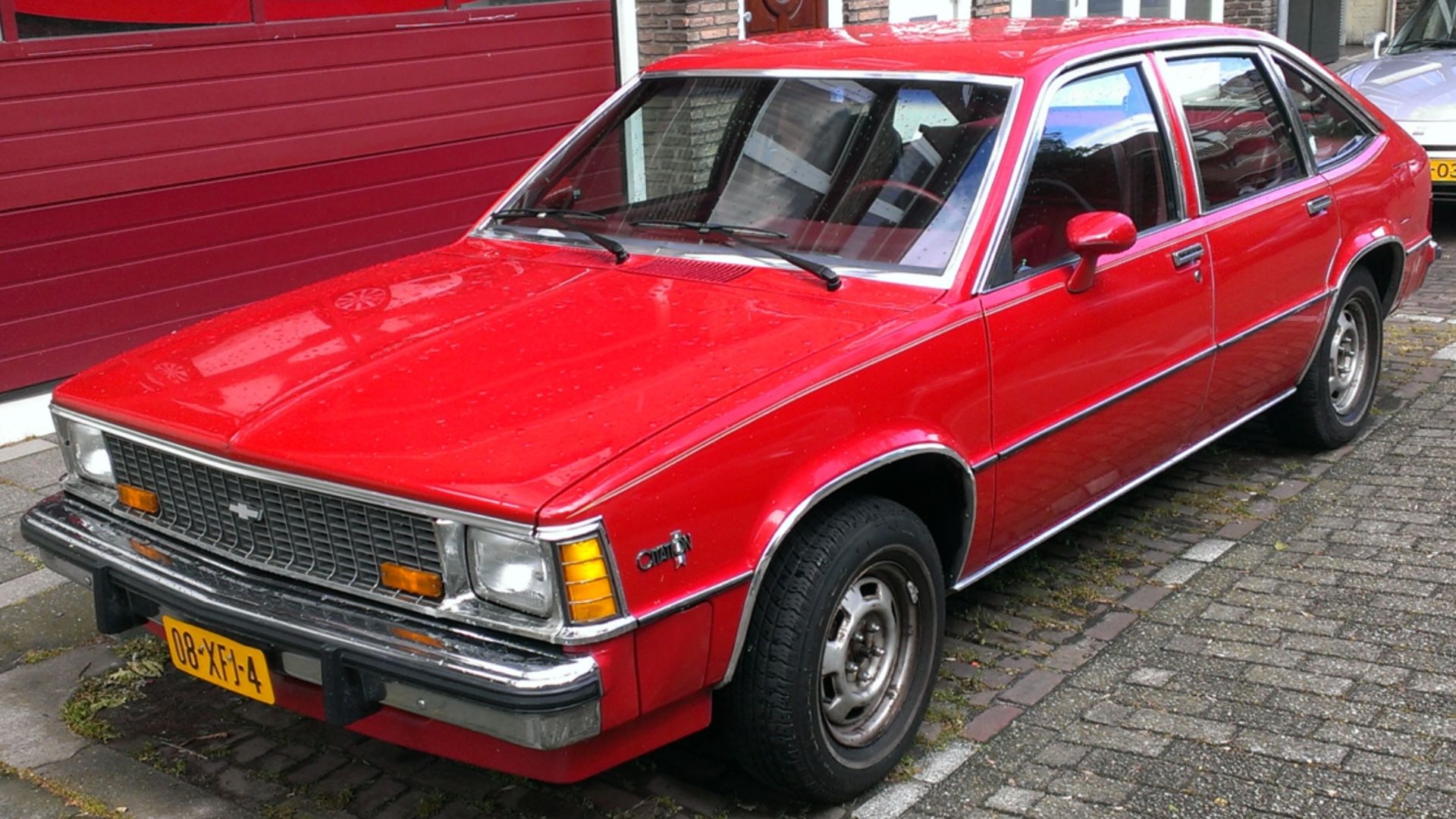
Talk about your meteoric rise and fall—the Citation burst onto the scene as GM's revolutionary front-wheel-drive compact, snagging Motor Trend's 1980 Car of the Year and selling a stunning 800,000 units. But brake recalls, transmission seizures, and rampant rust quickly transformed this pioneering launch into a cautionary tale.
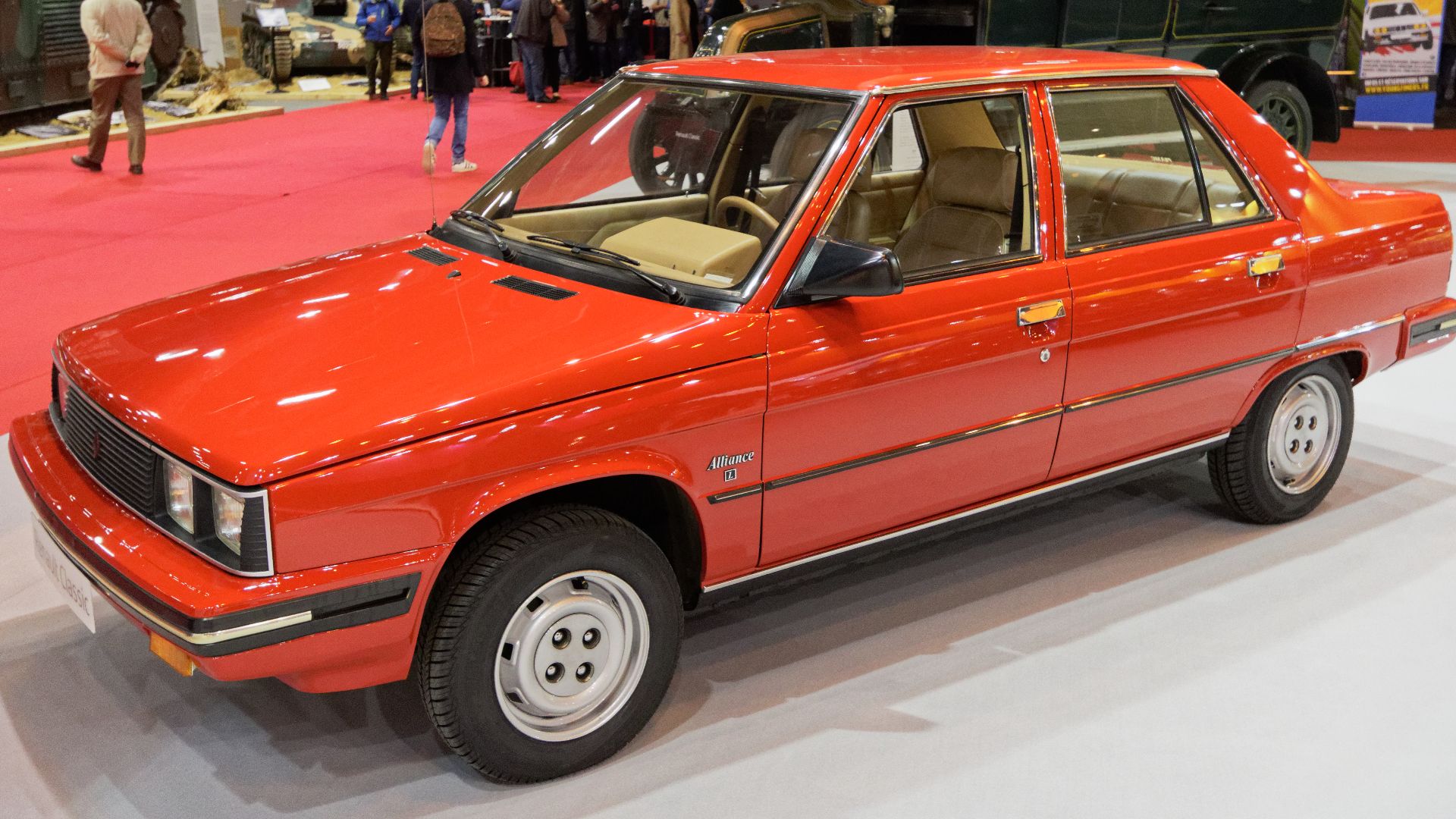
2. Renault Alliance (1983–1987)
Born from an ambitious AMC-Renault partnership in Wisconsin, the Alliance's production story took a grim turn as electrical malfunctions and aggressive rust began plaguing the vehicles. Despite its celebrated 1983 Motor Trend Car of the Year win, these quality control issues ultimately drove its 1987 market exit.
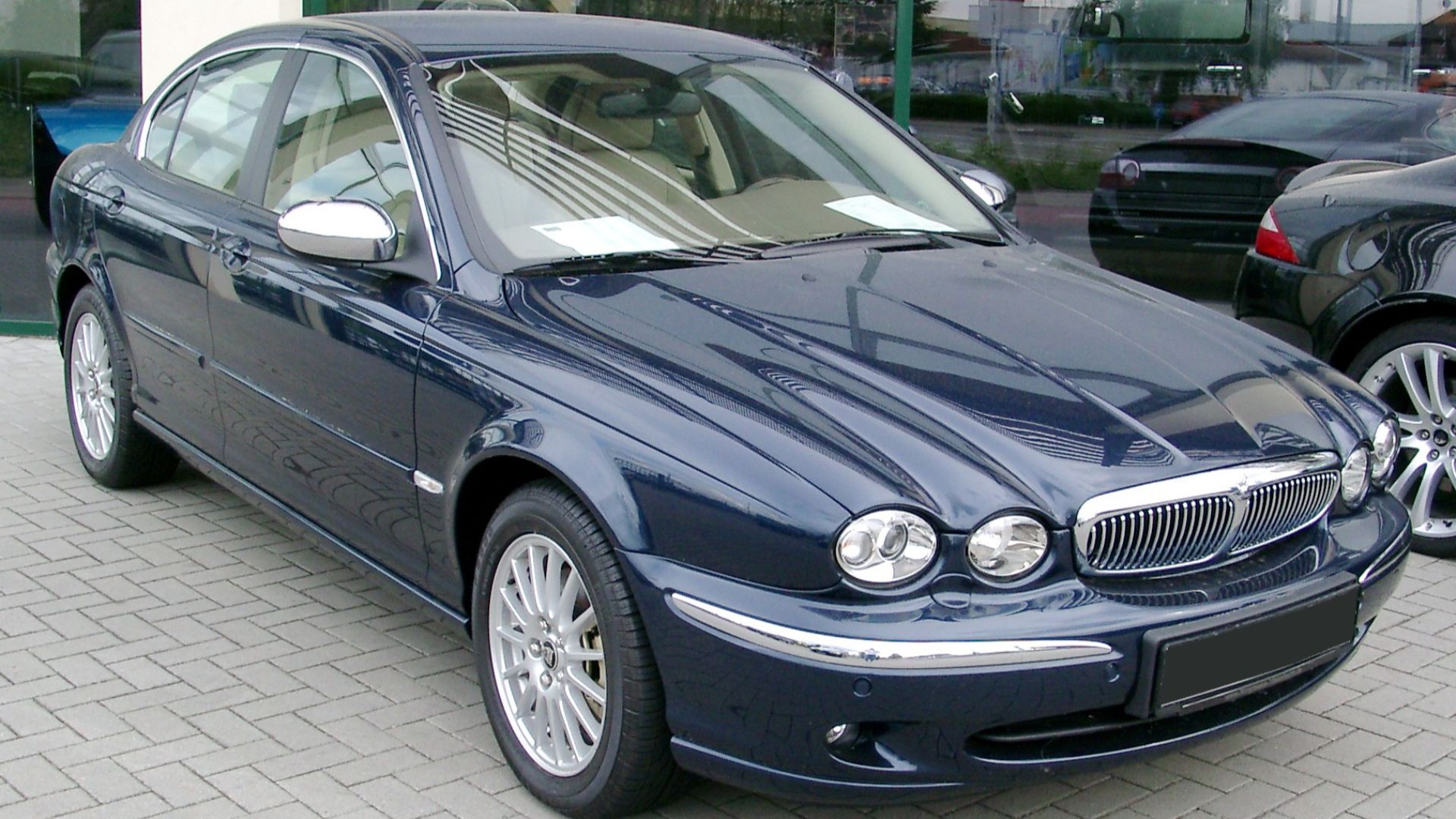
3. Jaguar X-Type (2001–2009)
Jaguar’s first all-wheel-drive sedan looked promising at launch. But its Ford Mondeo roots disappointed fans, and recurring AWD problems plus electrical issues led to expensive repairs. By 2009, its poor reliability record had ended the X-Type’s run.
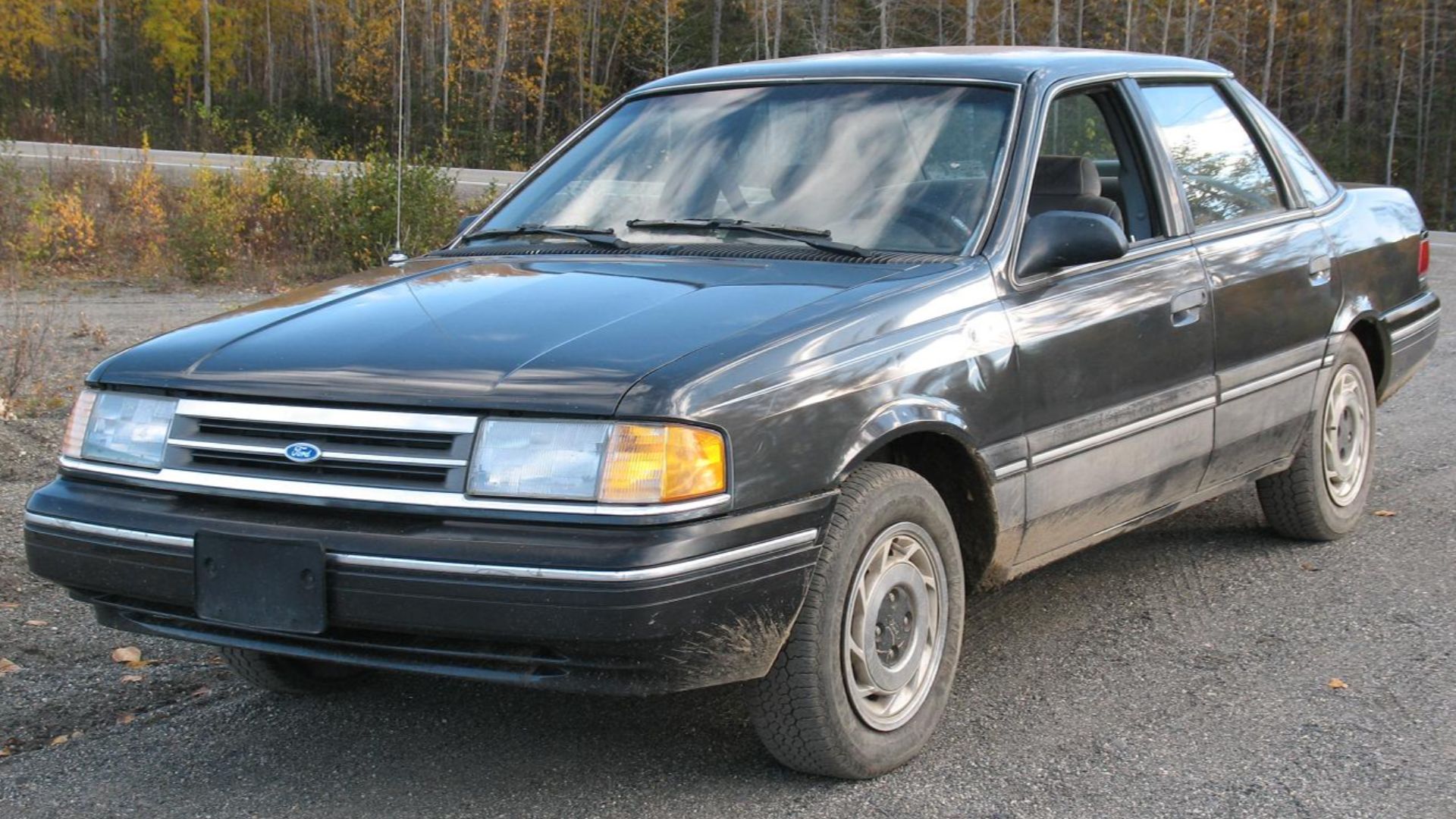
4. Ford Tempo (1984–1994)
Transmission problems and engine stalling hurt the Ford Tempo, wiping out its market appeal despite offering all-wheel drive and sleek aerodynamics. These issues caused sales to slide for a decade until Ford ended production of the troubled sedan in 1994.
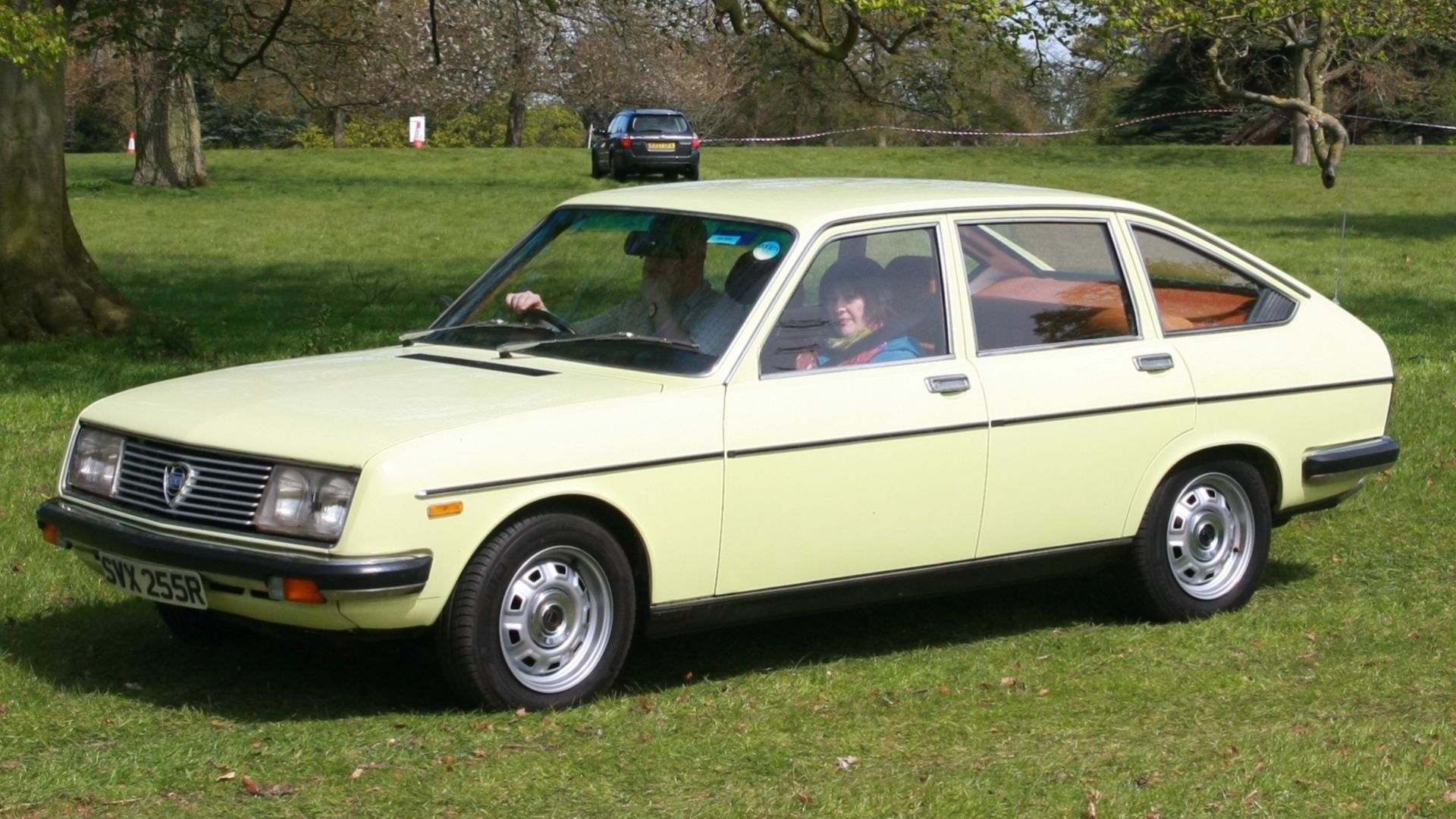
5. Lancia Beta (1972–1984)
When Lancia Beta owners began discovering alarming rust patterns in critical structural areas, investigators traced the defect's origins to the model's development under new Fiat ownership. The widespread corrosion issues triggered safety investigations that led to an unprecedented UK buyback program and eventual withdrawal from major markets.
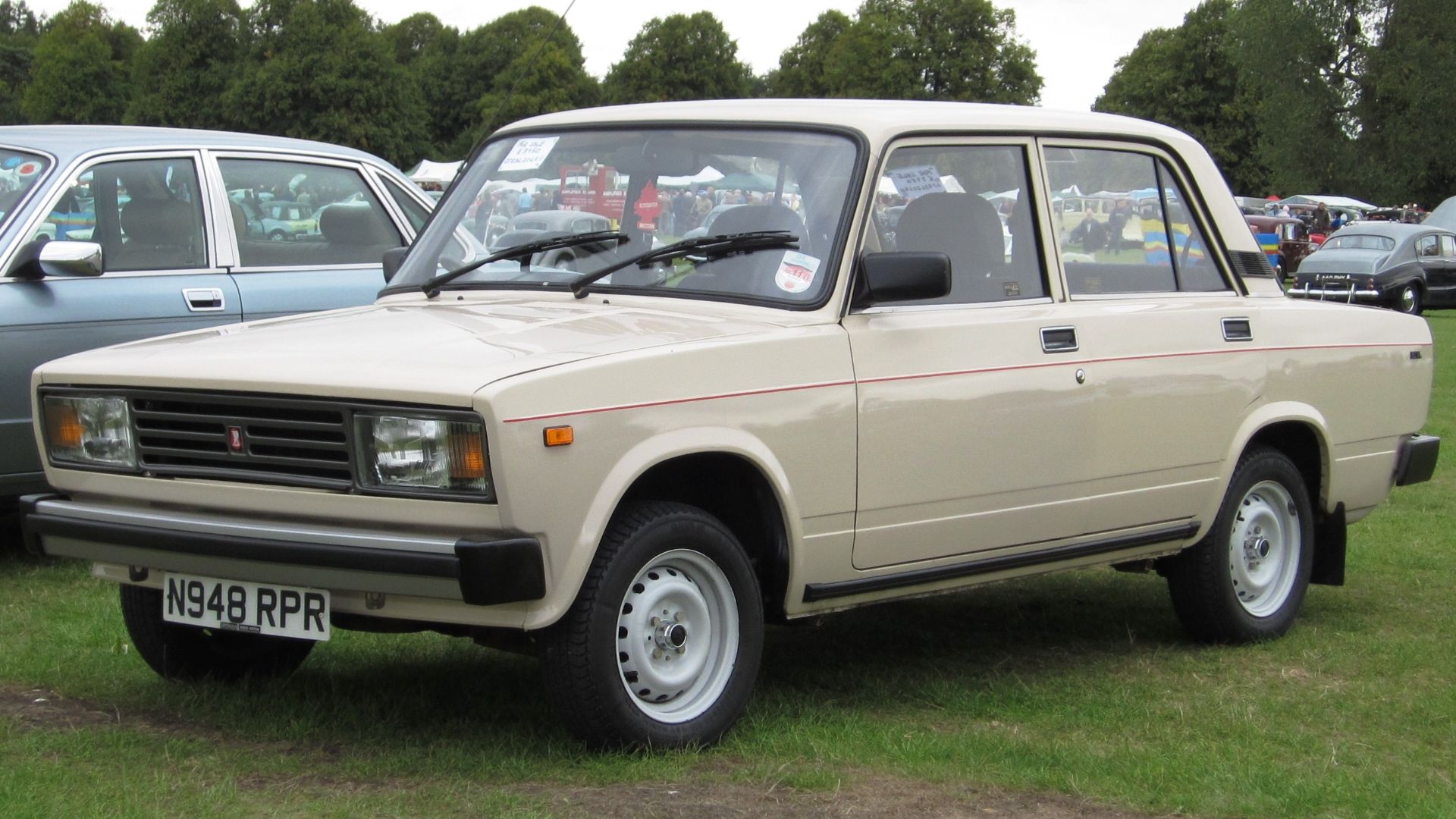
6. Lada Riva (1980–2012)
Talk about a market puzzle. The Lada Riva suffered from constant electrical and carburetor problems that drove Western buyers away. Yet this 1960s Fiat 124 descendant stayed in production for more than thirty years, even with its outdated engineering.
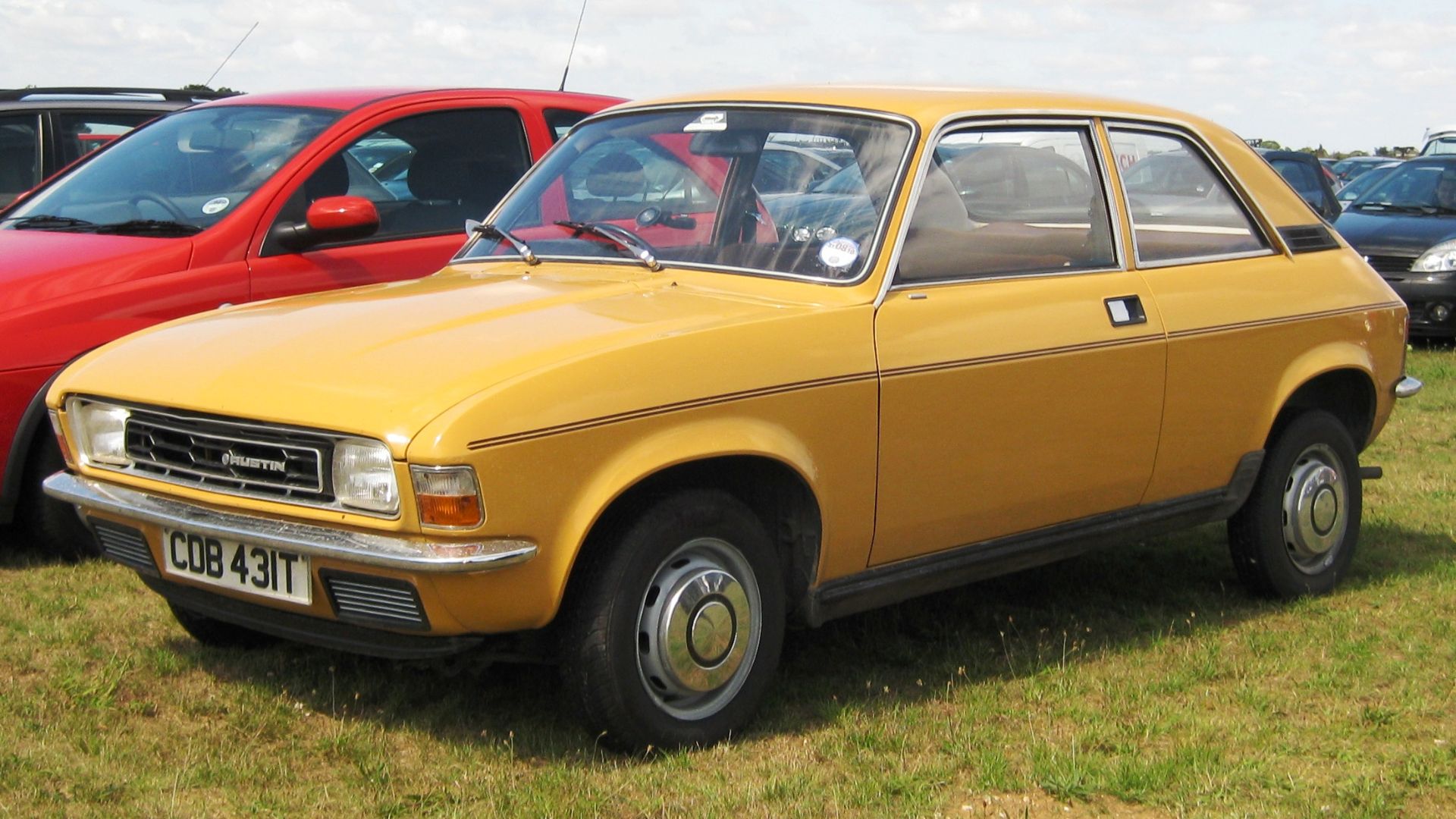
7. Austin Allegro (1973–1983)
The quirky "quartic" steering wheel of early Austin Allegros perfectly symbolized what was to come—a car that just couldn't get things right. From suspension woes to gearbox failures, this "All Aggro" nightmare kept breaking down until British Leyland mercifully discontinued it in 1983.
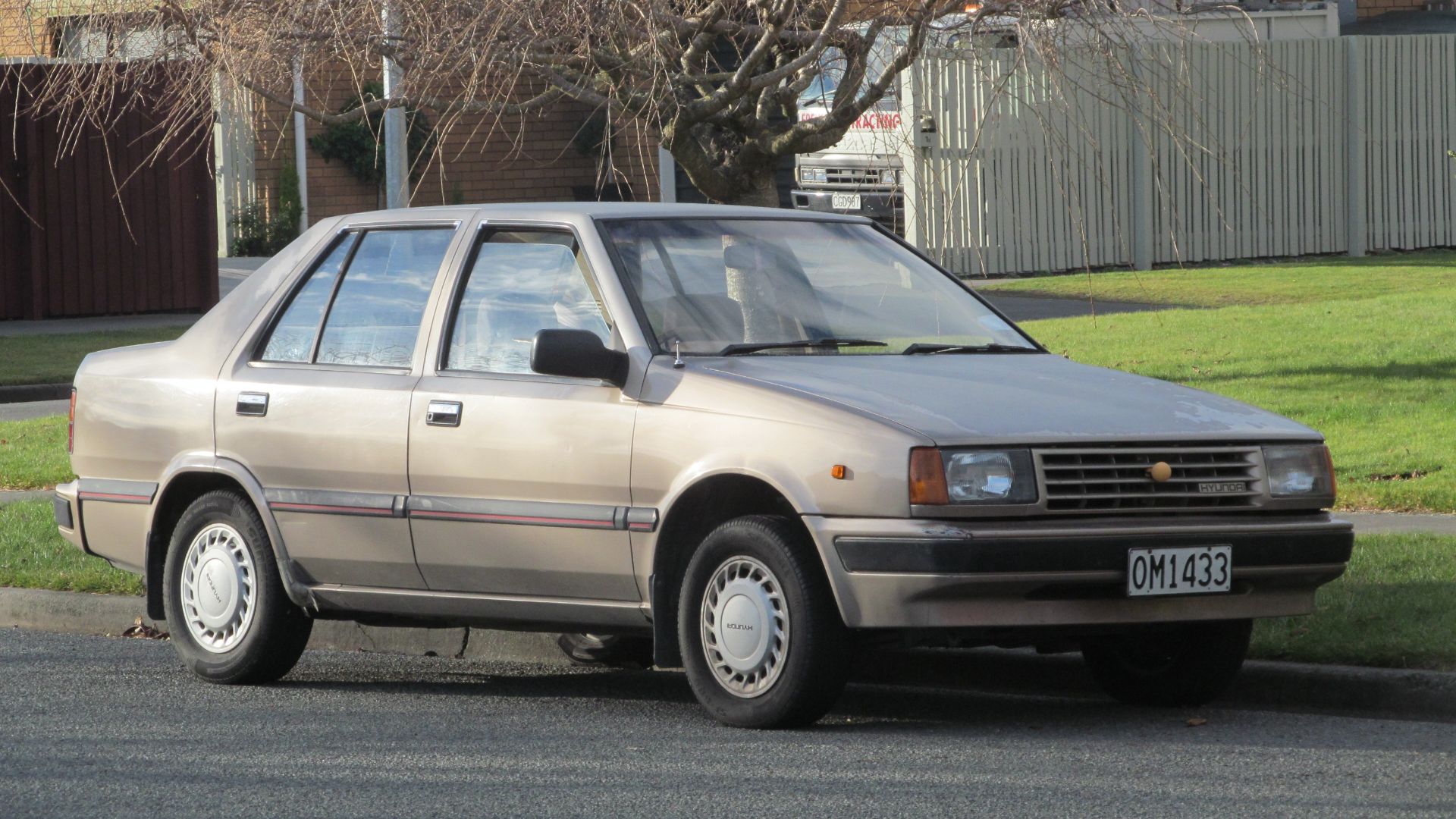
8. Hyundai Excel (1985–1994)
Engineering analysis of the Excel revealed systemic powertrain deficiencies, particularly in transmission and engine reliability, that plagued Hyundai's first US market entry. These mechanical failures, combined with overall build quality issues, undermined the model's positioning as an entry-level vehicle priced under $8,000.
 Riley from Christchurch, New Zealand on Wikimedia
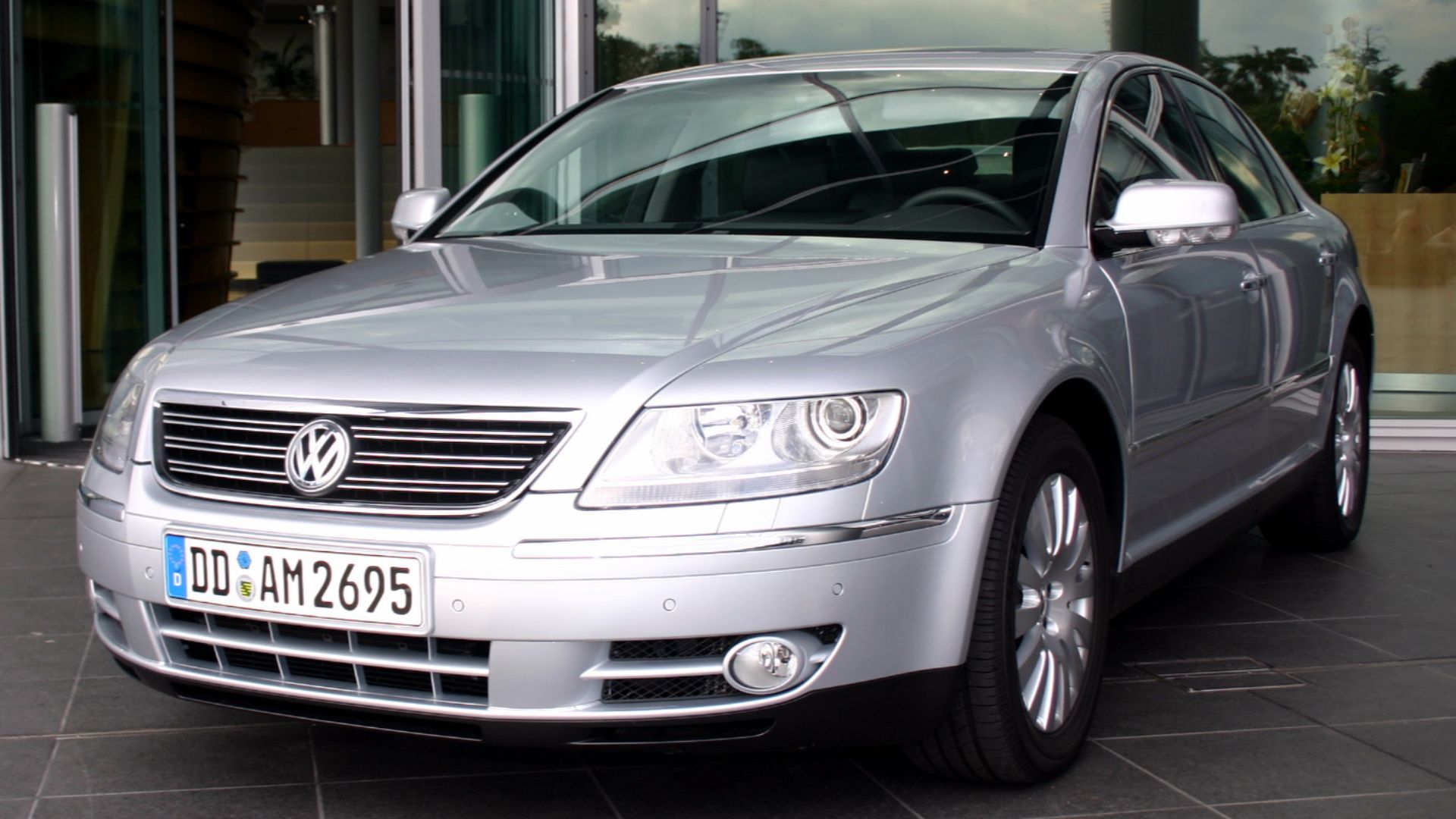
9. Volkswagen Phaeton (2002–2016)
Volkswagen's ambitious 2004 Phaeton launch targeted Mercedes S-Class luxury buyers, with cars meticulously assembled in Dresden's glass-walled tourist facility. Yet within just three years, a pattern of complex electronics failures and astronomical repair costs forced the sedan's complete US market withdrawal.
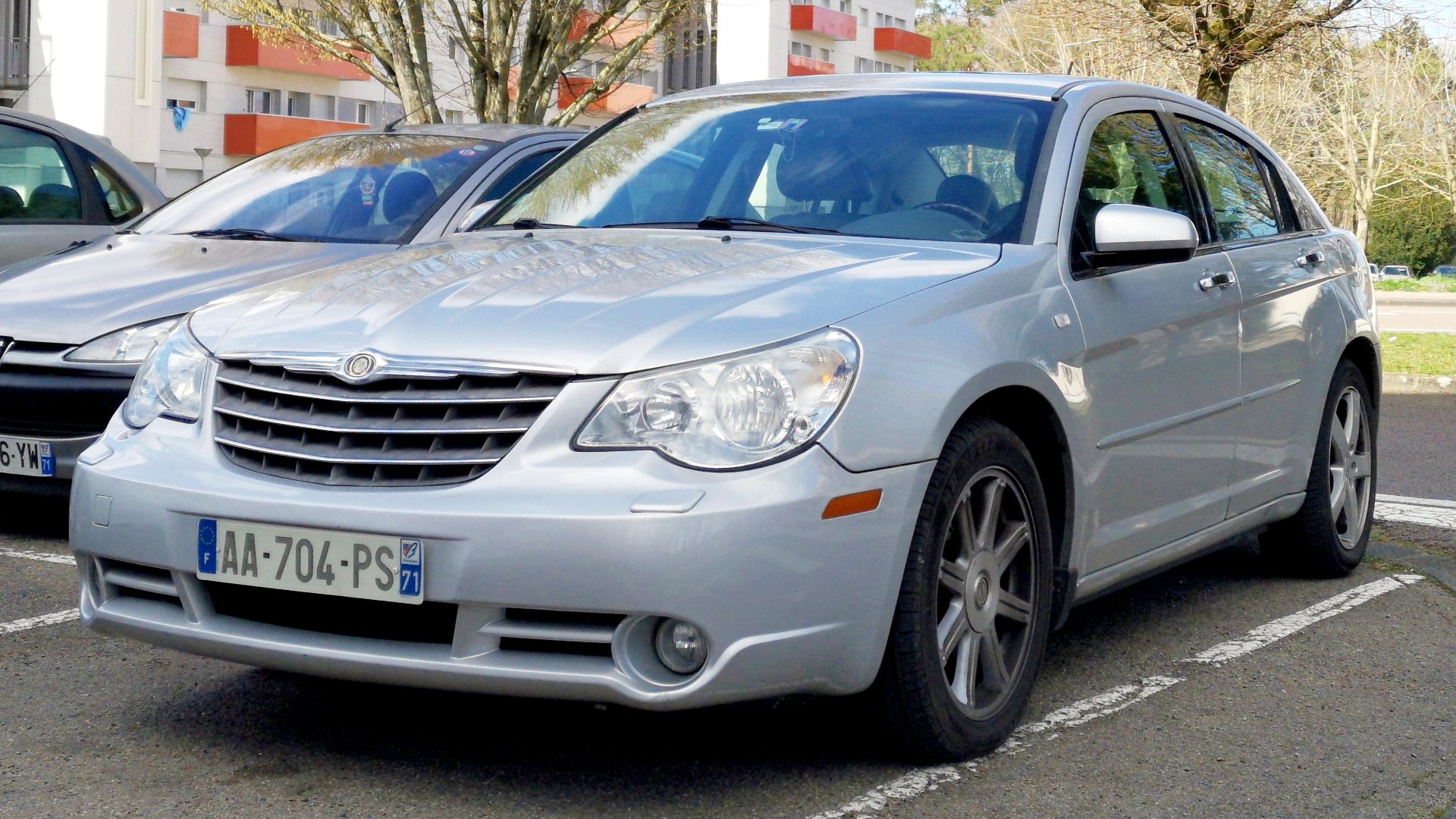
10. Chrysler Sebring (1995–2010)
Despite borrowing its name from the prestigious Sebring International Raceway in Florida, this Chrysler proved more breakdown-prone than race-ready. Chronic engine troubles, electrical failures, and transmission problems ultimately drove the model into automotive obscurity, with production quietly ending in 2010 amid dismal reliability ratings.
Leaving the disappointments behind, it’s time to highlight the reliable companions worth keeping around.
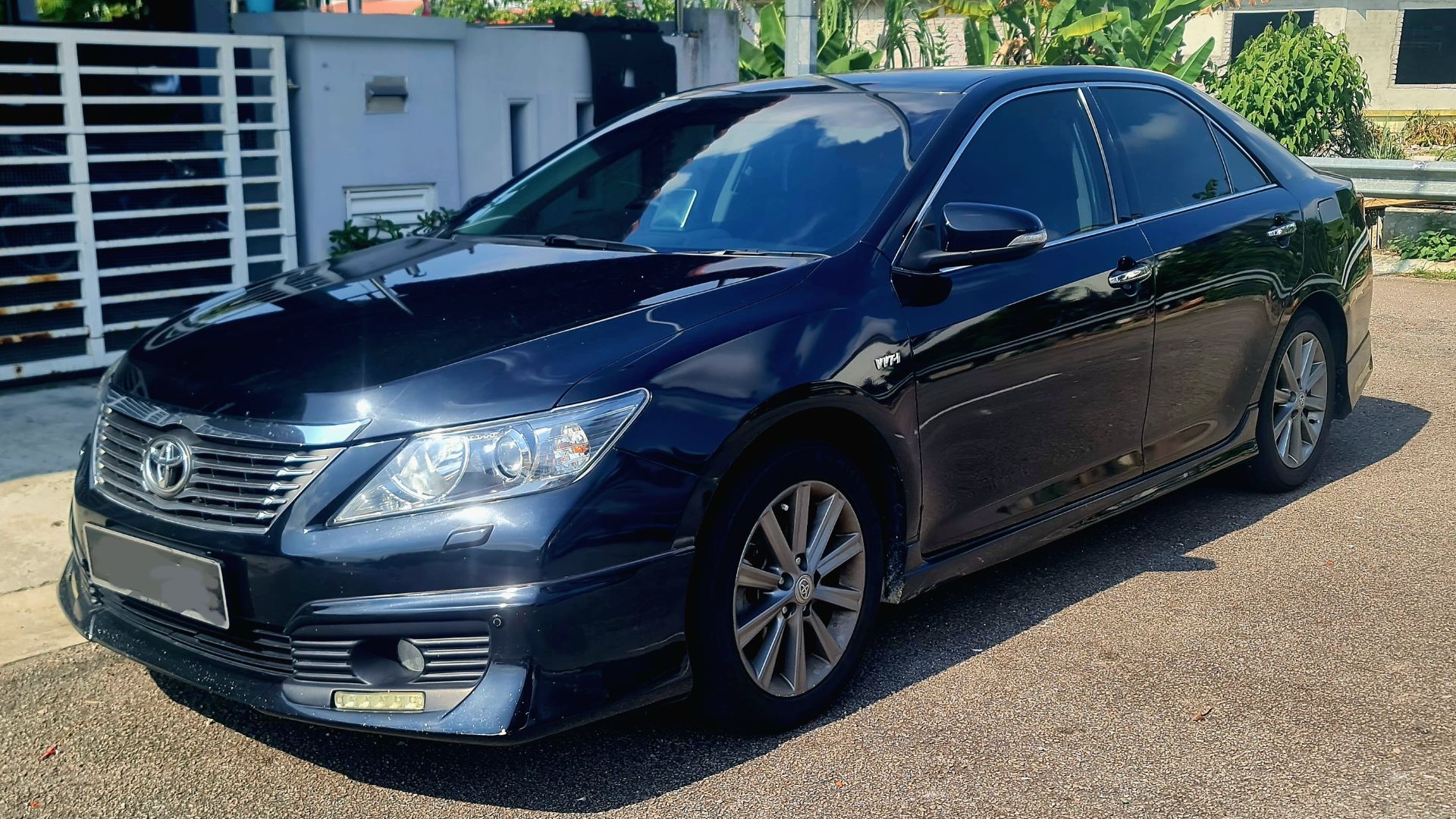
1. Toyota Camry (1982–present)
For drivers prioritizing long-term reliability, the Toyota Camry delivers with proven performance beyond 200,000 miles. This dependability has secured its position as America's top-selling car for over fifteen years. Its hybrid option since 2007 and crown-inspired Japanese name reflect its market-leading status.
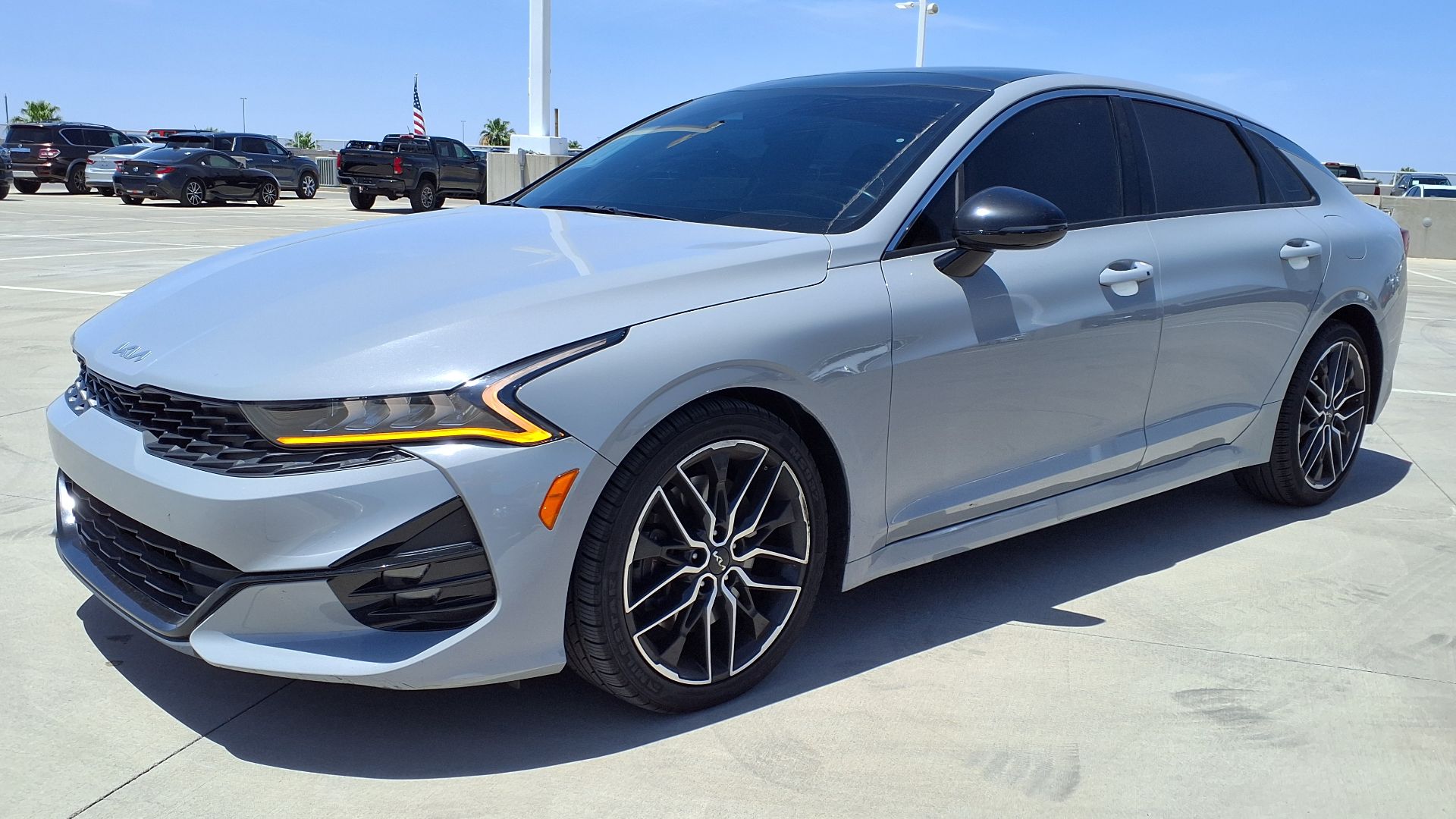
2. Kia K5 (2020–present)
Since its 2021 introduction, the Kia K5 has established itself as a reliability leader with comprehensive safety features standard across the lineup. Additionally, this former Optima transcends its practical reputation through European-inspired fastback styling and an available GT trim delivering an impressive 290 horsepower.
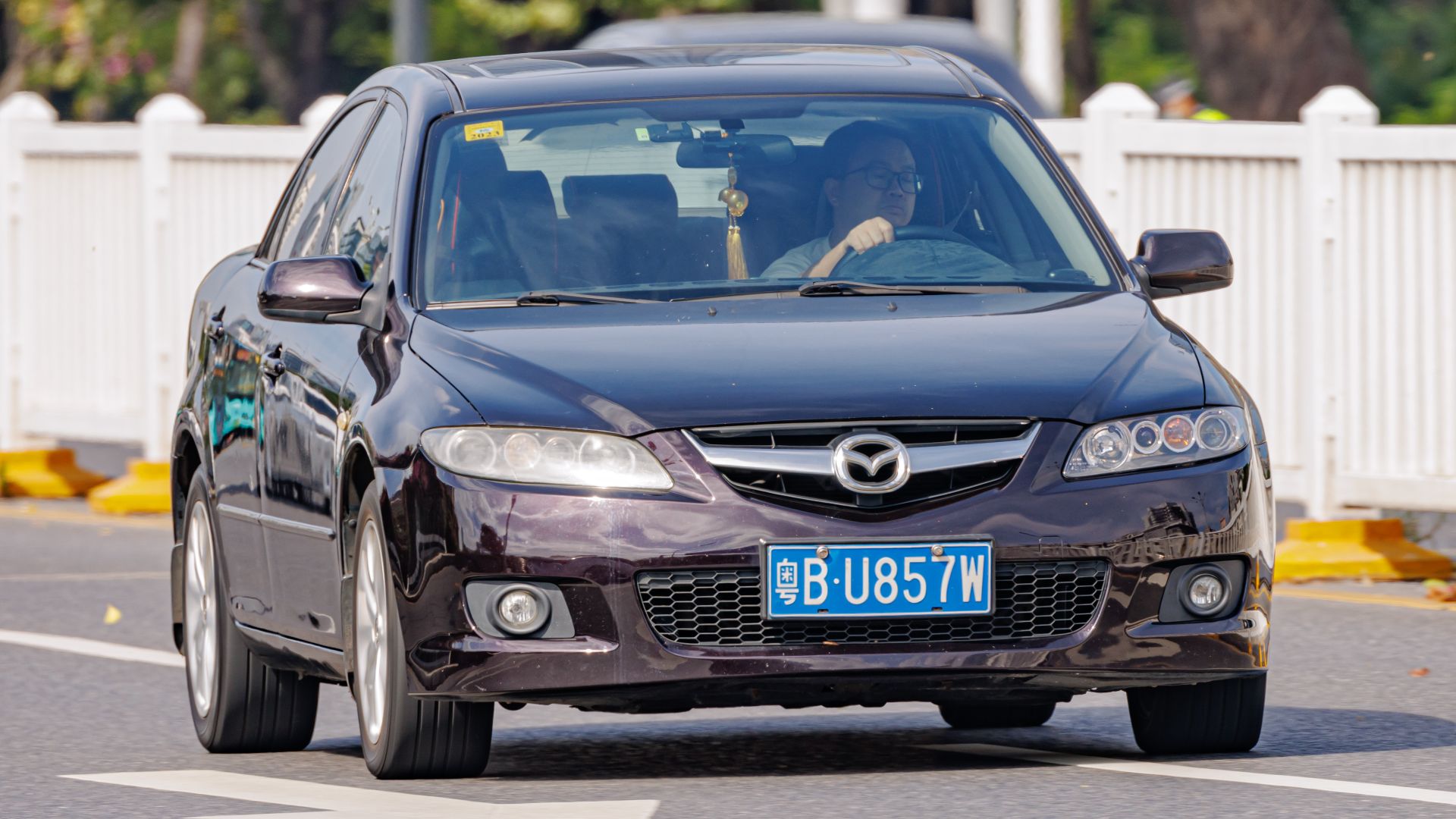
3. Mazda6 (2002–present)
Originally launched as the Atenza in Japan, the Mazda6 evolved into a technological pioneer with its G-Vectoring Control system, enabling precise cornering through sophisticated torque management. This engineering excellence translates to documented reliability, with numerous owners reporting dependable performance beyond 150,000 miles and minimal maintenance demands.
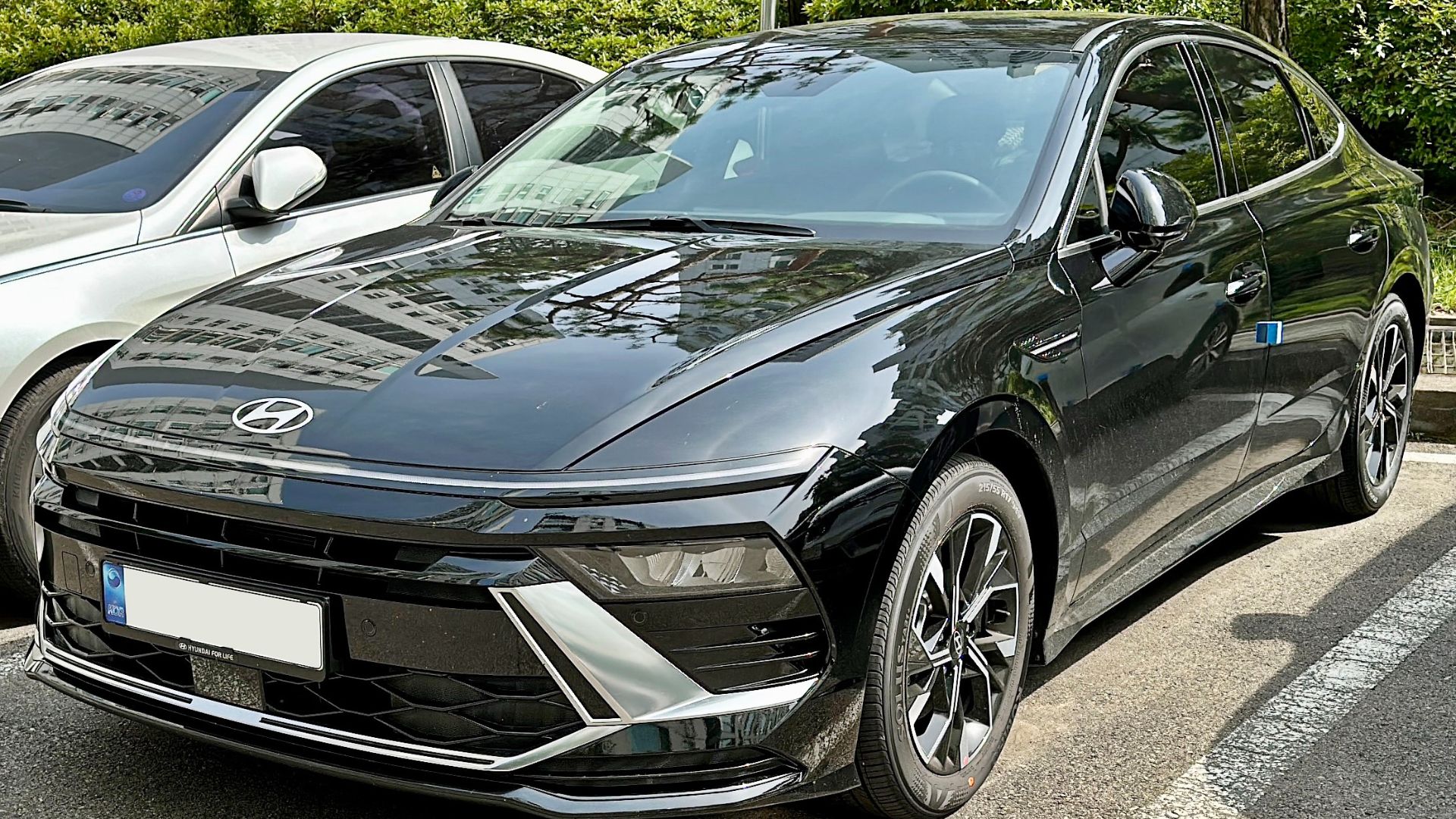
4. Hyundai Sonata (1985–present)
Hyundai made dramatic reliability improvements in the Sonata during the mid-2000s, earning high ratings from J.D. Power. Confidence in the model grew further thanks to Hyundai's strong 10-year/100,000-mile powertrain warranty. A key factor in this progress was enhanced quality control at the company’s Alabama plant, which began operations in 2005.
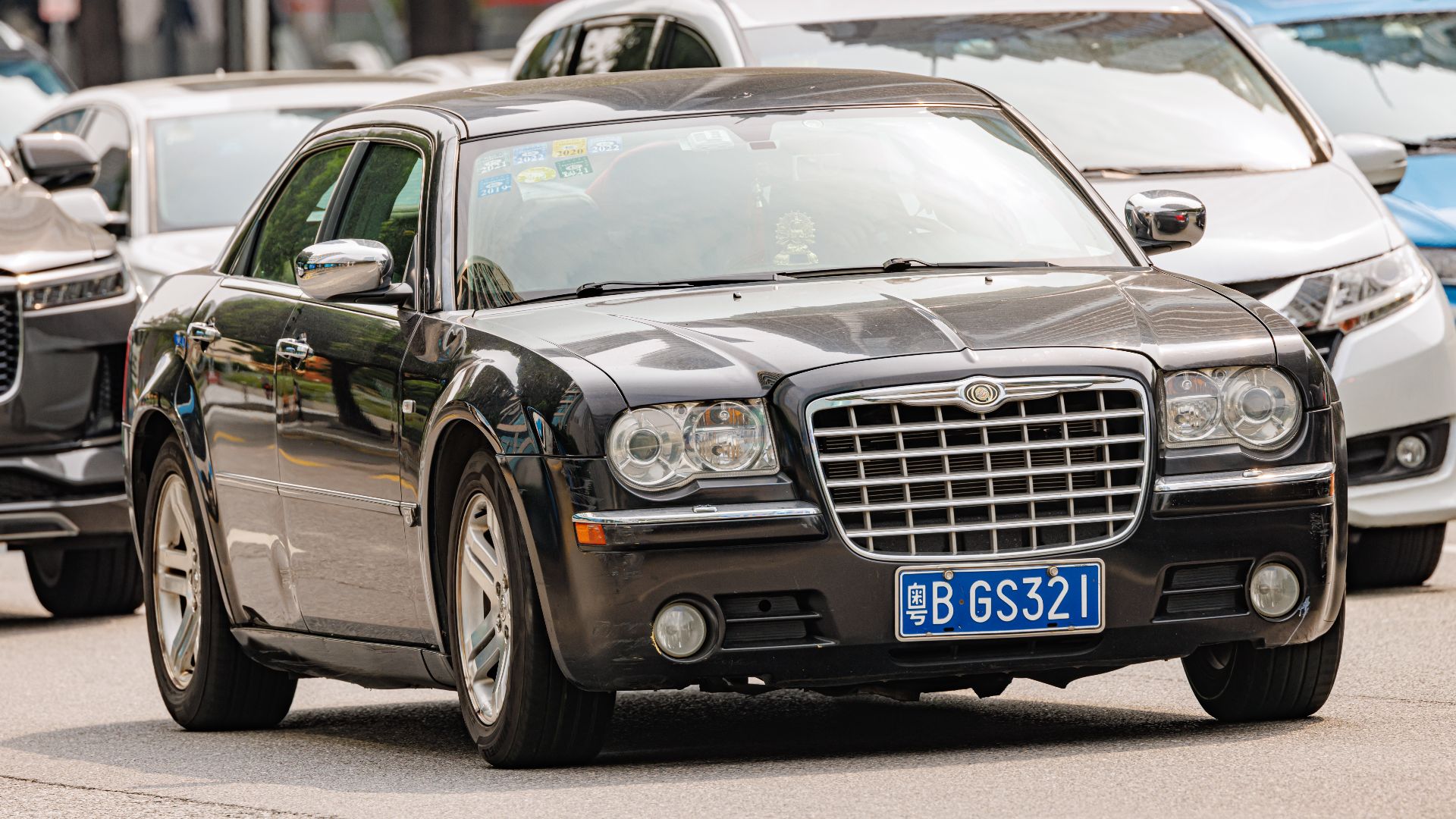
5. Chrysler 300
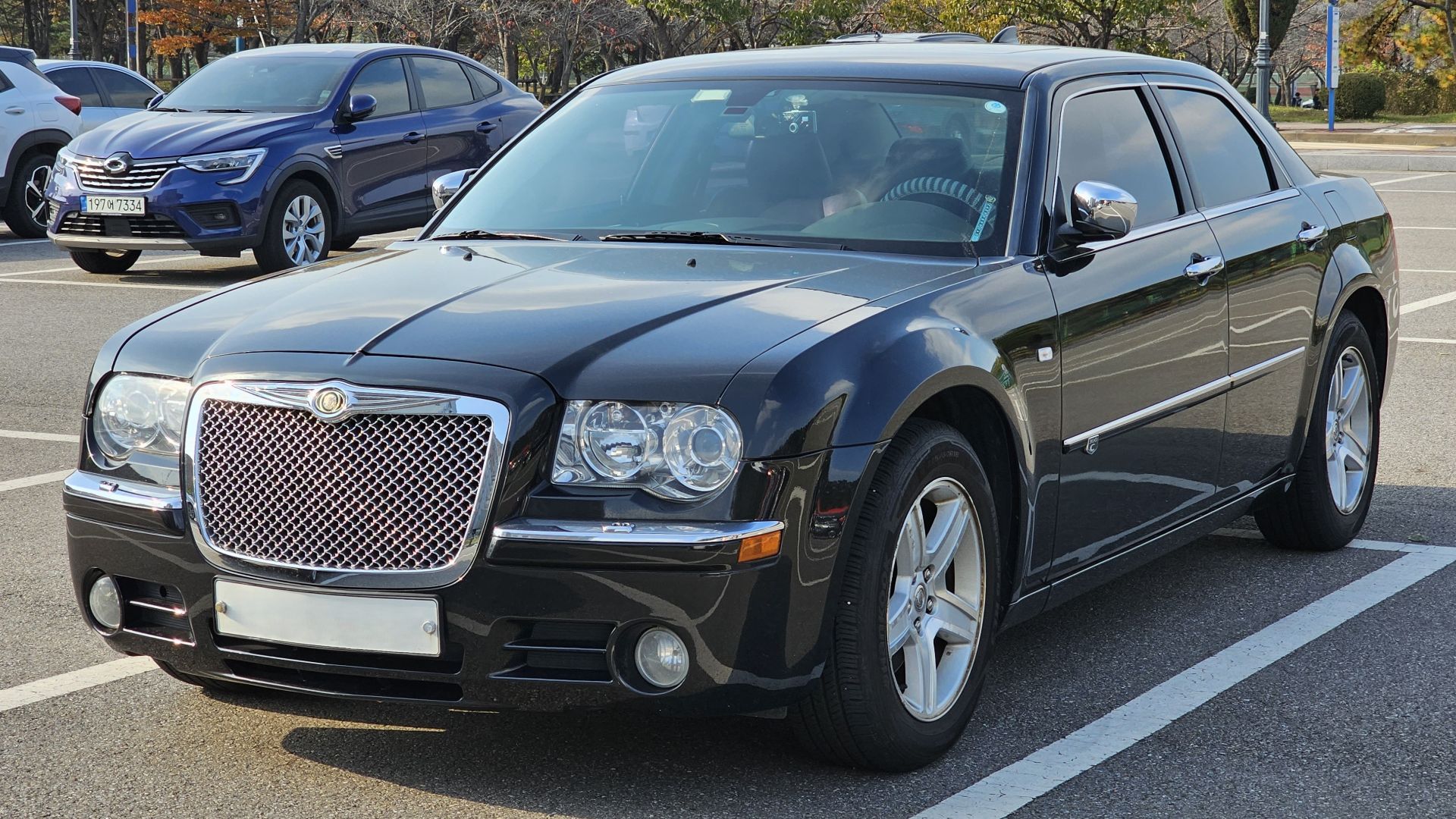
Drawing inspiration from the bold luxury cars of the 1950s, the Chrysler 300 evolved into a modern legend with its V6 and V8 powertrains and comfortable ride quality. After 2011, its reliability strengthened, while its distinctive presence made it a recurring star in films and music videos.
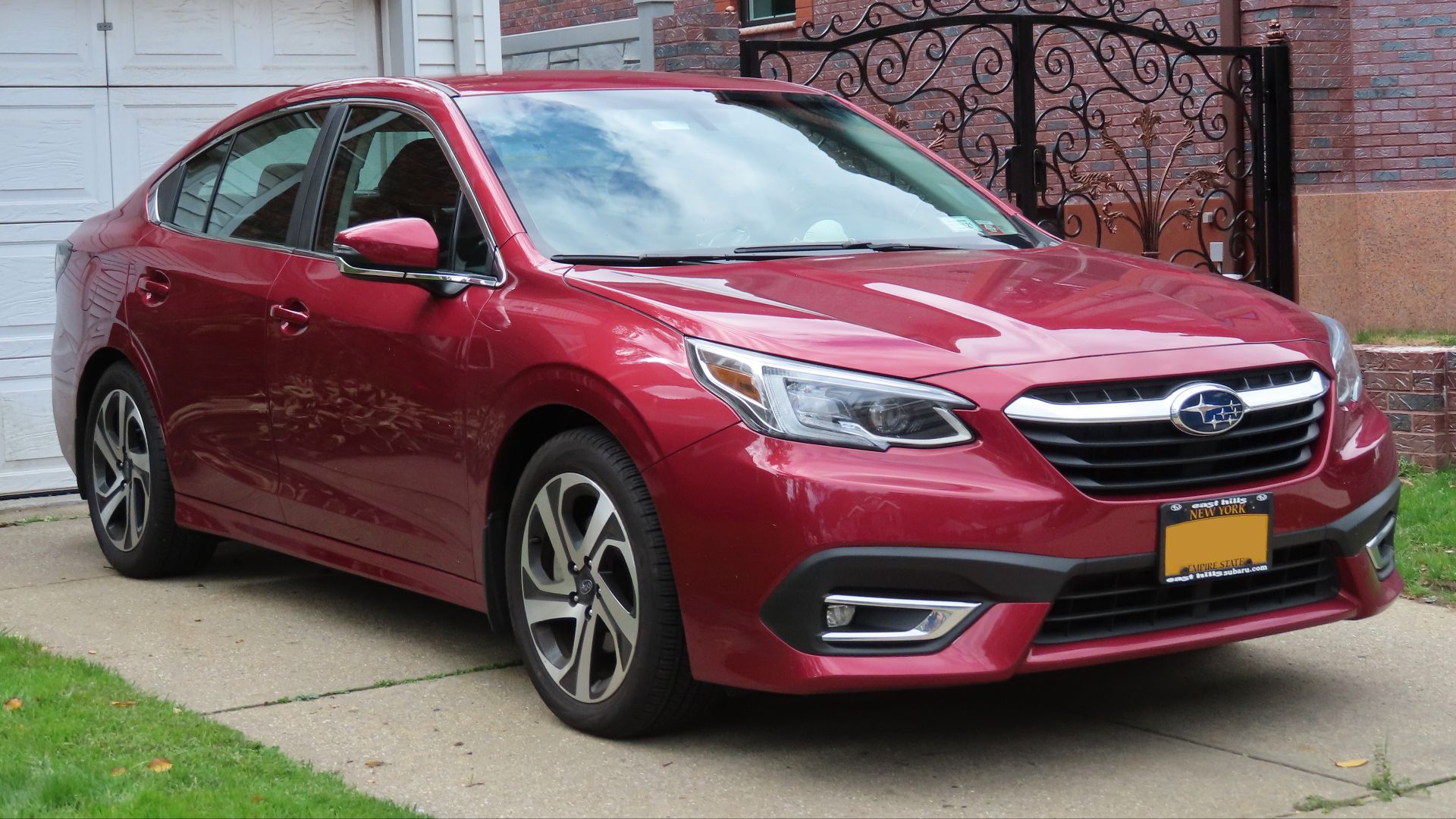
6. Subaru Legacy (1989–present)
When the Legacy first rolled off Subaru's Indiana assembly line in 1989, it married American manufacturing muscle with Japanese engineering artistry—from its gravity-hugging boxer engine to its rally-ready all-wheel drive. This cultural fusion has created a uniquely reliable sedan that continues earning devoted followers.
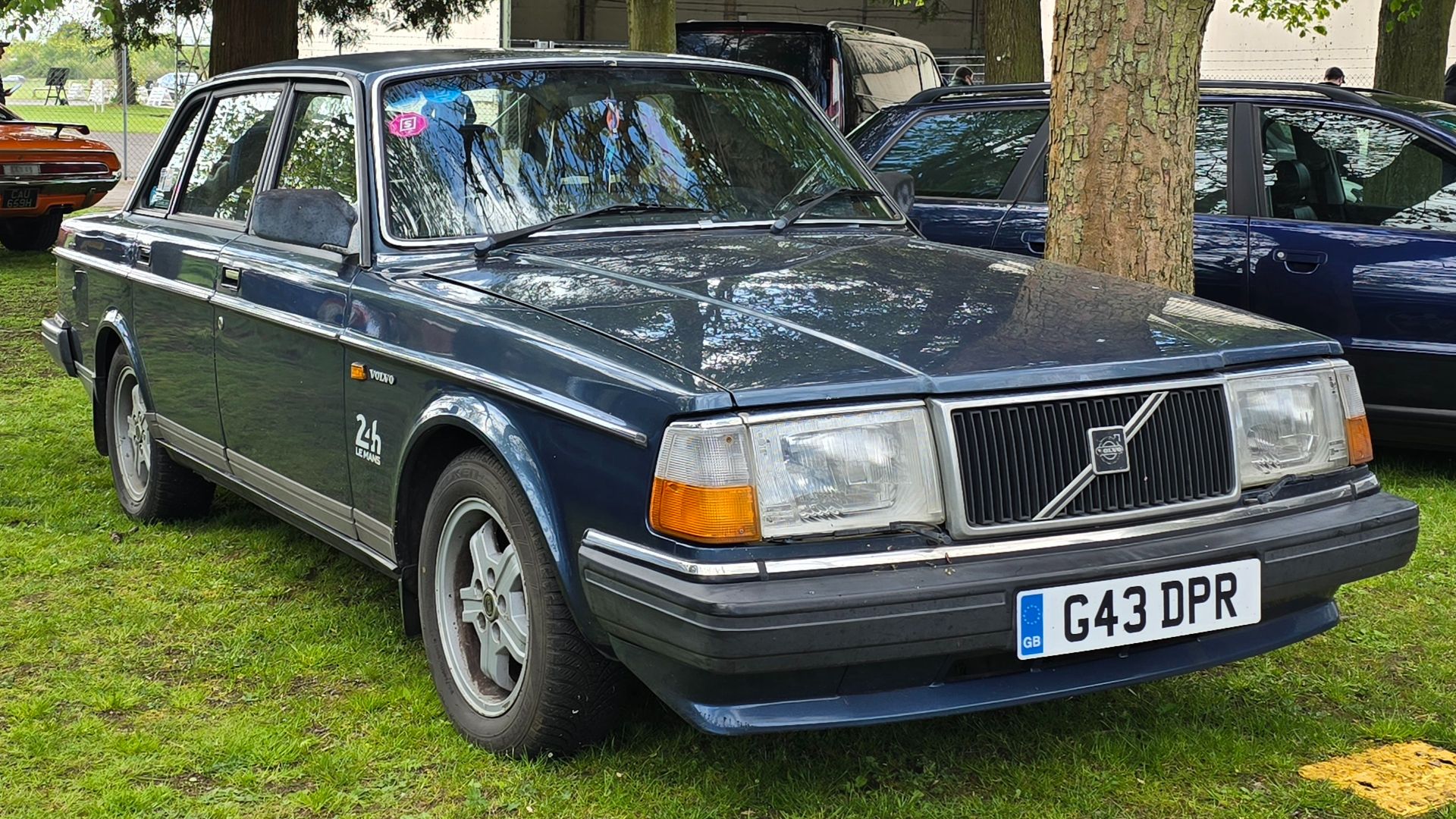
7. Volvo 240 (1974–1993)
Volvo's reputation for safety excellence traces back to the revolutionary 240, which introduced reinforced side-impact protection during its remarkable 1974–1993 production run. The model's iconic boxy design reflects its protective engineering, creating a durable legacy still evident in examples surpassing 400,000 miles today.
8. Mercedes-Benz E-Class (W124) (1984–1996)
Modern luxury vehicles chase the reliability benchmark set by the 1984-1996 W124 E-Class, whose legendary overengineered construction routinely yielded 500,000-mile lifespans. Nicknamed the “Last Real Mercedes,” it also pushed safety forward with innovations like crumple zones and airbags that became industry standards.
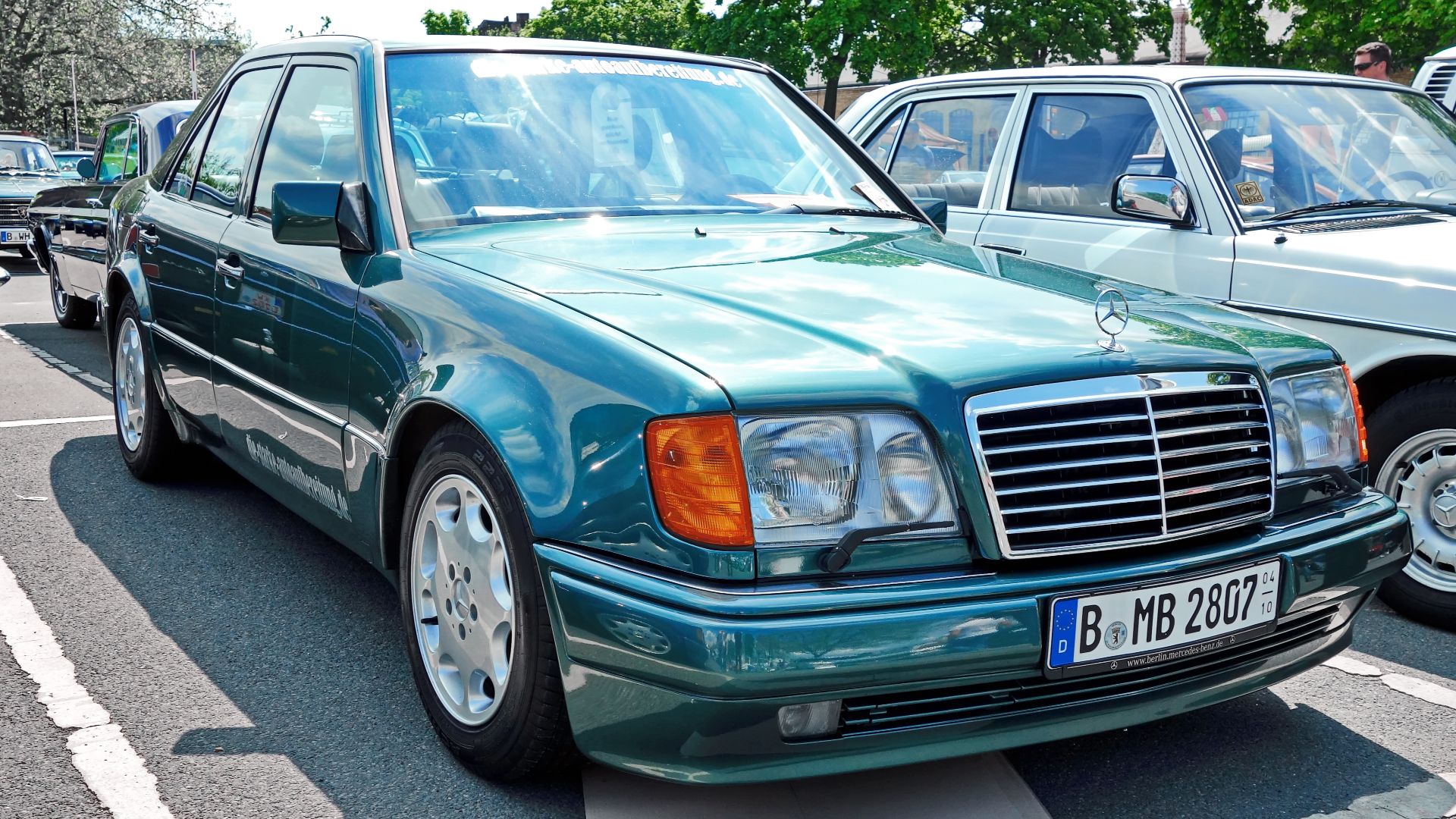 More Cars from Berlin, Germany on Wikimedia
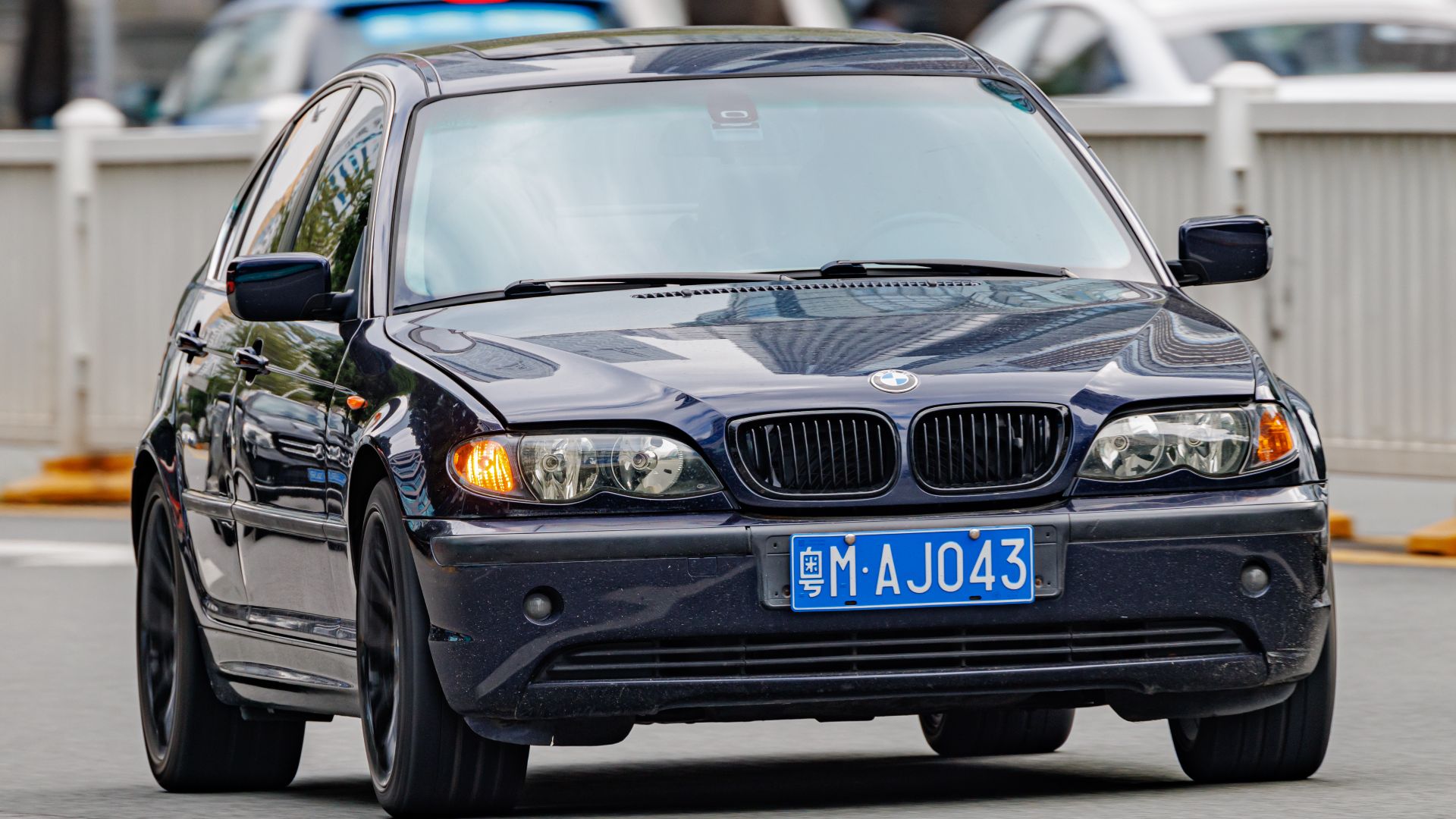
9. BMW 3 Series (1975–present)
The E46-generation 3 Series is still prized by enthusiasts for its sharp handling and tuning potential. Since debuting in 1975, the model has gone through seven generations, consistently delivering the dynamic driving spirit that defines BMW’s compact luxury lineup.
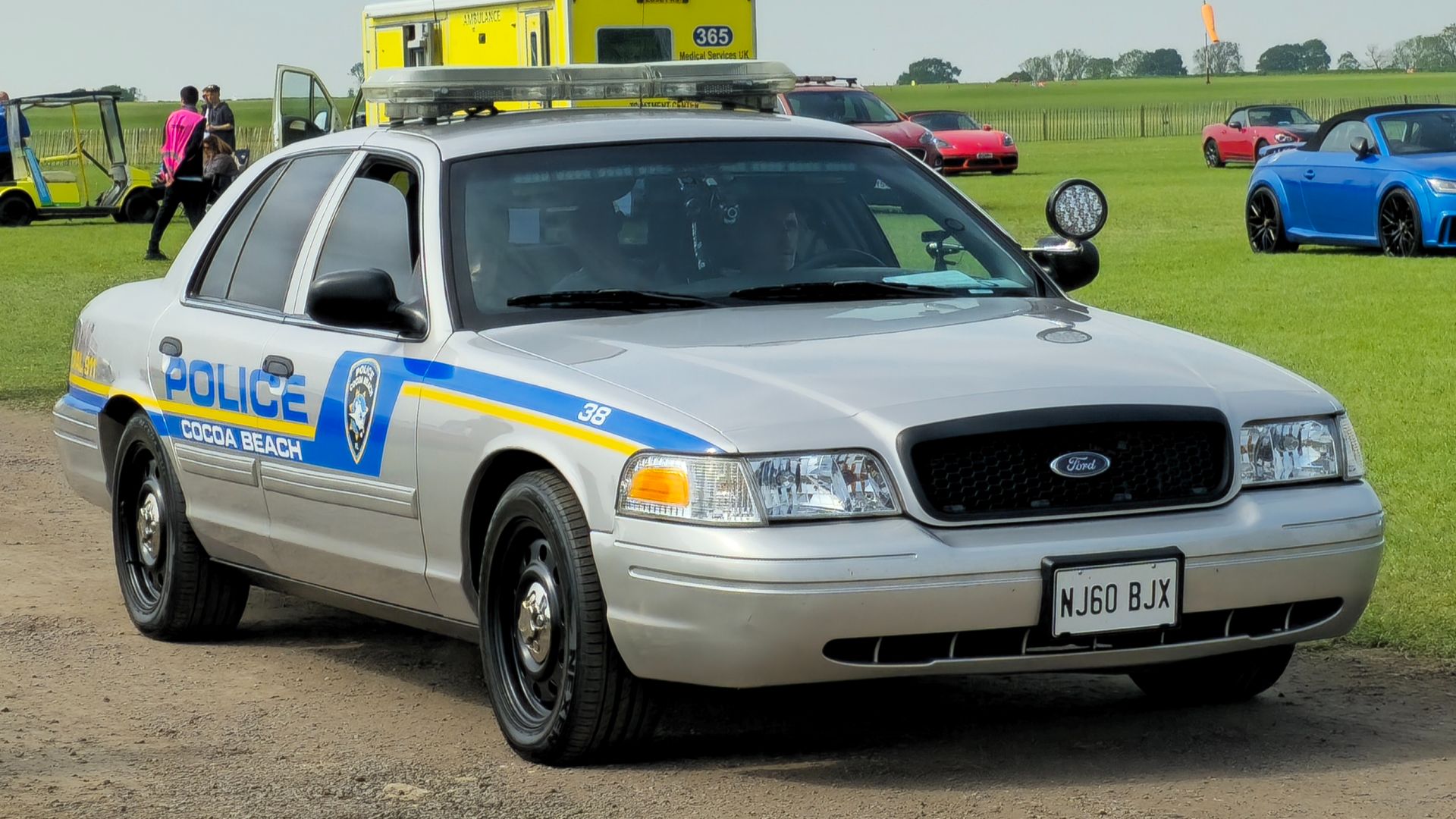
10. Ford Crown Victoria (1992–2011)
When Ford ended Crown Victoria production in 2011, it closed a remarkable chapter in automotive history. The Panther platform stalwart had earned its "Cop Car" nickname through two decades of police service. Plus, its legendary durability routinely pushed past 300,000 miles in both law enforcement and taxi fleets.