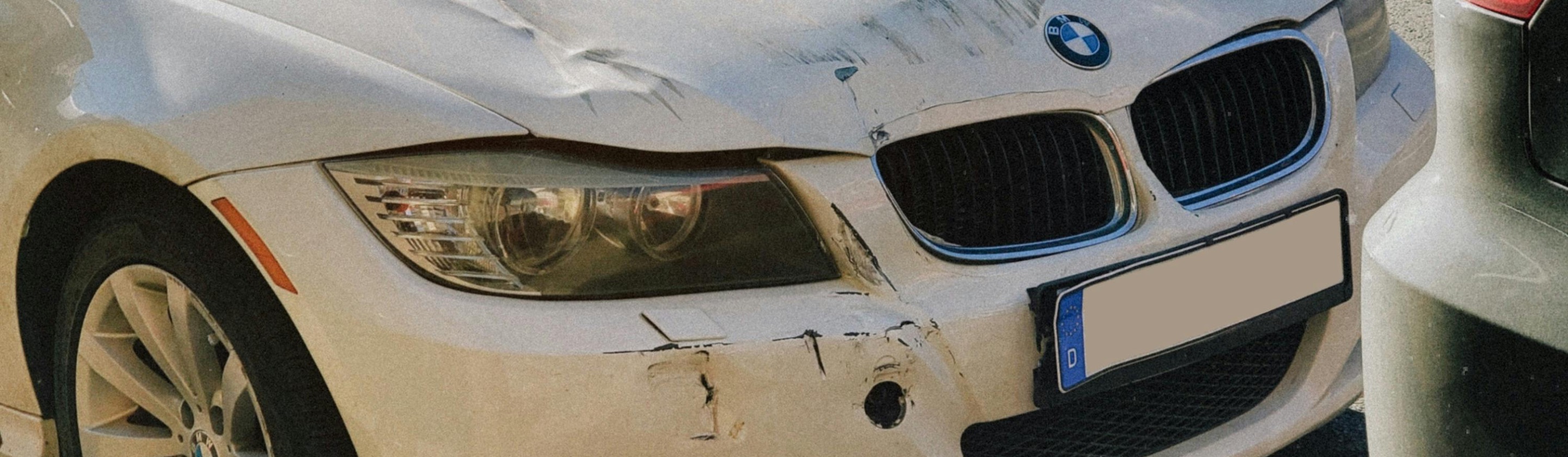
10 Common Ways Drivers Accidentally Damage Their Cars & 10 Ways to Keep It Free of Nicks and Dents
10 Common Ways Drivers Accidentally Damage Their Cars & 10 Ways to Keep It Free of Nicks and Dents
Accidental Habits Can Lead to Big Repairs
If you're like most, you probably baby your car. It's your ride or die. And yet, you probably don't know that some of your everyday behaviors can put extreme wear and tear on it, from the way you park to how you shift gears and even how you wash your vehicle. If you don't want to accidentally ding your car or pay a hefty repair bill, make sure you avoid making these common mistakes.
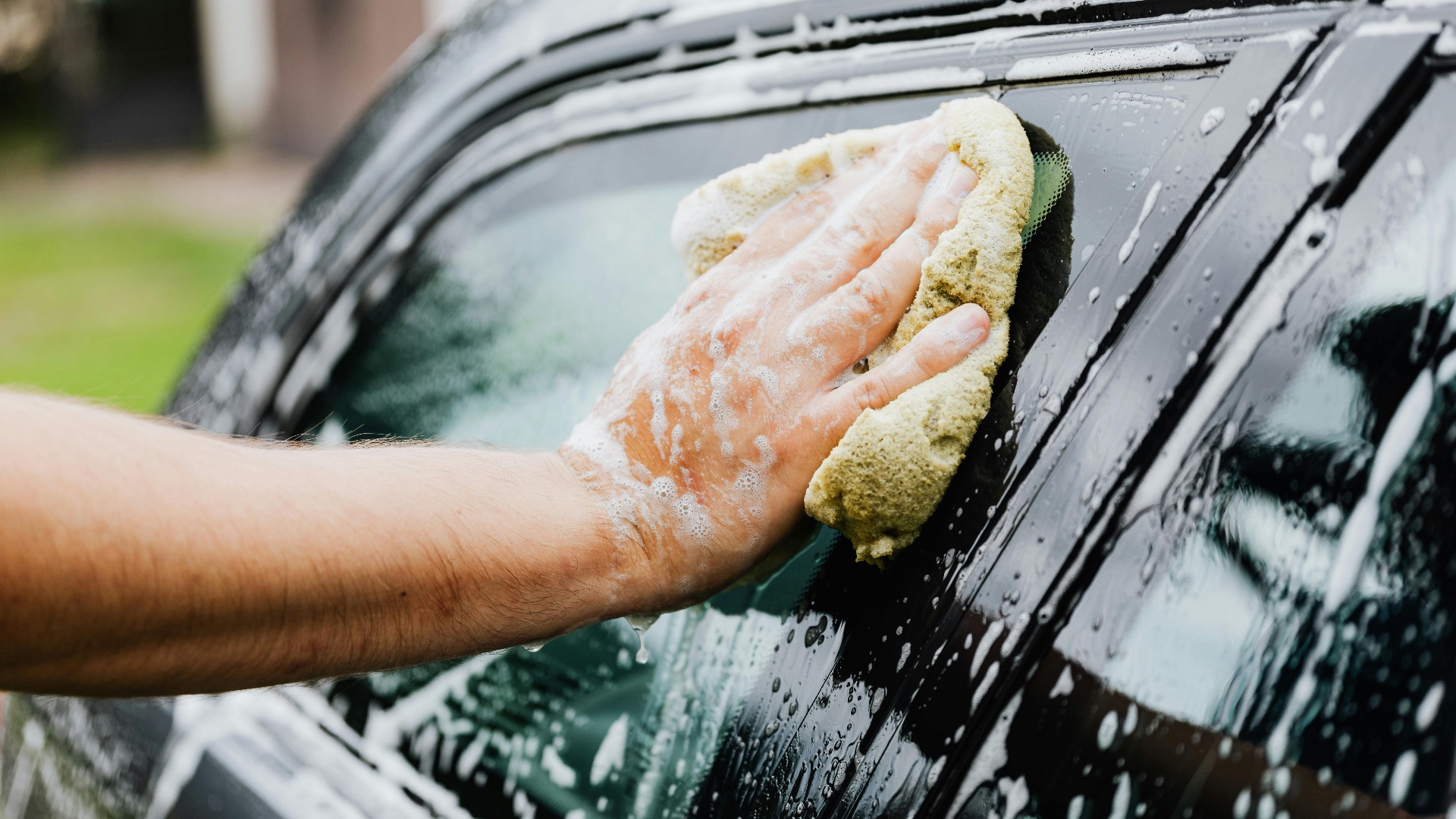
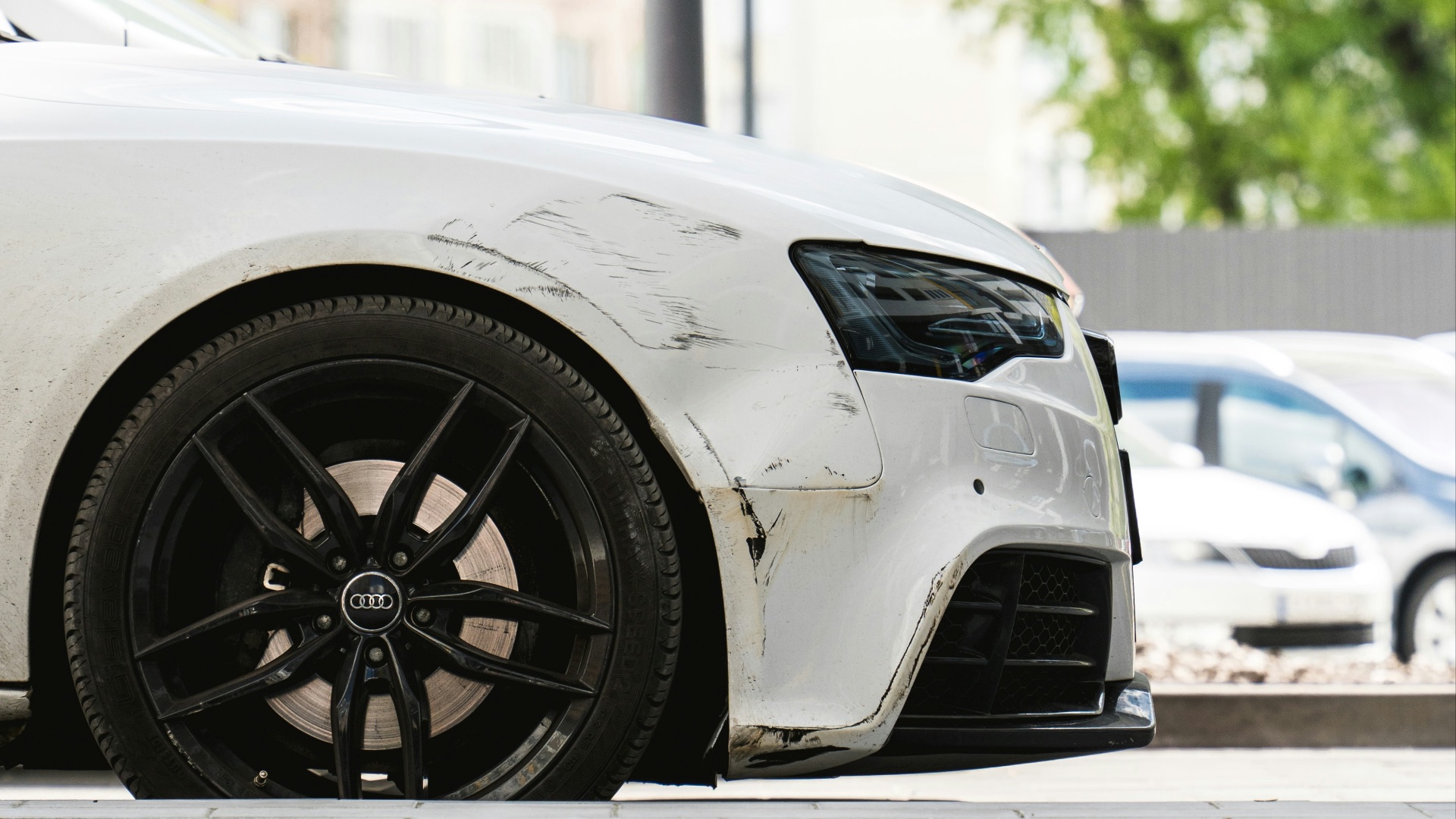 Volodymyr Dobrovolskyy on Unsplash
1. Ignoring Dashboard Warning Lights
A dashboard warning light is your car’s way of telling you something needs attention, even when the vehicle still seems to drive normally. Many drivers delay checking these alerts because they assume the issue isn’t urgent, but small problems can turn into costly repairs. A check engine light, oil pressure warning, or brake alert should never be brushed aside for long. Having the vehicle inspected early can prevent more serious damage.

2. Riding the Brakes Downhill
Keeping your foot on the brake pedal during a long downhill drive can cause the braking system to overheat. This habit wears down brake pads faster and can reduce stopping power when you need it most. It’s better to use a lower gear when appropriate and apply the brakes in controlled intervals. That gives the system a chance to cool and helps preserve the parts.

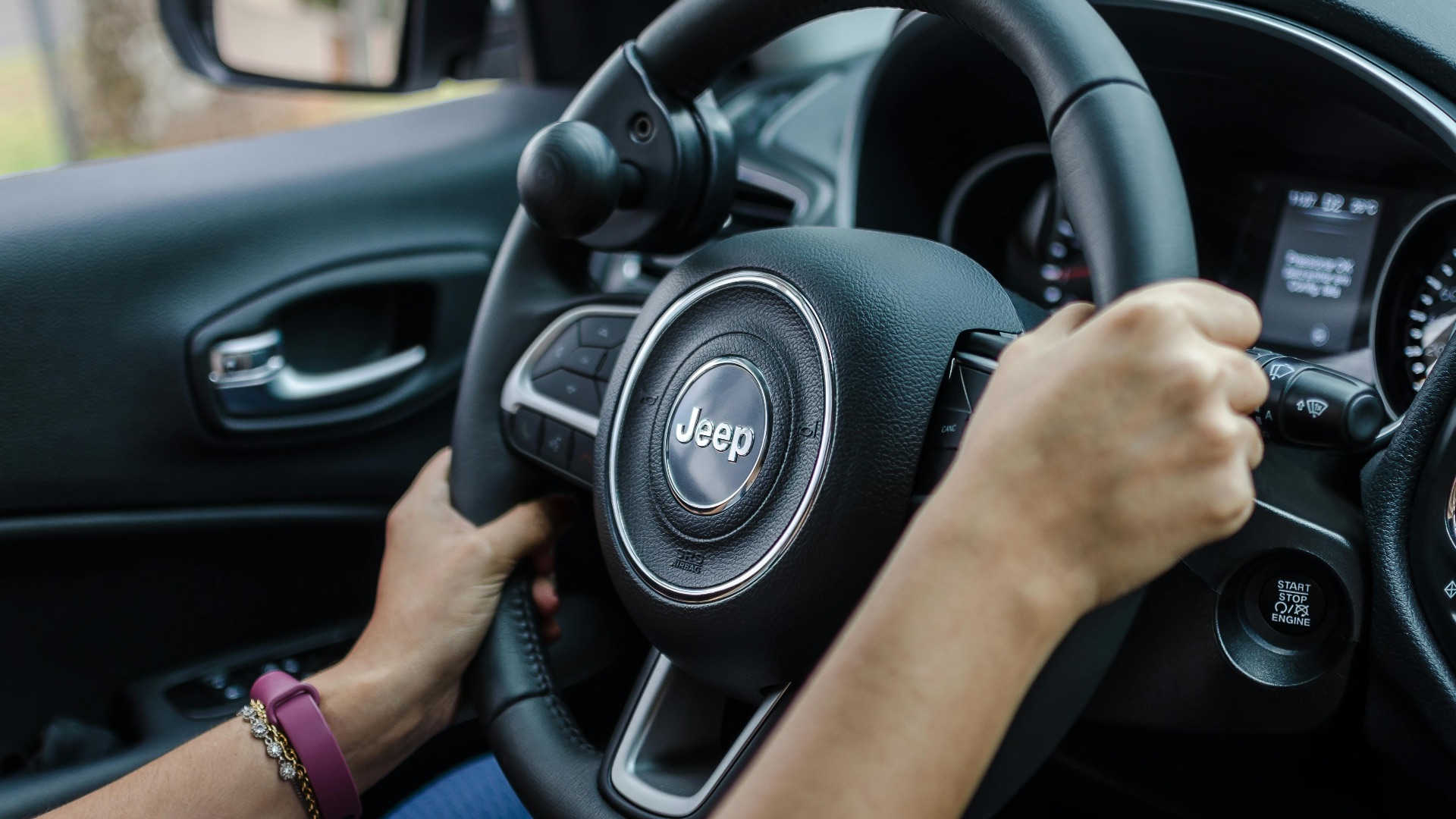
3. Dry Steering
Turning the steering wheel while the car is completely stopped, often called dry steering, can put extra strain on the steering system and front tires. It’s a habit many drivers fall into when maneuvering out of tight parking spaces or making small adjustments in a driveway. Over time, repeated dry steering can contribute to unnecessary tire wear and stress on steering components. Letting the car roll slightly before turning the wheel is easier on the vehicle.
4. Letting Fluids Run Low
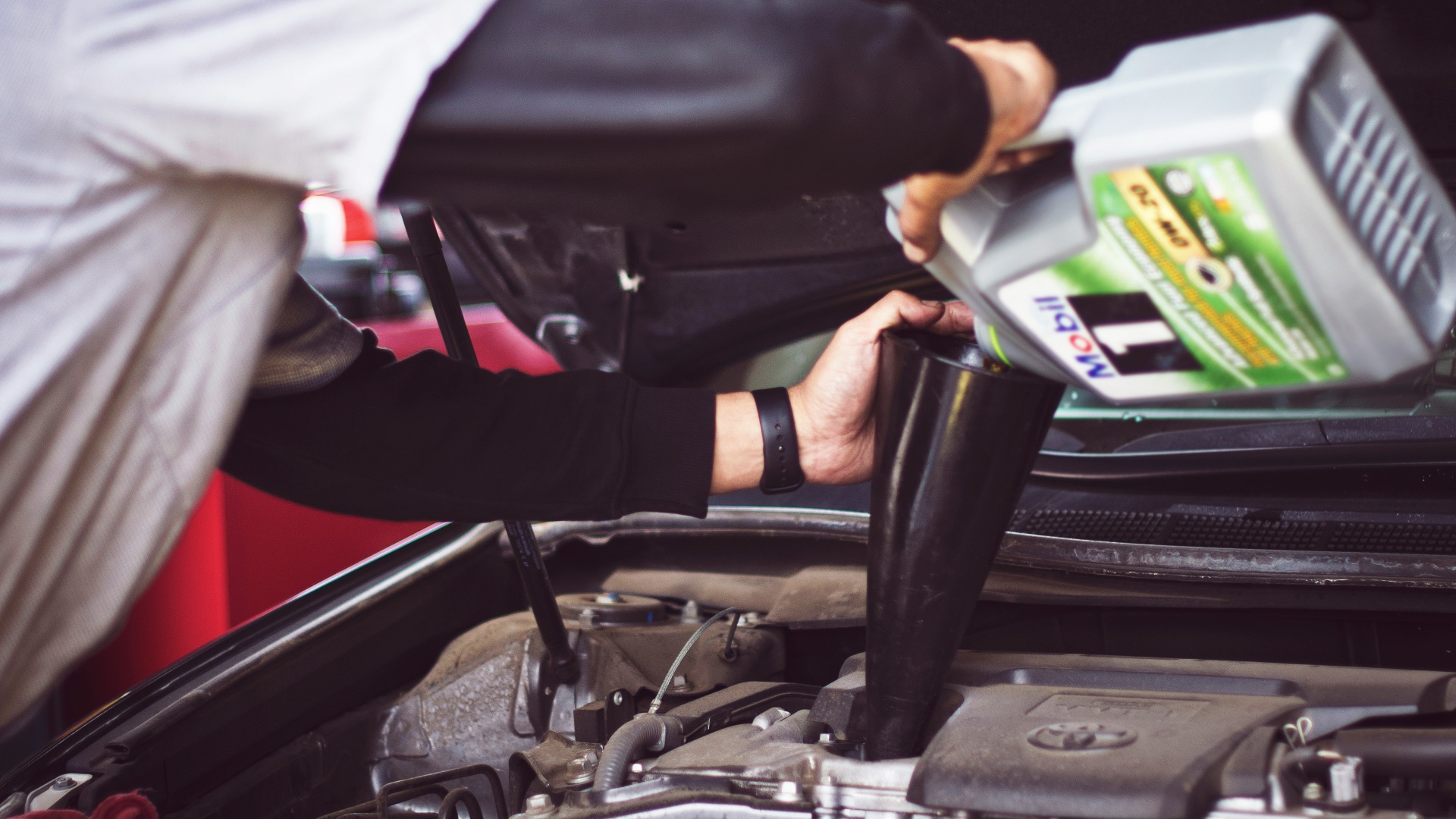
Your car relies on several fluids to stay properly cooled, lubricated, and protected. Engine oil, coolant, transmission fluid, brake fluid, and power steering fluid all play important roles in keeping systems working as they should. When levels drop too low, parts can overheat, grind, or fail prematurely. Checking fluids regularly is a simple habit that can prevent major mechanical trouble.
5. Shifting from Reverse to Drive Too Quickly
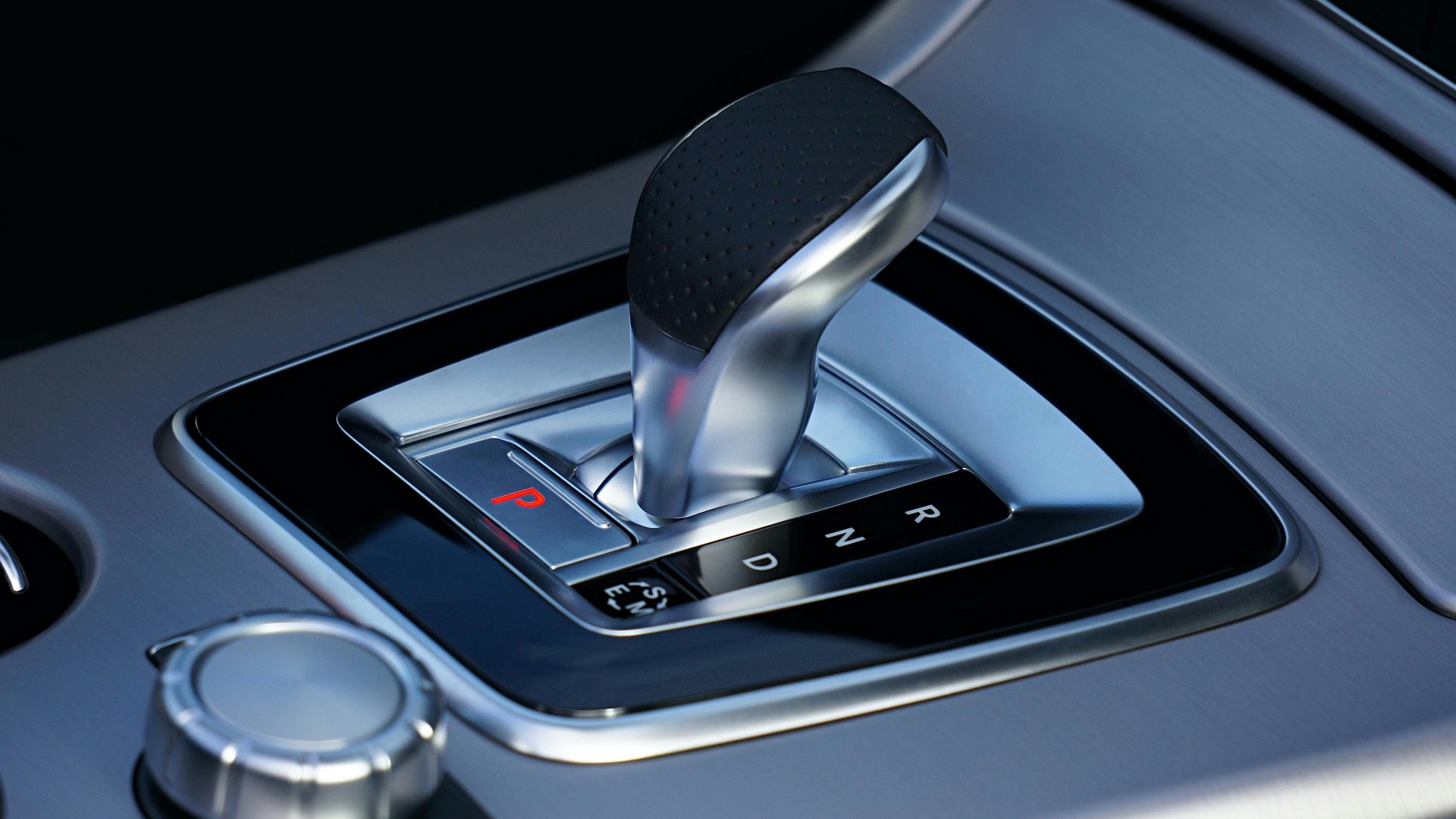
Many drivers shift from reverse to drive before the car has fully stopped, especially when backing out of a parking space. That quick movement may feel harmless, but it can strain the transmission over time. Automatic transmissions are built to handle smooth gear changes, not repeated abrupt shifts while the vehicle is still moving. Waiting one extra second for the car to stop can help protect one of its most expensive systems.
6. Driving on Underinflated Tires
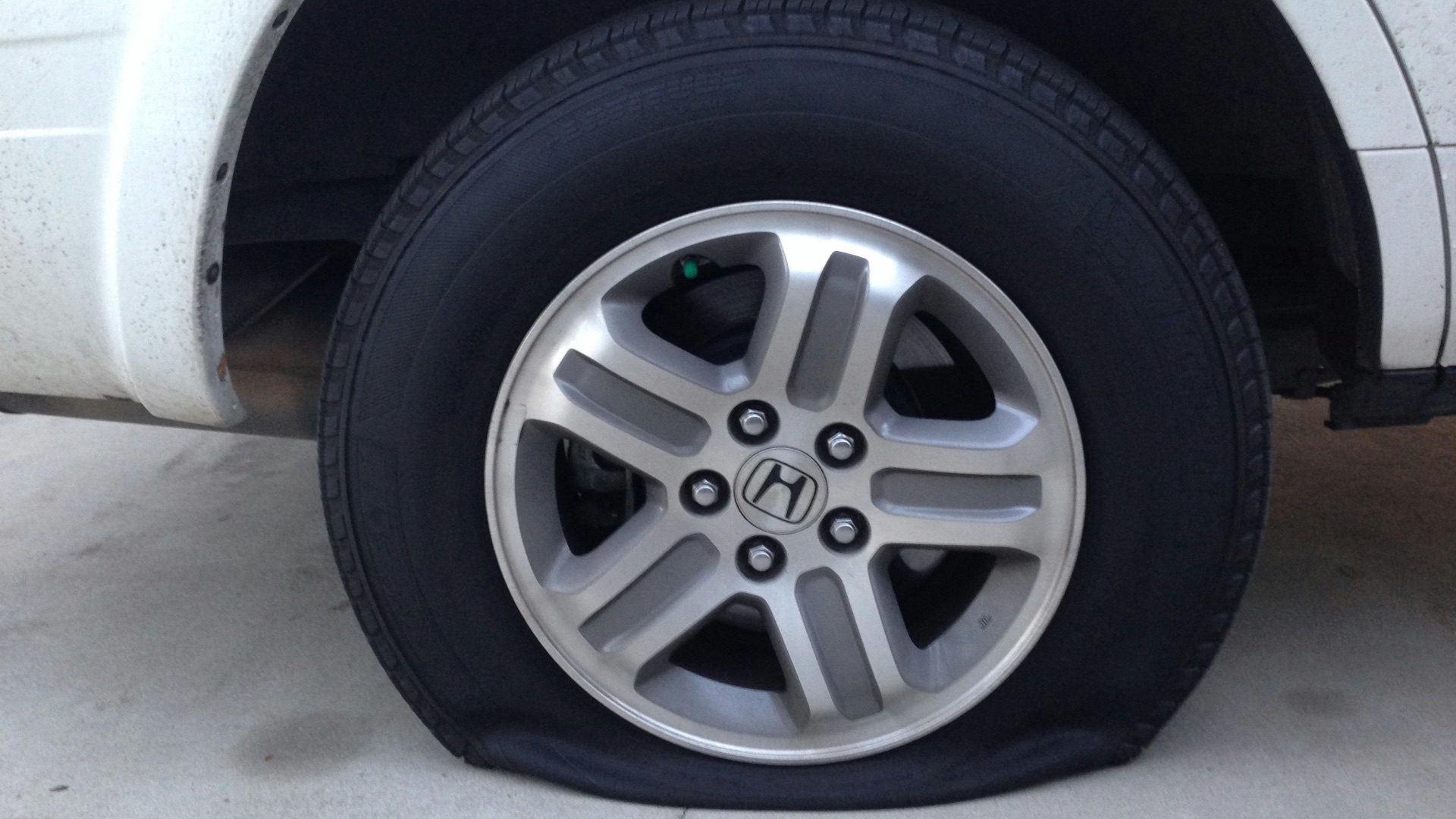
Low tire pressure affects more than fuel economy. Underinflated tires create extra friction, wear unevenly, and can make steering feel less responsive. They’re also more likely to overheat, especially during long drives or hot weather. Keeping your tires inflated to the recommended pressure helps them last longer and improves overall safety.
7. Skipping Regular Washes
Dirt, road salt, bird droppings, and tree sap can damage your car’s paint if they sit too long. Some substances are acidic or abrasive, which means they can stain, dull, or weaken the finish. Drivers who wait months between washes may not notice the harm until the paint already looks tired. Regular cleaning protects the exterior and helps the car look newer for longer.

8. Riding the Clutch
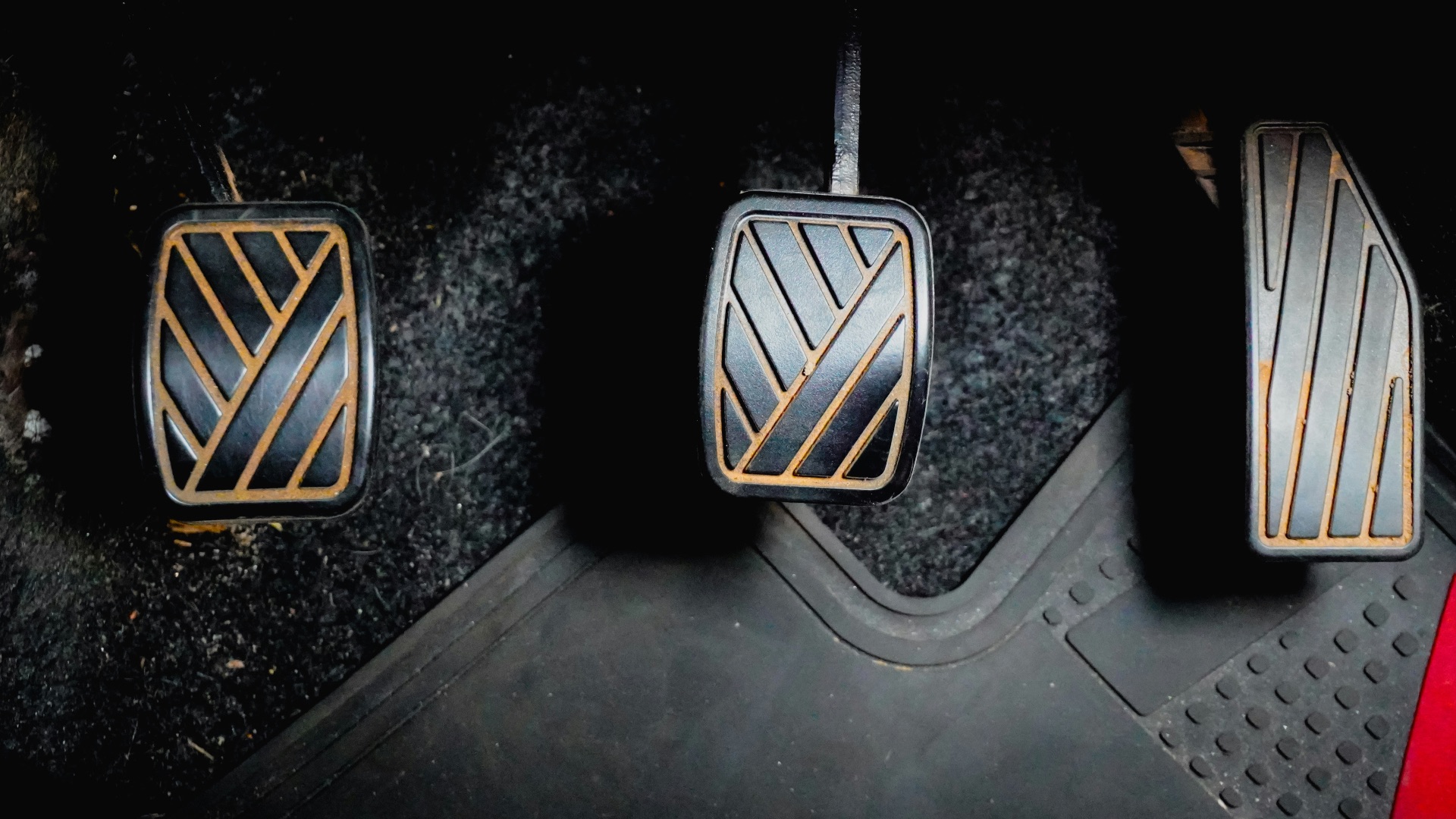
For those who drive stick shift, keeping your foot partially on the clutch pedal while driving can wear out the clutch faster than necessary. Some drivers do this without thinking, especially in traffic or while preparing to shift. Even light pressure can keep the clutch from fully engaging, which creates friction and heat. Resting your foot on the floor instead helps the clutch last longer and keeps the transmission working properly.
9. Overloading the Vehicle
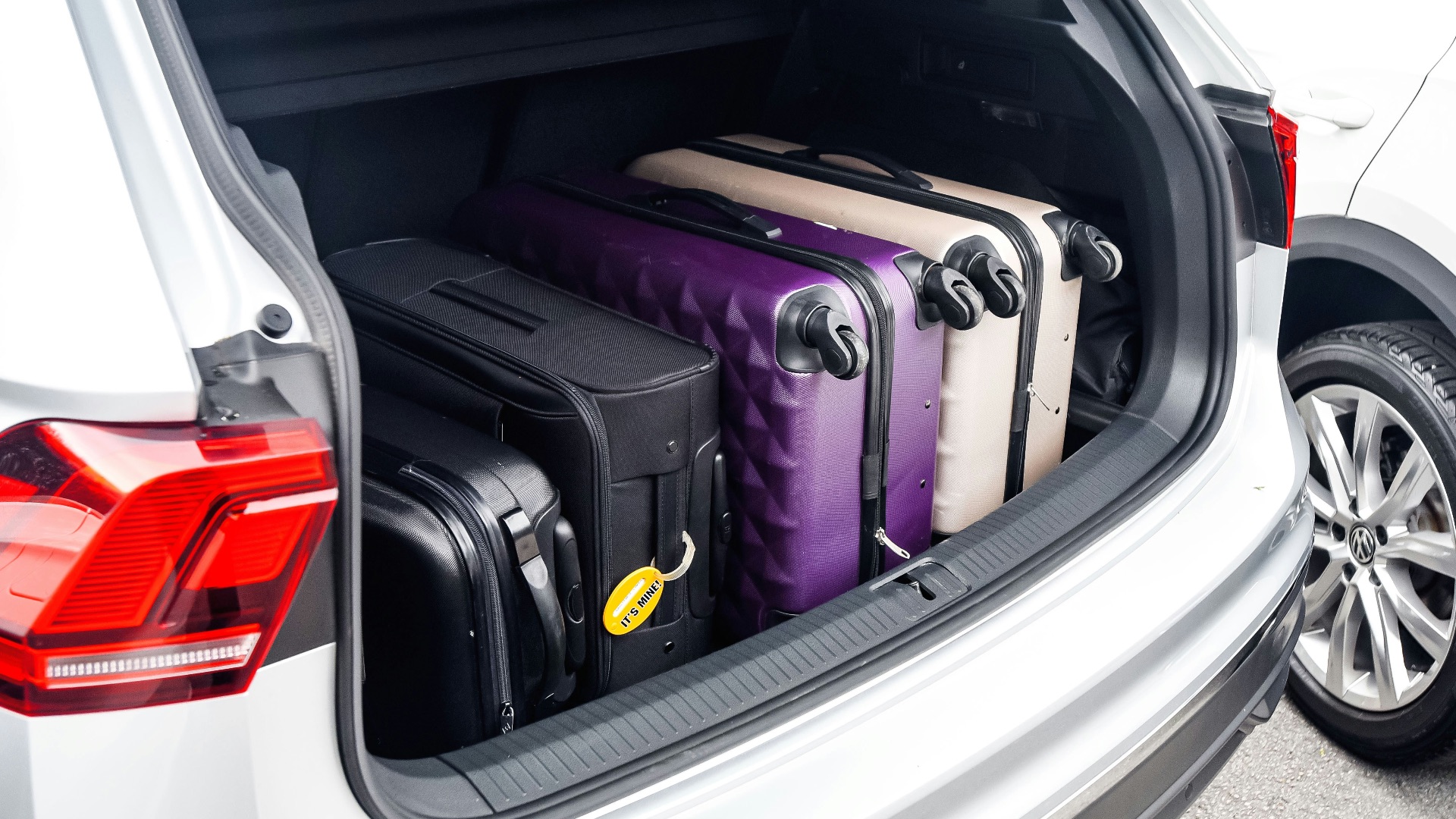
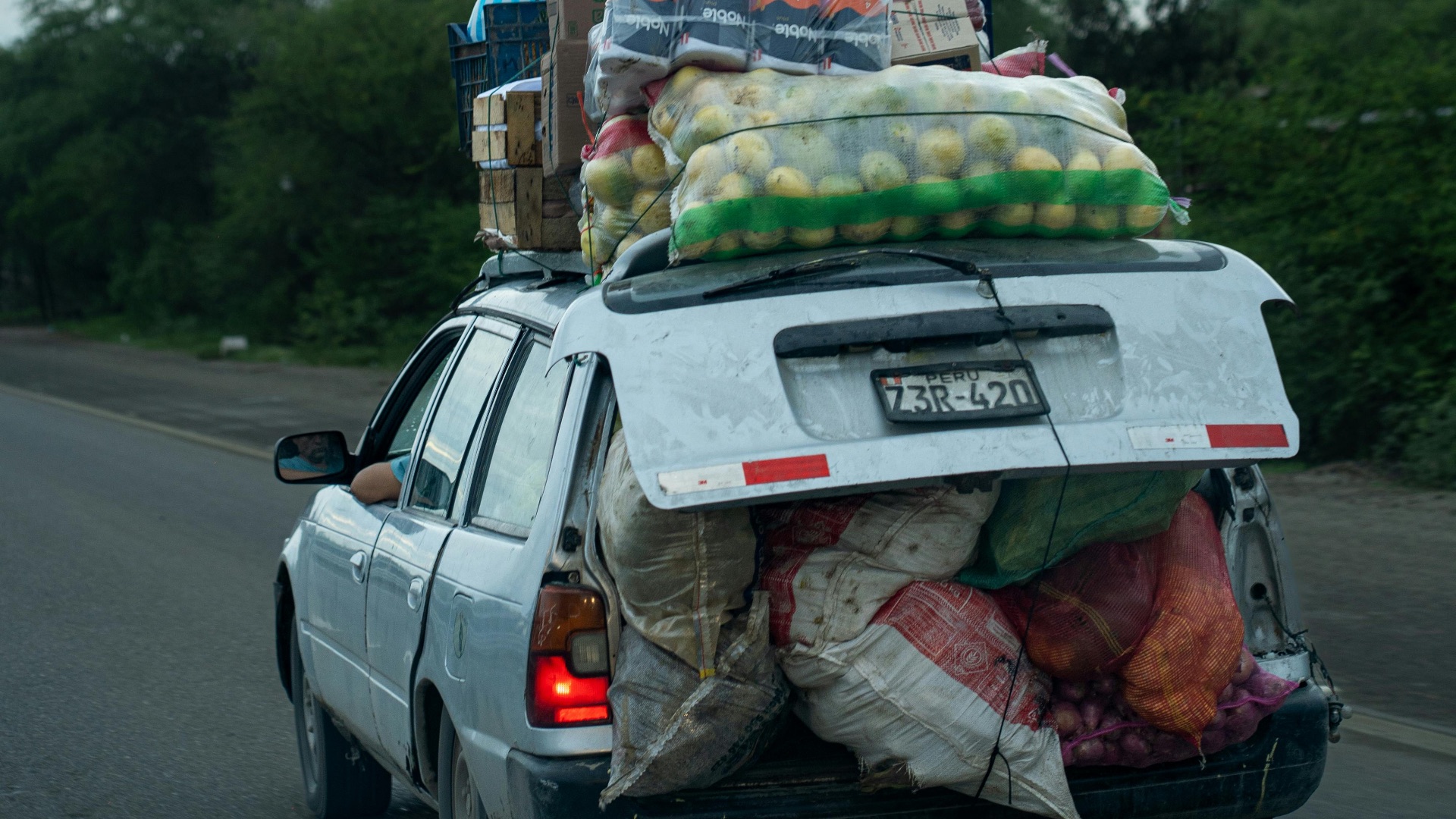
Packing too much weight into a car can strain the suspension, brakes, tires, and drivetrain. This is especially common during moves, road trips, or when hauling heavy equipment. Every vehicle has a recommended load limit, and exceeding it can affect handling and stopping distance. Staying within that limit helps the car perform the way it was designed to.
10. Using the Wrong Cleaning Products
Household cleaners may seem convenient, but many are too harsh for automotive surfaces. Products made for kitchens, bathrooms, or windows can strip protective coatings, dry out interior materials, or leave marks on paint and trim. Cars need cleaners designed for specific surfaces such as leather, plastic, glass, and exterior paint. Using the right product helps prevent avoidable cosmetic damage.
These everyday habits can wear out your car's mechanical components, but there are more mistakes that drivers regularly make that can cause further unnecessary damage. Let's jump into how to keep your vehicle free from dents and scratches.
1. Park Farther Away When Possible
Parking farther from store entrances can reduce the chances of door dings from crowded spaces. The extra walking distance is often worth it, especially in busy lots where cars are packed closely together. Look for areas with fewer vehicles and wider gaps whenever you can. Choosing a safer spot can make a noticeable difference over time.
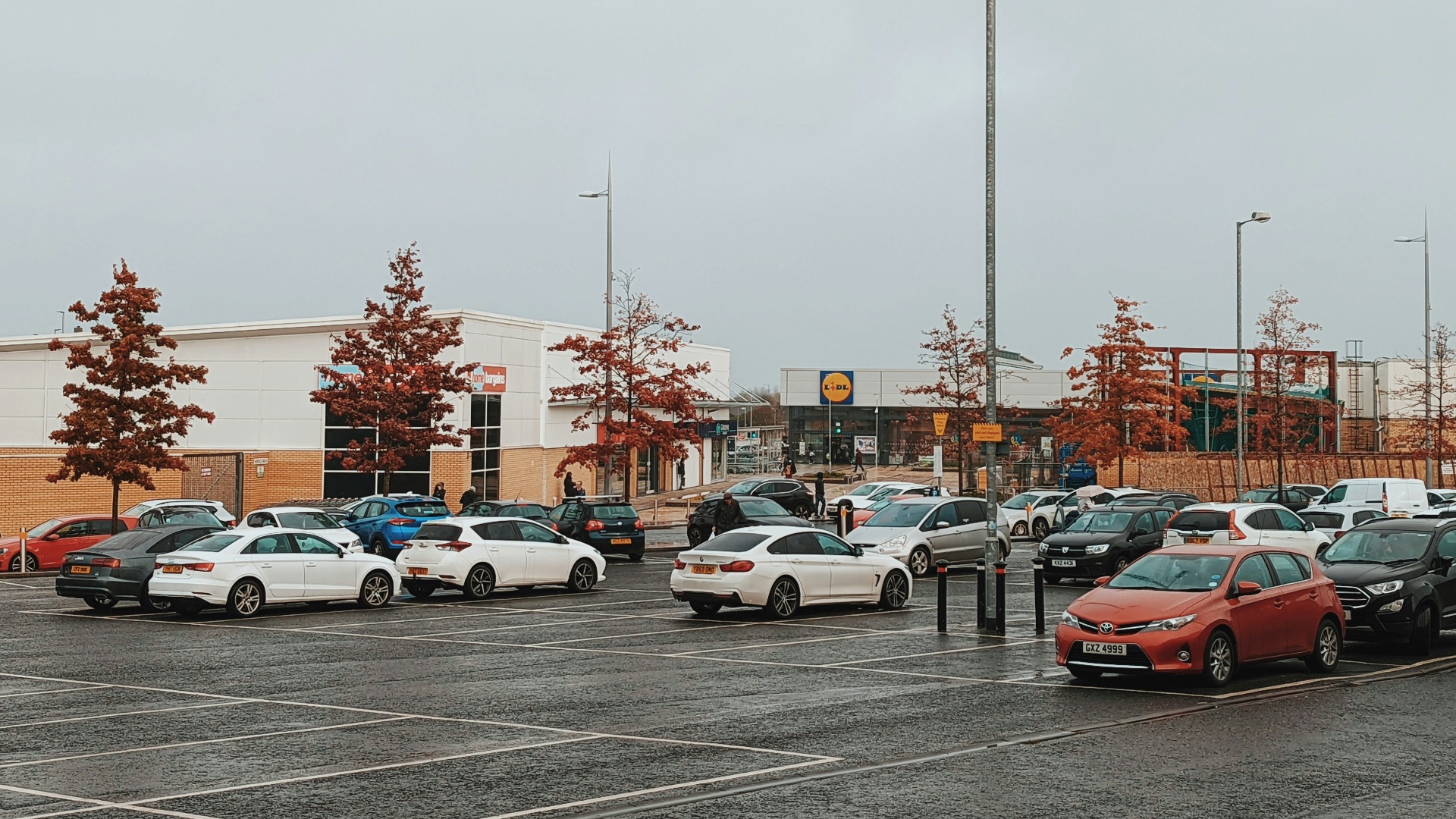
2. Avoid Parking Next to Large Vehicles
Large trucks, vans, and SUVs can limit visibility and make it harder for nearby drivers to open doors carefully. They also make it more difficult for you to see oncoming traffic when backing out. Parking beside smaller vehicles, or choosing an open space, can lower the risk of accidental contact. A little extra caution in the lot can help protect your paint and body panels.

3. Use Covered Parking When Available
Covered parking can shield your car from hail, falling branches, and other outdoor hazards. It also helps reduce exposure to strong sun, which can wear down paint and trim over time. Garages, carports, and covered lots are especially helpful during severe weather seasons. When protection is available, it’s worth taking advantage of it.

4. Leave Enough Space in the Garage
A garage can protect your car, but only if there’s enough room around it. Bicycles, tools, storage bins, and lawn equipment can easily cause scratches or dents when they’re placed too close. Keeping a clear walking path around the vehicle reduces the chance of accidental bumps. Wall padding or parking guides can also help in tighter spaces.

5. Be Careful Around Shopping Carts
Shopping carts are one of the most common causes of small dents in parking lots. They can roll unexpectedly, especially on sloped pavement or windy days. Park away from cart return areas when possible, and avoid leaving your own cart unsecured. Taking a few seconds to return it properly helps protect your car and everyone else’s.

6. Open Doors Slowly in Tight Spaces
Tight parking spaces make it easy to tap another vehicle, a wall, or a post with your door. Opening the door slowly gives you time to stop before contact happens. This matters even more when passengers are getting out, especially children who may swing doors open quickly. Reminding everyone to be careful can prevent small but frustrating marks.

7. Keep Distance from Construction Zones
Construction areas often have loose gravel, temporary barriers, uneven pavement, and heavy equipment nearby. Driving too close to other vehicles in these areas can increase the chance of rocks hitting your car’s paint or windshield. Slowing down and leaving more space gives you better control and lowers the risk of surface damage. Avoiding rough lanes when possible can also help.

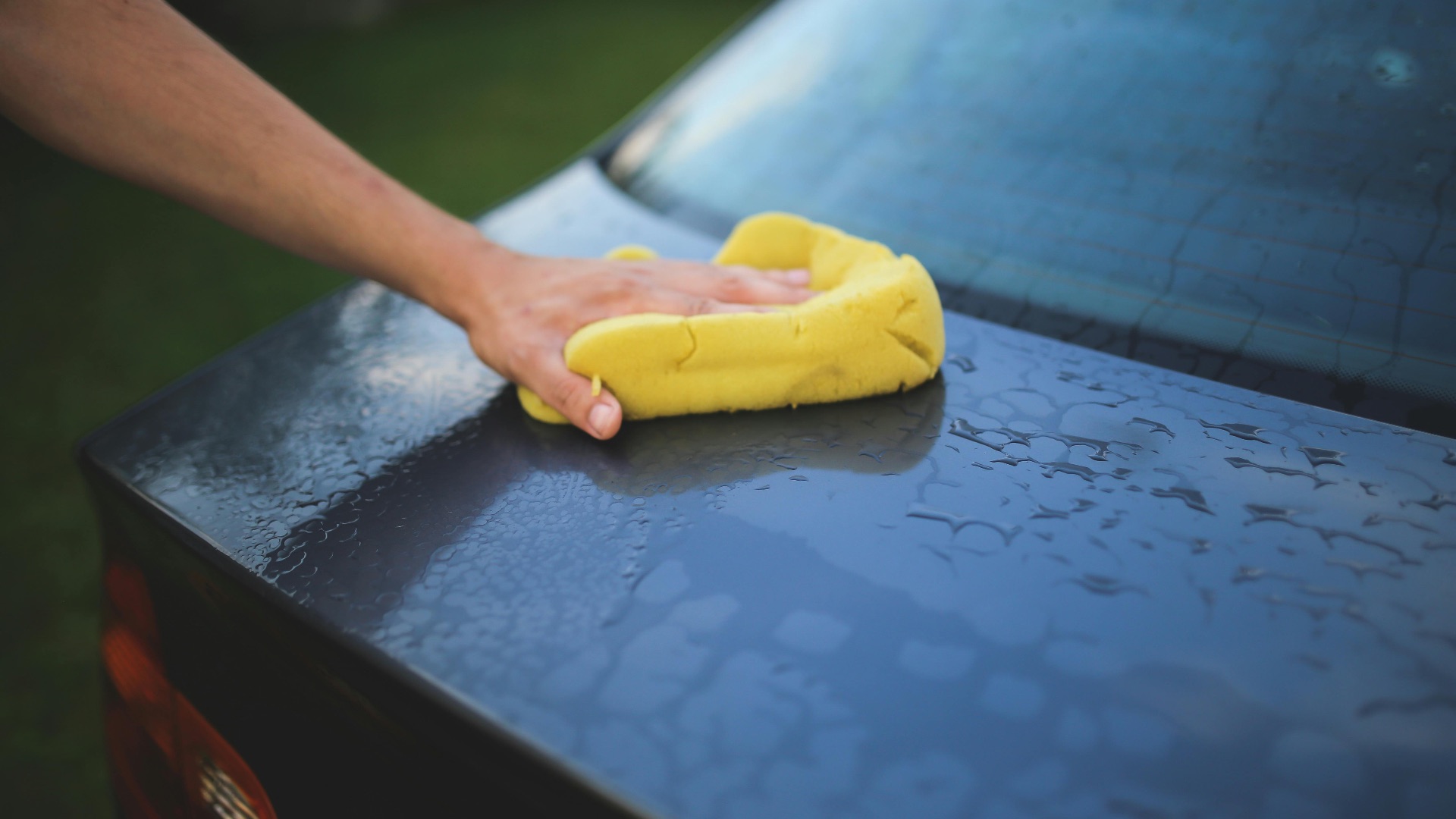
8. Wash with Proper Tools
Using the wrong washing tools can create fine scratches that dull your car’s finish. Rough sponges, dirty towels, and automatic brushes that aren’t well maintained can drag grit across the paint. A soft microfiber mitt, clean towels, and car-safe soap are better choices for regular washing. Rinsing thoroughly before touching the paint also helps remove debris.
 Karolina Grabowska www.kaboompics.com on Pexels
9. Apply Paint Protection
Paint protection film, ceramic coating, or a good wax can add a helpful barrier against minor chips and surface wear. These products won’t make your car damage-proof, but they can reduce the impact of road debris, sun exposure, and everyday grime. High-impact areas such as the hood, bumper, mirrors, and door edges benefit the most. Choosing the right protection depends on your budget and how long you plan to keep the car.
10. Pay Attention When Loading Cargo
Scratches and dents often happen when drivers load groceries, luggage, tools, or sports gear in a hurry. Items can scrape the bumper, hit the trunk edge, or bump the side panels if you’re not paying attention. Using a cargo mat or bumper guard can help protect vulnerable areas. Taking your time while loading and unloading keeps the exterior in better shape.