

Fresh Starts and New Beginnings
My name is Teresa, and at 62, I'm finally starting over. After thirty-eight years of marriage that ended with divorce papers and half-empty closets, I decided it was time to find a place that was truly mine. Not his. Not ours. Mine. The apartment hunting was exhausting—everything either smelled like cigarettes, cost a fortune, or had neighbors who looked like they'd steal your newspaper. Then I found it: a small one-bedroom with decent light and walls that weren't paper-thin. When I met Paul, the landlord, I thought I'd hit some kind of senior-citizen lottery. He was probably in his forties, well-dressed, and actually listened when I talked. "I treat all my tenants like family," he said, helping me carry in boxes even though my son had already offered. The first night in my new place, I sat on my secondhand couch with a glass of wine, feeling something I hadn't felt in years—peace. No walking on eggshells. No passive-aggressive sighs from across the room. Just me and the soft hum of the refrigerator. I even took a selfie to send to my daughter with the caption "New beginnings!" Little did I know that my perfect landlord would turn my fresh start into a nightmare I couldn't have imagined.
 Image by RM AI
The Landlord's Welcome
Paul was a godsend that first day. While my son grumbled about the three flights of stairs, Paul cheerfully carried my heaviest boxes, pointing out the building's quirks along the way. "The radiator knocks twice before the heat kicks in," he explained, "and the best coffee shop is two blocks east, not the fancy one on the corner." He even helped me arrange my furniture, suggesting the perfect spot for my reading chair near the window. "I'm just a text away," he insisted, programming his number into my phone. "Day or night—I treat my tenants like family." I couldn't help but compare him to the horror stories my friend Diane told about her landlord who took three months to fix a leaking ceiling. That night, I settled into my new bed, surrounded by half-unpacked boxes but feeling strangely at home. For the first time in decades, I didn't lie awake listening for my ex-husband's disapproving sighs or wondering what mood he'd wake up in. I drifted off to the unfamiliar sounds of my new building, feeling like I'd finally found a safe harbor. If only I'd known that the most dangerous predators are often the ones who make you feel safest.
 Image by RM AI
Settling In
That first week in my new apartment felt like unwrapping a gift I'd given myself after decades of compromise. I arranged my furniture exactly how I wanted—no one to complain about the reading nook I created by the window or the small meditation corner I'd always dreamed of having. When the bathroom light flickered and died, I texted Paul with low expectations. Within an hour, he was at my door with not just a replacement bulb but three spares "just in case." My daughter Sarah visited on Saturday, bringing a houseplant and barely concealed concern. "Mom, are you sure you want to live alone?" she asked, her eyes scanning the apartment as if looking for dangers I couldn't see. I laughed and squeezed her hand. "Honey, after forty years of never being alone, this is exactly what I need." I showed her how responsive Paul had been, how safe the building felt, how I'd finally found a place where I could breathe. "He even helped me hang those curtains," I said, pointing proudly. Sarah seemed reassured, though something in her expression made me wonder if she thought I was being naive. If only I'd paid attention to that little flicker of doubt in her eyes—it might have prepared me for what was coming.
 Image by RM AI
The Perfect Landlord
A month into my new life, and I couldn't believe my luck with Paul. When my kitchen faucet started dripping at 7 AM on a Tuesday, I texted him expecting the usual landlord delay. Within five minutes—I'm not exaggerating—he was at my door with a toolbox and that same warm smile. "Can't have you wasting water on my watch, Teresa," he joked, fixing it before I'd even finished my coffee. At my Wednesday book club, I couldn't help but brag. "My landlord is basically a superhero," I told the ladies as they rolled their eyes, sharing their own horror stories about ignored maintenance requests and unreturned calls. That evening, a soft knock surprised me. Paul stood there holding a small potted plant with delicate purple flowers. "Saw this at the nursery and it reminded me of you," he said, handing it to me. "Resilient but beautiful." I was touched—when was the last time someone had given me a thoughtful gift? I placed it on my windowsill, feeling grateful for this unexpected kindness in my new life. It wasn't until later that night that I wondered: how did Paul know purple was my favorite color?
 Image by RM AI
Meeting the Neighbors
After a few weeks, I started meeting the other tenants in our building. Mr. Kowalski from upstairs would nod politely in the hallway, but I couldn't help noticing how his smile would vanish whenever Paul appeared. Then there was Jenna, a grad student who lived down the hall. We bumped into each other at the mailboxes, and she seemed nice enough, though something felt off. "The building gets creaky at night," she warned, lowering her voice. "Sometimes it sounds like someone's walking around when nobody should be." I laughed it off—old buildings make noise, right? When Paul hosted a small get-together in the lobby "to build community," I watched him work the room. He was charming with everyone, but I noticed how his attention lingered on the women. He'd touch their shoulders or stand just a bit too close, while barely acknowledging the men. When he introduced me to everyone as his "favorite new tenant," I felt special at first. But then I saw Jenna exchange a look with Mr. Kowalski that made my stomach tighten. Later, as I was leaving, Jenna whispered, "Be careful with Paul. He's not what he seems." I brushed it off as drama from a young girl, but that night, I double-checked my locks for the first time since moving in.
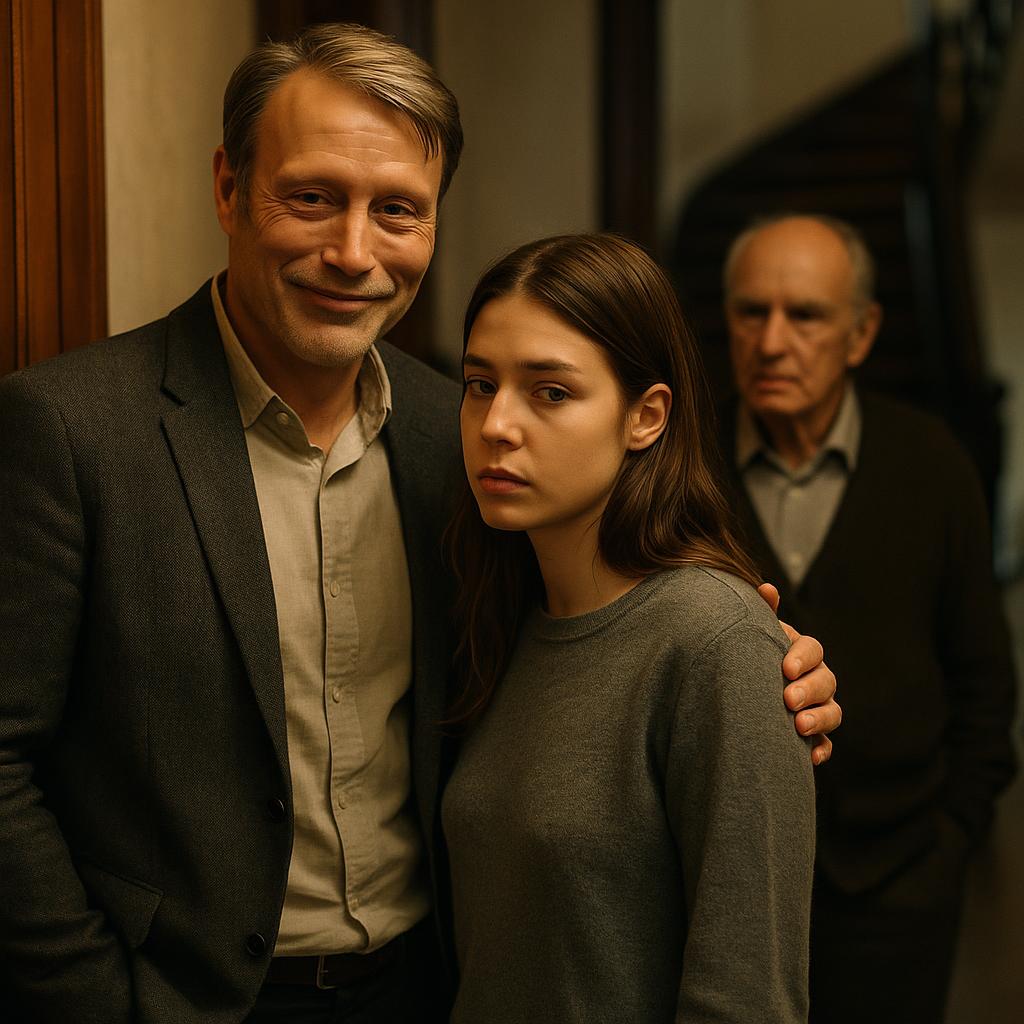 Image by RM AI
The First Unannounced Visit
Three months into my new life, I was settling into a comfortable routine when a sharp knock at my door startled me. It was 8:30 PM—well past the hour I'd expect visitors. Through the peephole, I saw Paul's familiar smile. When I opened the door, he was already stepping forward. "Evening, Teresa! Just need to check your smoke detectors," he announced, toolbox in hand. I hesitated—they seemed perfectly fine to me, and the timing felt odd—but I stepped aside. What was I supposed to do, refuse my landlord entry? As he balanced on my stepstool, fiddling with detectors that hadn't made a peep, he casually peppered me with questions. "So, you're usually home around this time on weeknights?" he asked, eyes scanning my living room. "What about weekends—you visit your daughter often?" Each question made me more uncomfortable, but I answered politely, not wanting to seem difficult. When he finally left, I locked the door behind him and leaned against it, trying to shake the feeling that this wasn't about smoke detectors at all. That night, I texted Sarah: "Is it normal for landlords to drop by unannounced in the evening?" Her response came quickly: "No, Mom. It's definitely not."
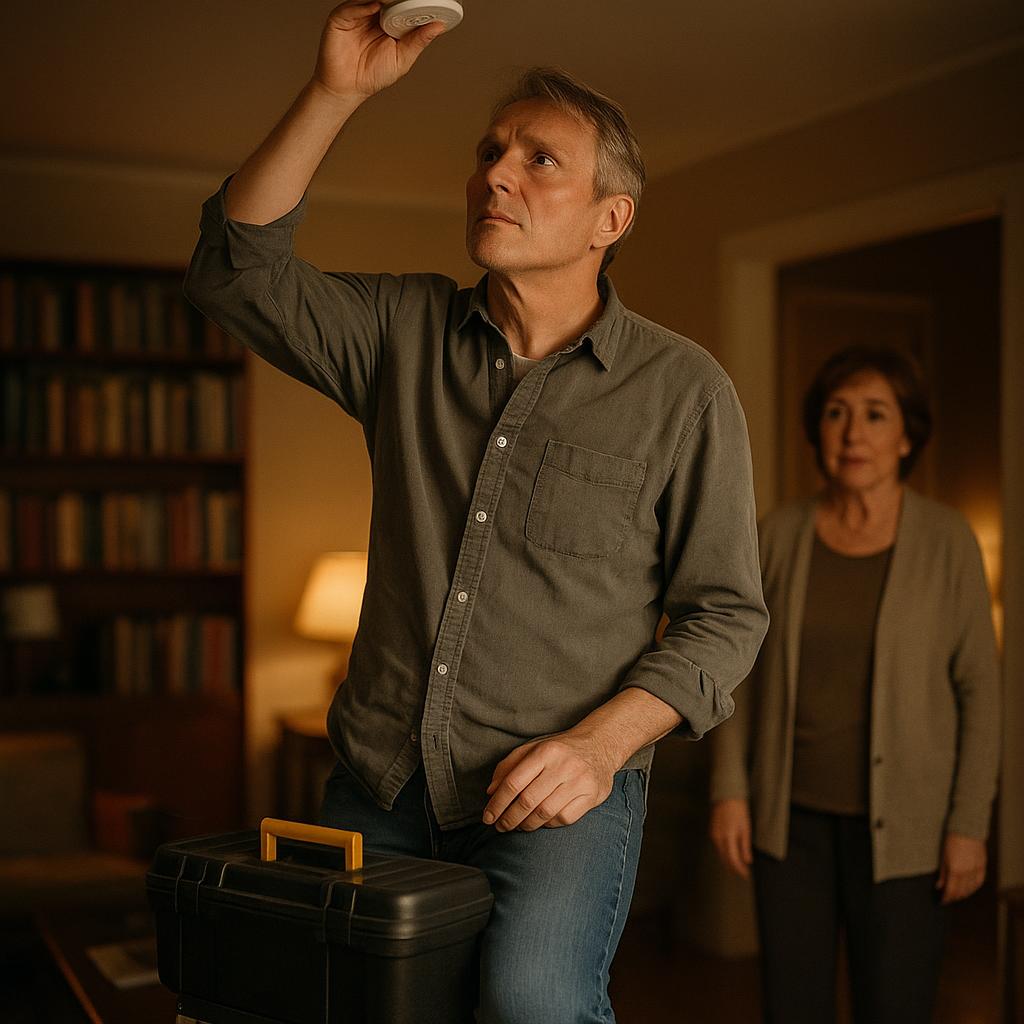 Image by RM AI
Late Night Knocking
A week passed without incident, lulling me into a false sense of security. Then came Tuesday night. I was in my pajamas, halfway through a mystery novel when three sharp knocks startled me. The clock read 9:52 PM. Through the peephole, I saw Paul, shifting from foot to foot. When I cracked the door, keeping the chain on, he leaned forward urgently. "Teresa, I heard a noise from your apartment. Everything okay?" His eyes darted past me, scanning what little he could see of my living room. "I'm fine," I assured him, tightening my robe. "Just reading." He didn't move. "Are you sure? Sounded like something fell." Nothing had fallen. Nothing had made a sound. Yet he lingered in my doorway for what felt like minutes, making small talk about the weather forecast, his body language suggesting he expected an invitation inside. I finally said I was tired, and he reluctantly backed away, reminding me he was "just looking out for me." That night, I not only locked my door but wedged a chair under the handle before crawling into bed. As I lay there listening to every creak and groan of the building, I wondered if I was becoming paranoid—or if my instincts were trying to tell me something I didn't want to hear.
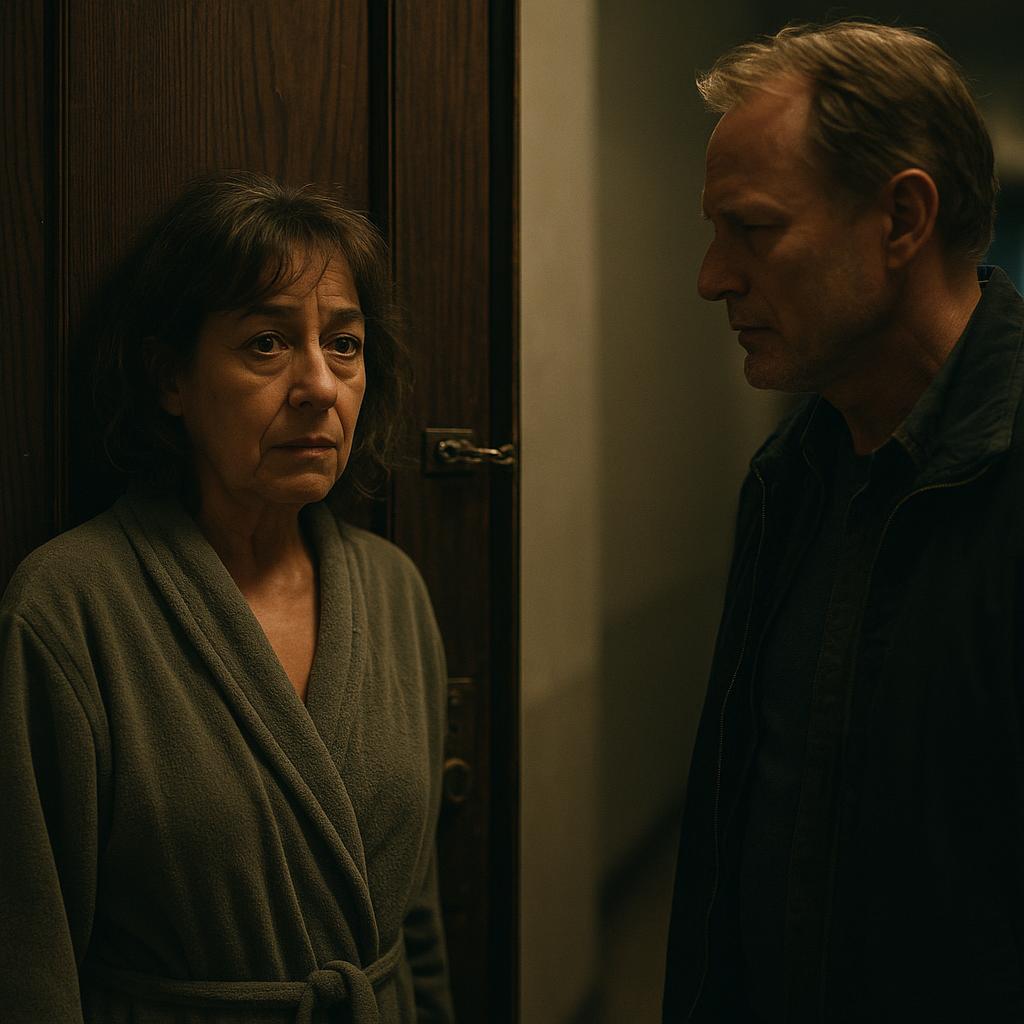 Image by RM AI
Something Feels Off
Thursday afternoon, I returned from the grocery store, arms aching from carrying too many bags at once (why do I always refuse the cart?). The moment I stepped inside, something felt... off. The blinds were tilted at a different angle than how I'd left them—I'm particular about morning light and always adjust them exactly the same way. Then I noticed my TV remote sitting squarely in the center of the coffee table. I NEVER leave it there—it lives on the side table next to my favorite spot on the couch. Always. My heart started racing as I set down the groceries and did a quick scan of the apartment. Nothing seemed missing, just... disturbed. Like someone had been moving through my space. I called Sarah immediately, my voice shaking. "Honey, did you stop by today?" The moment she said she hadn't been to my place in weeks, my blood ran cold. Someone had been in my apartment. I knew exactly who it was. I stood frozen in my living room, staring at that remote control like it was a warning sign. Paul had been here, touching my things, invading my privacy. The realization made me feel violated in a way I hadn't felt since the worst days of my marriage. That night, I pushed my dresser in front of my bedroom door before going to sleep, wondering what else he might have touched that I hadn't noticed yet.
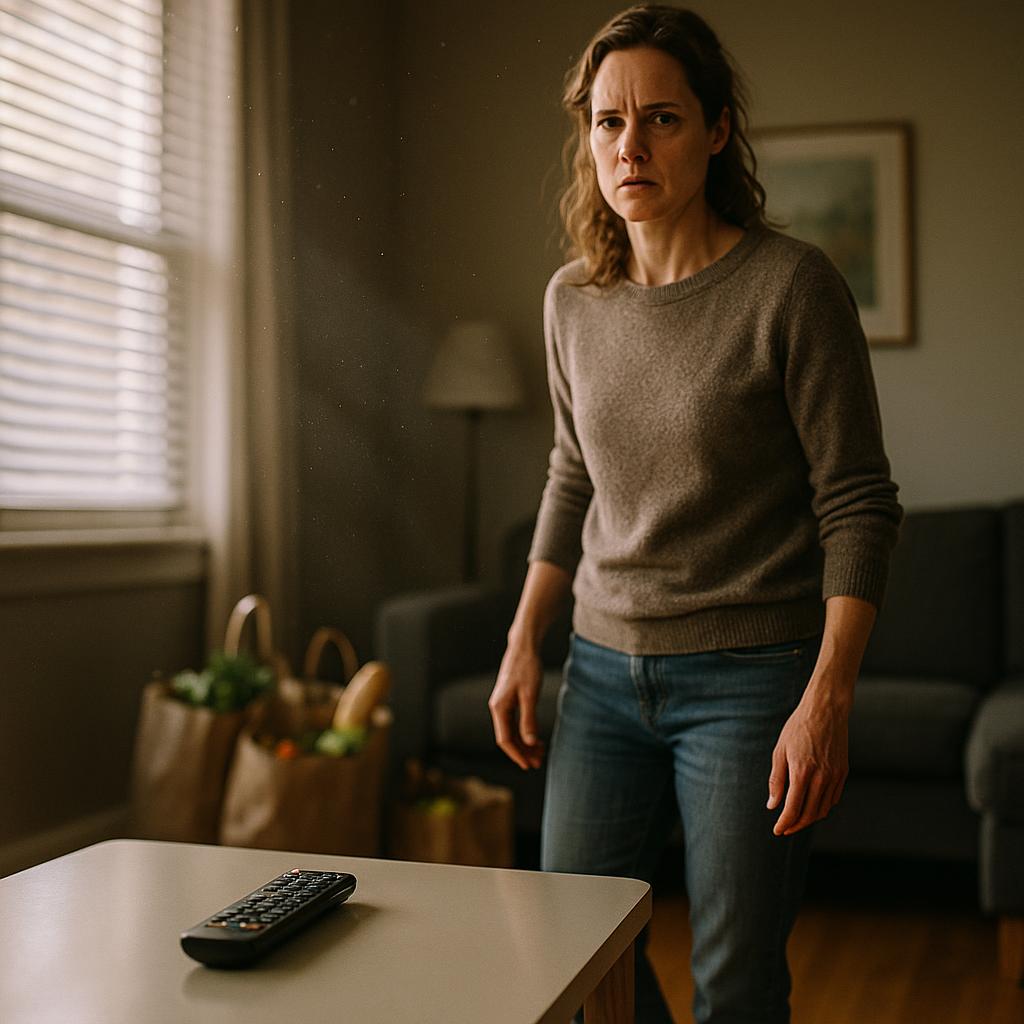 Image by RM AI
The Confrontation
The next morning, I waited by my mailbox until I saw Paul coming down the hallway. My heart was pounding, but I needed answers. "Paul, has someone been in my apartment?" I asked, trying to keep my voice steady. He didn't even flinch. "Oh, that was me yesterday," he said with that same charming smile. "Had to check the air filters—building code requires monthly inspections." He leaned against the wall, completely at ease. "Didn't want to bother you with a call first." The casual way he admitted to entering my home without permission made my skin crawl. I opened my mouth to object, to tell him that was absolutely not okay, but something in his expression stopped me. It was the same dismissive confidence my ex-husband had whenever I questioned him about anything. That familiar knot of anxiety tightened in my chest—the one that formed after years of being told I was overreacting, being difficult, making problems where there weren't any. "Next time, please call first," I managed to say, my voice much weaker than I'd intended. Paul nodded, patting my shoulder as he walked away. "Of course, Teresa. Whatever makes you comfortable." But the way he said it made it clear he had no intention of changing a thing. As I watched him disappear down the hallway, I realized with growing dread that I'd just given him permission to keep violating my boundaries.
 Image by RM AI
Installing a Lock
After my confrontation with Paul, I couldn't shake the feeling of vulnerability. The next day, I drove to the hardware store and bought a simple sliding lock for my bedroom door—nothing fancy, just a $12 piece of metal that promised some peace of mind. The young cashier asked if I needed help installing it, and I almost laughed. After 40 years of marriage, I'd become quite handy with a screwdriver—one of the few benefits of a husband who considered home repairs "beneath him." I installed it that afternoon, the drill's whirring sound oddly empowering. When Sarah called to check in, I kept my voice light, talking about my book club and the new coffee shop I'd discovered. I didn't mention Paul or the lock or how I'd started photographing my apartment before leaving each day. Why worry her? That night, as I was drifting off to sleep, I heard footsteps in the hallway outside my apartment. They weren't the hurried steps of someone heading to their own door, but slow, deliberate ones that paused—just for a moment—right outside mine. I lay perfectly still, my heart hammering against my ribs, as the doorknob gently rattled once before the footsteps continued down the hall. I've never been more grateful for a $12 lock in my life.
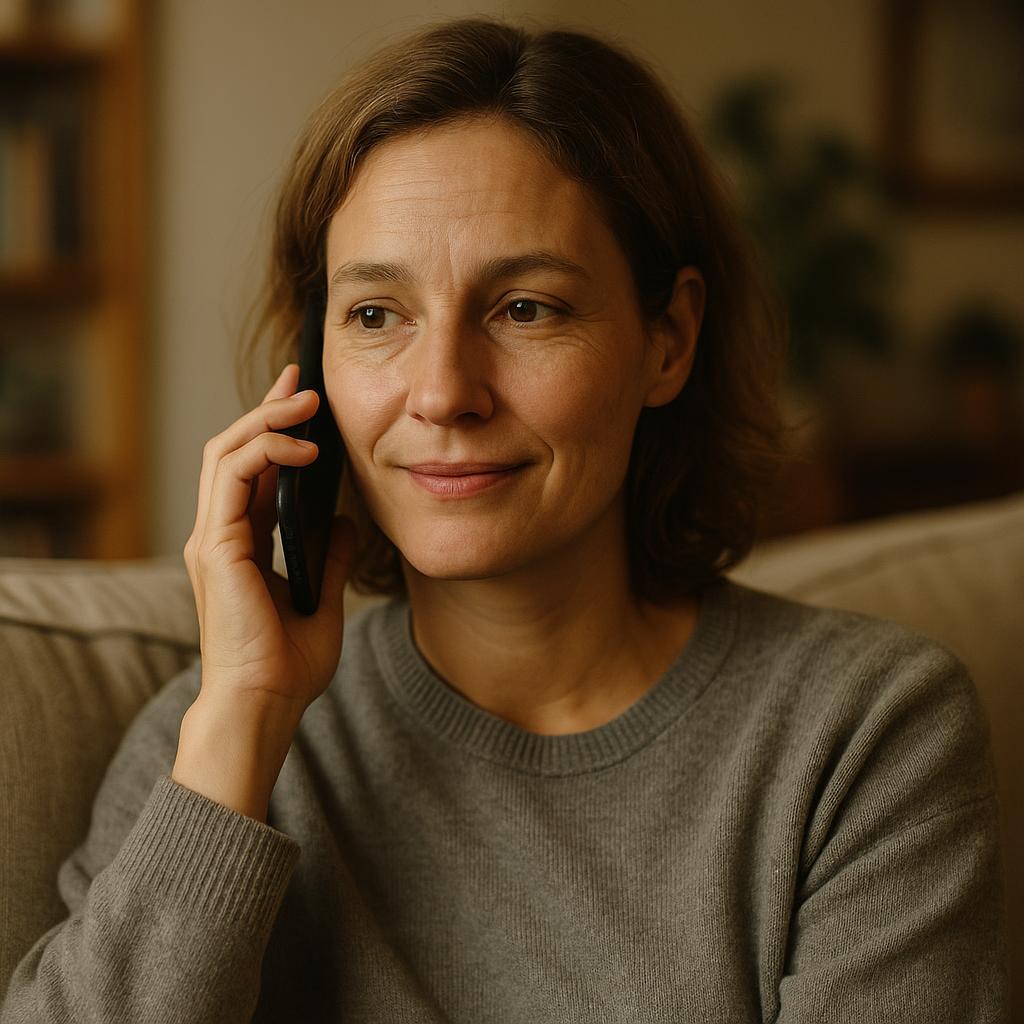 Image by RM AI
A Pattern Emerges
Over the next two weeks, I started noticing things that made my skin crawl. My mail—bills I was certain I'd left sealed—had tiny tears at the corners, as if someone had carefully opened and resealed them. The towels in my bathroom were folded in neat triangles instead of my usual haphazard rectangles. Even my laptop seemed to be positioned at a slightly different angle on my desk each day. I began taking photos of everything before leaving—dresser drawers, closet arrangement, even which way my shoes were pointing by the door. When I casually mentioned these 'strange occurrences' to Paul during a hallway encounter, his face shifted into a look of concern that didn't quite reach his eyes. "Teresa," he said, placing his hand on my shoulder, "at our age, memory can start to play tricks on us. My mother started getting forgetful around 60." The condescension in his voice made my blood boil. I'm 62, not 92! That night, I checked my photos from that morning and confirmed what I already knew—my reading glasses had indeed been moved from the nightstand to the coffee table. I wasn't losing my mind; I was losing my privacy. And the worst part? I was starting to feel like a prisoner in the very place that was supposed to be my sanctuary.
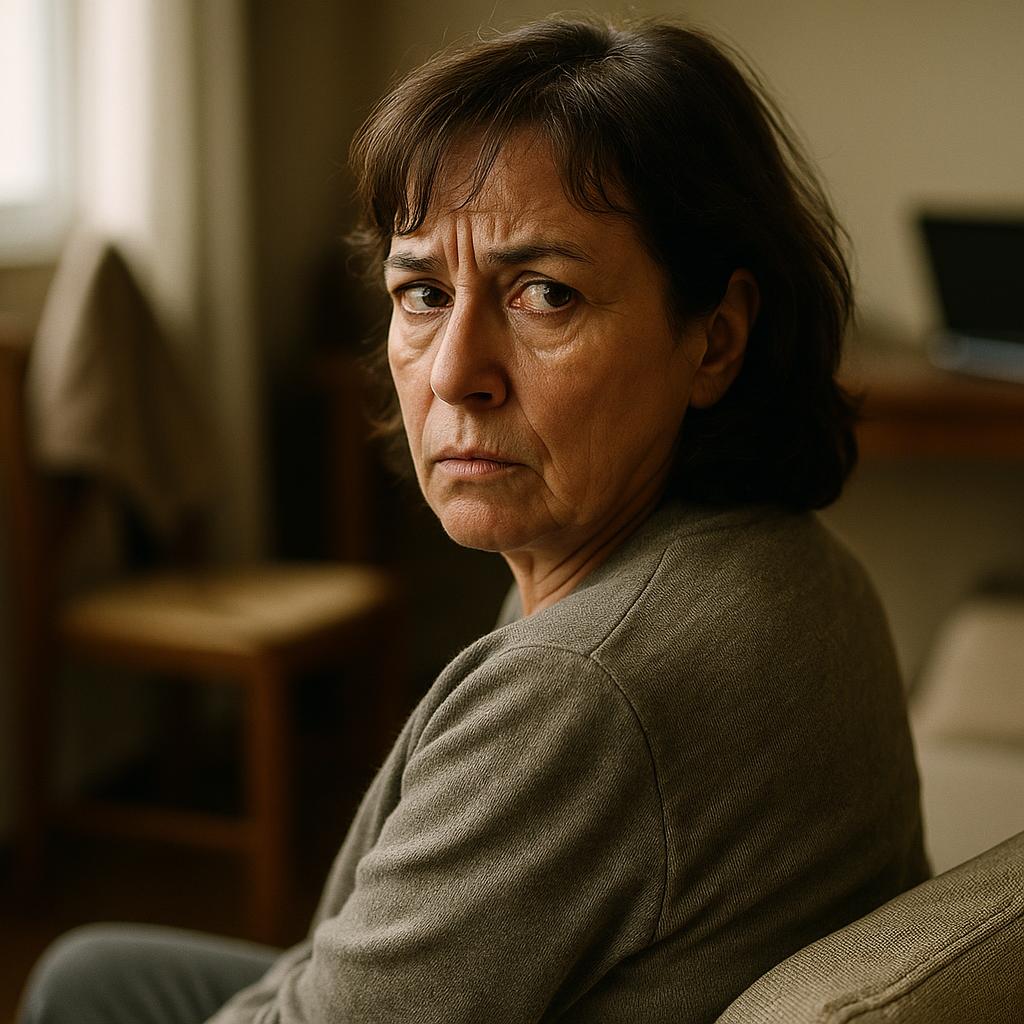 Image by RM AI
Jenna's Sudden Move
I was heading out for my morning walk when I spotted a stack of cardboard boxes outside Jenna's apartment. She was hurriedly loading them into her compact car, her movements frantic and rushed. "Jenna? Are you moving?" I asked, approaching cautiously. She jumped at the sound of my voice, nearly dropping the box in her hands. "Oh, Teresa... yeah, I can't stay here anymore." Her eyes darted nervously down the hallway. When I asked if everything was okay, she glanced toward Paul's office door before leaning in close. "Just be careful, Teresa," she whispered, her voice barely audible. "He doesn't like it when people say no to him." Before I could ask what she meant, she shoved the last box into her backseat and practically dove into the driver's seat. I stood there watching her taillights disappear down the street, that familiar knot of dread tightening in my stomach. First the strange looks from Mr. Kowalski, now Jenna fleeing in the middle of the month? I couldn't shake the feeling that I was missing something important—something dangerous that everyone else already seemed to know.
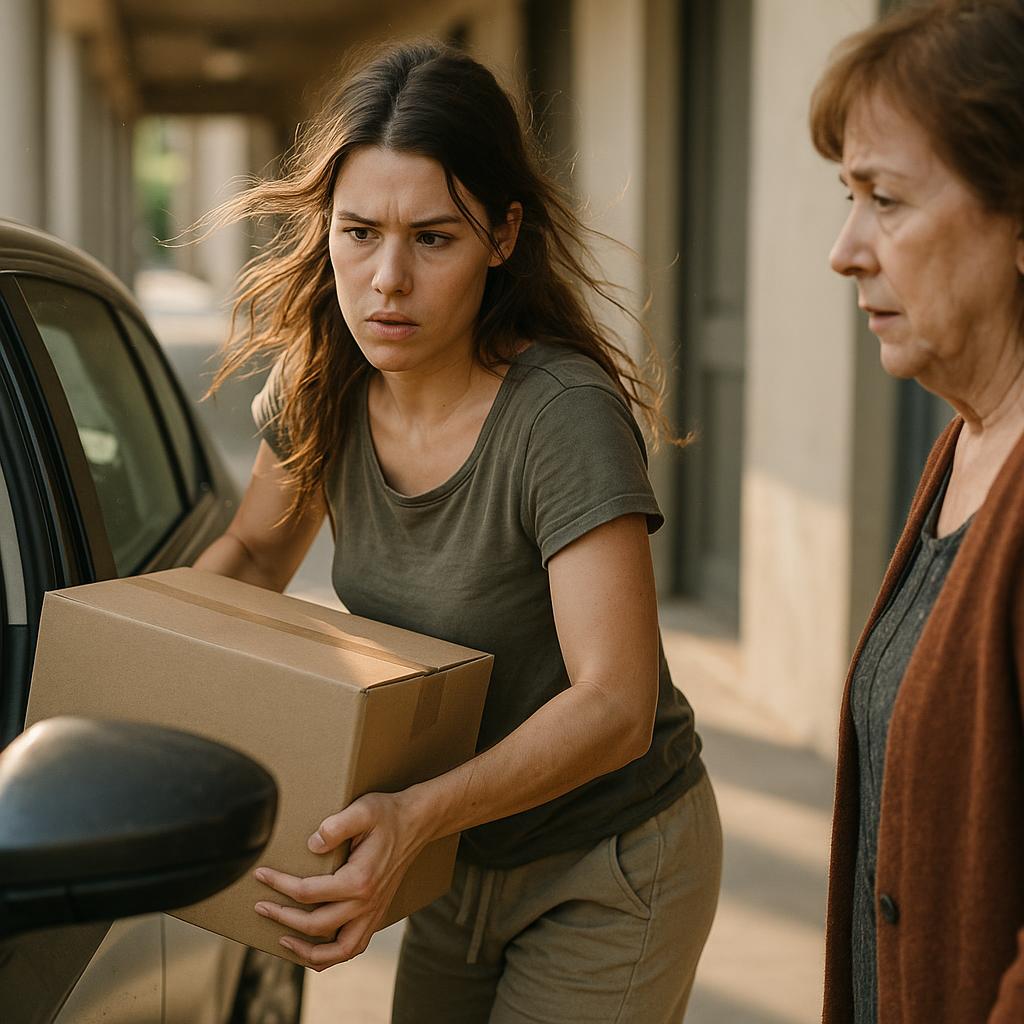 Image by RM AI
The Hallway Encounter
I was sorting through my mail in the lobby when Mr. Kowalski appeared, clutching his newspaper like a shield. We exchanged pleasantries about the weather—that safe topic strangers always default to—when Paul's voice boomed from around the corner. I swear Mr. Kowalski physically recoiled, his shoulders hunching as if bracing for impact. Paul strode past us with that too-perfect smile, commenting on the "lovely community gathering" we were having. The moment Paul disappeared into his office, Mr. Kowalski's demeanor changed completely. He leaned in close, his voice barely above a whisper. "Ms. Teresa, have you noticed anything... unusual in your apartment lately?" The question sent ice through my veins. Before I could answer, Paul reappeared so suddenly it seemed impossible—had he been listening the whole time? Mr. Kowalski mumbled something about being late for a doctor's appointment and practically ran to the elevator. I watched Paul's eyes follow him, his expression shifting from that practiced charm to something cold and calculating. It lasted only a second before his smile returned, but I'd seen it—that flash of something predatory. "Funny old man," Paul chuckled, placing his hand on the small of my back. "Always imagining things." The way his fingers pressed against my spine felt like a warning.
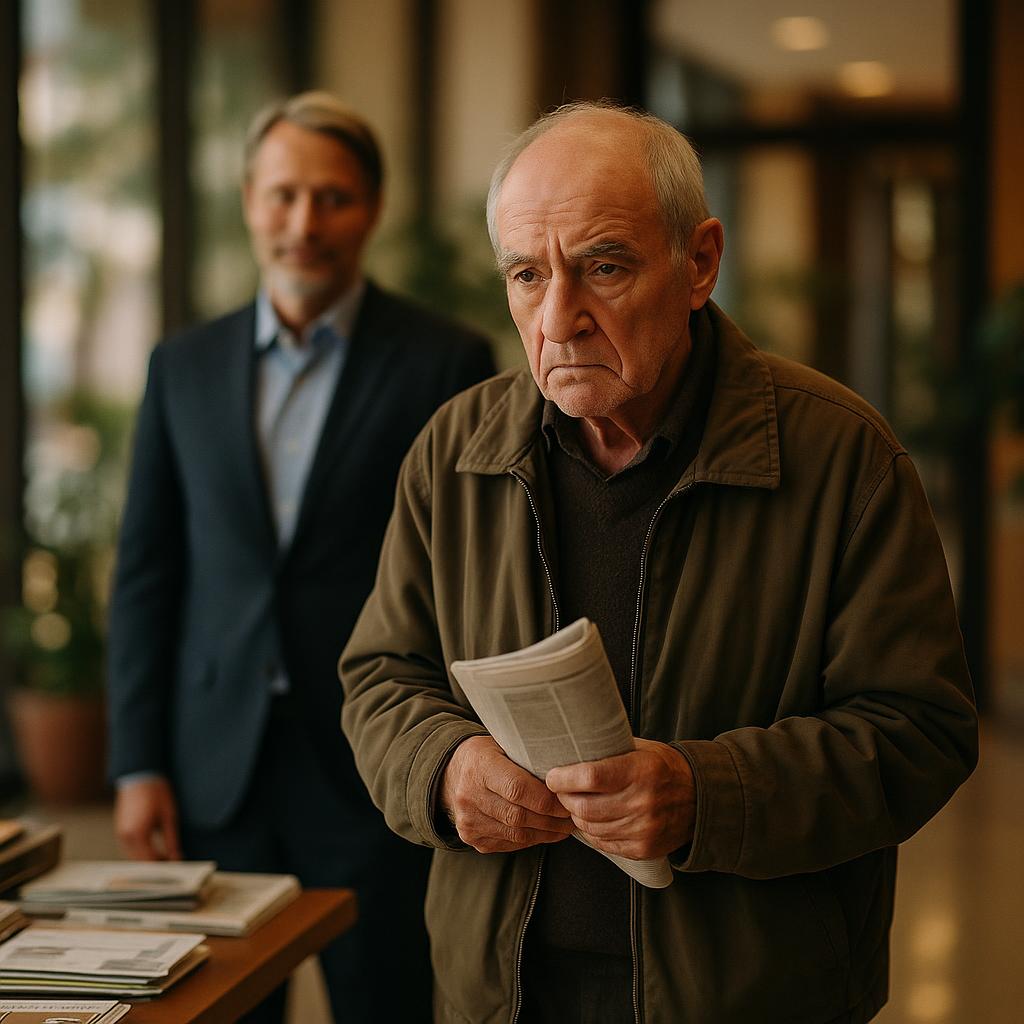 Image by RM AI
The Missing Earrings
I was getting ready for Sarah's birthday dinner when I reached for my silver teardrop earrings—the ones Mom left me before she passed. My heart sank when I found the velvet box empty. I tore through my apartment, checking every drawer, every pocket, even looking under furniture. Those earrings weren't just jewelry; they were the last piece of Mom I had. When Paul came by to "fix a leak" I hadn't reported, I mentioned the missing earrings. His reaction was... odd. "Silver, you said? Antique? Those must be worth something," he mused, eyes scanning my bedroom with unusual interest. "I'll keep an eye out," he promised, lingering by my jewelry box longer than necessary. That night, I dreamt I was lying in bed when my bedroom door slowly opened. A dark figure stood watching me, perfectly still, just... waiting. I woke with a gasp at 3 AM, my nightgown soaked with sweat. The dream felt so real that I checked my locks twice before crawling back into bed. As I lay there listening to the building's creaks, a terrible thought crept in: what if it wasn't a dream at all?
 Image by RM AI
The New Tenant
A week after Jenna's hasty departure, I noticed a moving truck outside our building. A young woman with a messy bun and oversized glasses was directing movers with the confidence of someone half my age. Later that afternoon, Paul knocked on my door, the young woman in tow. "Teresa, meet Mia, your new neighbor!" he announced, his hand resting on her shoulder in that possessive way that made my stomach turn. Mia smiled brightly, oblivious to how Paul's fingers were digging slightly into her collarbone. That evening, I brought over a housewarming plant and tried to casually mention the importance of good locks. "Oh, Paul's been amazing," Mia gushed, showing me how he'd already installed a security camera in her living room "for her protection." My blood ran cold. "He even has the app on his phone so he can check on me if there's ever a problem!" she added, as if this was the most thoughtful gesture in the world. When I suggested this might be an invasion of privacy, she laughed. "You sound just like my mom! Paul said the older tenants might not understand modern security." I left her apartment feeling sick, wondering if I was already too late to save her from whatever game Paul was playing.
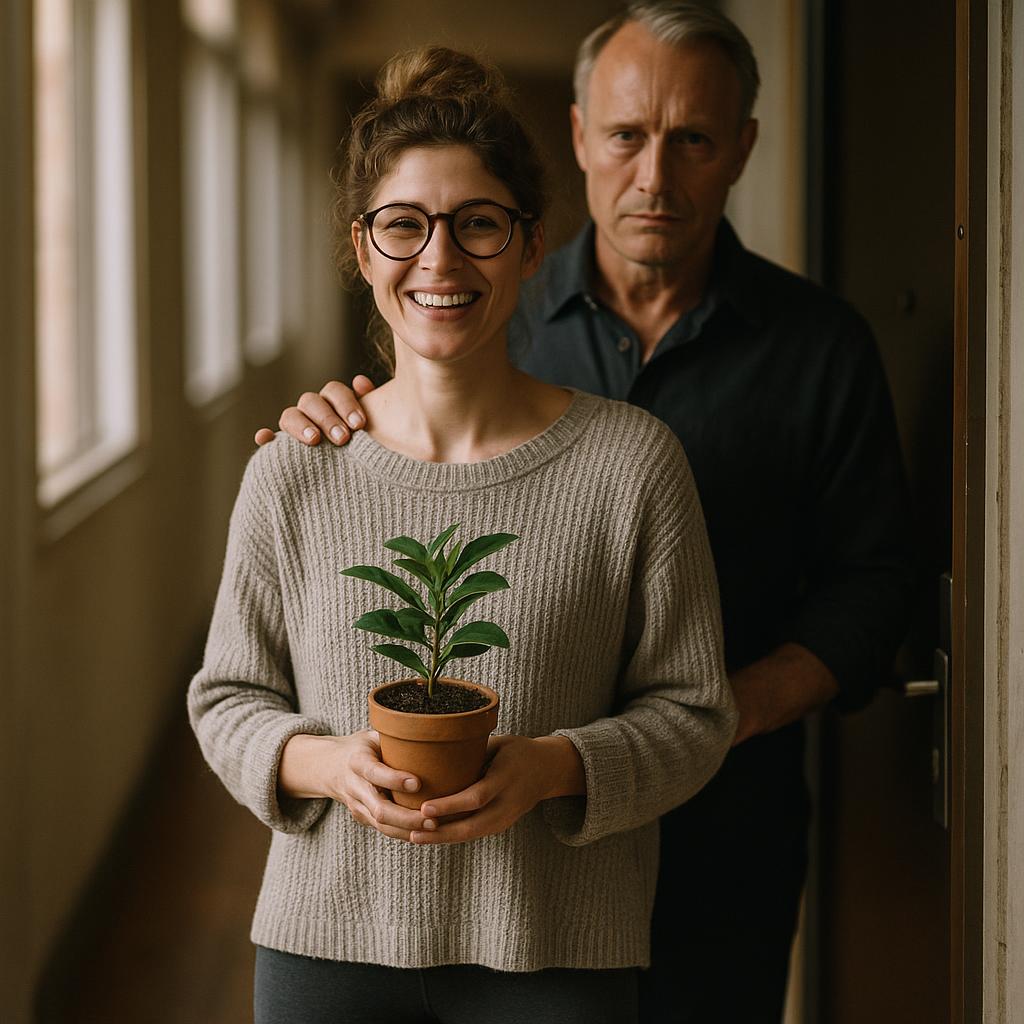 Image by RM AI
The Security Camera
After weeks of feeling violated, I decided to take matters into my own hands. I ordered a small security camera disguised as a digital clock from Amazon—nothing fancy, just enough to catch whatever was happening when I wasn't home. Setting it up was surprisingly simple, even for someone who still occasionally asks her daughter how to attach photos to emails. That evening, Sarah called to check in, and I finally broke down. "Mom, why didn't you tell me sooner?" she demanded, her voice tight with worry. "You need to pack a bag and come stay with me. Tonight." I considered it—the safety of her guest room sounded heavenly—but something inside me refused to be chased from my own home. "I need proof first," I insisted. "Otherwise, he'll just do this to someone else." That night, I barely slept, wondering if my little clock camera was working properly. The next morning, with shaking hands, I checked the footage. There he was—Paul, at 2:13 AM, letting himself into my apartment like he owned it. I watched in horror as he moved through my living room, picked up my mail from the counter, and methodically opened each envelope before carefully resealing them. The sick feeling in my stomach was matched only by the strange sense of validation—I wasn't crazy after all.
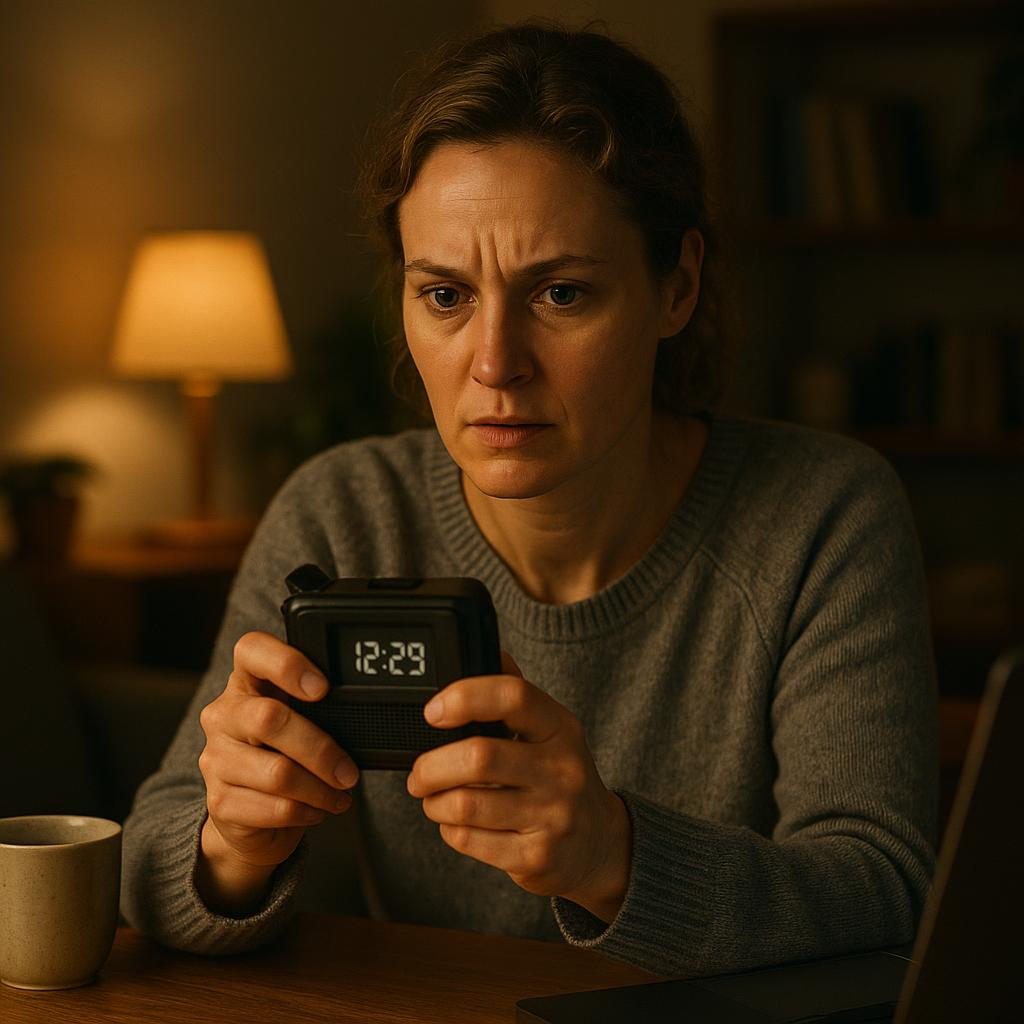 Image by RM AI
The Footage
I sat at my kitchen table, my hands trembling so badly I nearly dropped my phone. The security footage was playing, and there he was—Paul, moving through my apartment at 2:37 AM like he owned the place. My stomach lurched as I watched him casually opening my drawers, flipping through my personal calendar, checking the notes I'd left myself about doctor's appointments and lunch dates. Then, most disturbing of all, he settled onto my couch—MY couch—and just... sat there for nearly five minutes, looking around my living room with an expression of satisfaction that made my skin crawl. When he finally got up to leave, he straightened a pillow I'd left askew and locked the door behind him with practiced precision. I immediately saved the footage to both my phone and laptop, my hands shaking the entire time. After 62 years on this earth, I thought I'd seen it all, but watching someone violate my space with such casual entitlement left me feeling hollow and exposed. This wasn't just creepy anymore—this was evidence. But even as relief washed over me at finally having proof, a terrifying question surfaced: what would Paul do when he discovered I'd caught him?
 Image by RM AI
The Rental Board Call
With shaking hands and the security footage saved on my phone, I called the rental board the next morning. The woman on the other end sounded sympathetic as I described Paul's 2 AM apartment tour and his habit of rearranging my belongings. "I have video evidence," I told her, my voice stronger than I expected. "He's entering my apartment in the middle of the night!" She sighed—that bureaucratic sigh that instantly deflates hope. "Mrs. Teresa, since Paul owns the building, this gets... complicated." She explained that without evidence of explicit threats or theft, my options were limited. "Document everything," she advised. "And consider breaking your lease if you feel unsafe." I hung up and stared at my coffee mug, the word "complicated" echoing in my head. Complicated? A man letting himself into my home while I slept wasn't "complicated"—it was terrifying. I'd spent decades of my marriage being told my concerns weren't valid, and here I was again, a 62-year-old woman whose fear was being treated like an inconvenience. As I set my phone down, a notification popped up—a Facebook message from an unknown sender. The preview showed just five words: "I lived in your apartment before."
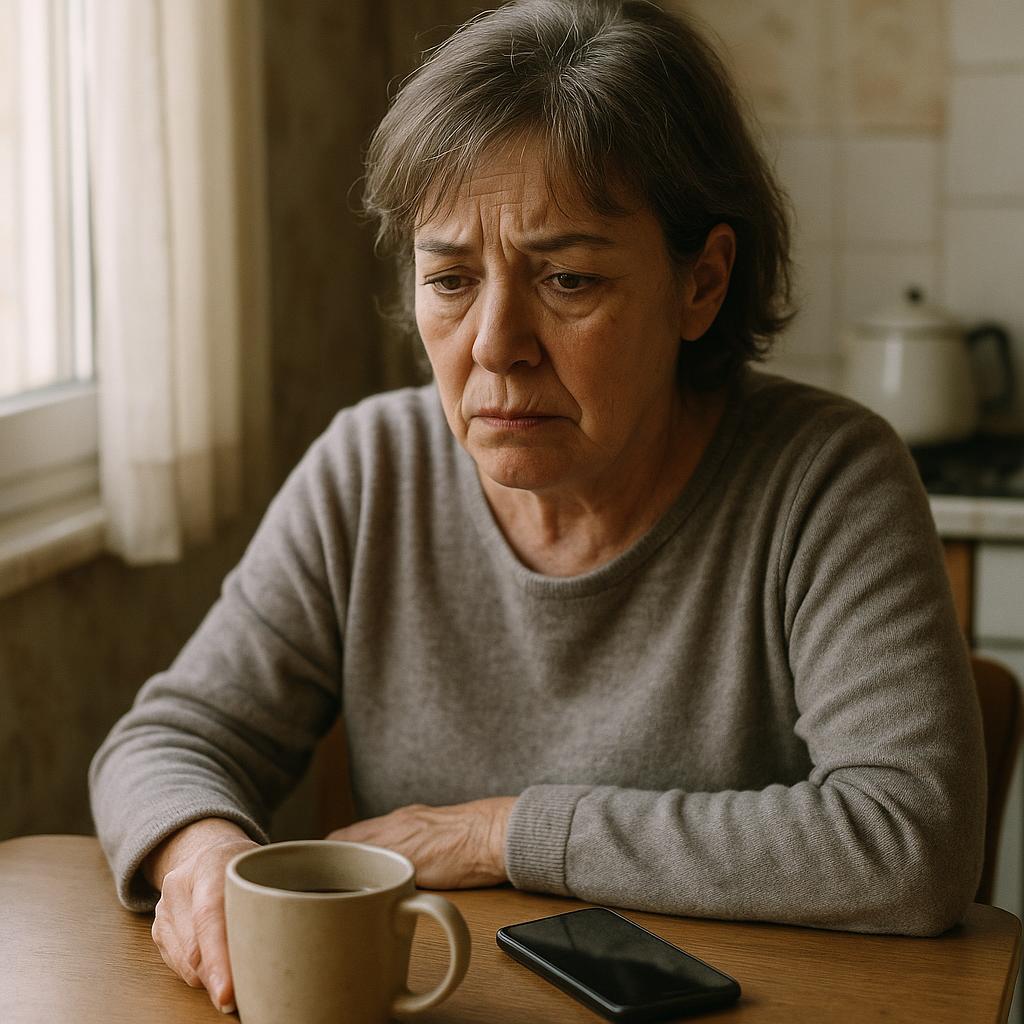 Image by RM AI
The Midnight Intruder
I jolted awake to the unmistakable sound of creaking floorboards in my hallway. The digital clock read 2:17 AM, its red numbers glowing accusingly in the darkness. My bedroom door, which I'd definitely closed before going to bed, was now slowly inching open. Panic seized my chest as a shadow moved across my living room. With trembling fingers, I grabbed my phone from the nightstand, my thumb hovering over the emergency call button. "I'm calling the police," I whispered, my voice barely audible even to my own ears. The shadow froze instantly. Then came Paul's voice, casual as if we were meeting in the mailroom at noon. "It's just me, Teresa! I thought you weren't home." The absurdity of his excuse made my blood run cold. Who checks if someone is home at 2 AM by entering their bedroom? I fumbled for the lamp switch, flooding the room with harsh light. There he stood in my doorway, keys dangling from his fingers, looking at me like I was the unreasonable one. "I heard noises," he explained with that practiced smile. "Just checking to make sure you're safe." The way he said "safe" made me feel anything but. As we stared at each other, I realized with horrifying clarity that the lock on my bedroom door—my last line of defense—was completely useless against a man who already had the keys to my entire life.
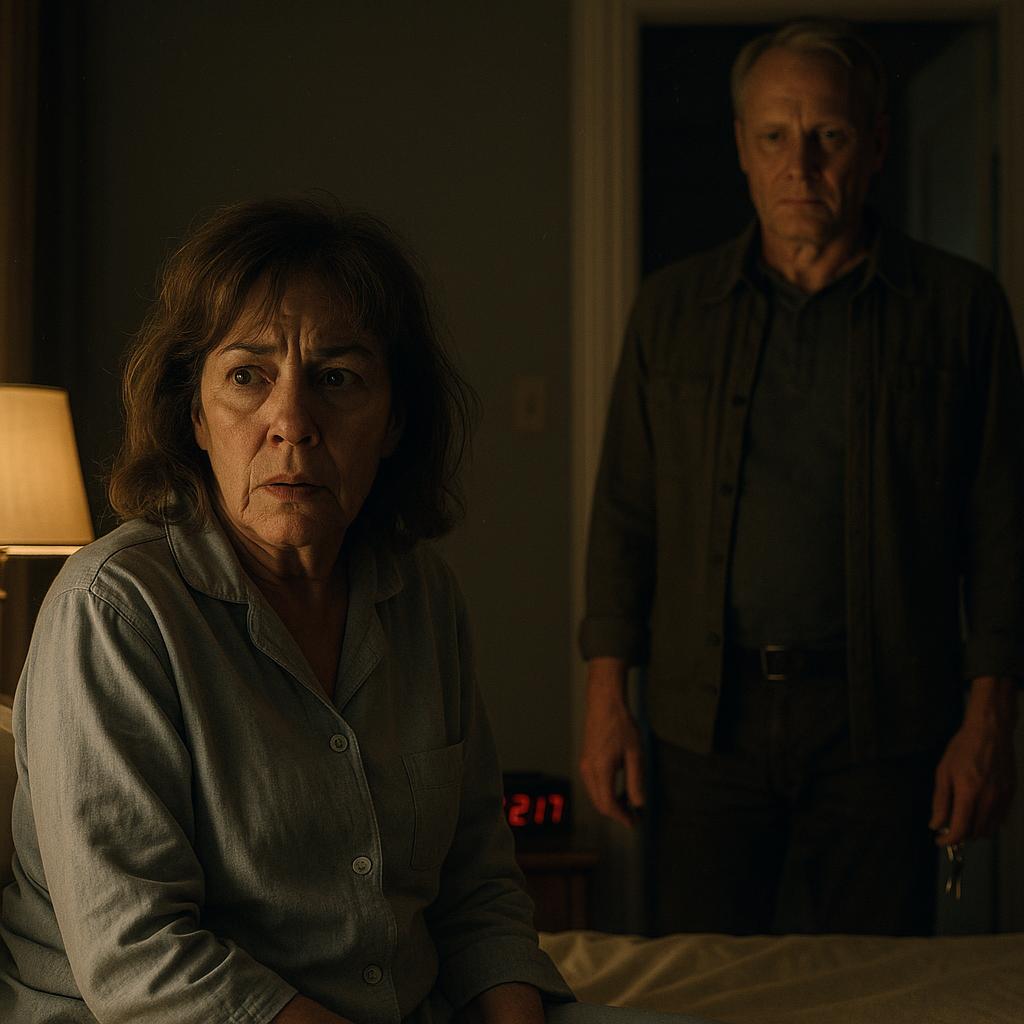 Image by RM AI
The Morning After
I didn't sleep a wink after Paul's midnight visit. Every creak and groan of the building sent my heart racing, convinced he was coming back. When morning finally arrived, I called Sarah, my voice breaking as I told her everything—the midnight intrusions, the moved belongings, the security footage. "Mom, that's it. I'm coming to get you RIGHT NOW," she insisted, her voice tight with a fury I rarely heard from my level-headed daughter. I didn't argue this time. As I threw essentials into my overnight bag, my hands trembling so badly I could barely zip it closed, a gentle knock came at my door. My stomach dropped to my knees. Through the peephole stood Paul, smiling that perfect landlord smile, holding a basket of what looked like fresh-baked muffins. Acting like he hadn't been standing in my bedroom doorway just hours ago. Acting like he was still the charming, helpful man I'd first met. "Good morning, Teresa! Thought you might enjoy some breakfast," he called through the door, his voice dripping with normalcy that felt more threatening than any shout could have been. I pressed my back against the wall, willing myself to become invisible, wondering how many other tenants had packed their bags in terrified silence while Paul stood outside with baked goods and practiced smiles.
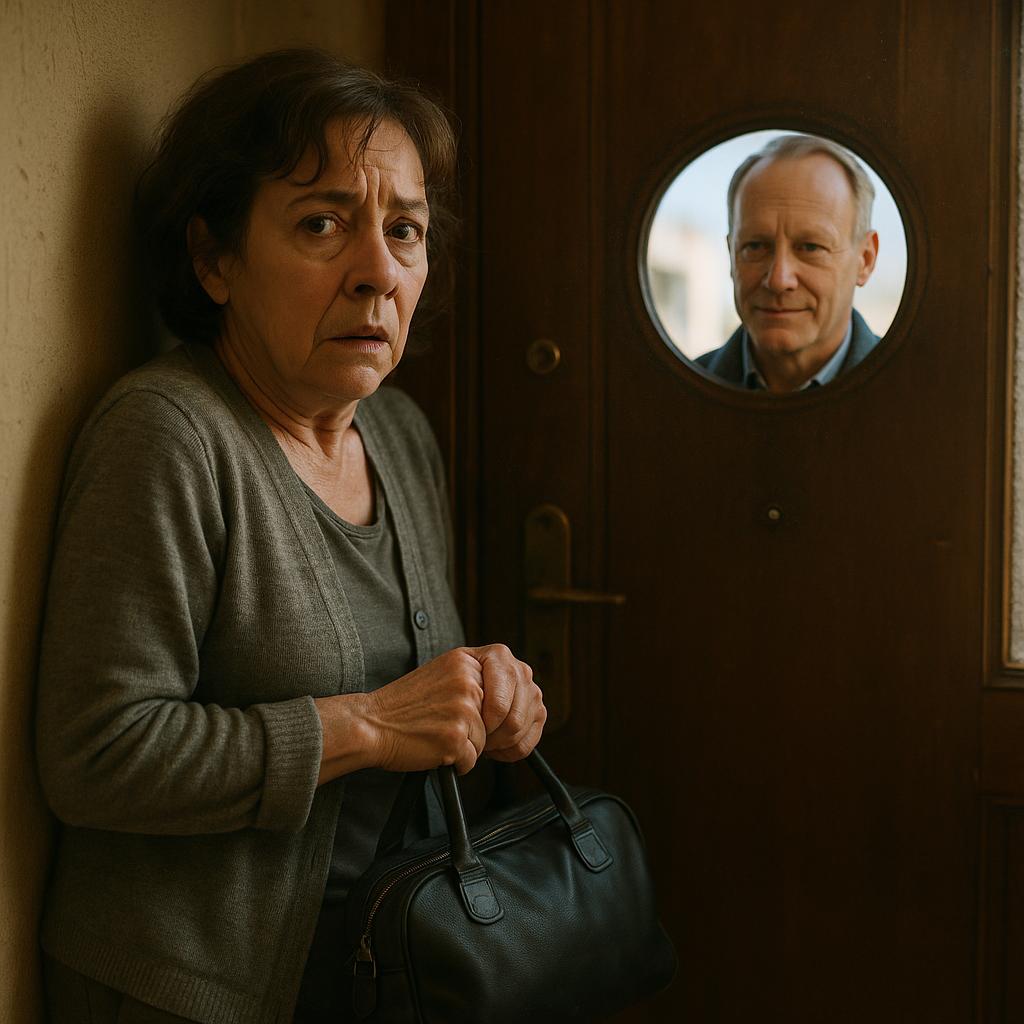 Image by RM AI
Gathering Courage
I couldn't leave without knowing if I was the only one. With Sarah on her way, I gathered my courage and knocked on Mr. Kowalski's door. He peered through a crack, eyes widening when he saw me. "Teresa?" he whispered, glancing nervously down the hallway before ushering me inside. His apartment smelled of coffee and fear. "I've been wanting to talk to you," he said, his hands trembling as he offered me a seat. When I mentioned Paul's midnight visit, something broke in the old man. "He's been coming into my place for months," he confessed, voice cracking. "Sometimes I wake up and he's just... standing there in my living room, watching me sleep." Mr. Kowalski led me to his front door where an elaborate system of tin cans and fishing line was strung across the entrance. "It's not much," he said, embarrassment coloring his face, "but it warns me when he comes in." My heart shattered at the image of this 70-something man rigging up childhood fort alarms to protect himself from the man who was supposed to provide him safe housing. "Have you reported him?" I asked. Mr. Kowalski's bitter laugh told me everything I needed to know. "Who would believe an old man like me?" he said. That's when I showed him my phone with the security footage, and watched as hope flickered across his weathered face for the first time.
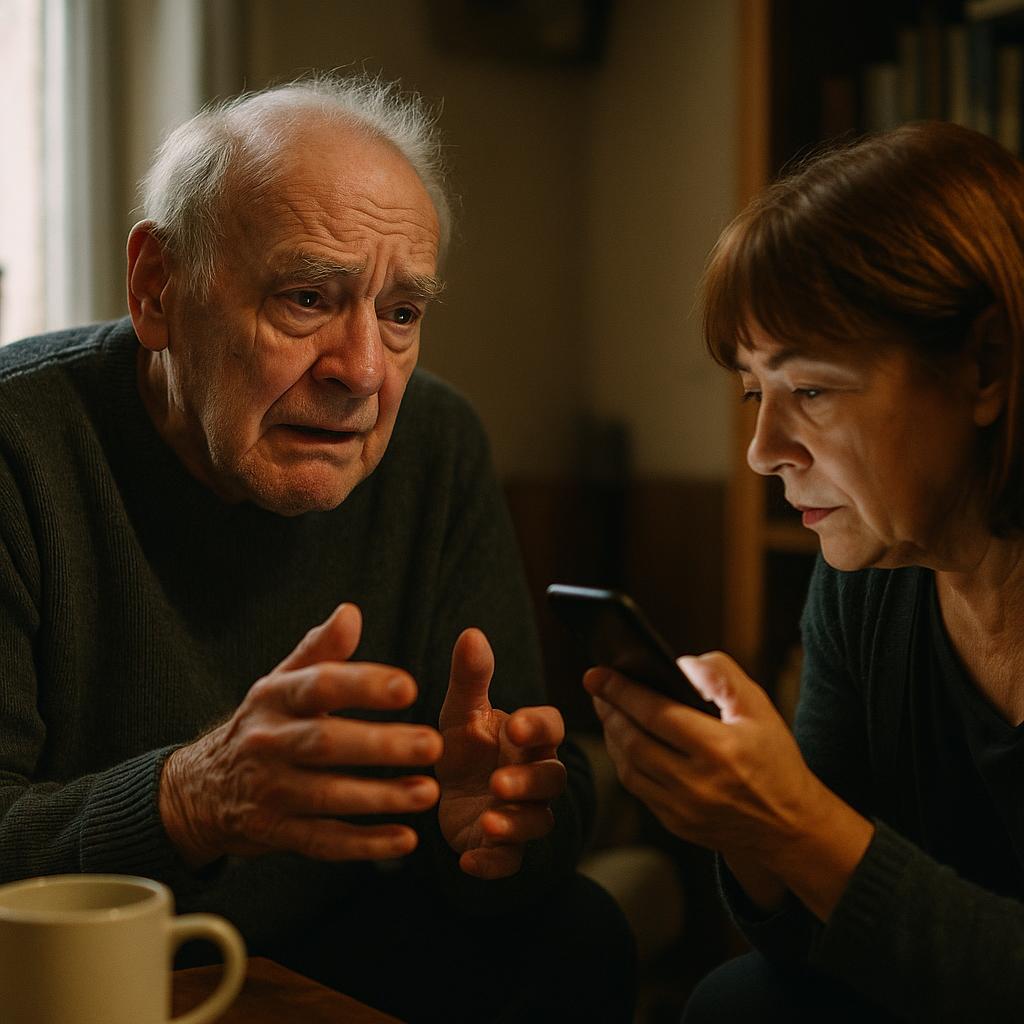 Image by RM AI
More Victims
With Mr. Kowalski's encouragement, I decided to knock on a few more doors. Eleanor, a soft-spoken woman in her 70s from apartment 3B, invited me in for tea with hands that shook almost as badly as mine. "I found him going through my medicine cabinet last month," she confessed, her voice barely above a whisper. "He said he was checking for expired medications that could be 'dangerous for someone my age.'" She'd started hiding her prescription bottles in an old Christmas cookie tin. Down the hall, Victor, a middle-aged accountant, had an even more disturbing story. "I came home early from work with a migraine and found Paul sitting on my couch, watching my TV and eating my leftovers," he said, his face flushed with anger and embarrassment. "When I asked what he was doing, he said he was 'testing the cable connection' because of complaints." What struck me most wasn't just their stories, but the resignation in their eyes—like they'd accepted this violation as the cost of having a roof over their heads. "Has anyone reported him?" I asked. The uncomfortable silence that followed told me everything. "He knows the building inspector personally," Eleanor finally murmured. "And Victor's lease is month-to-month." I realized then that Paul hadn't just invaded our homes—he'd trapped us in a web of fear where speaking up felt more dangerous than staying silent.
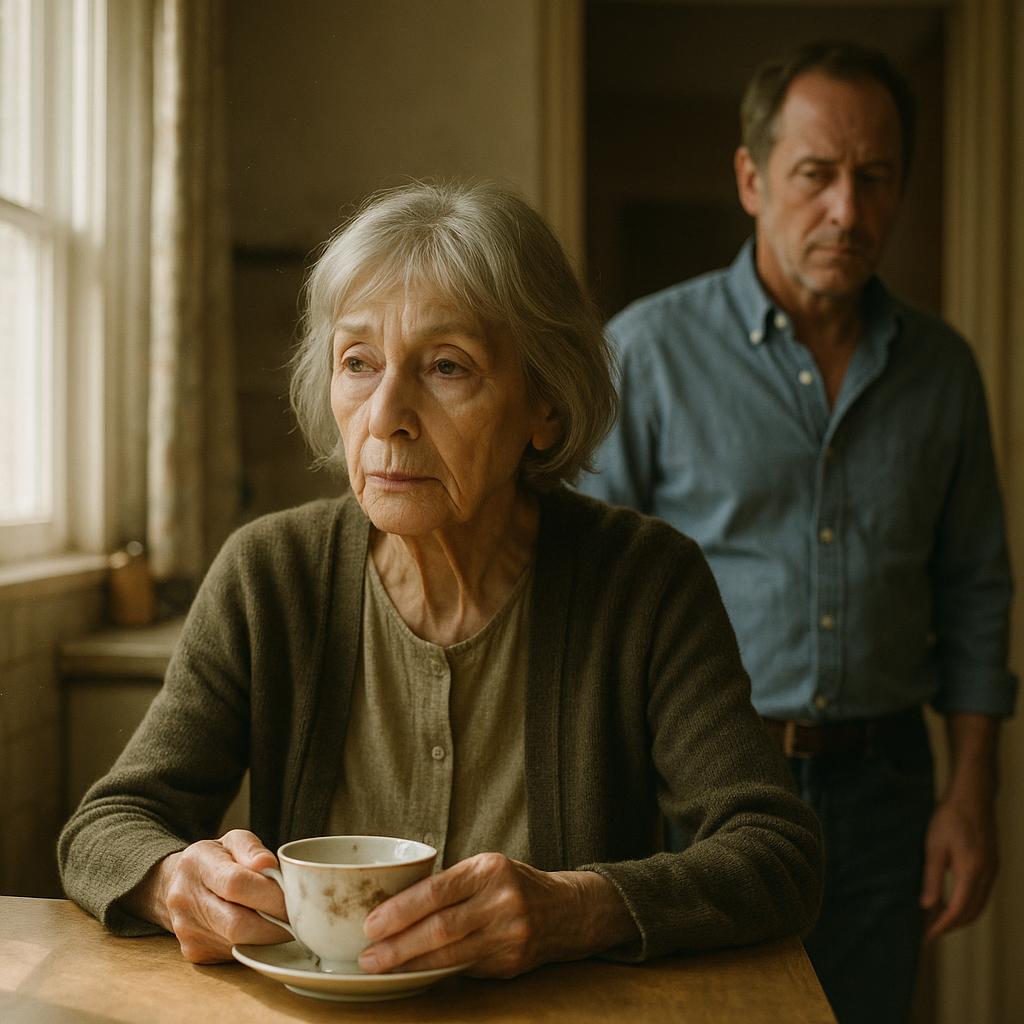 Image by RM AI
The Facebook Message
My phone pinged with a Facebook notification as I sat in Sarah's guest room, still shaken from the day's events. A message from Jenna, the young woman who'd vanished from the building so suddenly. My hands trembled as I opened it. 'Teresa, I need to warn you about Paul,' she wrote. 'I filed a complaint months ago after he followed me into my apartment and LOCKED THE DOOR behind me.' My stomach lurched as I continued reading. She described how he'd cornered her, claiming he needed to 'discuss her lease,' and how she'd barely managed to escape by pretending her boyfriend was on his way over. 'He's DANGEROUS, Teresa. Not just creepy. DANGEROUS.' The words blurred as tears filled my eyes. 'The police didn't take me seriously because he's so charming and I had no proof. Please, LEAVE IMMEDIATELY.' I sat frozen, staring at my phone, the pieces finally clicking into place—Paul's midnight visits, the missing earrings, Mr. Kowalski's makeshift alarm system. We weren't just dealing with an intrusive landlord; we were living under the same roof as a predator. And suddenly I realized with horrifying clarity: I wasn't just gathering evidence for myself anymore. I was gathering it for all of us.
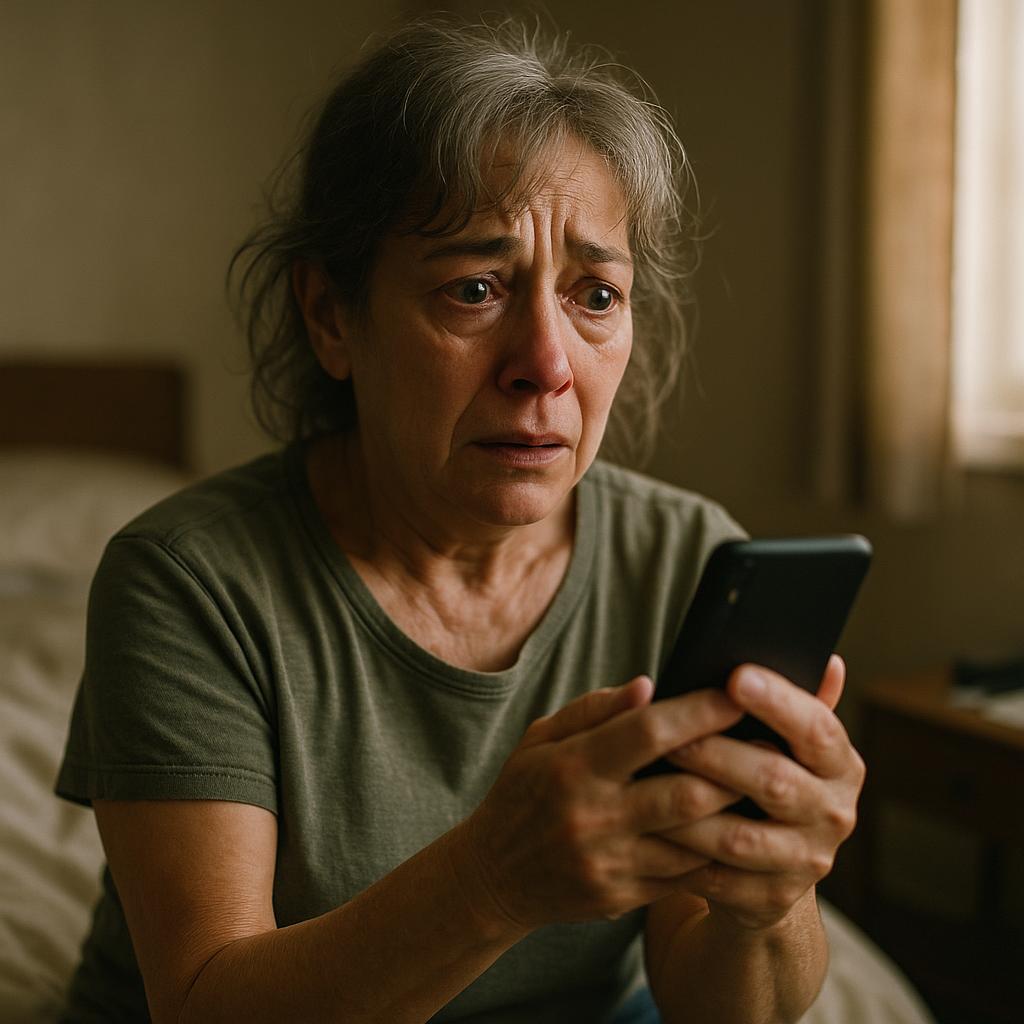 Image by RM AI
The Hasty Departure
I threw clothes into my suitcase with trembling hands, not caring what matched or folded properly. At 62, I never imagined I'd be fleeing my own apartment like a fugitive. Every creak in the hallway made me freeze, wondering if Paul was lurking outside. Around midnight, the sound I'd been dreading finally came—footsteps stopping right outside my door. I held my breath, clutching my phone with 911 pre-dialed. The doorknob turned slowly, then rattled. Thank God I'd splurged on that heavy-duty lock from Home Depot yesterday. After what felt like an eternity, the footsteps retreated. I didn't sleep a wink, sitting upright in bed with all the lights on until dawn broke. When I finally cracked my door open to check if the coast was clear, a folded piece of paper fluttered to my feet. "Teresa, heard some concerning noises from your apartment last night. Just checking if everything's okay? Always here to help! —Paul" The fake concern in his neat handwriting made my stomach turn. He wasn't checking if I was okay—he was letting me know he was listening, watching, waiting. As I stuffed the note into my pocket as evidence, I realized with chilling clarity that if I hadn't changed my lock, I might not have lived to see morning.
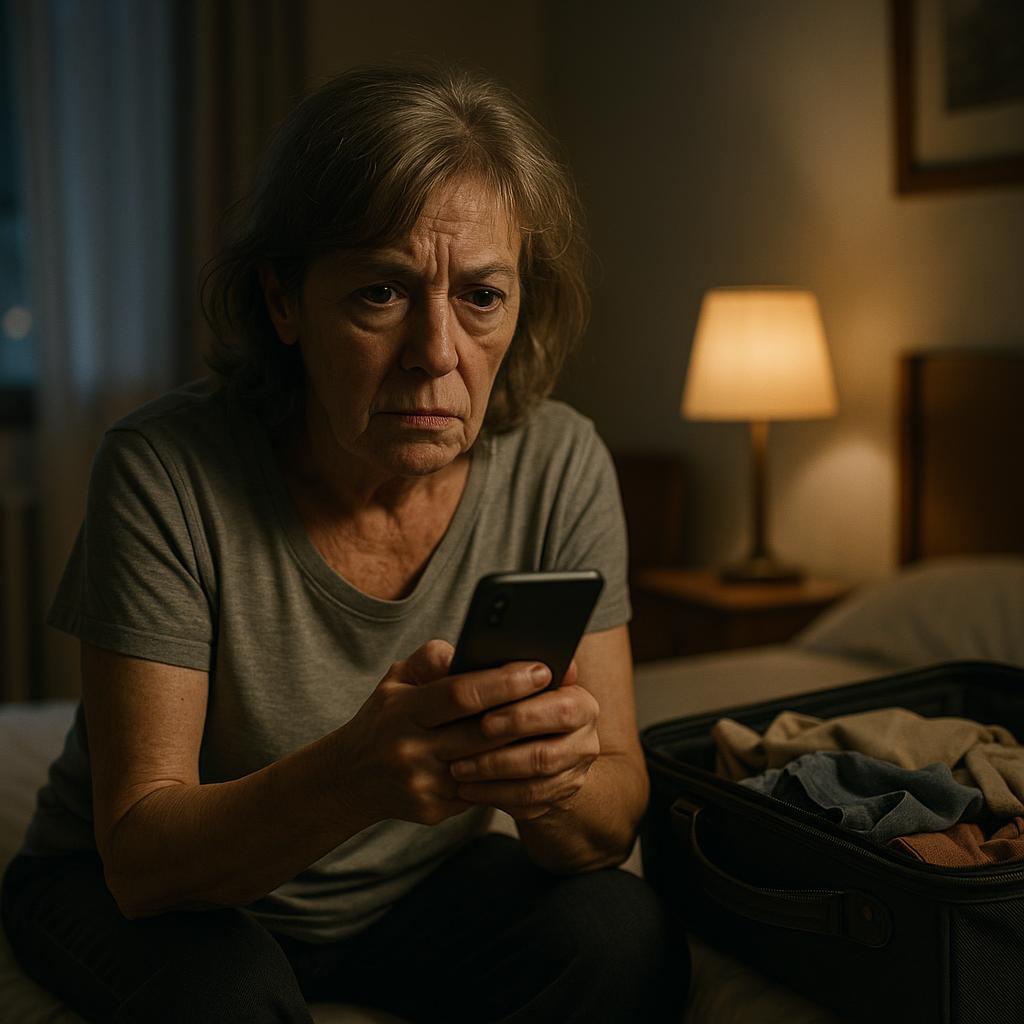 Image by RM AI
Escape to Sarah's
Sarah arrived at 7 AM sharp with her SUV and a determined look that reminded me of her father. We worked in silent urgency, loading only what I couldn't bear to leave behind—photo albums, important documents, my grandmother's quilt. As we were hauling the last box down the stairs, Paul materialized in the hallway like some kind of apparition. "Taking a trip, Teresa?" he asked, his voice friendly but his eyes cold as winter. My heart hammered against my ribs as I forced a smile. "Just visiting my sister for a few days," I lied, clutching my purse where the security footage was safely stored on my phone. "She's been under the weather." Paul nodded slowly, his gaze sliding from me to Sarah, who stood protectively at my side. "Well, don't forget your rent is due on the first," he said, his perfect landlord smile never reaching his eyes. "Whether you're here or not." As we drove away, I watched him in the side mirror, standing perfectly still in the parking lot, watching us until we turned the corner. Only then did I release the breath I'd been holding since he appeared. "Mom," Sarah said quietly, reaching over to squeeze my hand, "did you see how he was looking at your boxes?"
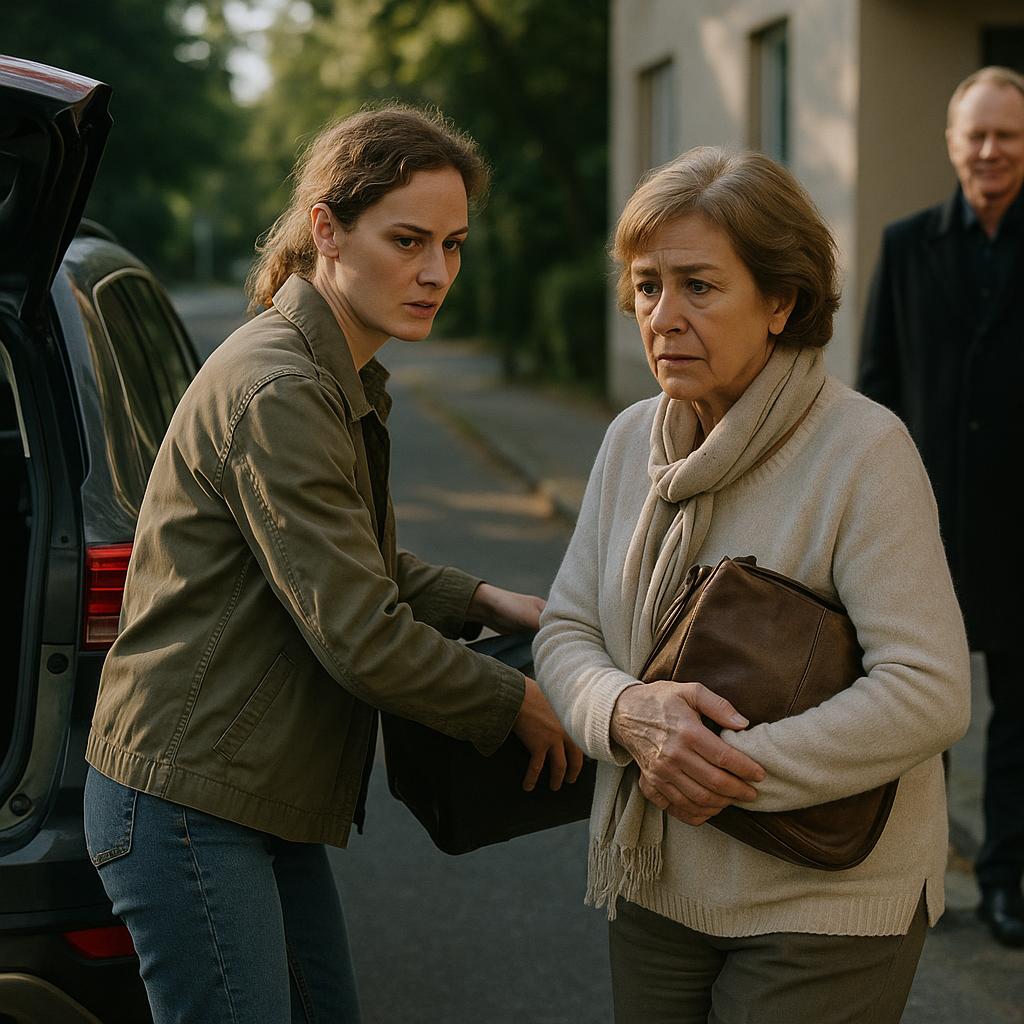 Image by RM AI
Safe Haven
Sarah's guest room felt like a fortress compared to my apartment. That first night, I slept for nine straight hours—no jolting awake at every creak, no checking the locks three times before bed. It was the kind of deep sleep I hadn't experienced since before Paul started his midnight visits. Over breakfast, Sarah's husband Tom studied my face across the kitchen table. "Teresa, we need to take this to the police," he said, sliding my phone with the security footage toward me. "This isn't just creepy behavior—it's criminal trespassing." I stirred my coffee, watching the cream swirl. "The rental board barely cared," I reminded him, the dismissive tone of that woman's voice still ringing in my ears. "Who says the police will be any different?" Sarah placed her hand over mine. "Mom, you're not just some paranoid old lady. You have actual evidence." She was right. I had proof. And not just for me, but for Mr. Kowalski with his tin can alarms, for Eleanor hiding her medications, for Jenna who fled in the night. I nodded slowly, feeling something unfamiliar bloom in my chest—not just safety, but resolve. "Okay," I said finally. "Let's do it." What I didn't tell them was the text I'd received that morning from a number I didn't recognize: "I know where you are, Teresa."
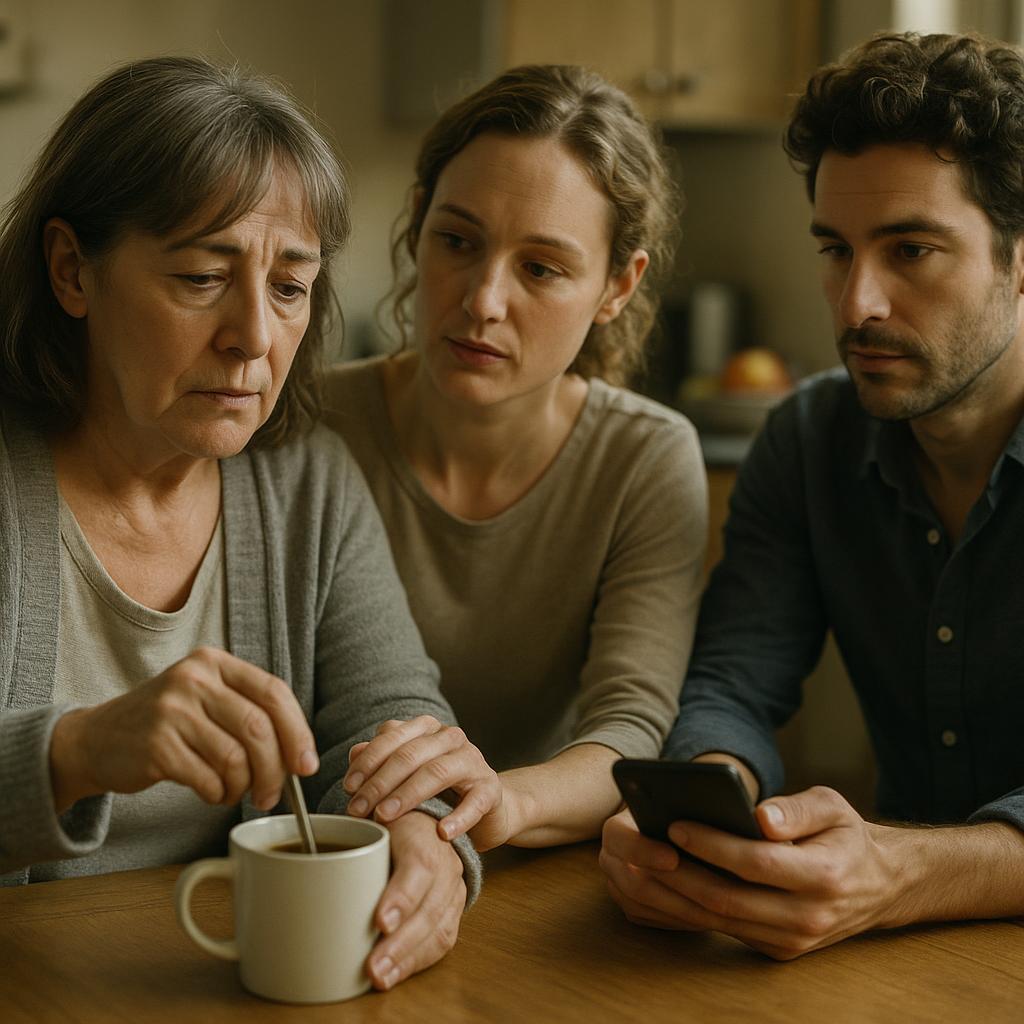 Image by RM AI
The Police Report
The police station was brightly lit and smelled of coffee and disinfectant when Tom, Sarah, and I walked in Tuesday morning. Officer Martinez, a woman about Sarah's age with kind eyes and no-nonsense posture, listened intently as I recounted Paul's escalating behavior. When I pulled up the security footage on my phone, her professional demeanor cracked slightly. "Ma'am, this is textbook harassment," she said, her eyes narrowing as she watched Paul rifling through my drawers at 2:37 AM. "One unauthorized entry might be dismissed as a landlord checking maintenance, but these repeated entries, especially at night? That's criminal." She took detailed notes, asking about other tenants' experiences. When I mentioned Jenna's message about Paul locking her in her own apartment, Officer Martinez stopped writing and looked directly at me. "We need to talk to her immediately," she said, her voice taking on a new urgency. "This pattern suggests escalation." As she helped me fill out paperwork for a temporary restraining order, my phone buzzed with a text. I glanced down and felt my blood freeze: "I've been to the police before, Teresa. They can't watch you 24/7."
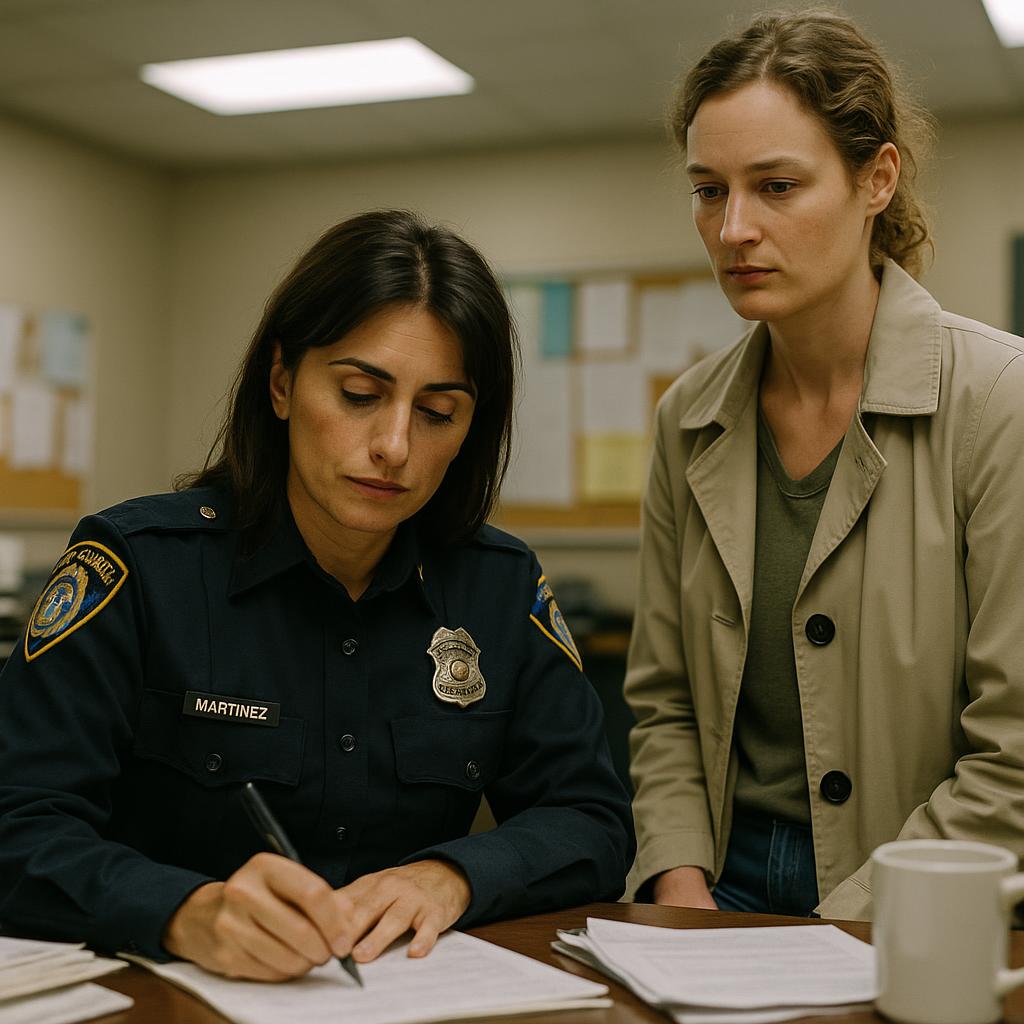 Image by RM AI
The Unexpected Call
My phone rang at 9:37 PM while I was sipping chamomile tea in Sarah's kitchen, trying to calm my nerves. Unknown number. I almost didn't answer, but something told me I should. "Hello?" I said cautiously. "Is this Teresa?" a young woman's voice whispered, trembling with fear. "My name is Mia. I... I moved into Jenna's old apartment last week." My stomach dropped as she continued, her words tumbling out between quiet sobs. "He came in while I was in the shower. I heard the bathroom door handle jiggle and I just knew. I locked myself in and didn't come out until I heard the front door close." I gripped the phone tighter, my own hands shaking now. "Paul," I said. It wasn't a question. "Yes," she confirmed. "The landlord. He left a note saying he was checking for water damage." I closed my eyes, the familiar excuse making me sick. "Mia, listen to me carefully," I said, my voice steadier than I felt. "Call Officer Martinez at the police station. I'll text you her direct number. You're not alone in this." After we hung up, I stared at my phone, wondering how many other women had cowered behind locked bathroom doors because of Paul. And worse—how many hadn't had locks at all.
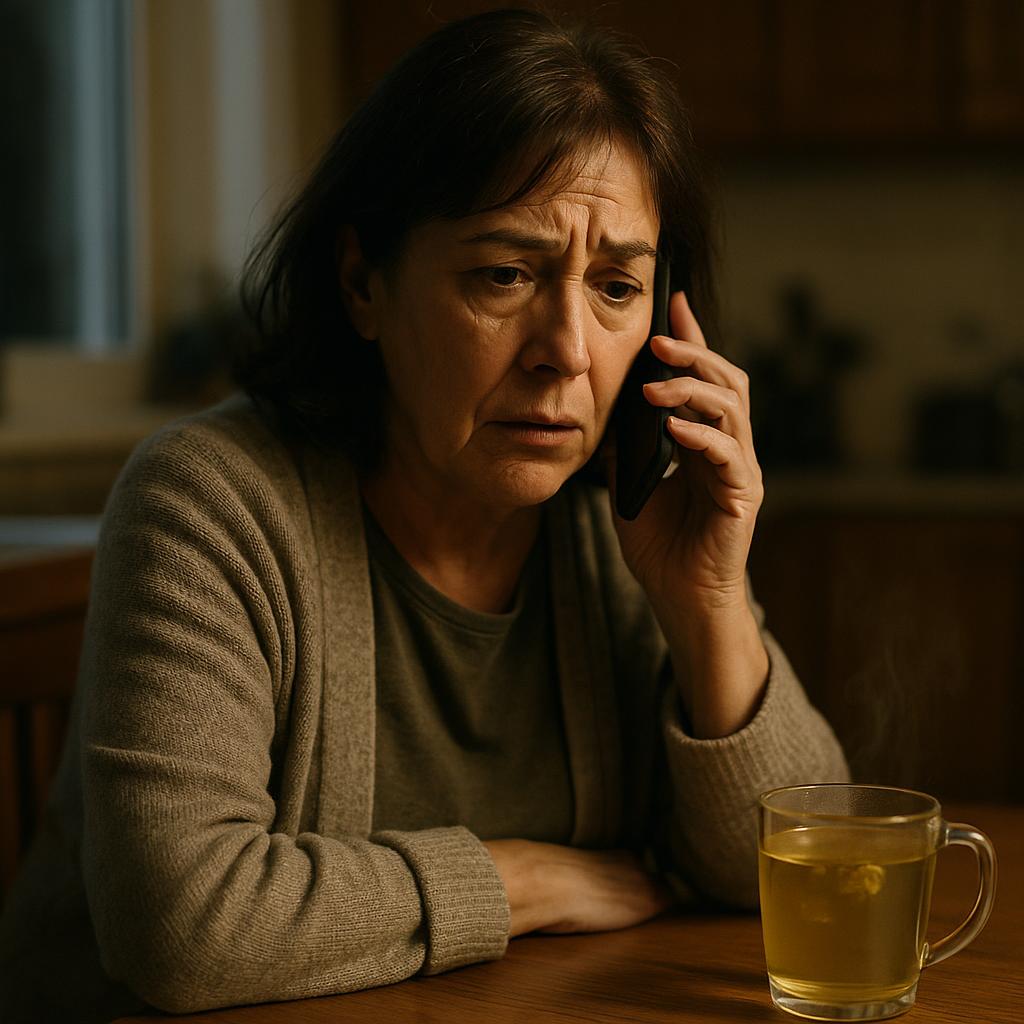 Image by RM AI
Building the Case
Officer Martinez called me the next morning, her voice carrying a new sense of urgency. "Teresa, Mia filed her report. This changes everything." She explained that with multiple victims coming forward, they were now treating Paul as a serious predator rather than just an intrusive landlord. "Would you be willing to help us contact other tenants?" she asked. I didn't hesitate. For the next eight hours, I became a detective of sorts, working from Sarah's dining room table with three phones, a legal pad, and more determination than I'd felt in years. I called Mr. Kowalski first, then Eleanor. I tracked down four former tenants through social media, each one sharing stories that made my skin crawl. "He used to stand at the foot of my bed," one woman whispered. "I'd wake up and he'd just be... watching." I messaged Jenna again, who agreed to provide a formal statement. By evening, my legal pad was filled with names, dates, and horrifying patterns that spanned years. When Officer Martinez called for an update, I could hear the shock in her voice. "Teresa," she said quietly, "I think we've only scratched the surface of what Paul's been doing."
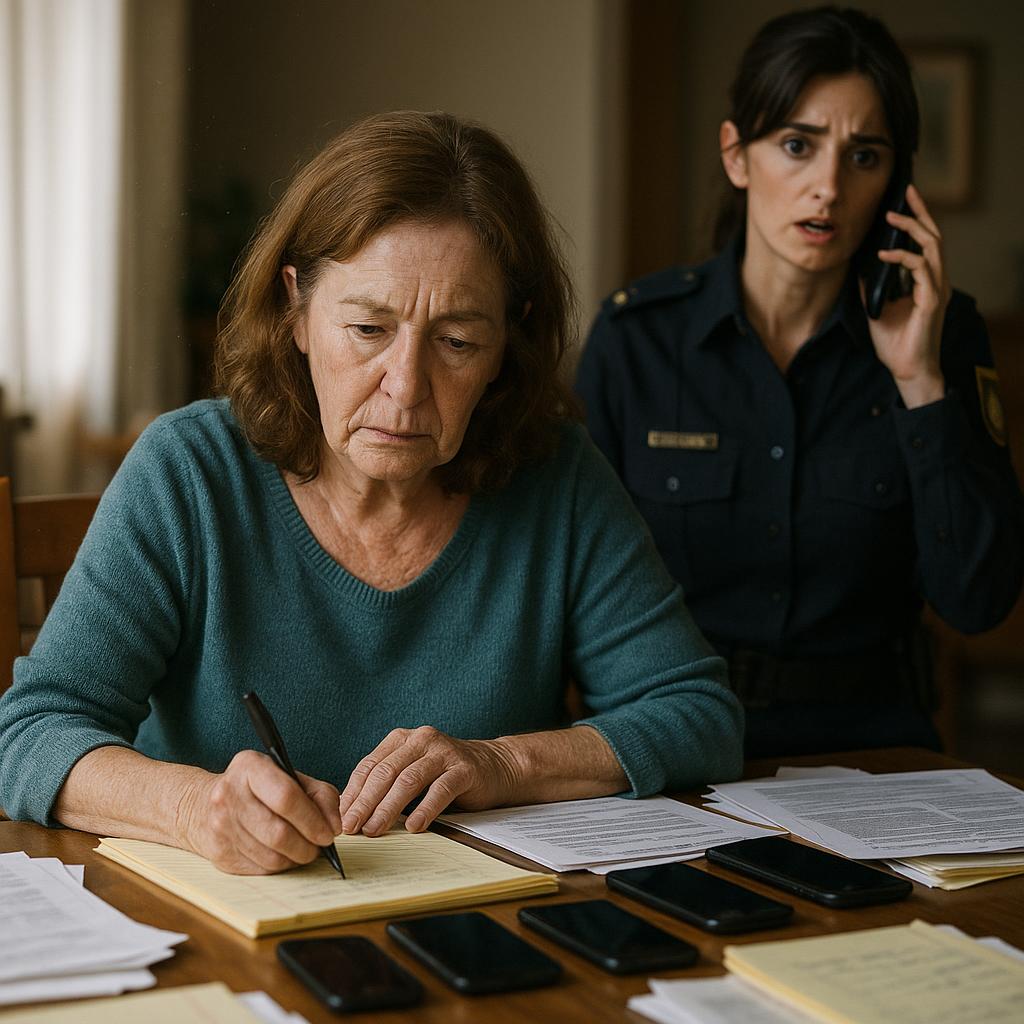 Image by RM AI
The Threatening Text
I was folding laundry in Sarah's guest room when my phone buzzed with a text from an unknown number. My stomach dropped as I read the message: "Teresa, I miss having you in the building. Hope you'll come home soon." Paul. How did he get my new number? I showed the text to Sarah, whose face hardened with anger. "Block him," she insisted. Before I could, another message appeared: "You still have belongings in the apartment that I can't guarantee will be safe if you break your lease." My hands trembled as I read his thinly veiled threat. This wasn't just harassment anymore—it was blackmail. I took screenshots of both messages and forwarded them to Officer Martinez with shaking fingers. Her response came within minutes: "This is exactly what we need, Teresa. He's digging his own grave." I should have felt relieved that his intimidation tactics were strengthening our case, but all I could think about was the family photo albums and my late mother's jewelry still sitting in that apartment. Items that couldn't be replaced. Items that Paul knew meant everything to me. As I stared at my phone, dreading another message, I wondered how many other tenants had received similar threats—and how many had given in to them.
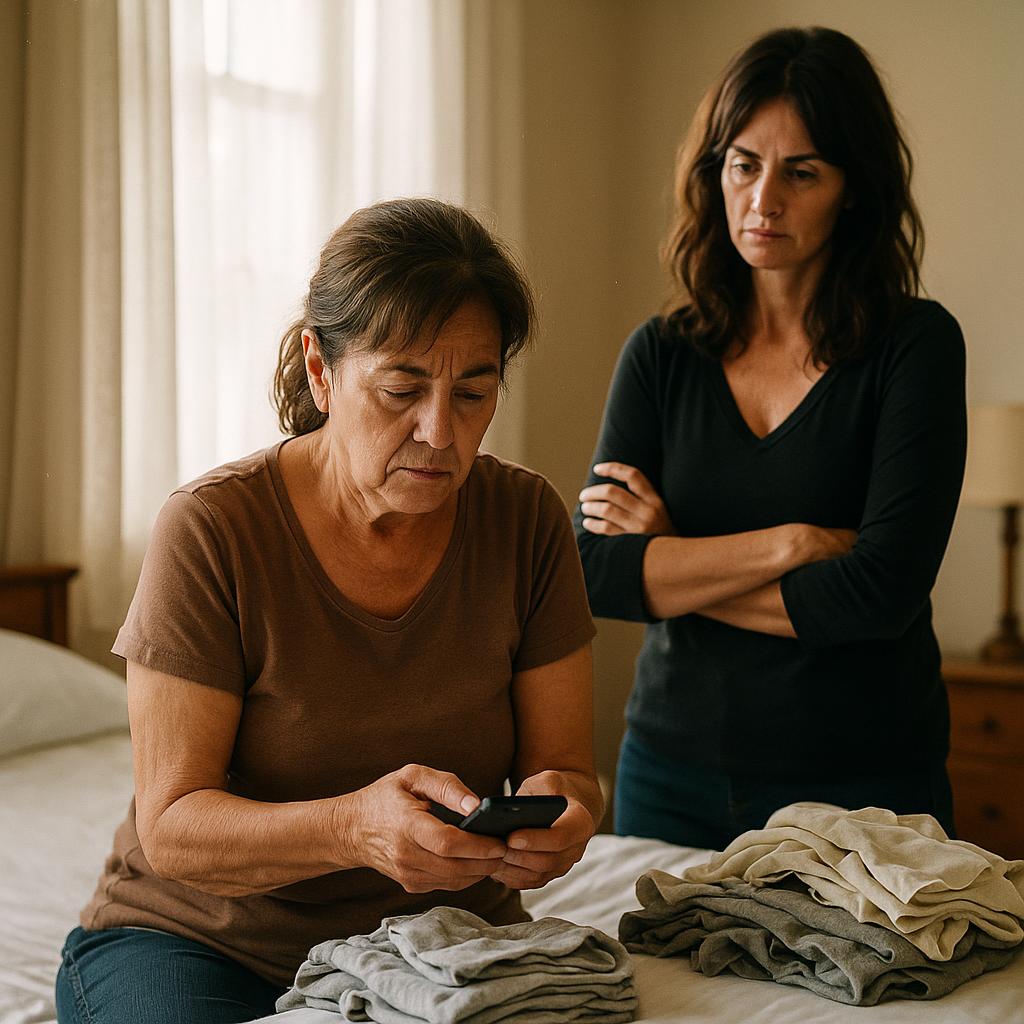 Image by RM AI
The Restraining Order
The courthouse felt both intimidating and reassuring as I clutched my folder of evidence—screenshots, security footage, and statements from other tenants. Officer Martinez stood beside me like a guardian angel as the judge reviewed our case. "Based on the substantial evidence presented," he announced, peering over his glasses, "I'm granting the temporary restraining order effective immediately." Those words should have washed relief over me, but they only dulled the edge of my fear. Paul was now legally required to stay 500 feet away from me and Sarah's home. "This is just the first step," Officer Martinez assured me, squeezing my shoulder. "We're building a strong case." That night, as Sarah, Tom and I celebrated with takeout Chinese food, the security system's shrill alert pierced our momentary peace. The app showed movement in the front yard. Tom grabbed a baseball bat and checked while Sarah and I huddled in the kitchen, my heart hammering against my ribs. "Nothing there," Tom reported when he returned, but his furrowed brow told a different story. Later, reviewing the footage, we spotted a shadow moving just at the edge of the camera's range—there one moment, gone the next. The restraining order was just a piece of paper, and Paul had already shown how little he respected boundaries.
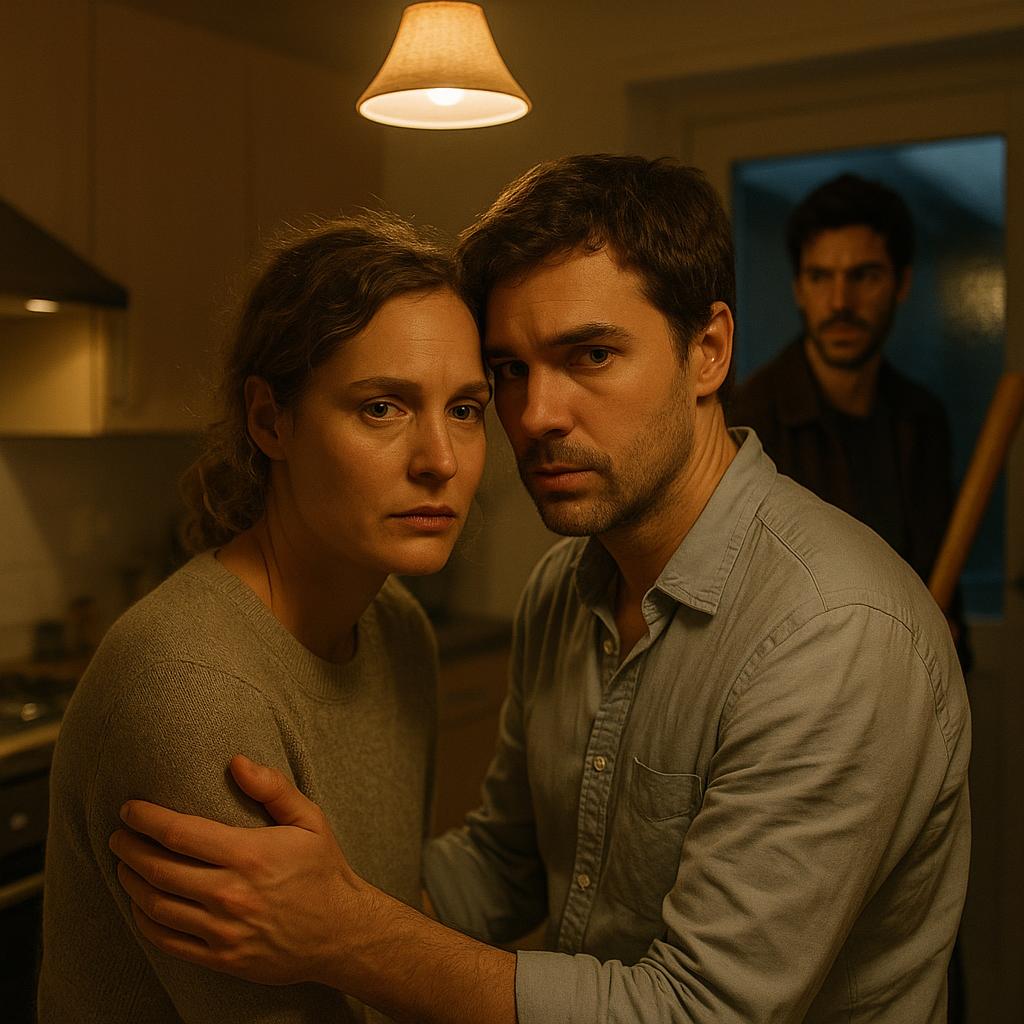 Image by RM AI
Retrieving My Belongings
Officer Martinez arranged for two uniformed officers to escort me back to my apartment on Thursday morning. "We'll be right beside you the whole time," she assured me as we pulled into the parking lot. I scanned the area for Paul's silver Audi but didn't see it. The moment I unlocked my door, my heart sank. The apartment I'd left in neat order was now in complete disarray—drawers yanked open, clothes scattered across the floor like colorful confetti after a parade. "He's been here," I whispered, my voice catching. Officer Chen documented everything with her camera while I moved through the chaos toward my bedroom. That's when I saw them—my precious family photo albums splayed open on the bed. With trembling hands, I lifted the one from my daughter's childhood. A cold wave of nausea washed over me as I flipped through pages where my face had been methodically scratched out of every photo, leaving ragged holes where I once smiled. "This is personal," Officer Martinez said quietly, bagging one album as evidence. As we packed my remaining belongings, I couldn't shake the feeling that Paul had left this message specifically for me—I wasn't just a tenant to him, I was a target. What terrified me most wasn't what he'd done to my photos, but what those scratched-out faces suggested he wanted to do to me.
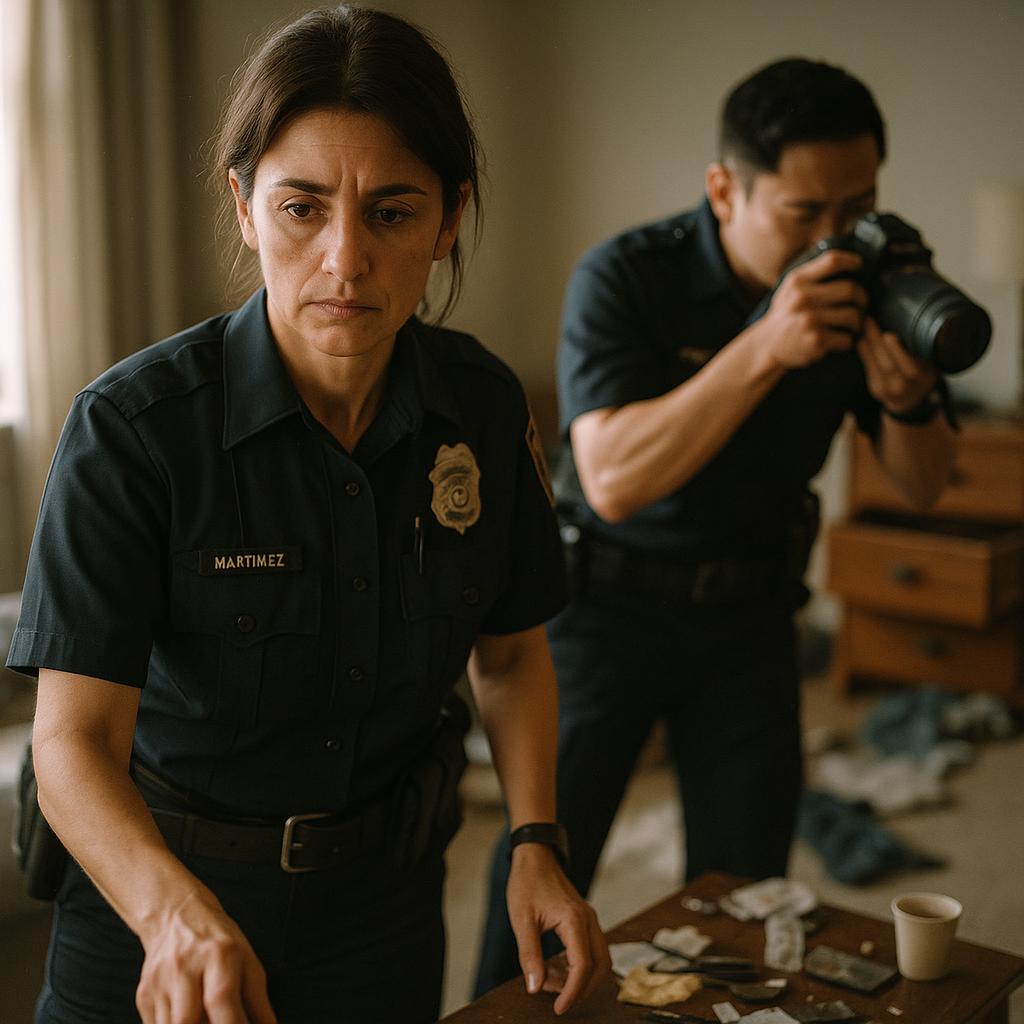 Image by RM AI
The Hidden Camera
Officer Petrov was methodically checking the apartment when I heard him call out from my bedroom. "Mrs. Teresa, you need to see this." His voice had a gravity that made my stomach clench. I followed him into the room where he pointed to the air vent above my bed. "There's something reflecting light in there." With gloved hands, he carefully unscrewed the vent cover and extracted a small black device no bigger than a lipstick tube. "It's a wireless camera," he said quietly, turning it over in his palm. "High-definition. Motion-activated." The room seemed to tilt as I realized what this meant—Paul had been watching me sleep. Watching me change. Watching me during my most vulnerable moments. I stumbled backward until my legs hit the edge of the bed, then immediately jumped up, unable to bear touching anything in this room that now felt like a crime scene. "How long?" I whispered, wrapping my arms around myself. Officer Martinez placed a gentle hand on my shoulder. "Based on the dust pattern, it's been there for months." As they bagged the camera as evidence, I couldn't stop the violent trembling that overtook my body. This wasn't just invasion of privacy anymore—this was something darker, more calculated. And the worst part? As we left the building, I couldn't shake the terrifying question: what other footage of me did Paul have hidden away?
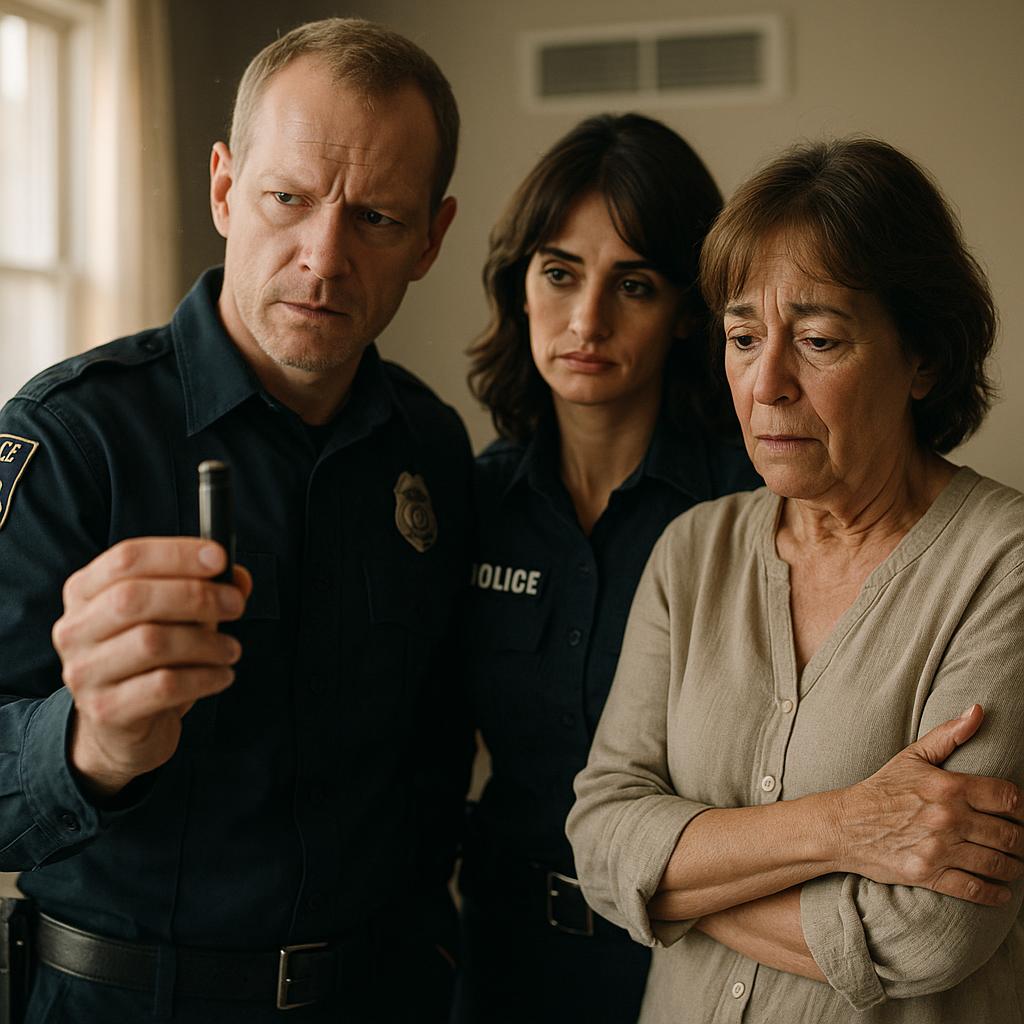 Image by RM AI
The Support Group
Officer Martinez handed me a pamphlet with a gentle smile. "It might help to talk with others who understand," she said. The next evening, I found myself in a community center basement, clutching a styrofoam cup of lukewarm coffee. The circle of chairs held eight people—different ages, backgrounds, but with the same haunted look I'd seen in my own mirror. As each person shared their story, my jaw literally dropped. A 30-something teacher whose student's father followed her for years. A man in his 70s whose neighbor installed cameras pointing at his windows. When my turn came, my voice shook at first, but grew stronger with each nod of understanding. No one questioned why I didn't leave sooner or suggested I was overreacting. Dr. Reyes, a petite woman with kind eyes and a no-nonsense demeanor, explained how stalkers methodically test boundaries—small violations first, then escalating when they face no consequences. "This was never your fault, Teresa," she said, looking directly at me. "Predators like Paul count on your politeness, your reluctance to make a scene." For the first time since this nightmare began, the weight of shame lifted from my shoulders. I wasn't alone, and I wasn't crazy. As I left, a woman named Diane squeezed my hand and whispered, "Next week, I'll tell you how I finally got my stalker to stop for good."
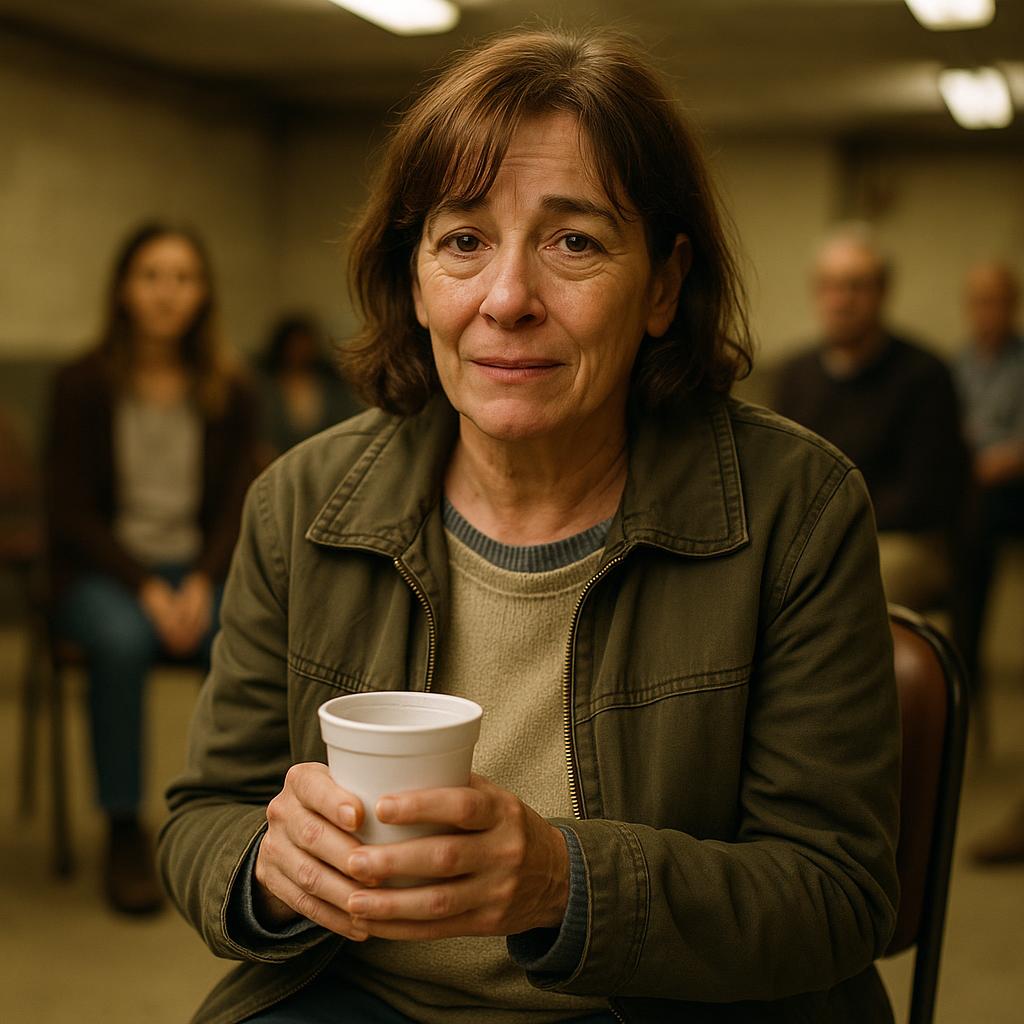 Image by RM AI
The Investigation Deepens
Officer Martinez called me at 10:30 AM on Monday, her voice tight with controlled urgency. "Teresa, we executed a search warrant on Paul's apartment last night," she said. "I think you should sit down for this." My knees weakened as she described what they'd found—a dresser drawer filled with items stolen from tenants. My missing pearl earrings, the ones I thought I'd simply misplaced, were there alongside jewelry, keepsakes, and even personal documents belonging to others. "That's not all," she continued, her voice dropping lower. "We found a notebook. Pages and pages of observations about tenants—when you leave, when you return, who visits you." I felt physically ill imagining Paul watching, recording, planning. The entries about me were particularly detailed—what time I took my evening tea, which nights I talked to Sarah on the phone, even what pajamas I wore on different days of the week. "The district attorney is considering adding stalking and theft charges to the breaking and entering counts," Officer Martinez explained. "This is no longer just about trespassing." After we hung up, I sat frozen at Sarah's kitchen table, staring at my reflection in the window. The woman looking back at me seemed different somehow—older, yes, but also stronger. What terrified me most wasn't what they'd found, but what they might still discover as they dug deeper into Paul's twisted world.
The Arrest
I was folding laundry at Sarah's when Officer Martinez called with news that made my hands freeze mid-fold. "We got him, Teresa," she said, her voice triumphant. "Caught him red-handed installing a camera in Mia's bathroom vent." I sank onto the bed, my legs suddenly unable to support me. Paul—the man who had violated my space, my privacy, my sense of safety—was in handcuffs. Martinez explained they'd been monitoring him since our report, waiting for him to make another move. "Multiple counts," she continued. "Unlawful entry, harassment, stalking, voyeurism—the works." I should have felt pure relief, but instead, a cold question formed in my mind. "What about bail?" I asked, my voice barely above a whisper. There was a pause on the line. "It's possible," she admitted. "But we're pushing for denial given the pattern and severity." After we hung up, I sat staring at my phone, picturing Paul's face when they snapped the cuffs on him. Had he looked surprised? Angry? I wondered if he was thinking about me in his cell, plotting revenge for being the one who finally exposed him. The deadbolt on Sarah's guest room door suddenly seemed far too flimsy.
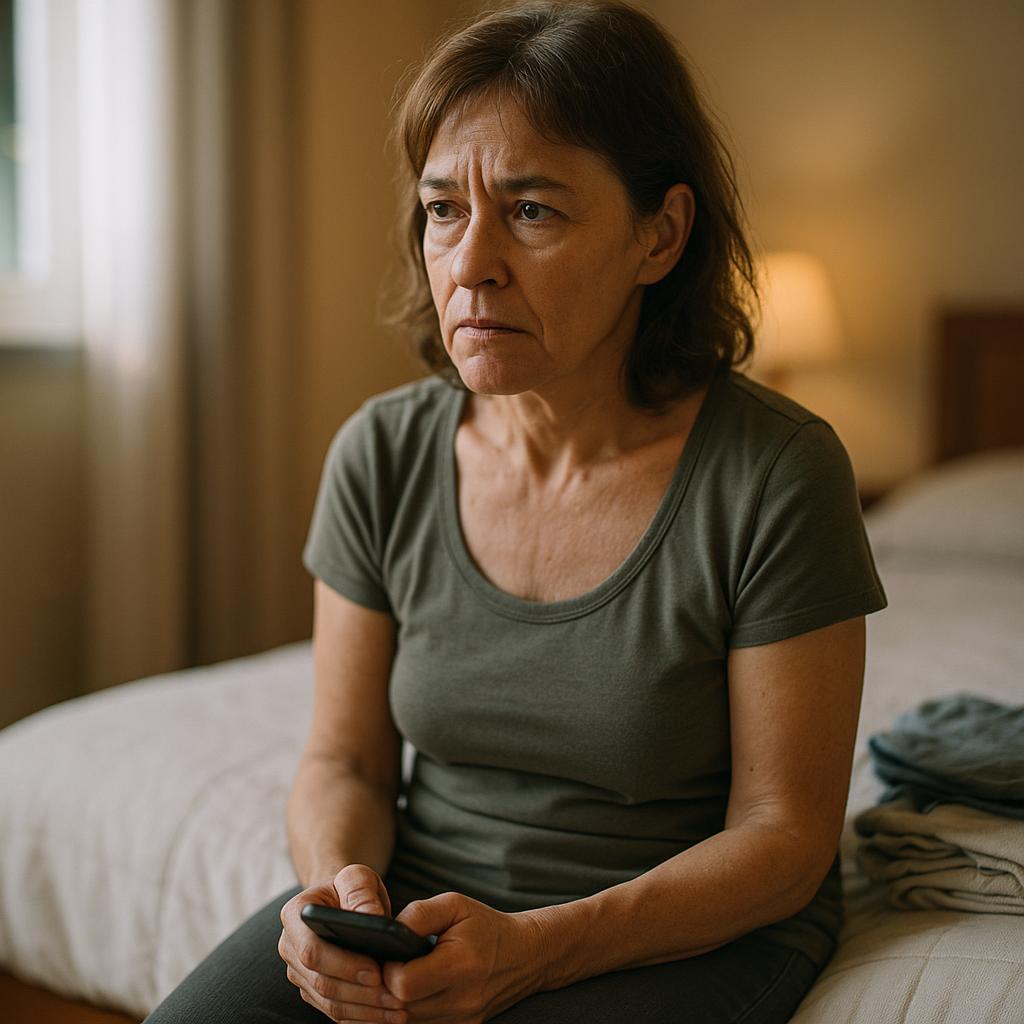 Image by RM AI
The Bail Hearing
The courthouse felt smaller than I expected as Sarah and I walked in for Paul's bail hearing on Friday morning. My stomach was in knots. Officer Martinez met us in the hallway, squeezing my hand reassuringly before we entered. "Remember, you're safe here," she whispered. When Paul was led in, I barely recognized him. Gone was the polished, charming landlord who'd offered to help carry my furniture. This Paul was disheveled, with three days of stubble and dark circles under his eyes. The moment he spotted me, his entire demeanor changed. His eyes locked onto mine with such burning intensity that I instinctively shrank back in my seat. The bailiff noticed immediately and stepped between us, blocking his view. Throughout the proceedings, I could feel him trying to stare me down, even as his lawyer presented him as a "respected property owner with deep community ties." When the prosecutor detailed the cameras found in multiple apartments and the notebook documenting tenants' movements, several jurors visibly recoiled. "Your Honor," the prosecutor concluded, "Mr. Harmon has demonstrated a calculated pattern of predatory behavior toward vulnerable women living alone." When the judge denied bail, citing Paul as a "clear danger to former tenants," I exhaled so loudly that Sarah grabbed my hand. But as they led Paul away, he turned and mouthed something that made my blood run cold: "This isn't over."
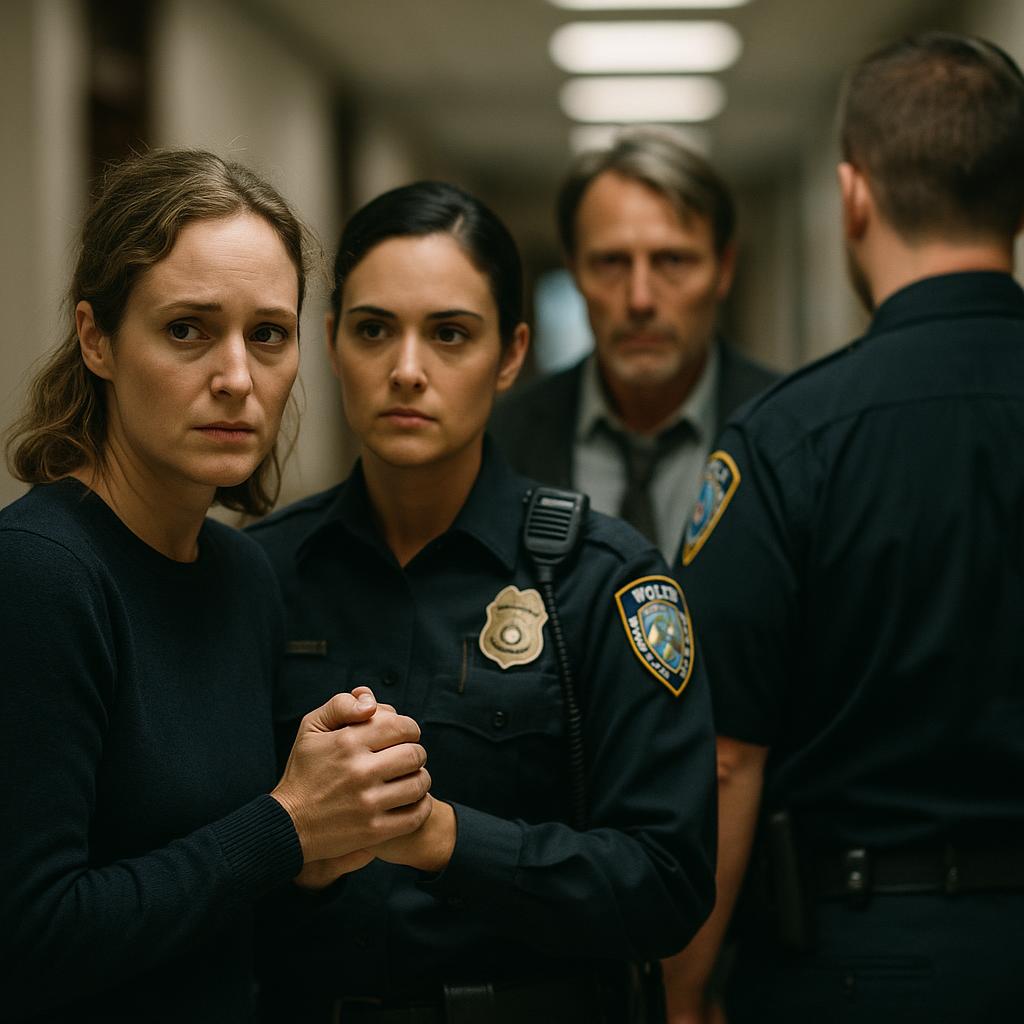 Image by RM AI
The Media Coverage
I was making breakfast at Sarah's when her husband Tom called me into the living room. "Teresa, you're on TV." My heart nearly stopped as I saw my apartment building on the screen with the headline "LANDLORD STALKER TERRORIZES TENANTS." The reporter stood outside, detailing Paul's "reign of terror" with dramatic flair. My phone started buzzing immediately—three news stations and a podcast all wanting interviews. I declined every request, the thought of discussing my trauma on camera making me physically ill. But the coverage did something I never expected. By evening, Officer Martinez called to tell me three more women had come forward—former tenants with stories identical to mine. "One moved out in 2018," she said, her voice heavy. "Another in 2019. The earliest was five years ago." I sat down hard on Sarah's couch, the timeline hitting me like a physical blow. Five years. How many women had Paul watched, followed, terrorized? How many had he driven from their homes? The next day's headline was even more chilling: "LANDLORD STALKER: PATTERN OF PREDATORY BEHAVIOR SPANS HALF A DECADE." As I stared at Paul's mugshot on the evening news, I couldn't help but wonder how many victims were still out there, suffering in silence, thinking they were the only ones.
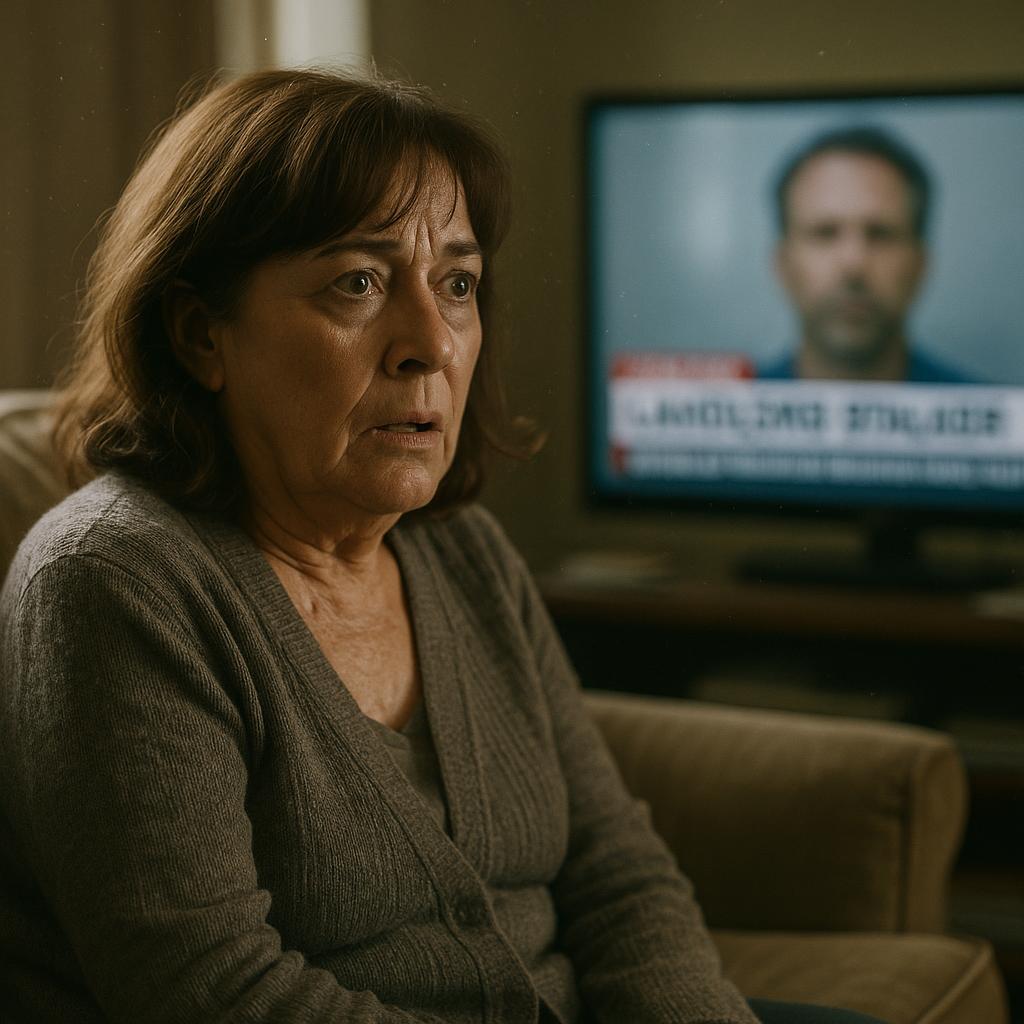 Image by RM AI
The Apartment Hunt
Sarah and I spent three weekends straight apartment hunting. I'd created a spreadsheet with twenty-two specific criteria—everything from 'deadbolts on all doors' to 'landlord must provide 48-hour written notice before entry.' The first place we visited had perfect lighting and a charming breakfast nook, but the property manager mentioned he lived 'just downstairs' and had 'master keys for emergencies.' Hard pass. The second apartment had security cameras in the hallways, which initially seemed reassuring until I realized they were pointed directly at the tenants' doors. The third place was promising until the landlord casually mentioned he 'drops by occasionally to check on things.' By the fifth viewing, Sarah gently took my hand as we sat in her car. 'Teresa,' she said carefully, 'I understand why you're being cautious, but I'm worried you're looking for reasons to say no.' I knew she was right. That night, I dreamed I was in an apartment with dozens of doors that kept swinging open no matter how many times I locked them. I woke up drenched in sweat, wondering if I'd ever feel safe again. How do you trust after someone has shattered your sense of security so completely?
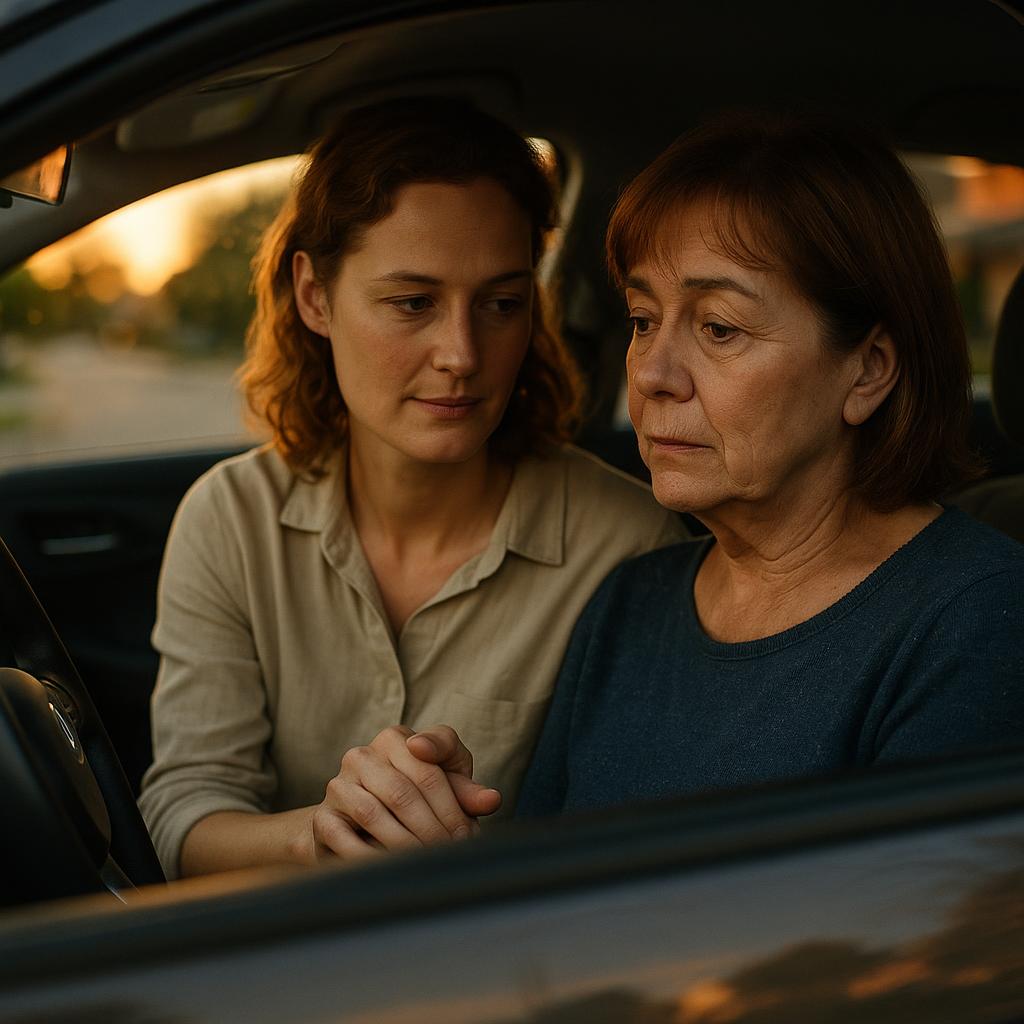 Image by RM AI
The Therapy Session
Dr. Reyes's office felt like a sanctuary—warm lighting, no windows facing the hallway, and a white noise machine humming softly by the door. "Teresa, trauma doesn't just change how we feel; it rewires our brain's alarm system," she explained during our third session. I nodded, twisting my wedding ring—a habit I couldn't break even two years post-divorce. "Your ex-husband spent years training you to prioritize his comfort over your safety," she continued, her voice gentle but matter-of-fact. "Paul recognized those patterns." Something clicked inside me. The way I'd apologized when confronting Paul about entering my apartment. How I'd minimized my own discomfort to avoid conflict. "Predators don't just find victims," Dr. Reyes said, leaning forward. "They test boundaries until they find someone whose alarm system has been disabled." For homework, she asked me to write a letter about what I deserved in a home. That night, I sat at Sarah's kitchen table, pen hovering over paper. The first line came easily: "I deserve locks that only I control." By the third page, tears were streaming down my face as I wrote, "I deserve to sleep without wondering who's watching." What terrified me wasn't just what I'd endured, but how long I'd believed I didn't deserve better.
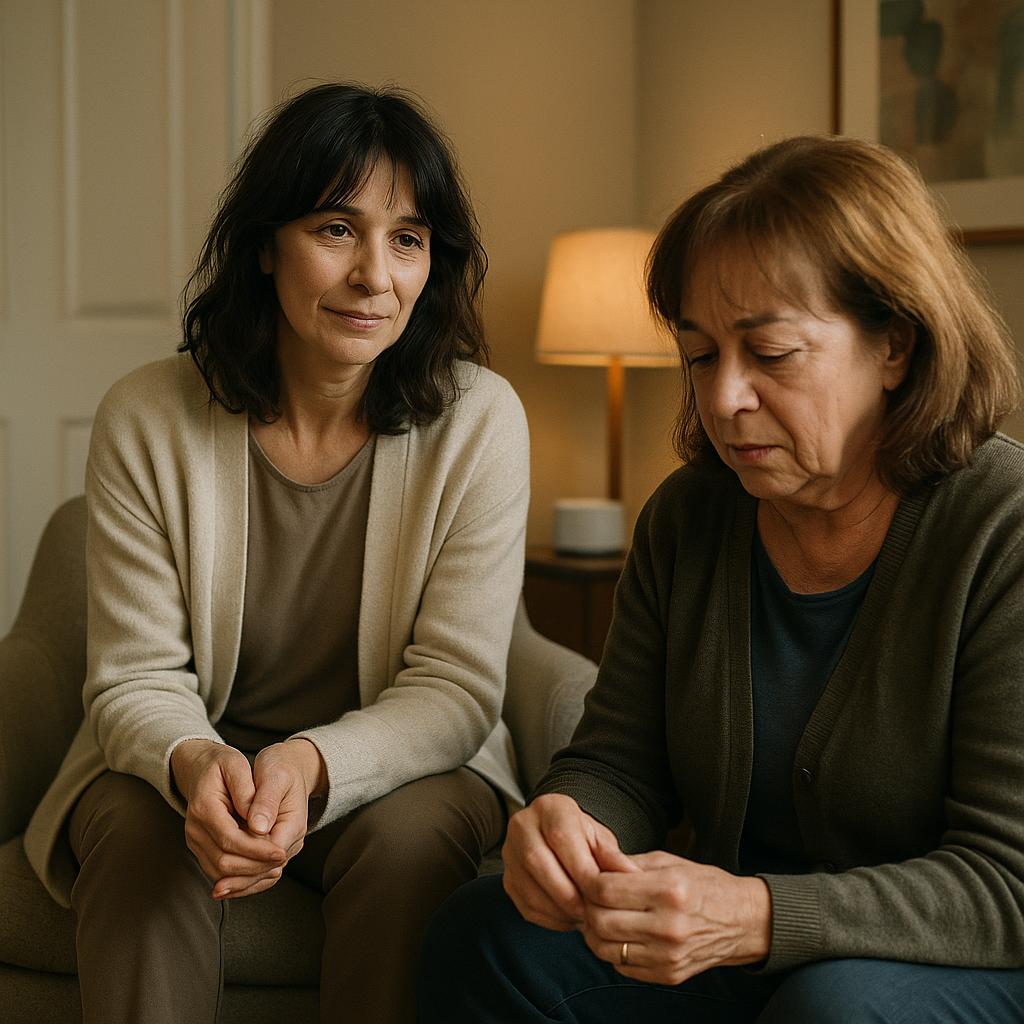 Image by RM AI
The Tenant Meeting
The community center conference room felt both solemn and electric as I walked in Tuesday evening. Twelve people—some familiar faces from my building, others I'd never seen—sat in a semicircle facing Assistant District Attorney Hoffman. "These cases are notoriously difficult to prosecute," she explained, her voice steady, "but with twelve victims telling virtually identical stories, we have something powerful." One by one, we shared our experiences. A woman in her twenties described finding Paul standing in her shower. An elderly man recounted waking to find Paul going through his medicine cabinet at 2 AM. When Jenna—the young woman who'd warned me on Facebook—stood up, I finally put a face to my guardian angel. "If I hadn't escaped that day..." she said, her voice trailing off. After the meeting, I hugged her tightly. "You saved me," I whispered. "I just wish someone had warned me," she replied. As we exchanged numbers, ADA Hoffman approached with news that made the room fall silent. "We've recovered over two hundred hours of footage from Paul's computer," she said quietly. "And we have reason to believe there may be victims going back a decade." The chill that ran through me wasn't just for myself anymore—it was for all the women who came before me, whose names we might never know.
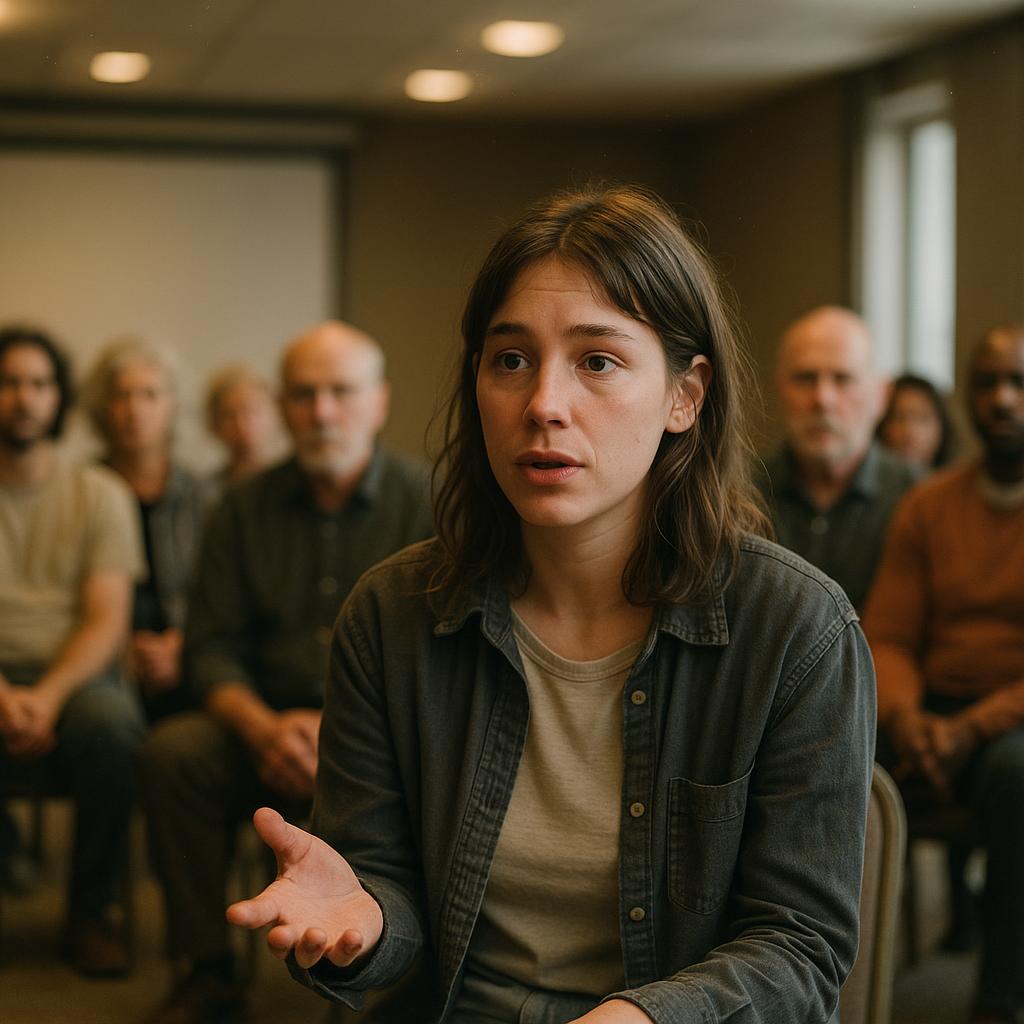 Image by RM AI
The New Apartment
After weeks of searching, I finally found a small apartment managed by Horizon Properties—a company with actual office hours and a professional staff, not just one man with a ring of keys and boundary issues. The lease was a thing of beauty: bold print specifying 24-hour written notice before any maintenance visit, and a tenant's bill of rights attached as an appendix. Sarah helped me move in on Saturday, both of us sweating in the August heat as we carried boxes up three flights of stairs. "It's worth it for the security," I panted, thinking of the ground-floor apartment I'd fled. That evening, we transformed my ordinary door into a fortress—a Ring doorbell camera that would alert my phone if anyone approached, a reinforced strike plate that would make kicking in the door nearly impossible, and a secondary lock that couldn't be opened with any master key. "Paul-proof," Sarah declared as she tested the window alarms. That night, after she left, I sat alone on my bare mattress, listening to the unfamiliar creaks of my new home. For the first time in months, I didn't check the closets before going to bed or push furniture against the door. I still slept with my phone in my hand, but it was progress. What I didn't know then was that safety isn't just about locks and cameras—it's about healing the part of yourself that believes you deserve protection in the first place.
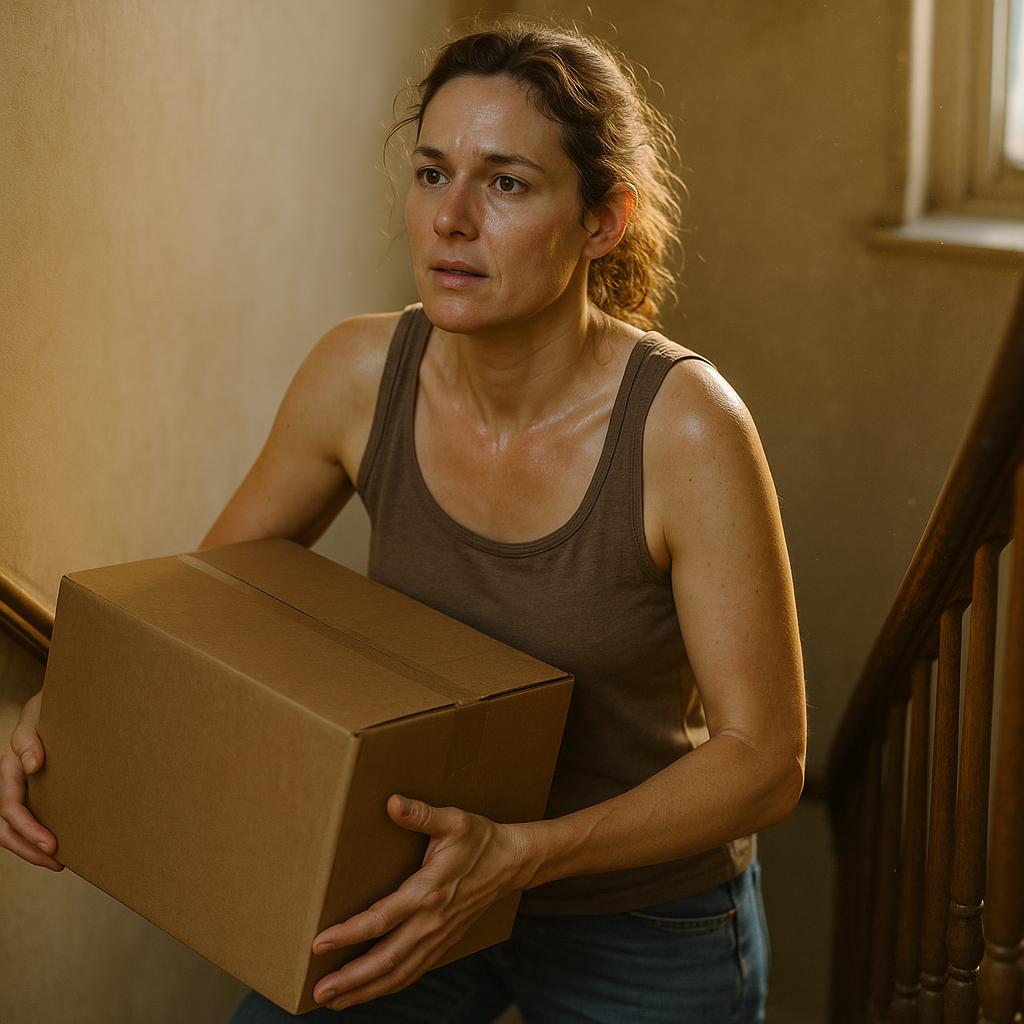 Image by RM AI
The First Night Alone
That first night in my new apartment, I felt like I was starring in my own personal horror movie. Every creak, every distant door closing in the hallway, every car passing outside sent my heart racing. I must have checked the locks fifteen times before finally crawling into bed at 11 PM, my phone clutched in my hand like a lifeline. I'd downloaded three different security apps that Sarah had recommended, each one promising to alert me if anyone so much as breathed near my door. At 3:17 AM—I remember the time because I stared at those glowing numbers for what felt like hours—I jolted awake, absolutely certain I'd heard someone trying my doorknob. My body went ice-cold with terror as I fumbled for my phone, hands shaking so badly I could barely open the Ring app. The hallway footage showed absolutely nothing. Not a soul. Just my empty doorway, mockingly peaceful. I sat there in the dark, breathing hard, realizing that the locks on my door weren't the only things that needed fixing. My sense of safety had been shattered, and no security system in the world could repair that overnight. As dawn broke, I made myself a promise while clutching my third cup of coffee: Paul had taken enough from me already—I refused to let him take my independence too. What I didn't know then was that reclaiming your life after trauma isn't a straight line; it's more like learning to walk again after a devastating injury.
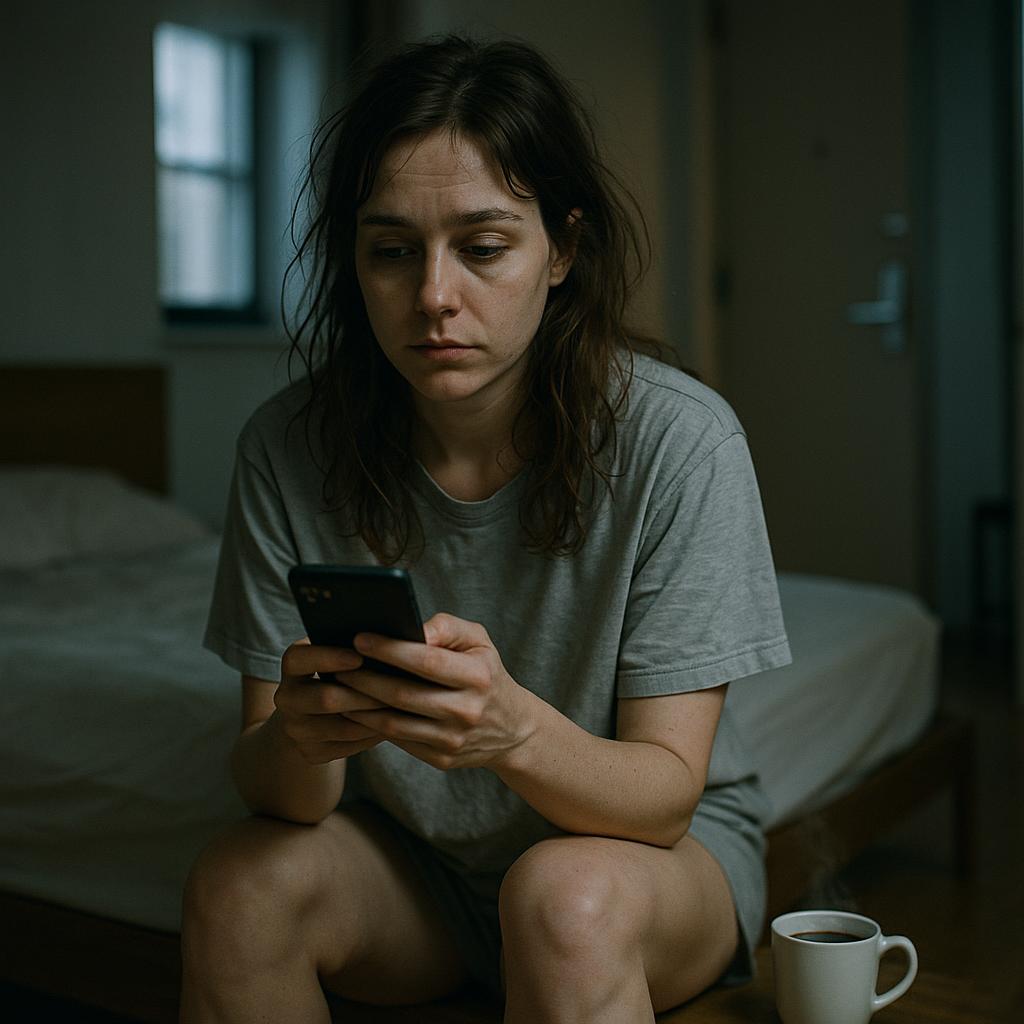 Image by RM AI
The Plea Deal
The call from Prosecutor Weber came on a Tuesday afternoon while I was watering my new peace lily—a housewarming gift from Sarah. 'Teresa, I have news,' she said, her voice carefully neutral. 'Paul's attorney has approached us with a plea deal.' My hand froze mid-pour, water spilling onto the windowsill. 'Five years with mandatory psychiatric treatment if he pleads guilty to all charges.' I sank onto my couch, a storm of conflicting emotions washing over me. No trial meant no testifying, no facing Paul across a courtroom, no having my private terrors dissected by defense attorneys. But it also felt... incomplete somehow. 'Is five years enough?' I whispered, thinking of the notebook, the cameras, the years of violations. 'Teresa,' Weber said gently, 'given the evidence we have and the unpredictability of juries, this is actually a solid outcome. He'll be a registered offender after release.' After we hung up, I sat staring at my reinforced door, wondering if five years would be enough time for me to rebuild the sense of safety Paul had shattered. That night, I called Jenna and the other victims to share the news. Some cried with relief, others with frustration. What none of us could have predicted was how Paul would behave at the plea hearing—or the chilling statement he'd make that would change everything.
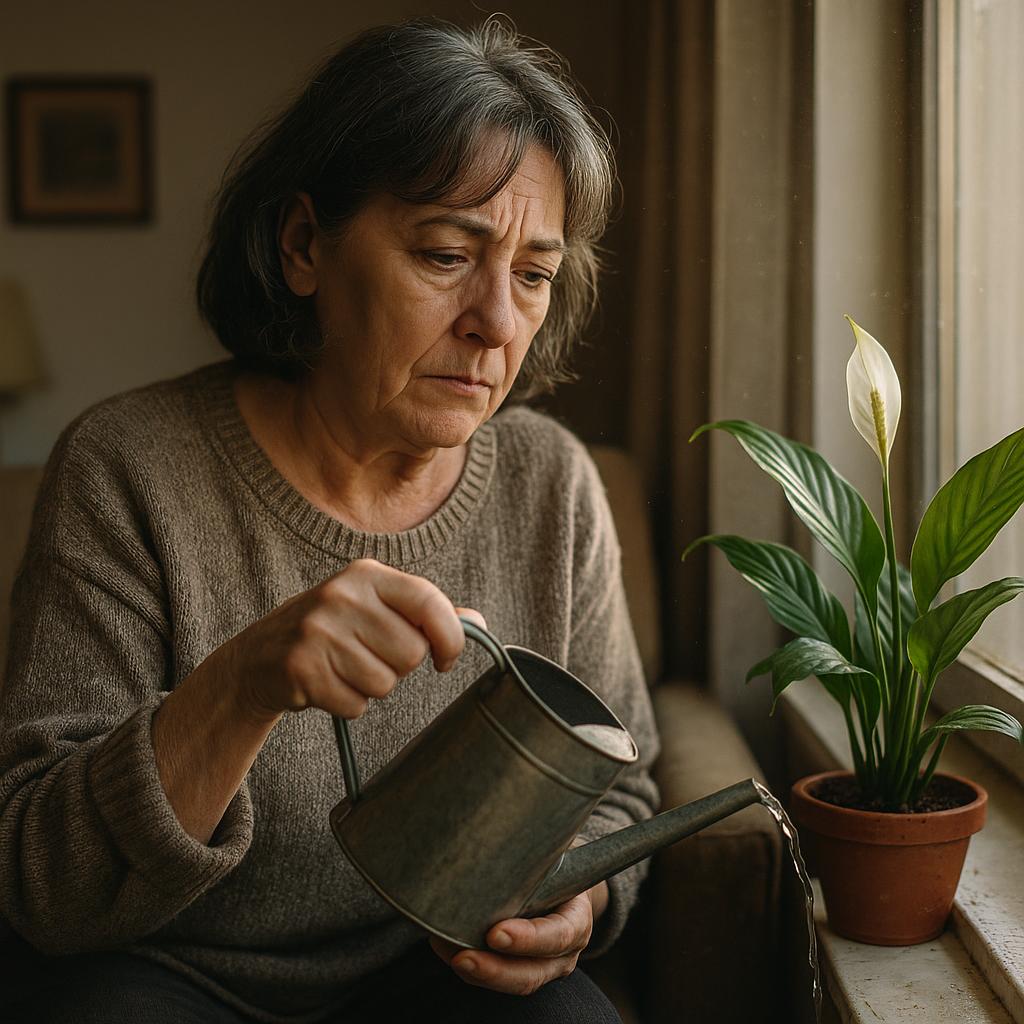 Image by RM AI
The Victim Impact Statement
I sat at my kitchen table for three nights straight, crumpling paper after paper as I tried to capture in words what Paul had stolen from me. How do you explain to a judge that you now sleep with a baseball bat beside your bed? That you flinch when you hear keys jingling in a hallway? 'Don't just list what happened,' Dr. Reyes advised during our session. 'Tell the judge how it changed you.' So I wrote about checking my closets every night, about the panic attacks in the grocery store when I spotted someone who resembled Paul. I wrote about the friendships that suffered because I couldn't bear to have visitors in my 'contaminated' space. But I also wrote about finding my voice again—how reporting him had connected me with other survivors who understood exactly what I'd been through. 'This isn't just about punishment,' I typed in the final draft, my fingers steady on the keyboard. 'It's about making sure Paul understands that we weren't just apartments to invade—we were people whose lives he damaged.' When I finally printed the three-page statement, I felt lighter somehow, as if putting my trauma into words had begun to loosen its grip on me. What I didn't know was how Paul would react when he heard my words read aloud in court—or the shocking revelation that would come from his own lips during sentencing.
 Image by RM AI
The Sentencing Hearing
The courthouse felt different today—heavier somehow, as if the weight of all our collective trauma had thickened the air. I sat shoulder-to-shoulder with Jenna, Sarah, and four other victims in the front row, our presence a silent testimony against the man who had violated our homes and peace of mind. When Paul shuffled in wearing his orange jumpsuit, he looked almost ordinary—just another middle-aged man with thinning hair and slumped shoulders. But I knew better. When given his chance to speak, he cleared his throat and launched into what was clearly a rehearsed speech about 'regrettable lapses in judgment' and how he 'never meant to cause distress.' I felt physically ill listening to him minimize years of calculated predatory behavior as if he'd simply forgotten to return a borrowed book. The judge—a stern-faced woman with reading glasses perched on her nose—cut him off mid-sentence. 'Mr. Harmon,' she said, her voice like steel, 'your actions were not lapses but deliberate violations of basic human dignity.' She sentenced him to the full seven years with no possibility of early release. As the bailiff led him away, Paul turned and locked eyes with me one final time. That look—cold, unrepentant, promising—told me everything the plea deal couldn't: some predators never truly change, they just learn to hide better.
 Image by RM AI
The Healing Process
Six months after Paul's sentencing, I found myself sitting in a circle of folding chairs at the community center, surrounded by women who understood exactly what I'd been through. "Healing isn't linear," Dr. Reyes always reminded me, and in our weekly support group, I saw the truth of that statement. Some days I felt almost normal, brewing my morning coffee without checking behind the shower curtain first. Other days, a simple sound—keys jingling, floorboards creaking—could send me spiraling back to that night I saw Paul's shadow in my hallway. But I was making progress. I'd started volunteering at New Beginnings, a women's shelter across town, sharing my story with residents who often nodded in painful recognition. "Trust your instincts," I told them, the words I wished someone had told me. "If something feels wrong, it probably is." At home, I still performed my nightly ritual—checking the locks twice, testing the window alarms, keeping my phone charged beside my bed—but these actions no longer controlled me. They were simply precautions, like wearing a seatbelt. The most surprising part of my healing journey wasn't the nightmares fading or the panic attacks subsiding; it was discovering how many other women had similar stories. What terrified me most wasn't what I'd survived, but how common my experience actually was.
 Image by RM AI
The Unexpected Letter
The manila envelope arrived on a Tuesday, my name and address written in that eerily familiar handwriting. My stomach dropped before I even saw the return address: Northern State Correctional Facility. Paul. My hands trembled as I held the unopened letter, feeling as if I'd been ambushed in my own home—again. After everything, he still thought he had the right to reach into my life. I immediately called Officer Martinez, who answered on the second ring. "Don't open it," she instructed firmly. "I'll be there in twenty minutes." She arrived with an evidence bag, explaining that this was a clear violation of the restraining order. "He's testing boundaries again," she said, her expression grim. "Classic predator behavior." Later that night, after she left with the letter safely documented and bagged, I sat at my kitchen table with the shredder I'd bought after the trial. I fed a photo of my old apartment building through it, watching it disappear into confetti. It felt symbolic somehow—Paul's power over me disintegrating strip by strip. What I didn't know then was that his letter wasn't just a violation; it was the beginning of something much more disturbing.
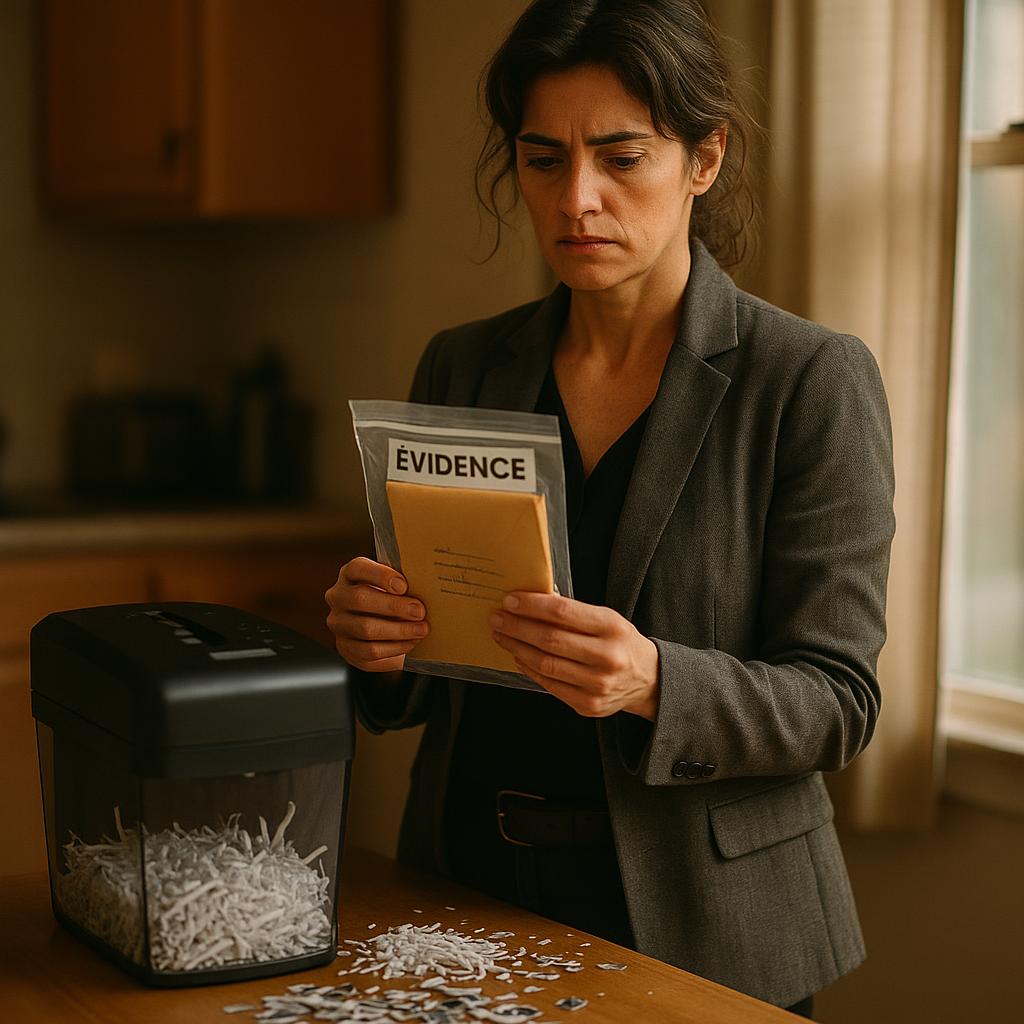 Image by RM AI
The Anniversary
I marked the date on my calendar months ago—one year since escaping Paul's building. My hands still trembled slightly as I arranged the cheese board, wondering if this gathering was a celebration or a memorial for our lost sense of security. When the doorbell rang at 6:30, I didn't flinch for once. Jenna arrived first, her smile brighter than I remembered. "Guess what?" she announced, handing me a bottle of wine. "I got accepted to law school! I'm going to specialize in tenant rights and stalking cases." We all cheered as Mr. Kowalski shuffled in with his famous apple strudel, the cinnamon scent filling my apartment with warmth instead of dread. By 8 PM, my living room was filled with something I never expected to find in this trauma—community. We toasted with sparkling cider, our faces reflected in the windows that no longer made me paranoid. "To reclaiming our spaces," Sarah proposed, raising her glass. What surprised me most wasn't the laughter that eventually replaced our solemn conversations, but how normal it felt to have people in my home again. As we shared dessert, I realized Paul had taken many things from us, but he'd inadvertently given us something too—each other. What none of us could have anticipated was the phone call I would receive the very next morning that would test everything we thought we knew about closure.
 Image by RM AI
The Advocacy Group
The idea came to me during a sleepless night after our anniversary dinner. 'What if we could prevent what happened to us from happening to others?' I texted Jenna at 2 AM. By noon the next day, we were hunched over her laptop, creating 'Safe Space,' a tenant advocacy website. 'Every resource I needed but couldn't find when Paul was terrorizing me,' I explained as we outlined sections on tenant rights, red flags, and safety plans. Within weeks, we were hosting workshops at the community center, teaching people how to document landlord violations and install simple security devices. When Channel 7 News interviewed us, I nearly backed out—the thought of my face on television terrified me. 'What if Paul sees it from prison?' I whispered to Jenna. She squeezed my hand and said, 'Let him. Let him see what he created—women who won't be silenced anymore.' After the segment aired, our inbox exploded with messages. 'My landlord has a key to my bedroom door and says it's normal,' one woman wrote. 'I found my superintendent going through my underwear drawer,' wrote another. Reading these messages, I realized Paul wasn't an anomaly—he was part of an epidemic of power abuse that thrived in silence. What I couldn't have known then was that one of these messages would lead us directly to Paul's very first victim, a woman who'd been waiting fifteen years to tell her story.
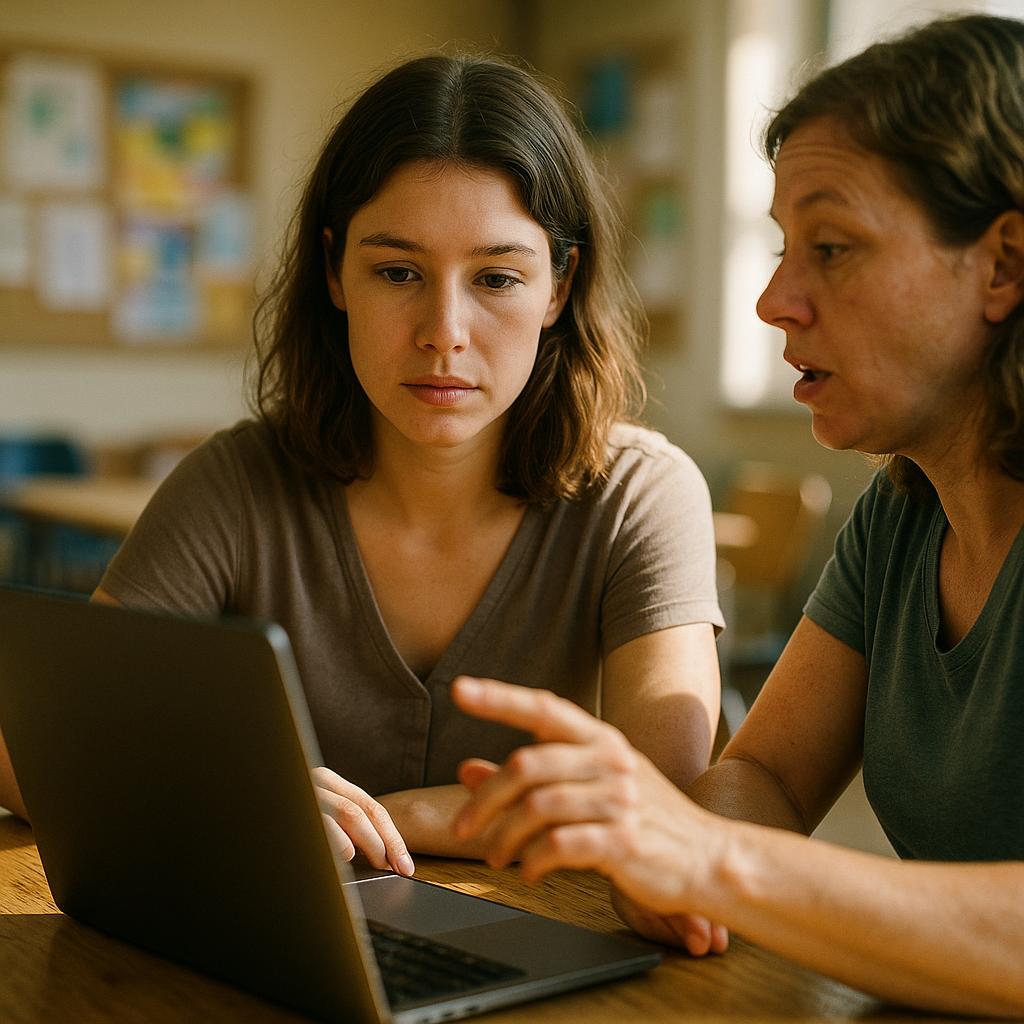 Image by RM AI
The Legislative Hearing
I never imagined I'd be sitting before a state legislative committee, my hands trembling slightly as I adjusted the microphone. The marble walls of the capitol building felt imposing, but the faces of Jenna and Sarah in the audience gave me strength. 'My name is Teresa, I'm 62 years old, and this is what happened to me,' I began, my voice steadier than I expected. For the next five minutes, I laid bare the nightmare of Paul's invasions—the unauthorized entries, the midnight appearances, the terror of feeling unsafe in my own home. I described how our current laws had failed us, how the police couldn't help until it was almost too late. 'A locked door should mean something in this state,' I said, looking directly at the committee chair. When I finished, the room fell silent. Representative Morales, who had invited me to testify, wiped away a tear. 'Ms. Teresa,' she said finally, 'your courage today may accomplish what five years of legal arguments couldn't.' Later, as we left the building, a young legislative aide rushed up to me. 'My mother went through something similar,' she whispered, pressing a business card into my palm. 'The committee chair wants to meet with you privately tomorrow. There's something about this bill they haven't told the public yet.'
 Image by RM AI
The Dating Question
"You should meet David," Sarah said casually over lunch, sliding her phone across the table to show me a photo of a silver-haired man with kind eyes. "He's been widowed for three years, teaches history at the community college, and makes incredible sourdough bread." I nearly choked on my iced tea. Dating? Now? After everything with Paul—not to mention my disaster of a marriage? "I'm not ready," I mumbled, pushing the phone back. But that night, I couldn't stop thinking about it. During my next session, Dr. Reyes listened patiently as I listed all my fears. "Teresa," she said gently, "Paul and your ex-husband don't represent all men. Fear is understandable, but isolation isn't healing." She helped me see how I'd been building walls instead of boundaries. "Coffee," I finally texted Sarah a week later. "Public place. Daytime only." When she responded with five exclamation points and a dancing emoji, I almost canceled immediately. But then I realized something—Paul had taken my sense of safety, my peace of mind, even my sleep. I refused to let him take my future too. As I picked out a blouse for Saturday's coffee date, I wondered if David would notice my hands trembling slightly as I held my cup, or if he'd understand when I explained why I chose the table with my back to the wall and a clear view of all exits.
 Image by RM AI
The Coffee Date
I arrived at Sunshine Café twenty minutes early, checking every corner of the place before choosing a table with my back to the wall. When David walked in—right on time—my heart did a little stutter-step. He looked exactly like his photo, but his smile was warmer in person. 'I ordered us both coffee,' I blurted out nervously, immediately regretting my presumption. 'Perfect,' he said, settling across from me. Our conversation flowed easier than I expected, covering books, gardening, and his amusing battle with sourdough starter during lockdown. I carefully steered us away from my recent past, offering vague comments about 'moving for a fresh start.' He didn't press. When it was time to leave, he walked me to my car, and I tensed as his hand moved toward me. But he was just reaching for my door handle. I flinched so hard I nearly dropped my purse. 'I'm sorry,' he said immediately, stepping back to give me space. 'No touching without permission. I understand.' The kindness in his eyes held no judgment, no hidden agenda. As I drove home, I realized I'd been holding my breath for months, waiting for the other shoe to drop with every man I encountered. Maybe, just maybe, Paul hadn't destroyed my ability to trust after all—he'd just made me more careful about who earned it. What I couldn't have known then was how David's simple respect for boundaries would become the first building block in reconstructing my sense of safety.
 Image by RM AI
The Bill Passes
I was folding laundry when my phone rang with a number I didn't recognize. My finger hovered over the decline button—a habit I'd developed since Paul—but something made me answer. 'Teresa? It's Representative Chen.' I nearly dropped the phone. 'I wanted to tell you personally—the bill passed.' My knees went weak, and I sank onto the edge of my bed. The Tenant Protection Act had passed, requiring landlords to provide 48-hour written notice before entering occupied units and making unauthorized entry a criminal offense with actual teeth. 'Your testimony was the turning point,' she continued. 'Three representatives who were on the fence changed their votes after hearing you speak.' Tears welled in my eyes as I thought about all the nights I'd lain awake, jumping at every sound, convinced Paul was somehow in my apartment again. 'Will it really help?' I whispered. 'It already has,' Chen replied. 'We've had landlords calling all day, furious that we're "restricting their rights."' We both laughed, knowing that meant we'd hit a nerve. After we hung up, I called Jenna and Sarah, my voice cracking with emotion. At 62, I'd never imagined becoming an activist, but standing in my safe apartment, I felt a sense of purpose I hadn't experienced in decades. What I didn't realize was that our little victory had caught the attention of someone who had been watching my journey from the shadows all along.
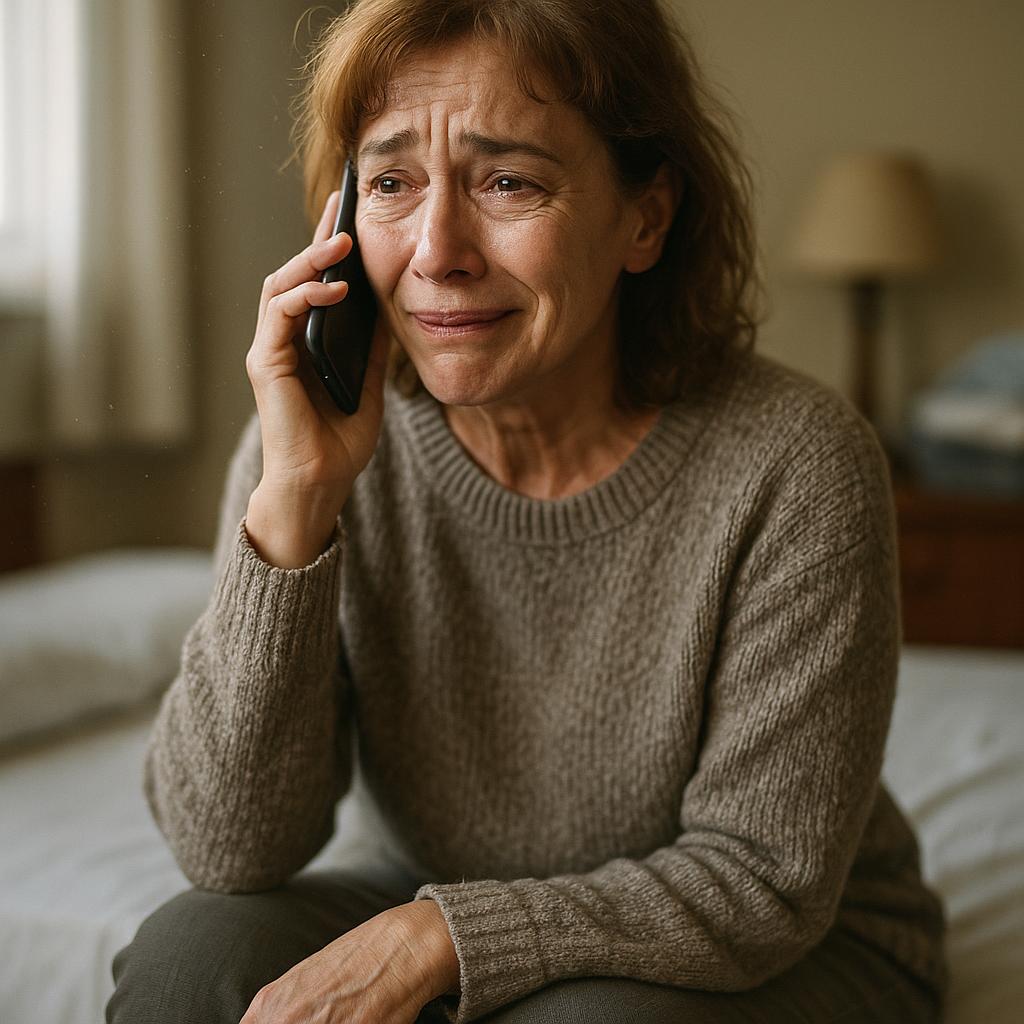 Image by RM AI
The Parole Hearing Notice
The envelope arrived on a Tuesday, just like Paul's letter had eighteen months ago. But this time, the return address read 'Department of Corrections: Parole Division.' My coffee mug slipped from my fingers, shattering against the kitchen tile as I stared at the official notice. Despite his seven-year sentence, Paul was eligible for parole consideration due to 'good behavior' and prison overcrowding. My hands trembled as I dialed Officer Martinez, my voice barely a whisper. 'They can't let him out,' I said, panic rising in my throat. 'He'll come straight for me.' She promised to attend the hearing and speak against his release, reminding me that my victim impact statement would carry significant weight. That night, I couldn't sleep, imagining Paul walking free, those cold eyes finding me again. I'd rebuilt my life brick by brick—the advocacy group, my budding relationship with David, nights without checking the closets—and now it felt like the foundation was crumbling beneath me. As I sat at my kitchen table at 3 AM, staring at the calendar with the hearing date circled in red, my phone lit up with a text from Jenna: 'Just heard the news. Don't worry, we're not letting him out. I've found something in his past that changes everything.'
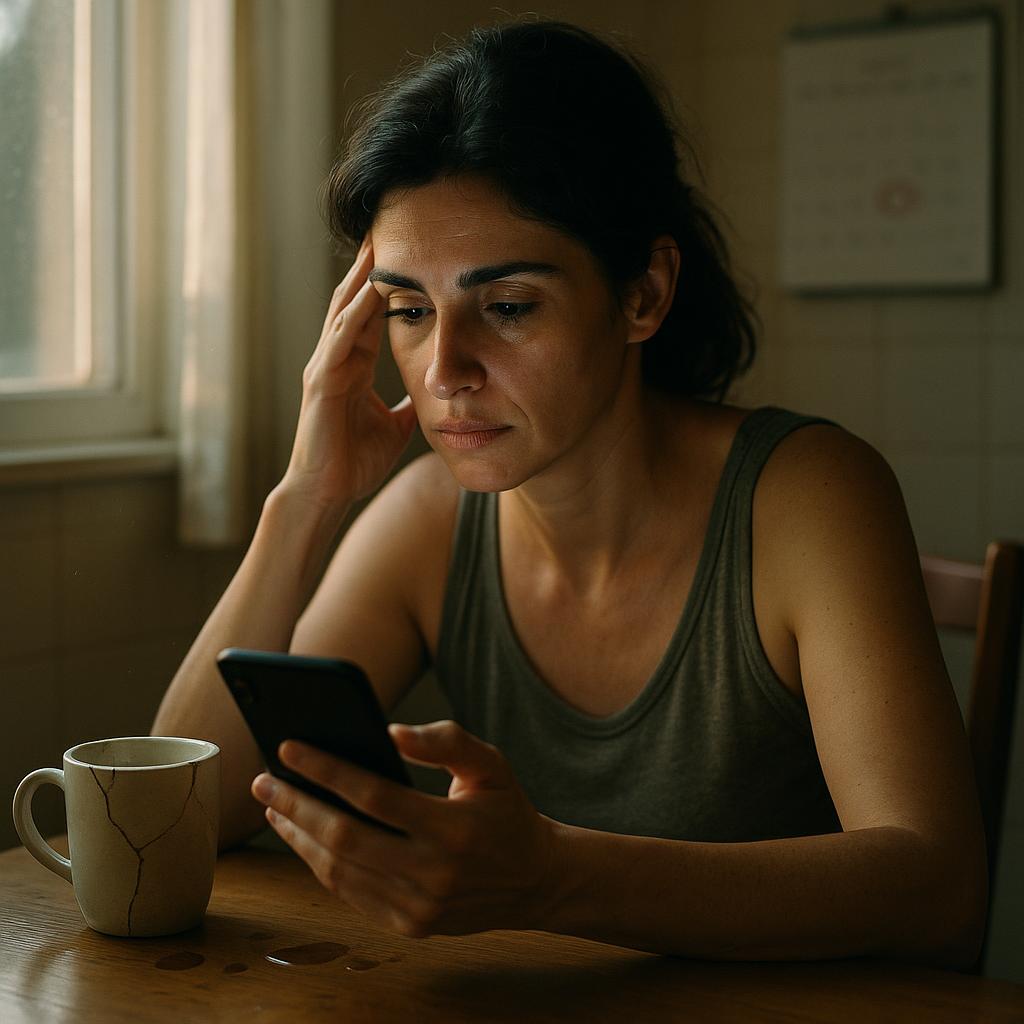 Image by RM AI
The Preparation
Dr. Reyes's office became my second home in the weeks leading up to Paul's parole hearing. 'Focus on facts, not just emotions,' she advised as I struggled through draft after draft of my victim impact statement. My hands shook so badly I could barely type. 'He's manipulative,' I told her. 'He'll charm that parole board just like he charmed all his tenants.' At night, I'd wake up gasping, seeing Paul's shadow in my doorway all over again. Jenna, now deep into her second year of law school, became my lifeline. 'The board looks for remorse and rehabilitation,' she explained over coffee, spreading out documents across my kitchen table. 'But they also consider victim statements heavily.' She helped me understand legal terms I'd never heard before—'recidivism risk,' 'supervised release conditions.' David offered to come with me to the hearing, but I declined. This was something I needed to face on my own. The night before, I sat on my bedroom floor surrounded by photos of my old apartment, trying to remember every detail of Paul's violations for my statement. My phone buzzed with supportive texts from our advocacy group members, but nothing could calm the storm in my chest. What terrified me most wasn't facing Paul again—it was the possibility that his mask of reformation might be more convincing than my truth.
 Image by RM AI
The Parole Hearing
The fluorescent lights of the parole hearing room made everyone look sickly, but Paul—my God, Paul looked transformed. Gone was the entitled landlord who'd terrorized his tenants; in his place sat a humble-looking man in a pressed shirt, hands folded patiently. When he spoke, his voice carried a practiced remorse that made my skin crawl. "I deeply regret the misunderstandings with my tenants," he said, eyes downcast. "Prison has given me time to reflect on boundaries and respect." The board members nodded, and panic rose in my throat. When my turn came, I gripped the podium so hard my knuckles turned white. "I still check behind my shower curtain every night," I began, my voice trembling. "I still wake up terrified when I hear footsteps in the hallway." I described finding him in my apartment at night, the violation that never fully heals. As I spoke, I noticed something shift in the board members' expressions—skepticism replacing sympathy as they glanced between Paul's polished performance and my raw truth. The head of the board leaned forward, her eyes narrowing as she asked Paul a question that made him stammer for the first time: "Mr. Harmon, can you explain why we've received similar statements from seven different women spanning fifteen years?"
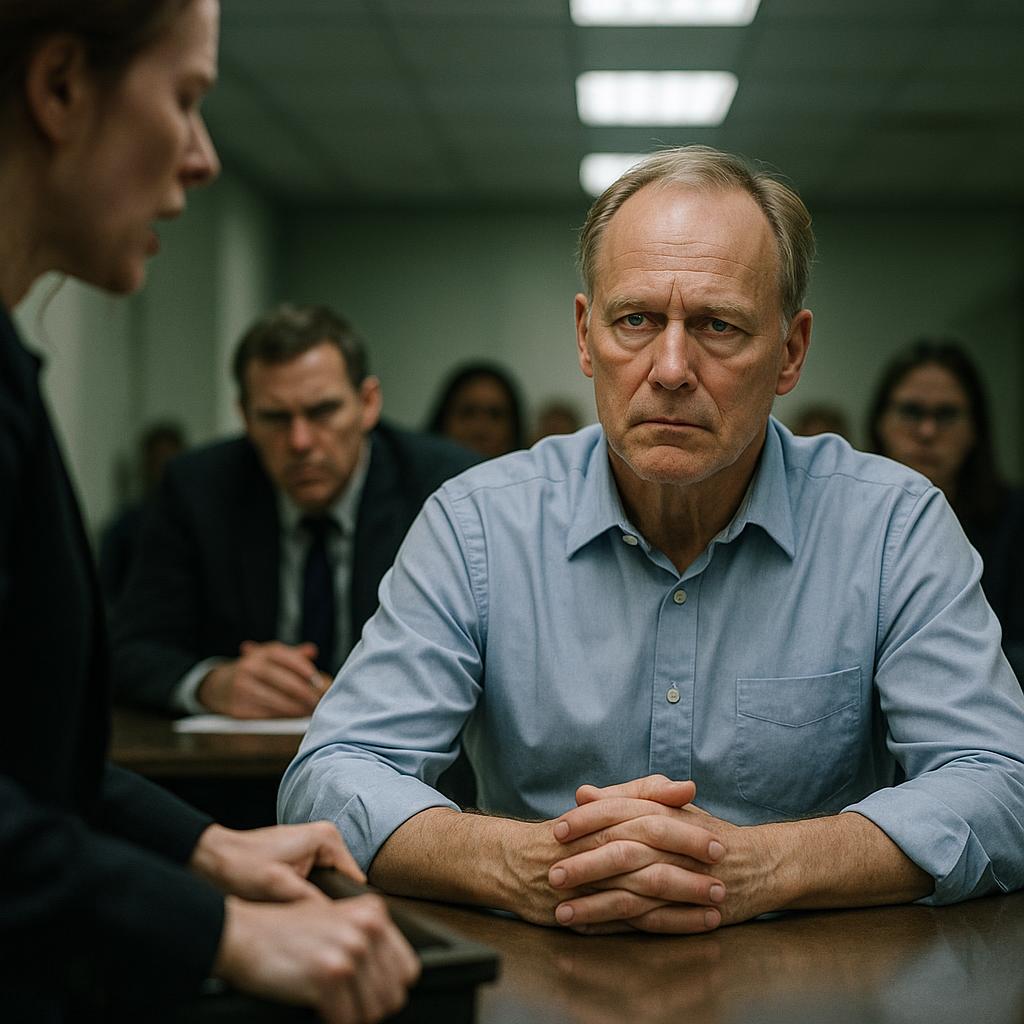 Image by RM AI
The Decision
The room fell silent as the head of the parole board shuffled her papers. "After careful consideration," she announced, "parole is denied." I exhaled so forcefully I nearly made myself dizzy. The board cited Paul's "pattern of predatory behavior" and "lack of genuine remorse" as key factors. As the guards moved to escort him out, Paul's carefully constructed facade cracked. For just a moment—a flash so brief others might have missed it—his eyes locked with mine. That cold, entitled anger I remembered from my darkened bedroom doorway was still there, burning beneath the surface. He hadn't changed at all. He'd just gotten better at the performance. My hands trembled as I gathered my notes, but for once, it wasn't from fear. "Ms. Teresa," the board chairwoman said, approaching me afterward, "your courage made a difference today. Without your testimony and the others who came forward..." She didn't finish, but she didn't need to. Outside in the parking lot, I called Jenna immediately. "He's staying locked up," I said, my voice steadier than it had been in months. What I didn't know then was that Paul's denial would trigger something none of us could have anticipated—a desperate act that would put everyone I cared about in danger.
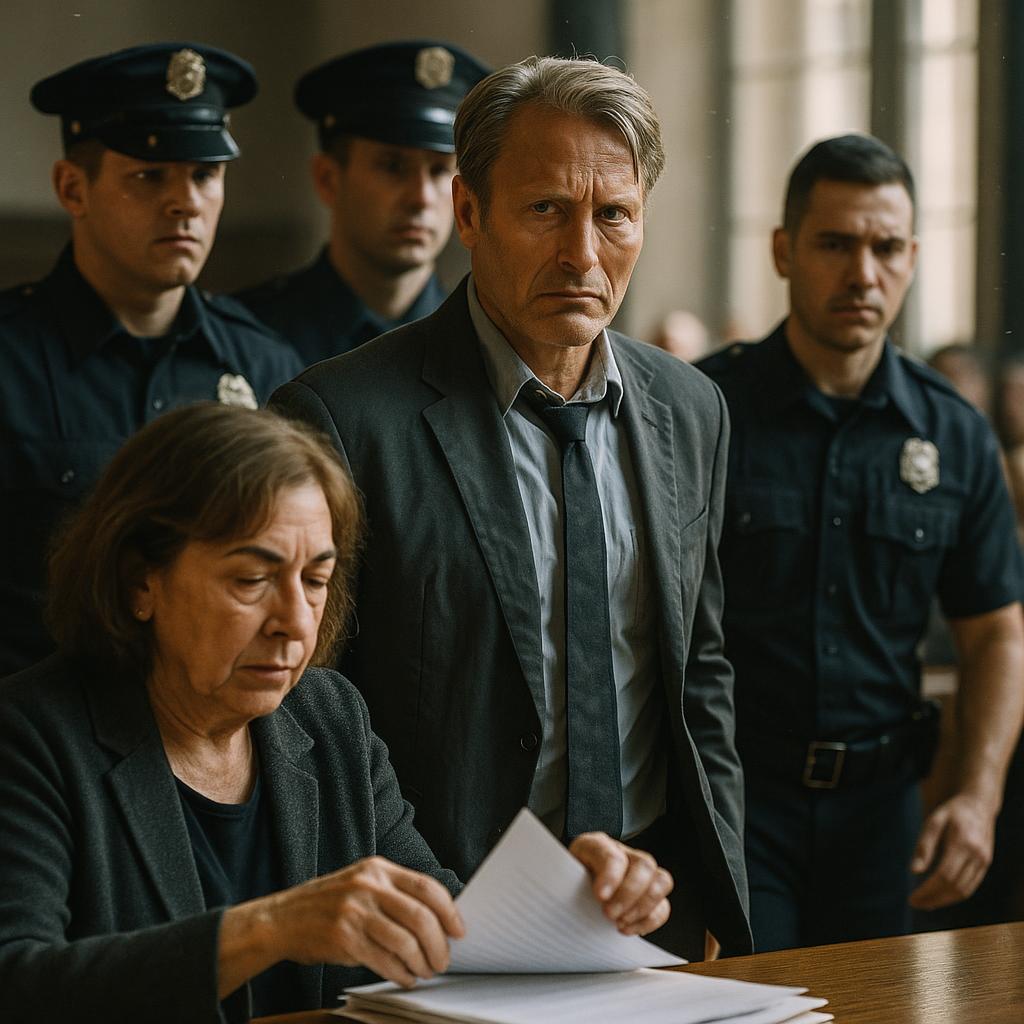 Image by RM AI
The Second Chance
I sat in my car for a long time after the parole hearing, my hands still trembling slightly as I dialed David's number. 'Can we meet?' I asked, my voice steadier than I expected. At the quiet corner café where we'd had our first date, I finally told him everything—about Paul, the midnight intrusions, the terror that still occasionally woke me at 3 AM. David listened without interrupting, his kind eyes never leaving mine. When I finished, he reached across the table, palm up, waiting for permission. I placed my hand in his. 'My wife, before she got sick,' he said softly, 'had a colleague who became obsessed with her. Used to wait outside our house.' The shared understanding in his voice made my eyes well up. Here was someone who didn't need me to explain the hypervigilance, the way trauma reshapes your world. That night, as he walked me to my door, I didn't flinch when he moved closer. For the first time in years, I felt the walls I'd built starting to lower—not crumbling all at once, but brick by careful brick. 'I'm still a work in progress,' I warned him. David smiled. 'Aren't we all?' What I couldn't have known then was how this tentative second chance at trust would be tested in ways neither of us could imagine.
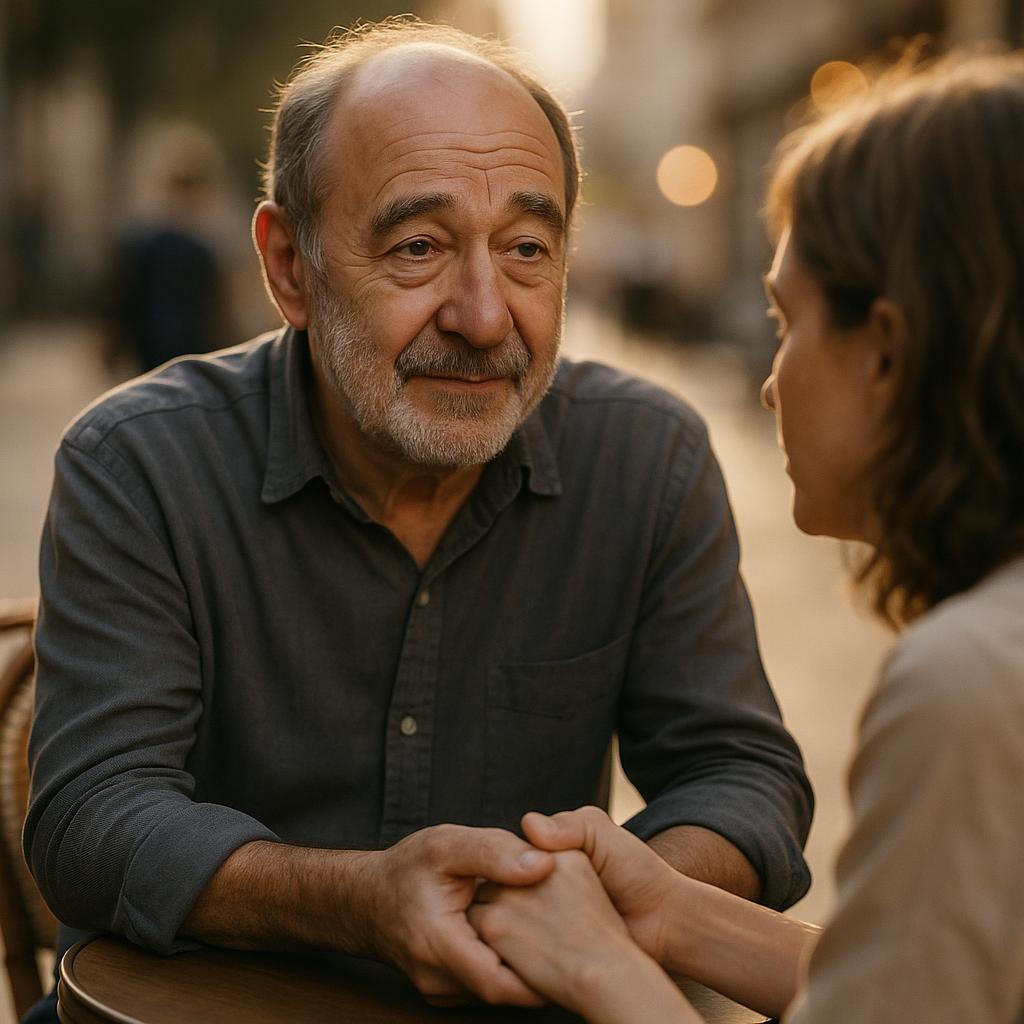 Image by RM AI
The Morning Coffee
The morning sun filters through my balcony plants as I settle into my favorite chair, wrapping my hands around a steaming mug of coffee. Two years after escaping Paul's reign of terror, this simple ritual still feels like a victory. My apartment isn't fancy—just a one-bedroom with decent light—but it's mine, truly mine. The security system I installed beeps softly when I open the sliding door, a sound that once annoyed me but now brings comfort. I take a sip and glance at my phone, smiling at the notifications from our tenant advocacy group. We've helped three women escape predatory landlords this month alone. The doorbell chimes, and my body tenses automatically—old habits die hard. I tap my phone screen to check the camera feed before even standing up. It's just Sarah, holding a white bakery bag that undoubtedly contains those almond croissants I love. 'You still check every time, don't you?' she asks when I let her in, no judgment in her voice. 'I probably always will,' I admit as we settle back on the balcony. As we talk about the upcoming legislative session and David's latest sourdough experiment, I realize something profound: while perfect landlords might be mythical creatures, these perfect moments of safety and connection are wonderfully real. What I couldn't have known then was that the next ring of my doorbell would test everything I thought I'd learned about trust and safety.
 Image by RM AI