Speed, Fear, & Fan Favorites
Formula 1 circuits are not all dangerous in the same way. Some became infamous because of high speeds, limited runoff, old layouts, tragic crashes, or weather that seems to enjoy causing trouble at exactly the wrong moment. Others are loved because they challenge drivers, produce memorable racing, or carry so much history that fans would complain loudly if they ever disappeared. Here are the 10 most dangerous tracks in F1 and the 10 most loved.
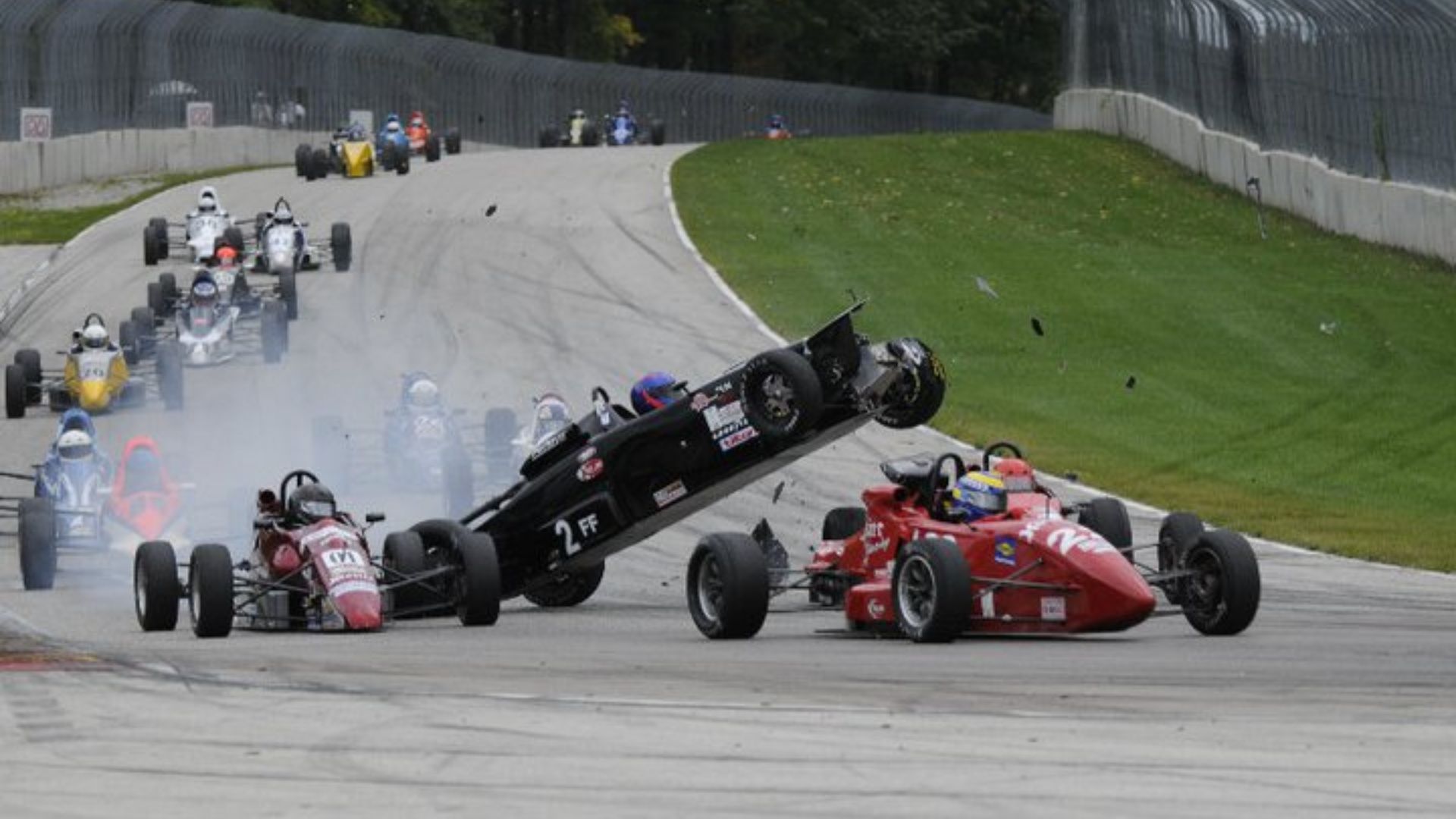 RacerReporter1971 on Wikimedia
1. Nürburgring Nordschleife
The Nürburgring Nordschleife is known as the “Green Hell,” which isn't exactly the nickname you want if you’re looking for a relaxing Sunday drive. Its old F1 layout was long, narrow, bumpy, and lined with trees, leaving very little room for error. Niki Lauda’s horrific 1976 crash helped underline why modern Formula 1 could no longer race there in the same way.
2. Old Spa-Francorchamps
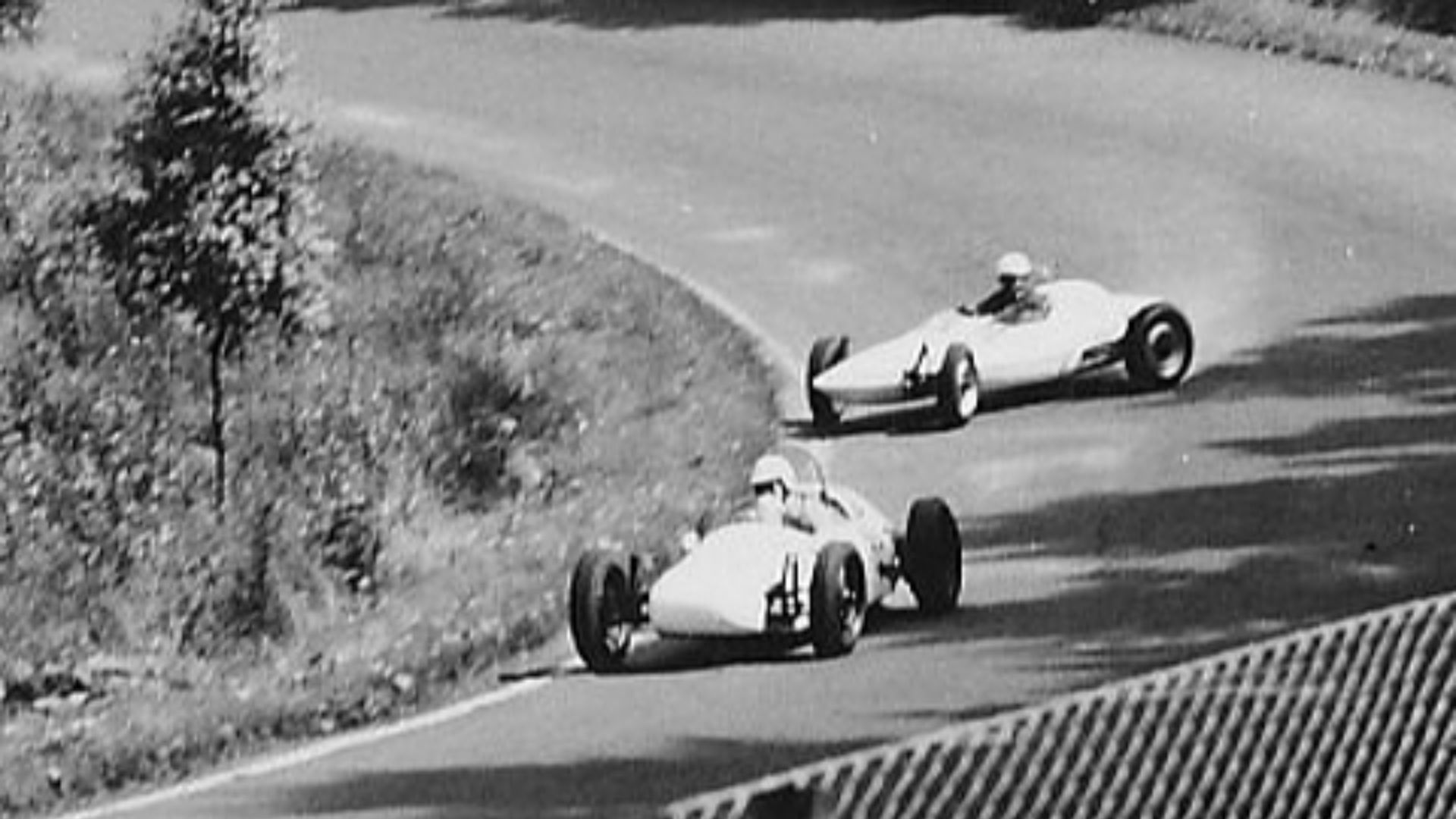
Modern Spa is still fast and demanding, but the old Spa was on another level of danger. The original road circuit was longer, much faster, and far less forgiving than the version fans know today. Its mix of high-speed corners, changing weather, and public-road character made it thrilling but deeply risky.
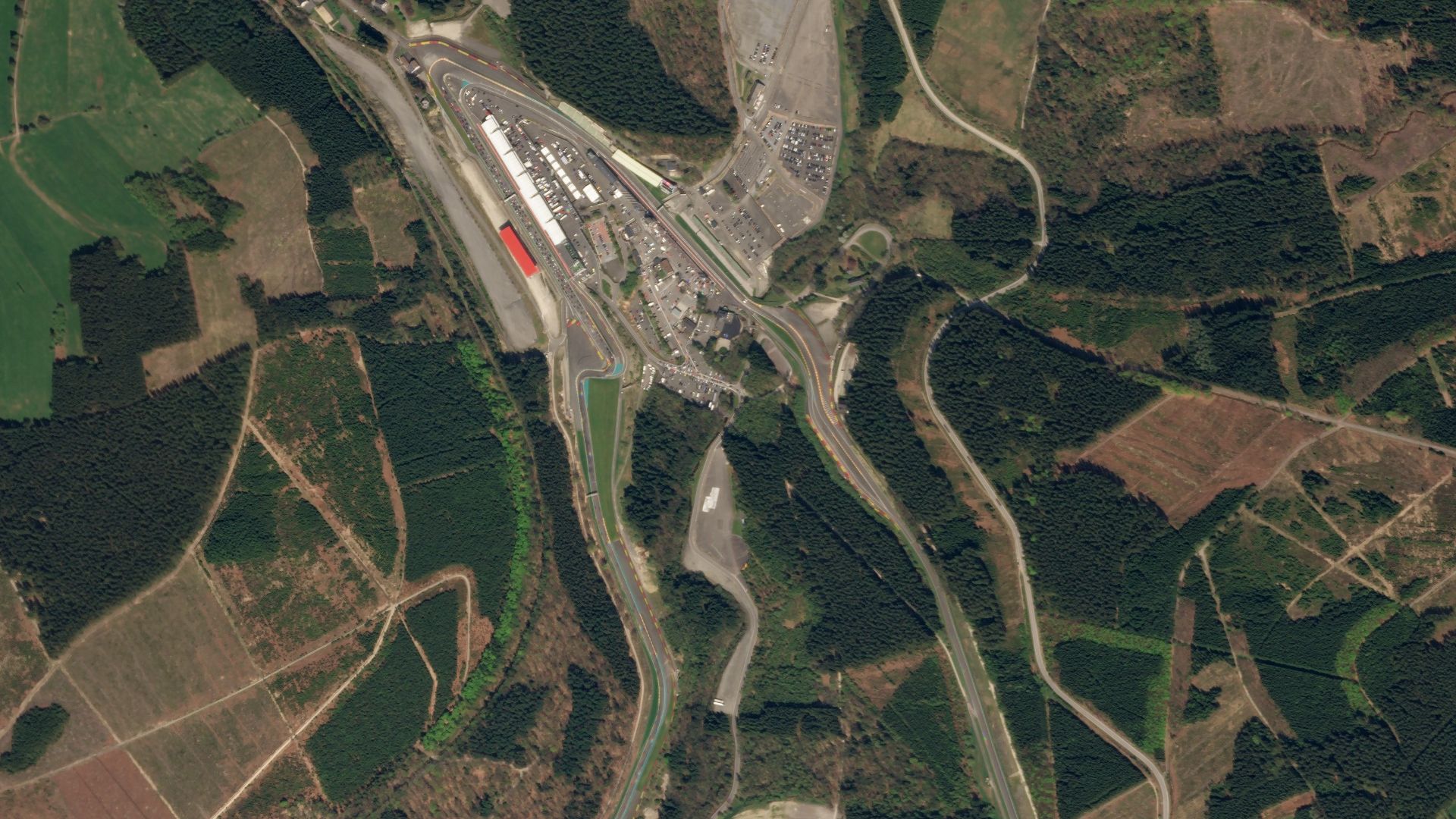 Planet Labs, Inc. on Wikimedia
3. Monaco
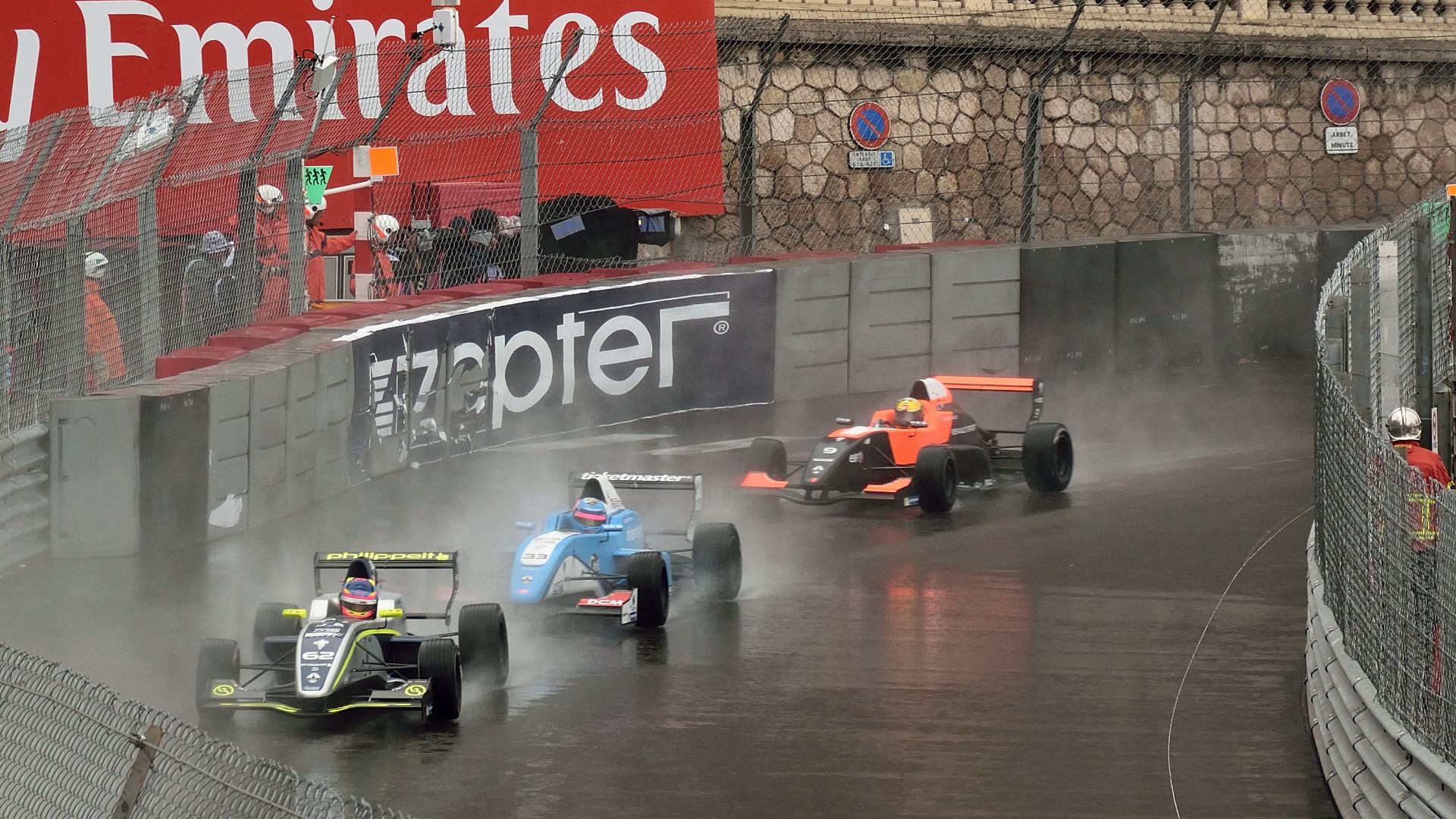
Monaco is glamorous, historic, and completely ridiculous in the best possible way. It's also extremely unforgiving, with narrow streets, barriers inches away, and almost no space to correct a mistake. Because the streets are so narrow, it's one of the riskiest tracks to pass on.
4. Kyalami
Old Kyalami was fast, challenging, and carried real danger, especially in its earlier configurations. The circuit’s high-speed nature and limited runoff made serious accidents more likely than at many modern venues. It was also the site of Peter Revson’s fatal testing crash in 1974. Kyalami has history and character, but its older layout belonged to a harsher era of racing.
5. Imola
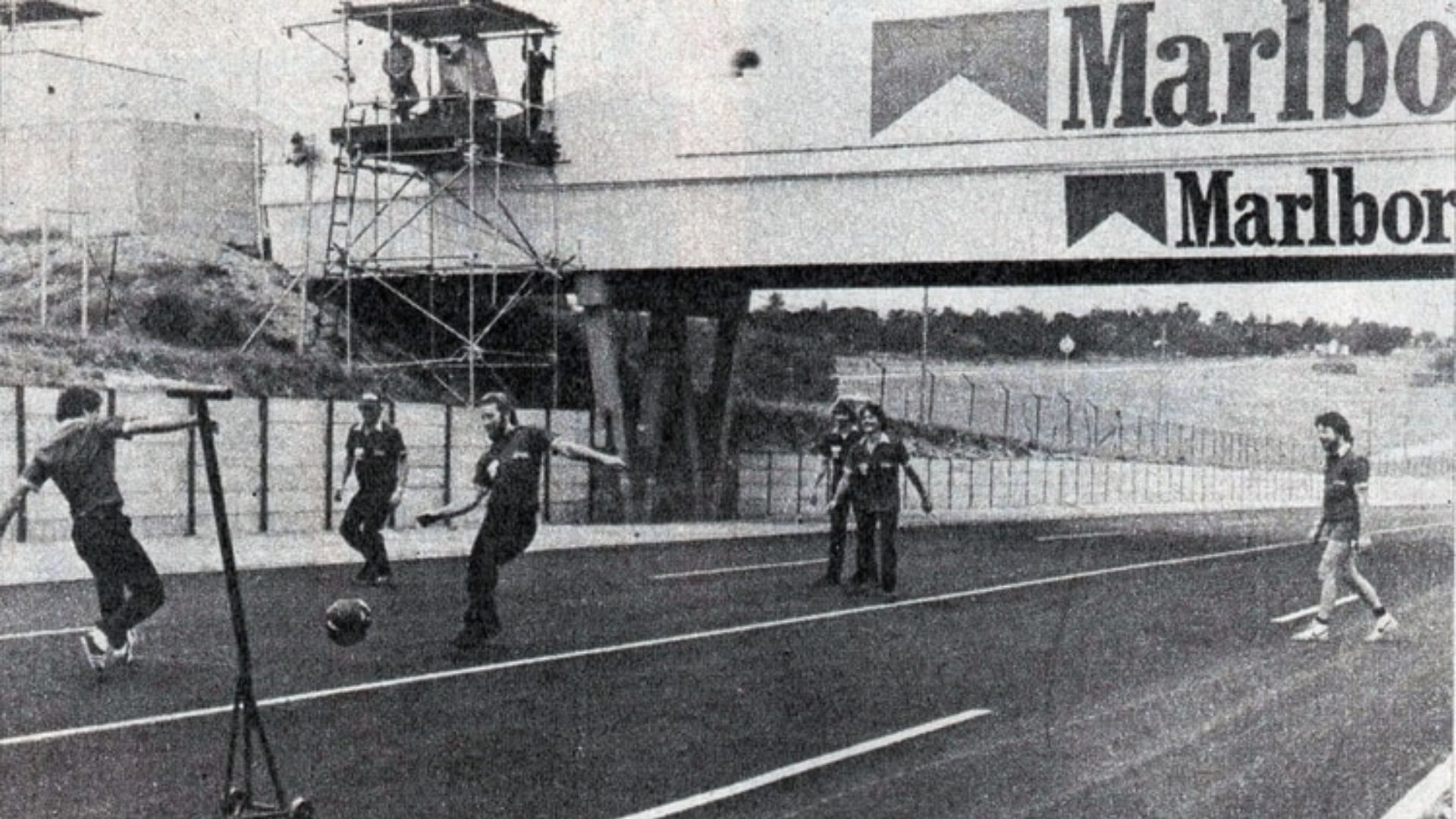
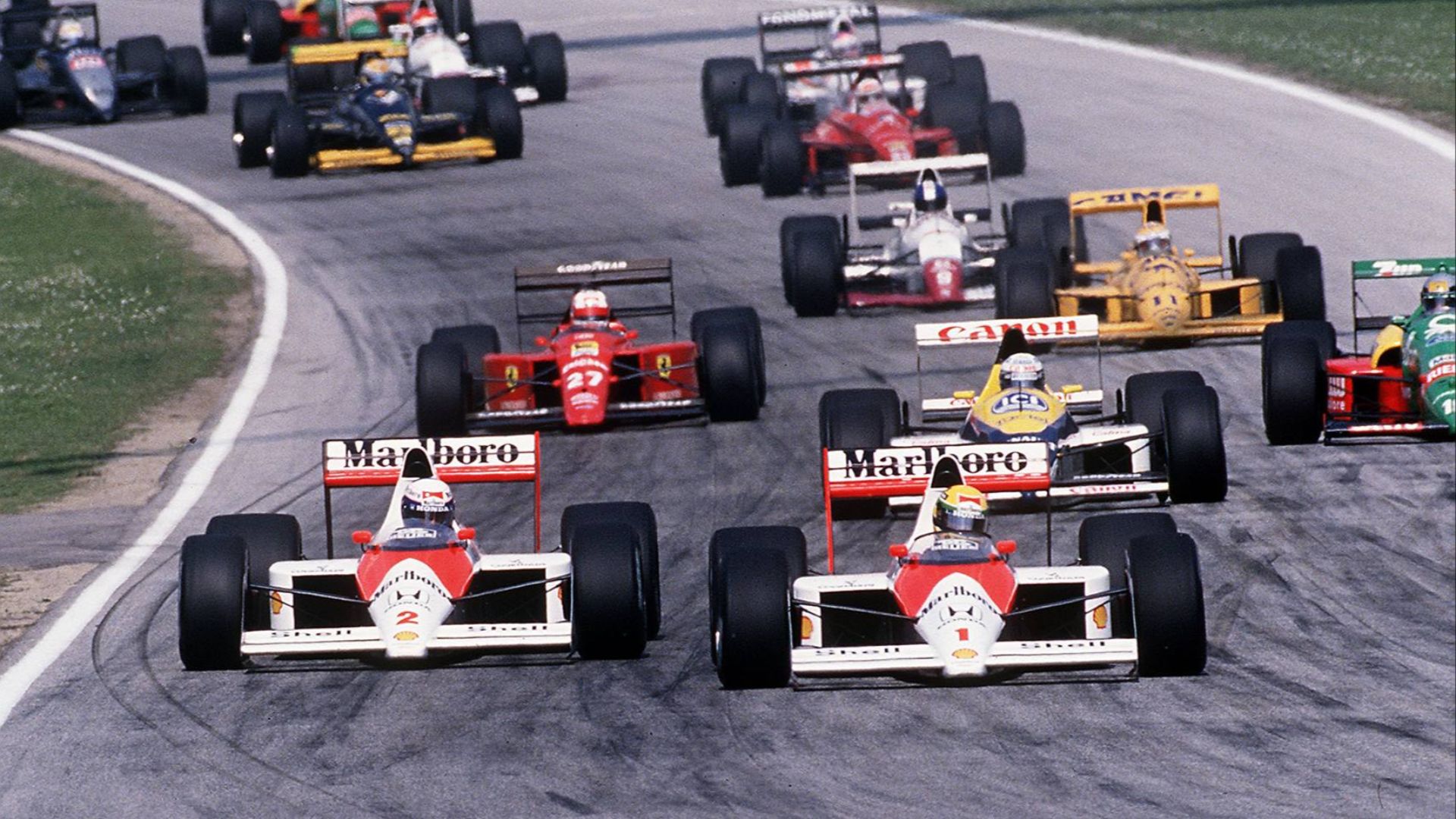
Imola will always be linked with the tragic 1994 San Marino Grand Prix weekend, when Roland Ratzenberger and Ayrton Senna died. The circuit was fast, old-school, and lined with sections that demanded absolute commitment. Safety improvements changed it afterward, but its reputation never fully separated from that dark chapter.
6. AVUS
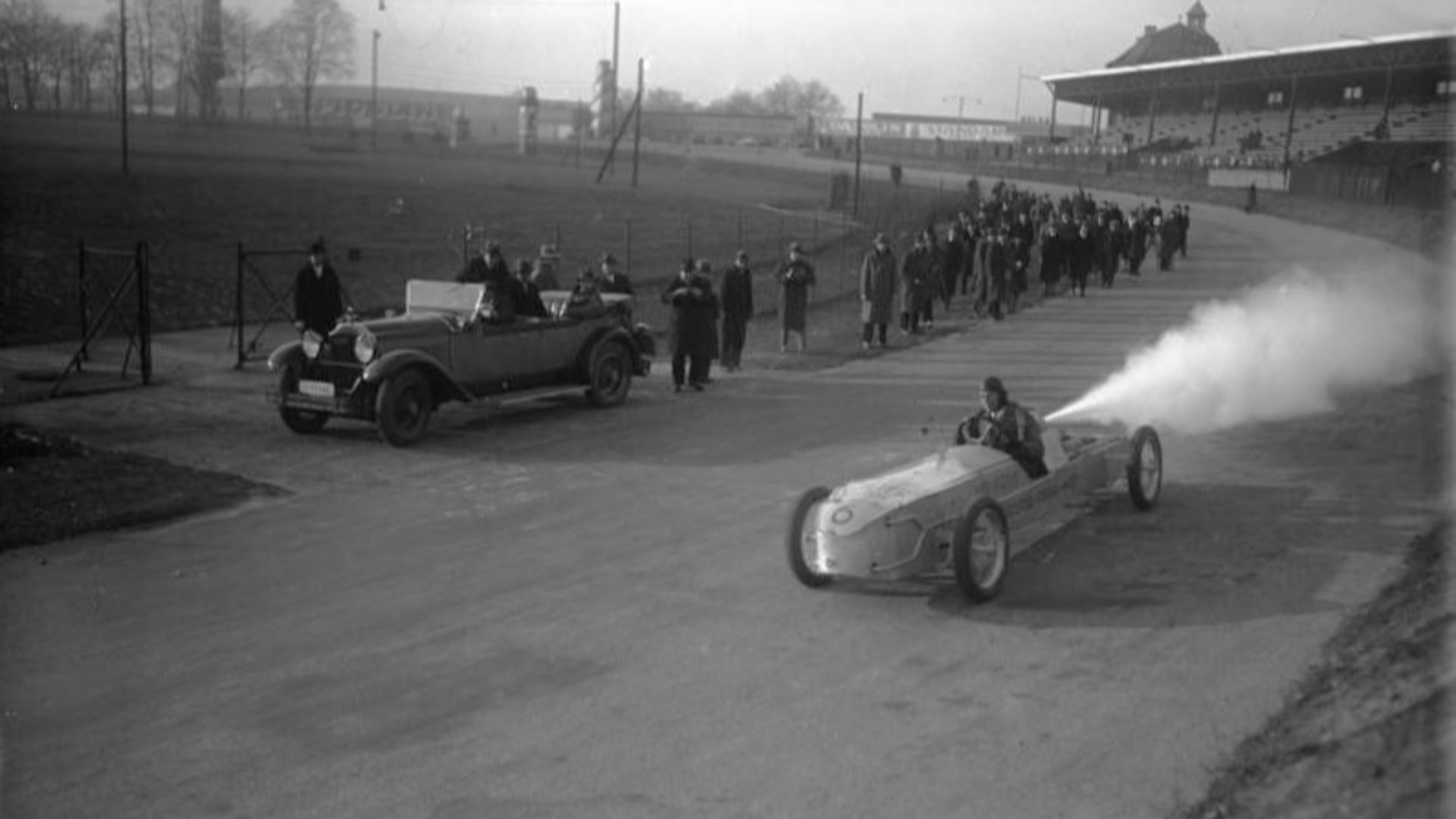
AVUS in Berlin was one of the strangest and most dangerous tracks ever associated with Formula 1. It was basically two long straights connected by corners, including a famously steep banked turn in earlier forms. The speeds were enormous, and the layout offered very little of the technical variety modern circuits use to manage risk.
7. Old Hockenheim
The old Hockenheimring was famous for its long blasts through the forest. Cars spent huge portions of the lap at very high speed before braking hard into chicanes, which made it dramatic but dangerous. The track was later shortened and redesigned, partly because the old layout no longer fit modern F1 needs.
8. Baku City Circuit
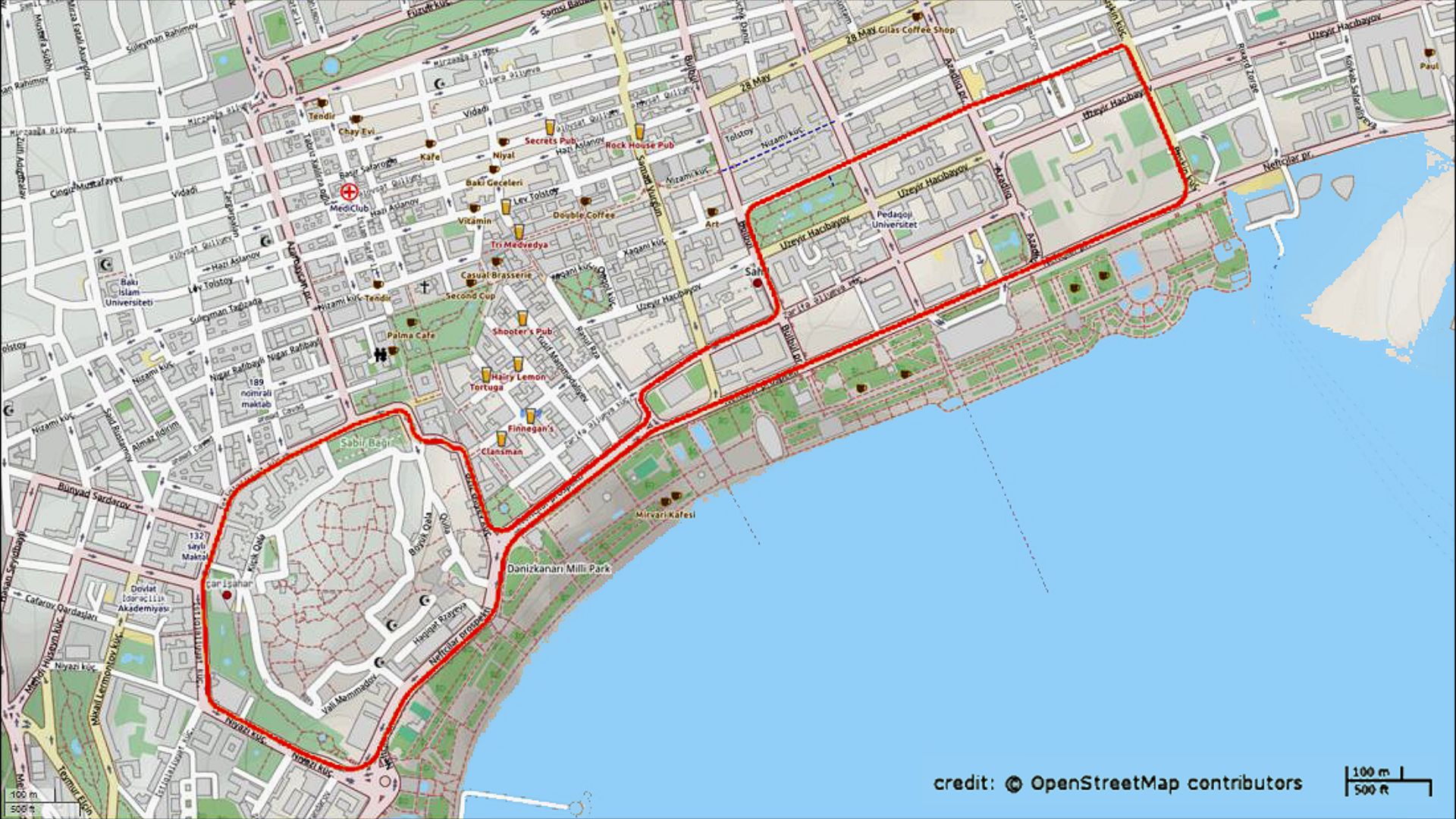
Baku looks modern, but it has a very old-fashioned problem: walls are everywhere. The track combines long full-throttle sections with tight, awkward corners, including the extremely narrow castle section. That mix creates big speed differences and plenty of chances for chaos.
9. Jeddah Corniche Circuit
Jeddah is one of the fastest street circuits Formula 1 has raced on. Its quick sweeps, blind corners, and close walls make it visually spectacular but highly stressful to watch. Drivers have repeatedly discussed visibility and risk there because the track demands trust at very high speeds.
 Jeddah Corniche Circuit on Wikimedia
10. Singapore
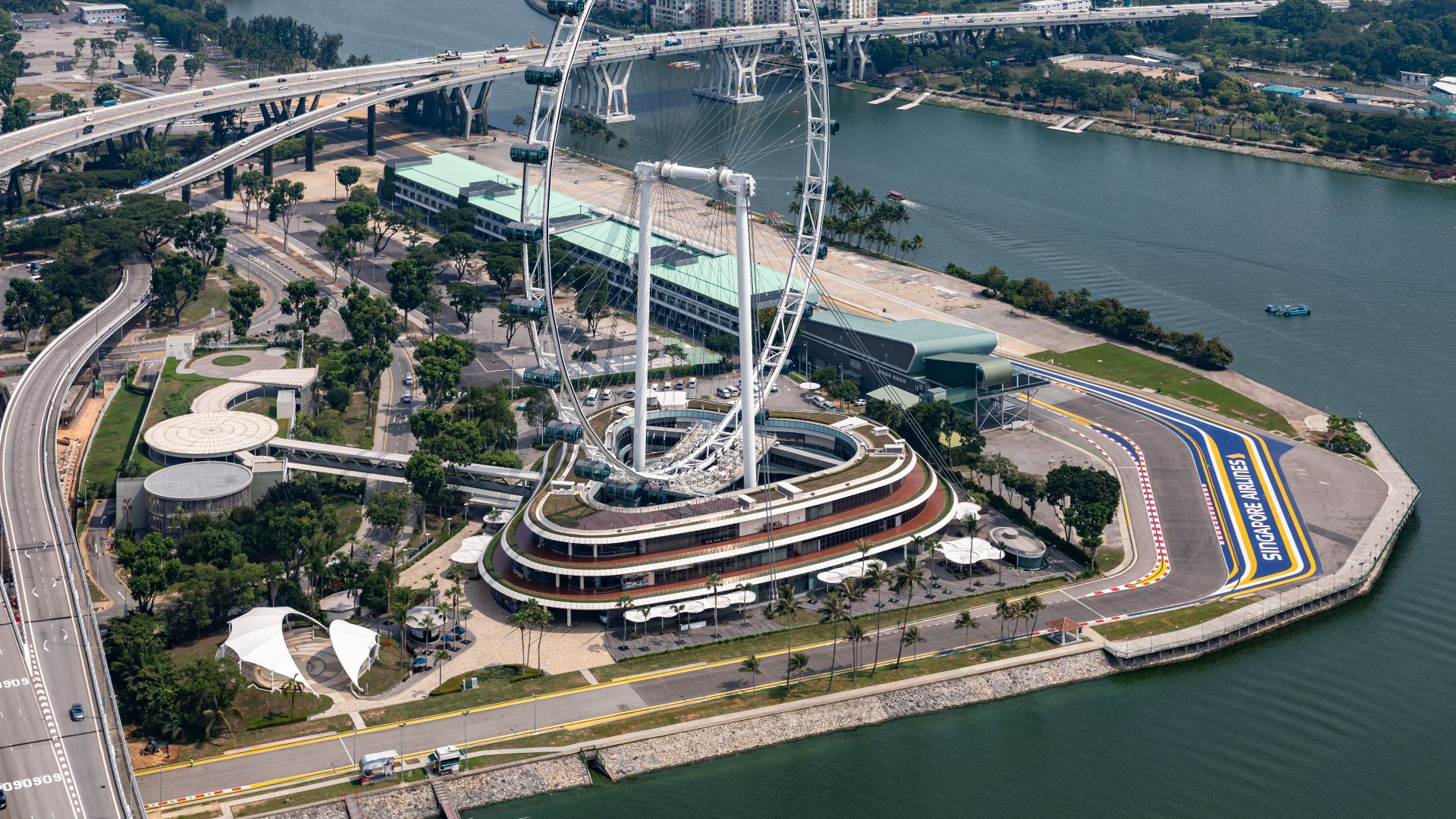
Singapore is dangerous in a different, more exhausting way. It’s hot, humid, bumpy, narrow, and physically draining, with barriers waiting for anyone whose concentration slips. The race also runs at night, which adds to the spectacle and the mental load.
Now that we've talked about the most dangerous tracks in Formula 1, let's cover the most popular among drivers and fans.
1. New Spa-Francorchamps
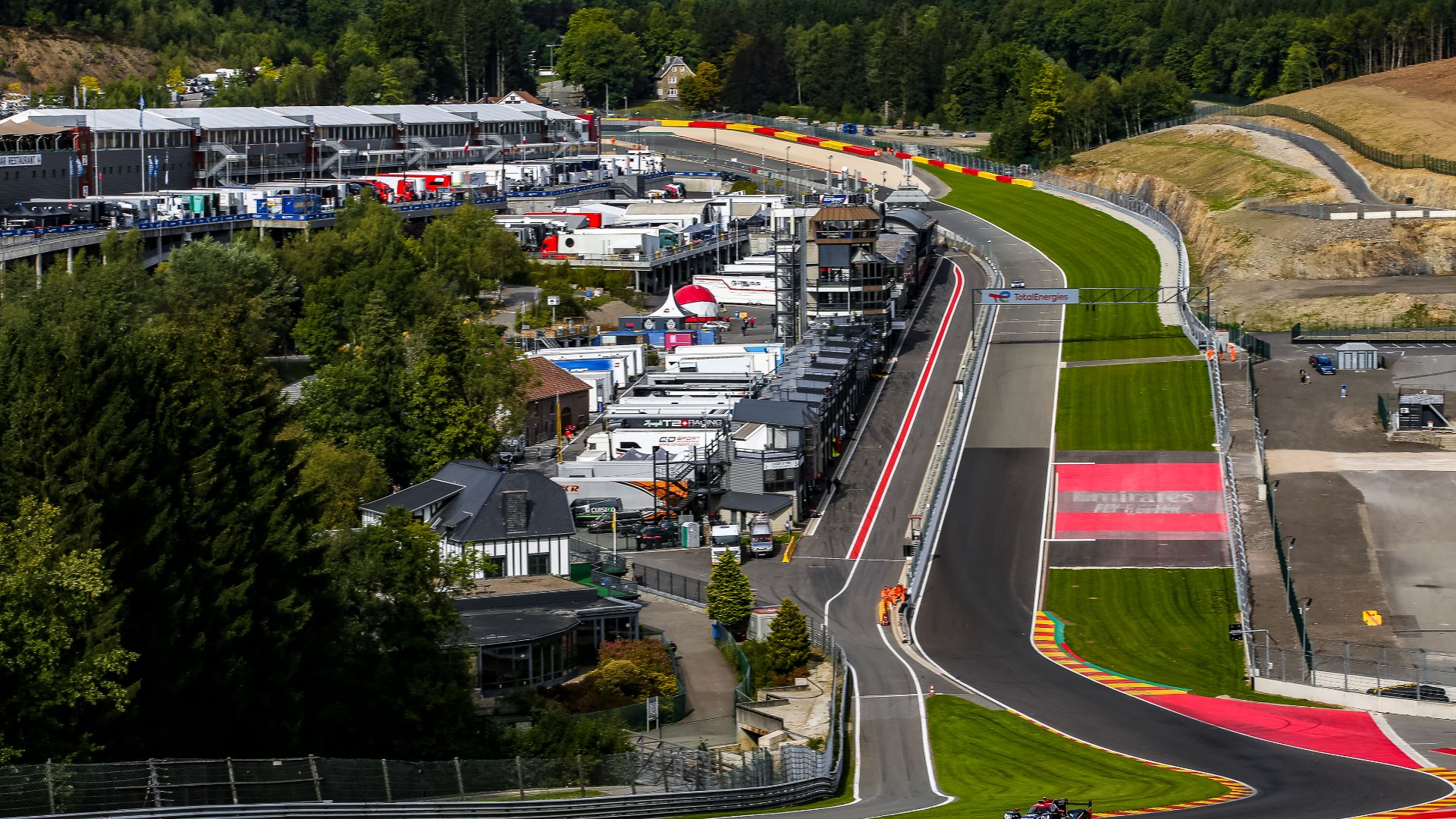
After being redesigned, Spa is one of the most loved tracks in Formula 1 because it feels grand, natural, and properly dramatic. Eau Rouge and Raidillon are famous, but the whole lap has a flow that drivers and fans adore. The Ardennes weather adds unpredictability, sometimes helpfully and sometimes with the subtlety of a thrown bucket.
 United Autosports on Wikimedia
2. Suzuka
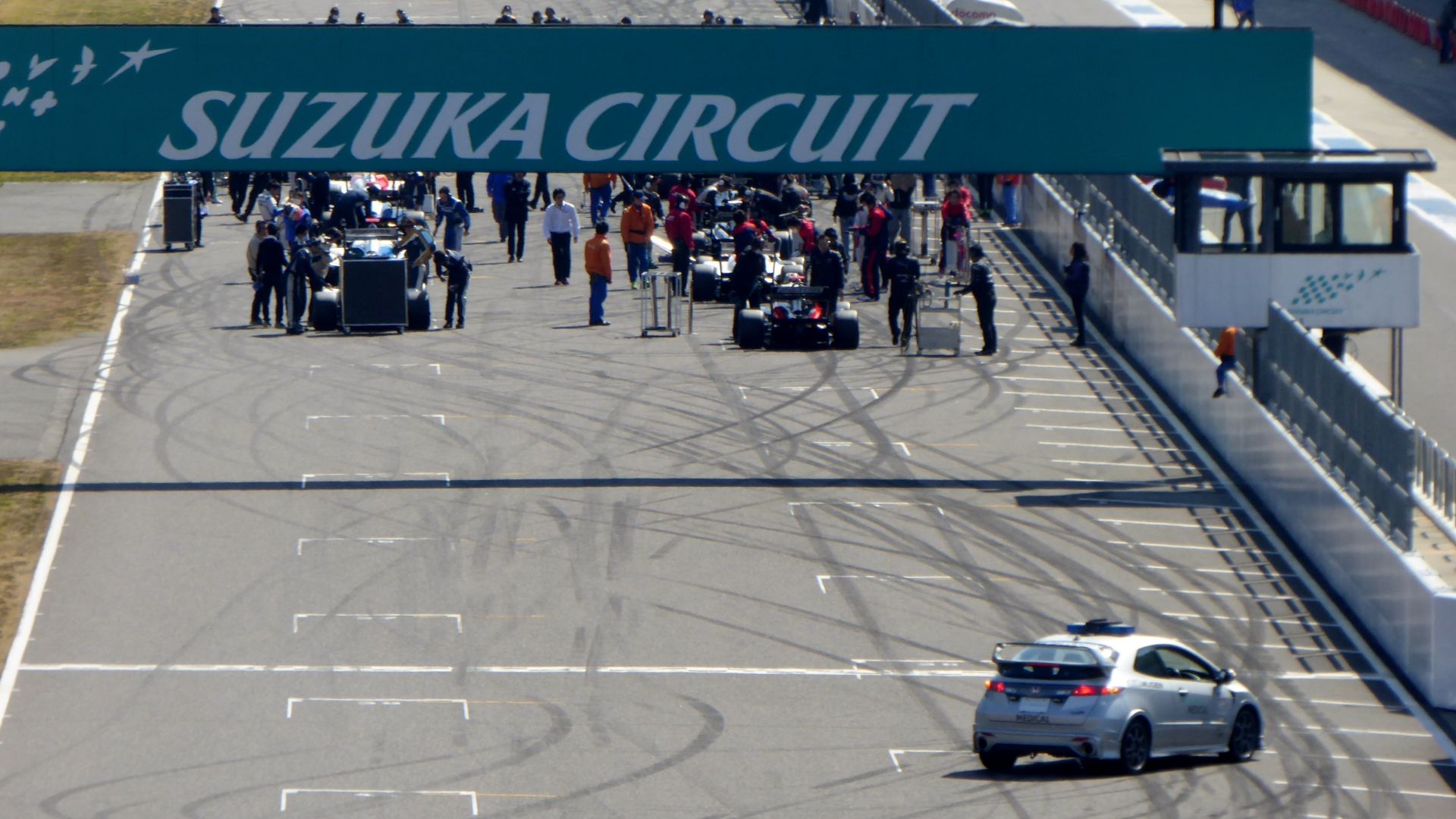
Suzuka is often named as a driver favorite because it rewards skill from the first sector onward. Its figure-eight layout is unusual, and its sequence of corners feels like a real test rather than a collection of random bends. The fans in Japan also bring an enthusiasm that gives the weekend a special atmosphere.
 Tokumeigakarinoaoshima on Wikimedia
3. Silverstone
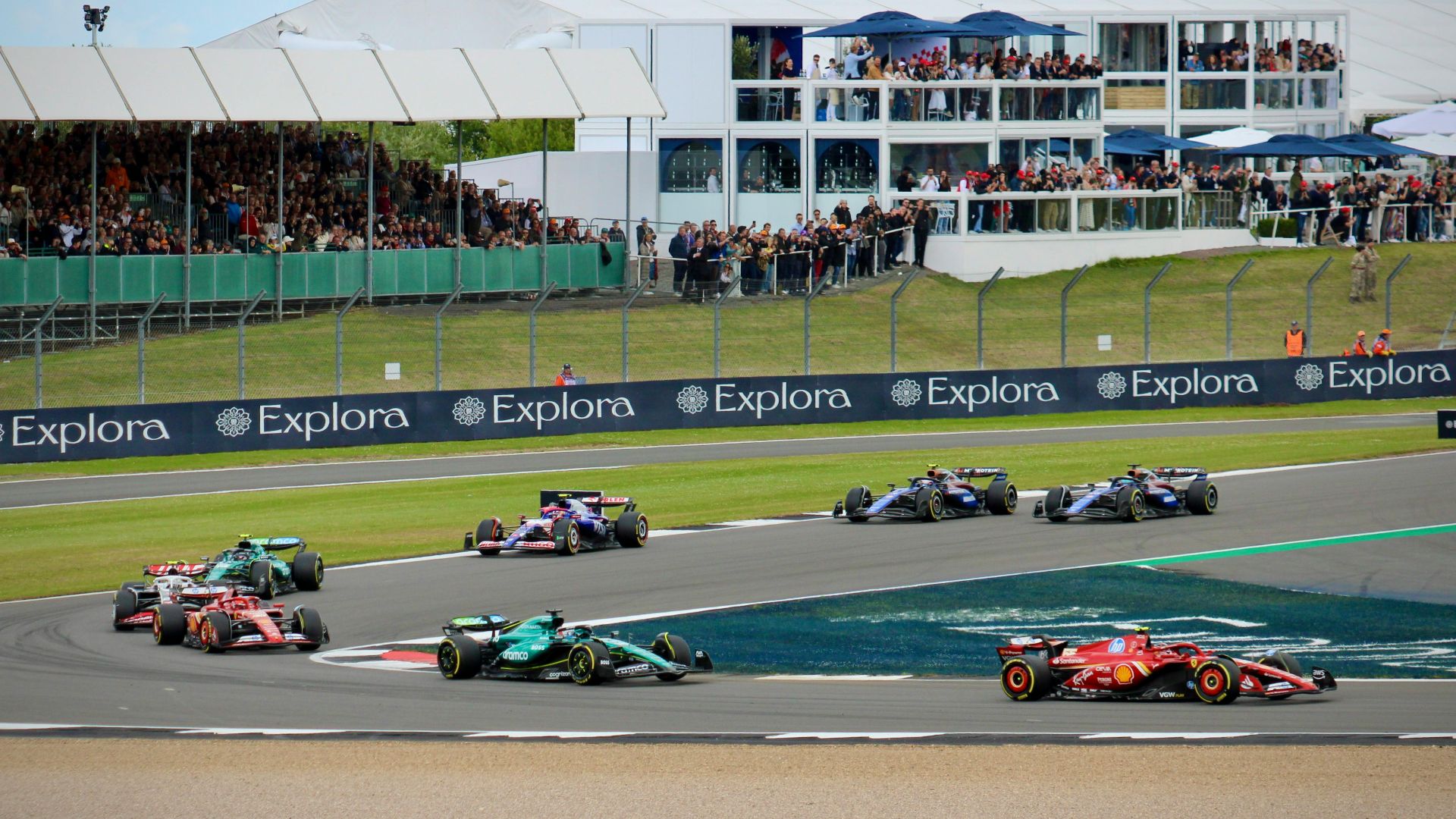
Silverstone is loved because it has speed, history, and a crowd that treats the British Grand Prix like a national festival with engines. Corners like Maggotts, Becketts, and Chapel are famous because they let modern F1 cars show what they can really do. The track has changed over time, but it has kept its fast, flowing personality.
4. Monza
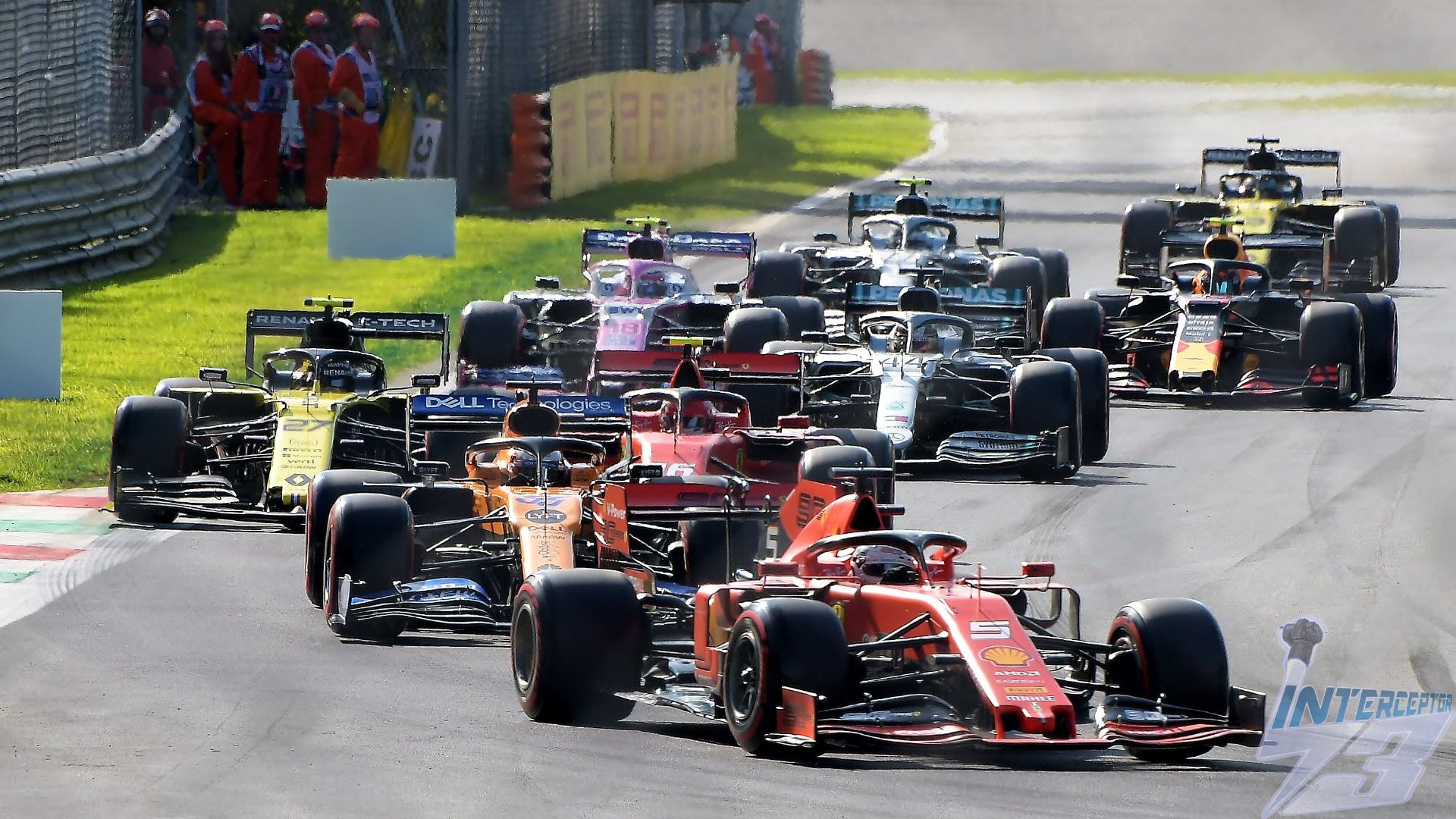
Monza’s appeal is simple: speed, history, passion, and noise. The Italian crowd brings an emotional energy that can make even neutral fans feel like they’ve accidentally joined a family argument. Long straights and heavy braking zones keep the racing direct and dramatic.
5. Hungaroring
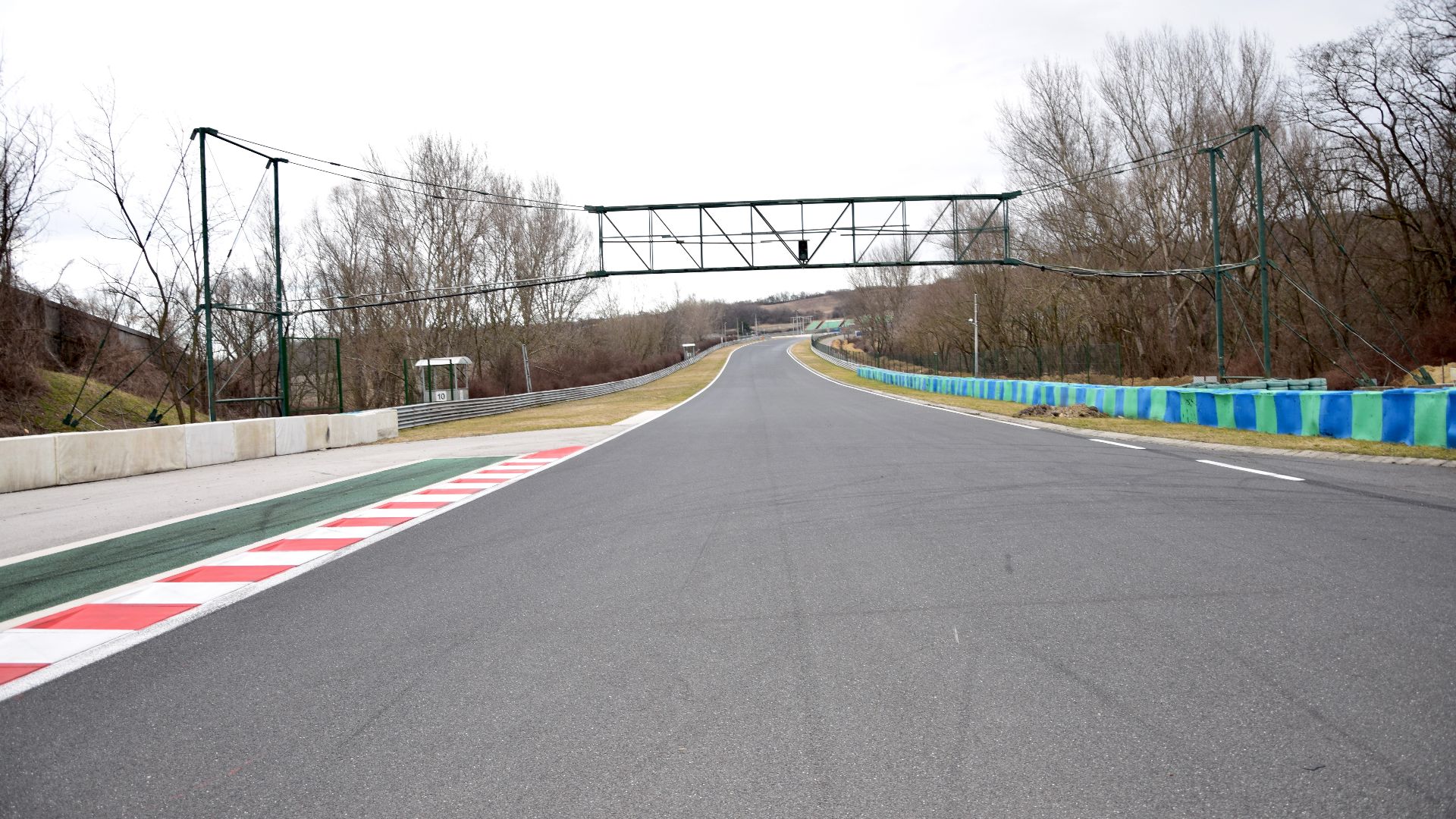
The Hungaroring is loved because it’s twisty, technical, and surprisingly good at creating tense races. It doesn’t rely on massive straights or obvious spectacle, but drivers have to stay precise through corner after corner. Hot weather, tire strategy, and limited overtaking often turn the race into a slow-burning puzzle.
6. Interlagos
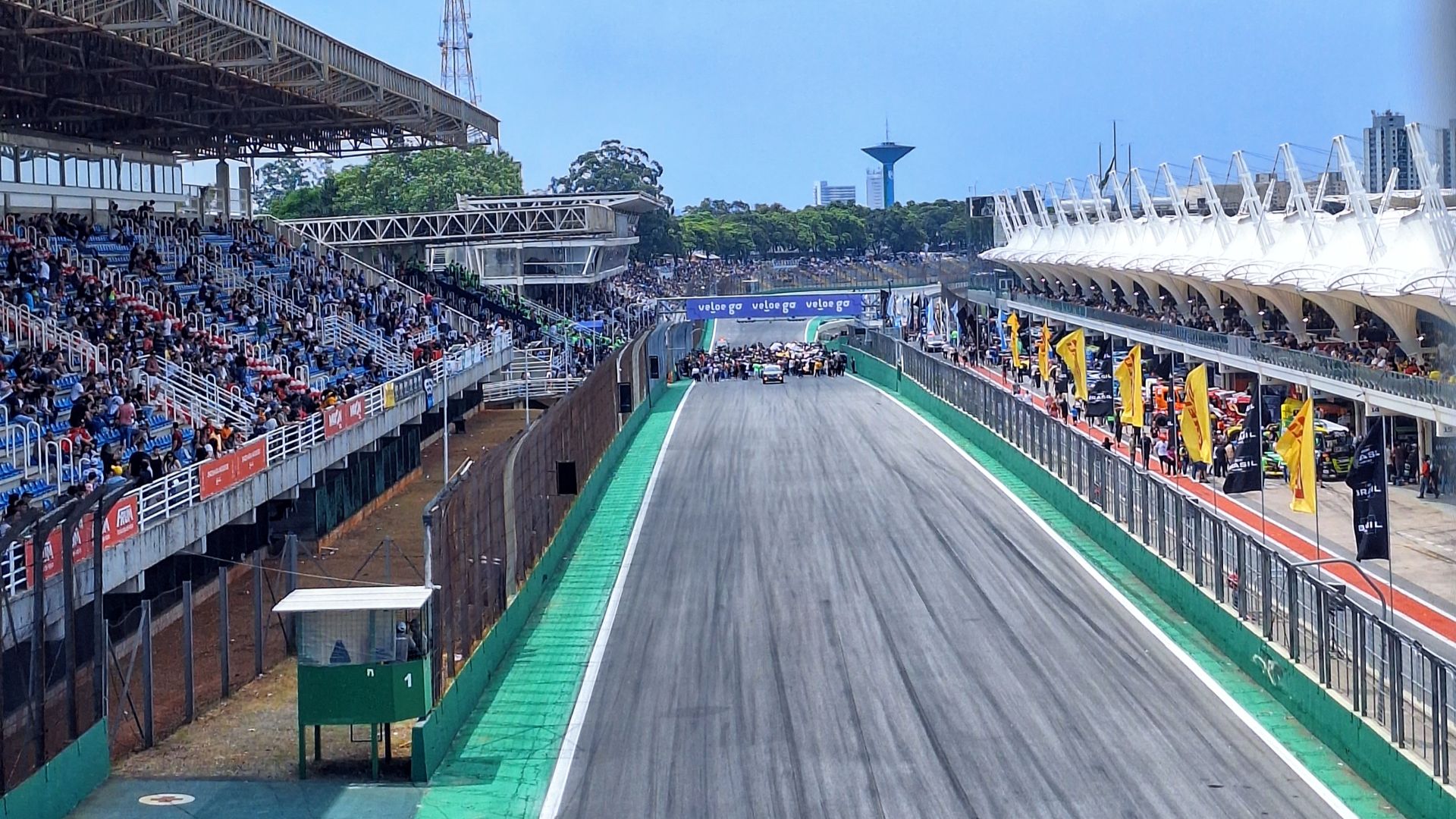
Interlagos has a special place in fans’ hearts because it regularly produces drama. The track is short, flowing, bumpy, and great for changing weather, which is a lovely recipe if you enjoy chaos with your Sunday. Its final sector has decided championships, careers, and moods all over the world.
 Boaventuravinicius on Wikimedia
7. Circuit Gilles Villeneuve
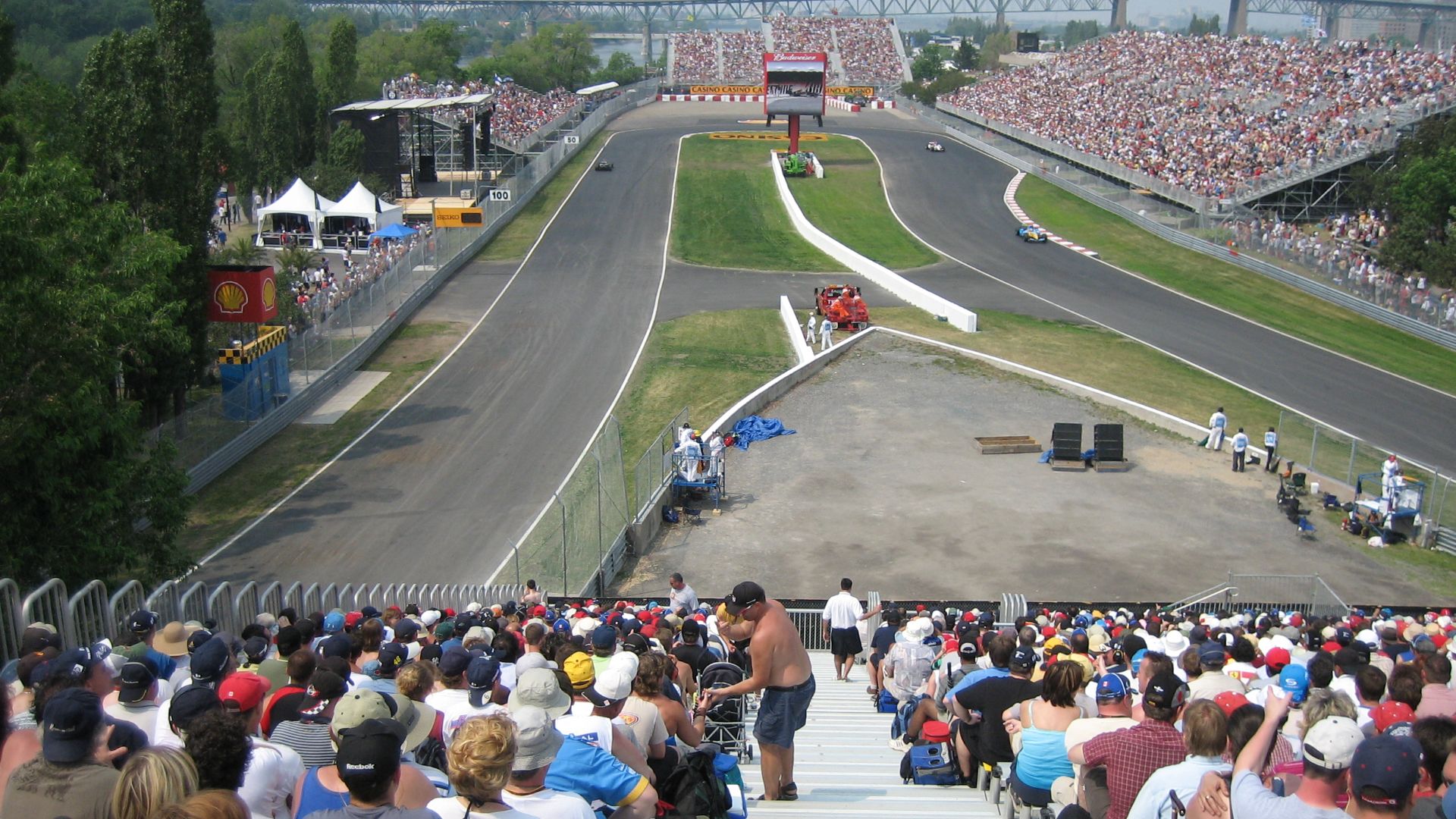
Montreal’s Circuit Gilles Villeneuve is a fan favorite because it blends speed, braking, walls, and a great city atmosphere. The Wall of Champions has collected some very famous victims, which gives the track a mischievous reputation. It often produces lively races because drivers can overtake and mistakes are punished.
8. Zandvoort
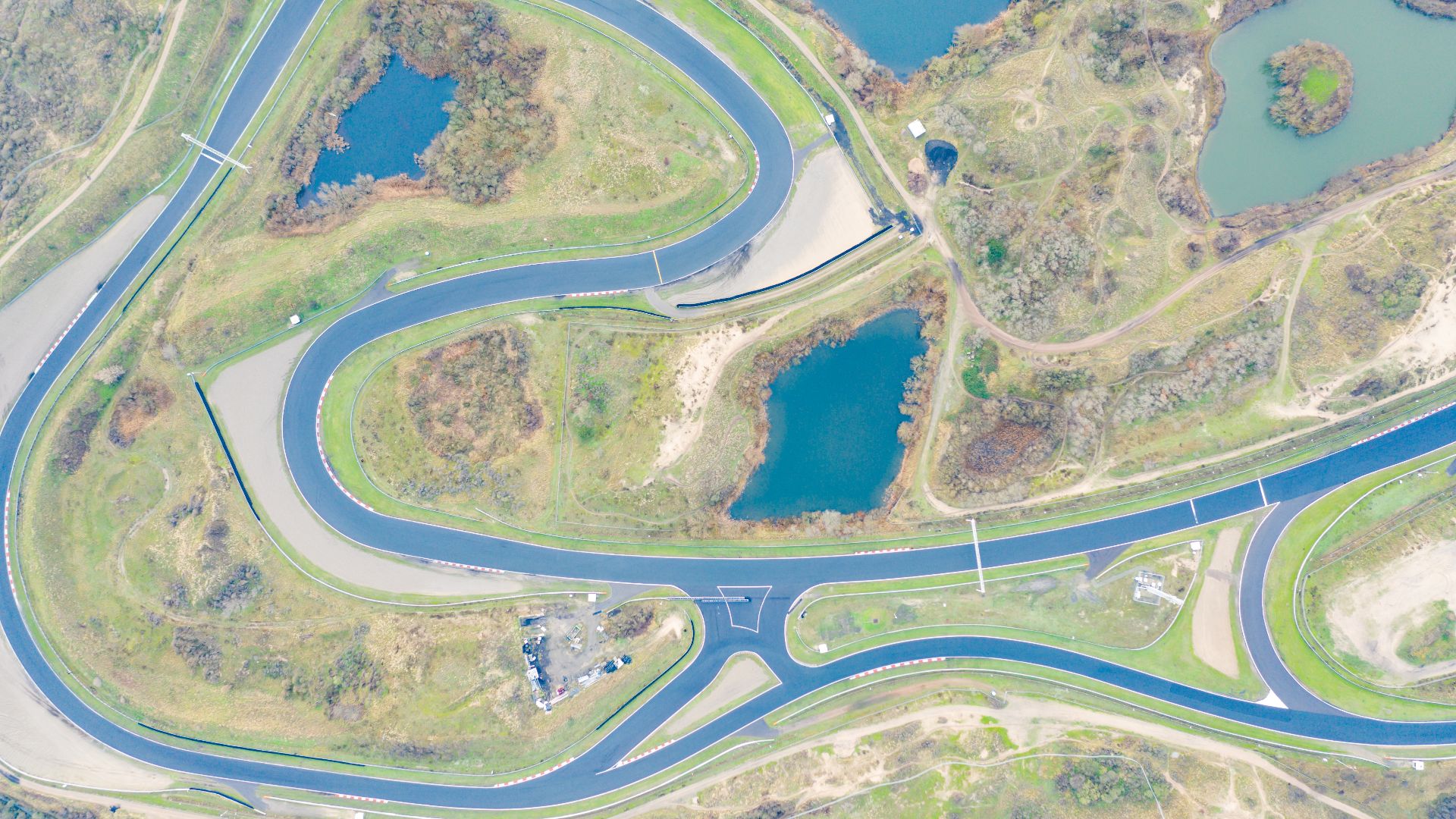
Zandvoort returned to F1 with banking, beach energy, and an orange crowd that doesn't believe in being subtle. The circuit is narrow and tricky, but its character makes it stand out from more polished modern venues. Drivers enjoy the old-school feel, while fans bring a party atmosphere that’s hard to miss.
9. Circuit of the Americas
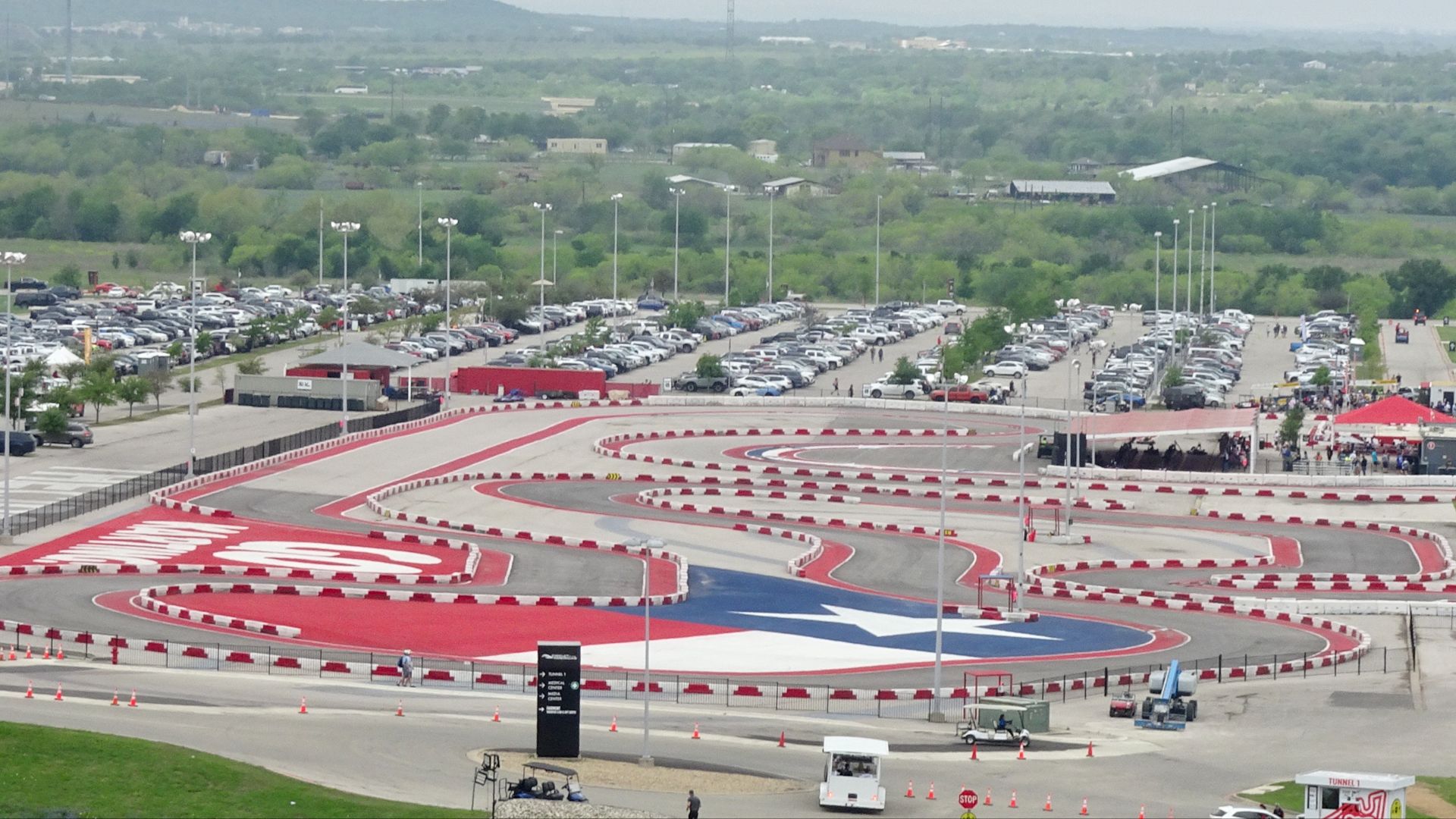
COTA has become one of the most popular modern F1 circuits because it actually feels designed for racing. The uphill Turn 1 is dramatic, the first sector borrows inspiration from classic corners, and the long straight helps overtaking. Austin also gives the weekend a festival feel, which never hurts.
10. Albert Park
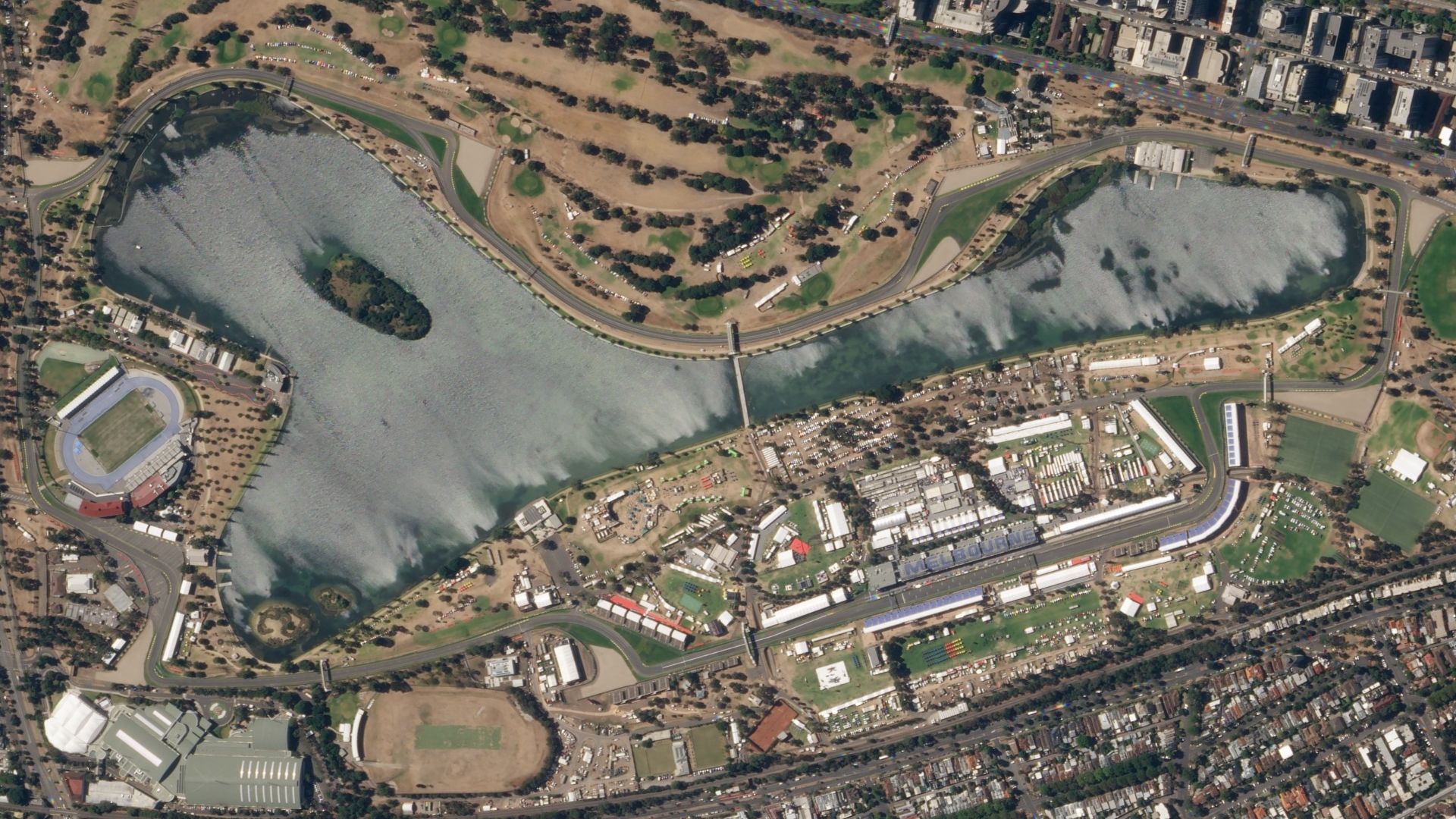
Albert Park is loved because it gives Formula 1 a lively season-opening feel, even when it doesn’t open the calendar every year. The Melbourne setting is relaxed, scenic, and full of energy, which makes the whole weekend feel like a proper event. The track has become racier in recent years thanks to layout changes that improved flow and overtaking chances.