
20 Things That Make Dealerships Offer Less Money for Your Trade-In
Why Your Car Might Be Worth Less Than You Think
Trading in your old car should be an easy way to save money on your next vehicle, but dealerships have plenty of reasons to offer less than you're expecting. Even if your car runs perfectly well, certain details can significantly lower its trade-in value, including some that owners don't even realize matter. Dealerships look at everything from mechanical condition to how easily they can resell a particular model, and seemingly minor issues can quickly add up. Before handing over your keys, here are 20 things that might be costing you money without you even knowing it.

1. An Incomplete Maintenance History
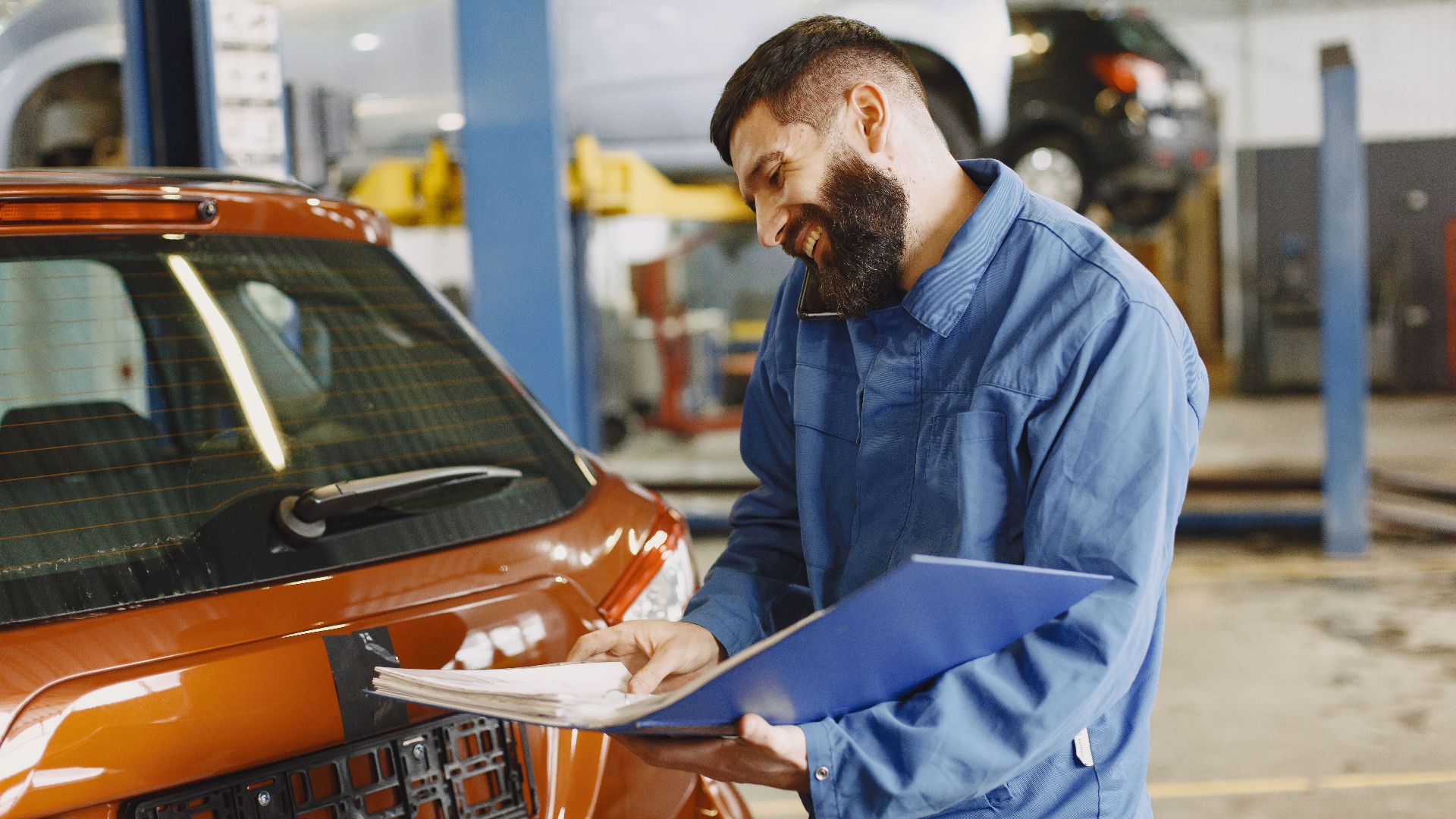
Dealerships want reassurance that a vehicle has been properly maintained, and missing service records can make that difficult to verify. Even if you've consistently changed the oil and replaced worn components, a lack of documentation leaves buyers guessing about the car's history. Holding onto receipts from mechanics and records of routine maintenance can help prove you've taken good care of your vehicle.
2. Aftermarket Modifications
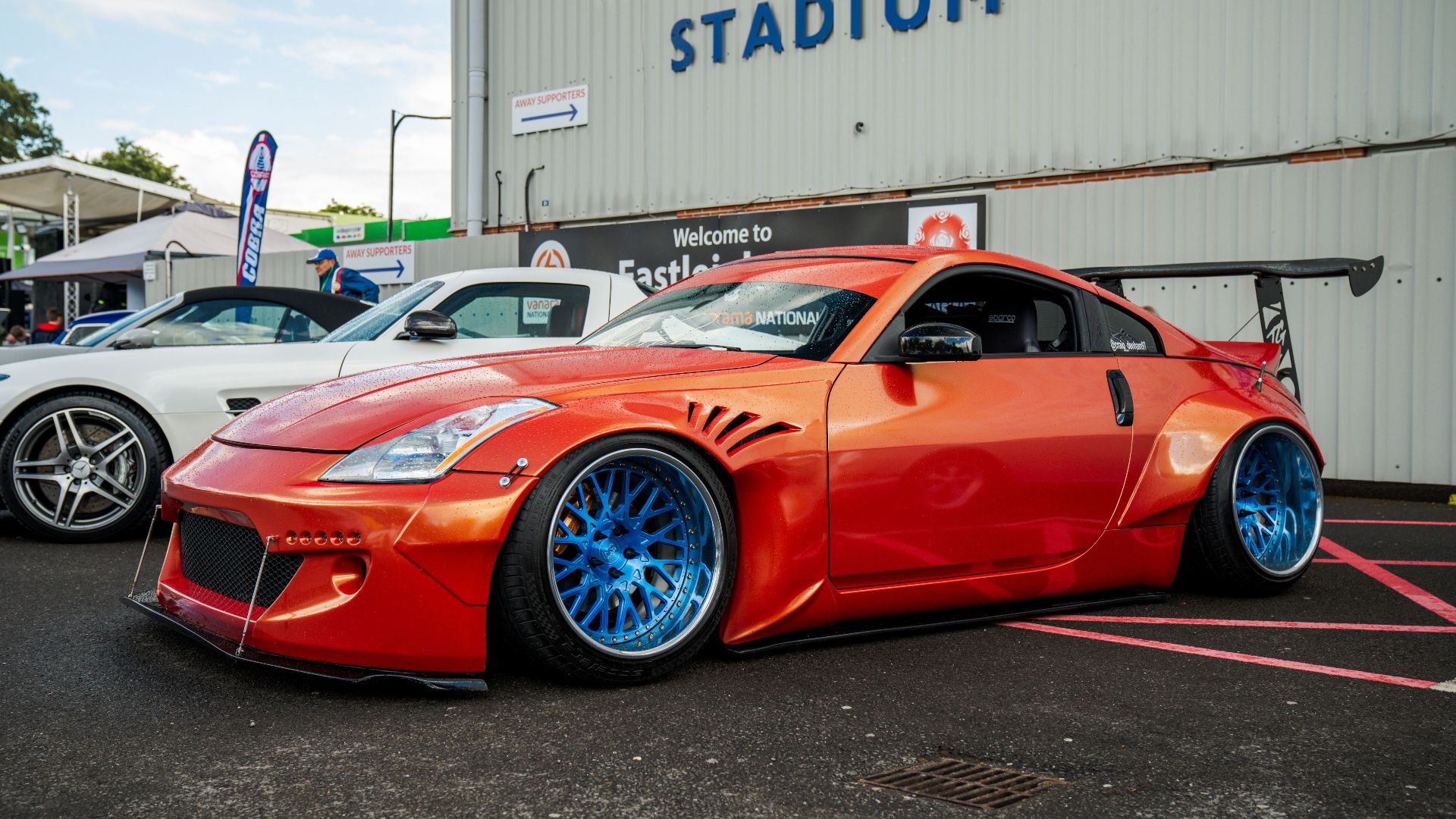
You might love those oversized wheels, lowered suspension, or custom exhaust, but dealerships aren't always as enthusiastic about them. Modifications can make a vehicle less appealing to potential buyers, especially when they affect comfort, reliability, or factory specifications. In many cases, a completely stock vehicle is worth more to a dealership than one with thousands of dollars in upgrades.
3. Mismatched Tires
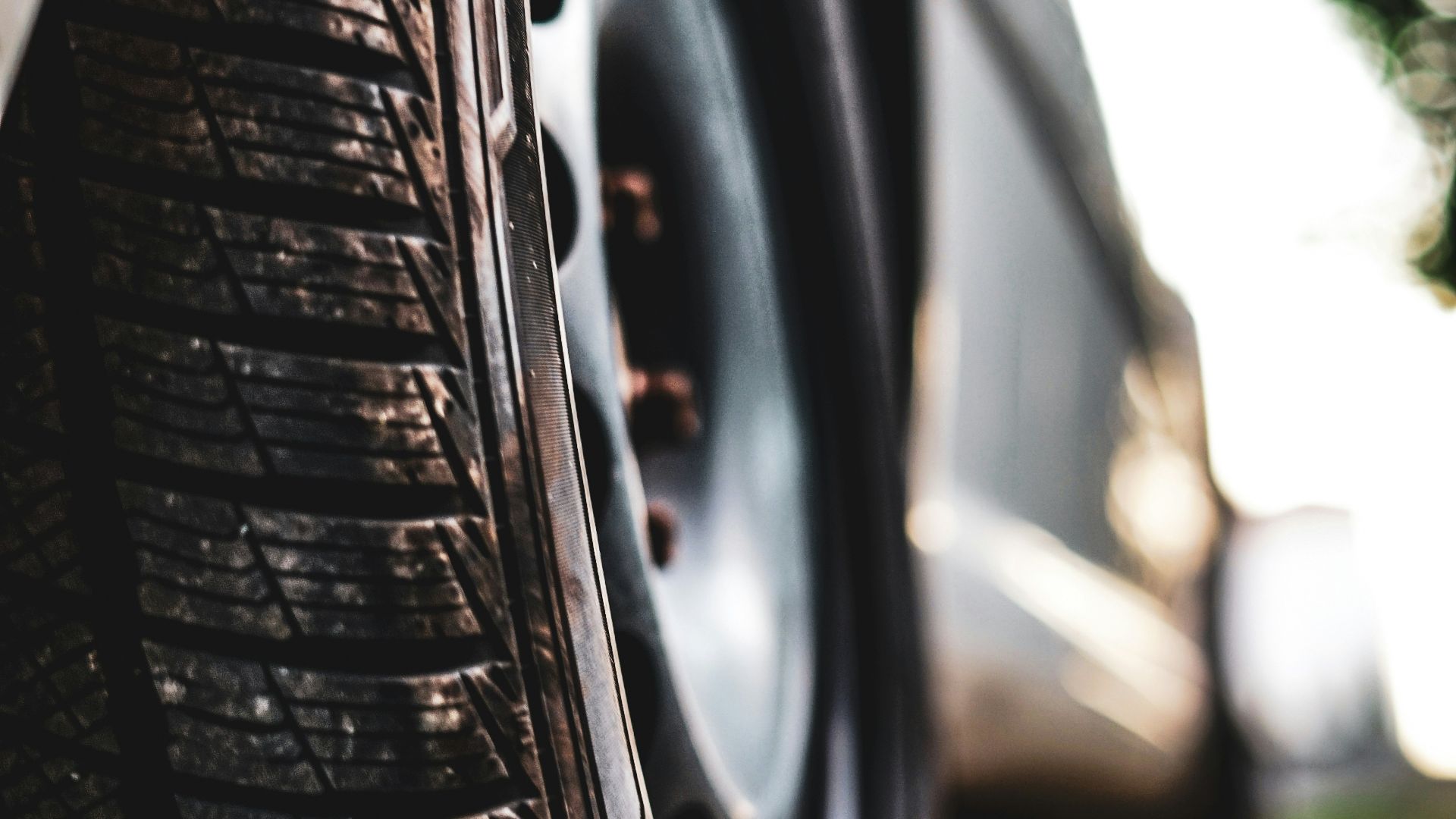
Having four different tire brands or noticeably uneven tread wear can raise a few concerns during a trade-in inspection. Dealerships might assume the vehicle hasn't received consistent maintenance, particularly if the tires aren't suitable for the model or show signs of alignment problems. Replacing worn or mismatched tires before resale also costs money, and that expense can lead to a lower offer.
4. An Accident on the Vehicle History Report
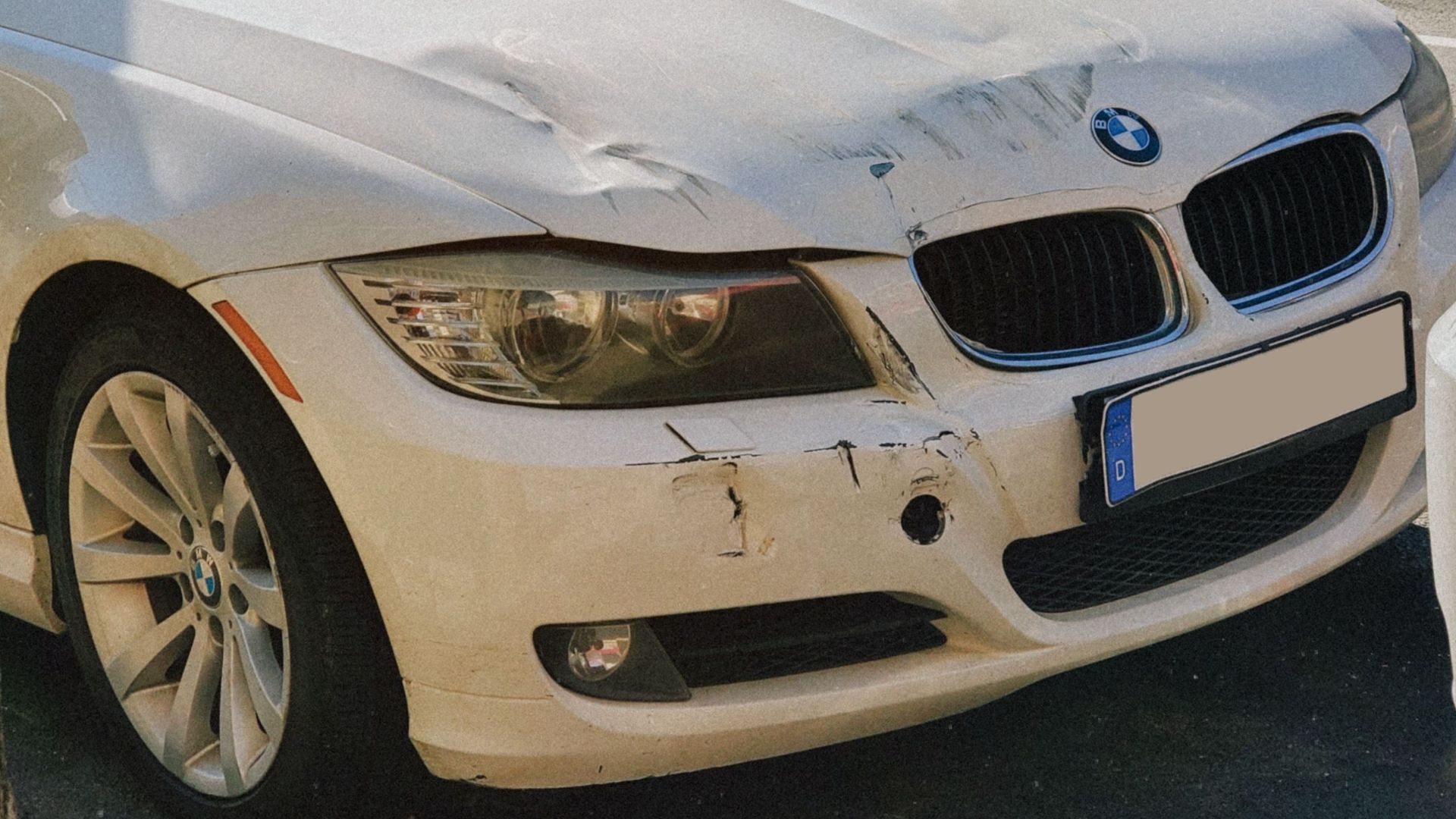
Even when collision damage has been professionally repaired, an accident showing up on a Carfax or AutoCheck report can hurt resale value. Plenty of used-car shoppers prefer to avoid vehicles with accident histories, especially when structural damage was involved. Dealerships know these cars can be tougher to sell, so they're often more cautious about how much they'll offer.
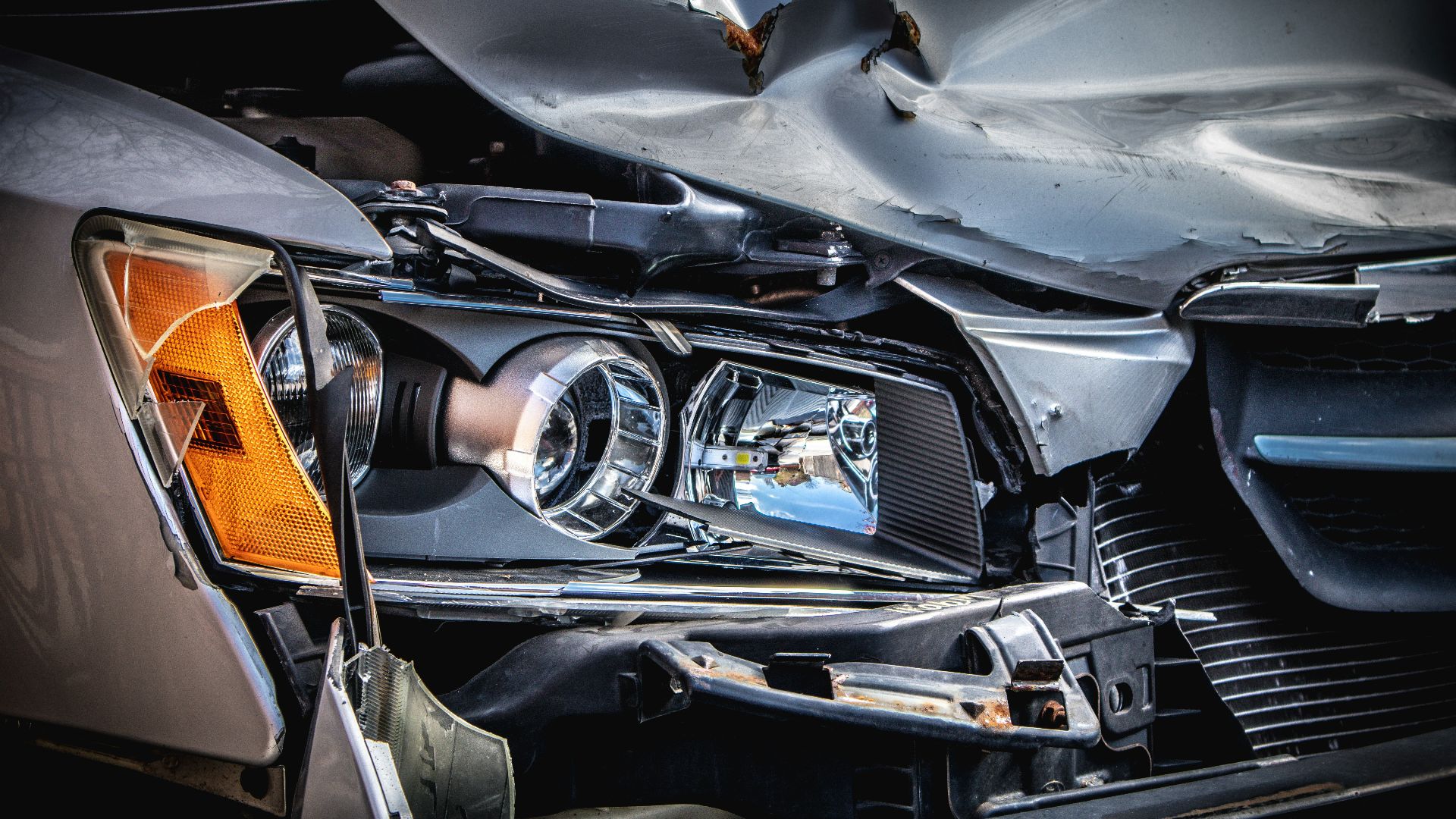 Clark Van Der Beken on Unsplash
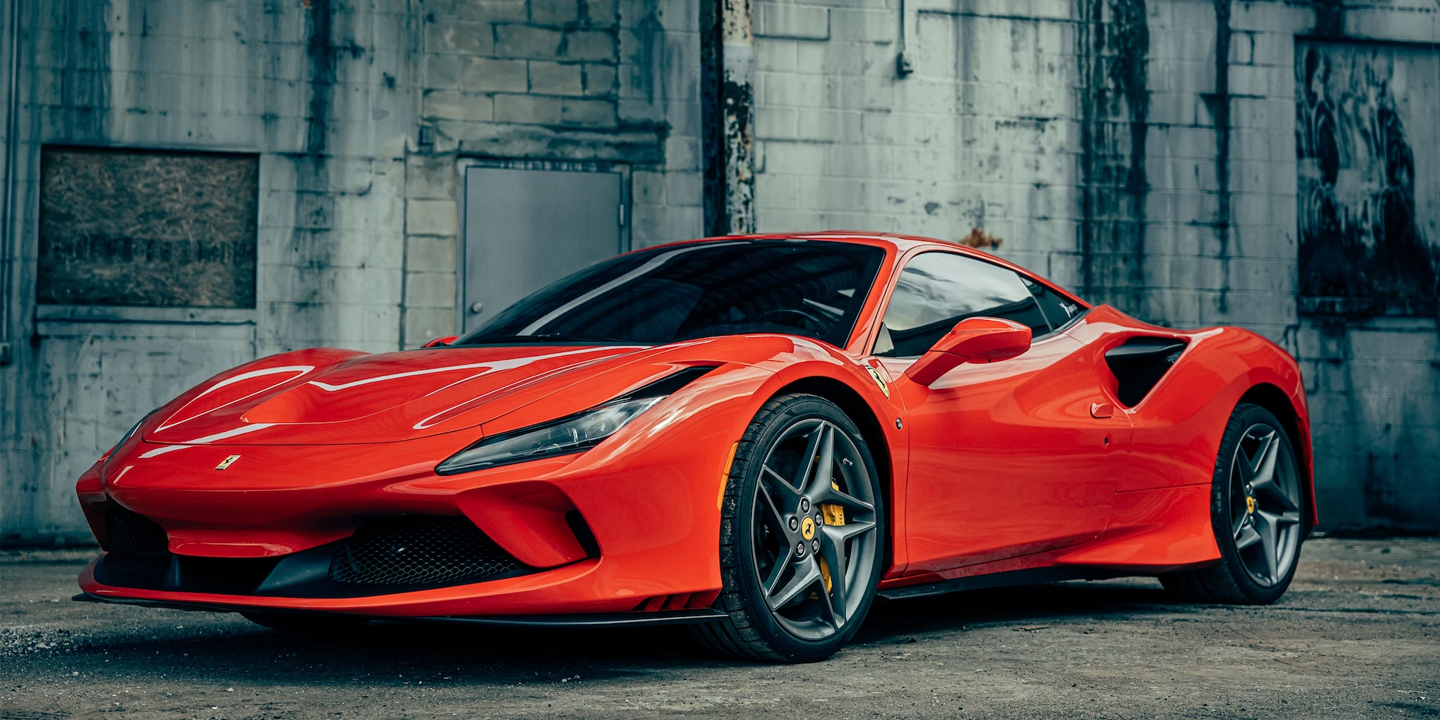
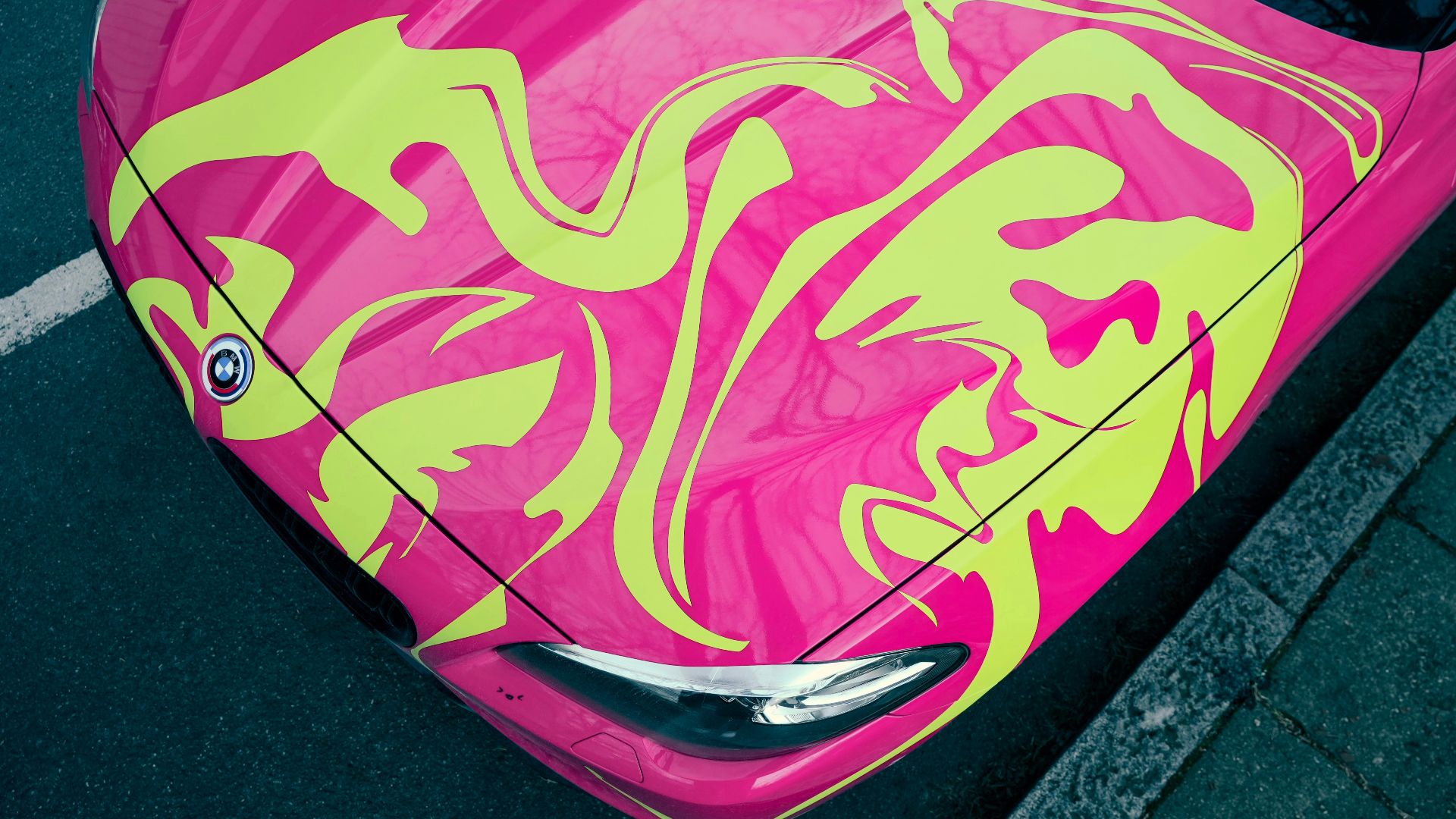
5. Unusual Paint Colors
That bright yellow sedan or lime green SUV might have caught your eye at the dealership, but finding another buyer with the same taste isn't always easy. Depending on the model and local market, unusual exterior colors can make a vehicle harder to sell than popular options like white, black, gray, or silver. Dealers sometimes factor that limited demand into their trade-in offers, even if the paint itself is in excellent condition.
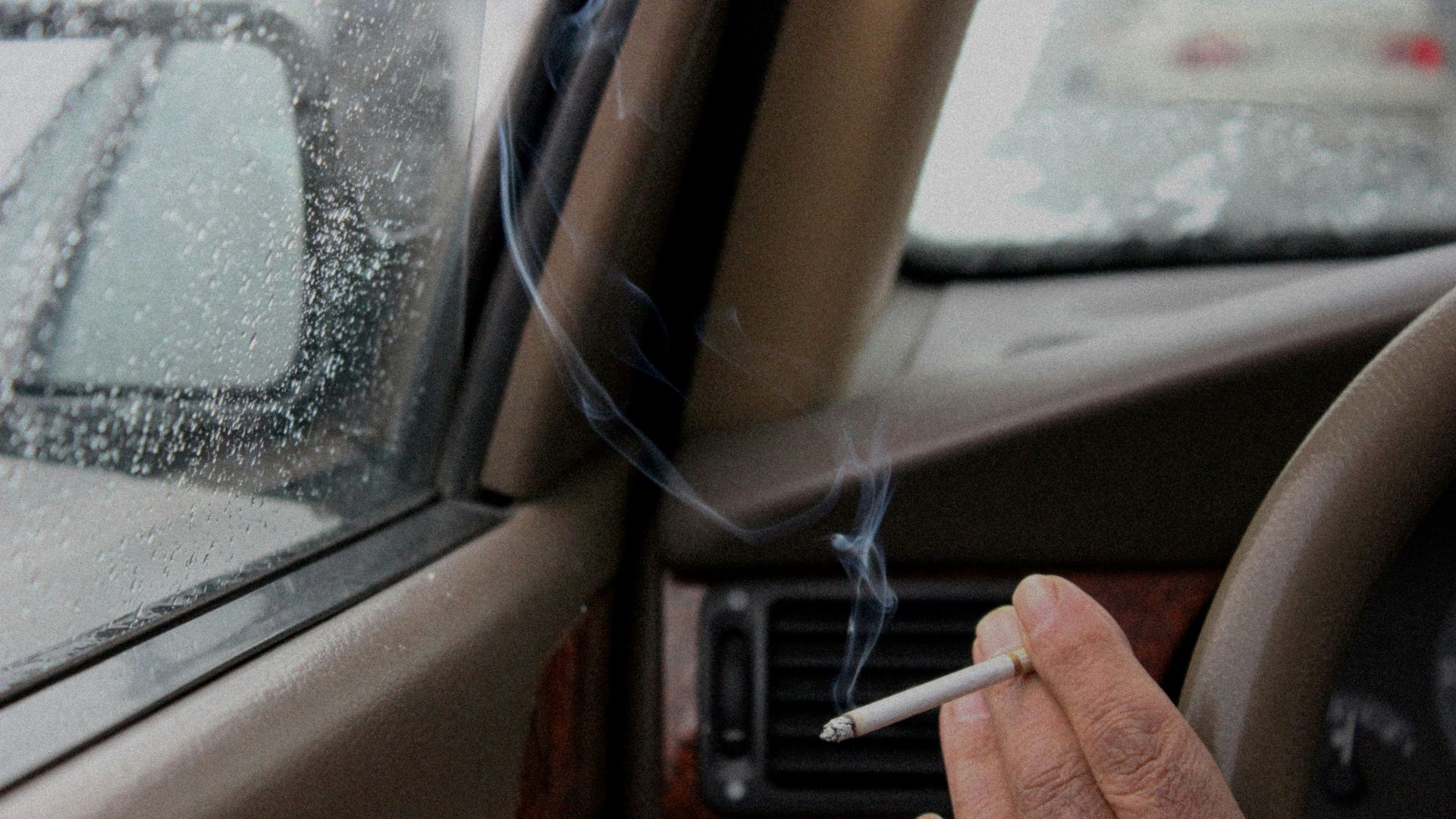
6. A Lingering Cigarette Smell
Cigarette smoke has a habit of sticking around, particularly in a vehicle's upholstery, carpeting, and ventilation system. Even after a thorough cleaning, dealerships might have to spend extra money on professional odor removal before putting the car up for sale. Since many used-car buyers specifically avoid vehicles that smell like cigarettes, a stubborn odor can noticeably reduce what you're offered.
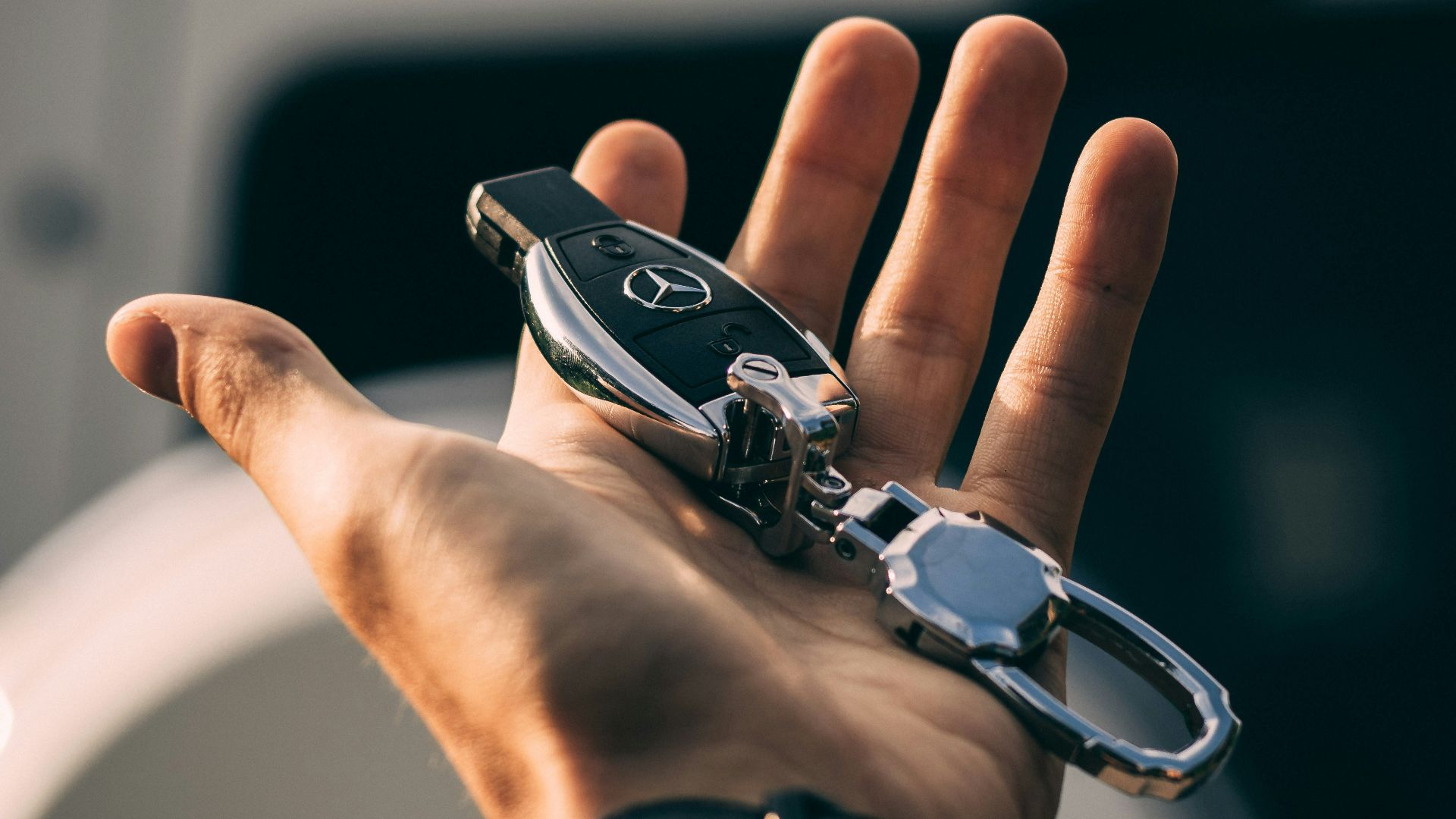
7. Missing Spare Keys
Losing your second key might not seem like a big deal, but replacing modern car keys can be surprisingly expensive. Depending on the vehicle, a new electronic key fob may need specialized programming that costs hundreds of dollars. Dealerships often account for that expense when evaluating trade-ins, so it's worth tracking down your spare key before visiting.
8. An Unpopular Engine or Transmission
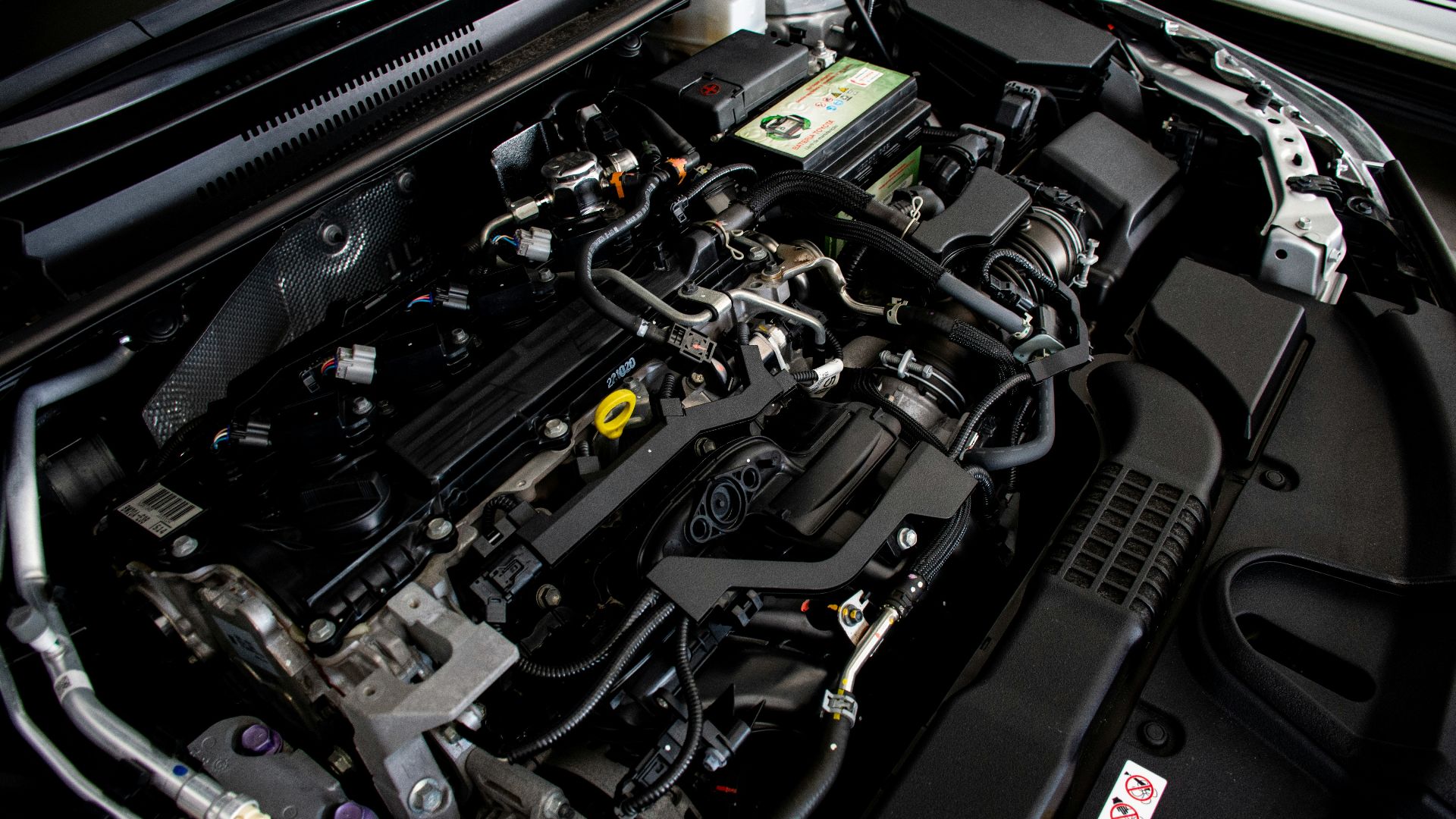
Not every version of a particular model holds its value equally well, and certain engine or transmission options can be especially difficult to sell. A vehicle equipped with a transmission known for reliability problems or an engine that buyers tend to avoid may receive a lower offer than another trim of the same car. Dealerships pay close attention to demand for specific configurations, meaning what's under the hood matters more than you might think.
9. Excessive Mileage for Its Age
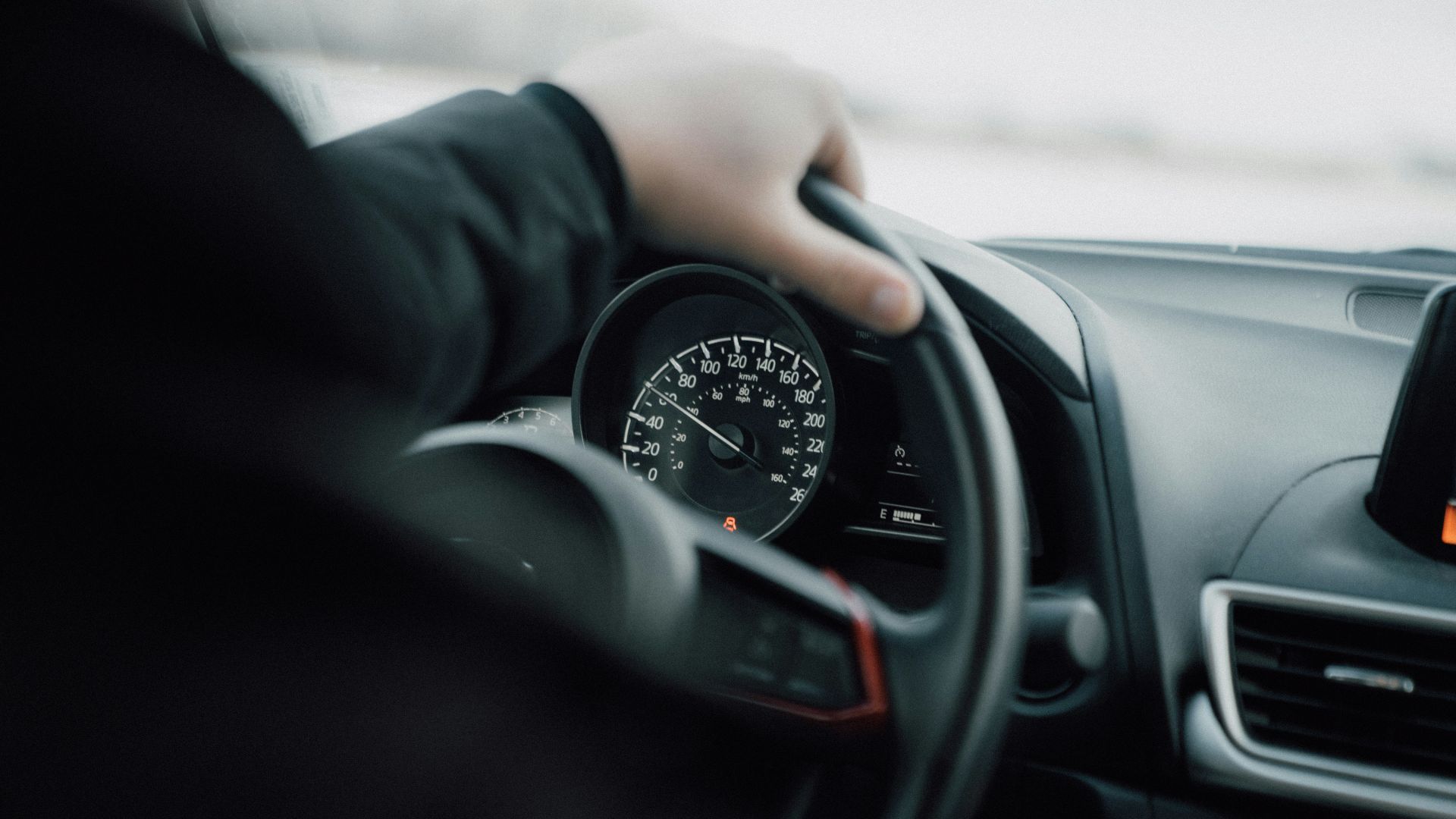
A five-year-old vehicle with 120,000 miles generally won't receive the same trade-in offer as an identical one with just 45,000 miles. Higher mileage usually means more wear on components like the suspension, transmission, and engine, even if the car still drives perfectly well. Dealers also know that shoppers often filter used-car listings by mileage, which makes heavily driven vehicles a little harder to sell.
10. A Cracked Windshield
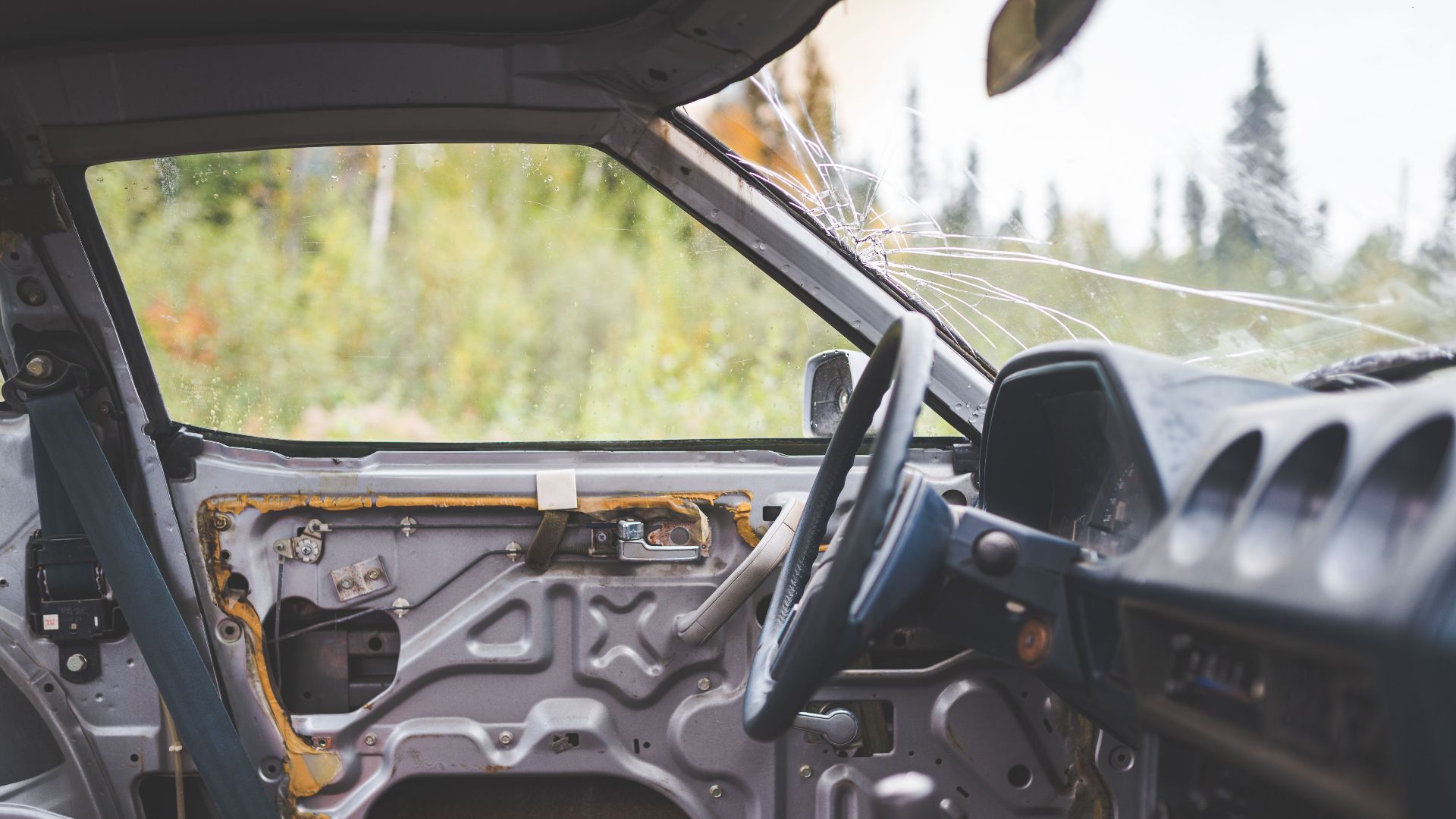
Even a relatively small crack can hurt your trade-in value, especially if it obstructs visibility or means the entire windshield needs replacing. Modern vehicles often have cameras and sensors mounted near the glass, making windshield replacements more expensive because recalibration may be required. Instead of covering those costs themselves, dealerships might deduct the estimated repair expense from your offer.
11. Signs of Previous Flood Damage
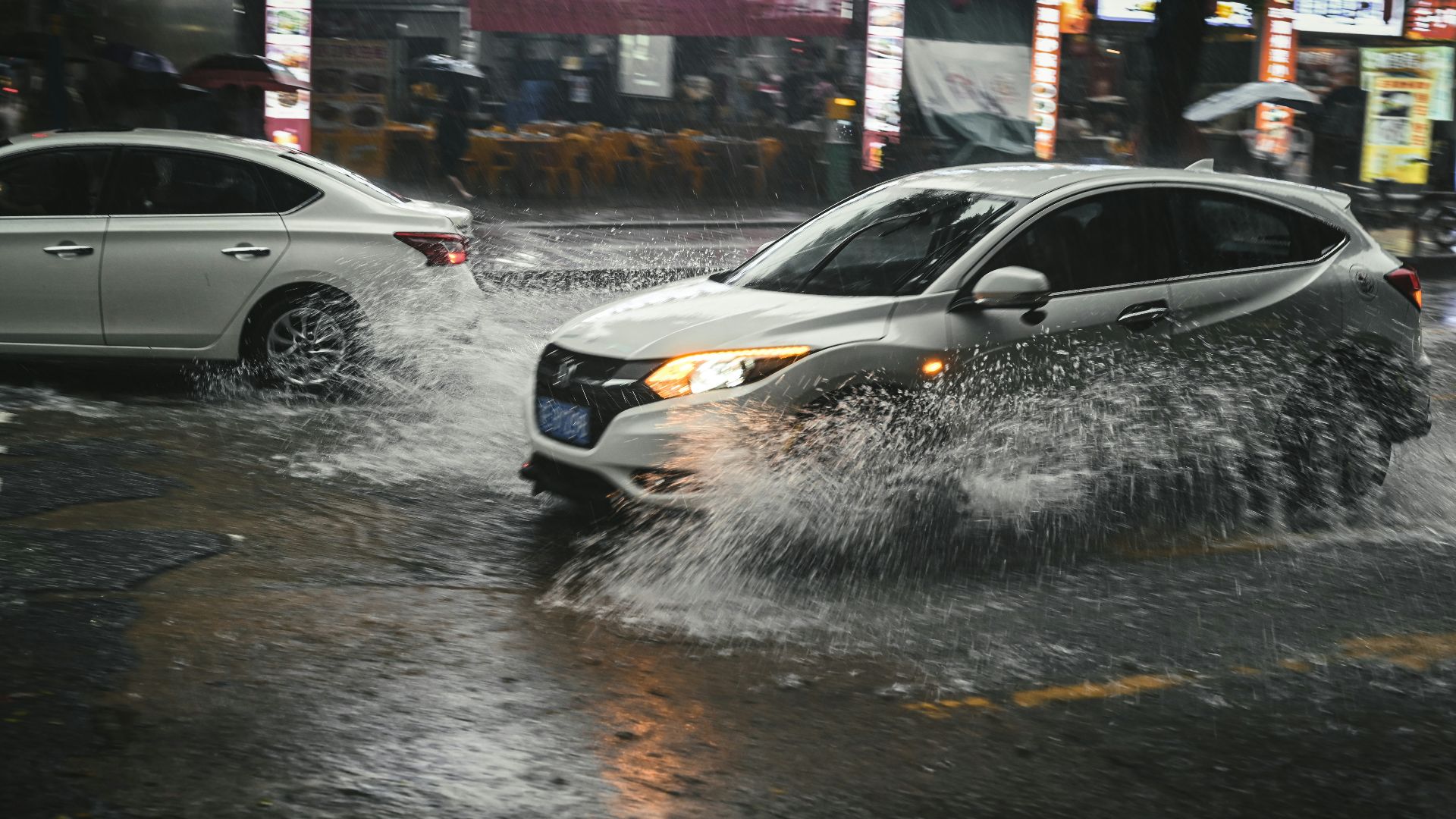
Water stains beneath the carpeting, corrosion around electrical connections, and lingering musty odors can make dealerships extremely hesitant. Flood damage can cause electrical and mechanical problems long after a vehicle has dried out, which makes these cars particularly risky to resell. Even without a flood-branded title, visible signs of water intrusion can seriously affect how much a dealer is willing to pay.
12. Worn-Out Interior Materials
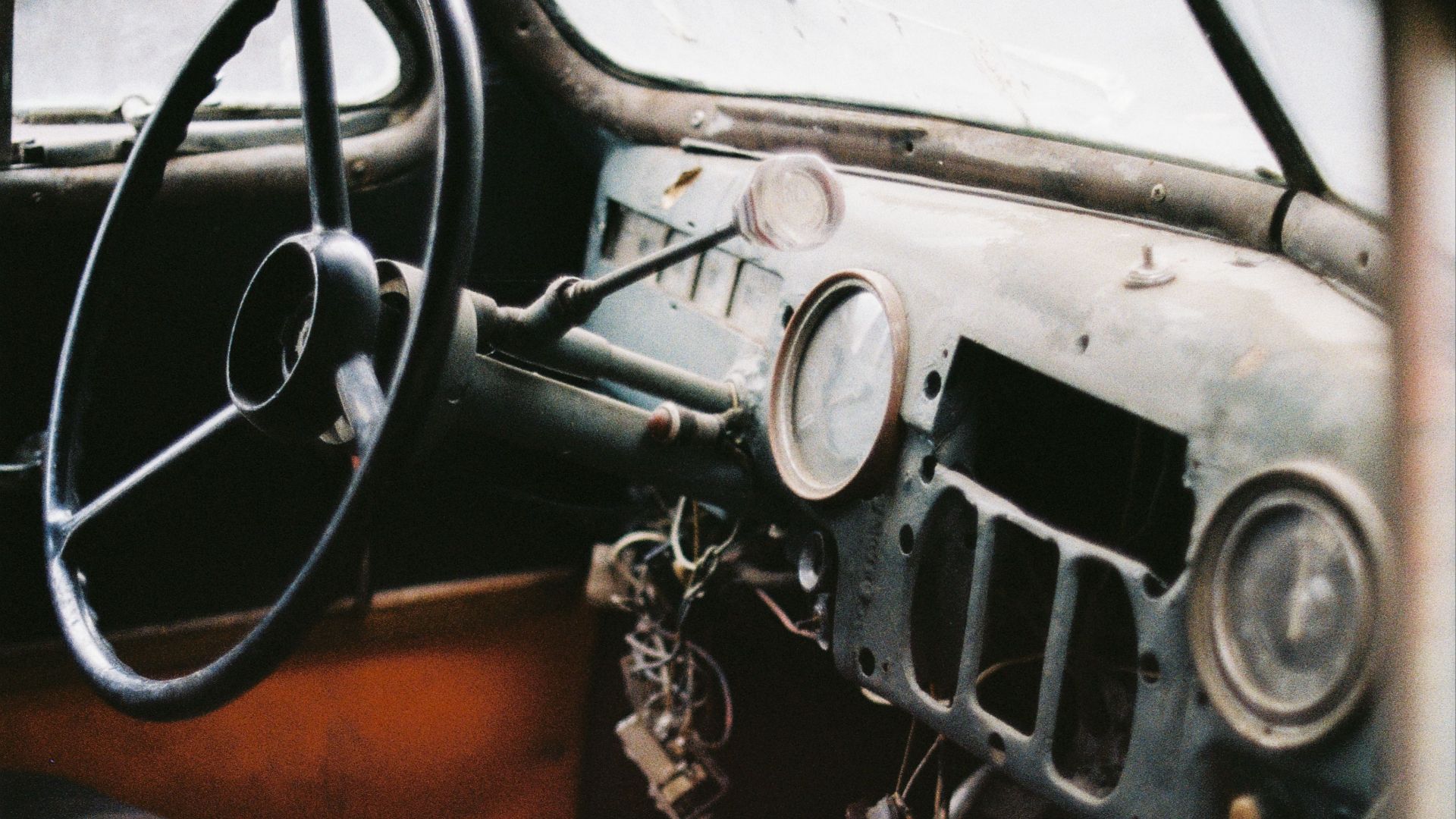
Cracked leather seats, sagging headliners, and heavily worn steering wheels can make a vehicle look much older than it actually is. While cosmetic wear doesn't necessarily affect how a car drives, dealerships know that first impressions matter to potential buyers. Significant interior damage can also require expensive repairs or reconditioning, and those costs may be reflected in your trade-in offer.
13. Missing Factory Equipment
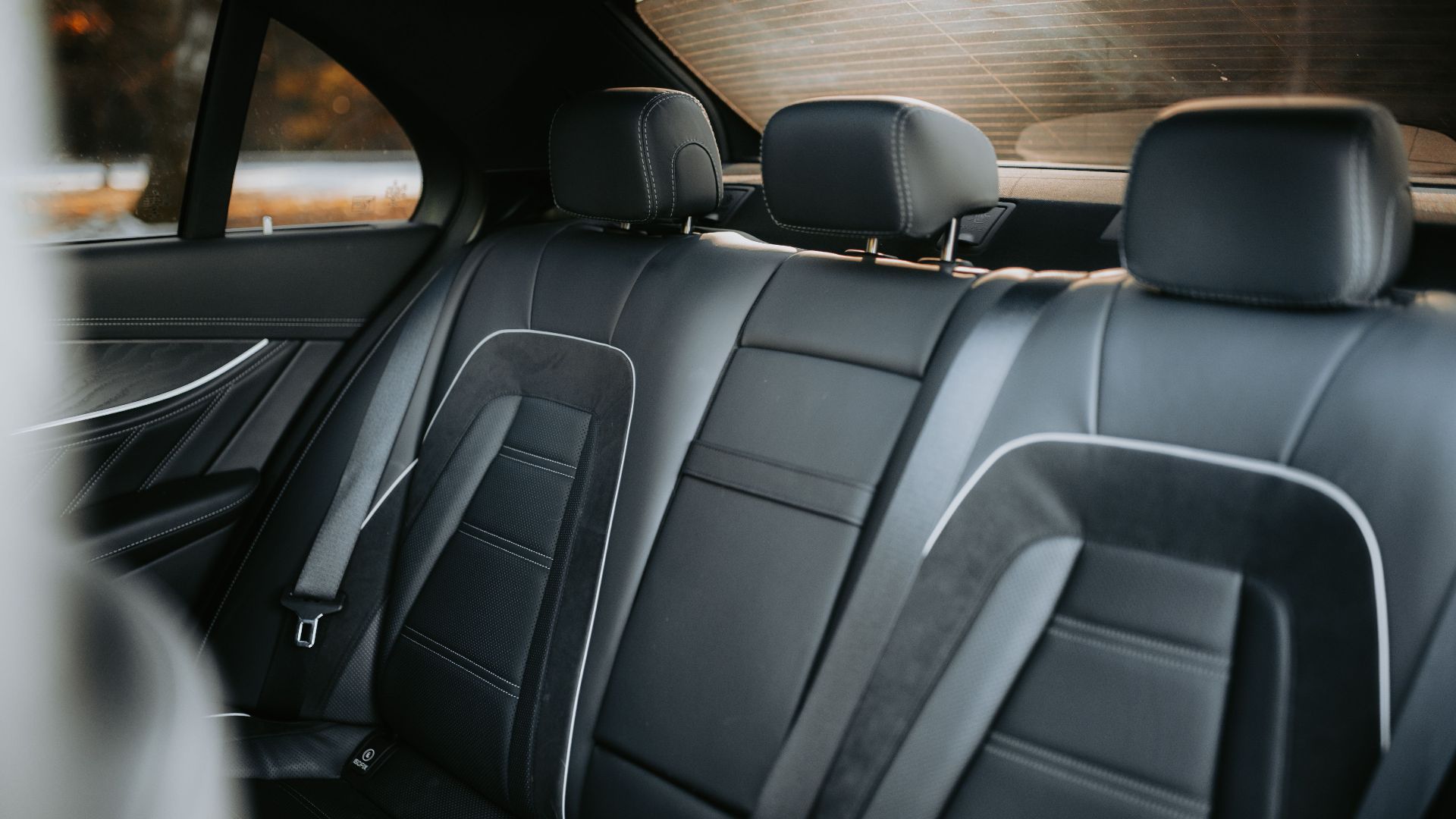
Removing the original stereo, cargo cover, rear headrests, or other factory accessories might not seem particularly important while you're driving the vehicle. However, dealerships generally prefer complete cars because missing equipment can lead to complaints from potential buyers. Some original parts are surprisingly expensive to replace, so it's worth searching your garage for anything that originally came with the car.
14. A Check Engine Light
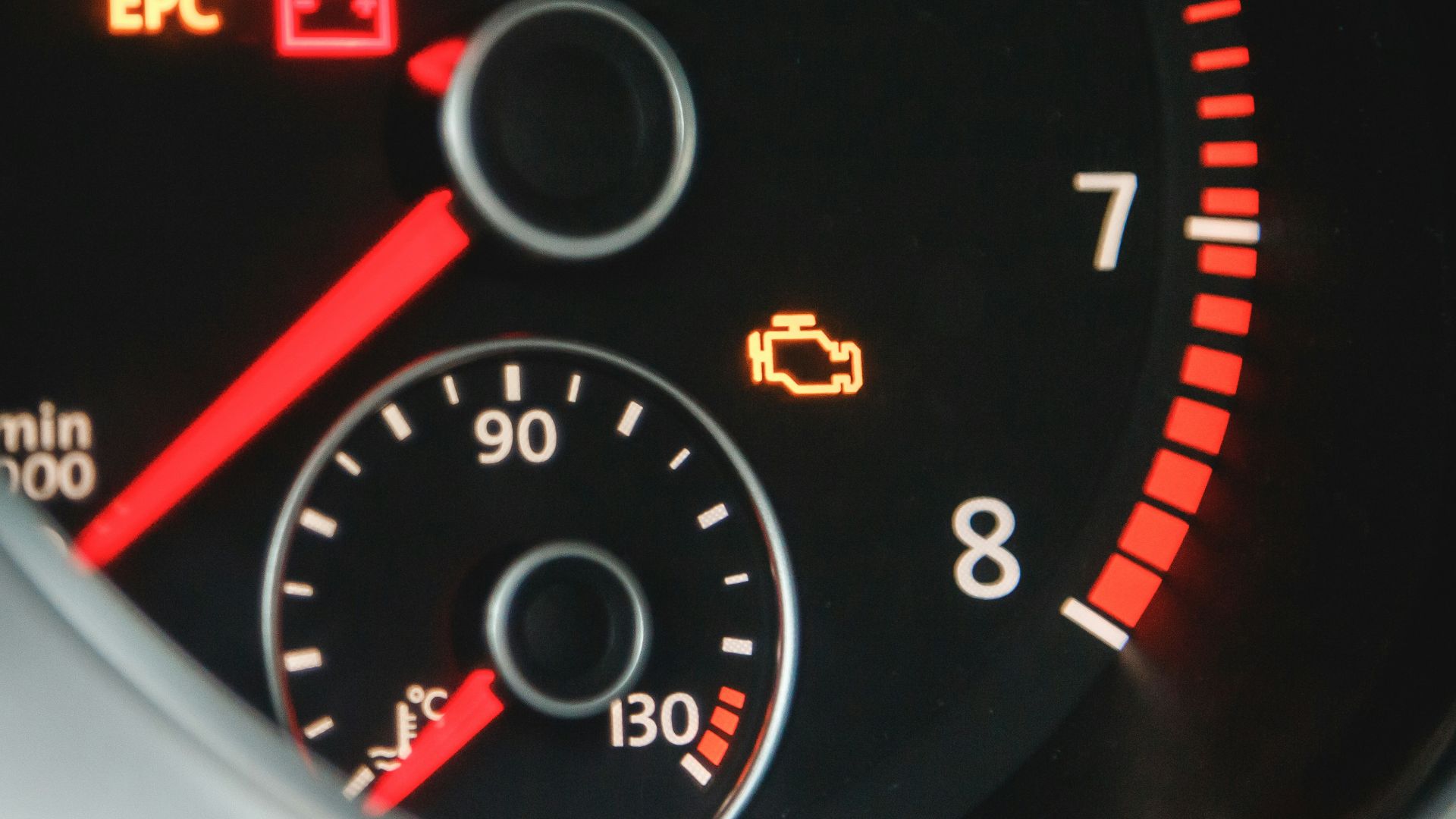
Few things make a dealership more cautious than seeing an illuminated check engine light during a trade-in inspection. Although the issue could be something relatively inexpensive, such as a loose gas cap, it might also point to a serious engine or emissions-system problem. Until the underlying cause is diagnosed, dealers may assume they'll need to pay for repairs and lower their offer accordingly.
15. A Repainted Body Panel
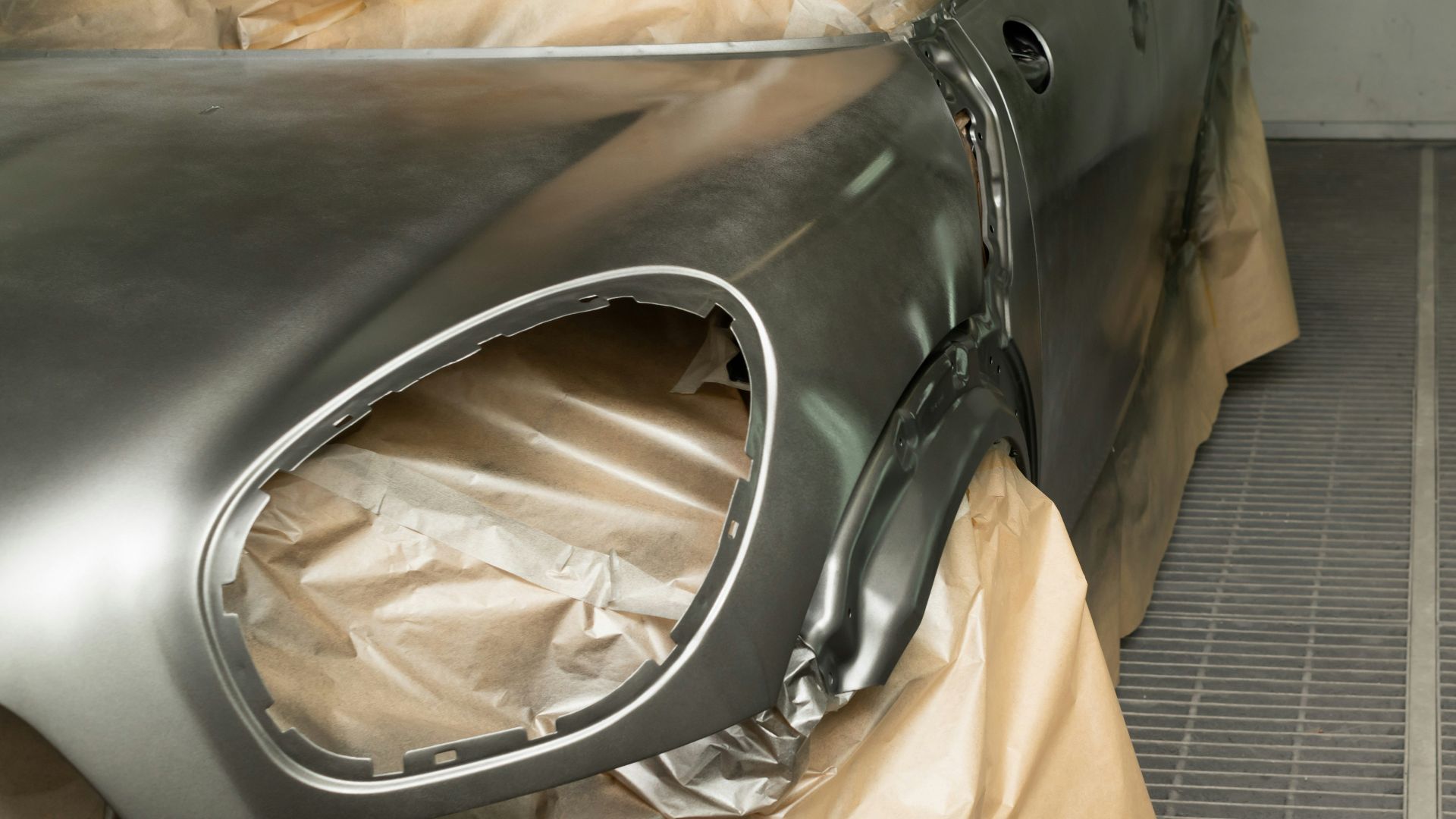
A freshly painted door or fender might look perfectly normal to you, but dealership appraisers often use paint-depth gauges to spot previous bodywork. Inconsistent paint thickness can suggest earlier collision repairs, even when there's no accident listed on the vehicle history report. While a professionally repaired scratch isn't necessarily a big concern, unexplained repainting can raise questions and affect the appraisal.
16. Poorly Repaired Cosmetic Damage
Trying to hide scratches with mismatched touch-up paint or covering dents with excessive body filler can sometimes do more harm than good. Dealerships generally prefer knowing exactly what needs fixing rather than discovering questionable repairs during an inspection. Sloppy cosmetic work may require additional time and money to correct, giving the dealer another reason to offer less.
17. An Unpopular Trim Level
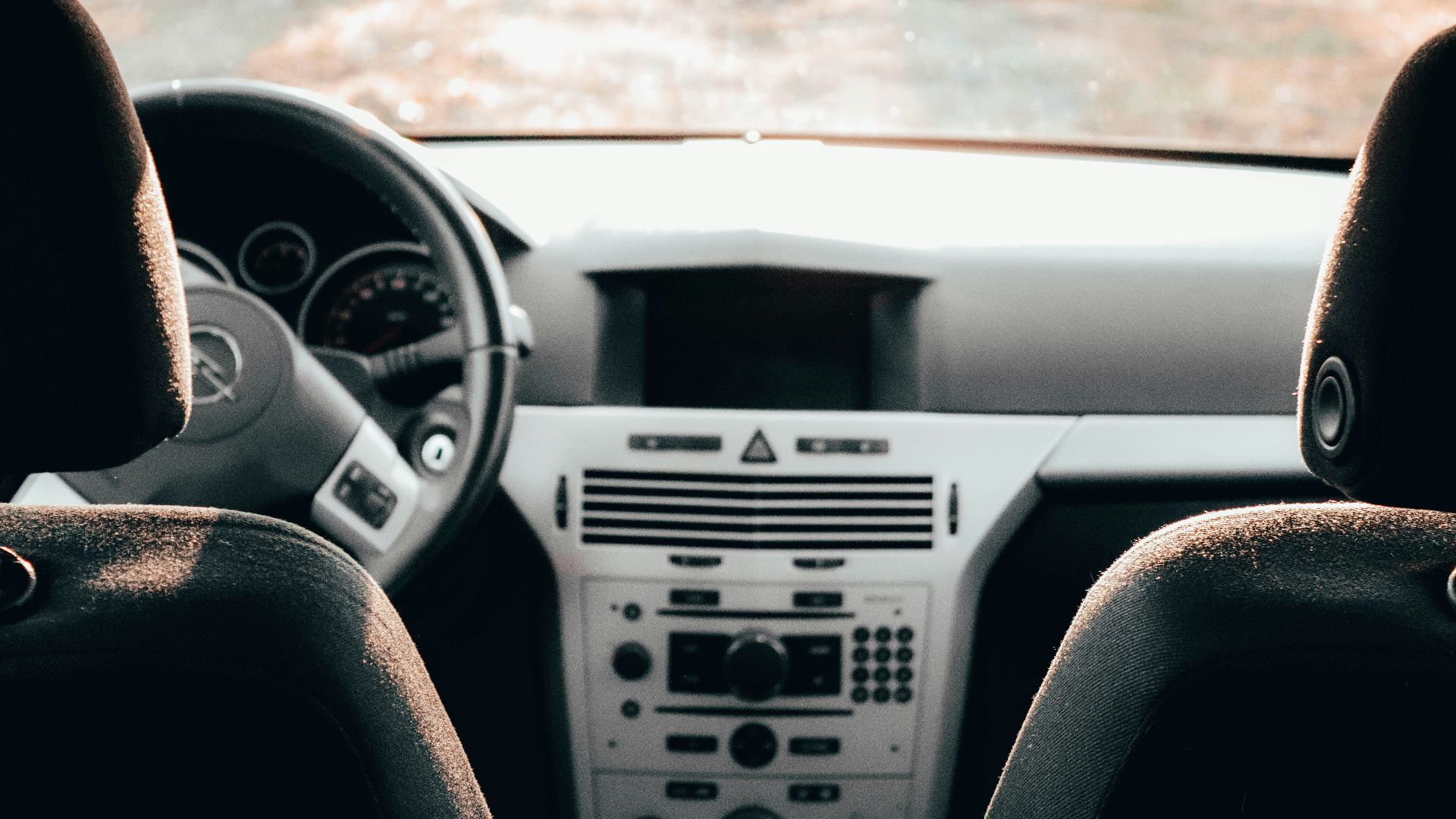
Choosing the least expensive version of a vehicle can save you money upfront, but some base trims aren't particularly desirable on the used market. Missing features like heated seats, advanced driver-assistance technology, or popular infotainment equipment can make a car less competitive against better-equipped models. That said, certain expensive luxury options also lose value quickly, so spending more on a new car doesn't automatically guarantee a better trade-in offer later.
18. Trading In a Vehicle Right Before a Redesign
When manufacturers introduce a completely redesigned generation, older versions can sometimes lose value a little faster. Shoppers may become more interested in the updated styling, technology, and features, leaving previous-generation models less attractive by comparison. Dealerships anticipate these changes in demand and may adjust their offers, especially when they already have plenty of the outgoing model in stock.

19. A Salvage or Rebuilt Title
A vehicle with a salvage or rebuilt title will generally fetch considerably less money than an otherwise identical car with a clean title. These designations mean the vehicle previously experienced significant damage or another event that met the applicable state's title-branding requirements. Even after successful repairs and inspections, many buyers and lenders remain wary of these vehicles, making them much harder to resell.

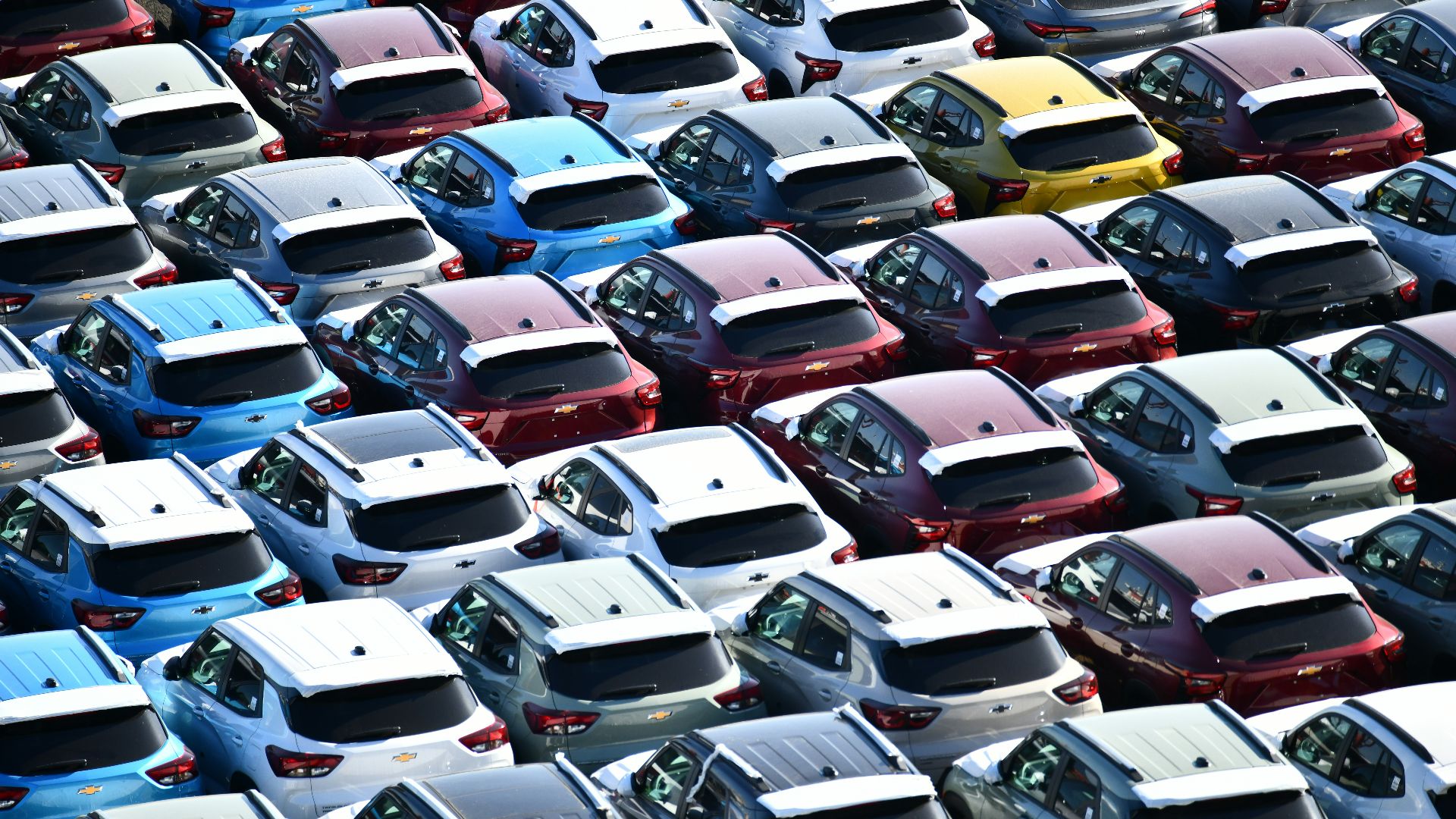
20. Trading In a Car the Dealership Already Has Too Many Of
Sometimes a disappointing trade-in offer has surprisingly little to do with your vehicle's actual condition. If a dealership already has several identical models sitting on its lot, it probably won't be eager to take on another unless the price is especially attractive. Getting trade-in quotes from multiple dealerships can reveal some pretty significant differences, particularly when another location has stronger demand for your specific vehicle.