
20 Things Car Dealers Hope You Won't Notice During a Test Drive
What You Might Miss Behind the Wheel
Taking a car for a test drive is supposed to help you decide whether it's worth buying, but there's more to consider than how comfortable the seats feel. While plenty of dealerships are honest about their vehicles, others might be counting on the excitement of a potential purchase to distract you from certain problems. From suspicious engine noises to subtle sales tactics, some warning signs are surprisingly easy to miss during a quick drive around the block. Before committing to your next vehicle, here are 20 things worth checking that a not-so-honest dealer might prefer you didn't notice.

1. Strange Noises When You First Start the Engine
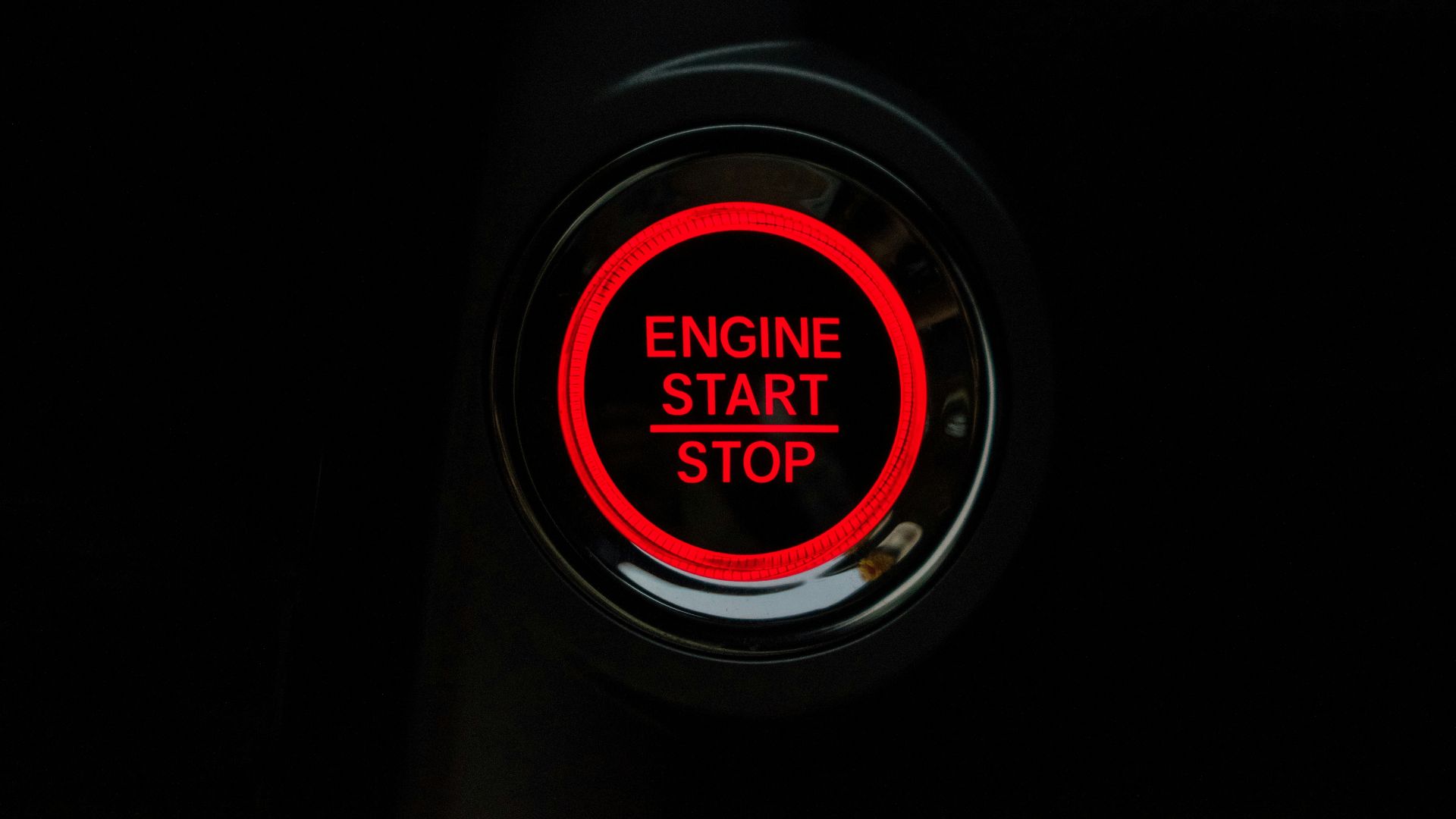
A healthy engine shouldn't make excessive rattling, knocking, or grinding noises when you turn the key or press the start button. Certain mechanical problems are most noticeable during a cold start, so it's worth asking whether the vehicle has already been running before you arrive. If the engine is conveniently warmed up when you get there, you could miss sounds that only appear after it's been sitting for several hours.
2. The Transmission Hesitates Between Gears
A seemingly smooth test drive can quickly become concerning when you notice the transmission struggling to shift gears. Delayed shifts, sudden jerking, or noticeable slipping could point to mechanical problems that aren't immediately apparent during gentle driving. Some salespeople might encourage you to stick to slower roads where these symptoms are harder to detect, but you should really experience how the vehicle accelerates and changes gears under different driving conditions.
3. The Car Pulls to One Side
You shouldn't have to constantly adjust the steering wheel just to keep a vehicle traveling straight. If the car noticeably drifts toward one side on a reasonably level road, it could have alignment problems, uneven tire pressure, or worn suspension components. While some causes are relatively inexpensive to fix, others can require more substantial repairs. It's worth looking into the issue rather than accepting an explanation that it's simply how the vehicle drives.

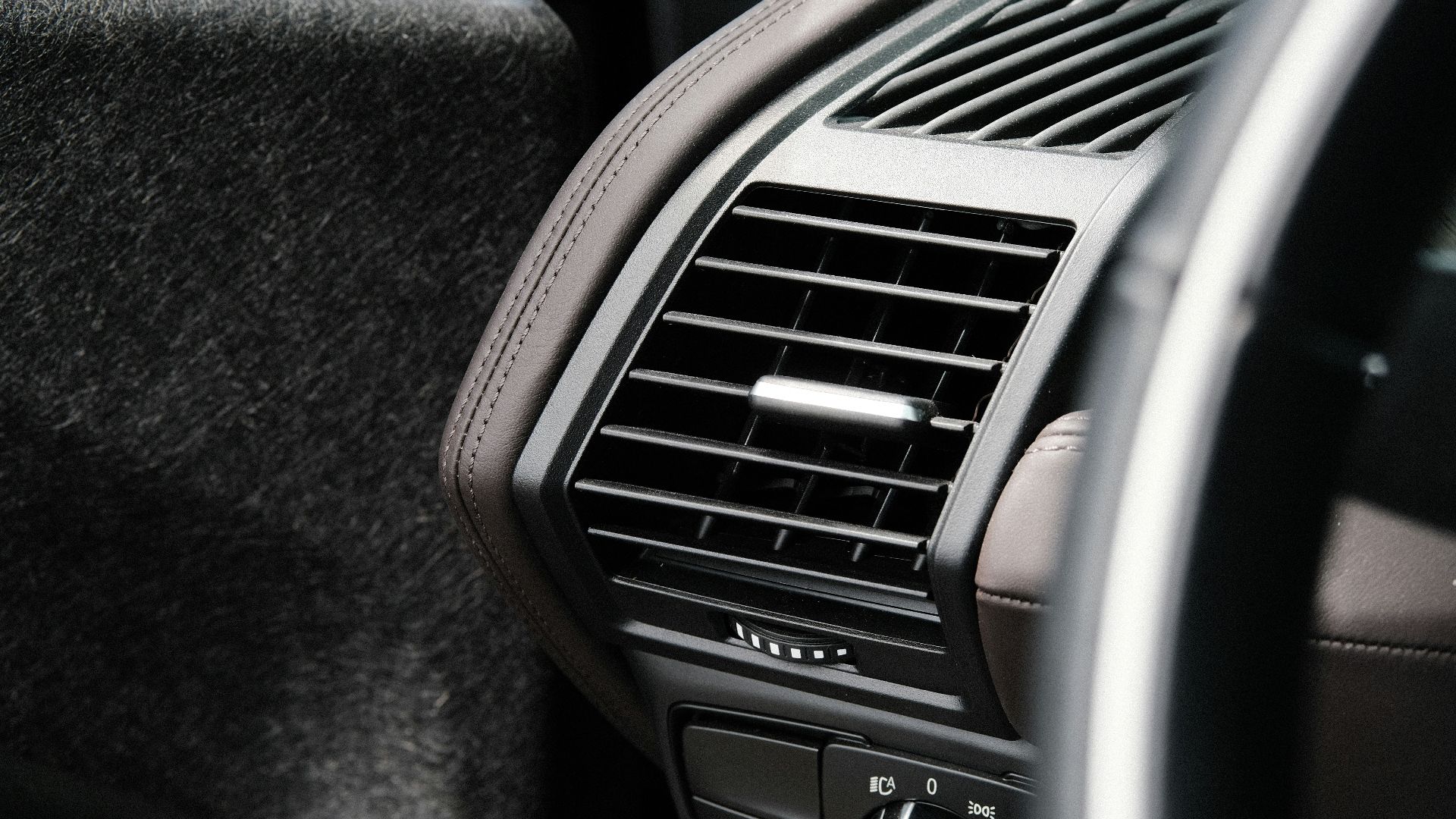
4. The Air Conditioning Isn't Working Properly
When you're excited about buying a car, checking the climate control system might not be your top priority. However, weak airflow, inconsistent temperatures, or an air conditioner that struggles to produce cold air could signal problems with the compressor, refrigerant system, or ventilation components. A salesperson might already have the windows rolled down or the temperature set comfortably before you climb inside.
5. The Brakes Make Unusual Sounds
Squealing, grinding, or scraping noises when braking are worth paying attention to, especially if you're considering a used vehicle. Although occasional squeaking doesn't necessarily mean something is seriously wrong, persistent grinding could indicate worn brake pads or damaged rotors. You should also watch for vibrations through the brake pedal or steering wheel when slowing down.
6. The Steering Wheel Vibrates at Higher Speeds
A car might feel perfectly comfortable while you're driving through a quiet neighborhood, only to start vibrating once you reach highway speeds. This shaking could be caused by unbalanced tires, bent wheels, suspension problems, or other mechanical issues. Unfortunately, shorter test drives don't always give you the chance to identify problems that appear at higher speeds, so ask to take the vehicle on a highway if possible.

7. The Tires Have Uneven Wear
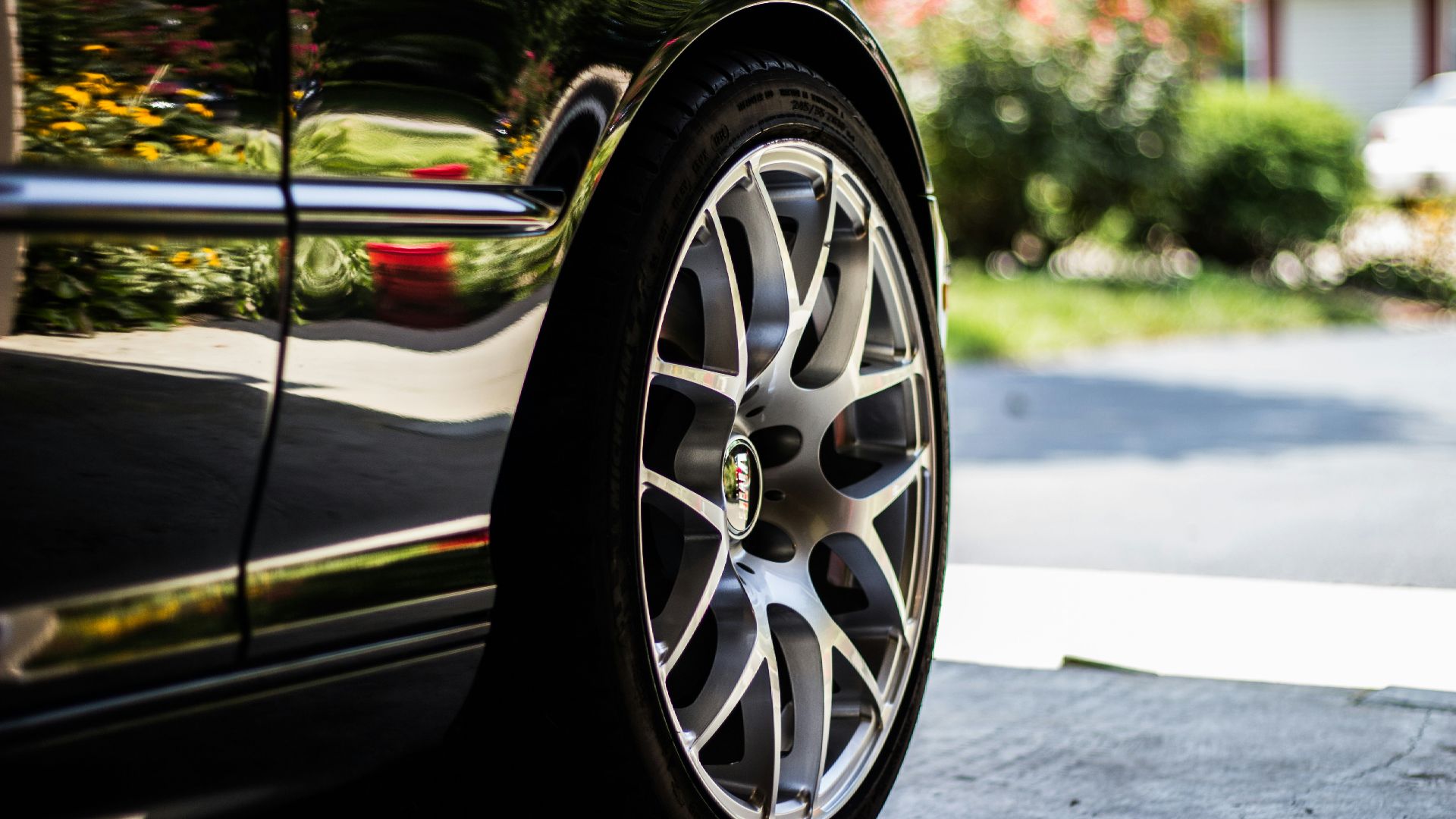
Brand-new tires can certainly make a car more appealing, but the condition of its existing tires can reveal quite a bit about how it's been maintained. Uneven tread wear might suggest poor alignment, incorrect tire pressure, or underlying suspension problems. Some dealerships replace worn tires before putting a vehicle up for sale, making it harder to spot signs of previous issues. Take a close look at the tread across each tire and don't hesitate to ask why any replacements were needed.
8. The Engine Feels Unusually Sluggish
Not every car is built for impressive acceleration, but there's a difference between modest performance and an engine that struggles to respond. Hesitation, stumbling, or a noticeable lack of power could suggest trouble with fuel delivery, ignition components, or other systems. A salesperson might insist the car simply needs time to warm up or explain that its engine isn't particularly powerful, which is why it's a good idea to test drive more than one example of the same vehicle to see if that explanation holds up.
9. The Interior Smells Suspiciously Fresh
A heavily fragranced interior might seem like a nice touch at first, but strong air fresheners can sometimes be used to mask unpleasant smells. Lingering odors from cigarette smoke, mildew, or water damage can be incredibly difficult to remove, even after professional cleaning. If the cabin smells overwhelmingly of perfume or cleaning chemicals, turn off the ventilation and inspect the carpets and upholstery. Musty odors are particularly concerning because they could point to hidden moisture problems.

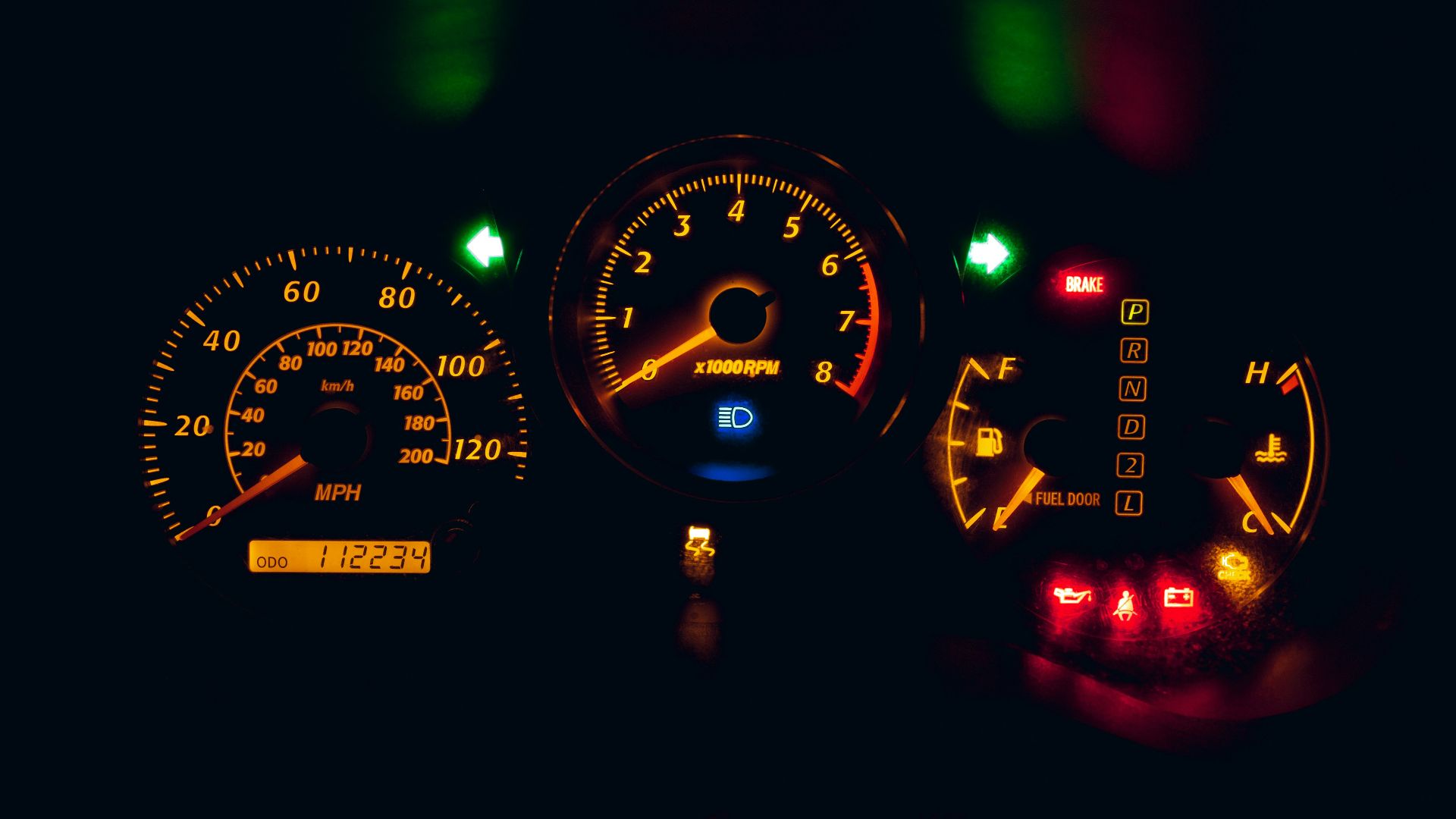
10. The Dashboard Warning Lights Have Been Reset
Just because there aren't any warning lights on the dashboard doesn't mean the vehicle is free from mechanical trouble. Diagnostic trouble codes can sometimes be cleared temporarily, causing warning lights to disappear until the car completes additional driving cycles. As a result, certain problems might remain hidden throughout a short test drive. An independent inspection with an OBD-II scanner can check for stored or pending codes and determine whether the vehicle's emissions readiness monitors have finished running.
11. The Suspension Makes Clunking Sounds
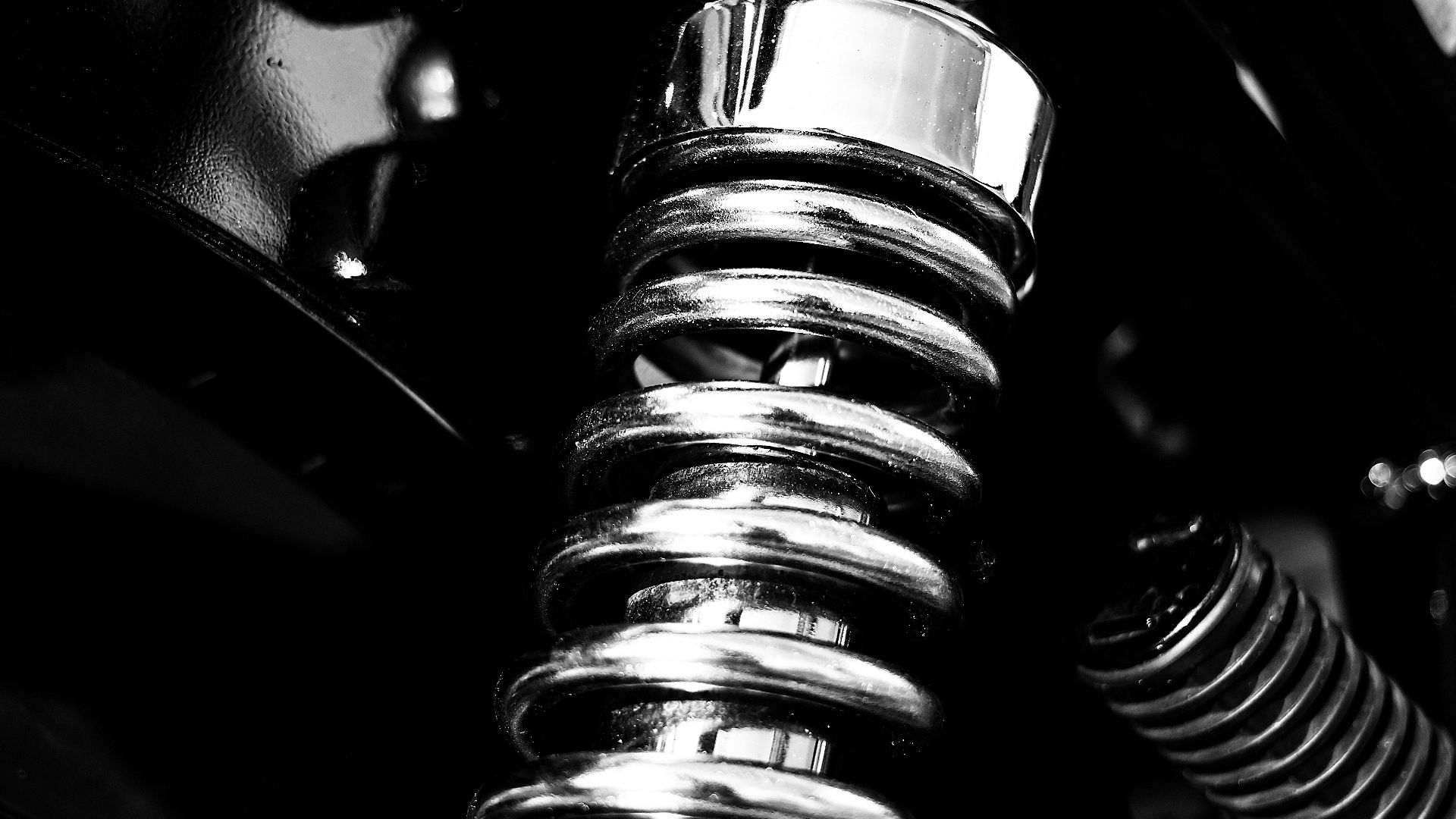
Listen carefully when driving over bumps, uneven pavement, or speed bumps because suspension problems tend to become more noticeable in these situations. Clunking, rattling, or excessive bouncing could indicate worn bushings, damaged shocks, or other failing components. You might not notice anything unusual if the entire test drive takes place on freshly paved roads. Since a dealership may suggest a particularly smooth route, asking to drive on a few different road surfaces is a smart move.
12. The Car Has More Road Noise Than Expected
Excessive road noise might not seem like a big deal initially, but it can get frustrating after a few weeks of daily commuting. Worn wheel bearings, damaged weather seals, certain tires, and limited sound insulation can all make a cabin noticeably louder. If a salesperson keeps the radio playing throughout your drive, whether intentionally or not, you might have trouble hearing these sounds. Switch off the music for a while and listen to how the vehicle actually sounds on the road.

13. The Seats Aren't Comfortable After 15 Minutes
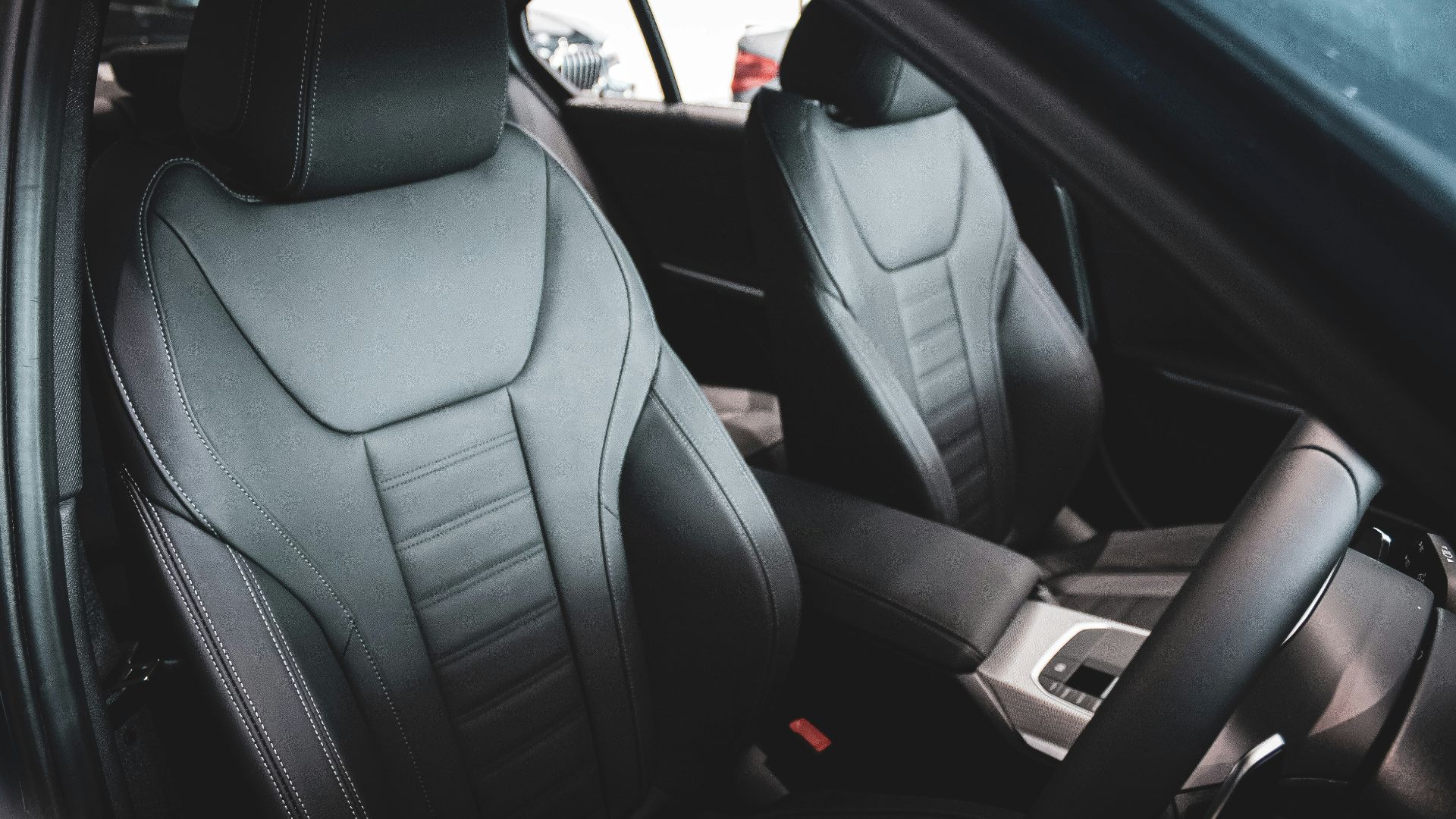
A seat can feel incredibly supportive when you first settle into it, only to become uncomfortable after spending some time behind the wheel. Poor lumbar support, awkward pedal positioning, or limited adjustment options are things you might not notice during a five-minute trip. Dealerships understandably want to keep appointments moving, but there's no reason to rush such an important part of the experience.
14. The Visibility Is Worse Than You Expected
Modern vehicle designs sometimes prioritize appearance over outward visibility, leaving drivers with thick roof pillars, small rear windows, or awkward blind spots. These limitations can become especially frustrating when changing lanes, reversing, or navigating a busy parking lot. Even if the car comes equipped with cameras and blind-spot monitoring, those features aren't complete substitutes for being able to see clearly. Try driving in situations where visibility matters, particularly around pedestrians, cyclists, and surrounding traffic.
 Samuele Errico Piccarini on Unsplash
15. The Infotainment System Is Surprisingly Slow
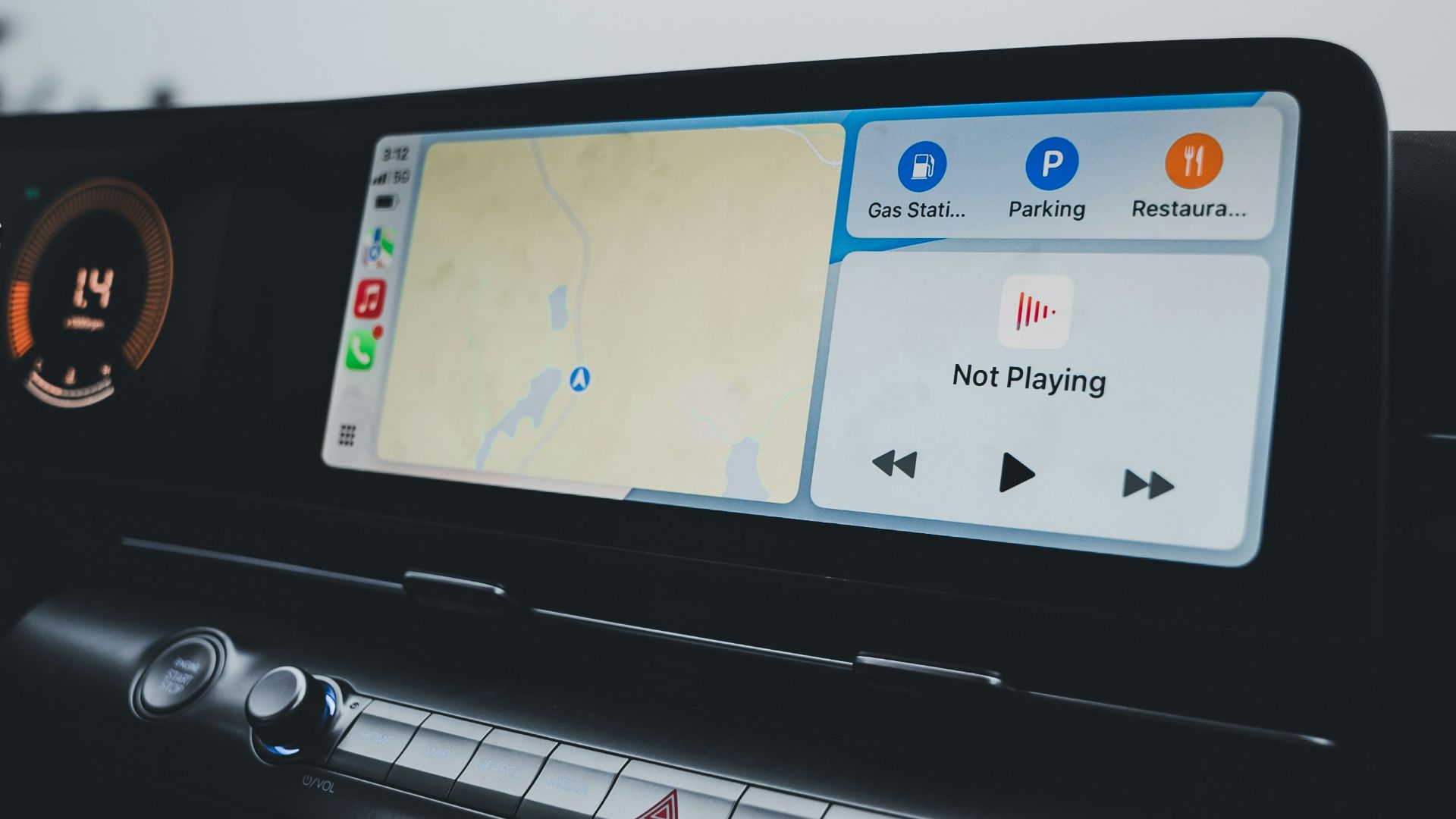
A sleek touchscreen might look impressive, but that doesn't necessarily mean the technology behind it works particularly well. Some infotainment systems suffer from slow responses, confusing menus, unreliable smartphone connectivity, or annoying software glitches. You might overlook these frustrations during a test drive, especially if the salesperson only demonstrates a handful of basic features. Connect your phone, try the navigation, and adjust frequently used settings to see whether the system is something you'd actually enjoy using every day.
16. The Parking Sensors Aren't Working Correctly
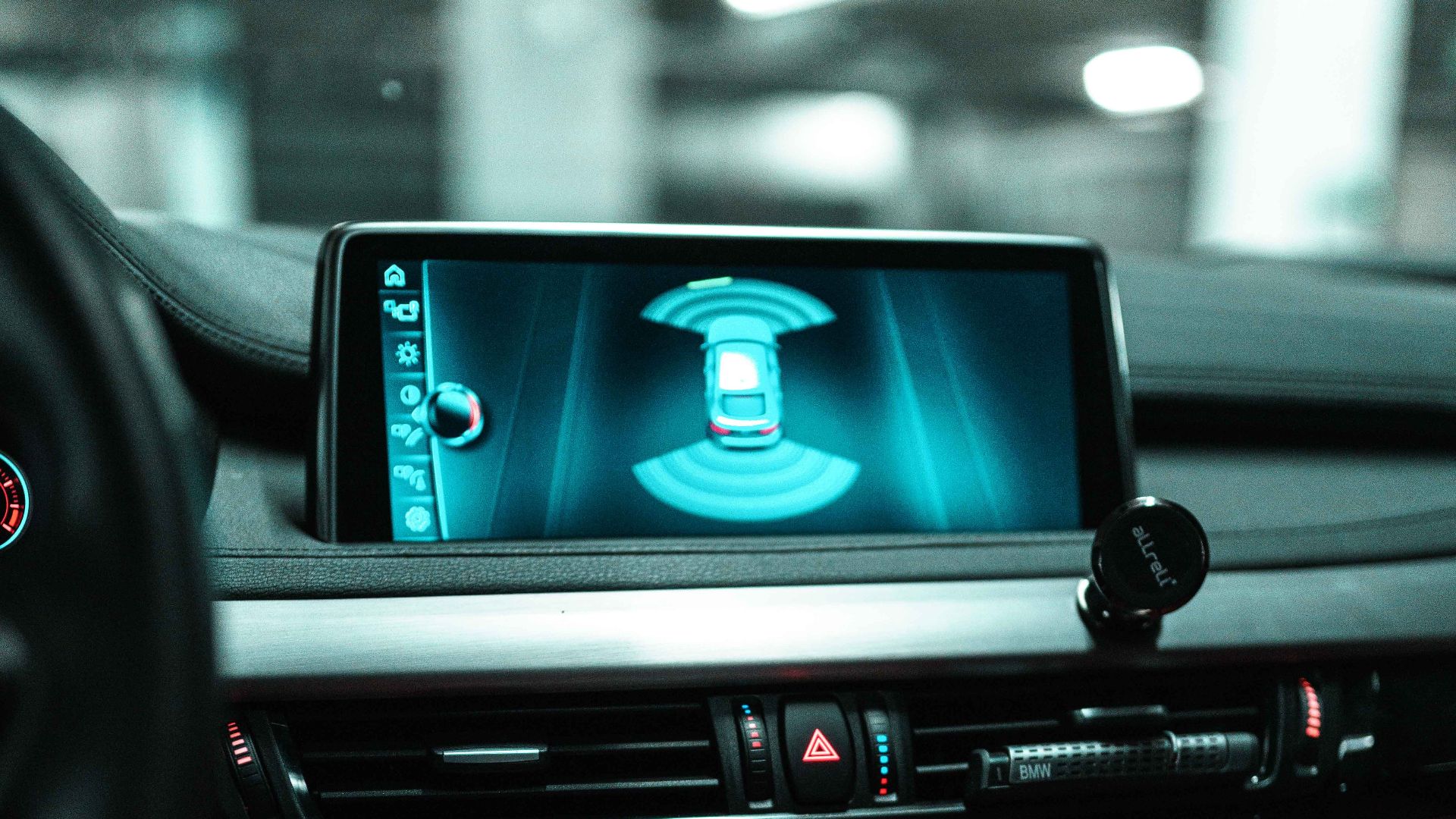
Parking sensors and backup cameras are incredibly convenient, but they can also be expensive to fix when something goes wrong. During your test drive, check whether the sensors respond properly to nearby obstacles and whether the camera displays a clear, consistent picture. Random warnings, blurry images, or unreliable proximity alerts could suggest damaged components or electrical problems. Just because a feature appears on the window sticker doesn't mean it's necessarily working as it should.
17. The Car Doesn't Handle Tight Turns Smoothly
You can learn quite a bit about a car's mechanical condition by making a few slow, controlled turns in an empty parking lot. Clicking noises, steering resistance, or unusual vibrations during tight maneuvers could indicate problems with CV joints, steering components, or the power steering system, but these symptoms might never show up during a straightforward drive through city streets. Remember to turn in both directions because certain mechanical issues can be more noticeable on one side than the other.

18. The Vehicle's Actual Fuel Economy Is Disappointing
Impressive fuel economy ratings can make a vehicle seem affordable to operate, but real-world results depend on driving conditions, maintenance, and your habits behind the wheel. A short test drive won't give you an accurate picture of its fuel consumption, particularly if the trip computer was recently reset. Salespeople may highlight the manufacturer's most flattering figures without mentioning how much city driving or cold weather can affect efficiency. Check independent fuel economy data and compare it with the official ratings before estimating how much you'll actually spend on gas.

19. The Car Has Signs of Previous Accident Repairs
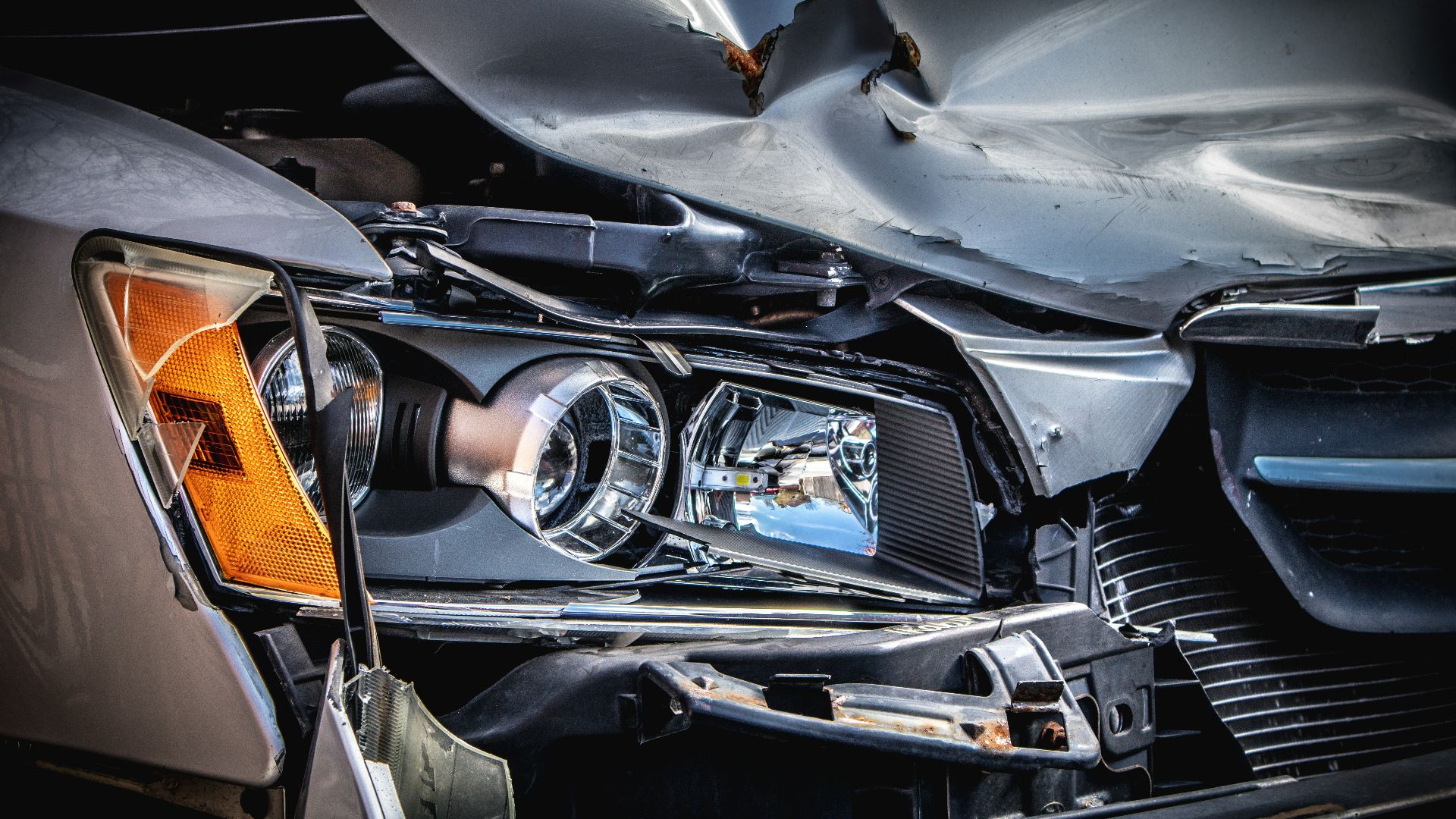
A vehicle can look practically brand-new from a distance while still showing subtle evidence of previous bodywork. Uneven panel gaps, mismatched paint, overspray, or doors that don't close properly could indicate that repairs have been made. Not every car that's been repaired after an accident is a bad purchase, but the quality of that work and the possibility of structural damage deserve attention. Inspect the exterior carefully before driving and consider having an independent mechanic or body shop examine anything that seems suspicious.
 Clark Van Der Beken on Unsplash
20. The Test Drive Route Is Suspiciously Short
One of the easiest ways to miss a vehicle's weaknesses is to spend barely any time driving it. A salesperson might suggest a quick loop around the dealership that avoids highway speeds, rough pavement, steep hills, or tricky parking situations. While scheduling and insurance restrictions can sometimes limit test drives, a short trip simply won't tell you everything you need to know. Before making a purchase, ask for enough time to experience the conditions you'll regularly encounter, and arrange an independent pre-purchase inspection if you're buying used.