
Older Drivers Still Have Useful Advice
It’s really easy to fluff off what older drivers think about the road. Young whippersnappers dismiss them as old fogeys who drive too slow and miss discontinued cars, so what pearls of wisdom could they possibly have? Well, older drivers had to rely more on attention, timing, and patience instead of leaning on constant tech support—so they have a lot to pass down! Let’s dive into a few lessons only older drivers can teach.
1. Leave Earlier So You Don’t Drive Angry
One of the smartest driving tricks is simply giving yourself more time than you think you need, and older drivers have long since learned that. When you leave late, every slow light, cautious driver, and missed turn feels personal, which only leads to bad choices.
2. Set Everything Up Before the Car Moves
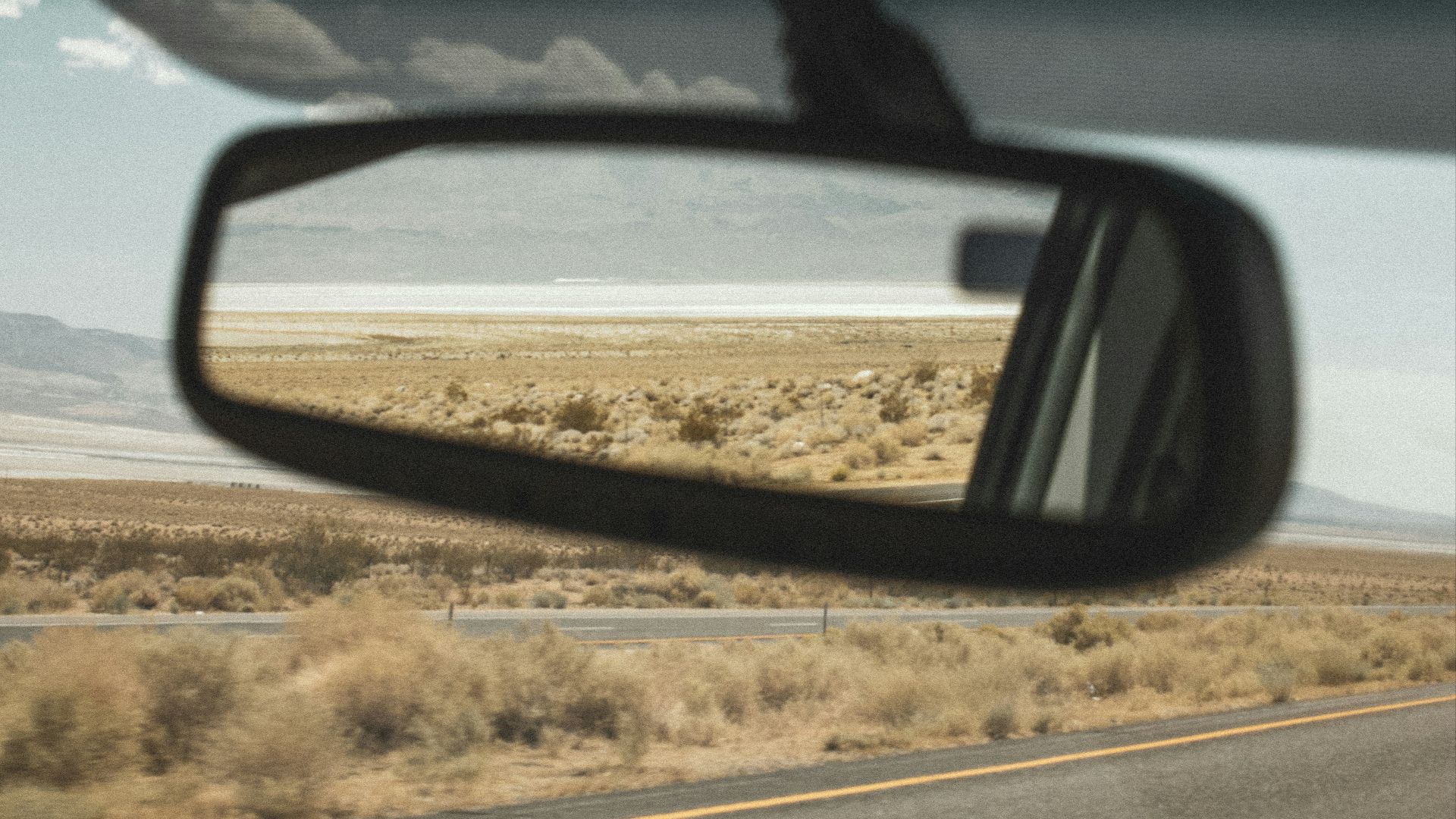
One old-school habit worth keeping is getting fully situated before you pull out. Older motorists were more likely to adjust mirrors, fix the seat, settle their bags, and choose the radio station before shifting into gear. Don’t fiddle with that stuff on the road!
3. Learn What Your Car Feels Like
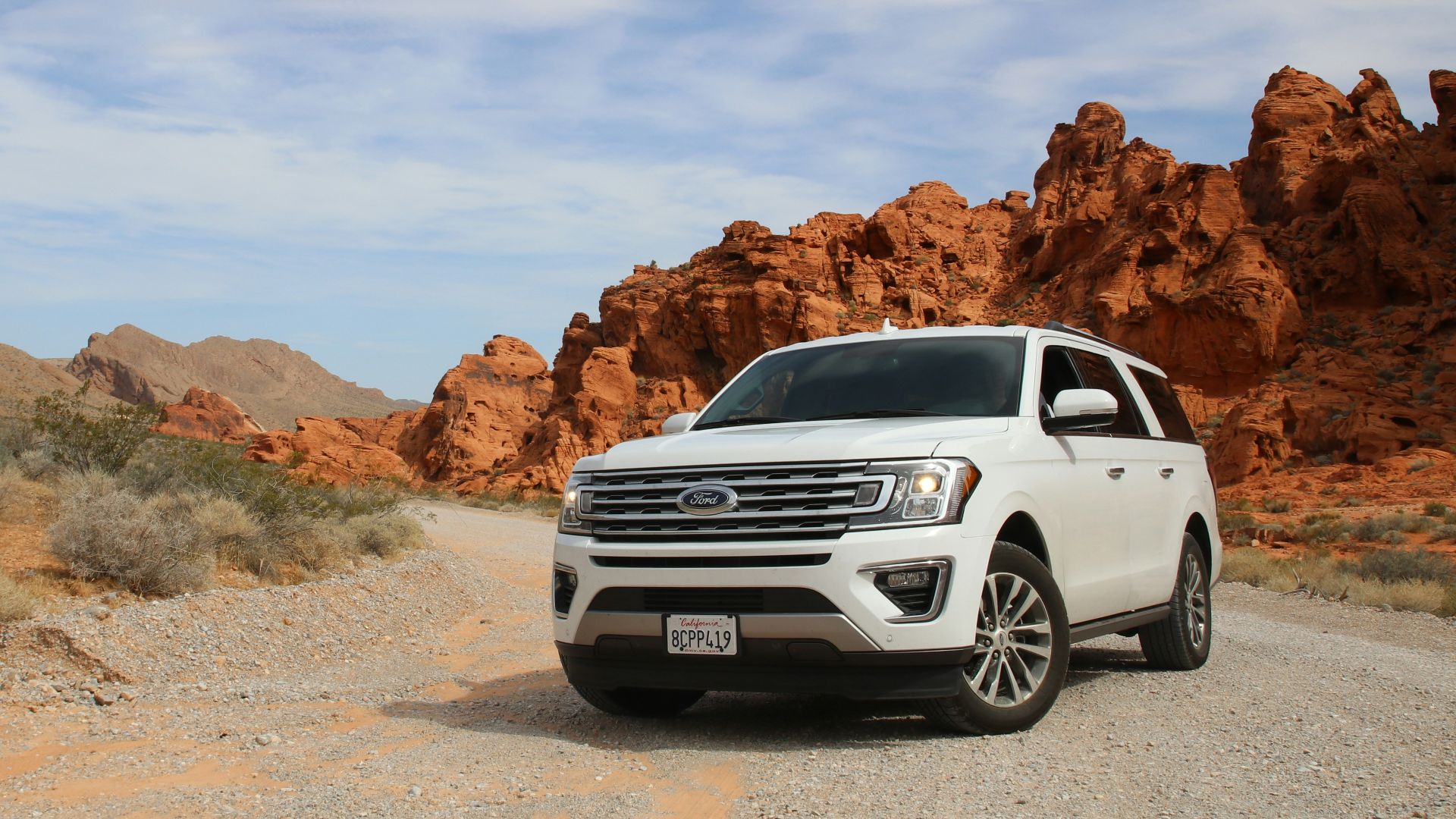
A useful trick many older drivers picked up was noticing little changes before they became massive problems. They paid attention to how the brakes felt. They learned how the steering responded. They knew whether the car sounded different than usual. Catching a problem early can save you money, so it’s worth getting to know your car.
4. Look Farther Ahead Than the Car in Front of You
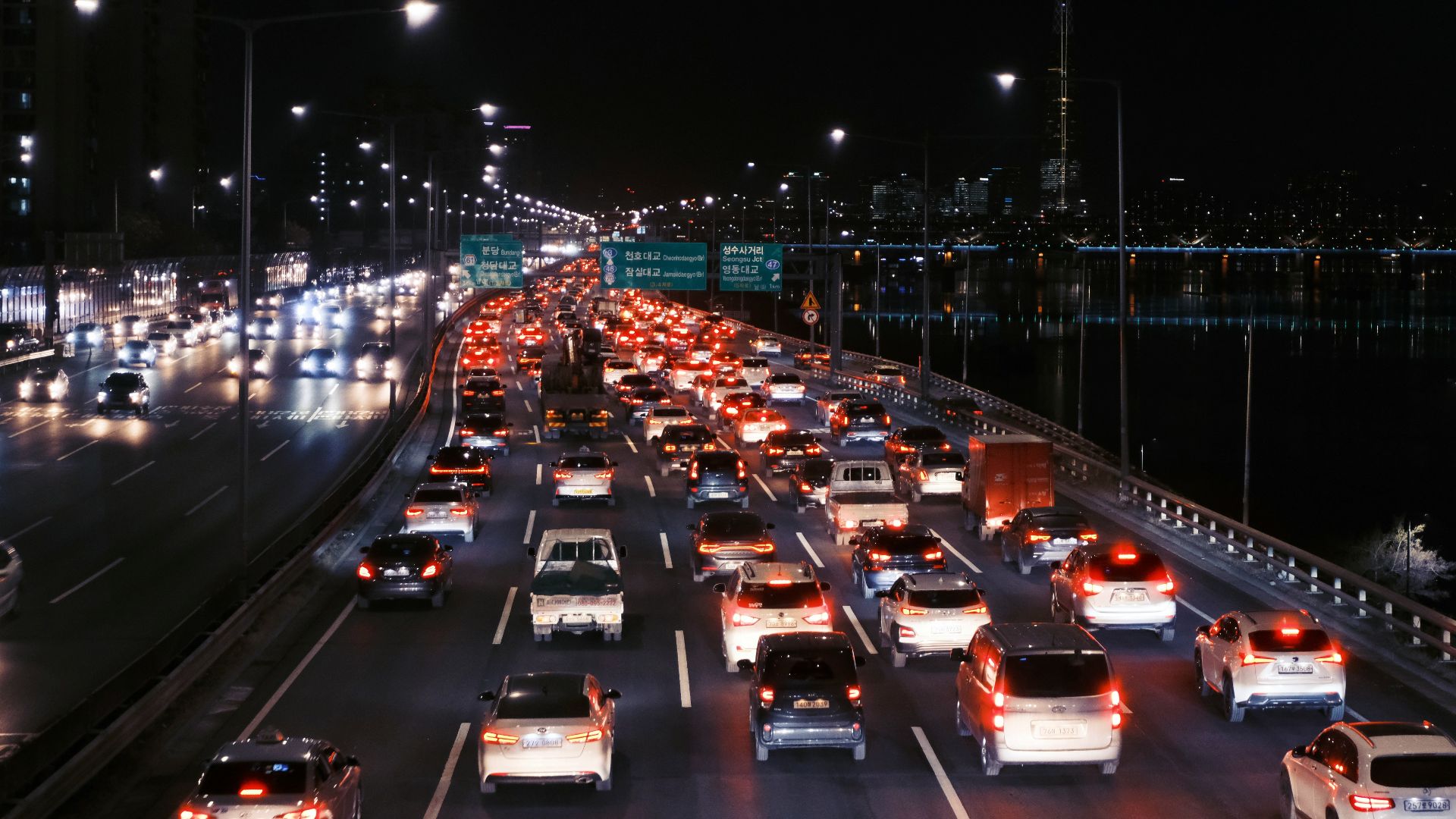
Older drivers learned to scan well down the road instead of staring at the bumper ahead. Young drivers could benefit from that tidbit! Doing so gives you more time to spot brake lights, lane backups, people turning, or a problem developing before it reaches you.
5. Brake Early and Gently
A lot of older drivers got good at easing into a stop, and it’s a trick that reduces wear on the car. It also keeps passengers comfortable and gives drivers behind you a clearer signal about what you’re doing.
6. Keep More Space Than Necessary
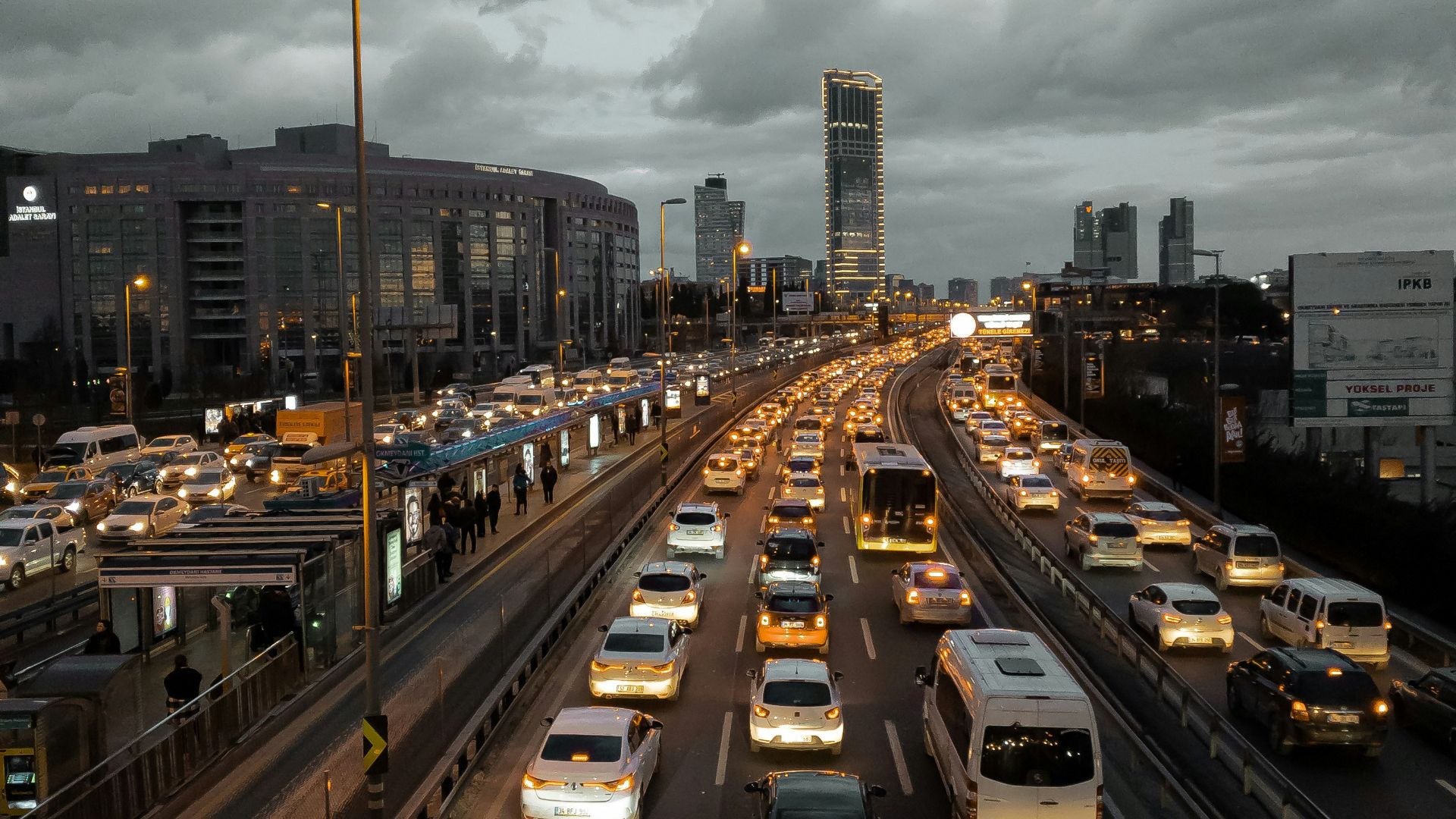
Following distance is one of the easiest places to be less proud and more practical. Leaving extra room gives you time to react without panicking, especially in adverse weather or places where people brake unpredictably.
7. Don’t Trust Technology More Than Your Eyes
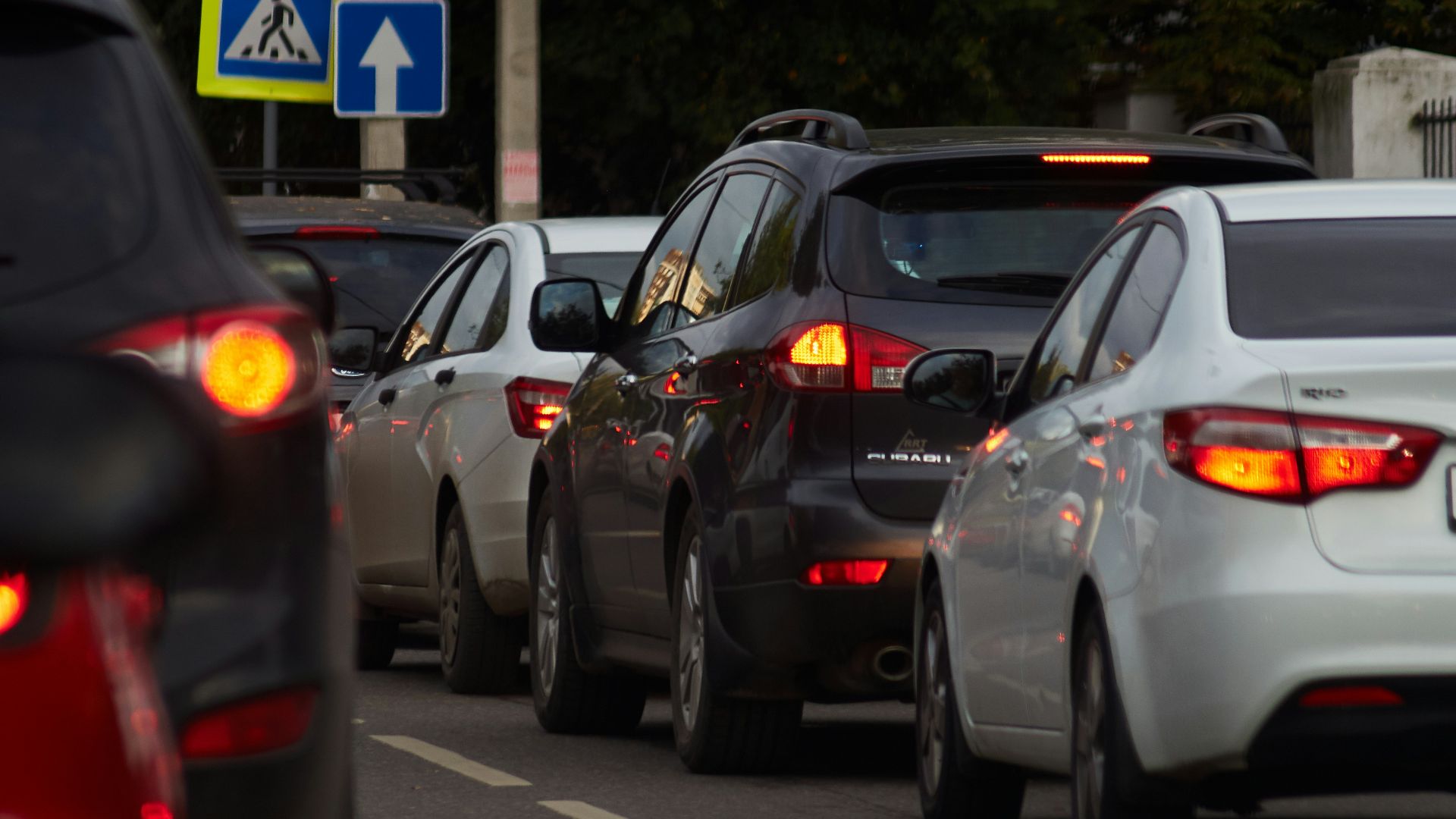
Older drivers didn’t have the luxury of cameras and motion sensors—they relied on their skill. While today’s tools are helpful, they don’t see everything, and they can’t replace basic awareness. The real trick is using the technology as support while still thinking for yourself.
8. Know At Least One Backup Route
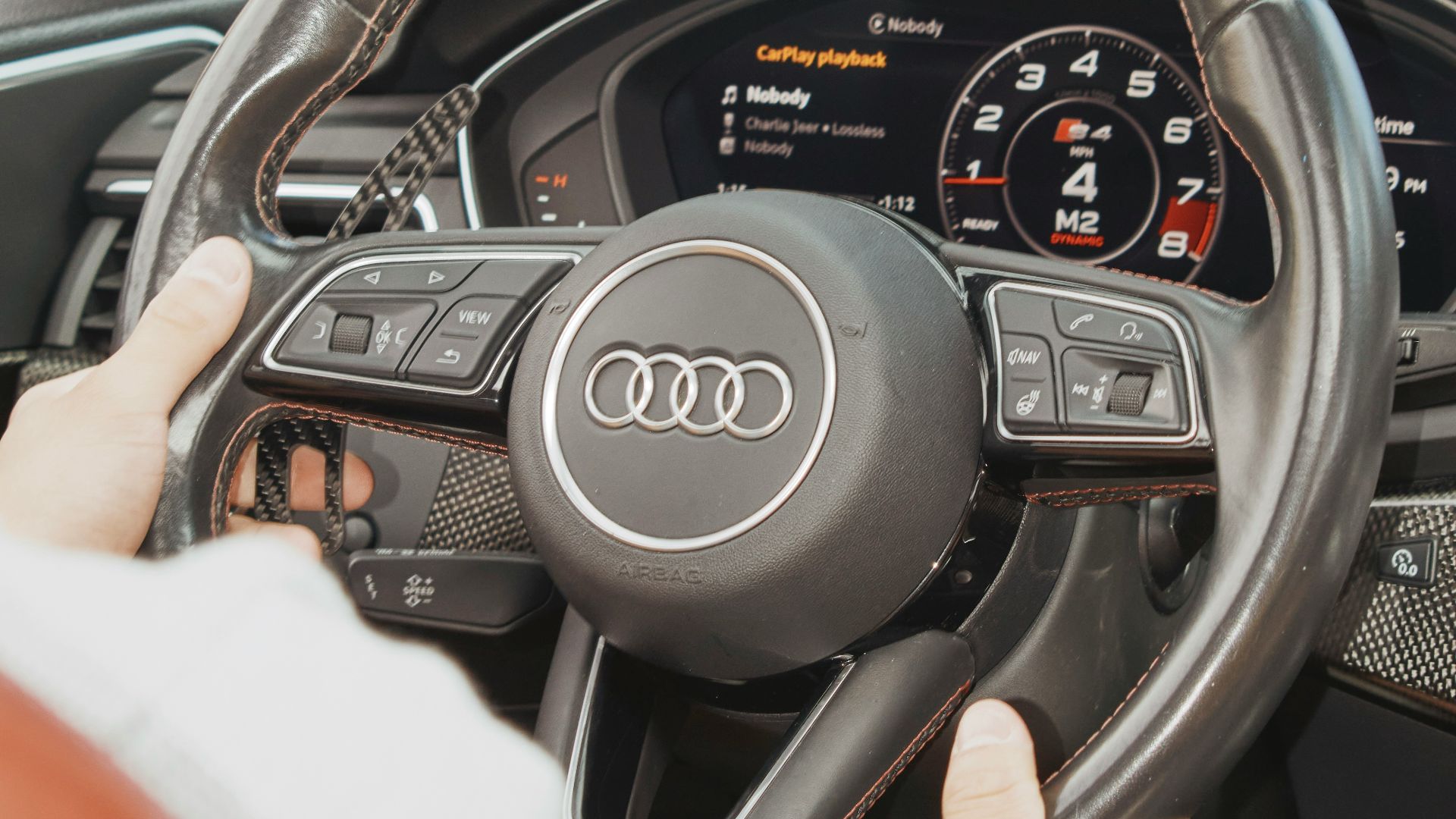
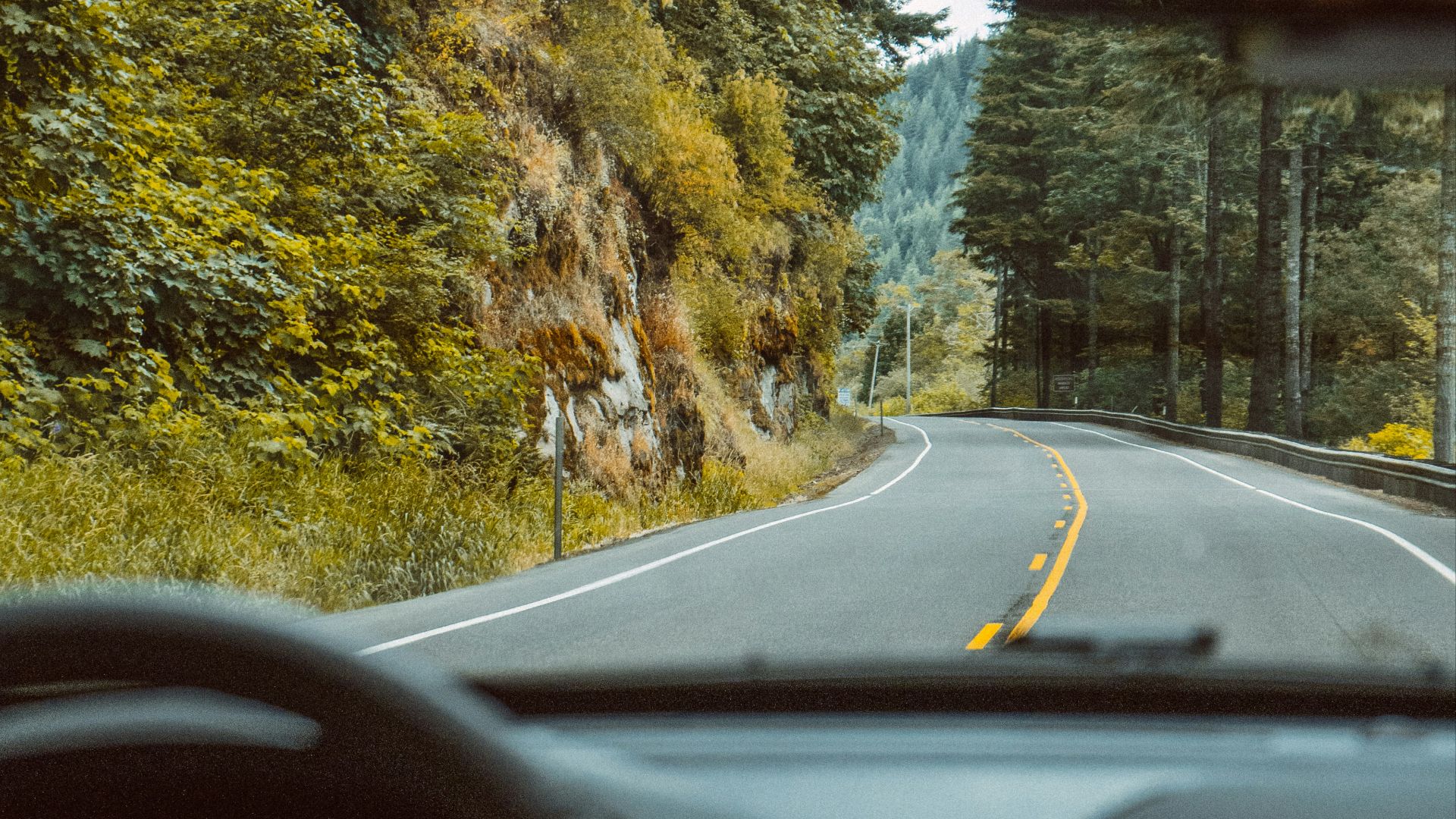
A practical lesson many older drivers learned was not to rely entirely on one route. What happens if traffic stalls? Where will you go if construction pops up? Trust them, it helps to have some idea of another way home.
 Cristofer Maximilian on Unsplash
9. Keep the Gas Tank From Getting Too Low
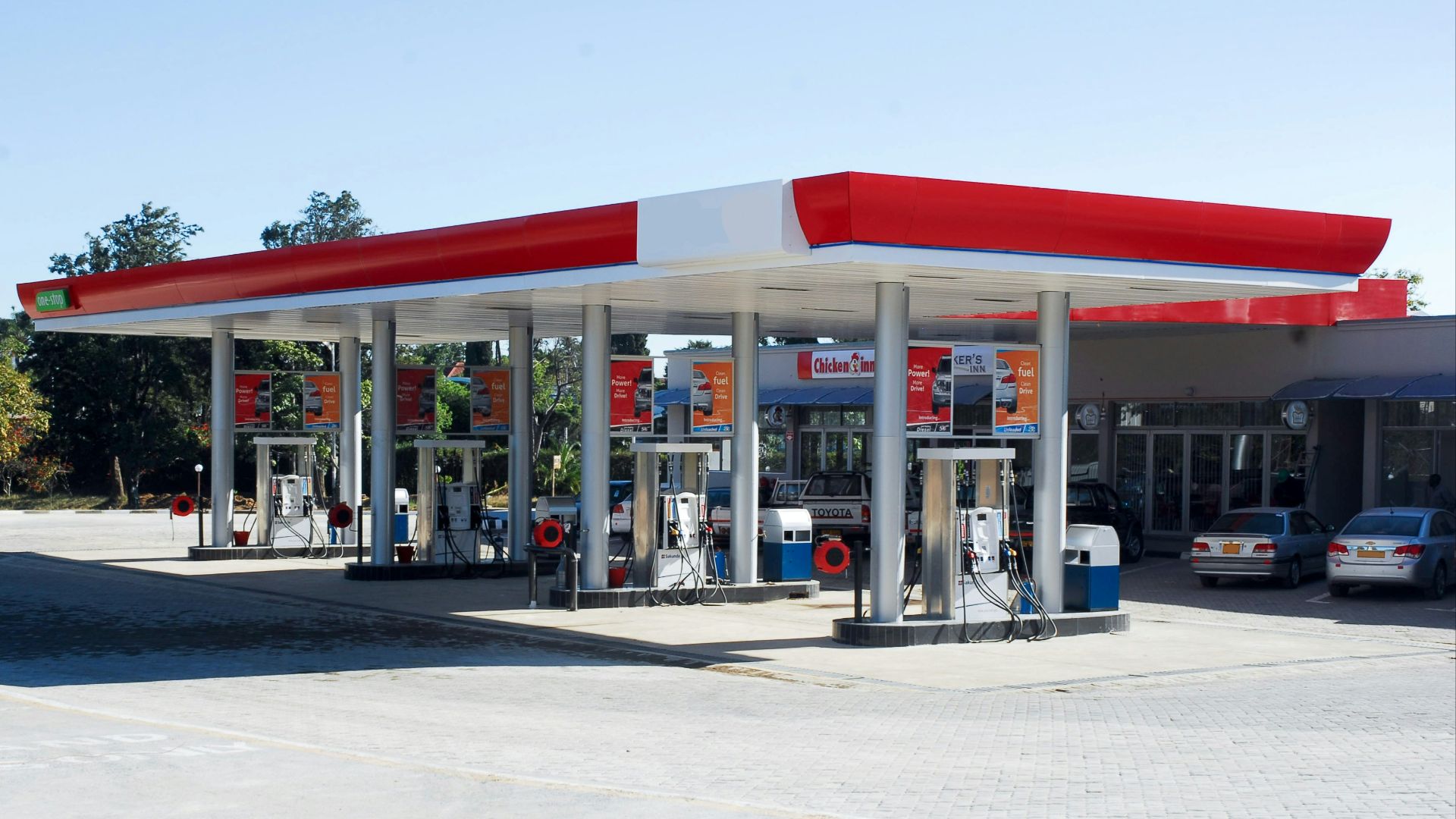
This seems like a no-brainer, but you’d be surprised how many young drivers live on the edge. Older drivers, however, knew that waiting made every delay more stressful and left more room for bad luck. Top up that tank before you run on fumes.
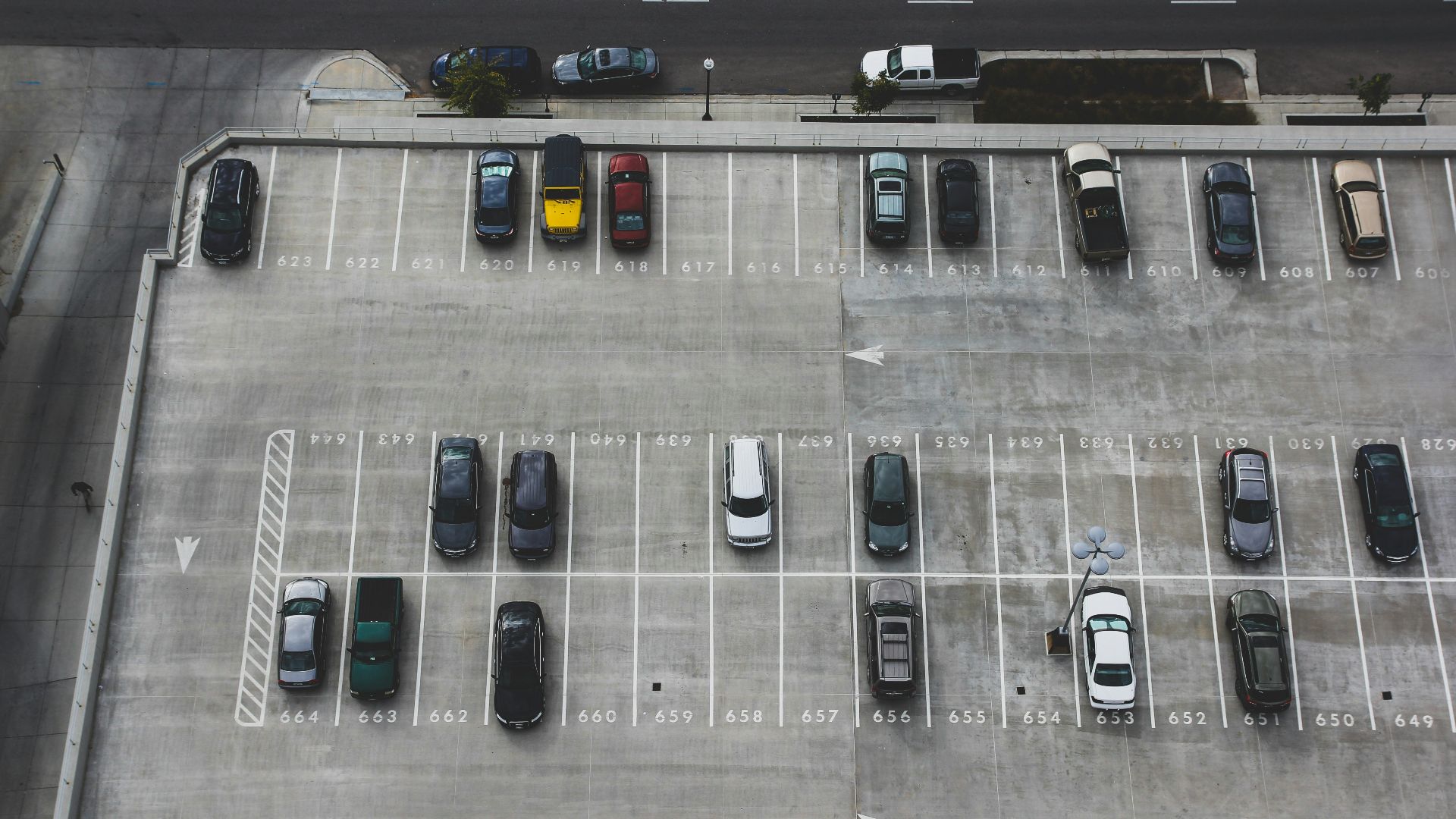
10. Use Parking Lots Correctly
Parking lots deserve more respect than they usually get, and experienced drivers know it. People walk unpredictably, carts roll loose, drivers back up without looking, and everyone more than a little distracted. Low-speed accidents happen all the time, so take a page from your dad’s book and drive slower!
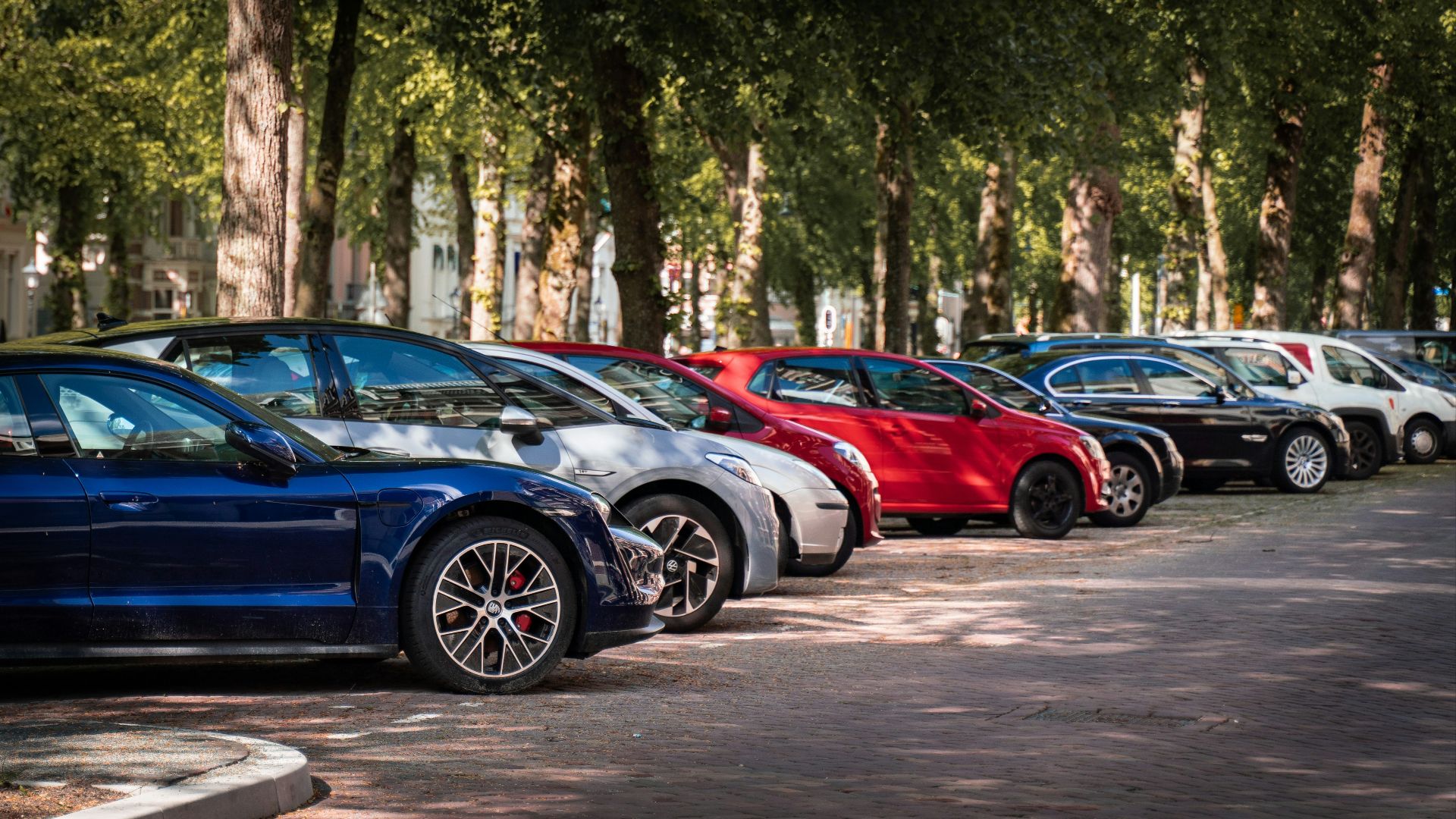
11. Park Carefully, Not Casually
Speaking of parking, older drivers were more deliberate about parking the right way: centered and with enough space for other people to move. It’s a habit worth investing in; it doesn’t just make you look more competent, it also reduces the chance of dings.
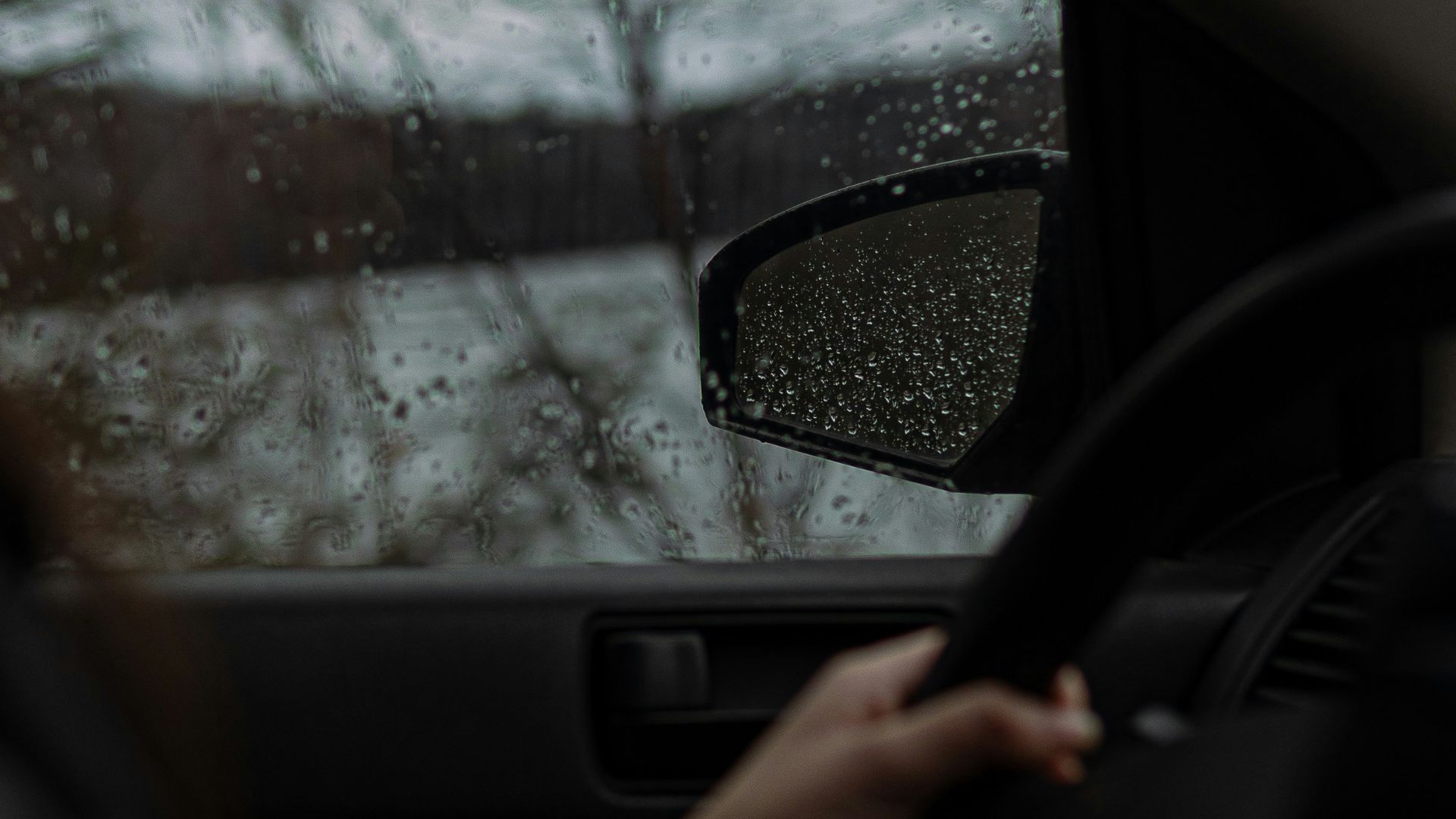
12. Respect Bad Weather
Older drivers couldn’t just rely on a weather app to be at their beck and call—when a warning was issued, they followed it! They also slowed down sooner, increased following distance, and got less casual about stopping distance.
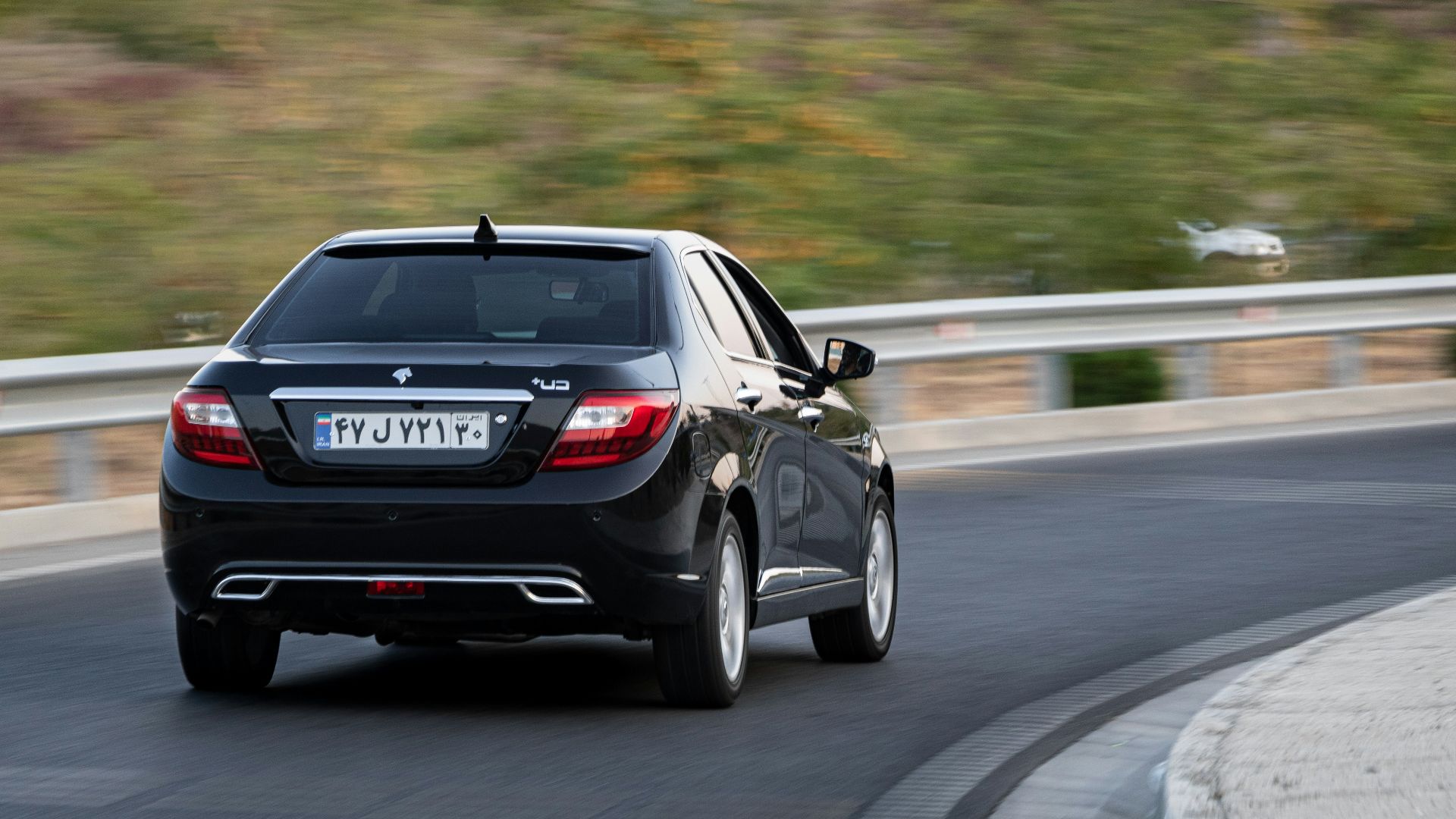
13. Signal Early So Nobody Has To Guess
We know that old chestnut already: old guys drive with their blinkers on. Well, at least they use them! Predictable driving keeps traffic calmer and reduces the chances of someone making the wrong assumption. And if anyone’s a stickler for rules, it’s older people.
14. Learn the Actual Size of Your Vehicle
A practical trick is getting familiar with the true dimensions of your car. Know how much room you need to turn. Know how much you need to back up, too. Understand what you need to clear a curb. Uncertainty about your vehicle’s size leads to hesitation, and hesitation creates its own problems.
15. Don’t Let Your Mood Be the Driver
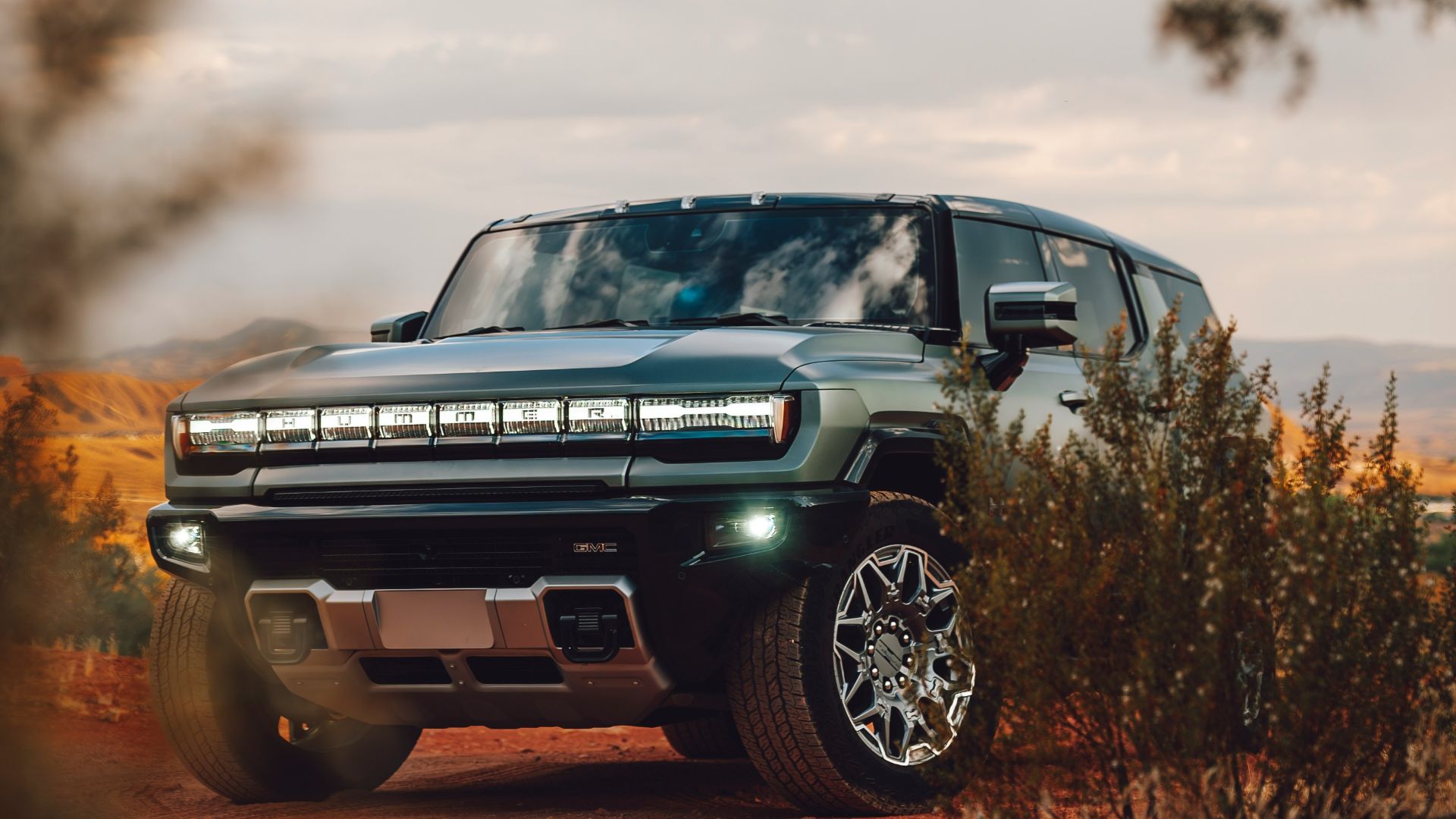
Older drivers can all offer an important reminder: frustration changes how you drive, and not for the better. When you’re upset or even trying to prove something, you’re more likely to cause problems on the road. The lesson here is that separating emotion from driving leads to smarter choices.
16. Treat Short Trips Like Real Driving
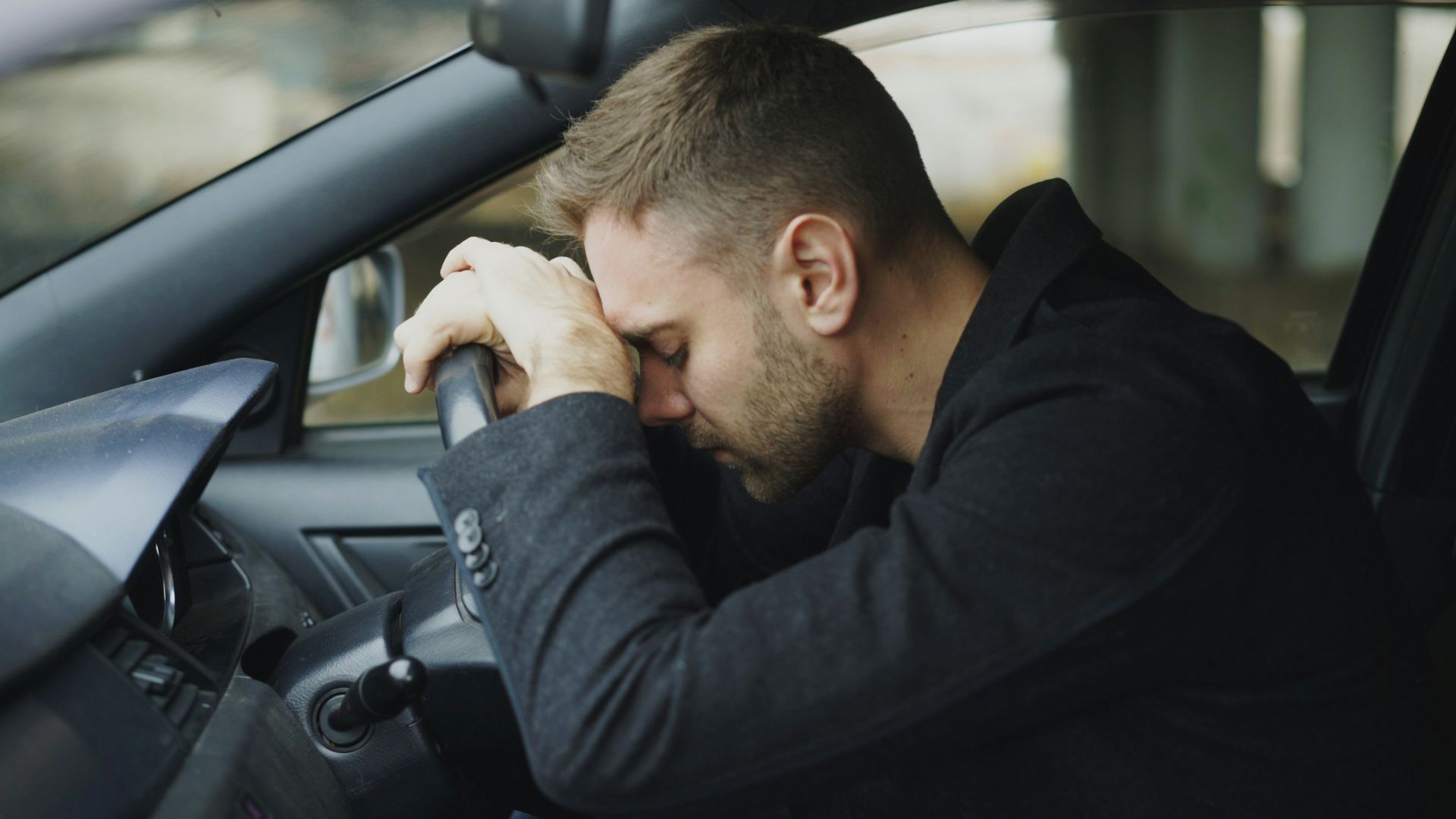
A common old-school mindset was that even a quick trip deserved attention. People often get lazy when the destination’s right around the corner, and that’s exactly when they drive one-handed, rush through parking lots, or blow through intersections.
17. Keep the Windshield and Mirrors Clean
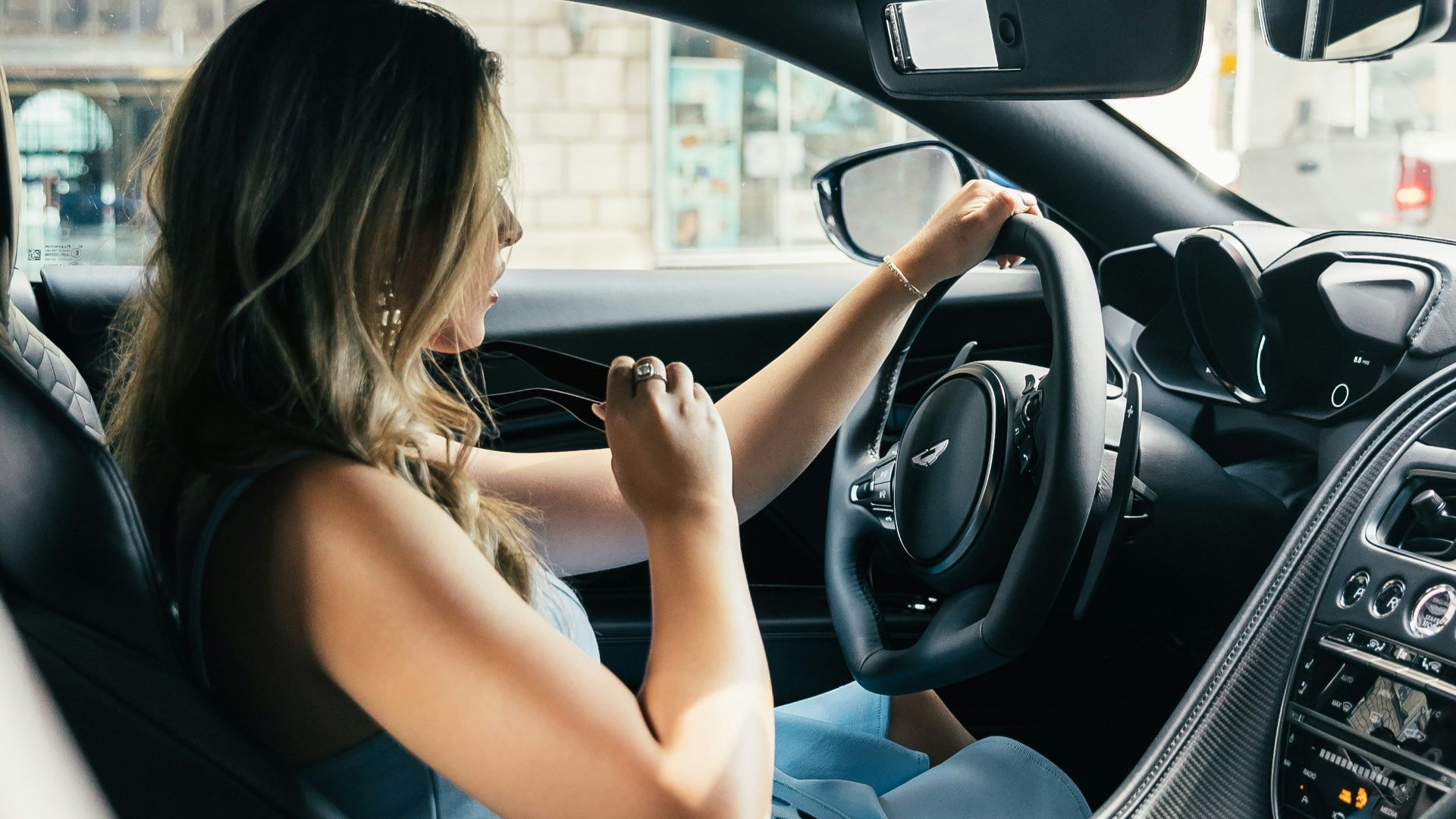
Older drivers understood that visibility is a big part of safety—not just appearance. A dirty windshield or neglected mirrors make glare, rain, and night driving much harder than they need to be. This little trick gives you more time to respond to problems.
18. Don’t Rush the Last Minute
One underrated lesson is that the end of the drive still counts. Many people start mentally arriving before they’ve actually parked, which means all kinds of problems. Keeping yourself on the road, both mentally and physically, prevents unnecessary mistakes.
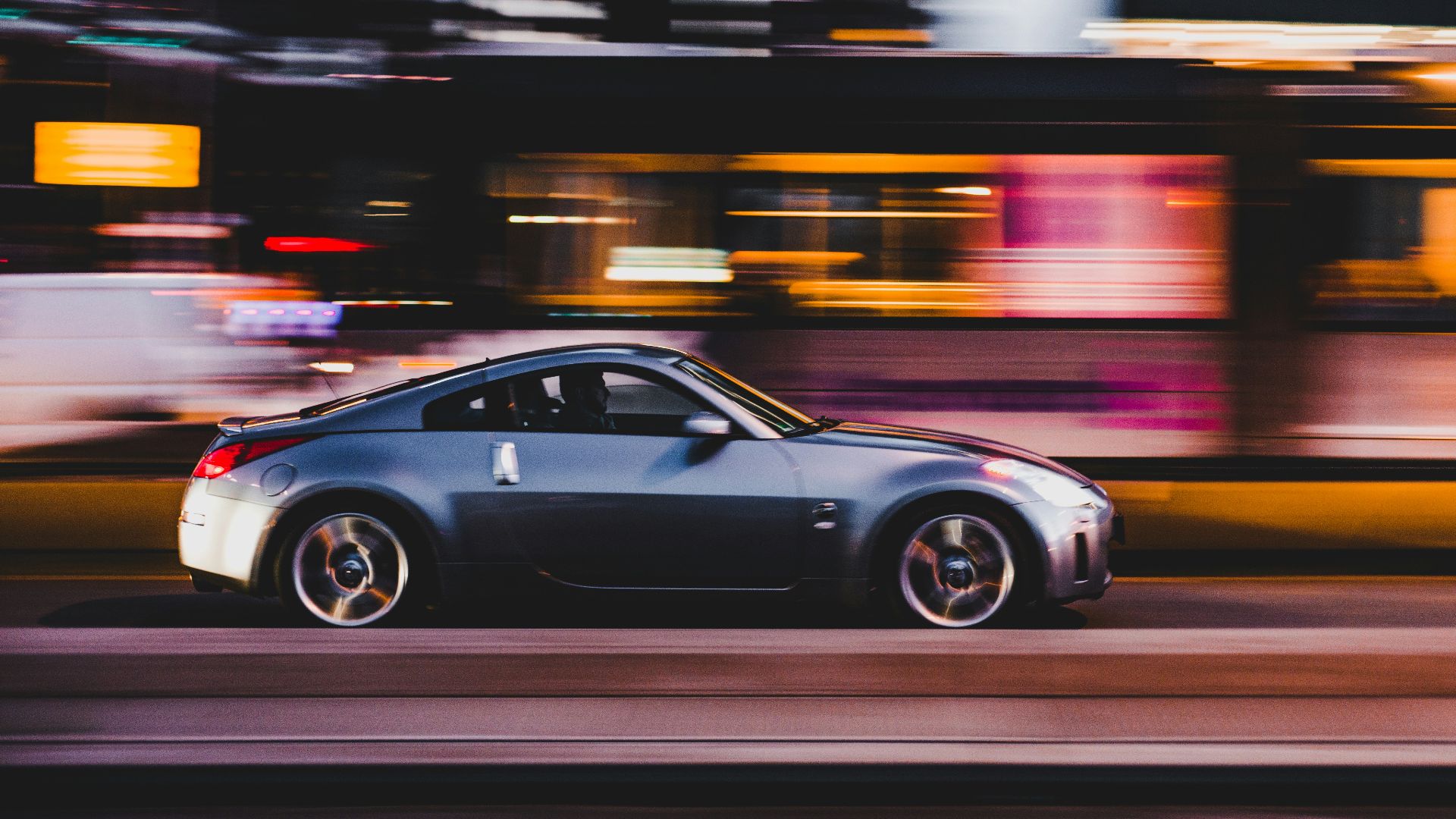
19. Be Courteous
Older drivers still have a stronger sense of manners behind the wheel, and it’s something young ones should adopt. Let someone merge. Wait your turn. Resisting the urge to punish another driver’s mistake. Courtesy lowers tension, and lower tension leads to safer roads for everyone.
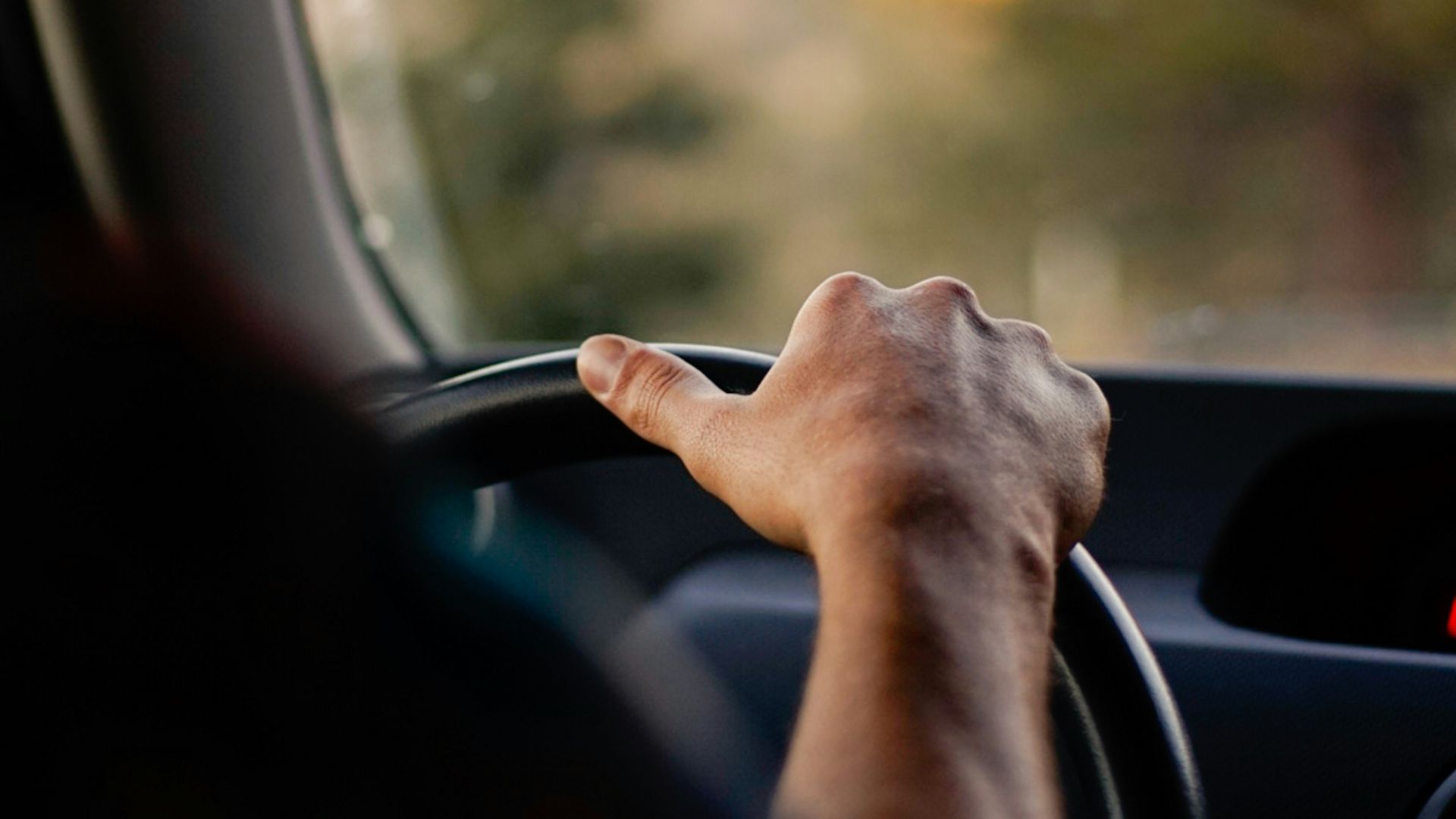
20. Driving Is a Responsibility
With great power comes great responsibility! Driving isn’t just about getting from point A to point B—it’s a shared public activity that depends on respect for those around you. Once you see driving as a responsibility first, a lot of the smarter habits start to make more sense.