
Gear Up for Career Success
Ever wonder what separates a good mechanic from a great one? It’s not just turning wrenches or changing oil. Shops today want sharp minds, quick hands, and people who can keep up with fast-moving tech. If you’re dreaming of a career that’s hands-on and constantly evolving, you’ll need more than basic know-how!
1. Troubleshooting Abilities
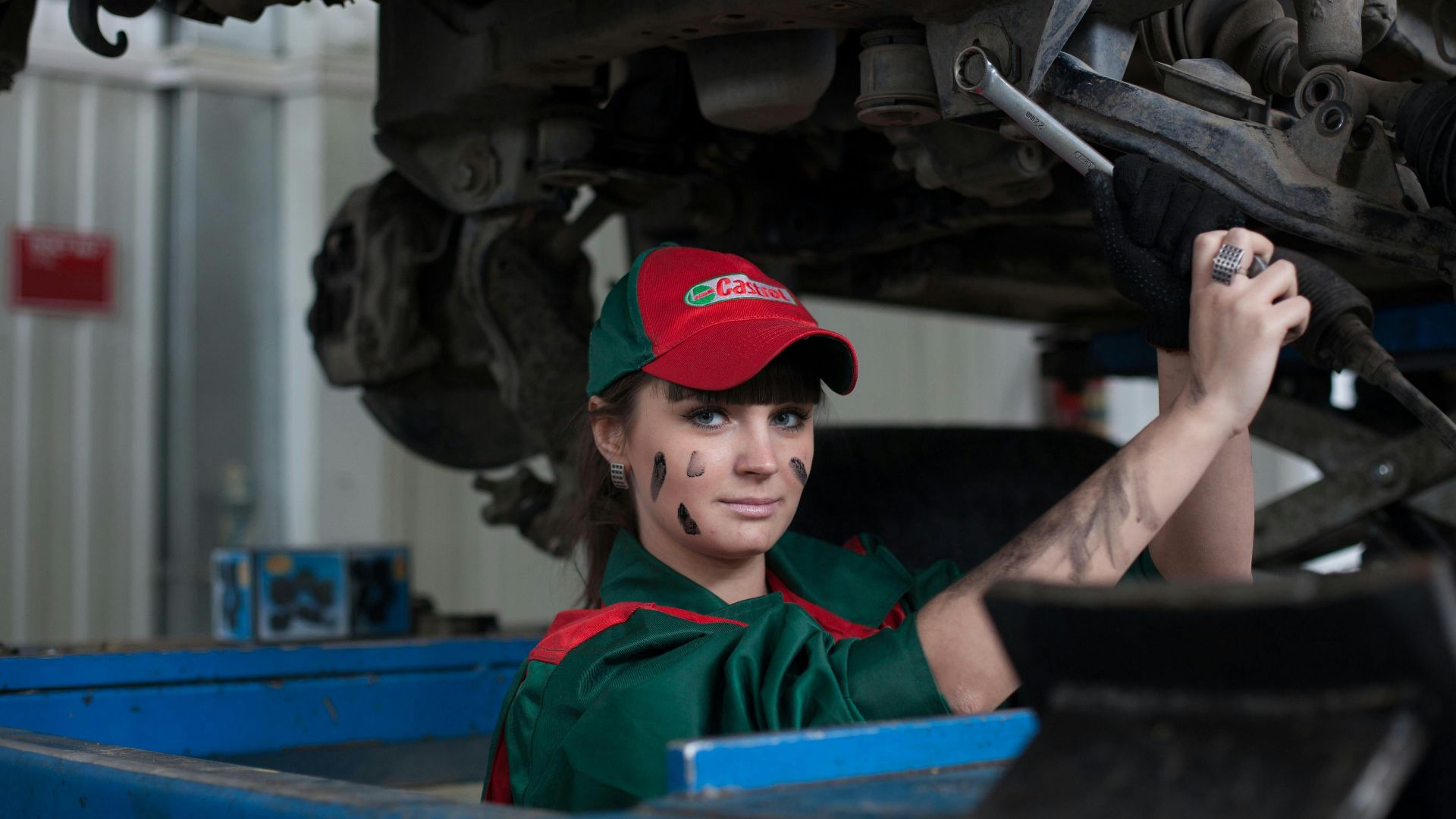
Great mechanics don’t guess—they follow proven steps to figure out what’s really wrong. That saves time and money for everyone. Some pros even listen to an engine and know what’s up before touching a tool, and that's a skill built through training.
2. Attention to Detail
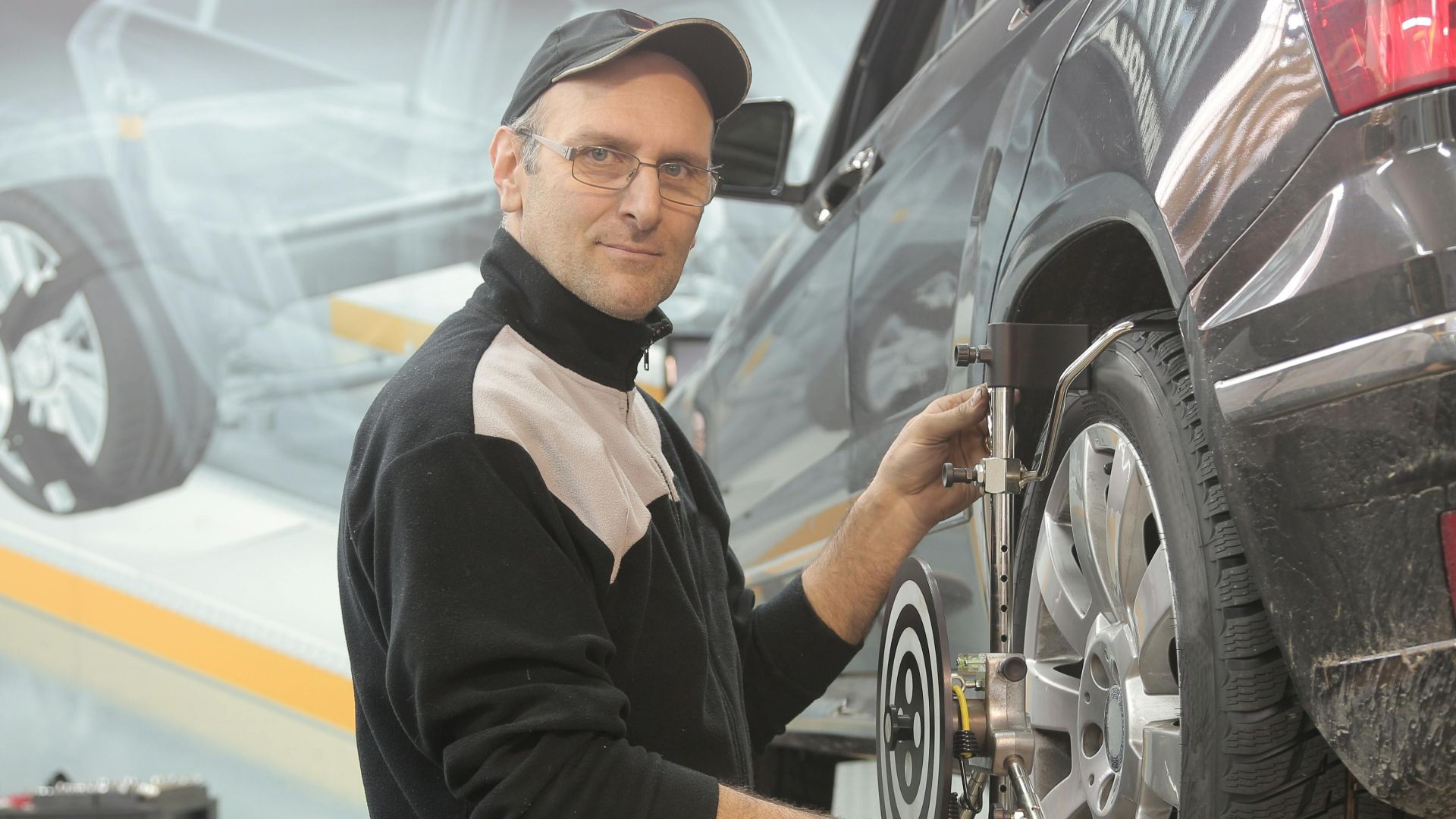
Miss one loose bolt, and you’ve got a safety risk on your hands. That’s why detail-oriented mechanics stand out. Shops trust them to follow specs to the letter, just like NASCAR pit crews, who can change all four tires in around 12 seconds.
3. Manual Dexterity
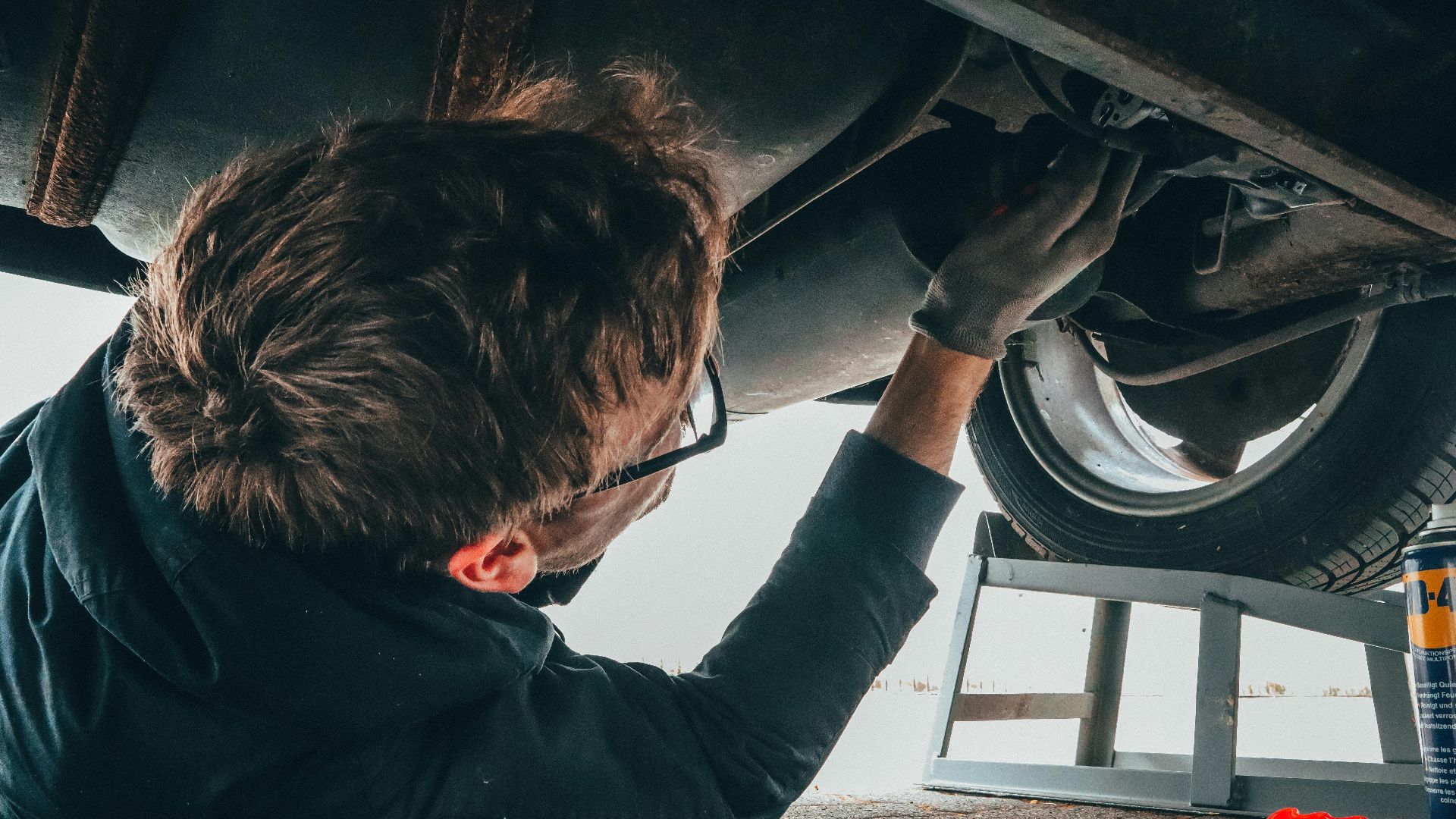
Ever try fixing something tiny without dropping it? Mechanics do that all day. Steady hands and sharp motor skills keep parts in place and fingers out of danger. Funny enough, surgeons and mechanics both depend on serious hand-eye coordination to get it right.
4. Customer Service Skills
It’s not just about fixing cars; it’s about helping people. The best mechanics explain things in plain English and make customers feel at ease. That kind of service sticks. In fact, some families keep coming back to the same mechanic for generations.

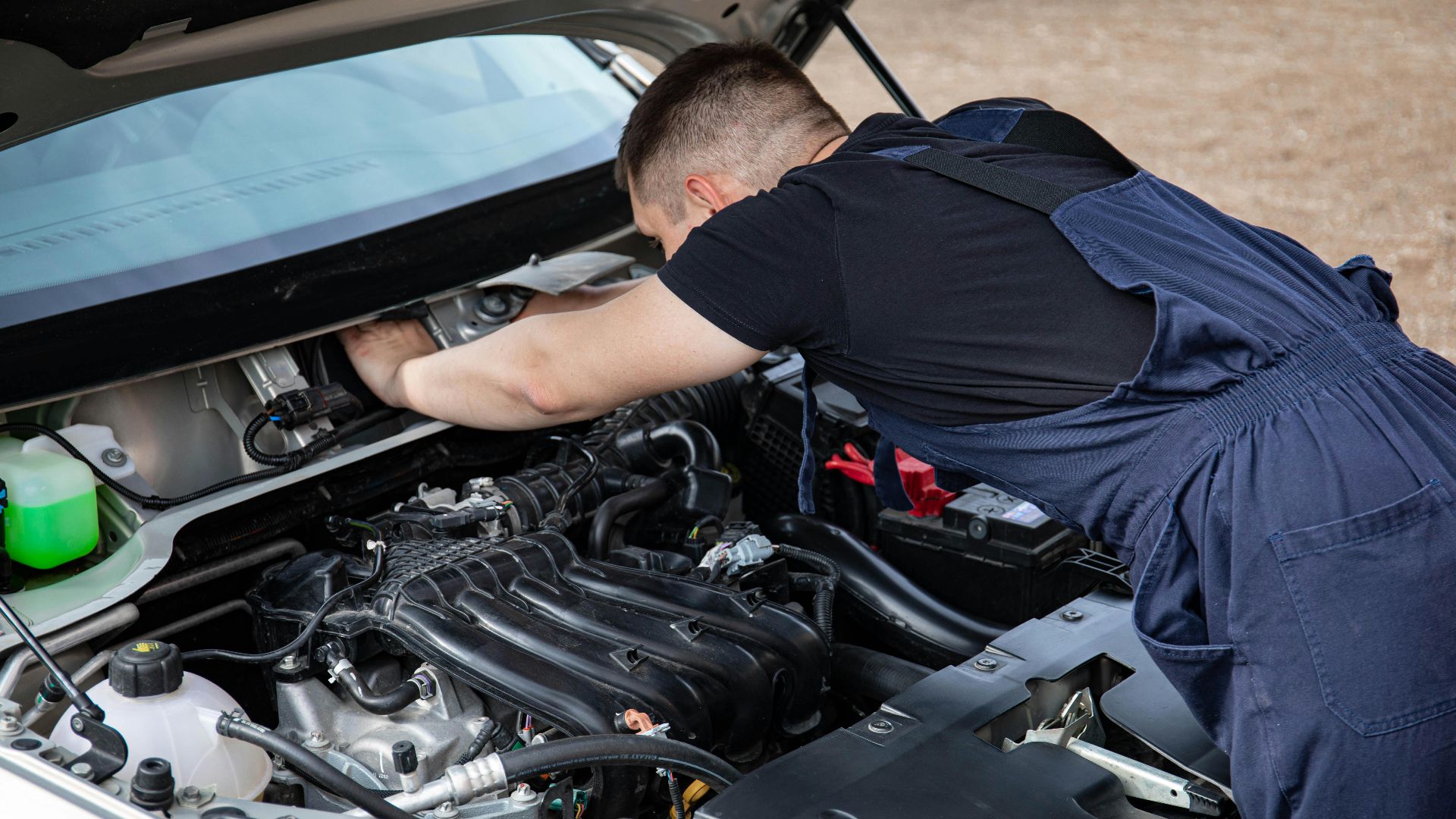
5. Mechanical Knowledge of Vehicle Systems
Engines, brakes, transmissions—mechanics have to know them inside and out. Training covers eight major systems for a reason: real repairs depend on real knowledge. With tens of thousands of parts in today’s cars, understanding how they all connect is part of doing the job right.
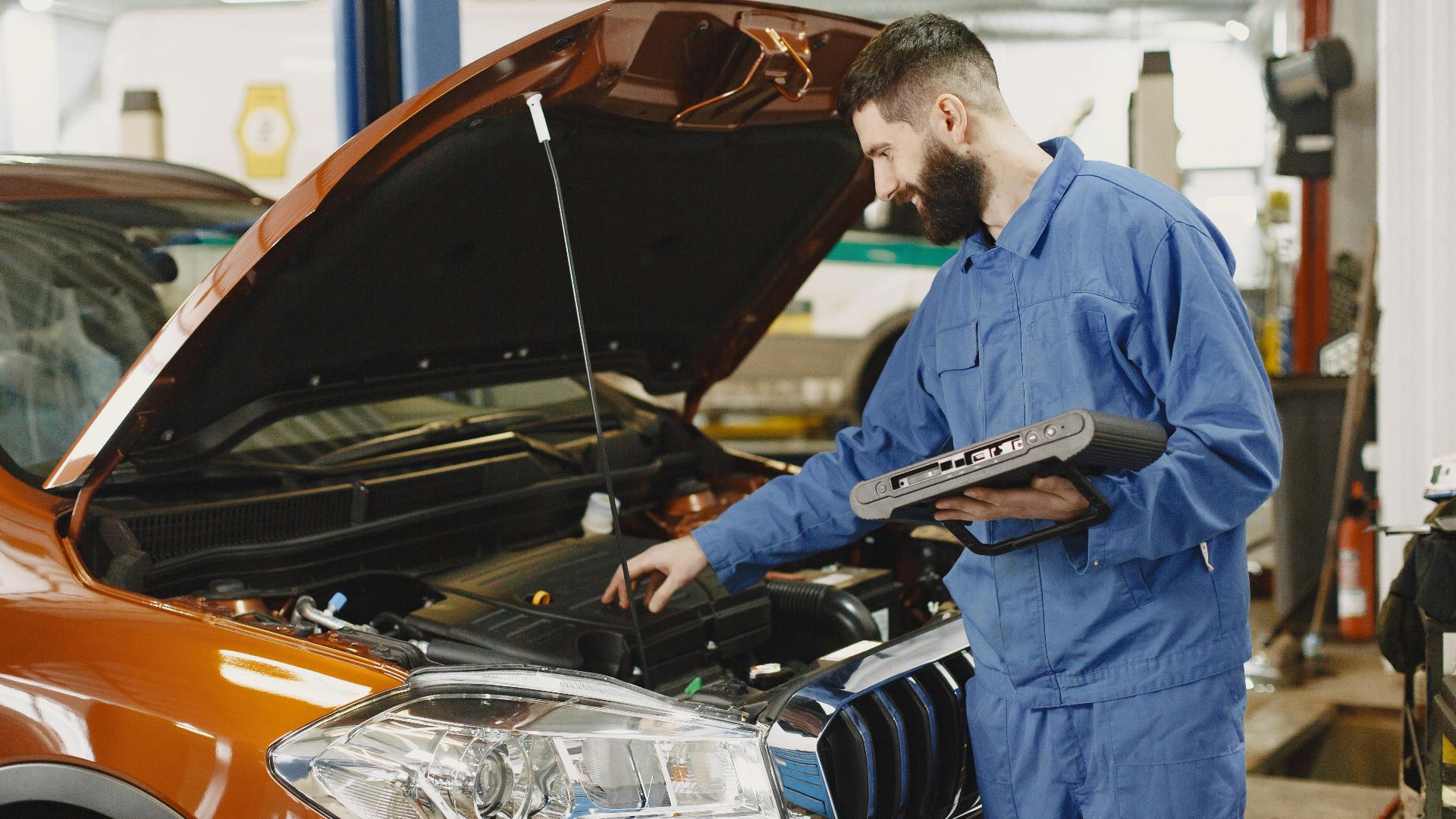
6. Proficiency With Diagnostic Tools
Modern cars don’t always tell you what’s wrong, so using tools like OBD-II scanners to pull detailed data from the vehicle is a must. Reading that info accurately takes real skill, and those who master it solve problems faster and with greater precision.

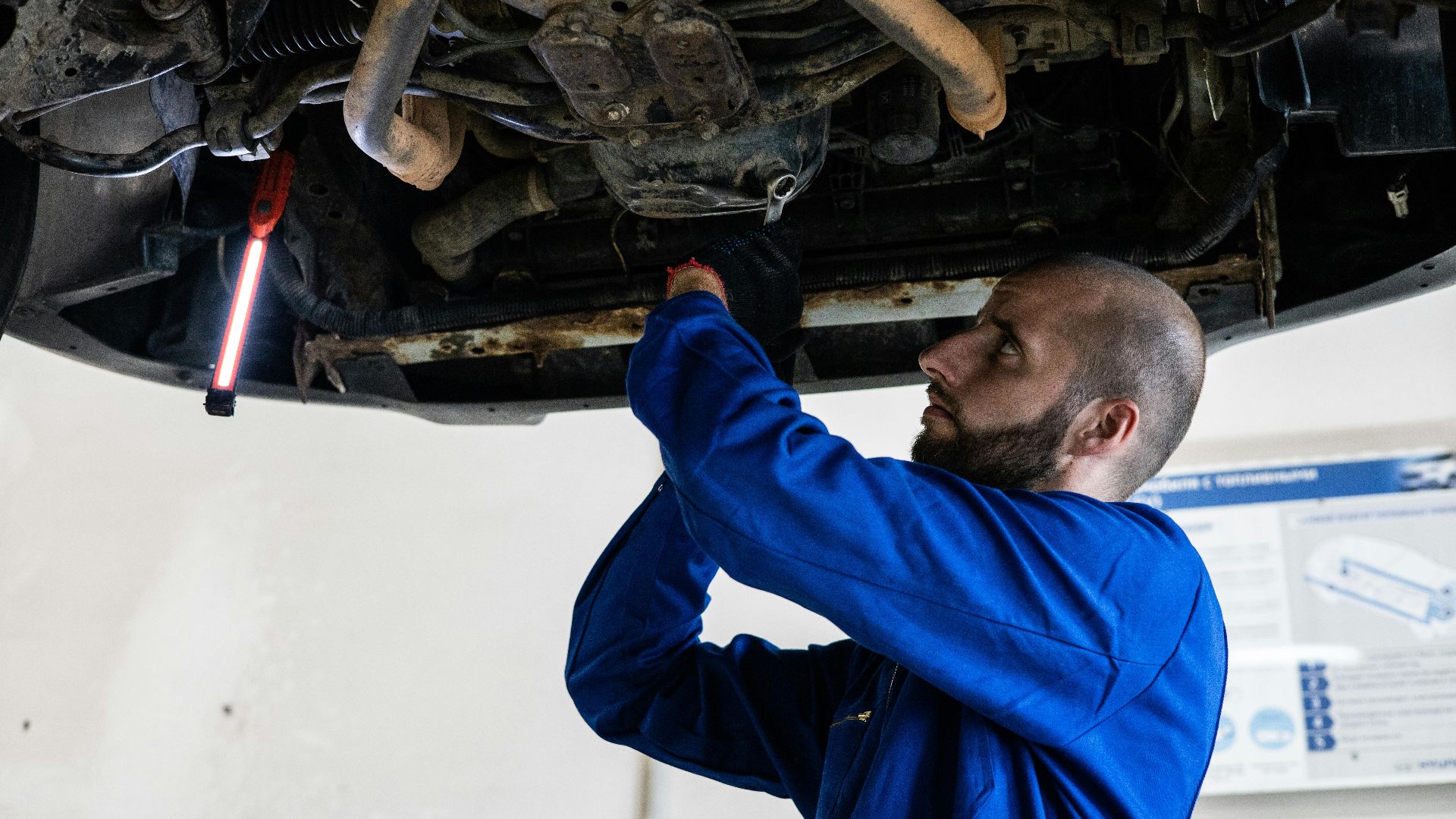
7. Physical Stamina and Strength
Working on cars takes muscle and endurance. Mechanics regularly lift parts weighing 44 to 110 pounds and stay active all day. Some say it feels like a full-body workout! The job demands physical strength, especially when hoisting engines or maneuvering under a chassis.
8. Commitment to Continuous Learning
The auto world never sits still. Hybrids, EVs, and systems like ADAS constantly push mechanics to learn more. Staying current means staying competitive, and these days, even fixing a car might mean updating its software or learning how to diagnose digital glitches.
9. Organizational Skills
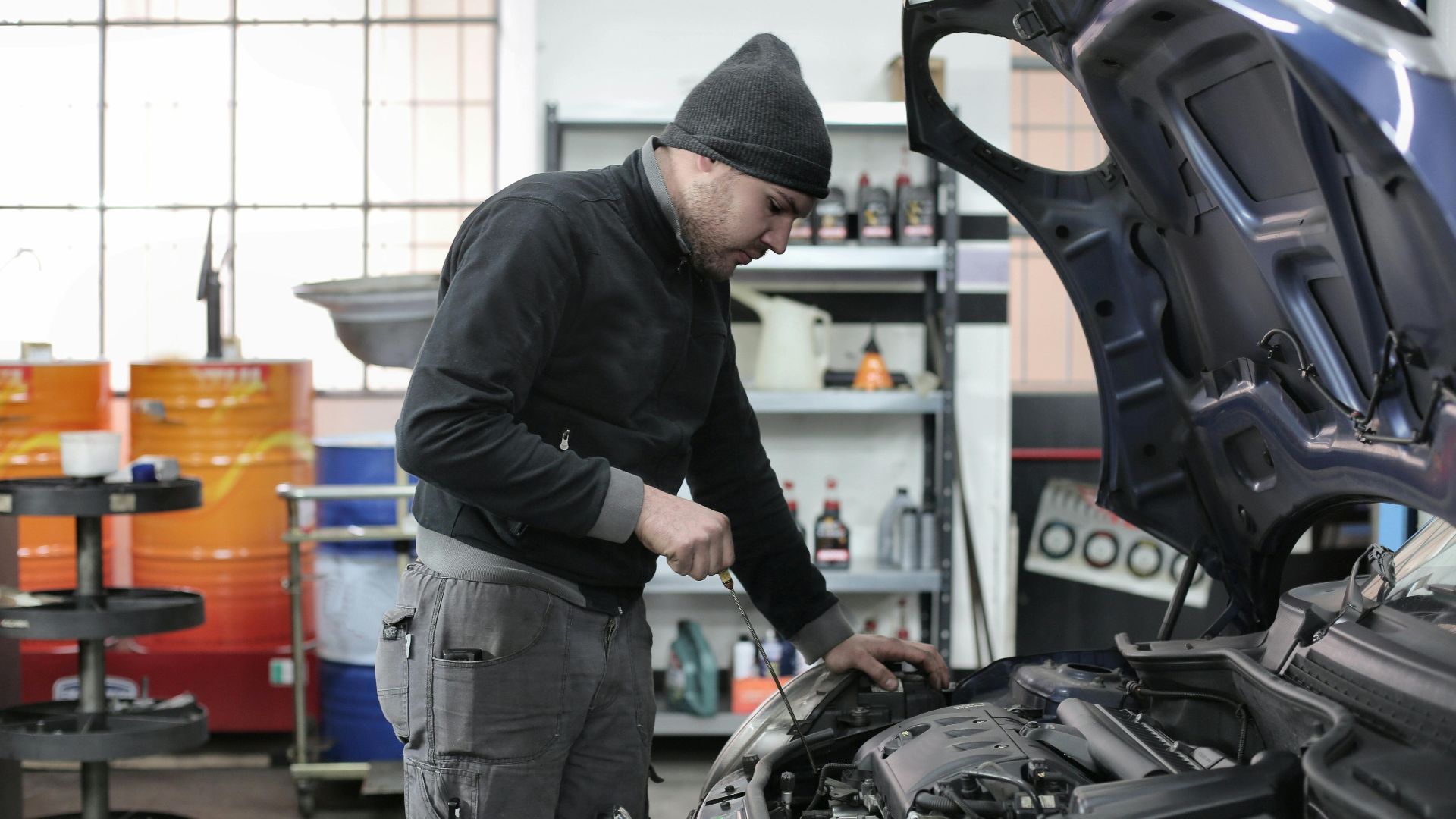
An organized workspace keeps the job moving. Mechanics who manage their tools and tasks avoid delays and improve safety. Many even label or color-code their tools to grab the right one without thinking.
10. Time Management
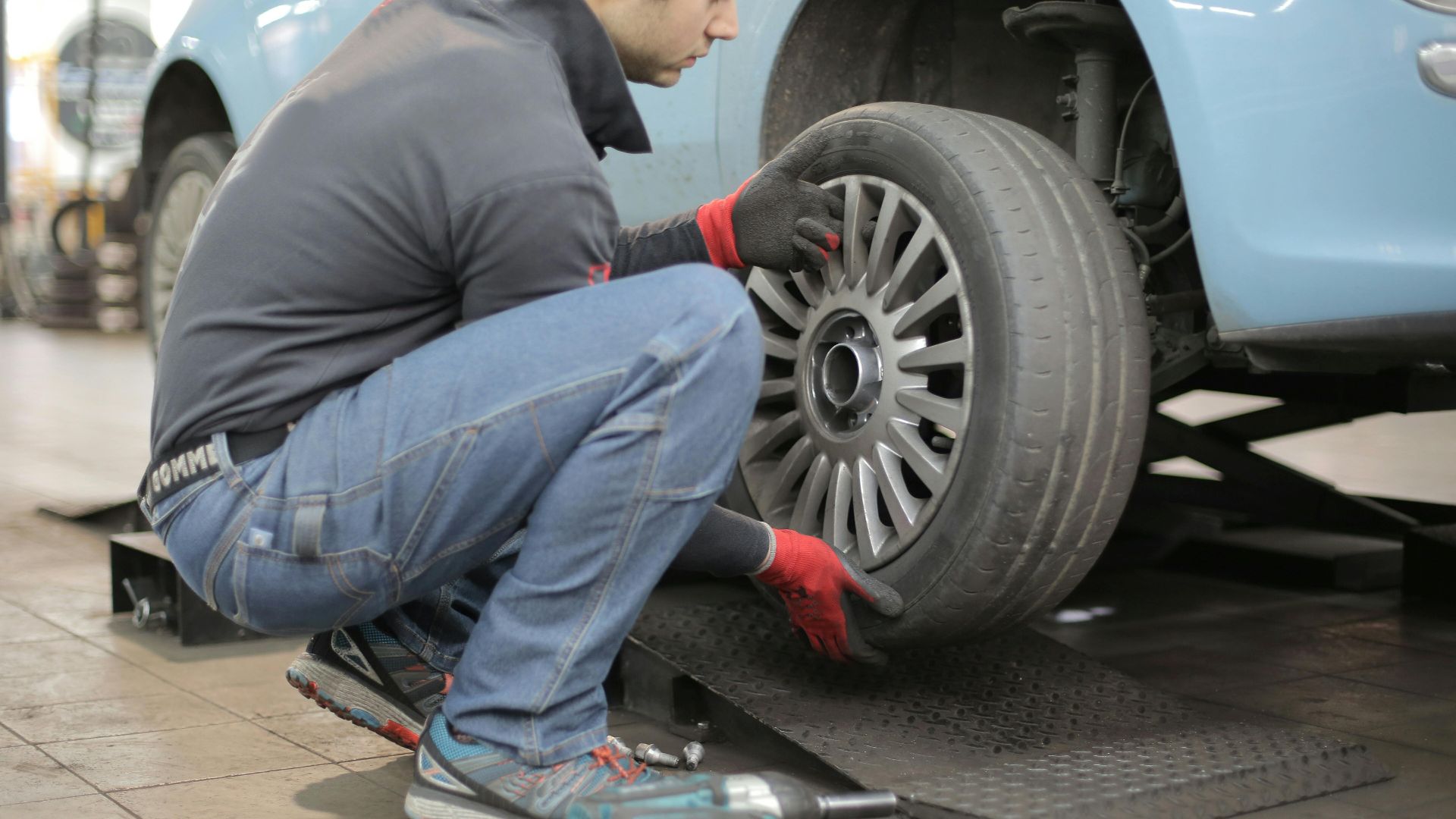
Every repair takes time, and good mechanics know how to use it well. They stay accurate while working quickly and keep multiple jobs on track. Formula 1 pit crews finish in under three seconds, proving that great timing makes all the difference.
11. Electrical Systems Knowledge
Today’s vehicles rely heavily on electronics. Mechanics need to understand wiring diagrams and know how to test circuits properly. Hybrids and EVs bring even more complexity. With more than a mile of wiring in many cars, there’s a lot going on under the surface.

12. ASE Certification Pursuit
ASE refers to the National Institute dedicated to certifying automotive service excellence in professional mechanics. This certification proves a mechanic has solid skills in areas like brakes, engines, and electrical systems. Earning it boosts credibility and job options. That ASE patch shows you know your stuff.

13. Teamwork
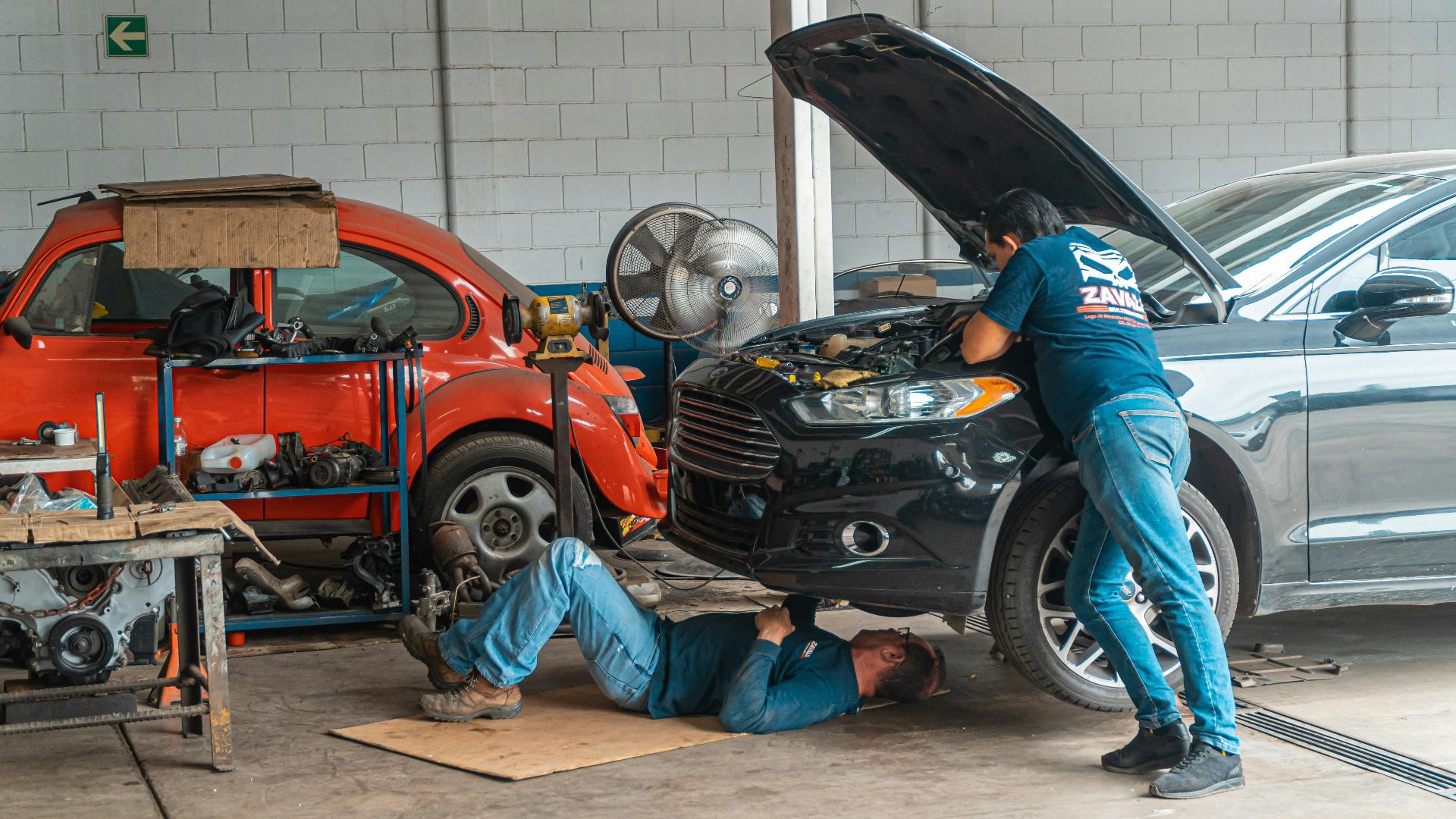
Most major repairs aren’t a one-person job. Mechanics often work side by side to finish complex fixes without mistakes. Teamwork matters in every shop, and high-performance crews like those in NASCAR prove just how powerful good collaboration can be.
 Jose Ricardo Barraza Morachis on Pexels
14. Preventive Maintenance Skills
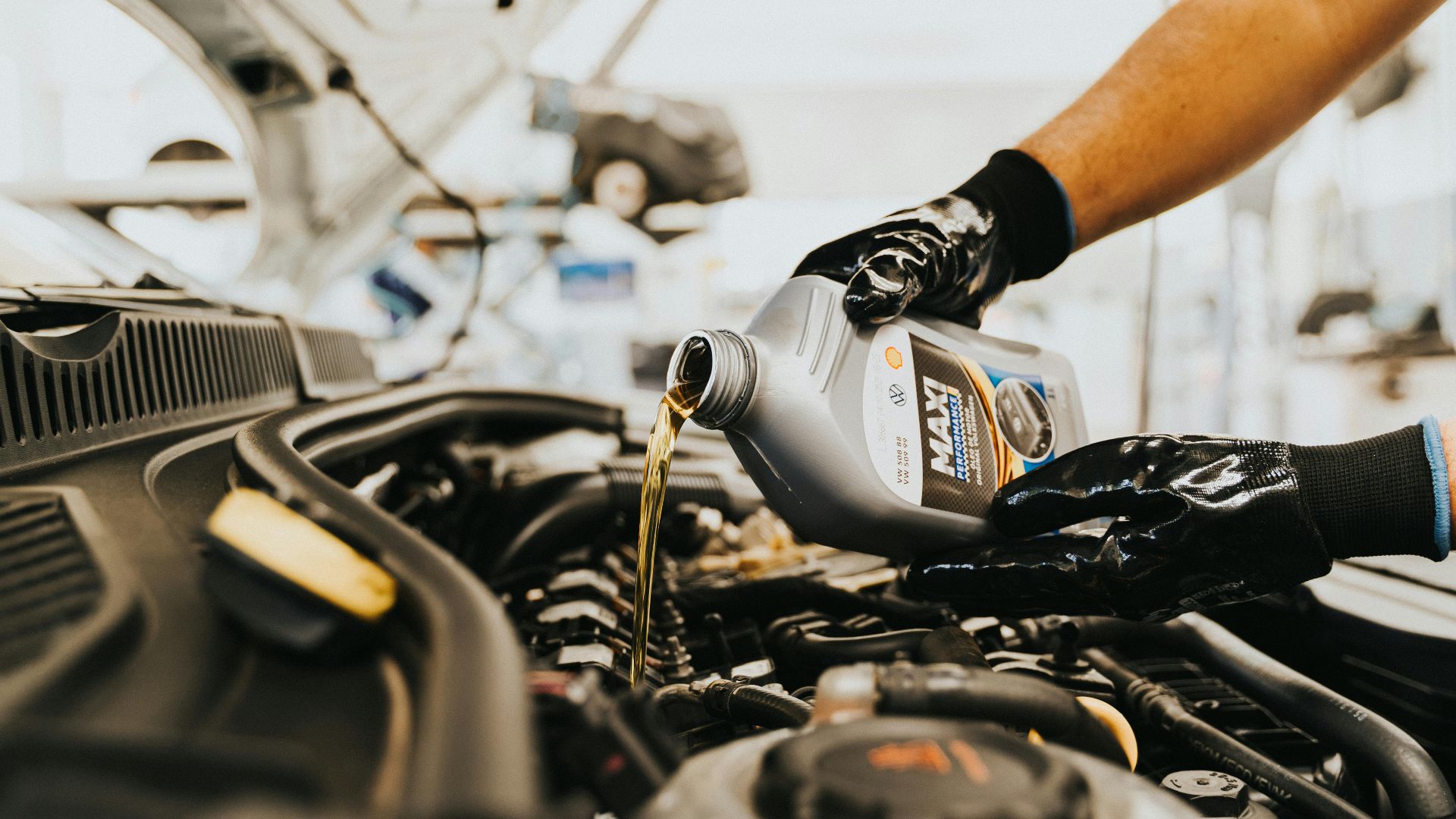
Oil changes, filter swaps, and fluid checks may seem basic, but they’re essential for long-term vehicle health. Shops depend on mechanics to handle these tasks correctly. Some fleets even schedule service every 5,000 miles just to avoid unexpected breakdowns.
15. Basic Math Skills
Math plays a bigger role than most expect. From torque calculations to precise part measurements, accurate numbers keep repairs on track. Mechanics use fractions and unit conversions regularly. Solid math skills help ensure every part fits and every setting checks out.
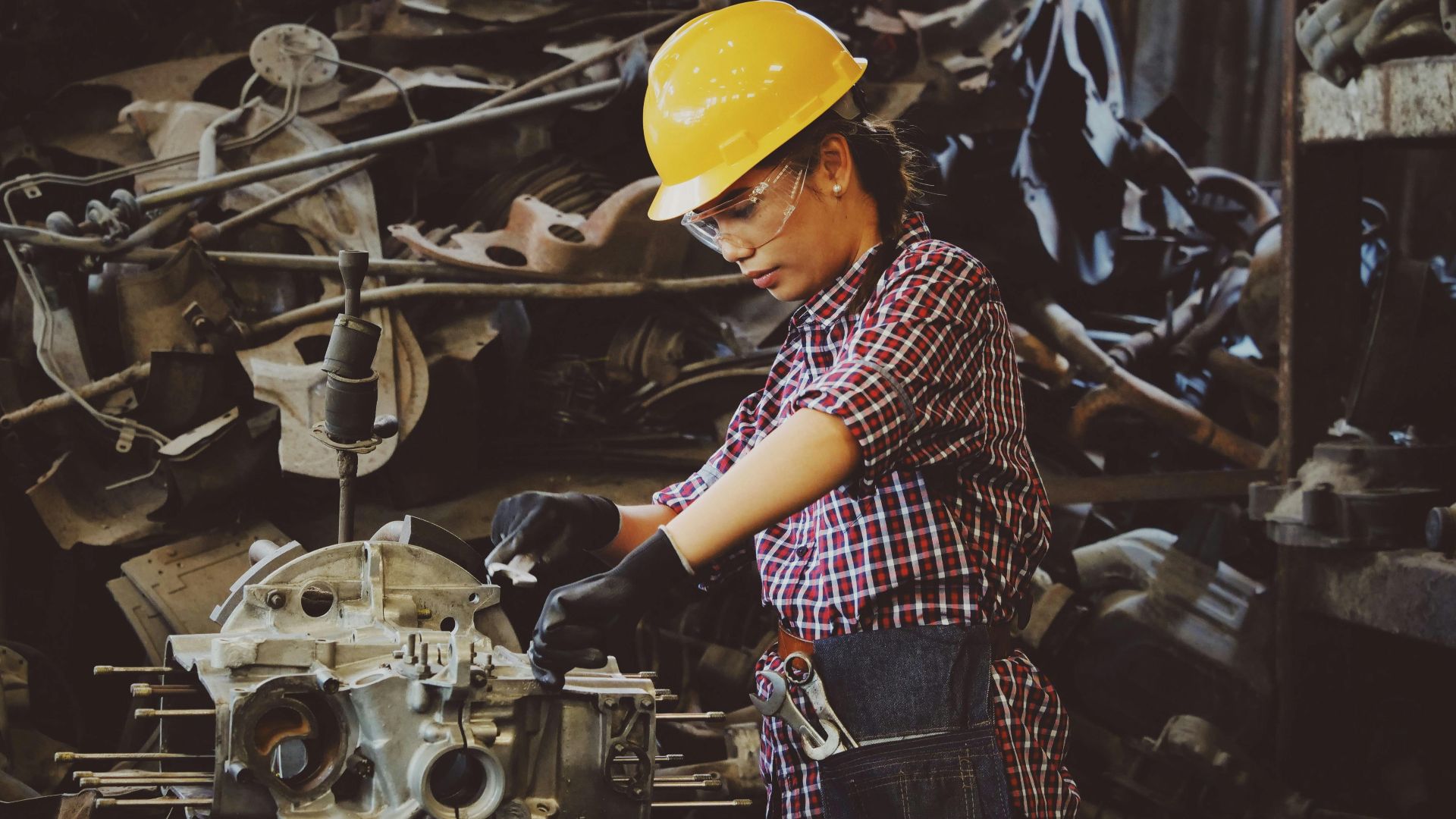 Chevanon Photography on Pexels
16. Professionalism and Reliability
Being on time and doing the job right matters. Employers notice mechanics who show up ready, act responsibly, and earn trust from both coworkers and customers. Sometimes, shops even award a “Mechanic of the Month” based on this alone.
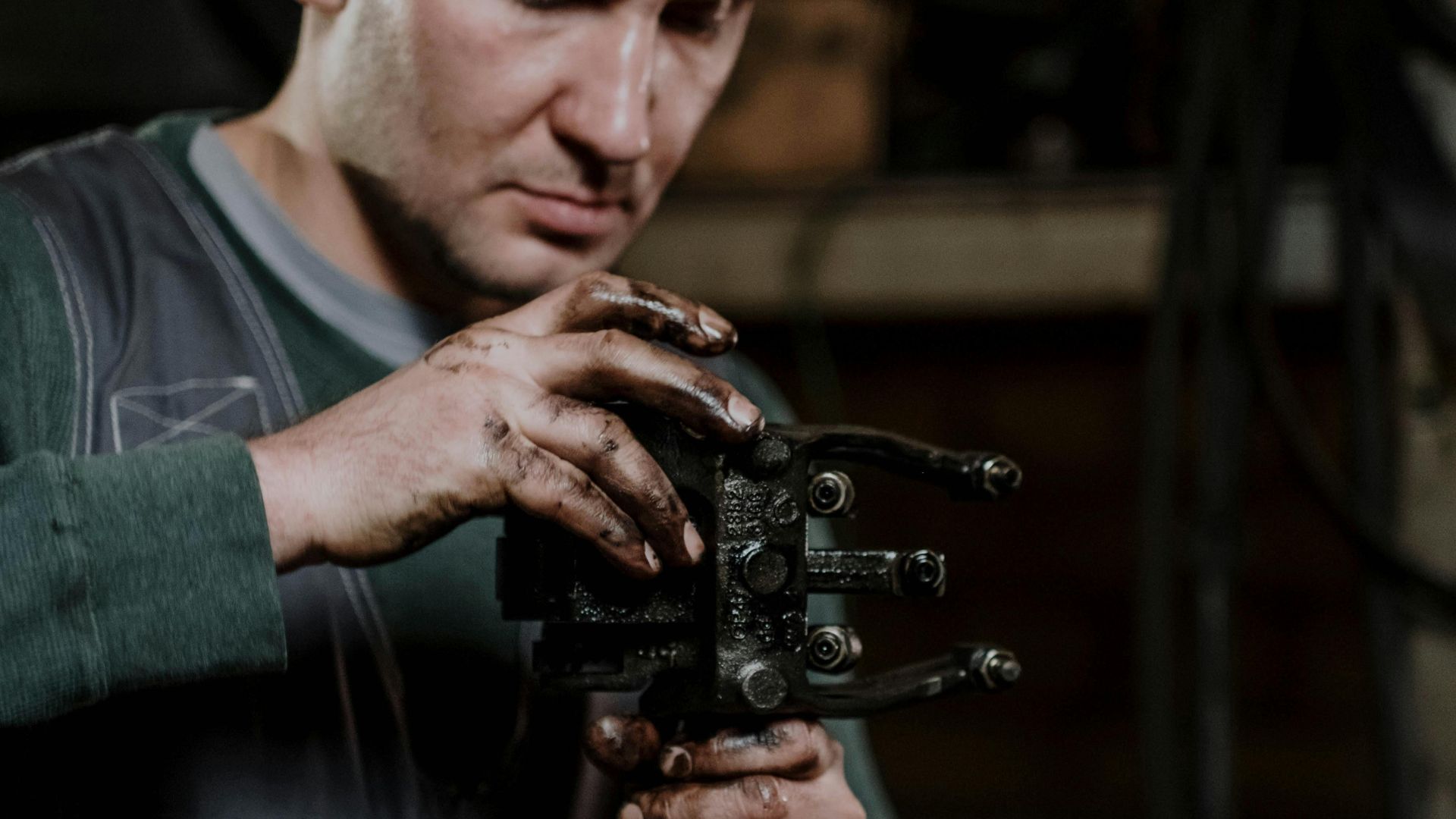
17. Safety Consciousness
Every job involves risks, which makes safety a top priority. Mechanics follow strict shop protocols and wear protective gear like gloves and goggles. Weekly toolbox talks reinforce safe habits and keep everyone focused on avoiding injuries around heavy tools and hazardous materials.
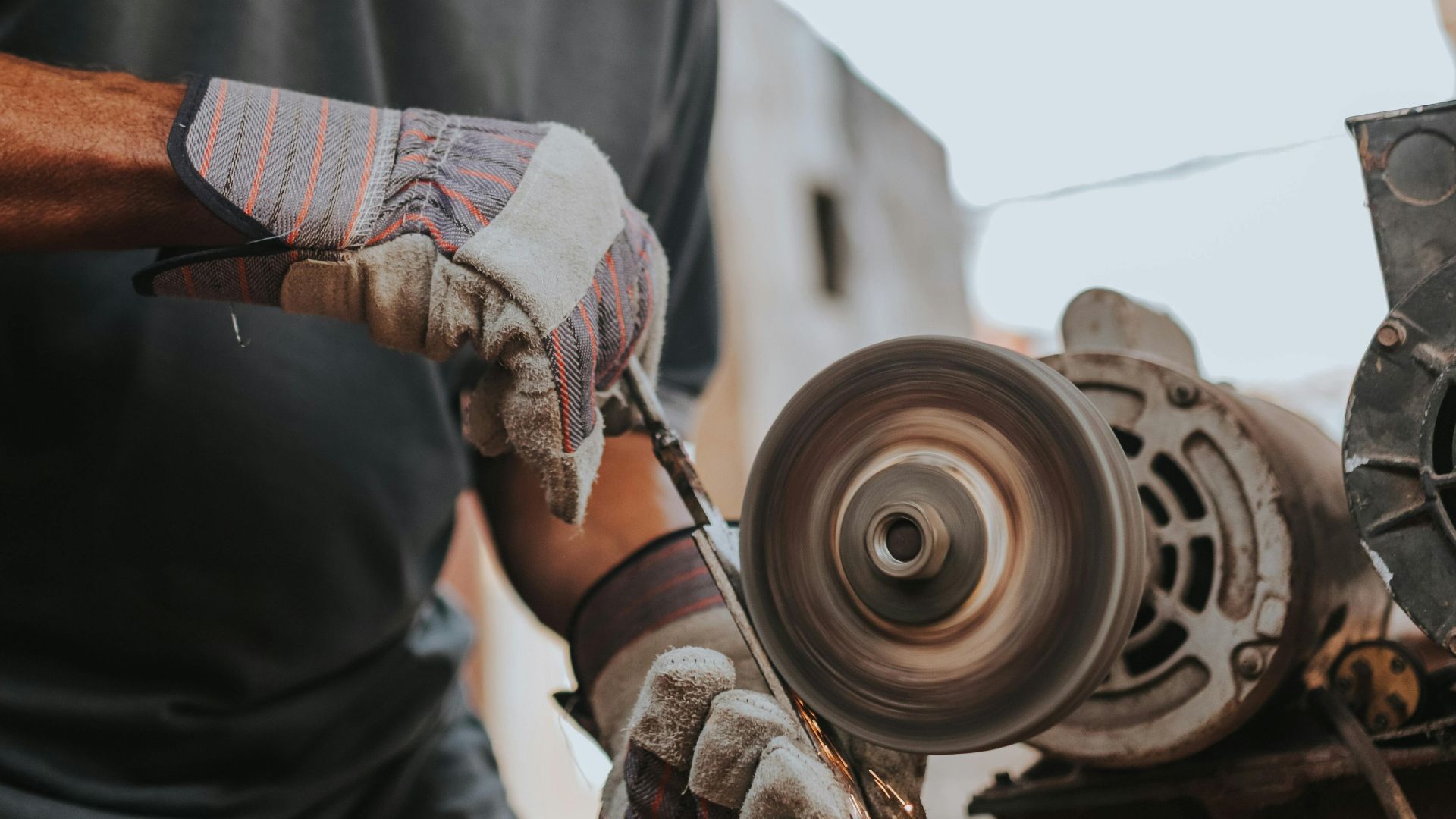
18. Computer Literacy
Modern repair work depends on digital know-how, so it is necessary to use software to decode error messages, access manuals, and track inventory or schedules. A strong grasp of computer systems has become just as critical as knowing how to turn a wrench.
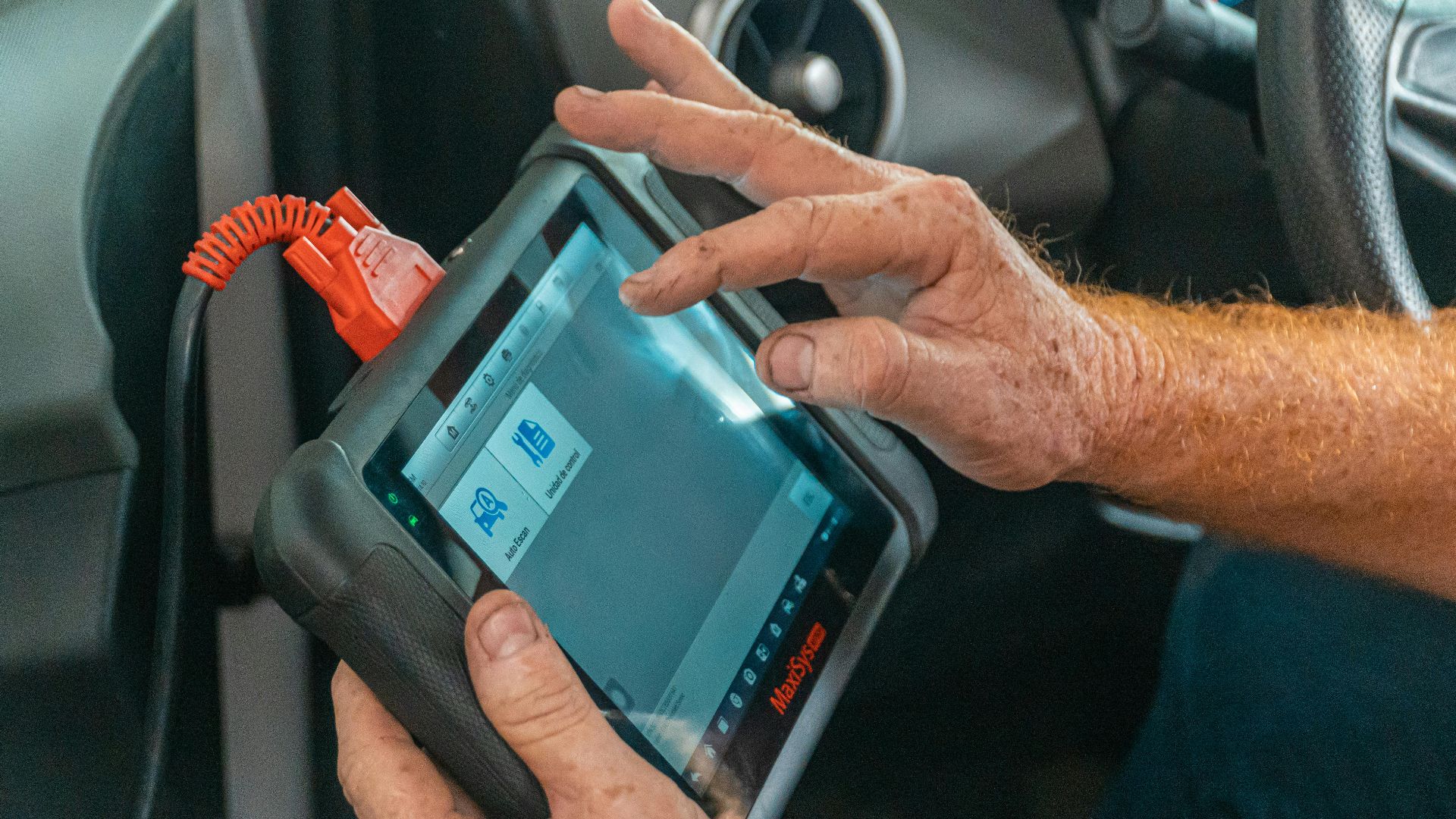 Jose Ricardo Barraza Morachis on Pexels
19. Patience
Tough repairs don’t always give up their secrets right away, whether it’s a stubborn bolt or an electrical glitch that vanishes and reappears, persistence matters. Mechanics who stay calm and keep at it often solve the problems others can’t pin down.
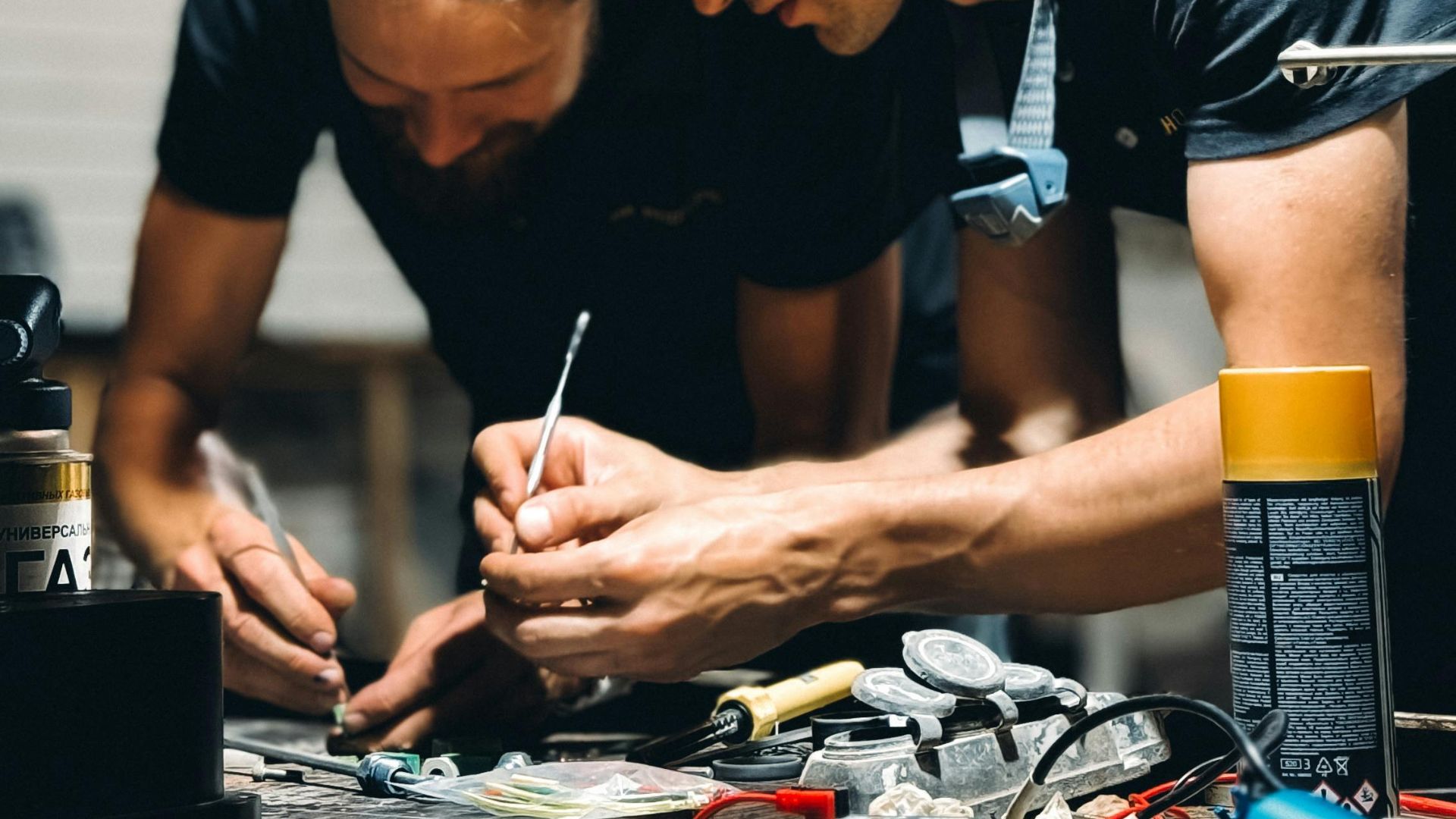
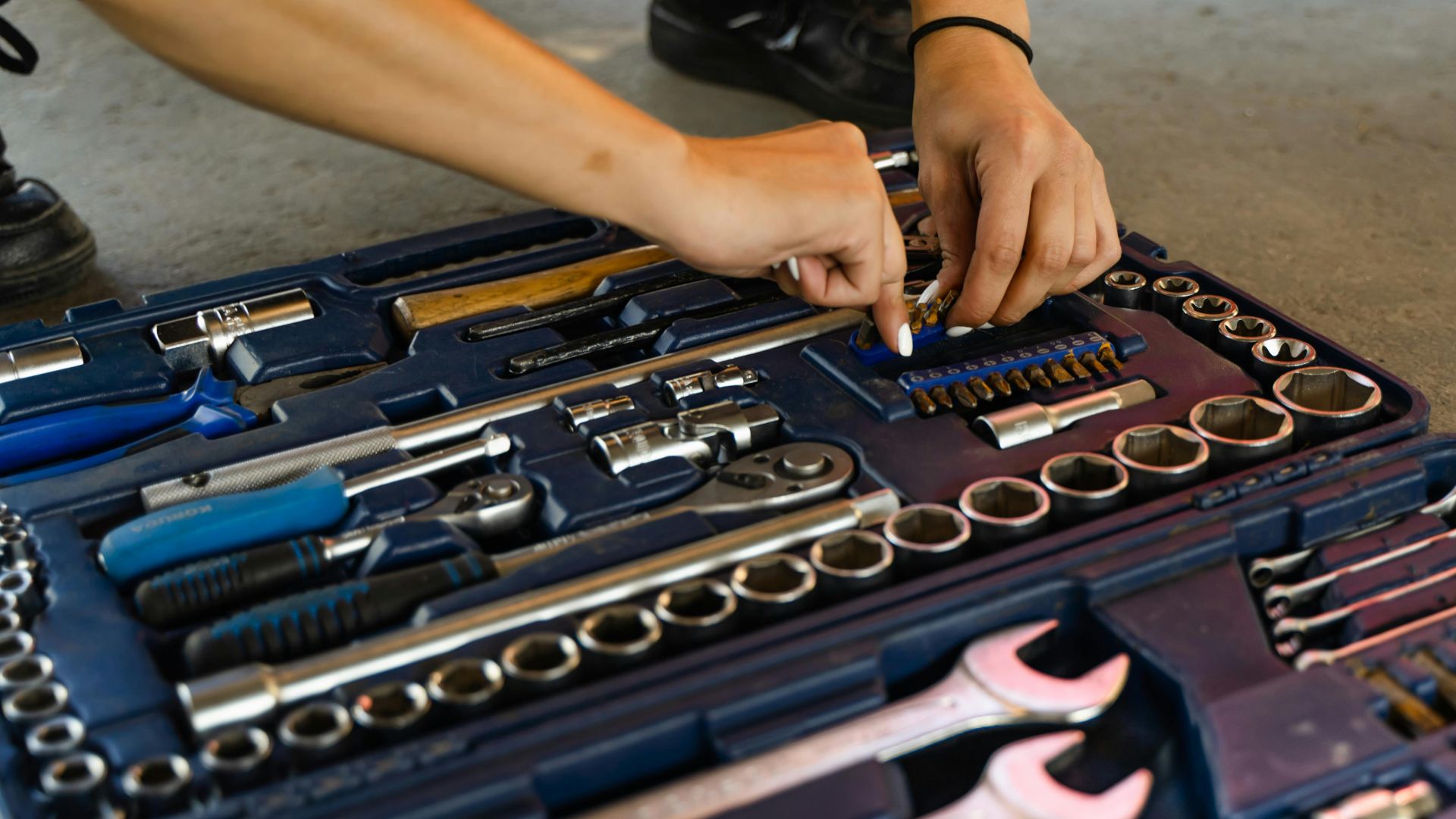
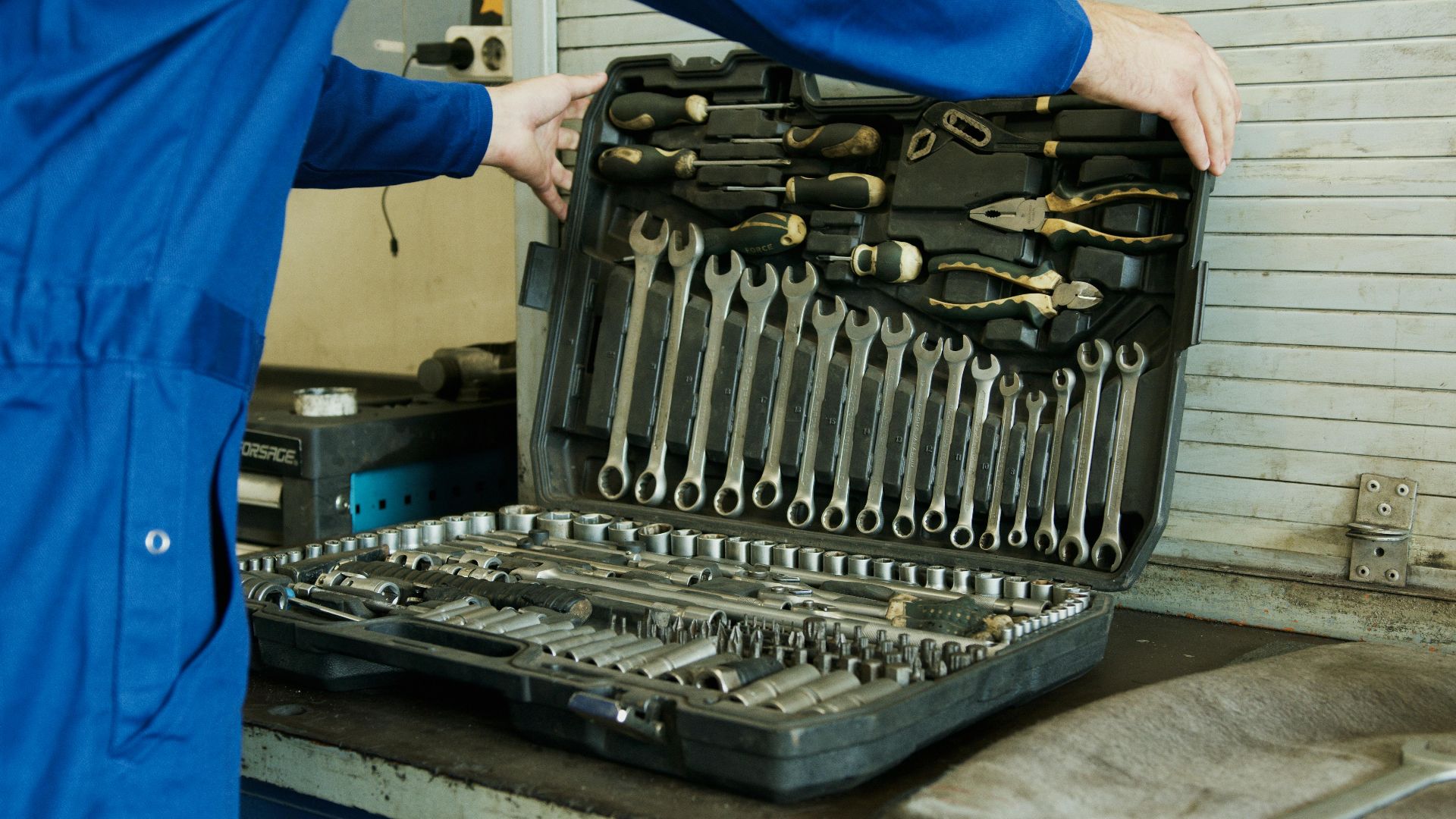
20. Tool Familiarity and Care
Mechanics rely on their tools every day, so knowing how to use and maintain them is non-negotiable. Proper care keeps tools accurate and ready to go. A well-maintained set isn't just efficient—it shows pride in the work and respect for the trade.