Your Car Might Be Trying to Tell You Something
Your suspension does much more than keep the ride comfortable. It helps your tires stay in contact with the road, keeps the car stable through turns, and makes braking and steering more predictable. Because suspension components usually wear down gradually, it’s easy to get used to changes without realizing something’s wrong. If you notice any of these 20 signs, it may be time to have your suspension checked before a relatively small problem starts affecting other parts of the car.
1. Your Ride Feels Much Bumpier Than It Used To
If every crack and pothole suddenly feels more noticeable, worn shocks or struts could be to blame. These components are meant to control how much the vehicle moves after the wheels hit uneven pavement. As they wear out, the suspension has a harder time absorbing those movements smoothly. A rougher ride is especially worth investigating if the change has happened gradually.
2. The Car Keeps Bouncing After a Bump
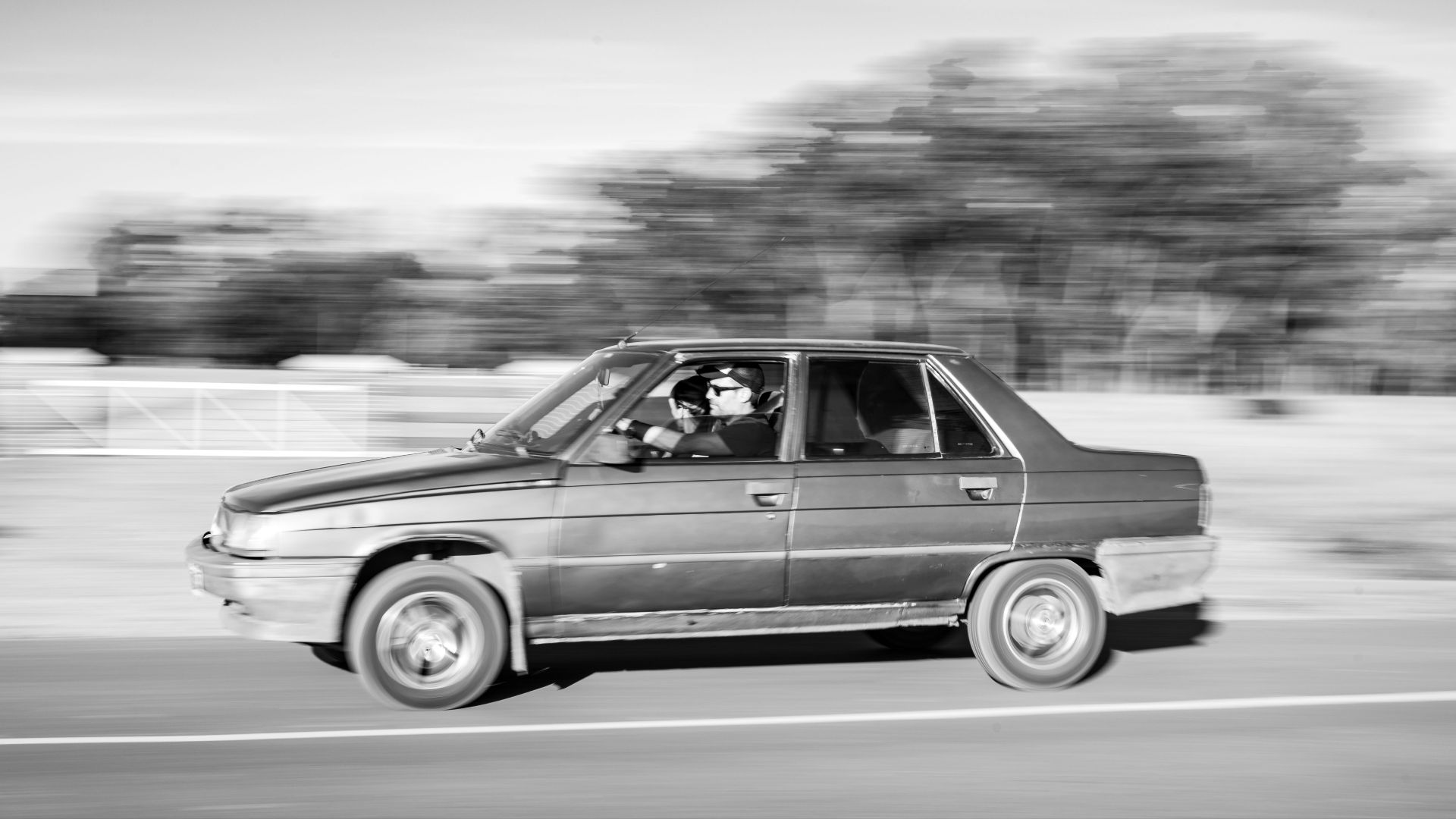
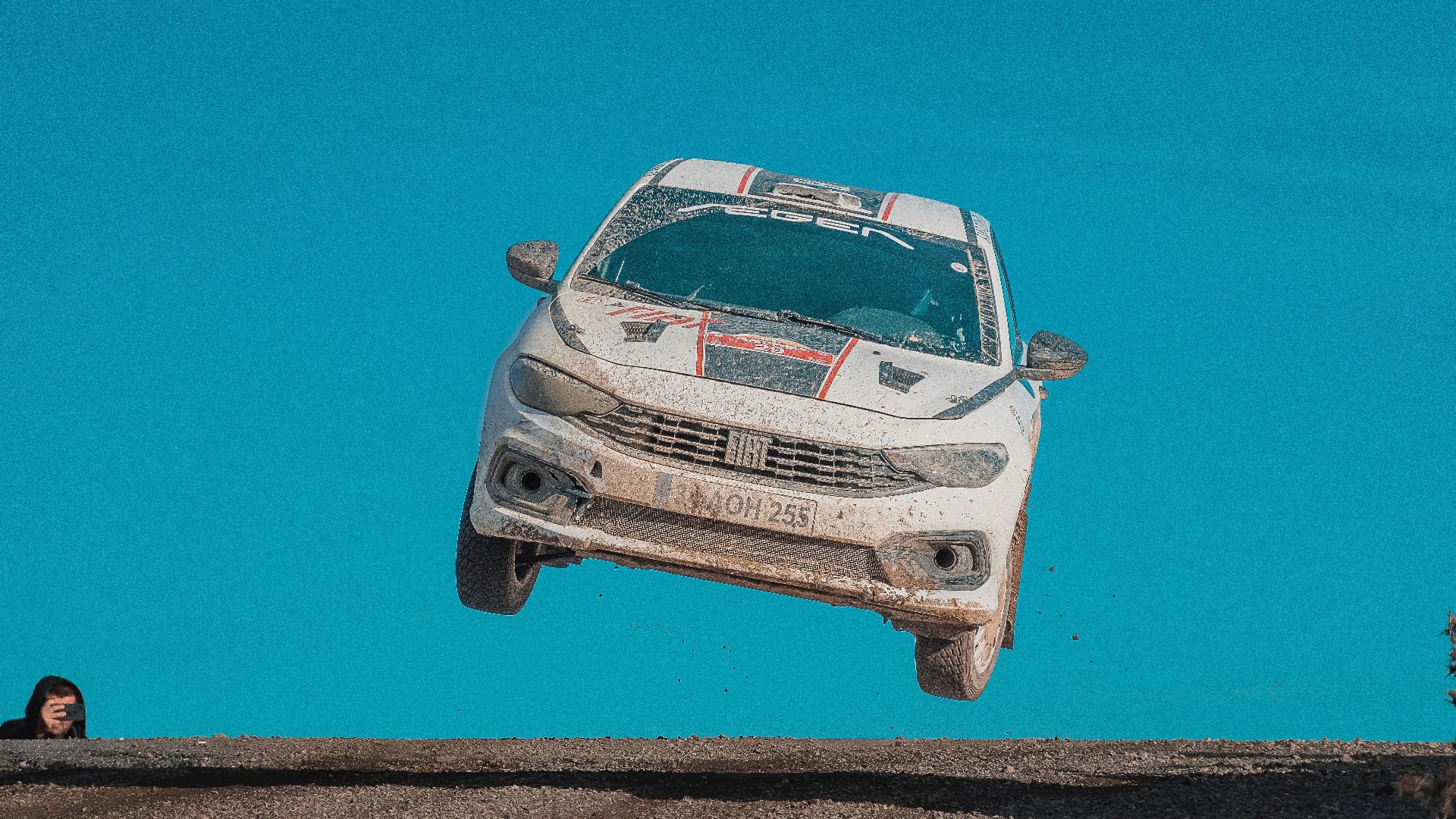
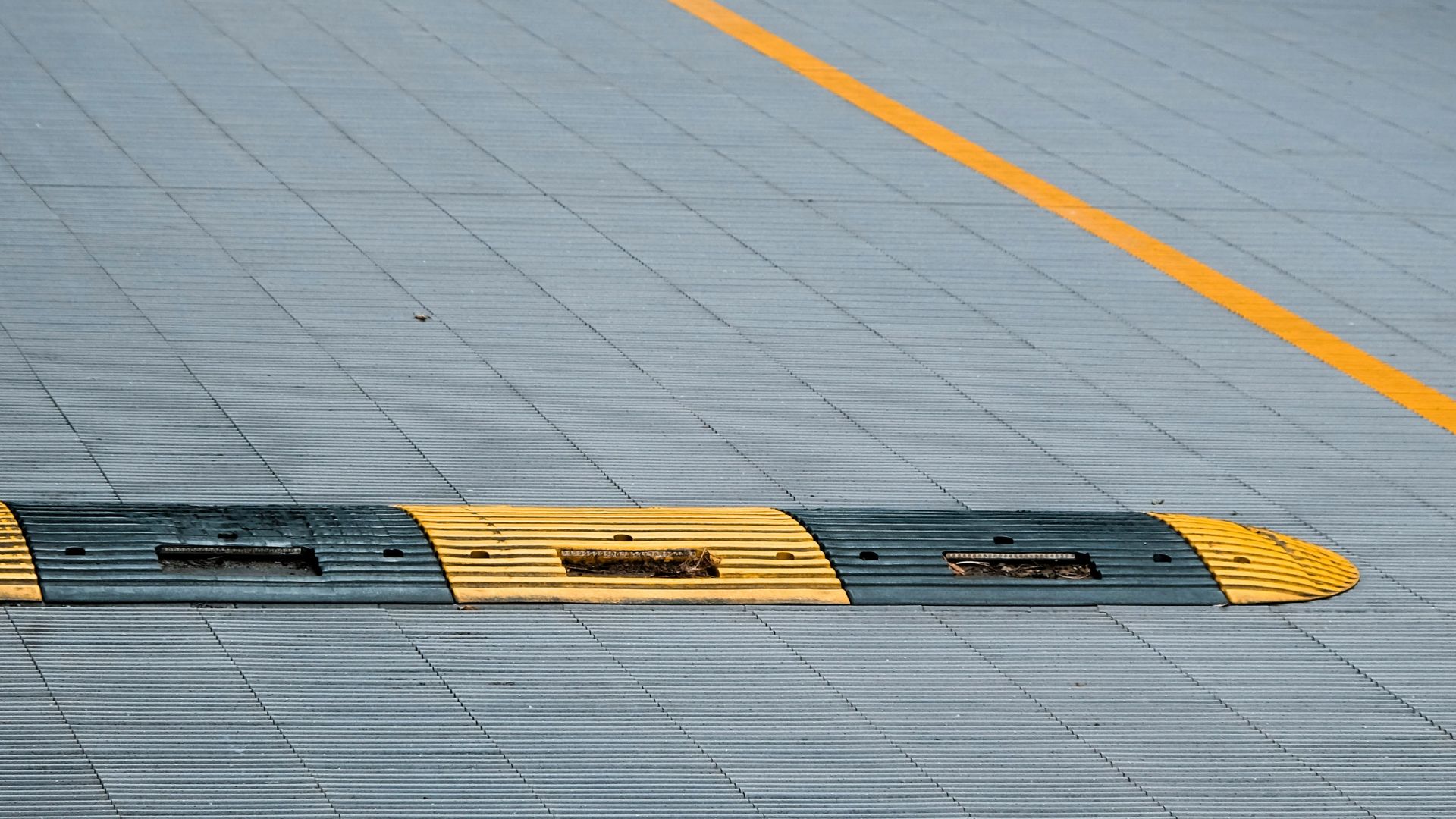
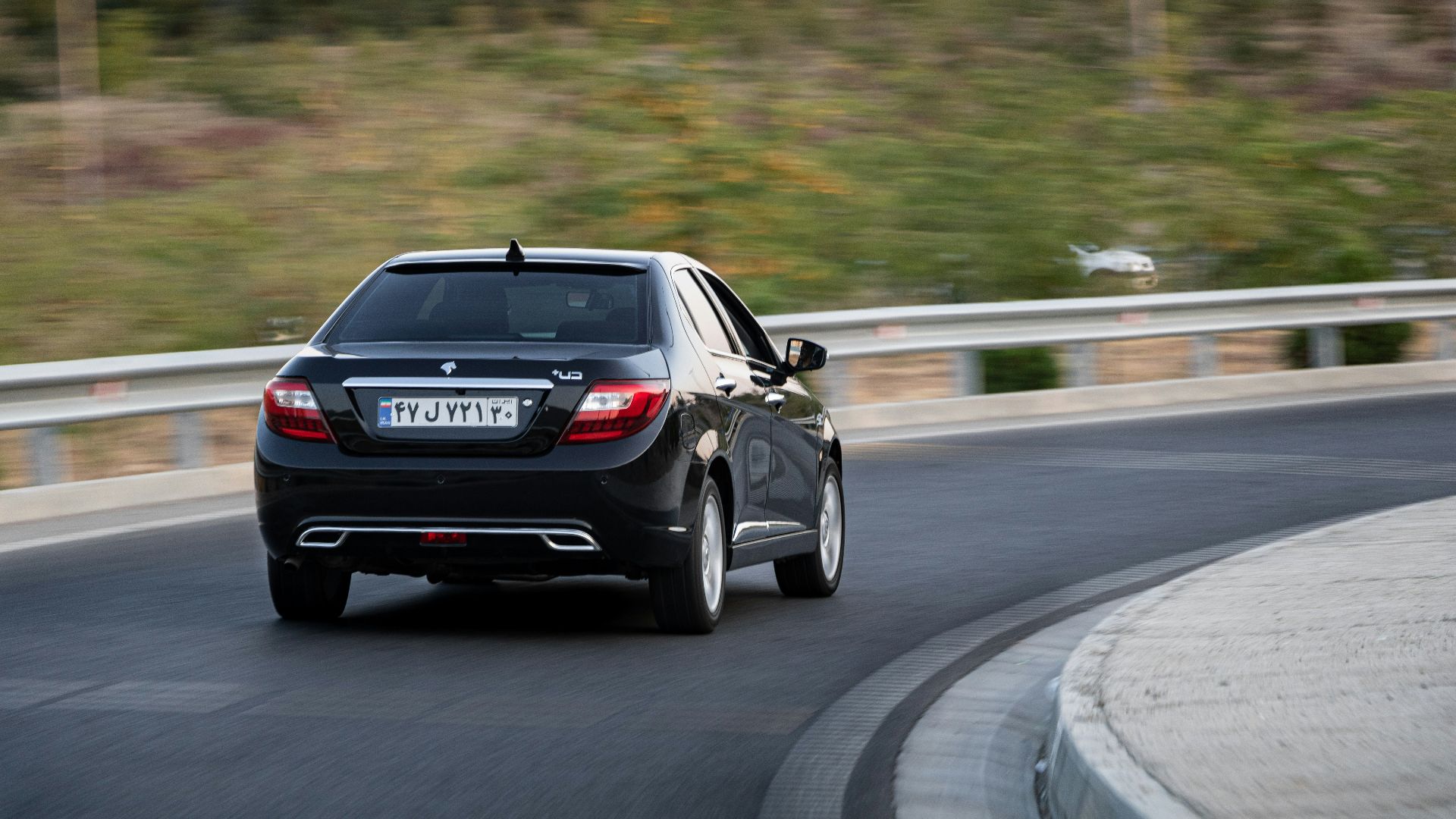
A healthy suspension should settle the vehicle fairly quickly after you drive over a bump. If the body continues moving up and down several times afterward, the shocks or struts may no longer be controlling the springs properly. You might notice this most clearly when crossing speed bumps or entering uneven driveways. Excessive bouncing can also make the vehicle feel less planted at higher speeds.
 Mohammad Fathollahi on Unsplash
3. One Corner of the Car Sits Lower
Take a look at your vehicle while it's parked on a level surface. If one corner appears noticeably lower than the others, a damaged or sagging spring could be the cause. Springs support much of the vehicle's weight, so a weakened one can change its stance even when the car isn't moving. You might also hear weird noises from that corner while driving.

4. The Front End Dips Hard When Braking
It's normal for a car's nose to move downward slightly when you brake, but excessive diving is another matter. Worn front shocks or struts can allow too much weight to shift toward the front of the vehicle. The movement may be especially obvious during harder stops. Besides feeling uncomfortable, excessive nose-diving can affect how stable the car feels under braking.
5. The Car Leans Heavily Through Turns
Your car will naturally lean somewhat when you take a corner, but it shouldn't feel like the body is dramatically tipping to one side. Excessive body roll can point to worn shocks, struts, springs, or sway bar components. You may find yourself slowing down for familiar corners that never used to bother you. That change in handling deserves attention rather than simply becoming your new normal.

6. You Hear Clunking Over Bumps
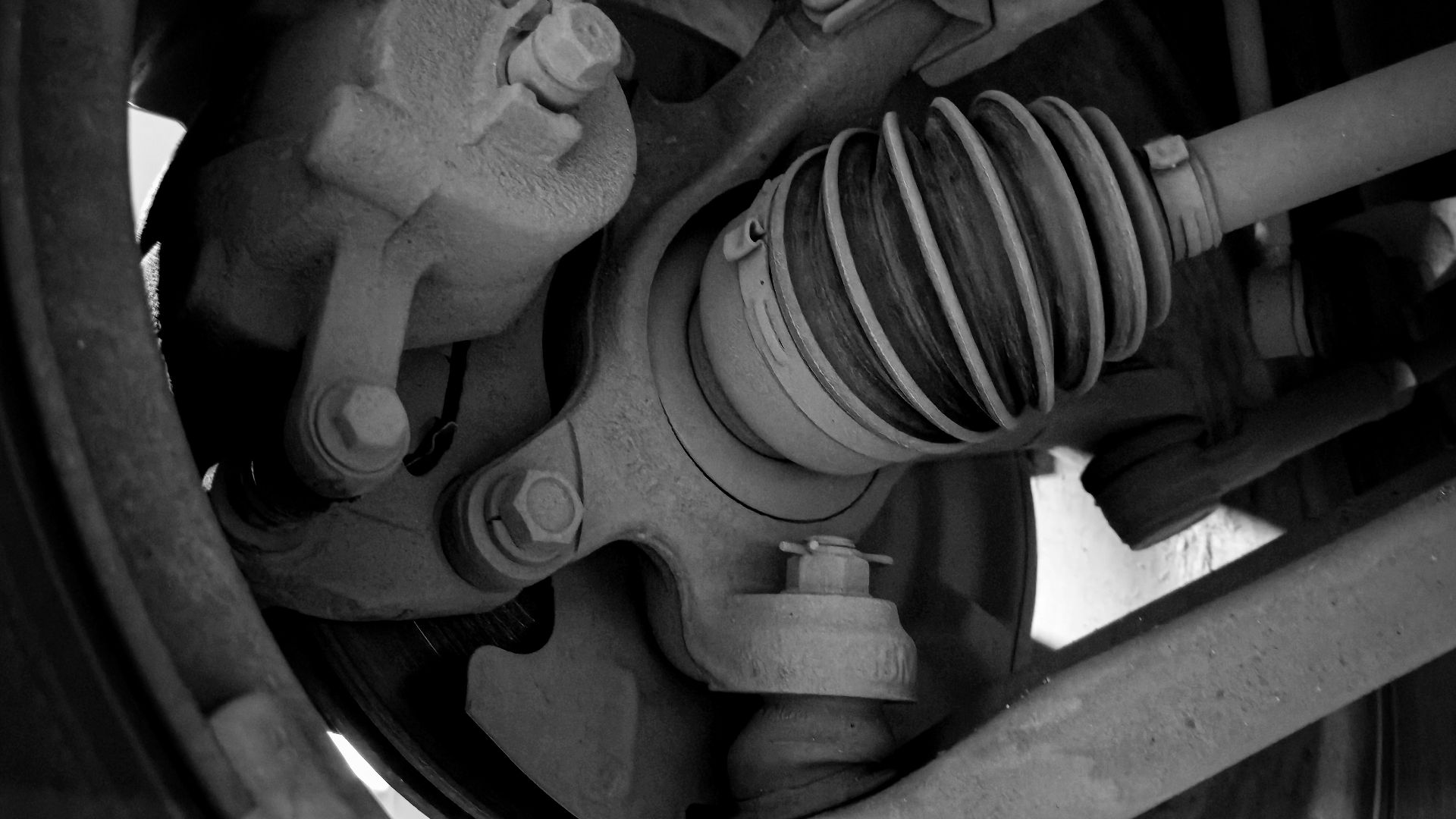
A clunk from underneath the car every time you hit rough pavement isn't just an annoying soundtrack. Worn ball joints, control arm bushings, sway bar links, or other suspension parts can develop enough play to make noise. The exact sound can vary depending on which component is failing. Either way, repeated clunks over bumps are worth having inspected.
7. Your Tires Are Wearing Unevenly
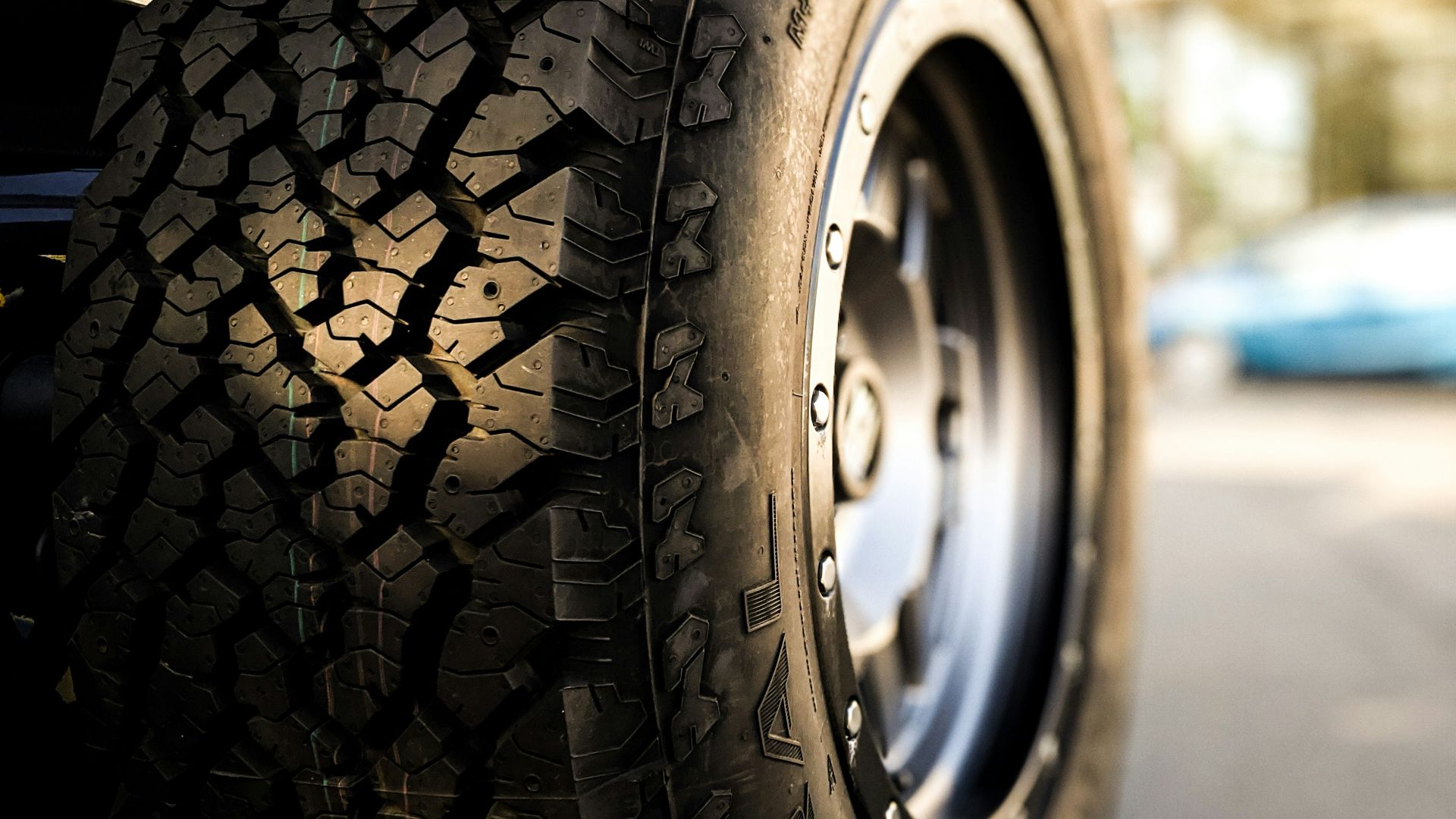
Suspension trouble can change how evenly your tires contact the road. You might notice excessive wear on the inside or outside edges, or patches where the tread has worn differently around the tire. This may not be just a tire issue; worn suspension parts can be the reason the alignment won't stay correct.
8. The Steering Feels Loose
A car that once responded quickly to steering inputs may start feeling disconnected as suspension and steering components wear. You might need to make small corrections more often to keep the vehicle traveling where you want it. Worn tie rods, ball joints, bushings, and related components can all contribute. Any noticeable loss of steering precision should be taken seriously.

9. Your Car Wanders on Straight Roads
Staying centered on a straight road shouldn't require steering. If the car wanders even on a flat, relatively smooth road, there could be an alignment, tire, steering, or suspension problem. Worn components can cause the wheels to move in ways they shouldn't.

10. The Vehicle Pulls to One Side
A persistent pull to the left or right can have several causes, including tire pressure differences and poor alignment. However, damaged springs, control arms, bushings, or other suspension parts can also affect how the car tracks. If you've checked the tires and the pulling remains, don't ignore it.
11. You Hear Squeaking From the Suspension
Not every suspension problem announces itself with a dramatic clunk. Worn or dried-out bushings and joints can produce squeaks or creaks as the suspension moves. You may hear the noise while going over bumps, turning, or even getting into the vehicle.

12. The Car Feels Unstable at Highway Speeds
A suspension problem can become much more noticeable once you're traveling faster. The vehicle may feel unusually floaty, nervous, or too easily disturbed by uneven pavement. Worn dampers are one possible cause because they aren't controlling wheel and body movement as effectively.

13. You Feel Excessive Vibration Through the Steering Wheel
Steering-wheel vibration can come from tires, wheels, brakes, or several other sources, so suspension trouble isn't always the culprit. Still, worn ball joints, tie rods, wheel bearings, or bushings can sometimes create or worsen noticeable vibration. Pay attention to when it happens, since speed, braking, and road conditions can offer useful clues.

14. The Rear End Squats During Acceleration
Some weight naturally transfers toward the back of a vehicle when you accelerate, but if the rear seems to sink dramatically every time you press the gas, the suspension may not be controlling that weight transfer properly. Weak rear shocks, struts, or springs could be to blame. The effect may be especially noticeable when accelerating quickly or carrying additional passengers and cargo.
15. The Car Feels Unusually Sensitive to Crosswinds
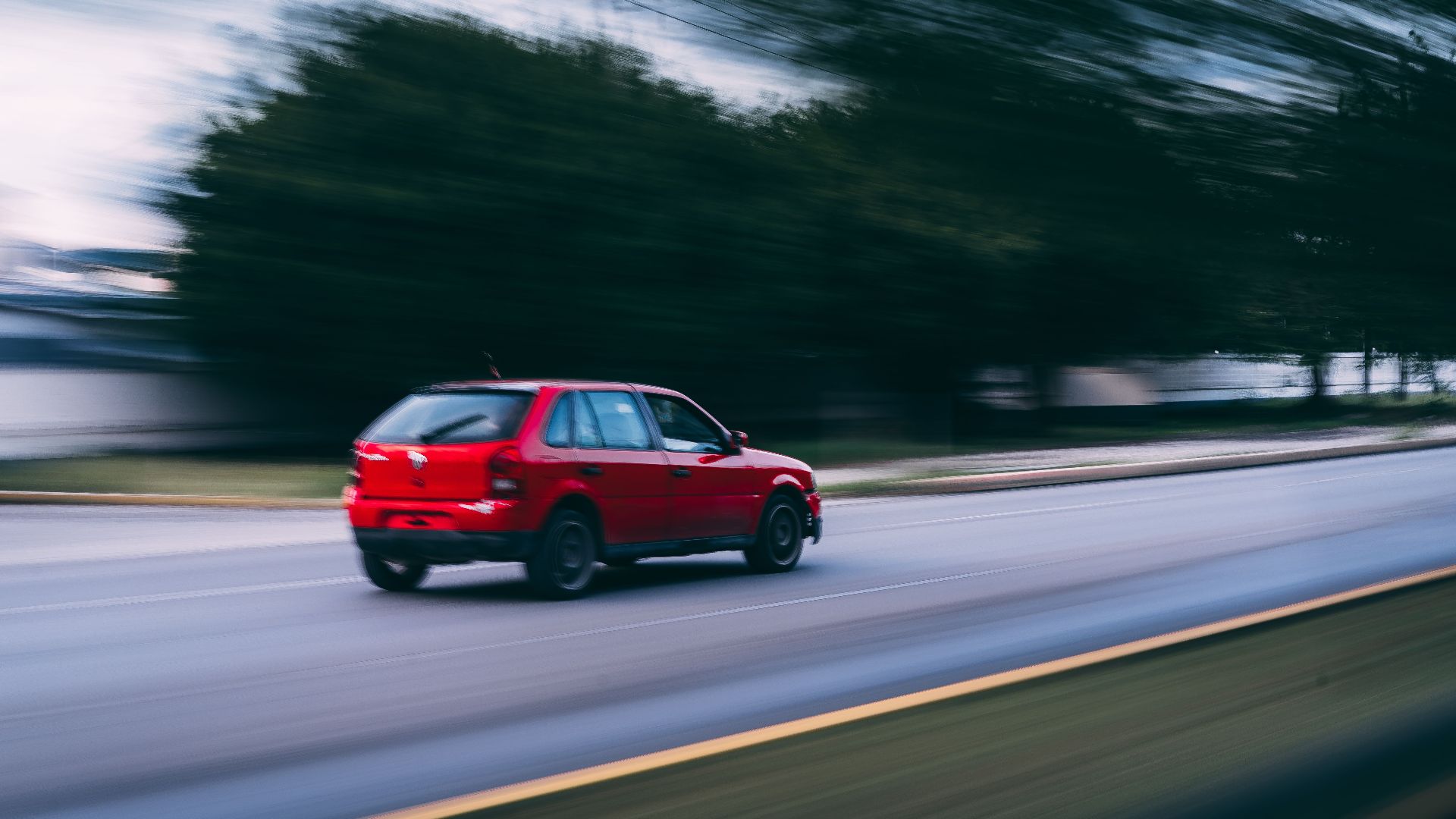
A strong gust can move any vehicle around, particularly taller ones, but your car shouldn't suddenly feel much harder to keep steady just because of a little wind. Worn shocks or struts can reduce the suspension's ability to control body movement. That may leave the vehicle feeling more unsettled in windy conditions or when large trucks pass nearby.

16. You Hear a Knocking Sound While Turning
Knocking or popping during turns can indicate wear in suspension or steering components. Ball joints, strut mounts, control arm bushings, and other moving parts can become noisy as they loosen or deteriorate. The sound might appear only during tight turns at first before becoming more frequent. Getting it checked early can help identify the worn component before the handling gets noticeably worse.

17. Your Steering Wheel Doesn't Return Smoothly After a Turn
After you make a normal turn, the steering wheel should naturally begin returning toward its centered position. If it feels reluctant, jerky, or unusually slow to straighten, something in the steering, alignment, or suspension system may need attention. Worn joints or binding components might be interfering with smooth movement.

18. You Notice Fluid on a Shock or Strut
Shocks and struts contain hydraulic fluid that helps control suspension movement. A light film isn't always cause for panic, but obvious wetness or fluid running down the component can indicate a failing seal. Once enough fluid escapes, the shock or strut can lose a lot of its ability to dampen movement.
19. The Tires Seem to Hop Over Rough Pavement
Your tires should stay in contact with the road as consistently as possible, even when the surface isn't perfect. Badly worn shocks or struts can allow a wheel to bounce instead of remaining firmly controlled, which can affect both handling and braking. From behind the wheel, the car may feel jittery or as though it briefly loses its footing over repeated bumps.

20. The Car Bottoms Out More Easily
If you've started hearing or feeling a hard impact when crossing dips, steep driveways, or larger bumps, the suspension may be compressing farther than it should. Weak springs or worn shocks and struts can make bottoming out more likely, especially with passengers or cargo aboard. Damage to bump stops can make the impact feel even harsher. A car that suddenly struggles with roads it used to handle comfortably is giving you a pretty clear reason to inspect the suspension.