20 Fall Driving Hazards That Catch Even Experienced Drivers Off Guard
When Autumn Roads Become Unpredictable
Fall might be one of the prettiest seasons to hit the road, but it also comes with driving hazards that are surprisingly easy to miss. Between unpredictable weather, shorter days, and unexpected obstacles, even drivers with decades of experience can find themselves in difficult situations. Some dangers seem to appear overnight, while others develop so gradually that you barely notice them until you're behind the wheel. Before heading out on your next autumn drive, here are 20 seasonal surprises worth knowing.
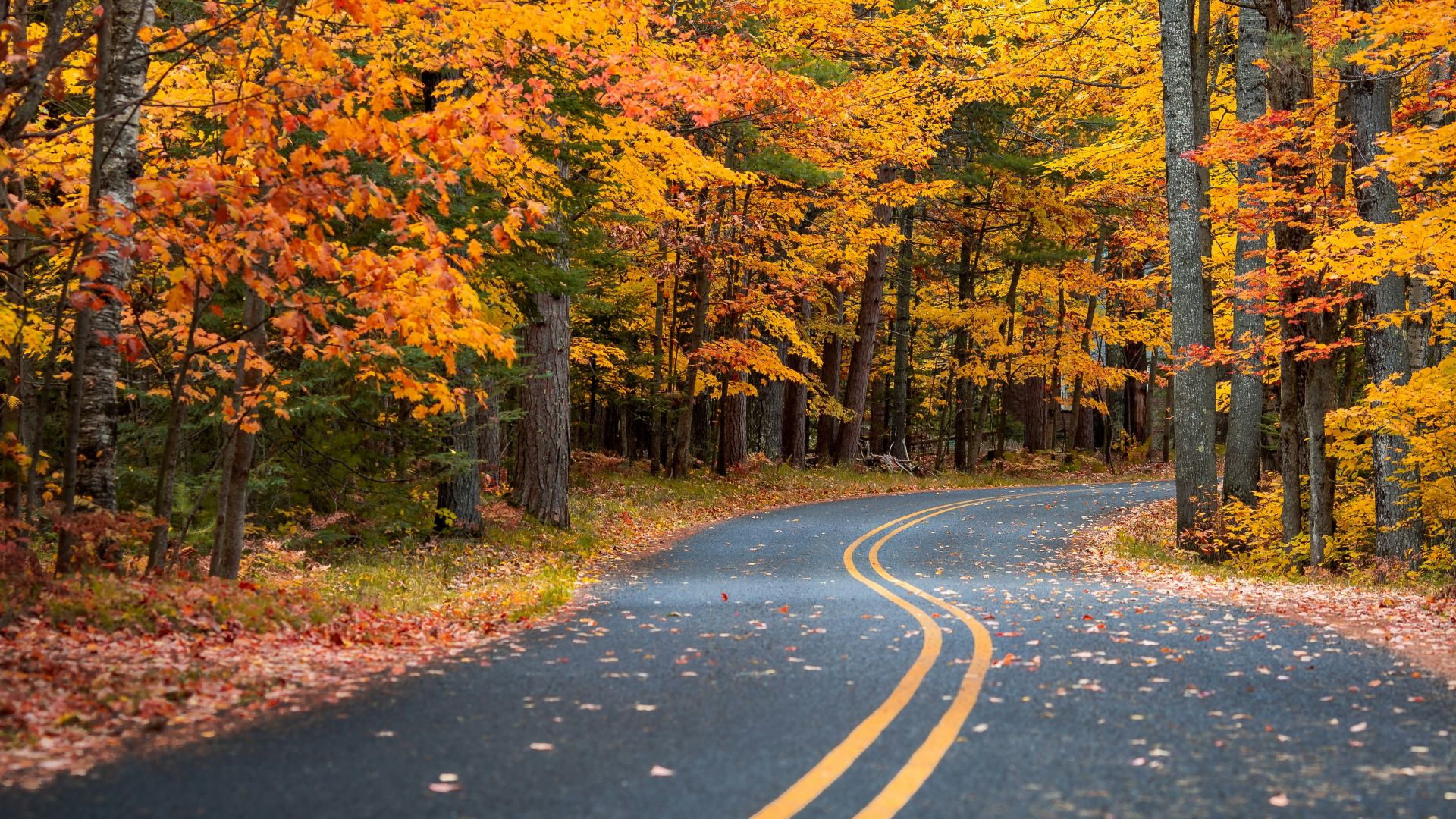
1. Wet Leaves That Make Roads Slippery
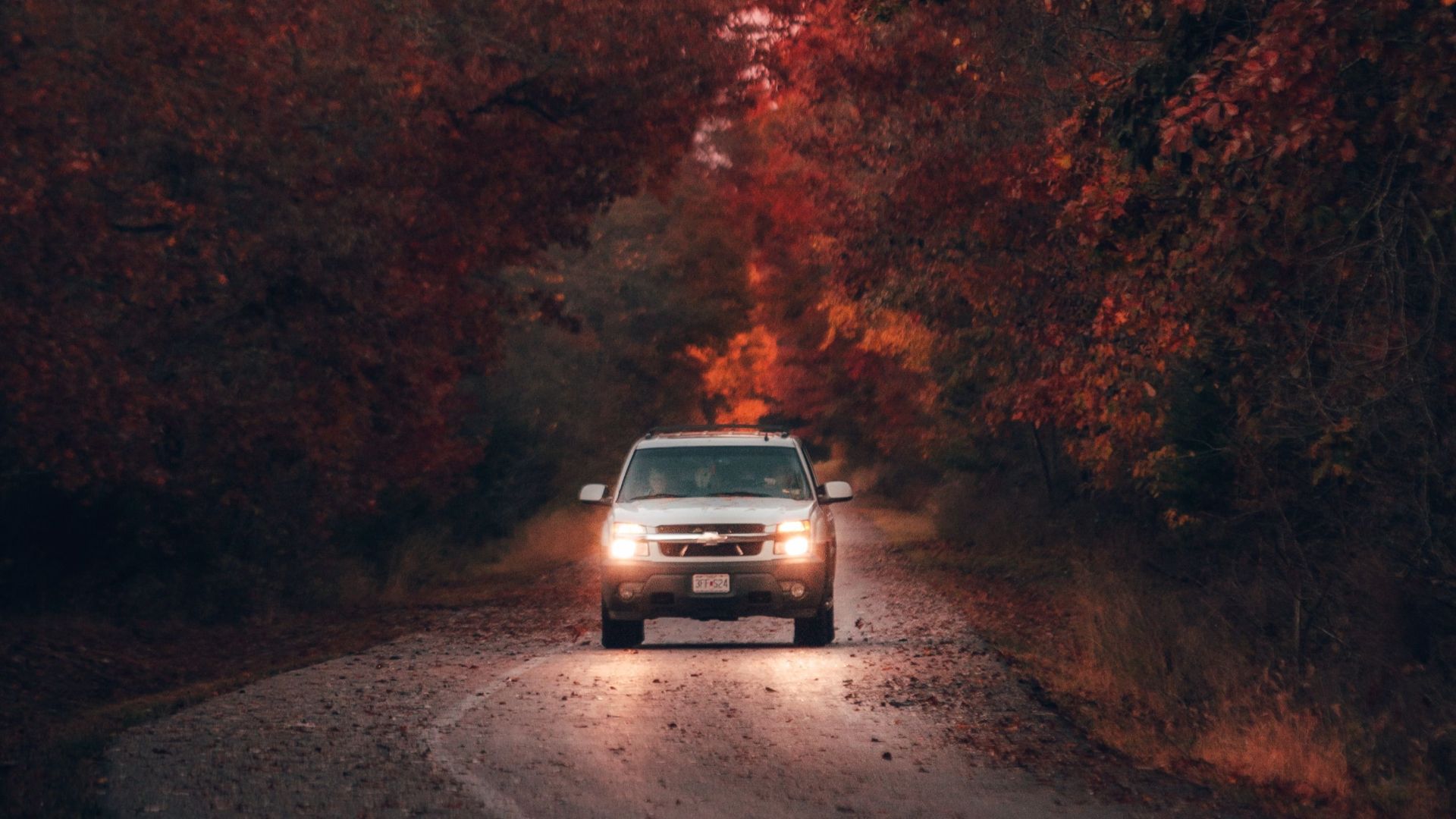
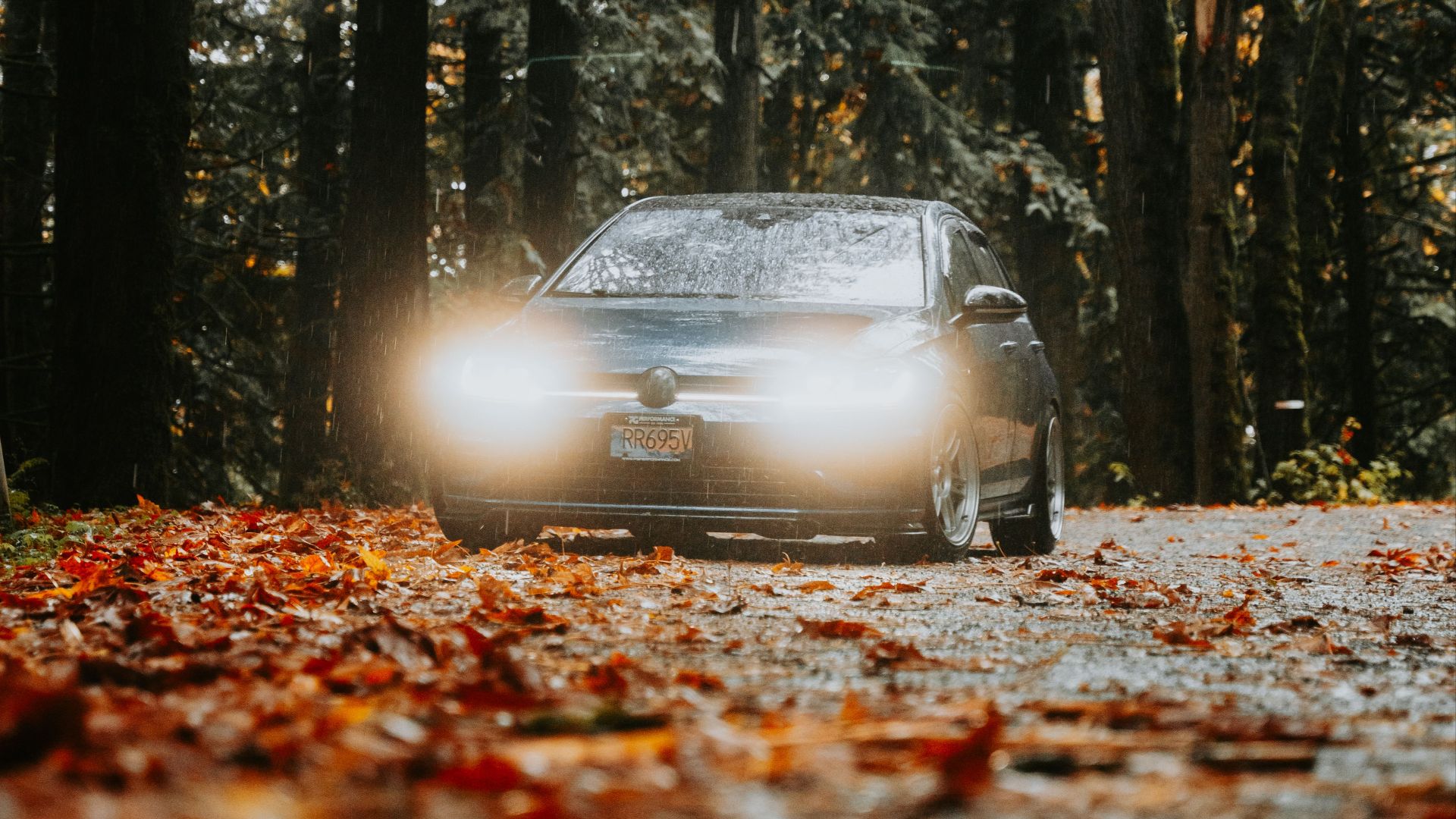
Those colorful leaves scattered across the pavement might seem harmless, but they can become incredibly slippery after it rains. When leaves get wet and stick together, they reduce the grip your tires have on the road, especially when braking or turning. Drivers who aren't prepared for this sudden loss of traction can easily lose control while approaching an intersection or rounding a curve.
2. Deer Crossing Roads Without Warning
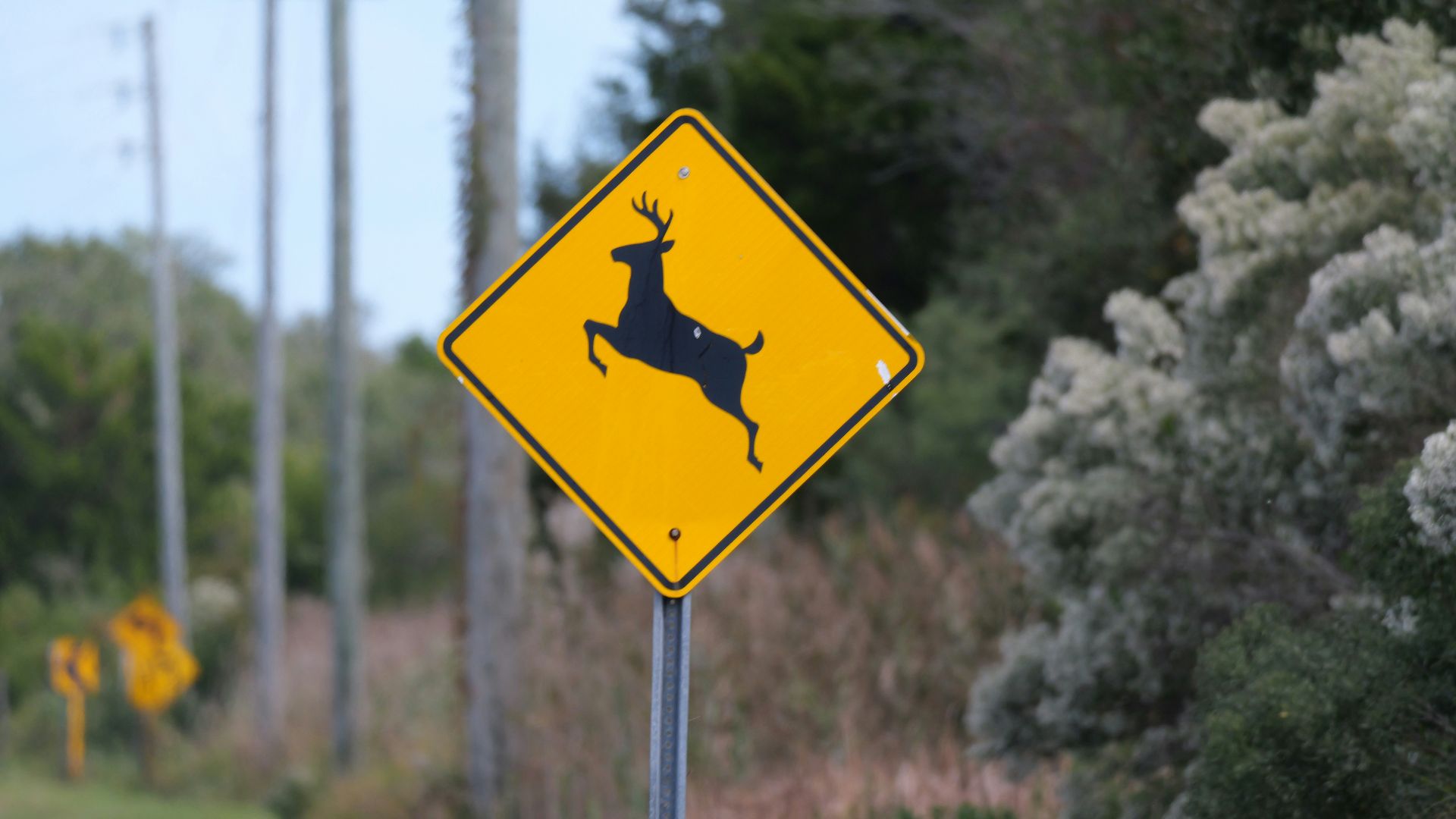
Fall is mating season for deer in many parts of North America, meaning they're on the move more often and can behave unpredictably. You might notice one standing near the shoulder, only for another to dart across the road without warning. Since deer are particularly active around dawn and dusk, you'll want to stay alert when traveling through wooded areas.
3. Morning Fog That Appears Suddenly
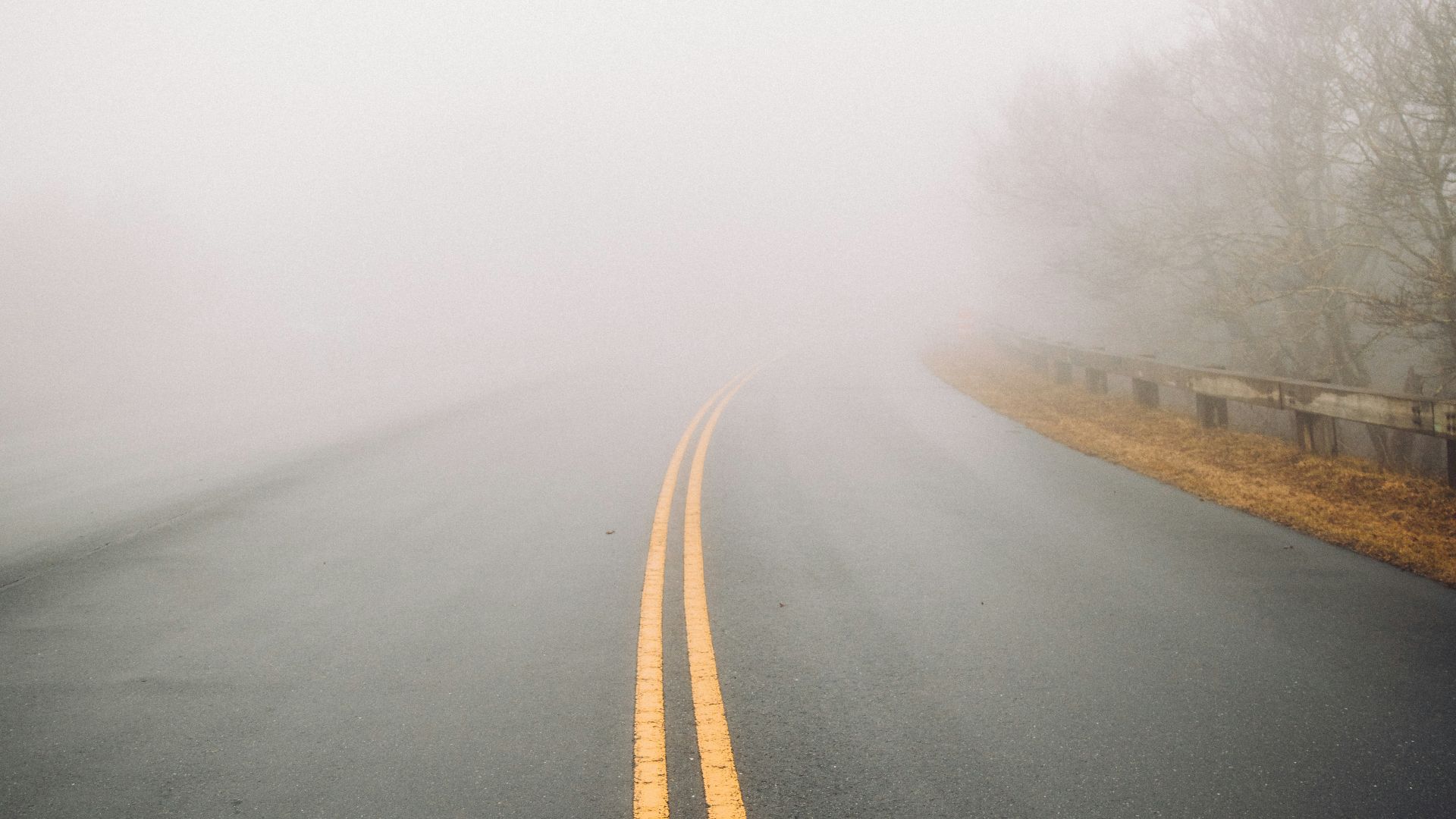
Cool autumn nights combined with leftover moisture can create thick patches of fog that seriously limit visibility. These conditions are especially common near lakes, rivers, valleys, and low-lying stretches of highway. Even when the road ahead looks completely clear, you could run into dense fog around the next bend, so it's important to slow down and switch on your low-beam headlights.
4. Black Ice Before Winter Officially Arrives
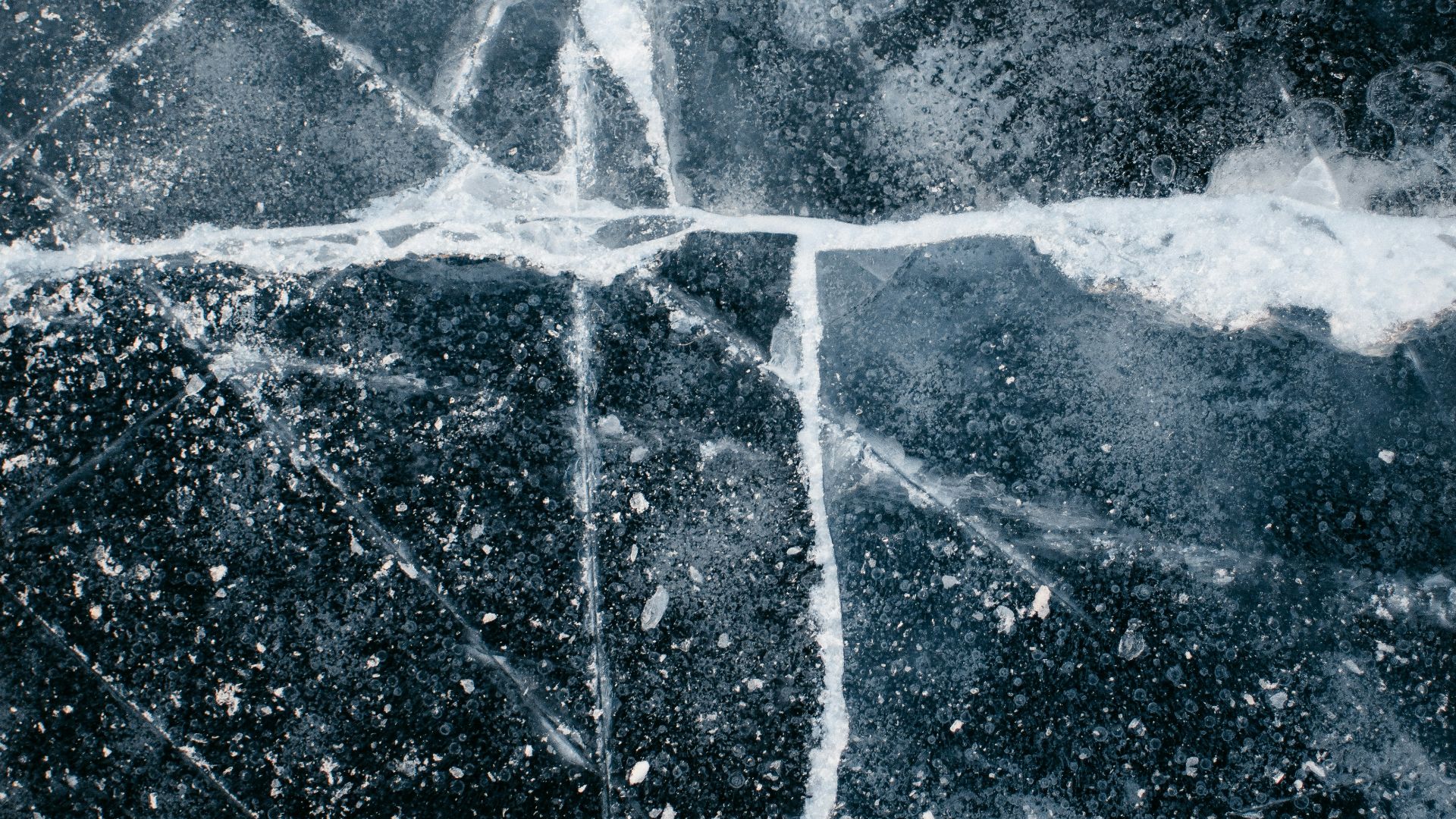
Most drivers don't start thinking about icy roads until the first snowfall, but freezing temperatures can show up much earlier. Bridges, overpasses, and shaded stretches of pavement are particularly prone to developing thin layers of ice during chilly autumn mornings. Because black ice is almost impossible to spot, you might not realize the pavement is slippery until your tires start losing their grip.
5. Blinding Sun During Your Evening Commute
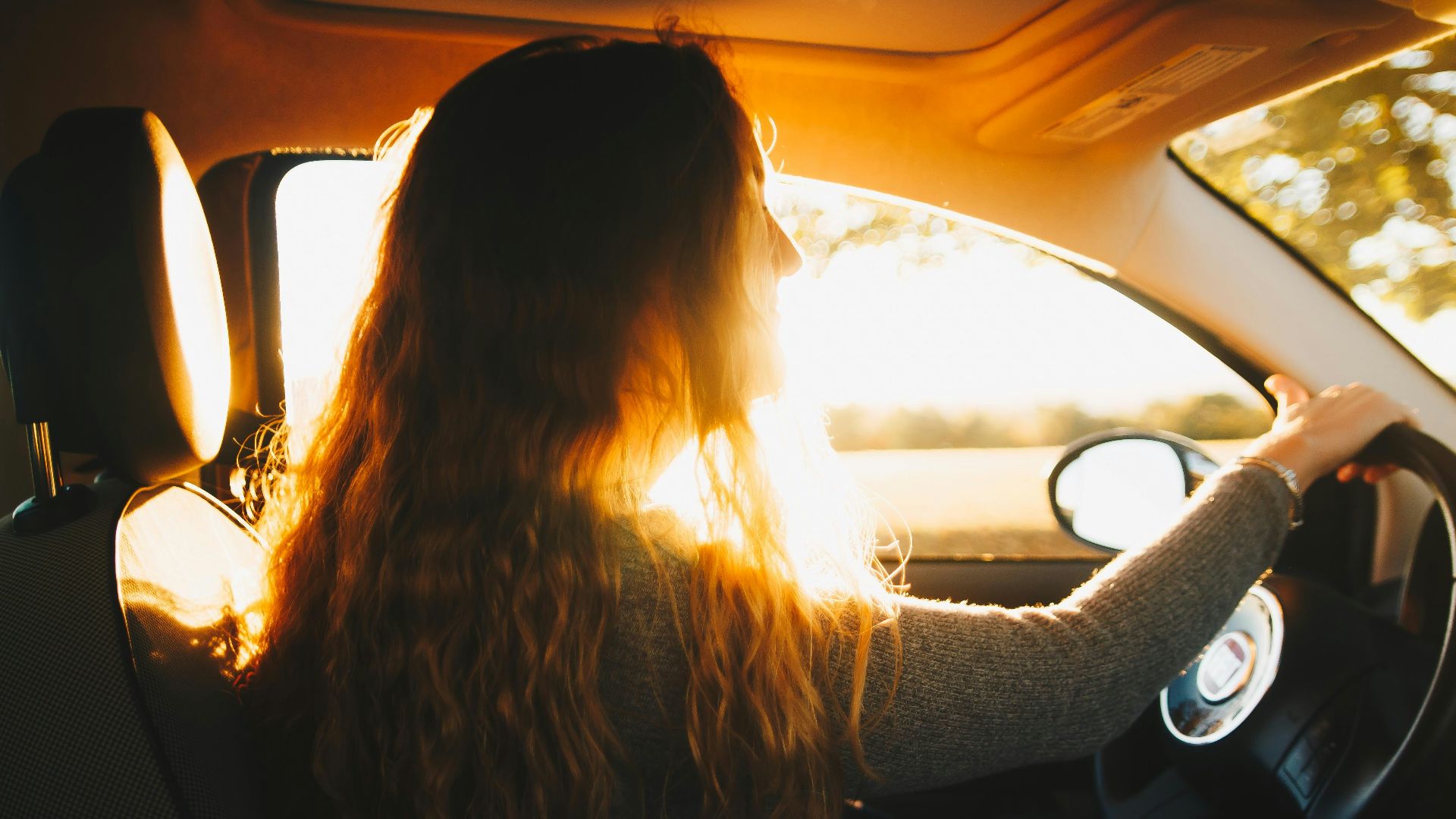
As fall progresses, the sun sits lower in the sky, sometimes shining directly into your eyes along routes you've driven countless times. This can make traffic lights, pedestrians, and vehicles ahead much harder to spot, particularly when you're heading west around sunset. Keeping your windshield clean and a pair of sunglasses handy can make these situations easier to manage.
6. Heavy Rain After Weeks of Dry Weather
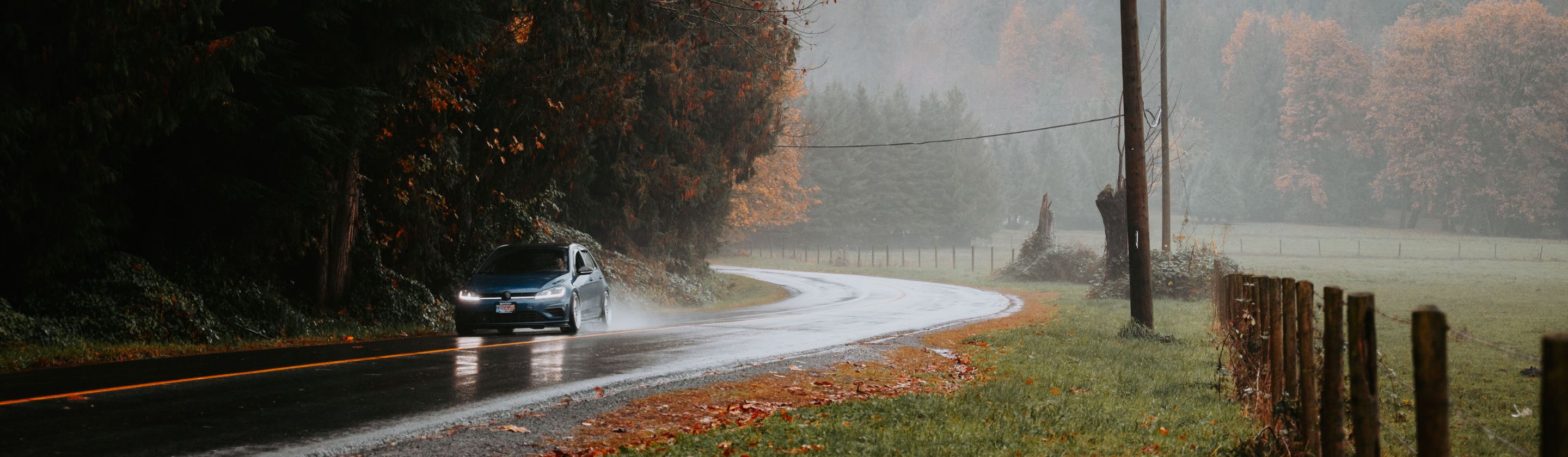
The first major rainfall after a long dry spell can make roads unexpectedly slippery as water mixes with built-up oil, rubber residue, and grime. You'll often notice this around intersections and busy streets where vehicles regularly stop and accelerate. Even experienced drivers can underestimate just how quickly road conditions change when the pavement first gets wet.
7. School Buses Returning to Neighborhood Streets
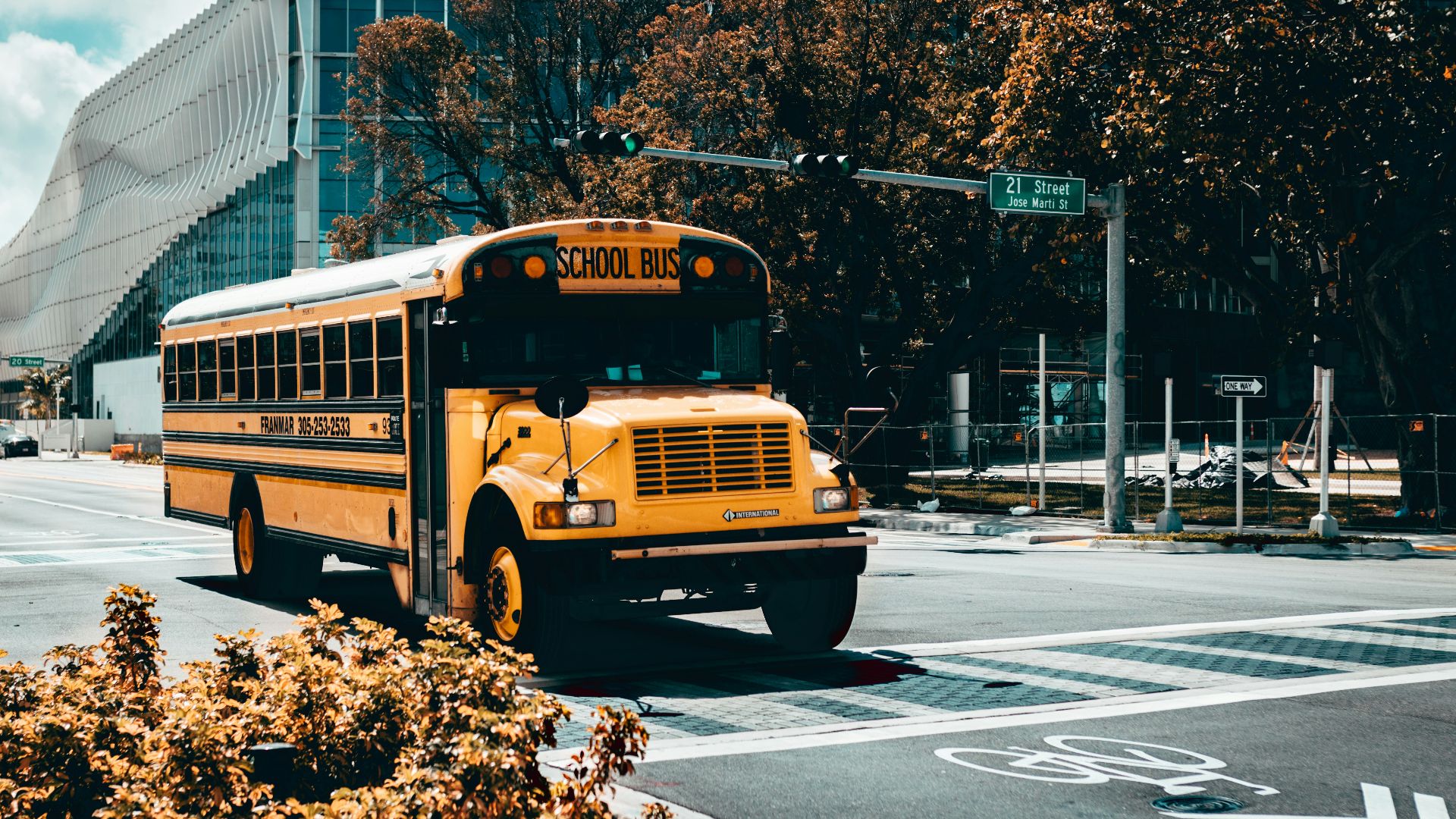
Once school starts again, streets that were fairly quiet during summer suddenly fill with buses, children, and parents trying to get through their morning routines. A familiar shortcut through a residential neighborhood might now involve several extra stops and more pedestrians than you're used to seeing. Leaving yourself a little extra travel time makes it easier to stay patient and watch for children near crosswalks.
8. Fallen Branches After Autumn Windstorms
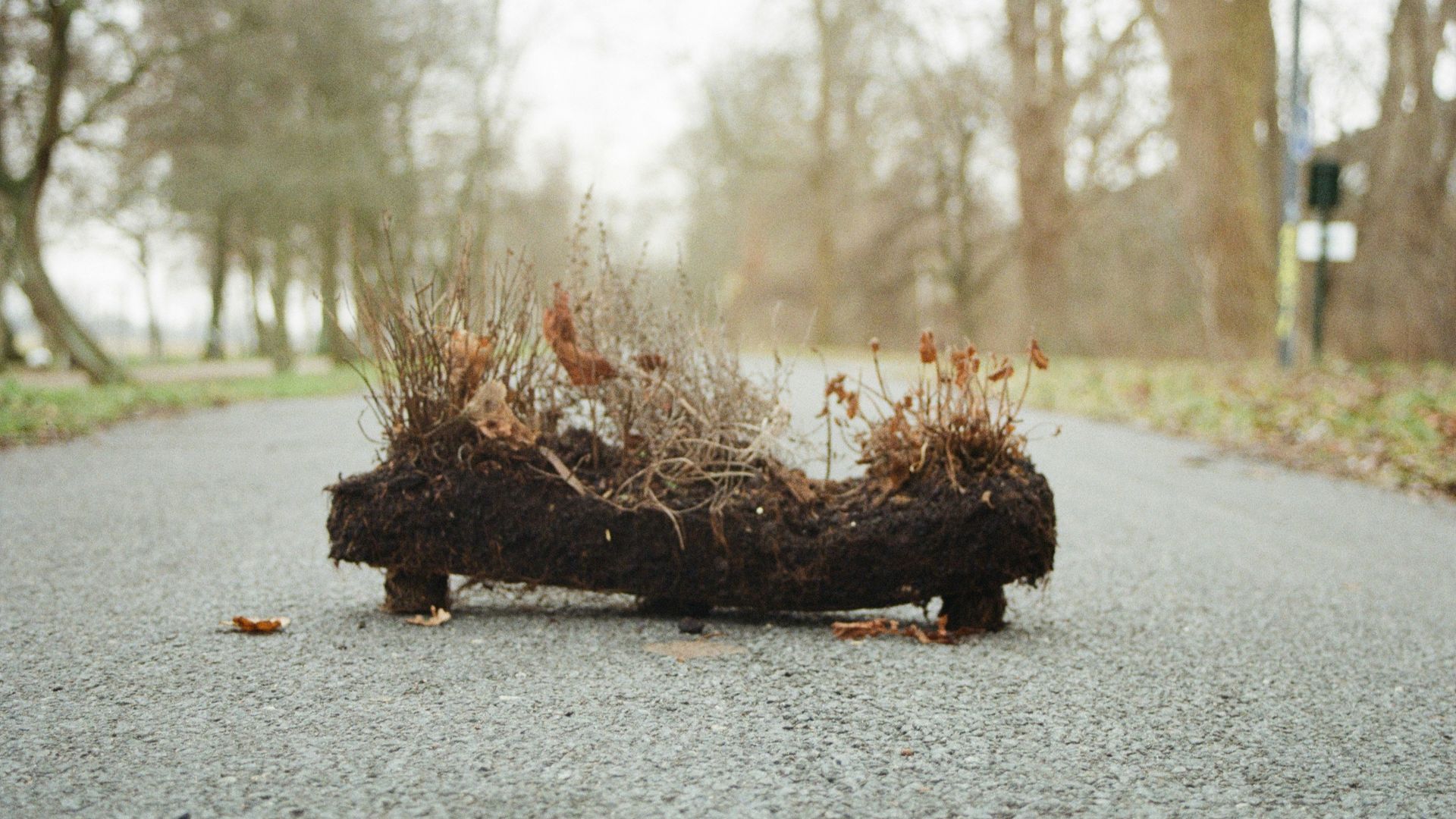
Strong fall winds can knock weakened branches onto roads, sometimes leaving unexpected obstacles around curves where drivers have little time to respond. Smaller debris can be especially tricky to spot until you're close enough for it to damage a tire or scrape underneath your vehicle. After a particularly windy night, it's a good idea to be more cautious on tree-lined streets and rural highways.
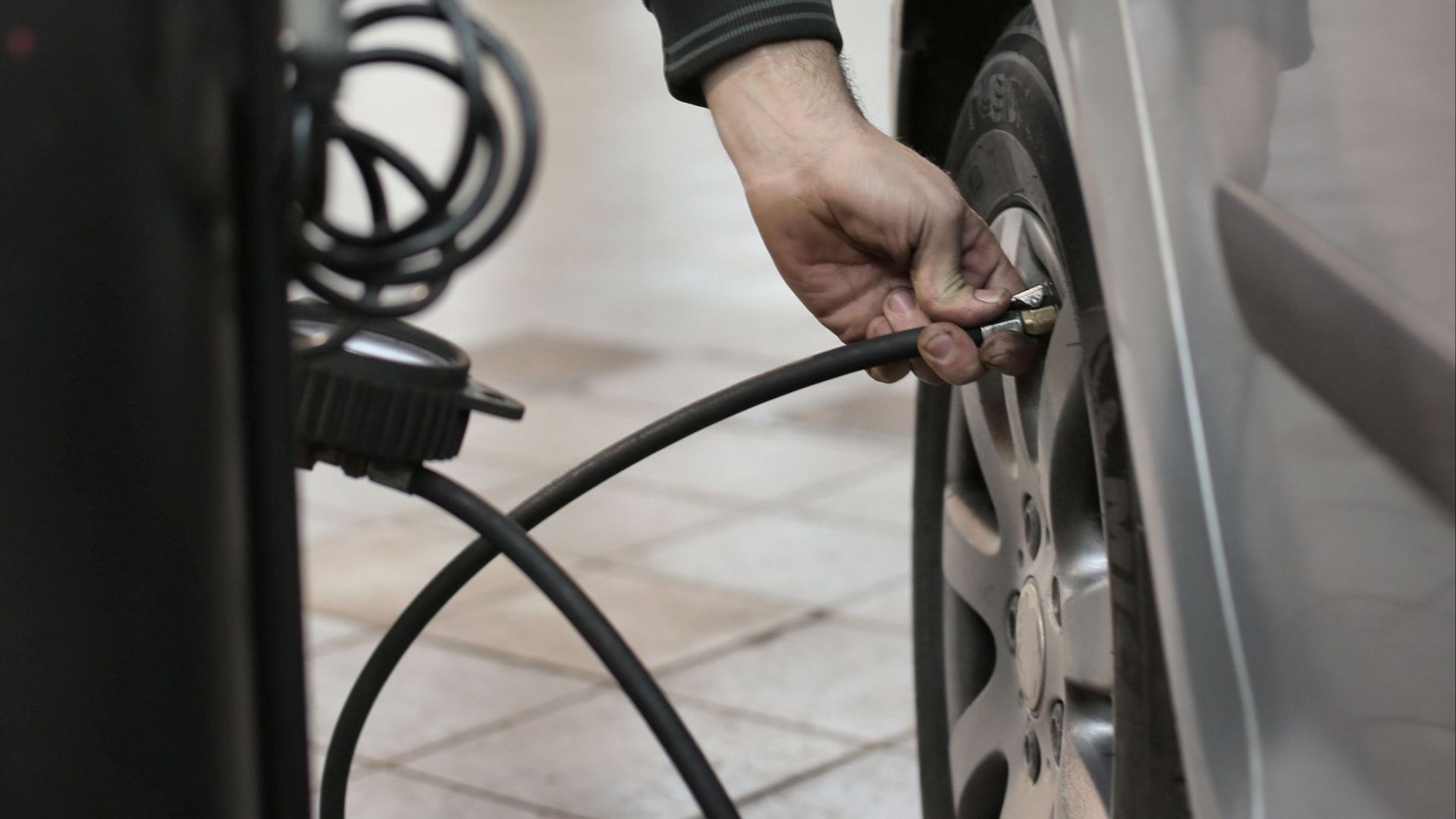
9. Tire Pressure Dropping With the Temperature
A sharp drop in temperature can cause your tire pressure to decrease, even when the tires themselves are perfectly fine. Driving with underinflated tires can affect handling, fuel economy, and braking performance, especially when the pavement is already wet. Checking your tire pressure regularly throughout autumn helps keep those colder mornings from causing avoidable problems.
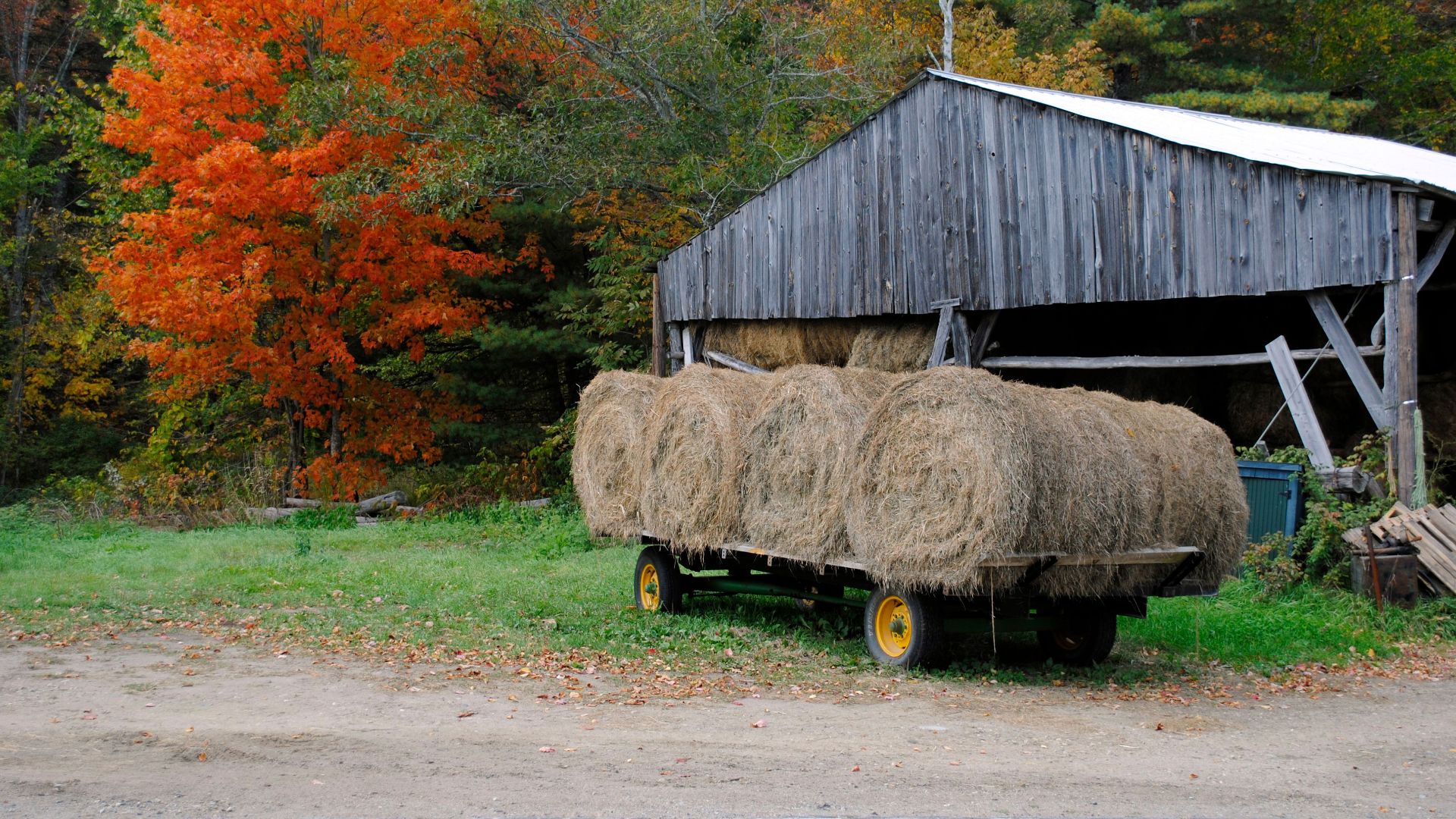
10. Farm Equipment Moving Along Rural Roads
Harvest season means tractors, combines, and other large farming vehicles are back on country roads where traffic might normally travel at highway speeds. These machines tend to move slowly, occupy plenty of space, and make wide turns into fields or farm entrances. When approaching one from behind, giving it enough room is much safer than trying to squeeze past at the last second.
11. Early Darkness Catching Commuters Unprepared
With daylight hours getting shorter, your usual drive home can slowly go from a bright afternoon commute to one that happens entirely after dark. Poor visibility makes it more difficult to spot pedestrians, cyclists, wildlife, and anything lying near the roadside. If you haven't adjusted your driving habits since summer, you could find yourself going faster than your headlights allow you to see safely.

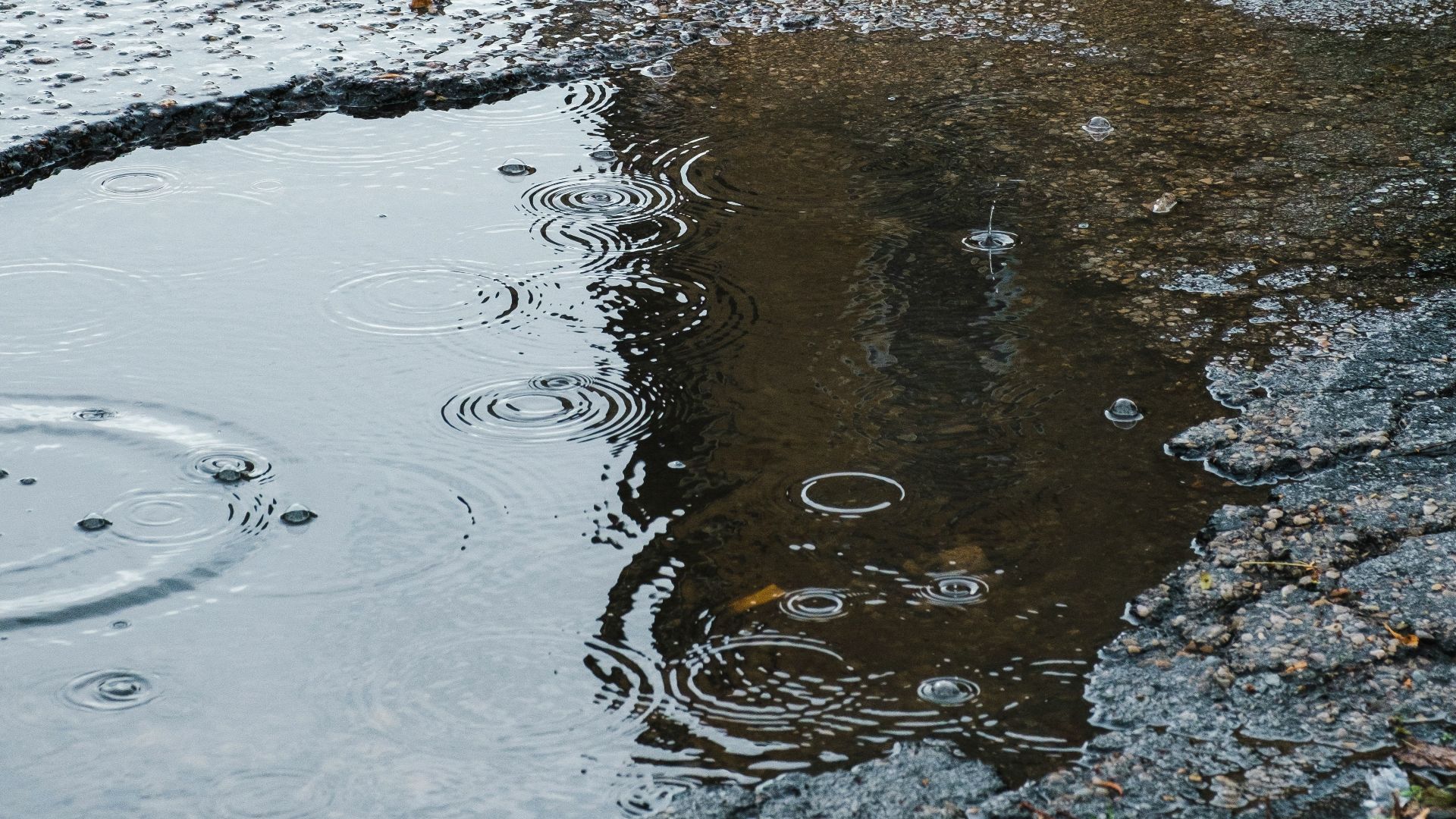
12. Puddles Hiding Deep Potholes
Autumn rain can fill damaged sections of pavement, making it difficult to tell just how deep a puddle really is. Hitting one at a higher speed could leave you with a bent wheel, a damaged tire, or an expensive suspension repair. Instead of assuming standing water is shallow, it's better to slow down and avoid driving through it whenever you safely can.
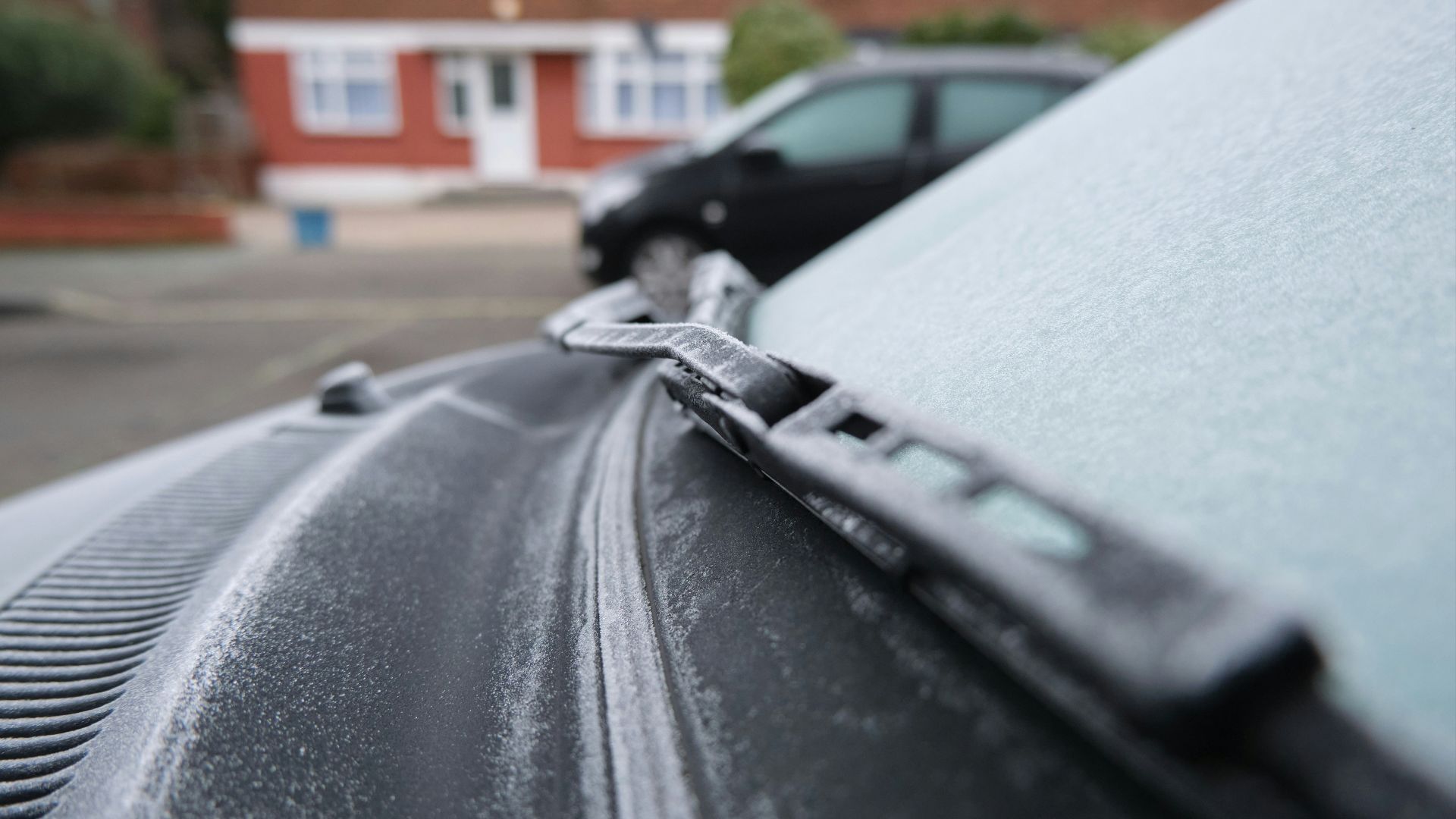
13. Frost Covering Your Windows in the Morning
Those first frosty mornings have a habit of catching drivers off guard, especially when they're already running behind schedule. Scraping just a small section of your windshield creates dangerous blind spots that can hide approaching vehicles or pedestrians. Spending a few extra minutes clearing every window, mirror, and exterior light can make your entire trip much safer.
14. Glare From Wet Roads After Sunset
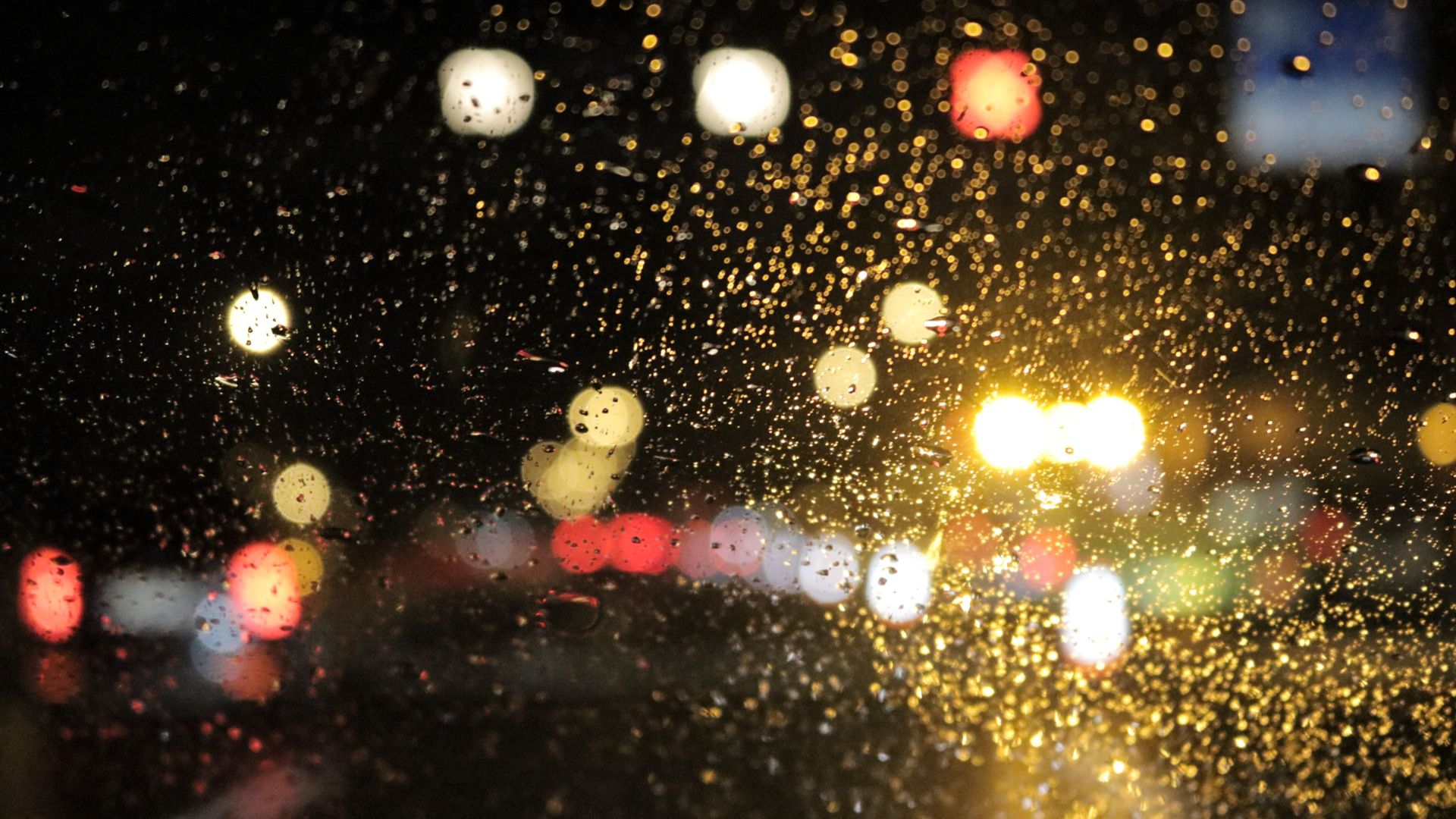
Wet pavement can reflect headlights, streetlights, and traffic signals, making nighttime driving harder on your eyes. The glare can become particularly distracting on busy roads where several vehicles are coming toward you from different directions. Keeping your windshield clean makes a difference, but it's also important to leave more space between vehicles and avoid looking directly into oncoming headlights.
15. Construction Zones Rushing to Finish Before Winter
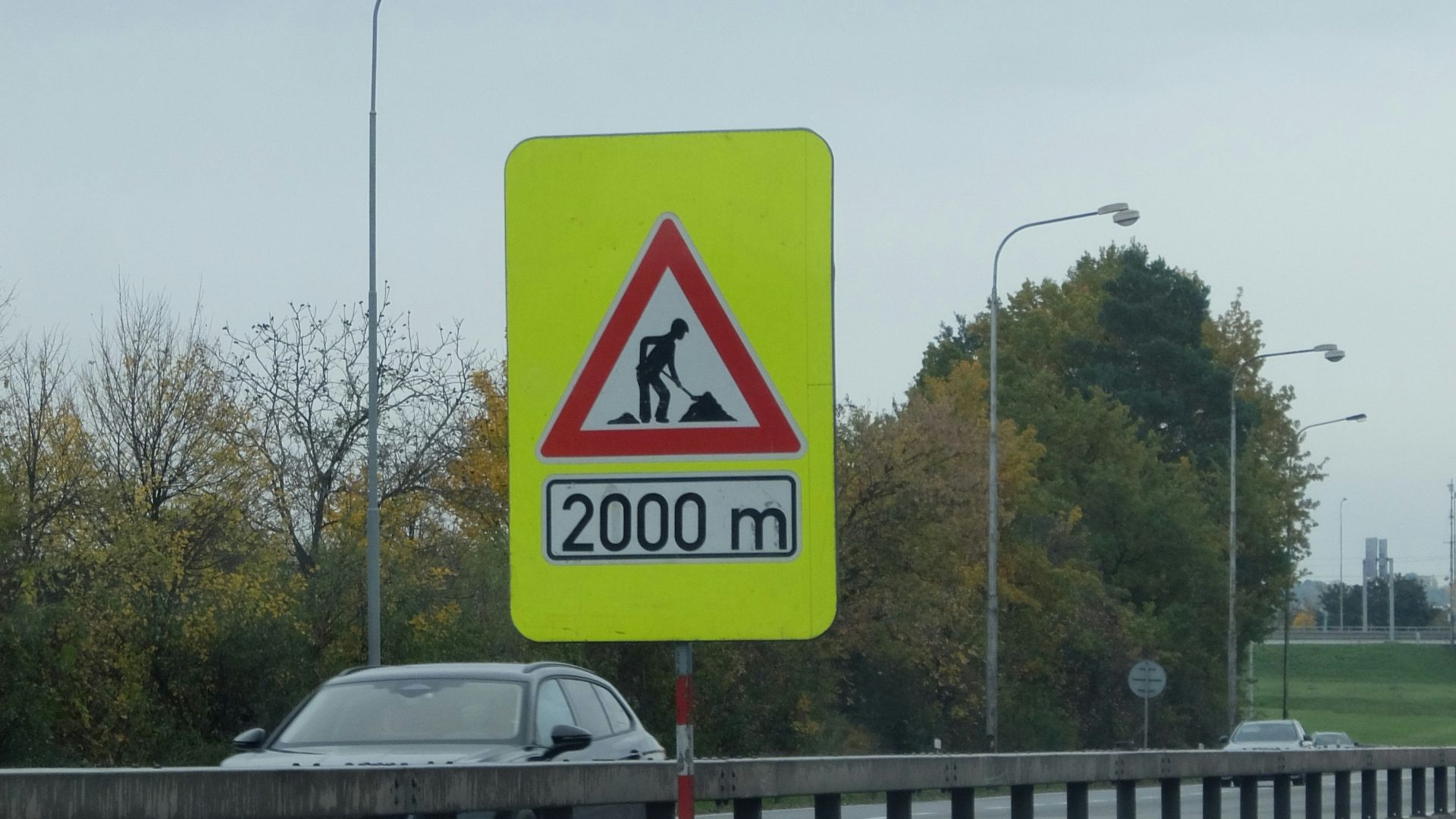
Road crews often work to wrap up paving, repairs, and infrastructure projects before freezing temperatures make certain jobs more challenging. That means autumn drivers can run into unexpected lane closures, rough pavement, temporary road markings, and workers standing close to passing traffic. Even if you've driven the same route for years, you'll need to pay attention to new signs and changing traffic patterns.
16. Strong Crosswinds on Open Highways
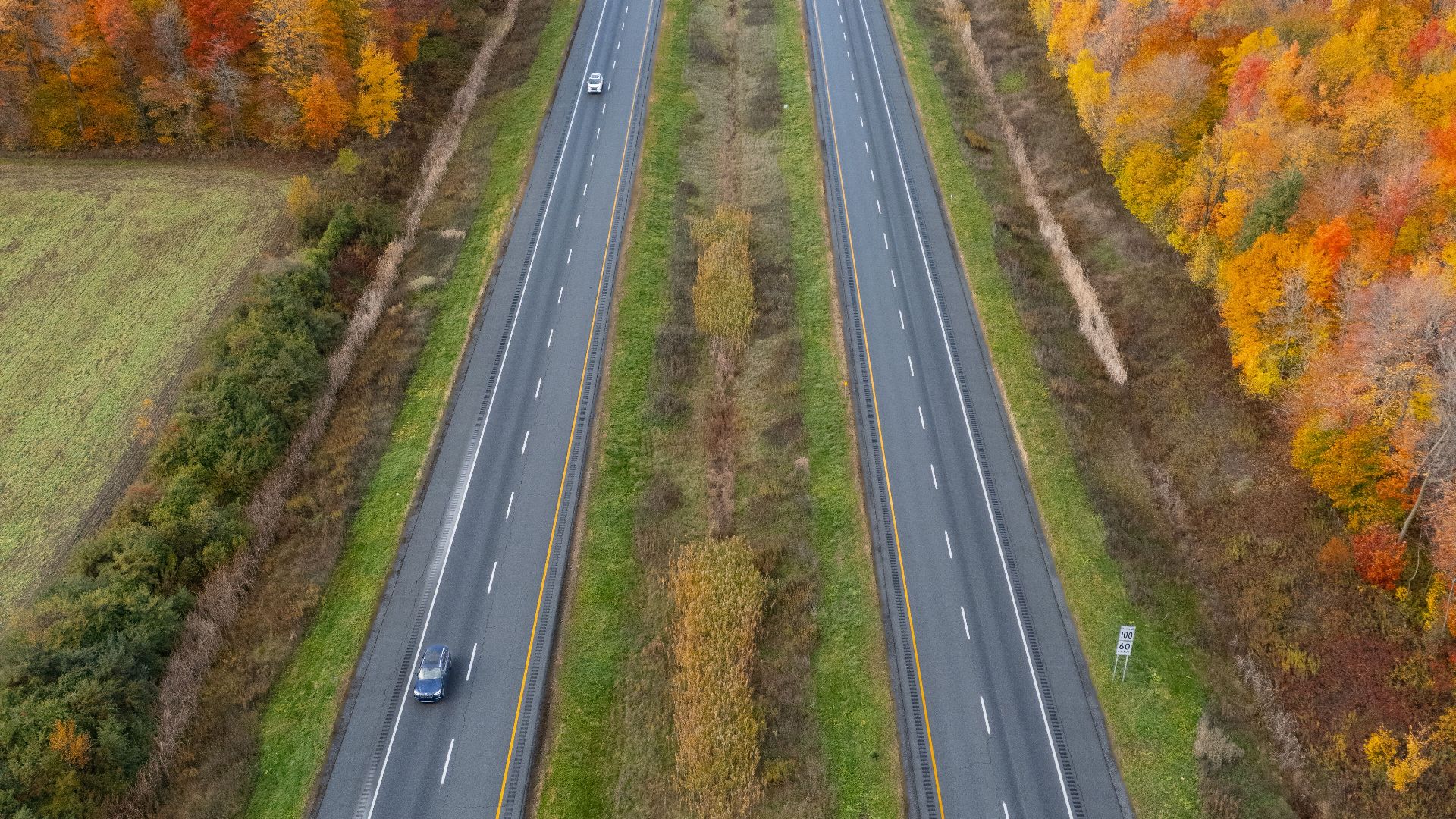
Autumn storms can bring powerful wind gusts that affect vehicle stability, particularly on exposed highways and bridges. Taller vehicles like trucks, vans, and SUVs may feel these effects more noticeably, although smaller cars aren't completely immune to sudden changes in direction. Keeping both hands on the wheel and slowing down during windy weather helps you maintain control when an unexpected gust hits.
17. Smoke From Backyard Fires & Burning Leaves
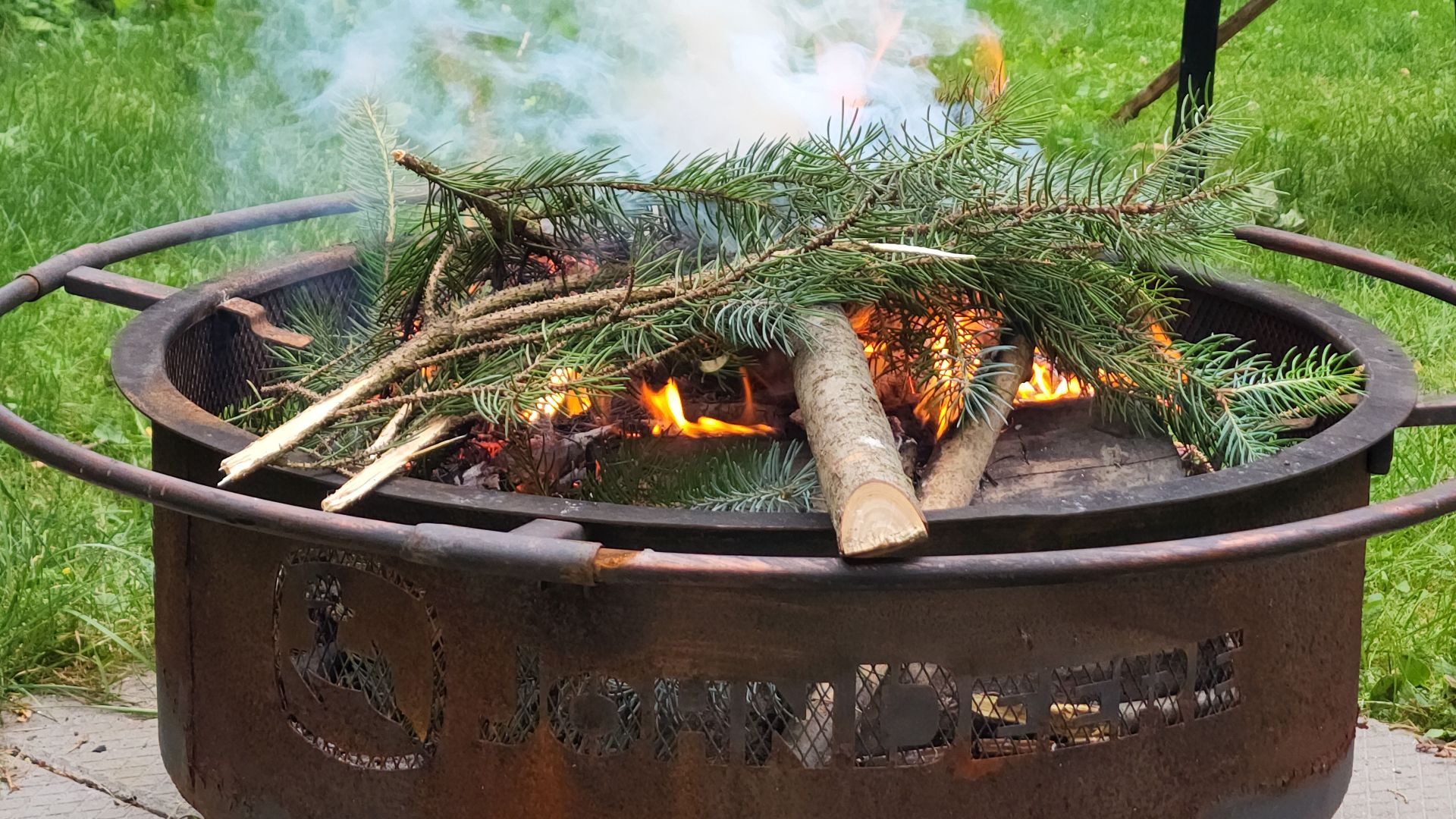
Cooler temperatures encourage people to gather around outdoor fires, while agricultural burning may also take place in some rural communities. Depending on which way the wind blows, smoke can drift across nearby roads and make it difficult to see vehicles or pedestrians. If visibility starts getting worse ahead, reduce your speed gradually and give the vehicle in front of you some extra room.
18. Mud Tracked Onto Roads During Harvest Season
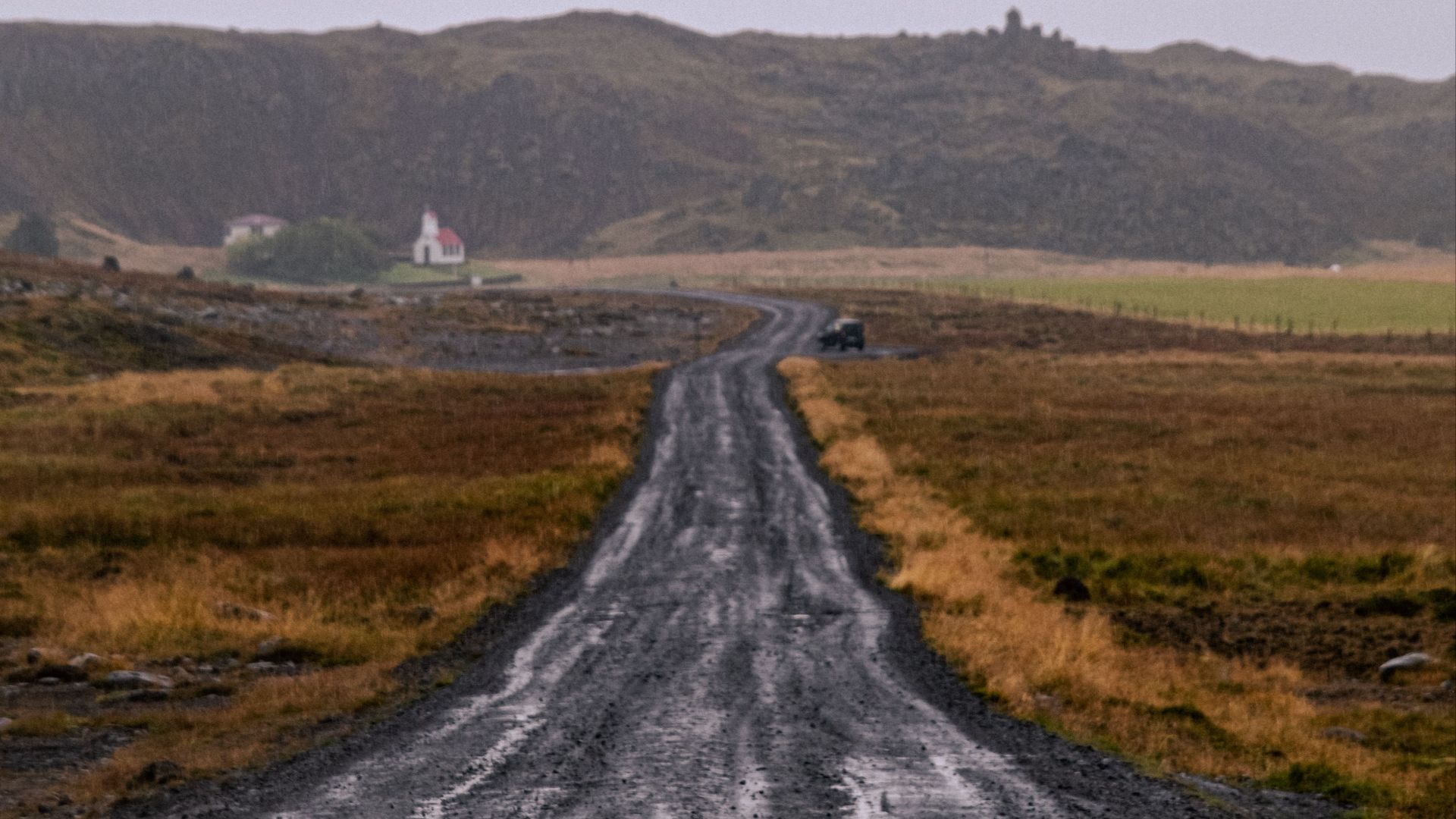
Large farm vehicles often drag mud from fields onto nearby roads, particularly after periods of heavy rain. Thick patches of wet soil can affect tire traction and turn otherwise normal sections of country roads into slippery trouble spots. This is especially risky near farm entrances, where you might encounter muddy pavement right before making a turn.
19. Halloween Pedestrians Appearing After Dark
Halloween brings far more people onto residential streets than usual, including excited children wearing costumes that can make them harder to see. Dark-colored outfits may blend into the surroundings, while certain masks can prevent kids from noticing approaching vehicles. Slowing down and watching carefully between parked cars becomes particularly important when neighborhoods are busy with trick-or-treaters.

20. Temperature Swings Creating Unexpected Road Conditions
Fall temperatures can vary dramatically between the afternoon and early morning, sometimes turning perfectly dry roads into slippery surfaces within just a few hours. Water left behind by rain or melting frost can freeze overnight when temperatures fall below freezing. Before heading out, taking a quick look at the forecast and staying aware of road conditions can help you avoid unpleasant surprises as the weather changes.