
Sometimes the Car Encourages Bad Behavior
Modern cars are packed with features designed to make driving easier, faster, safer, or simply more entertaining. Unfortunately, some of those conveniences also make it remarkably easy to irritate everyone else on the road. Give a driver enough horsepower, bright enough headlights, or a button that makes the exhaust louder, and good judgment seems to fly out the window. These 20 car features don't automatically create annoying drivers, but they certainly give them some useful tools.

1. Extremely Bright LED Headlights
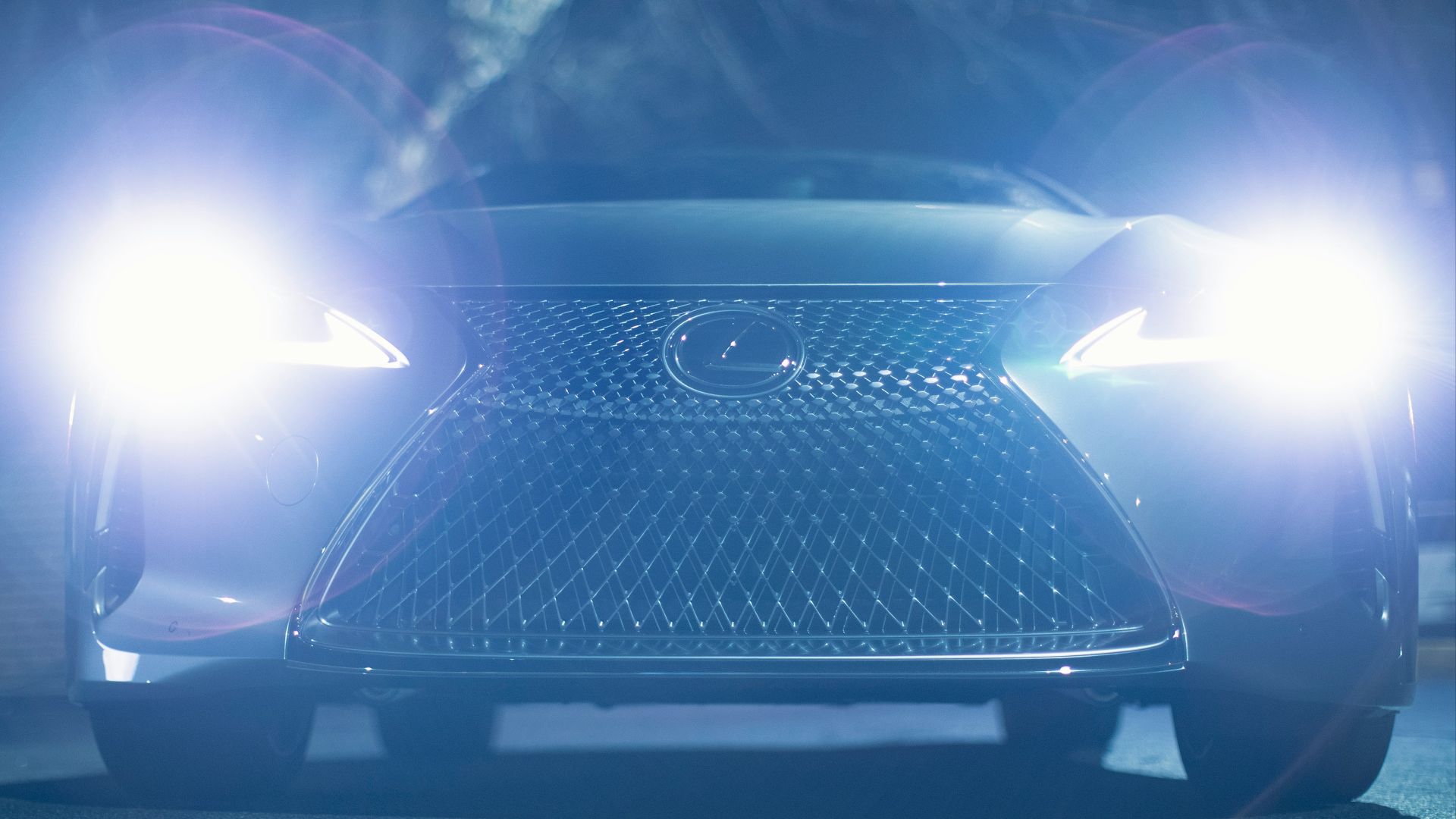
LED headlights can provide excellent visibility, but some modern setups feel unnecessarily intense to anyone coming the other way in the dark. Taller vehicles can make the problem worse because their lights sit closer to the eye level of drivers in smaller cars. A driver may be perfectly comfortable behind the wheel while everyone approaching them is squinting through the glare.
2. Sport Exhaust Modes
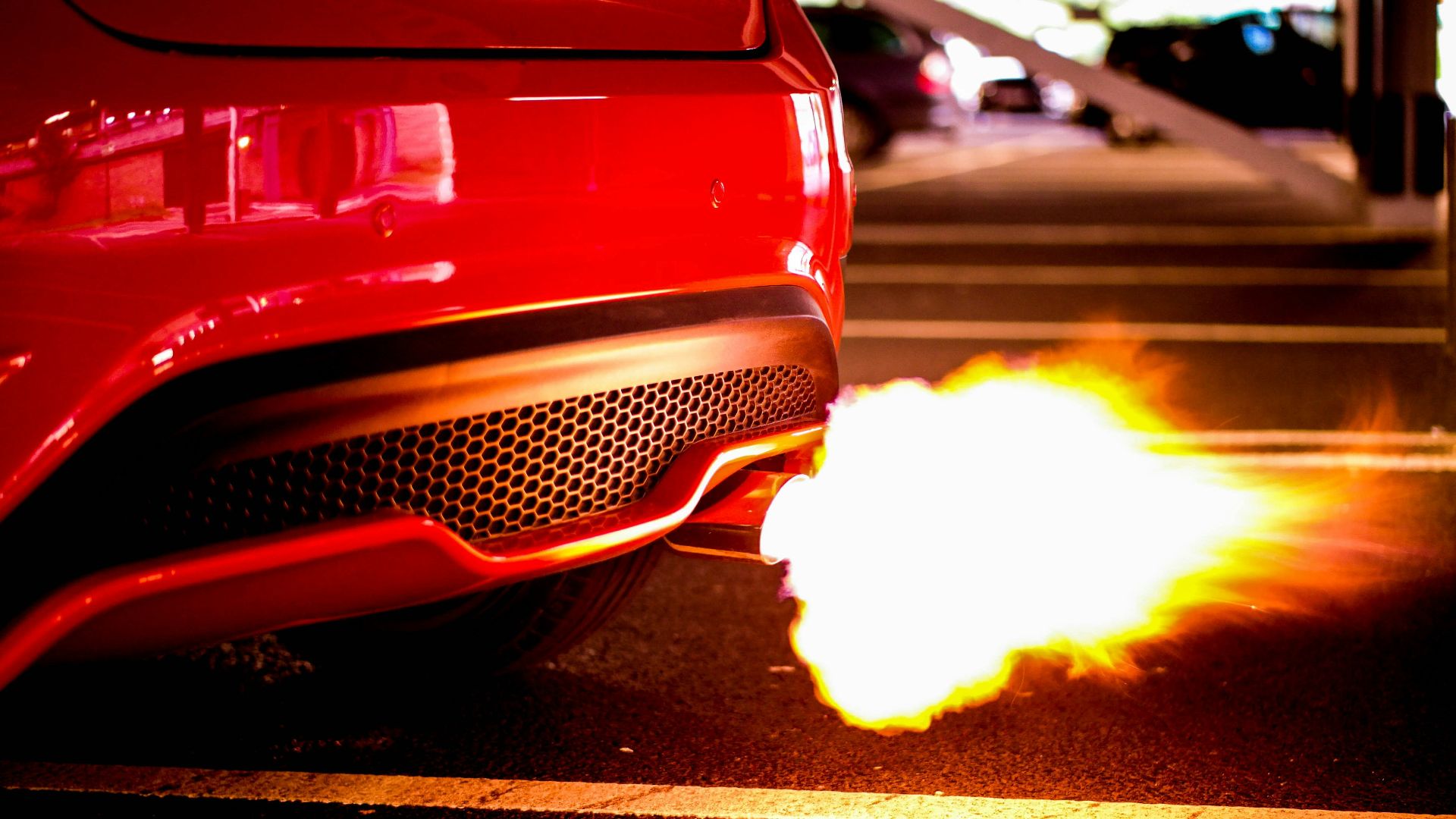
Some performance cars let drivers increase the volume of the exhaust with the push of a button. That's fun when you're enjoying an open road, but it's considerably less charming when someone activates it while leaving a quiet neighborhood at 6 a.m. The feature doesn't require constant use, although certain drivers seem determined to prove otherwise.
3. Launch Control
Launch control helps a performance car accelerate from a standstill as quickly as possible. That's useful on a racetrack, but the supermarket traffic light isn't usually hosting qualifying rounds. Drivers who repeatedly use it on public roads can turn an ordinary green light into a lot more drama than anyone requested.
4. Oversized Touchscreens
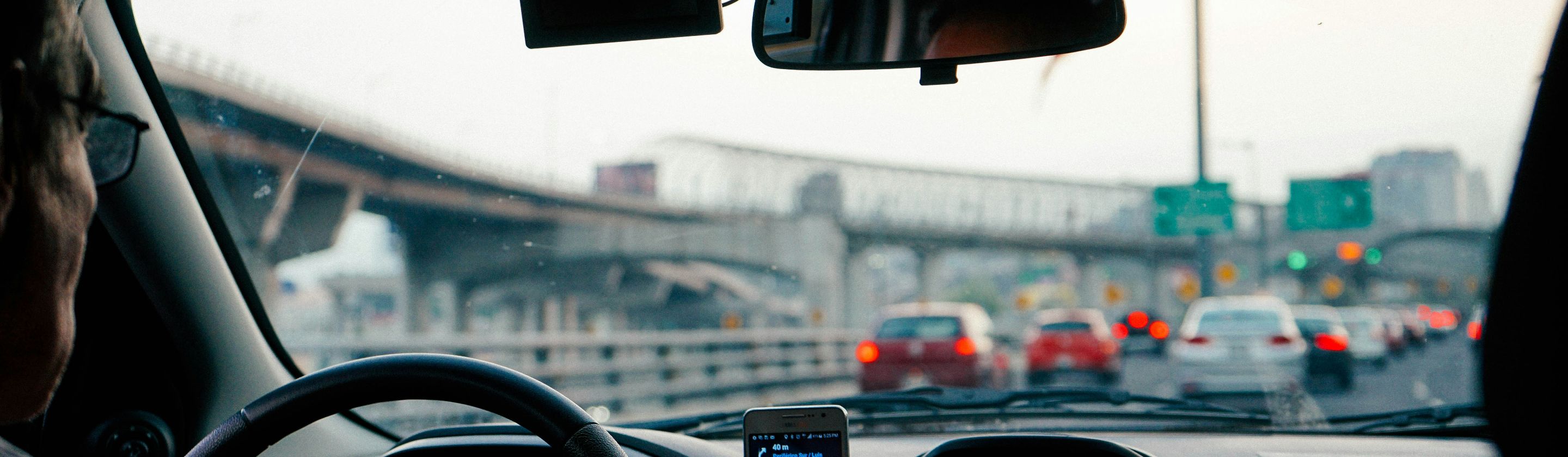
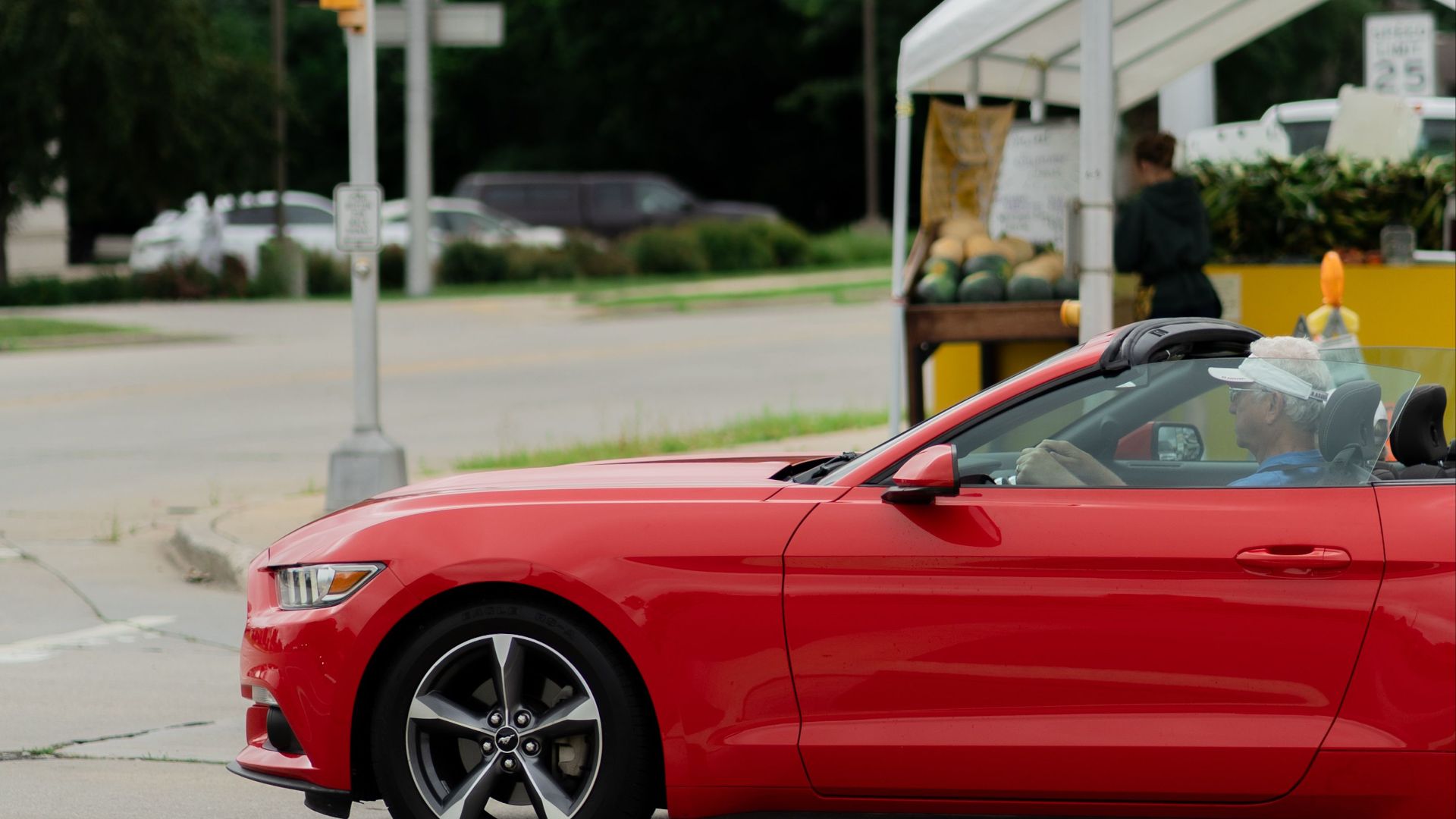
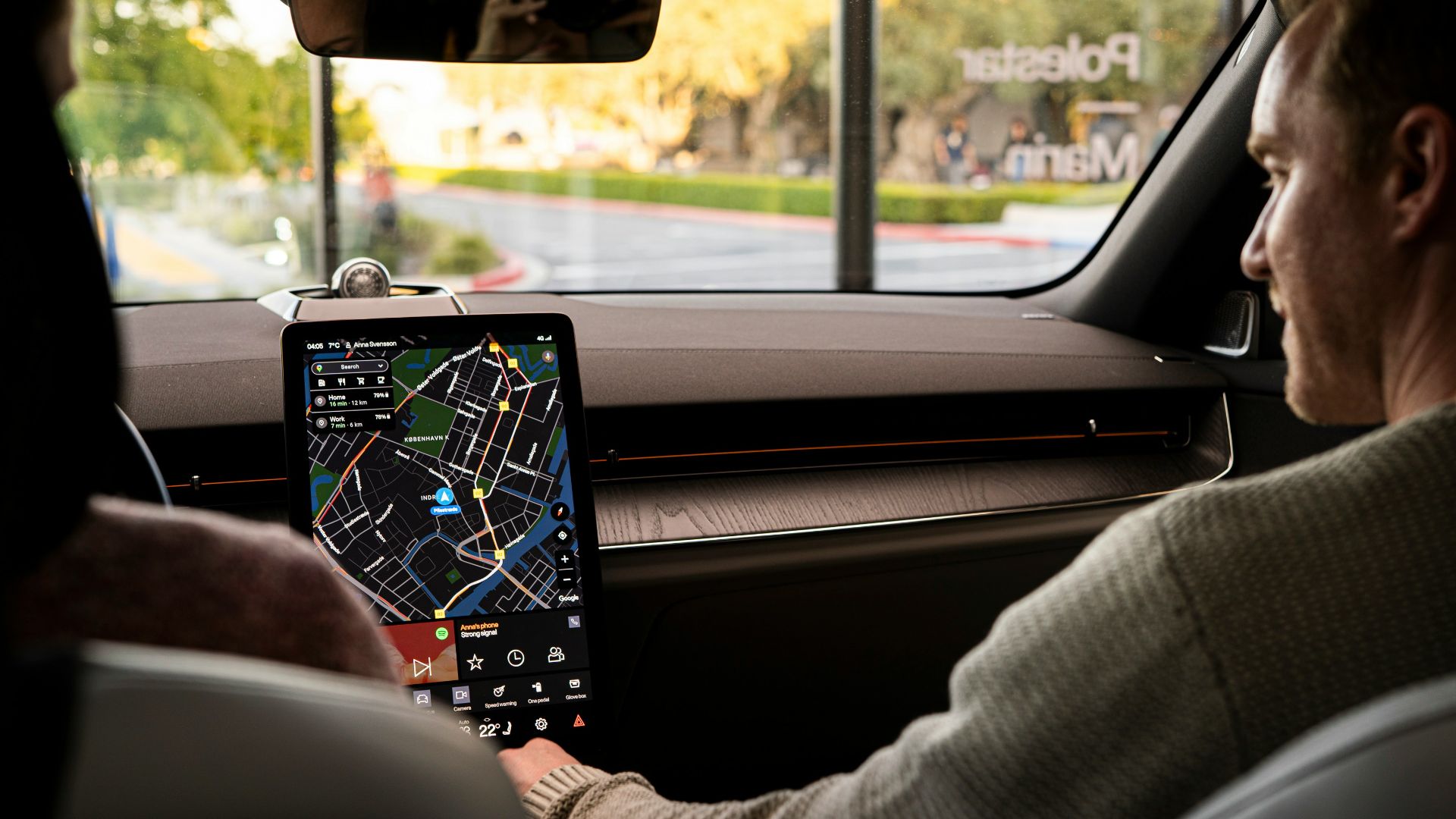
Touchscreens have replaced many physical buttons in modern cars, to the point where it can be too much. Adjusting the A/C shouldn't require the driver to poke through menus when they should be paying attention to traffic. Trying to adjust the heated seats is hardly an excuse for causing near-collisions.
 Wiryan Tirtarahardja on Unsplash
5. Adaptive Cruise Control
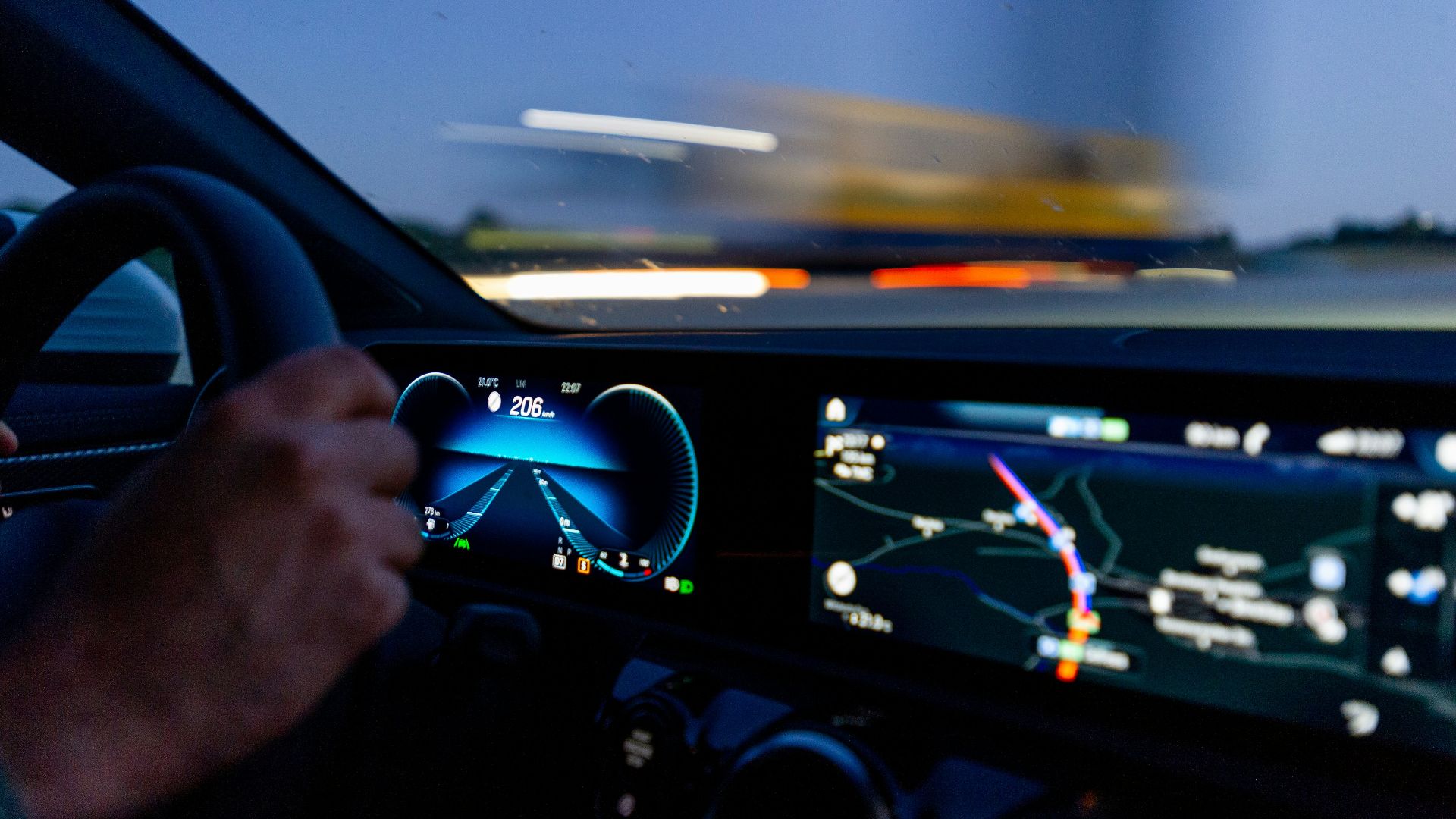
Adaptive cruise control automatically adjusts a vehicle's speed to maintain distance from traffic ahead. Used properly, it's convenient and can make highway driving less tiring. The trouble starts when drivers become so reliant on it that they stop anticipating traffic and leave the car to handle every little change in speed.
6. Lane-Centering Assist
Lane-centering technology can help keep a vehicle positioned within its lane, particularly during long highway trips. Some drivers appear to treat that assistance as permission to pay considerably less attention to steering. You can usually tell when someone has put a little too much faith in the technology because their corrections suddenly become very interesting.
7. Huge Infotainment Systems
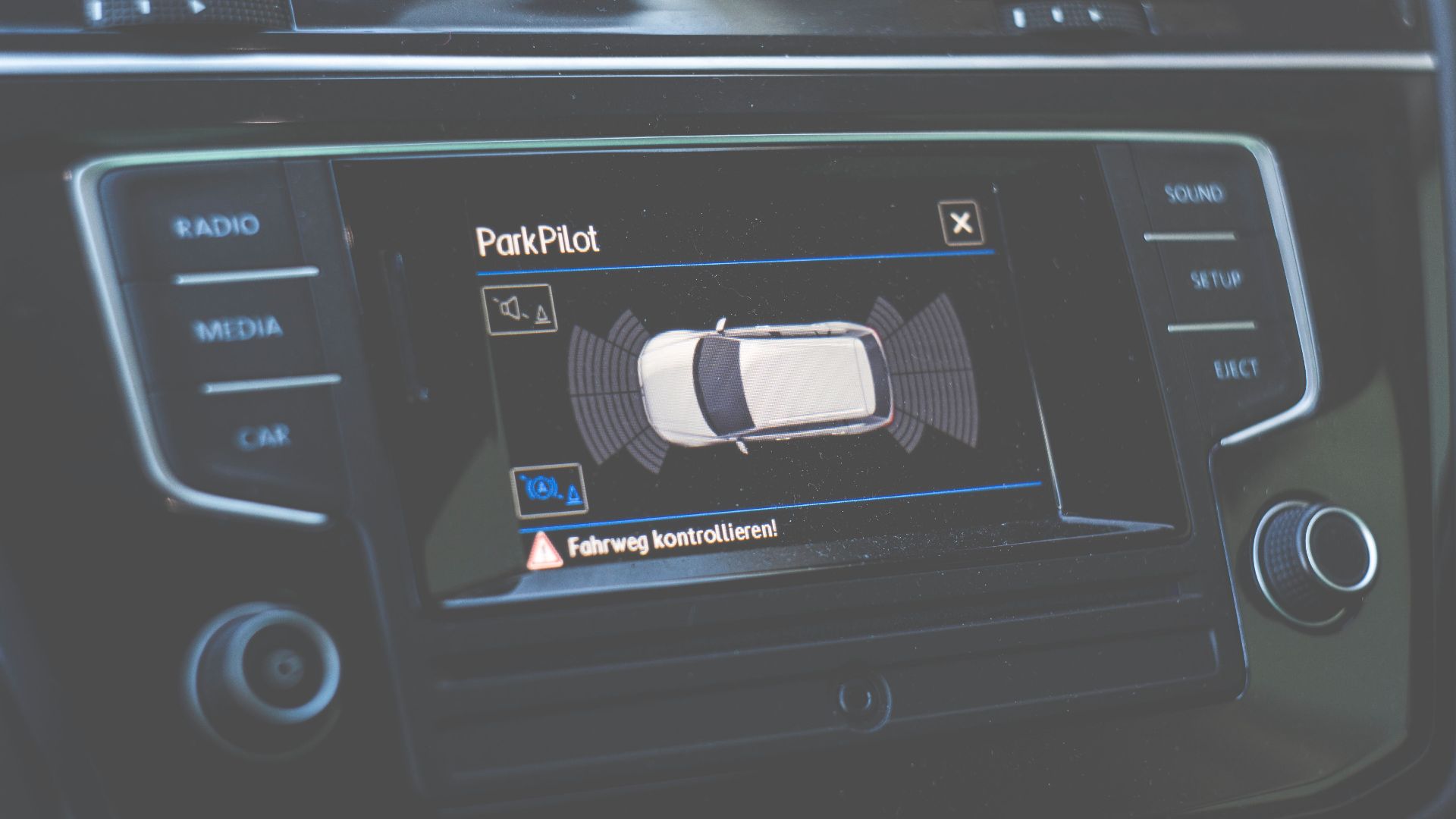
A giant dashboard display certainly makes a cabin look modern, but it also gives drivers a little too much to stare at besides the road. Navigation, music, vehicle settings, messages, and other information can all compete for attention. The bigger the screen becomes, the easier it is for someone to start treating their dashboard like an entertainment center.
8. Automatic High Beams
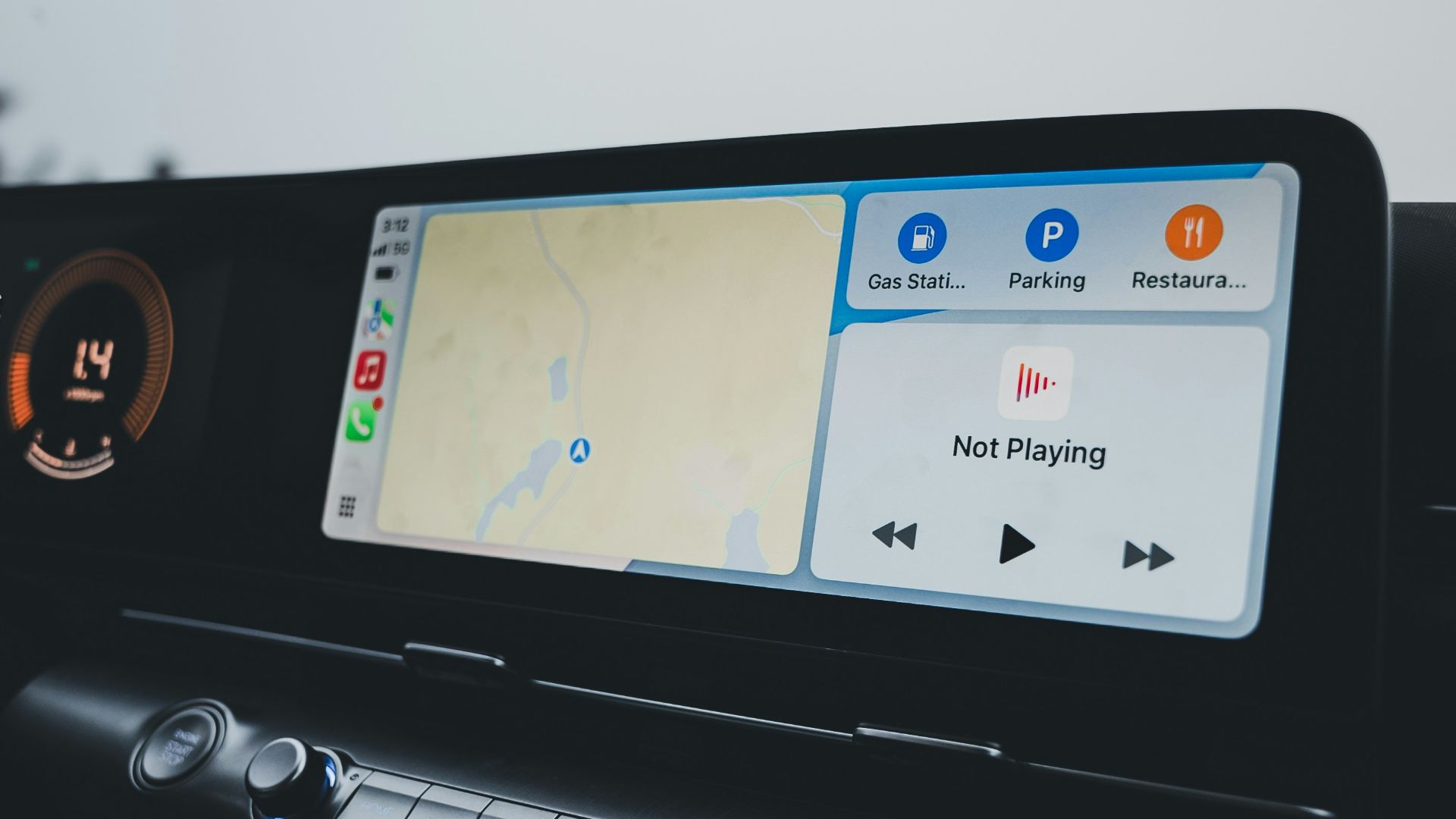
Automatic high beams are supposed to switch between high and low settings when the car detects other vehicles. They don't always react as quickly or accurately as the person being blinded would prefer. Drivers who completely hand over responsibility to the system may not realize they've been lighting up somebody else's mirrors for several uncomfortable seconds.
9. Insane Horsepower
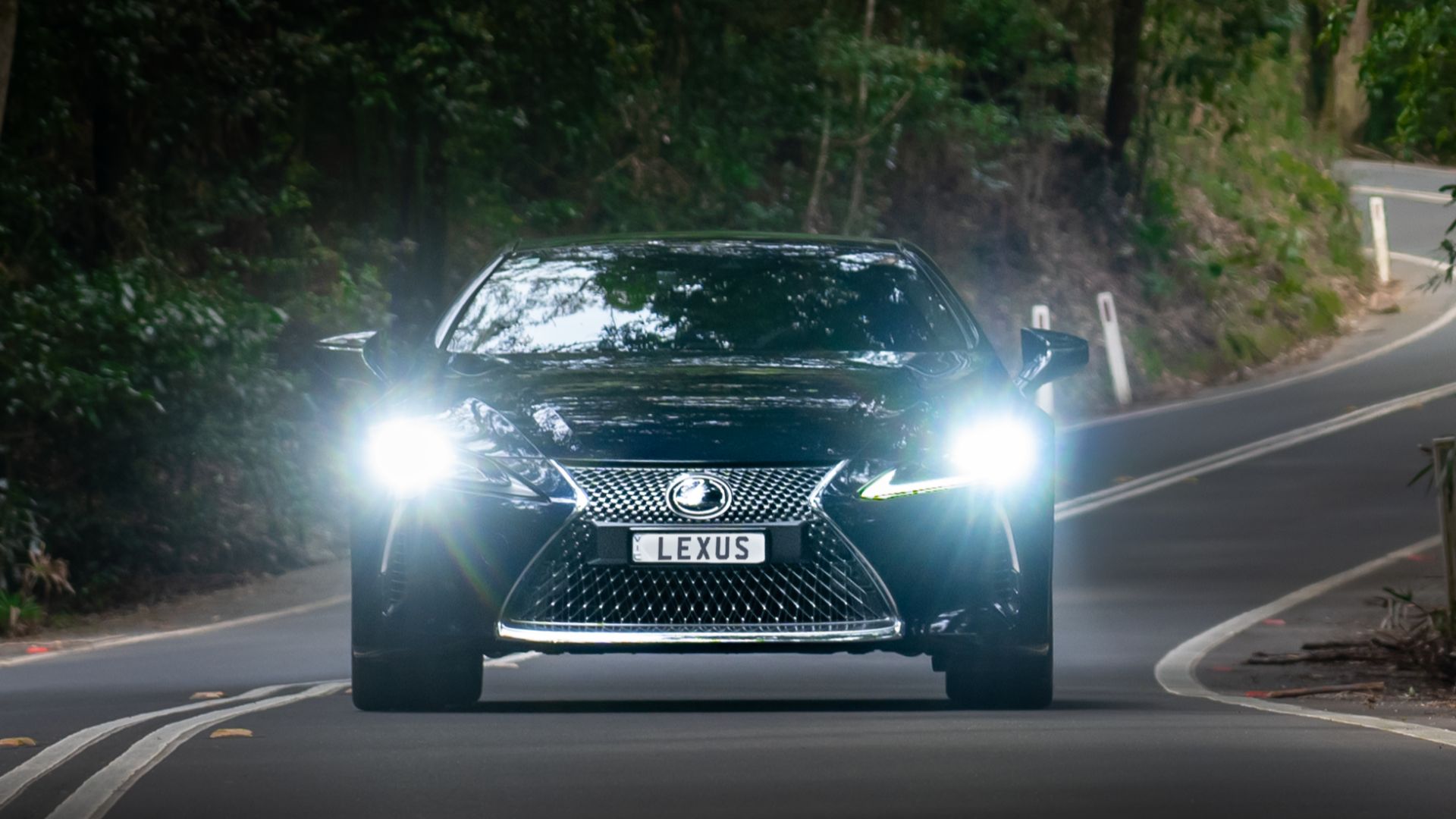
Nobody actually needs 500 horsepower to merge onto a suburban highway, although having it available can certainly be entertaining. It can also encourage drivers to accelerate aggressively whenever the smallest gap appears. Plenty of powerful cars are driven responsibly, yet there's always someone who treats every highway entrance as an opportunity to demonstrate the entire spec sheet.
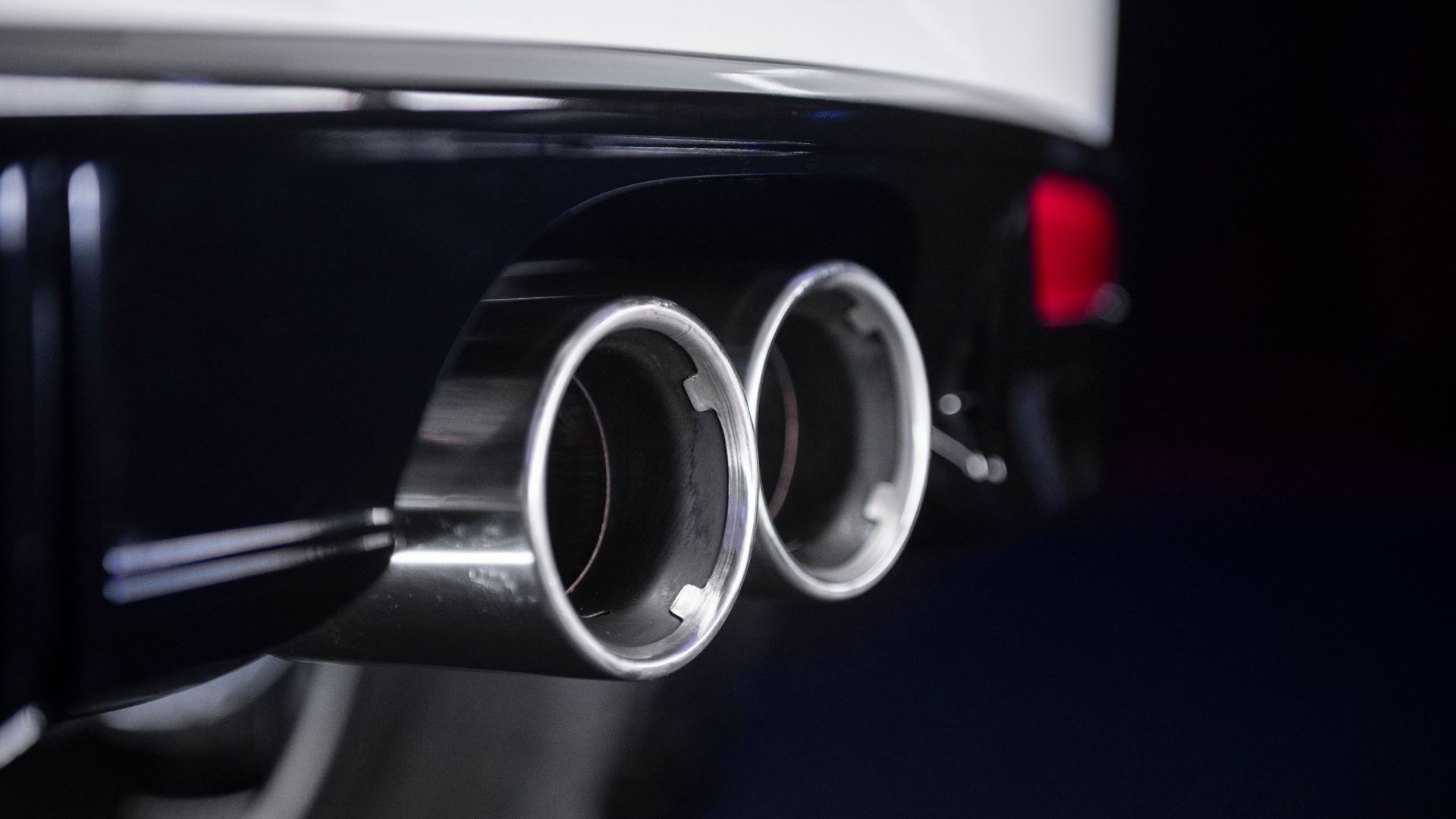
10. Burble & Pop Exhaust Tunes
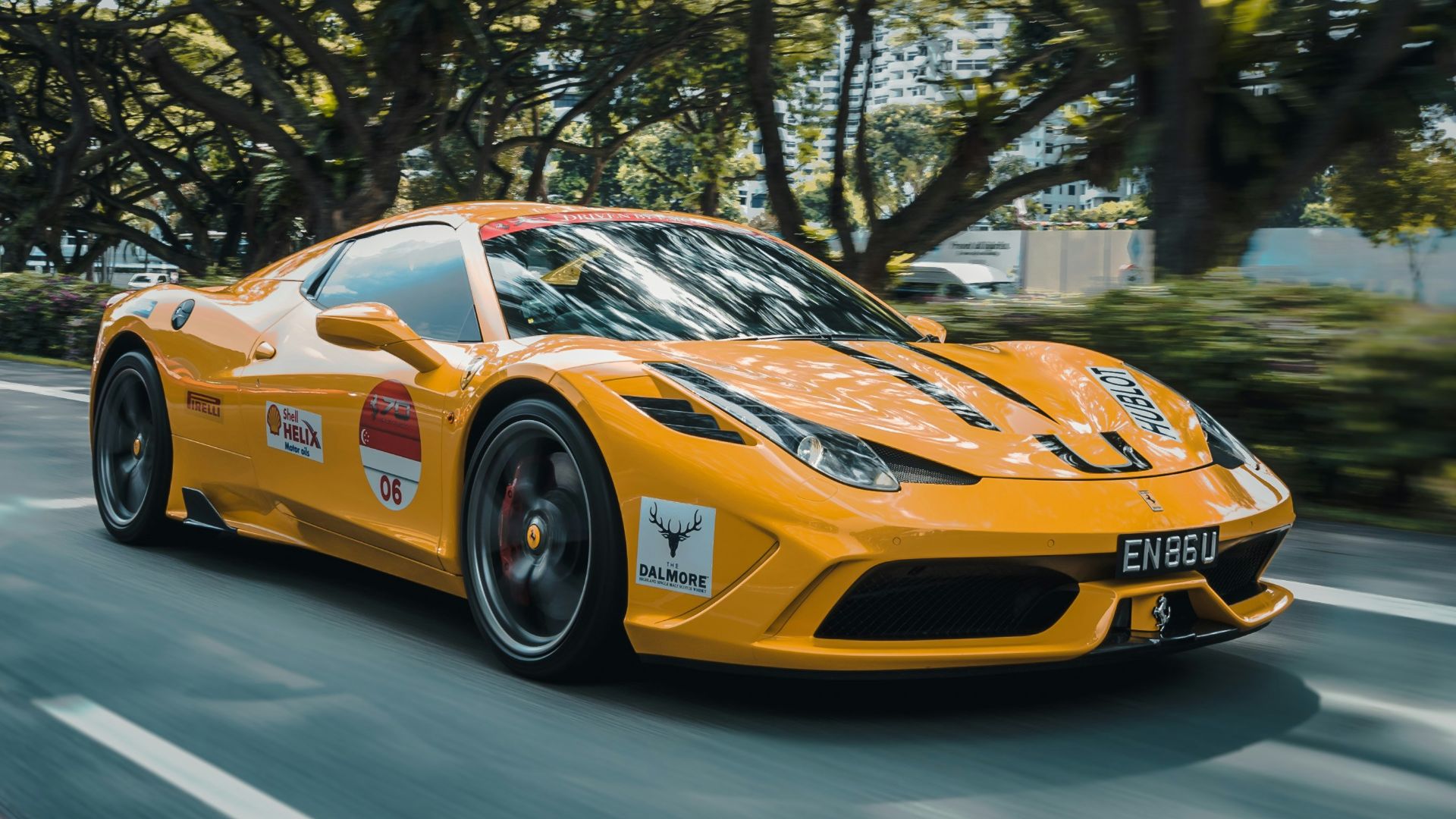
Some performance cars are designed or programmed to produce cracks and pops from the exhaust when the driver lifts off the accelerator. The sound may be enjoyable in moderation, especially to enthusiasts. Repeatedly forcing those noises while crawling through downtown traffic, however, is bound to get some annoyed looks.
11. Giant Pickup Truck Tow Mirrors
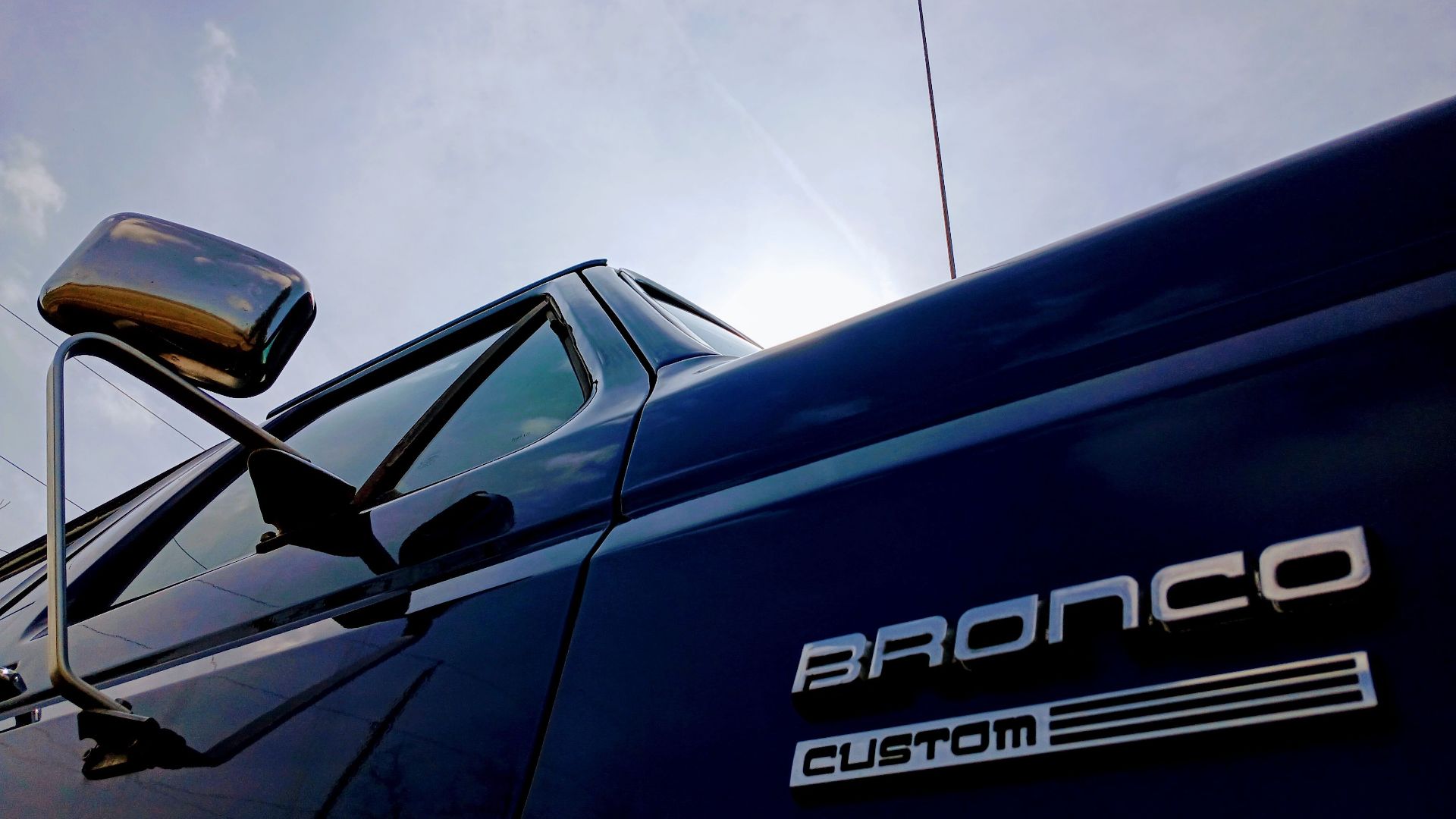
Extended towing mirrors serve an important purpose when a truck is actually pulling a wide trailer. They're less necessary when the truck is completely empty, and the mirrors are still sticking far out on both sides. In tight parking lots and narrow streets, everyone nearby becomes very aware of just how much space that vehicle occupies.
12. Remote Start
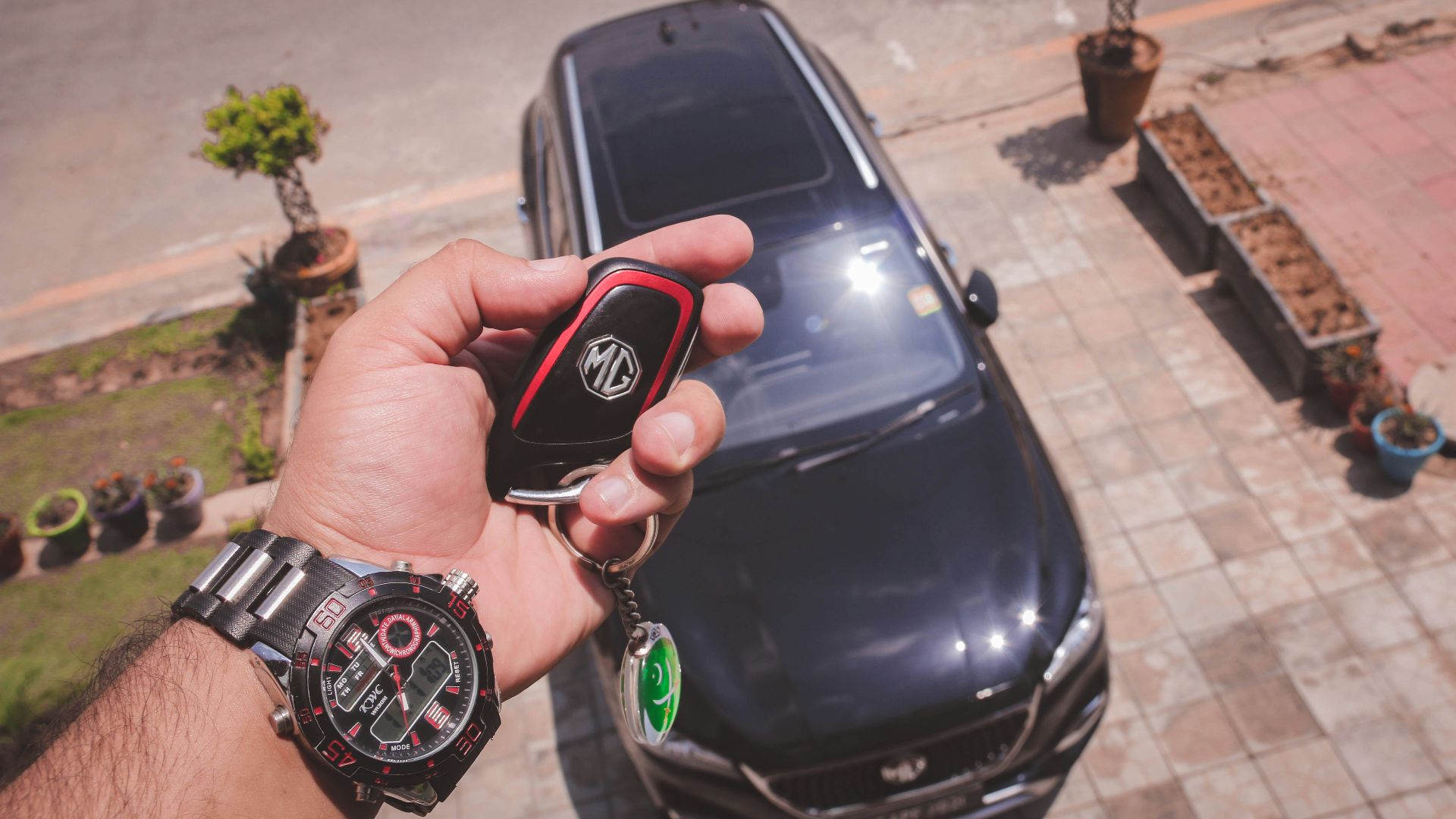
Remote start is wonderfully convenient when it's freezing cold or unbearably hot outside. It becomes more questionable when someone leaves a loud vehicle idling outside an apartment building for 20 minutes every morning. Your cabin may be perfectly comfortable by the time you get in, but your neighbors have already heard the entire warm-up routine.
13. Performance Driving Modes
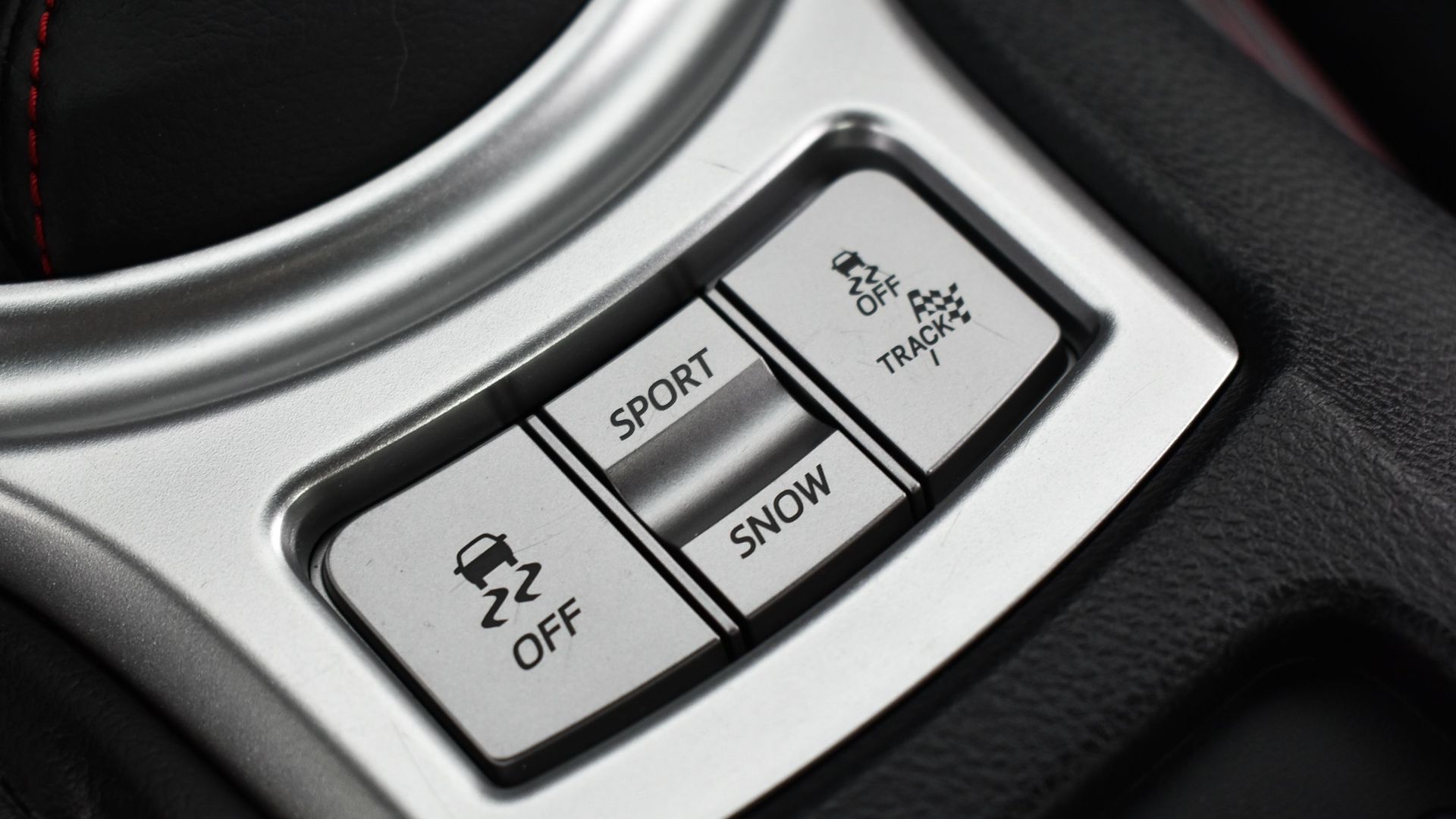
Sport, Track, Race, and similar driving modes can sharpen throttle response, alter suspension settings, and make a car feel dramatically different. Unfortunately, seeing the word "Sport" appear on the dashboard occasionally inspires behavior that doesn't match the surrounding traffic. The morning commute rarely improves because somebody decided their crossover needed maximum throttle response.
14. Oversized Wheels
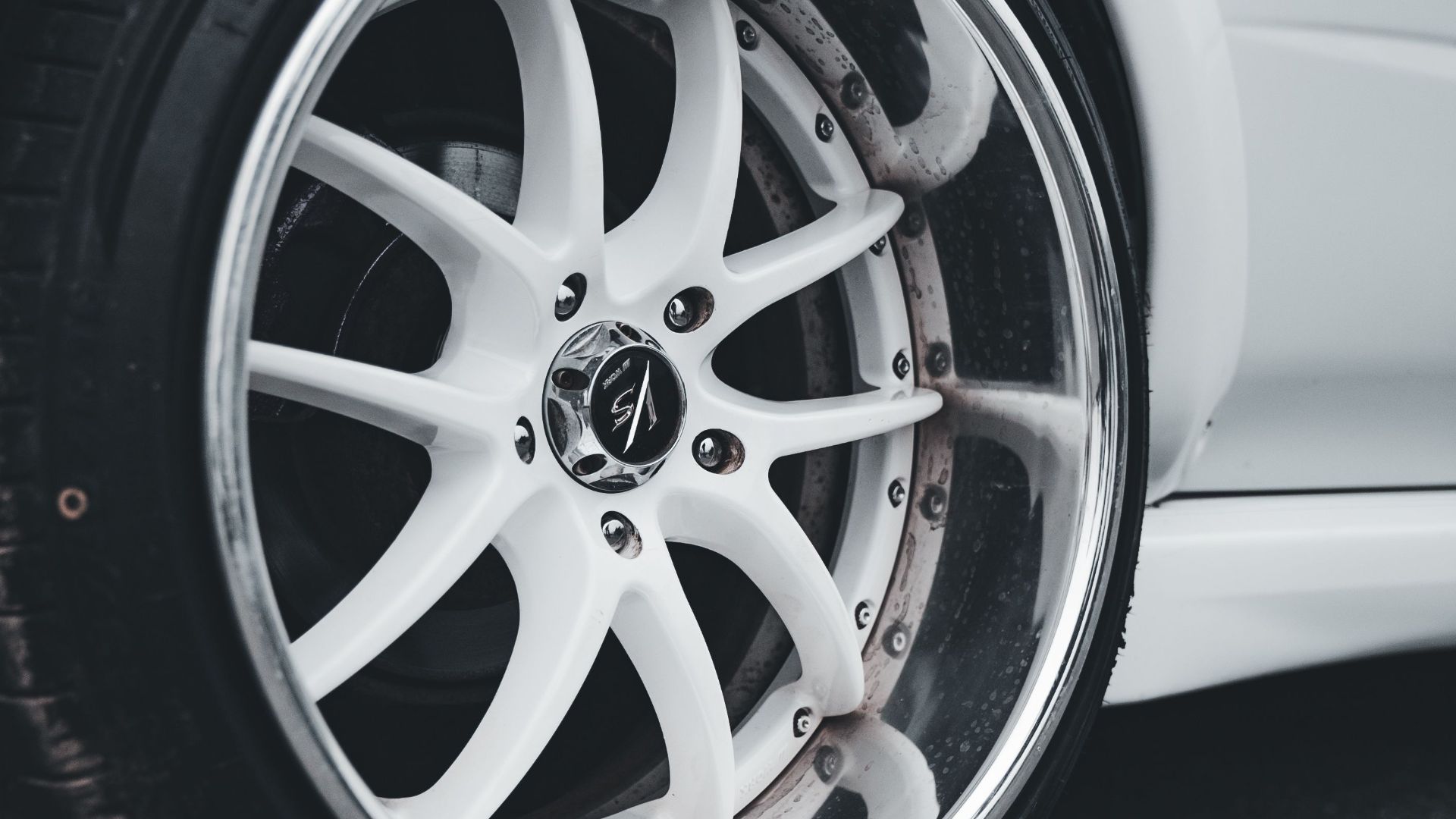
Huge wheels can completely change the appearance of a vehicle, which explains why manufacturers increasingly offer them. They can also make drivers overly cautious around potholes, curbs, and rough pavement because damaging one can be expensive. That sometimes results in a driver slowing almost to walking speed for road imperfections everyone else crossed without incident.
15. Blind-Spot Monitoring
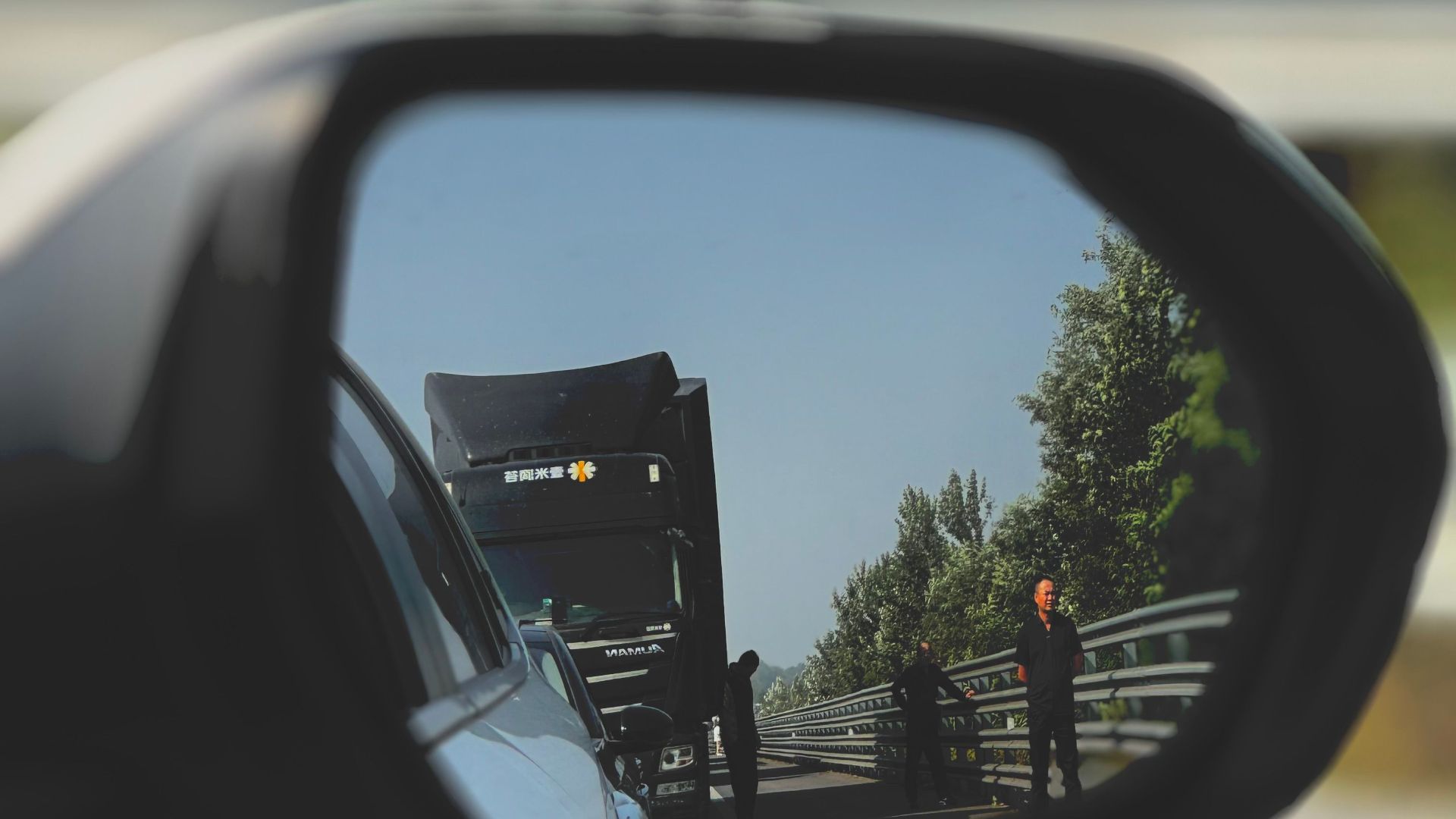
Blind-spot monitors provide a useful warning when another vehicle is beside you, but they're meant to assist drivers, not completely replace a shoulder check. Some motorists seem to wait for the little warning light to disappear and immediately start changing lanes with a little too much confidence. Technology can tell you plenty, but it doesn't make a rushed lane change any less irritating.
16. Self-Parking Systems
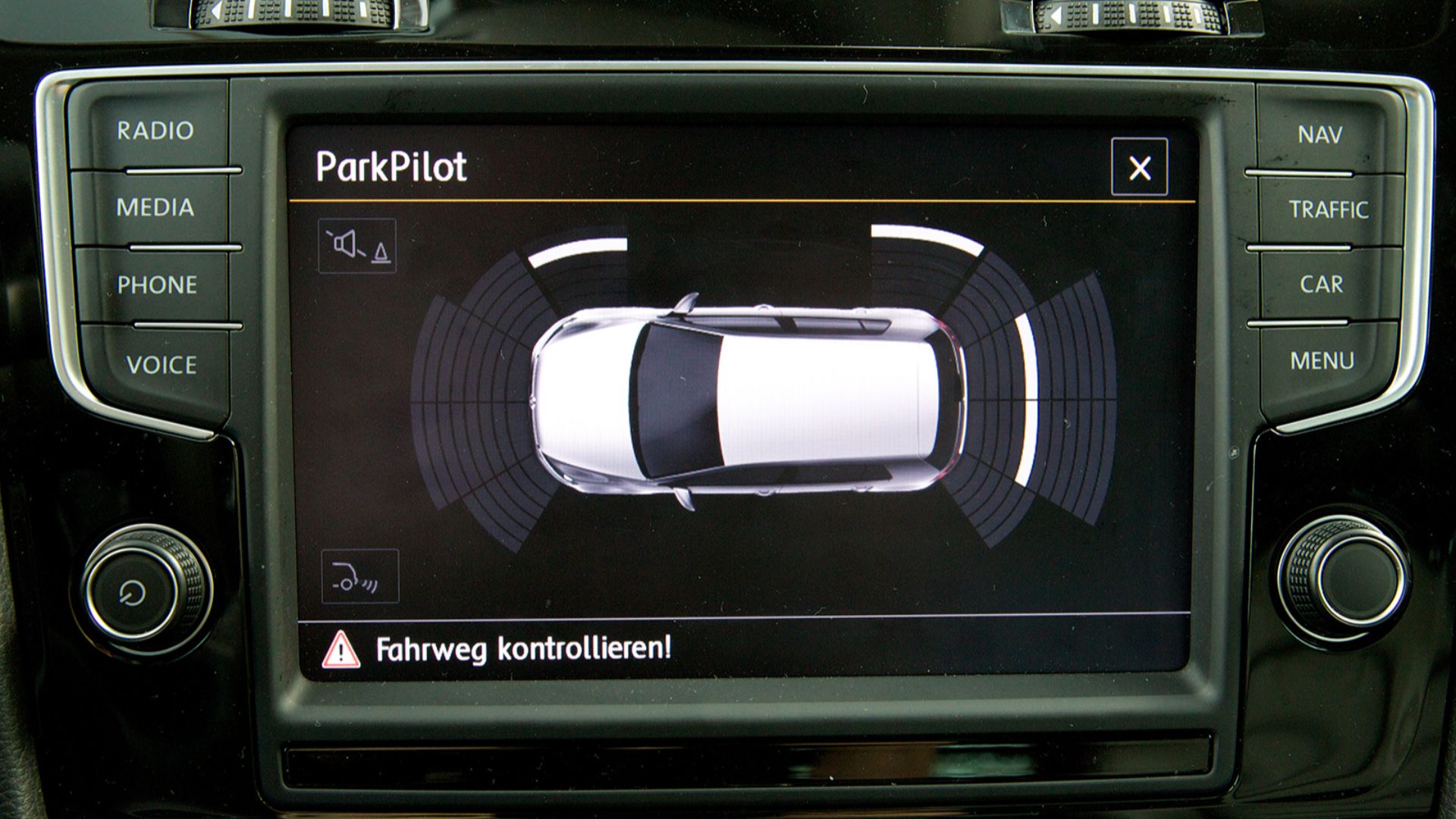
Automatic parking technology can steer some cars into parallel or perpendicular spaces with very little input from the driver. It's impressive when everything works smoothly, but watching the process in a busy parking lot can test everyone's patience. A line of waiting cars can quickly form while the vehicle inches backward, stops, calculates, adjusts, and tries again.
17. Paddle Shifters
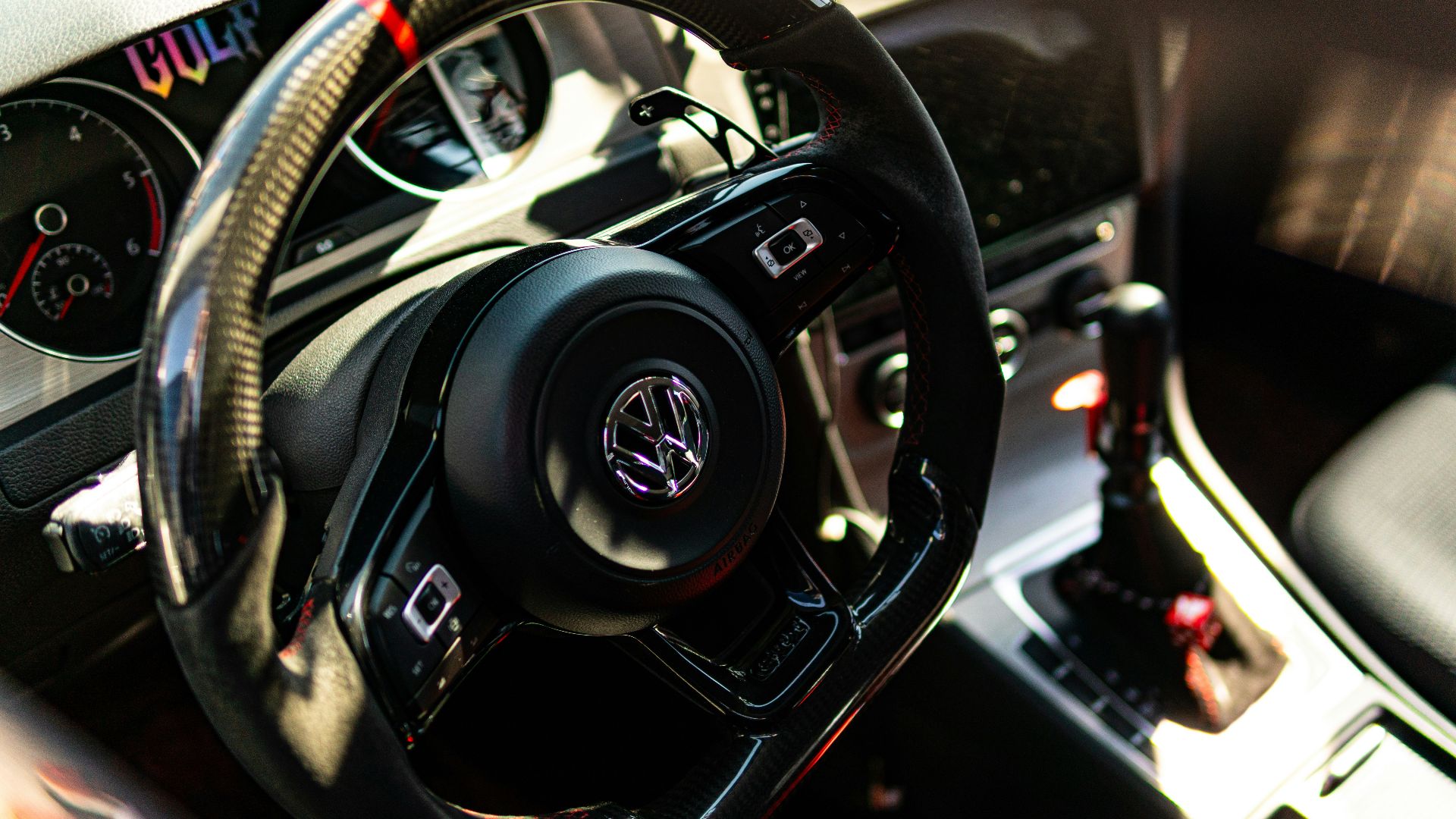
Paddle shifters let drivers manually select gears without using a traditional manual transmission. They can be genuinely enjoyable on winding roads or in performance driving situations. They're slightly less necessary when someone aggressively downshifts a family SUV on the way into the grocery store parking lot.
18. Built-In Ambient Lighting
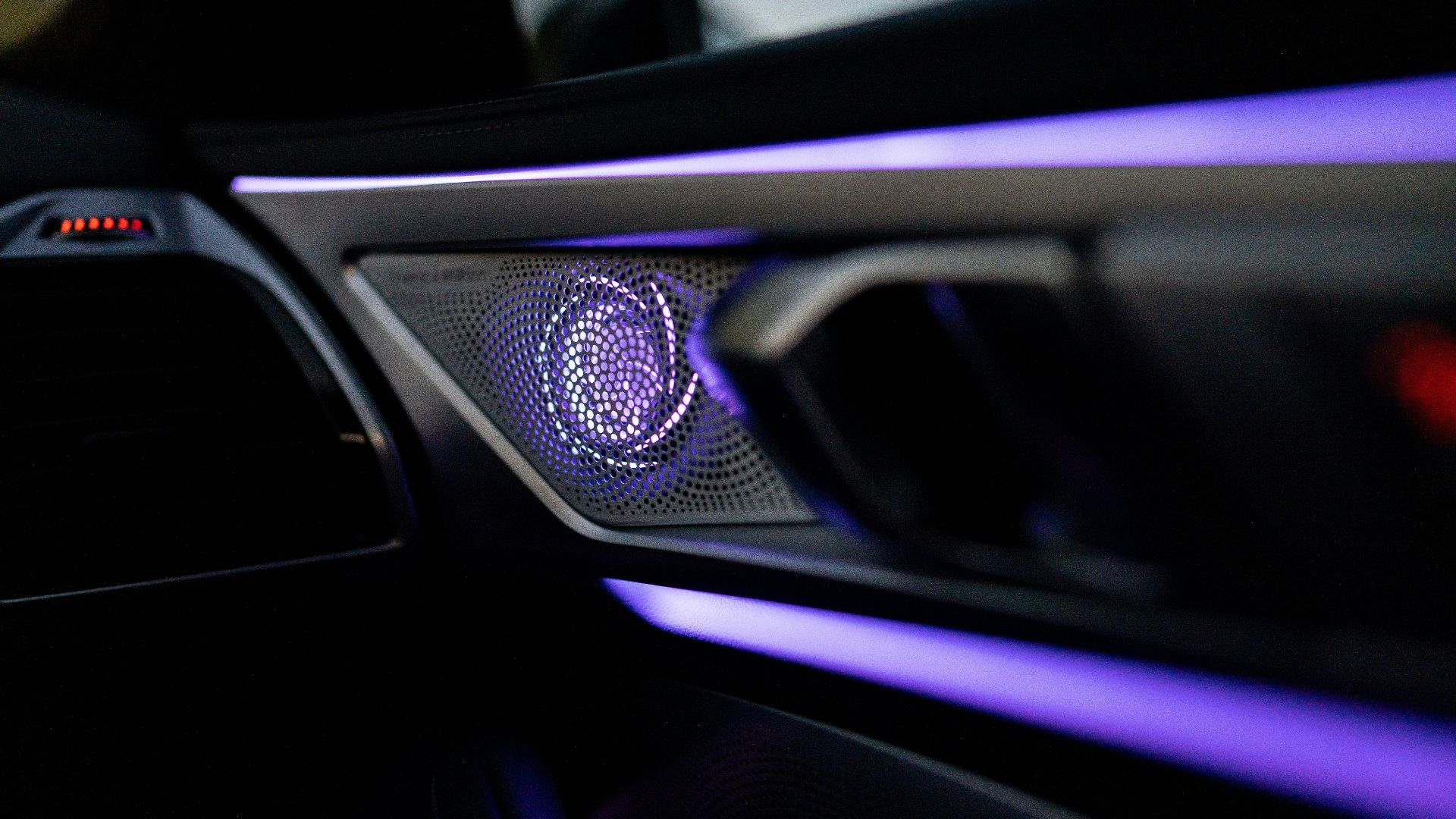
Modern interiors can feature elaborate lighting systems with dozens of colors and customizable patterns. They're mostly harmless, but extremely bright interior lighting can become distracting after dark. When the whole cabin is glowing while the driver is also changing colors through a touchscreen, concentrating on the actual road may no longer be the main priority.
19. Automatic Emergency Braking
Automatic emergency braking can be an important safety feature when the car seems to be headed towards a collision. Some systems can be a little too sensitive, though, reacting abruptly to situations the driver might have handled more smoothly. However, drivers following behind certainly notice when the car ahead suddenly hits the brakes harder than expected.
20. Customizable Horn Sounds
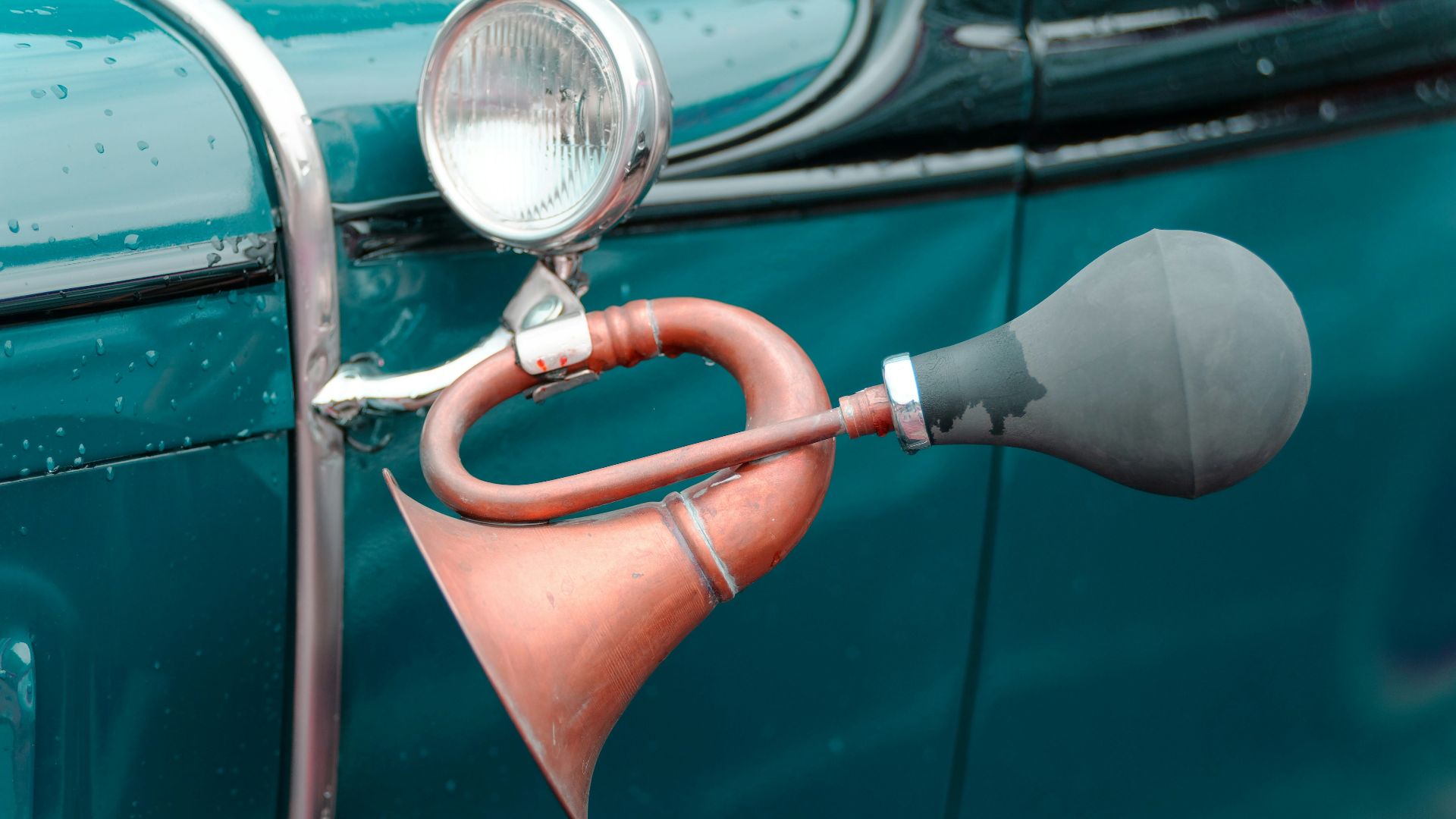
Traditional horns aren't particularly exciting, but some newer vehicles and aftermarket setups offer more creative sounds. The novelty can encourage drivers to use them far more often than necessary, especially when showing the feature to friends. Horns should be used to alert people in special circumstances, not as a form of entertainment.