
10 Viral Car Repair Hacks You Should Never Try & 10 That Actually Work
Not Every Clever Car Trick Deserves a Spot in Your Garage
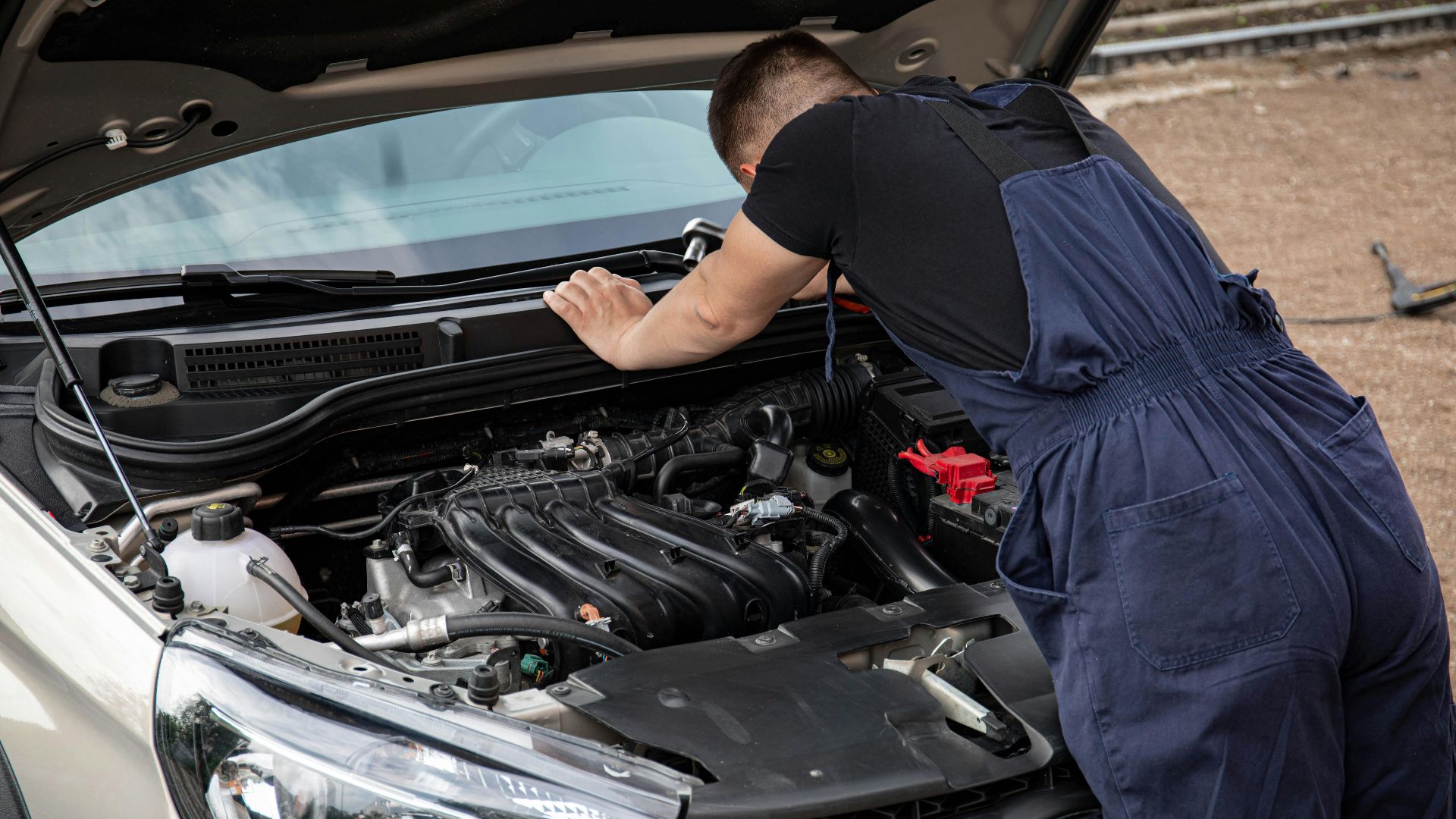
The internet is full of car repair “hacks” that promise to save you money, time, and a trip to the mechanic. Some of them are genuinely useful little fixes that can make life easier, especially if you know their limits and use a bit of common sense. Others are the kind of ideas that look smart in a 20-second video and then leave you with a bigger repair bill, a safety problem, or a very dumb story to explain later. Here are 10 viral car repairs that you definitely shouldn't try at home and 10 that may actually work.
 Mehmet Turgut Kirkgoz on Pexels
1. Using Toothpaste on Your Headlights
Toothpaste gets treated like a miracle cure for cloudy headlights, but it's usually more of a temporary cosmetic trick than a proper fix. It may scrub away a little surface haze, but it doesn't replace a real restoration kit or solve deeper oxidation. If you expect it to permanently restore visibility, you're probably giving yourself false confidence.
2. Using Black Pepper Or an Egg to “Seal” a Radiator Leak
This old-school roadside trick keeps showing up online because it sounds clever, cheap, and weirdly believable. The problem is that dumping food into your cooling system can create more mess inside the system while only giving you a shaky, temporary patch at best. If your radiator is leaking, the real answer is a proper repair, not turning your engine bay into a badly supervised kitchen experiment.

3. Pouring Random Additives Into the Engine to Cure Serious Problems
A lot of viral advice makes it sound as though one magic bottle can fix knocking, oil burning, rough running, or long-term neglect. In reality, those products can sometimes help with minor symptoms, but they're not substitutes for actual diagnosis and repair. Once a mechanical problem is serious, chemistry is rarely going to rescue you from physics.
4. Fixing Cracked Plastic With Glue
Super glue and household adhesives get suggested for everything from trim pieces to under-hood plastic, and that's where trouble begins. Heat, vibration, moisture, and the wrong material combination can make a quick fix fail fast and become messier than before. If a part matters structurally or lives in a hot environment, random glue is not your trusted mechanic.

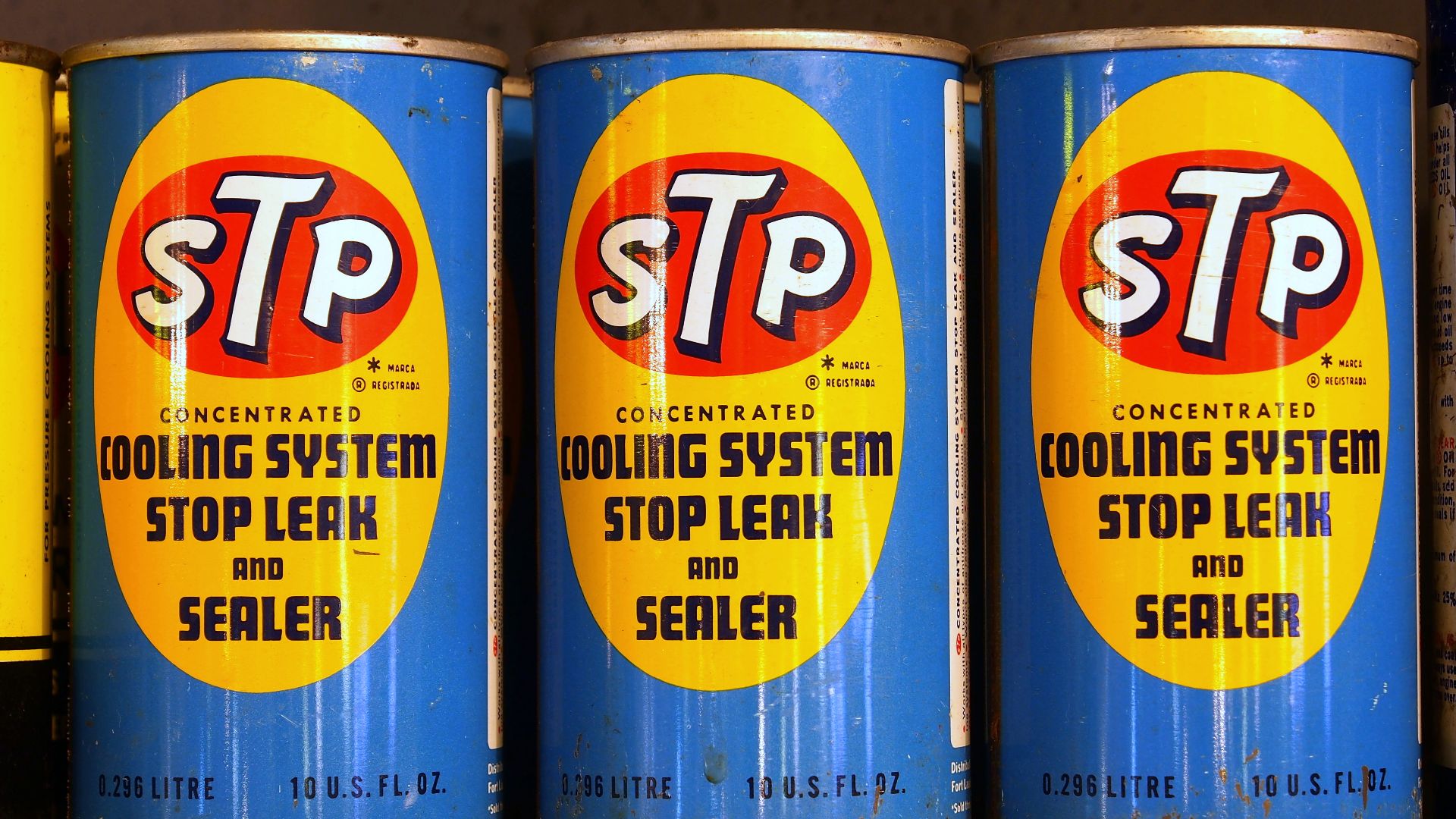
5. Using Stop-Leak Products As a Long-Term Cooling System Repair
Stop-leak products can seem tempting when coolant is disappearing, and the internet is offering cheap hope. The issue is that they may also gum up places you don't want gummed up, while only delaying the actual repair. A small emergency measure is one thing, but treating it like a permanent solution is how a manageable problem becomes a much more expensive one.
6. Cleaning Engine Parts with Water While Ignoring Electronics
Some online videos make engine bay cleaning look as simple as spraying everything down and admiring the shine. Modern cars, unfortunately, contain sensors, connectors, and electrical components that may not appreciate that level of enthusiasm. A careful cleaning approach can be fine, but the reckless version is a great way to create new problems.

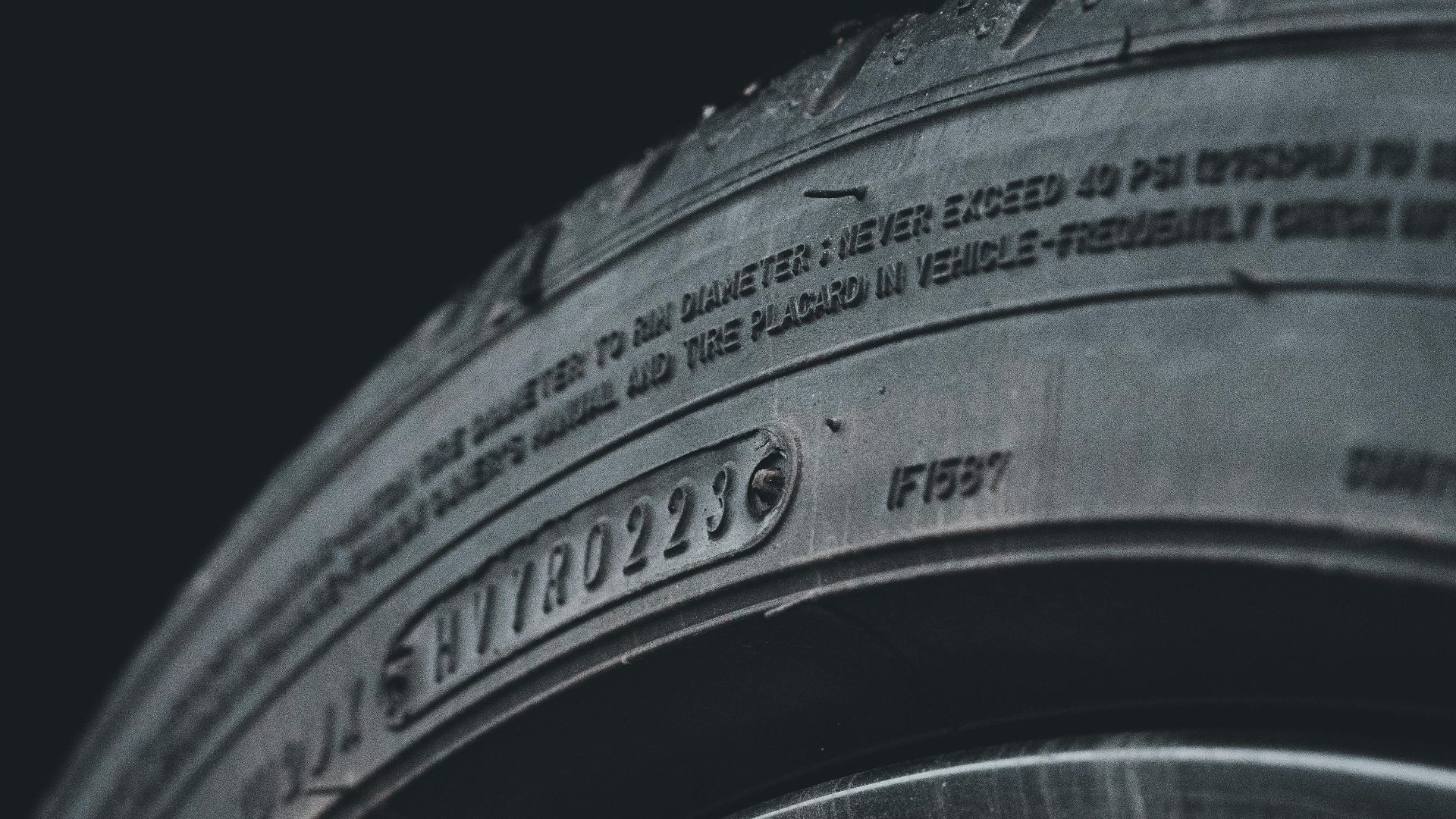
7. Fixing a Tire Sidewall With a Plug Kit
A plug kit can be useful in the right situation, but a sidewall is not that situation. Damage there affects a critical, highly stressed part of the tire, and trying to patch it like a simple tread puncture is not a clever budget move. When the tire itself is structurally compromised, your safest option is replacement.
8. Holding Broken Exhaust Parts Together With Cans & Clamps
This is one of those hacks that survives because it looks resourceful in theory. In practice, exhaust systems get very hot, vibrate constantly, and don't respond well to improvised kitchen-metal engineering. A temporary roadside measure is one thing, but relying on it as a real fix is asking a lot from a soup can.

9. Resetting the Battery to “Fix” Every Electronic Issue
Disconnecting the battery gets treated online like a universal reset button for whatever is annoying you that day. It can sometimes clear a minor glitch, but it can also wipe settings, mask an ongoing fault, or do nothing useful at all. If a problem keeps returning, your car is trying to tell you something more interesting than “please turn me off and on again."
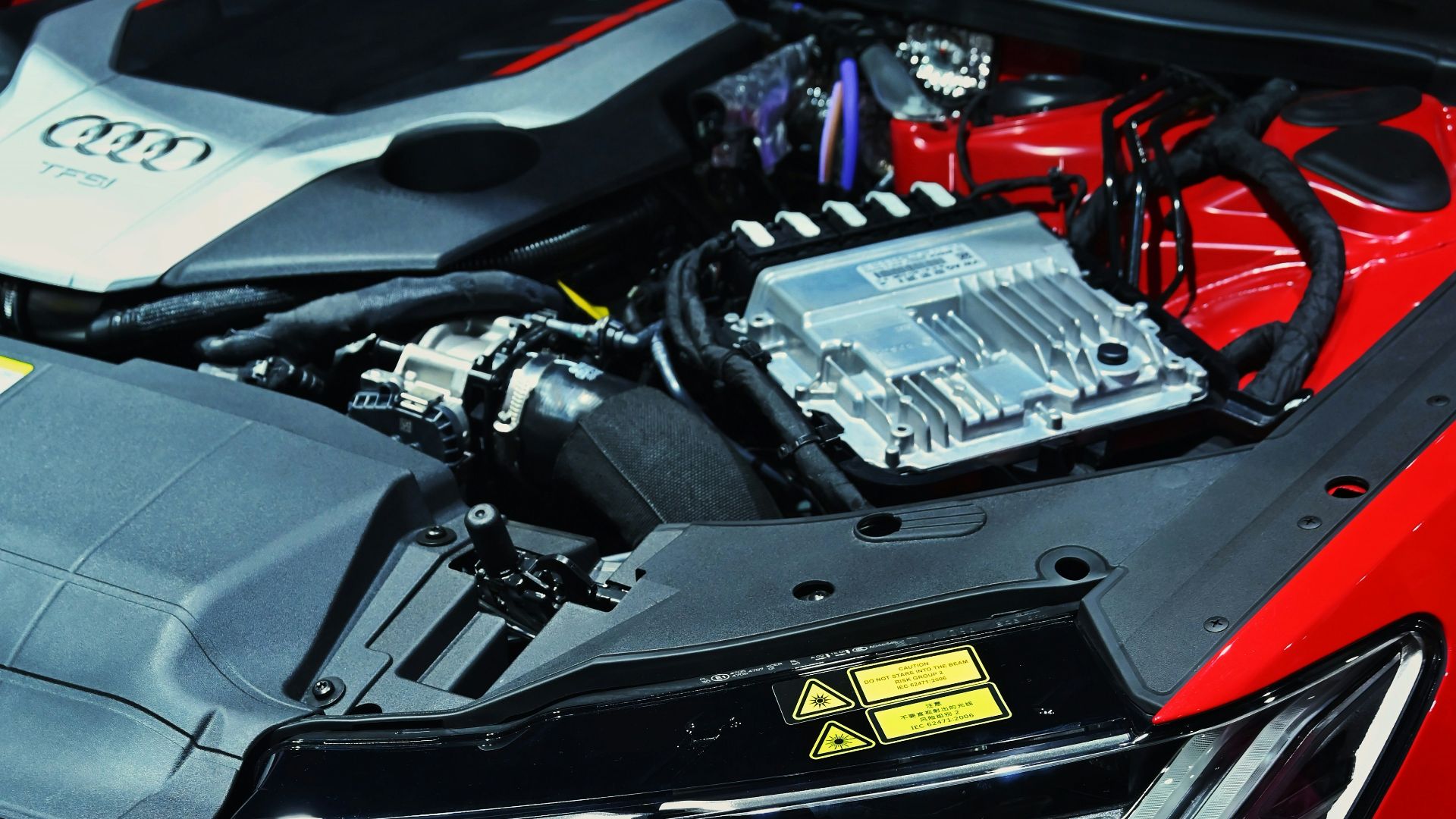
10. Using Zip Ties As a Serious Structural Repair
Zip ties are wonderful for organization, temporary securing, and getting yourself out of a minor bind. They are not meant to replace proper mounts, brackets, or anything that affects safety and stability at speed. If the part matters once the car is moving, plastic confidence shouldn't be your whole repair strategy.
Now that we've covered the viral repair hacks that you really shouldn't rely on, let's talk about the ones that actually kind of make sense.
1. Using a Proper Headlight Restoration Kit
Unlike the toothpaste trick, a real headlight kit is designed for the job and can make a noticeable difference. It usually includes the right abrasives and sealing steps to improve clarity more effectively and more lastingly. If your headlights are dull and you want better results, this is one of the smarter internet-approved fixes.

2. Replacing Worn Wiper Blades Yourself
This is one of the most genuinely useful DIY car tasks because it's simple, cheap, and easy to notice when it helps. Fresh blades improve visibility immediately, which is a lot more exciting when it's raining than it sounds on paper. If a viral video encouraged you to do this yourself, that one was probably doing society a service.

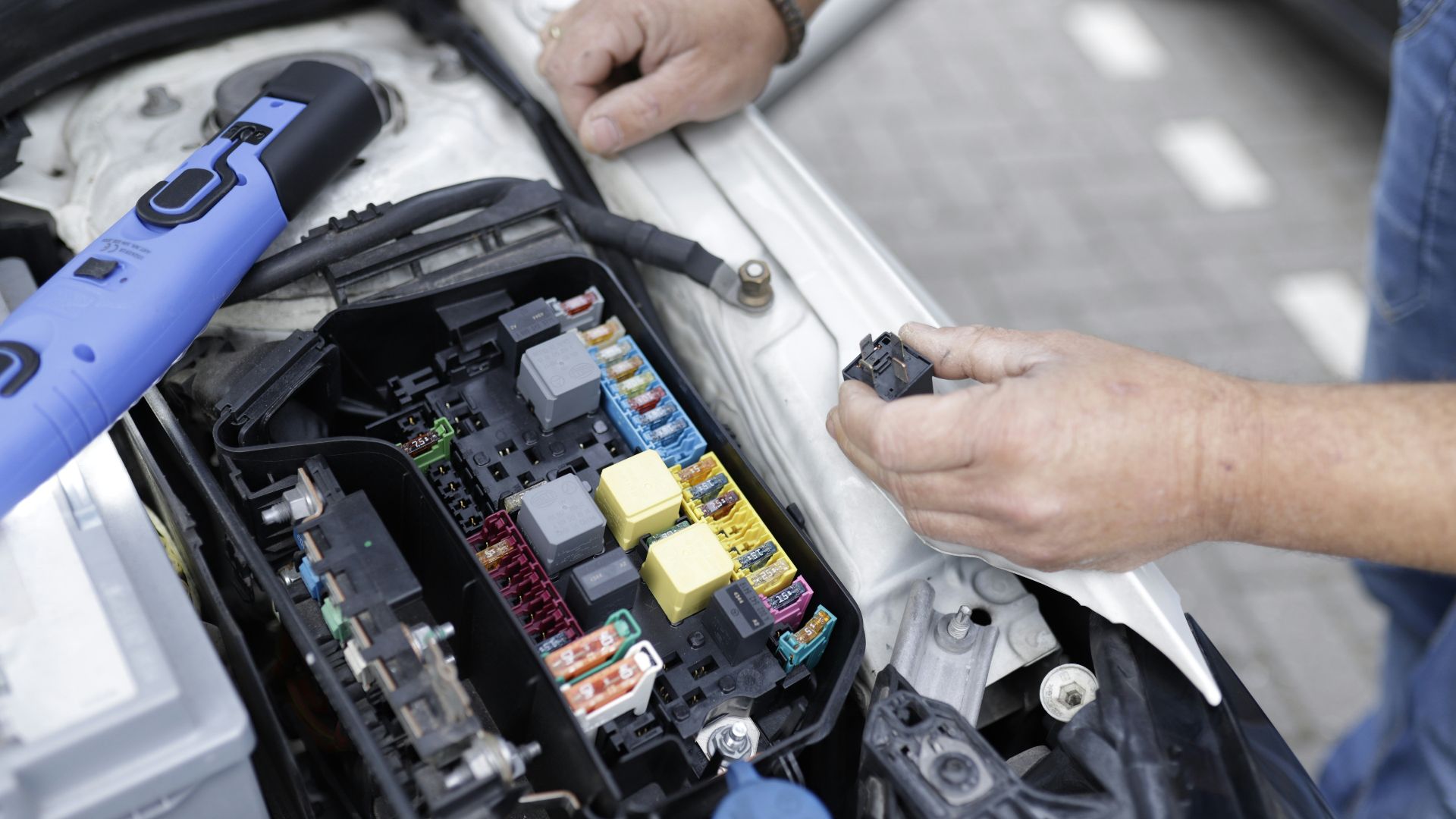
3. Replacing a Blown Fuse After Checking What Caused It
A blown fuse is one of the few electrical problems that can sometimes have a simple, legitimate DIY answer. If you identify the failed fuse, replace it with the correct amperage, and confirm there isn't a bigger issue behind it, you can sometimes restore a dead outlet, light, or accessory in minutes.
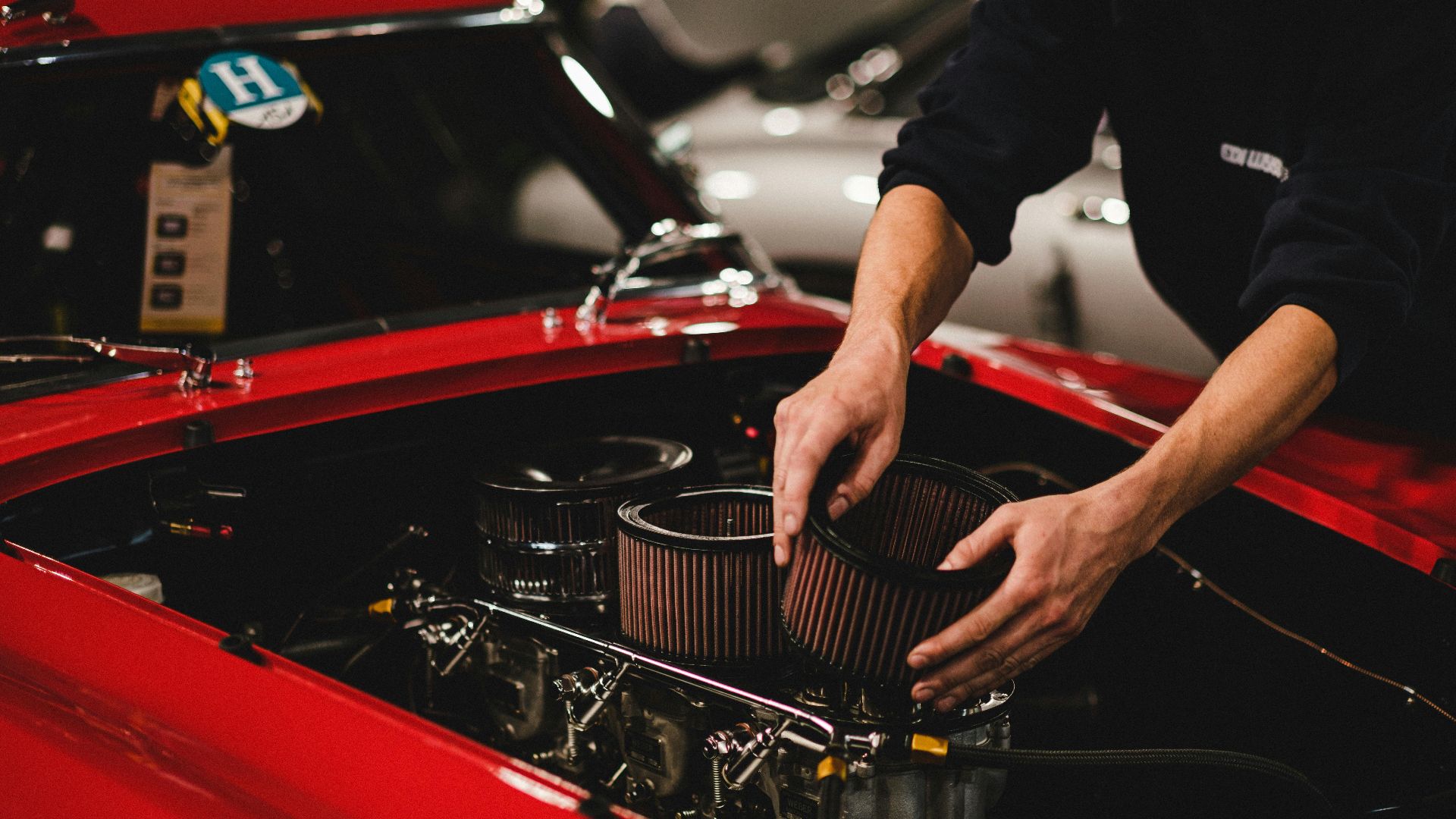
4. Swapping Out a Dead Cabin Air Filter
A cabin air filter is one of those parts people forget about until the airflow gets weak or the car starts smelling weird. Replacing it is often straightforward, inexpensive, and much easier than many first-timers expect. When your heater or A/C feels underwhelming, this is one of the few simple fixes that can actually deliver.
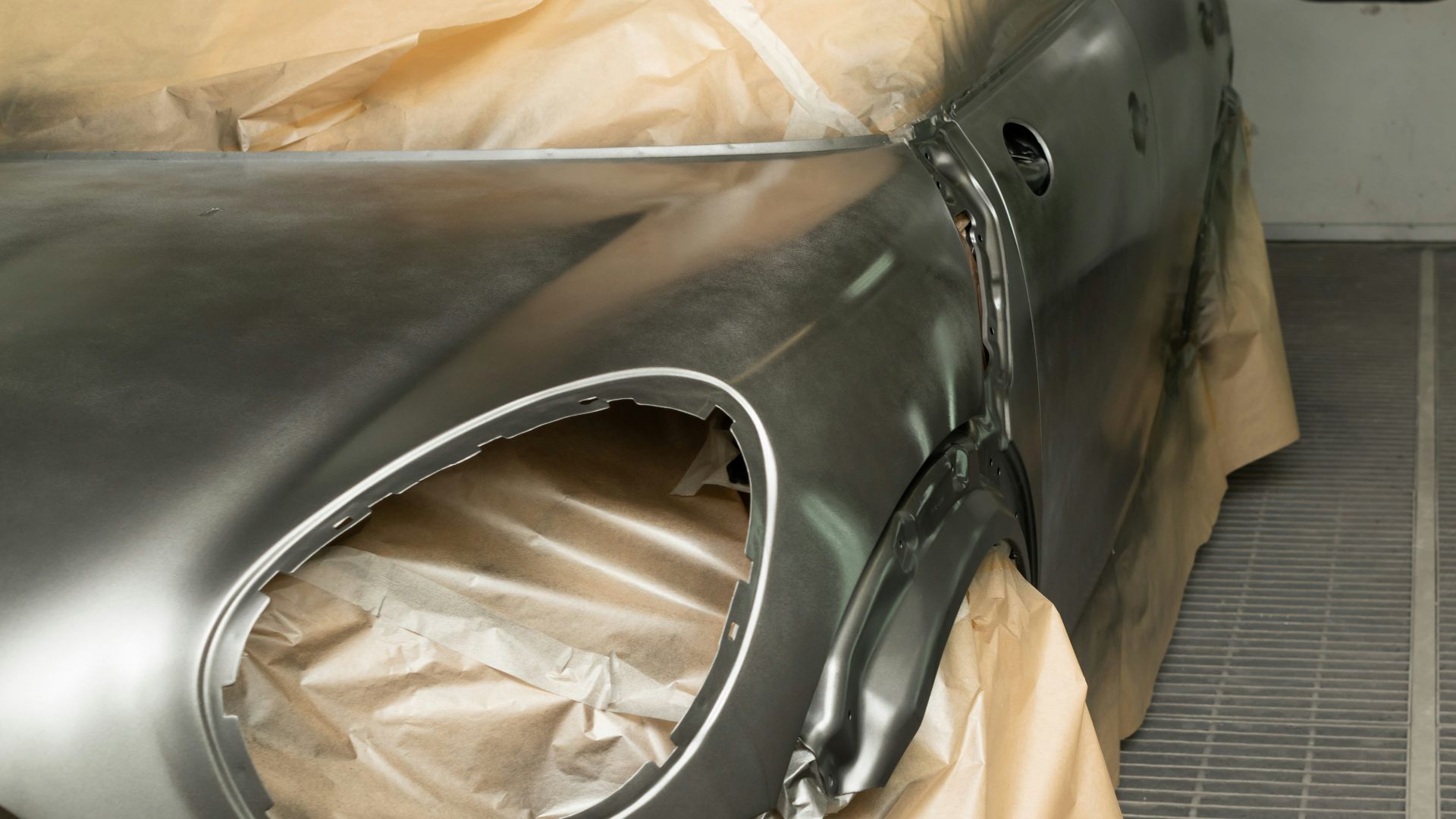
5. Using Touch-Up Paint For Tiny Chips Before Rust Starts
Touch-up paint is not magic, and it's not going to make a damaged panel look factory-perfect from six inches away. Still, for small chips and nicks, it can help protect exposed metal and keep a tiny problem from becoming a rusty one later. The key is using it as preventive maintenance, not pretending it's bodywork artistry.
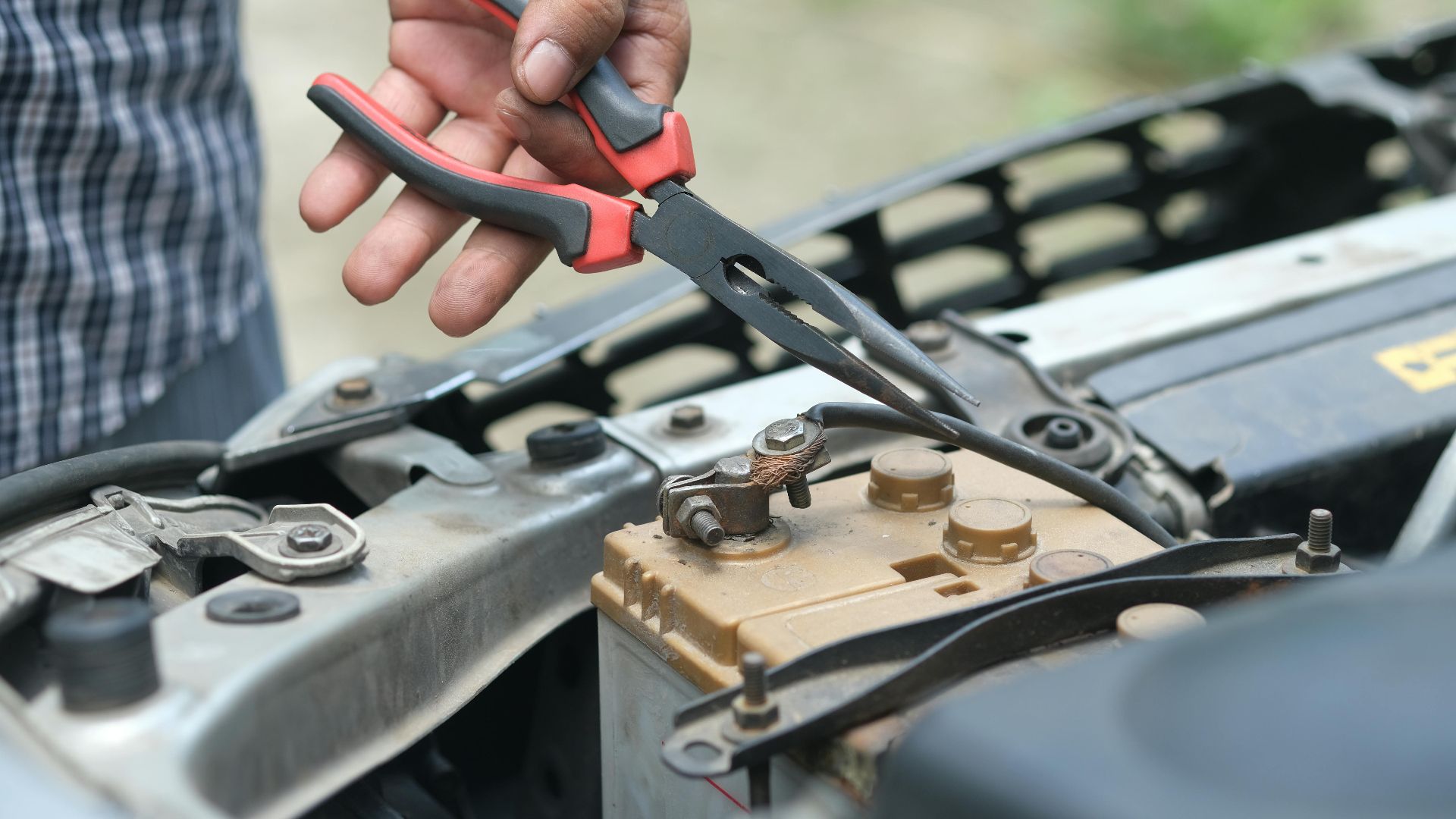
6. Cleaning Battery Terminals the Right Way
Corroded battery terminals can cause starting and electrical headaches that feel bigger than they are. Cleaning them properly with the right approach can improve connection quality and solve a surprisingly annoying issue. It's one of those repairs that makes you feel far more mechanically accomplished than the job actually required.
7. Using a Tire Plug Kit for a Small Tread Puncture
This is where plug kits earn their better reputation. For a small puncture in the tread area, they can serve as a temporary emergency measure to get you moving again, especially if you are stuck far from help. The important part is knowing the limits and treating it like a proper short-term fix, not a forever decision you never revisit.

8. Replacing Easy Bulbs
Not every bulb replacement requires professional attention. If the design allows access without dismantling half the front end, doing it yourself can save money and time with very little risk. It's one of the more satisfying DIY jobs because the payoff is immediate and obvious.

9. Using an OBD-II Scanner to Get a Starting Point
A basic scanner is not the same thing as a professional diagnosis, but it can still be genuinely helpful. It gives you a place to start when the check engine light comes on, which is much better than guessing wildly or panicking. Used properly, it helps you ask smarter questions and avoid being totally in the dark.

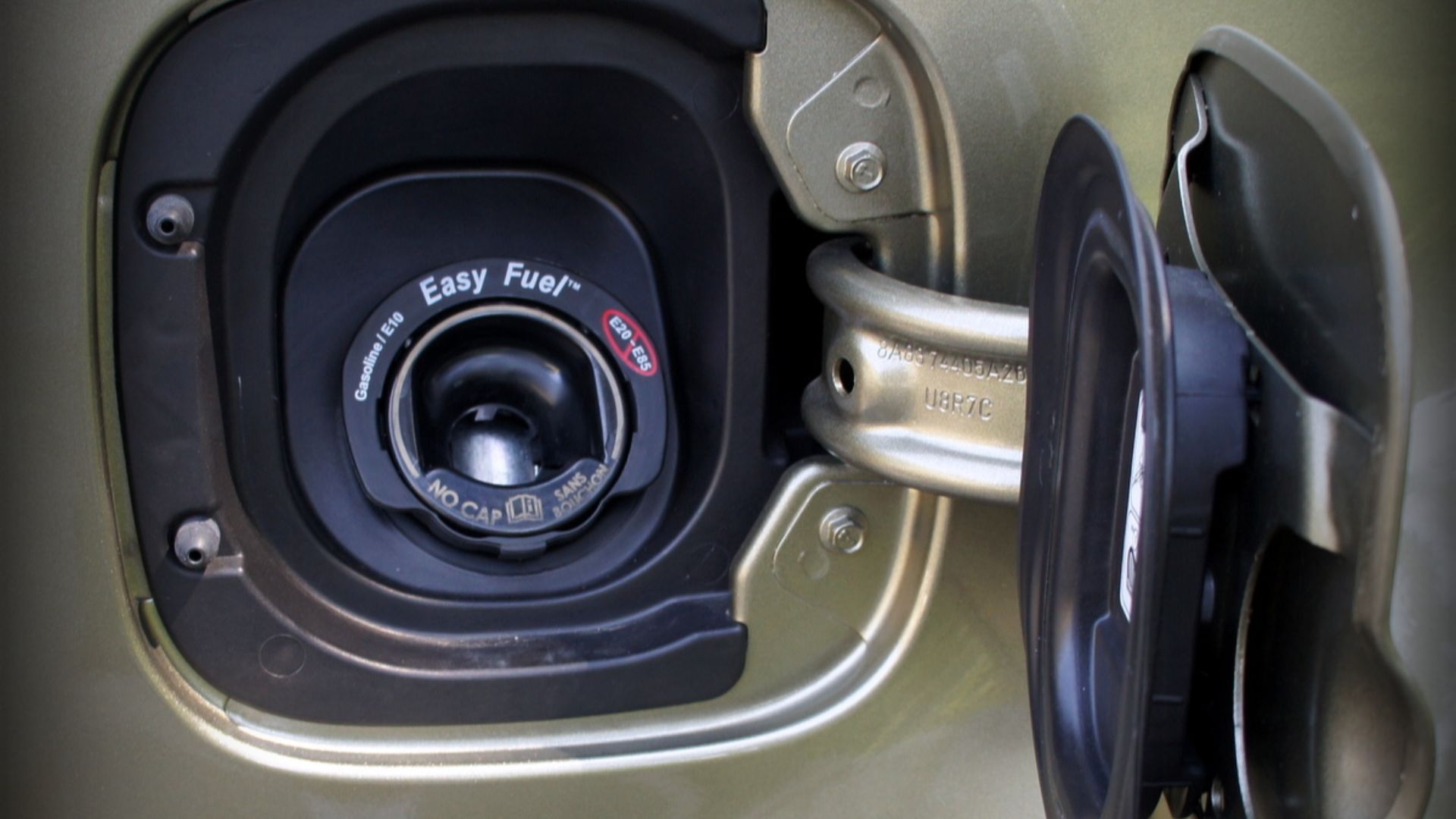
10. Tightening or Replacing a Loose Gas Cap
This fix has become almost famous because it's simple and boring but super effective. A loose, cracked, or failing gas cap can trigger an emissions-related warning light, and replacing it is one of the easiest things you can try. It will not solve every check engine mystery, but when it's the answer, you feel like a wizard for about five minutes.