10 Times F1 Strategy Made a Race & 10 Times It Failed Horribly
When the Pit Wall Becomes the Main Character
In F1, the fastest car doesn’t always win, nor does the best driver. This is because races are basically moving math problems with weather, tire wear, traffic, and chaos thrown in. A great strategy call can turn a “meh” Sunday into a classic, while one bad decision can nuke a podium in about 2.3 seconds. Here are 10 times strategy made a race, and 10 times it absolutely faceplanted.
1. 2019 Hungarian GP
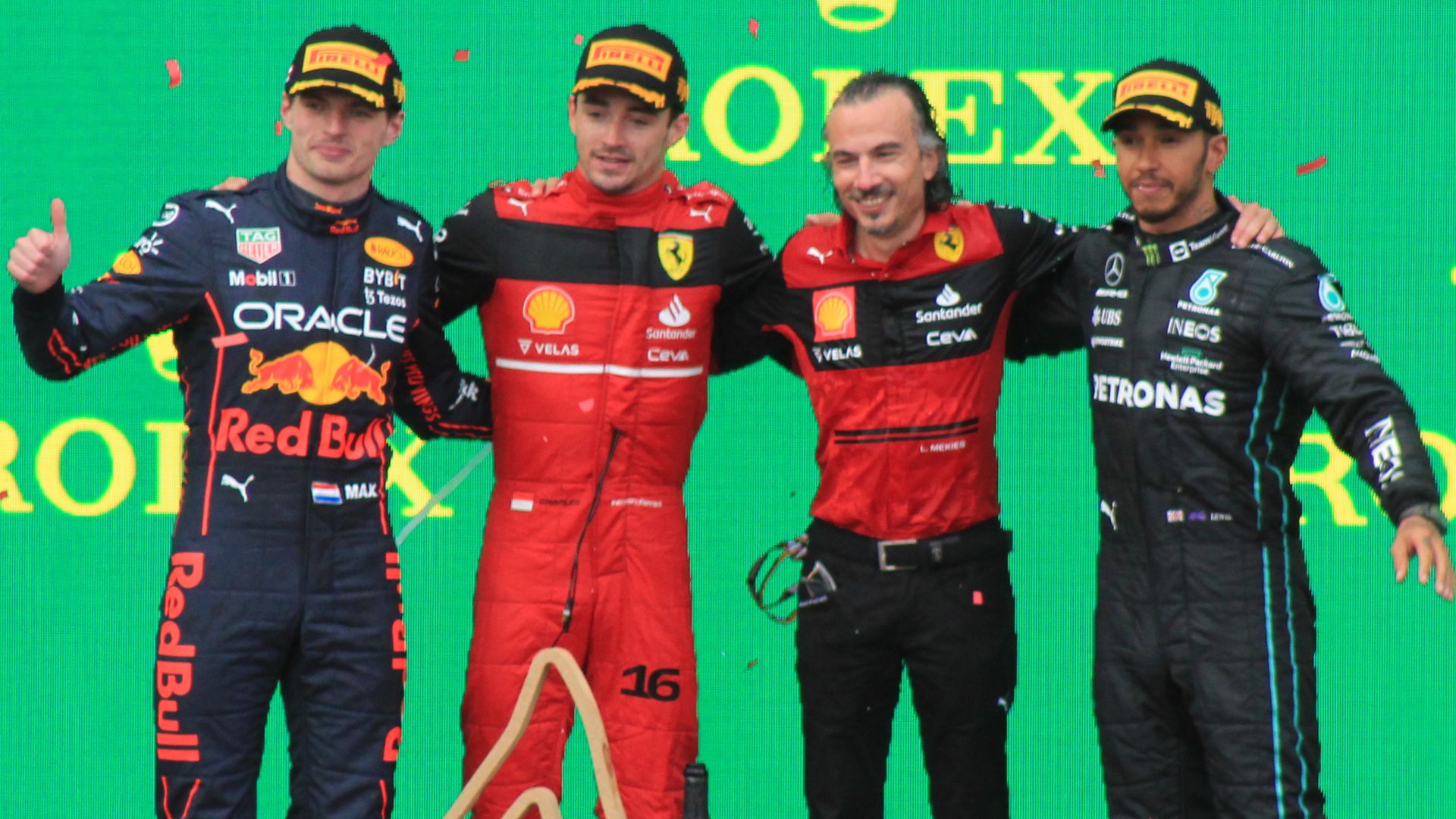
Mercedes flipped the script by pitting Lewis Hamilton late for fresher tires and turning the finish into a proper chase. The move forced Max Verstappen to defend on aging rubber. Instead of a slow burn to the flag, you got a tense strategic duel with a clear “masterstroke” moment and Hamilton coming out on top.
2. 2011 Canadian GP
Jenson Button’s win came from surviving absolute mayhem and leaning into the changing conditions with multiple stops and smart timing. It’s the rare race where the “strategy” wasn’t one perfect call, but a chain of decisions that kept him alive long enough to strike. The final-lap twist only worked because McLaren kept adjusting instead of panicking. It’s messy, legendary, and still hard to believe.

3. 2023 Singapore GP
Carlos Sainz managed the gap in front of Lando Norris so Norris could use DRS and help keep the chasing cars behind. That’s not just driving fast, it’s controlling the whole race rhythm like a DJ. The result was a clever, high-pressure finish where tactics mattered as much as pace, and Sainz got the gold.
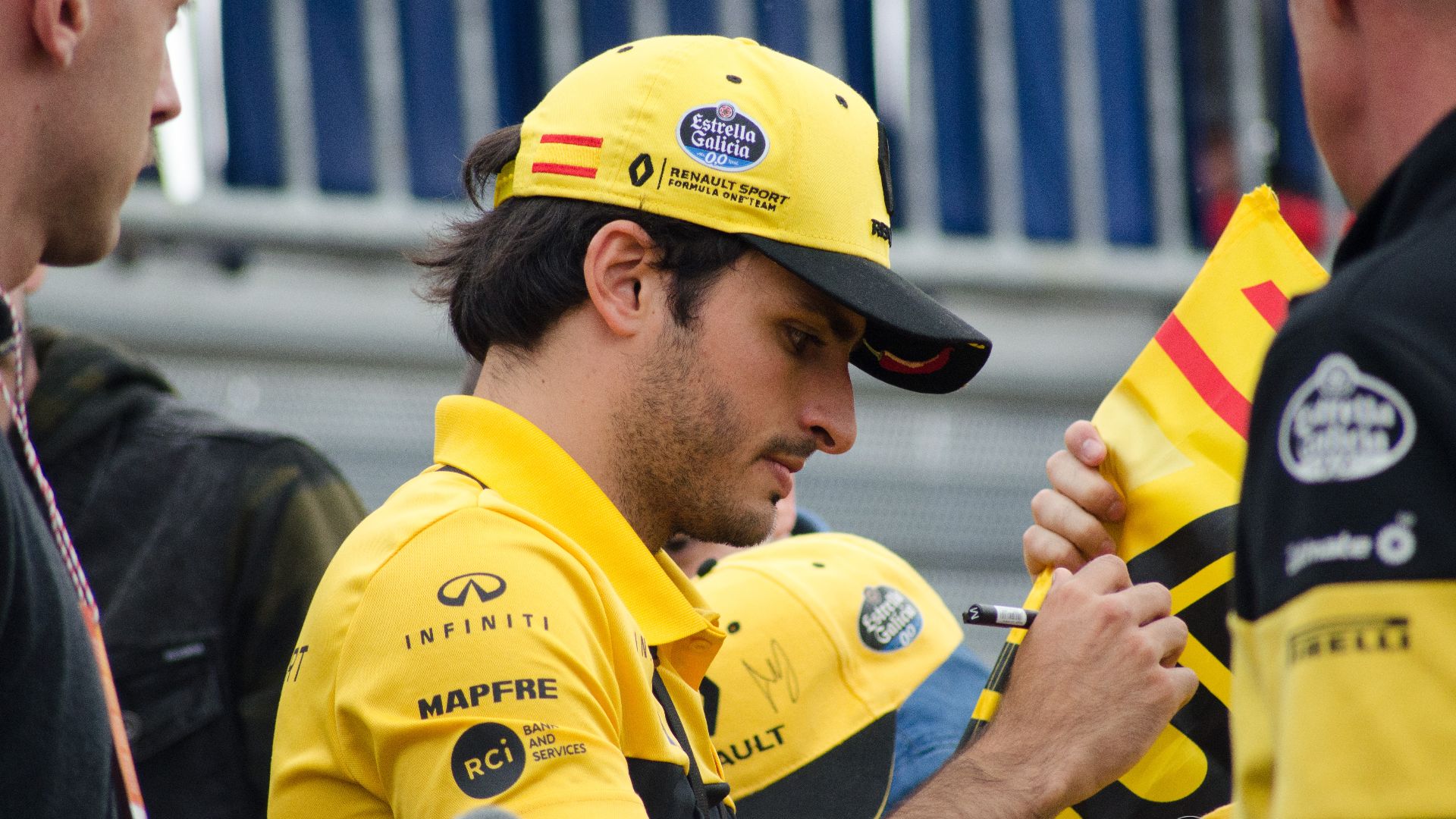 https://www.flickr.com/photos/anyulled on Wikimedia
4. 2022 Hungarian GP
Starting from P10, Verstappen’s win was built on tire choice, timing, and a plan that let him attack while others got stuck reacting. Red Bull’s strategy team laid out how the approach helped him cut through traffic and land the win. It’s a great example of turning a bad Saturday into a dominant Sunday by thinking cleaner than everyone else.

5. 2024 Italian GP
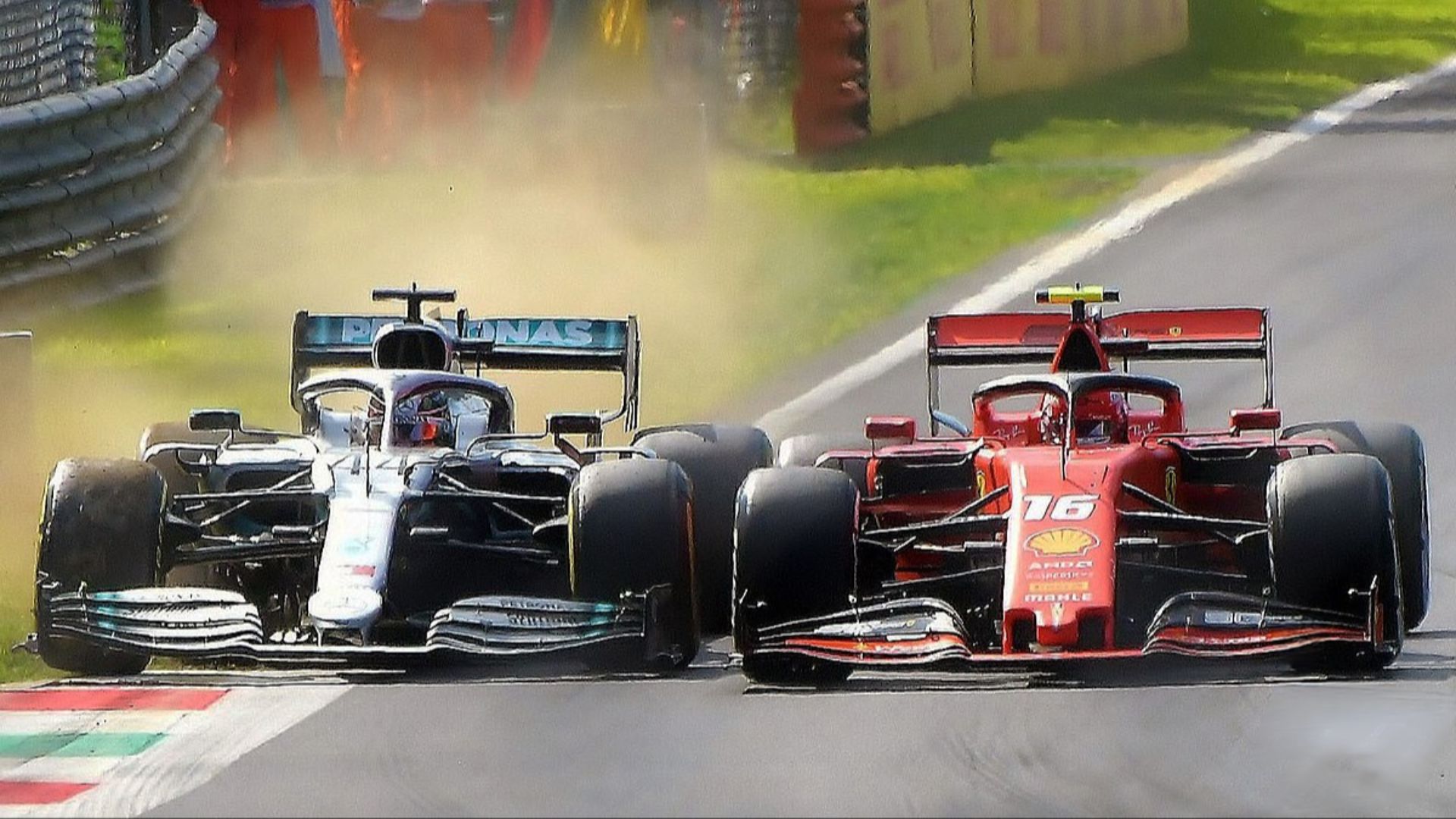
Ferrari rolled the dice on a one-stop with Charles Leclerc while rivals committed to two stops, and it paid off in front of the tifosi. The whole race became a suspense story about whether the tires would survive and whether the chasers could close. McLaren had the speed, but Ferrari had the plan and the tire management to make it stick.
6. 2017 Azerbaijan GP
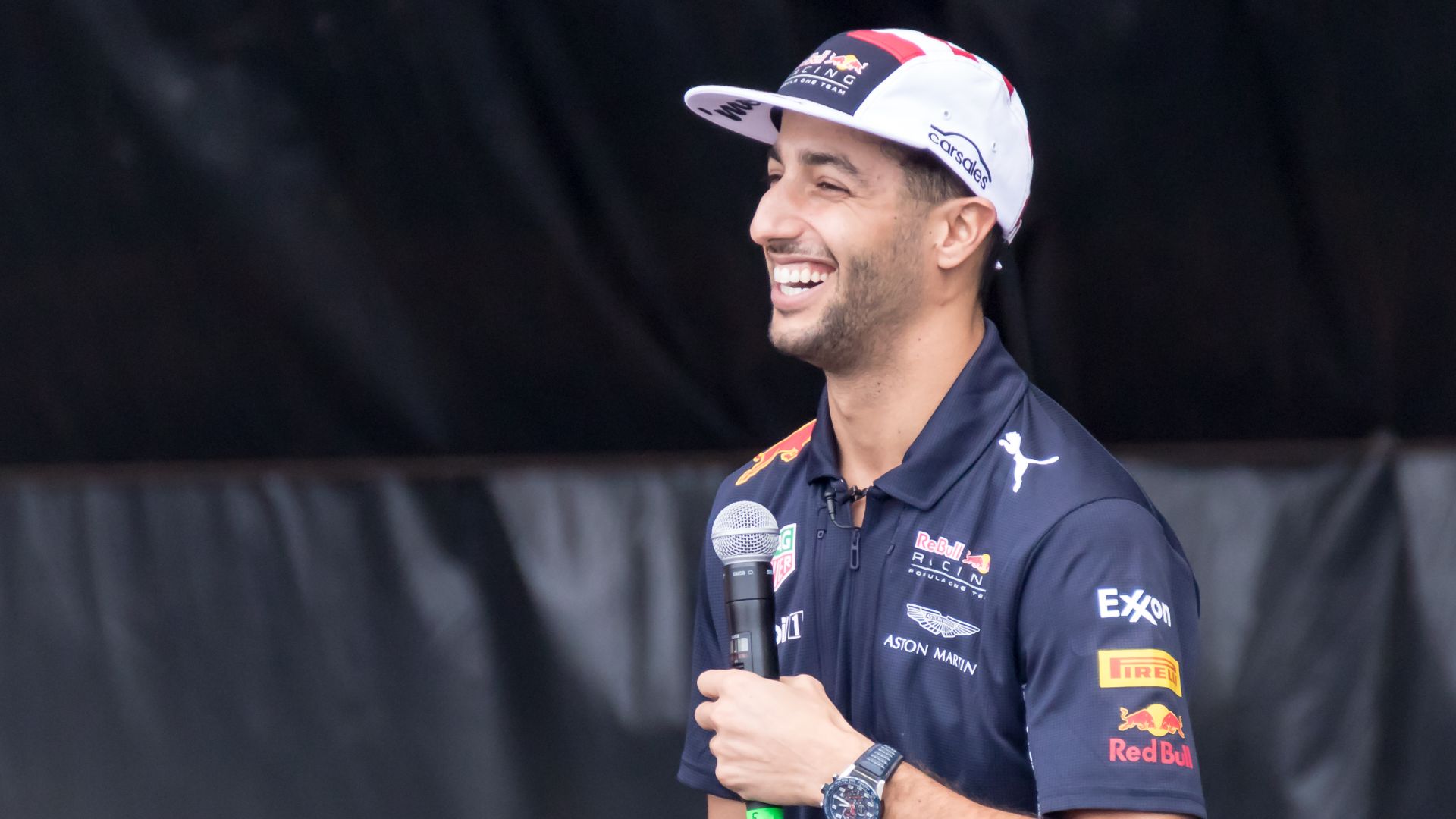
Daniel Ricciardo’s surprise win had a lot to do with how Red Bull minimized time on the slower tire and benefited from perfectly timed breaks. Strategy didn’t just help; it created the opening where a win became possible at all. In a race full of incidents, good calls turned randomness into an advantage.
7. 2012 Malaysian GP
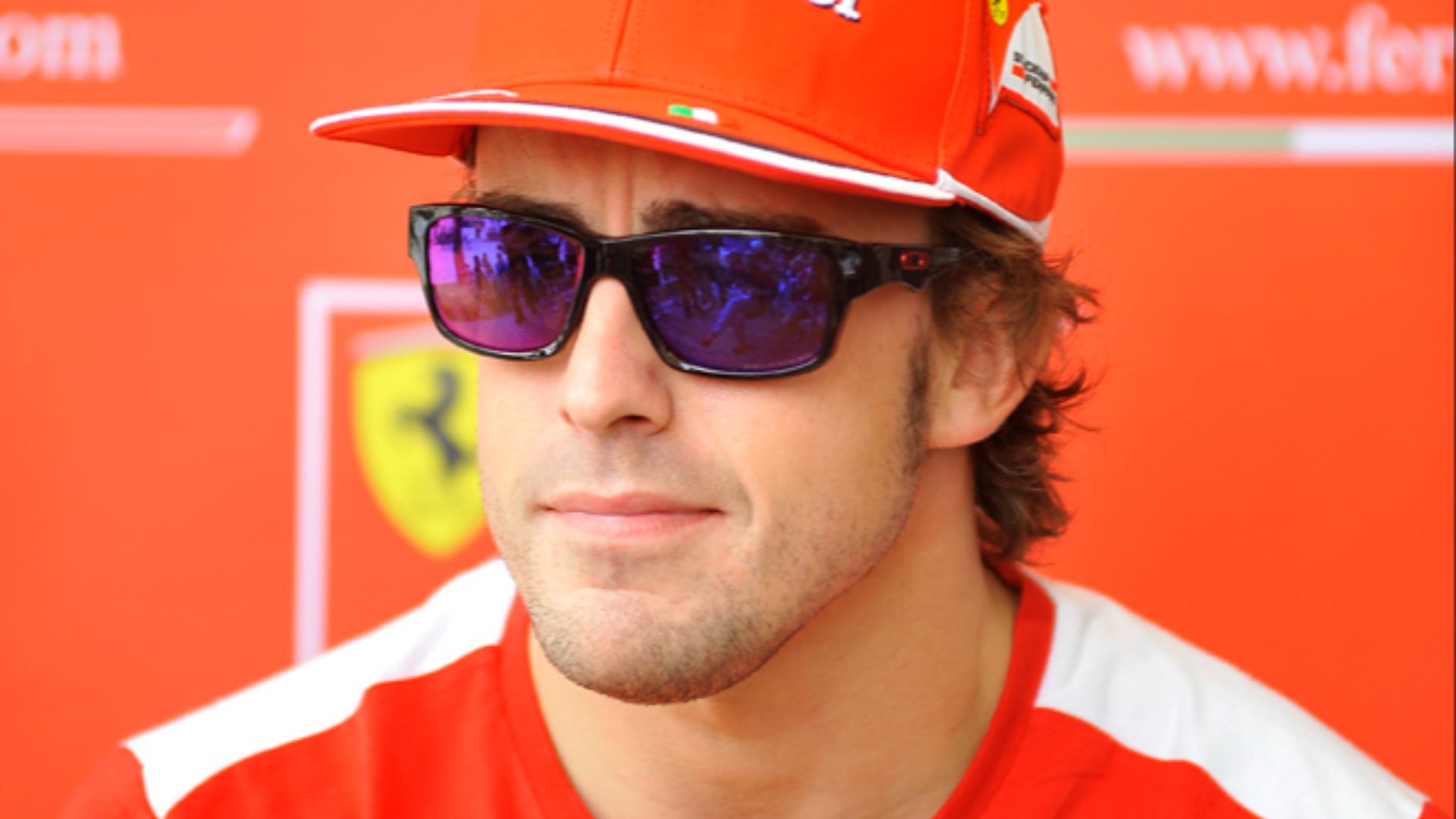
The Sepang race swung on choosing the right tire at the right moment as conditions shifted between wet, intermediate, and slick. Tire strategy shaped Alonso’s win and Pérez’s charge. It wasn’t a straight sprint; it was a test of who could interpret the track fastest.
8. 2018 Chinese GP
A perfectly timed pit stop under a Virtual Safety Car gave Red Bull and Daniel Ricciardo the kind of track-position boost that changes the whole day. Motorsport.com called it a “textbook” showing of dice-rolling strategy paired with overtaking execution. The fun part was watching the plan convert into real passes, not just theoretical advantage.
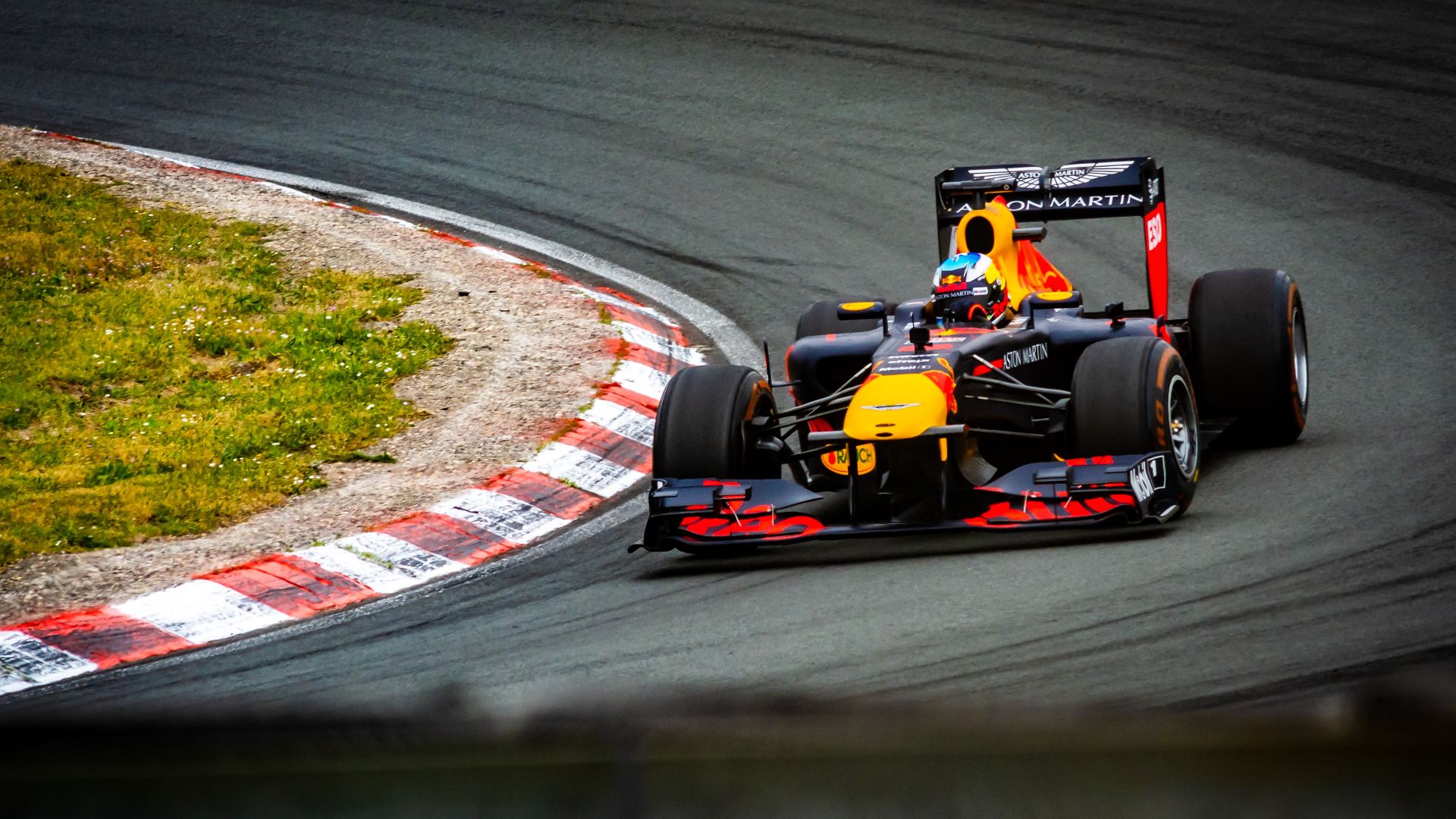
9. 1986 Mexican GP
Gerhard Berger won in Mexico with a no-pit-stop approach, which sounds like nonsense until you remember how tire choices and degradation windows can flip everything. It was a bold plan, but it paid off big time. It’s old-school strategy at its finest: pick the right tire, manage it, and let others beat themselves with pit time.
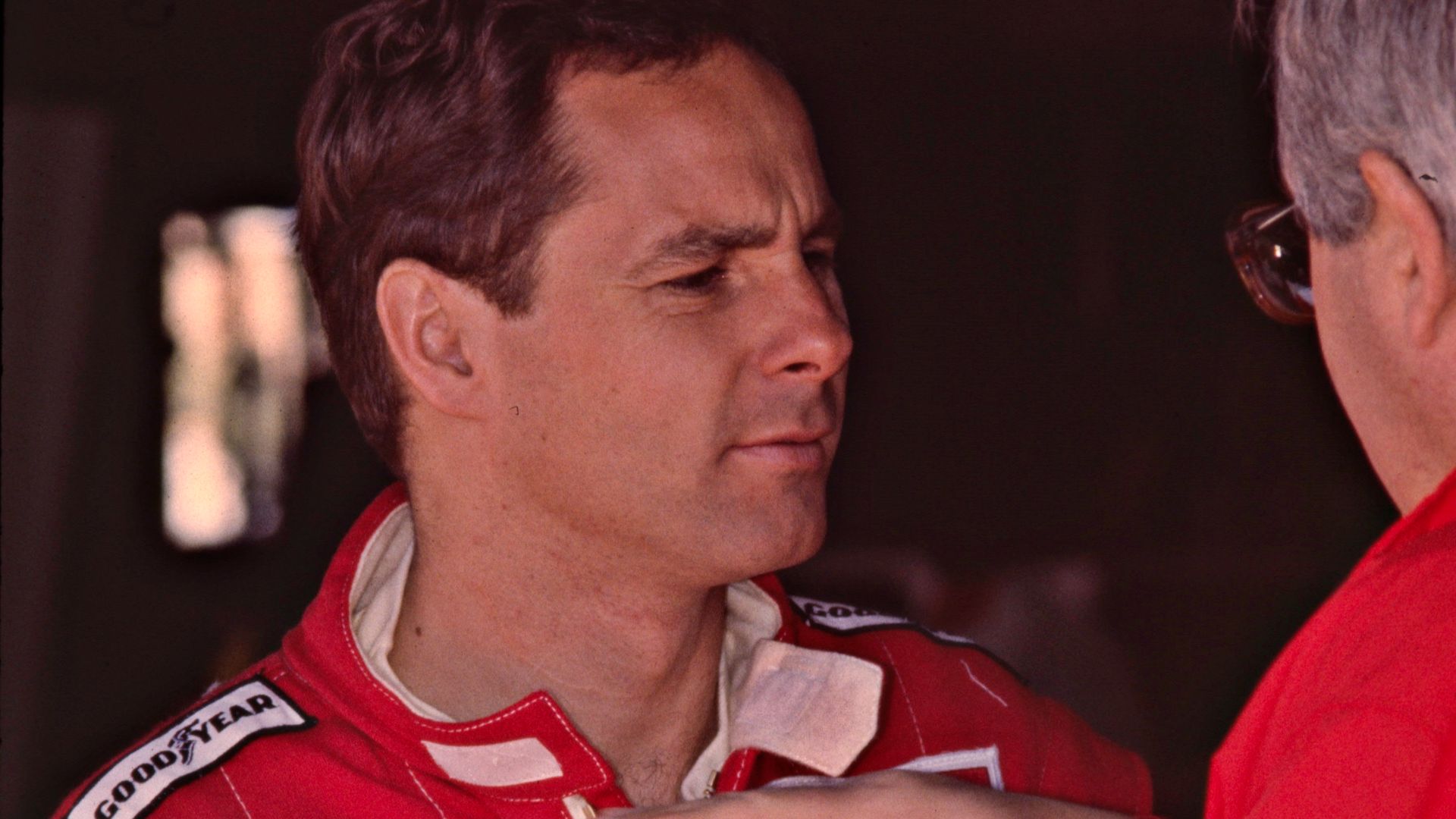
10. 2025 Hungarian GP
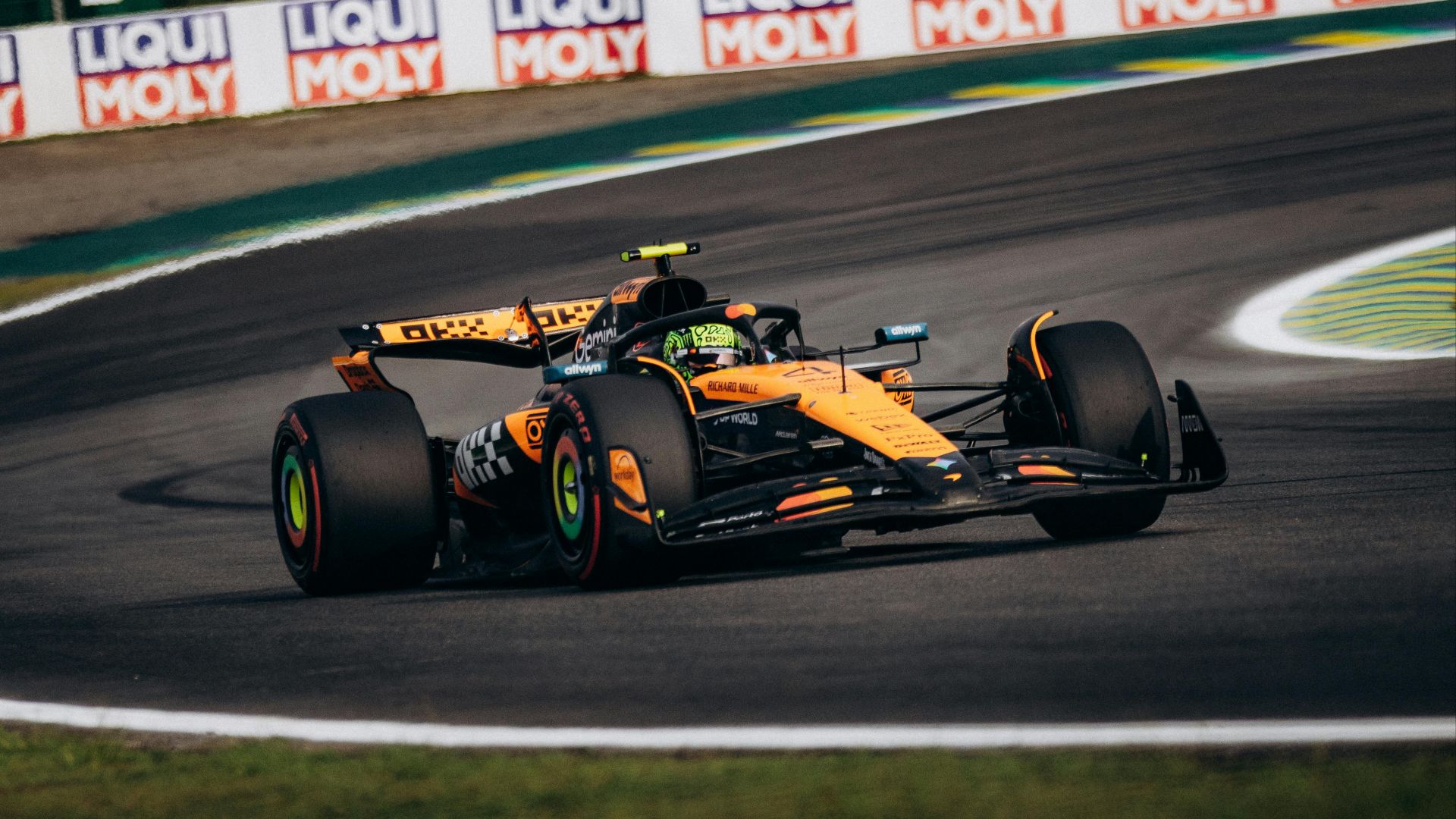
McLaren switched Lando Norris from a planned two-stop to a one-stop that they reportedly didn’t even think was viable at first. It worked because he gained track position while others had to pit again, then held on with tire management under serious pressure. The finish was tight enough to make you forget to blink.
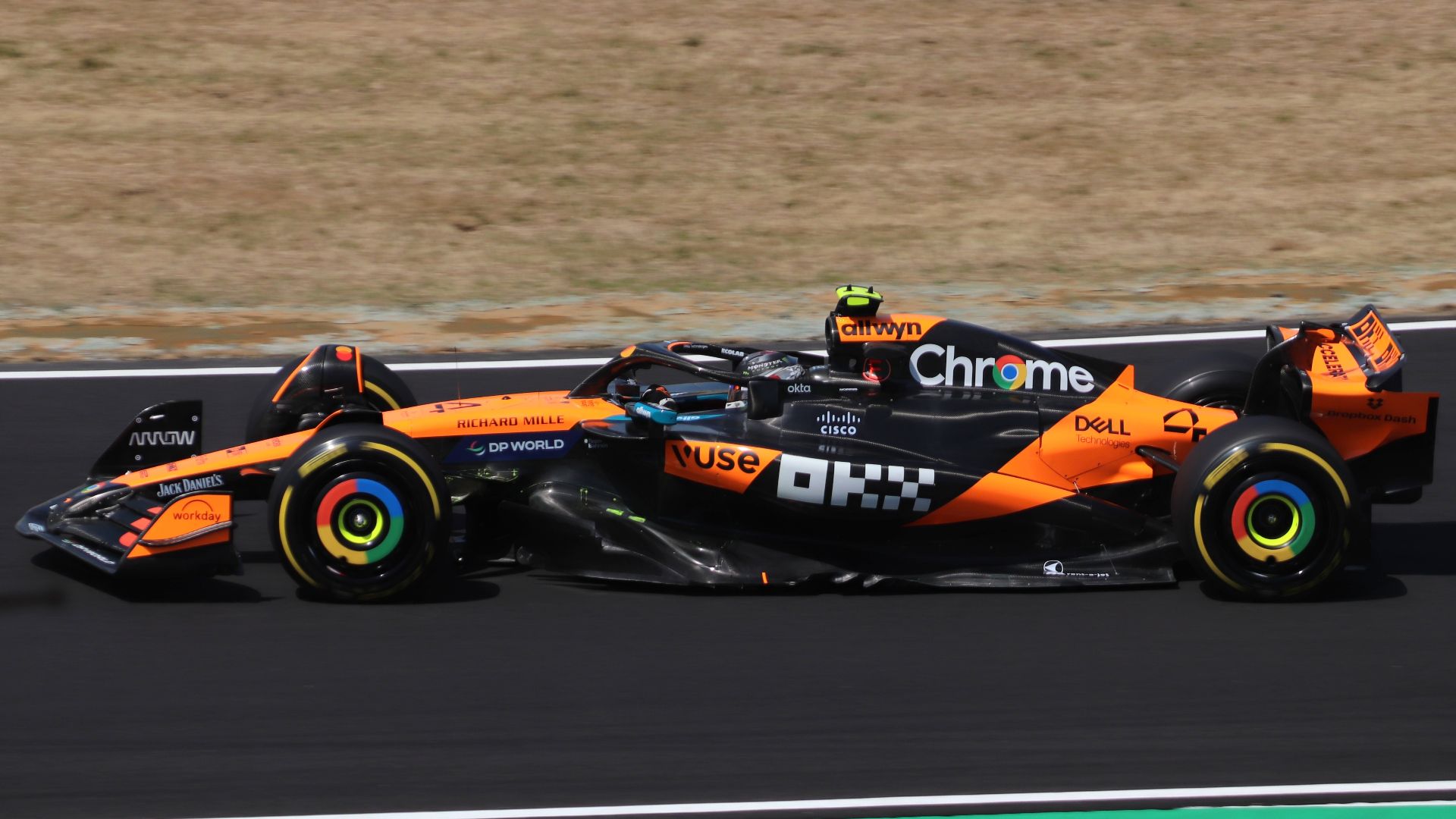
Now that we've covered the times that strategy paid off, let's talk about the moments when it flopped and ruined everything.
1. 2021 Russian GP
Lando Norris was on course for a breakthrough win, and then the rain arrived. He stayed out on slicks as conditions worsened, and the result was a slide down the order that felt brutal to watch. Sometimes the wrong call isn’t complicated; it’s just refusing to accept what the sky is doing.
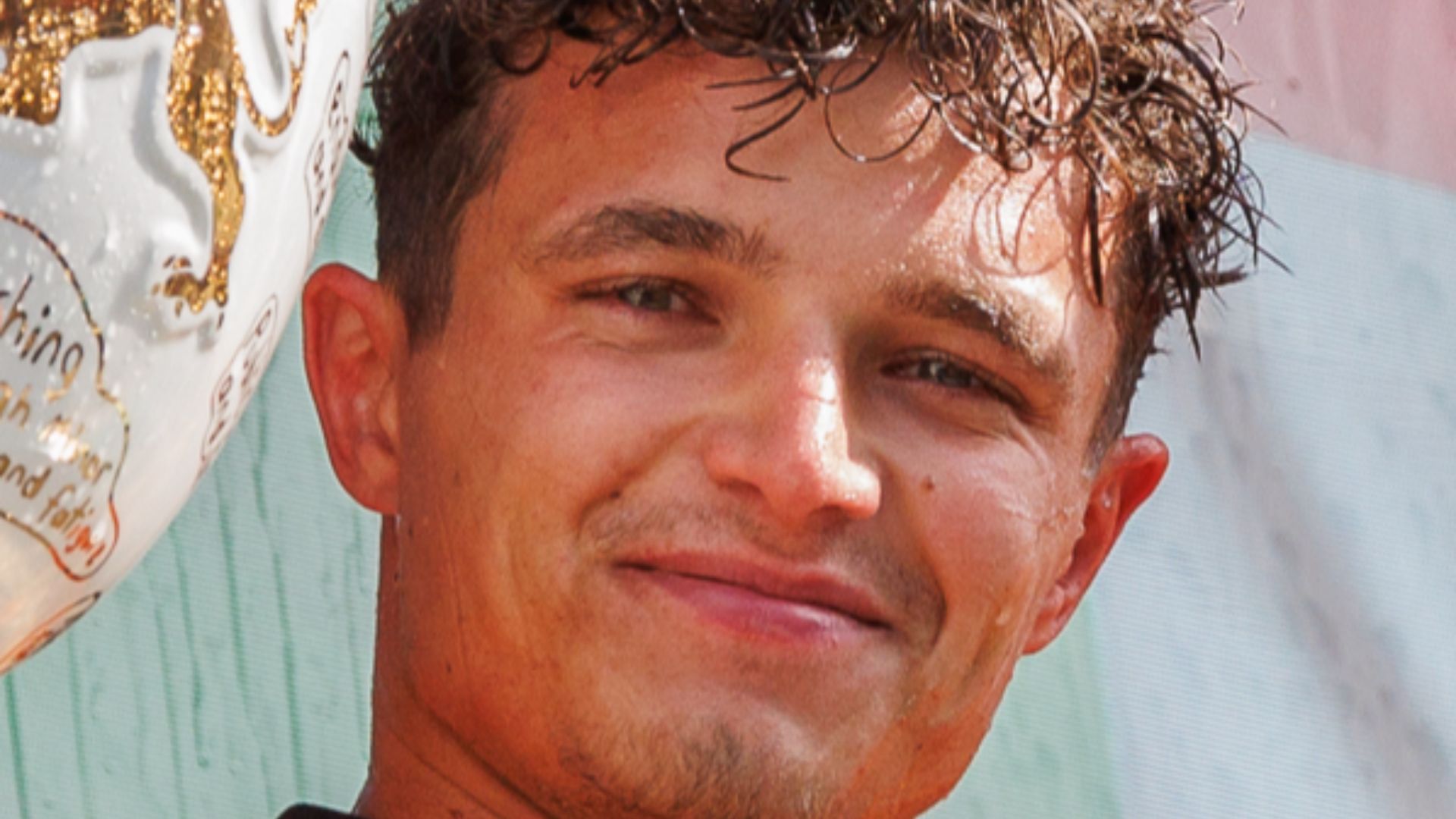
2. 2022 Monaco GP
Ferrari had the kind of track position you dream about in Monaco, and then managed to turn it into confusion with mistimed calls and a messy double-stack sequence. Their own team leadership acknowledged mistakes that cost Leclerc a podium. On a circuit like Monaco, where overtaking is almost impossible, strategy errors hit extra hard.
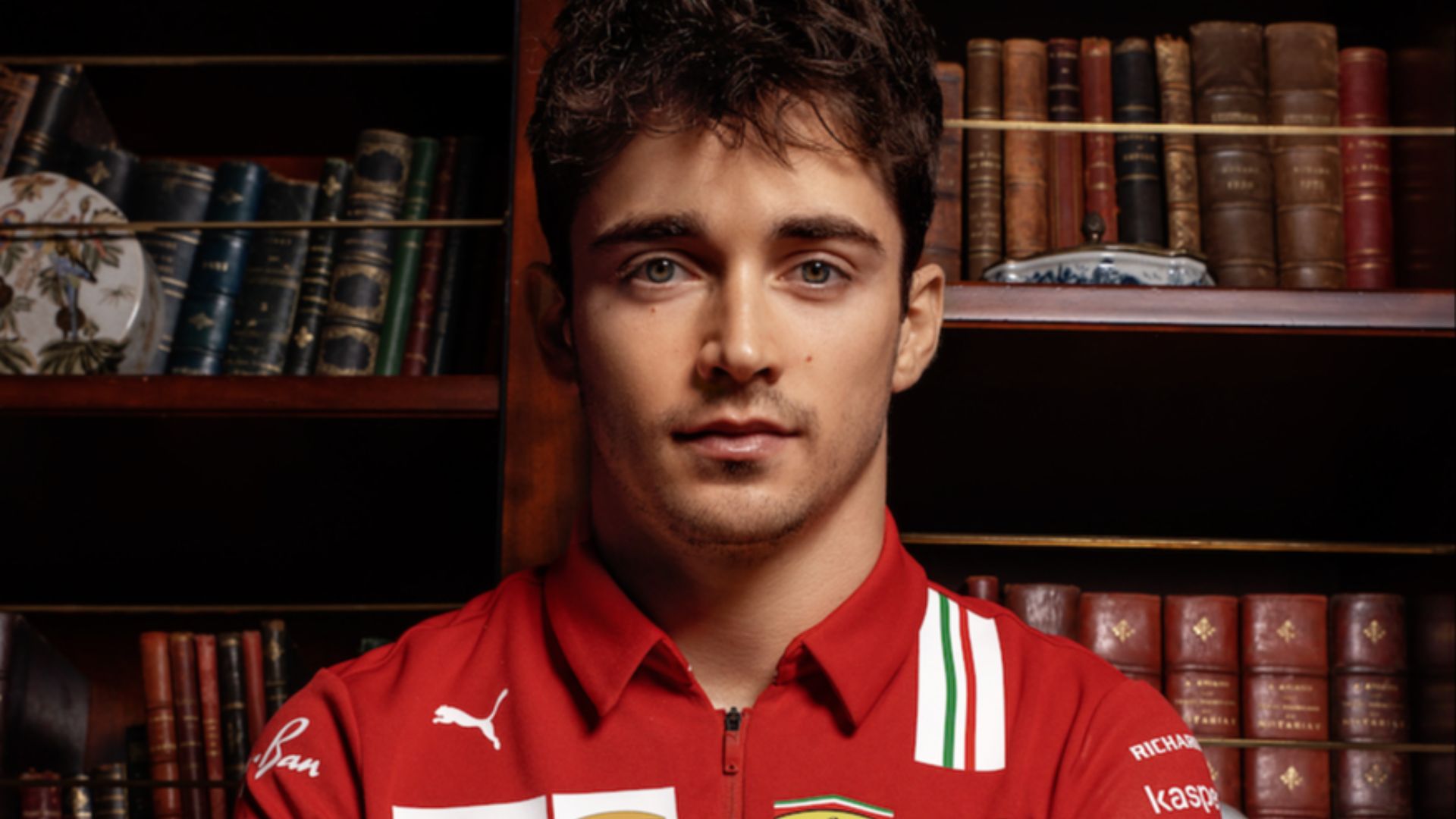
3. 2021 Hungarian GP
After a red flag, everyone pitted for slicks except Hamilton, who ended up restarting alone on the grid. Mercedes immediately realized they’d made a bad call, and Hamilton had to claw his way back through the field. You could feel the collective disbelief through the broadcast.
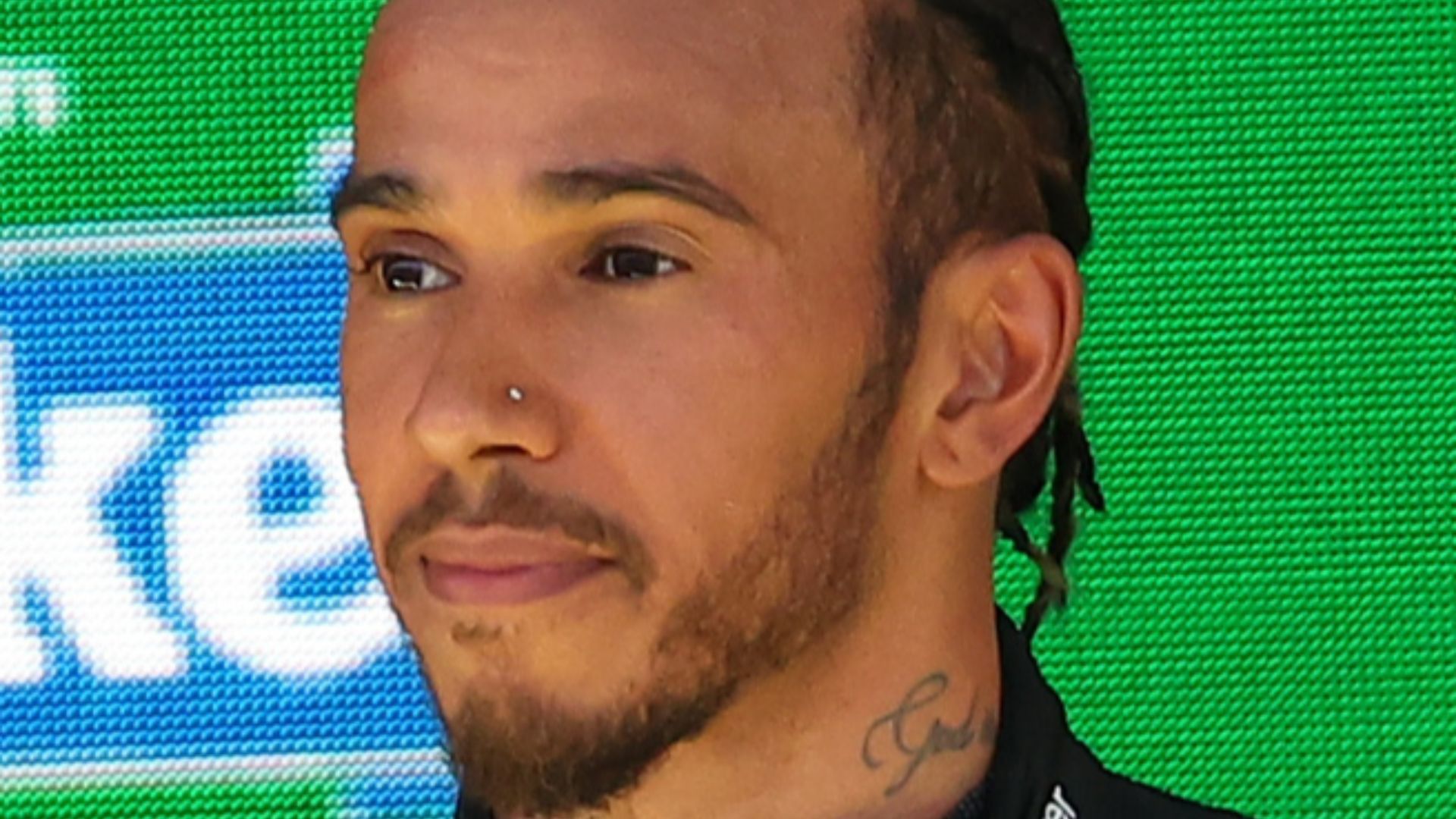 Governo do Estado de São Paulo on Wikimedia
4. 2020 Sakhir GP
Mercedes had the race in hand and then produced a pit stop that belongs in a museum of regrets. A tire mix-up and general pit-lane chaos blew George Russell’s shot at a first win and changed the entire outcome. The story of the night became the pit wall, not the pace.

5. 2010 Abu Dhabi GP
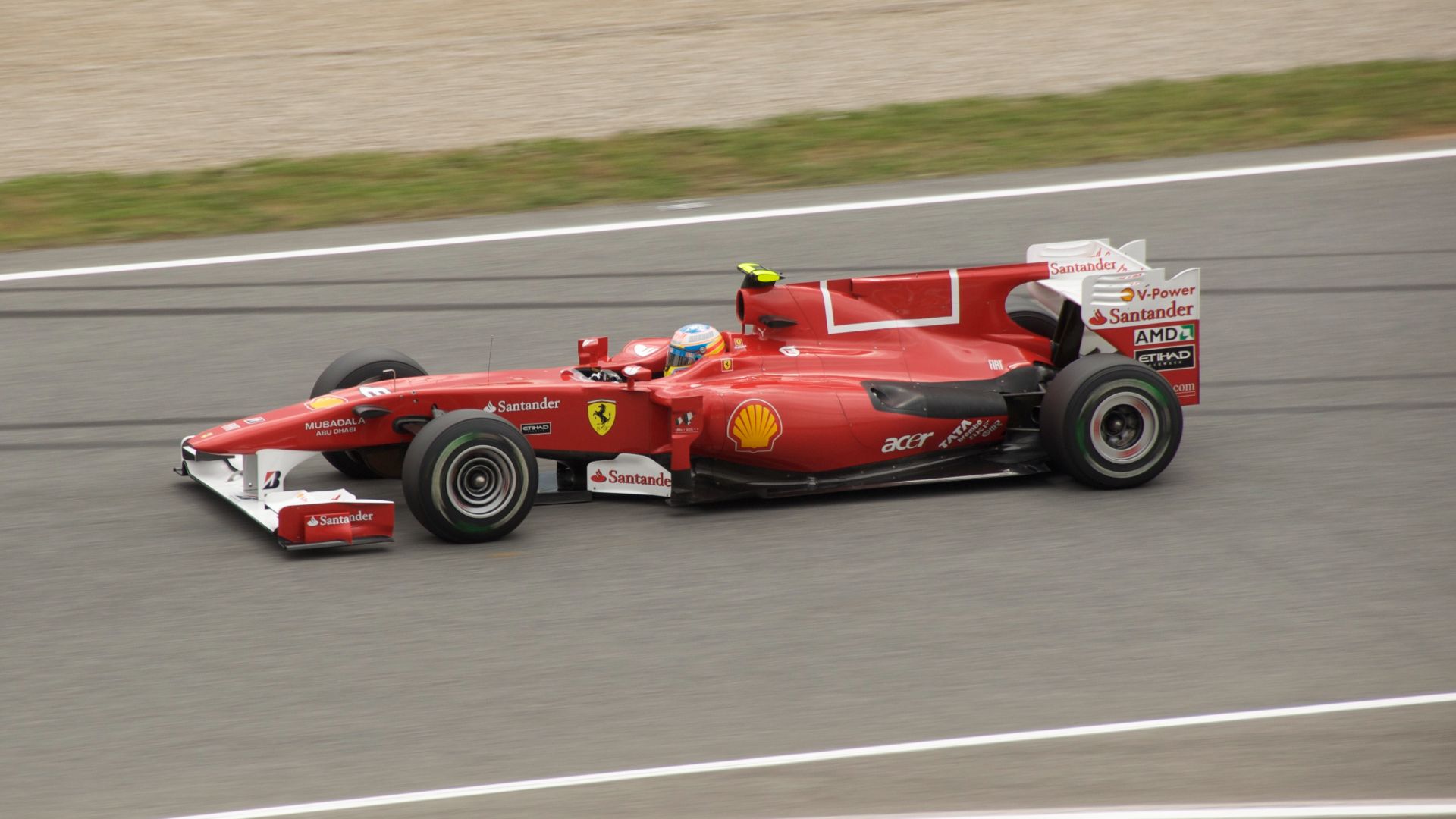
Ferrari covered a rival and pulled Fernando Alonso in early, but the consequence was getting stuck behind Vitaly Petrov with no clean way past. The strategic call turned a title-winning scenario into a slow-motion trap, and the championship slipped away. That one decision boxed Alonso into a race he couldn’t control anymore.
6. 2015 Monaco GP
Hamilton was leading comfortably when Mercedes chose to pit him under a late Safety Car, and it dropped him behind rivals who stayed out. The team publicly apologized afterward, which tells you how clear the error was. In Monaco, recovering positions is almost impossible, so the damage was immediate and final.
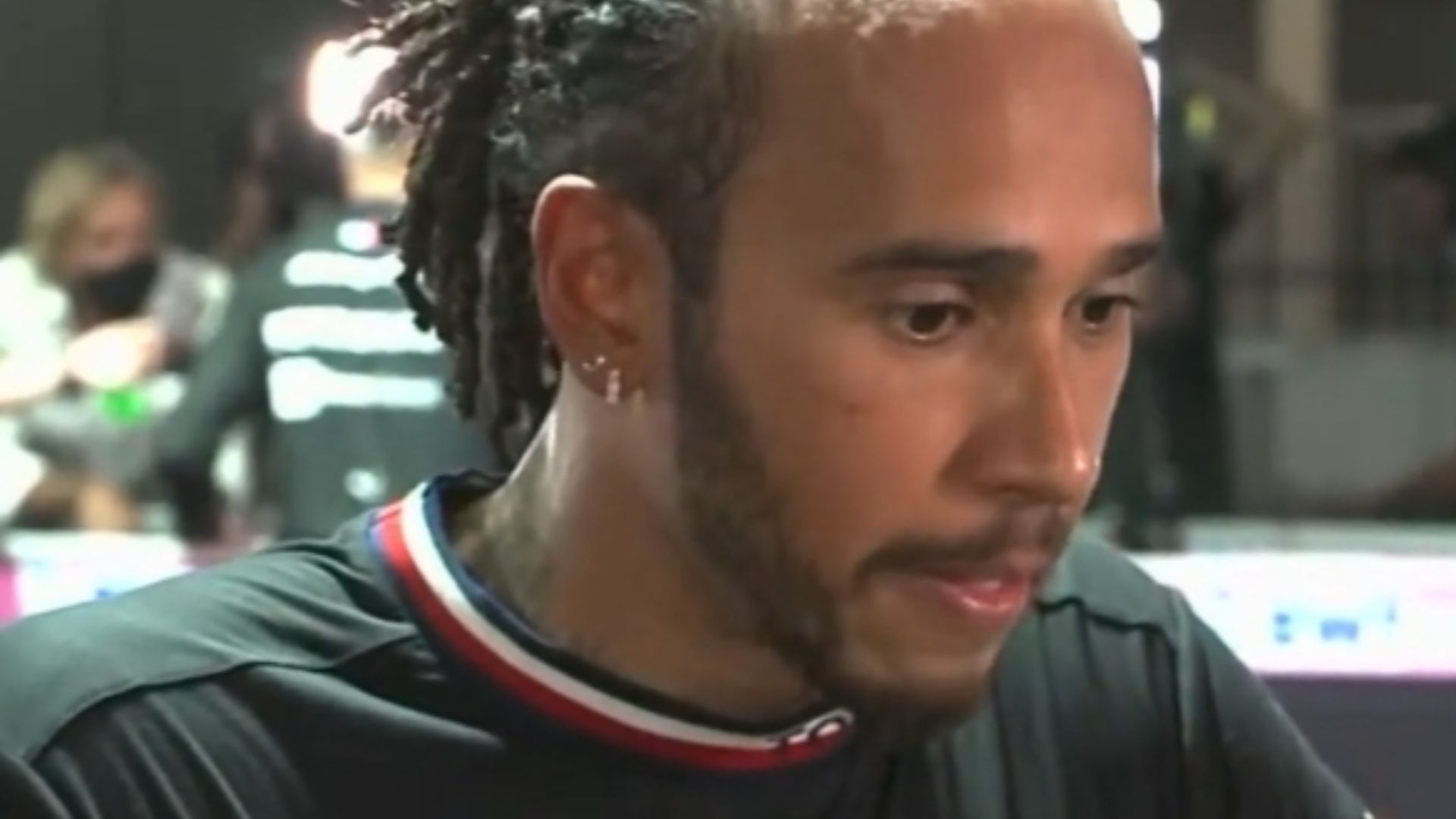
7. 2016 Monaco GP
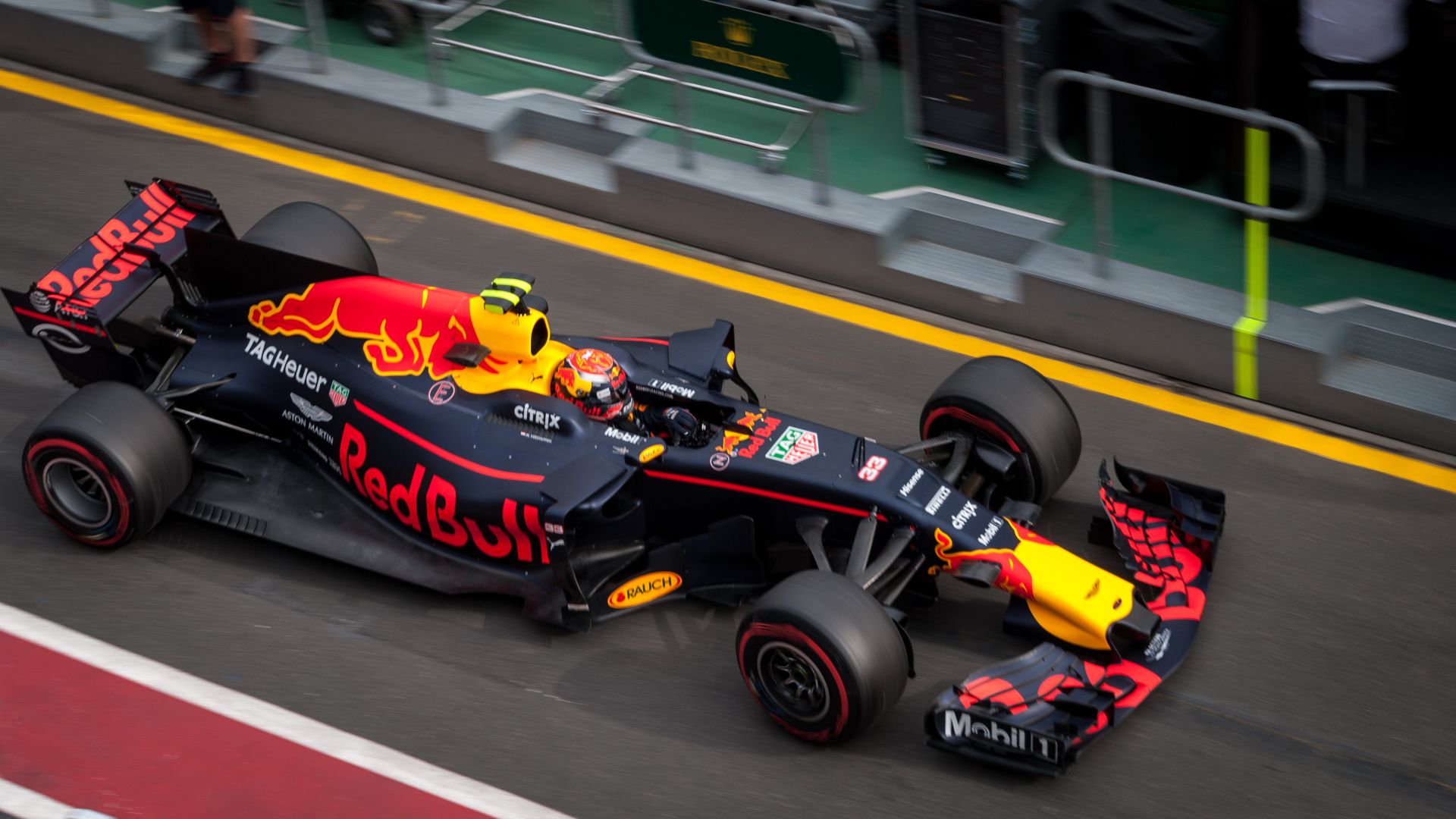
Daniel Ricciardo looked set for victory, then lost it when a pit stop went wrong, and the crew wasn’t ready with his tires. F1’s own reporting described the long stop as the moment that flipped the win to Hamilton. When a race hinges on seconds, a pit delay becomes a plot twist you can’t undo.
8. 2016 Spanish GP
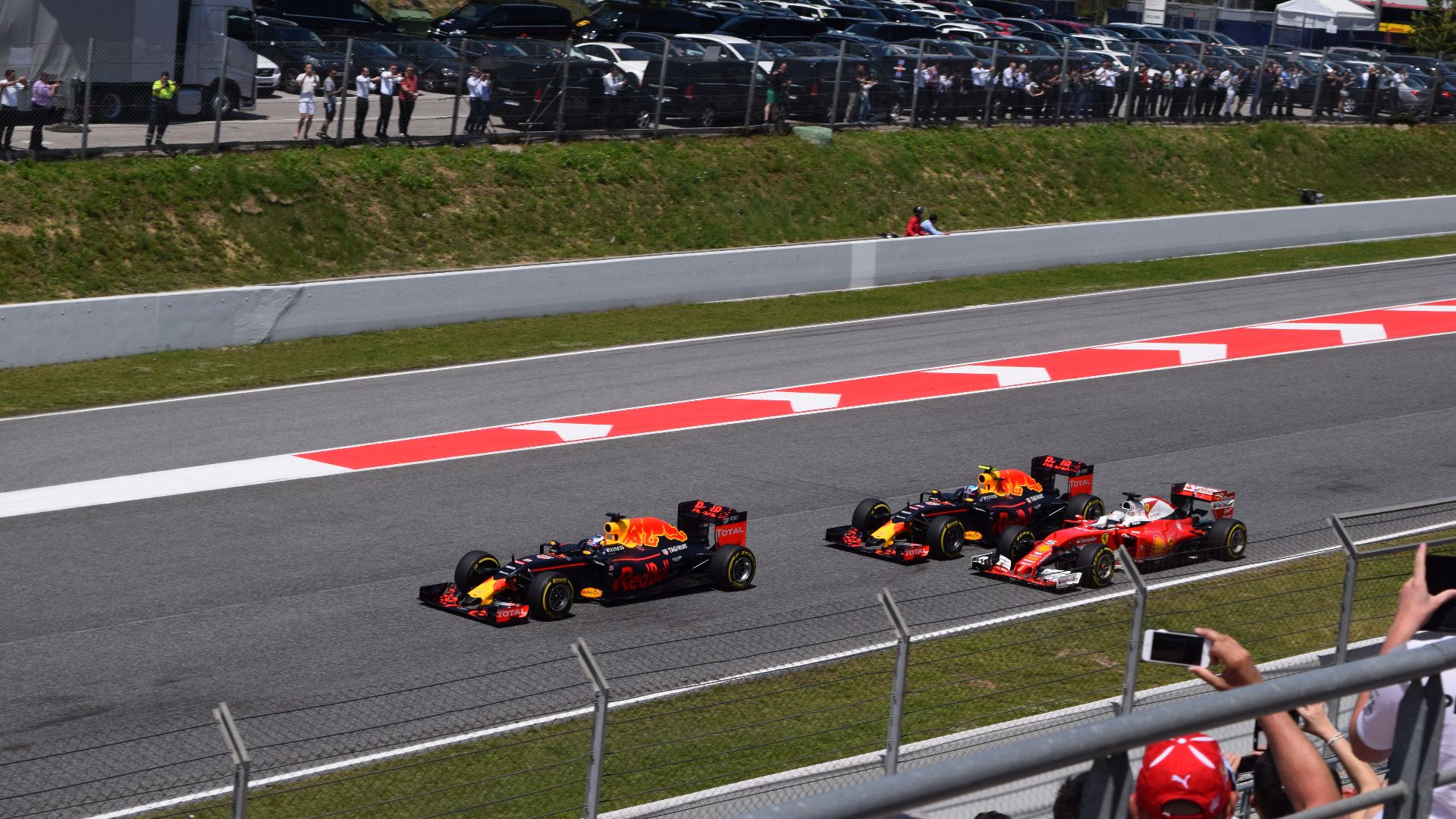
Barcelona became a strategic lesson when some teams committed to plans that didn’t match how the tires behaved. A two-stop choice for certain front-runners potentially cost them the race compared to alternatives. The frustrating part is that it wasn’t an engine failure or a crash; it was just choosing the wrong strategy.
9. 2022 British GP
Ferrari didn’t pit Charles Leclerc under a late Safety Car, and it left him on older tires while others attacked on fresh rubber. Team leadership later explained the call, but the result was clear: he dropped from a likely win into the pack and finished just shy of the podium.

10. 2025 Qatar GP
In the 2025 Qatar GP, McLaren’s strategy miscalculation during a Safety Car handed Verstappen a “free” tire change in a mandated two-stop race, swinging a crucial result in the title fight. The team had a chance to lock things down, but instead left the door open. That one bad call changed the momentum of the season.