Your Car Is Asking for Help
Your car might not be able to tell you what's wrong, but it has plenty of ways to get your attention when something isn't working properly. Strange noises, unusual smells, dashboard warning lights, and changes in how your vehicle handles can all point to problems that deserve a closer look. While some issues are relatively minor, others can affect your safety or leave you stranded at the worst possible time.
1. The Check Engine Light Comes On
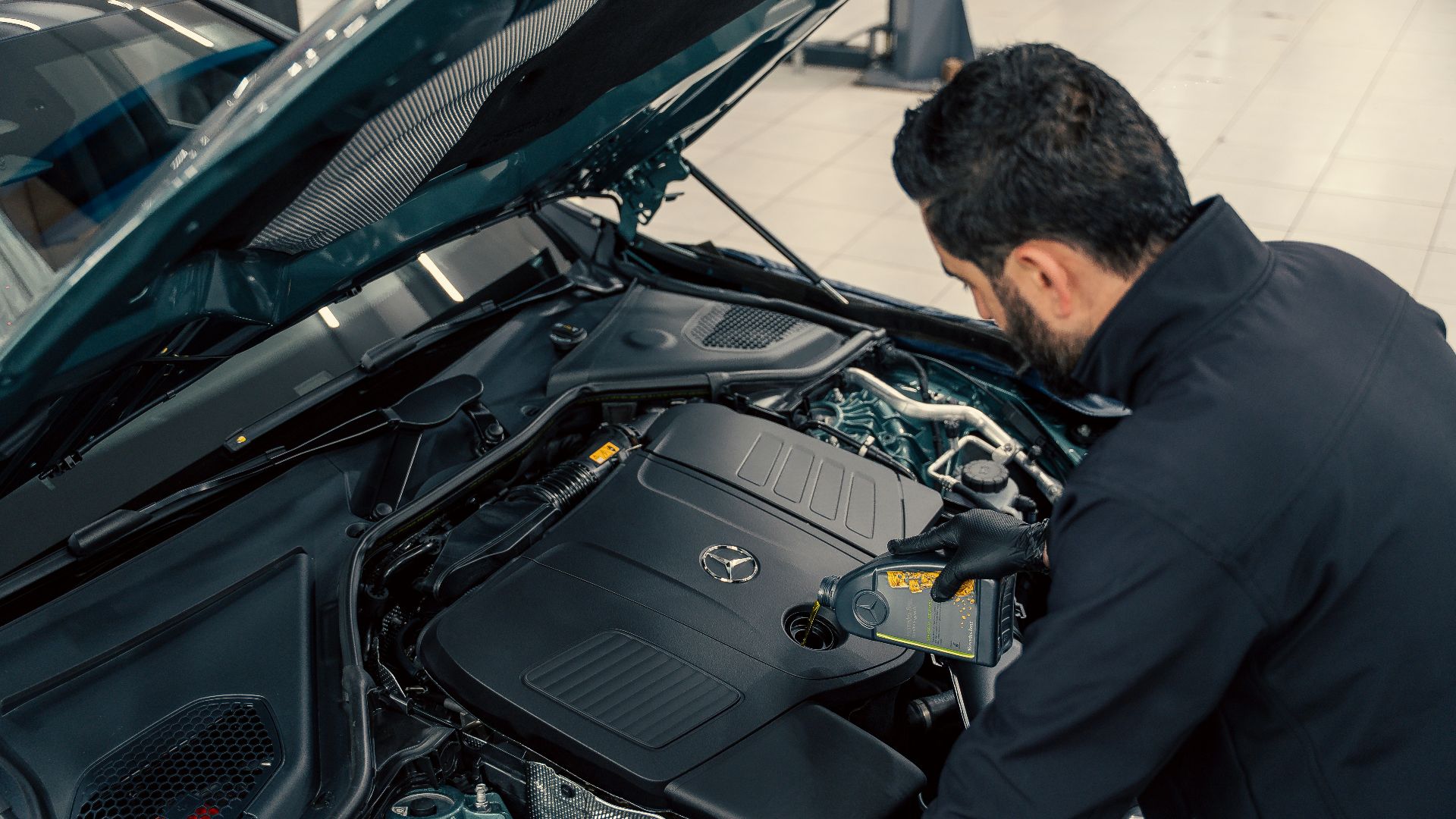
There are many things that can cause your check engine light to come on. It could be as simple as a bad gas cap or an issue with your vehicle's emissions or ignition system. You want to get your codes read when your light is on.
2. Your Brakes Start Squealing
When you step on your brake pedal, if you hear a high-pitched screech, it may be a sign that your brake pads need to be replaced. Some brake pads will begin to squeal when it's close to time to replace them. However, this could be caused by dust or moisture on your brakes as well.

3. The Engine Makes Strange Knocking Sounds
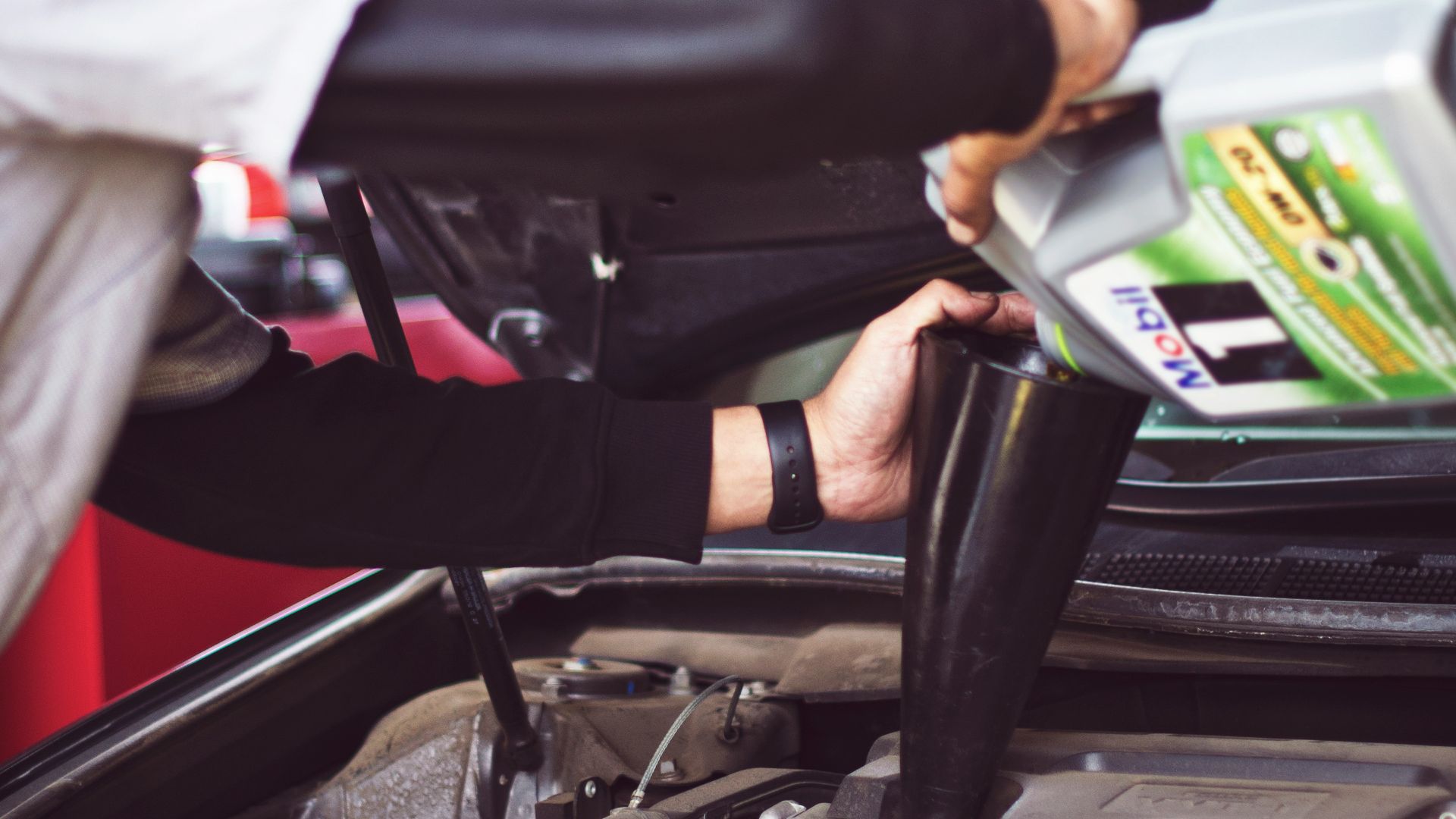
Knocking sounds or other unusual rattles coming from your engine bay should be taken seriously. If the noise increases when you give it gas, your vehicle could be low on oil. There can also be a lot of knocking due to wear on the engine.
4. Your Car Vibrates While Driving
If your steering wheel is vibrating while you're on the highway, your tires may need to be balanced. It could also be your alignment or bad shocks. There are many reasons your vehicle could vibrate. If you're experiencing vibrations throughout your vehicle, it could be a tire, wheel, or drivetrain issue.

5. You Notice a Burning Smell
Always pay attention to smells that are coming from your vehicle. There could be something burning that you can't see yet, whether it's oil or something overheating on your brakes.
6. The Temperature Gauge Climbs Too High
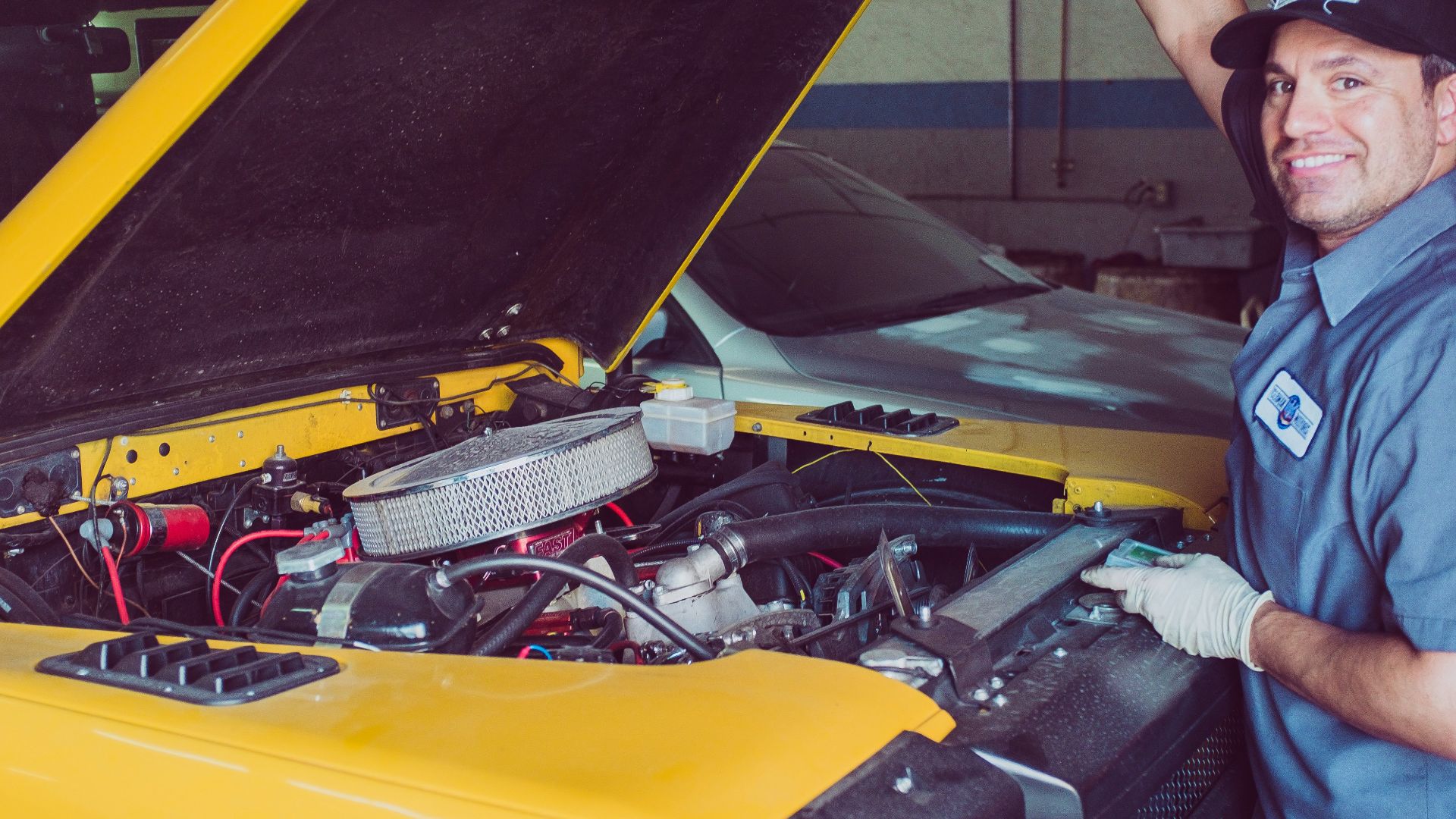
Your engine temperature gauge going into the red means your car is overheating. Do not continue driving, as this will cause damage to your engine. Never remove a hot radiator cap, since pressurized coolant can spray out and cause severe burns.
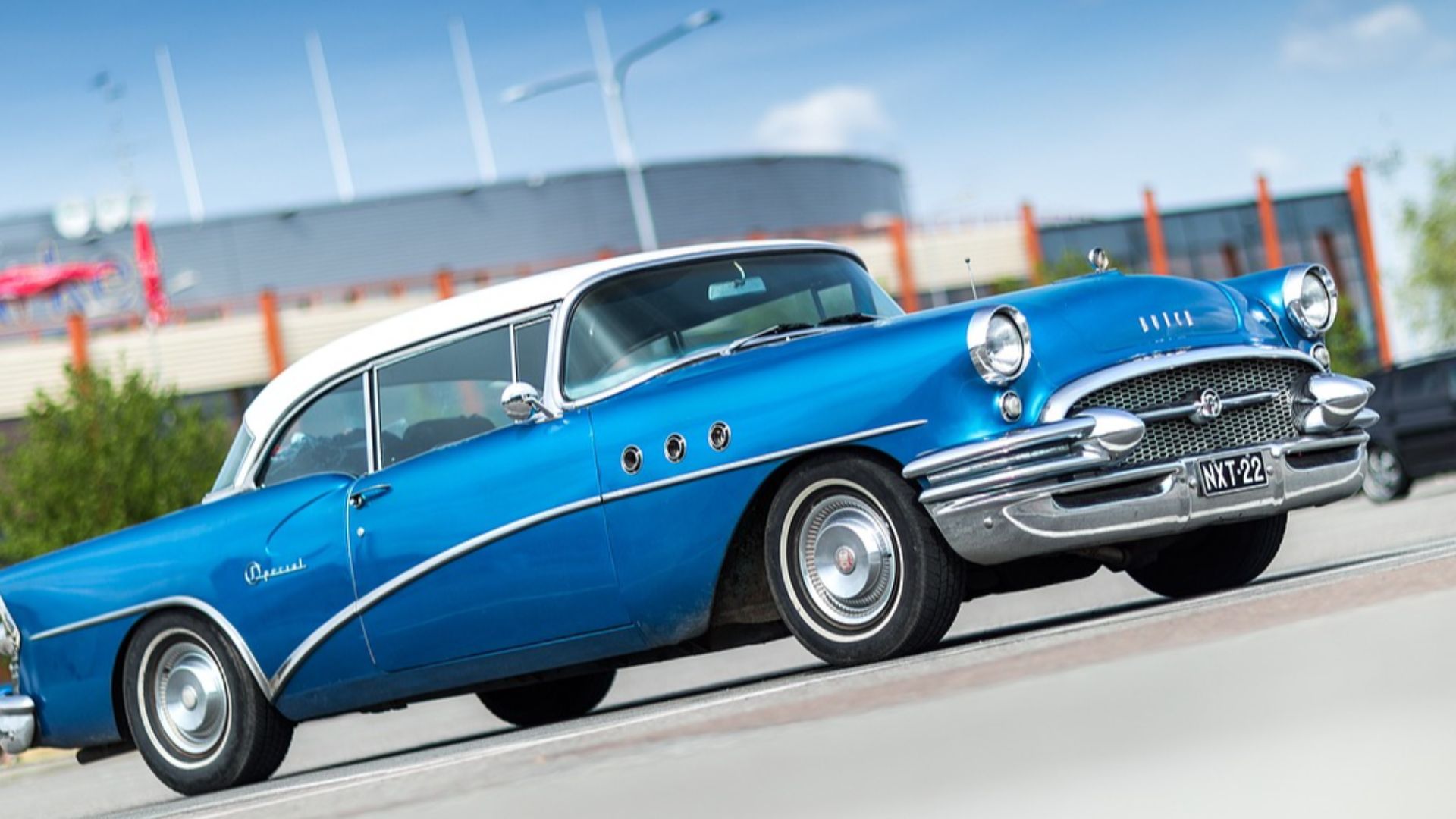
7. You See Puddles Under Your Car
If you park and see a puddle the next day, it's always a good idea to find out what it could be. If it's plain water, it could be from your AC unit. Engine oil will usually be dark brown or black. If you notice a growing leak, a low-fluid warning, or a puddle that could be brake fluid, have the vehicle checked before driving it again.
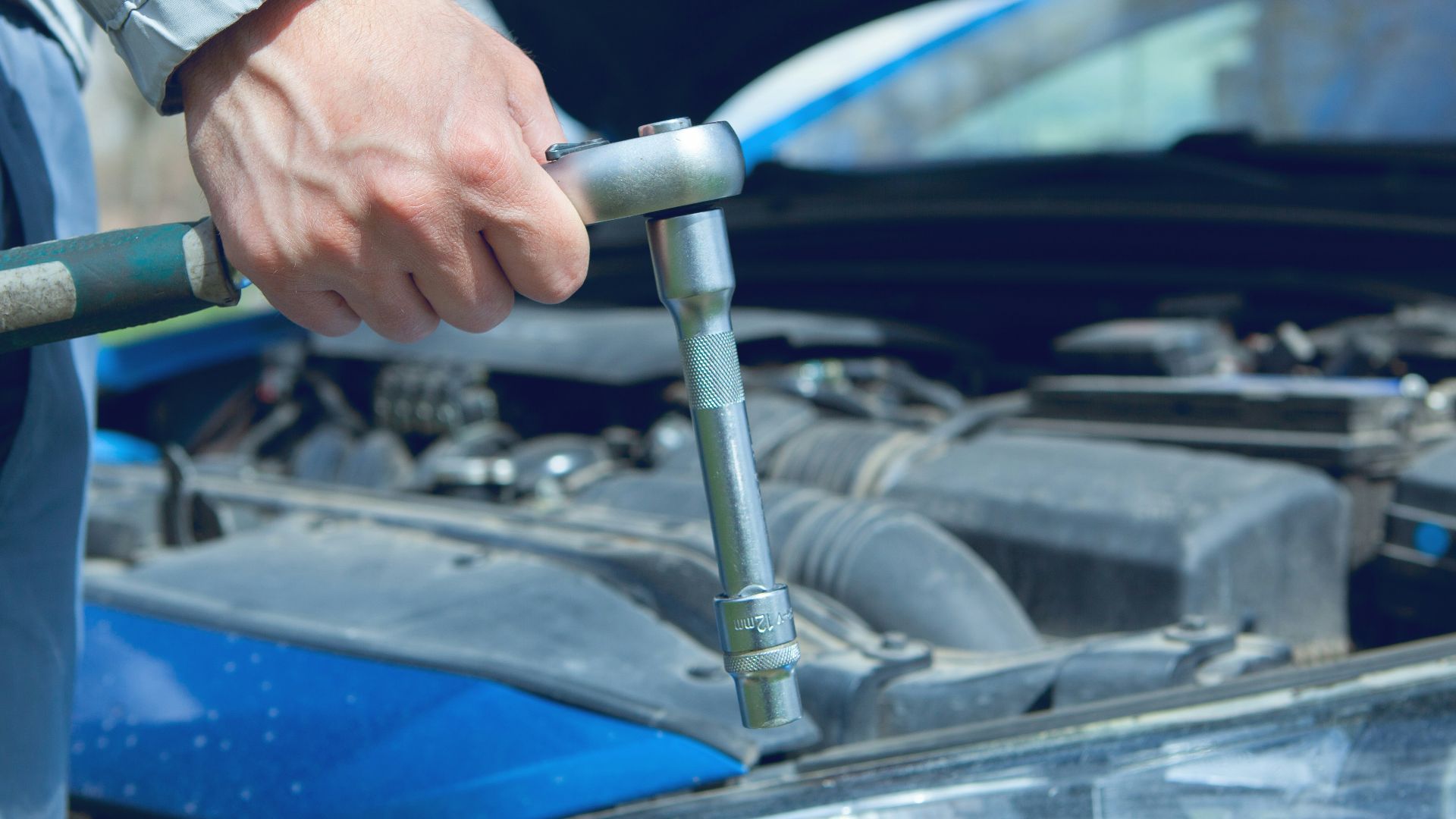
8. Your Tires Keep Losing Air
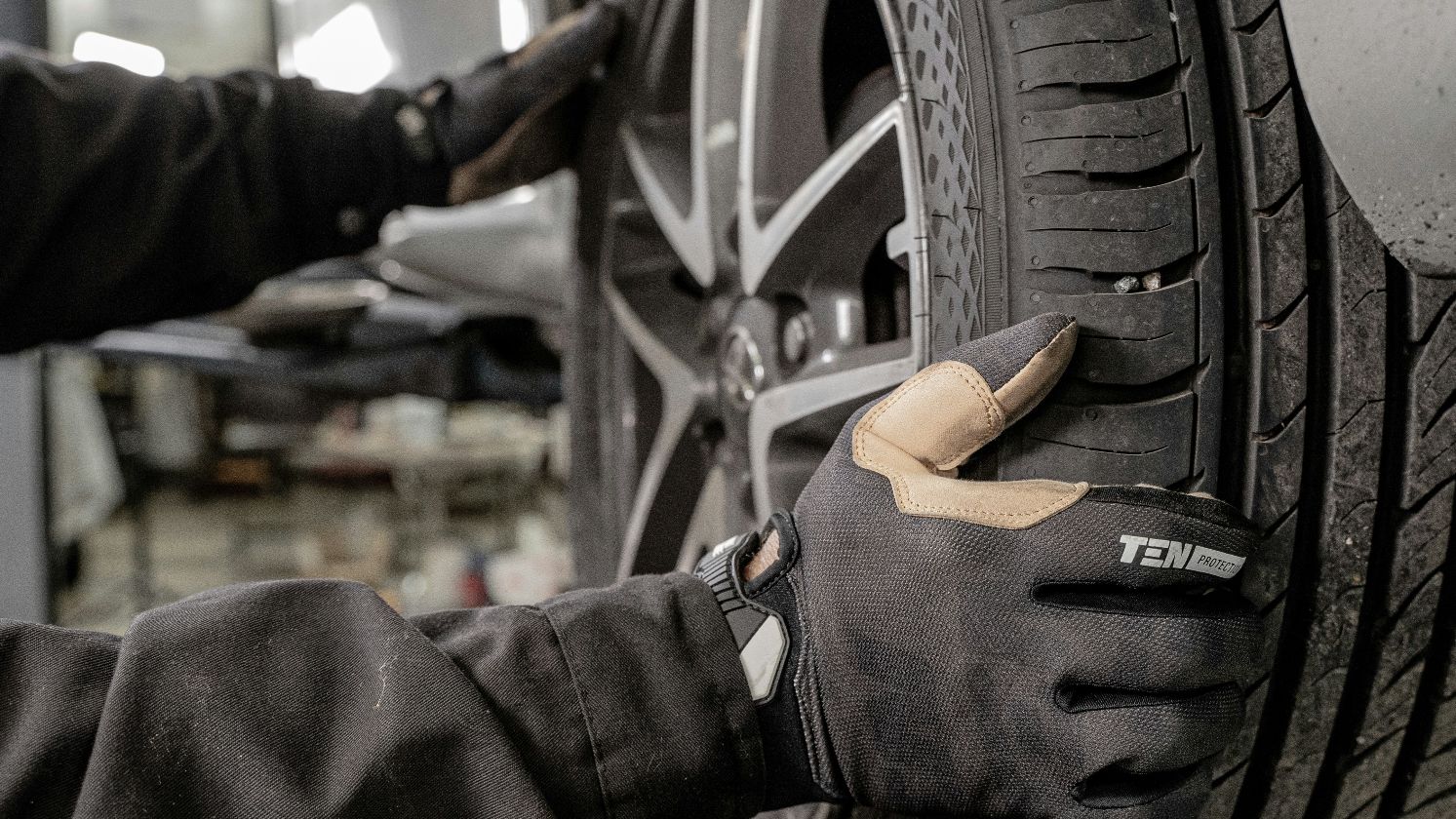
If you find yourself topping off your tire every couple of days, something is wrong. You could have a nail in your tire, a leak around your valve, or a leak on the wheel itself. During colder months, you can also lose air pressure in your tires.

9. The Steering Wheel Becomes Difficult to Turn
Your steering wheel becoming hard to turn can be caused by many things, including bad tires and power steering issues. There are many factors that can cause your steering wheel to become difficult to turn. If you drive a vehicle with power steering, it could be due to a lack of power steering fluid or a leak.
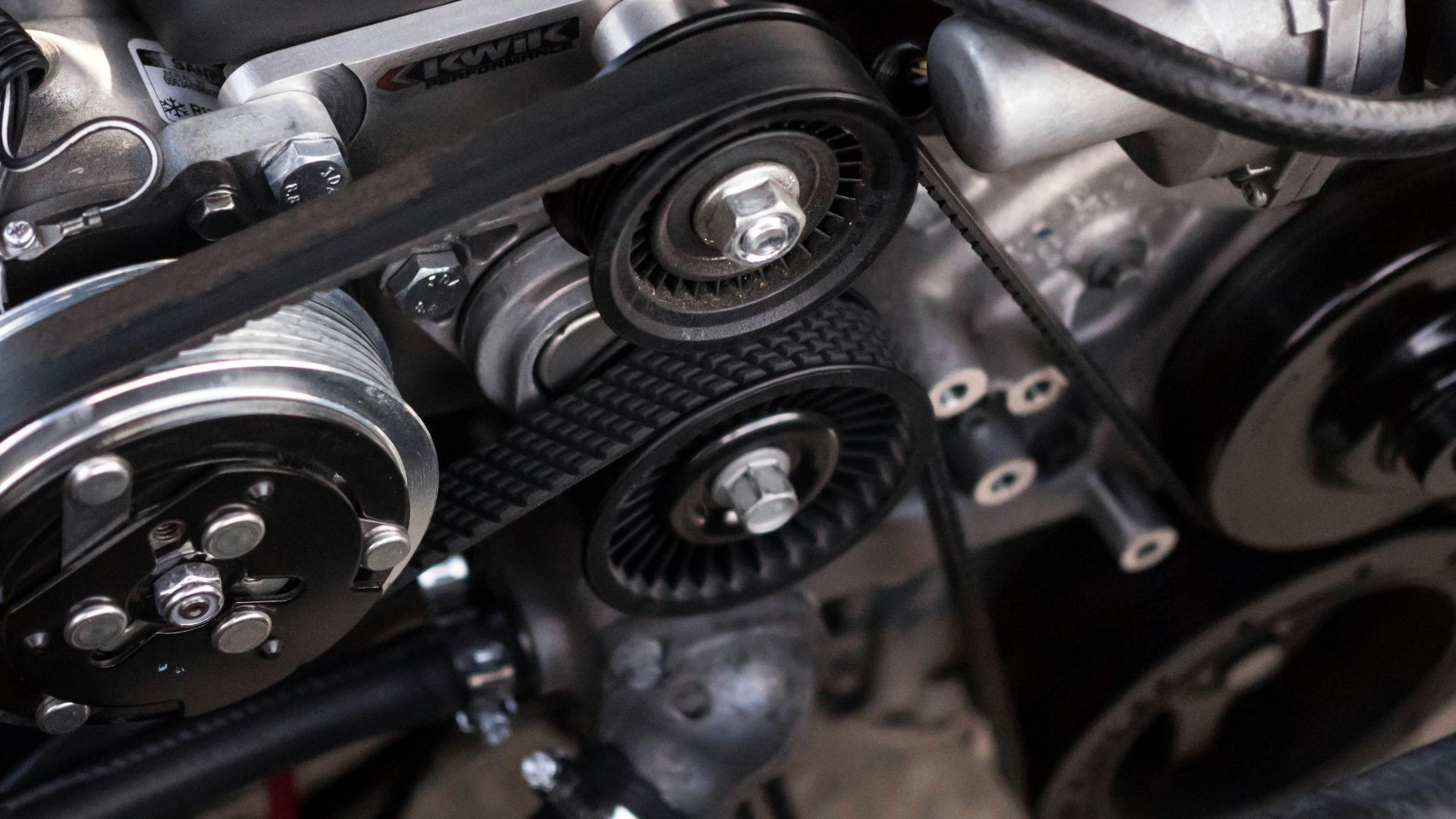
10. Your Battery Struggles to Start the Engine
If your car cranks very slowly or you hear clicking sounds when turning your car on, it may be your battery or starter or charging system. If your headlights are dim or you're experiencing random electronic issues, these could be caused by a bad battery or one that isn't being charged correctly.
 Evgeny Tchebotarev on Unsplash
11. Your Headlights Flicker
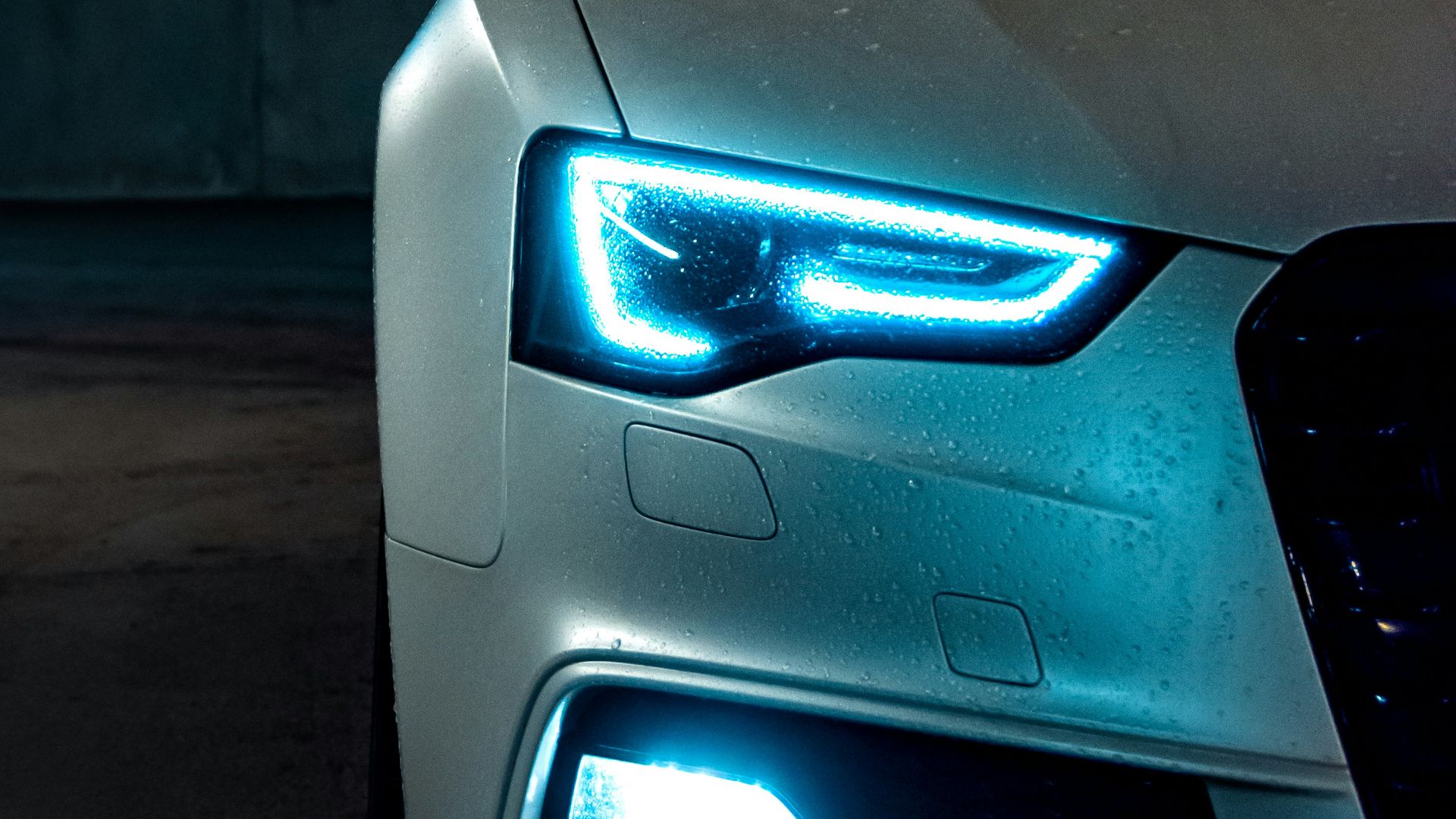
Your headlights may begin to flicker if you're having electrical issues with your car. This could be a loose connection, or your alternator or battery may need to be replaced. You can also have burned-out bulbs that cause your headlights to flicker.
12. The Exhaust Produces Unusual Smoke
It's normal to see a small amount of white smoke when driving in the mornings, especially if your vehicle hasn't fully warmed up. However, white smoke that doesn't go away or blue or black smoke can indicate a problem. If the smoke continues after the engine warms up or appears alongside overheating, unusual engine noises, or a loss of power, stop driving when it's safe and have the vehicle inspected.
13. You Hear Grinding When You Shift Gears
When you change gears and hear your car grinding, you could be experiencing an issue with your clutch or transmission. Avoid forcing the gear lever or repeatedly attempting the same shift, and arrange an inspection before the problem causes further damage.
14. Your Car Pulls to One Side
If your car pulls to the left or right, it could be caused by many things. Your tire pressures can cause your car to pull to one side. Have your car aligned if it continues to pull. Check tire pressures first, and seek prompt professional help if the pulling is sudden, severe, or accompanied by steering changes or unusual noises.

15. The Dashboard Lights Up Like a Holiday Display
If you're seeing every warning light that your car has, it could be caused by a bunch of different things. Many warning lights can be triggered by a low battery or a bad charging system. Read the warning messages and consult your owner's manual, but treat red oil pressure, brake, or temperature warnings as urgent rather than continuing to drive just to see whether they disappear.
 Jimmy Nilsson Masth on Unsplash
16. Your Fuel Economy Suddenly Drops
If you're visiting the gas station more often than usual without changing your driving habits, your car may be using more fuel than it should. Underinflated tires, a dragging brake, a faulty sensor, or engine performance problems can all contribute to reduced fuel economy. Track your mileage over several fill-ups and check tire pressure, but don't overlook a sudden change that occurs alongside a check engine light or unusual engine behavior.

17. You Smell Gasoline Around the Vehicle
After filling up your tank, if you smell a strong odor of gas, it's best to make sure everything was filled correctly. If the smell of gasoline continues, take it seriously. Turn off the engine, avoid smoking or other ignition sources, move away from the vehicle if the odor is strong, and seek professional assistance.
 Isabela Kronemberger on Unsplash
18. The Brake Pedal Feels Soft or Spongy
Your brake pedal should feel solid when stepping on the brakes. If your brake pedal feels lower than you're used to, there could be a problem. Possible causes include air in the brake lines, a hydraulic leak, or a failing master cylinder. If braking performance changes or the pedal sinks toward the floor, stop driving as soon as it's safe and have the vehicle towed for inspection.
19. You Hear Repeated Clicking When Turning
Clicking or popping noises when making tight turns, particularly while accelerating, can indicate a worn constant-velocity joint on a front-wheel-drive or all-wheel-drive vehicle. Other steering or suspension components can also produce noises during turns, so the sound alone doesn't confirm the cause.
20. Your Car Suddenly Loses Power
If your vehicle begins to struggle or hesitate when you give it gas, you could have a problem with your vehicle. Maybe you have a clogged filter or you're not getting enough gas. A clogged filter or faulty sensor may be responsible, but a serious mechanical problem can produce similar symptoms. Turn on your hazard lights if necessary, move out of traffic when you can do so safely, and arrange for assistance if the car can't maintain a safe speed.