
Remember When Buying a Car Was a Little Simpler?
Buying a new car used to mean getting a collection of practical features without having to think too much about optional packages or additional fees. Today, automakers offer increasingly sophisticated technology, but some familiar conveniences have disappeared from standard equipment lists or become exclusive to higher trim levels. From spare tires to heated seats, features that once came included on certain vehicles may now require additional spending, depending on the manufacturer and model.

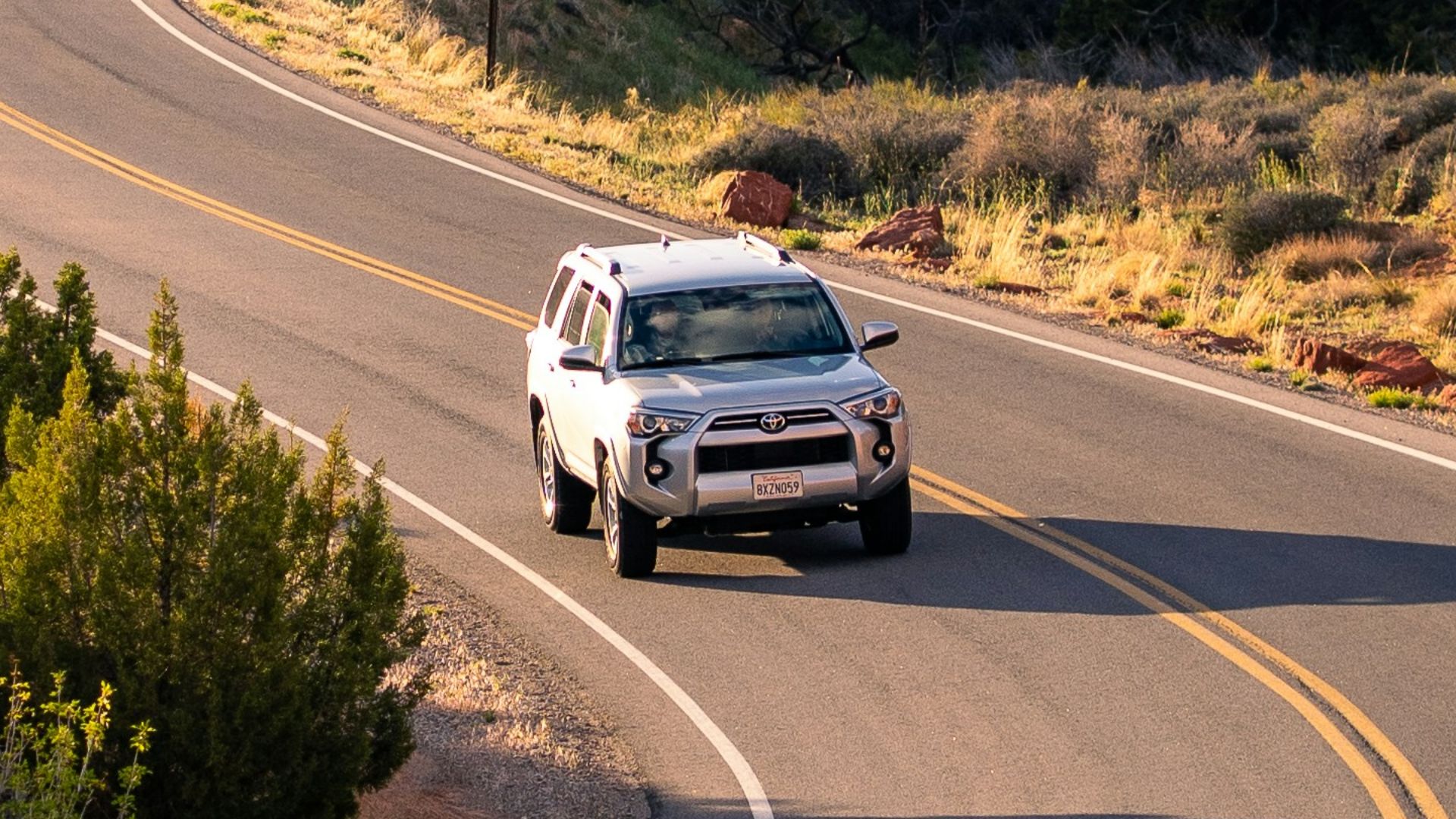
1. Full-Size Spare Tires
There was a time when many vehicles came equipped with a full-size spare tire, allowing drivers to replace a flat without immediately visiting a repair shop. Today, numerous manufacturers provide compact temporary spares, tire repair kits, or no spare at all to reduce weight and save space. Getting a full-size replacement may require purchasing an optional package or buying the necessary equipment separately.
2. Heated Front Seats
It is very common to find these fitted as standard on many cars from the midrange upward, especially those aimed at colder northern states. But there are a number of vehicles that only offer this as part of a higher trim level or as an option. Those intending to spend the winter months in subzero temperatures would do well to check.

3. Built-In Navigation Systems
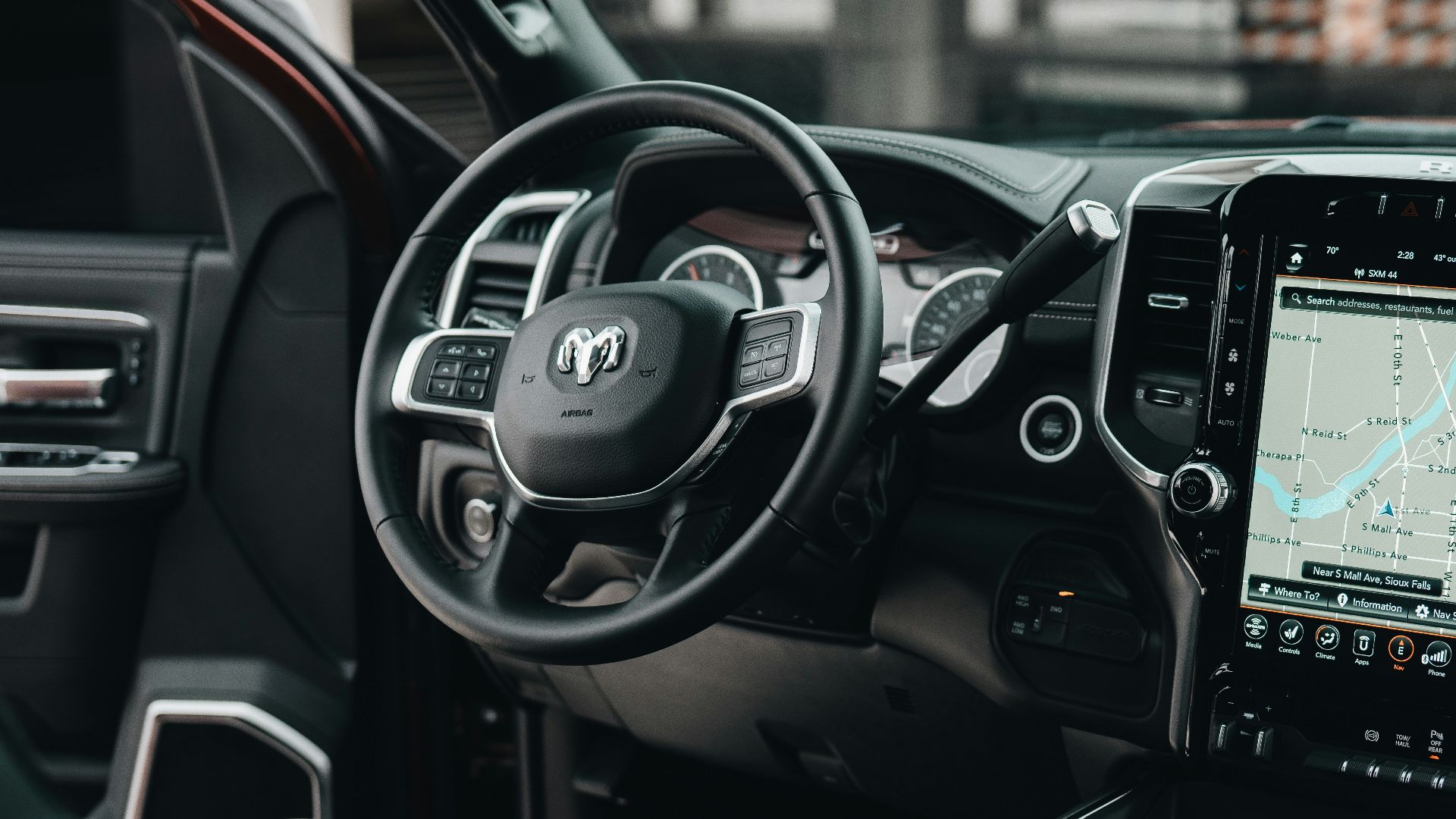
A large proportion of top-specification vehicles had navigation systems as a matter of course prior to the arrival of the smartphone. Naturally, there are still quite a few examples, although a more expensive audio and navigation package or a monthly fee may apply. At least there are plenty of apps available to display maps and directions via a phone, alleviating the lack of built-in navigation somewhat.
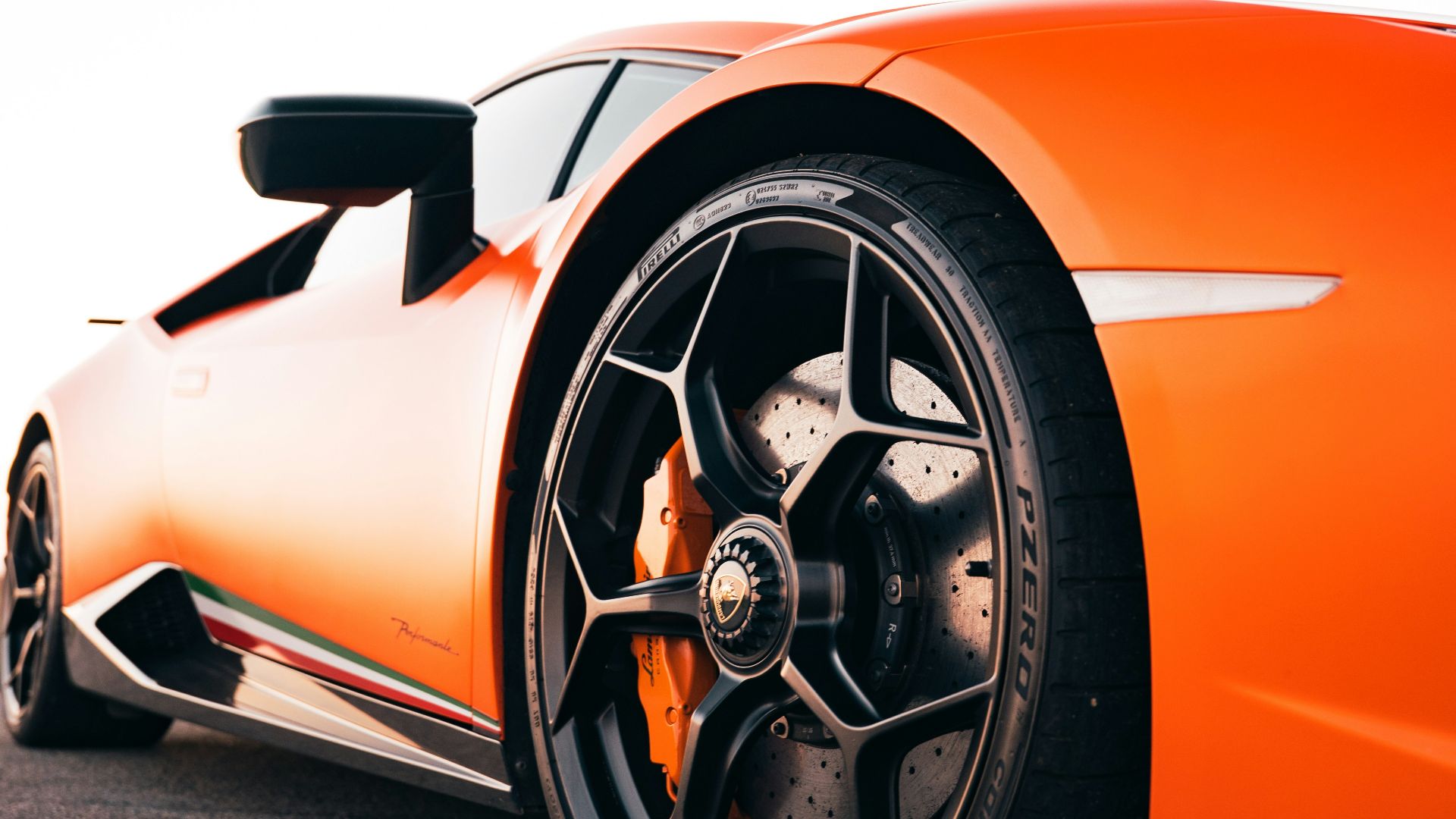
4. Fog Lights
These were pretty much ubiquitous on many makes, across a wide range of price points, particularly on higher trim levels. Changes to main headlight styles and technology mean a significant number of vehicles no longer carry conventional front fog lights, other than on some models or trims. Drivers who prefer dedicated fog lights may need to choose an upgraded trim or purchase compatible accessories.

5. Power-Adjustable Passenger Seats
Many higher-specification models previously had these as standard, including power adjustment of the front passenger's seat. Some now only offer power adjustment for the driver's seat and require the highest or near-highest trim levels for passenger seat adjustment. It's worth checking both front seats during a test drive rather than assuming they offer identical controls.

6. Premium Audio Systems
Good-quality audio was often a feature that many motorists would look for, and there were several examples where these systems were standard. It's almost ubiquitous these days to see cars boasting famous names associated with hi-fi, although this may again require a more expensive specification. Music enthusiasts might discover that getting their preferred listening experience adds a surprising amount to the final price.

7. Remote Engine Start
Many vehicles have had this available as standard, especially those aimed at areas of the country experiencing very low temperatures. Again, there are examples that only provide this as an option, with some requiring a monthly connected-services charge. Before paying for the feature, it's worth determining whether the vehicle supports remote starting through its key fob without an ongoing fee.
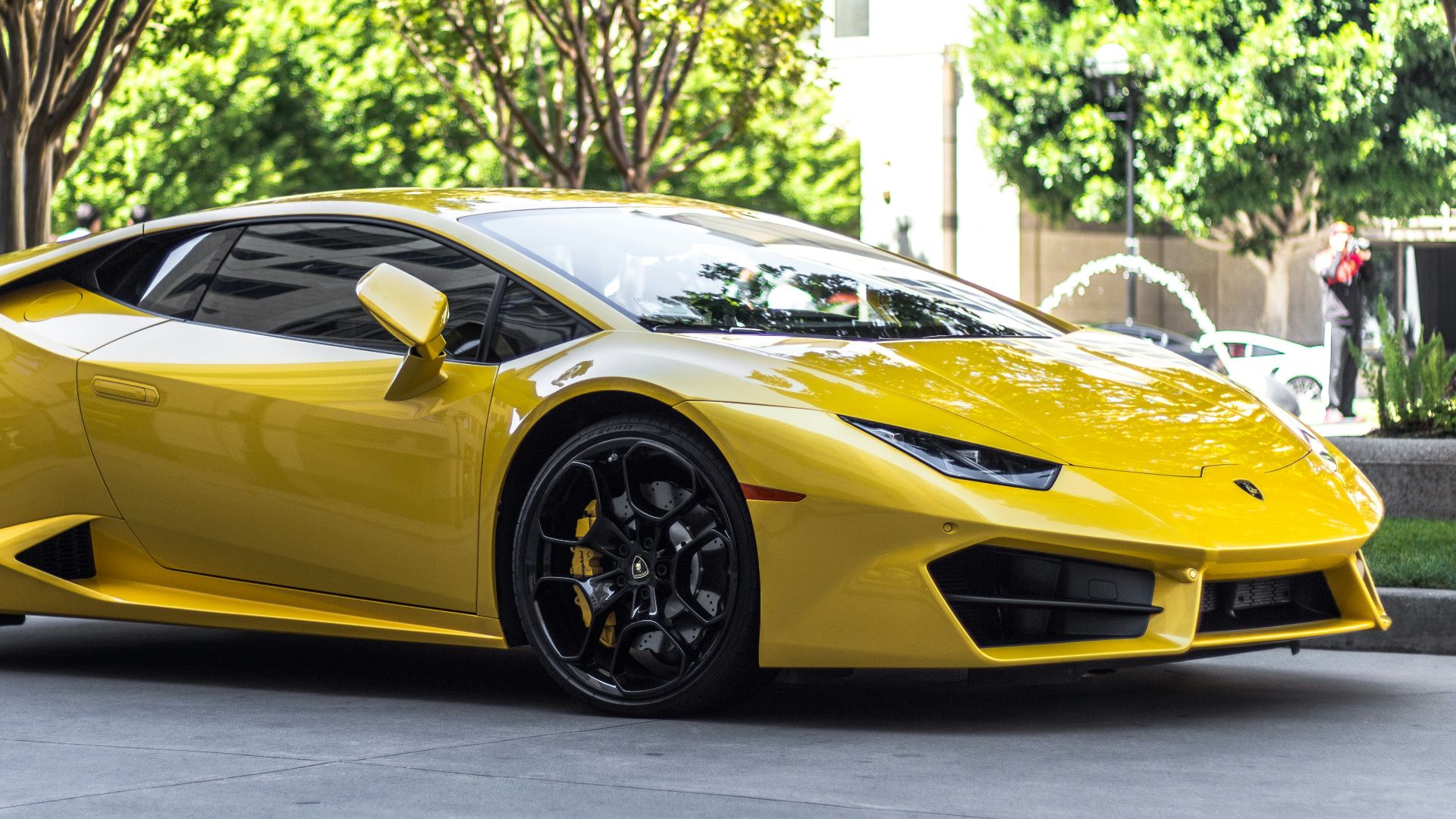
8. Automatic-Dimming Rearview Mirrors
Most higher-specification cars would have had this as a matter of course. It's still quite widely available, but may require selecting an option or a more expensive trim level. Drivers accustomed to this feature may be surprised to discover that their new vehicle comes with a manually adjustable mirror instead.
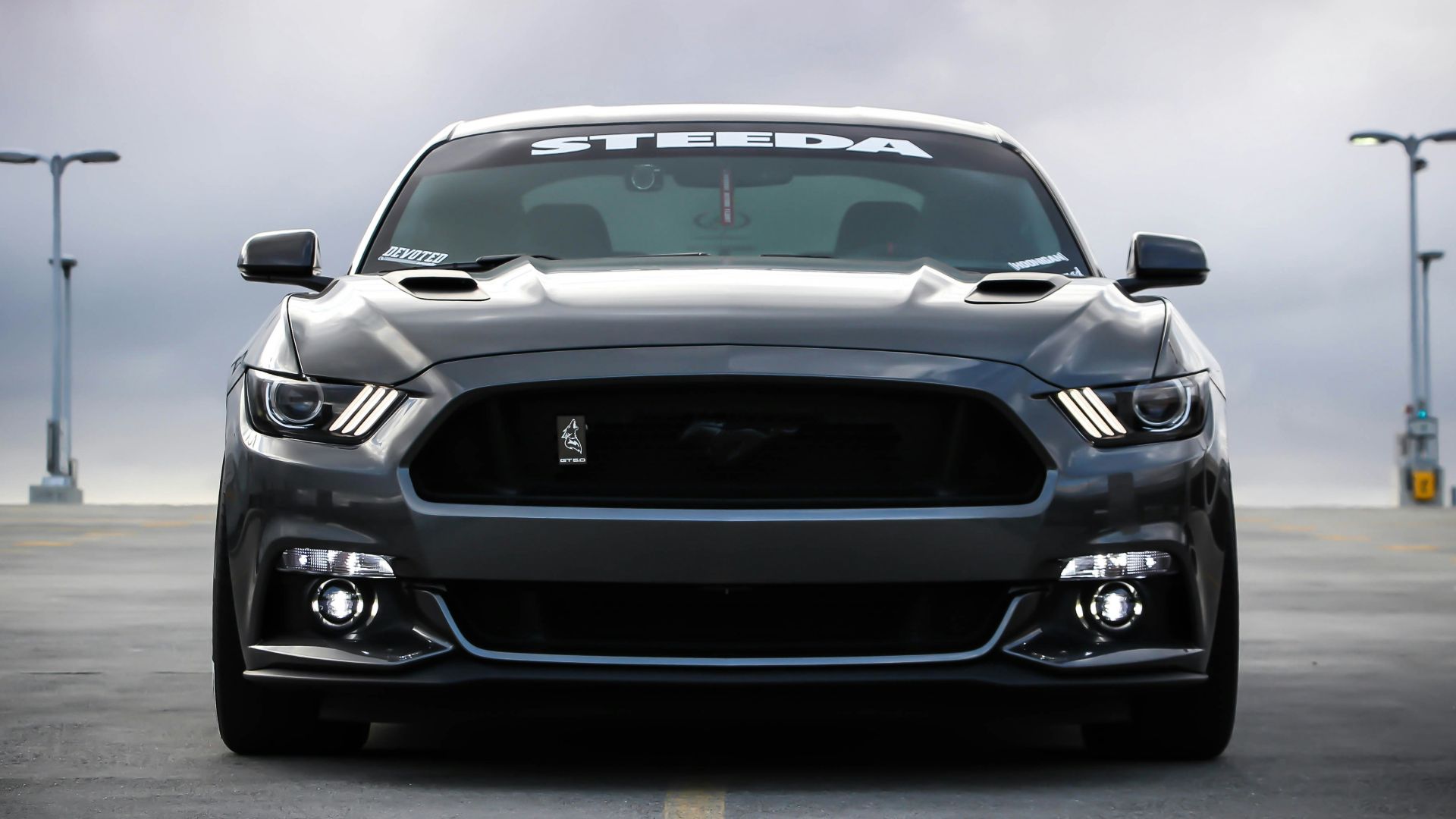
9. Roof Rails
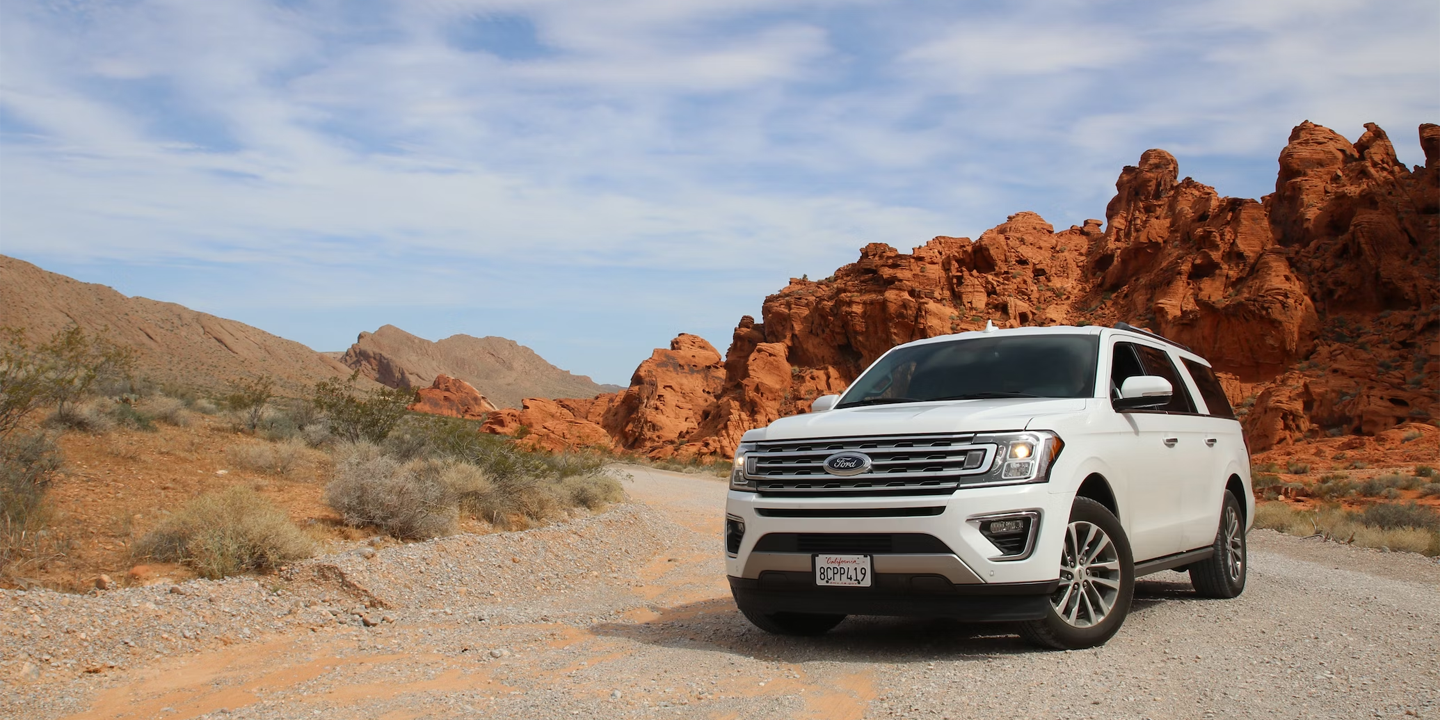
These are extremely common on many makes and models of SUVs and wagons. There are, however, instances of these being deleted or requiring an "appearance" package or something similar. If you're planning to transport bicycles, luggage, or outdoor equipment, checking roof-rack compatibility before buying is particularly important.
10. Rear Seat Armrests
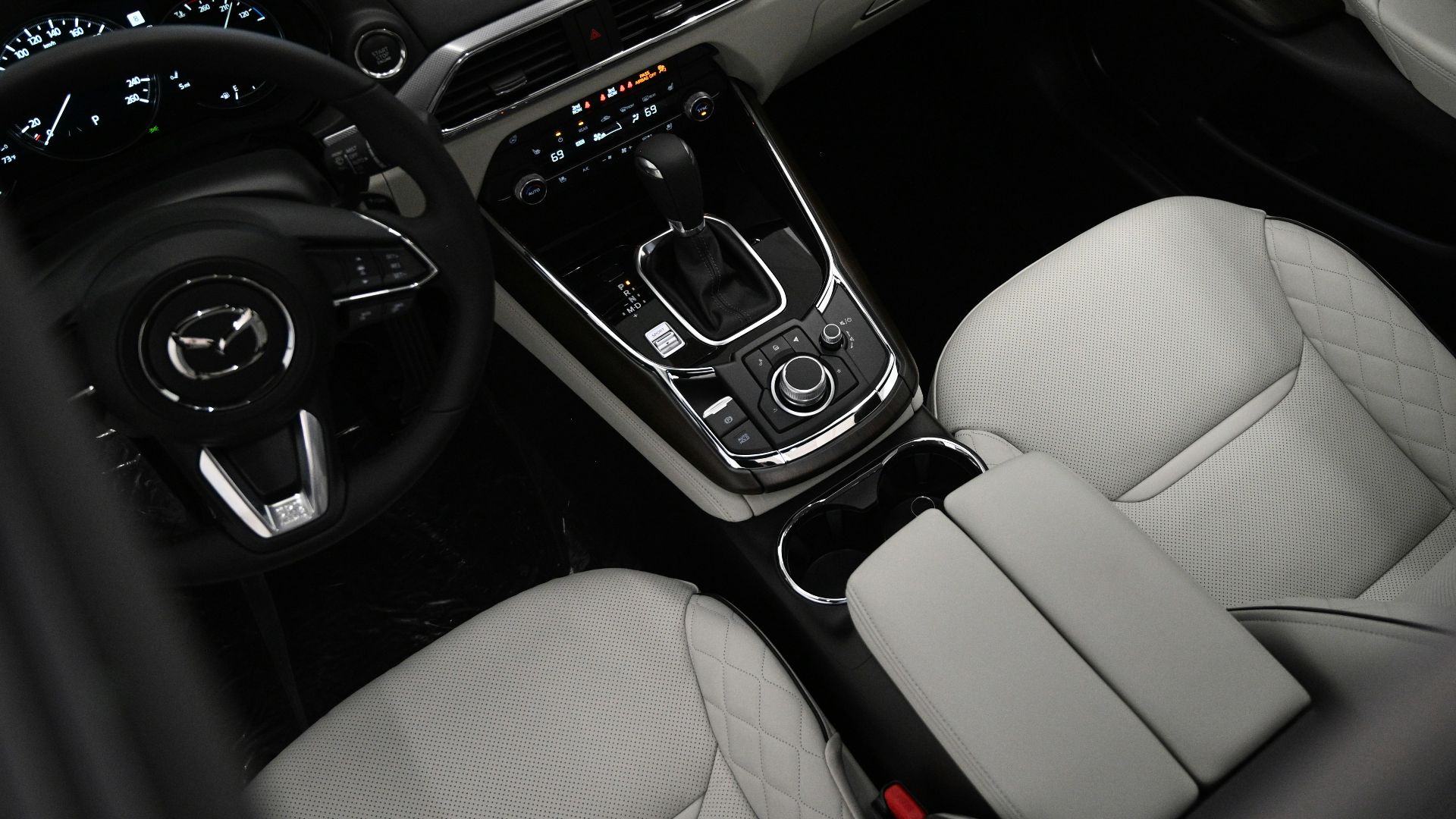
Fold-down rear center armrests have been a standard comfort feature in numerous family sedans and larger vehicles. There are some base-specification examples, though, that don't have these or some of the other add-on features. They're obviously useful on lengthy highway journeys for increased comfort.

11. Leather Upholstery
Many of the more expensive vehicles would previously include this. There are quite a few examples now that have an imitation product, with genuine leather commanding a hefty premium. Although modern synthetic materials can be durable and comfortable, buyers specifically looking for real leather may need to select an upgraded interior package.
12. Power-Folding Side Mirrors
Power-folding mirrors have been standard on various premium vehicles, particularly those designed for markets where parking spaces are relatively narrow. Increasingly, this may require selecting an expensive trim level or technology package. They can be most welcome when parking in a confined garage.
13. Rear Parking Sensors
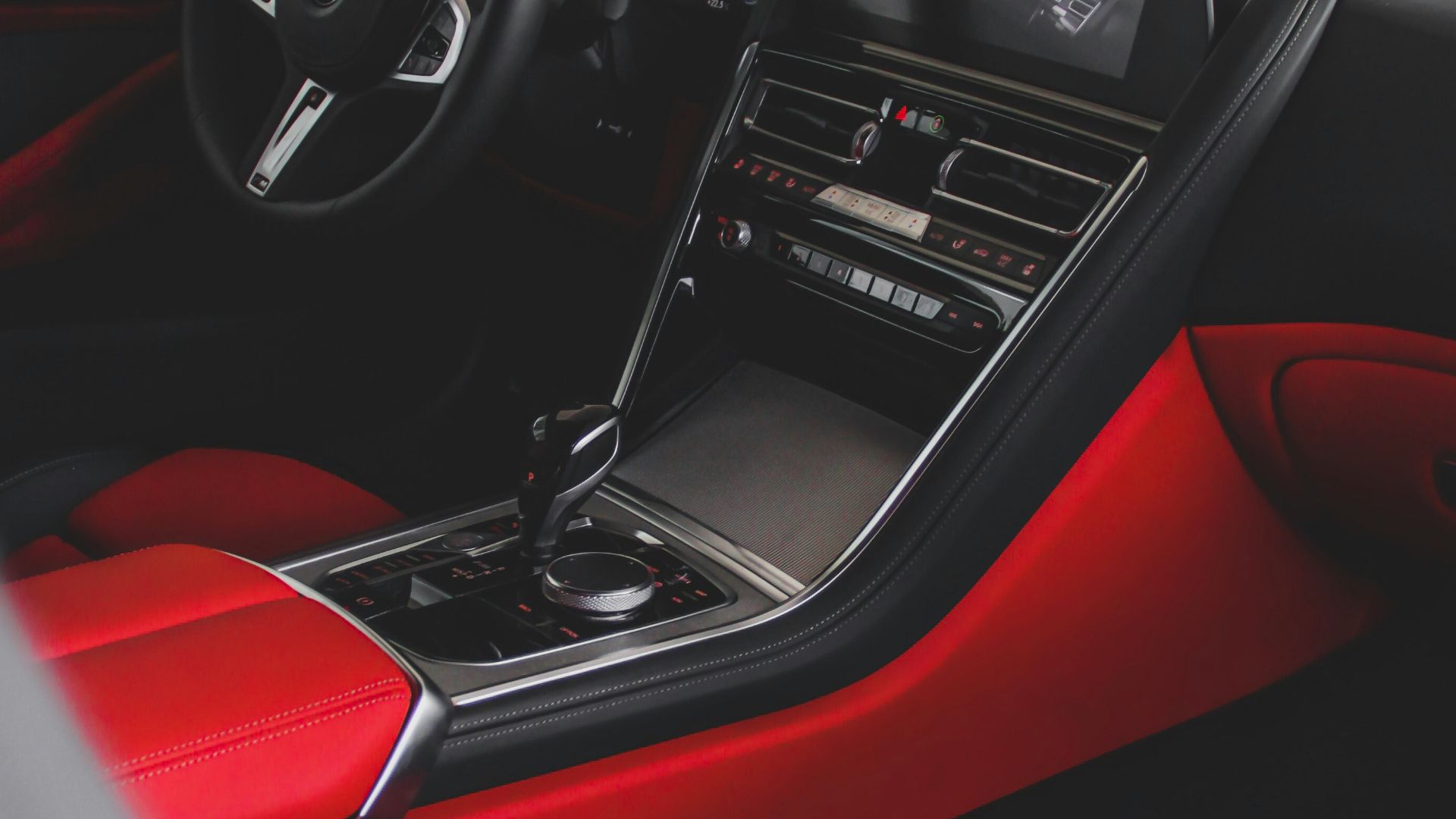
These would be found as standard on many higher-specification models. Interestingly, despite almost all new cars now being equipped with a rearview camera, many still require an additional payment to include these. Of course, each system serves its own purpose, and having one will not guarantee the other.
14. Heated Steering Wheels
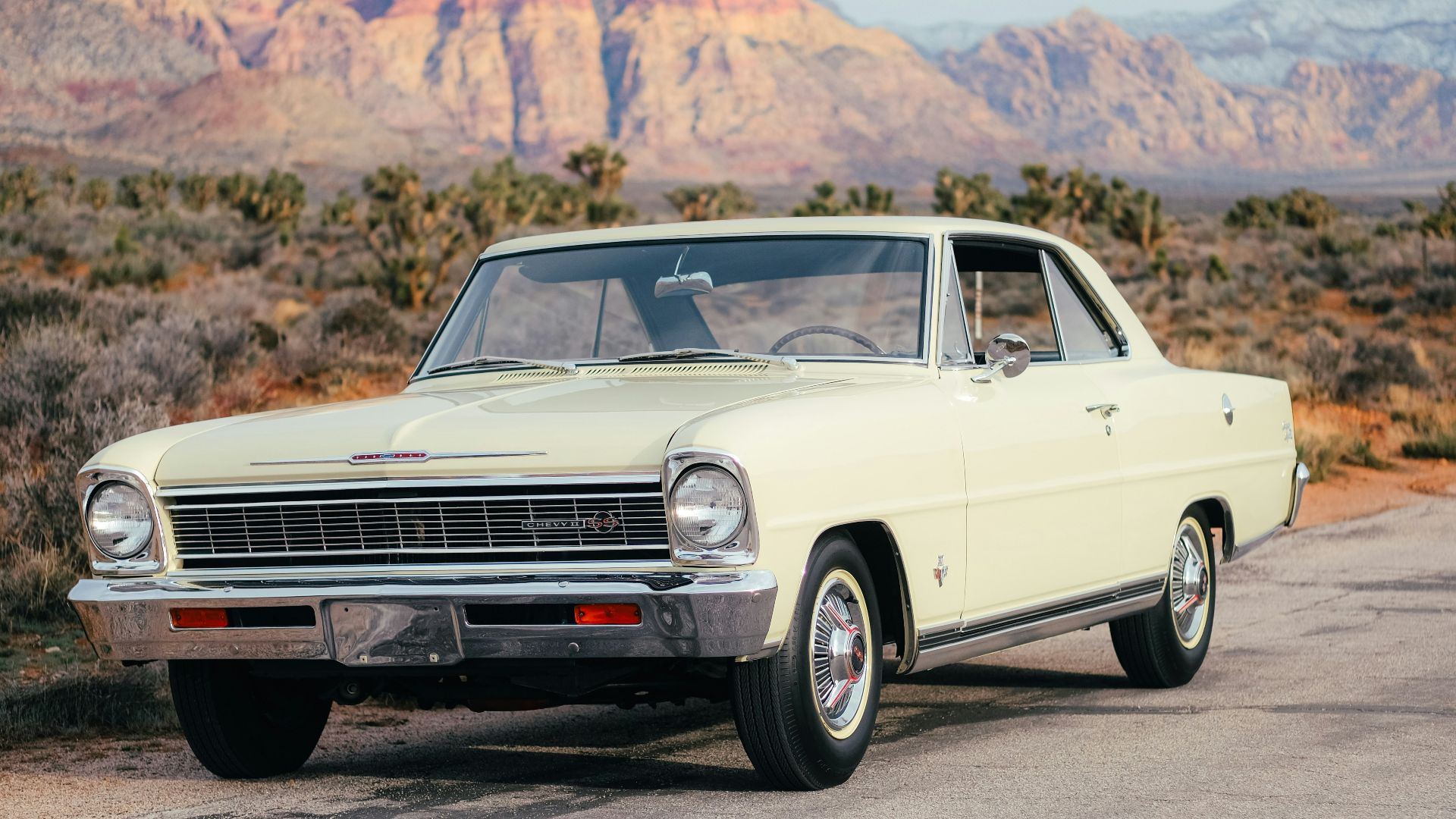
As with seats, some higher trims, usually aimed at cold-weather areas, have had these as a matter of course. Many cars will only offer this as an option, perhaps grouped together in a "cold-weather" package. All those shivering as they grip an icy-cold wheel in the dead of winter will see the attraction.
15. Cargo Covers
Retractable cargo covers were once included with many hatchbacks, wagons, and SUVs, helping keep belongings out of sight. Now, they're increasingly an aftermarket purchase or available only on select trim levels. There's nothing overly high-tech about them, but they can represent quite a sizable outlay to buy afterward.
16. Adjustable Lumbar Support
It would be unusual not to find at least some lumbar support available, and many cars offer a wide range of adjustments to suit the driver. Some only allow quite limited movement of the base seat cushion, requiring an option for further adjustment. If you drive long distances on a regular basis, this could well be higher up your list of priorities.

17. All-Weather Floor Mats
Some vehicles, particularly rugged SUVs and trucks, have historically included durable rubber or all-weather floor mats as part of their standard equipment. Today, manufacturers frequently offer these protective accessories through optional packages or dealership accessory catalogs. Depending on the vehicle, buyers may receive basic carpeted mats instead and have to purchase additional protection separately.
18. Rear Seat Climate Controls
There are several larger sedans and SUVs, plus family cars, that have included the ability to set separate temperatures for rear occupants. Many now require a higher trim level or a three- or four-zone system. Families with passengers who disagree about the ideal cabin temperature may find the upgrade particularly appealing.

19. HomeLink Garage Door Controls
Many cars would offer one or several built-in garage door openers as standard. Increasingly, this will depend on fitting a more expensive rearview mirror or selecting the feature from an options list. While keeping a traditional garage door remote in the car remains an easy alternative, integrated controls offer a tidier solution.
20. Keyless Entry and Push-Button Start
Keyless entry and push-button ignition became standard conveniences on many midrange and premium vehicles as traditional keys gradually disappeared. Some manufacturers will only include the ability to walk up to the car, pull the door handle to unlock it, and press a button to start the engine as an option. It's well worth checking the extent of this feature.