
20 Things Dealerships Know About Your Trade-In That You Probably Don't
What Your Car Is Really Worth
Trading in your old car might seem pretty straightforward, but dealerships consider plenty of details that most drivers don't even think about. While you're focused on mileage, age, and whether the vehicle still runs well, dealers are examining everything from auction prices to repair costs and local demand. They also have access to industry tools that help them figure out how much they can realistically make from your vehicle. Before you agree to an offer, here are 20 things dealerships probably know about your trade-in that you don't.

1. What Your Car Actually Sells for at Auction
Dealerships have access to wholesale pricing information that most drivers never see. While you might check Kelley Blue Book for an estimate, dealers often compare that figure with recent auction sales involving similar vehicles. These numbers can reveal what other dealerships are actually willing to pay, which isn't always what consumers see advertised online. If wholesale prices have recently dropped, don't be surprised if your trade-in offer comes in lower than expected.

2. Which Colors Are Harder to Resell
That bright orange paint job might have seemed like a great idea when you bought your car, but dealerships know certain colors appeal to fewer buyers. Neutral shades like white, black, gray, and silver tend to attract a wider audience, although preferences vary depending on the vehicle and market. Dealers might offer less for a color they suspect will take longer to sell.

3. How Much Your Car Will Cost to Make Sale-Ready
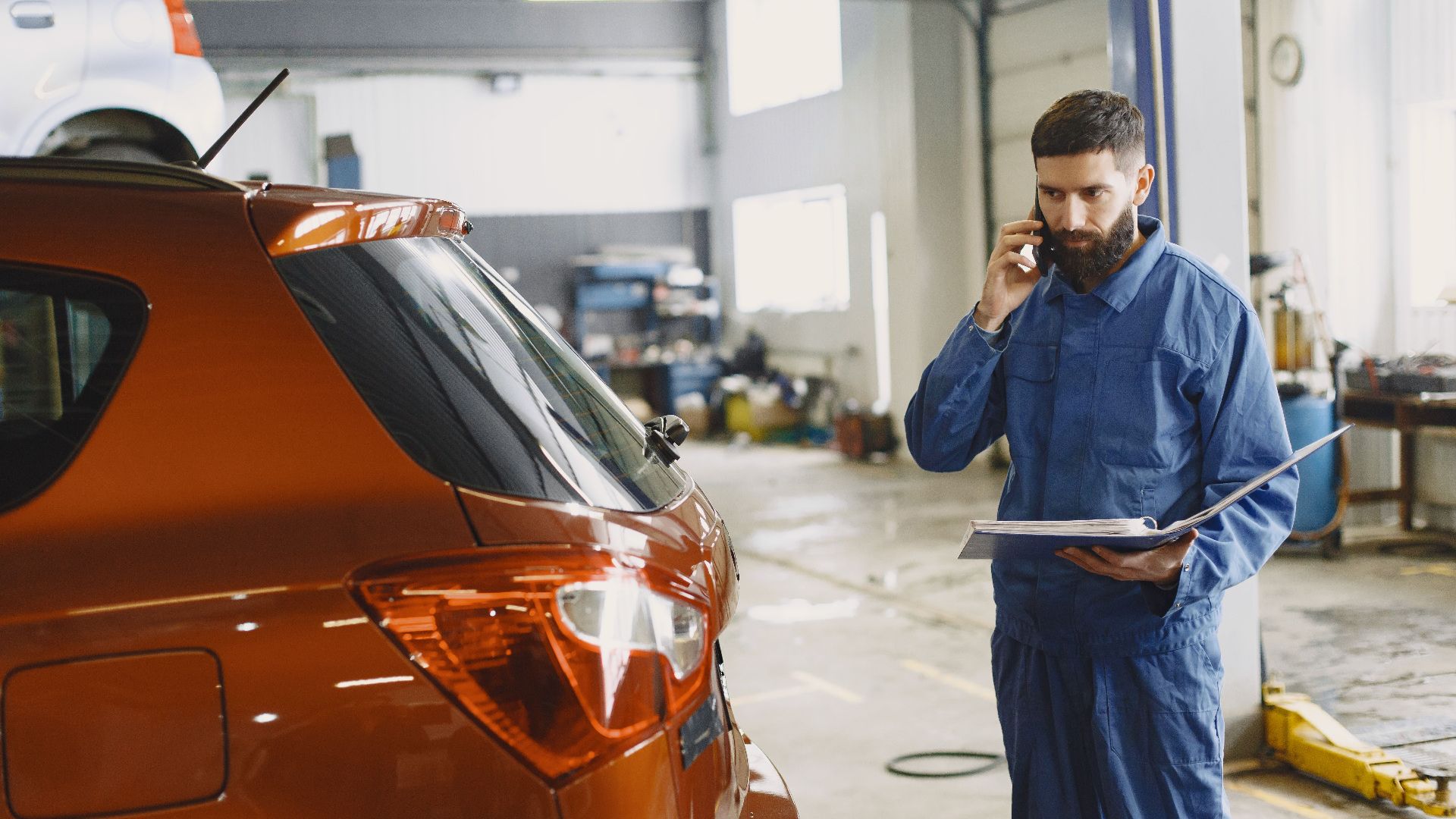
Your vehicle might look perfectly presentable to you, but dealerships have a much more detailed checklist to get through before putting it up for sale. They factor in expenses like detailing, tire replacement, brake repairs, fluid changes, and any necessary mechanical work. Even fairly minor problems can add hundreds of dollars to what's known in the industry as reconditioning costs. Those expected expenses are often deducted from the amount they're willing to offer you.

4. Whether Your Vehicle Has Been Sitting on Other Lots
Dealers can sometimes use vehicle-history reports, auction records, and inventory data to see how a car has moved through the market. If a particular model keeps appearing at auctions or spends months sitting on nearby dealership lots, that information can affect its value. After all, a vehicle that's been difficult for other dealers to sell probably won't be especially appealing to yours, either. It's one reason two cars with similar mileage can end up receiving surprisingly different offers.

5. Which Features Buyers Actually Want
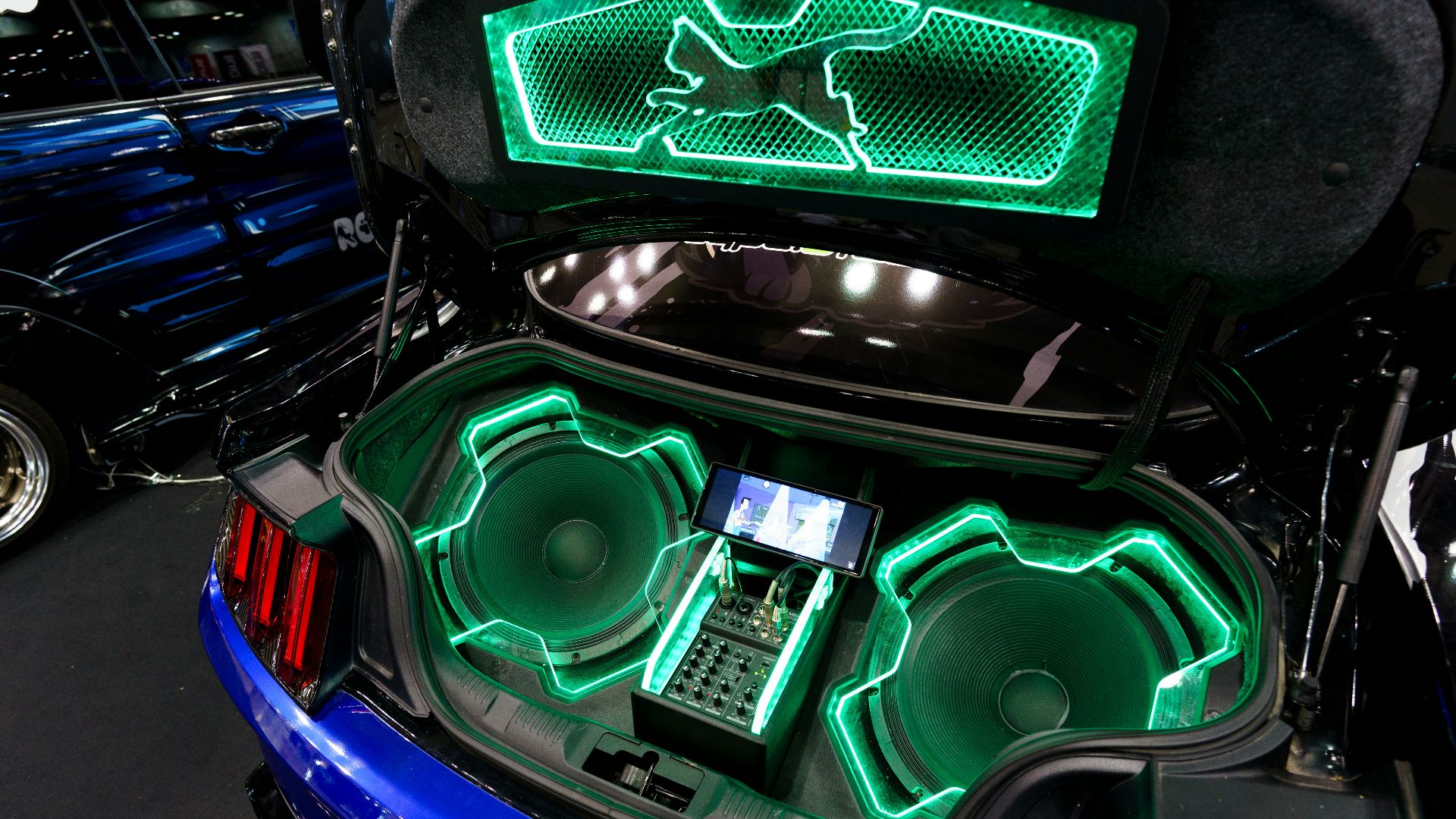
You might love your car's upgraded sound system or expensive technology package, but dealerships have a pretty good idea of which options used-car shoppers actually want. Features like all-wheel drive, heated seats, and certain driver-assistance systems can make a vehicle easier to sell in the right market. Other costly extras might contribute surprisingly little to its resale value, especially if buyers aren't actively looking for them. Just because an option cost thousands when the car was new doesn't mean you'll get much of that money back.
6. How Much Your Trade-In Could Be Worth in Another State
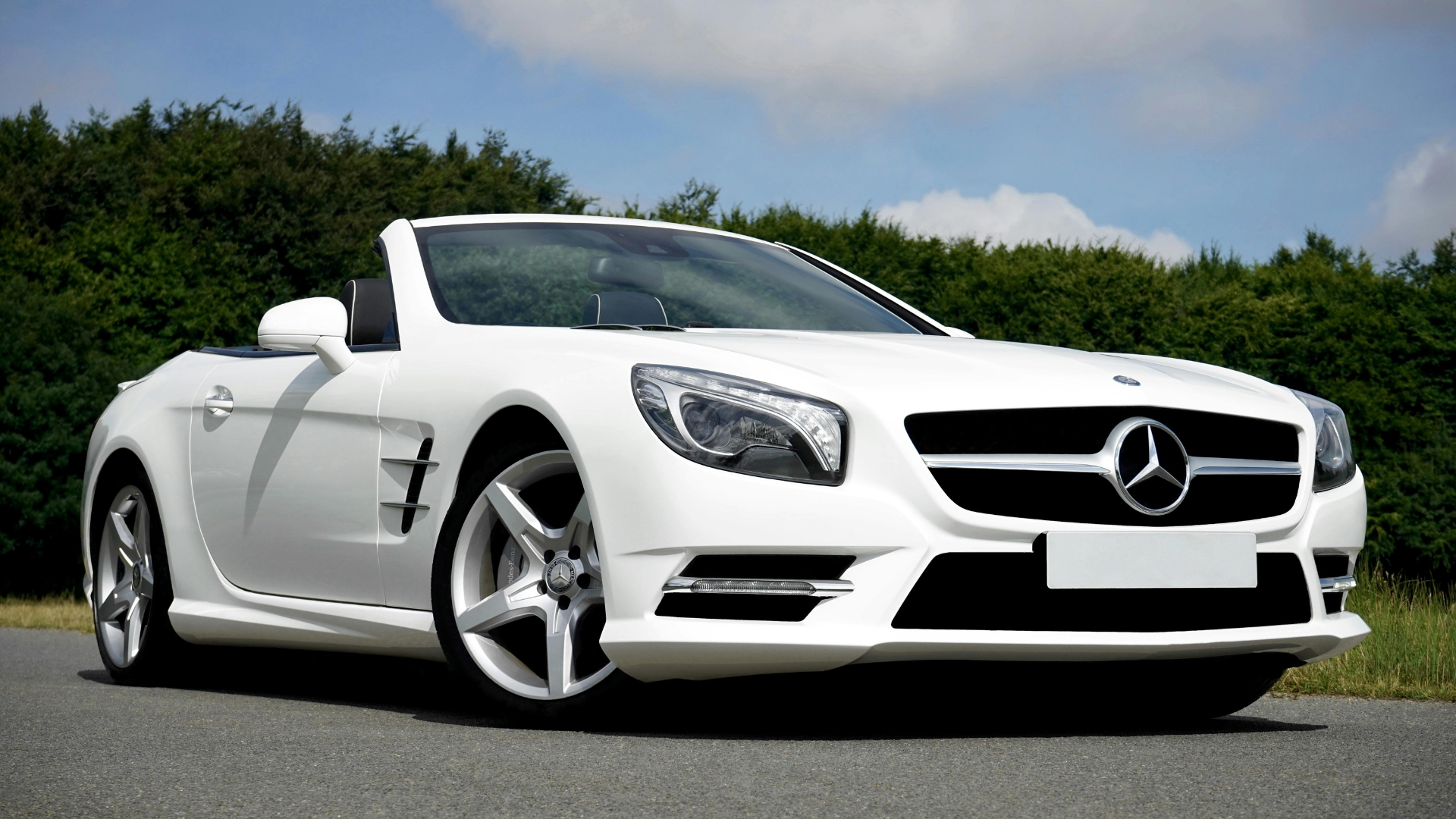
Dealerships don't necessarily have to sell your vehicle in the same city where you traded it in. Through wholesale auctions and dealer networks, they can connect with buyers in regions where demand for certain models is higher. A convertible might generate more interest somewhere warm, while an all-wheel-drive SUV could be more desirable in an area with snowy winters. Dealers may take these regional differences into account when deciding how much your vehicle is worth to them.

7. Whether Your Car Has an Unresolved Recall
You might be surprised to learn that your vehicle has an outstanding safety recall, especially if you haven't noticed anything wrong with it. Dealerships can check recall information using your vehicle identification number, or VIN, to identify repairs that haven't been completed. Although recall repairs are generally free at authorized dealerships, getting the work done can still create delays or logistical headaches. Depending on the vehicle and dealership, an unresolved recall could affect how quickly your car is ready for resale.
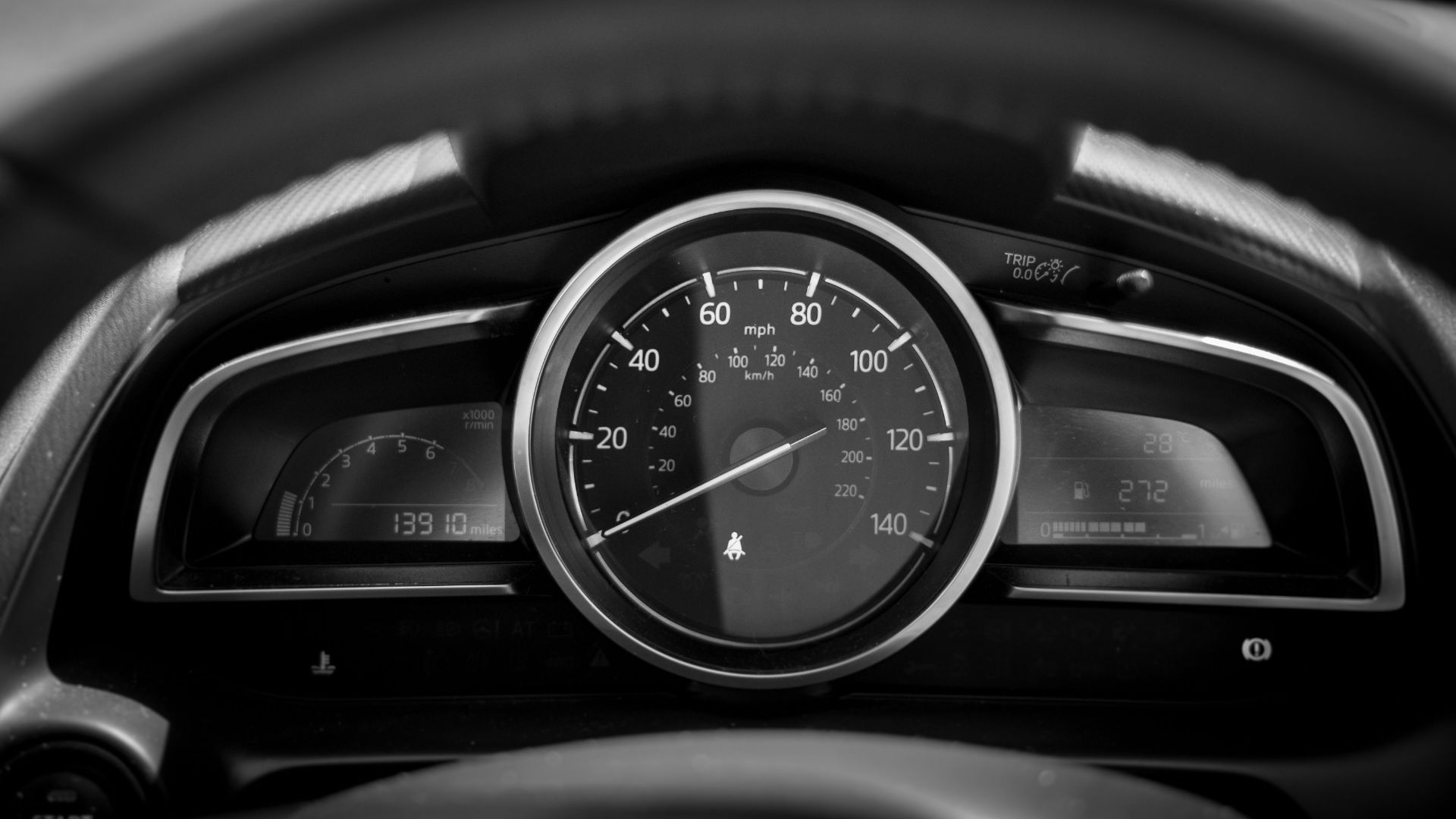
8. How Much Your Mileage Really Matters
Most drivers assume a car with 99,000 miles must be worth significantly more than one with 101,000 miles. Dealerships know the difference isn't always that dramatic, although certain mileage thresholds can affect pricing guides and buyer preferences. They also look at whether your mileage is typical for the vehicle's age and how it compares with similar models currently for sale. A well-maintained car that's spent most of its life on the highway may be more appealing than a lower-mileage example with a questionable maintenance history.
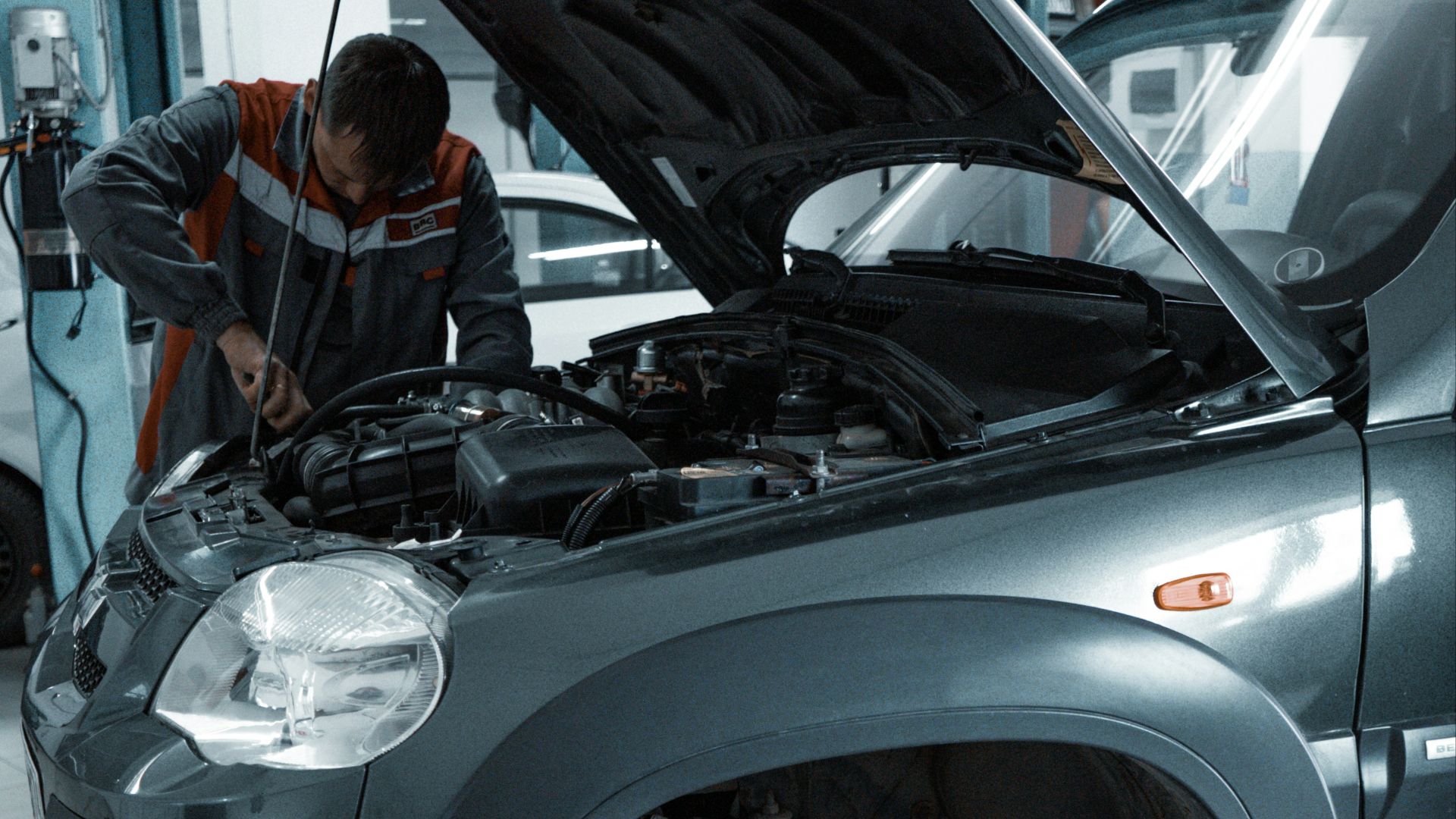
9. Whether Your Car Has a History of Expensive Repairs
Experienced appraisers are often familiar with the engines, transmissions, and model years known for having costly mechanical problems. Even if your vehicle runs perfectly fine, a reputation for expensive repairs can make dealerships hesitant to take it on. Some models are also harder to sell because replacement parts are difficult to find or unusually expensive. Unfortunately, your particular car's excellent reliability record won't necessarily change how dealers feel about the model as a whole.
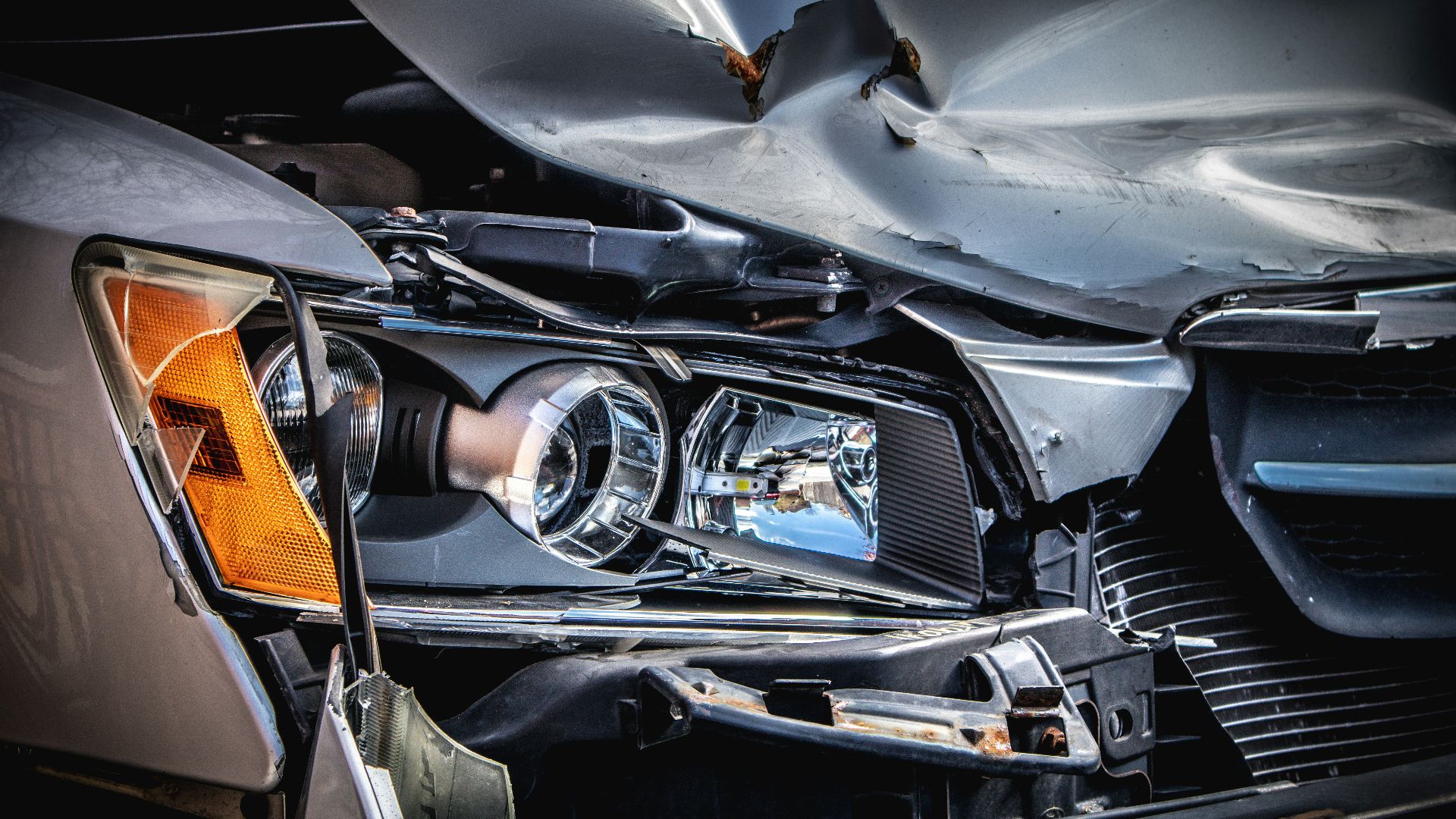
10. How Much Your Accident History Could Hurt Its Value
A minor collision from several years ago might seem like no big deal, especially if the repairs were handled professionally. However, dealerships regularly review vehicle-history reports that can reveal reported accidents, insurance claims, and structural damage. Even properly repaired vehicles may sell for less because some used-car shoppers specifically want accident-free examples. The severity of the damage certainly matters, but a spotless exterior doesn't automatically erase your car's past.
 Clark Van Der Beken on Unsplash
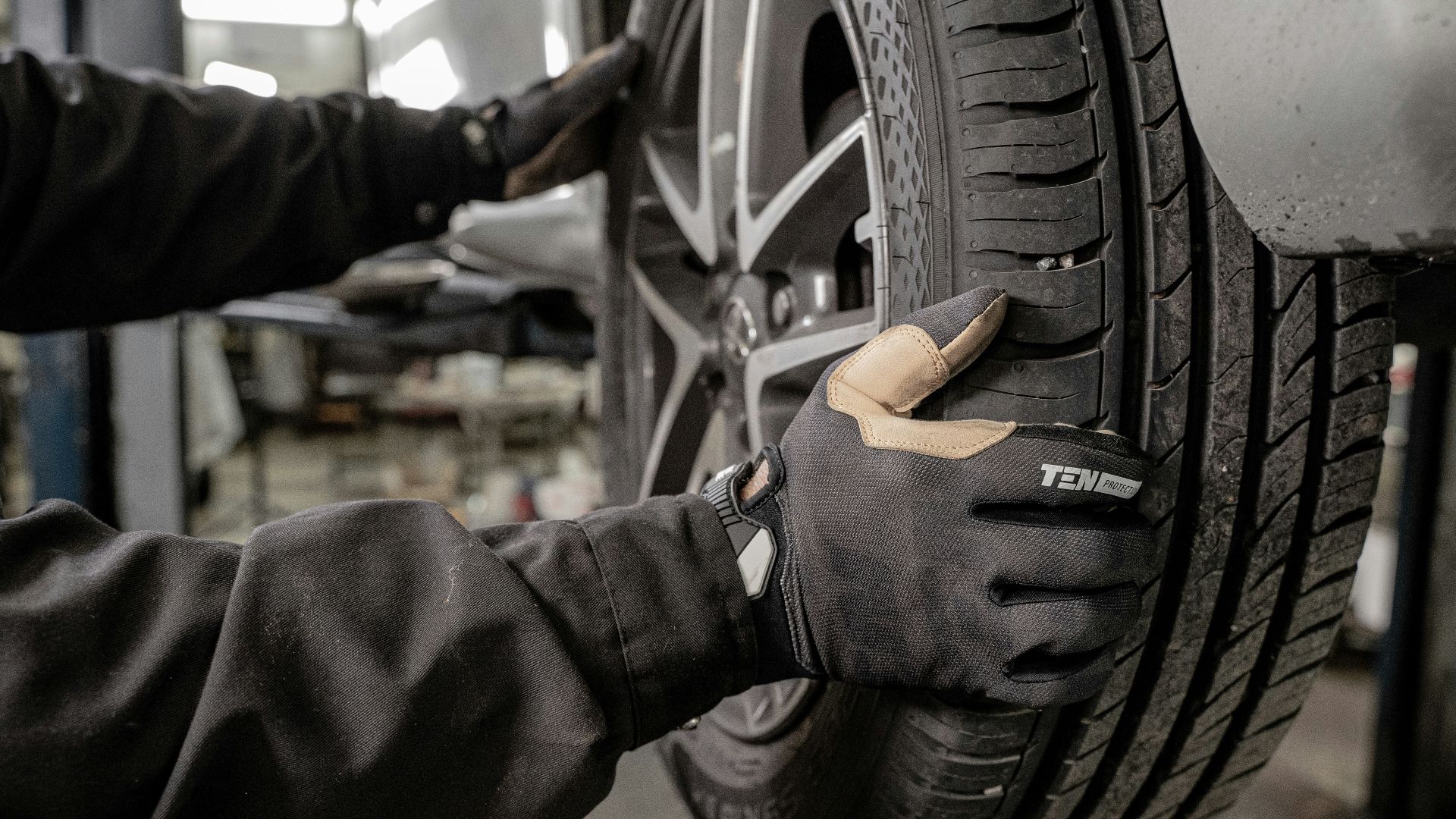
11. Whether Your Tires Are an Expensive Problem
Most people don't pay much attention to their tires unless they're obviously worn out, but dealerships look for details that aren't always easy to spot. Appraisers may check tread depth, tire age, matching brands, and whether all four tires are suitable for the vehicle. Replacing an entire set can get particularly expensive on luxury SUVs and performance cars. That potential bill might be reflected in your offer, even if your tires seem perfectly fine to you.
 Jimmy Nilsson Masth on Unsplash
12. How Long They're Likely to Keep Your Car
Dealerships pay close attention to how quickly different vehicles sell because every unsold car takes up valuable lot space and ties up money. If similar models have been sitting around for 90 days, your trade-in probably won't generate much excitement. On the other hand, a popular vehicle that regularly sells within a couple of weeks could be a particularly attractive addition to their inventory. The sooner a dealership expects to find a buyer, the more room it may have to negotiate.
13. Whether Your Car Qualifies for Certified Pre-Owned Status
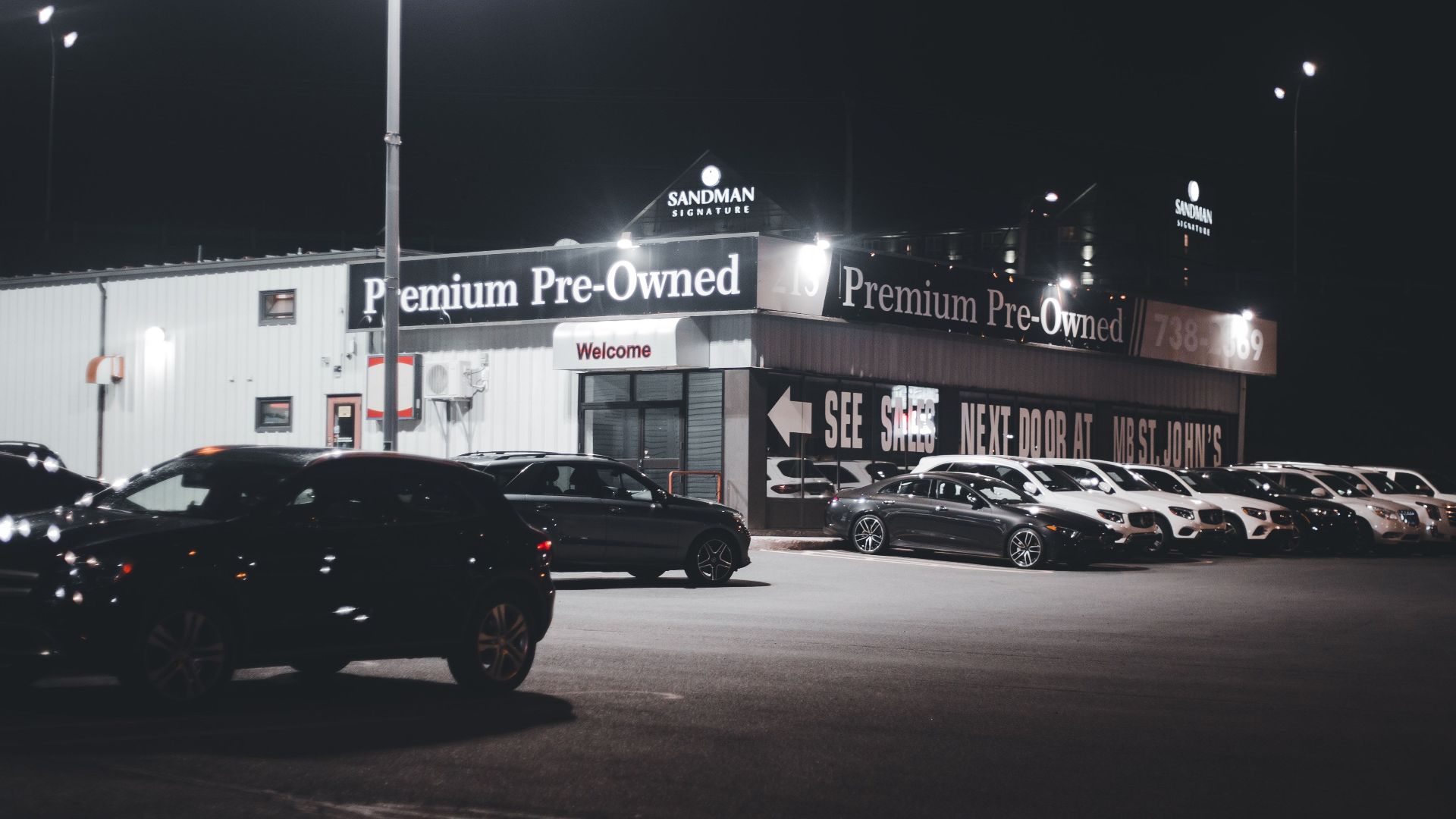
Not every used vehicle qualifies for a manufacturer-backed certified pre-owned program, even if it's in fantastic condition. Automakers generally have specific requirements involving age, mileage, title history, inspections, and sometimes previous accidents. Dealerships know whether your trade-in meets those standards, which can make it more appealing to certain shoppers. If your car is too old or has too many miles, it may have fewer resale opportunities, no matter how carefully you've maintained it.

14. How Your Modifications Affect Resale Value
Aftermarket wheels, suspension upgrades, and custom exhaust systems might have cost you a small fortune, but dealerships don't always consider them improvements. Many used-car shoppers prefer vehicles that are close to their original factory specifications, particularly when reliability and warranty coverage are concerns. Certain modifications can also cause inspection issues or make financing and resale more complicated. You might have spent thousands personalizing your ride, only to discover those upgrades barely affect its value.

15. Whether Your Car Is Better Suited for Wholesale
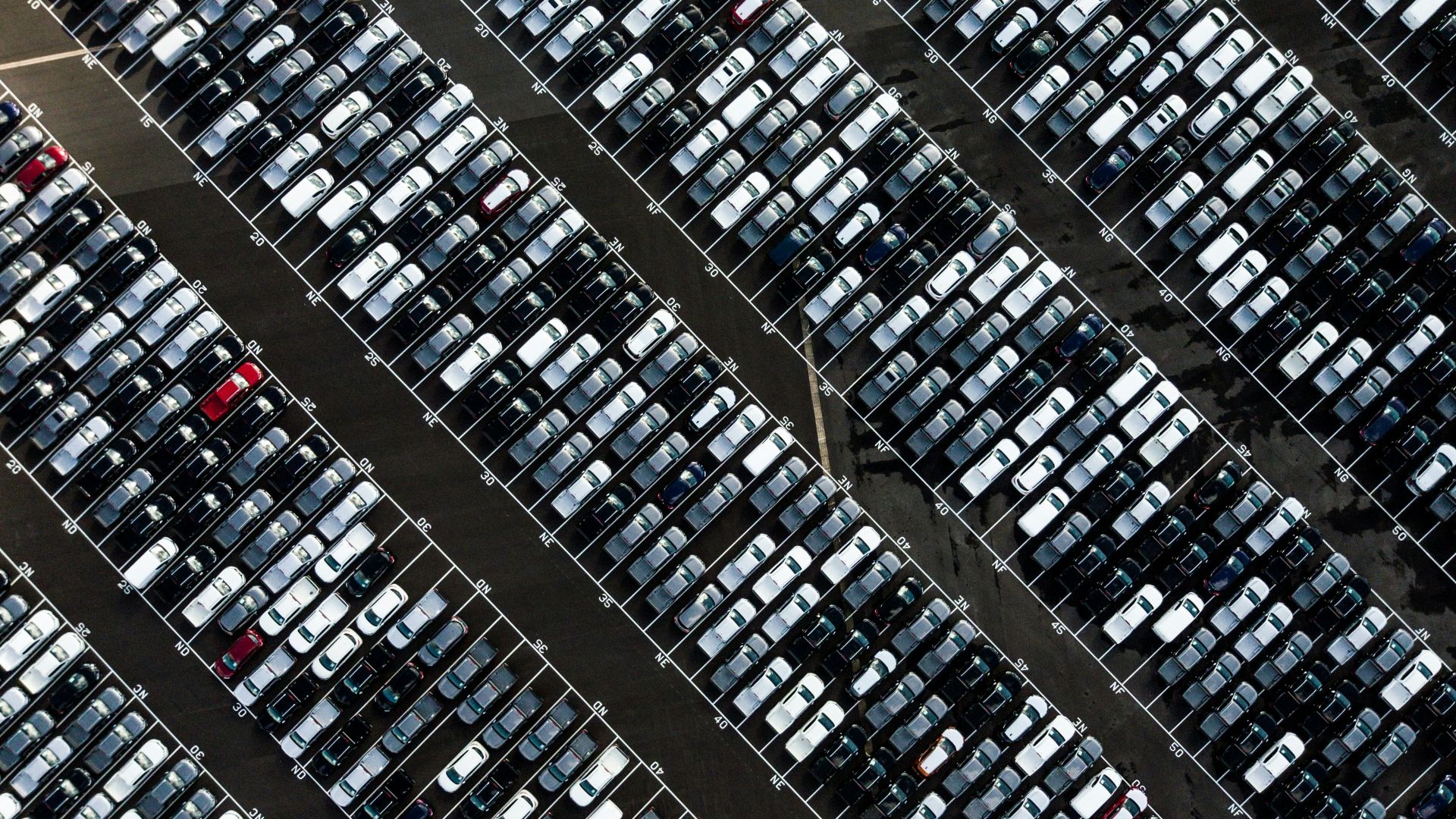
You might assume every trade-in eventually ends up on the dealership's used-car lot, but that isn't always how things work. Older vehicles, high-mileage models, and cars needing extensive repairs are often sent to wholesale auctions instead of being sold directly to consumers. Dealerships usually know which vehicles meet their inventory standards and which ones they'd prefer to move along quickly. If yours is heading straight to auction, the offer may depend heavily on how much they expect to get for it there.
16. How Your Vehicle's Service History Compares
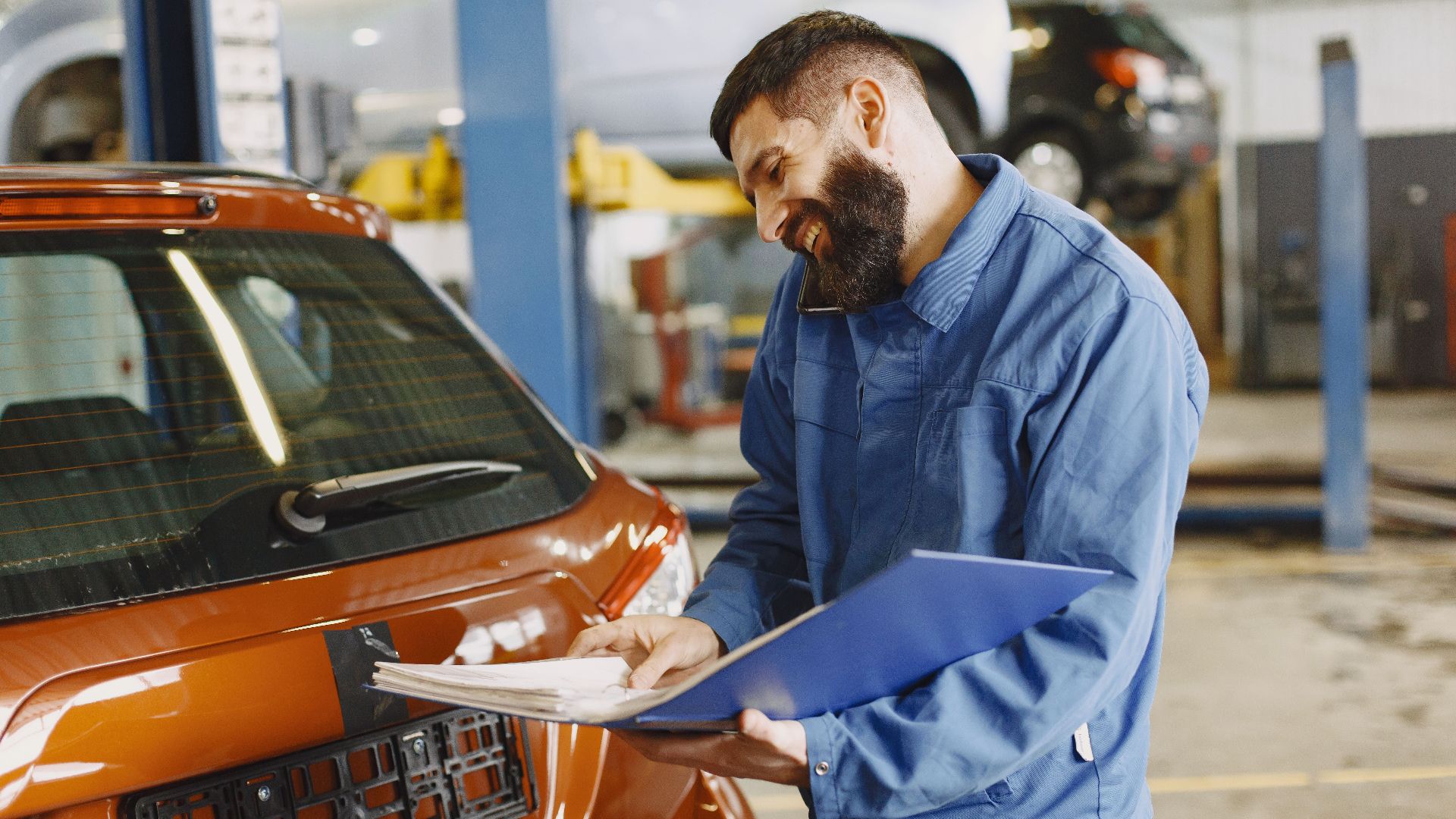
You probably remember when your car last had an oil change, but dealerships may be able to review a much more detailed service history through available maintenance records. Consistent documentation of scheduled maintenance can reassure potential buyers, especially when it comes to vehicles known for expensive repairs. Missing records don't automatically mean a car was neglected, but they can make its condition harder to verify. That's why holding onto receipts from independent mechanics can be surprisingly helpful when it's finally time to trade in.
17. Whether Your Car Has Previous Title Problems
A vehicle can look great and drive perfectly well while having a title history that seriously affects its value. Dealerships check for issues like salvage or rebuilt titles, flood damage records, and odometer discrepancies whenever that information is available. These problems can make financing, insuring, or reselling a vehicle more difficult, even if the current owner has never experienced any trouble. Not every issue shows up in every report, but documented title problems can significantly lower a trade-in offer.

18. How Much They Can Adjust the Numbers Elsewhere
A dealership might offer you a surprisingly generous amount for your trade-in, but that doesn't automatically mean you're getting a fantastic deal. Dealers can sometimes make up for a higher trade-in allowance by offering a smaller discount on your next vehicle or adjusting other parts of the transaction. In other words, an impressive trade-in figure doesn't necessarily translate into the lowest overall purchase price. Looking at the entire deal, including financing terms and fees, is much more useful than getting excited about one number.

19. Whether You Owe More Than Your Car Is Worth
Dealerships can figure out whether your outstanding auto loan exceeds your vehicle's trade-in value once they have the necessary payoff information. This situation, called negative equity, can make negotiations more complicated because your remaining debt doesn't simply disappear when you hand over the keys. Some dealerships offer to roll that balance into your next vehicle loan, meaning you'll keep paying it off along with additional interest. Understanding how negative equity is handled is important before signing a new financing agreement.

20. How Much Your Trade-In Is Really Worth to Their Dealership
Perhaps the biggest surprise is that your vehicle doesn't have one universally agreed-upon trade-in value. A dealership with several identical models already sitting on its lot might offer much less than one that's actively looking for a vehicle like yours. Inventory needs, local demand, expected repairs, and potential resale profits all play a role in determining what individual dealers are willing to pay. That's why it's worth getting multiple trade-in quotes, even when every dealership is looking at the exact same car.