
Other Generations, Take Note
For many baby boomers, a car was more than a way to get from one place to another; it was a major purchase that deserved care, attention, and regular maintenance. Plenty of drivers from this generation learned to check their oil, listen for unusual engine noises, and keep their vehicles clean because replacing a car wasn't something you did on a whim. While modern vehicles have changed dramatically, some old-school driving habits remain worth keeping.

1. Ignore an Unusual Engine Noise
Someone who was raised with automobiles will know when there's an abnormal noise coming from their engine. Whether it's a rattling, squealing, or knocking sound, it's best to find out what's causing it. Catching a mechanical issue early can prevent a minor repair from becoming an expensive breakdown.
2. Skip Regular Oil Changes
Older drivers will most likely have their cars' oil changed every 5,000 miles. Instead of waiting until it reaches 10,000+ miles and hoping nothing breaks. Modern vehicles can have longer service intervals than older models, but following the manufacturer's maintenance schedule still matters.

3. Drive Away Without Letting the Windshield Defrost
On a freezing winter morning, some drivers are tempted to scrape a small patch of glass and hit the road before the rest of the windshield clears. Trying to see through a tiny slit of glass in the lower passenger-side corner isn't smart. Someone who knows the harshness of winters will make sure there's no ice on their vehicle before pulling out.
4. Treat the Gas Pedal Like an On-Off Switch
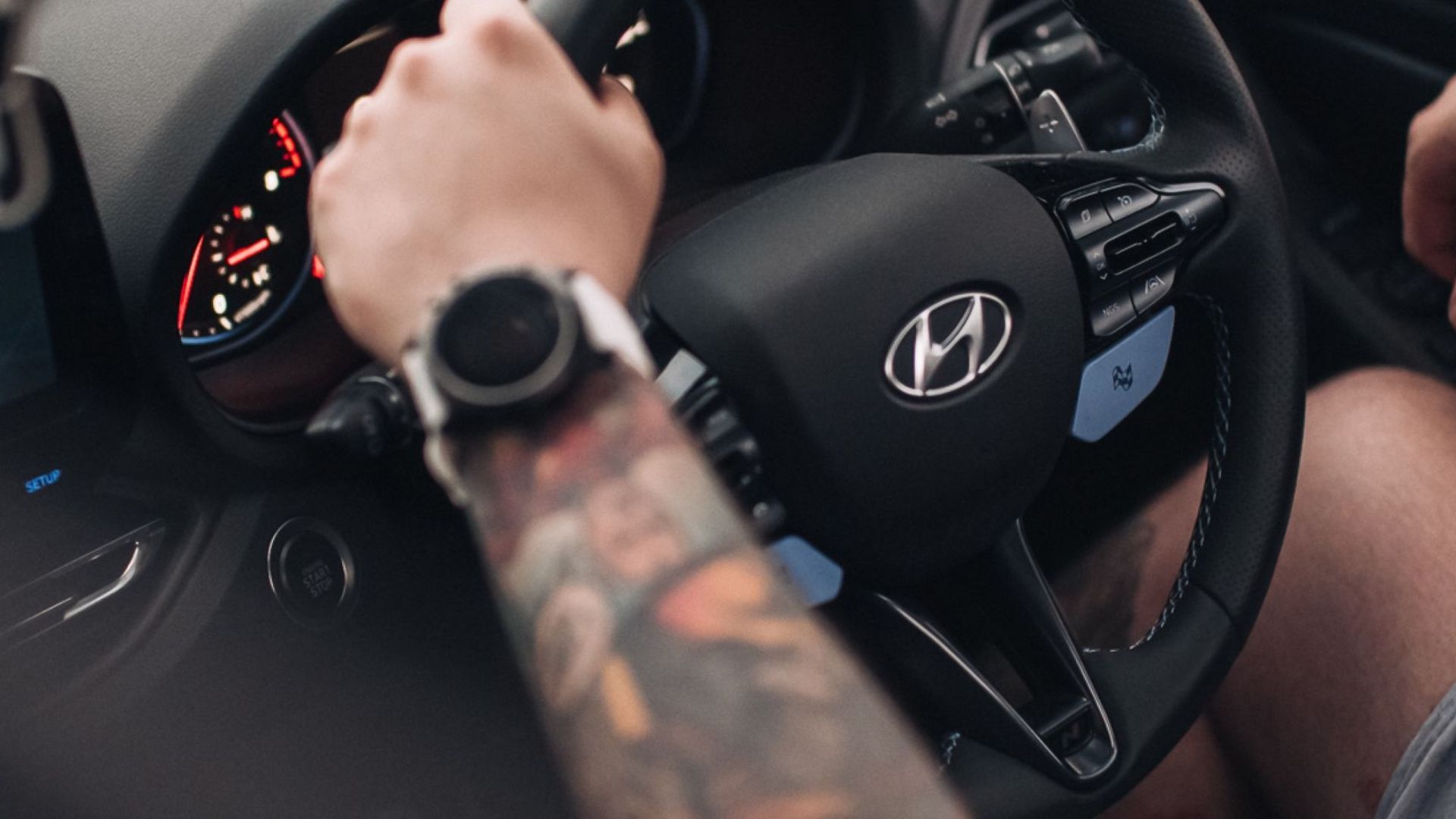
When someone likes to drive smoothly, they won't step on the gas as hard every time the light changes. They may slowly build up speed and keep the car at that speed for most of their trip. That doesn't mean you have to crawl away from every stop, but aggressive driving rarely saves as much time as people imagine.
5. Ignore the Check Engine Light
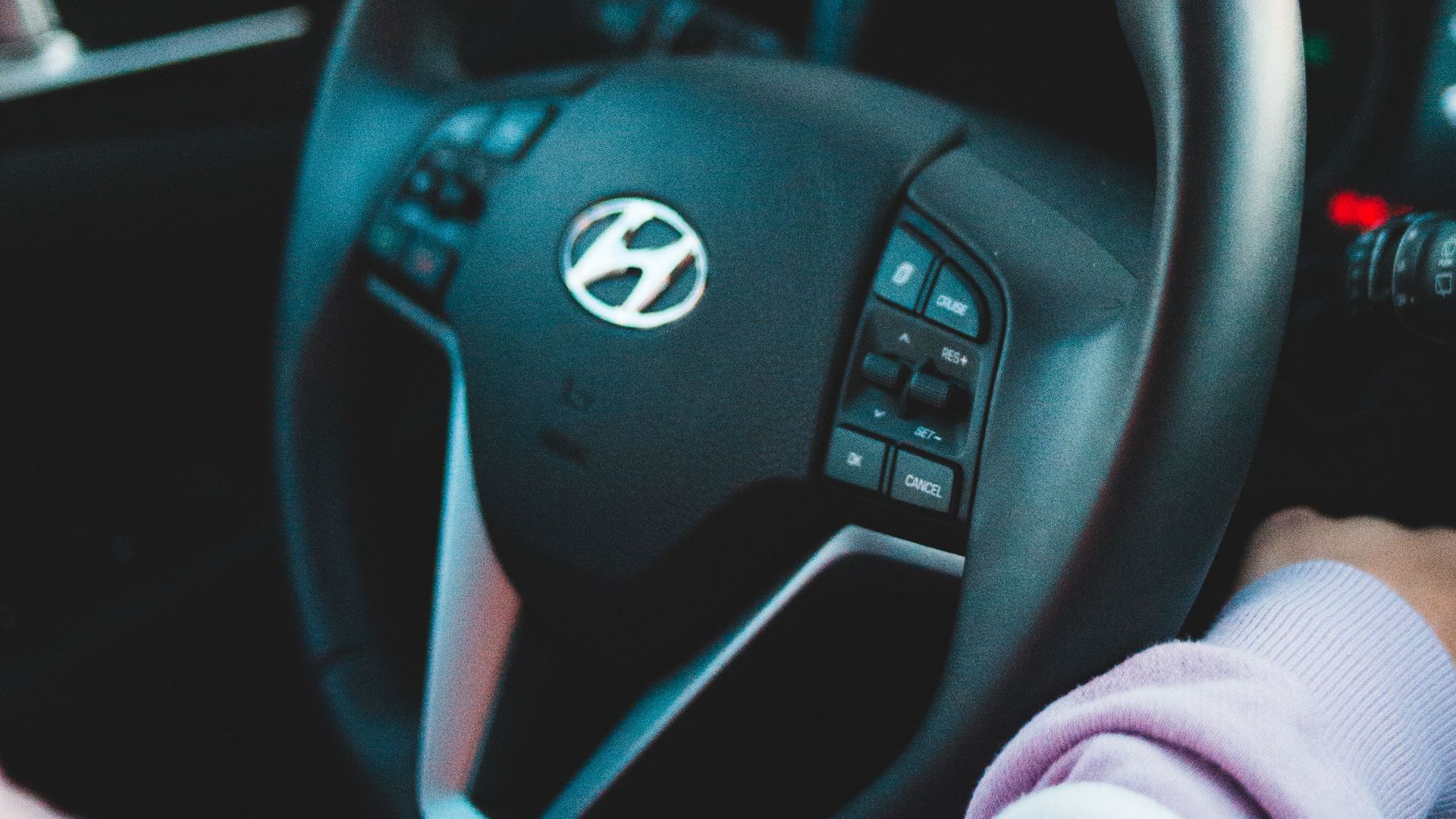
A glowing check engine light might not mean the car is about to stop running, but it does mean the vehicle's diagnostic system has detected a problem. Someone who keeps their cars well-maintained will know to get the problem looked at. Maybe throw a note on their dash and don't worry about it.
6. Let the Gas Tank Run Nearly Empty Every Time
It's not always good to run low on gas, but if you remember how long ago you filled up and got stuck in traffic, you know how it feels. Don't always run low on gas and wait until the last second to fill up. Keeping a reasonable amount of fuel in the tank is especially sensible before a long drive or a winter storm.

7. Slam the Car Door
Some people shut a car door with enough force to make the windows shake, but drivers who care for their vehicles tend to close them firmly without unnecessary force. If you're taking care of your vehicle, you shouldn't slam the doors. Of course, you're not supposed to close your car doors too gently, either.

8. Ignore the Tire Pressure
Someone who remembers stopping at the gas station to check their tires probably won't overlook tire pressure. Your tires should have the proper air pressure to last longer and stay in good condition on your car. Since many newer vehicles have tire pressure monitoring systems, there's even less excuse for ignoring a warning light.
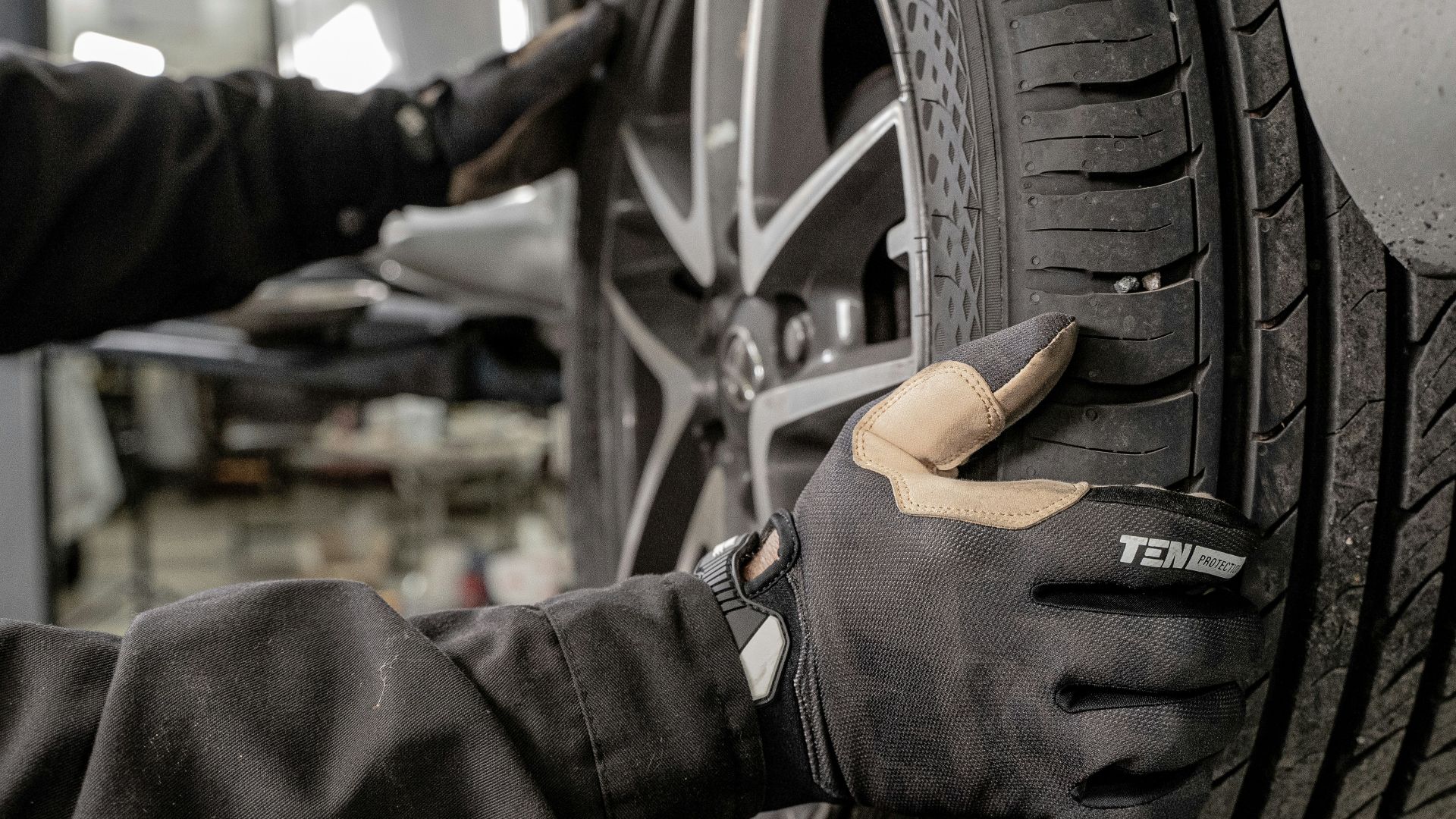 Jimmy Nilsson Masth on Unsplash
9. Use the Wrong Fluids Just Because They're Handy
A bottle of whatever happens to be in the garage isn't necessarily suitable for your car, even if the label looks close enough. There are certain oils and coolants that should be used for your specific model of vehicle. Always check your manual or look online to make sure you're using the correct oil for your car.
10. Put Off Replacing Worn Tires
Your tires don't have to look bald for you to know you should change them. Once the grooves start to wear down and you notice uneven wear, it's time to look into getting new tires. Replacing them at the appropriate time costs money, but waiting until a tire becomes dangerous can put you and everyone else on the road at risk.
11. Rest a Hand on the Gear Selector While Driving
If you know how to shift gears, you probably know this. Having your hand on the gear shift knob while driving isn't good for your vehicle. Even in an automatic, keeping your hands on the steering wheel is a better habit than treating the gear selector as an armrest.
12. Forget About the Parking Brake
A parking brake isn't just a leftover feature from older cars, and drivers who grew up using one may still engage it whenever they park. Make sure you're familiar with how to use it and keep your car secure. It's always good to check your manual and learn what the parking brake does for you.
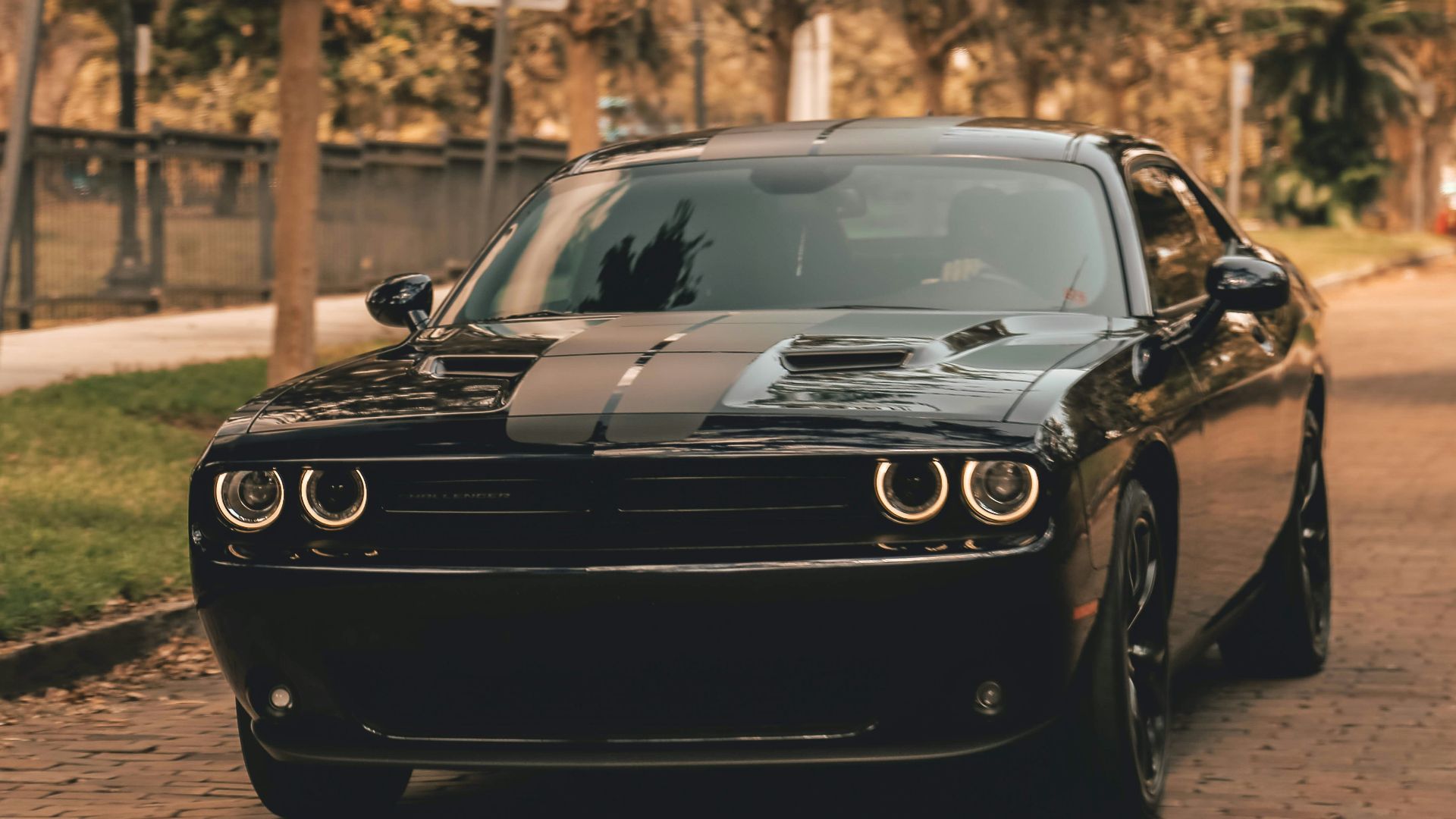
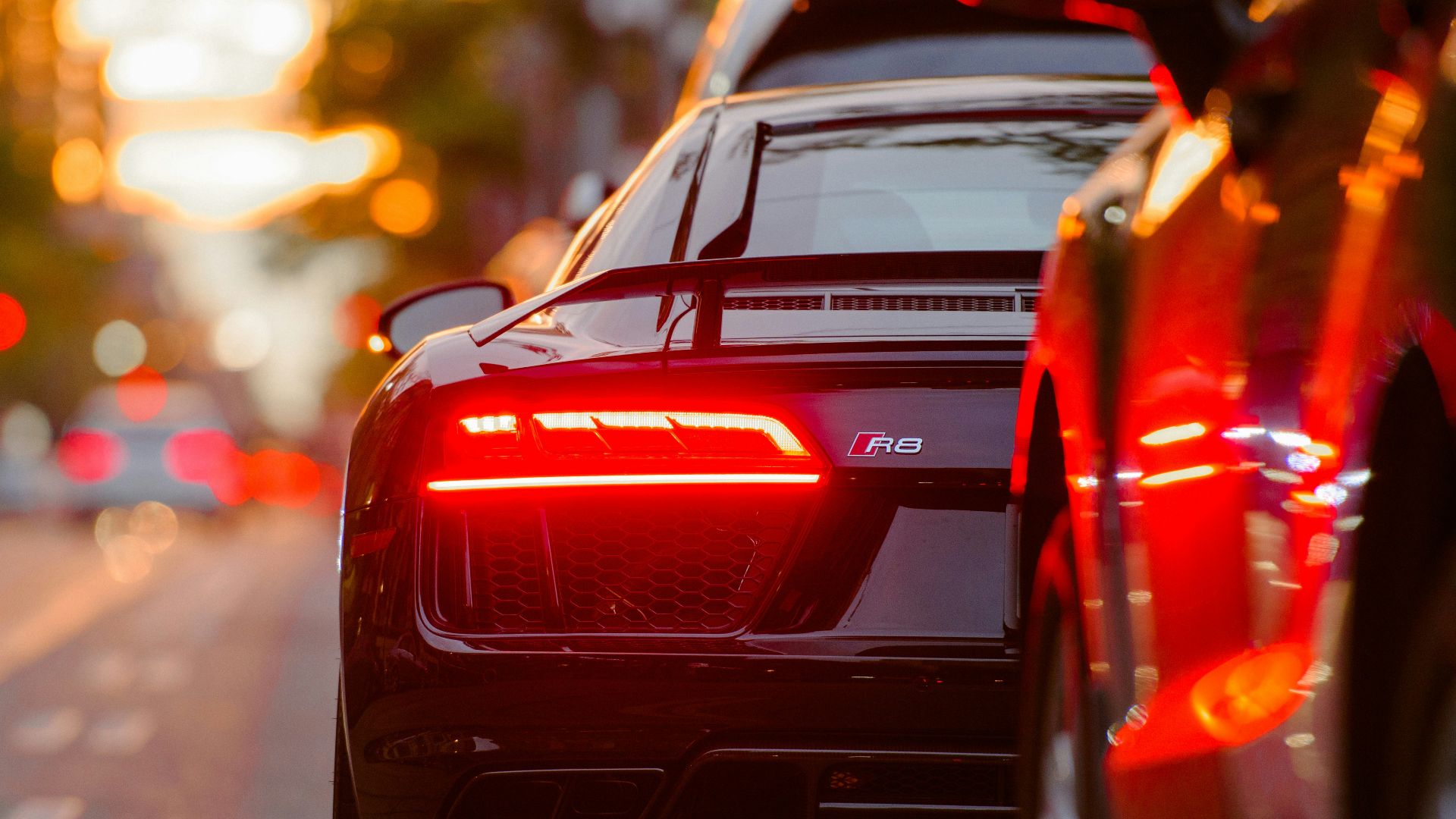 Evgeny Tchebotarev on Unsplash
13. Drive Through Every Pothole at Full Speed
After having your car for many years, you can start to hear when you hit a pothole and know your tires are suffering. Slow down when you can to help your car and save money down the road. You can't avoid every rough patch of pavement, but you don't need to treat every crater in the road as a challenge.
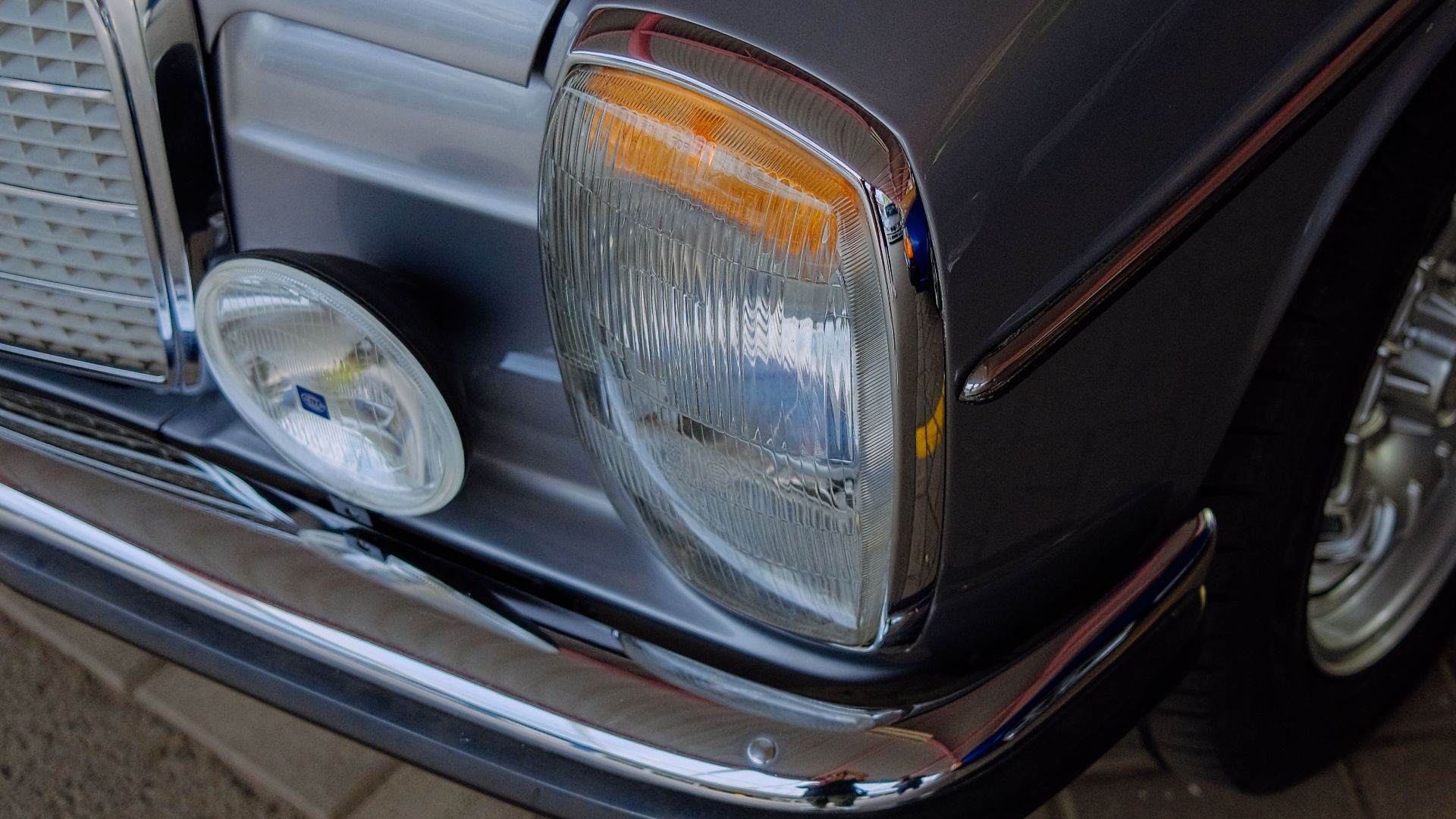
14. Ignore the Owner's Manual
Some drivers may never open the owner's manual until a warning light appears, but experienced car owners often know it's the first place to look for reliable information. From knowing when to change the oil to understanding what every light on your dash means, the manual can help you maintain your vehicle. You should know how your car works, and if you've ever lost your copy, there's always one online to download.
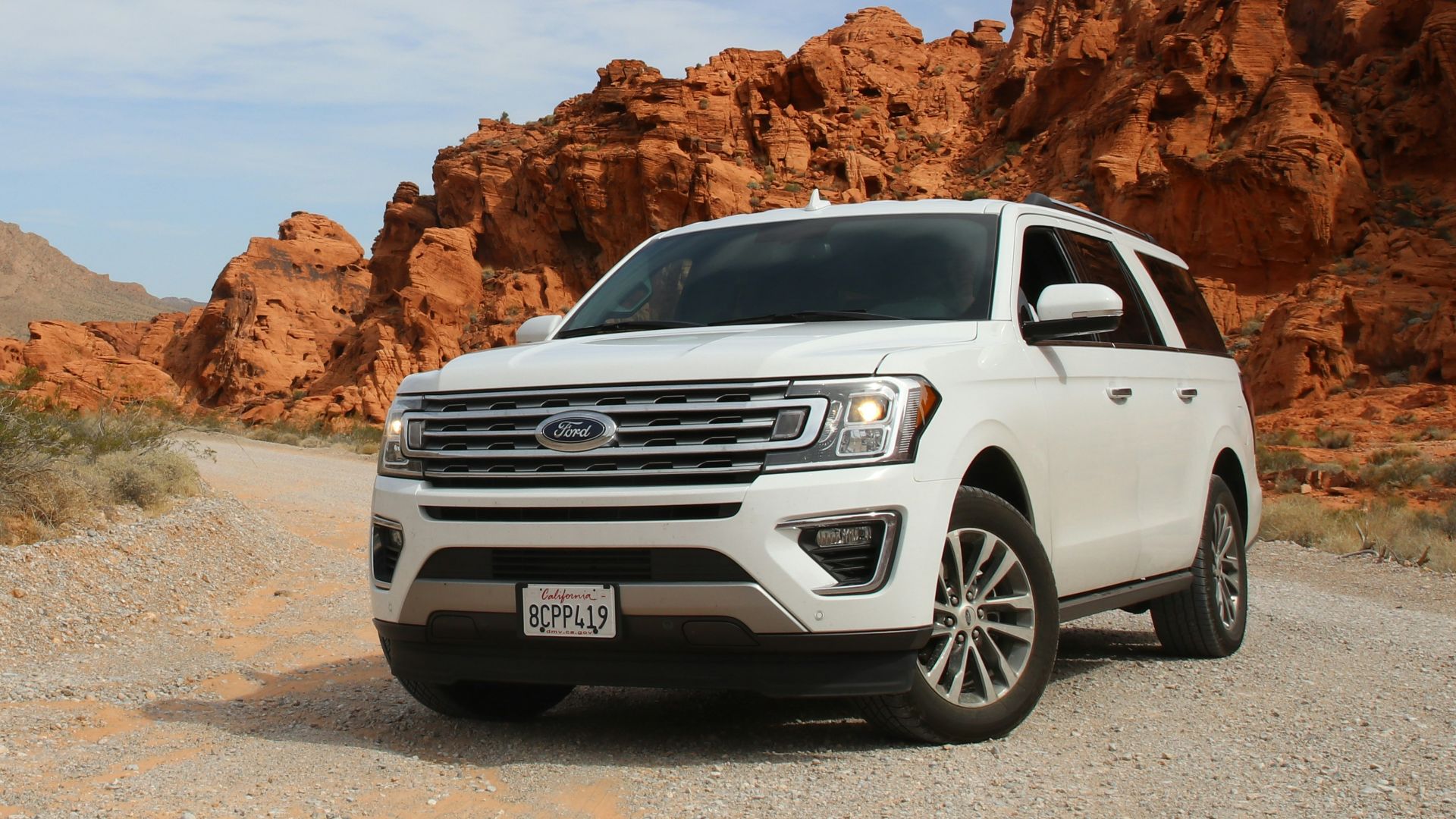
15. Leave the Interior Filled With Trash
It's nice to have receipts and wrappers in your car here and there, but try to clean up. If you have the opportunity to pick up some trash while you're gassing up, do so. A clean interior also makes it easier to notice spills, damage, or items that could roll under the pedals.
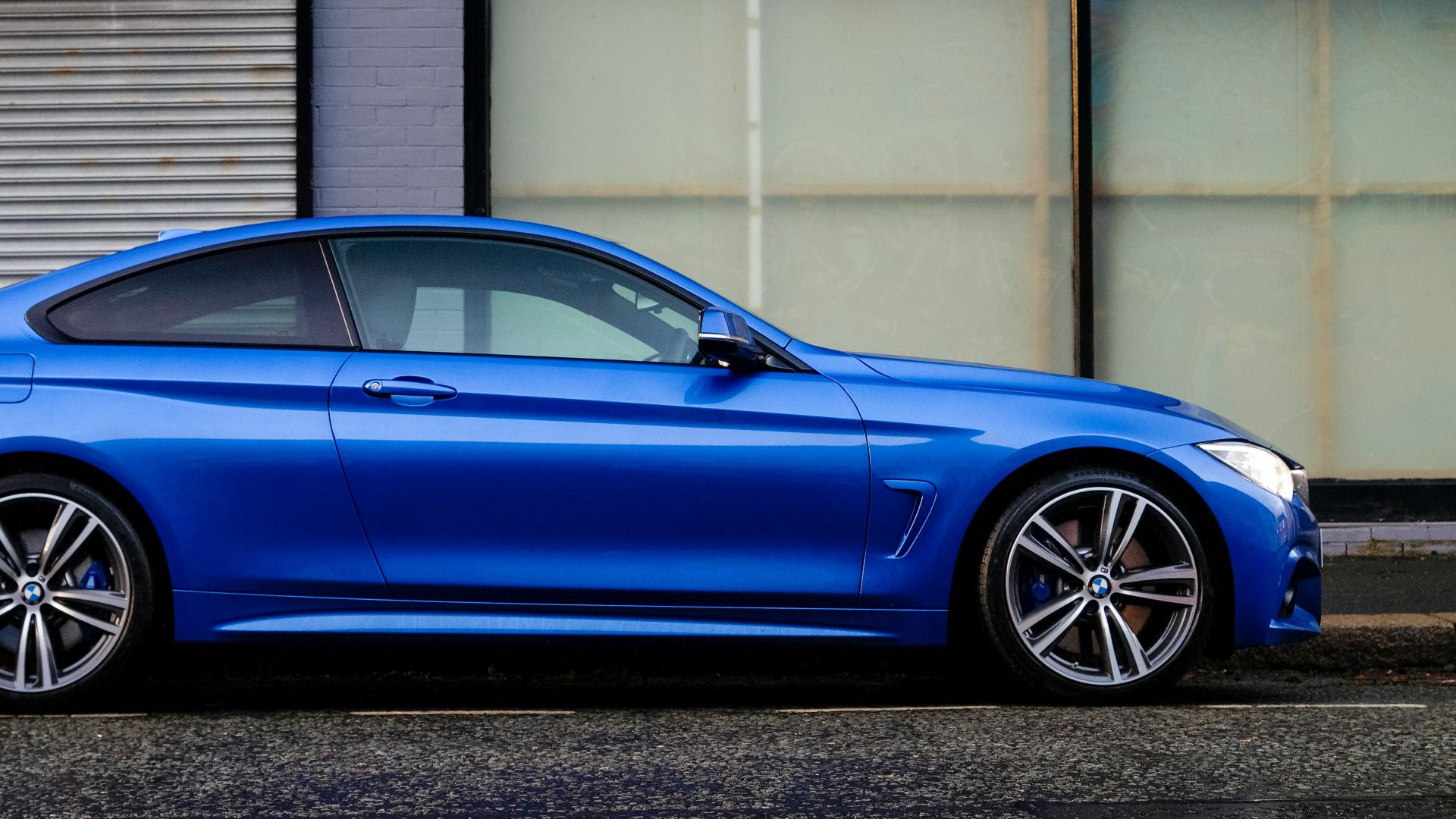
16. Ignore Windshield Wiper Problems
When your windshield wipers are leaving lines on your windshield, it's time to look into changing them. Someone who drove before these advances were made will know how much your windshield helps you out in a downpour. Replacing worn blades is usually inexpensive, and fresh wipers can make a major difference when the weather turns nasty.

17. Keep Driving When the Engine Overheats
A rising temperature gauge or an overheating warning is not something to ignore until you reach your destination. Pull over somewhere safe and turn your engine off. Read your car manual's instructions on how to proceed from there.

18. Use the Car as a Storage Unit
Some people think their trunk is meant to hold every piece of equipment they'll ever need. Keep your car as clear as possible of useless objects. Keeping emergency supplies is sensible, but there's a difference between being prepared and transporting half your garage.
19. Neglect the Battery Until the Car Won't Start
Your car battery will let you know when it's dying before it stops starting altogether. Test your battery and see if you need any repairs done to it. Waiting until the car refuses to start can turn a routine replacement into an inconvenient roadside problem.

20. Skip Maintenance Just Because the Car Still Runs
A vehicle can seem perfectly fine while developing problems that aren't obvious during an ordinary drive. Regular inspections and scheduled maintenance help catch issues with brakes, belts, hoses, suspension components, and other parts before they become more serious. The old-school approach isn't necessarily to repair every little thing immediately, but rather to pay attention.