
Why Most People Won’t Buy Them
Electric cars have become increasingly popular, and it's easy to see why: they offer quiet driving, instant acceleration, and the convenience of charging at home. However, that doesn't mean they're the perfect choice for every driver. Depending on where you live, how far you travel, what you can afford, and how long you plan to keep your vehicle, an electric car could introduce a few headaches you wouldn't have with a traditional gas-powered model.
 Hyundai Motor Group on Unsplash
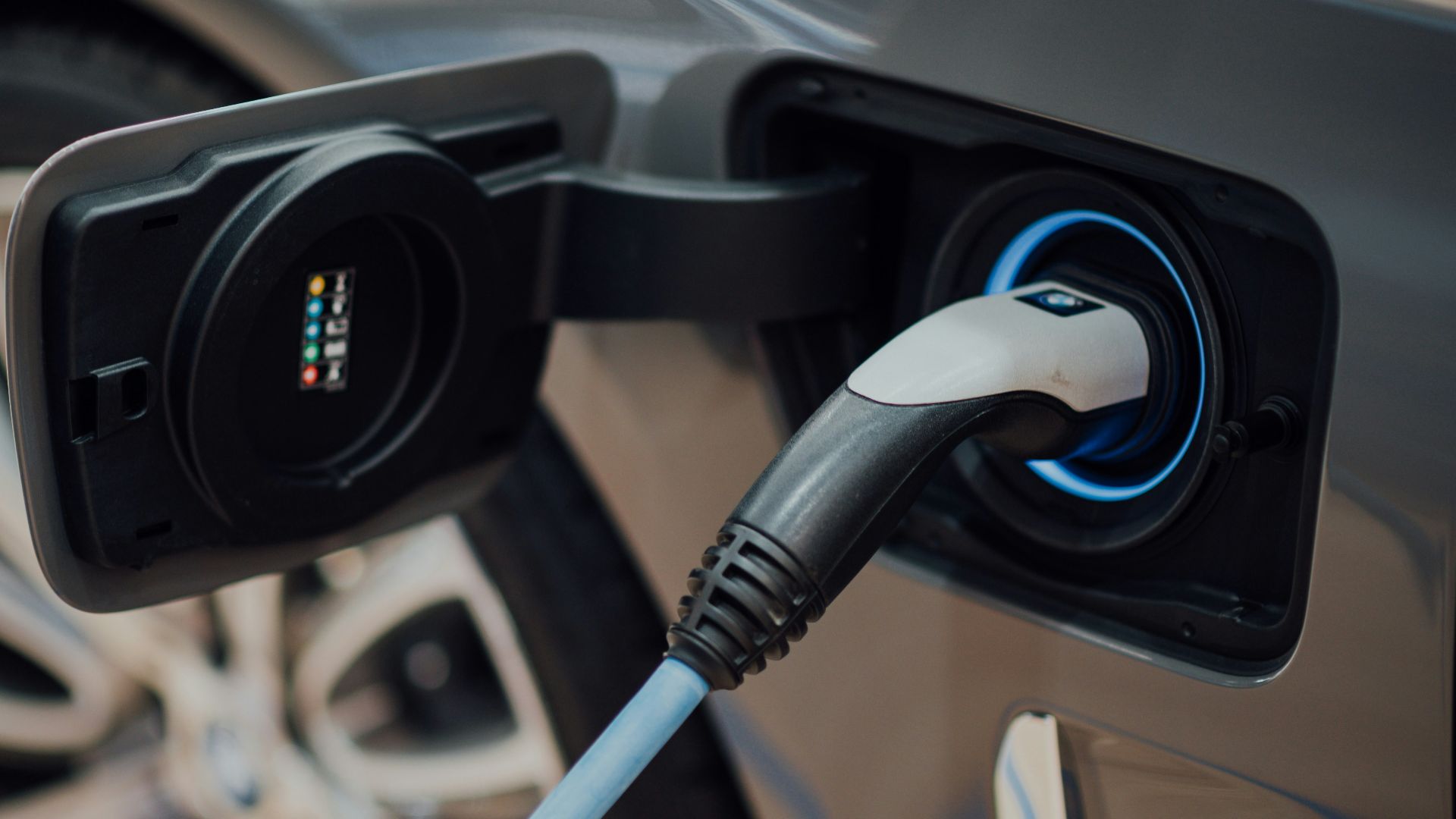
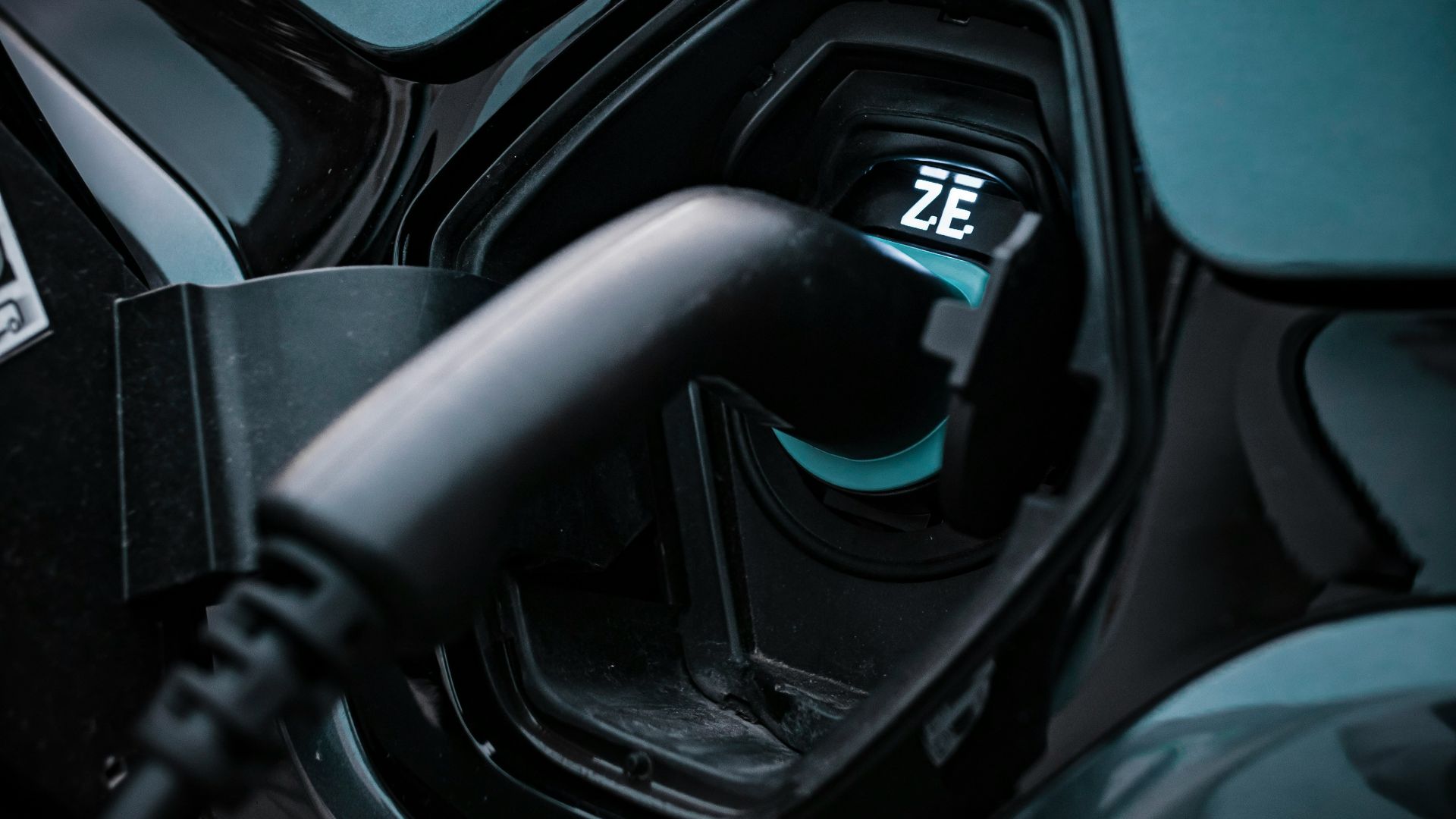
1. Charging Can Take Much Longer Than Refueling
Gas takes maybe 5 minutes to fill up. Depending on how long it takes your car to charge, it can take much longer than this. If you have a fast charger, it may still take a bit longer. Charging your car at home can take several hours.
2. Public Charging Stations Aren't Always Easy to Find
Public charging stations have increased over the years. They still aren't readily available in all areas. If your regular routes take you through areas with limited infrastructure, owning an electric car could require more planning than you'd like.
3. Long Road Trips Require Extra Planning
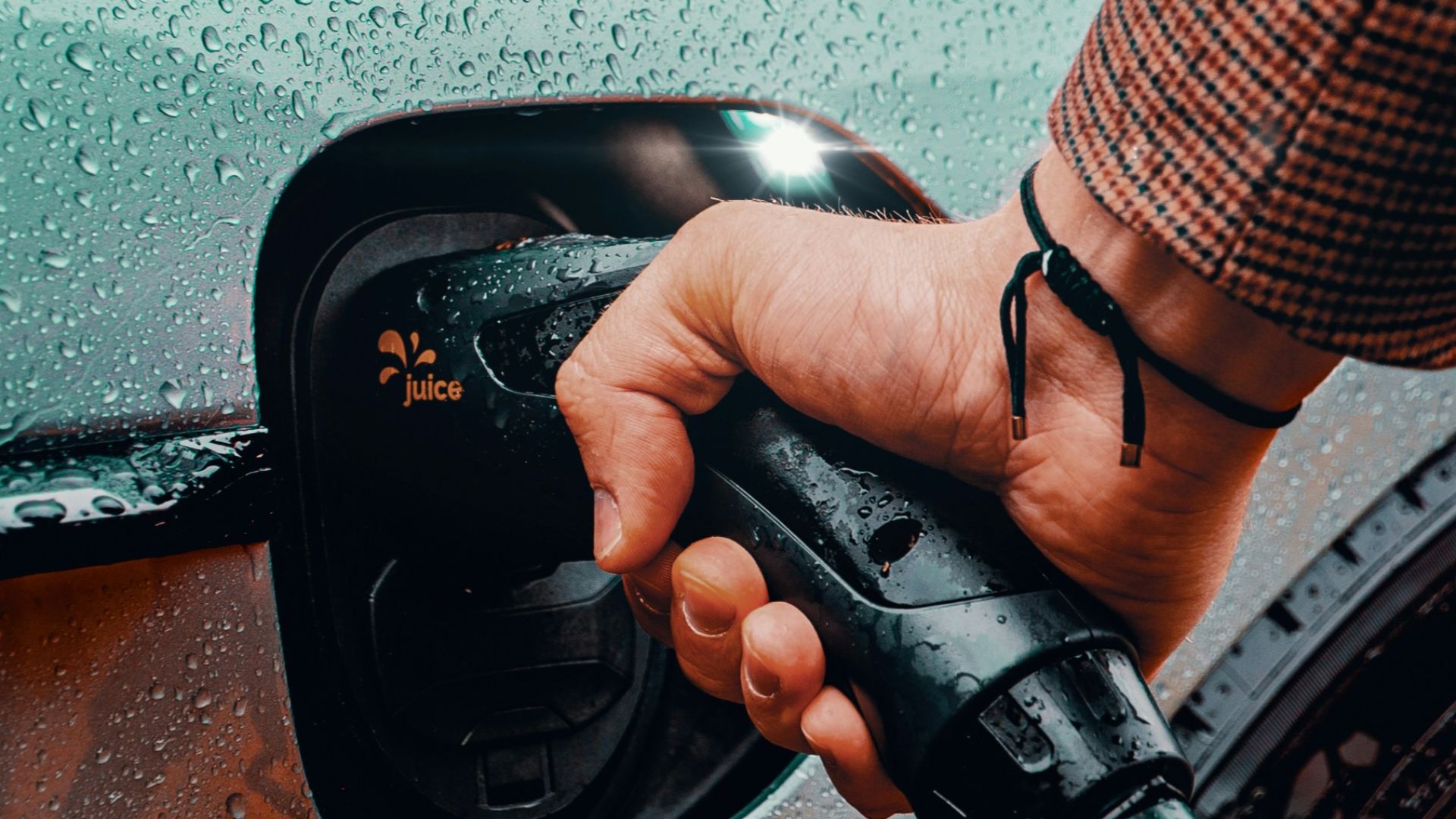
Driving cross-country in an EV will take you longer than traveling to a destination in a gas-powered car. You'll need to consider where chargers are located, how long you'll spend at each stop, and whether the stations will be available when you arrive. Drivers who enjoy spontaneous road trips might not appreciate having to build charging breaks into their travel plans.

4. Cold Weather Can Reduce Driving Range
Cold weather will affect your EV's battery. It can shorten your mileage. The colder temperatures can decrease how far you're able to go. If you live somewhere with long, freezing winters, you'll need to account for a potentially shorter range during the months when you rely on your vehicle most.
 Hyundai Motor Group on Unsplash
5. Replacing the Battery Can Be Expensive
There are many aspects that come with replacing a battery. Most companies offer great warranties on their batteries. If you're planning to keep your car for many years, it's worth understanding the potential long-term costs before buying.

6. Not Everyone Has Access to Home Charging
Not all homes allow you to charge your car at night. If you rent an apartment or house, you may not have the ability to do this. Relying entirely on public charging can make everyday ownership less convenient, especially if nearby stations are busy or expensive.
7. The Purchase Price Can Be Higher
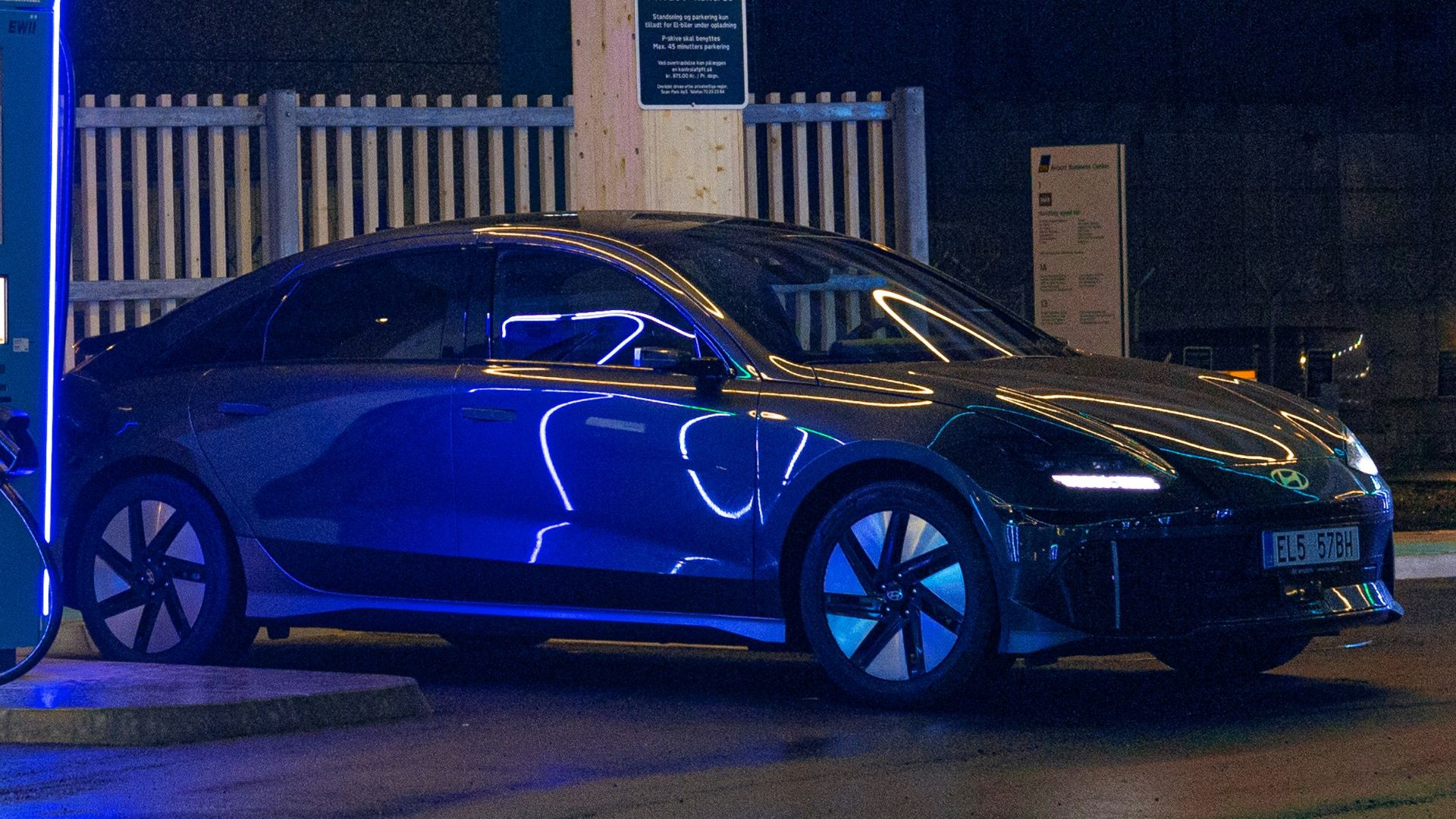
Many EVs can be costlier than their gas-powered counterparts. There are tax credits that you may be able to use to lower your cost. If your budget is tight, a lower-priced gas vehicle may leave you with more money for insurance, maintenance, and other expenses.
8. Insurance Can Cost More
Just like buying your electric vehicle, insuring it can also cost you more. Depending on your vehicle, it may not be much of a price jump. The difference depends on the model and your personal driving profile, so getting insurance quotes before you buy is a smart move.

9. Repairs May Require Specialized Technicians
Mechanics may not always know how to repair EVs. This will cause you to travel farther to get your vehicle repaired. That can become inconvenient if you live far from an authorized service center or have limited repair options nearby.

10. Battery Performance Can Change Over Time
Like all rechargeable batteries, electric car batteries can gradually lose capacity as they age and accumulate charging cycles. This process, known as battery degradation, can reduce the distance your vehicle travels on a full charge. The rate varies considerably depending on the battery, climate, and charging habits, but it's still something to consider if you're buying a car you expect to own for a long time.
11. Towing Can Reduce Your Driving Range
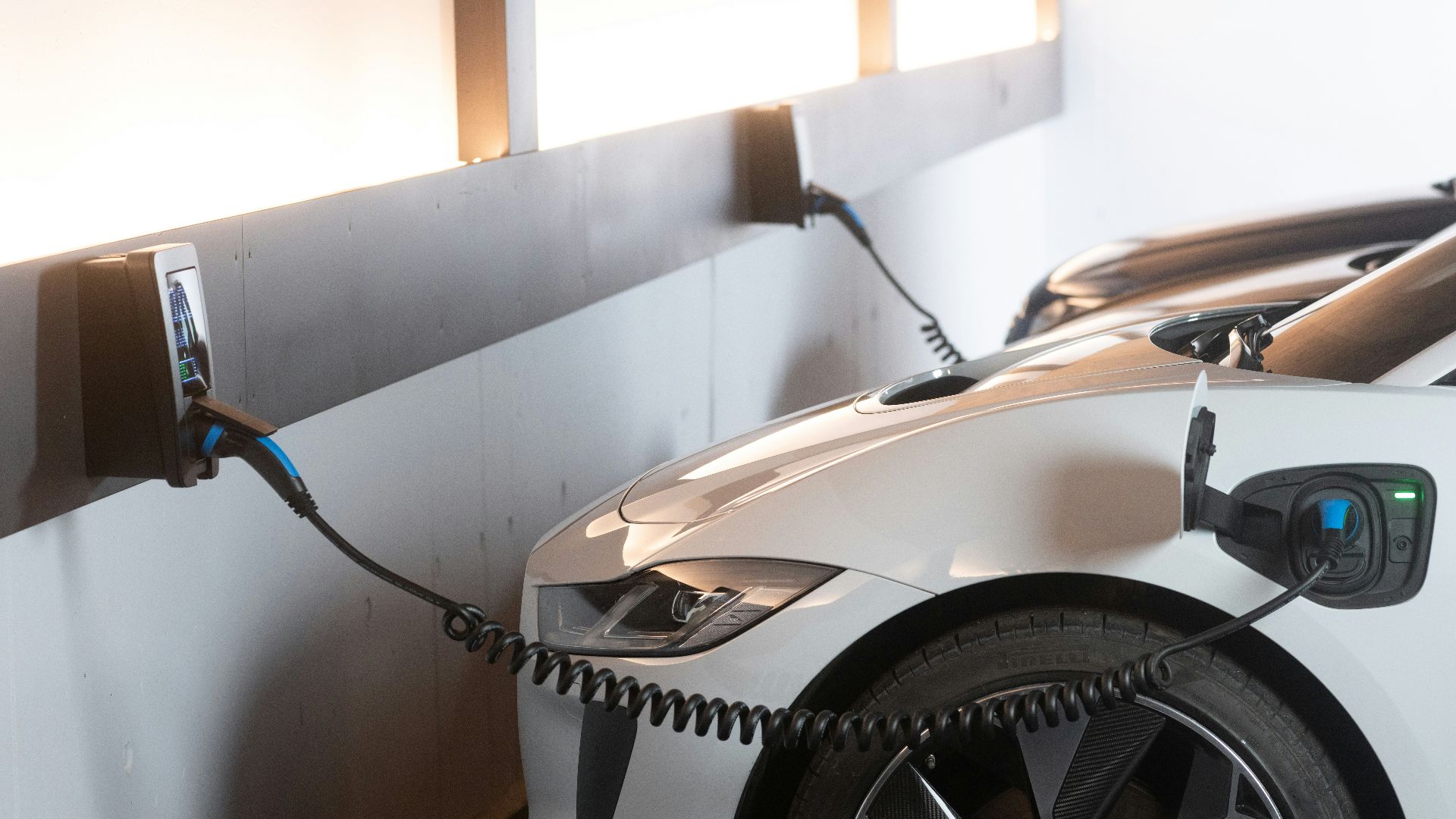
If you're someone who likes to tow things behind your vehicle, electric cars may not be for you. You'll also need to account for more frequent charging stops, and not every charging station is designed to accommodate a vehicle towing a trailer.
12. Charging Costs Aren't Always Cheap
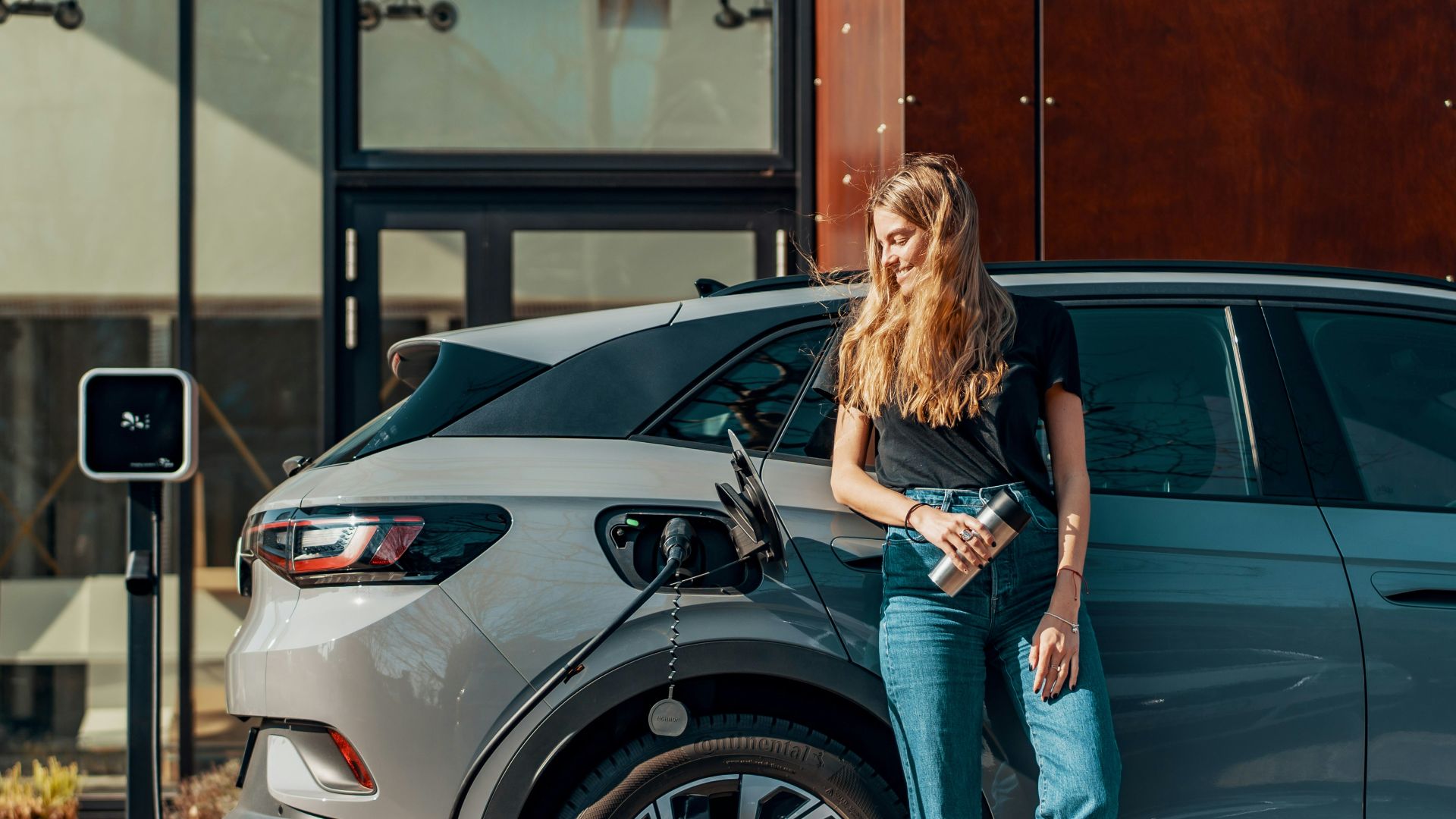
You can save money when charging at your house. Depending on your area, it can be cheap to charge your vehicle. If you rely on expensive public stations, the savings you expected from switching to electric might be smaller than you anticipated.
13. Charging Networks Can Have Reliability Issues
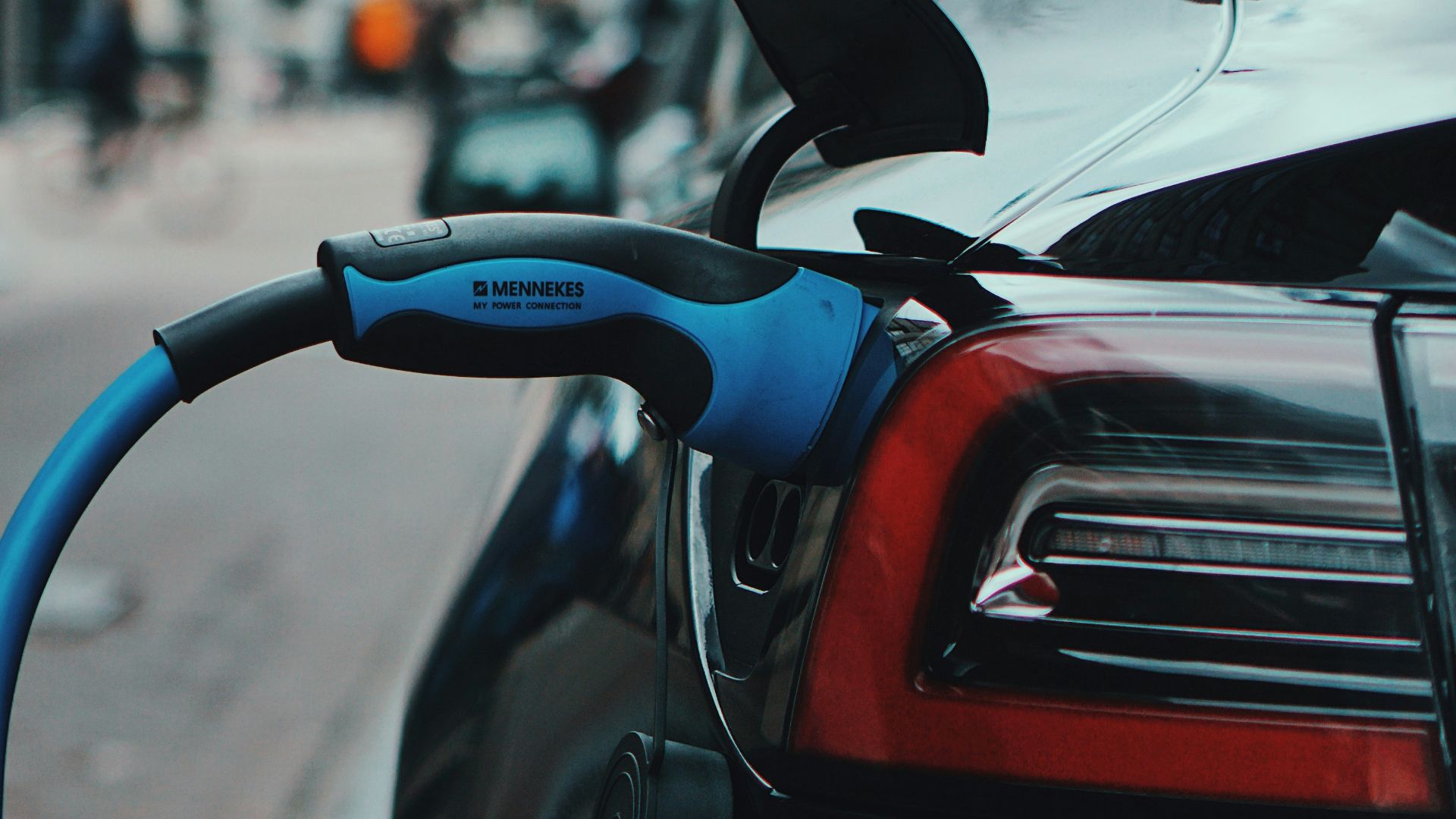
Once you find a public charger, you may run into issues. The charger may not be working or may already be occupied. Although charging networks continue to improve, an unexpected problem can be especially frustrating when your battery is running low.
 Precious Madubuike on Unsplash
14. Software Problems Can Affect Everyday Driving
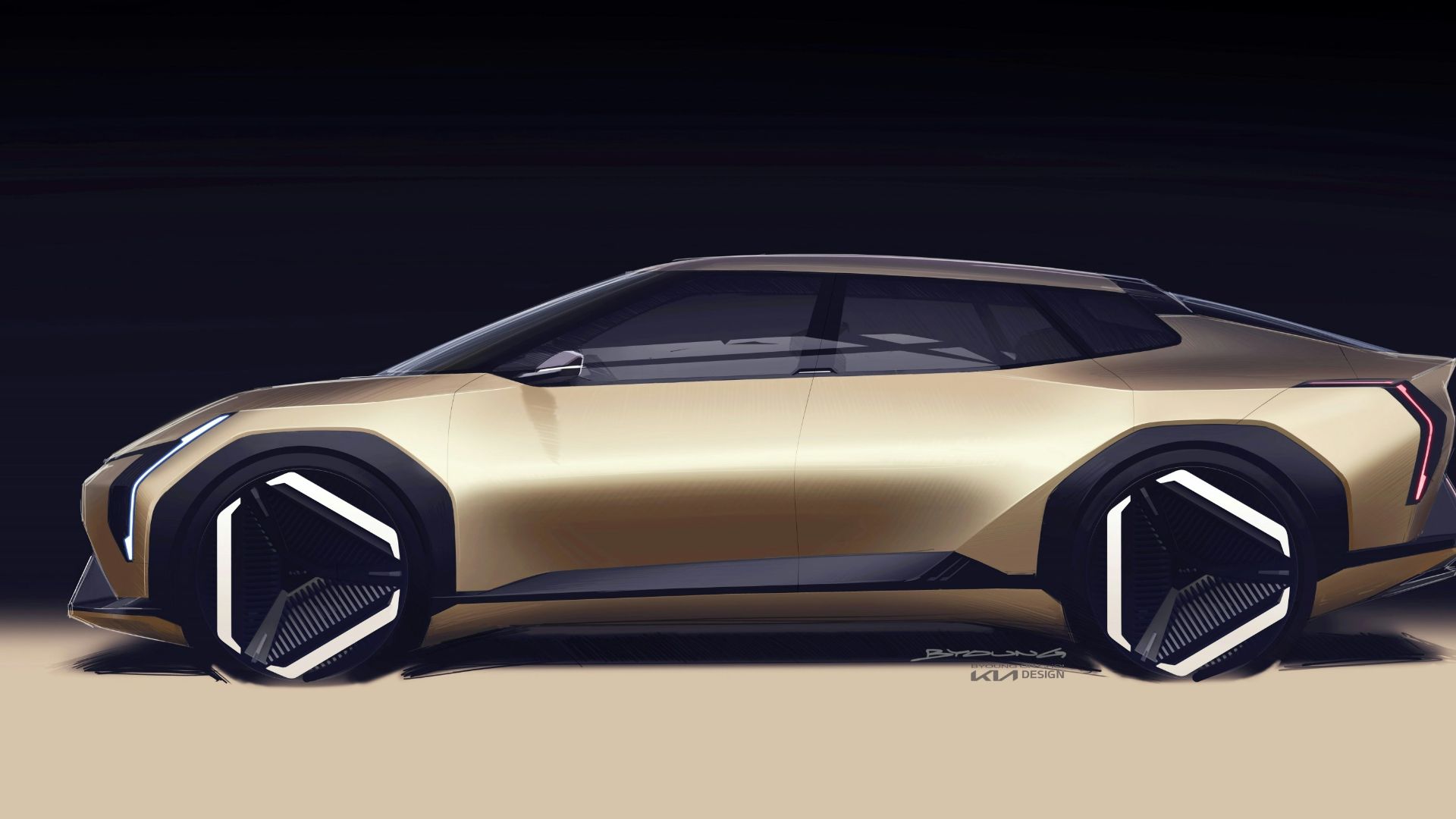
Some electric cars have technology built in to improve the quality of driving. These updates can help your car but can cause frustration as well. If you prefer a vehicle with straightforward controls and fewer technology-dependent features, some electric models might feel unnecessarily complicated.
 Hyundai Motor Group on Unsplash
15. You May Have Fewer Model Options
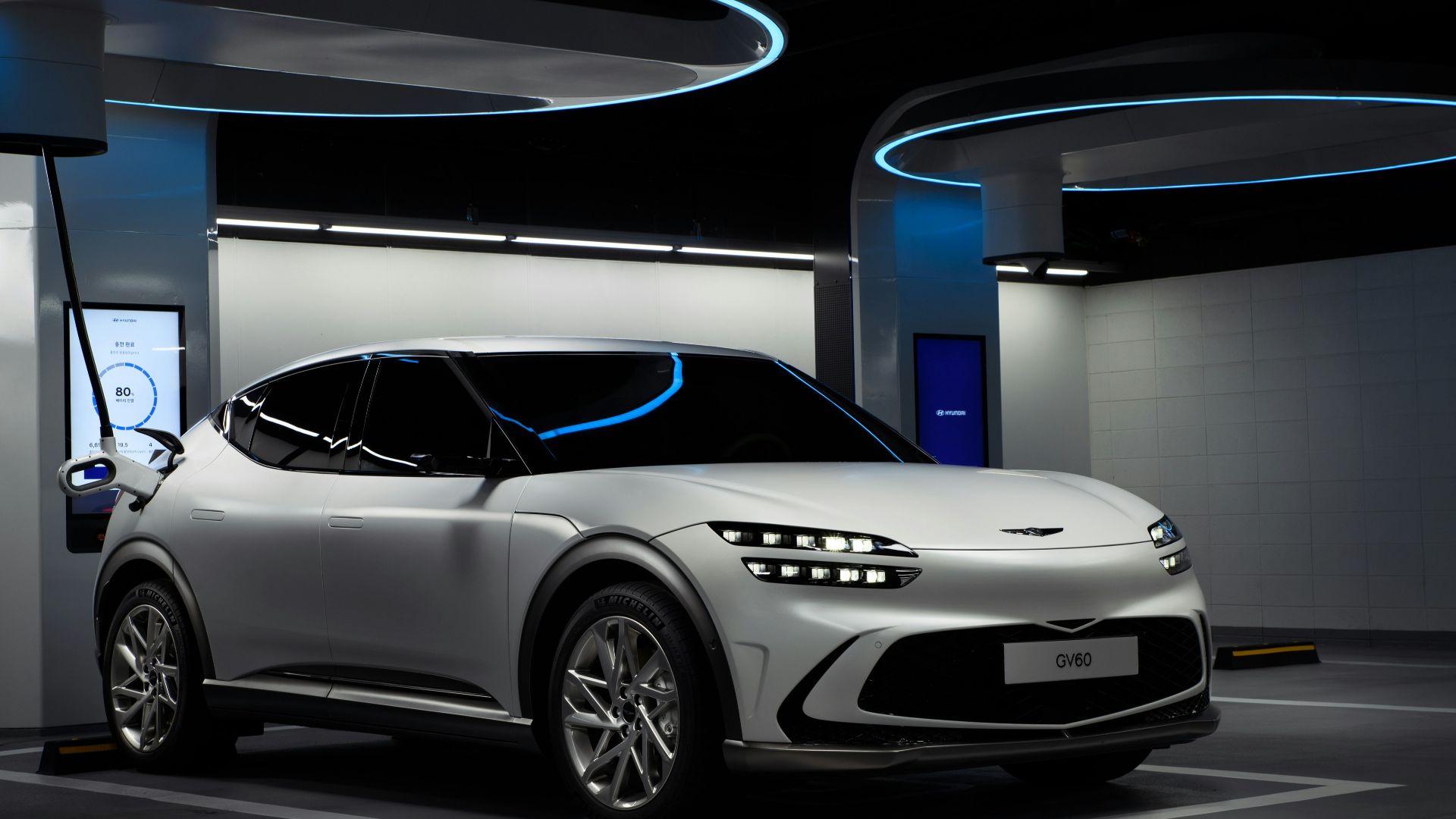
There are only so many types of vehicles that can be electric. If you want a particular body style, towing capacity, seating arrangement, or combination of features, your choices may be more limited than they would be with gas-powered vehicles. That could mean compromising on something important just to make the switch to electric.
 Hyundai Motor Group on Unsplash
16. Resale Values Can Be Unpredictable
Because there are so many changes happening to electric cars, depreciation can vary. There are many different things that can cause your vehicle to depreciate. Depreciation varies by manufacturer and model, so it's worth researching resale trends rather than assuming your car will retain its value.
17. Charging Can Be Inconvenient During Power Outages
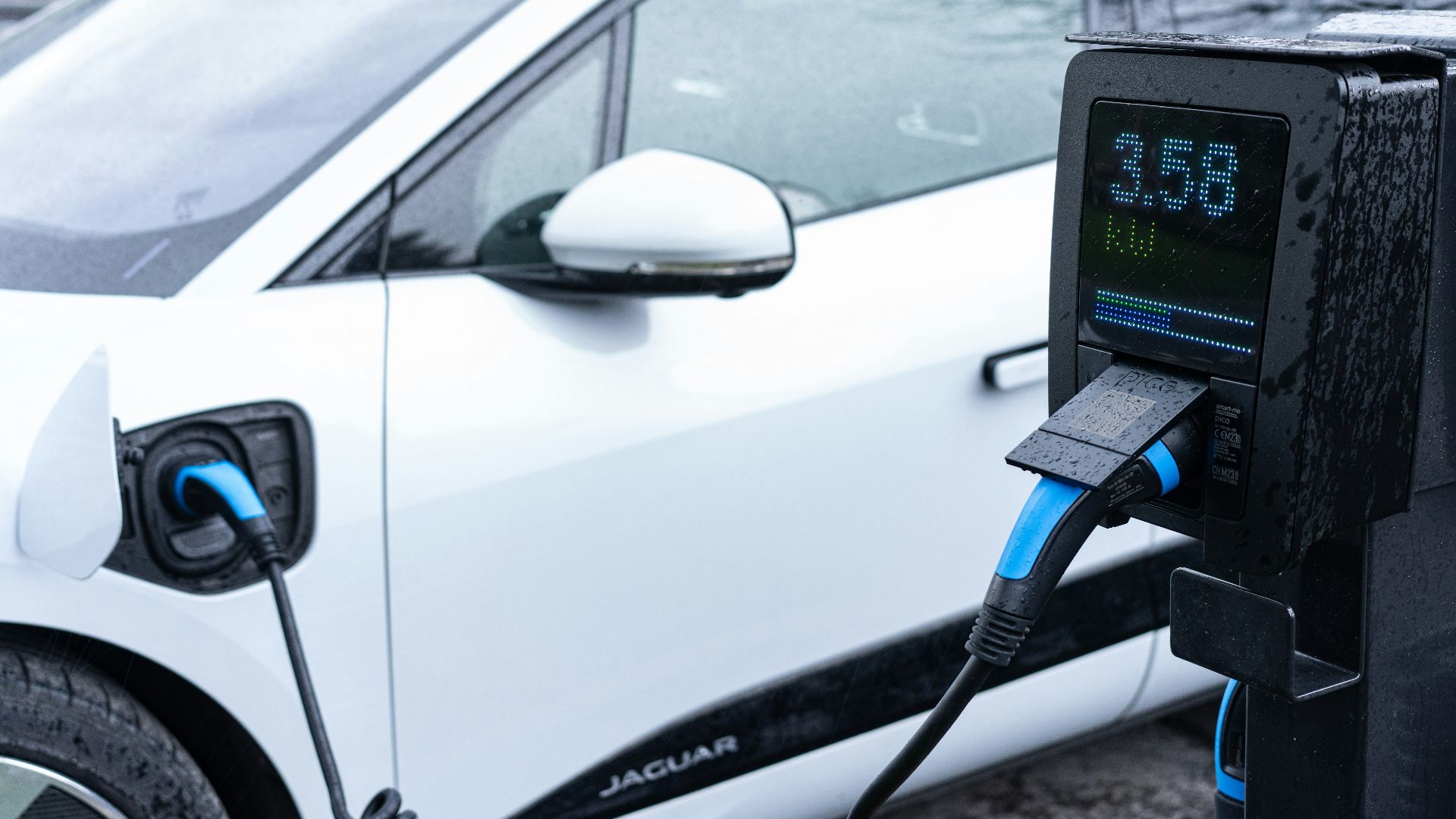
An electric car depends on access to electricity, which can become a problem during an extended power outage. You might still have enough battery to drive for a while, but recharging at home won't be possible until power returns. Public charging stations may also be affected, making it harder to travel if the outage covers a large area.
18. Battery Production Has Environmental Costs
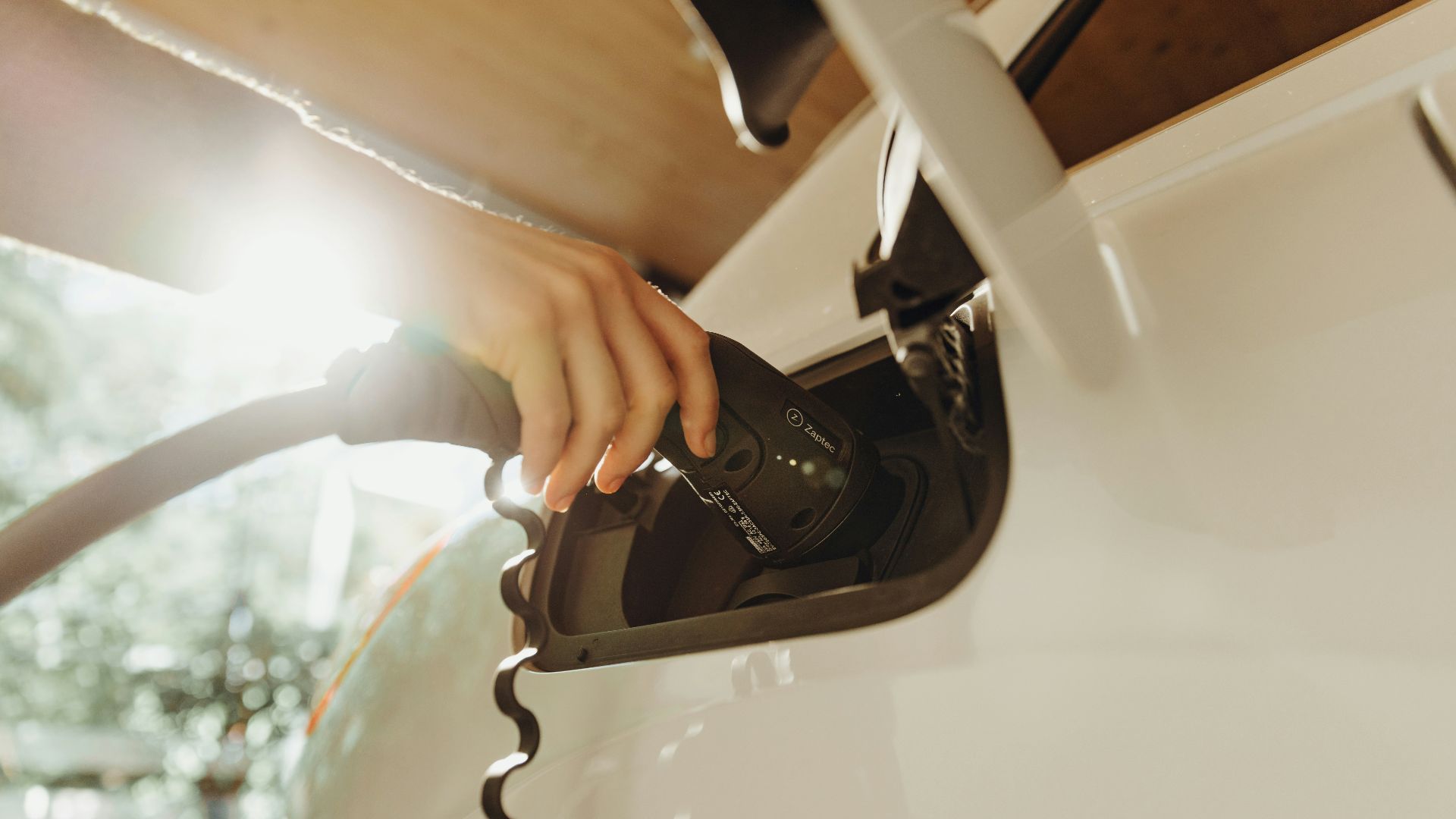
Building your electric vehicle can be harmful to the environment. Lithium batteries require a lot of Earth's resources to create. The overall environmental impact depends on factors such as manufacturing methods, electricity sources, and how long the vehicle remains in use.
19. You Might Not Save as Much as You Expect
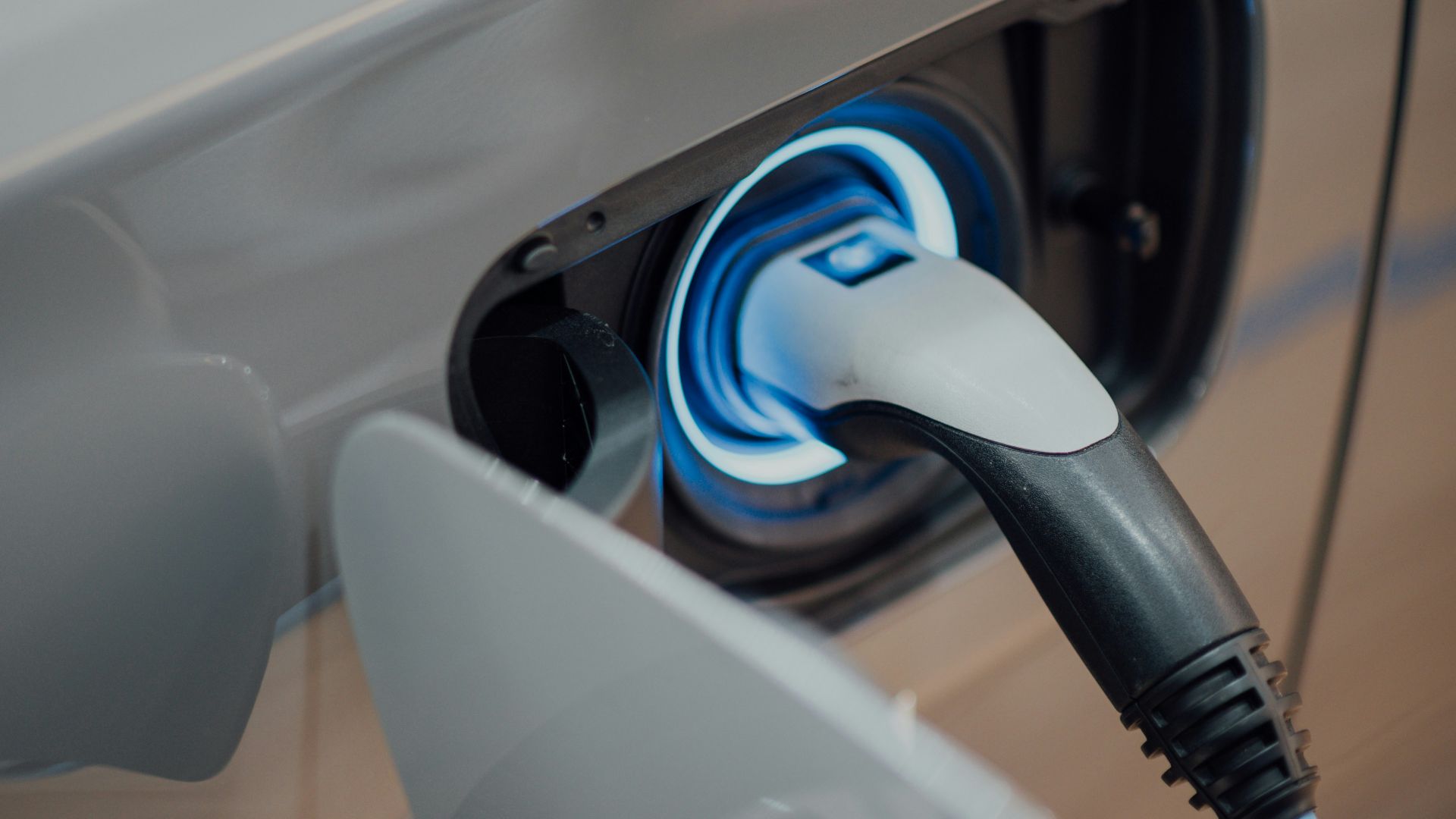
Electric cars are often promoted as a way to reduce running costs, but the actual savings depend on your circumstances. Electricity rates, fuel prices, insurance premiums, purchase costs, maintenance, and annual mileage all influence the final calculation. If you drive relatively little or have access to inexpensive gasoline, the financial benefits may not justify paying more for an electric model.
20. Your Driving Habits May Not Suit an Electric Vehicle
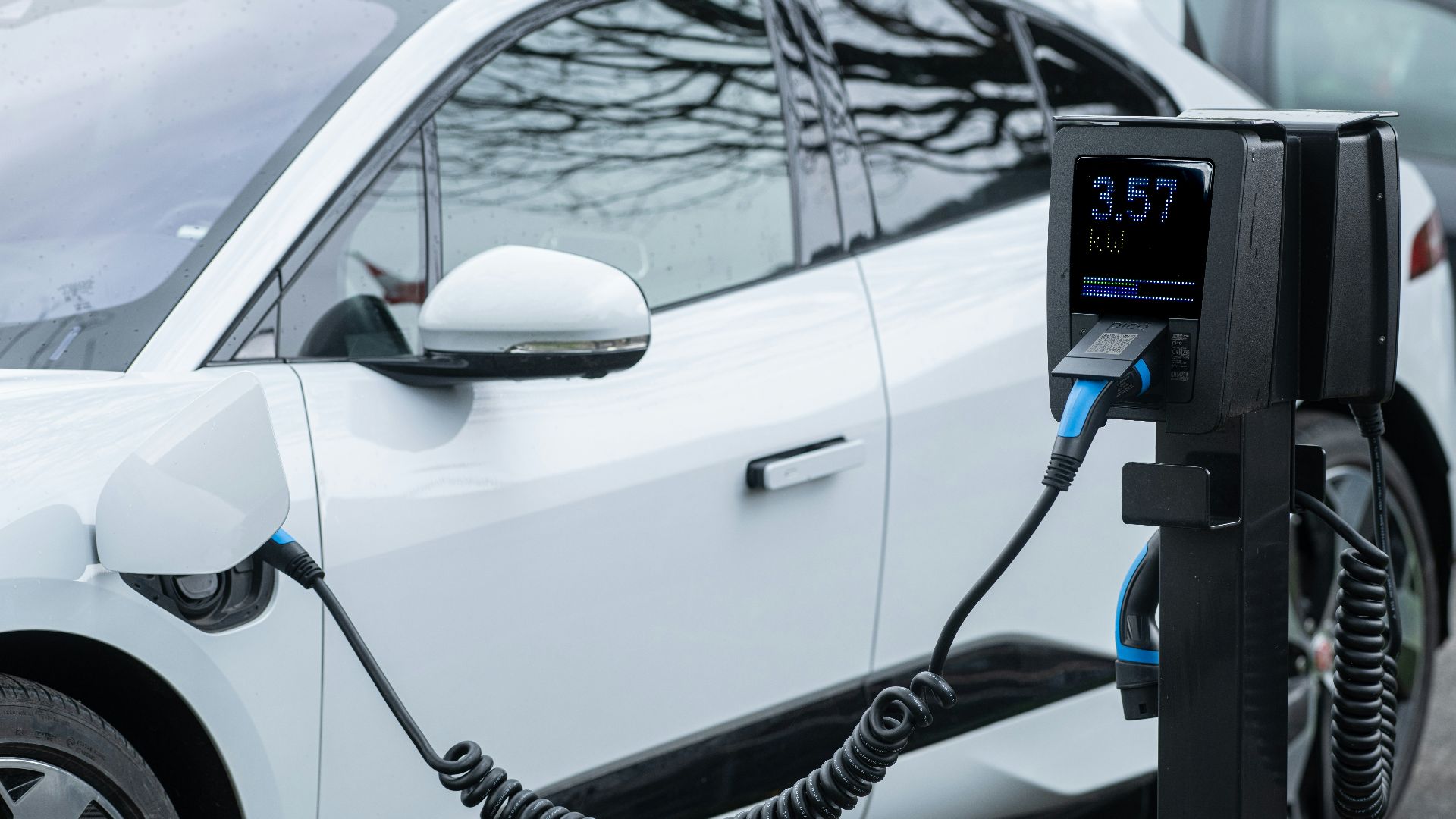
Ultimately, an electric car needs to fit the way you actually use your vehicle, not just the lifestyle advertised in a commercial. If you frequently drive long distances, live in an area with limited charging infrastructure, tow heavy loads, or can't charge at home, ownership may involve too many compromises. There's nothing wrong with sticking with a gas-powered car if it better suits your daily routine and budget.