
Your Classic is Trying to Tell You Something
Owning a classic car is a lot more than keeping it parked somewhere. It also requires more than lovingly looking at it in your garage. The reality is that older vehicles need regular attention; aging seals, mechanical components, and electrical systems can deteriorate even when the odometer barely moves. If your treasured ride is showing any of these 20 signs, your maintenance routine definitely needs some upgrading.
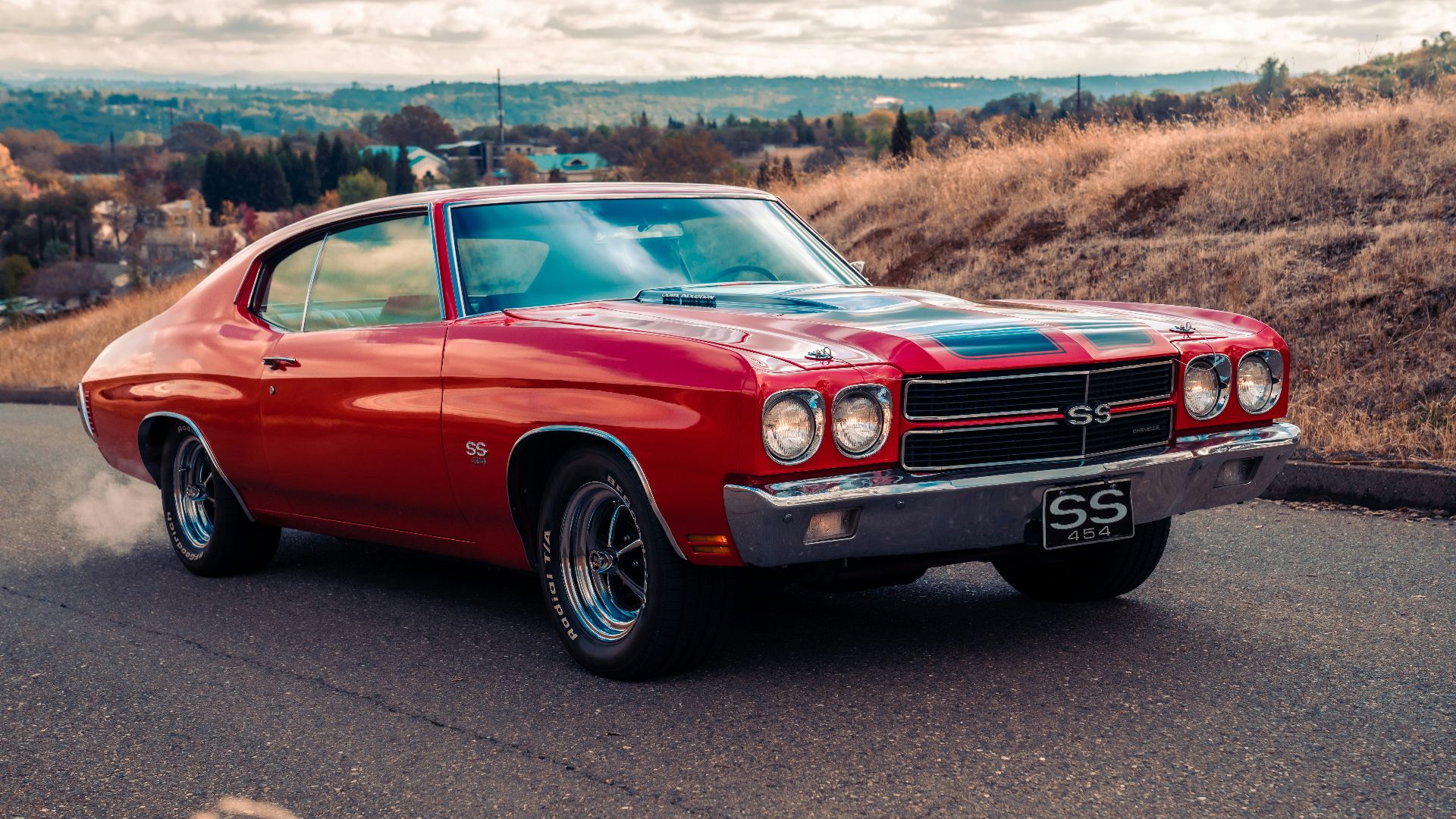
1. There's a Puddle Underneath It
A couple of drops beneath an old car aren't necessarily disastrous, but a growing puddle? That deserves more than a shrug. Black engine oil or reddish transmission fluid can point you toward the system that's leaking, and older seals are especially prone to wear-and-tear. If your garage floor is covered in fluid, you've already waited too long.
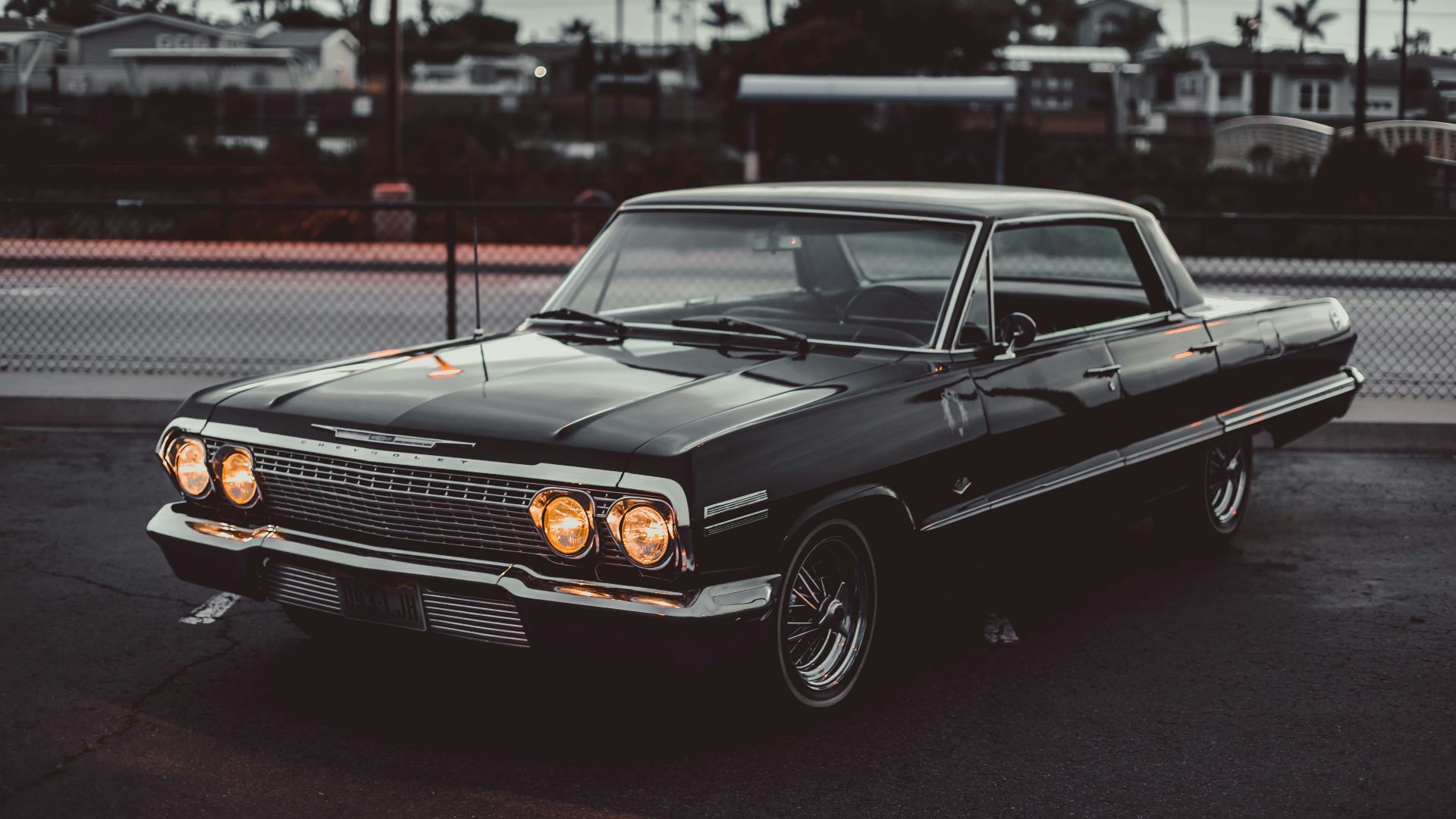
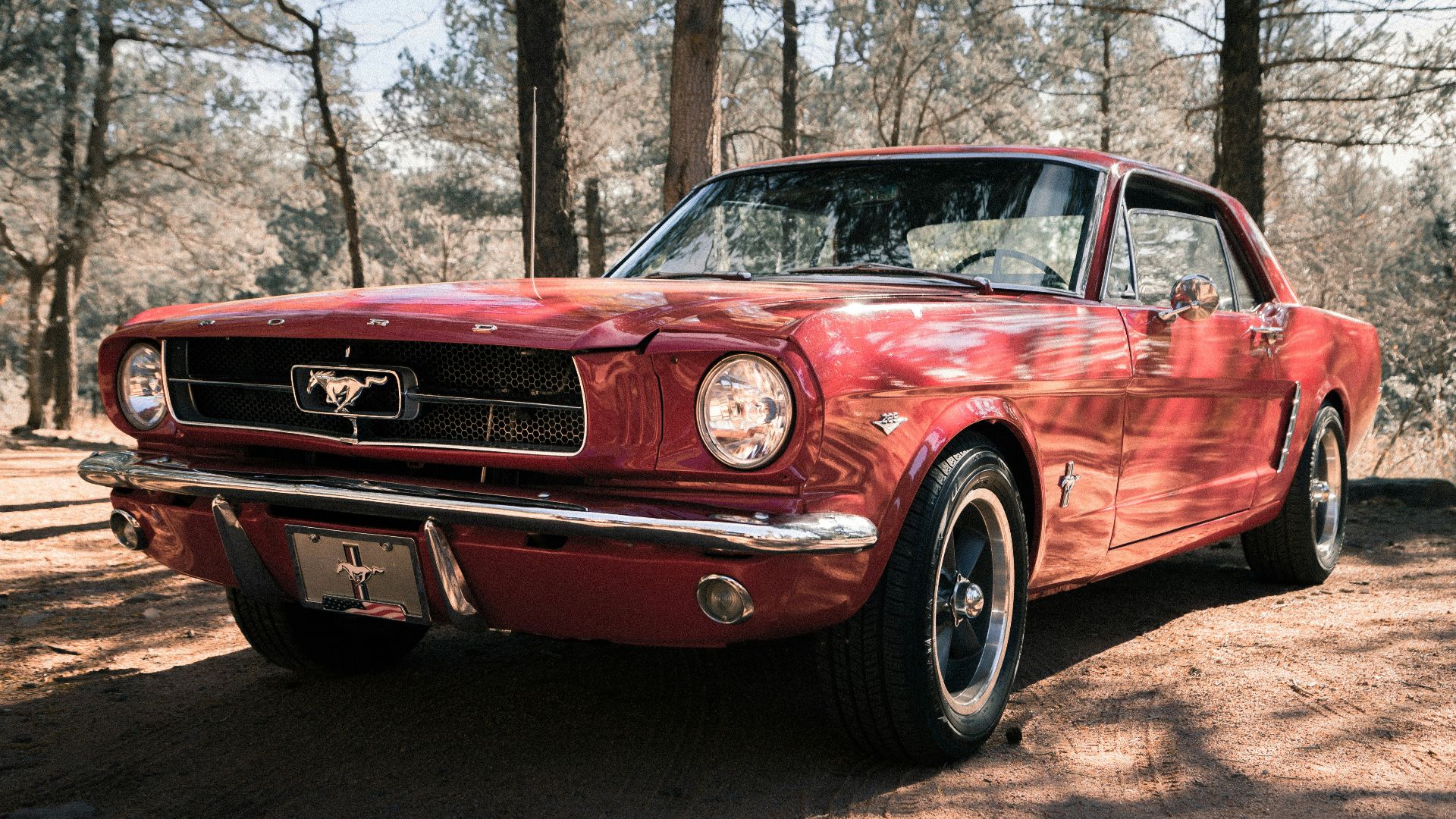
2. The Paint Has Lost Its Shine
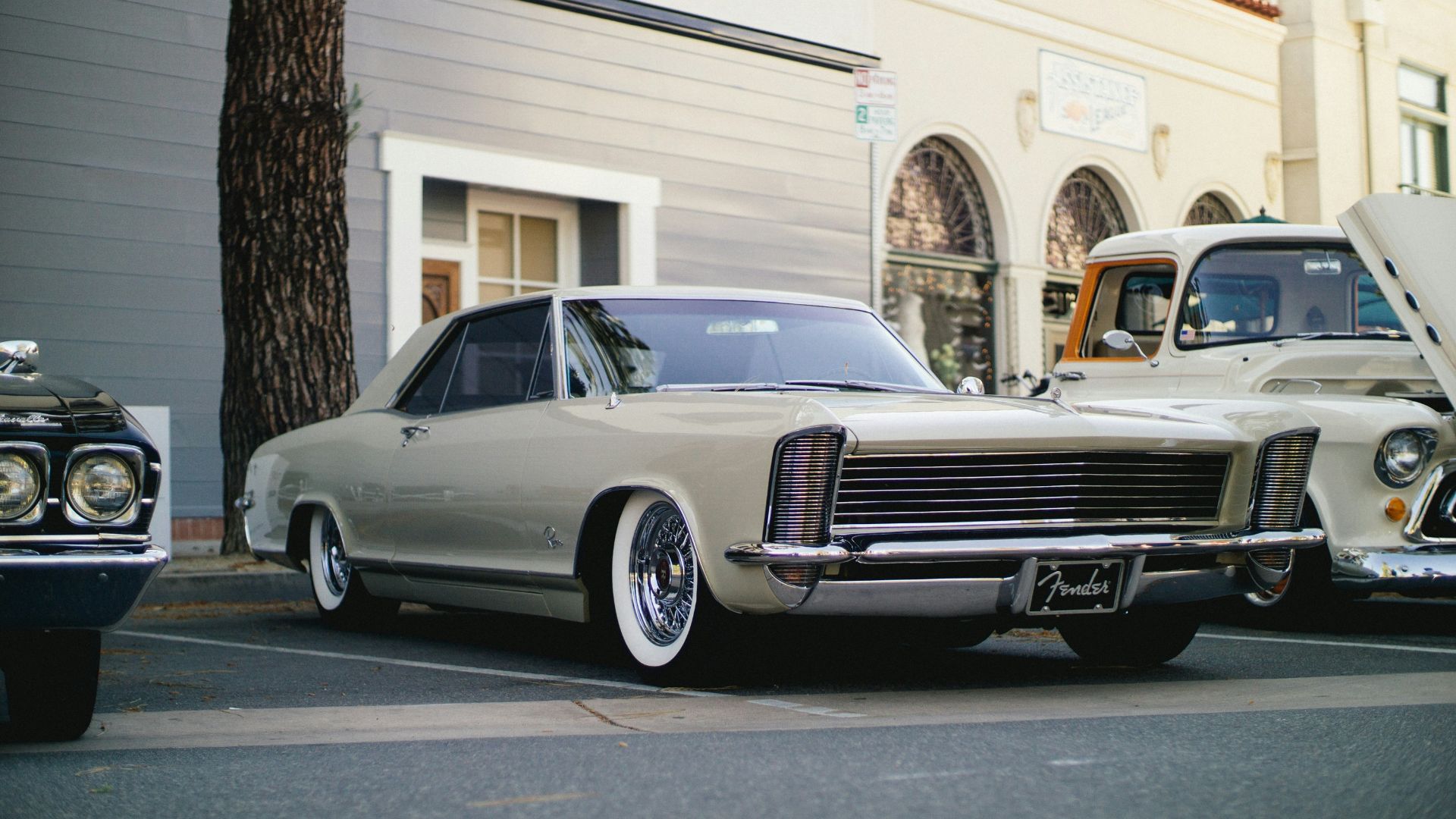
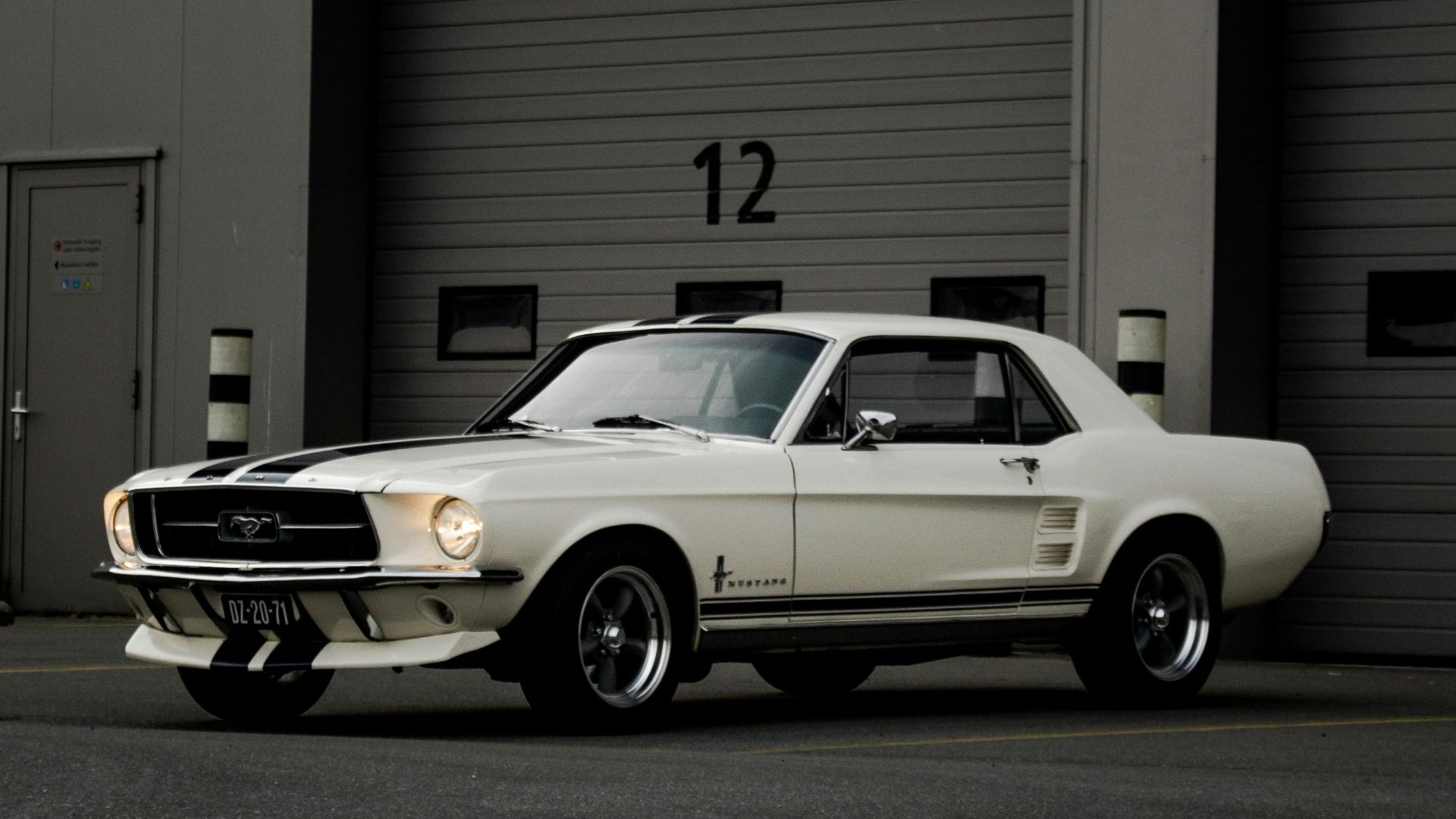
Classic paint won't stay glossy forever, though it certainly looks that way when you first take your baby home. The reality, though, is that it's exposed to sunlight, bird droppings, and moisture without protection. A once-bright red 1965 Mustang that’s now chalky is a very visible warning.
 Valdemaras Januška on Unsplash
3. Rust is Bubbling Through
Rust isn’t good for any machine, which is why you need to be on the lookout for small bubbles underneath the paint around wheel arches or lower door edges. They're evidence that corrosion has already started. If that wasn’t bad enough, it can also spread while everything still looks fairly presentable from a few feet away.
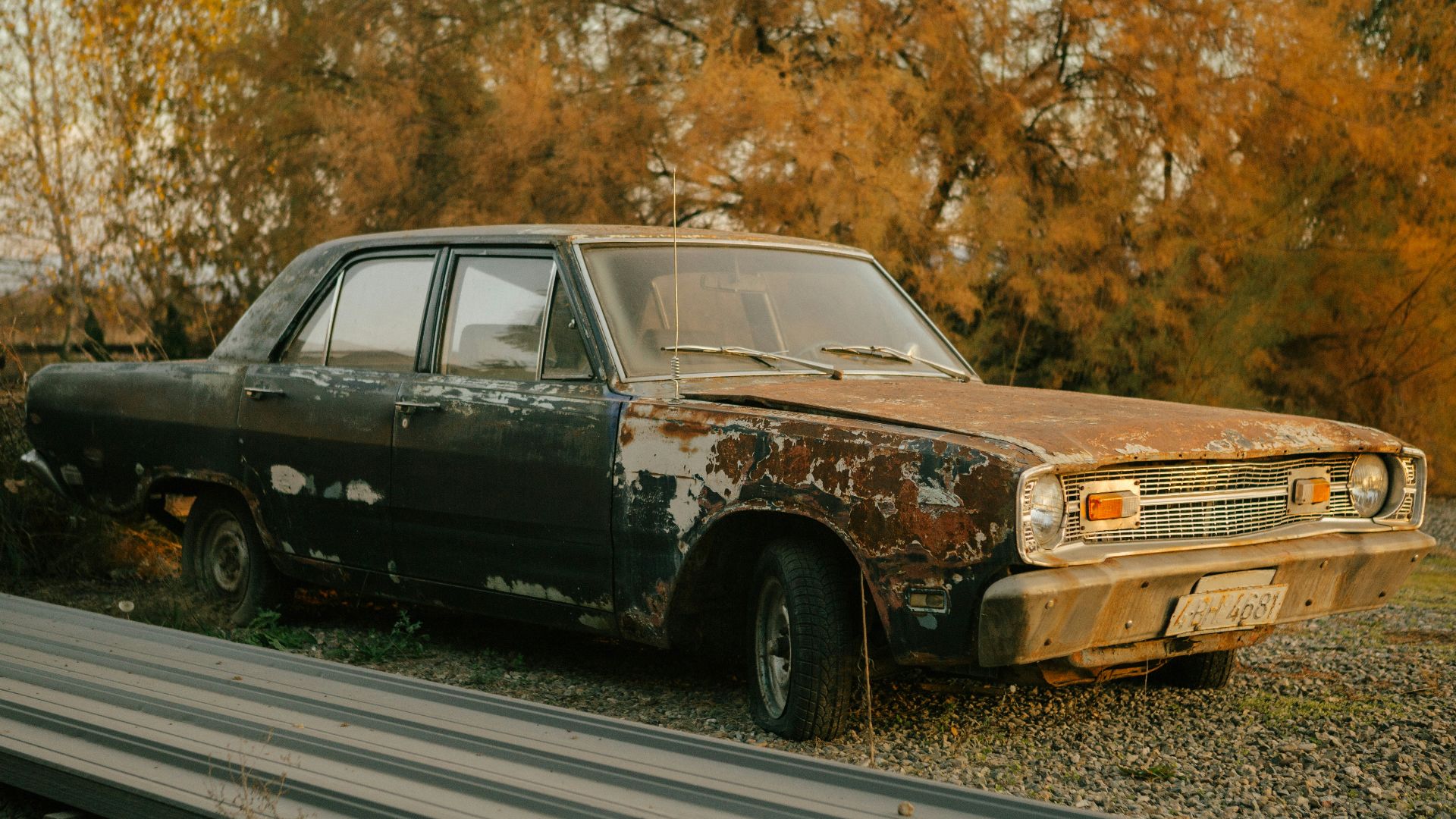
4. It Takes Forever To Start
Turning the key shouldn't mean a whole song and dance. A difficult cold start on something like a carbureted Chevrolet Chevelle could point toward ignition trouble, an improperly adjusted carburetor, or even just neglected tune-up items. If starting the car becomes an event, it's time to investigate.
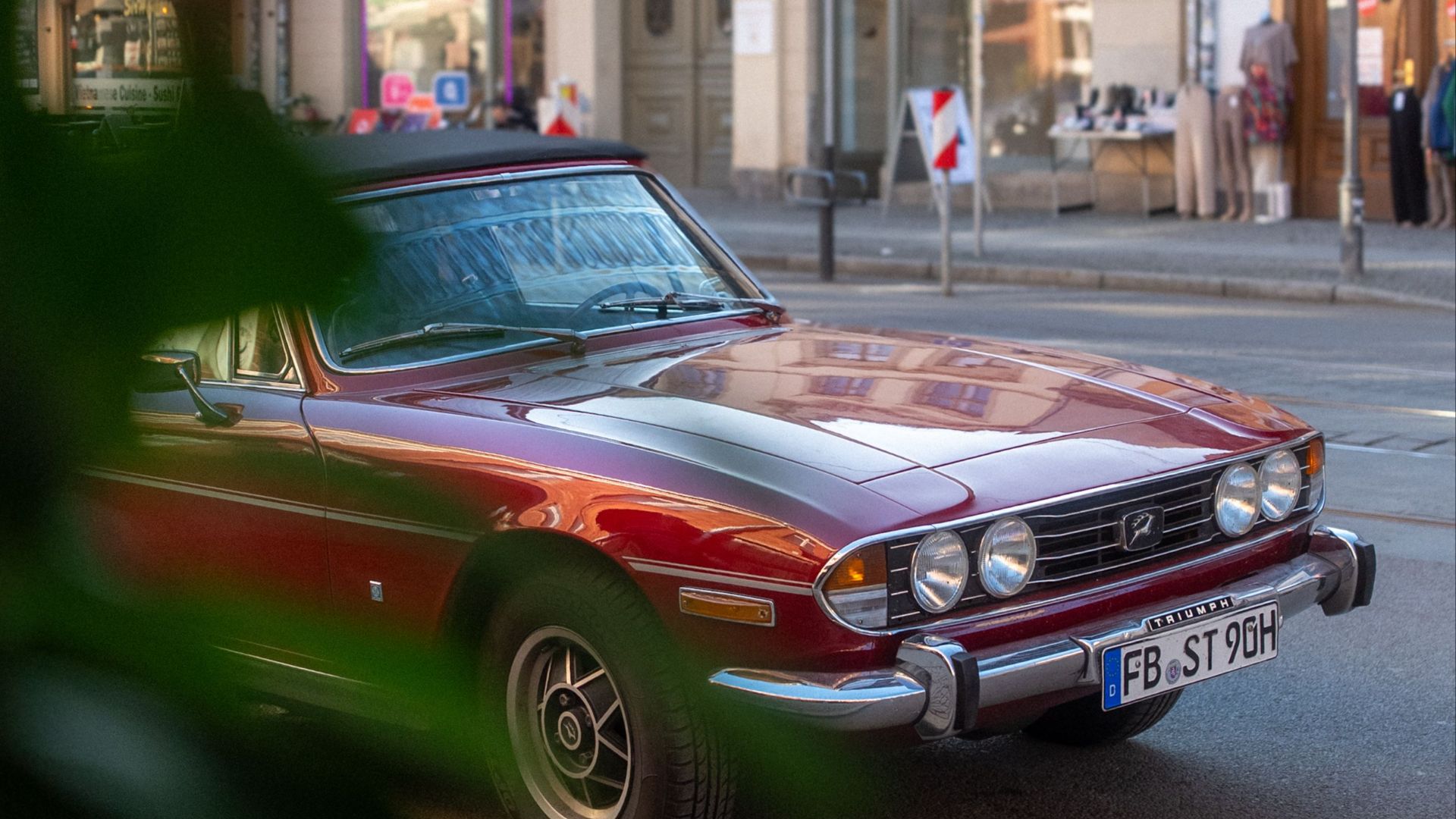
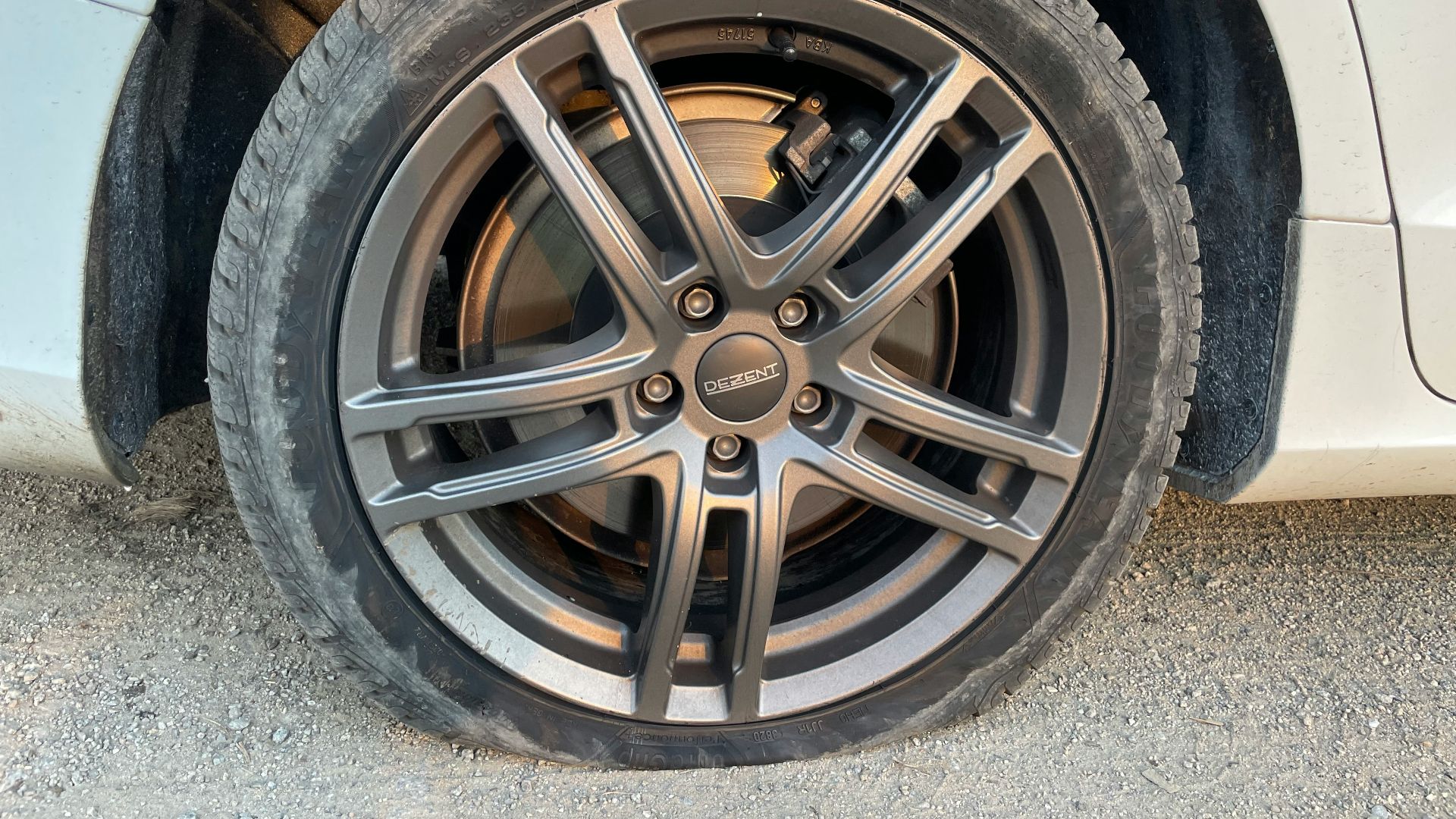
5. Your Tires Have Flat Spots
Leaving a classic sitting in the same spot can be hard on its tires, particularly older designs that already struggle with flat spotting. You'll notice the consequences, too; vibration or thumping will undoubtedly hit when you pull onto the road. Driving the vehicle every so often prevents a leisurely cruise from feeling rough.
6. The Interior Smells Musty
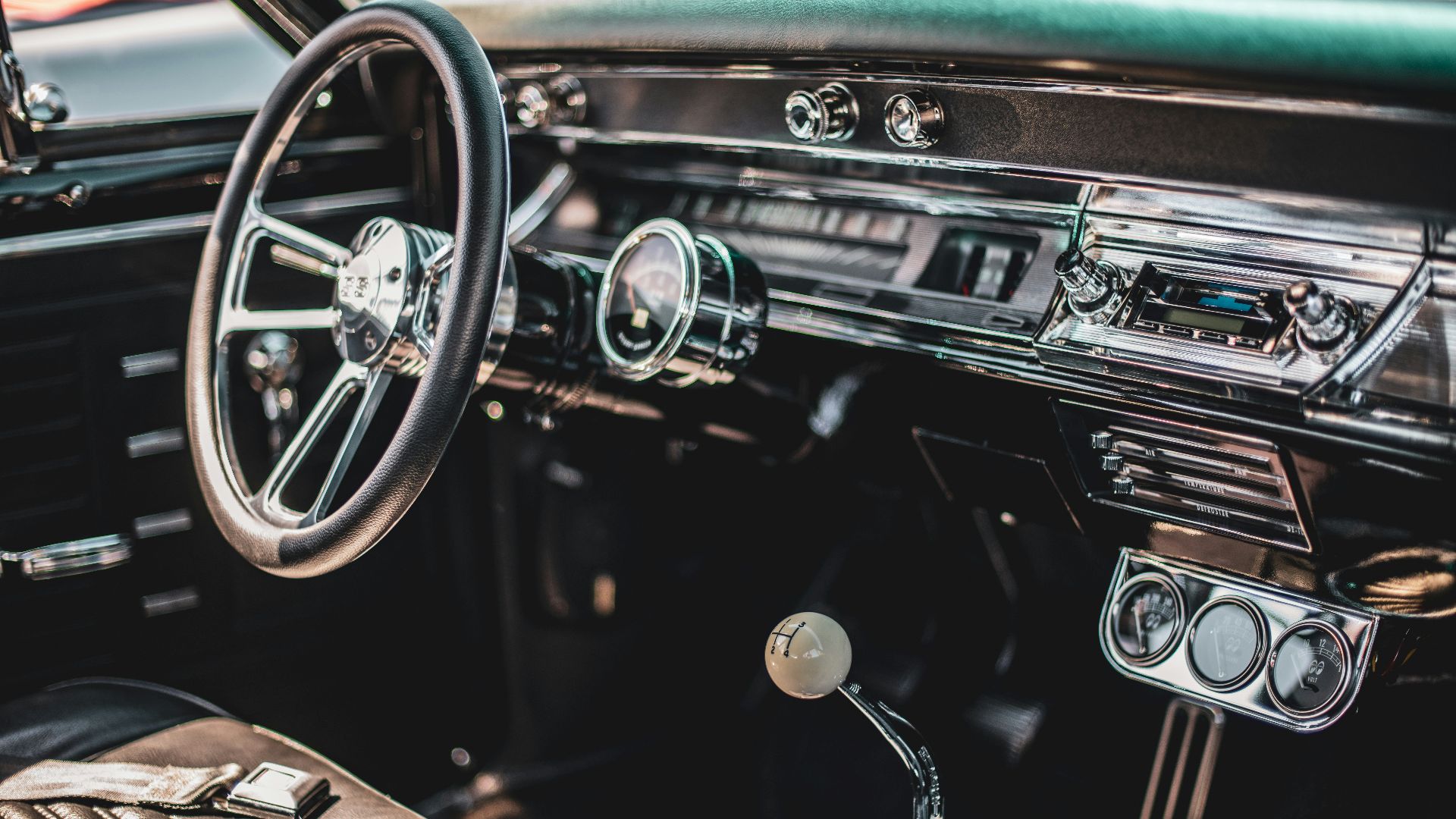
That old-car smell won’t hang around forever, and the odor of older cars is a lot less charming when damp carpeting or moisture is responsible for it. That’s why everyday maintenance is so important. A convertible with a leaking roof seal, for example, can collect water underneath the carpet long before you spot any damage.
7. The Brake Pedal Feels Wrong
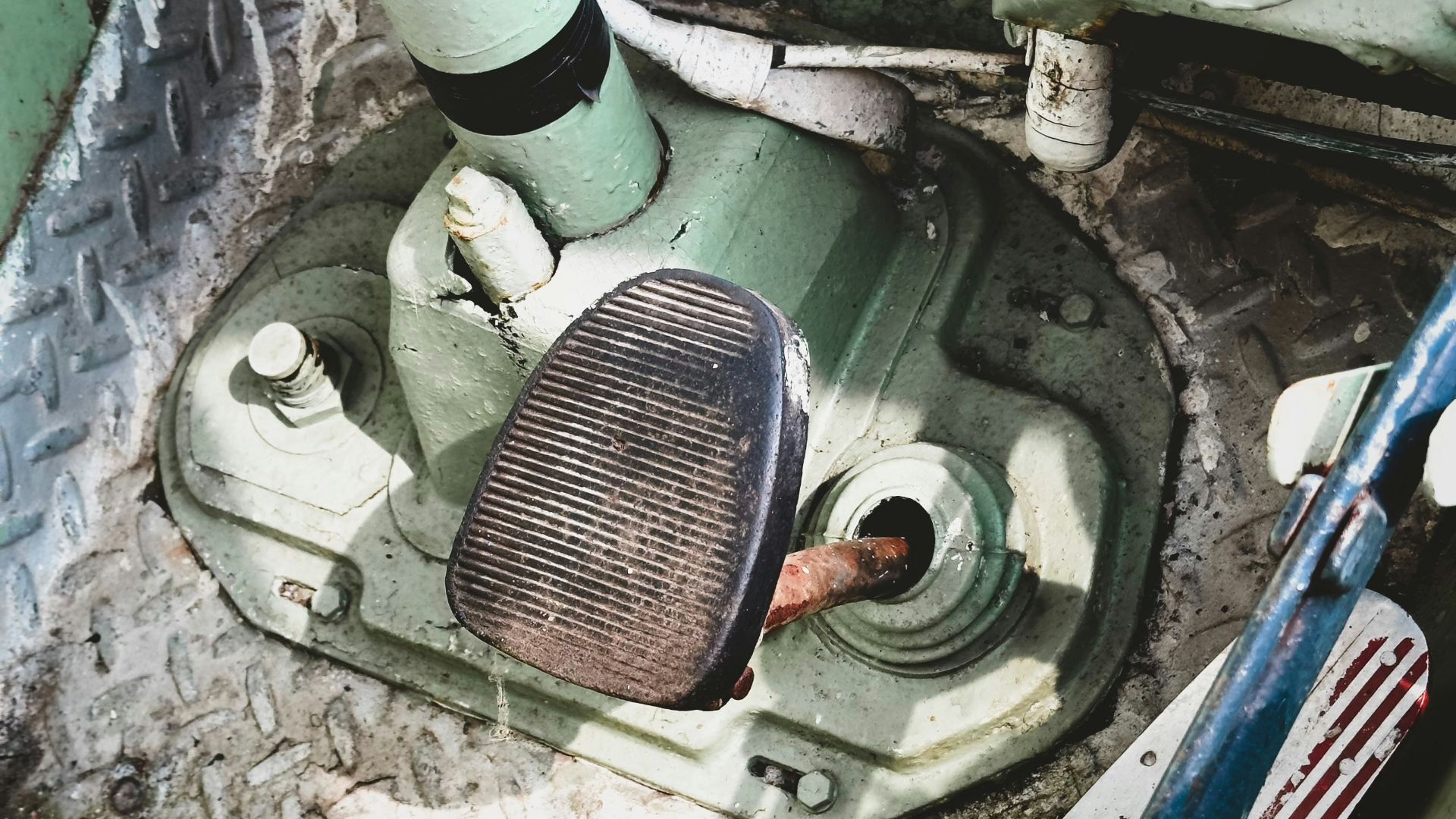
Brake pedals tell you a lot with how they feel! A soft, sinking, or inconsistent pedal isn't something you should just accept. Older systems and aging hydraulic components need regular inspection, especially because a pedal that sinks can mean a serious problem.
8. The Battery Keeps Going Dead
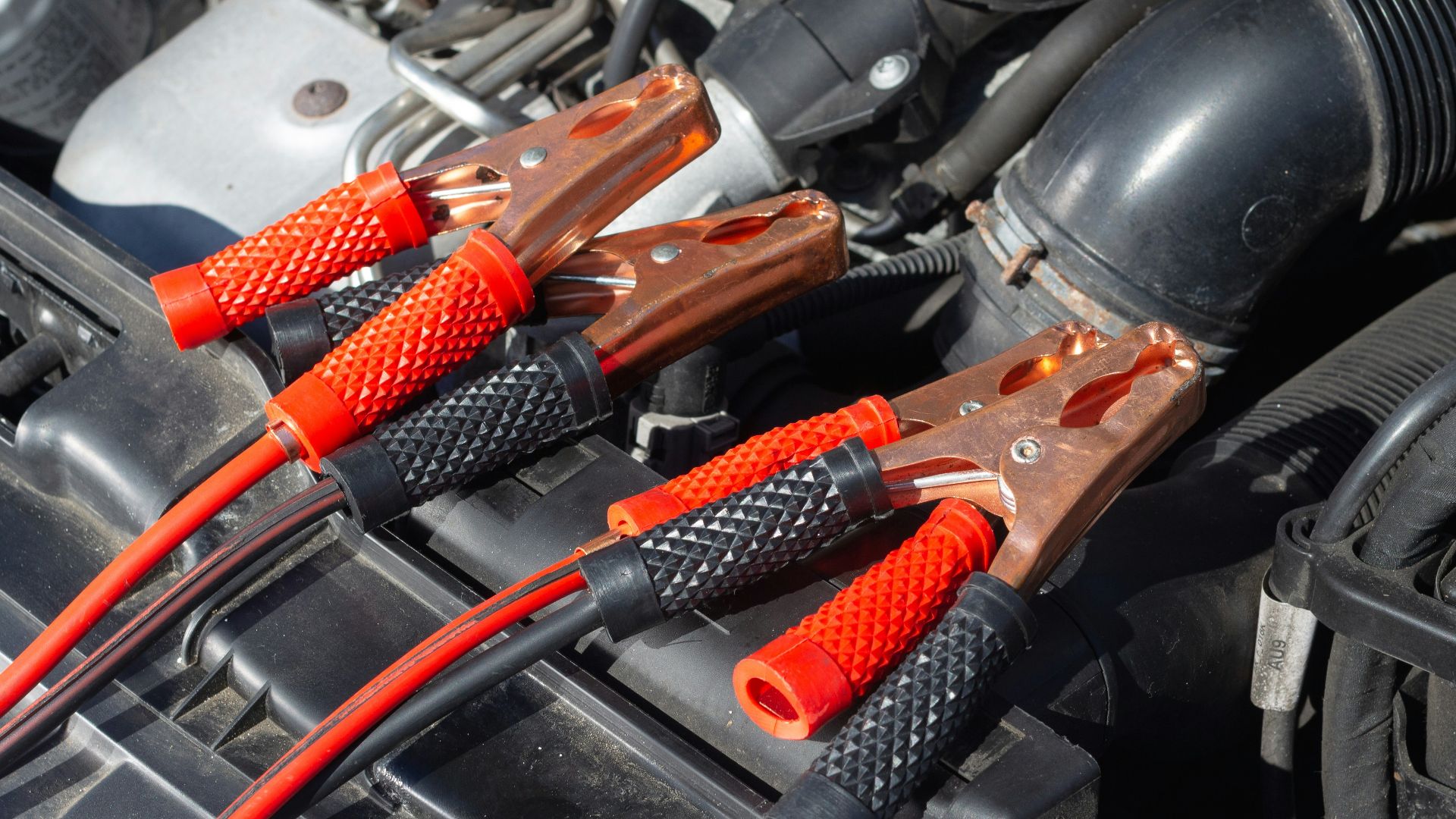
If you're reaching for jumper cables every time you take the car out, something isn't working. Remember that classic cars that sit for too long can lose charge, which is why battery maintainers are commonly used during storage. Corroded terminals, a weak battery, or an electrical drain also deserve professional attention, not just another jump-start.
 Daniel @ bestjumpstarterreview.com on Unsplash
9. The Oil Looks Off
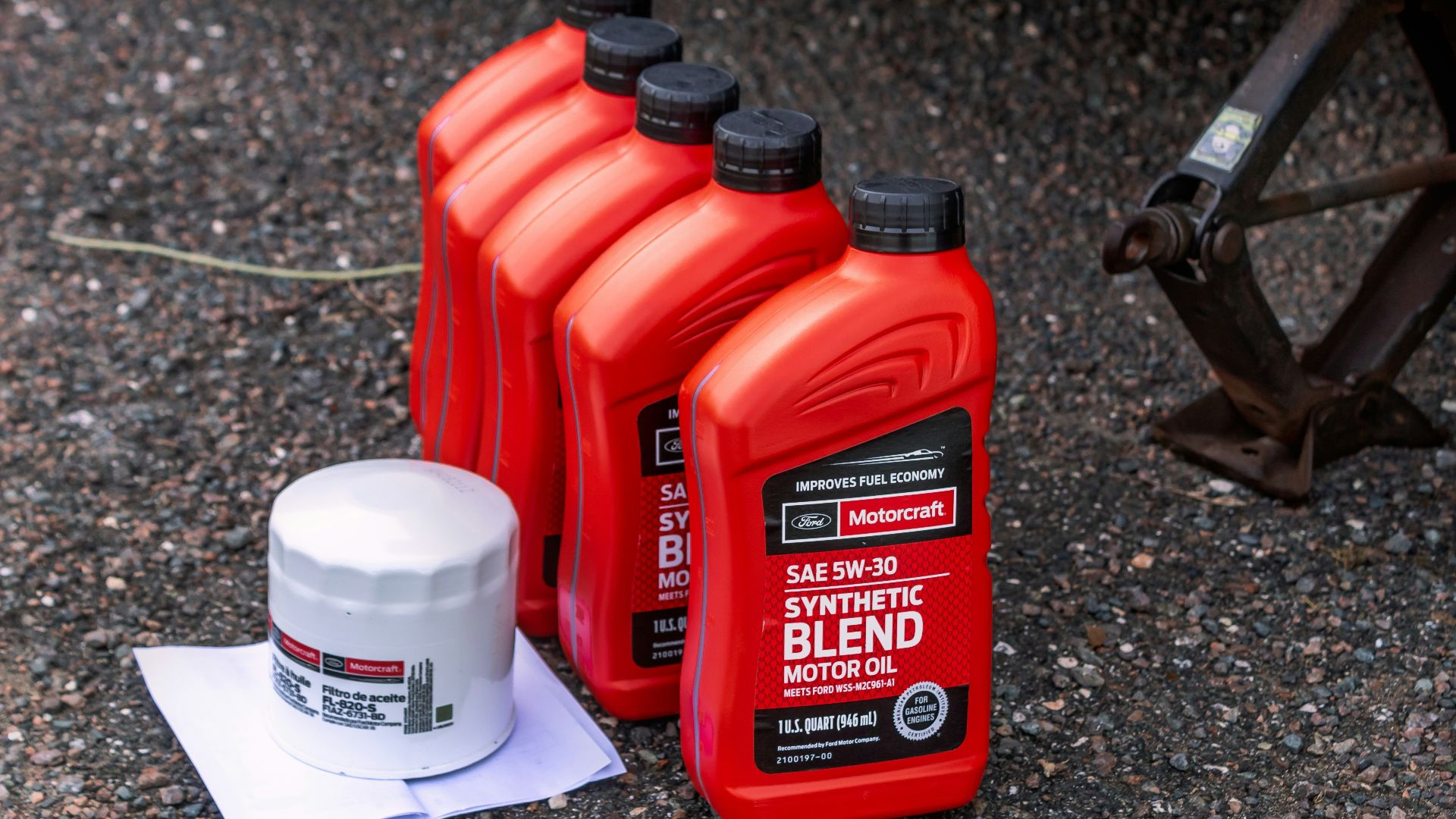
You don't need fancy equipment to see oil that's obviously overdue for replacement. Classic engines depend on clean oil just as much as the newer guys do, so be sure to check the dipstick regularly. It's not enough to peep under the hood only when something starts making noise.
10. The Steering Has Gotten Vague
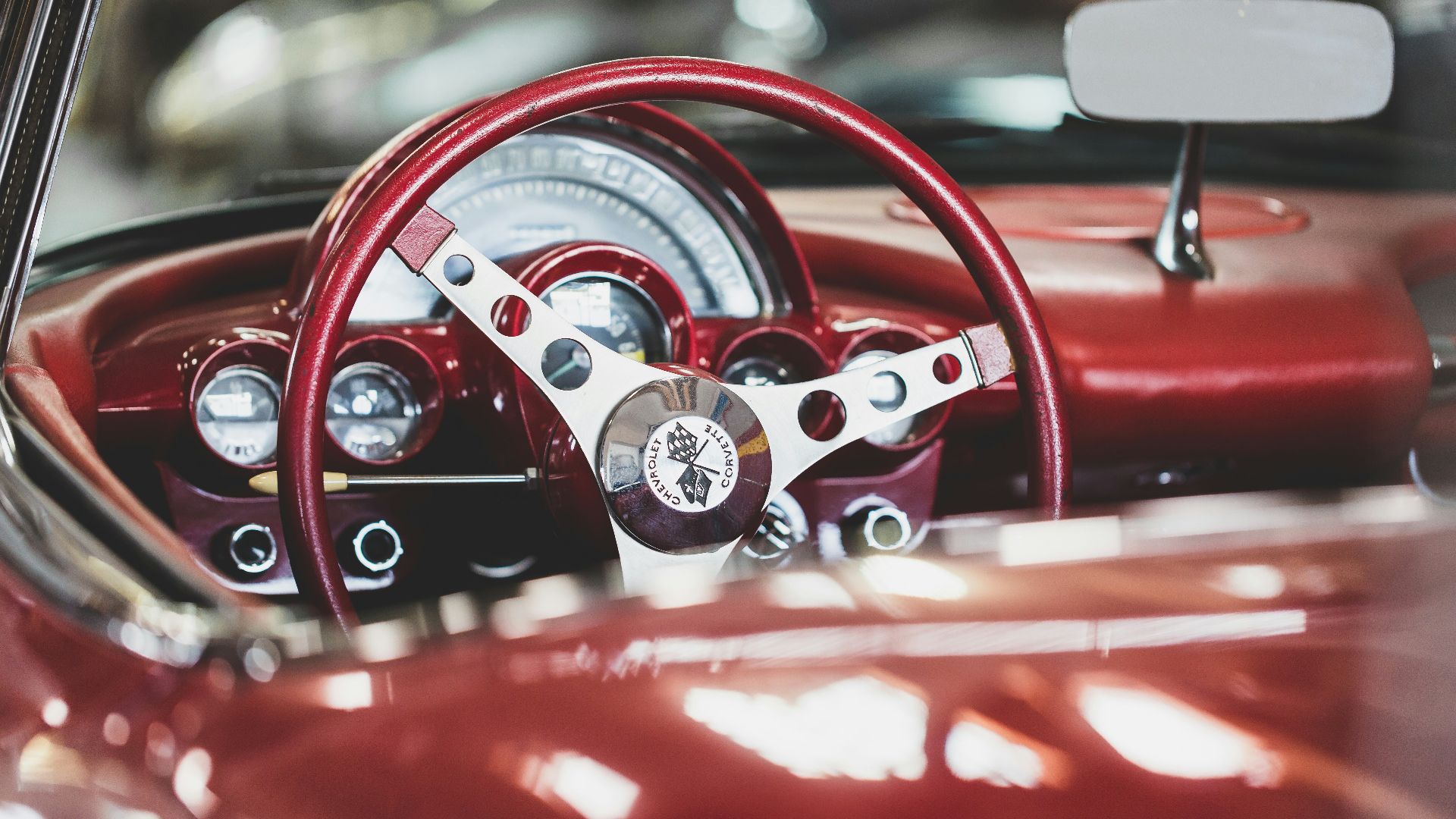
Nobody expects a 1960s sedan to steer like a brand-new sports car, but worsening looseness isn’t "classic-car behavior." Worn tie-rod ends, steering-box components, or incorrect alignment can all contribute to sloppy responses, and they’re all worth paying attention to. You shouldn’t be making constant little corrections just to travel straight.
11. Ancient Coolant
Coolant doesn't earn lifetime status just because your car spends its time tucked under a cover. Old coolant can leave the cooling system vulnerable to corrosion, and low levels can indicate a leak somewhere. Regular checks are especially important with older vehicles—overheating can cause expensive repairs.
12. Hard and Cracked Hoses
Rubber doesn't care how collectible that car is! Decades of heat cycles eventually take their toll. Hoses that feel brittle or visibly cracked can fail and leave a beautifully maintained car stranded on the side of the road. It’s worth feeling older hoses for softness and inspecting them for deterioration.
13. The Chrome is Covered in Pitting
Though it might not seem like it, bumpers, window trim, and mirrors can quickly reveal whether a classic spends its life dry or gathering moisture. Light surface marks may be manageable enough, but deep pitting? That’s far worse to correct.
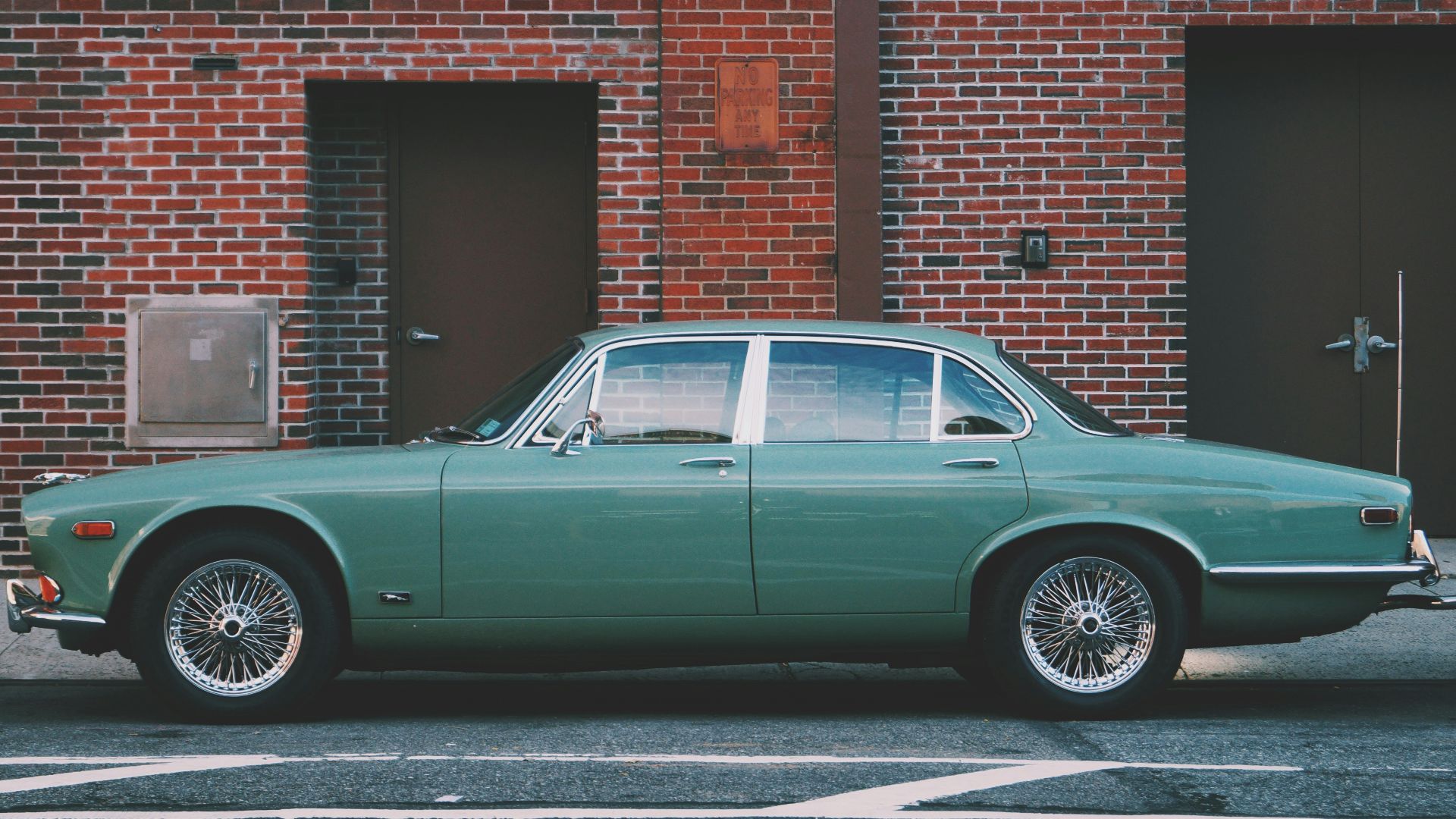
14. The Fuel Smells Bad
Old gas shouldn't just hang around in the tank. It doesn’t matter if you aren't putting many miles on the car, either. Cars stored for months can develop fuel-related problems as gas degrades. If the fuel smells stale, don't make the mistake of assuming one drive will clear everything up.
15. Your Service History is Just Guesswork
Old cars need to be serviced the same way newer models do. There’s no shame in asking when the oil, belts, plugs, or coolant were last changed. Maintenance records let you track what's actually been serviced while also giving future mechanics some evidence about the car's history.

16. Cracking Upholstery
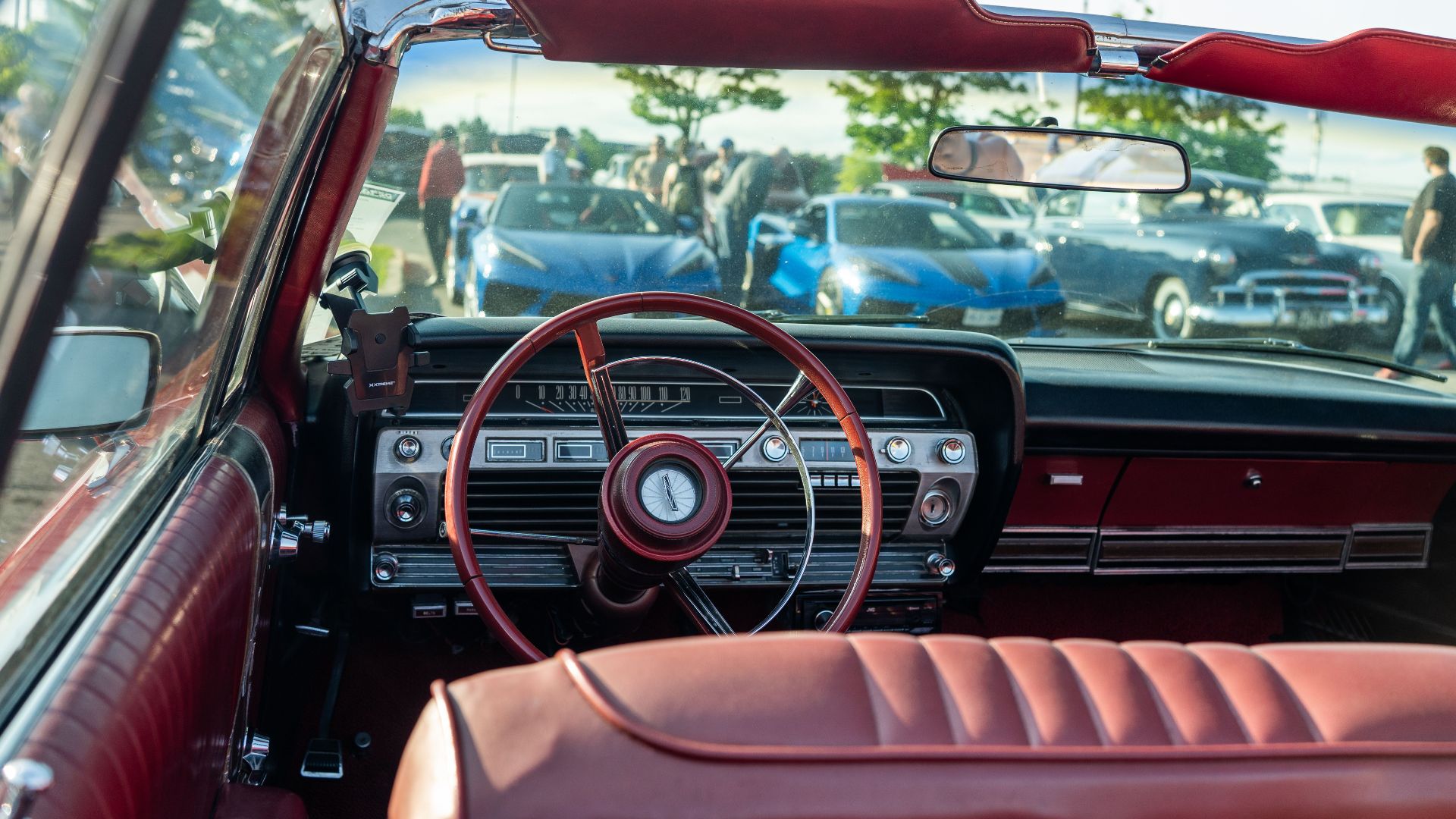
No one wants to sit in an old car with even older upholstery—least of all you! The thing is, sunlight, heat, and years without conditioning can turn good leather into nothing more than a brittle surface. Interior protection matters outside the seats, too; dashboards can fade, and carpets retain moisture as they age.
17. Every Belt Squeals For Attention
A squealing belt might seem like nothing at first, but don’t ignore it. Aging belts can crack, loosen, or deteriorate, and failure affects important accessories. Open the hood and have a look at what's making all the racket, and do it before your classic chooses a less convenient way to flag your attention.

18. The Engine Bay is Buried in Grime
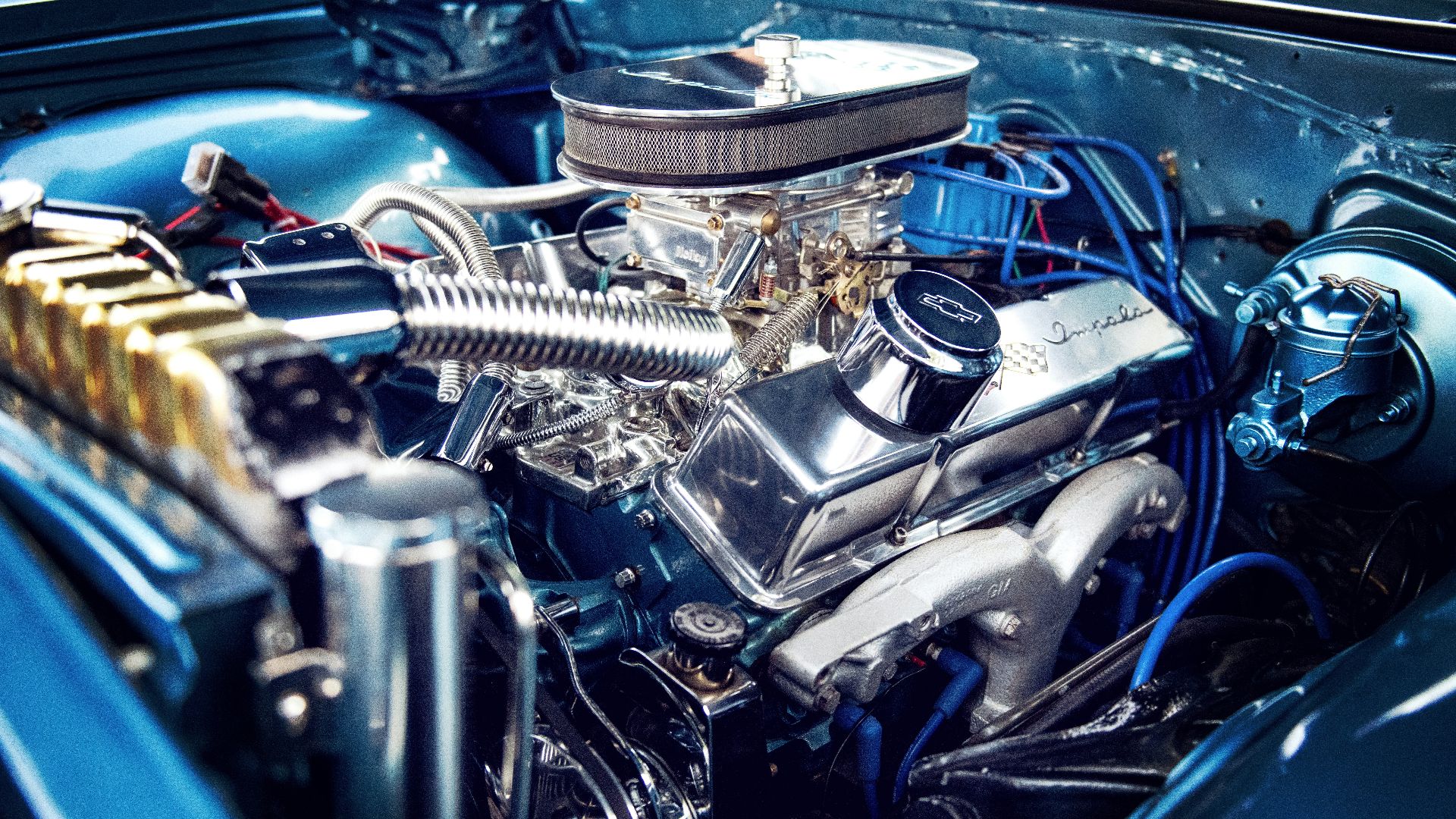
Nobody says the engine needs to be perfect, but years of dirt can hide problems you really ought to see. That’s why keeping surfaces clean makes any damaged components easier to notice. Best of all, you can spot that stuff during routine checks.
19. The Lights Have a Mind of Their Own
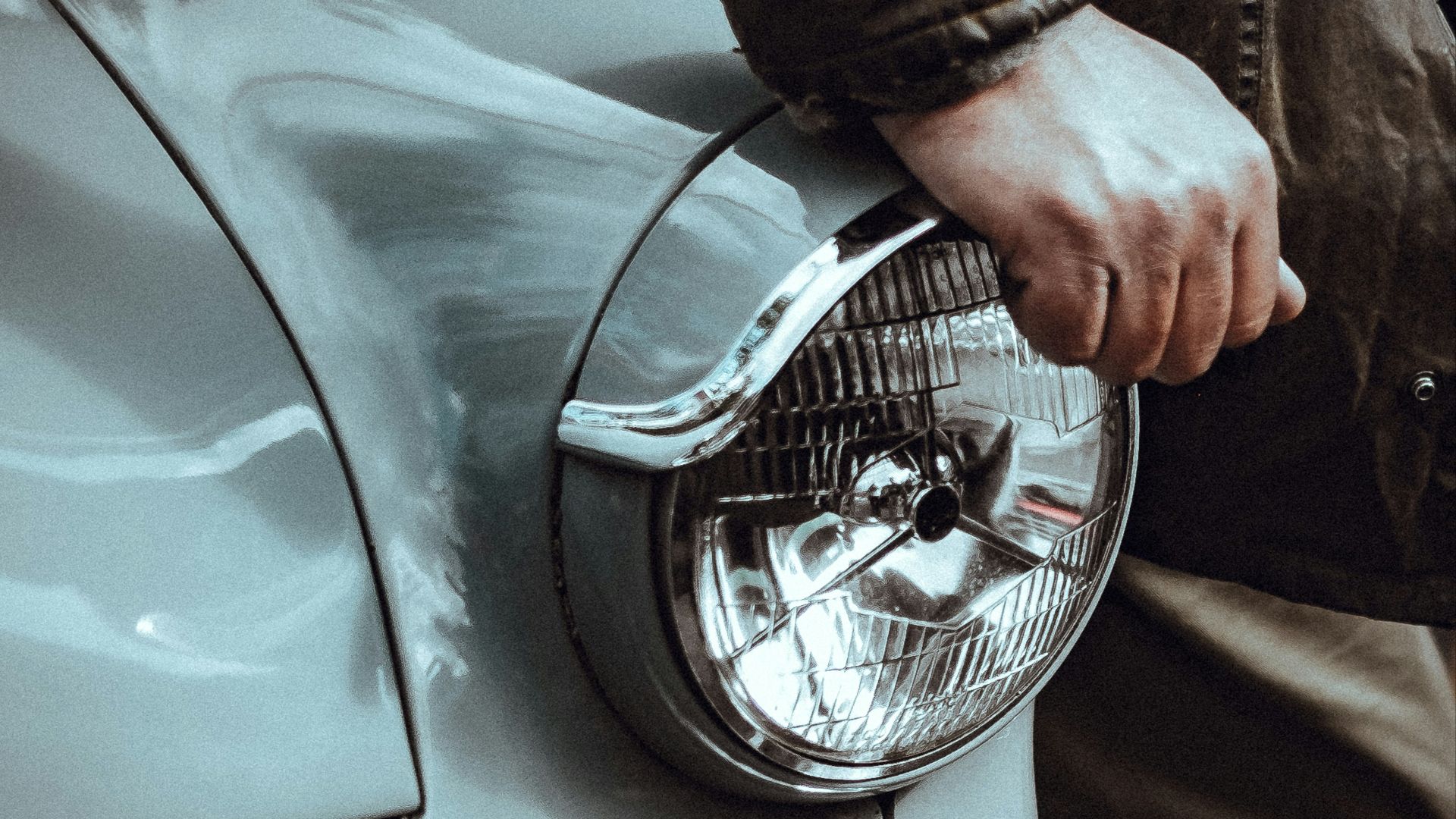
Headlights that flicker? Turn signals with a mind of their own? That’s not good! Issues like those can point to anything from corroded grounds and damaged wiring to weak charging systems and poorly installed modifications. If you spot any strobe effects, it’s time to check it out.
20. You Can't Remember the Last Inspection
Maybe the clearest warning sign is realizing you haven't inspected the car for years. Don’t forget that classics come without modern warning systems, so no one will do the maintenance work for you. If the entire strategy has been "it still runs," your classic has been more patient than it should be.