20 Cars That Were Quietly Killed Off for Embarrassing Reasons
Not Every Car Deserves a Second Chance
Car companies spend millions developing new vehicles, but even the biggest names occasionally produce something they'd probably rather forget. While some cars disappear because of changing consumer preferences, others are discontinued after questionable design decisions, disappointing sales, or problems that really should've been caught before production. Sometimes, a manufacturer introduces something so confusing that buyers simply don't know what to make of it. From luxury vehicles nobody wanted to bizarre experiments that barely lasted a year, these 20 cars disappeared for reasons their manufacturers probably weren't too eager to discuss.
1. Pontiac Fiero
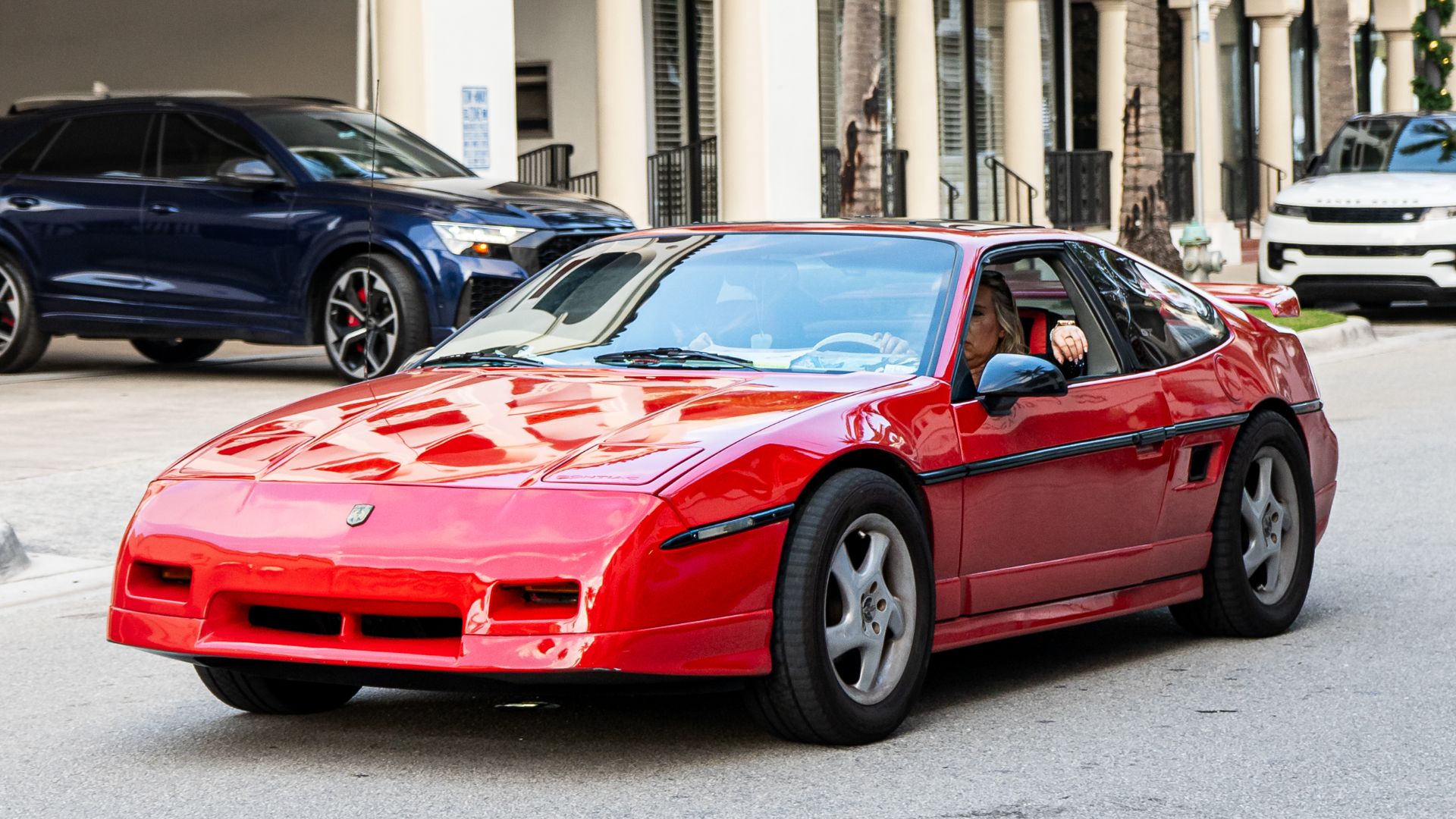
The Pontiac Fiero initially looked promising, but reports of engine fires soon turned the affordable sports car into a major embarrassment for General Motors. Problems involving oil leaks and overheating led to recalls, while stories of Fieros catching fire severely damaged the model's reputation. Declining sales and the Fiero's troubled public image contributed to the decision to discontinue it in 1988.
2. Lincoln Blackwood
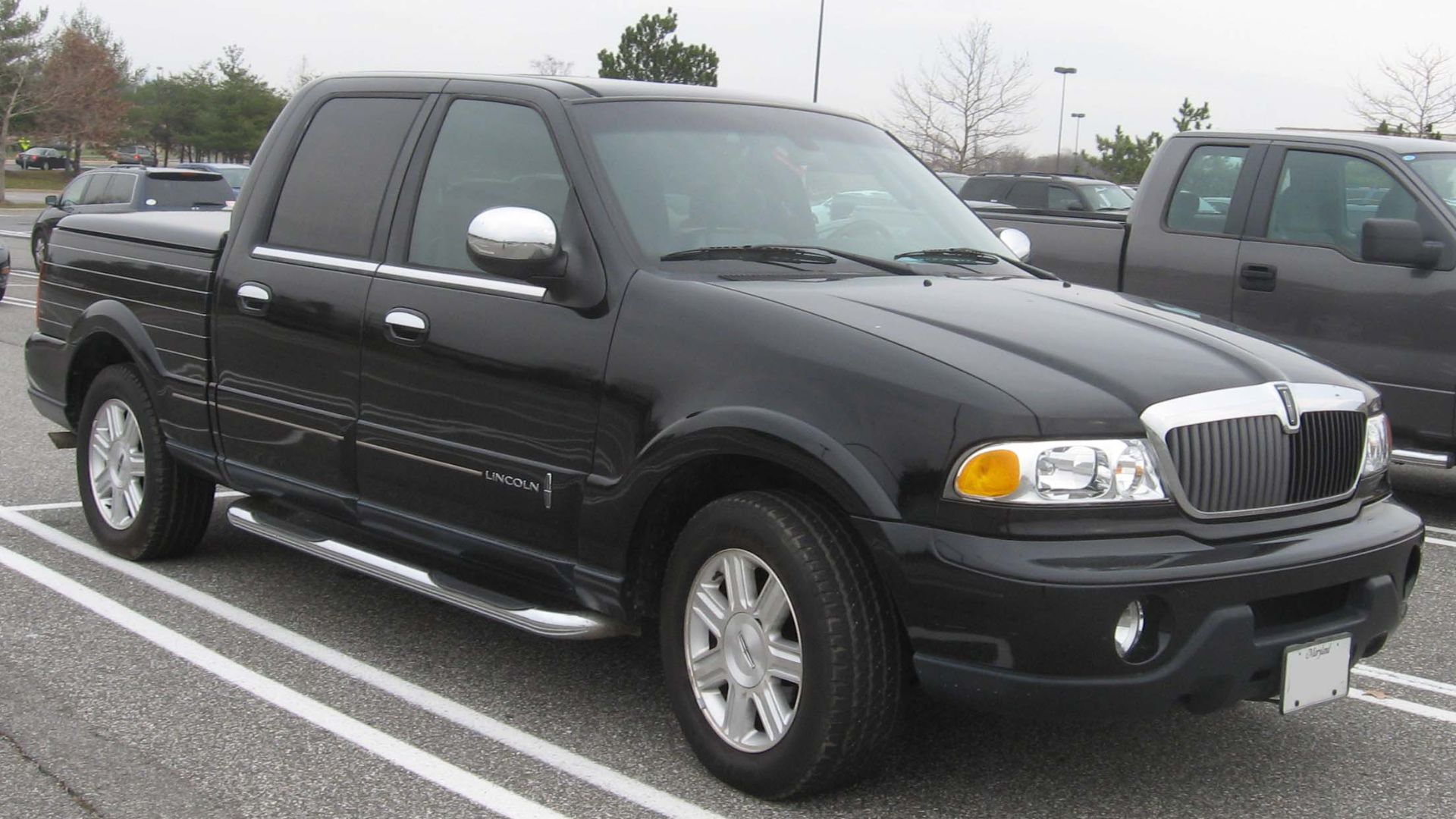
Lincoln apparently believed wealthy customers wanted a luxury pickup truck, but the Blackwood made one particularly embarrassing mistake by sacrificing much of what made a pickup useful in the first place. Its cargo bed featured a power-operated cover and an elaborate interior finish, while the truck was available only with rear-wheel drive. Unsurprisingly, buyers weren't too interested in paying luxury-car prices for a pickup that struggled with ordinary truck duties, and Lincoln abandoned it after a single model year in the U.S.
3. Nissan Murano CrossCabriolet
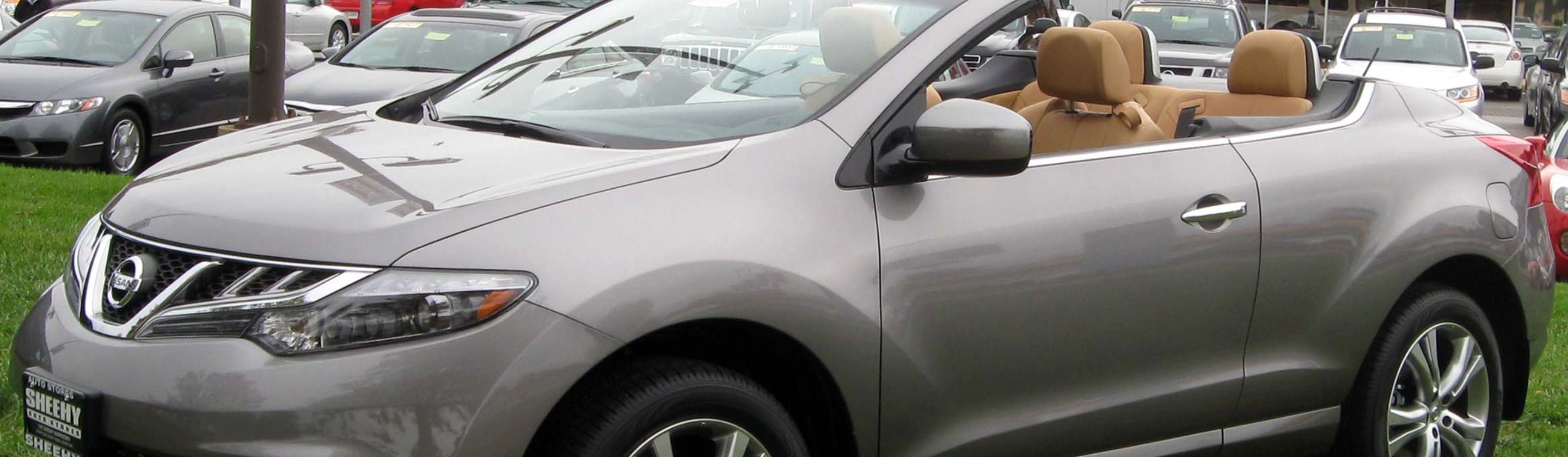
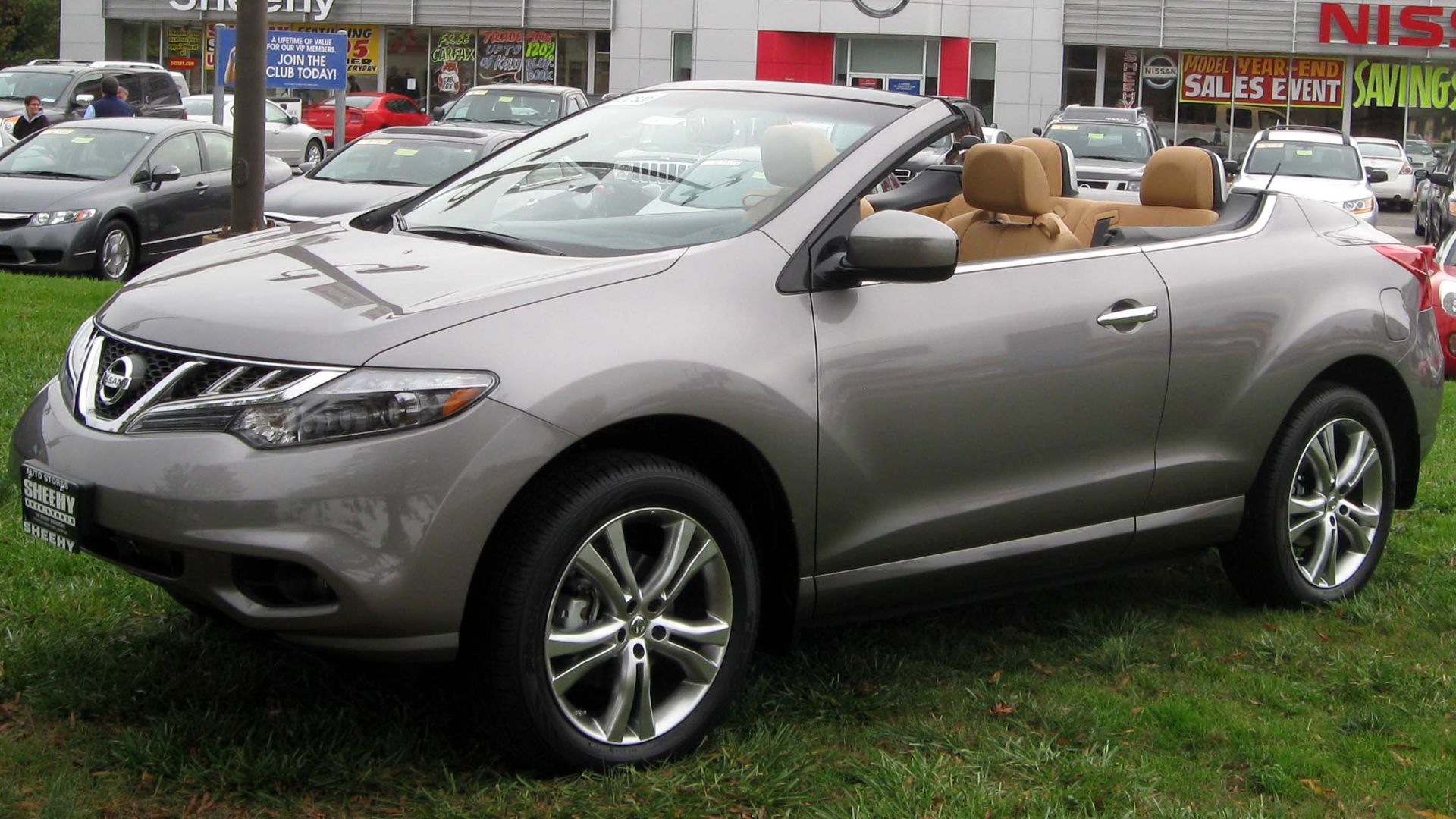
Who exactly was asking for a convertible crossover SUV? That's the question Nissan seemed to have trouble answering after introducing the Murano CrossCabriolet, which combined a hefty price tag with unusual styling and limited practicality. Although it offered all-wheel drive and comfortable seating for four, the strange concept never managed to attract much of an audience. Nissan discontinued the model after 2014, leaving behind one of the industry's more confusing experiments.
4. Cadillac Cimarron
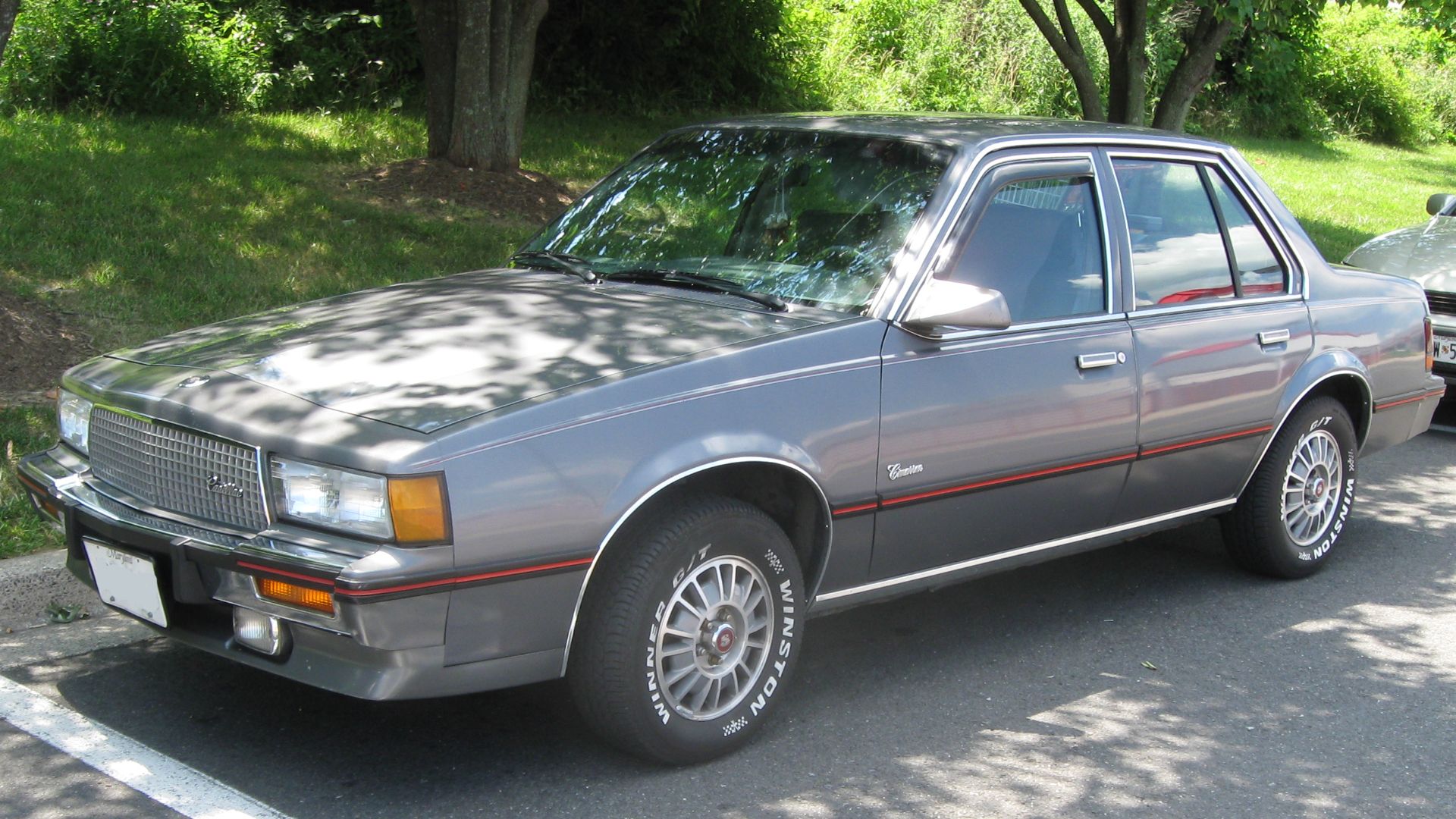
Cadillac wanted an affordable entry into the luxury market, but its solution was essentially a Chevrolet Cavalier with nicer trim and a considerably more prestigious badge. Customers weren't fooled by the similarities, making it difficult to justify the Cimarron's higher price. Instead of attracting a new generation of luxury buyers, the vehicle ended up damaging Cadillac's reputation for exclusivity. Production finally ended in 1988, and the Cimarron remains a frequently cited example of badge engineering gone wrong.
5. Chevrolet SSR
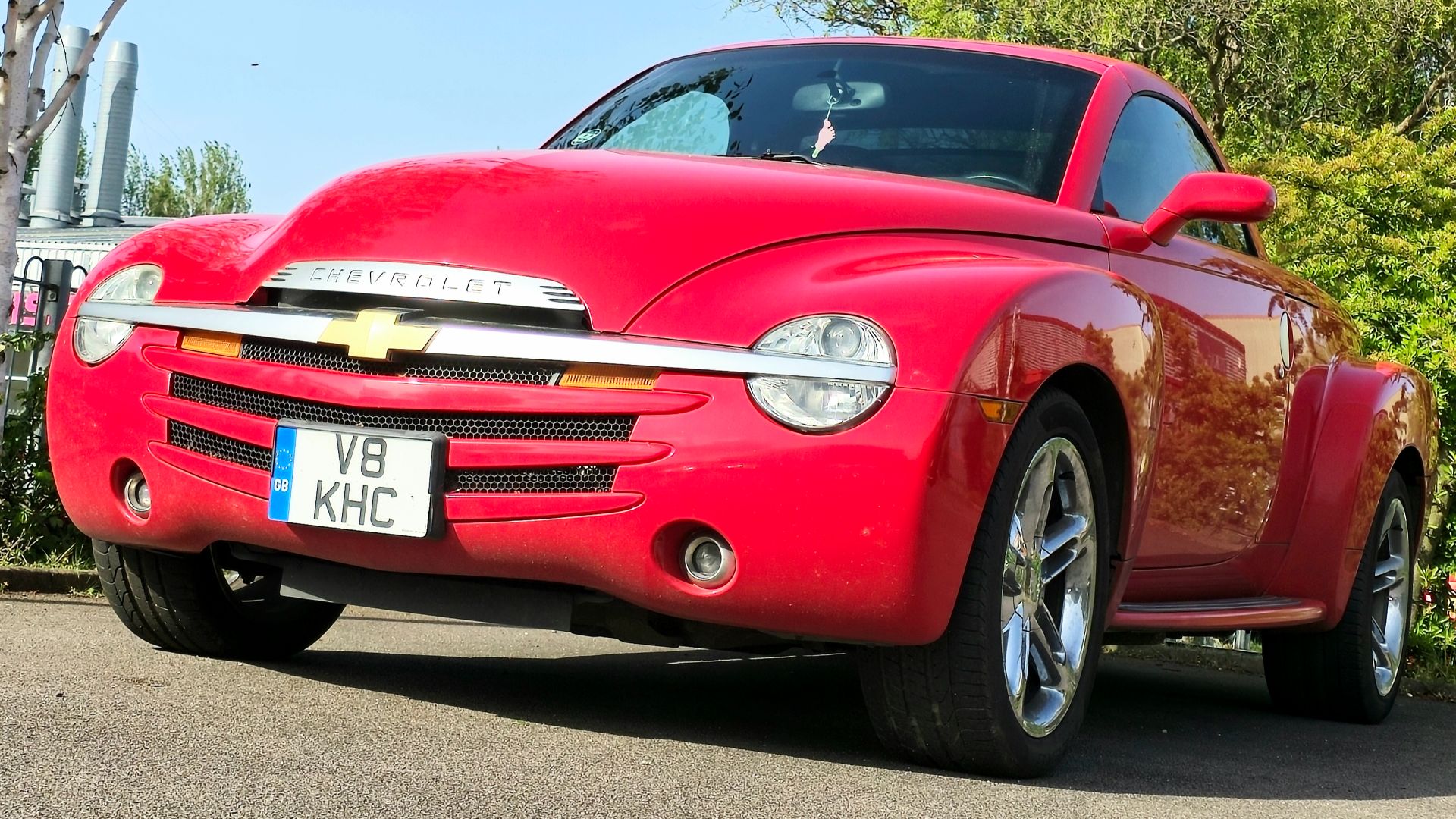
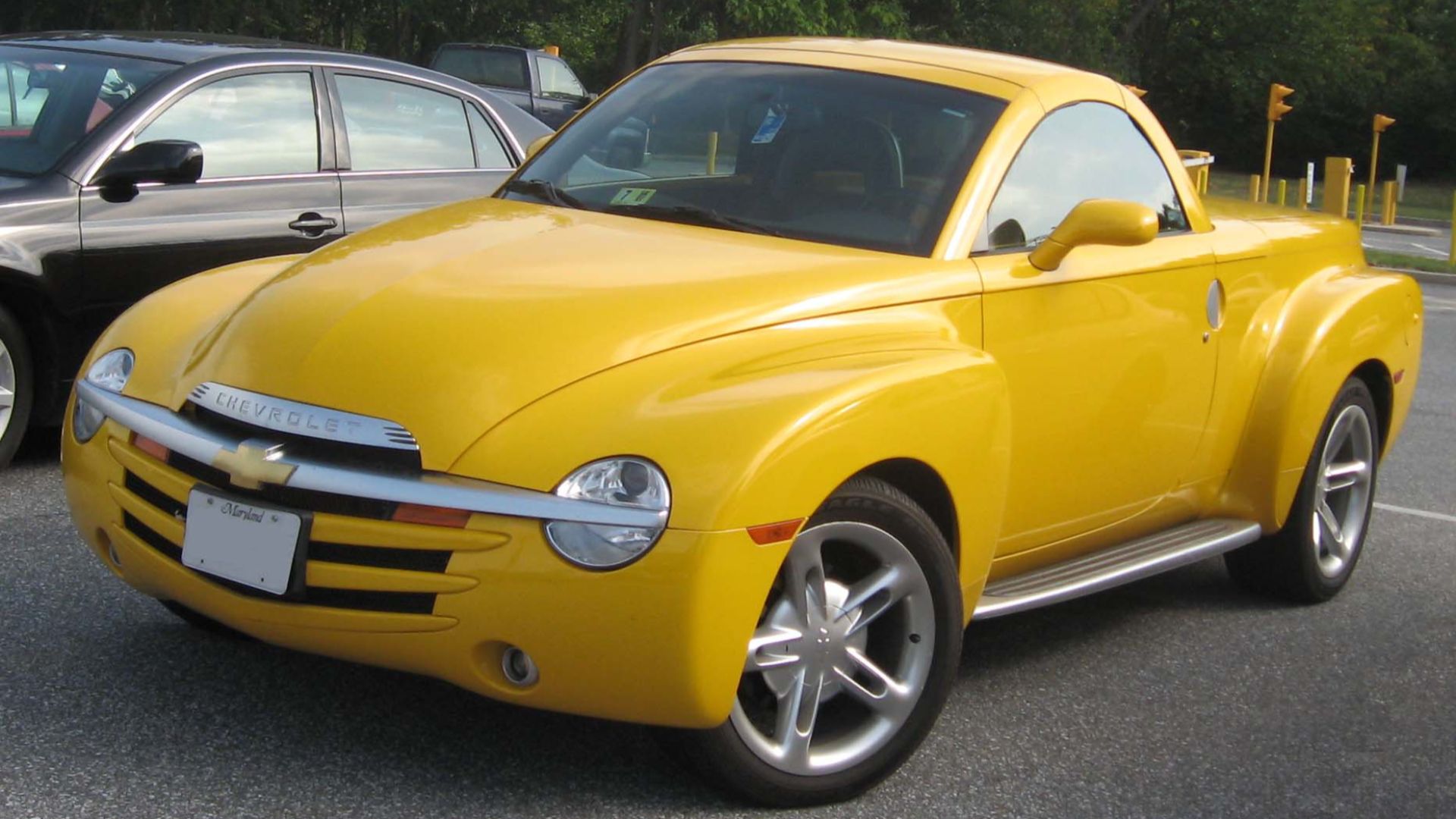
Chevrolet's retro-styled SSR attempted to combine a pickup truck with a convertible sports car, but the finished product wasn't particularly convincing in either category. Its substantial weight, limited cargo capacity, and expensive price tag made it a tough vehicle to recommend. Early models also delivered less performance than buyers probably expected from something with such aggressive styling. Chevrolet discontinued the SSR in 2006 after discovering that its unusual design appealed to a much smaller audience than anticipated.
6. Subaru B9 Tribeca
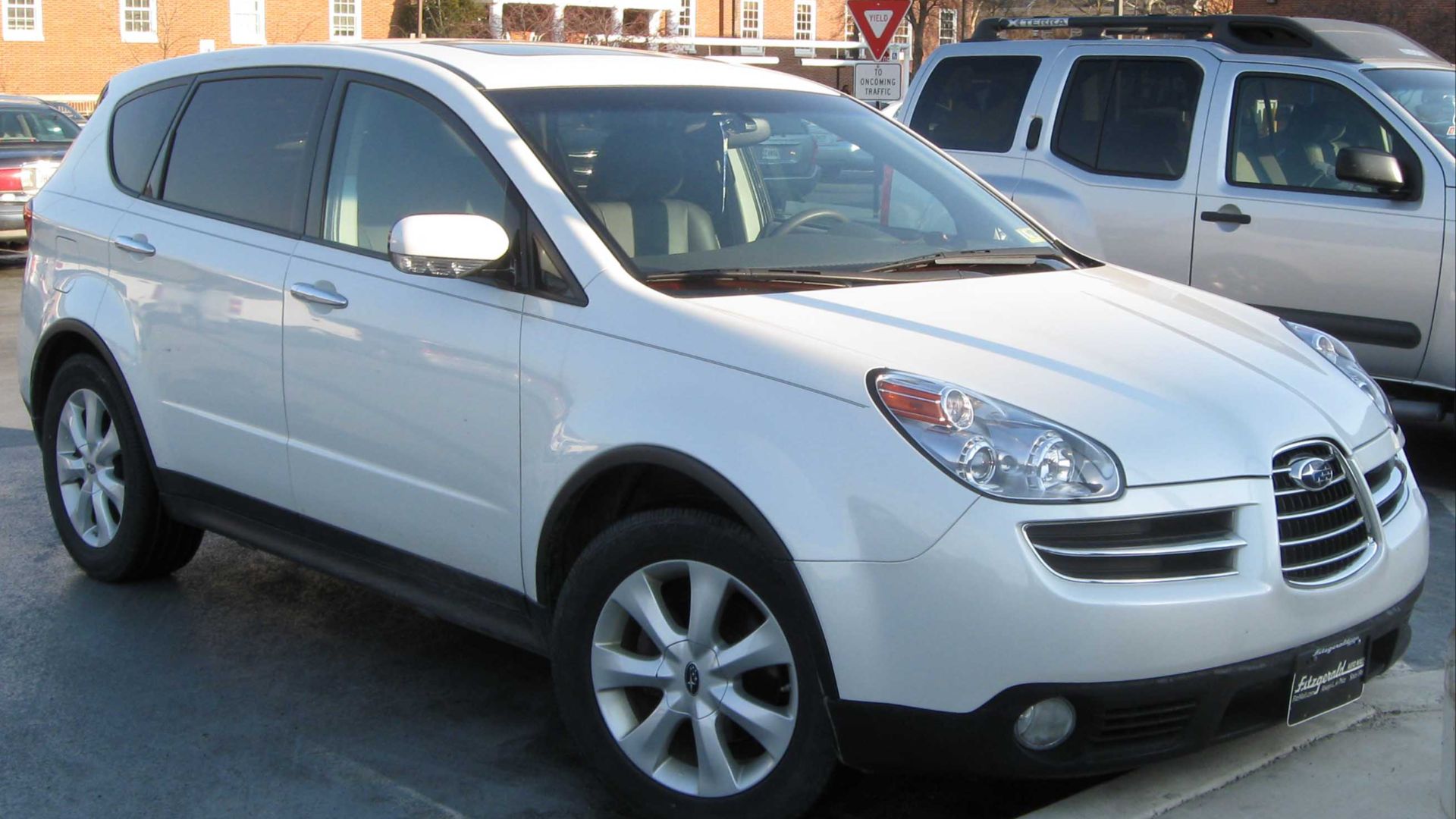
Subaru introduced the B9 Tribeca with a distinctive front grille inspired by historic aviation and automotive designs, although customers weren't exactly impressed with the results. The unusual styling attracted so much criticism that Subaru redesigned the front end for the 2008 model year and dropped the B9 designation altogether. Unfortunately, the cramped third row and relatively poor fuel economy continued to make it less appealing than other family SUVs. Subaru finally pulled the plug on the Tribeca in 2014 after years of disappointing sales.
7. Chrysler TC by Maserati
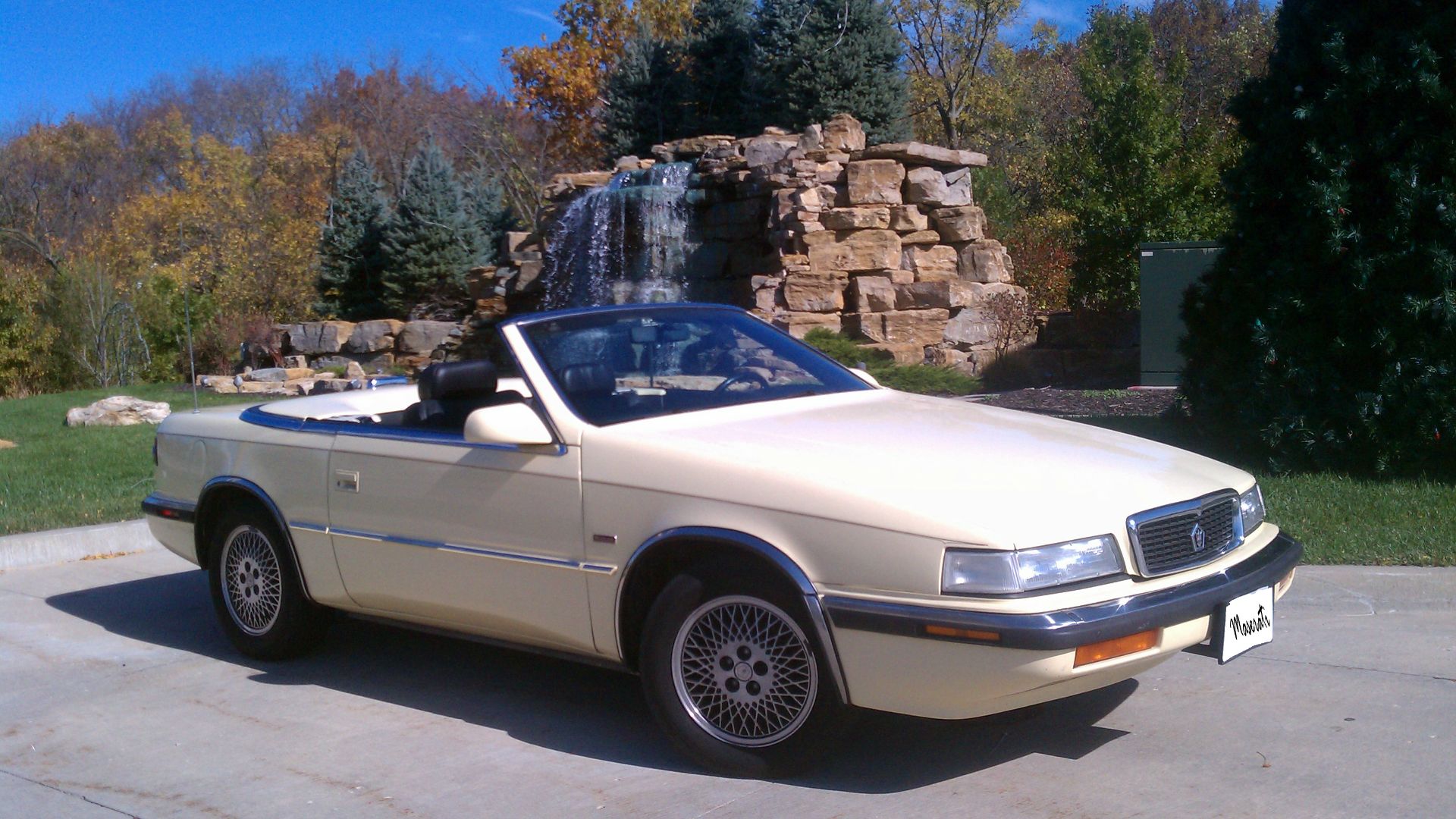
Chrysler's collaboration with Maserati was supposed to produce an exclusive luxury convertible, but the finished car looked suspiciously similar to the much cheaper Chrysler LeBaron. Even its Italian assembly and upscale interior couldn't quite justify the hefty premium. Understandably, customers had trouble seeing why they should spend so much more on something that resembled a vehicle already sitting in Chrysler dealerships. After selling just over 7,000 examples, the company quietly ended production in 1991.
8. Chevrolet Vega
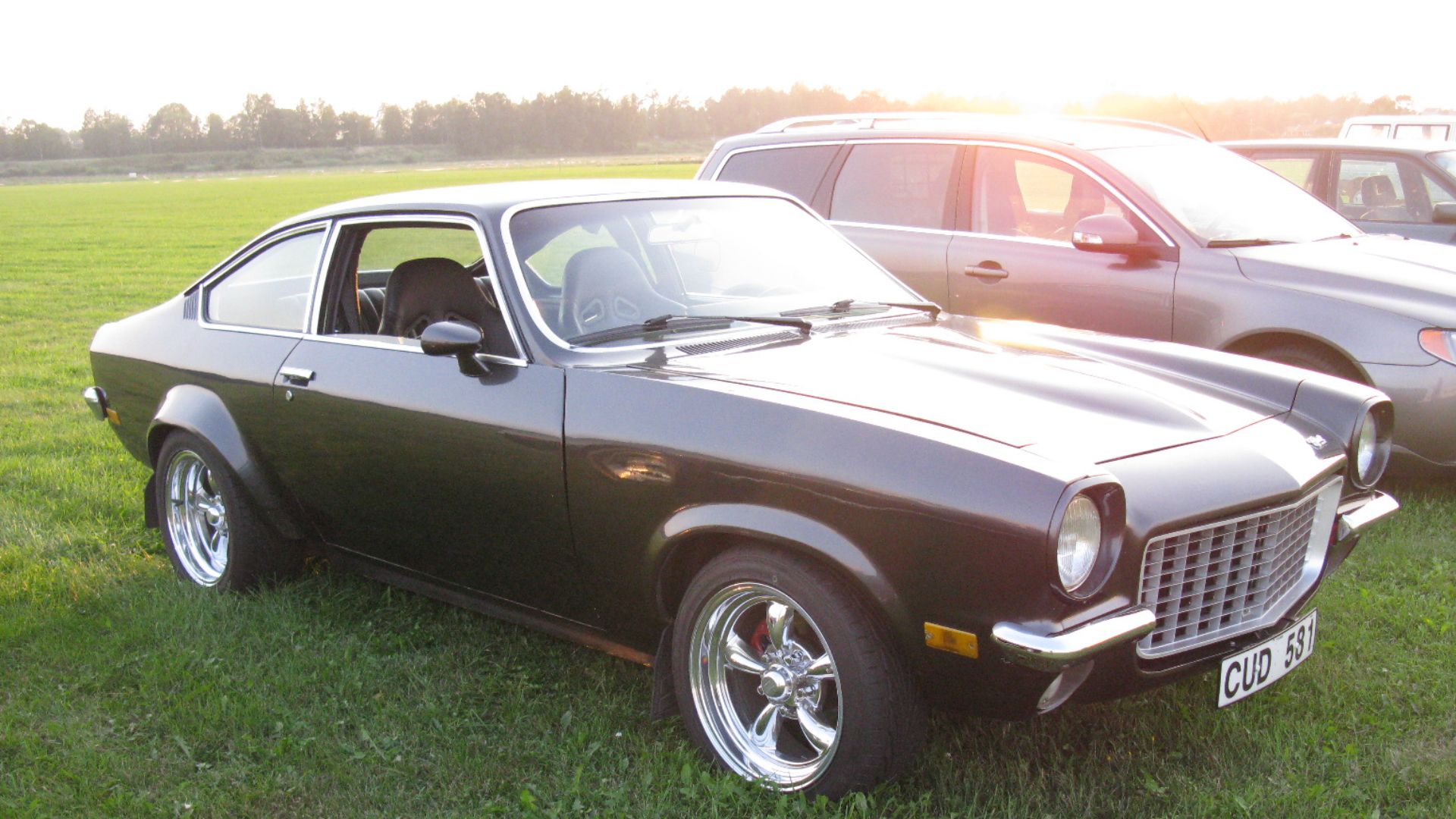
Chevrolet proudly introduced the Vega as an affordable compact car, but owners soon discovered that its ambitious engineering came with some serious problems. Early models suffered from excessive oil consumption, engine failures, rust, and safety defects that resulted in major recalls. The quality problems became so notorious that Chevrolet discontinued the Vega in 1977, even though the company had invested heavily in it.
9. Cadillac XLR
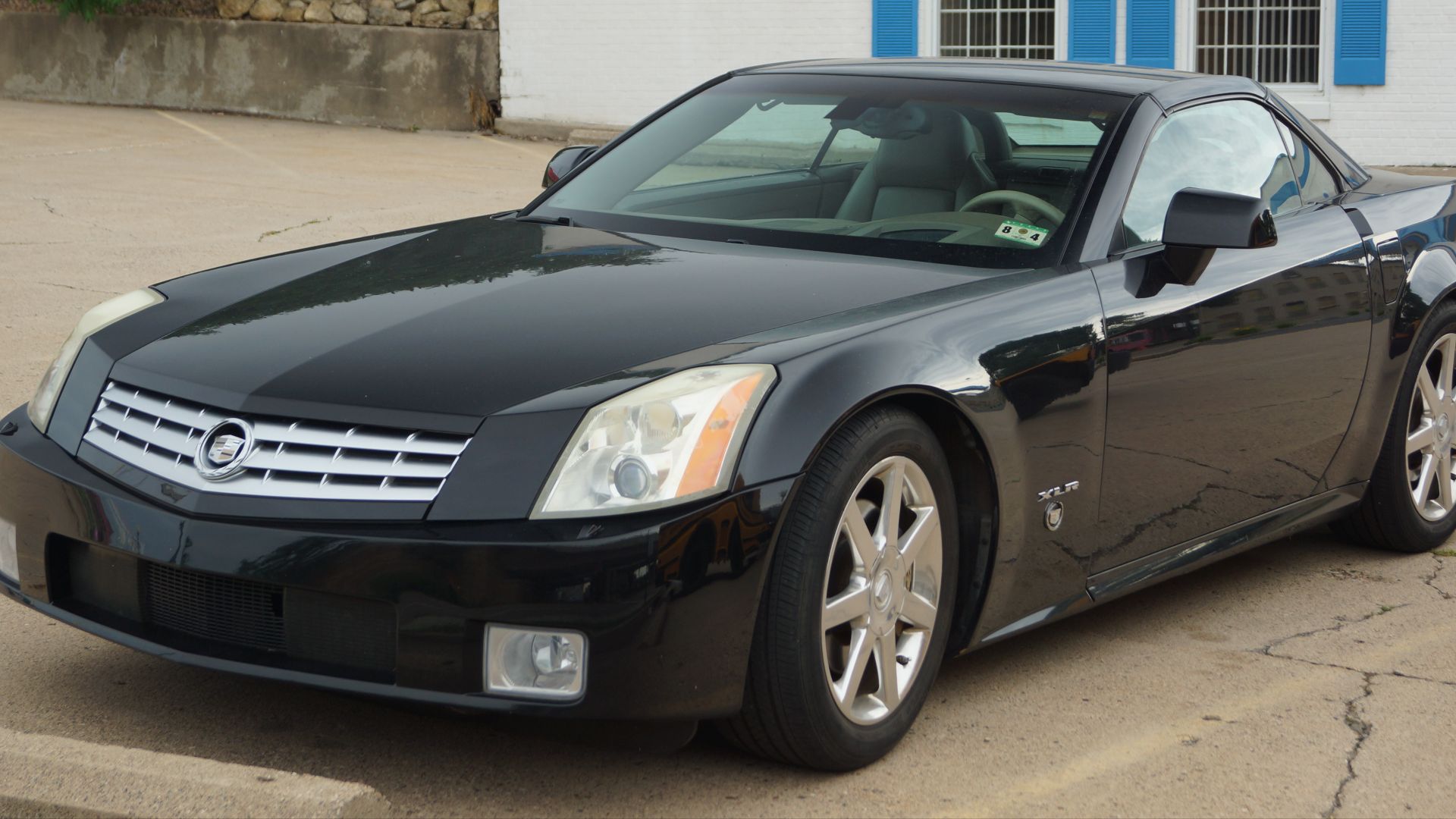
Sharing its basic platform with the Chevrolet Corvette should've given the Cadillac XLR an excellent starting point, especially considering its substantial price tag. However, Cadillac equipped it with a Northstar V8 rather than the Corvette's engine, and the XLR struggled to stand out against established luxury roadsters. Sales never came close to the company's original expectations, even after the more powerful XLR-V arrived. Cadillac discontinued the model in 2009 when demand dropped so low that keeping it in production no longer made much sense.
10. Bricklin SV-1
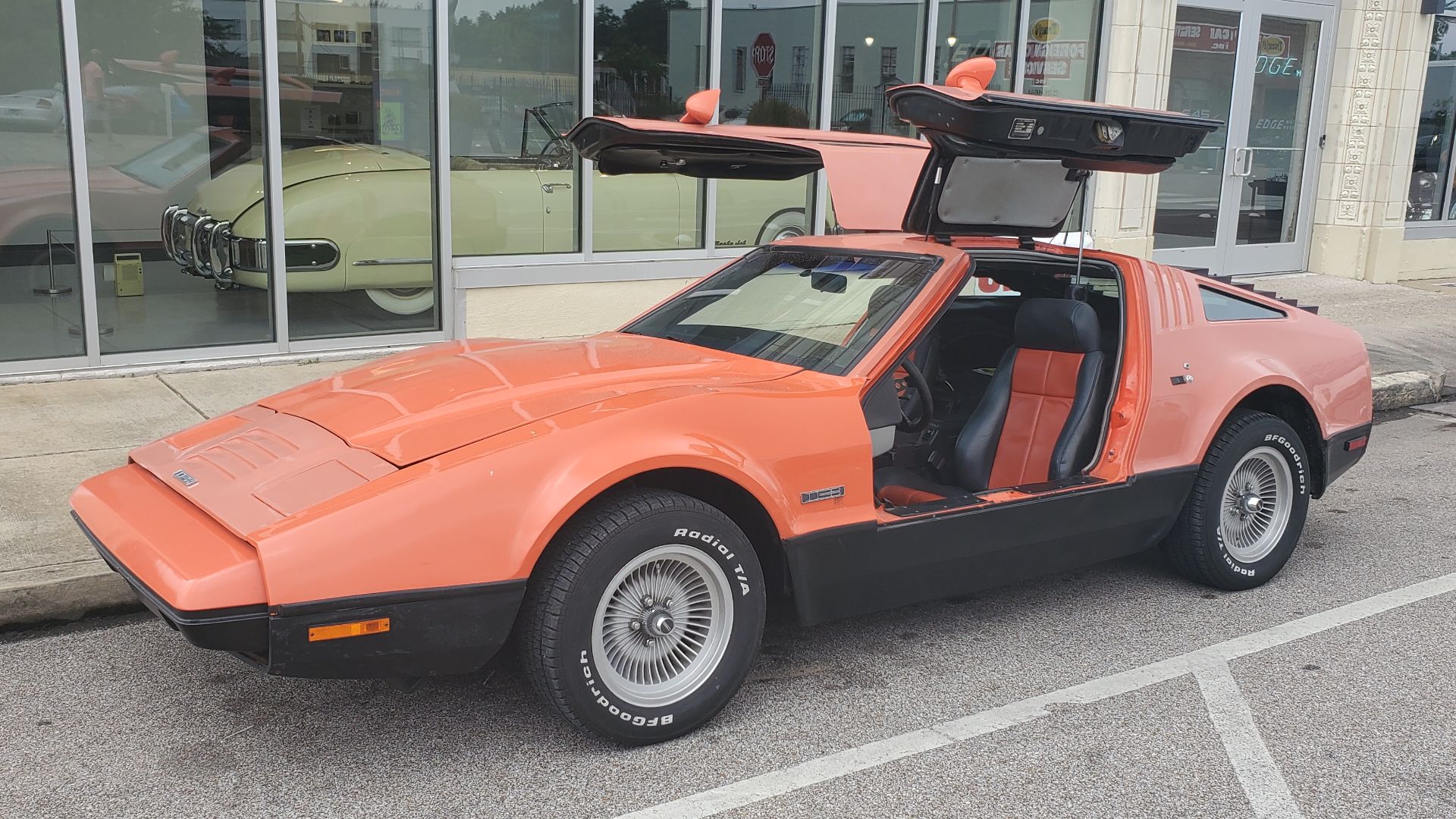
The Bricklin SV-1 was supposed to establish New Brunswick as an automotive manufacturing center, with the provincial government providing substantial public funding. Unfortunately, production problems, financial difficulties, and disappointing sales quickly undermined the ambitious project. The company collapsed in 1975 after producing fewer than 3,000 cars, leaving taxpayers facing losses of nearly $23 million and turning the entire venture into a political embarrassment.
11. Dodge Caliber
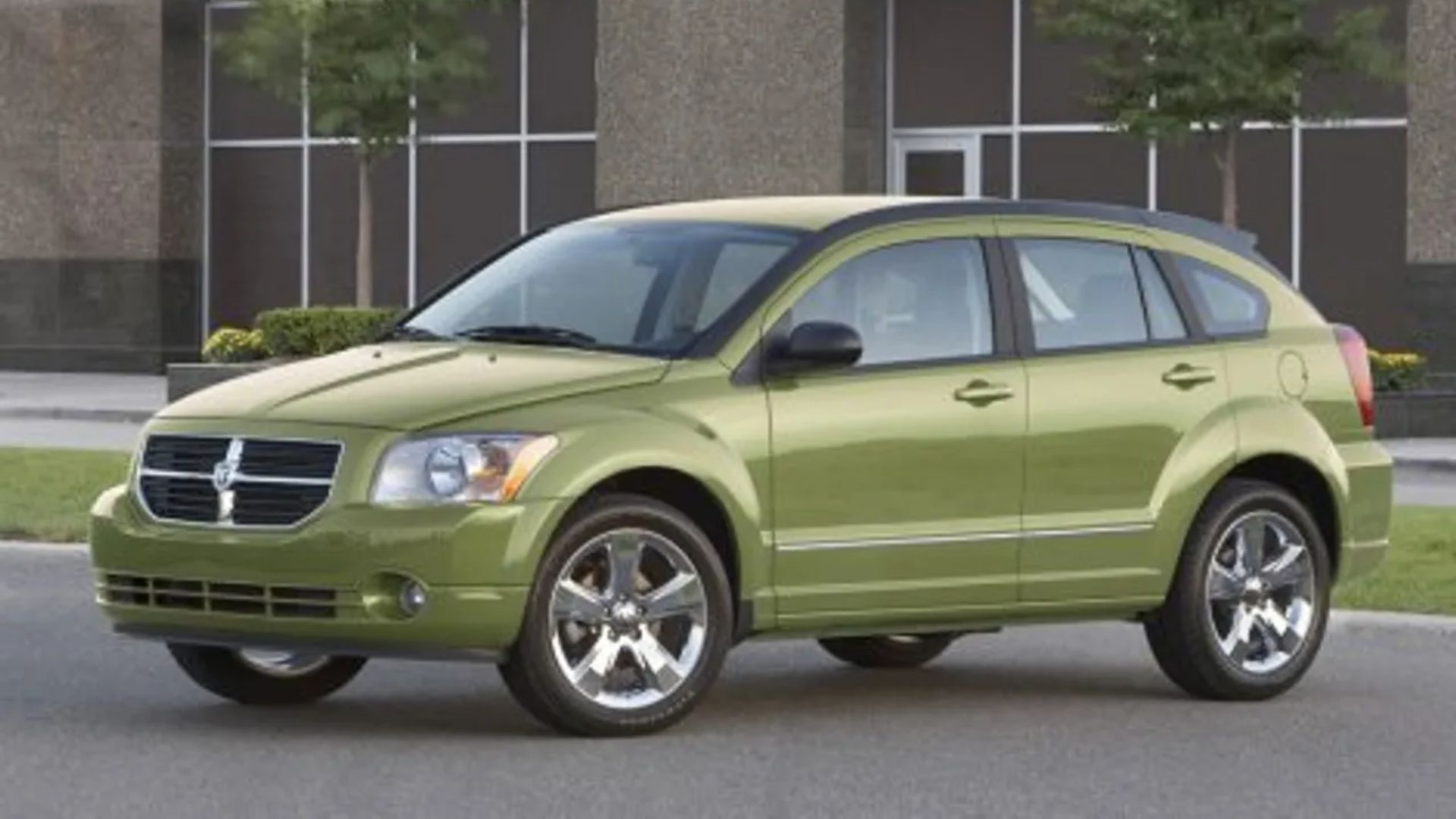
Replacing the popular Dodge Neon with the Caliber seemed like a reasonable opportunity to introduce a more versatile compact vehicle. Unfortunately, its cheap-feeling interior materials, uninspiring driving characteristics, and unpopular continuously variable transmission attracted plenty of criticism. Once the initial excitement wore off, sales declined dramatically, leaving Dodge with a hatchback that already felt outdated. Production ended in December 2011, with the Dodge Dart arriving as its replacement for the 2013 model year.
12. Aston Martin Cygnet
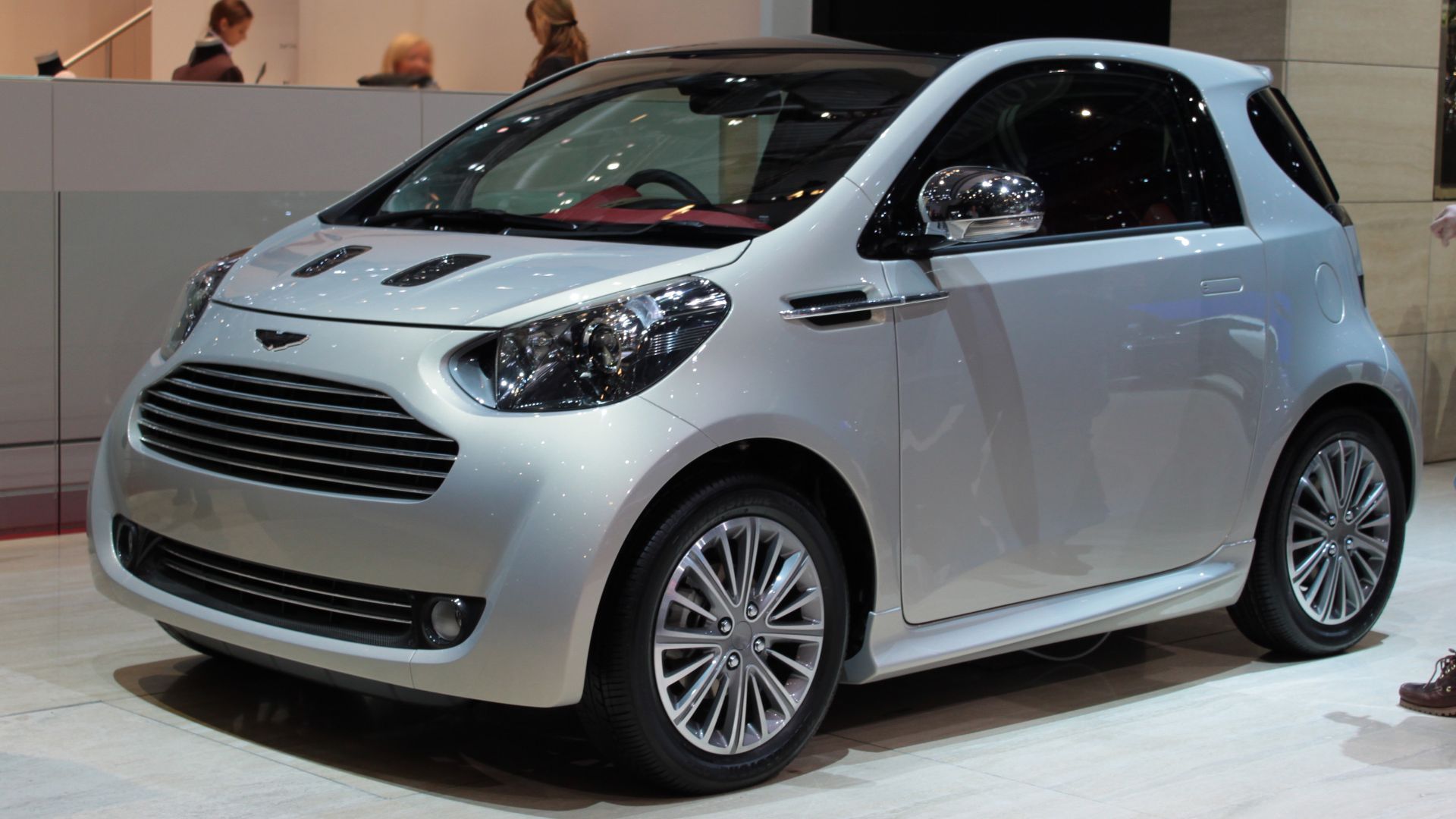
Aston Martin built its reputation on luxurious sports cars, which made the tiny Cygnet a particularly strange addition to its lineup. Essentially a heavily customized Toyota iQ, the vehicle featured upgraded interior materials and Aston Martin branding but kept its modest city-car mechanical foundations. The enormous price premium didn't exactly appeal to buyers who could purchase the original Toyota for much less. Aston Martin discontinued the Cygnet after selling roughly 300 examples, falling embarrassingly short of its ambitious sales target.
13. DeLorean DMC-12
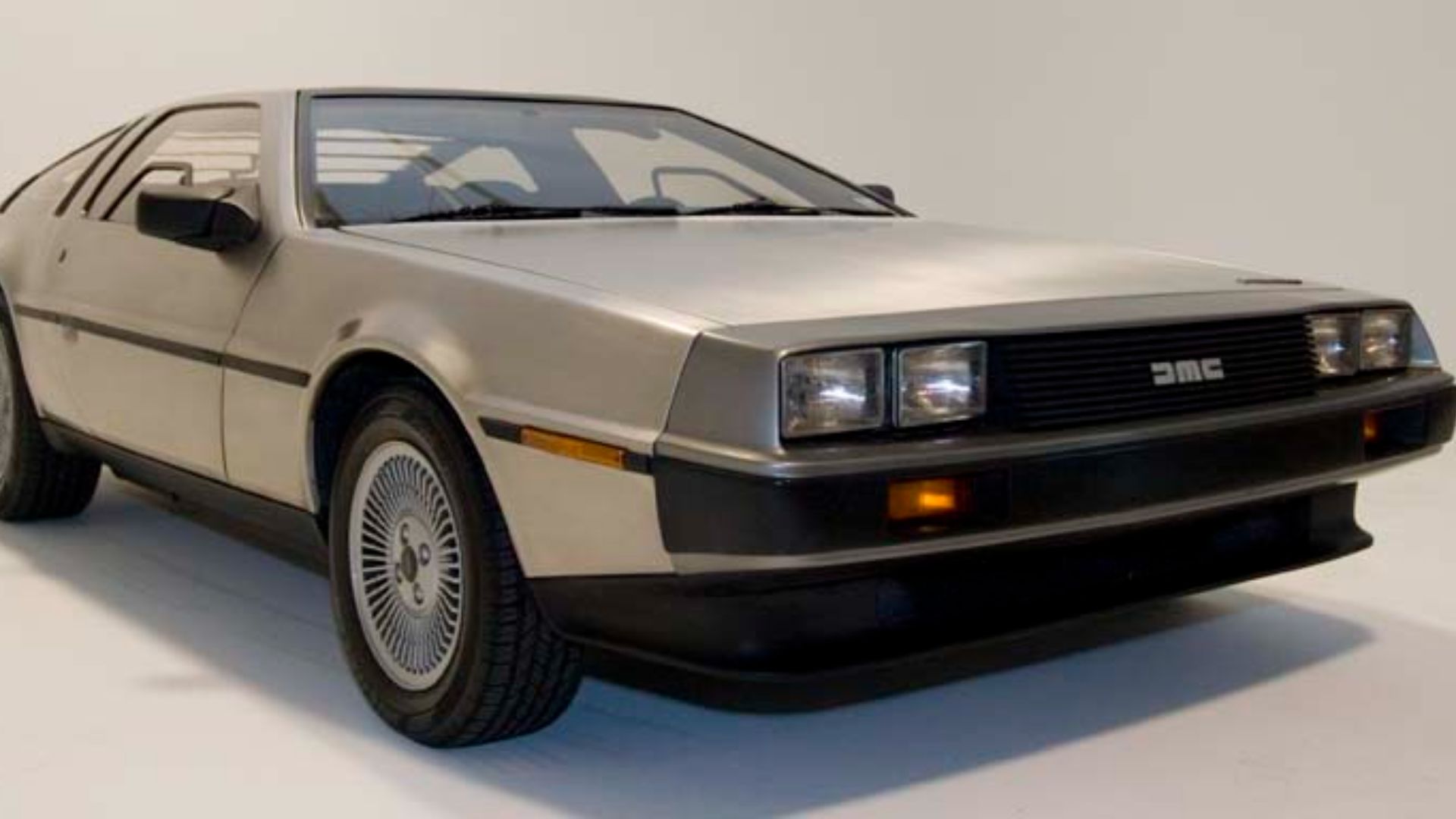
The DeLorean DMC-12 looked like an exotic supercar, but the actual driving experience left plenty to be desired. Its underpowered 130-horsepower V6 delivered sluggish acceleration, while its heavy steering, awkward ergonomics, and inconsistent build quality made it considerably less enjoyable than its futuristic appearance suggested. The car's disappointing performance and expensive price tag contributed to poor sales, leaving the company in serious financial trouble. Founder John DeLorean's subsequent arrest in a cocaine-trafficking investigation, which ended in his acquittal, only added to the embarrassment as the company collapsed in 1982.
14. Honda Crosstour
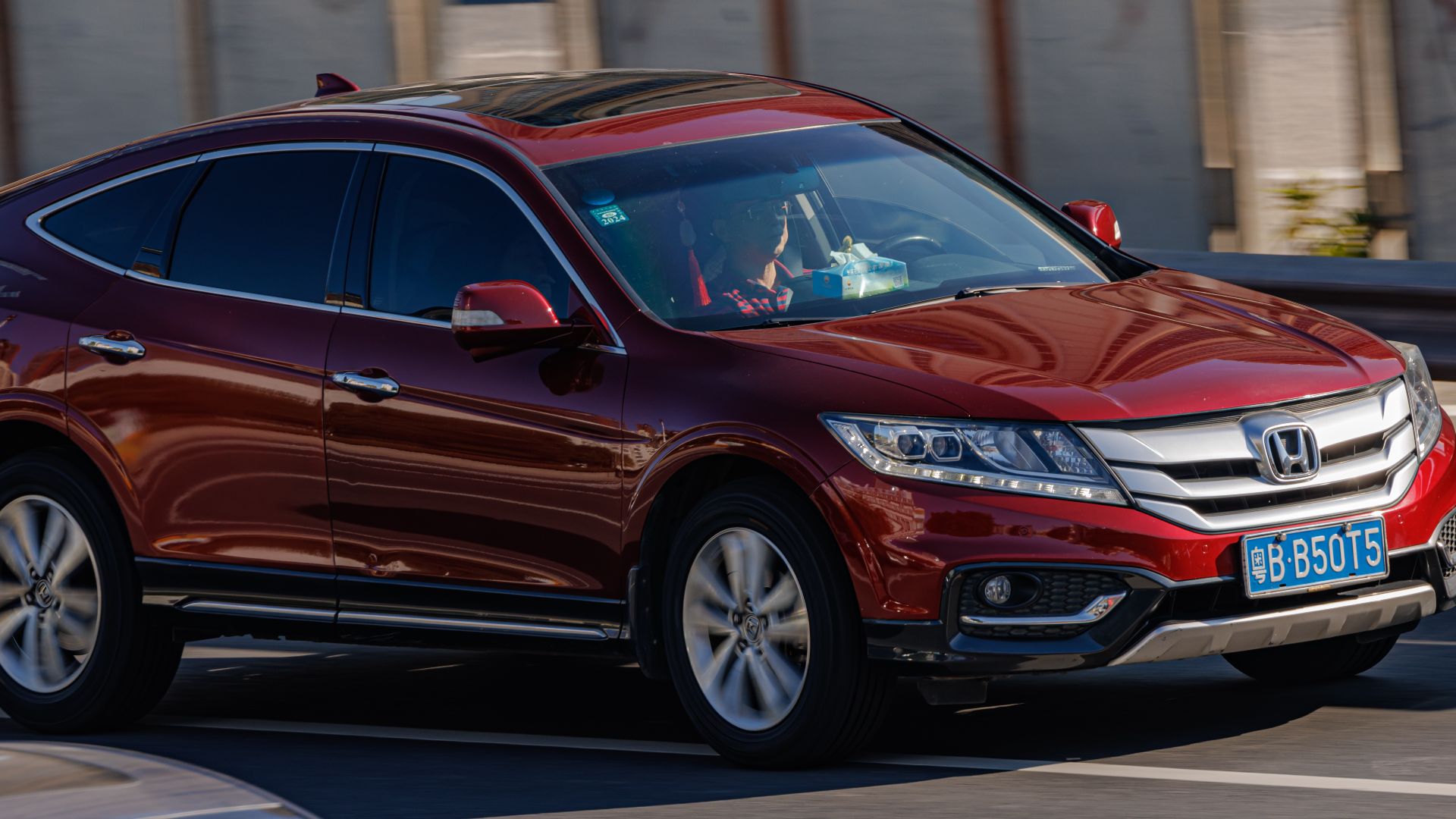
Honda attempted to combine the comfort of an Accord with the versatility of a crossover, but the Crosstour's unusual shape divided opinions almost immediately. Its sloping rear roofline also reduced usable cargo space, undermining one of the main reasons someone might choose it over a conventional sedan. On top of that, the vehicle struggled to justify its price against more practical SUVs, particularly Honda's own CR-V. After several years of underwhelming demand, Honda finally discontinued the Crosstour in 2015.
15. Ford Edsel
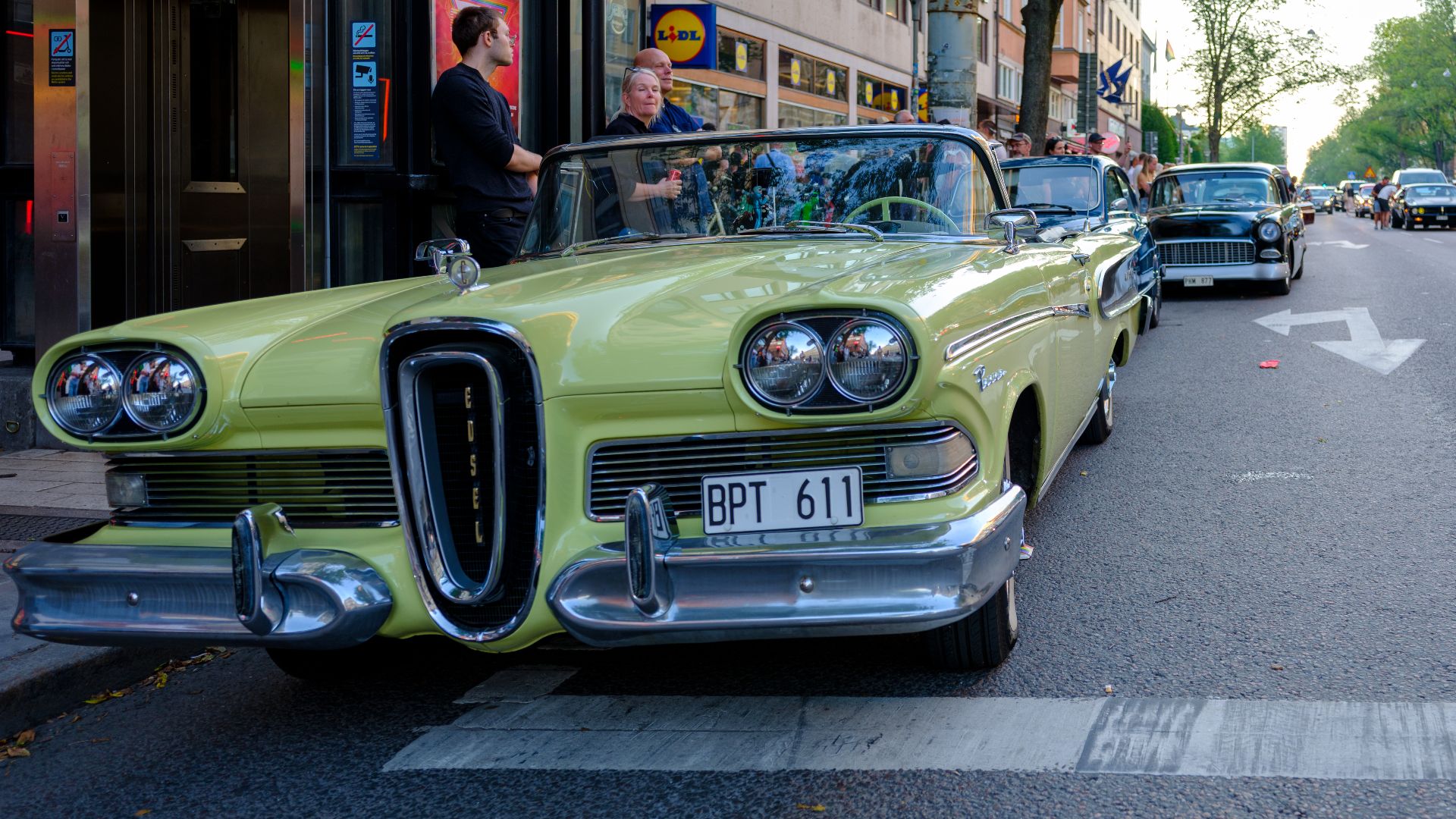
Ford poured massive amounts of money into creating an entirely new automotive brand, only to discover that even an expensive marketing campaign couldn't convince customers to embrace the Edsel. The cars arrived during an economic recession, suffered from early quality complaints, and featured controversial styling, particularly their unusual vertical grilles. Despite all the publicity surrounding their introduction, sales never came close to expectations. Ford abandoned the brand in 1959, with the final Edsels sold as 1960 models.
16. GM EV1
General Motors developed one of the first modern electric cars from a major automaker, only to make the controversial decision to abandon the entire program. Rather than allowing enthusiastic customers to purchase their leased EV1s, GM demanded the vehicles back and eventually crushed nearly all of them. The decision sparked protests and widespread criticism, particularly because many drivers were desperate to keep their cars. GM officially canceled the program in 2003, creating an embarrassing chapter in the company's early EV history.
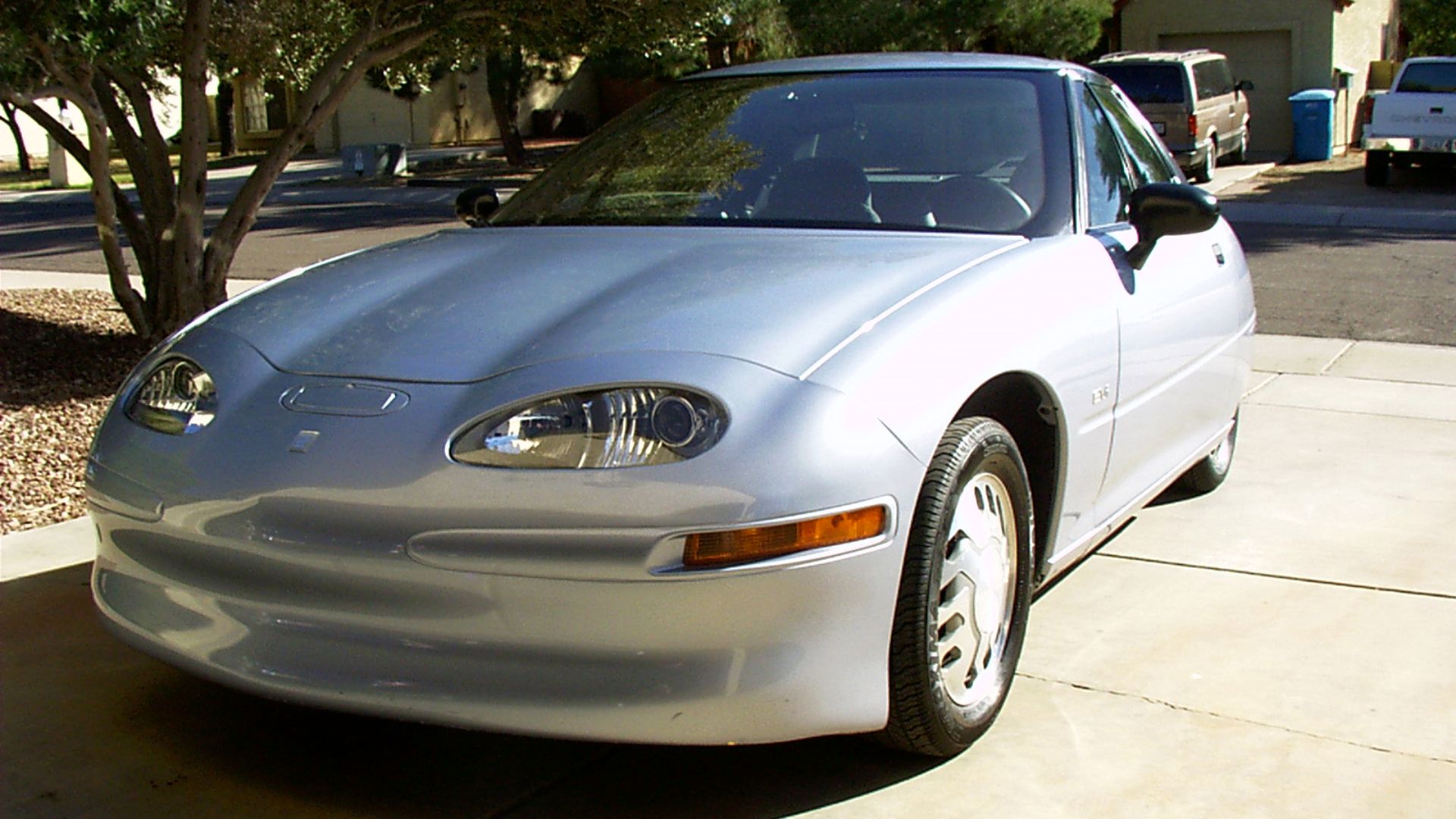 RightBrainPhotography (Rick Rowen) on Wikimedia
17. Jaguar X-Type
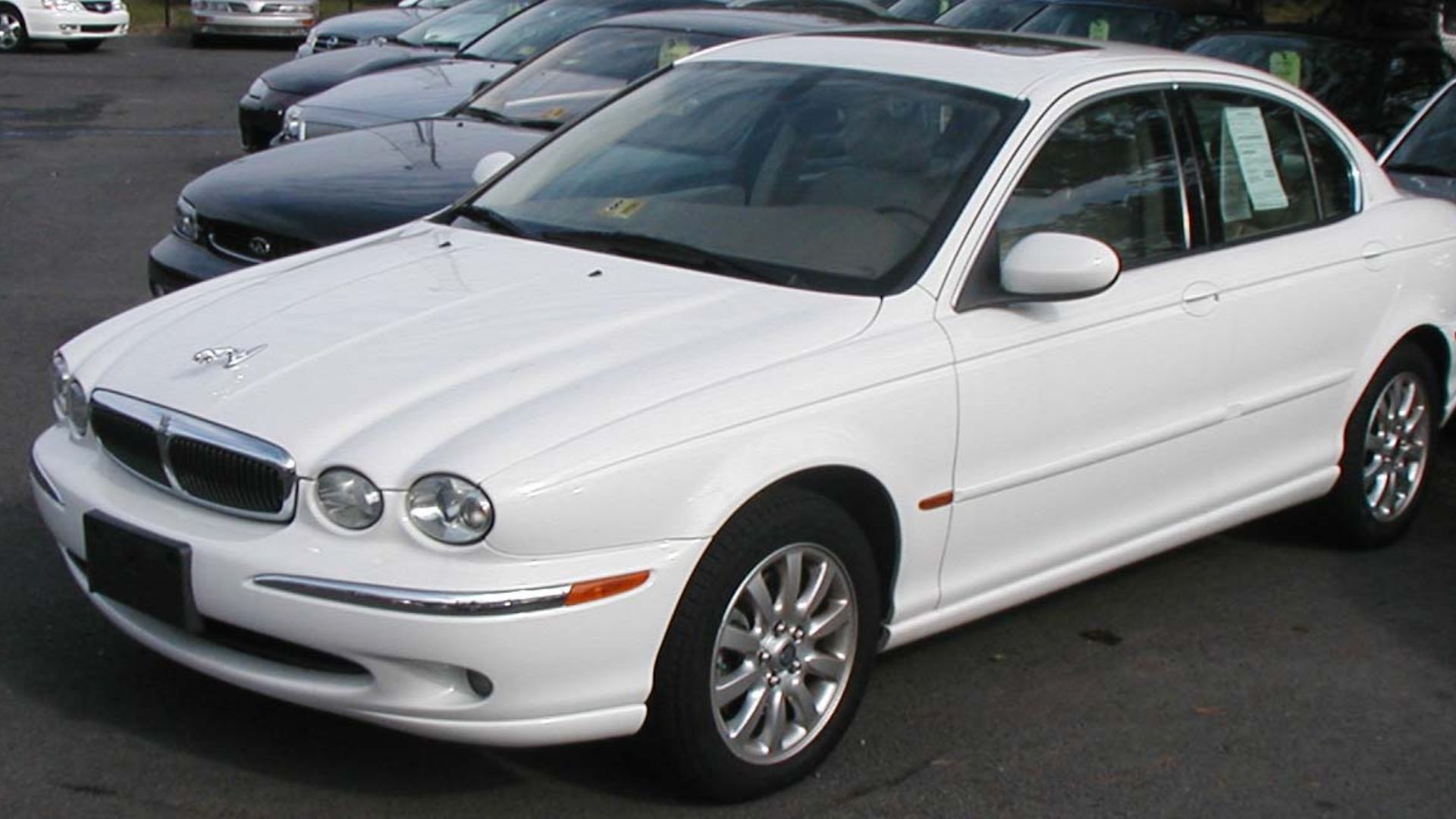
Jaguar wanted to challenge smaller luxury sedans from BMW and Mercedes-Benz, but its decision to base the X-Type on Ford Mondeo architecture quickly became an image problem. Critics felt they were being asked to pay a premium for a dressed-up version of a much cheaper car. Reliability complaints and ambitious pricing didn't help matters, especially as sales began to decline. Jaguar eventually withdrew the X-Type from the American market after 2008, with international production ending the following year.
18. Chrysler Imperial
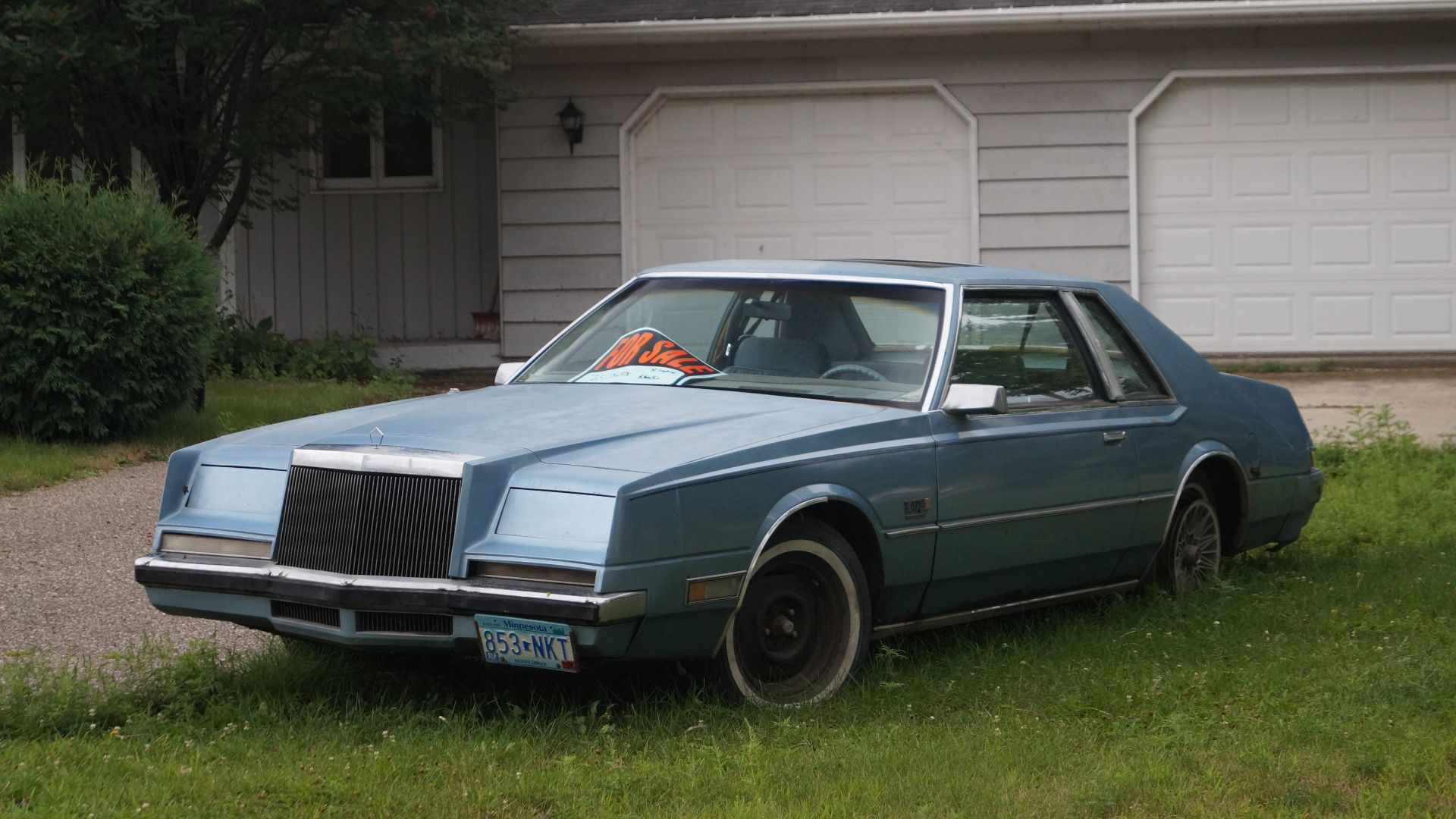
Chrysler hoped to revive its luxury reputation with the Imperial, but the car's supposedly advanced technology quickly became a major embarrassment. Its electronic fuel injection system was notoriously unreliable, leaving owners dealing with stalling engines, difficult starts, and cars that sometimes refused to run altogether. The problems became so severe that Chrysler actually paid to replace the sophisticated fuel injection systems with old-fashioned carburetors, effectively admitting that its new technology wasn't working. Combined with disappointing sales, these troubles helped bring the Imperial's short production run to an end in 1983.
19. Fisker Karma
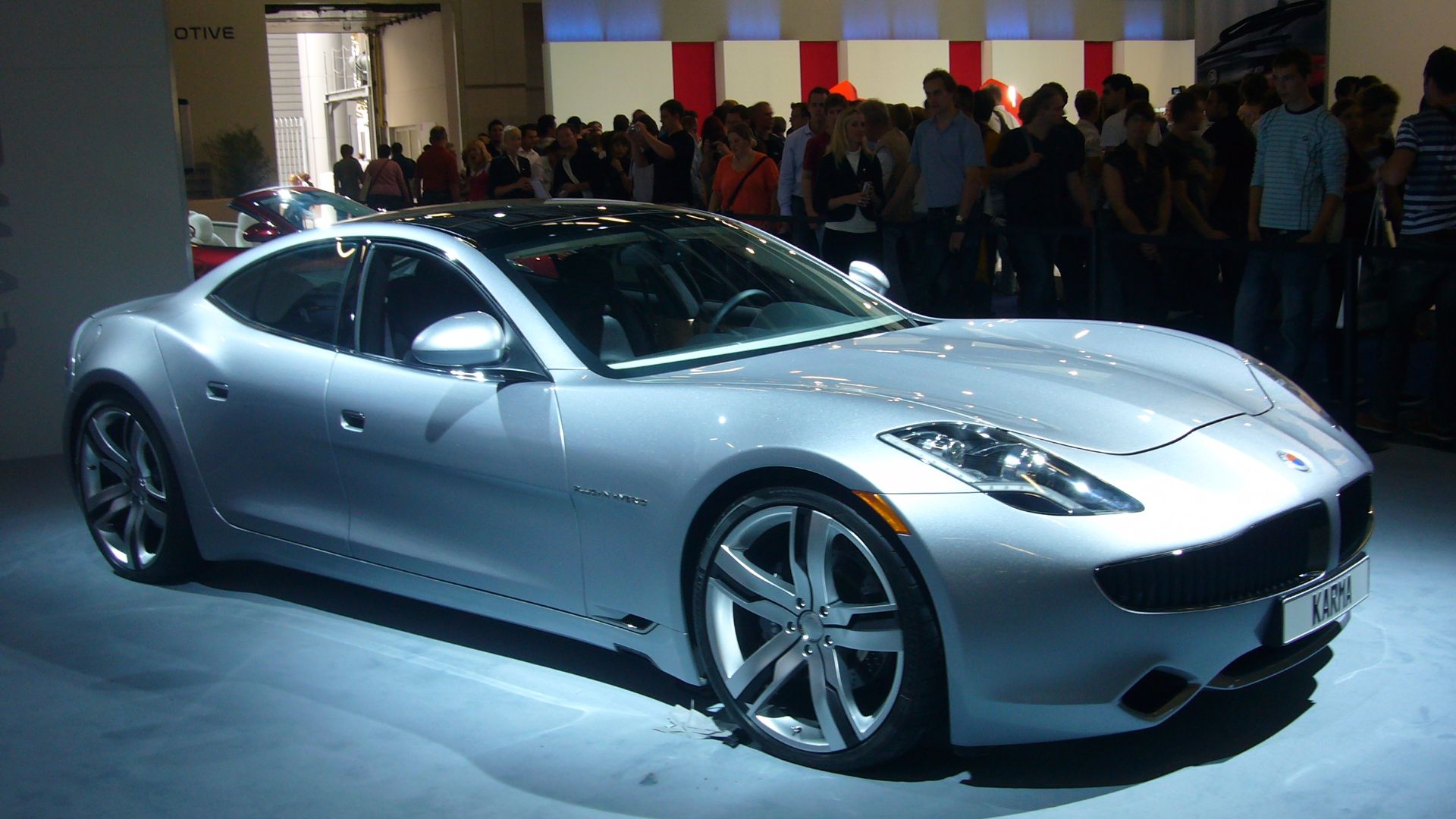
The Fisker Karma promised cutting-edge hybrid technology and luxury-car performance, but its $100,000-plus price tag came with some embarrassing problems that certainly shouldn't have existed at that cost. During testing by Consumer Reports, the car unexpectedly broke down, requiring a replacement battery, while recurring electrical glitches and frustrating controls made the driving experience even worse. It received a failing grade, making it one of its lowest-rated luxury sedans. Production stopped in 2012, and Fisker Automotive filed for bankruptcy the following year.
 Rutger van der Maar on Wikimedia
20. Chrysler Aspen Hybrid
Chrysler spent years developing its first hybrid SUVs, only to announce their cancellation almost immediately after they reached dealerships. Production began in August 2008, and just two months later, Chrysler revealed that it was already being discontinued, barely giving it a chance to reach customers. By the time production ended, Chrysler had built only about 800 Aspen and Durango hybrids combined, making the entire launch a rather embarrassing waste of effort.