The Automobiles That Changed History
Before cars came with touchscreens, backup cameras, and enough cup holders for an entire road trip, automakers were busy figuring out what a car should actually be. The prewar era, generally referring here to the years before World War II began in 1939, gave us everything from affordable family transportation to extravagant luxury machines that only the wealthiest buyers could afford. It was also a time of remarkable engineering experiments, bold styling decisions, and racing achievements that helped shape the vehicles we drive today.
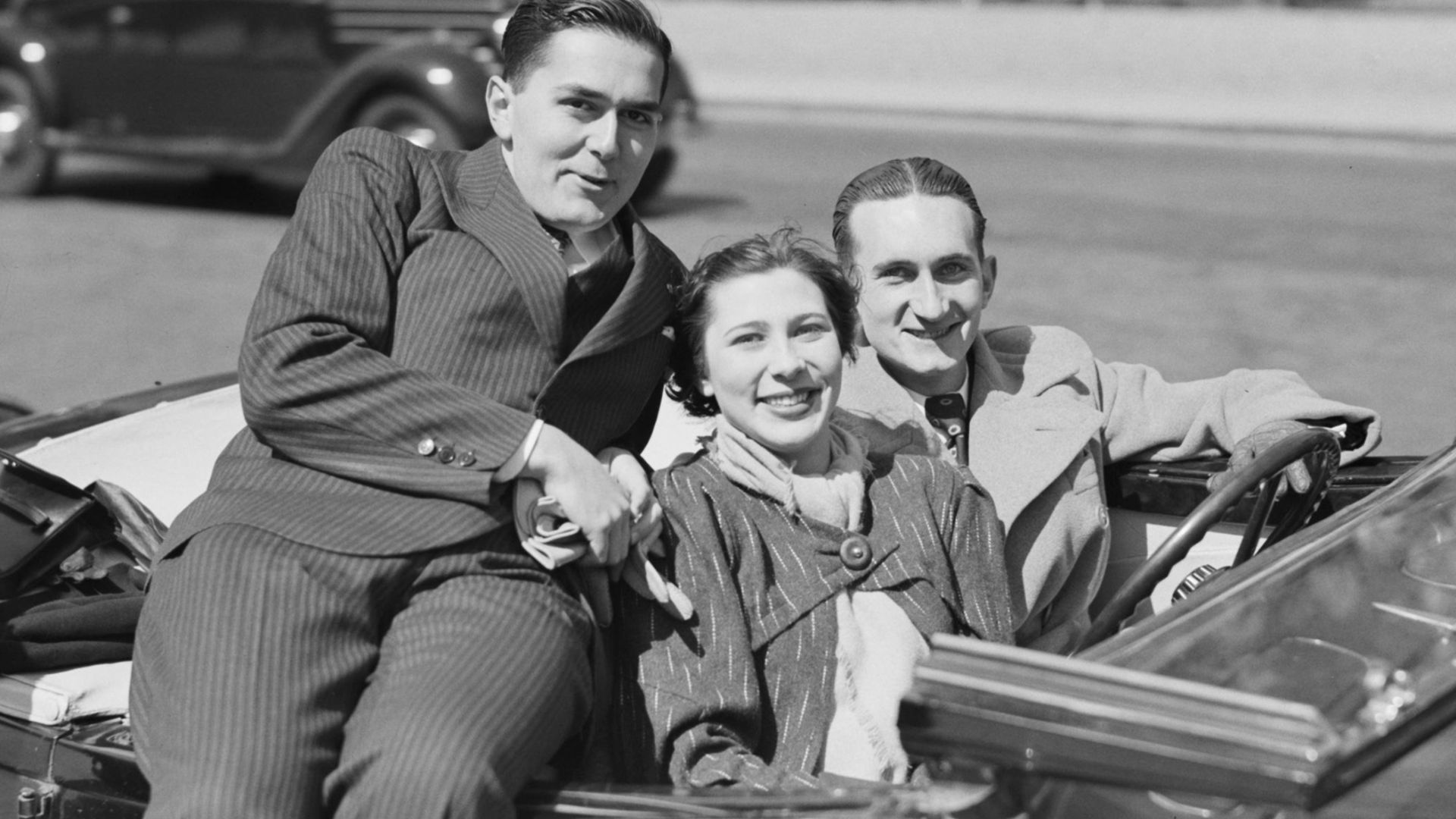 Willem van de Poll on Wikimedia
1. Ford Model T (1908–1927)
Perhaps no other car had as big of an impact on the United States as the Ford Model T. Henry Ford allowed ordinary people to purchase a car because it was cheap and reliable. The Ford Model T was one of the cars that helped popularize the moving assembly line. With over 15 million cars built, you can see why this car was so influential.
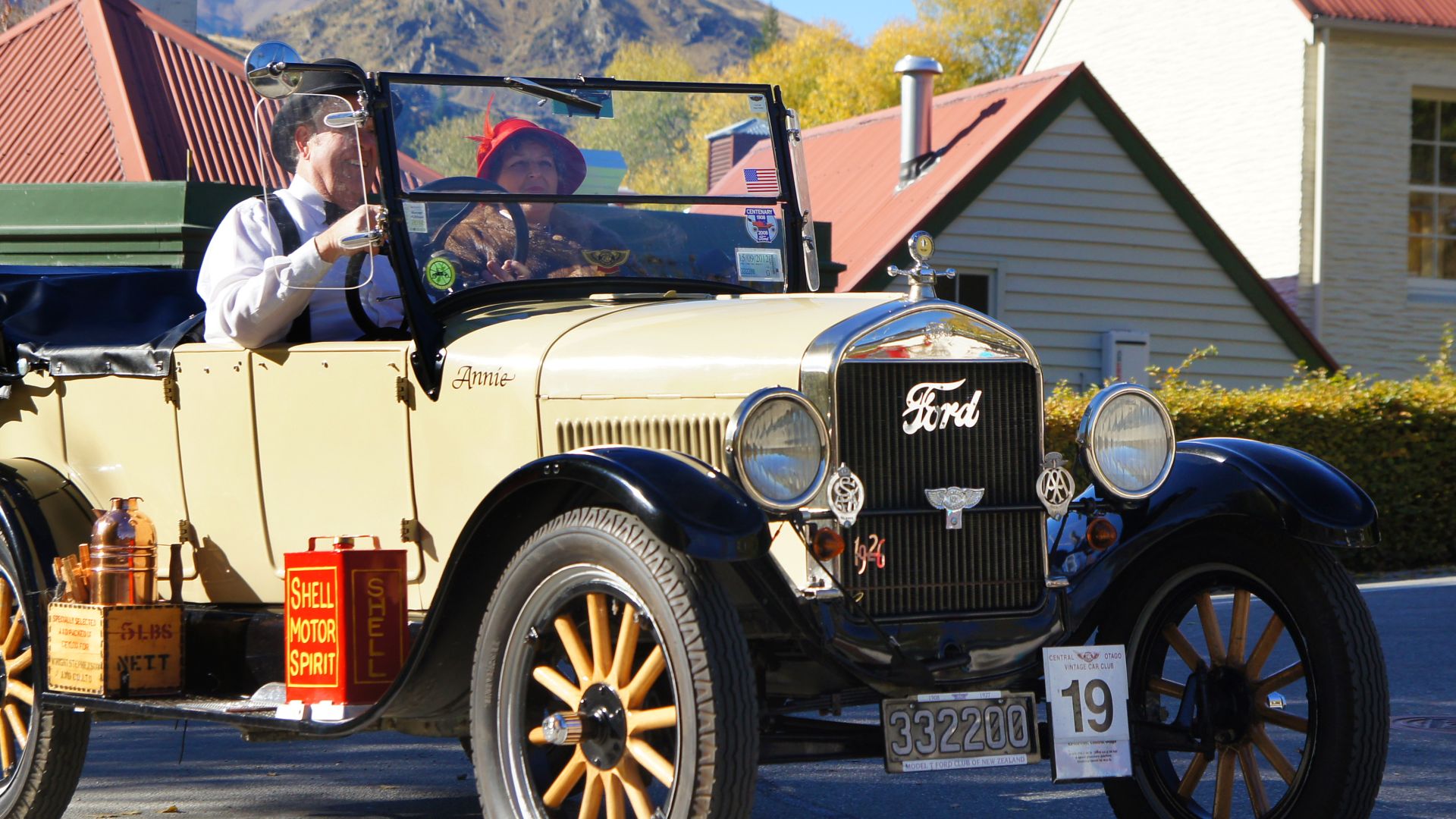 Bernard Spragg. NZ from Christchurch, New Zealand on Wikimedia
2. Rolls-Royce Silver Ghost (1906–1926)
While Ford focused on making cars accessible, Rolls-Royce built its reputation around exceptional refinement and reliability. The Silver Ghost earned its name from an early example finished in silver, and the model became celebrated for its remarkably smooth operation and impressive endurance. Its engineering helped establish Rolls-Royce as a leading name in luxury motoring, attracting wealthy customers who expected their vehicles to deliver comfort as well as dependable performance.
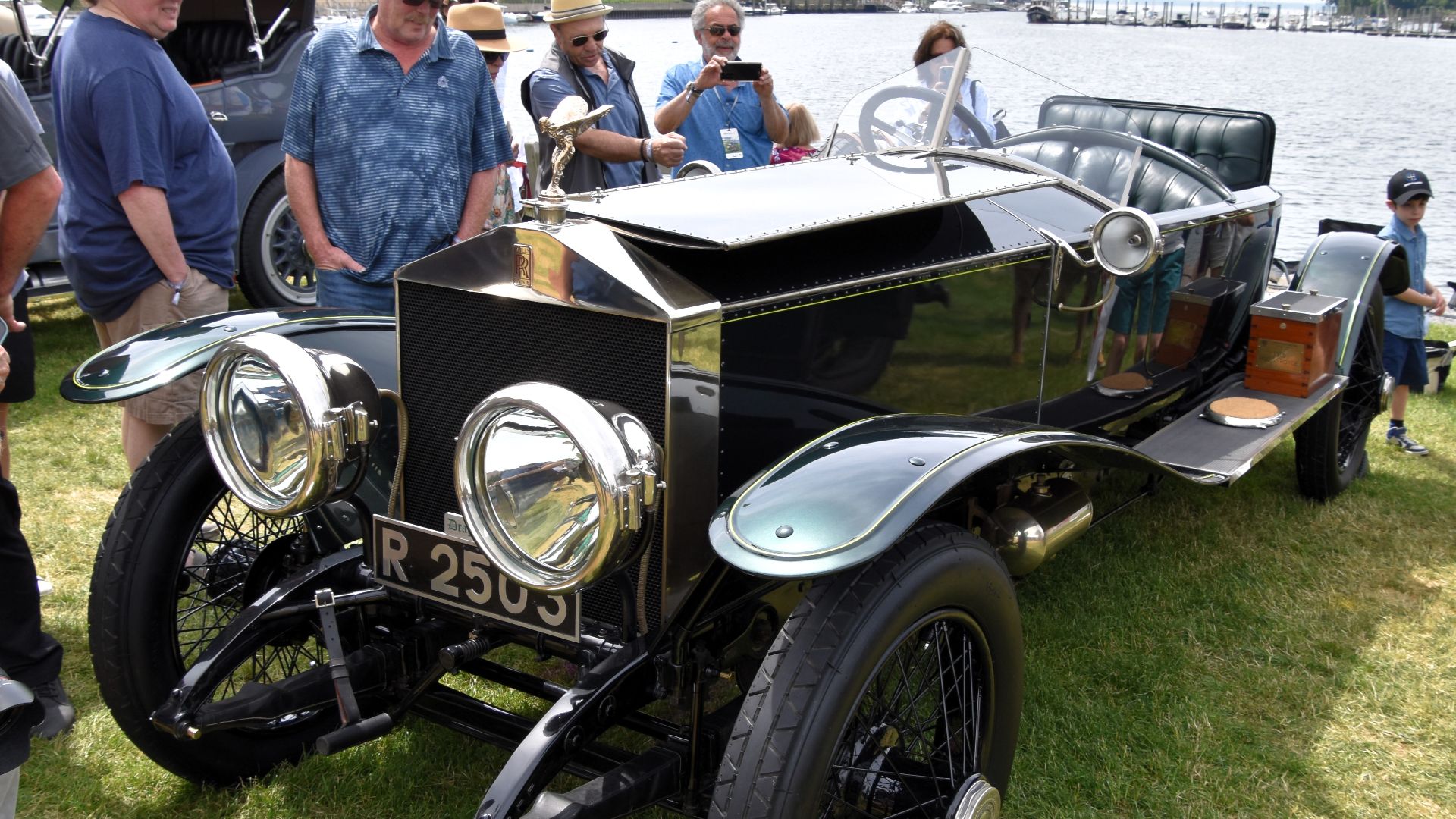 Charles from Port Chester, New York on Wikimedia
3. Bugatti Type 35 (1924–1930)
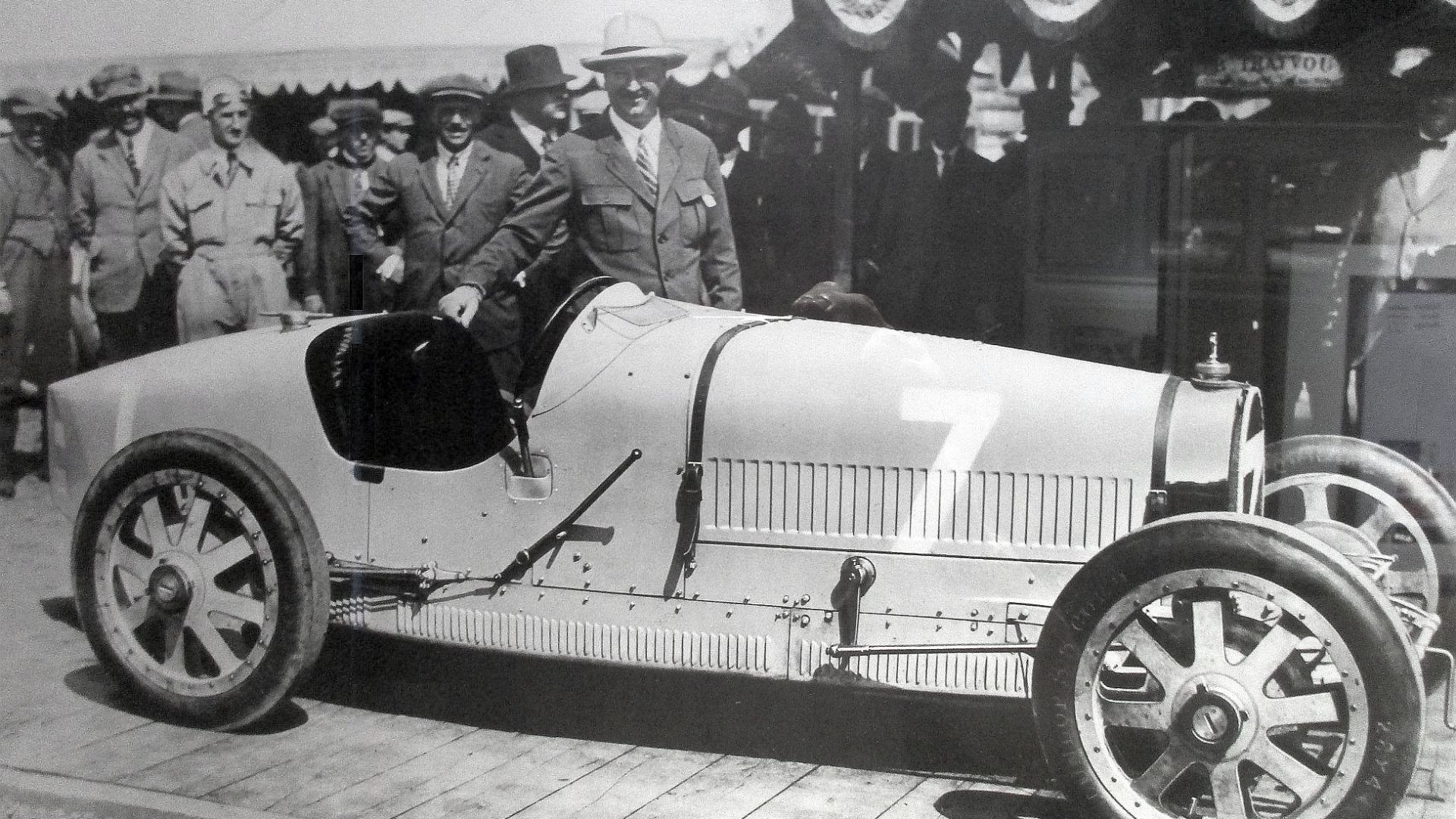
There are very few cars that can say they had an impact on engineering and race cars. One of those cars is the Bugatti Type 35. This sleek French machine took home many victories due to its racing body, unique design, and excellent handling. With multiple Grand Prix wins under its belt, it became a household name in racing.
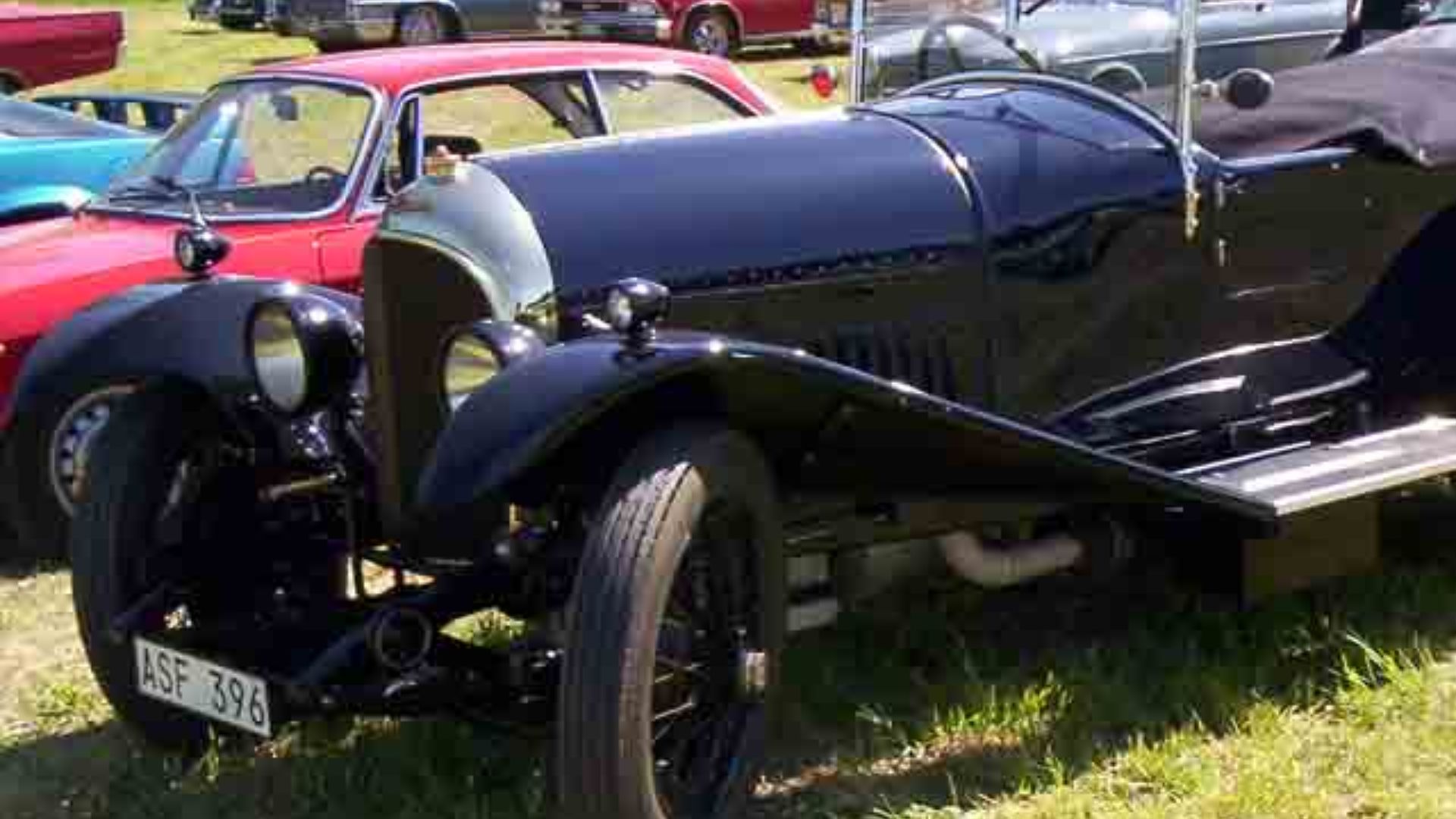
4. Bentley 3 Litre (1921–1929)
Before it was building modern SUVs, Bentley was known for creating great sports cars. Its first model was the 3 Litre, which had a great engine for its size and helped the company take the win at Le Mans in 1924. Bentley would go on to win in 1927 as well. Learning more about this car will help you understand the roots of Bentley.
 Lars-Göran Lindgren Sweden on Wikimedia
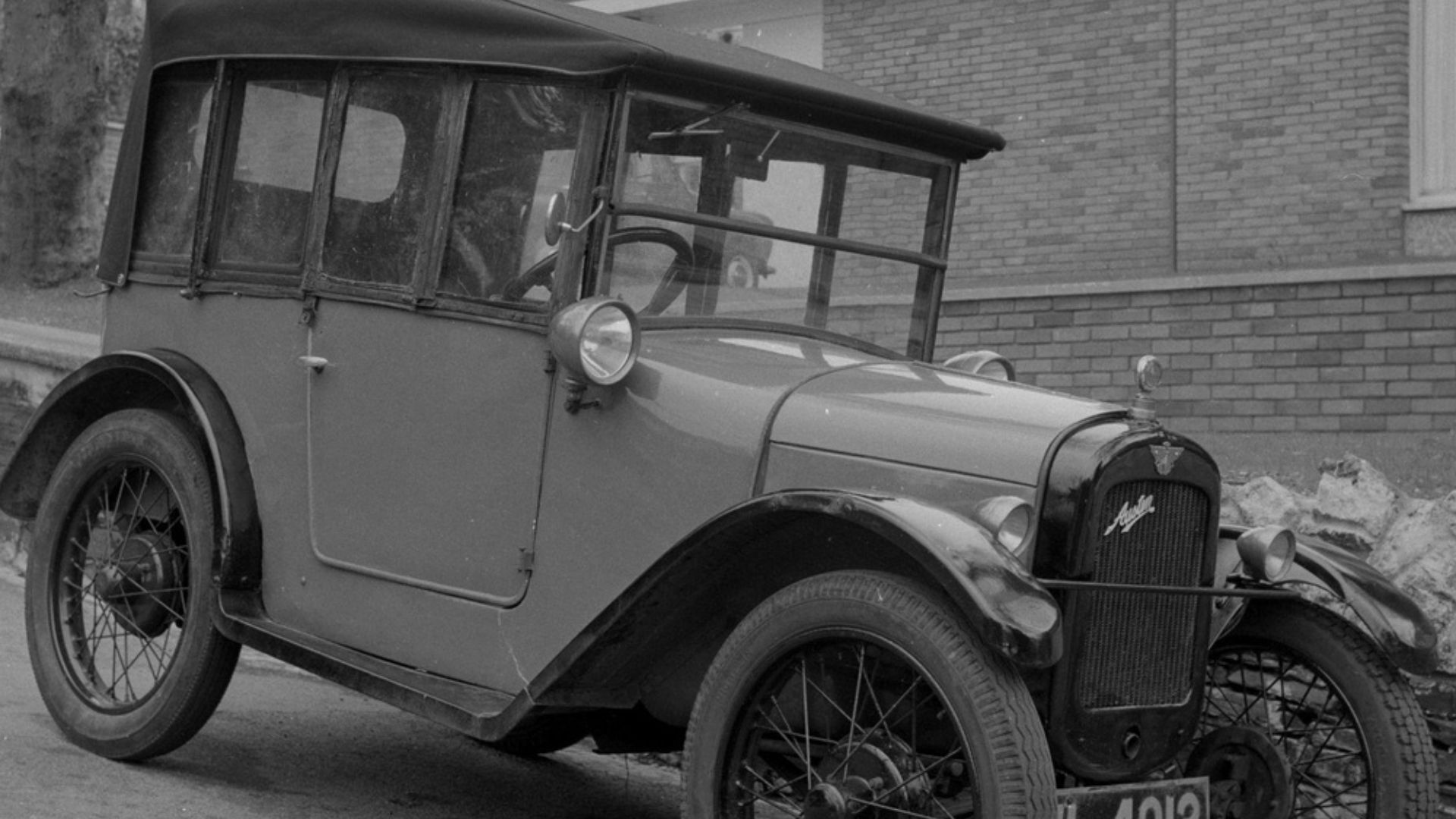
5. Austin Seven (1922–1939)
You don't have to have a massive engine to be a legendary car. The Austin Seven is a perfect example of that. Many drivers loved this small British car because it allowed them to travel farther than they ever could before. It also gained a following in the racing scene, which led BMW to build its own licensed version of this car.
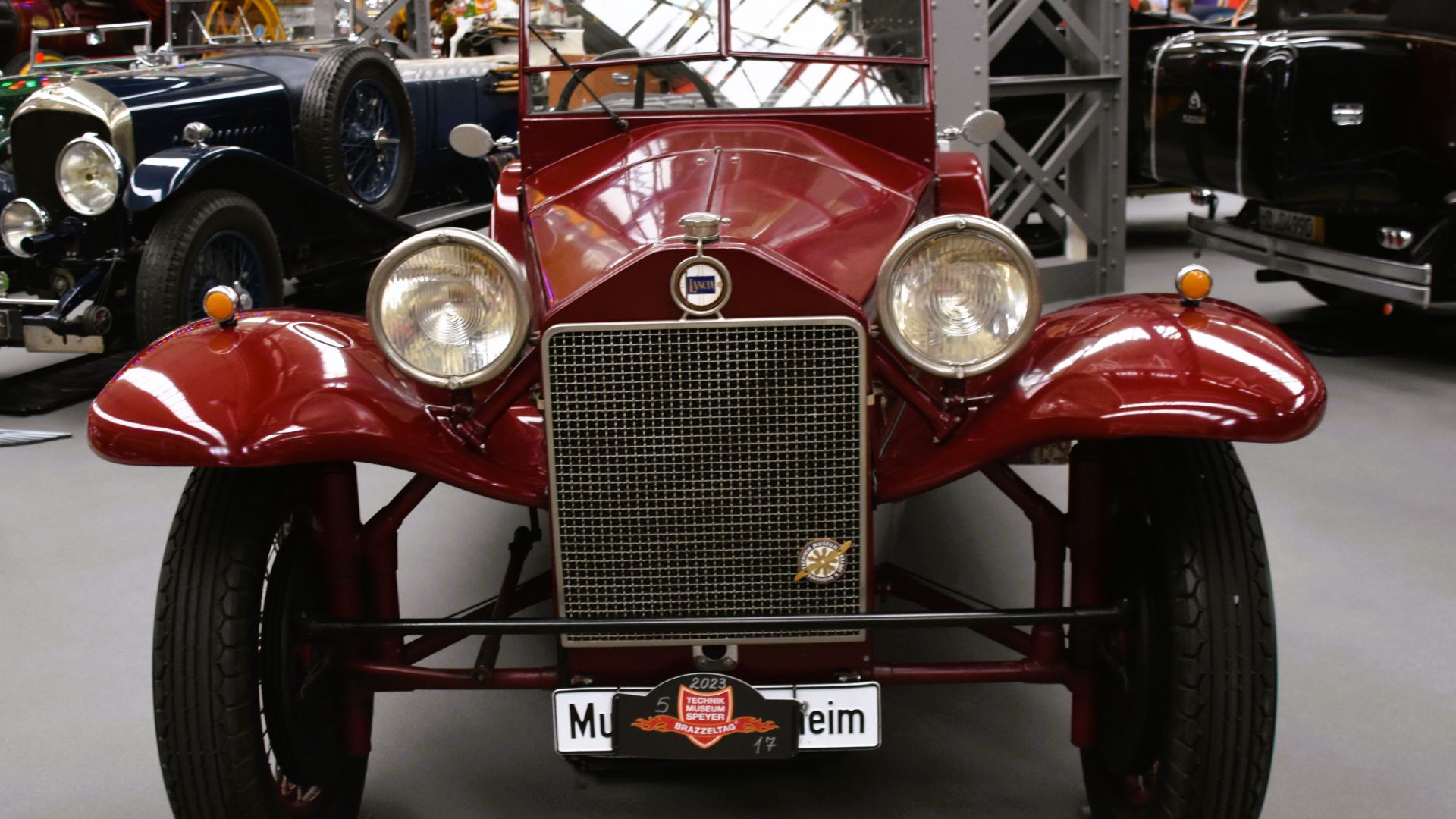
6. Lancia Lambda (1922–1931)
You should learn more about the Lancia Lambda if you love new technology being added to your cars. This car had many revolutionary advancements that helped make cars lighter and allowed them to drive over bumpy roads. It was also the first car to feature a narrow-angle V4 engine. Cars at this time started to catch up with new innovations to help consumers.
 Charles from Port Chester, New York on Wikimedia
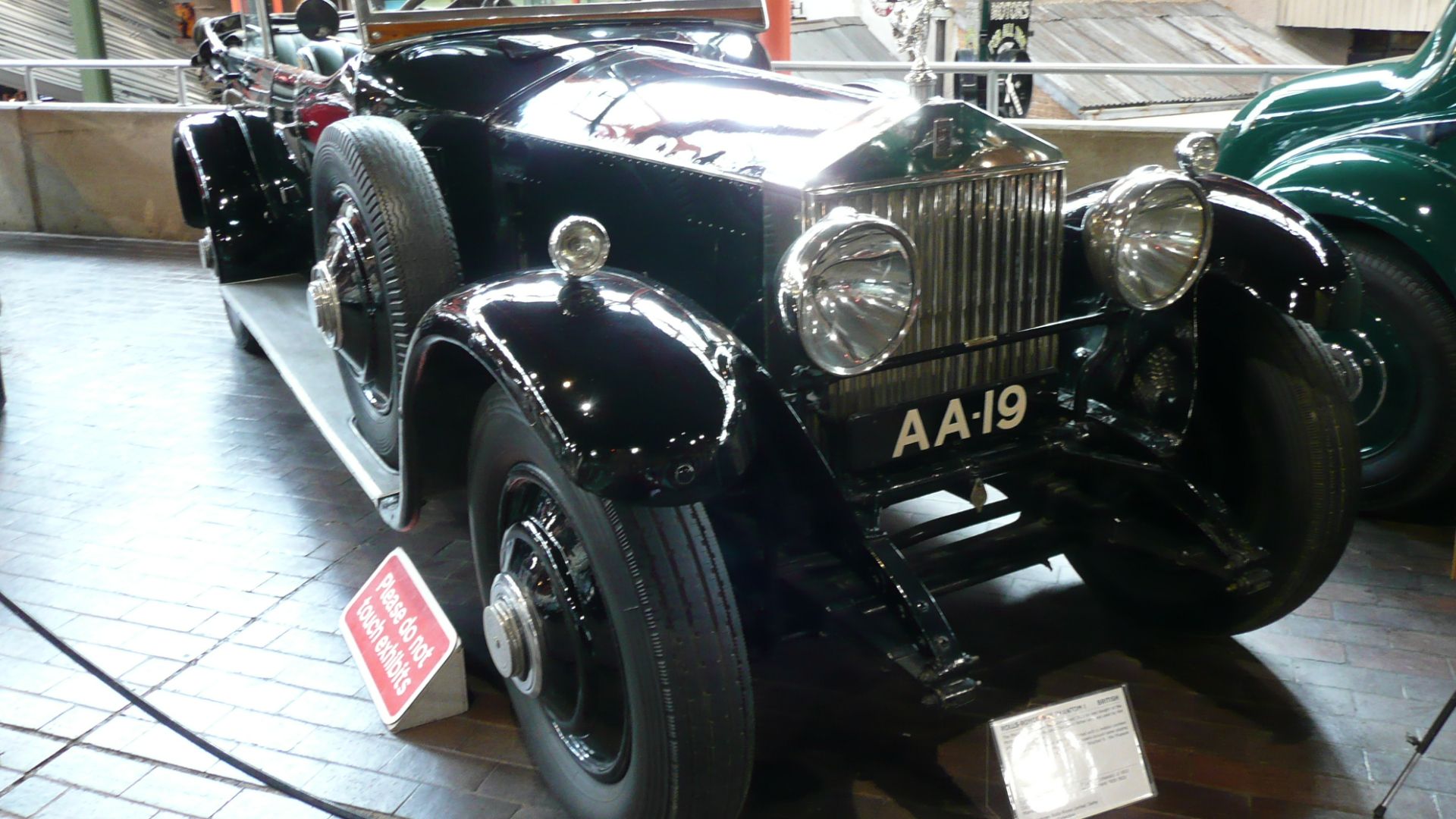
7. Rolls-Royce Phantom I (1925–1931)
For buyers who considered ordinary luxury cars insufficient, the Rolls-Royce Phantom I offered an even more prestigious alternative. Introduced as the successor to the Silver Ghost, it featured a large six-cylinder engine and a substantial chassis intended for beautifully finished custom bodies. Customers could commission coachbuilders to create everything from formal limousines to elegant open touring cars, so two examples didn't necessarily look alike.
8. Mercedes-Benz SSK (1928–1932)
The Mercedes-Benz SSK was built for drivers who wanted serious speed and weren't especially interested in blending into traffic. Its supercharged six-cylinder engine produced formidable power, while the shortened chassis made it particularly suitable for hill climbs and other demanding competitions. Designed under Ferdinand Porsche's direction, the SSK combined muscular proportions with engineering intended to withstand hard driving.
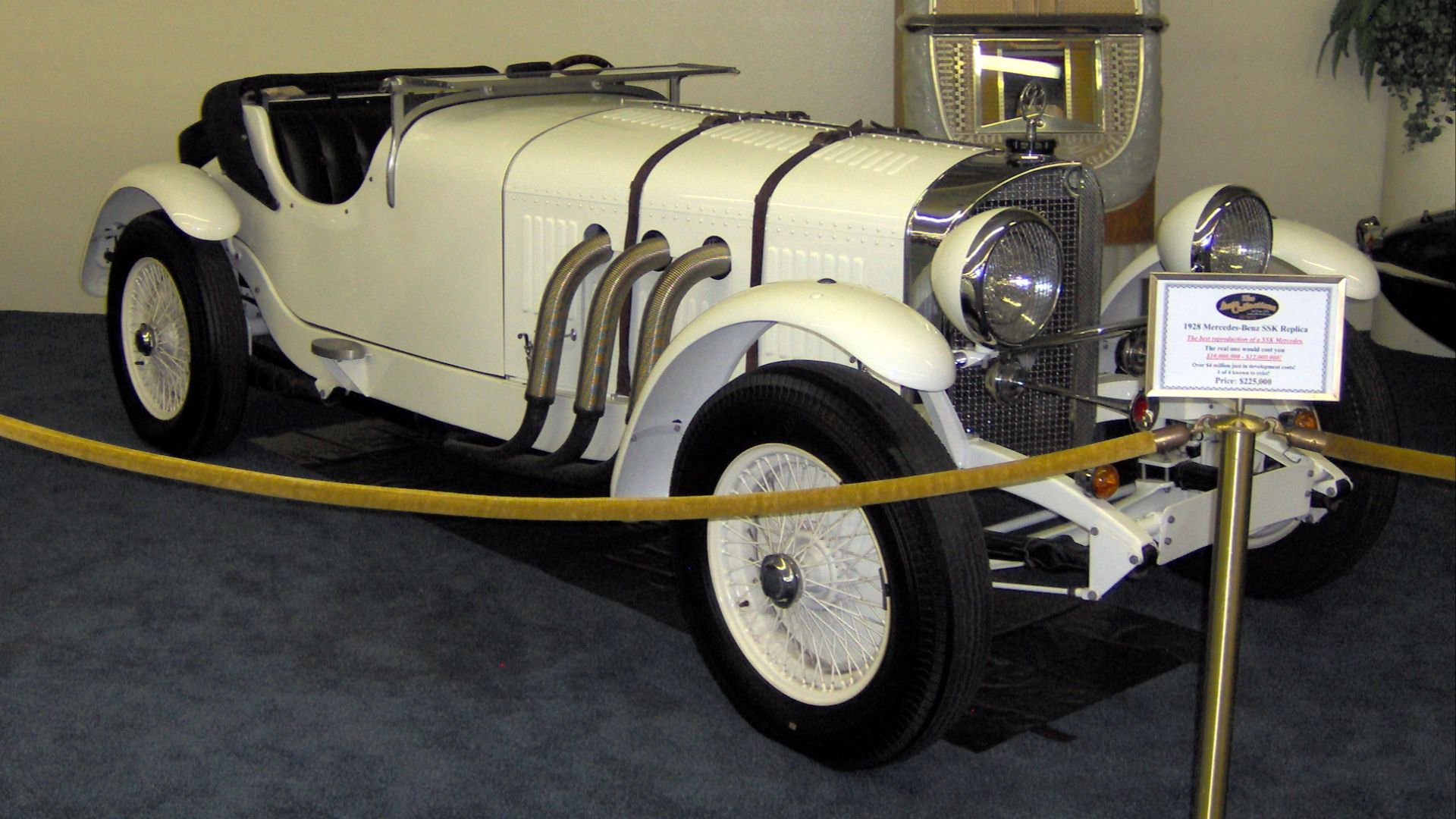 Stephen Foskett (Wikipedia User: sfoskett) on Wikimedia
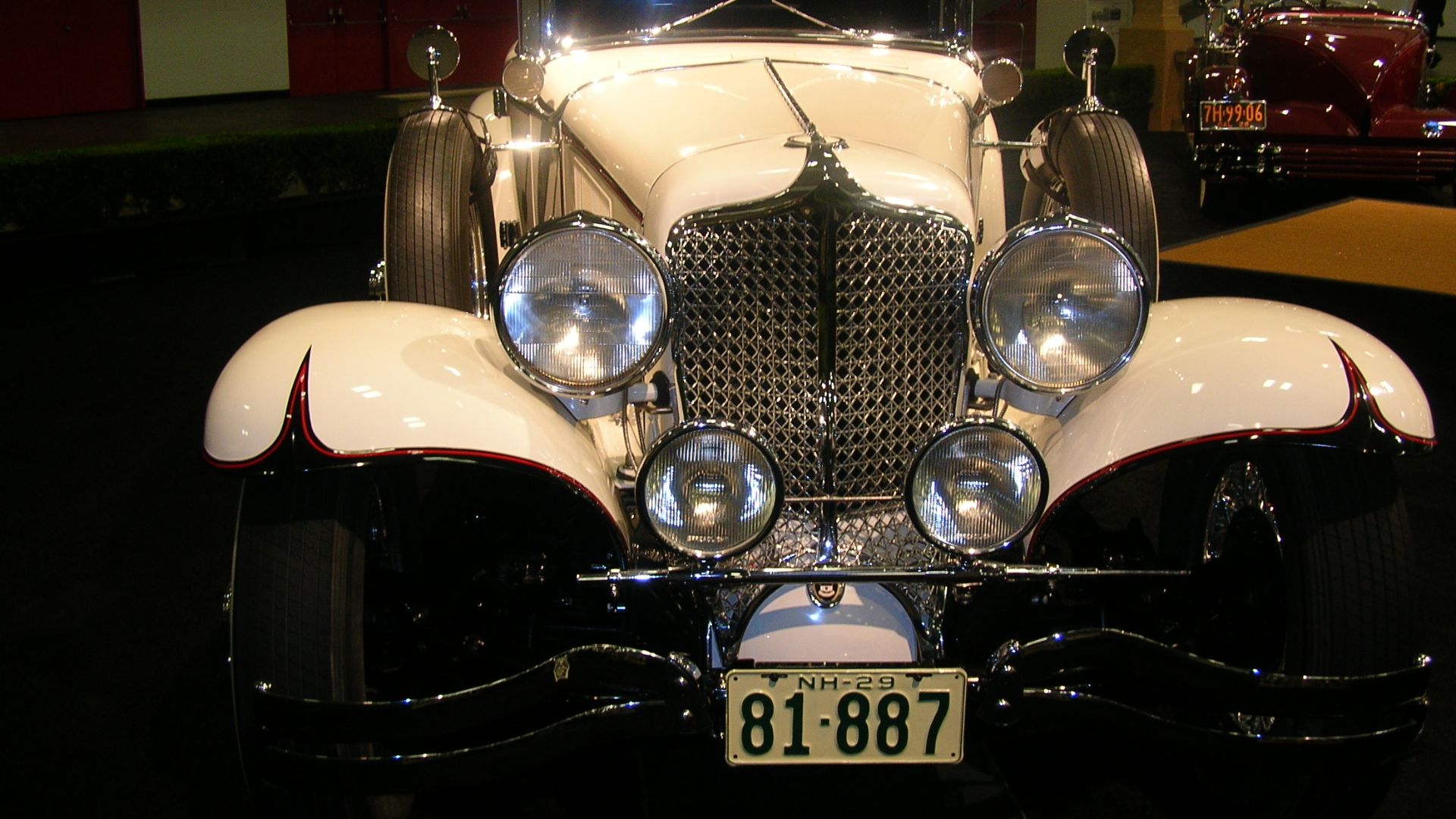
9. Cord L-29 (1929–1932)
The Cord L-29 was a very unique American-made luxury car. Not only did it have front-wheel drive, which was uncommon for its day, but it also had a low-profile body. Since there was no need for a driveshaft running under the car, the designer could create a lower and more stylish look.
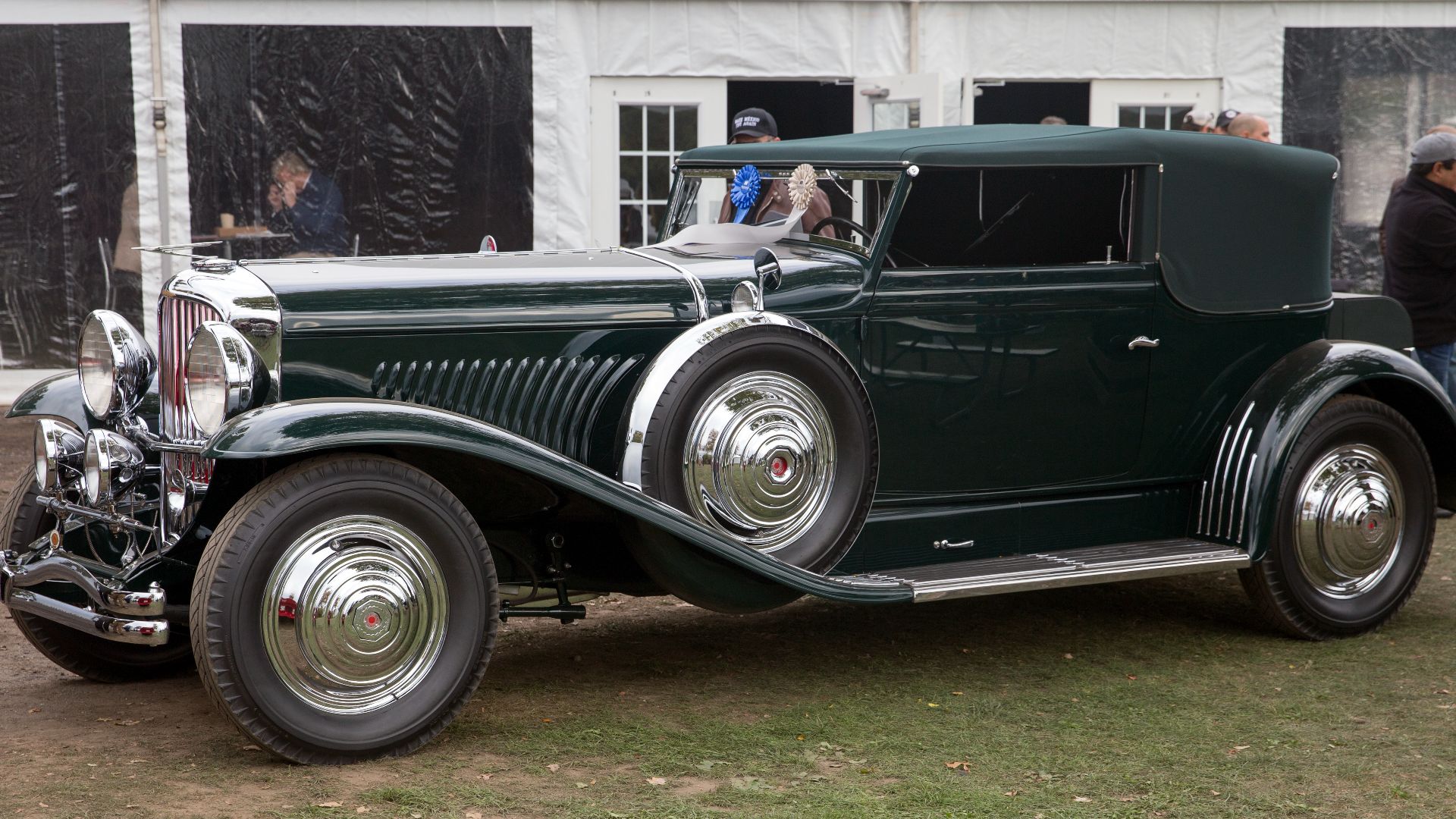
10. Duesenberg Model J (1928–1937)
This was probably one of the highest-end cars made during this time period. It came equipped with an engine that was good for 265 hp, which was impressive back in the early 1900s. You could buy the chassis and have the body custom-made. The Model J became a favorite among wealthy industrialists and Hollywood celebrities, and its reputation was so strong that the word "Duesy" entered American slang as a term for something exceptional.
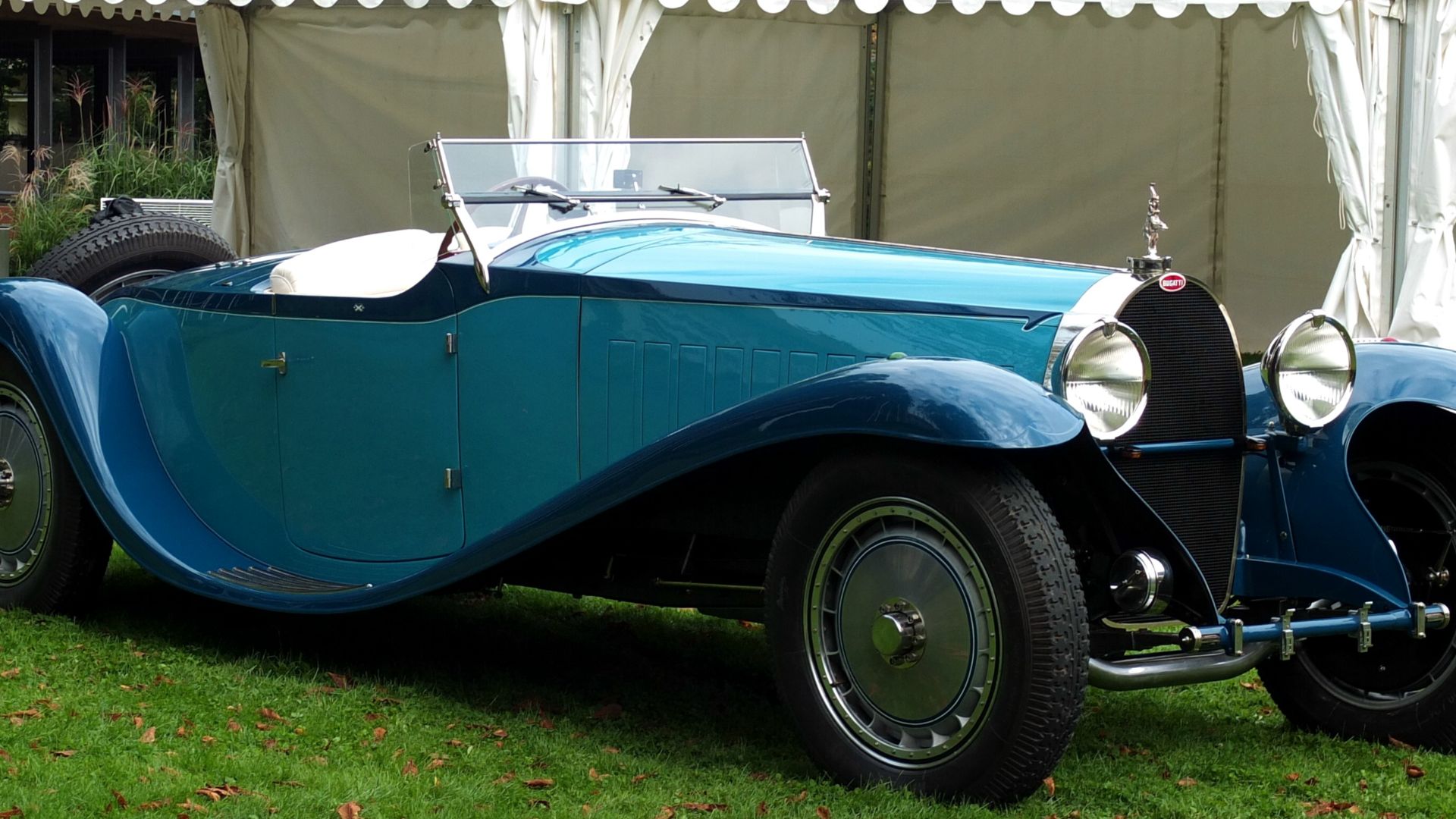
11. Bugatti Type 41 Royale (1927–1933)
Ettore Bugatti intended the Type 41 Royale for the world's wealthiest and most distinguished customers, and the finished car reflected that extraordinary ambition. It featured an enormous straight-eight engine, a very long wheelbase, and elaborate coachwork designed to suit its imposing proportions. The Royale was so expensive and extravagant that the economic turmoil of the Great Depression made it difficult to find buyers, and only a handful of complete cars were produced.
12. Alfa Romeo 8C 2300 (1931–1934)
The Alfa Romeo 8C 2300 brought together sophisticated engineering, beautiful Italian styling, and a competition record that made the model famous. Its supercharged straight-eight engine delivered strong performance, while the chassis could accommodate bodies suited to both racing and road use. The car achieved major victories at events including the Mille Miglia and the 24 Hours of Le Mans, strengthening Alfa Romeo's reputation as a serious motorsport manufacturer.
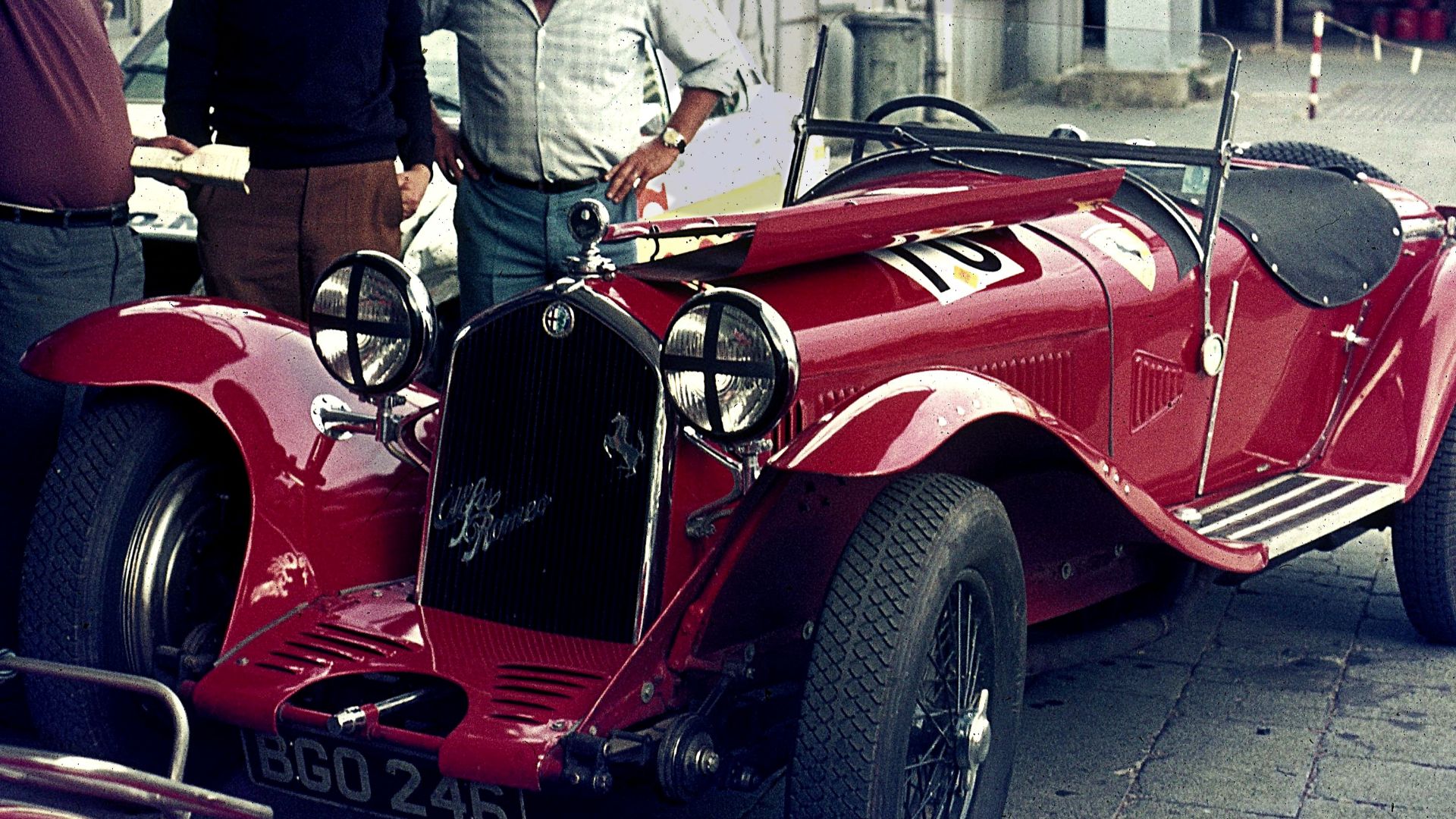 Spurzem - Lothar Spurzem on Wikimedia
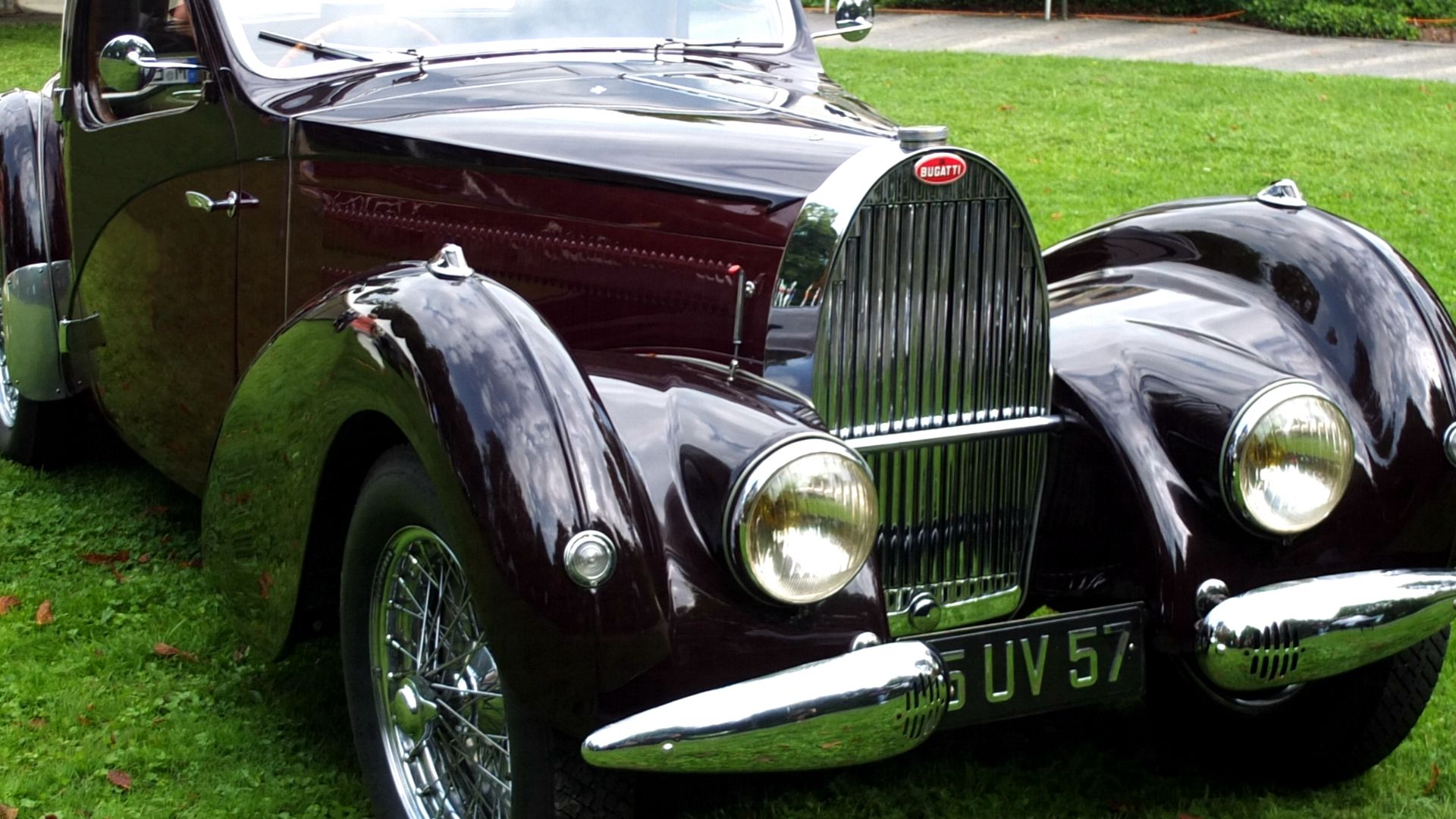
13. Bugatti Type 57 (1934–1940)
The Bugatti Type 57 was another one of those cars that was great on the road. It came in many forms, including coupes that were amazing. One of the best-known coupes of this era was the Atlantic, with its gorgeous flowing lines down the center of the car.
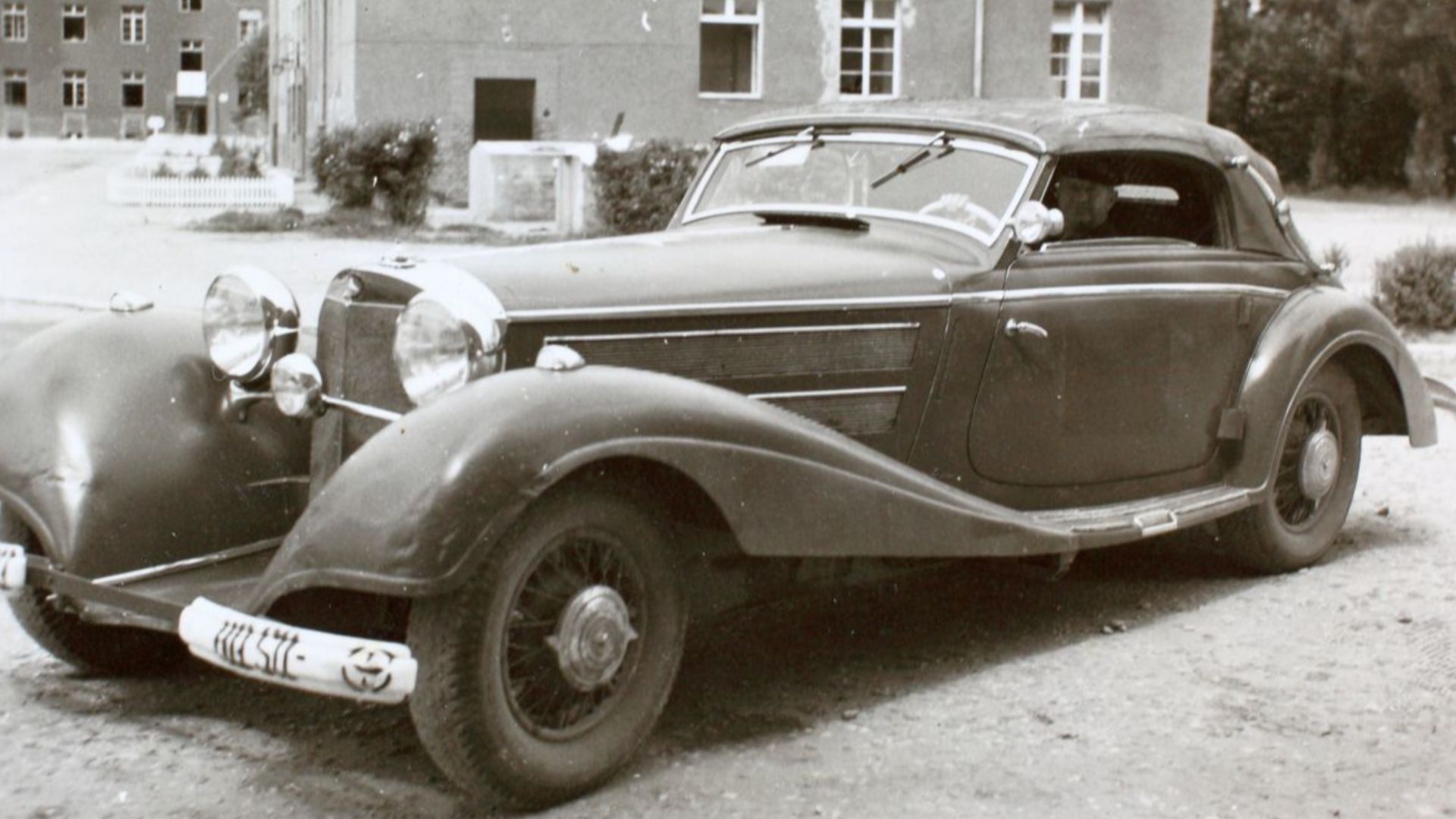
14. Mercedes-Benz 540K (1936–1940)
Another great car that will leave you in awe of what this era could produce. If you liked your car with more bling than what most companies were producing, this was a great car for you. These cars were expensive even by luxury standards, and surviving examples remain highly prized for their craftsmanship and connection to the glamorous side of 1930s motoring.
15. Citroën Traction Avant (1934–1957)
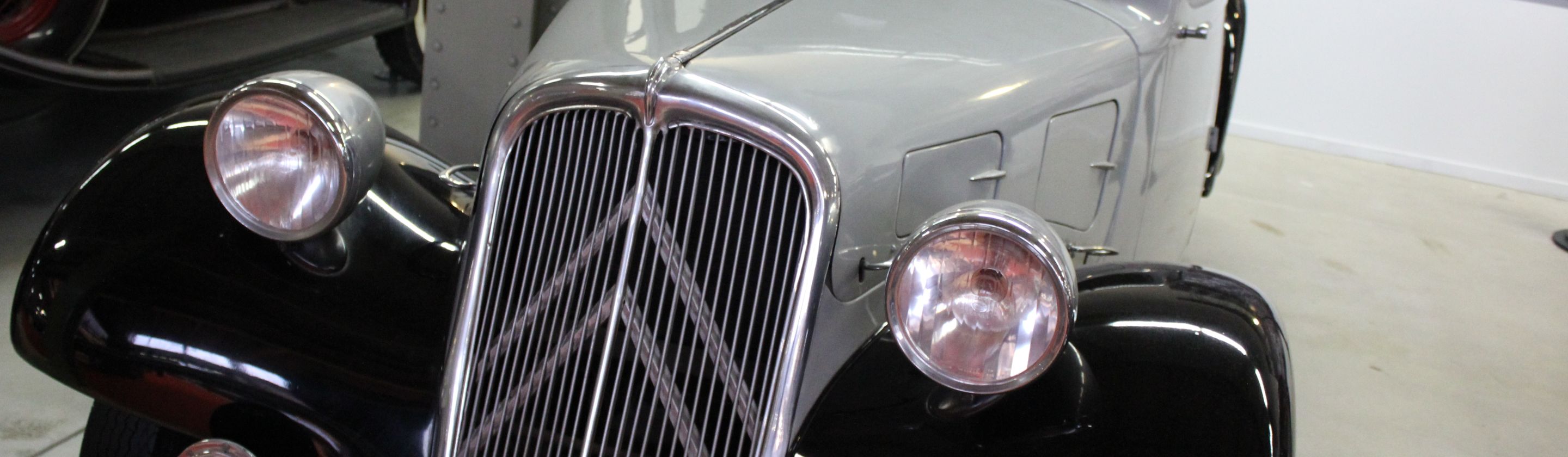
The Citroën Traction Avant helped bring several advanced engineering features into mainstream production. Its front-wheel-drive layout, unitary body construction, and independent front suspension gave it a low profile and useful interior space while improving road behavior. The resulting design was a major departure from the traditional rear-wheel-drive cars that dominated the market, and it remained in production long after the prewar era ended.
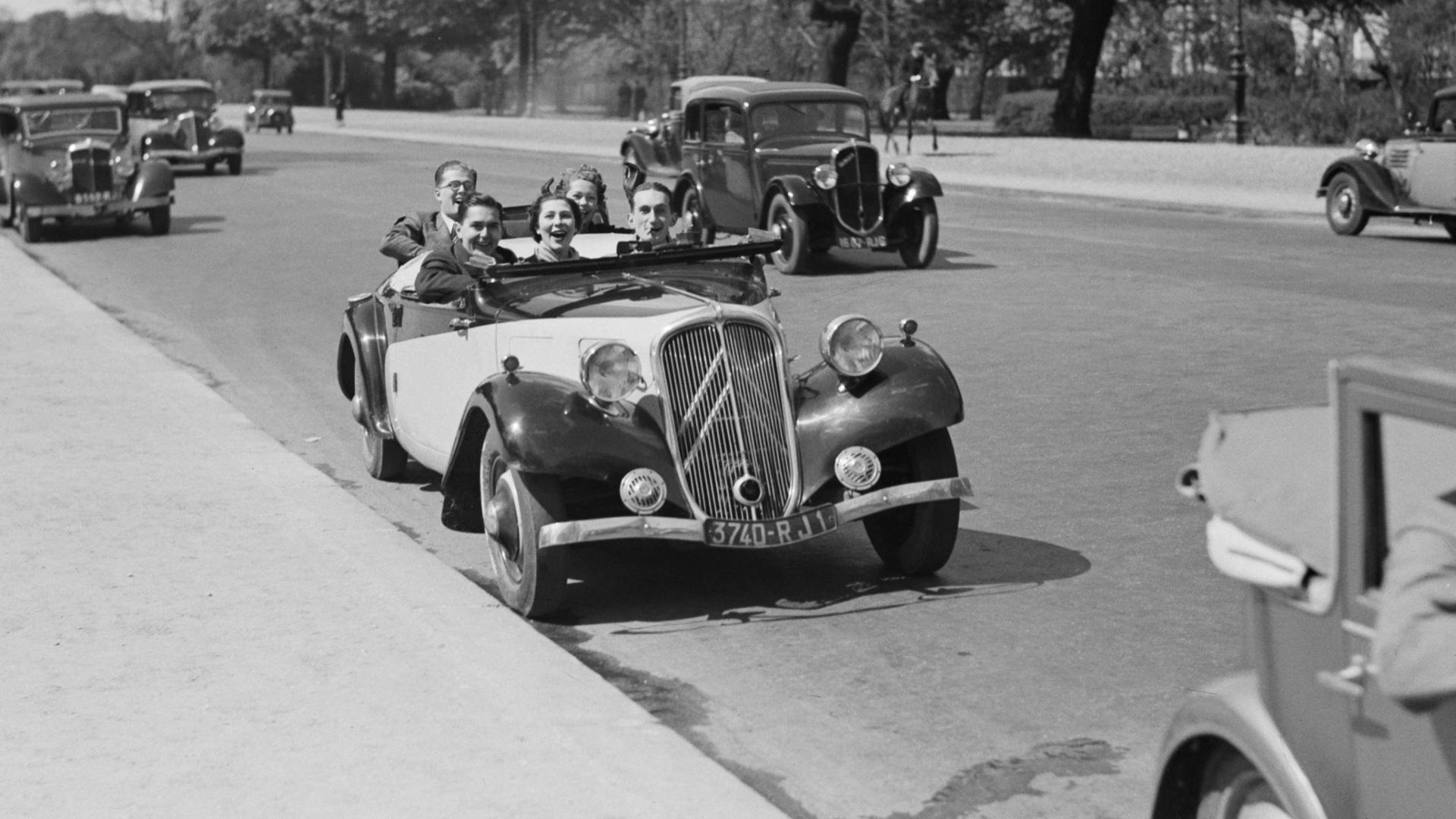 Willem van de Poll on Wikimedia
16. Tatra 77 (1934–1938)
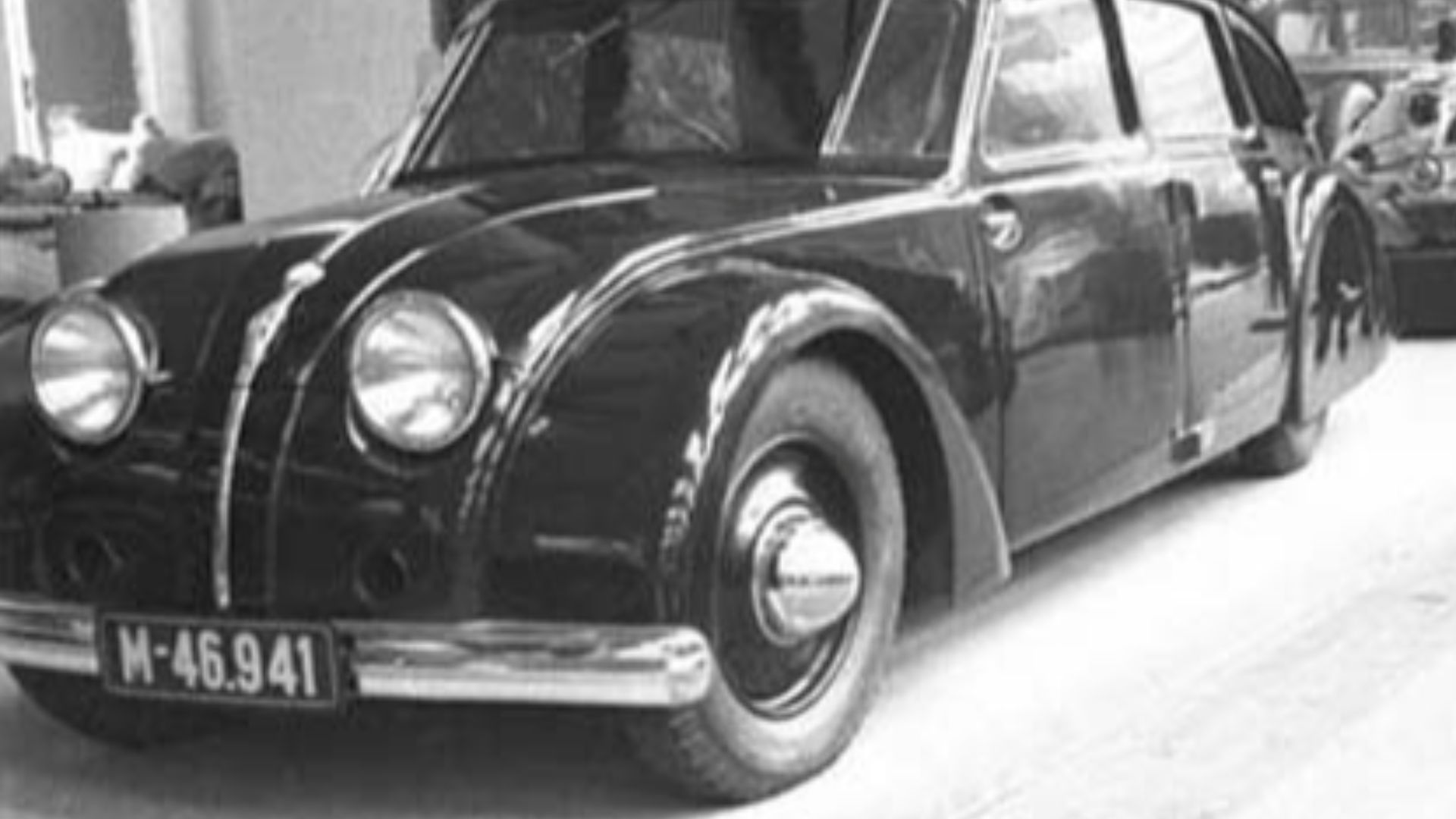
The Tatra 77 looked unusual even by the experimental standards of the 1930s, thanks to its smooth bodywork and tapered rear end. Developed in Czechoslovakia, it was designed with aerodynamics in mind and used a rear-mounted air-cooled V8 engine. Its streamlined shape helped reduce air resistance, while its layout set it apart from the conventional front-engine designs popular at the time.
17. Ford Model 18 (1932)
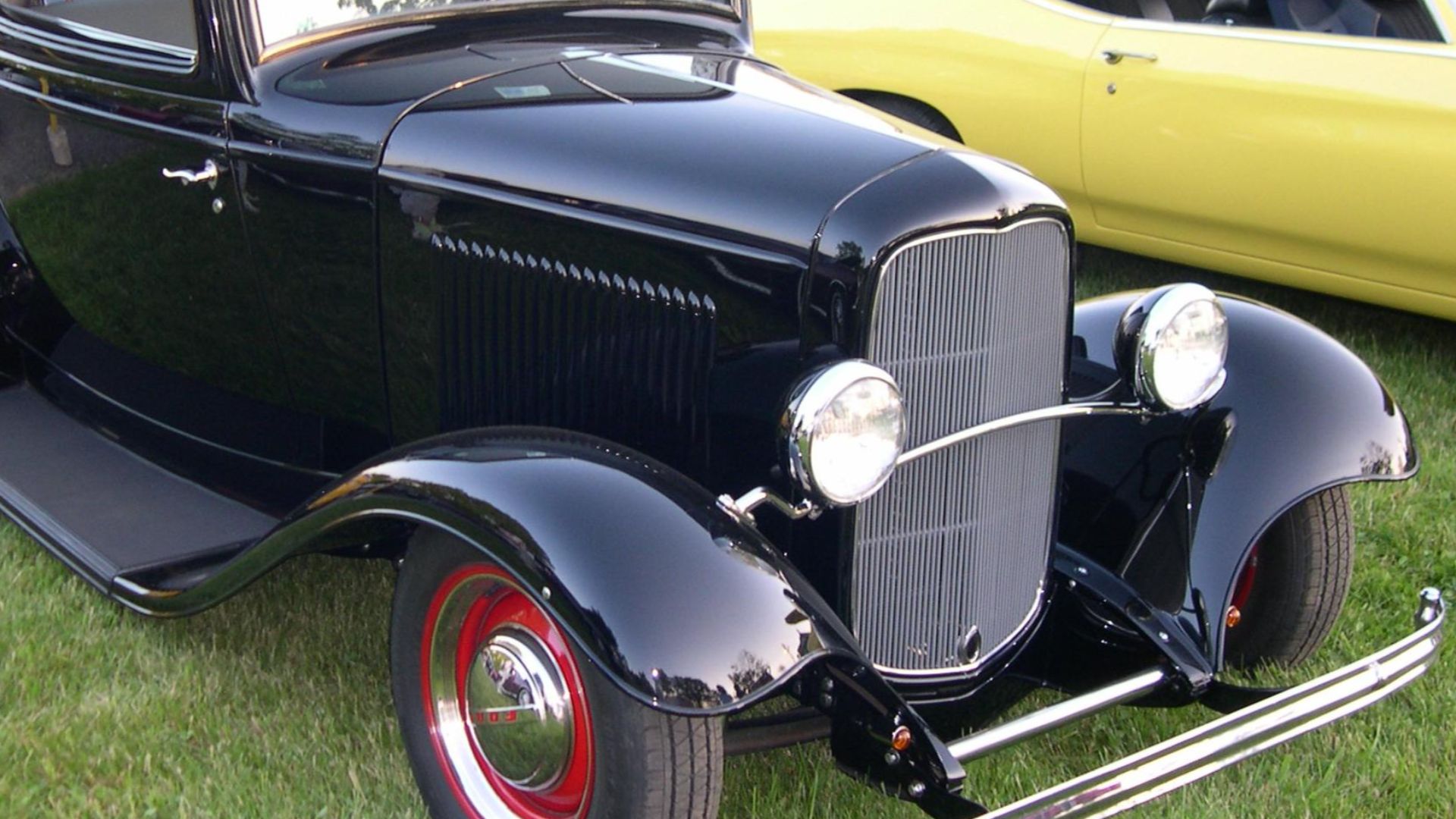
Ford made a major statement in 1932 by offering a V8 engine in a relatively affordable automobile. The Model 18 gave customers access to eight-cylinder power without requiring them to purchase an expensive luxury car, helping distinguish Ford from competitors still relying heavily on smaller engines. Its flathead V8 became famous for its straightforward design and potential for modification, eventually making early Ford V8s favorites among hot-rodders.
18. Volkswagen Beetle (1938)
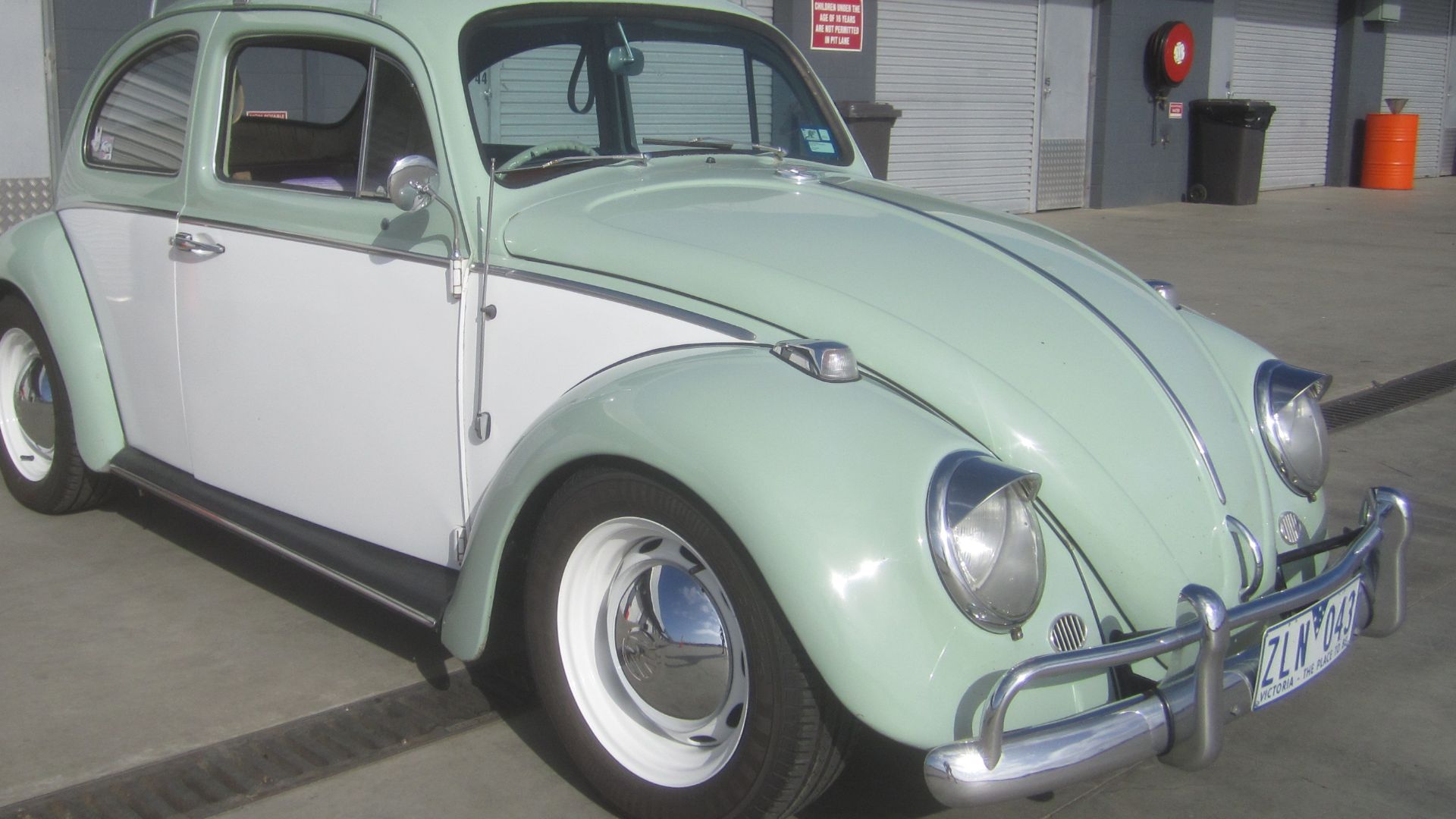
The original Volkswagen project aimed to create a simple, affordable car for ordinary German families, with Ferdinand Porsche involved in developing the design. Its rounded body, rear-mounted engine, and compact proportions established the basic layout that would become famous around the world after the war. Although the factory opened in the late 1930s, wartime conditions meant that large-scale civilian production didn't take place as originally envisioned.
19. BMW 328 (1936–1940)
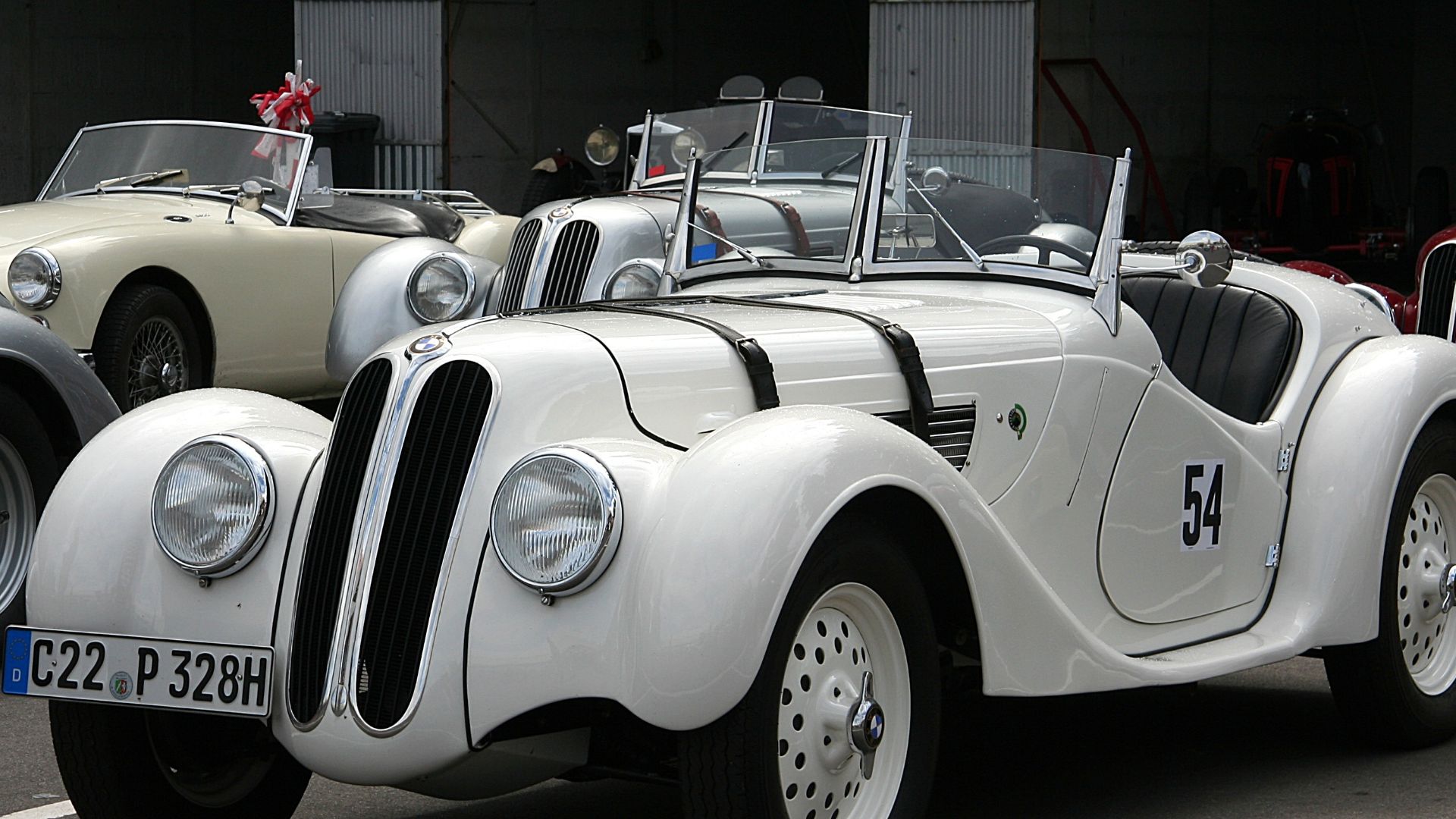
One more car from this era helped improve technology and performance. This BMW had great performance but didn't have one of the biggest engines to go along with it. The body style and engine combination made this car very successful in many road racing events.
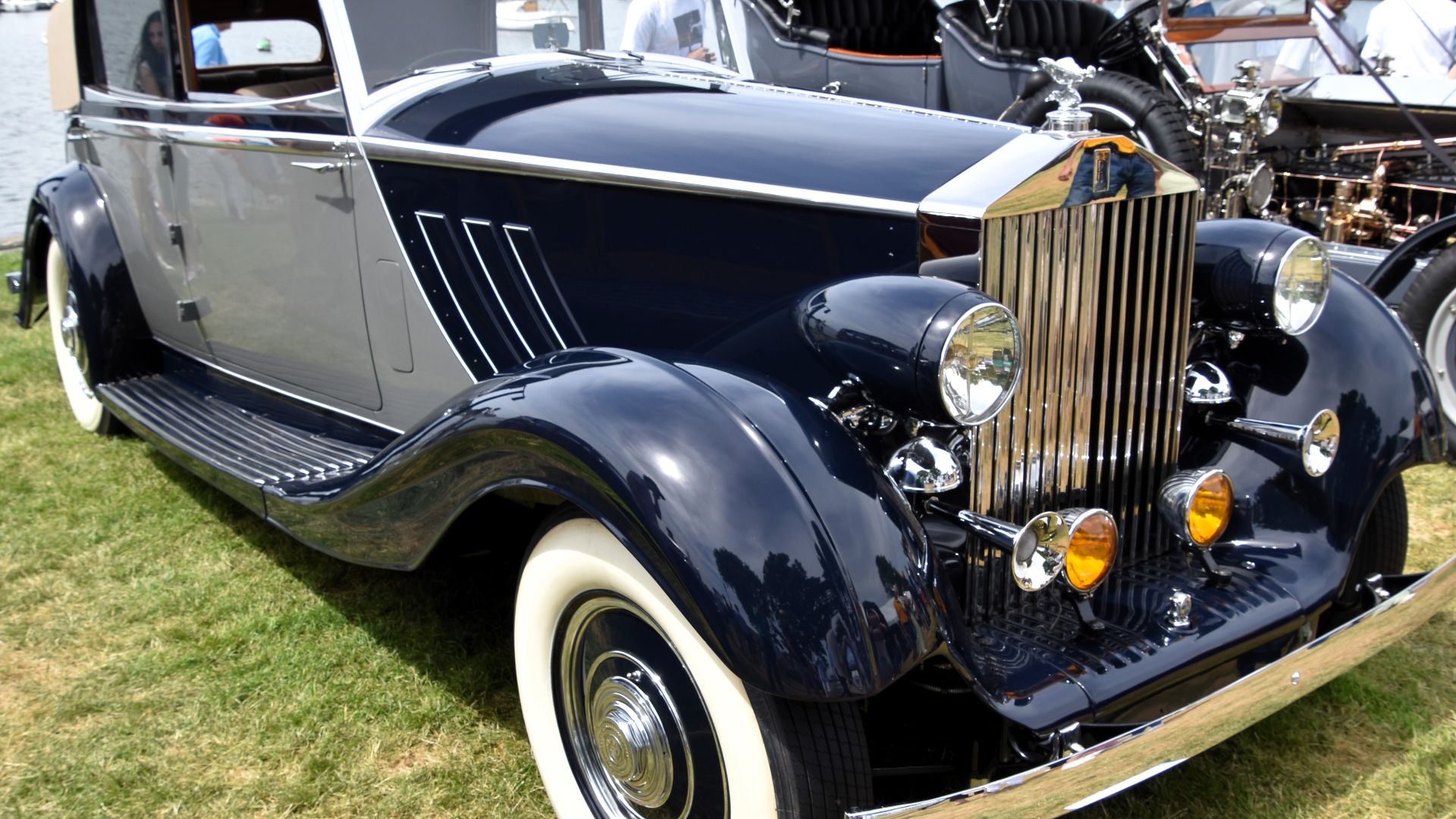
20. Rolls-Royce Phantom III (1936–1939)
When you want the best out of your car, you need a Rolls-Royce. During this era, the company decided to build its first V12 engine and placed it in the Phantom III. It's another great car that you should know about if you're interested in what was happening back then. With the Great Depression winding down and World War II approaching, it was one of the last luxury cars from England before the war.
 Charles from Port Chester, New York on Wikimedia