10 Car Companies That Failed The Quickest & the 10 Longest-Running
The Auto Industry Has a Short Memory & a Long Graveyard
Car companies can look unstoppable when they launch with bold designs, big promises, and plenty of publicity. Then production costs arrive, quality problems appear, investors get nervous, and suddenly the dream car is sitting unfinished in a warehouse. At the other end of the industry are brands that have survived wars, recessions, mergers, fuel crises, scandals, changing tastes, and customers who keep asking for more cupholders. Here are 10 automakers that burned brightly and vanished fast, and 10 that have somehow kept the wheels turning.
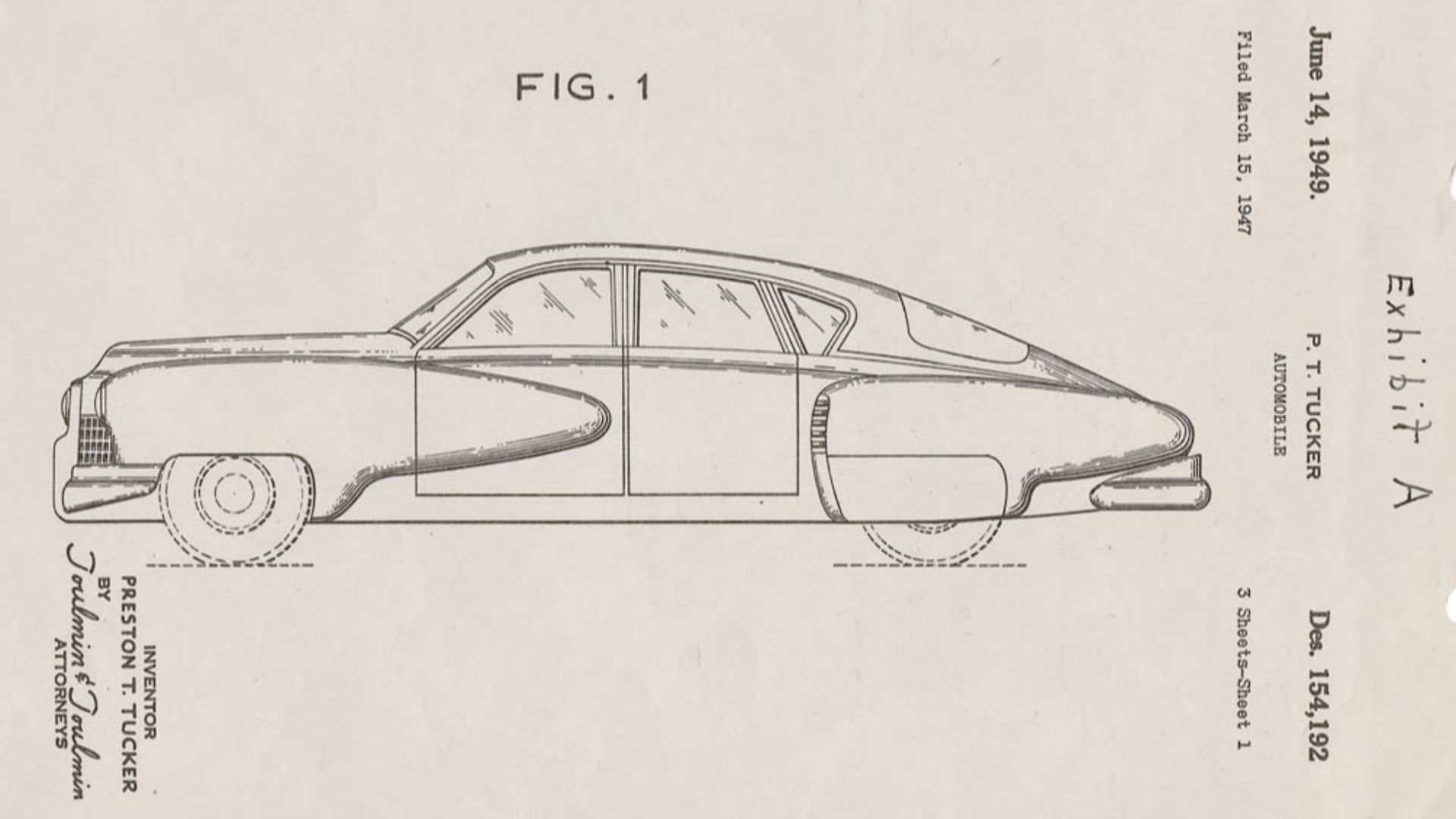
1. Tucker Corporation
Tucker Corporation is one of the most famous “what could have been” stories in American car history. Preston Tucker’s company produced the innovative Tucker 48, which offered forward-thinking safety and design ideas for the late 1940s. Only 51 cars were built before the company collapsed amid investigations, bad publicity, production delays, and a federal trial that ultimately ended in acquittal.
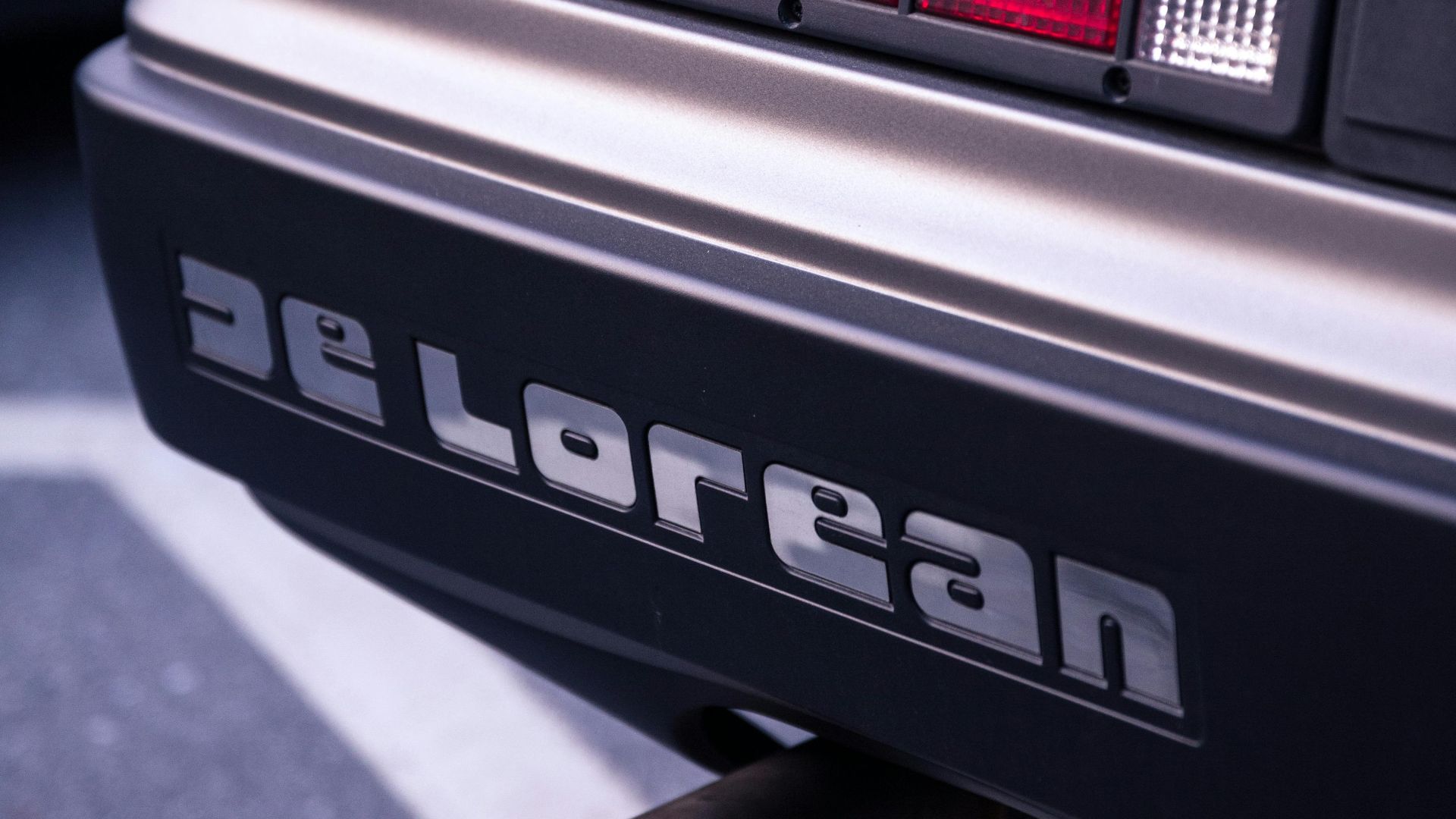
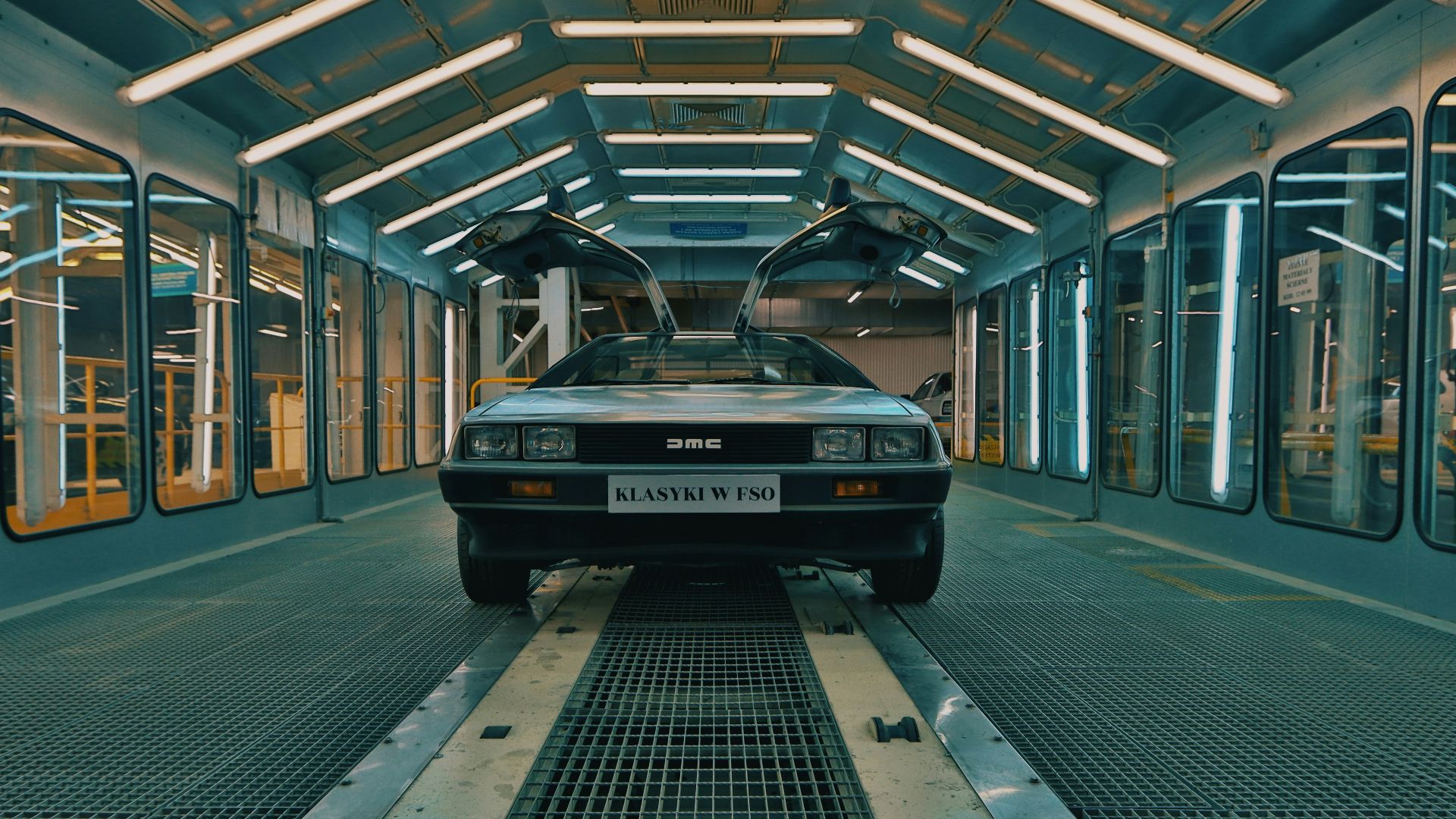
2. DeLorean Motor Company
DeLorean Motor Company had one of the most recognizable cars ever built and still couldn’t survive for long. Founded by John DeLorean, the company produced the stainless-steel, gullwing-door DMC-12 in the early 1980s. The car’s looks became immortal, but the company struggled with costs, production issues, mixed reviews, and financial trouble.
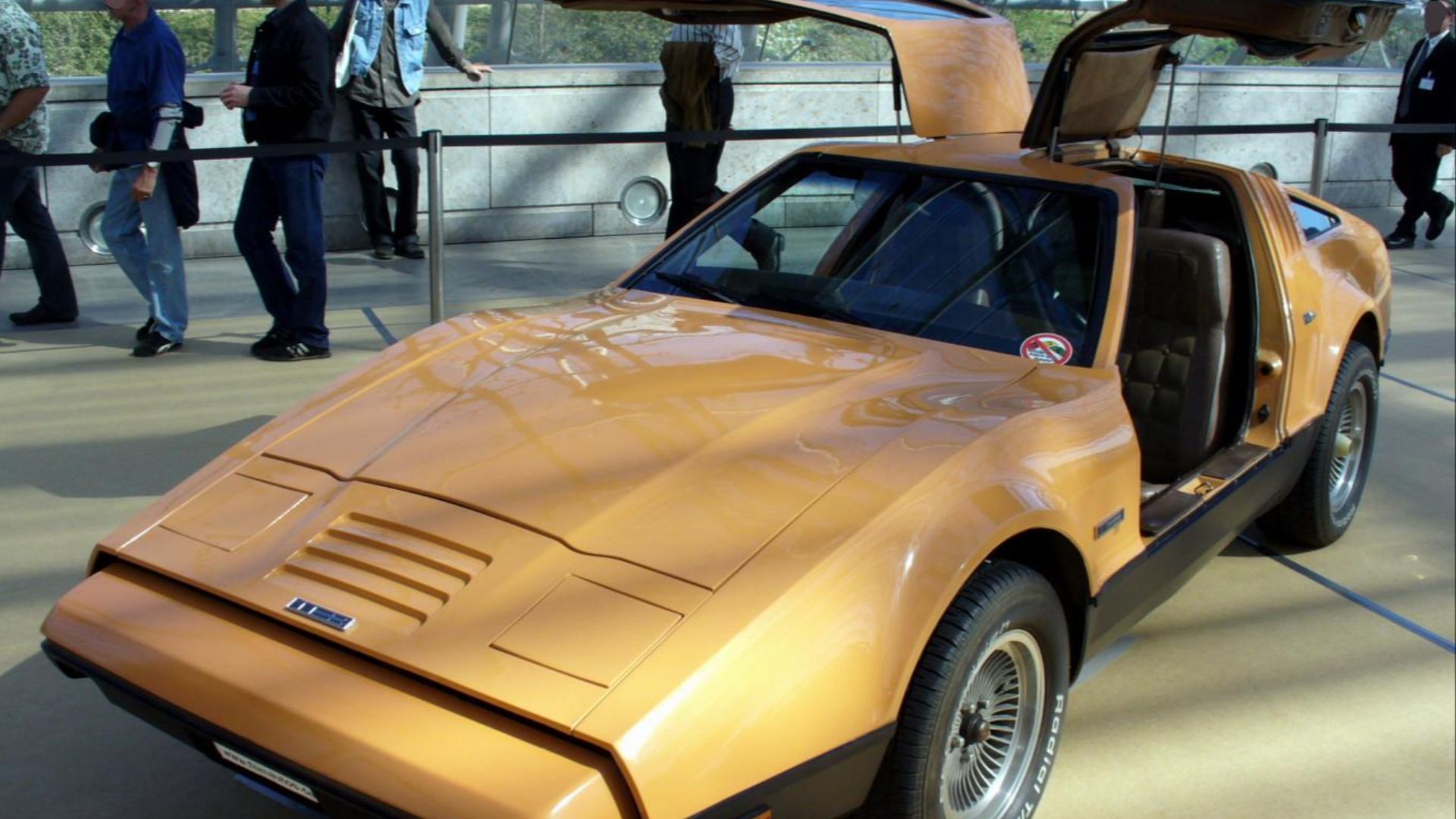
3. Bricklin Canada
Bricklin Canada built the SV-1, a dramatic safety-focused sports car with gullwing doors and color-impregnated acrylic body panels. Production ran only in the mid-1970s, with fewer than 3,000 cars made before the operation fell apart. Quality problems, rising costs, supplier issues, and heavy reliance on government funding all hurt the company.
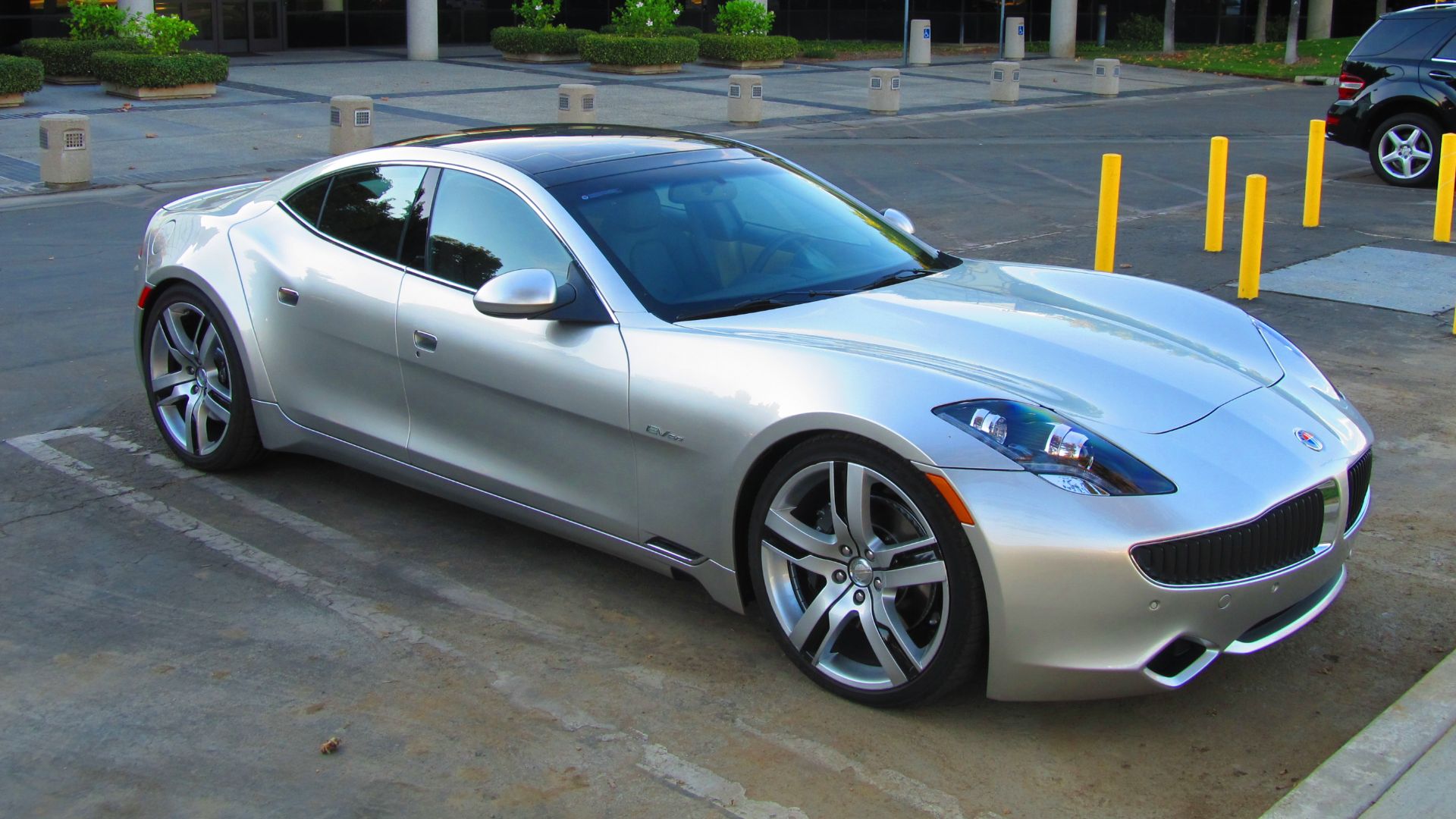
4. Fisker Automotive
Fisker Automotive arrived with serious glamour thanks to the Karma, a sleek plug-in hybrid luxury sedan. The company had style, celebrity attention, and a timely green-performance pitch, but it also had production headaches, supplier problems, recalls, and financial instability. It filed for bankruptcy in 2013, only a few years after the Karma reached customers.
5. Fisker Inc.
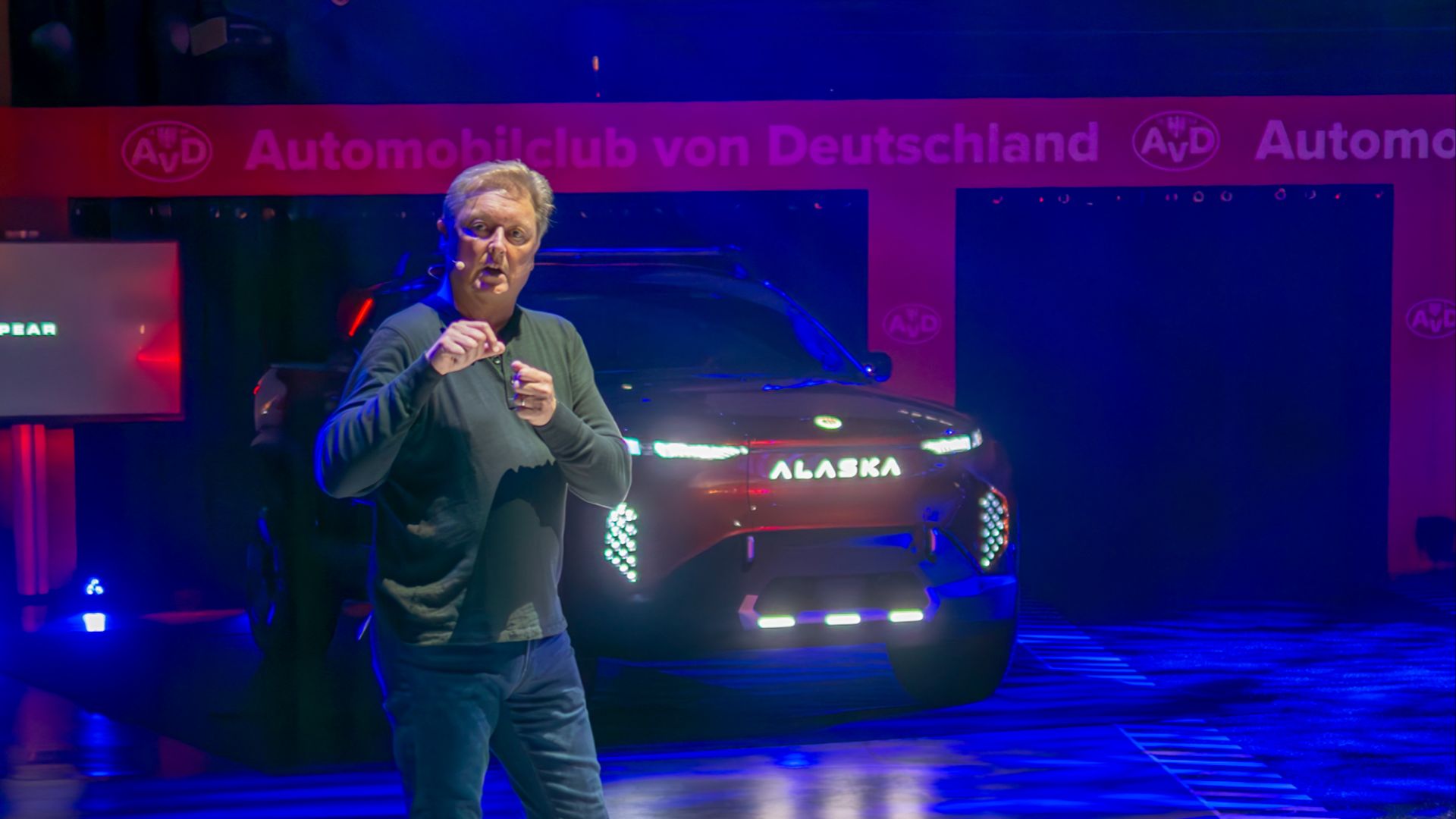
Henrik Fisker’s later EV company, Fisker Inc., also struggled to turn beautiful design into a durable business. The company launched the Ocean electric SUV and attracted major investor attention during the EV startup boom. However, it later ran into delivery, software, sales, financing, and quality challenges before filing for bankruptcy protection in 2024.
6. Vector Motors
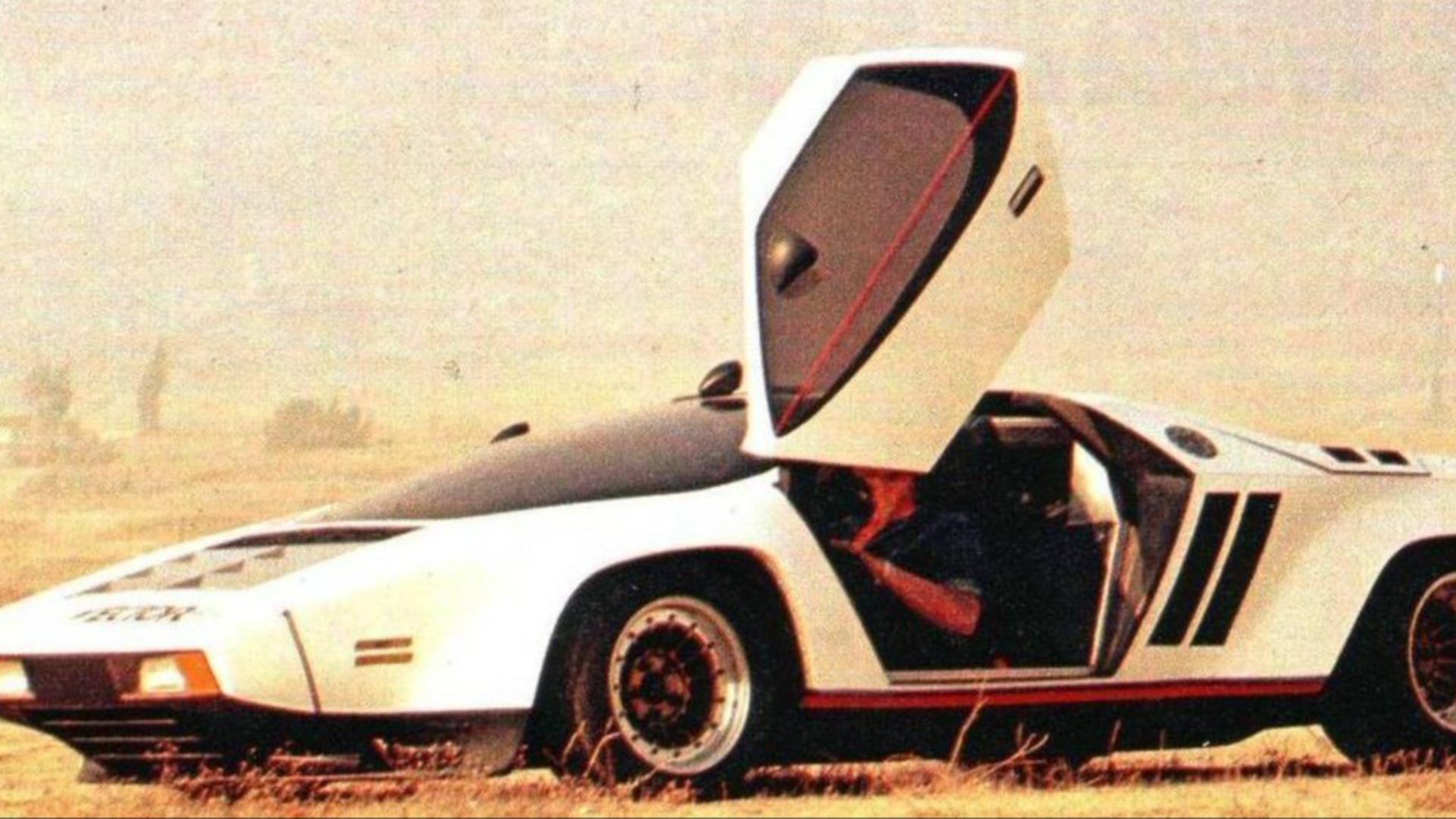
Vector Motors promised American supercar drama with aircraft-inspired styling and wild performance claims. The Vector W8 looked outrageous, which was very much the point, but production numbers stayed tiny. The company struggled with management problems, money issues, and the brutal reality of building exotic cars at scale.
 WWyss (Wallace Wyss) on Wikimedia
7. Cizeta
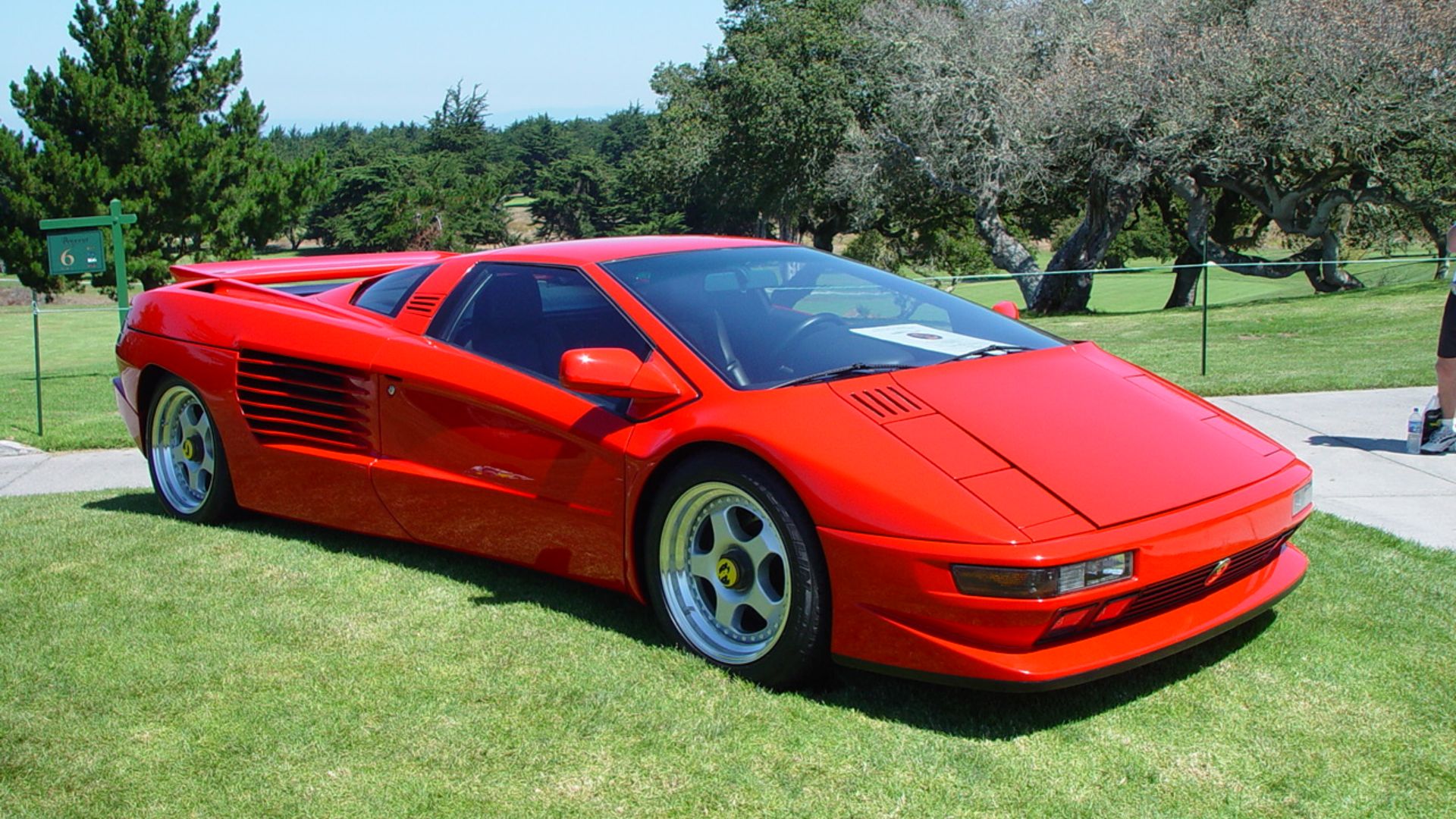
Cizeta was the kind of supercar company that could only exist in the most dramatic corner of the automotive world. Its V16T had exotic styling, a complicated engine layout, and links to former Lamborghini talent. Unfortunately, the company built only a tiny number of cars and never became a real rival to established supercar makers.
8. Muntz Car Company
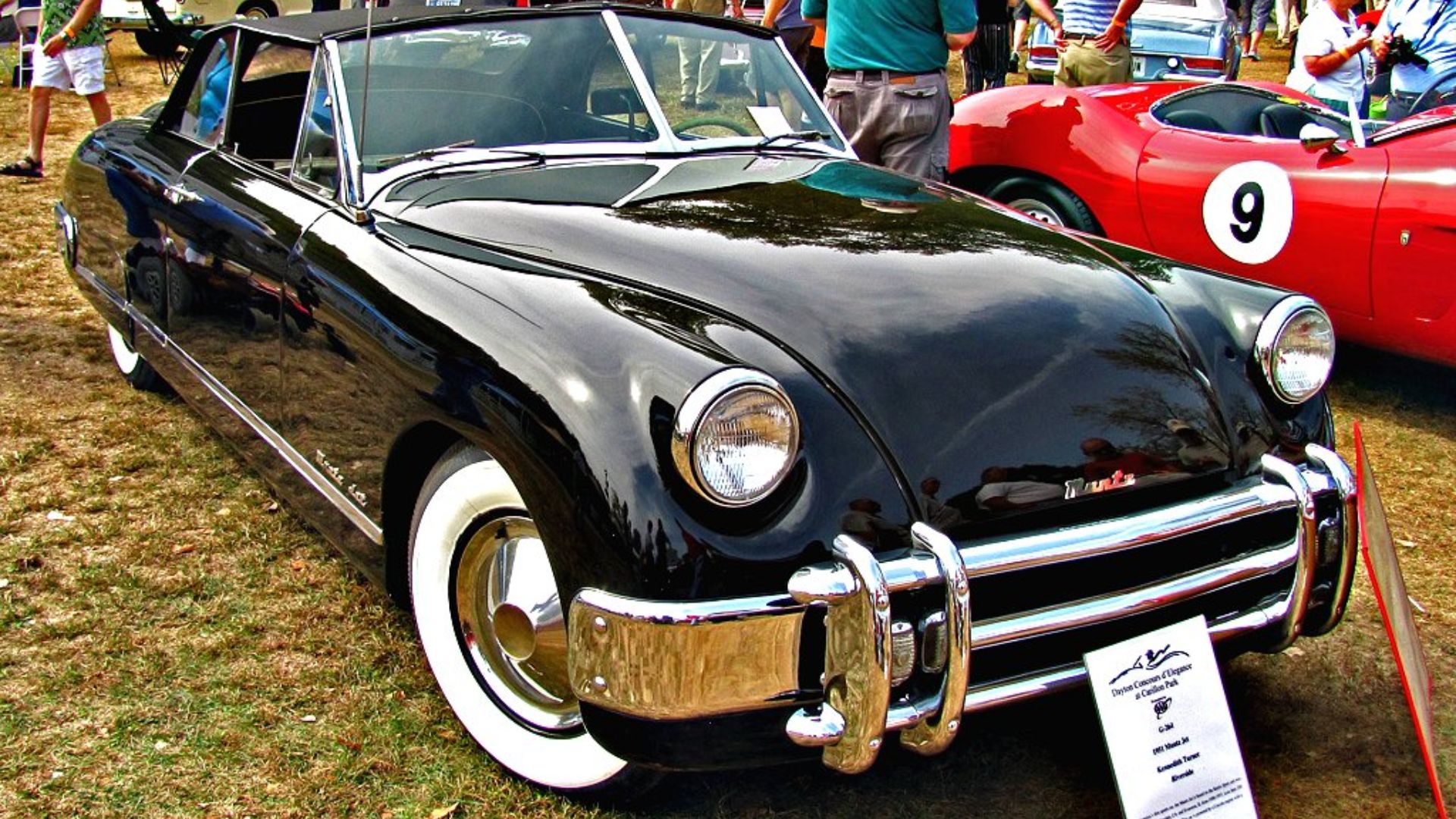
Muntz Car Company was founded by colorful entrepreneur Earl “Madman” Muntz and produced the Muntz Jet in the early 1950s. The car was flashy, expensive to build, and unusual for its time. Only a few hundred were made before the company stopped production after just a short run.
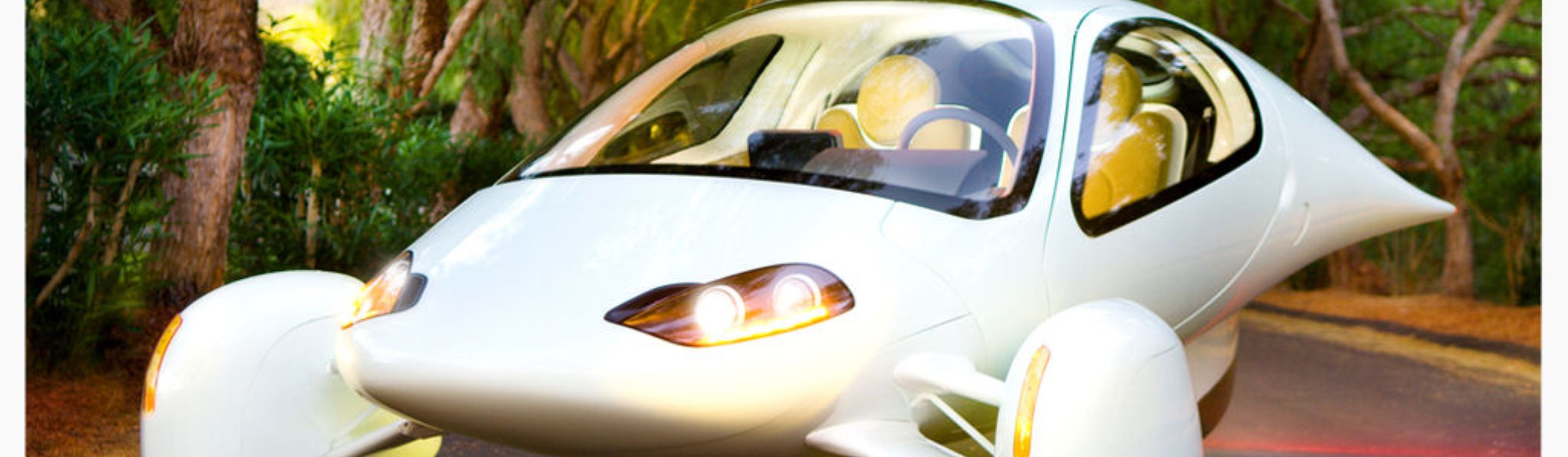
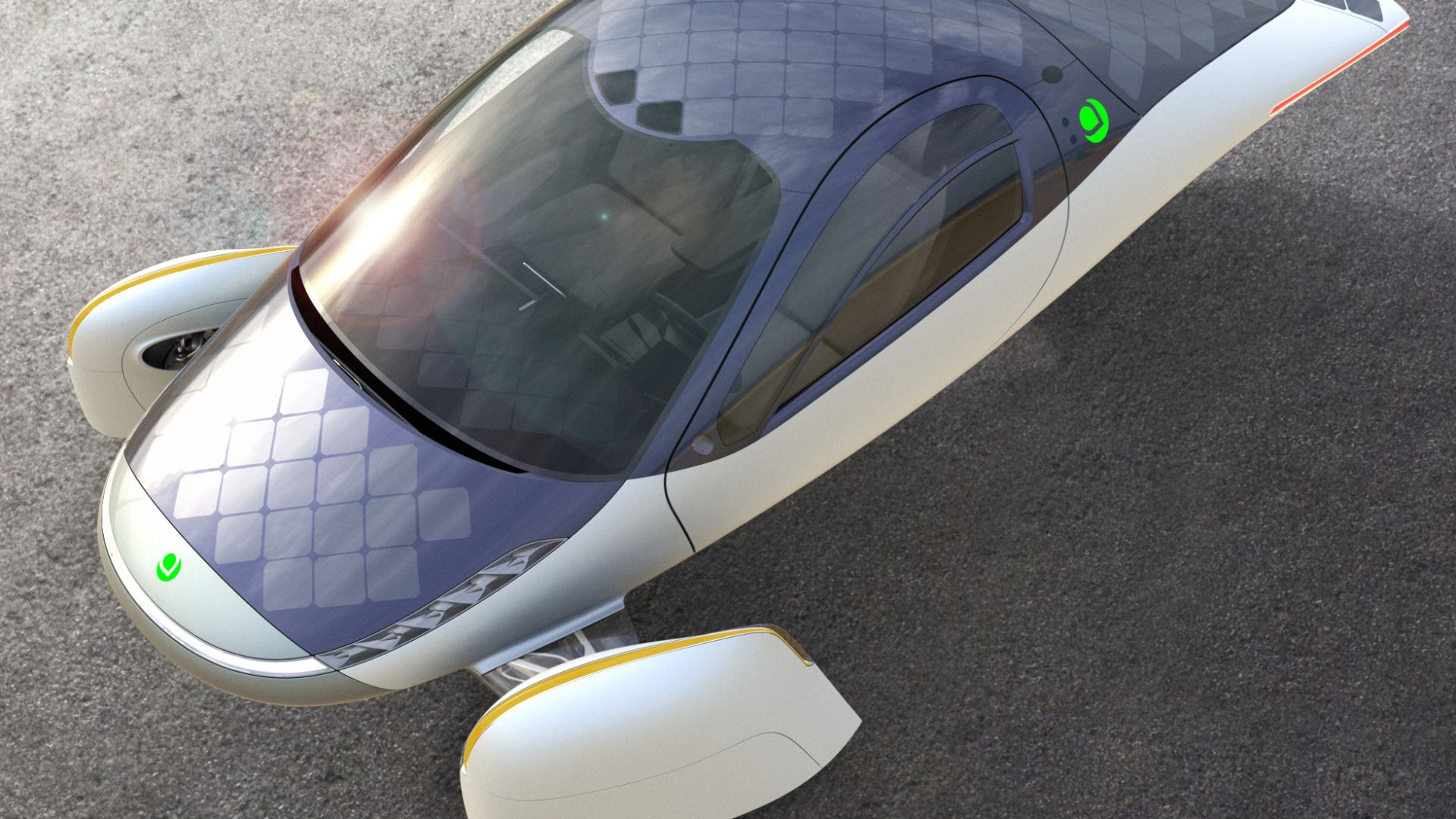
9. Aptera’s First Attempt
Aptera’s original three-wheeled efficiency car looked like something from a science fair with excellent aerodynamics. The company generated buzz in the late 2000s with an ultra-efficient design, but funding problems and delays pushed the first version into failure. The name later returned with a new solar-EV effort, but the first version of Aptera shut down in 2011.
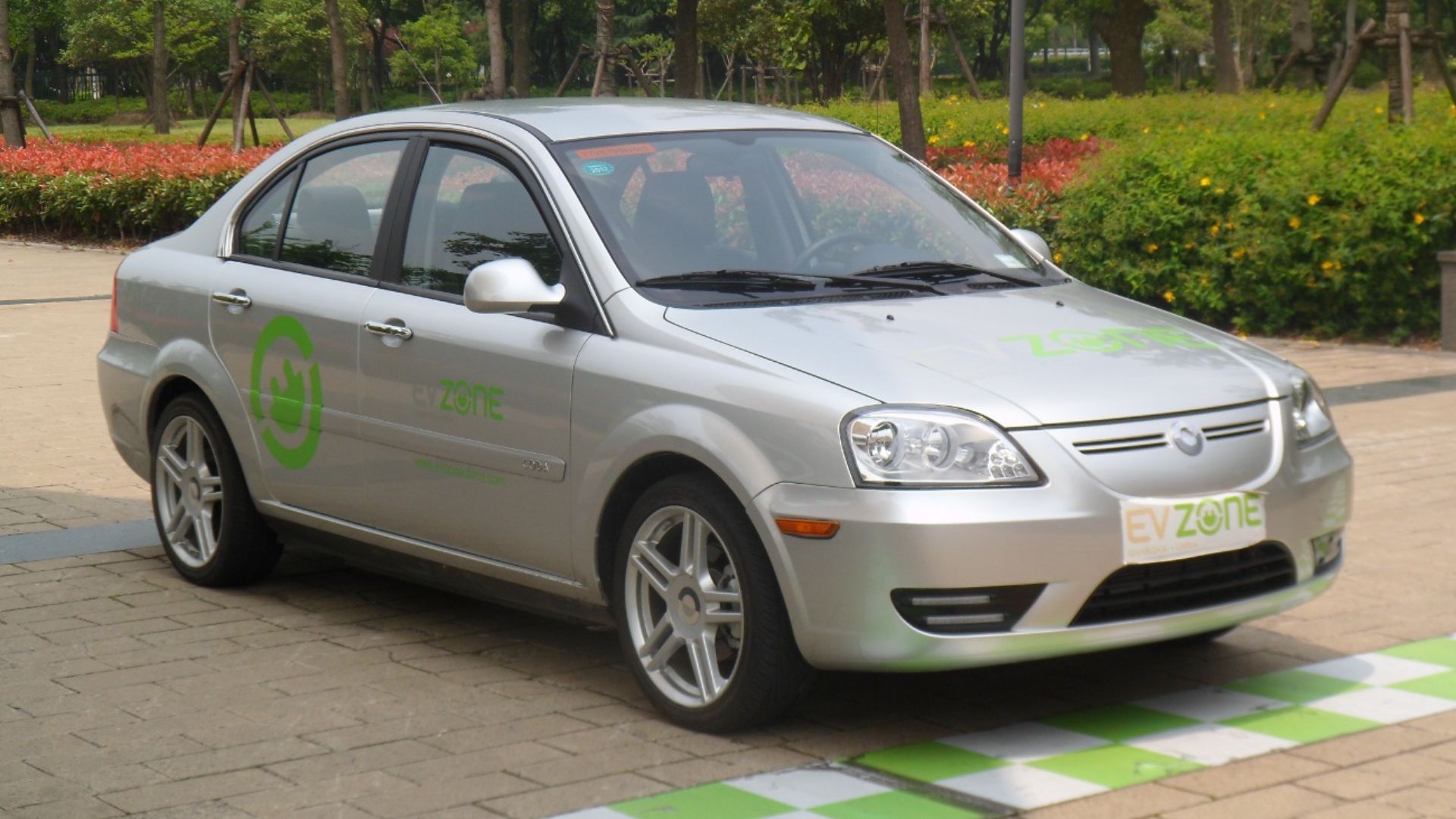
10. Coda Automotive
Coda Automotive tried to enter the early electric-car market with a compact electric sedan in the early 2010s. The company had a practical idea, but the car struggled with bland styling, limited appeal, tough competition, and a high price for what it offered. The company filed for bankruptcy in 2013 after selling only a small number of vehicles.
Now that we've discussed the car companies that failed the quickest, let's cover the ones that have kept things rolling for an astonishing amount of time.
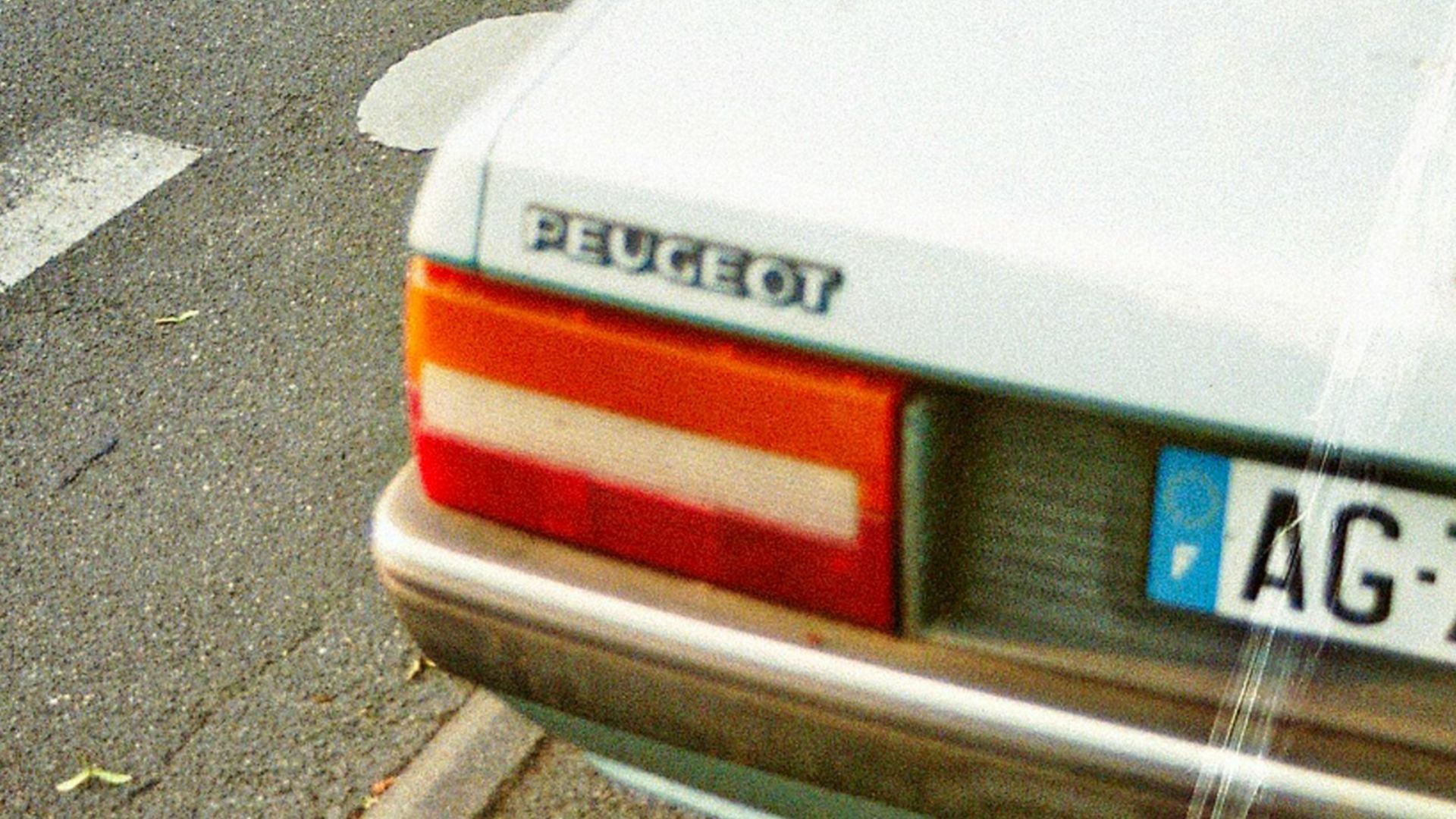
1. Peugeot
Peugeot is often described as one of the world’s oldest surviving car brands, though it began long before automobiles. The company traces its roots to 1810, when the Peugeot family business made steel products before later moving into bicycles and cars. Peugeot built its first automobiles in the late 19th century and remains active today as part of Stellantis.
2. Mercedes-Benz
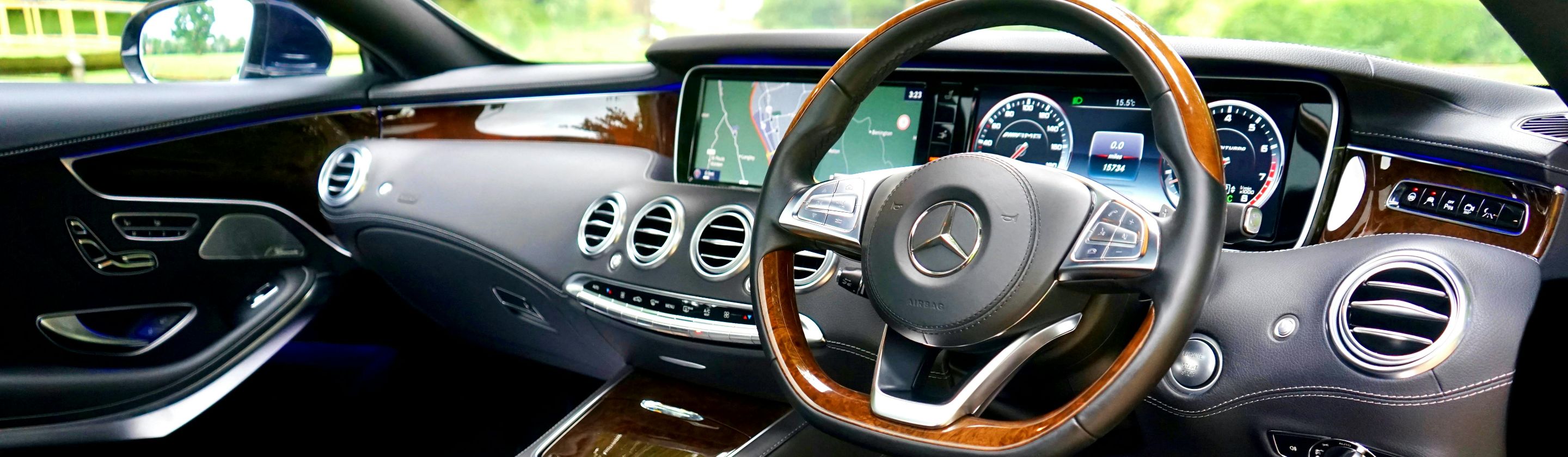
Mercedes-Benz has a claim to the very birth of the automobile thanks to Karl Benz’s 1886 Patent-Motorwagen. The modern brand grew from several pioneering companies and became one of the defining names in luxury, engineering, racing, and safety. It has survived wars, economic upheaval, and massive technological change while remaining central to the auto industry.
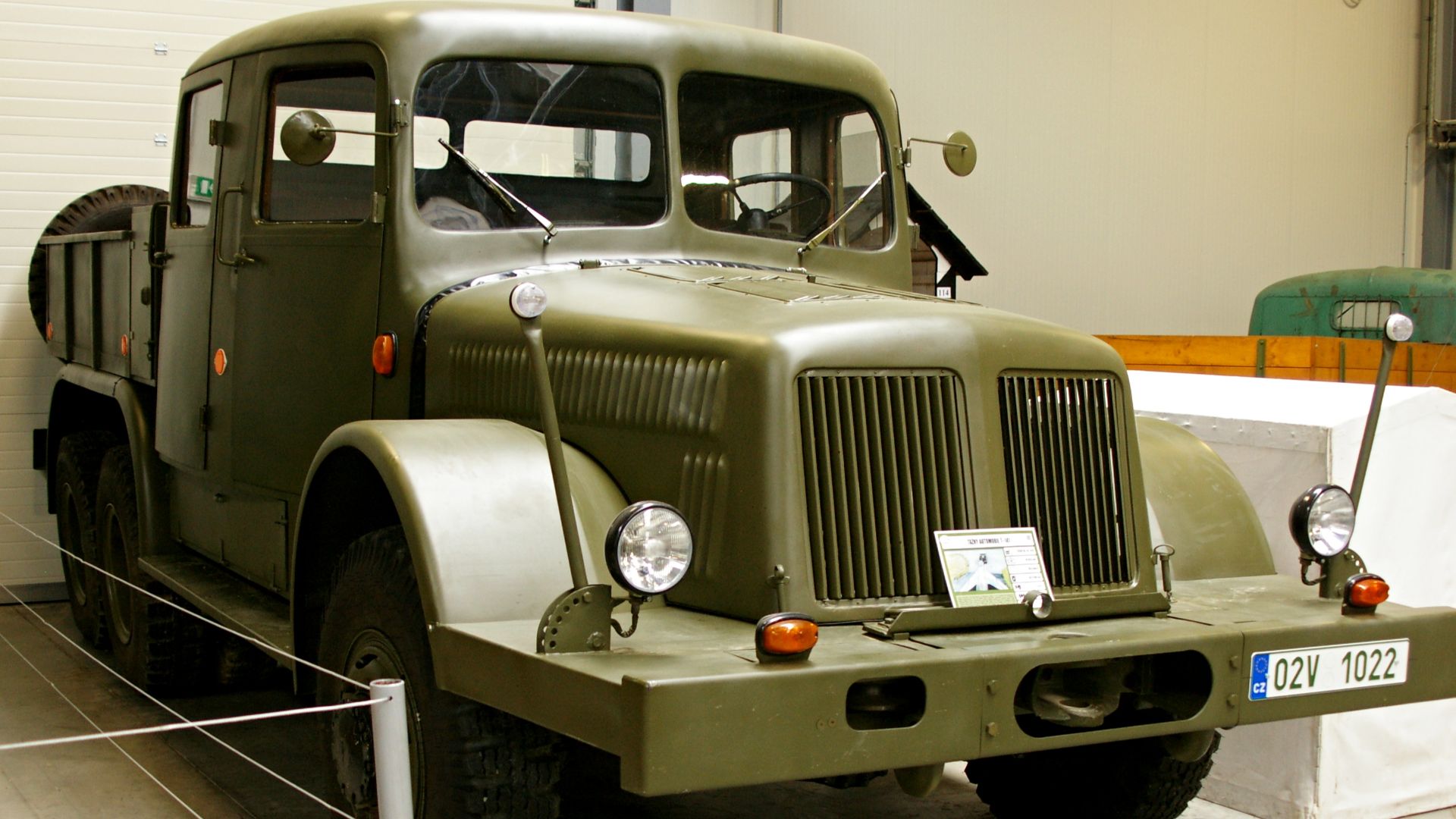
3. Tatra
Tatra is one of the oldest vehicle manufacturers in the world, with roots reaching back to the 19th century. Based in what is now the Czech Republic, it became known for innovative engineering, especially aerodynamic cars and heavy-duty trucks. While its passenger car production has changed over time, the Tatra name has endured through commercial and specialty vehicles.
4. Opel
Opel began in the 19th century, making sewing machines before moving into bicycles and then automobiles. The company became one of Germany’s most important carmakers, producing everything from practical family cars to sporty models. It has changed ownership over the years, including long periods under General Motors and later Stellantis.
5. Škoda
Škoda’s roots go back to Laurin & Klement, a bicycle company founded in 1895 that later moved into motorcycles and cars. The brand became one of Central Europe’s major automakers and eventually joined the Volkswagen Group. Today, Škoda is known for practical, well-built cars with clever packaging and strong value.
6. Renault
Renault was founded in 1898 and quickly became a major force in French motoring. Over the years, it built taxis, economy cars, racing machines, family hatchbacks, and electric vehicles. The company has lived through war, nationalization, privatization, alliances, and plenty of questionable design experiments.
7. Fiat
Fiat was founded in 1899 and became one of Italy’s most important industrial names. It helped motorize Italy with small, affordable cars while also producing stylish, sporty, and surprisingly characterful models. The company eventually became part of the larger Stellantis group, but the Fiat name still carries more than a century of history.

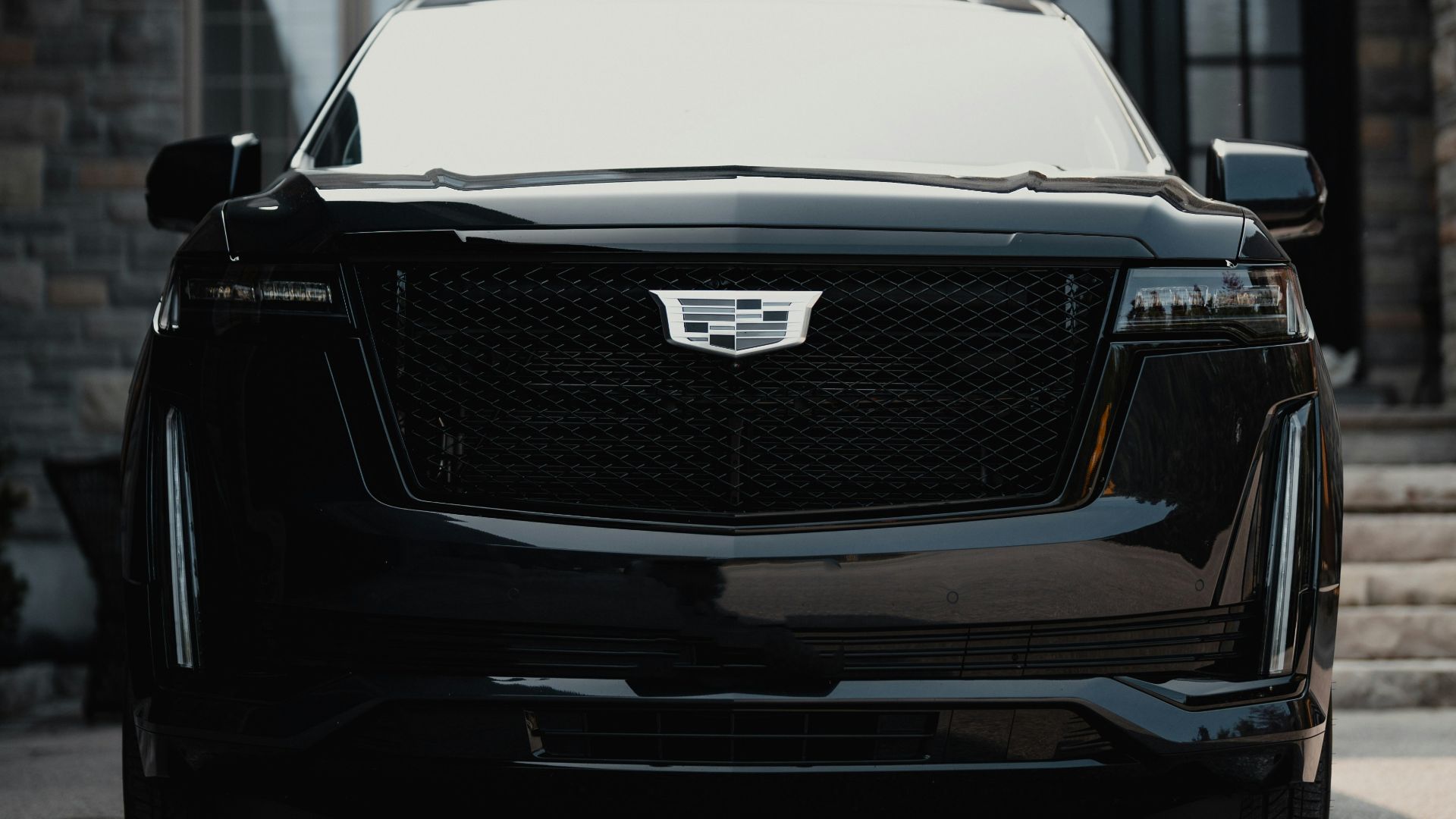
8. Cadillac
Cadillac was founded in 1902 and became a symbol of American luxury. It helped establish precision manufacturing standards and later became famous for big engines, dramatic styling, tailfins, and plush comfort. Over the years, the brand has had highs, lows, reinventions, and some very shiny identity crises.
9. Ford
Ford was founded in 1903 and changed the world with the Model T and the moving assembly line production. The company made car ownership possible for millions of ordinary people and helped define modern industrial manufacturing. It has survived recessions, wars, competition, changing fuel prices, and the occasional design decision best discussed privately.
10. Rolls-Royce
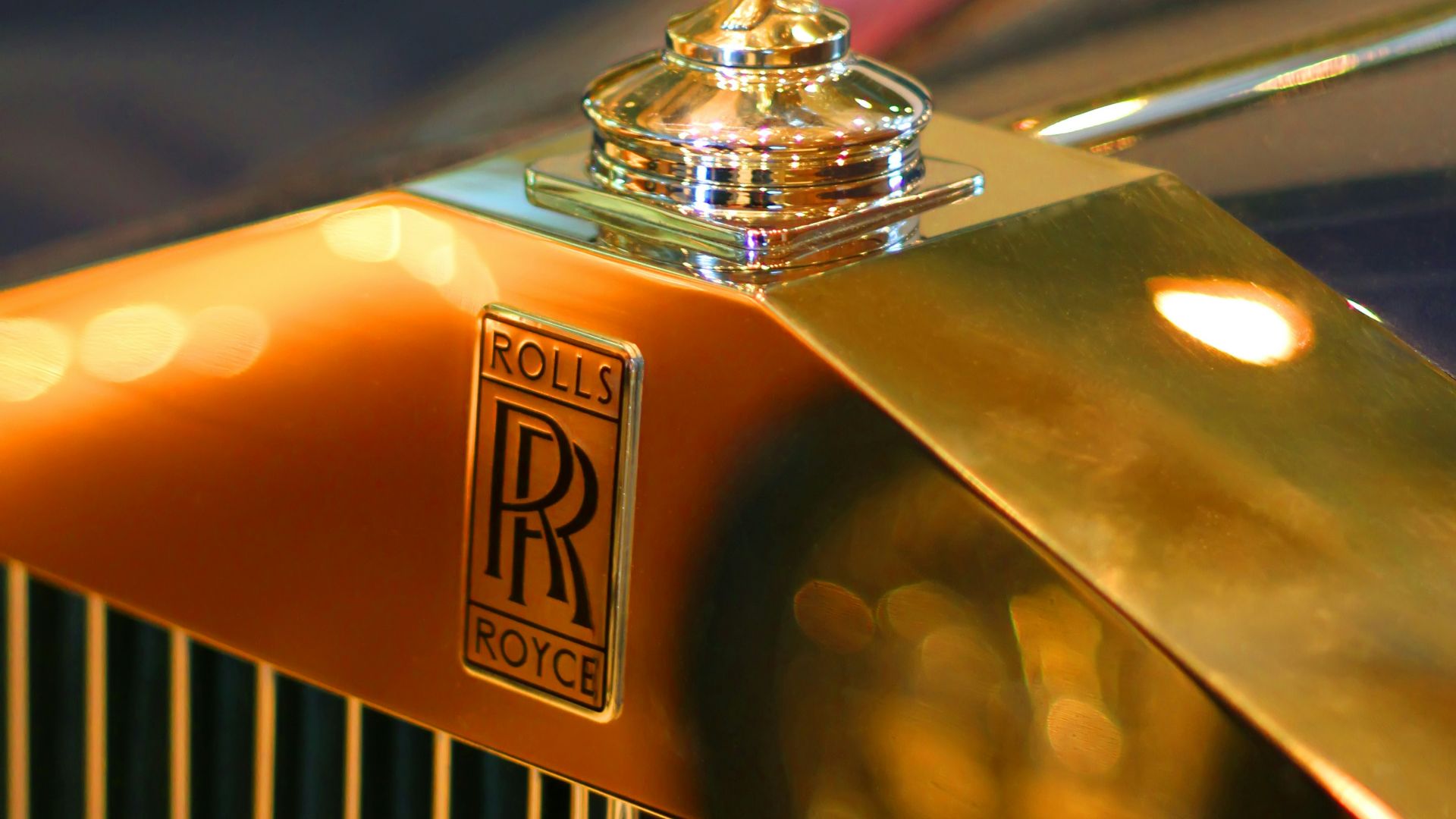
Rolls-Royce began in 1904 and quickly became associated with engineering refinement and luxury. Its cars developed a reputation for quietness, craftsmanship, and status, turning the brand into shorthand for automotive excellence. The company’s ownership and structure changed over time, but the Rolls-Royce name still sits near the top of the luxury car world.