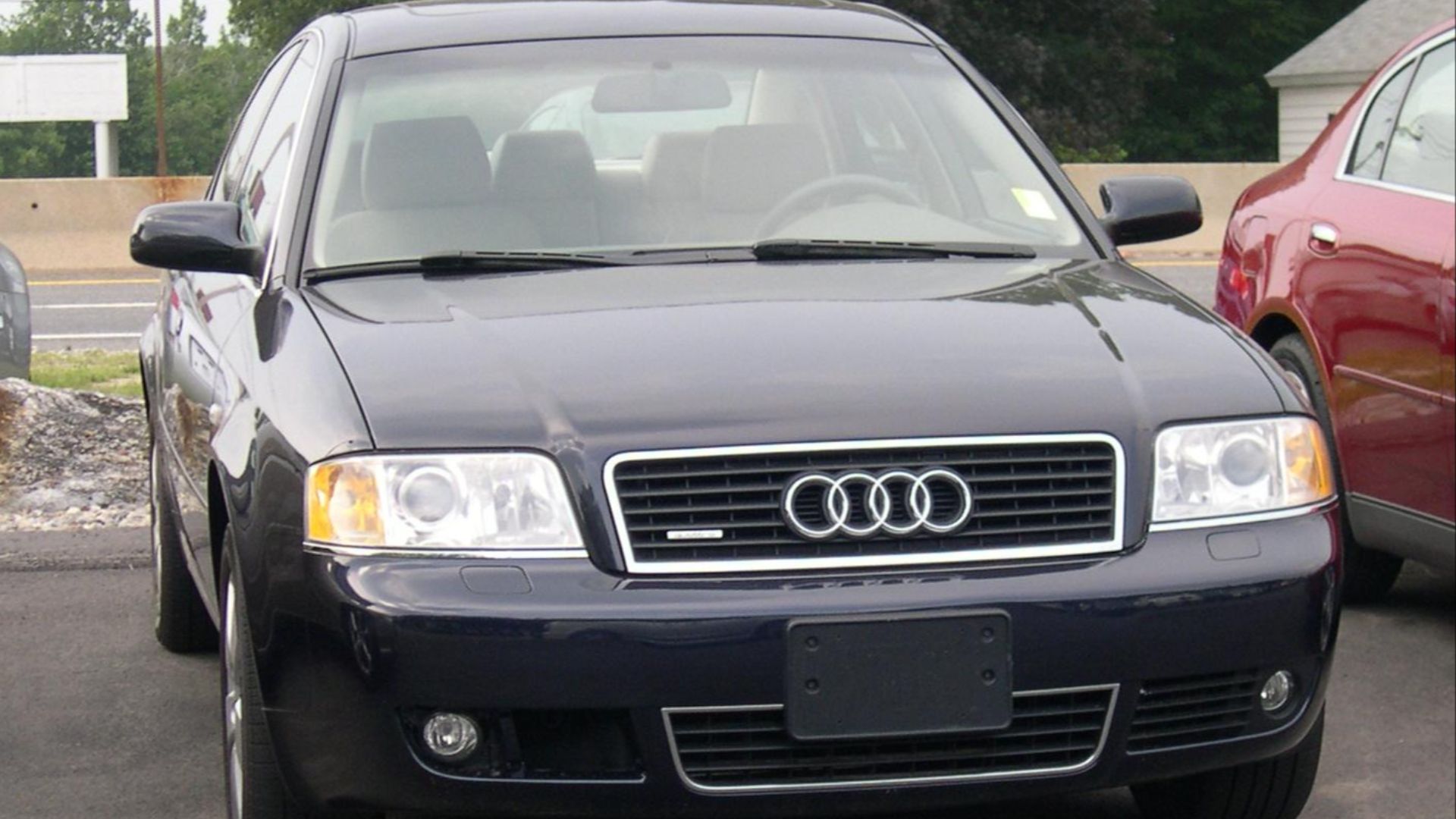
The Used Audi Sweet Spot
Buying a used Audi can feel like you’re getting a lot of car for the money, because you usually are. The trick is that some Audis age gracefully with normal maintenance, while others come with specific engine or turbo issues that can turn a “great deal” into a very expensive headache. If you shop by generation and powertrain, not just by badge, you’ll stack the odds in your favor. Here are 10 Audis that tend to make strong used buys and 10 that are risky.
1. A4 (B9, 2017+)
The B9 A4 is widely viewed as a smarter used pick than the earlier B8 generation, largely because the most notorious engine problems are less common in the newer design. You still want service records and clean oil-change history, but this is the A4 that feels like it’s on your side. It’s comfortable, quick enough, and easy to live with day to day.
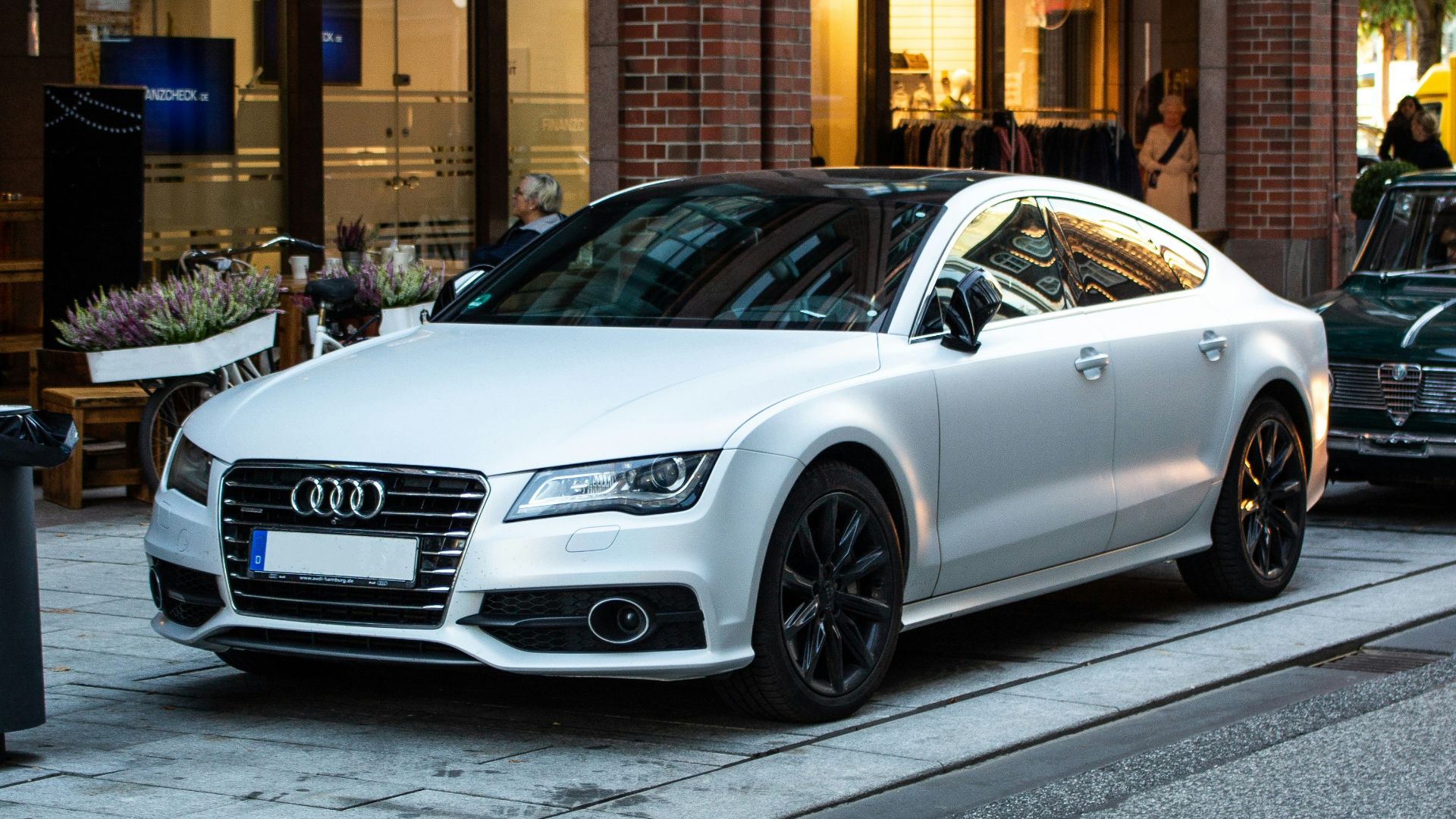
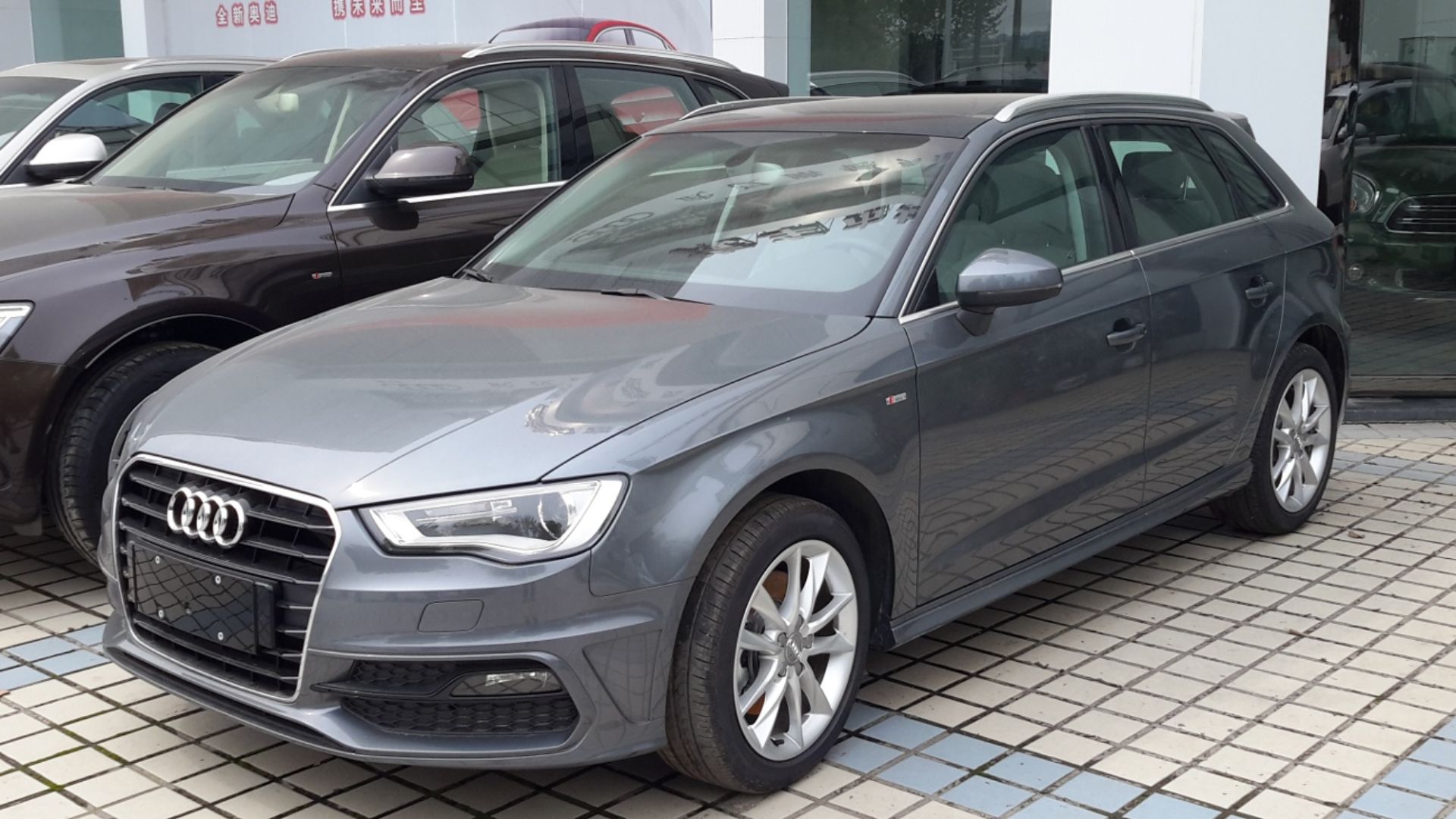
2. A3 (8V, 2015–2020)
The A3 is a great way to get into the brand without paying full-size luxury running costs. It’s compact, efficient, and generally less complex than Audi’s bigger, more heavily optioned models. You’ll still want to check for routine maintenance, especially if it’s been tuned or driven hard.
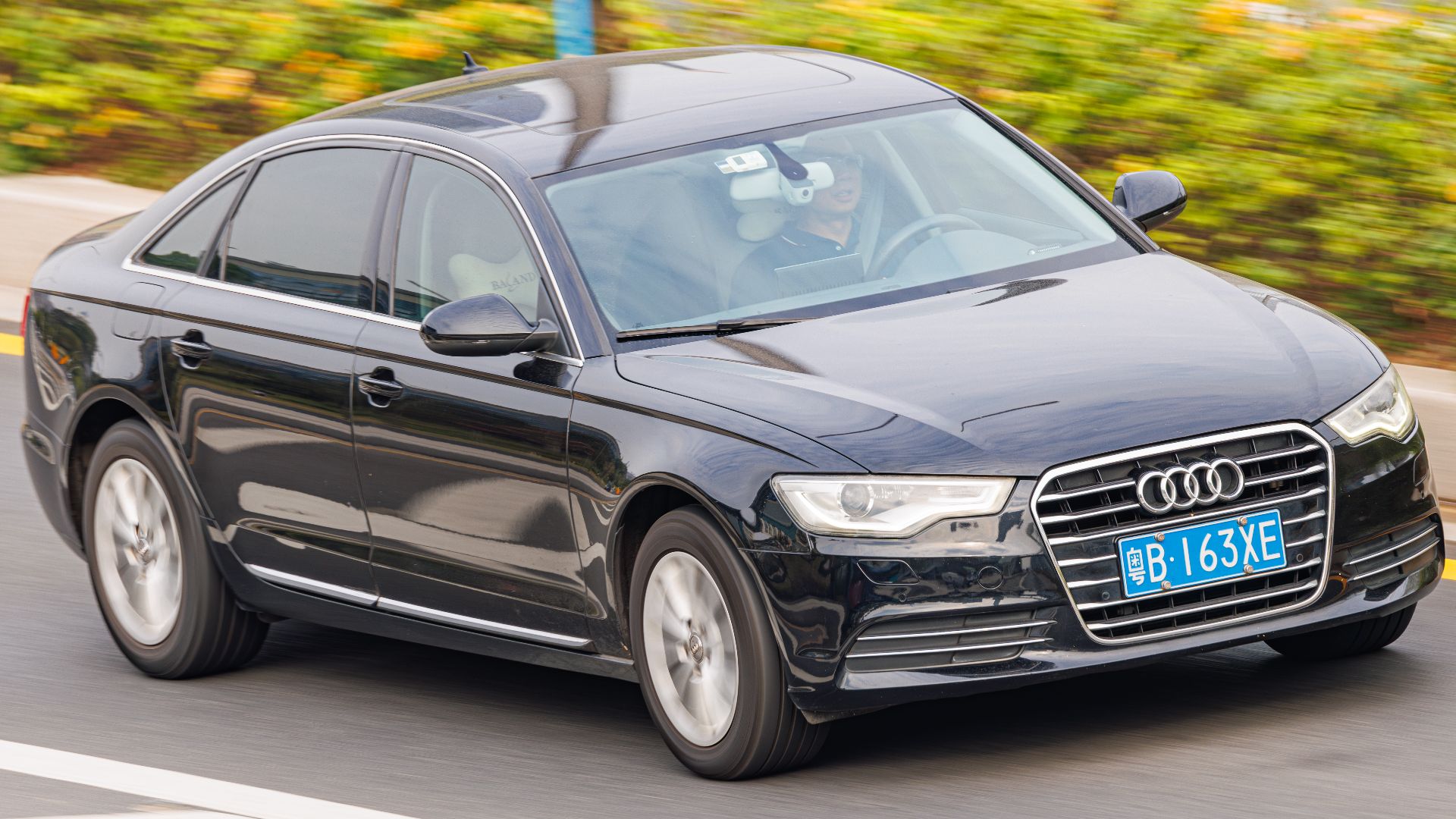
3. A6 (C7) with the 3.0T Supercharged V6
The C7 A6 with the 3.0T has a reputation for being one of Audi’s more solid powertrains when it’s maintained properly. It does have known patterns like PCV and water pump/cooling system issues, but they’re well understood and not mysterious one-off nightmares. With this car, you get a quiet, comfortable sedan with real highway confidence.
4. Q5 with the 3.0T
If you want an SUV that still feels like an Audi to drive, the 3.0T versions are often the enthusiast-approved route. The engine family has known common issues, but it’s generally considered a capable platform when it has a consistent service history. You’ll want to confirm coolant system work and general upkeep, because ignored maintenance gets expensive fast. Treated well, it’s a genuinely enjoyable used luxury SUV.
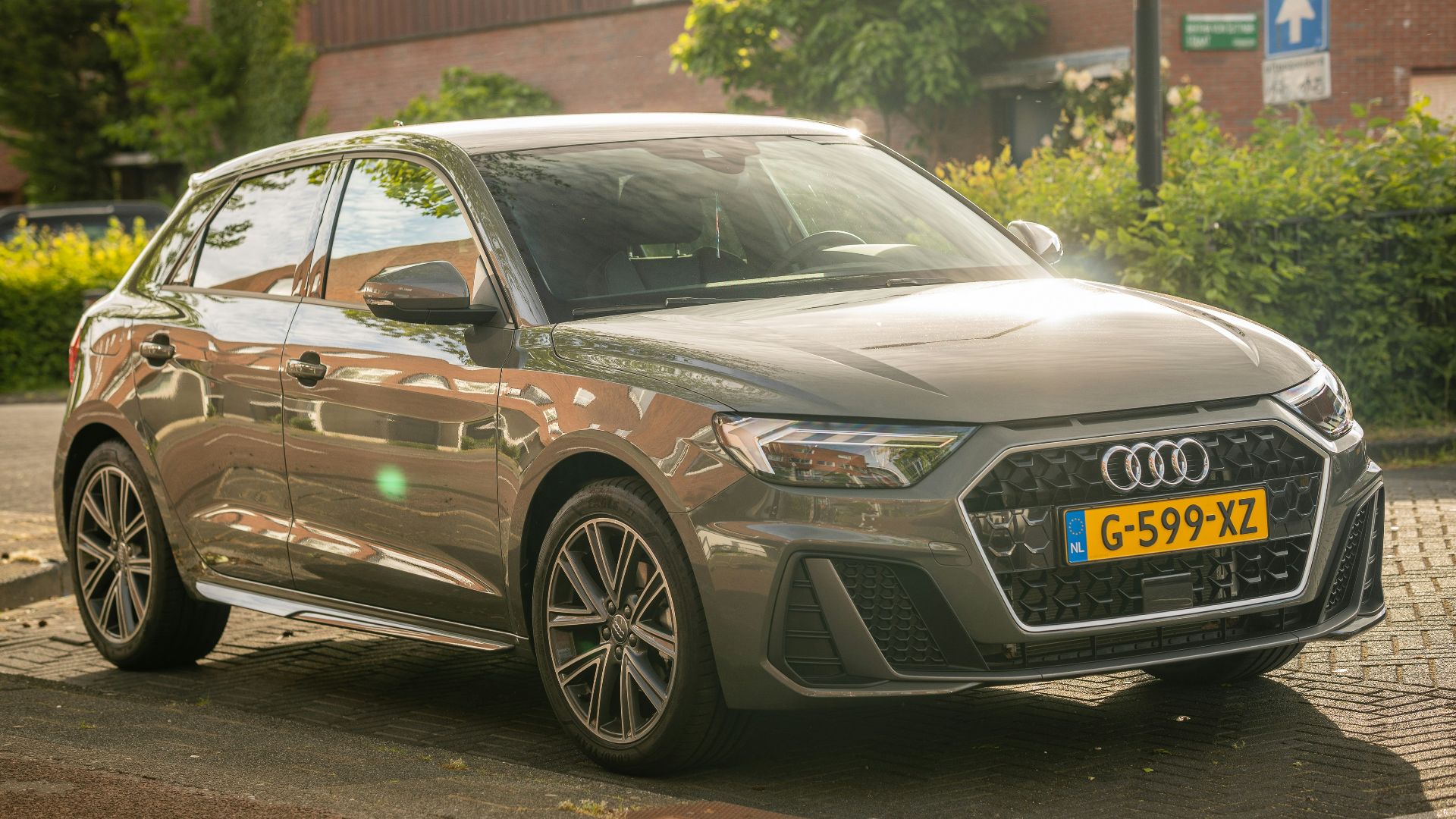
5. A5 Sportback (B9, 2018+)
The A5 Sportback is one of those models that makes daily life easier without yelling about it. You get practicality, a clean interior, and a driving feel that’s more composed than most people expect from a “pretty” car. If you find one with sensible options and clear records, it’s a satisfying long-term choice. It’s also a great pick if you want something a little nicer than an A4 without jumping into high-risk territory.

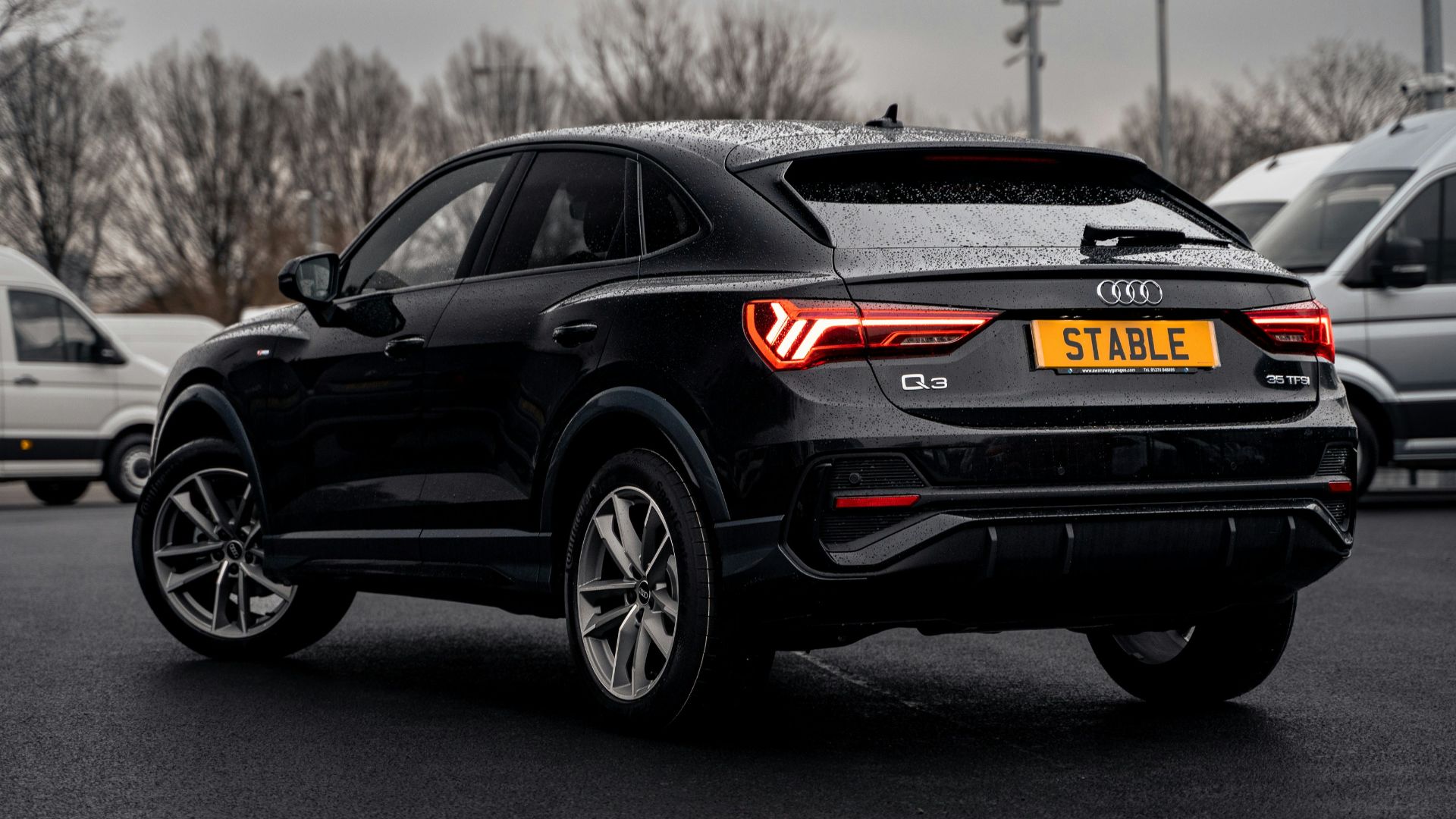
6. Q3 (2019+ second generation)
The newer Q3 is a friendly entry point if you want a smaller SUV with modern tech and a fresh cabin. It’s a simpler ownership proposition than Audi’s bigger SUVs, and it tends to attract buyers who have a practical daily driver in mind. For city life and road trips, it fits neatly.
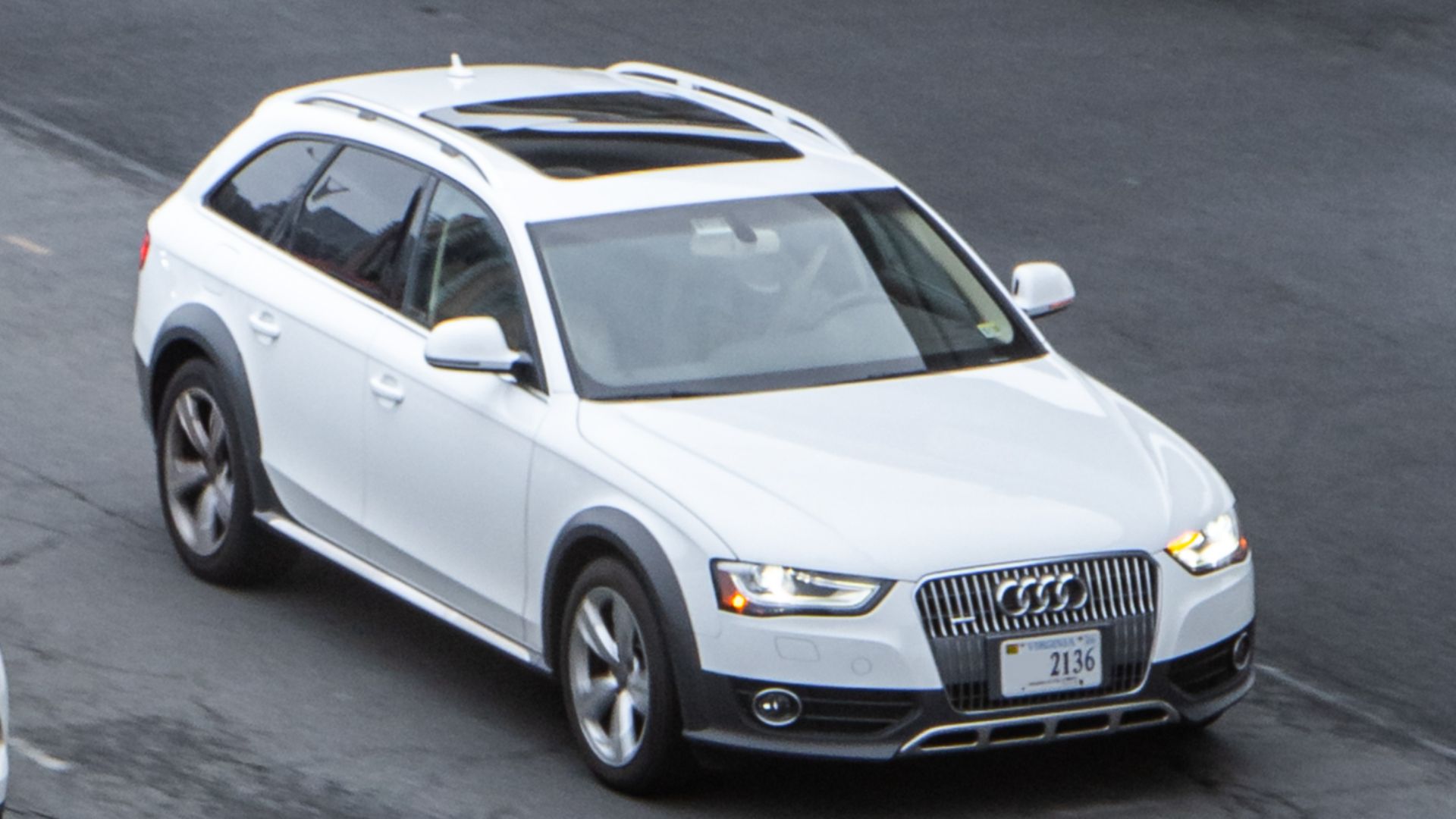
7. A4 Allroad (B9, 2017+)
This is for the person who wants a wagon and a little ride height without having to explain themselves. The Allroad is useful in bad weather, comfortable on long drives, and rare enough to feel special. The B9 advantage applies here, too, since it shares the newer-generation foundation people generally trust more.
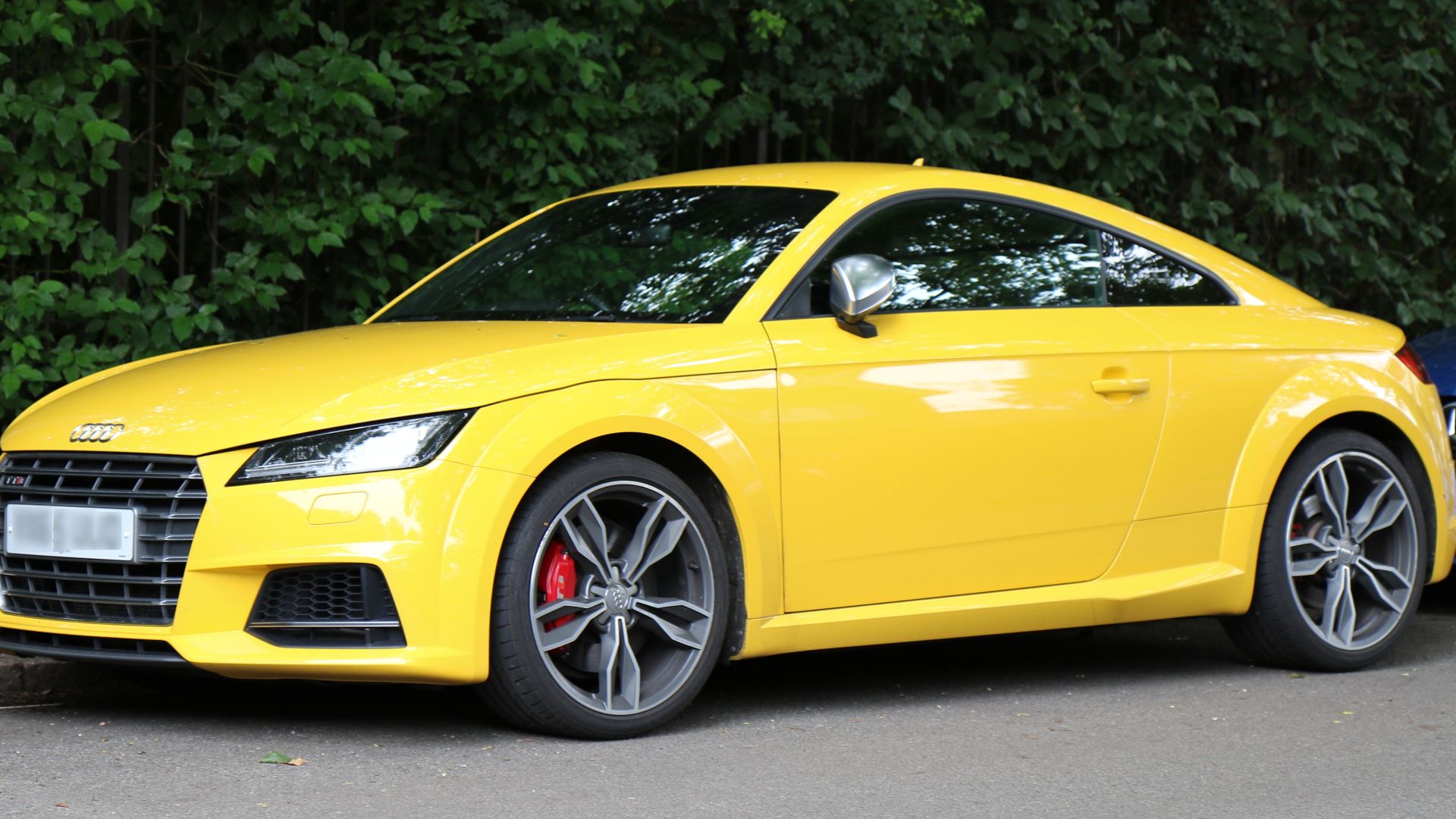
8. TT (2016+)
The TT is a fun used buy because it delivers sporty driving without the supercar maintenance. It’s also a model that owners often baby, which can help you find cleaner examples. The key is verifying it hasn’t been abused or modified poorly, because that can change the ownership experience overnight. If you want a compact Audi that feels like a treat, it’s worth a look.
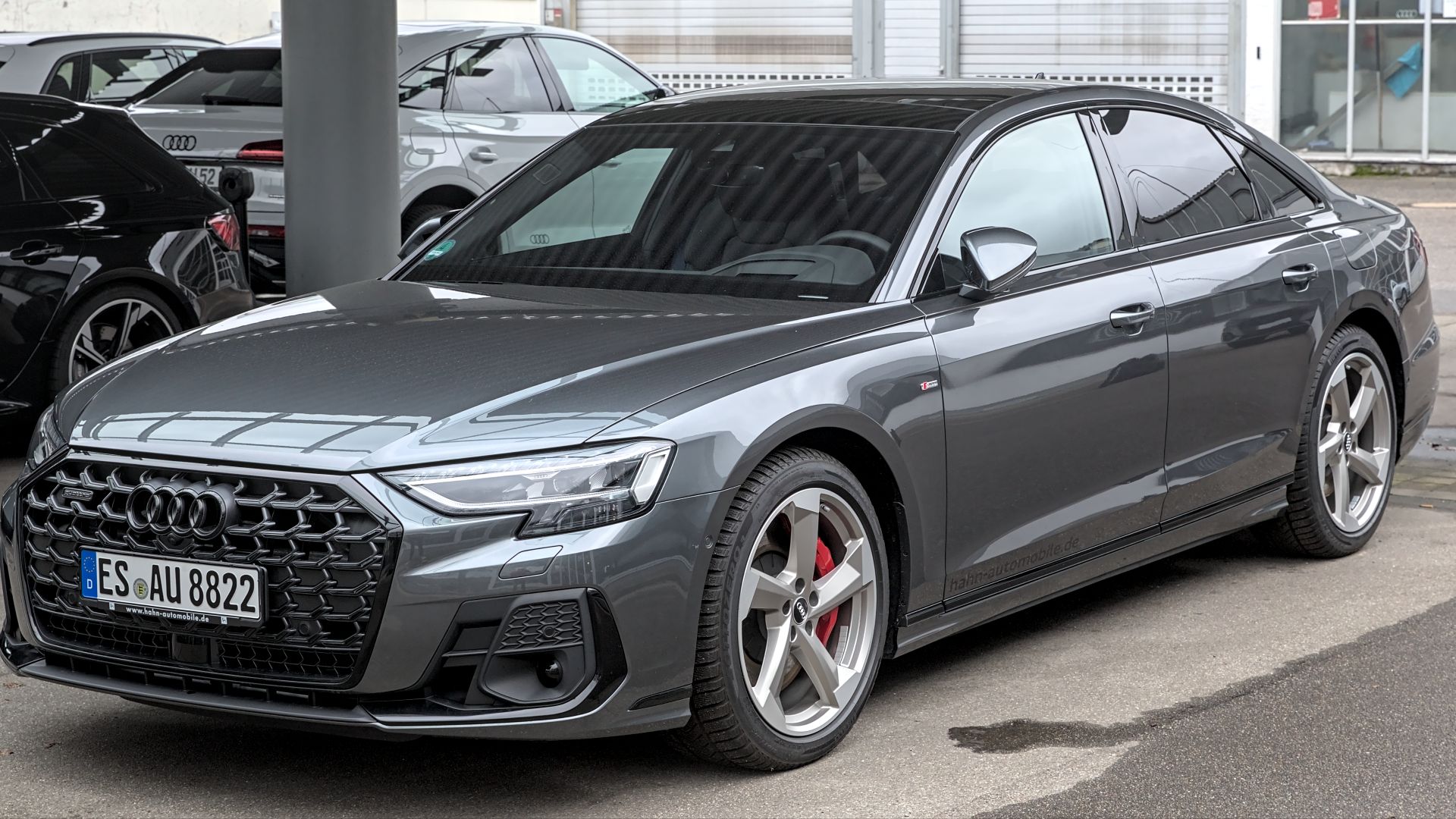
9. A8 with the 3.0T V6 (not the V8)
A used A8 can be a lot of luxury for surprisingly reasonable money, and the 3.0T versions are generally the more sensible way to shop it. You’re still buying a flagship sedan, so brakes, tires, and electronics won’t be cheap. The payoff is a quiet, genuinely premium ride that makes highway miles feel effortless.
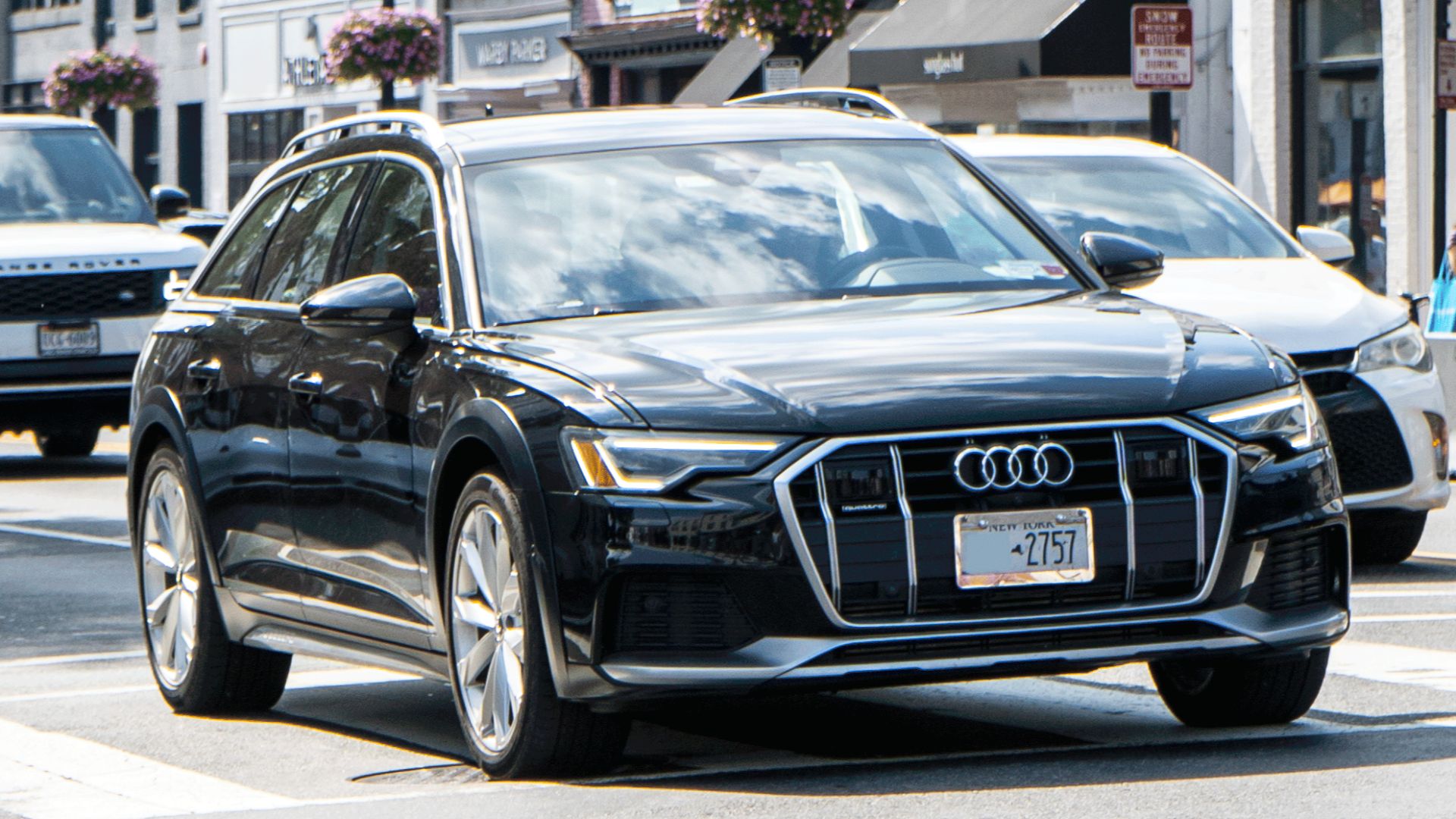
10. A6 Allroad (2019+)
If you want maximum practicality with a premium feel, the A6 Allroad is basically built for that mission. The wagon shape makes it easy to live with, and the driving experience stays calm and confident. It’s a great choice if you want one car that can do nearly everything.
Now that we've talked about the used Audis that are generally good picks, let's cover the ones that are on the riskier side.
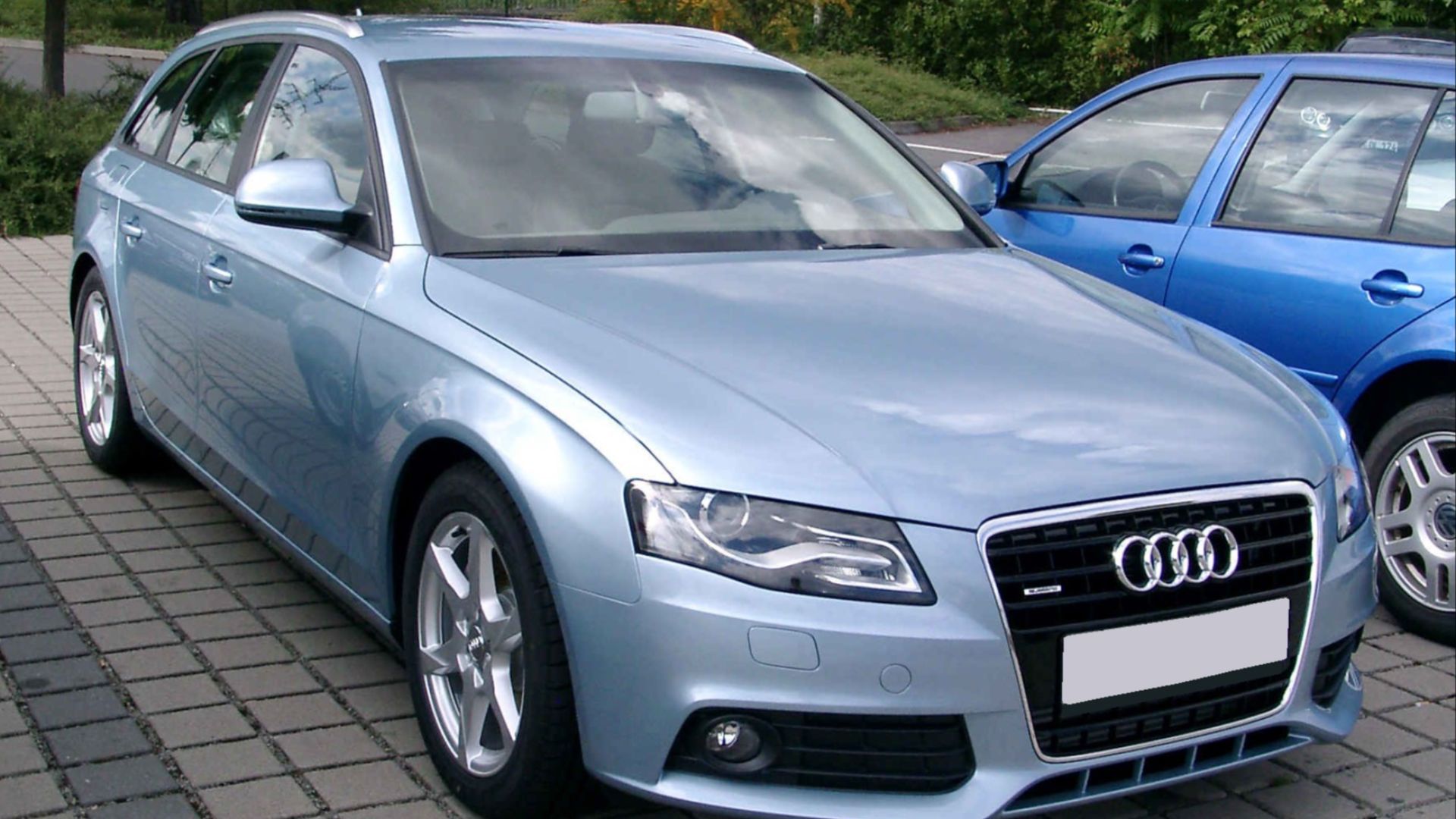
1. A4 (B8, especially 2009 to 2012 2.0T)
Early B8-era 2.0T cars are the ones most often associated with expensive engine headaches like oil consumption and timing chain tensioner problems. You might find a “great price,” but there’s usually a reason it's so cheap. If you buy one, you want proof that the major issues were addressed properly.
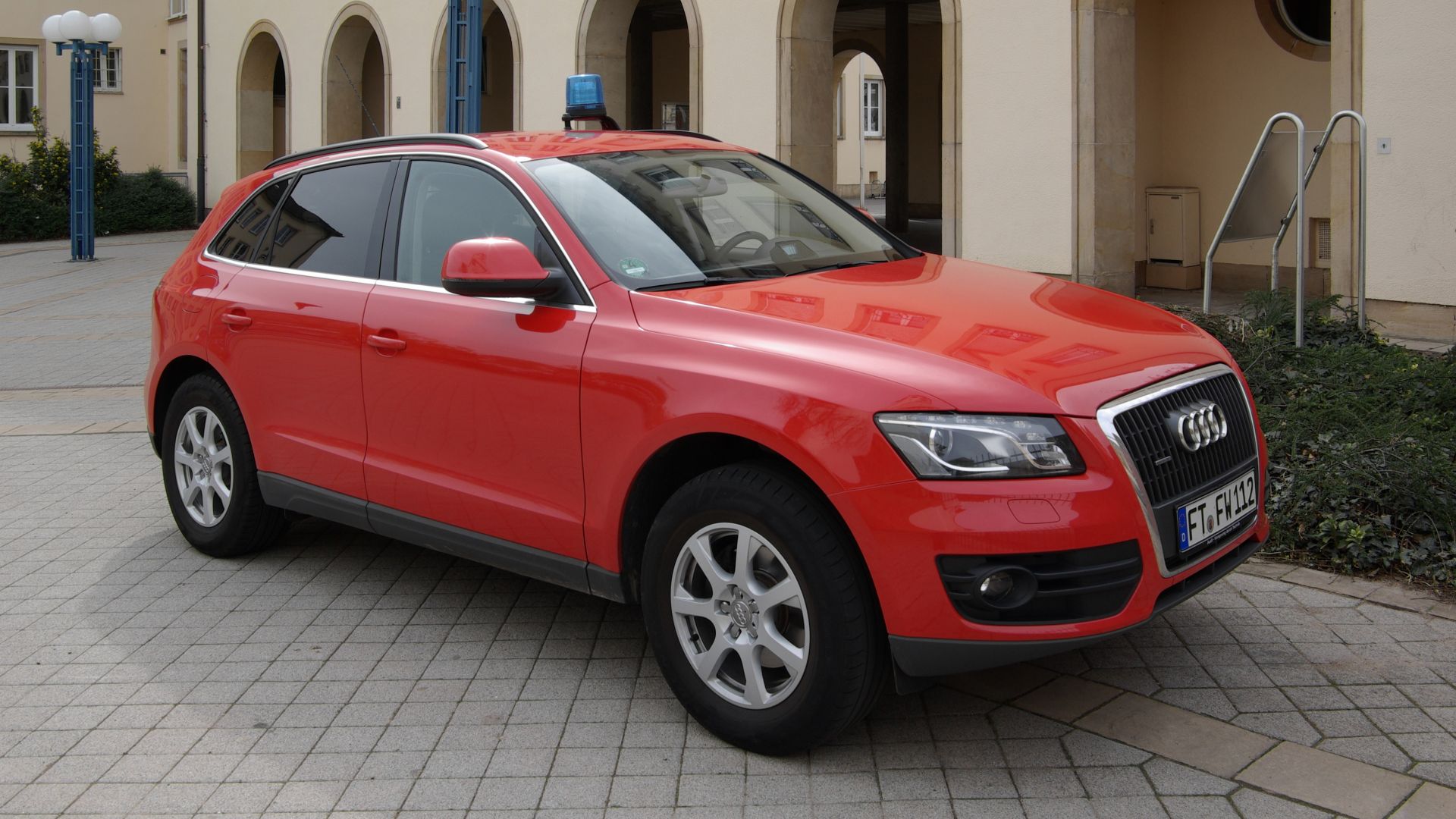
2. Q5 (early years with the 2.0T)
This one can look like a perfect used luxury SUV deal, especially when prices drop, but early 2.0T examples can share the same general engine-era concerns as other models from that period. The risk isn’t that every single one fails, it’s that the worst-case repairs are big enough to ruin your week and your budget. If you’re looking at one, a pre-purchase inspection is not optional.
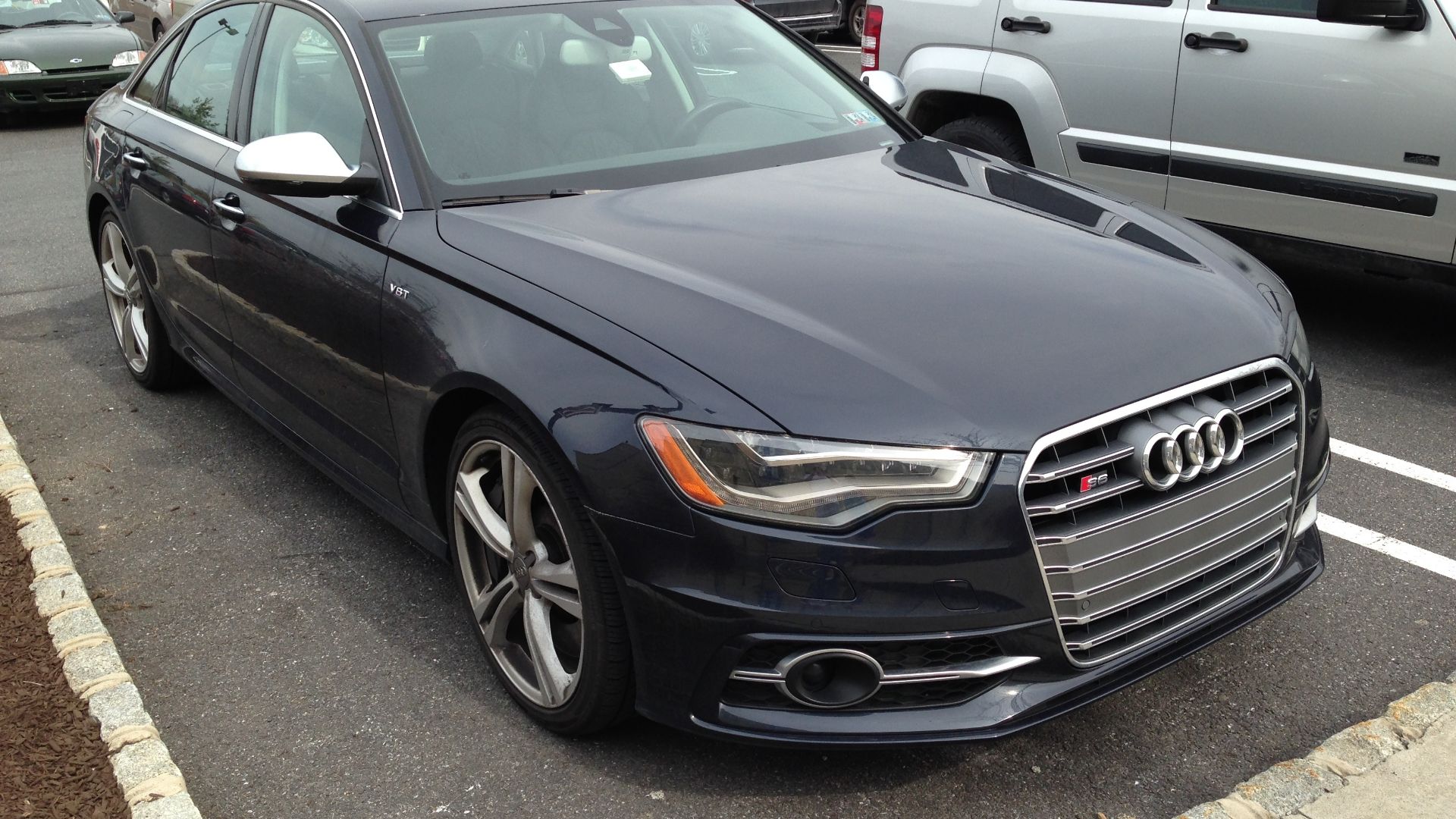
3. S6 / S7 (C7) with the 4.0T V8 (2013 to 2017)
These cars are fantastic when they’re healthy, which is part of the trap. The 4.0T has been associated with turbo oiling/oil strainer issues serious enough to trigger recall action in certain model years. If the recall work isn’t documented, you’re gambling with a very expensive drivetrain, so pay close attention to the history.
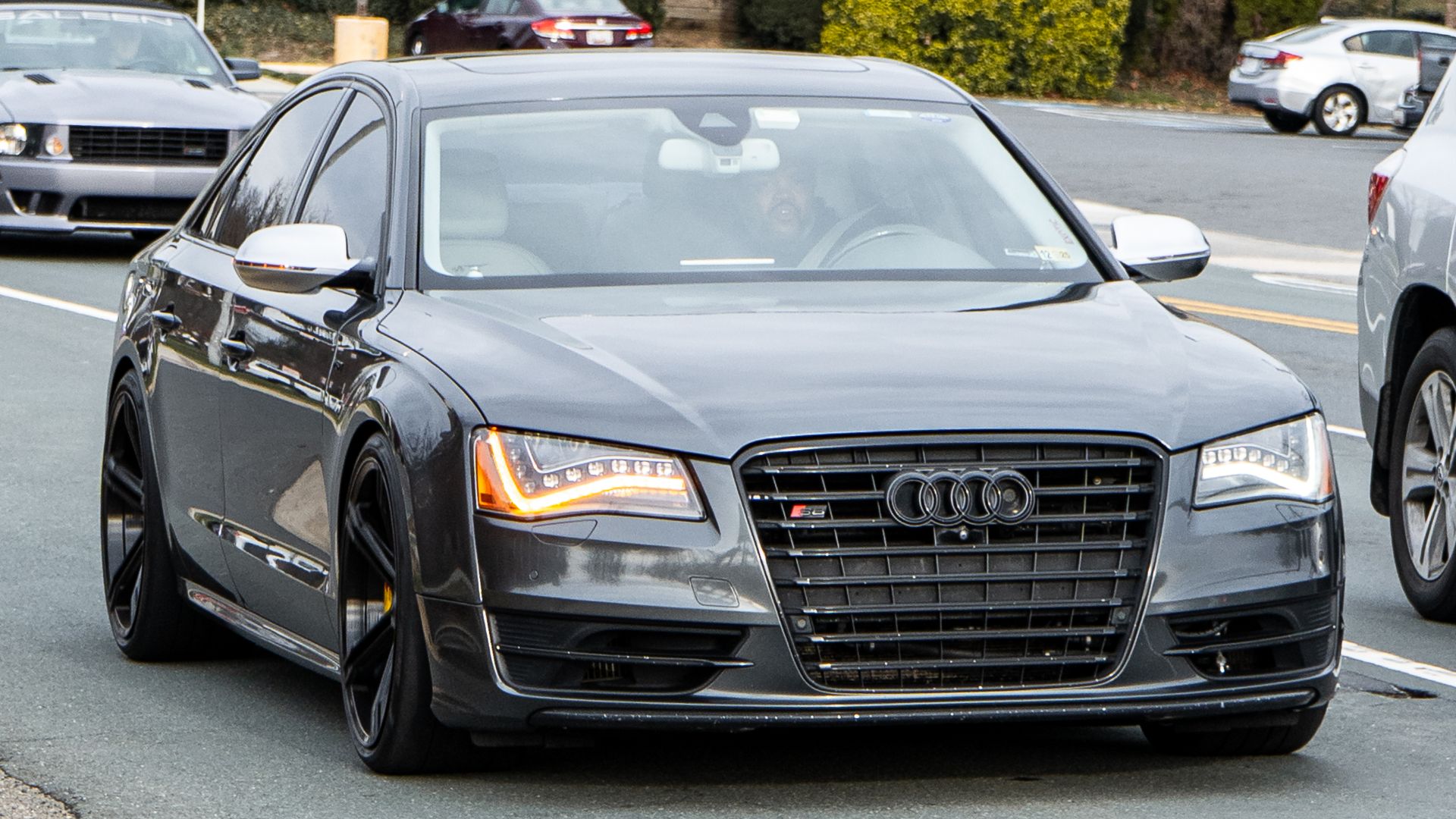
4. A8 / S8 (D4) with the 4.0T V8
Flagship V8 Audis can be incredible, but the same general turbo-oiling concerns discussed in owner communities have made the 4.0T a watchlist engine for used buyers. Even if it’s been cared for, the cost of fixing anything in that engine bay tends to be impressive in the worst way. If you want an A8, many shoppers steer toward the V6 for sanity.
5. Older S4 (B6/B7) with the 4.2 V8
These are tempting because they sound great and feel special, but they can come with timing chain service complexity that’s expensive when it’s due. A cheap purchase price doesn’t help much when labor costs show up.
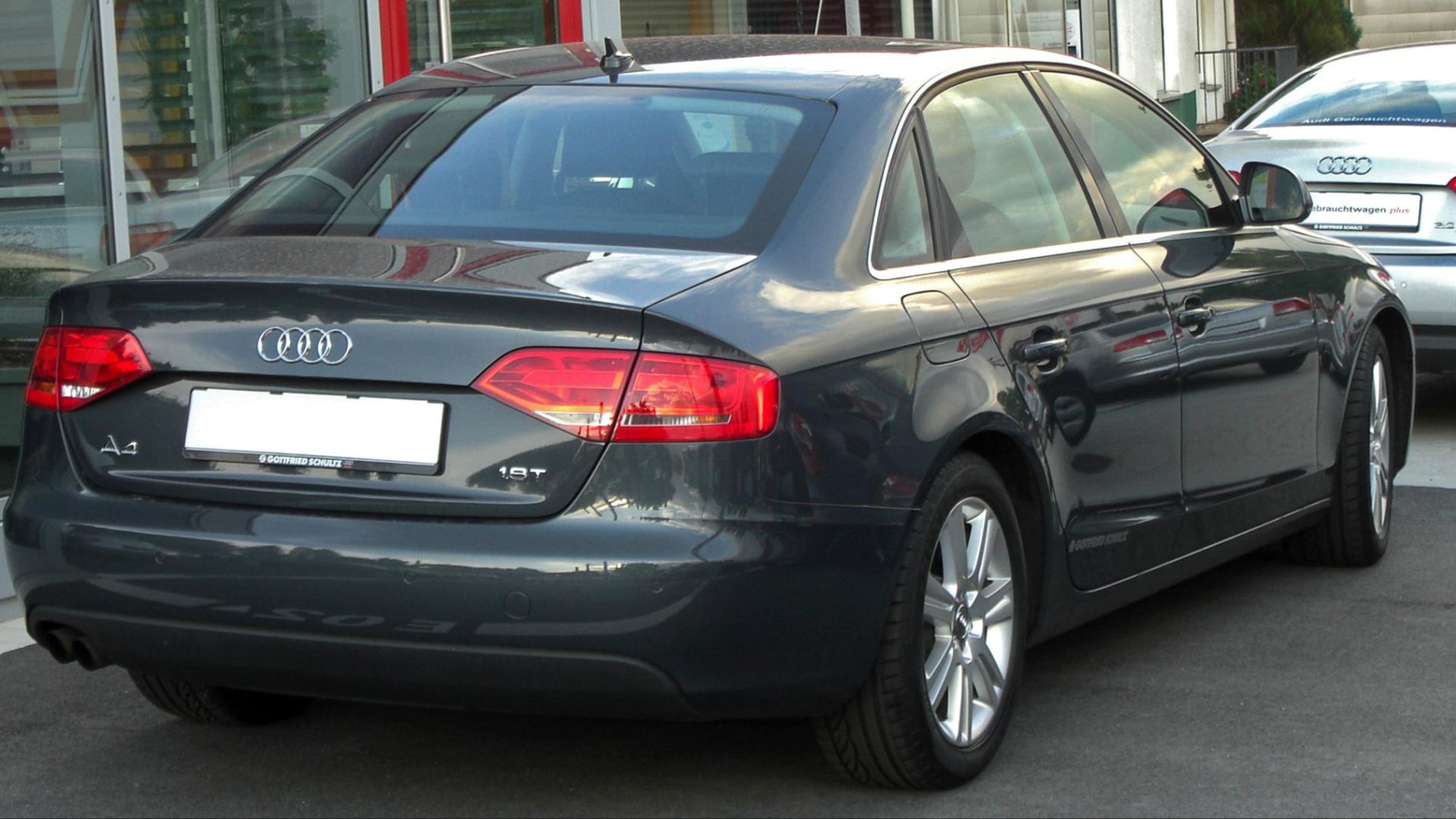
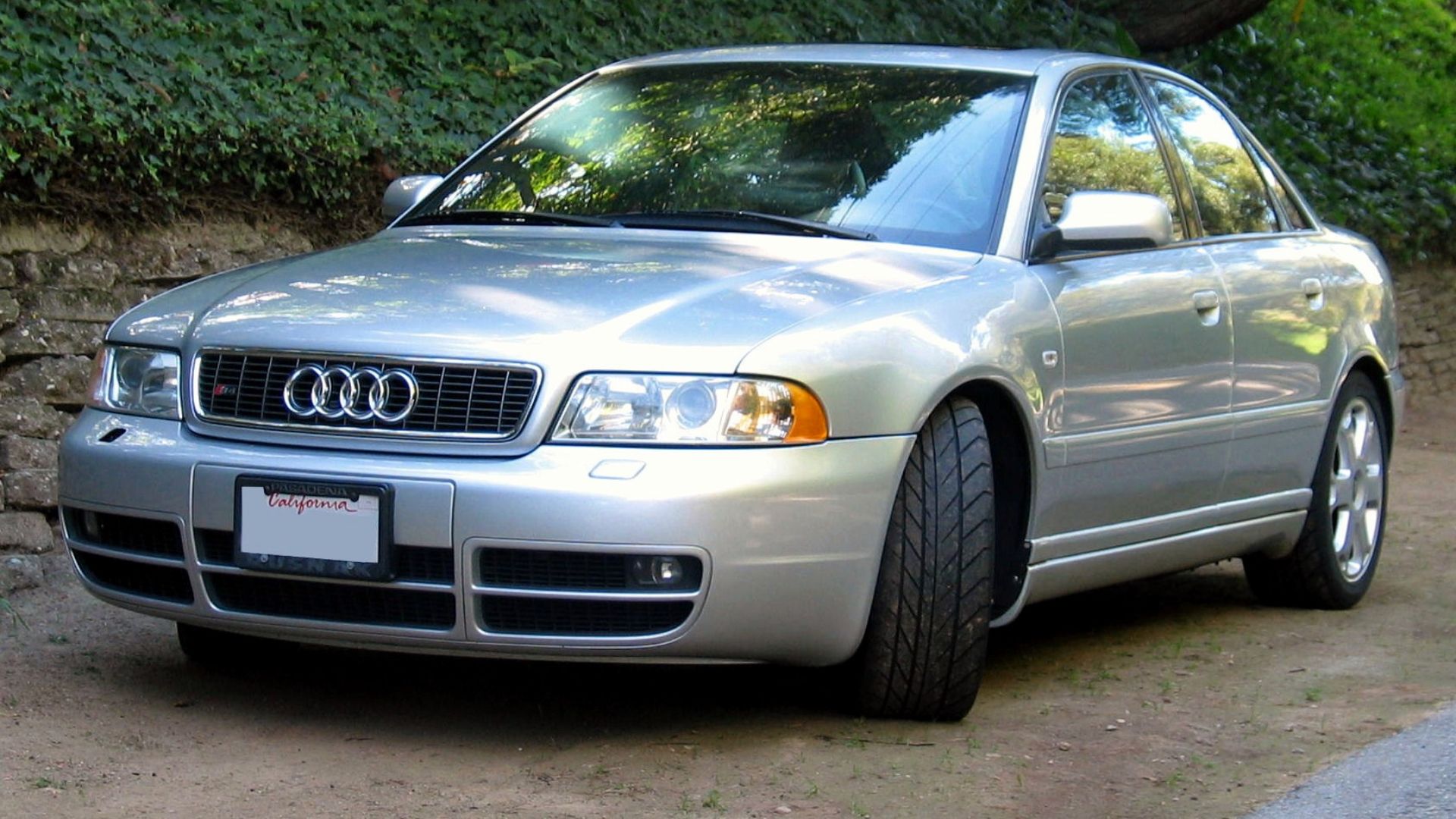 Photo taken by H. Yune (en:User:Hkyune) on Wikimedia
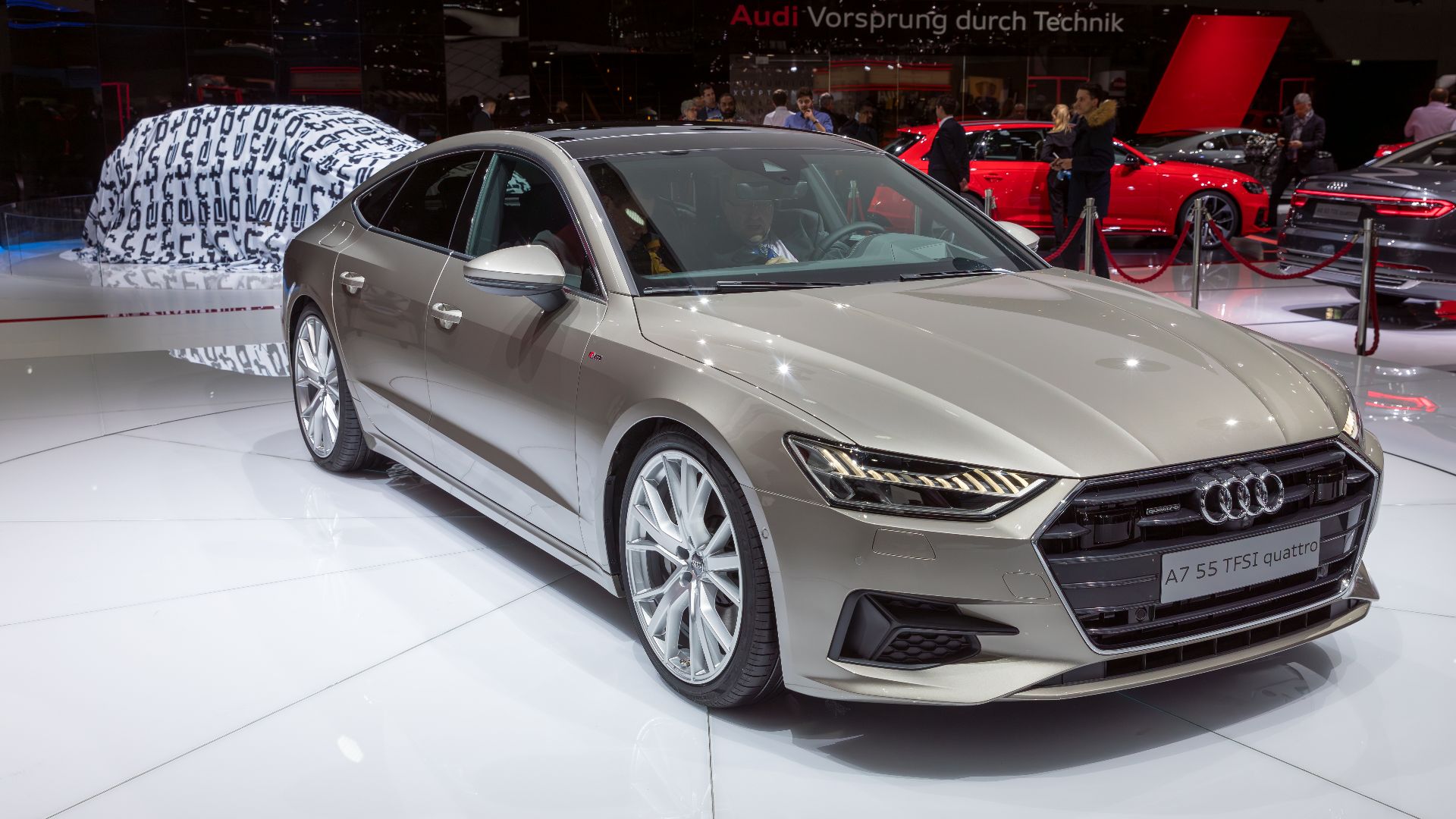
6. High-Mileage A7 (early C7) loaded with options
The A7 is gorgeous and comfortable, but heavily optioned luxury cars can become electrical and suspension projects as they age. The risk here is less “one fatal flaw” and more “lots of systems that can ask for money.” You can still buy one, but you want a clean scan, perfect records, and a realistic repair fund.
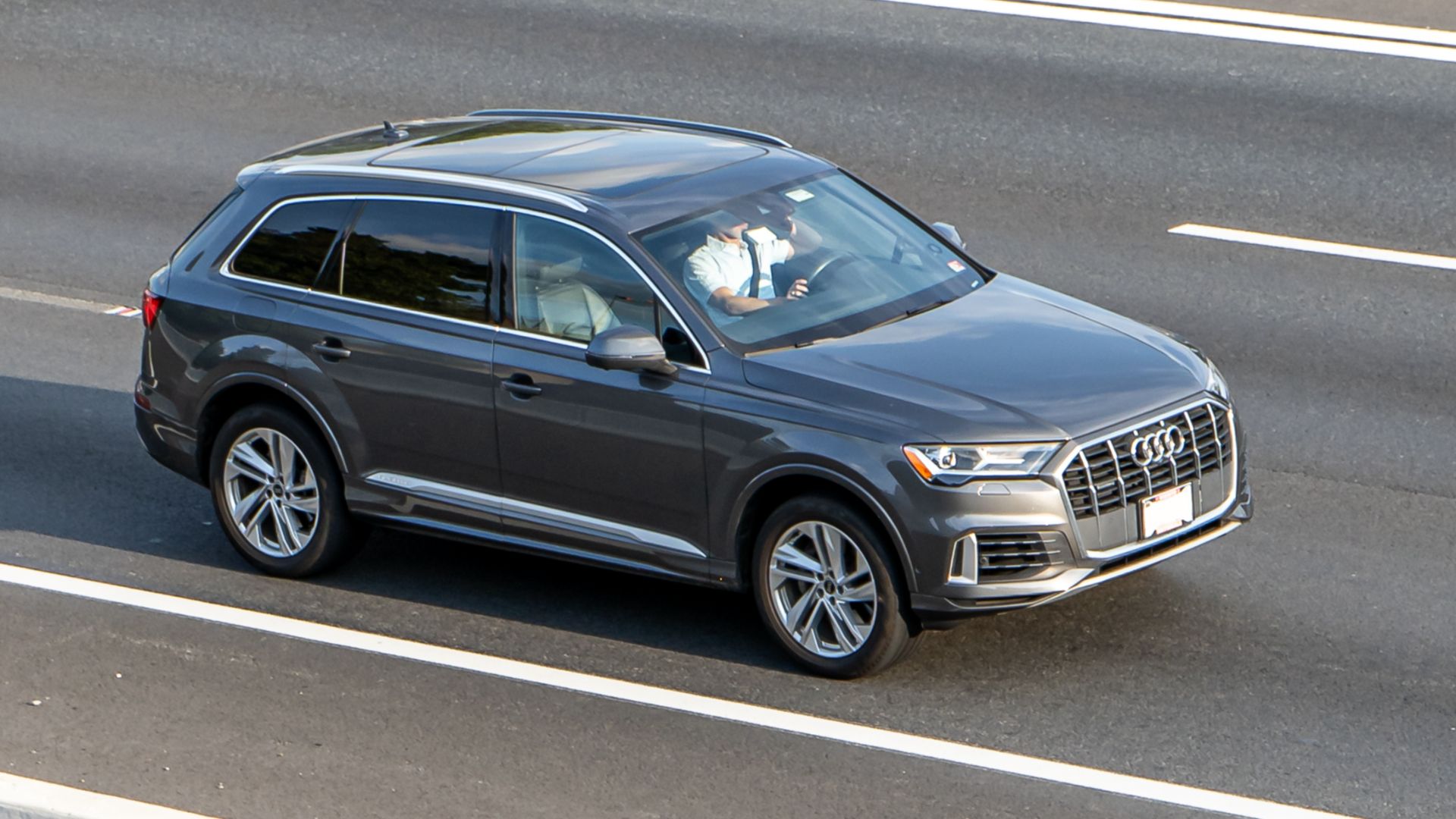
7. Q7 (Older Generations)
Big SUVs bring big expenses, and older Q7s can stack those bills quickly. Air suspension components, brakes, and tires can cost enough to make you question your hobbies. The vehicle can be great, but it’s not forgiving if the previous owner skipped upkeep.
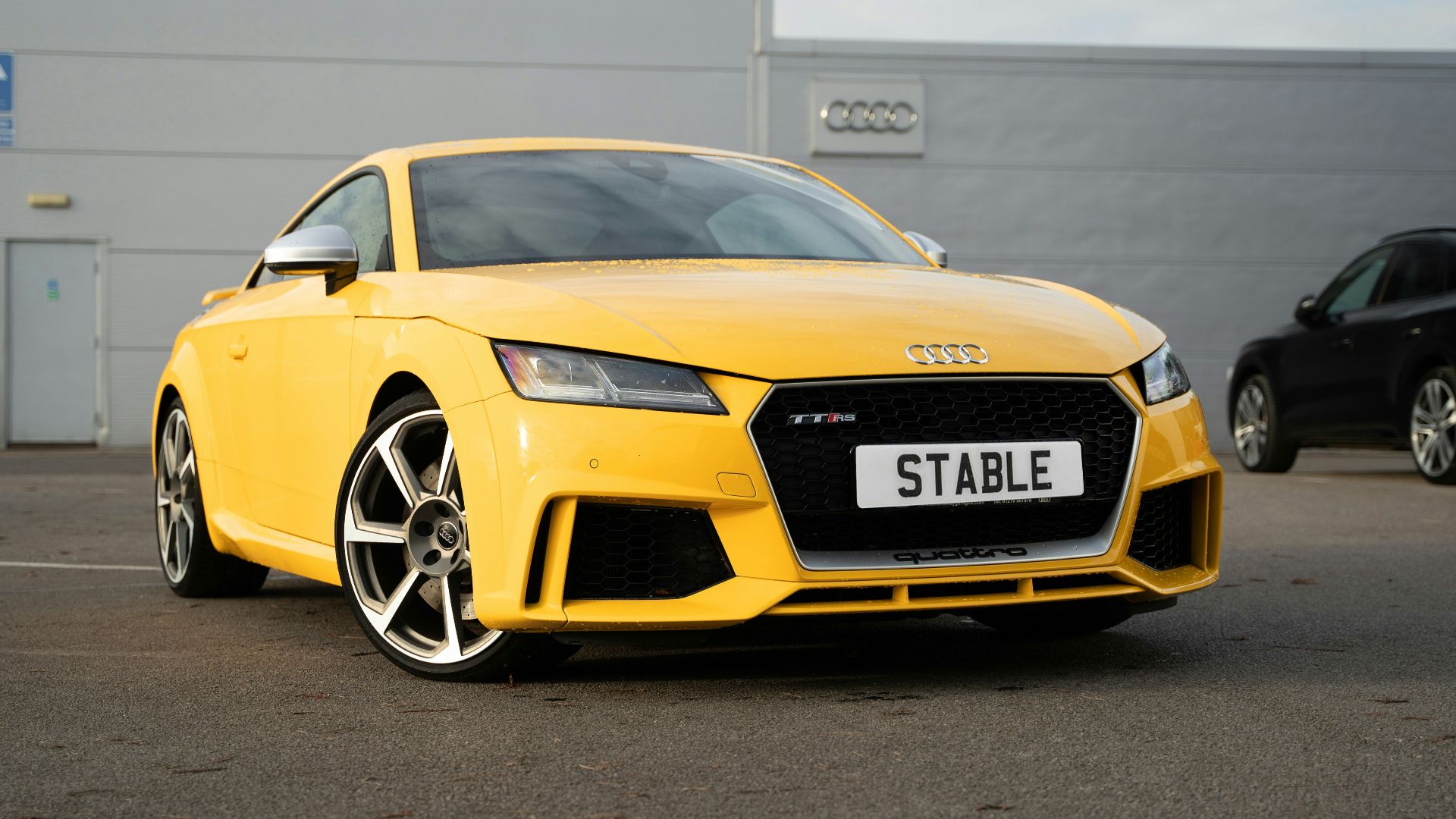
8. RS Models with “Light Mods”
RS cars are engineered to perform, which also means they’re expensive when something isn’t right. The risky part is buying one that’s been tuned, modified, or repeatedly launched. You want documentation, conservative modifications, and ideally a specialist inspection.
9. A4 (B8) with the 2.0T
This generation is infamous for becoming a headache when basic upkeep was skipped, and the problem is you can’t notice neglect on a quick test drive. If oil changes were stretched and key updates weren’t done, you’re more exposed to pricey engine work than you’d like. Service records matter here more than mileage.
10. A6 (C6, 2005–2011) with the 4.2 V8
The C6 A6 with the 4.2 can be tempting because it’s smooth and sounds great, but it can also be a high-cost ownership experience as it ages. Between tight packaging, aging electronics, and expensive repairs when things go wrong, the “cheap luxury” math can fall apart quickly. A well-kept example can be fine, but you need to buy the cleanest one you can find and budget like an adult.