
10 Ways F1 Is More Brutal Than NASCAR & 10 Ways NASCAR Is Tougher
Two Very Different Kinds of Punishment
Formula 1 and NASCAR both demand serious courage, fitness, and concentration, but they test drivers in completely different ways. F1 punishes the body with extreme cornering forces, violent braking, and relentless technical precision, while NASCAR adds longer races, heavier cars, close-contact battles, and an exhausting season. Neither group of drivers has an easy Sunday afternoon, regardless of what fans from the other side might claim. Here are 10 ways Formula 1 is the more brutal motorsport and 10 ways NASCAR is.
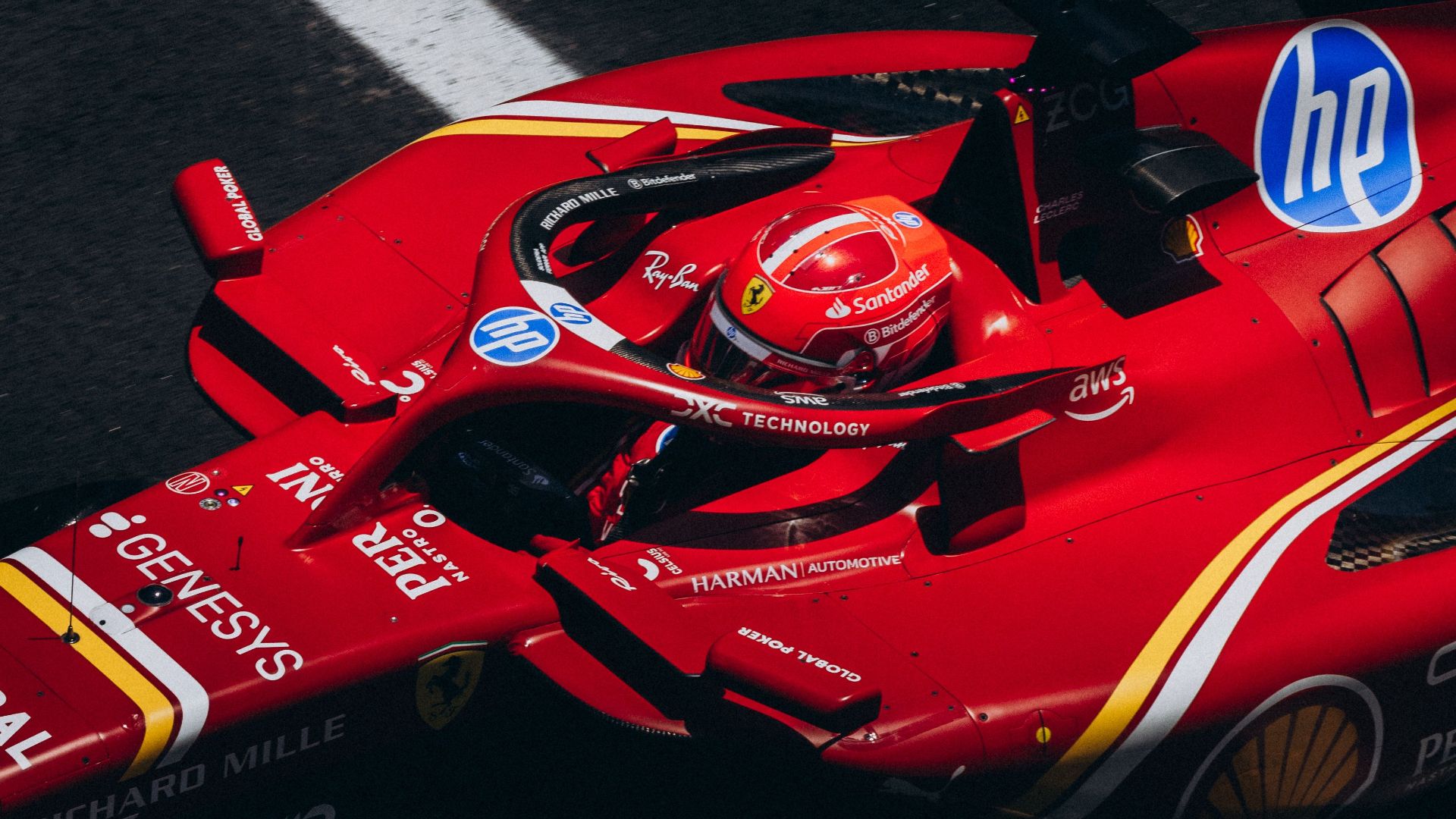
1. The Cornering Forces Attack the Entire Body
An F1 car can generate enormous lateral forces through fast corners, repeatedly pushing a driver’s head sideways while the helmet adds extra weight. Drivers need unusually strong neck, shoulder, and core muscles just to keep their heads stable and their vision focused.
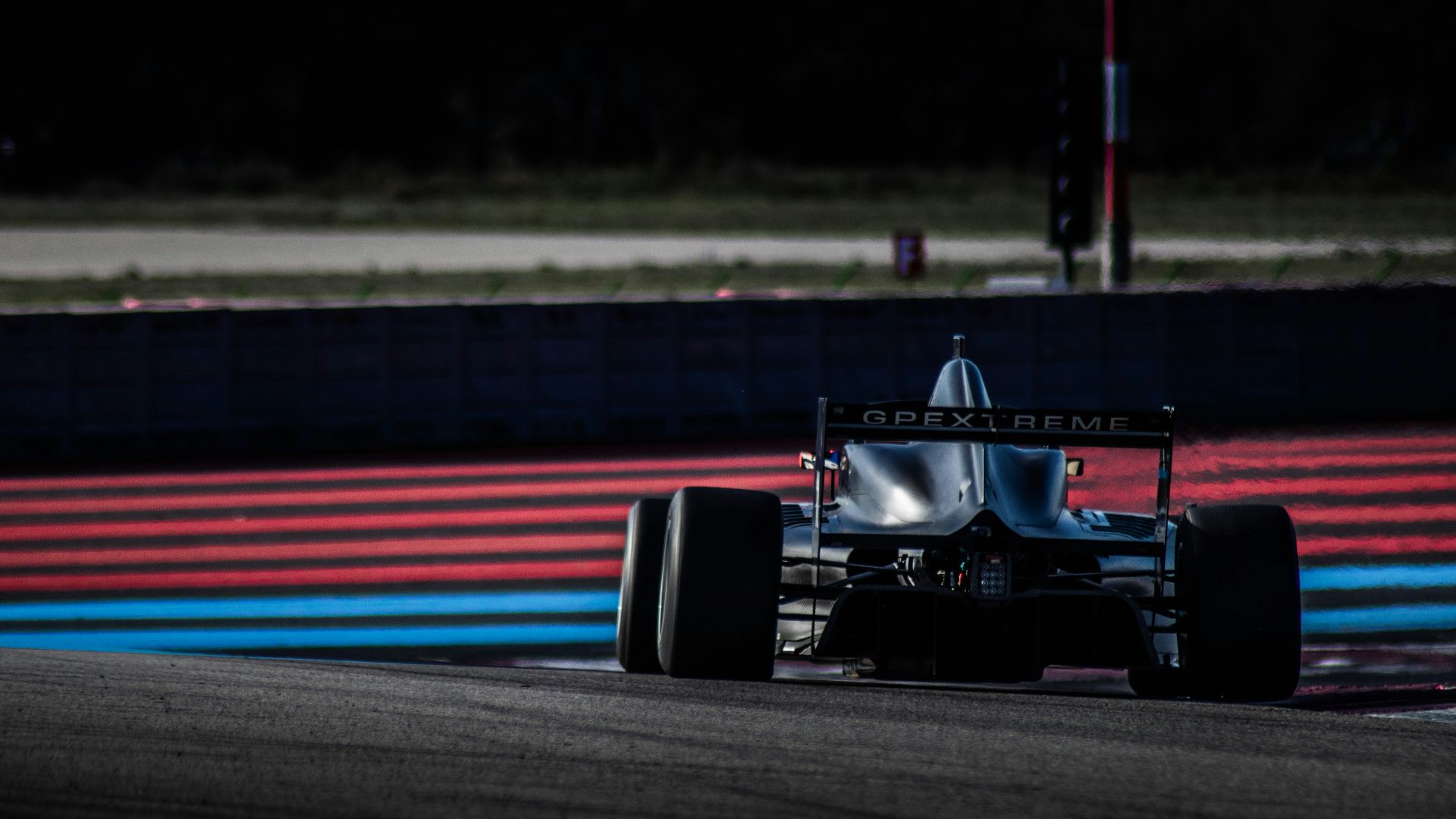
2. The Braking Is Incredibly Violent
F1 drivers routinely slow from extremely high speeds within a very short distance, experiencing major deceleration forces in the process. They also have to press a stiff brake pedal with tremendous force while judging the exact point at which the tires will lose grip. Getting it slightly wrong can mean locking up, ruining a tire, or sailing past the corner entirely.
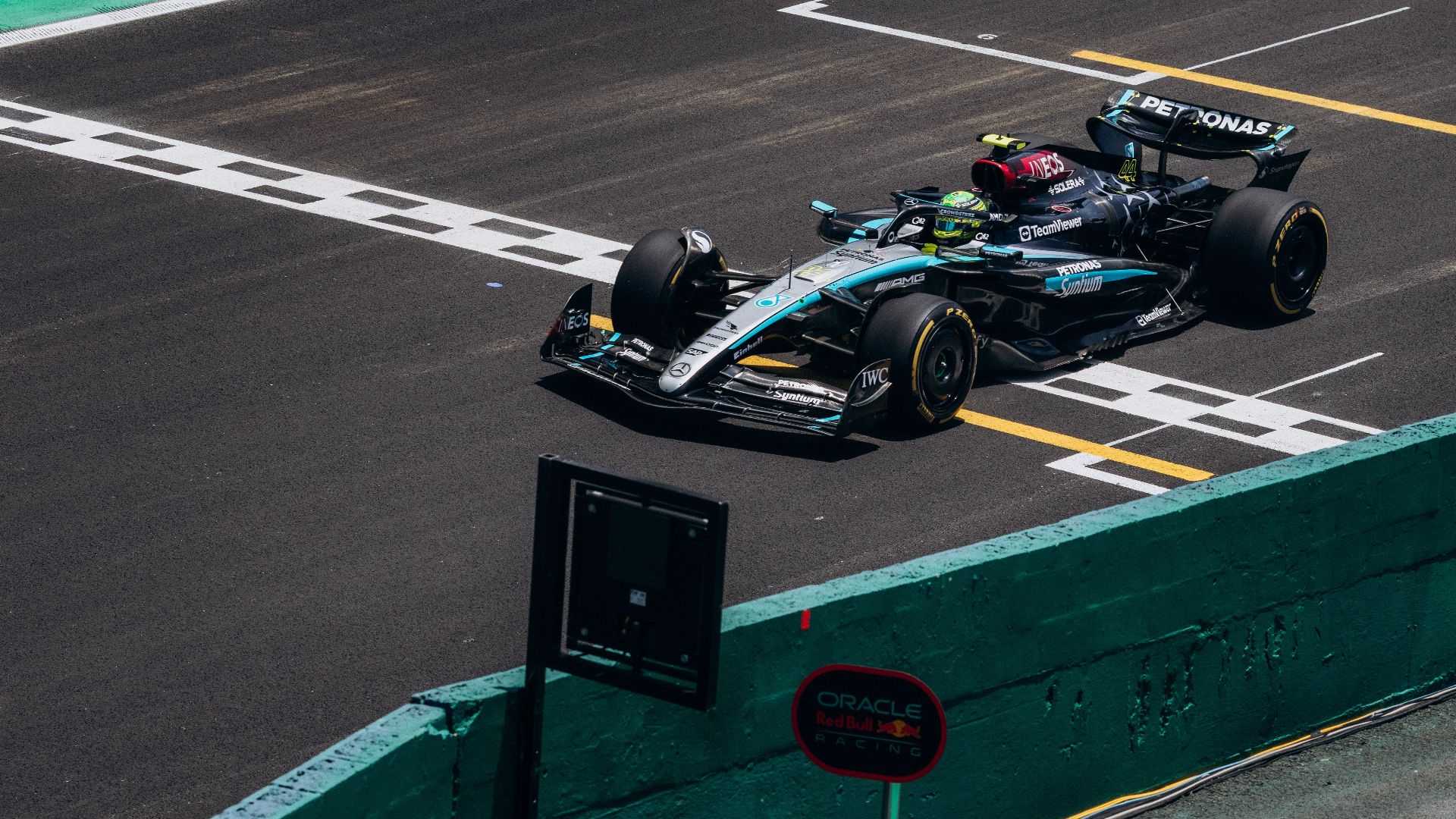
3. A Tiny Mistake Can End a Race Immediately
Many F1 tracks leave little room for a driver to recover from an error, particularly on street circuits bordered by concrete walls. A wheel placed a few inches too far to one side can damage the suspension or remove the car from the race. NASCAR drivers sometimes survive contact and continue, but an F1 car’s exposed wheels and delicate aerodynamic parts aren’t nearly as forgiving.
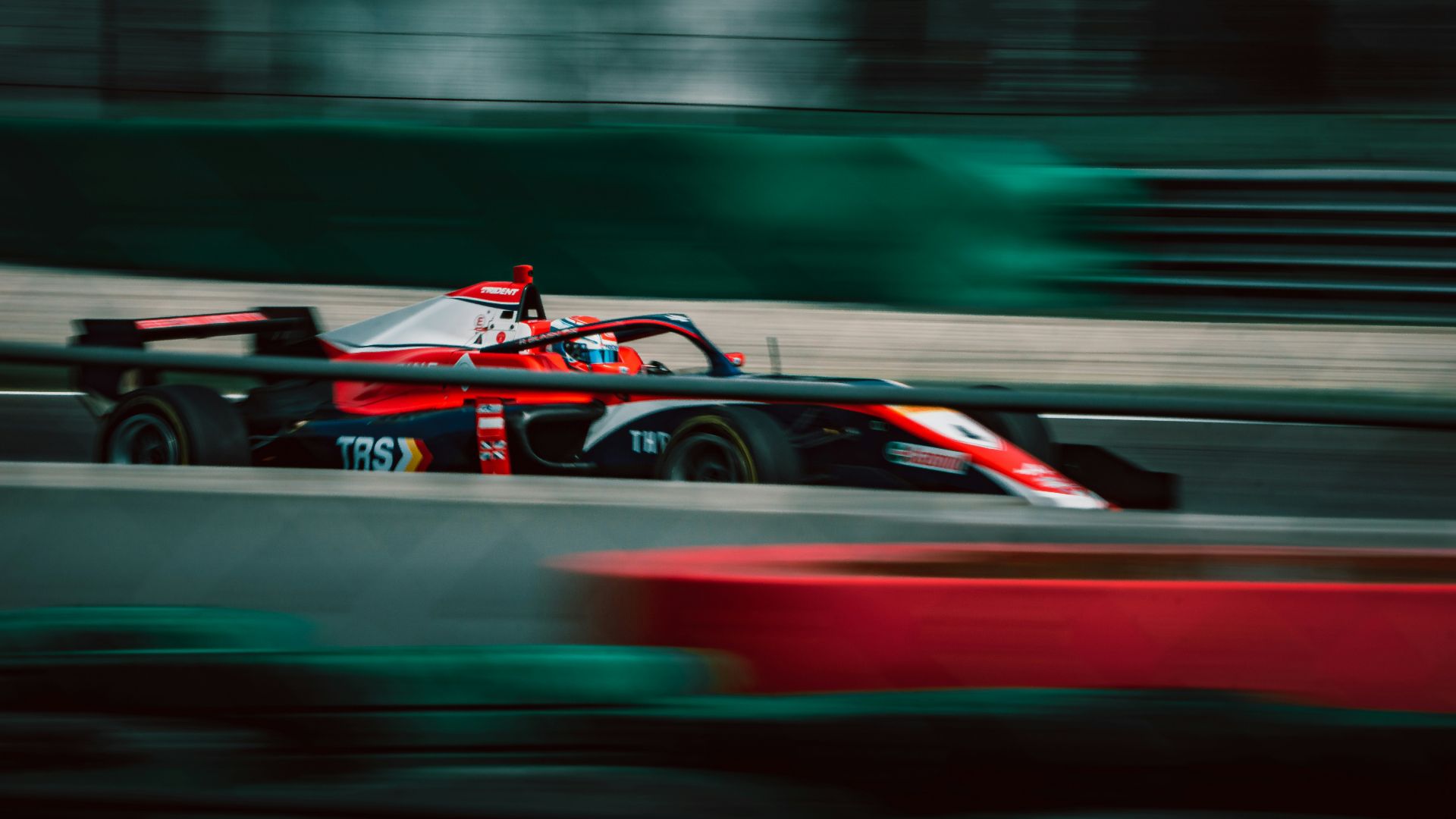
4. Drivers Must Process Constant Technical Information
An F1 steering wheel is covered with buttons, switches, displays, and adjustable settings. While racing at roughly 200 mph, drivers may be asked to alter brake balance, manage energy deployment, change differential settings, and respond to detailed radio instructions.
5. Qualifying Demands Near-Perfect Execution
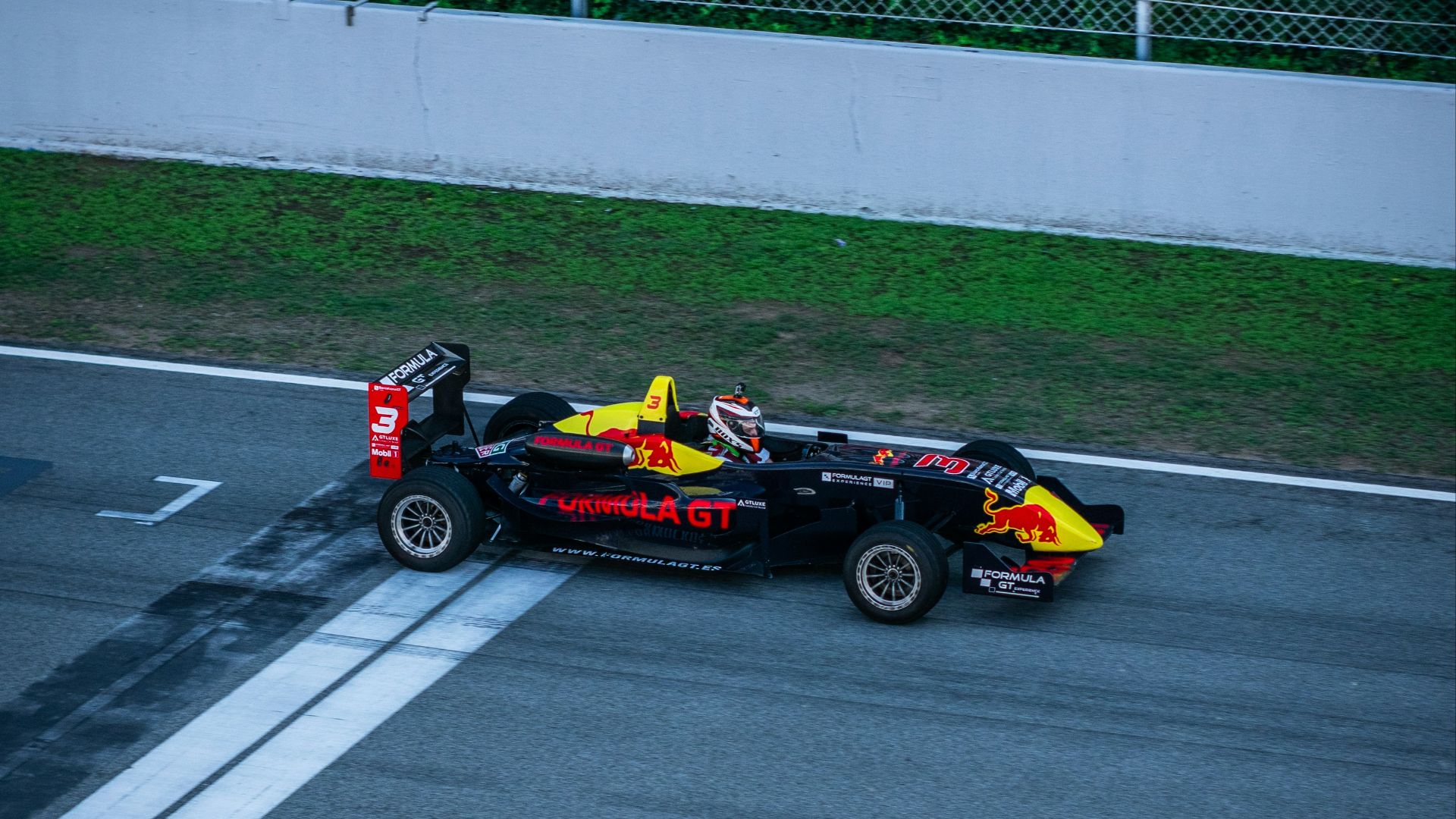
Starting position can have a major effect on an F1 driver’s chances, especially at tracks where overtaking is difficult. That makes qualifying laps brutally important, with drivers expected to find the absolute limit on demand. One small slide or missed braking point can undo an entire weekend’s preparation.
6. The Heat Can Become Overwhelming
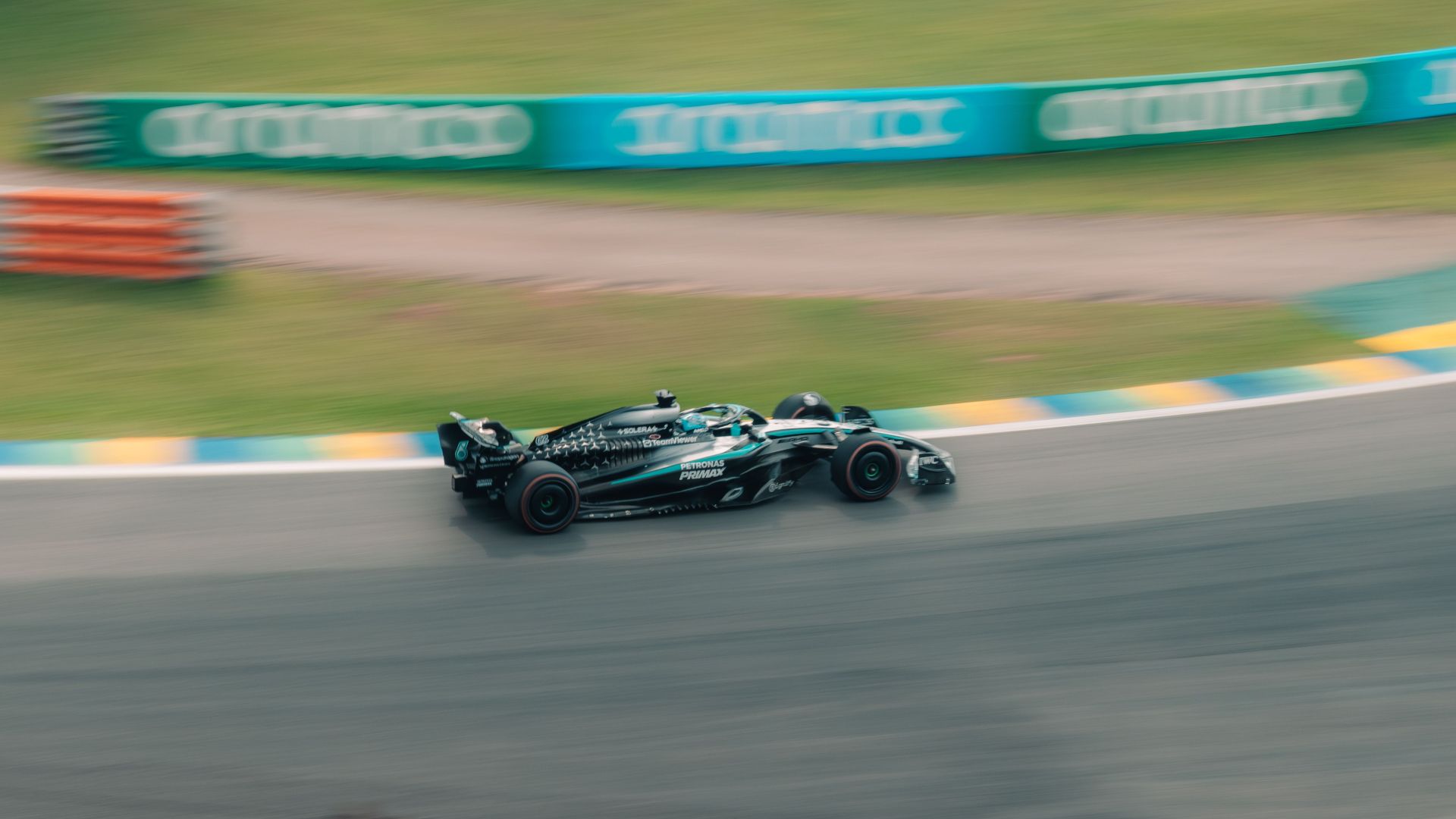
The cockpit surrounds the driver with hot mechanical components, while protective clothing limits the body’s ability to cool itself. At warm and humid races, maintaining concentration becomes as much a battle against heat stress as against the other cars. F1 drivers specifically train their cardio and heat tolerance so their decision-making doesn’t fade in these conditions.
7. There’s Almost No Time to Relax
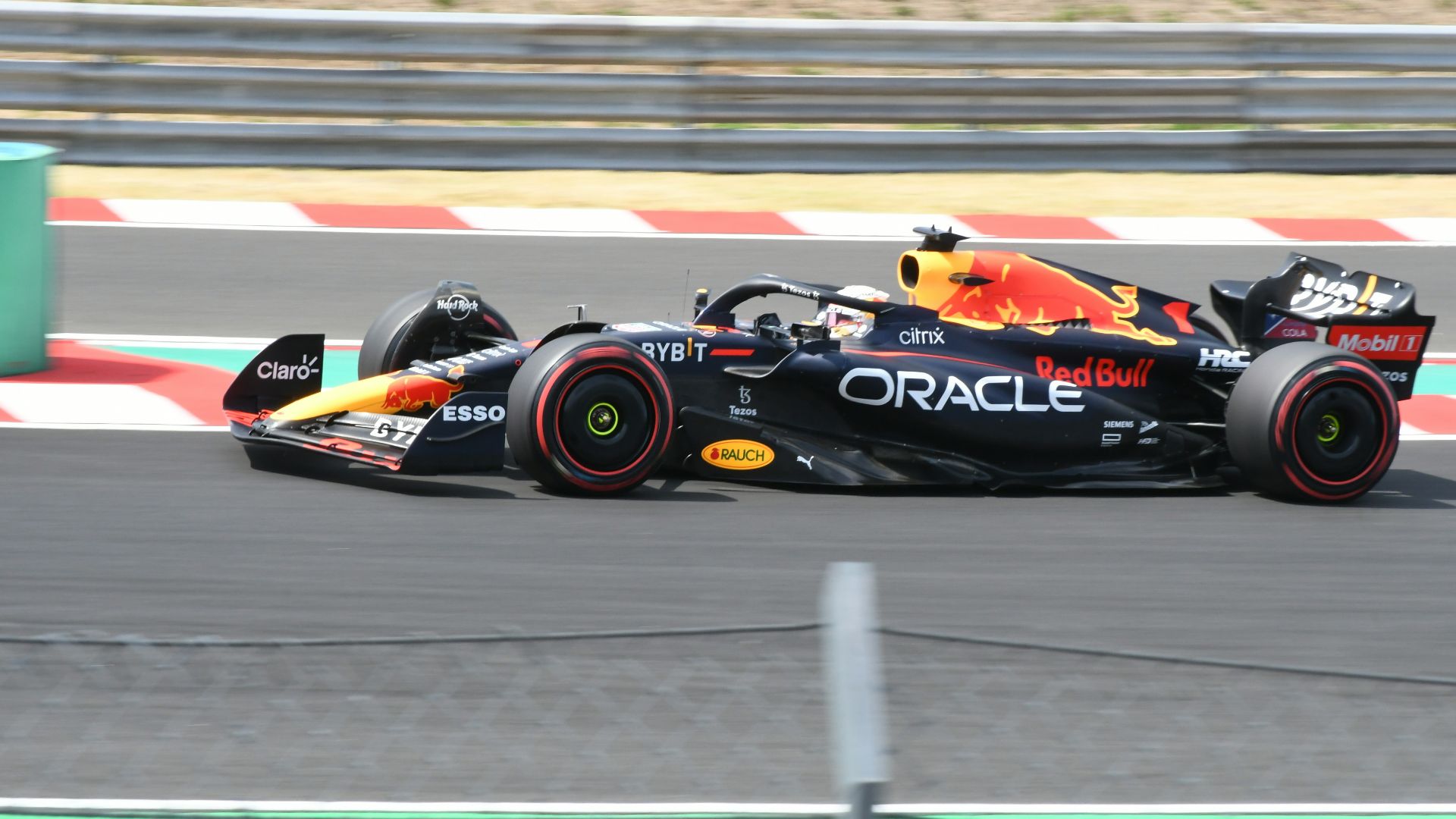
F1 circuits constantly demand changes in speed, steering angle, braking pressure, and gear selection. Even long straights are filled with radio communication, setting adjustments, and preparation for the next braking zone. A driver who mentally switches off for a moment may arrive at the following corner carrying far too much speed.
8. Tire Management Requires Incredible Sensitivity
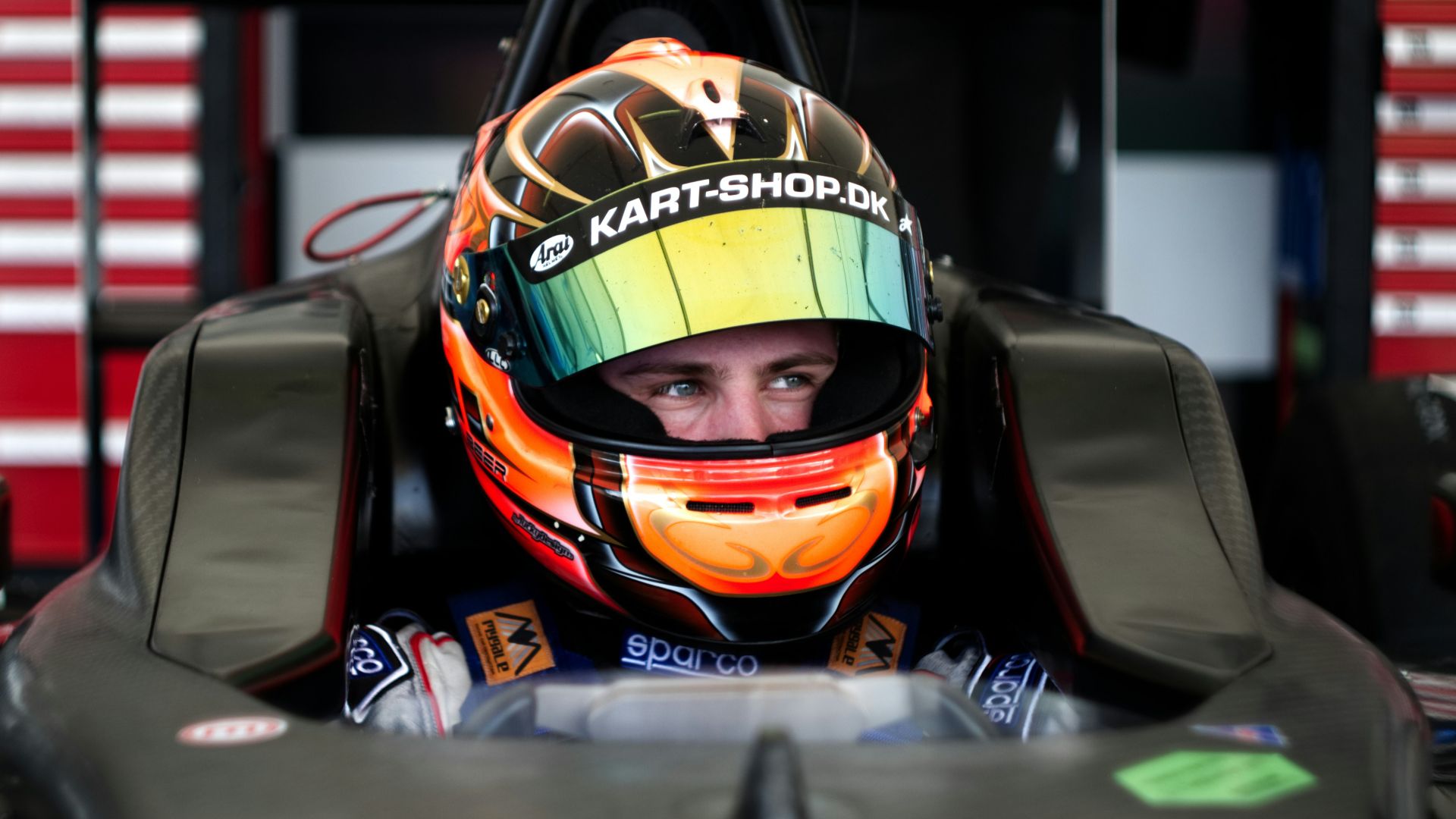
Pushing too hard can overheat the tires and shorten their useful life, but driving too carefully allows rivals to attack. Drivers must feel small changes in grip while accounting for fuel load, track temperature, traffic, and changing weather. The fastest approach isn’t always the most aggressive one, which makes restraint another difficult skill to master.
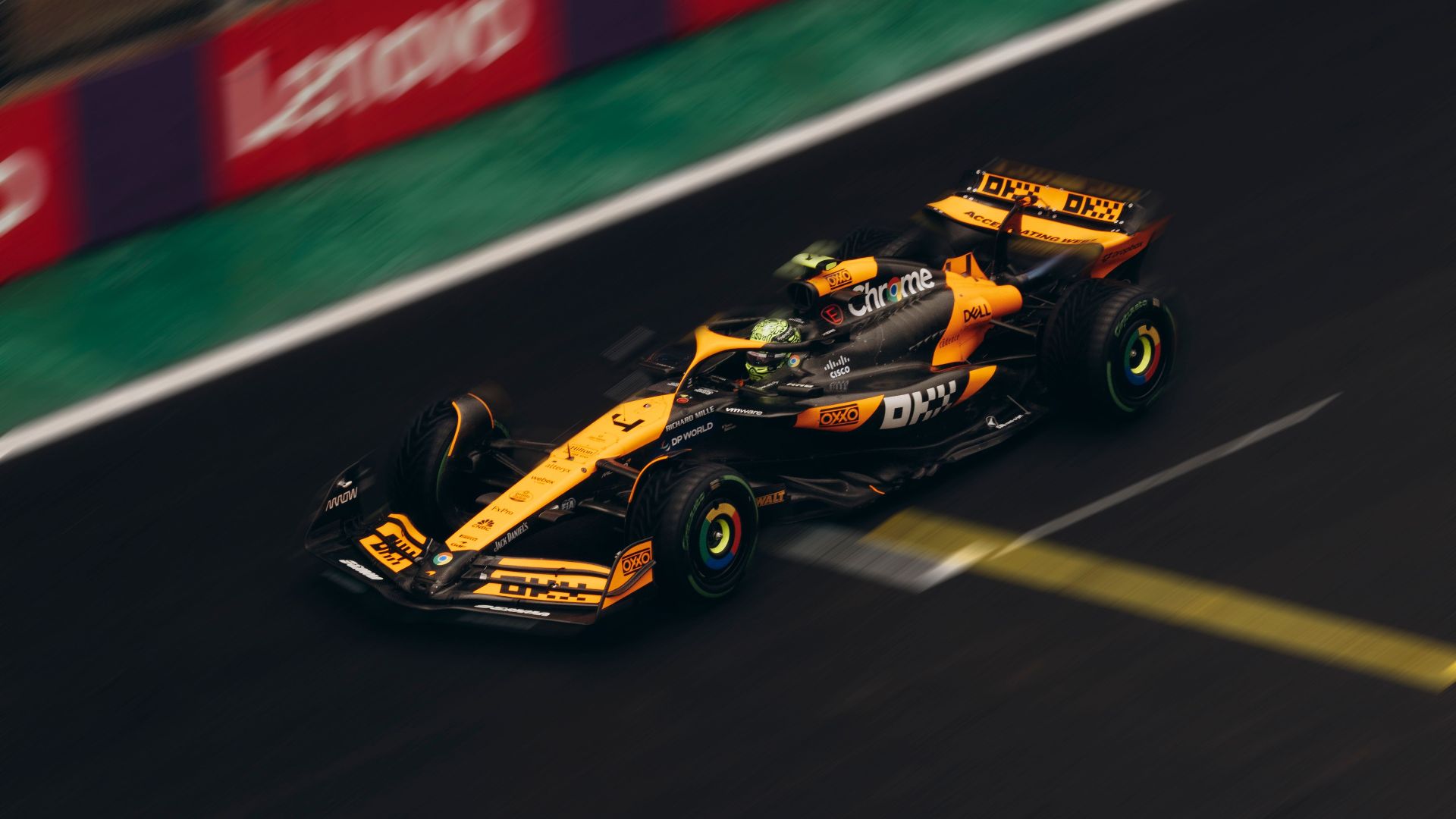
9. The Pressure of Development Never Stops
An F1 car may change substantially throughout the season as teams introduce new aerodynamic and mechanical parts. Drivers have to understand those updates quickly and explain exactly how the car behaves to their engineers. When an upgrade doesn’t work, they’re still expected to extract a competitive lap time from it.
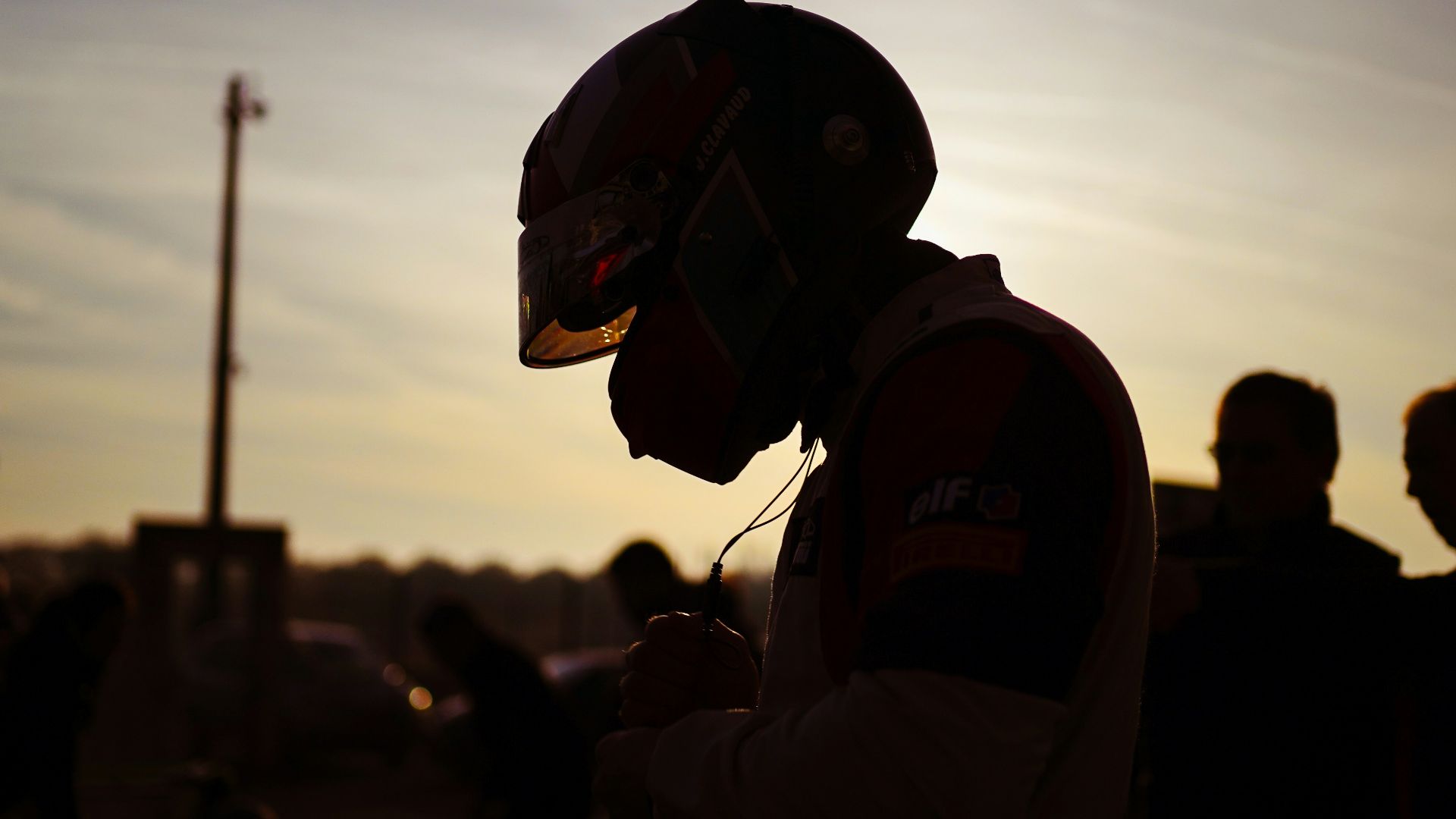
10. Parc Fermé Limits Second Chances
Once parc fermé restrictions apply, teams have limited freedom to make major setup changes before the race. A poor setup choice can therefore follow a driver through qualifying and into Sunday, even if the problem becomes obvious. F1 weekends reward early precision because some mistakes can’t simply be corrected overnight.
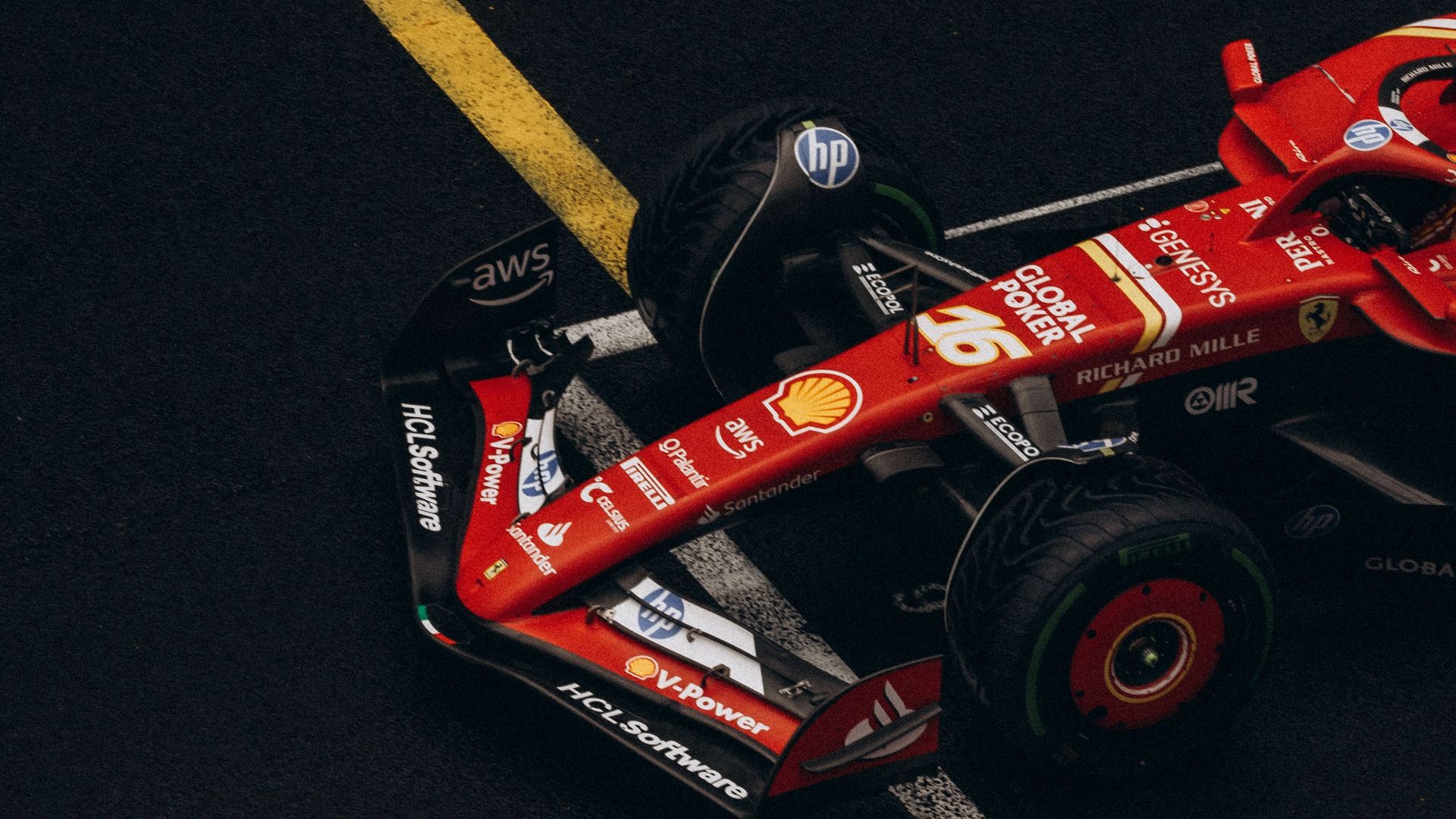
Now that we've covered the ways F1 is more brutal, let's talk about the ways NASCAR is.
1. The Races Can Last Much Longer
A typical NASCAR Cup race asks drivers to remain sharp for hundreds of miles, and delays or overtime can extend the day even further. The hours behind the wheel create physical fatigue, dehydration, and mental strain that build gradually. Keeping your judgment intact near the finish can be harder than finding speed at the beginning.
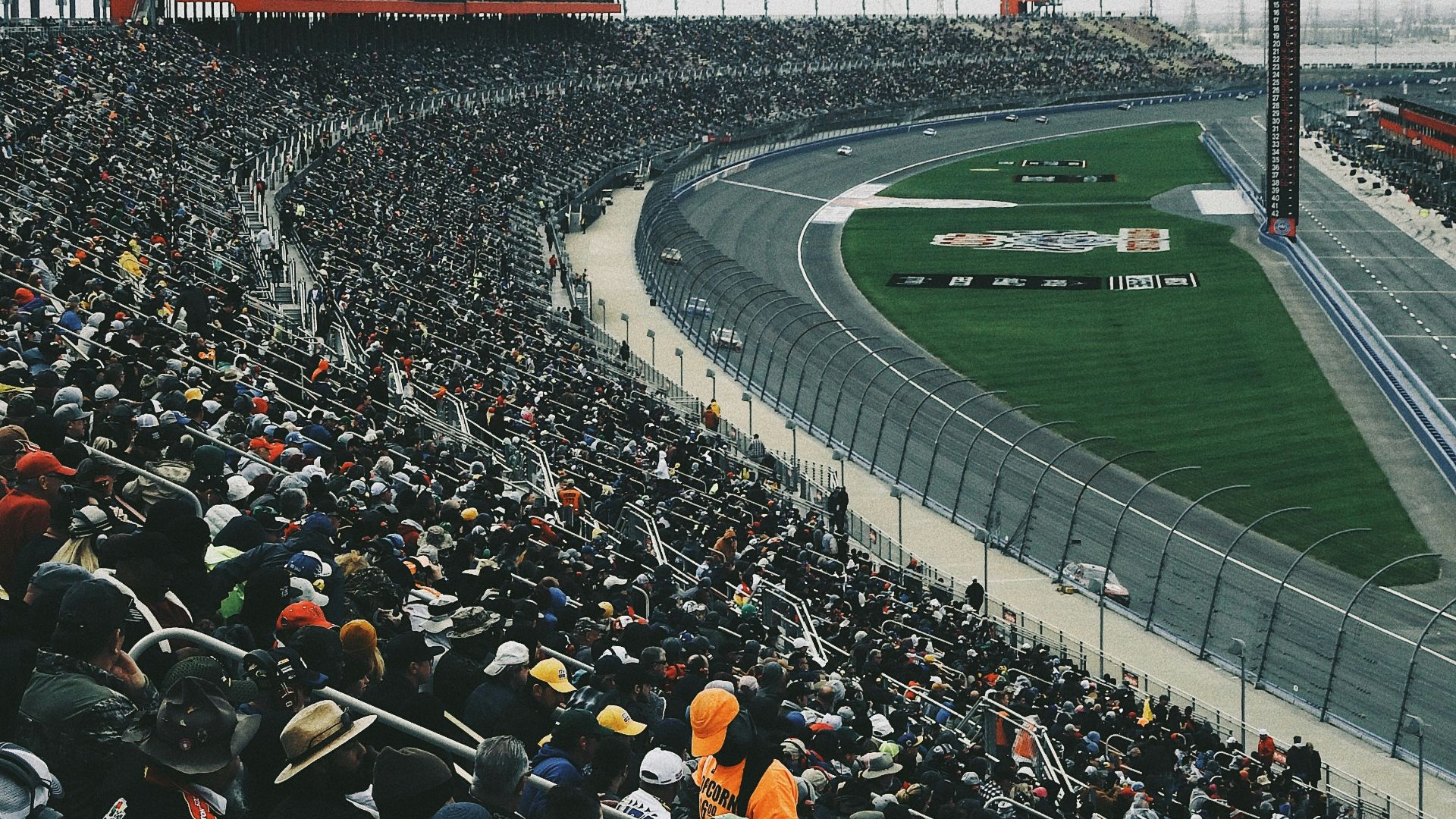
2. Drivers Race in Heavy Traffic
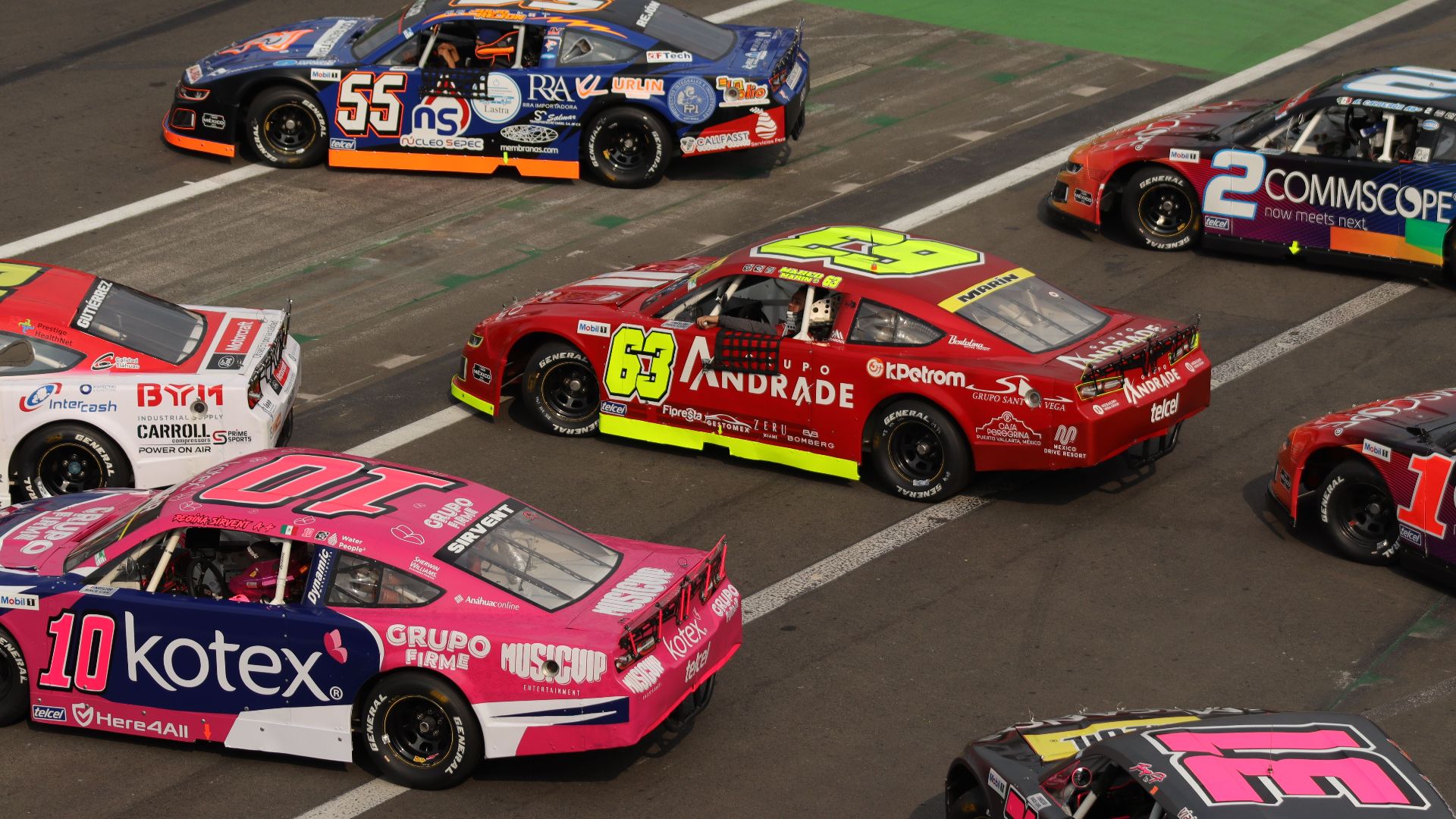
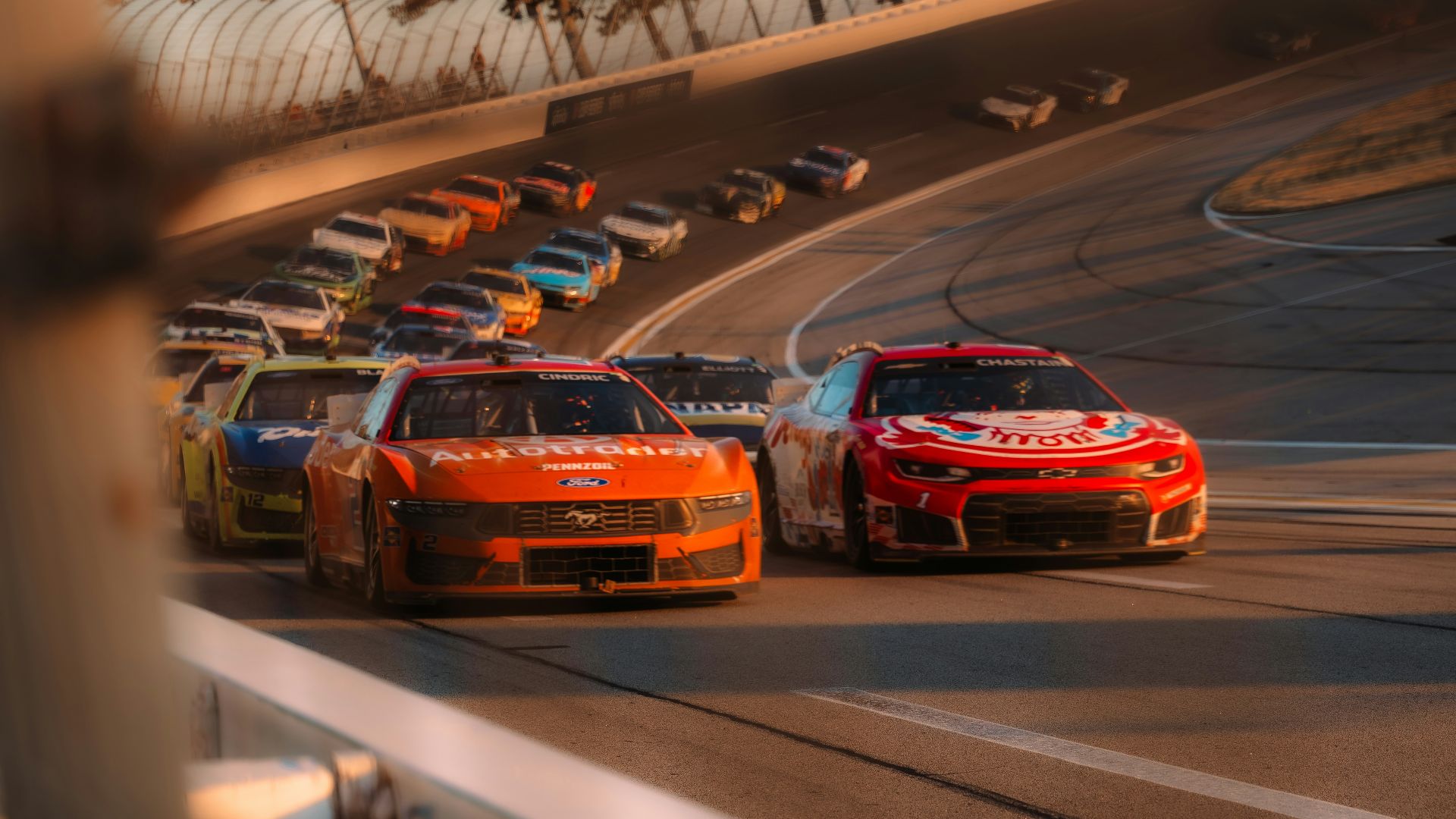
NASCAR drivers regularly spend long stretches surrounded by cars. Airflow changes, minor steering movements, and sudden runs from behind can make the pack unstable without much warning. There’s little personal space, and everyone around you is fighting for the same narrow piece of pavement.
3. Contact Is Part of the Job
Stock-car racing allows far more physical racing than F1, and drivers know they may be bumped, leaned on, or pushed out of line. They must decide when to tolerate contact and when to respond without destroying their own car. That mix of driving skill, judgment, and controlled aggression creates a different kind of toughness.
4. The Cars Require Serious Muscle
NASCAR vehicles are heavier than F1 cars and don’t produce the same levels of downforce that help an open-wheel car change direction. On many tracks, drivers must wrestle with sliding, tire wear, and changing balance over long green-flag runs. The car may look stable from the grandstands while the driver is constantly correcting it inside the cockpit.
5. Overtime Can Erase Hours of Work
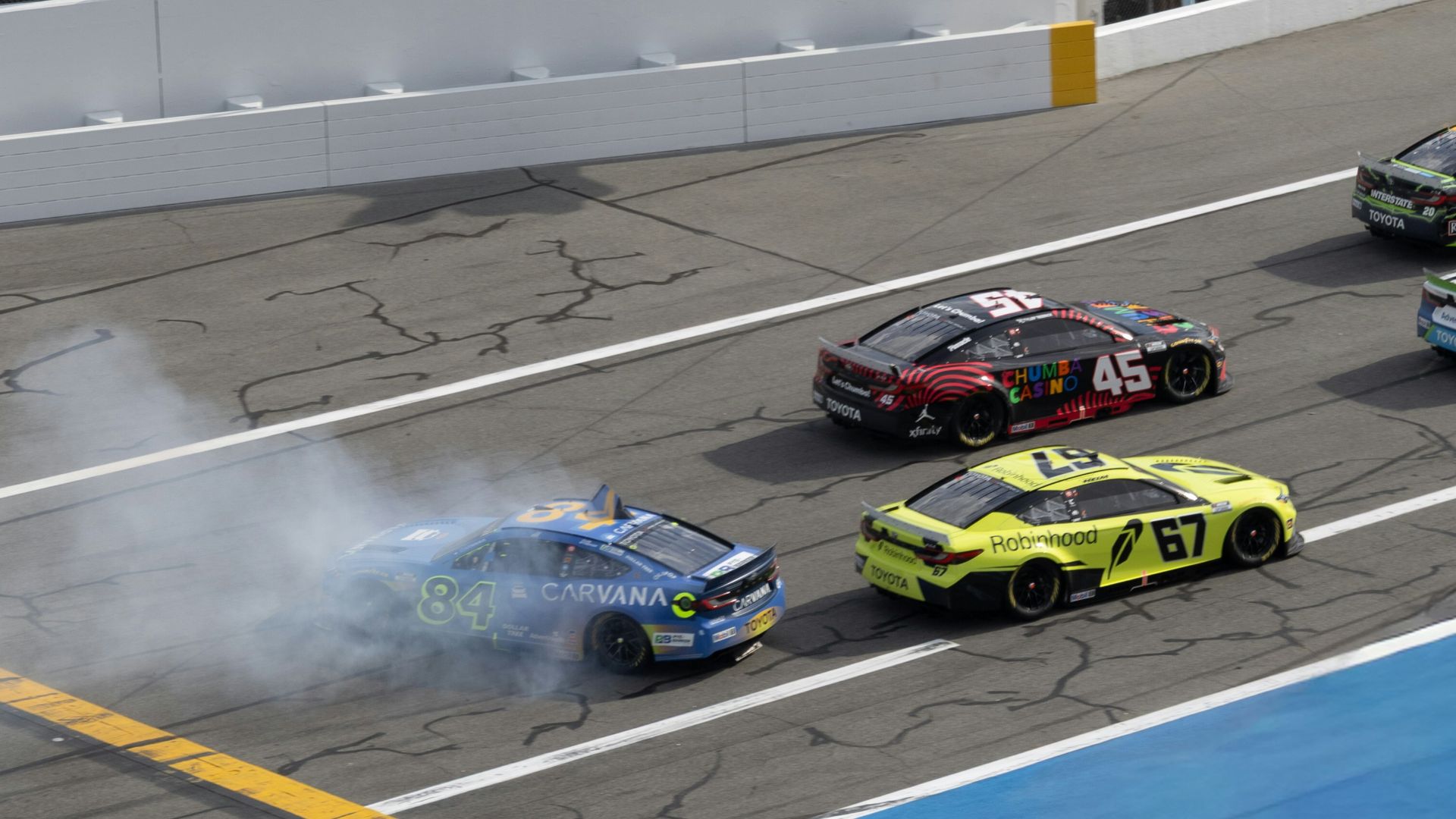
A late caution can bunch up the field and turn a carefully managed race into a frantic restart. NASCAR overtime may continue through additional attempts when cautions interrupt the finish, meaning a driver never knows exactly when the race will end. Nashville’s five-overtime Cup finish in 2024 showed how dramatically the final laps can stretch beyond expectations.
6. Superspeedway Racing Requires Nerve
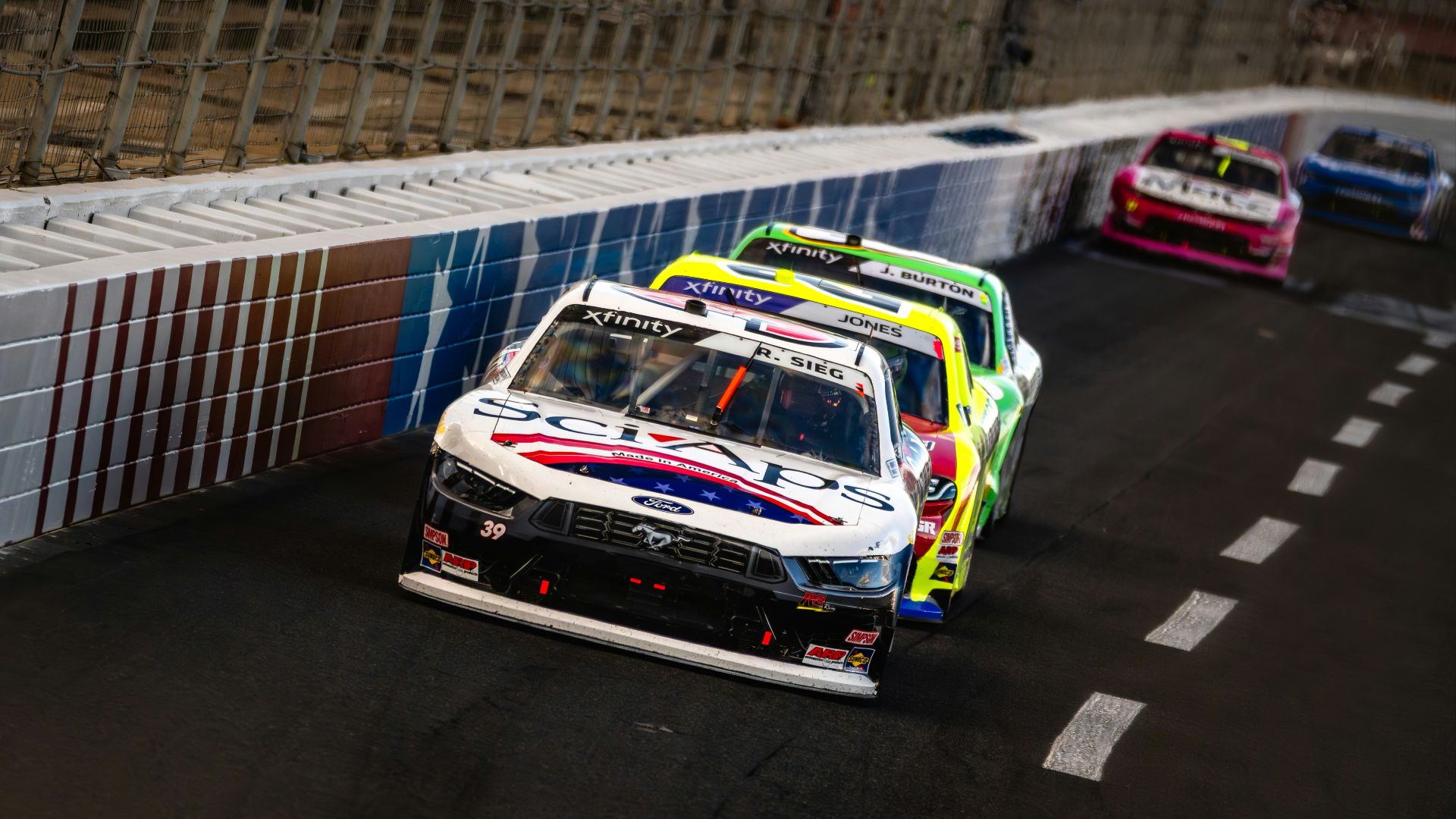
At Daytona and Talladega, drivers run at high speed in tightly packed groups where one mistake can collect a large portion of the field. They need help from drafting partners, but those same partners may abandon them as the finish approaches. Staying calm while cars move unpredictably all around you takes remarkable trust and self-control.
7. The Schedule Is Relentless
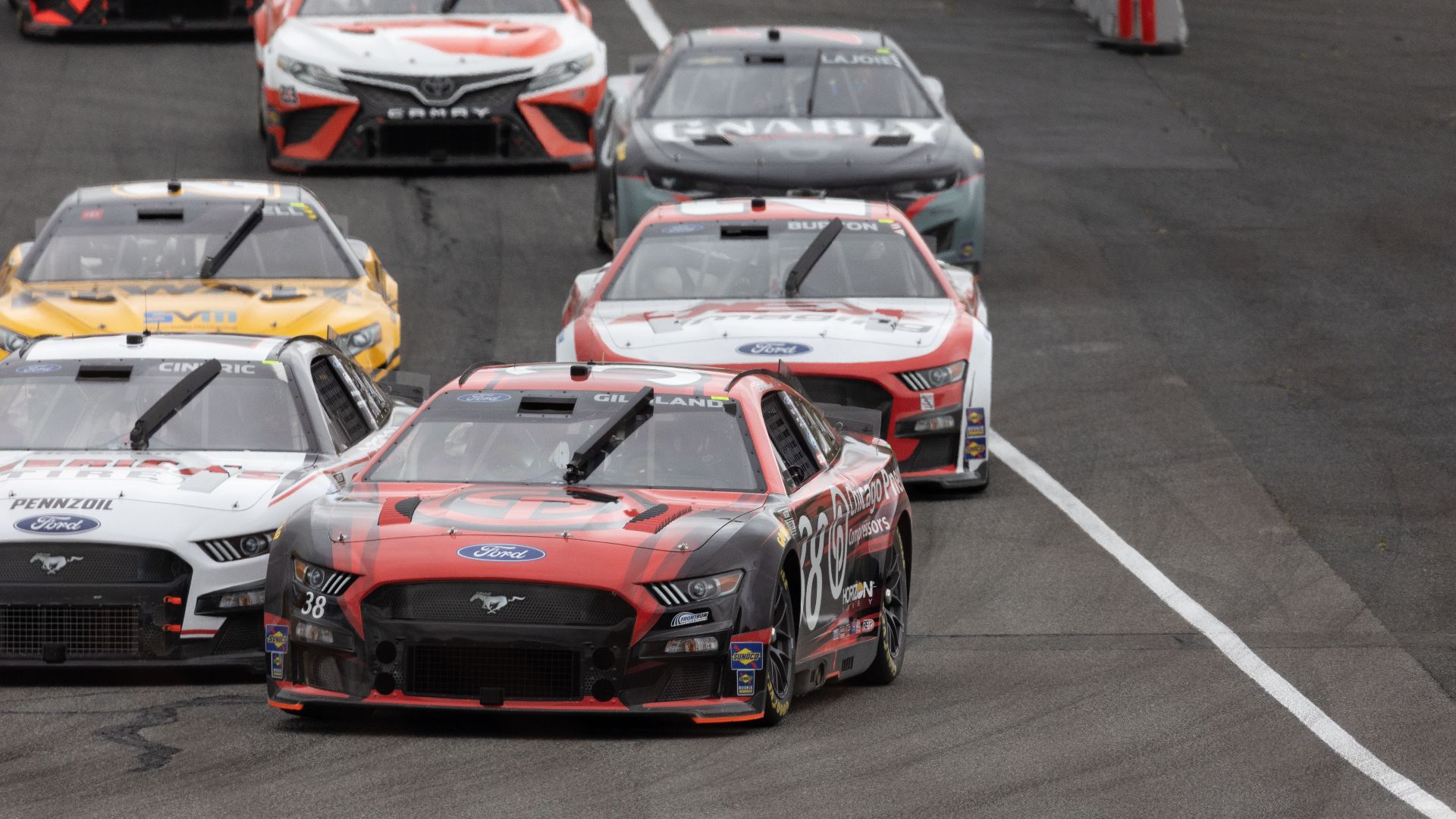
The Cup Series competes across a lengthy calendar containing short tracks, intermediates, superspeedways, and road or street courses. Drivers must repeatedly adapt to different surfaces, banking levels, aerodynamic conditions, and racing styles. There’s little opportunity to specialize because the next event may demand an entirely different skill set.
8. Drivers Can’t Rely on Clean Air
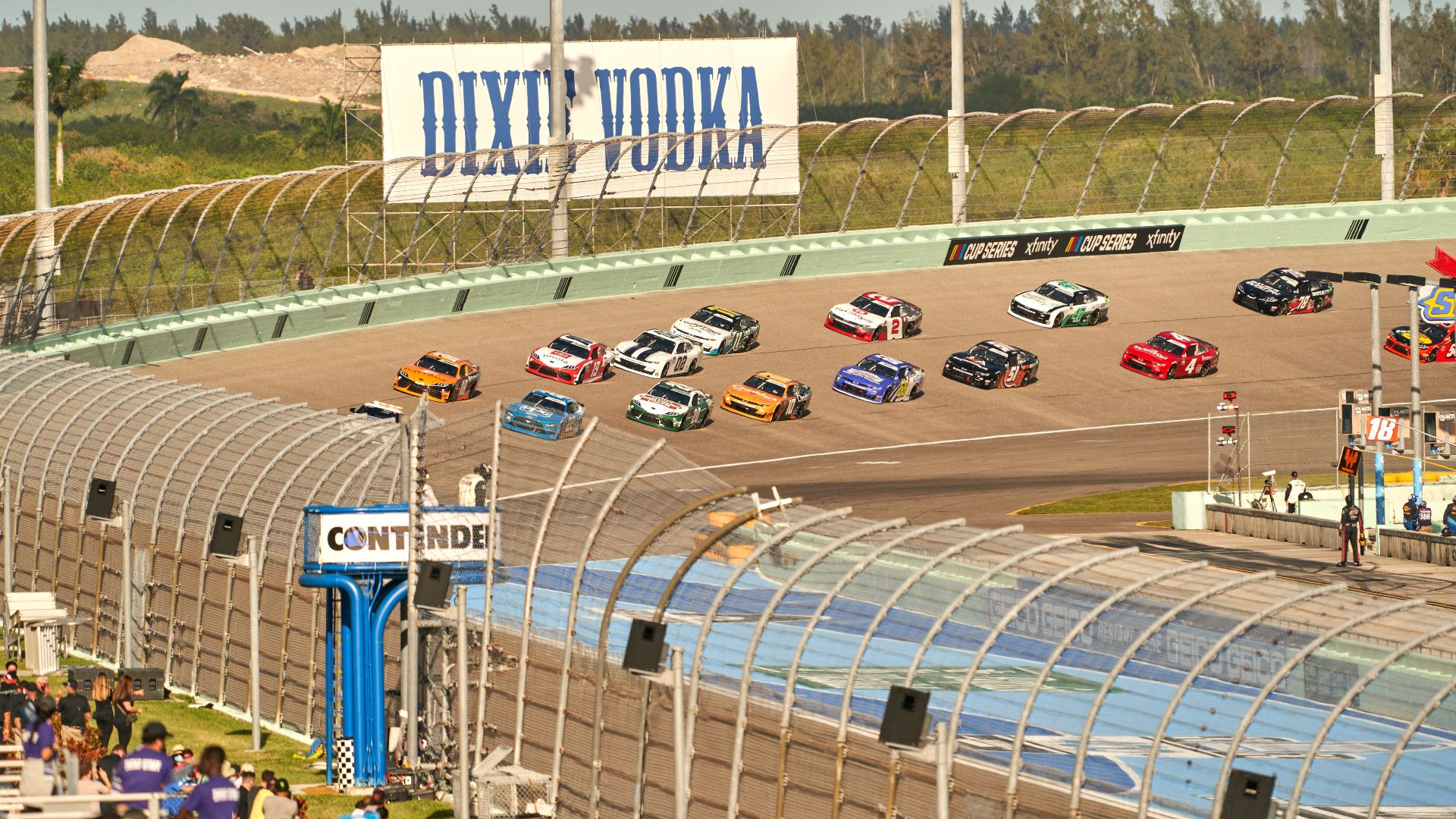
Running behind another stock car changes the airflow and can reduce front-end grip, especially in corners. A driver may have a fast car in open space but struggle badly when trapped in traffic. Passing therefore involves manipulating lines, drafting effects, and momentum rather than simply braking later.
9. Damage Doesn’t Always Mean You’re Finished
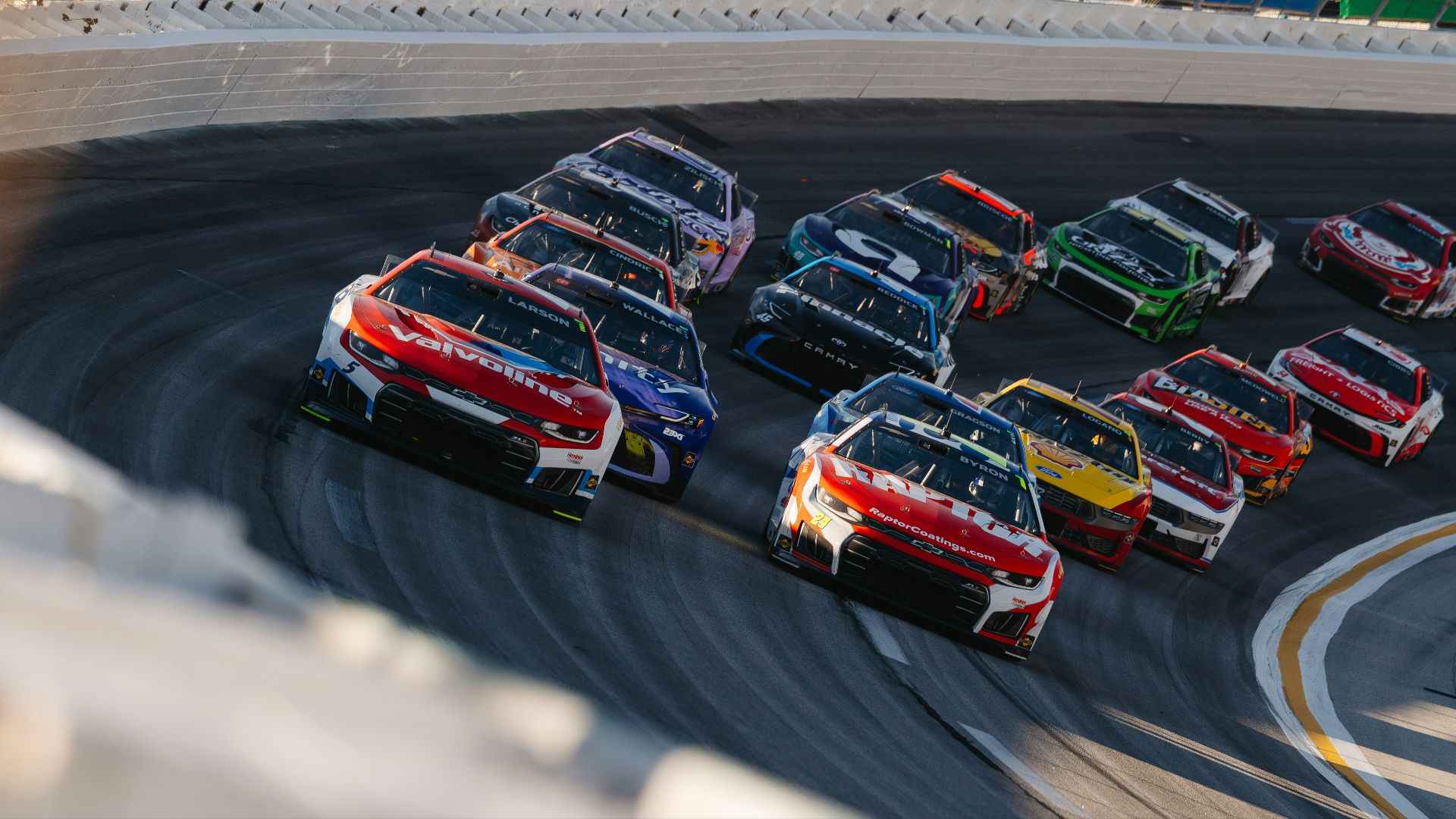
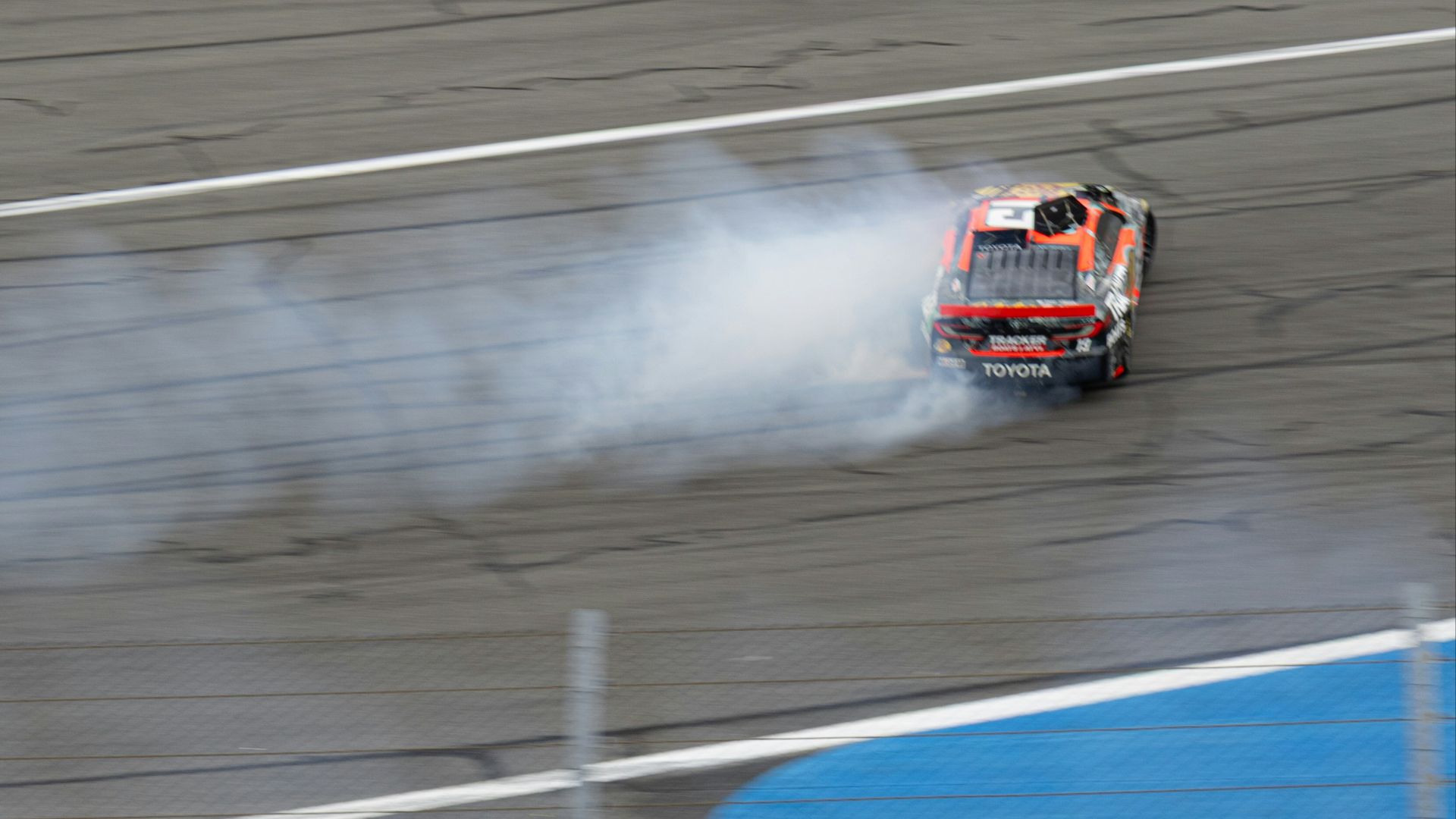
A NASCAR driver may continue racing with dented bodywork, poor alignment, or handling problems after contact. That sounds like an advantage, but it also means spending hours fighting a car that no longer behaves properly. Instead of climbing out after the initial incident, the driver may have to manage the consequences for a hundred miles.
10. Restarts Are Ruthless
NASCAR repeatedly places the field side by side for restarts, sometimes with only a handful of laps remaining. Drivers have to protect their position while anticipating pushes, blocks, dives, and sudden lane changes from several competitors at once. After racing patiently for hours, they may be forced to make the most aggressive decisions of the day within a few seconds.